







If you've ever found yourself cranking up the TV volume just to understand what characters are saying, or if action scenes sound flat and lifeless, you're experiencing the limitations of built-in TV speakers. Modern TVs, while delivering stunning visuals, often sacrifice audio quality for their slim profiles. That's where soundbars come in—they're the most practical solution for dramatically improving your TV's audio without turning your living room into a maze of speakers and wires.
Today, I'm comparing two popular soundbars that take different approaches to solving your audio woes: the Amazon Fire TV Soundbar Plus with Subwoofer and the Yamaha YAS-109. While both aim to enhance your viewing experience, they represent distinct philosophies in soundbar design and functionality.
Before diving into specifics, let's establish what separates excellent soundbars from mediocre ones. The most critical factors include dialogue clarity (can you understand conversations without subtitles?), bass response (do explosions feel impactful?), soundstage width (does audio feel like it's coming from beyond the TV screen?), and connectivity options (will it work seamlessly with your existing devices?).
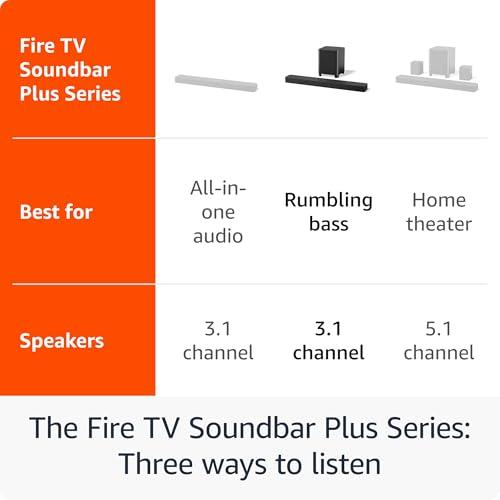
Channel configuration plays a huge role here. A 2.1-channel soundbar has two main speakers plus a subwoofer (the ".1" represents the subwoofer channel that handles low frequencies). A 3.1-channel system adds a dedicated center channel specifically for dialogue, which typically results in clearer conversations. The difference is more significant than it might seem—that center channel is crucial for home theater applications where dialogue clarity can make or break the experience.
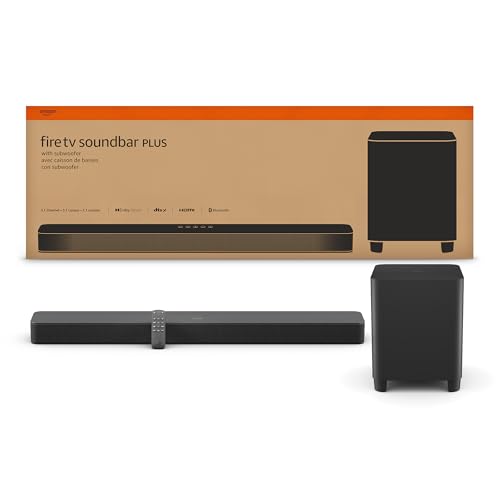
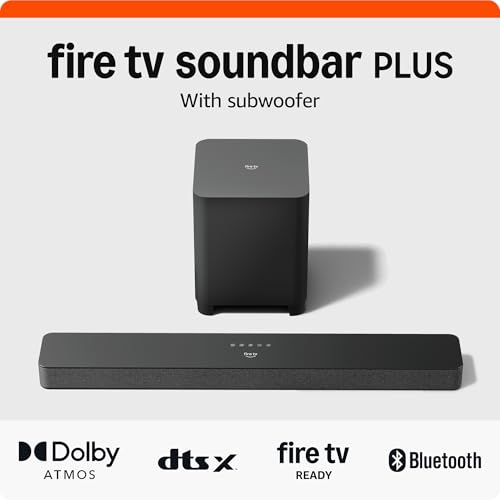
The Amazon Fire TV Soundbar Plus, released in 2023, represents Amazon's second-generation approach to TV audio enhancement. It's built around a 3.1-channel architecture with a separate wireless subwoofer, positioning it as an expandable home theater foundation rather than just a simple TV upgrade.
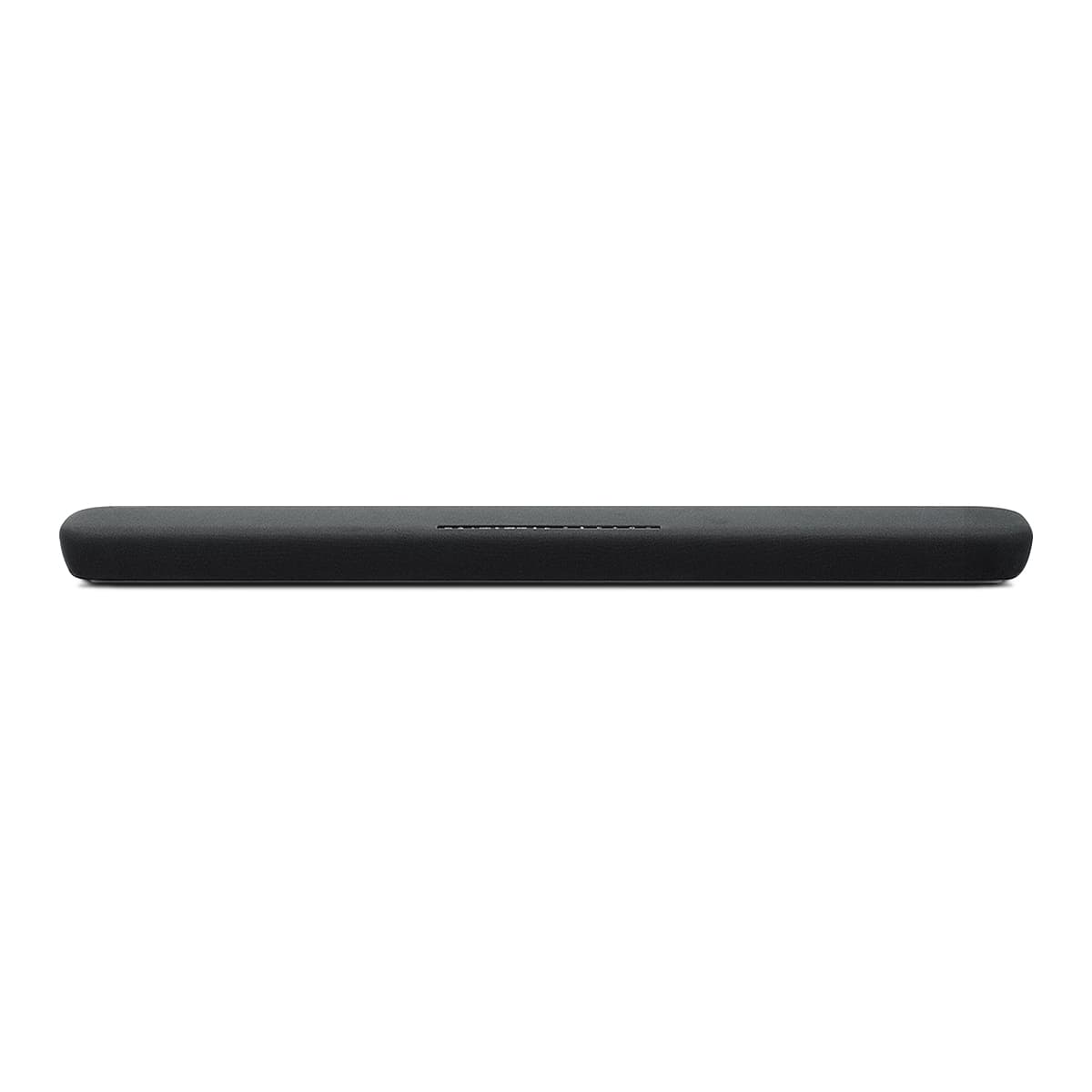
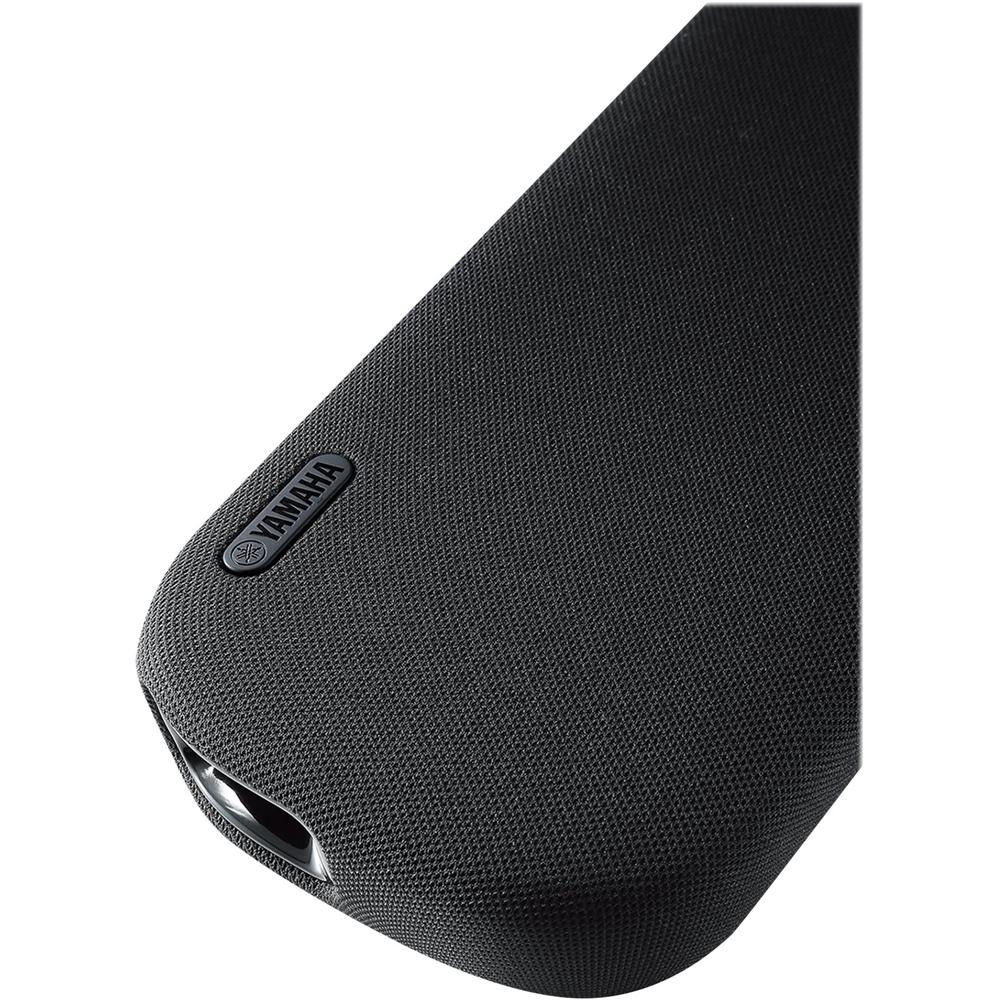
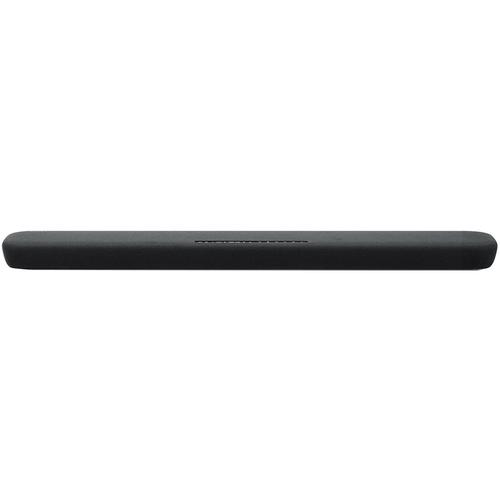
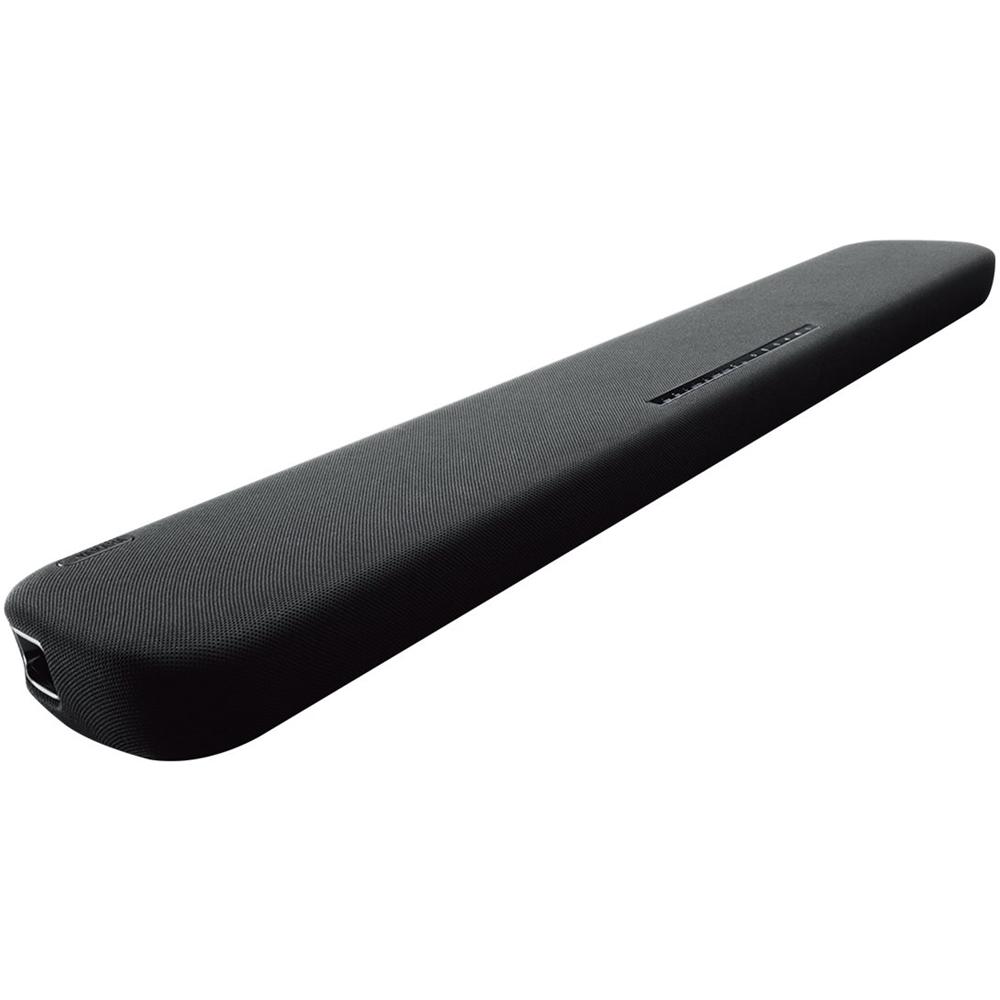
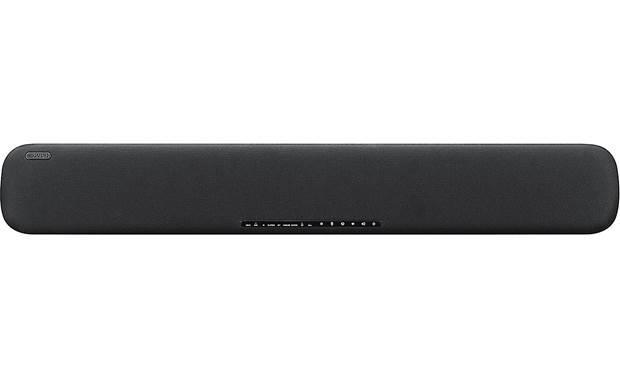
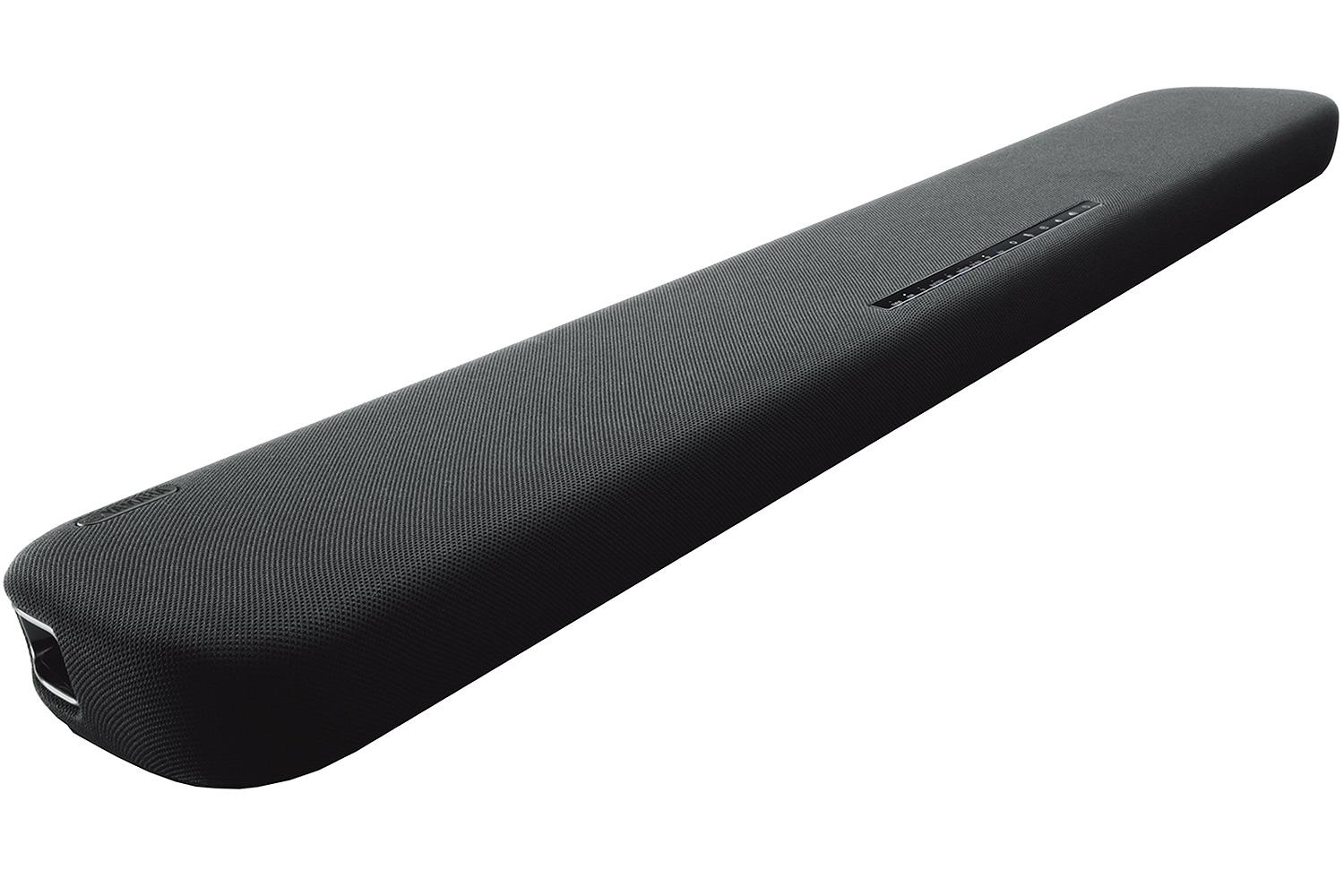
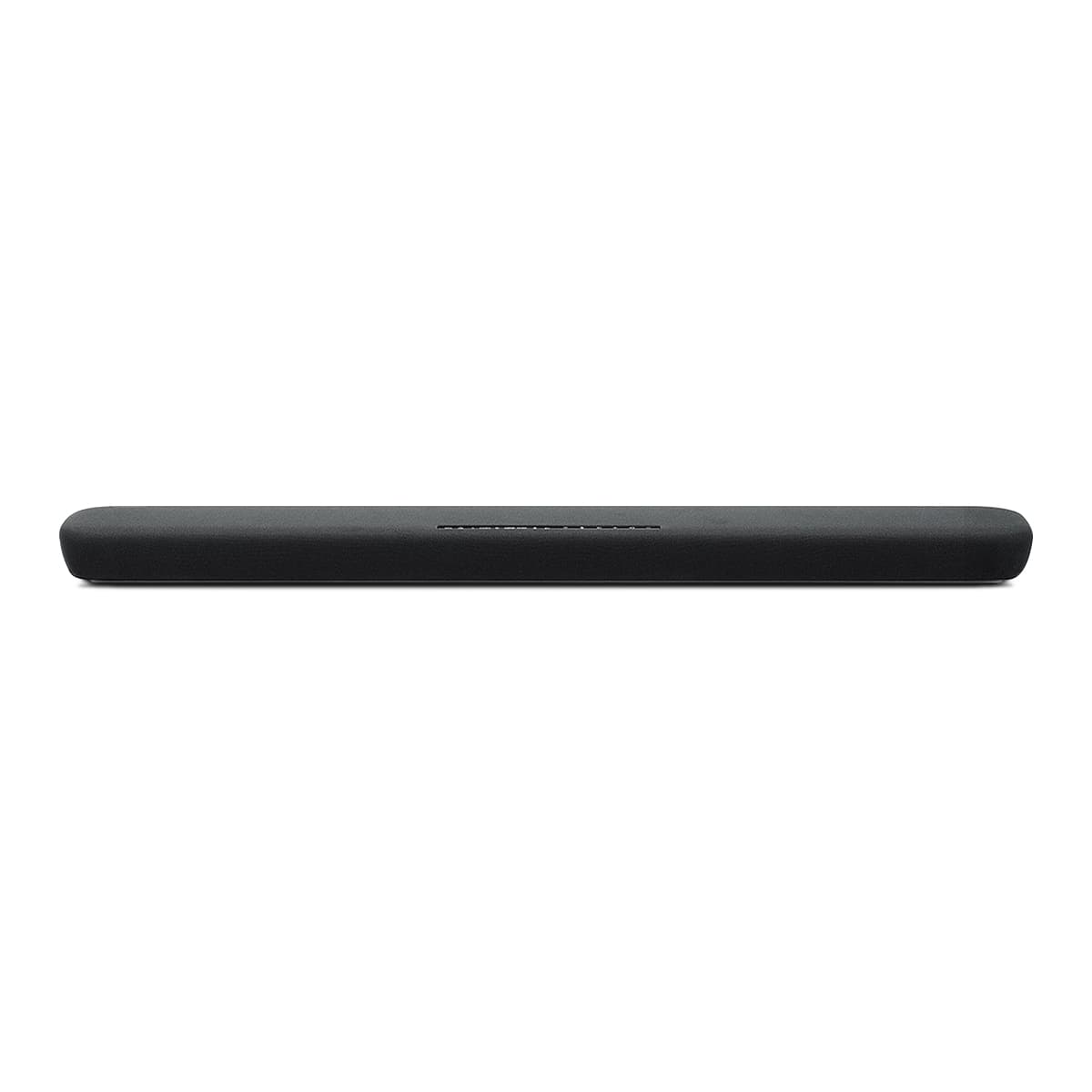
The Yamaha YAS-109, which debuted in 2019, takes a more traditional all-in-one approach. As a 2.1-channel system with built-in subwoofers, it prioritizes convenience and smart features over raw audio performance. Yamaha, with decades of audio engineering expertise, designed this as a complete solution that doesn't require additional components.
The four-year gap between these releases is significant in the soundbar world. The Amazon Fire TV Soundbar Plus benefits from newer HDMI standards, updated audio processing, and lessons learned from the competitive landscape that evolved after 2019.
This is where the architectural differences between these soundbars become most apparent. The Amazon Fire TV Soundbar Plus uses its dedicated center channel to anchor dialogue directly in the middle of the soundstage. In practice, this means conversations stay clear and focused even during complex action sequences where music, sound effects, and dialogue compete for your attention.
I've found that center channels make the biggest difference during whispered conversations or scenes with heavy accents. When watching British crime dramas or Christopher Nolan films (notorious for challenging audio mixes), that dedicated center channel becomes invaluable. The Amazon Fire TV Soundbar Plus positions its center channel between two flanking speakers, creating a more natural left-center-right progression that mirrors how we naturally hear conversations.
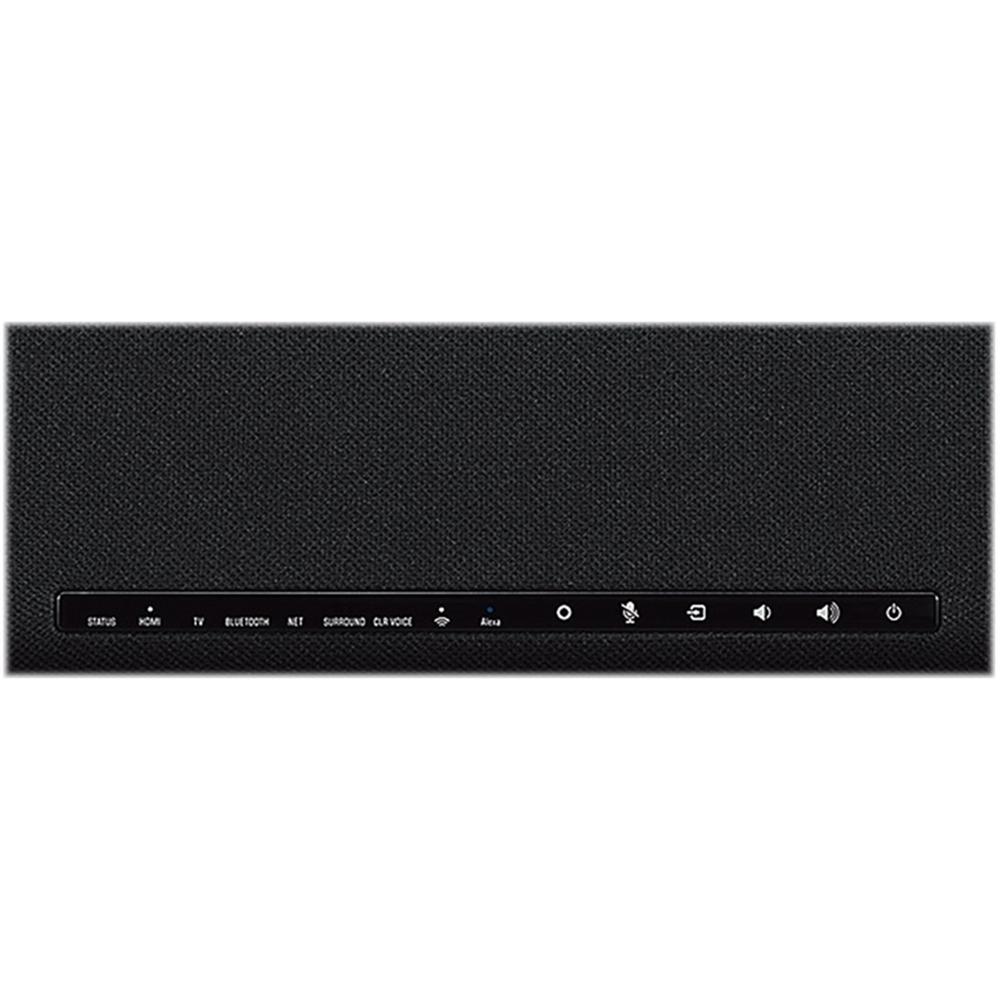
The Yamaha YAS-109 compensates for its lack of a dedicated center channel with Clear Voice technology—digital signal processing that identifies and enhances vocal frequencies. While effective, this is essentially an equalizer adjustment rather than a fundamental architectural advantage. It's like using software to sharpen a photo versus using a better camera lens; both can improve results, but the hardware solution typically provides more natural-sounding enhancement.
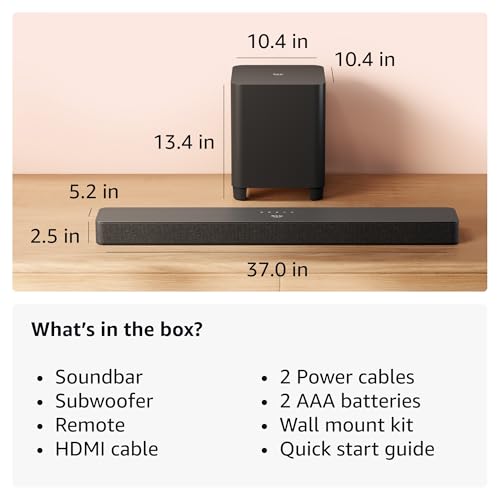
The subwoofer situation reveals another fundamental difference in approach. The Amazon Fire TV Soundbar Plus includes a separate wireless subwoofer—a dedicated cabinet housing a larger driver specifically designed for low frequencies. This physical separation allows the subwoofer to be positioned optimally in your room (corner placement typically amplifies bass response) while keeping the main soundbar slim and TV-friendly.
During bass-heavy scenes—think Marvel movie explosions or the rumble of spaceships in sci-fi films—the separate subwoofer delivers more authority and depth. The wireless connection eliminates the need for cables, but you do need to find appropriate placement and a power outlet for the subwoofer unit.
The Yamaha YAS-109 integrates its subwoofer drivers directly into the main cabinet. While this eliminates placement concerns and reduces cable clutter, physics limits how much bass a small, built-in driver can produce. The trade-off is convenience versus performance—the Yamaha delivers respectable bass for its size, but it can't match the physical presence of a dedicated subwoofer cabinet.
In smaller rooms, this difference may be less noticeable. However, in larger spaces or for bass-heavy content like action movies or electronic music, the Amazon Fire TV Soundbar Plus provides a more satisfying low-frequency experience.
Both soundbars attempt to create surround sound effects from a front-facing array, but they use different technologies. The Amazon Fire TV Soundbar Plus supports virtual Dolby Atmos and DTS:X—these are object-based audio formats that can theoretically place sounds in three-dimensional space around the listener.
However, "virtual" is the key word here. True Dolby Atmos requires speakers positioned above the listening position (either ceiling-mounted or upward-firing drivers that bounce sound off the ceiling). The Amazon Fire TV Soundbar Plus simulates these height effects using psychoacoustic processing—essentially tricking your brain into perceiving sounds as coming from above through careful timing and frequency manipulation.
The Yamaha YAS-109 uses DTS Virtual:X technology, which similarly creates simulated surround effects. Both systems work better than basic stereo, but neither delivers the discrete channel separation of true surround sound systems.
Where the Amazon Fire TV Soundbar Plus gains an advantage is expandability. Amazon offers rear speaker modules that transform the system into a true 5.1-channel setup with discrete surround channels. This upgrade path means you can start with the basic soundbar and subwoofer, then add rear speakers later if you want more immersive surround sound.
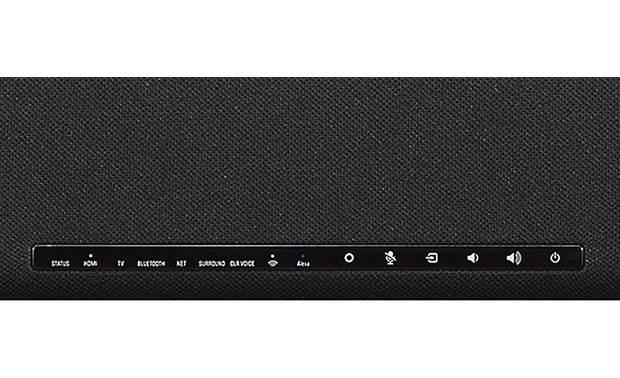
This is where the philosophical differences become most apparent. The Yamaha YAS-109 includes built-in Alexa voice control with far-field microphones—essentially making it a combination soundbar and smart speaker. You can ask Alexa to adjust volume, play music, control smart home devices, or answer questions without reaching for a remote.
This integration is genuinely useful. During cooking or cleaning, being able to say "Alexa, turn up the volume" or "Alexa, play jazz music" eliminates the need to locate and use a remote with potentially messy hands. The Yamaha YAS-109 also supports Wi-Fi connectivity for direct music streaming and Spotify Connect, allowing you to cast music directly from your phone without using Bluetooth.
The Amazon Fire TV Soundbar Plus takes a different approach—it has no built-in voice assistant or independent streaming capabilities. Despite the "Fire TV" branding, it's not a streaming device itself. Instead, it focuses on deep integration with actual Fire TV devices. When connected to a compatible Fire TV, you can control the soundbar using your Fire TV remote and access enhanced audio tuning options through the TV's interface.
This decision reflects Amazon's ecosystem strategy. If you already own Fire TV devices, the integration is seamless and convenient. If you don't, you're limited to Bluetooth connectivity for wireless audio and traditional remote control for adjustments.
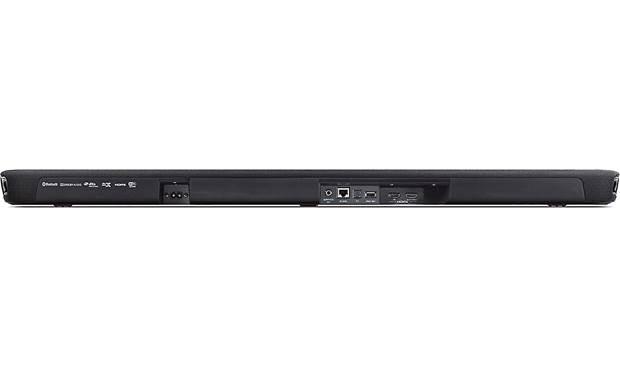
The Amazon Fire TV Soundbar Plus supports HDMI eARC (Enhanced Audio Return Channel), which represents the latest HDMI audio standard. eARC can handle higher-bandwidth audio formats and provides better lip-sync performance compared to the older HDMI ARC standard. This matters if you frequently watch content with advanced audio tracks or use gaming consoles that output high-quality audio.
The Yamaha YAS-109, reflecting its 2019 release date, uses the older HDMI ARC standard. While perfectly functional for most content, ARC has bandwidth limitations that can affect audio quality with certain high-resolution formats. For typical TV viewing, this difference is minimal, but it's worth considering if you're particular about audio fidelity.
Setup complexity differs significantly between these approaches. The Amazon Fire TV Soundbar Plus requires positioning both the soundbar and subwoofer, though the wireless connection eliminates cable runs. The Yamaha YAS-109 is genuinely plug-and-play—connect one cable to your TV, plug into power, and you're done.
At the time of writing, these soundbars occupy different price tiers, with the Amazon Fire TV Soundbar Plus system costing significantly more than the Yamaha YAS-109. However, the price difference reflects fundamental architectural differences rather than just brand premiums.
The Yamaha YAS-109 represents excellent value for users who want immediate improvement over TV speakers without complexity or high cost. It includes smart features that would otherwise require separate devices, making it particularly attractive for budget-conscious buyers who still want modern functionality.
The Amazon Fire TV Soundbar Plus costs more upfront but offers superior audio architecture and expansion possibilities. If you plan to build a more comprehensive home theater system over time, starting with this foundation makes financial sense. The ability to add rear speakers later means you can spread the investment over time while ensuring component compatibility.
For dedicated home theater rooms or larger living spaces, the Amazon Fire TV Soundbar Plus provides a more substantial foundation. The separate subwoofer allows for optimal bass placement, while the 3.1-channel configuration creates a more convincing front soundstage. The expansion options mean you can eventually achieve true surround sound without replacing your initial investment.
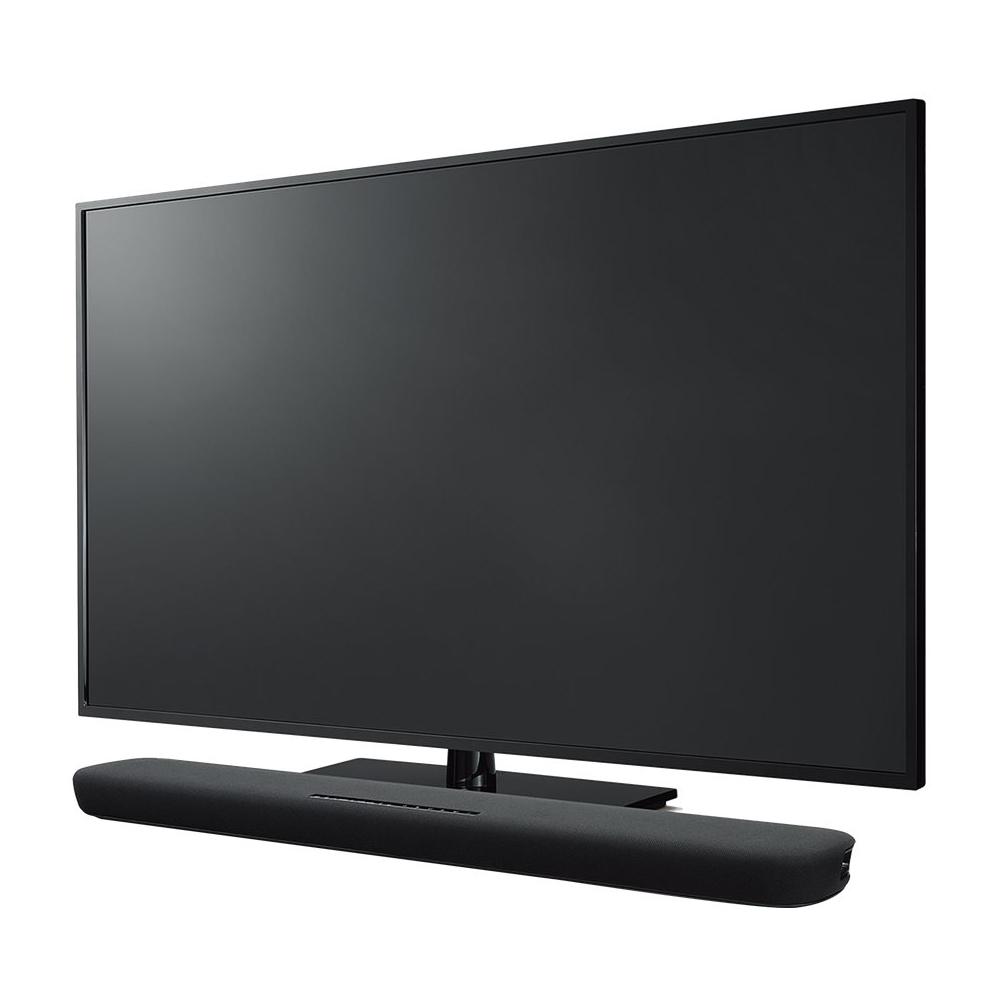
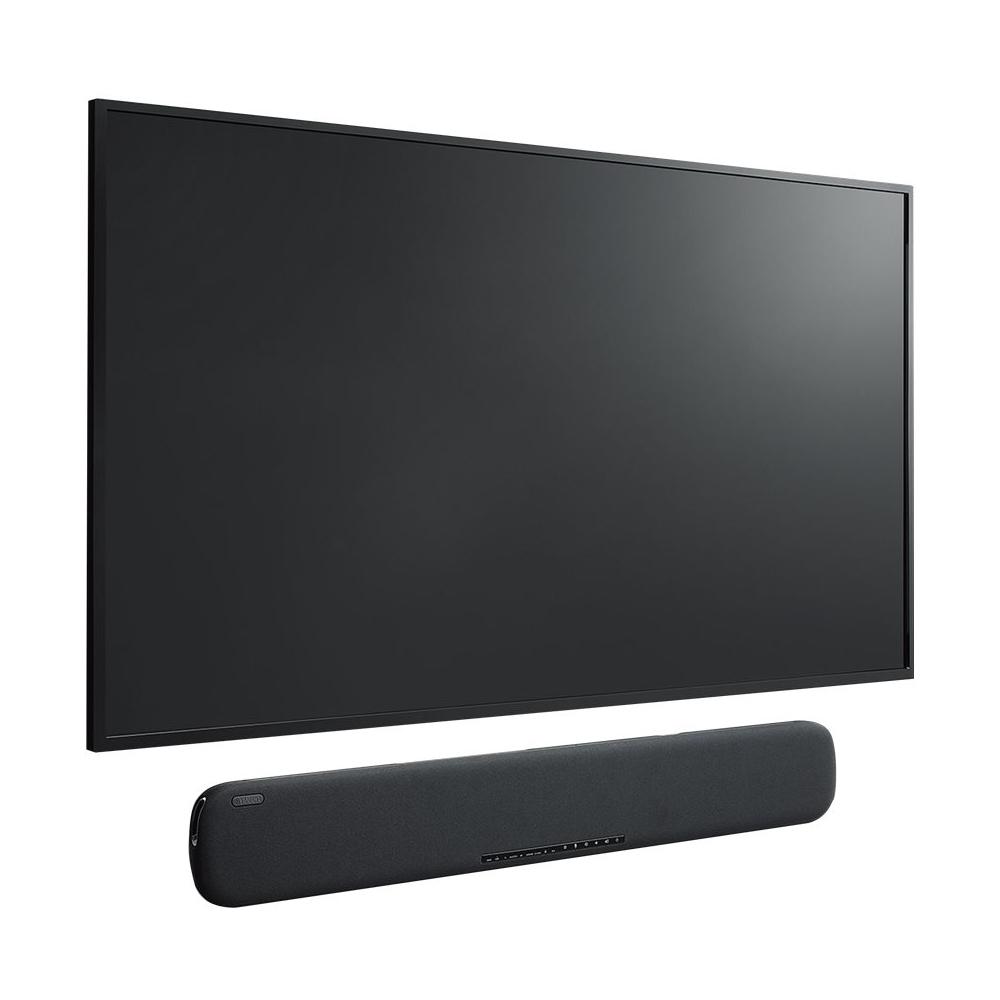
In smaller apartments or bedrooms, the Yamaha YAS-109 might be more practical. Its compact all-in-one design eliminates subwoofer placement concerns, while built-in Alexa adds functionality without requiring additional smart speakers. The smaller footprint also works better with TVs under 50 inches.
Room acoustics play a crucial role in soundbar performance. Hard surfaces like tile floors and large windows can create echo and harshness, while heavily furnished rooms with carpets and curtains tend to absorb sound. The Amazon Fire TV Soundbar Plus includes more extensive EQ adjustments to compensate for different room characteristics, while the Yamaha YAS-109 offers preset sound modes for different content types.
Modern gaming consoles output increasingly sophisticated audio tracks, and both soundbars handle gaming well, though with different strengths. The Amazon Fire TV Soundbar Plus benefits from its HDMI eARC connection and dedicated center channel for clearer in-game dialogue and voice chat. The lower latency of eARC also reduces audio delay issues that can affect gaming timing.
The Yamaha YAS-109 includes a dedicated Game mode that optimizes audio processing for gaming content, reducing latency and enhancing spatial cues that help with competitive gaming. However, the older HDMI ARC standard may introduce slight delays with certain gaming setups.
For music listening, both soundbars serve double duty as stereo speakers, though with different characteristics. The Amazon Fire TV Soundbar Plus provides better stereo separation and bass extension, making it more suitable for serious music listening. The Yamaha YAS-109 offers more convenient wireless streaming options and Compressed Music Enhancer technology that improves the sound quality of streaming music services.
The decision between these soundbars ultimately depends on your priorities, room characteristics, and long-term plans.
Choose the Amazon Fire TV Soundbar Plus if you prioritize audio quality above all else, have space for a separate subwoofer, own or plan to purchase Fire TV devices, and might want to expand to full surround sound later. It's the better choice for movie enthusiasts, larger rooms, and users who view their soundbar purchase as the foundation of a growing home theater system.
The Yamaha YAS-109 makes more sense if you want immediate improvement over TV speakers without complexity, value smart features and voice control, have space constraints that favor all-in-one designs, or are working within a tighter budget. It's ideal for apartments, bedrooms, casual viewing, and users who want a complete solution without future upgrade considerations.
Both soundbars dramatically improve upon built-in TV audio, but they serve different needs and preferences. The Amazon Fire TV Soundbar Plus represents a more audiophile-focused approach with room to grow, while the Yamaha YAS-109 prioritizes convenience and smart features in a budget-friendly package. Understanding these fundamental differences will help you choose the soundbar that best matches your specific situation and listening preferences.
| Amazon Fire TV Soundbar Plus with Subwoofer | Yamaha YAS-109 |
|---|---|
| Channel Configuration - More channels mean better dialogue clarity and surround effects | |
| 3.1 channels with dedicated center channel for dialogue | 2.1 channels with stereo speakers plus built-in subwoofers |
| Subwoofer Design - External subs deliver deeper bass but require more space | |
| Separate wireless subwoofer for optimal placement and deeper bass | Built-in subwoofer drivers (compact but less powerful) |
| Smart Features - Voice control and streaming add convenience but aren't essential for audio quality | |
| No built-in voice assistant or streaming (Fire TV integration only) | Built-in Alexa with far-field microphones plus Wi-Fi streaming |
| HDMI Standard - eARC supports higher quality audio than standard ARC | |
| HDMI eARC for maximum audio format support | HDMI ARC (older standard with bandwidth limitations) |
| Audio Format Support - Virtual surround creates wider soundstage from front-facing speakers | |
| Virtual Dolby Atmos and DTS:X processing | DTS Virtual:X and standard Dolby Digital |
| Expandability - Ability to add rear speakers creates true surround sound | |
| Can expand to 5.1 system with optional rear speakers | No expansion options (complete system as-is) |
| Release Year - Newer models often have updated connectivity and processing | |
| 2023 (latest generation with current HDMI standards) | 2019 (established model with proven reliability) |
| Wireless Connectivity - More options mean easier music streaming from devices | |
| Bluetooth only | Bluetooth, Wi-Fi, and Spotify Connect |
| Total Power Output - Higher wattage can mean louder volumes and better dynamics | |
| Not specified by Amazon | 120W total (30W x 2 + 60W subwoofer) |
| App Control - Dedicated apps offer more settings but aren't always necessary | |
| No app support (remote and Fire TV integration only) | Yamaha Sound Bar Controller app for iOS/Android |
The Amazon Fire TV Soundbar Plus with Subwoofer delivers superior sound quality thanks to its 3.1-channel configuration with a dedicated center channel for dialogue and a separate wireless subwoofer for deeper bass. The Yamaha YAS-109 offers good sound for its price point but uses a 2.1 setup with built-in subwoofers that can't match the bass depth of the Amazon Fire TV Soundbar Plus.
For most users, the separate subwoofer in the Amazon Fire TV Soundbar Plus provides significantly better bass response and can be positioned optimally in your room. The built-in subwoofers in the Yamaha YAS-109 are more convenient and save space but offer less powerful bass performance, especially in larger rooms.
The Yamaha YAS-109 is ideal for small rooms due to its compact all-in-one design that doesn't require separate subwoofer placement. However, if you have space for a subwoofer, the Amazon Fire TV Soundbar Plus will still provide better audio quality even in smaller spaces.
Only the Yamaha YAS-109 has built-in Alexa voice control with far-field microphones for hands-free operation. The Amazon Fire TV Soundbar Plus doesn't include voice control but integrates with Fire TV remotes when connected to compatible Fire TV devices.
The Amazon Fire TV Soundbar Plus excels for movies and TV shows due to its dedicated center channel that keeps dialogue clear and its separate subwoofer that adds impact to action scenes. The Yamaha YAS-109 is still a solid choice but lacks the dialogue clarity advantage of a dedicated center channel.
The Amazon Fire TV Soundbar Plus supports virtual Dolby Atmos processing, while the Yamaha YAS-109 uses DTS Virtual:X technology. Both create simulated surround effects, but neither provides true Dolby Atmos with physical height channels.
The Yamaha YAS-109 offers excellent value with built-in Alexa, Wi-Fi streaming, and decent audio quality at a lower price point. The Amazon Fire TV Soundbar Plus costs more but provides superior audio architecture and expandability options that justify the higher investment for serious audio enthusiasts.
Only the Amazon Fire TV Soundbar Plus can be expanded with optional rear speakers to create a true 5.1 surround sound system. The Yamaha YAS-109 is a complete system with no expansion options available.
The Yamaha YAS-109 is simpler to set up as an all-in-one unit requiring just one connection to your TV. The Amazon Fire TV Soundbar Plus requires positioning both the soundbar and wireless subwoofer, though the wireless connection eliminates cable runs between components.
The Yamaha YAS-109 excels for music streaming with built-in Wi-Fi, Spotify Connect, and Bluetooth connectivity options. The Amazon Fire TV Soundbar Plus only supports Bluetooth for wireless music but offers better stereo separation and bass response for music listening.
The Amazon Fire TV Soundbar Plus features HDMI eARC for the highest quality audio transmission, while the Yamaha YAS-109 offers more wireless options including Wi-Fi and Spotify Connect but uses the older HDMI ARC standard.
Choose the Amazon Fire TV Soundbar Plus if you prioritize audio quality, own Fire TV devices, and want expandability options for future upgrades. Choose the Yamaha YAS-109 if you want built-in smart features, have space constraints, prefer an all-in-one solution, or are working with a tighter budget.
We've done our best to create useful and informative comparisons to help you decide what product to buy. Our research uses advanced automated methods to create this comparison and perfection is not possible - please contact us for corrections or questions. These are the sites we've researched in the creation of this article: rtings.com - cordbusters.co.uk - techradar.com - youtube.com - t3.com - hometechnologyreview.com - youtube.com - hometechnologyreview.com - whathifi.com - developer.amazon.com - manuals.plus - dolby.com - rtings.com - crutchfield.com - usa.yamaha.com - digitaltrends.com - tomsguide.com - listenup.com - youtube.com - usa.yamaha.com - hub.yamaha.com - youtube.com - hub.yamaha.com

Privacy Policy
Terms and Conditions - Affiliate Policy
Home Security
© Copyright 2008-2026.
11816 Inwood Rd #1211, Dallas, TX 75244