











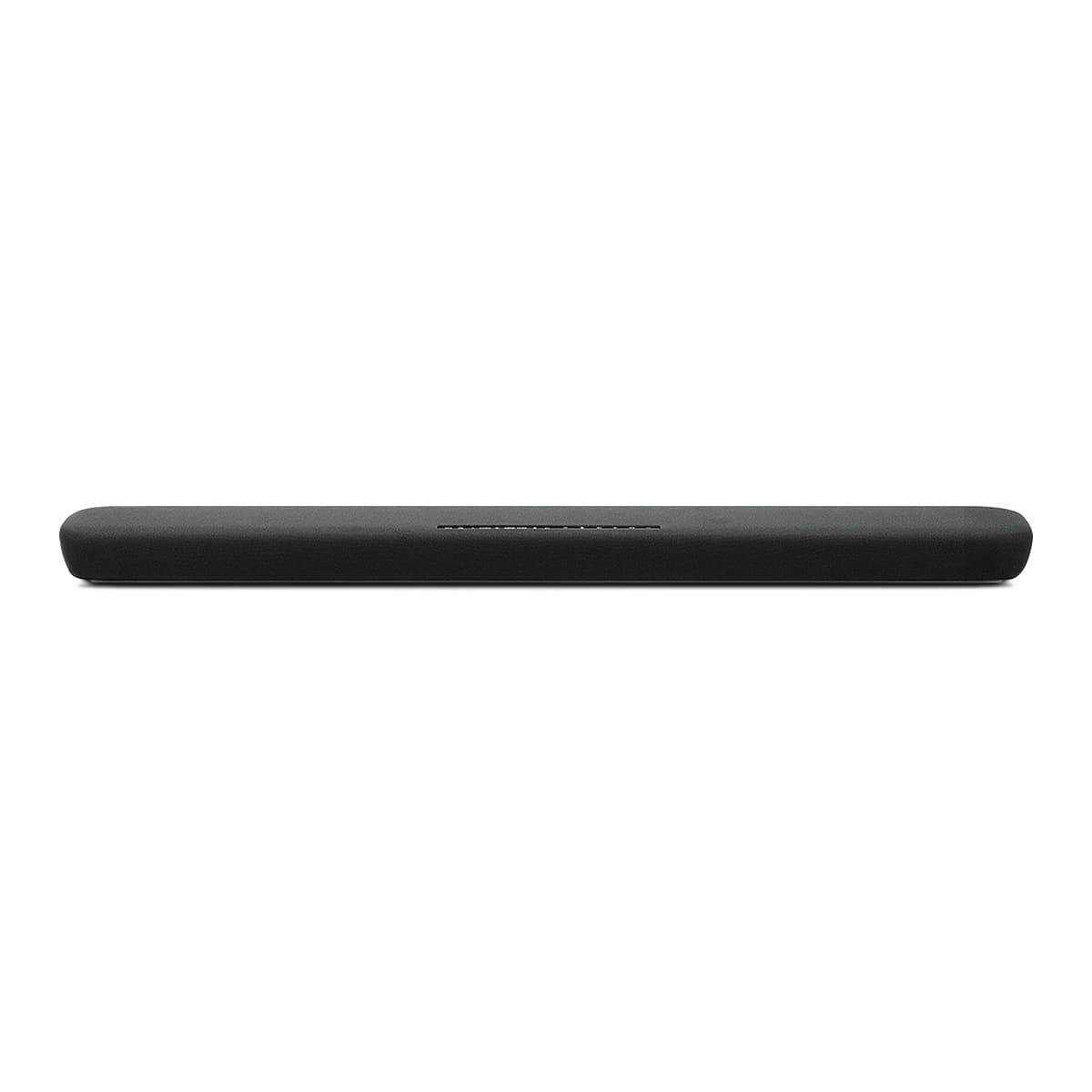
When your TV's built-in speakers just aren't cutting it anymore, the world of soundbars can feel overwhelming. Do you go with a simple plug-and-play solution, or dive into a full surround sound setup? The choice between the Ultimea Poseidon D70 and the Yamaha YAS-109 perfectly illustrates this dilemma – and represents two fundamentally different philosophies about home audio.
Having spent considerable time researching both approaches, I've found that most buyers don't realize how dramatically different these systems are until they're already committed. The Poseidon D70 is essentially a complete home theater speaker system disguised as a "soundbar," while the YAS-109 represents the pinnacle of what you can achieve with everything packed into a single bar. Let's break down what that actually means for your entertainment experience.
The soundbar market has evolved dramatically since the early 2010s, when these devices were essentially just wider versions of your TV speakers. Today's soundbars fall into two distinct categories: all-in-one units that use clever processing to simulate surround sound, and multi-component systems that use actual speakers placed around your room.
The key considerations that should drive your decision include audio performance (how good it sounds), bass response (the low-end rumble and impact), surround sound authenticity (whether effects actually come from behind you), setup complexity, and long-term value. Room size matters enormously here – a system that sounds incredible in a large living room might be overkill for a bedroom, while a compact solution perfect for an apartment might get lost in a spacious home theater.
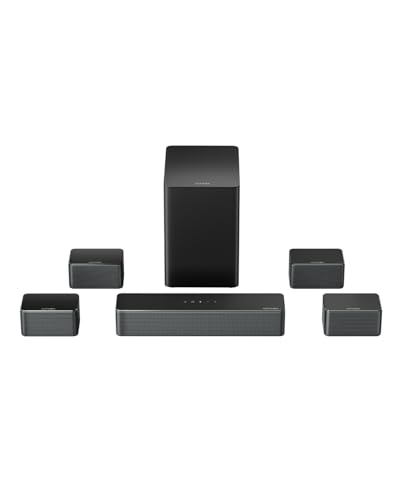
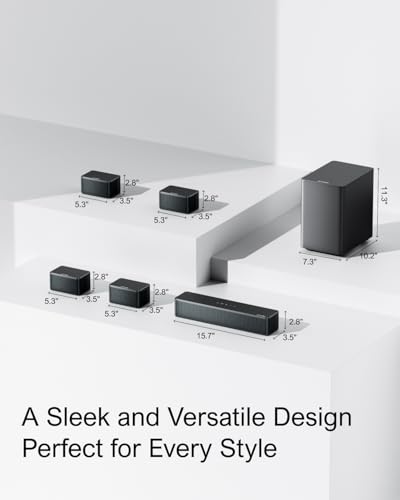
Here's where these two systems diverge completely. The Ultimea Poseidon D70, released in 2024, is technically a 7.1 channel surround system that happens to be marketed as a soundbar. You get a main soundbar housing three speakers, four separate surround speakers that you position around your room, and a wireless subwoofer. That's eight total speakers creating genuine directional audio – when a helicopter flies overhead in a movie, the sound actually moves from speaker to speaker around your space.
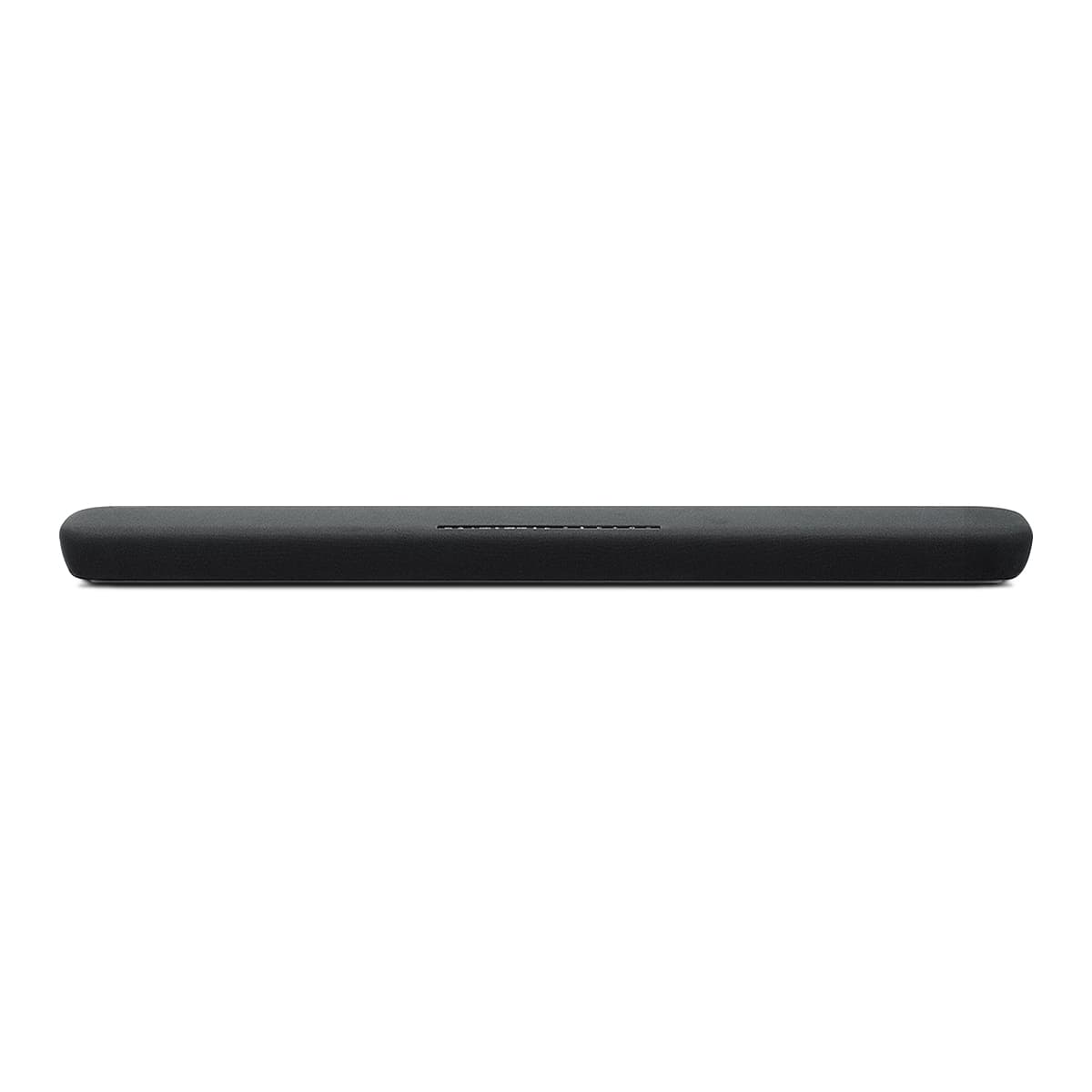
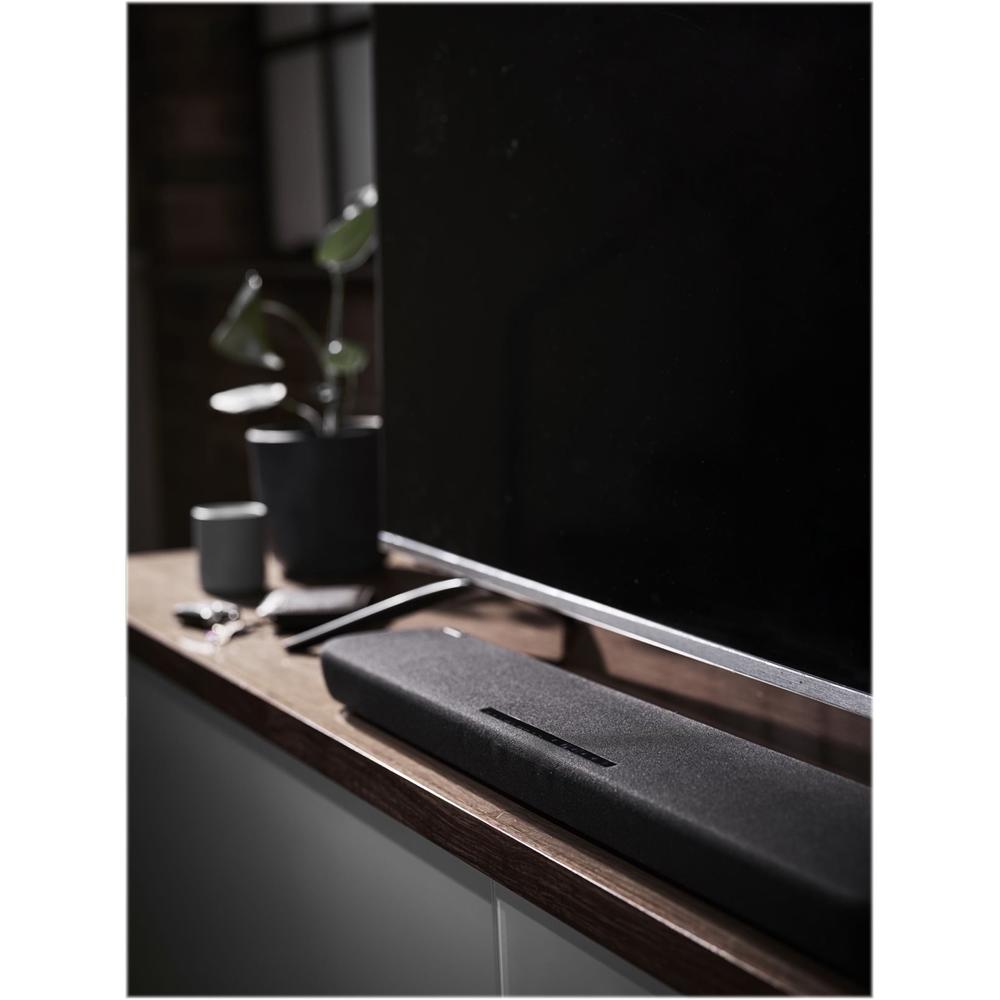
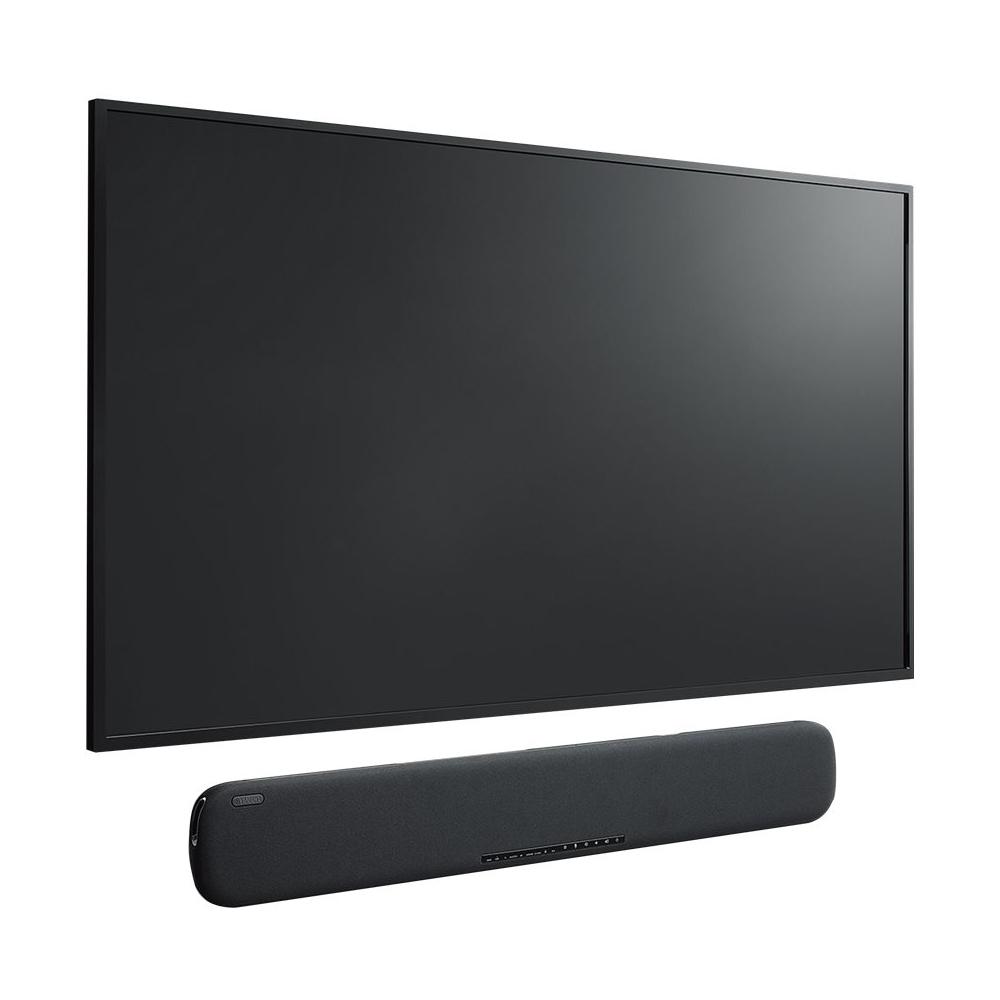
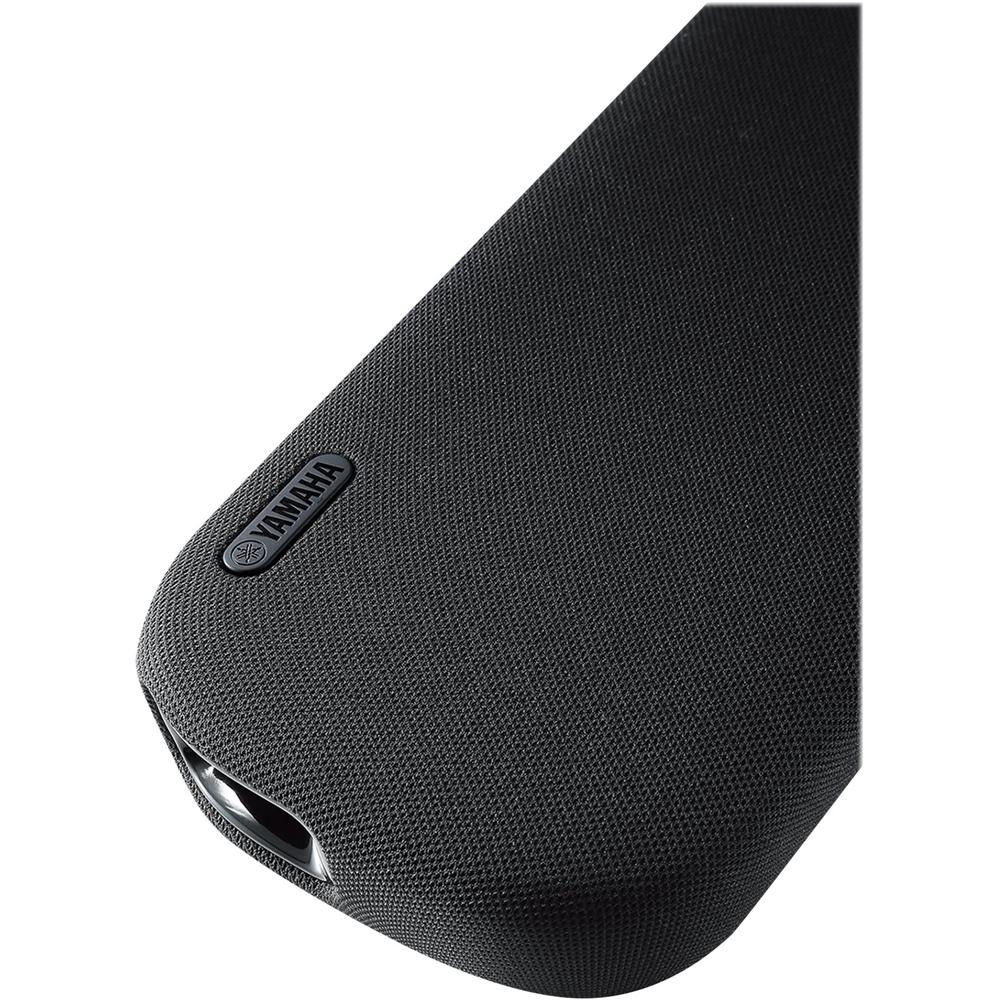
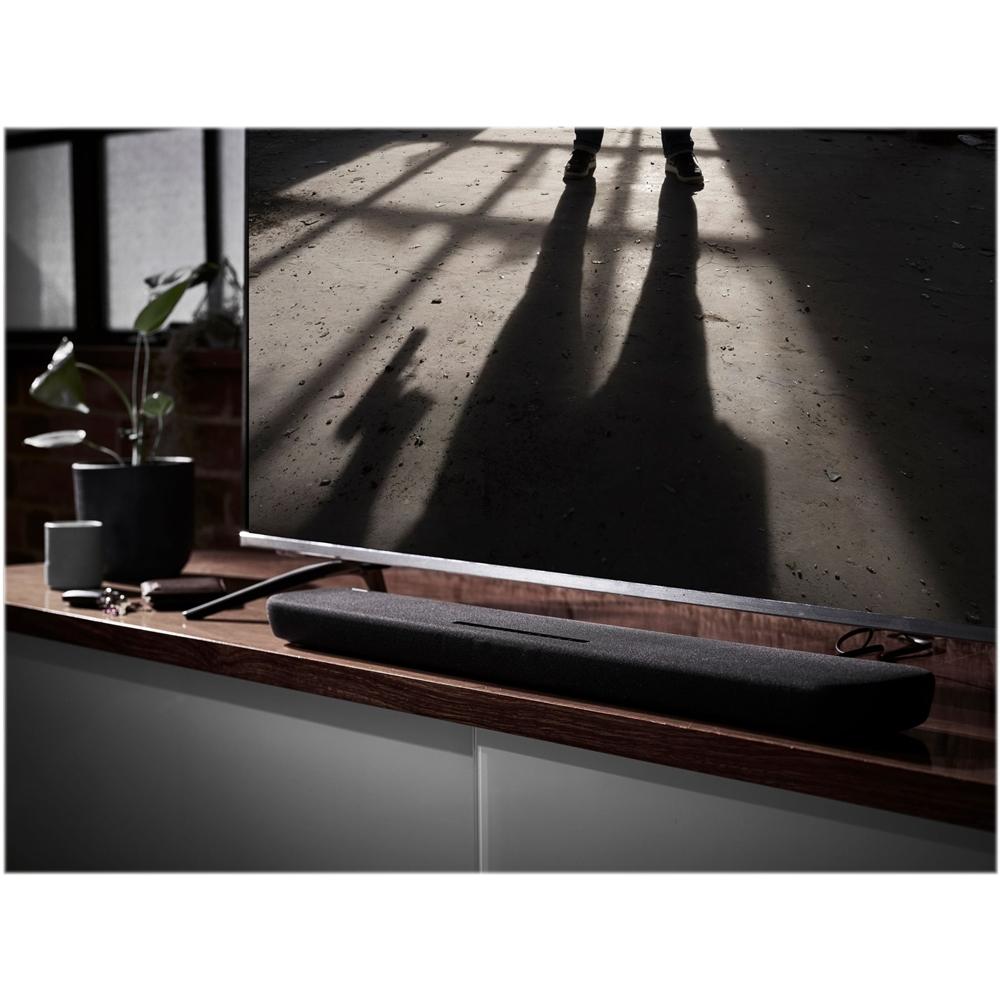
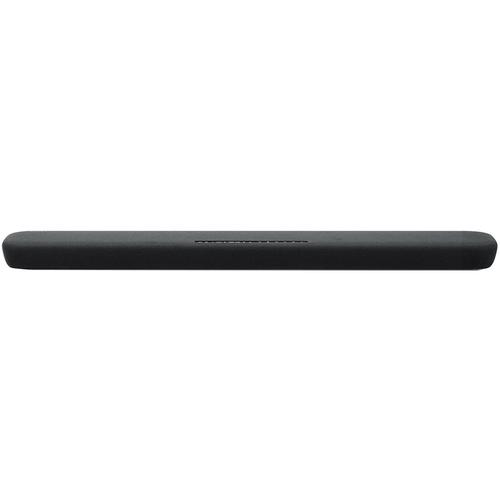
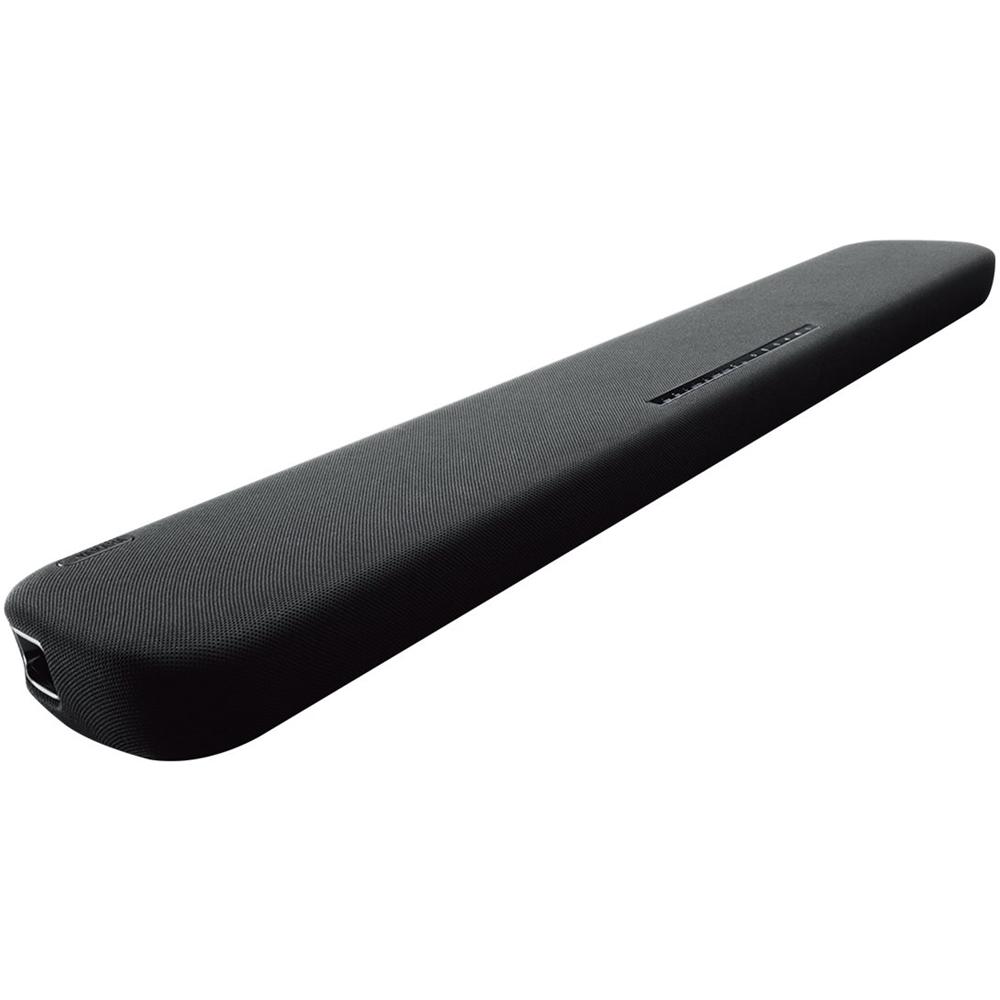
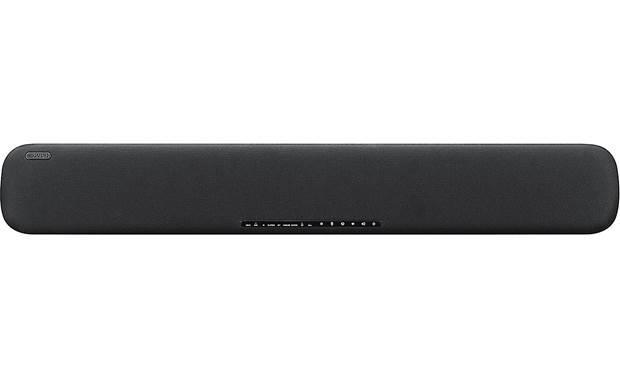
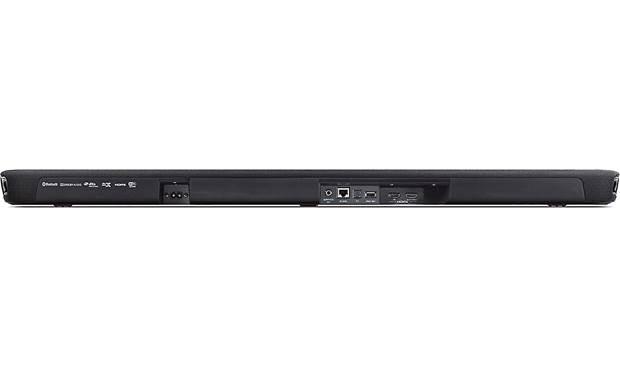
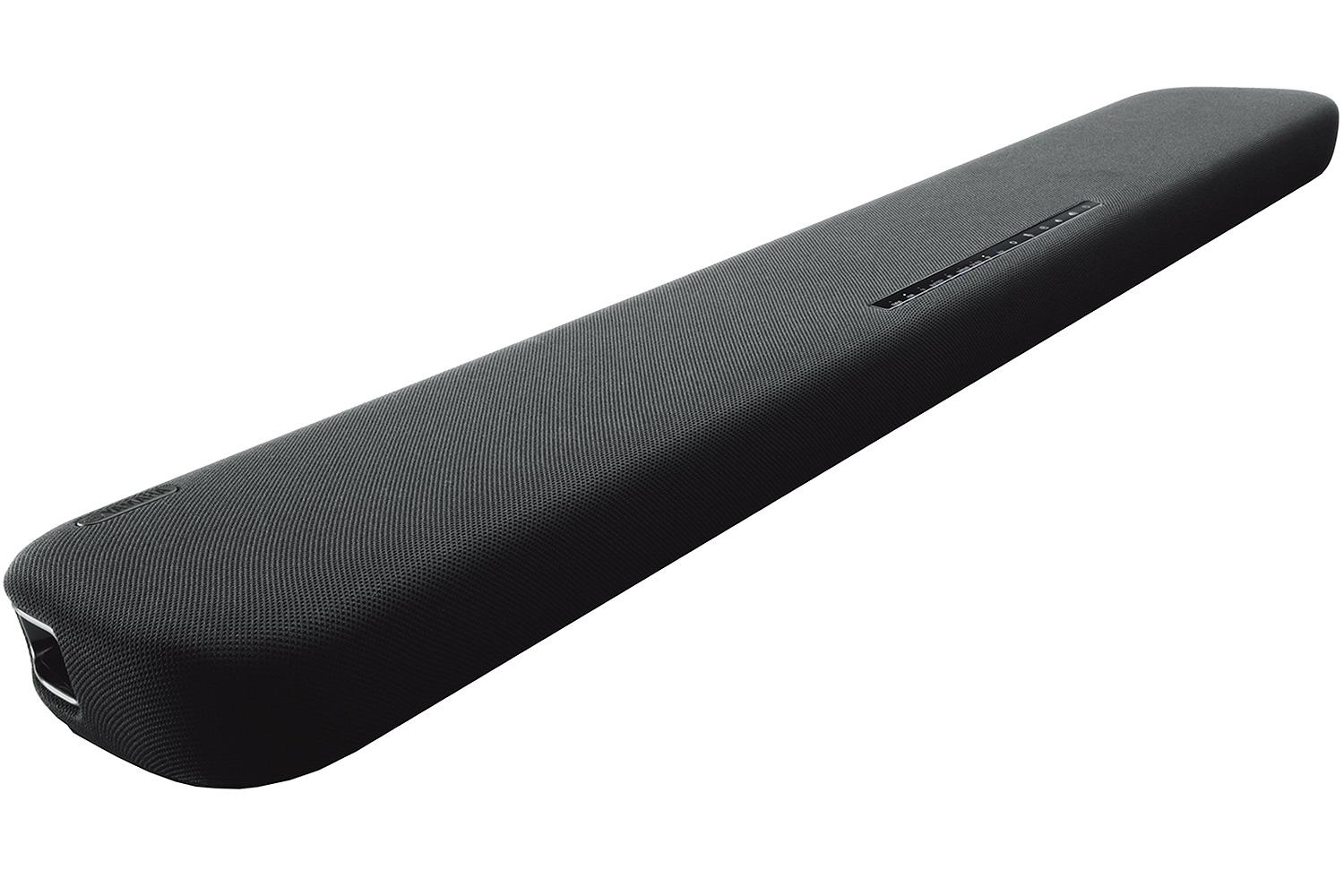
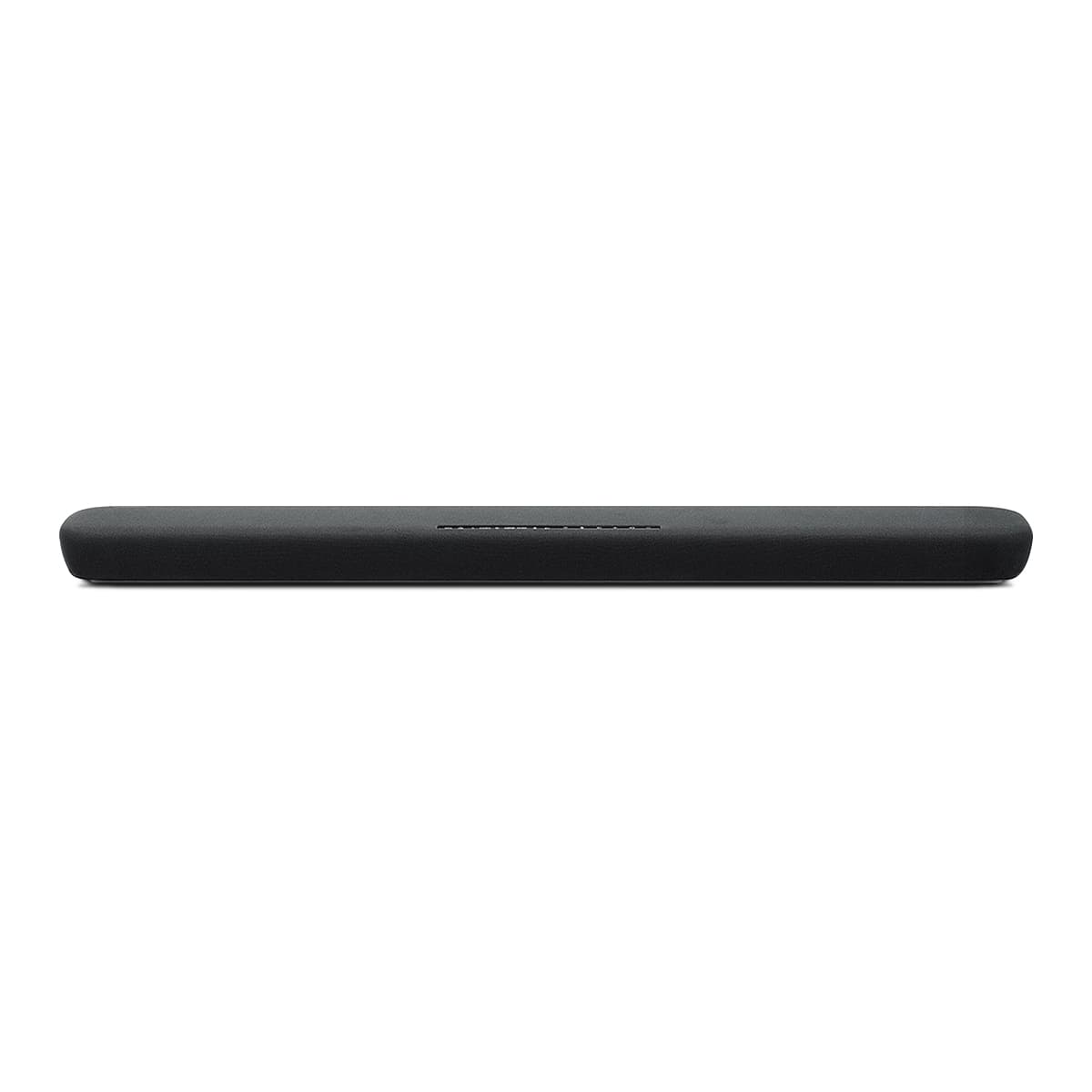
The Yamaha YAS-109, which hit the market in 2020, takes the opposite approach. Everything lives inside a single 35-inch bar, and it uses sophisticated digital signal processing (DSP) to trick your brain into hearing surround sound. Yamaha's DTS Virtual:X technology analyzes the audio signal and uses psychoacoustic principles – basically, how your ears and brain interpret sound – to create the illusion that audio is coming from directions where there aren't actually speakers.
Both approaches work, but they deliver fundamentally different experiences. The Poseidon D70 gives you the real deal: actual surround sound like you'd get in a movie theater, just scaled down for your living room. The YAS-109 gives you extremely convincing virtual surround that's honestly impressive, but it's still an illusion created by clever processing.
The power specifications tell a revealing story. The Poseidon D70 delivers 410 watts peak power across all its speakers – 36W from the main soundbar, 48W combined from the four surround speakers, and 60W from that wireless subwoofer. The YAS-109 outputs 120W total, with 60W dedicated to its built-in subwoofer and the remaining 60W split between the main speakers.
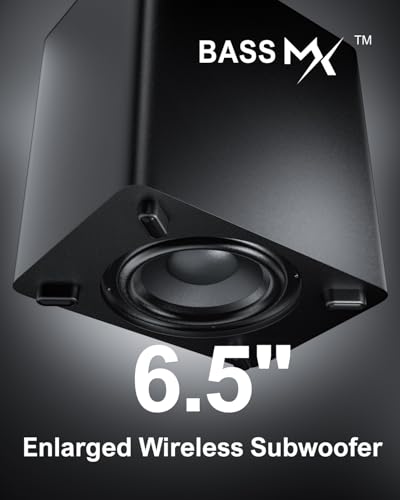
But raw wattage doesn't tell the whole story. What matters more is how that power gets distributed and how efficiently the speakers convert electrical energy into sound. The Poseidon D70's approach spreads that power across eight discrete speakers, each optimized for its specific role. The main bar handles dialogue and front effects, the surround speakers create ambient and directional sounds, and that 6.5-inch subwoofer focuses purely on bass frequencies below about 80Hz (those deep rumbles you feel as much as hear).
The YAS-109 has to do everything with just four speakers in one enclosure, but Yamaha's decades of audio engineering show. Those built-in subwoofers – essentially specialized speakers designed to reproduce low frequencies – punch way above their weight class. Based on user feedback and professional reviews, the YAS-109 produces surprisingly deep bass for an integrated system, though it can't match the physical impact of a dedicated subwoofer.
This is where the fundamental physics of sound reproduction come into play. Bass frequencies are long sound waves that require either large speaker drivers or significant power to reproduce properly. The Poseidon D70's 6.5-inch subwoofer can move a lot more air than the smaller drivers in the YAS-109, which translates directly to deeper, more impactful bass.
The wireless subwoofer in the D70 also gives you placement flexibility that's crucial for bass optimization. You can position it wherever it sounds best in your room – maybe in a corner to amplify the bass response, or away from walls if the bass is too overwhelming. The YAS-109's bass is fixed to wherever you place the soundbar, which might not be acoustically optimal.
However, Yamaha's engineering partially compensates for this physical limitation. The YAS-109 includes bass extension processing that enhances the perception of low-frequency content, making the bass feel deeper than the speakers can physically reproduce. It's sophisticated digital trickery that works surprisingly well, especially for dialogue-heavy content like TV shows and news.
The surround sound capabilities represent the biggest philosophical difference between these systems. The Poseidon D70 creates what audio engineers call "discrete channel separation" – each speaker gets its own audio signal and reproduces specific parts of the soundtrack. When a car crashes through a scene from left to right, the sound literally travels from the left surround speaker to the right one, with your ears tracking the movement naturally.
The system's SurroundX technology adds another layer of sophistication, using artificial intelligence trained on real-world audio scenarios to optimize how sounds are positioned in space. This isn't just marketing fluff – modern AI can identify specific types of sounds (footsteps, explosions, ambient noise) and apply appropriate spatial processing to make them more convincing.
The YAS-109's virtual surround works differently but can be genuinely impressive. DTS Virtual:X uses complex algorithms to manipulate the timing, phase, and frequency content of audio signals, creating phantom images – sounds that appear to come from locations where there aren't actually speakers. The technology has improved significantly since 2020, and many users report being surprised by how convincing the surround effect can be.
The key limitation is that virtual surround works best with properly encoded surround sound content. Stereo music or older TV shows won't benefit as much from the processing, while the Poseidon D70 can create a more spacious sound from any content simply by having speakers positioned around the room.
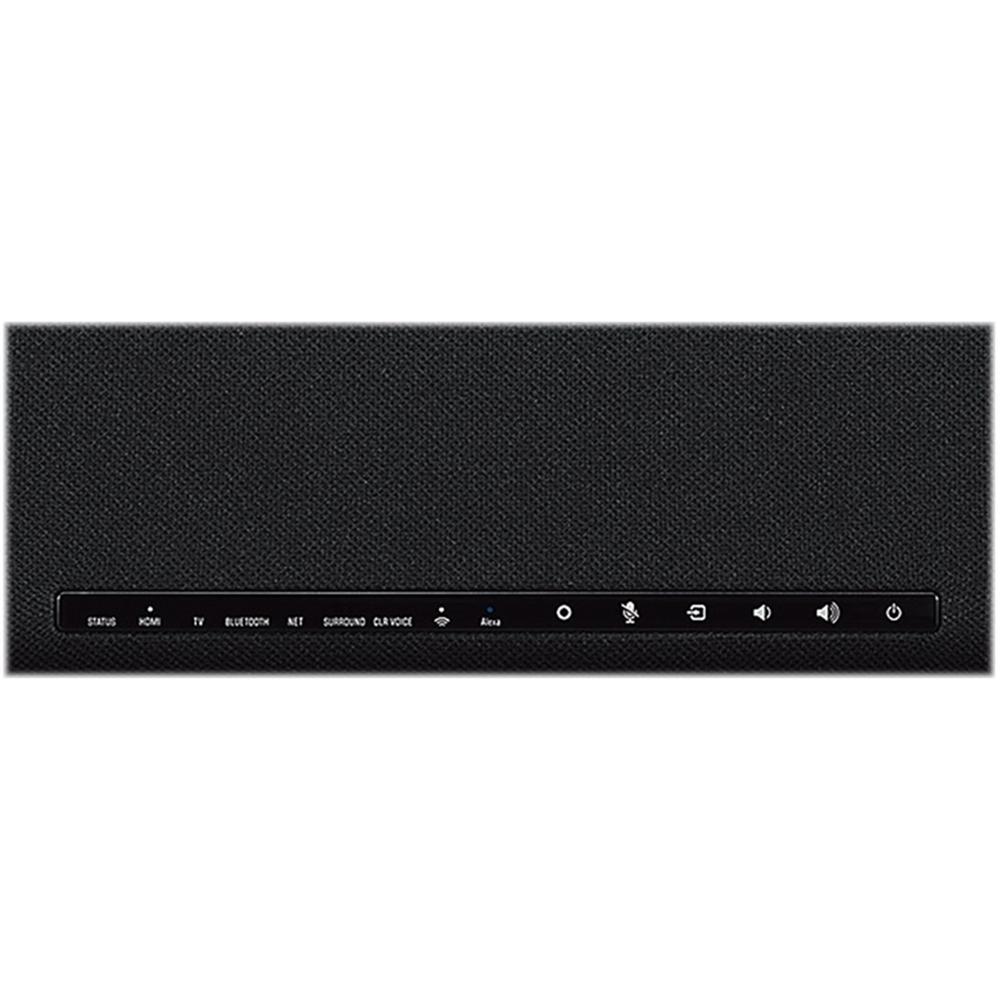
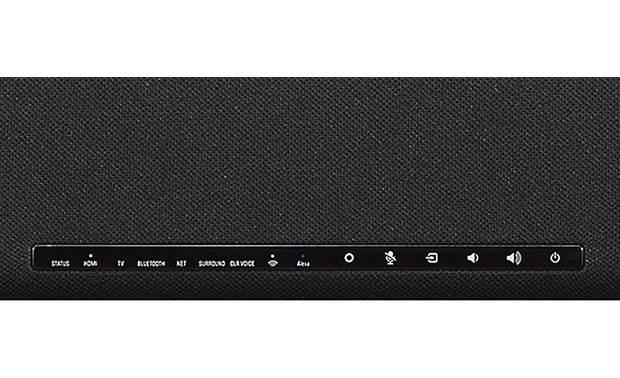
Here's where the Yamaha YAS-109 really shines. Built-in Alexa integration means you can control the soundbar, adjust volume, switch inputs, and even control other smart home devices using voice commands. This integration has only gotten better since 2020, as Amazon has expanded Alexa's capabilities and improved voice recognition accuracy.
The Wi-Fi connectivity opens up streaming possibilities that the Poseidon D70 simply can't match. You can stream directly from Spotify, ask Alexa to play specific artists or playlists, and even use the soundbar as a smart speaker when you're not watching TV. For households already invested in the Amazon ecosystem, this integration can be genuinely game-changing.
The Poseidon D70 takes a different approach to smart features, focusing on audio customization rather than smart home integration. The dedicated mobile app provides access to a 10-band equalizer and 121 preset EQ matrices – essentially pre-configured sound profiles optimized for different types of content. You can fine-tune the frequency response for your specific room acoustics, something that's particularly valuable given how much room characteristics affect sound quality.
This is where personal preferences and living situations become crucial factors. The YAS-109 setup is essentially foolproof – connect one HDMI cable to your TV, plug in the power cord, and you're done. Wall mounting is straightforward, and there are no additional speakers to position or wires to hide.
The Poseidon D70 requires significantly more planning and effort. You need to position four surround speakers around your room, which means running speaker cables from the wireless subwoofer to each surround speaker location. The wireless subwoofer eliminates one major cable run, but you're still dealing with speaker wire management that might require wall mounting, cable concealment, or creative furniture arrangement.
Having helped friends set up both types of systems, I can say the complexity difference is substantial. The D70 took about two hours to set up properly, including optimal speaker positioning and cable management. The YAS-109 was playing music within 15 minutes of unboxing.
Room size dramatically affects how these systems perform, and this is where matching the right system to your space becomes critical. The Poseidon D70 really needs space to breathe – both for proper speaker positioning and to take advantage of that 410W power output. In rooms smaller than about 250 square feet, the system might actually be overpowering, while the complexity of running surround speakers becomes harder to justify.
The YAS-109 scales much better across different room sizes. It works well in bedrooms, apartments, and smaller living spaces where the virtual surround processing can still create an impressive sense of spaciousness. The built-in bass is adequate for most smaller rooms, and the compact form factor doesn't dominate the visual space.
For dedicated home theater rooms or large living spaces, the Poseidon D70 comes into its own. The physical surround speakers create an enveloping sound field that virtual processing simply can't replicate, and the powerful subwoofer can pressurize larger spaces with proper bass impact.
At the time of writing, both systems occupy similar price ranges, though the Poseidon D70 generally offers more hardware for the money – you're getting eight speakers total compared to four. However, the YAS-109 includes sophisticated smart features and the reliability backing of Yamaha's established reputation.
The D70's modular design offers some future-proofing advantages. If one component fails, you can potentially replace just that piece rather than the entire system. The extensive EQ customization means the system can adapt to different rooms if you move or want to optimize for different content types.
The YAS-109 represents a more traditional appliance approach – it works excellently within its design parameters, but there's limited upgradeability. However, it does include an external subwoofer output, so you can add a dedicated subwoofer later if you want more bass impact.
After extensive research into user experiences and expert reviews, the choice comes down to your priorities and living situation. The Ultimea Poseidon D70 is the clear winner for audio enthusiasts who want the most immersive experience possible and don't mind the setup complexity. If you have a dedicated home theater space, a larger living room, and the ability to run speaker cables, the authentic surround sound and powerful bass make it an exceptional value.
The Yamaha YAS-109 wins for convenience, smart features, and situations where simplicity is paramount. It's perfect for apartments, bedrooms, or any situation where running speaker cables isn't practical. The smart home integration and streaming capabilities make it feel more modern and connected, even if the audio performance isn't quite as expansive.
For most people, I'd lean toward the YAS-109 unless surround sound authenticity is a top priority. The convenience factor is enormous, the audio quality is genuinely good, and the smart features add daily value beyond just movie watching. But if you're serious about home theater and have the space to do it right, the Poseidon D70 delivers an experience that virtual processing can't fully replicate.
The soundbar market will continue evolving, but these two systems represent the current best expressions of their respective approaches. Choose based on what matters most to your daily entertainment experience, and either system will deliver a significant upgrade over basic TV audio.
| Ultimea Poseidon D70 7.1 Channel Soundbar System | Yamaha YAS-109 Sound Bar with Built-in Subwoofers and Alexa |
|---|---|
| System Configuration - Determines authenticity of surround sound experience | |
| True 7.1 channel with 4 physical surround speakers + wireless subwoofer | 2.1 channel all-in-one with virtual surround processing |
| Total Power Output - Impacts volume levels and bass impact | |
| 410W peak (144W RMS across 8 discrete speakers) | 120W total (sufficient for most rooms under 300 sq ft) |
| Subwoofer Type - Critical for bass quality and room flexibility | |
| Dedicated 6.5" wireless subwoofer with room placement flexibility | Built-in subwoofers (surprisingly capable but limited by physics) |
| Setup Complexity - Major factor in user satisfaction | |
| Moderate complexity: 4 surround speakers need positioning and wiring | Simple: Single unit, one HDMI connection, 15-minute setup |
| Smart Features - Modern convenience and connectivity | |
| Mobile app with 10-band EQ and 121 presets, no voice control | Built-in Alexa, Wi-Fi streaming, voice control, smart home integration |
| Physical Footprint - Important for room aesthetics and placement | |
| 8 separate components requiring strategic room placement | Single 35" soundbar, wall-mountable, minimal visual impact |
| Frequency Response - Determines audio range and clarity | |
| 35Hz-18kHz (deeper bass extension from dedicated sub) | 50Hz-23kHz (wider high-end range, limited low-end) |
| Connectivity Options - Compatibility with devices | |
| HDMI ARC, Optical, USB, Bluetooth, 3.5mm AUX | HDMI ARC, Optical, Bluetooth, Wi-Fi, external subwoofer output |
| Room Size Optimization - Best performance scenarios | |
| Medium to large rooms (300+ sq ft) where surround speakers can shine | Small to medium rooms, apartments, bedrooms where simplicity matters |
| Brand Heritage - Support and reliability considerations | |
| Newer brand (2024 release) focusing on value and features | Established Yamaha reputation with proven reliability since 2020 |
The Ultimea Poseidon D70 delivers authentic 7.1 surround sound with four physical speakers positioned around your room, creating genuine directional audio. The Yamaha YAS-109 uses virtual surround processing to simulate surround effects from a single bar. For true home theater immersion, the Poseidon D70 provides superior surround sound authenticity.
The Yamaha YAS-109 is significantly easier to install, requiring only one HDMI connection and about 15 minutes of setup time. The Ultimea Poseidon D70 needs positioning and wiring for four surround speakers, taking 1-2 hours for optimal installation. Choose the YAS-109 if simplicity is your priority.
The Ultimea Poseidon D70 features a dedicated 6.5-inch wireless subwoofer that delivers deeper, more impactful bass than the Yamaha YAS-109's built-in subwoofers. While the YAS-109 produces surprisingly good bass for its size, the Poseidon D70 provides superior low-end performance for movies and music.
The Yamaha YAS-109 is better suited for small rooms, apartments, and bedrooms where its compact design and virtual surround processing can still create an impressive audio experience. The Ultimea Poseidon D70 requires more space for optimal surround speaker placement and may overpower smaller rooms.
The Yamaha YAS-109 includes built-in Alexa, Wi-Fi connectivity, and voice control capabilities, plus direct streaming from services like Spotify. The Ultimea Poseidon D70 focuses on audio performance with extensive EQ customization through its mobile app but lacks smart home integration features.
Both systems offer excellent value in different ways. The Ultimea Poseidon D70 provides more hardware with eight total speakers and authentic surround sound at a competitive price point. The Yamaha YAS-109 offers premium brand reliability, smart features, and convenience that justify its positioning in the market.
Both systems excel at dialogue reproduction. The Yamaha YAS-109 features dedicated Clear Voice technology that enhances speech, making it particularly effective for users with hearing difficulties. The Ultimea Poseidon D70 provides excellent dialogue clarity through its dedicated center channel and customizable EQ settings.
The Ultimea Poseidon D70 requires speaker cables to connect four surround speakers to the wireless subwoofer, though the subwoofer itself connects wirelessly to the main bar. The Yamaha YAS-109 needs only one HDMI cable and power connection, making it the cleaner installation option.
The Ultimea Poseidon D70 is designed for medium to large rooms where its 410W power output and physical surround speakers can create an enveloping sound experience. The Yamaha YAS-109 may struggle to fill very large spaces, though it performs well in most standard living rooms.
The Yamaha YAS-109 benefits from Yamaha's established reputation and proven track record in audio equipment since its 2020 release. The Ultimea Poseidon D70 is newer to market (2024) but offers solid construction and the advantage of modular components that can be serviced individually if needed.
Both systems handle music well but differently. The Ultimea Poseidon D70 excels with its powerful bass and spatial audio capabilities for immersive music experiences. The Yamaha YAS-109 offers direct streaming capabilities and refined sound tuning that many find excellent for casual music listening and background audio.
Choose the Ultimea Poseidon D70 if you want authentic surround sound, have space for speaker placement, and prioritize maximum audio immersion for movies. Select the Yamaha YAS-109 if you prefer simple setup, want smart features, have space constraints, or need a system that works well for both movies and daily TV viewing.
We've done our best to create useful and informative comparisons to help you decide what product to buy. Our research uses advanced automated methods to create this comparison and perfection is not possible - please contact us for corrections or questions. These are the sites we've researched in the creation of this article: ultimea.com - provantage.com - ultimea.com - youtube.com - youtube.com - bestbuy.com - the-gadgeteer.com - shopmyexchange.com - youtube.com - youtube.com - youtube.com - ultimea.com - manuals.plus - device.report - images.thdstatic.com - shopmyexchange.com - staples.com - ultimea.de - rtings.com - crutchfield.com - usa.yamaha.com - digitaltrends.com - tomsguide.com - listenup.com - youtube.com - usa.yamaha.com - hub.yamaha.com - youtube.com - hub.yamaha.com

Privacy Policy
Terms and Conditions - Affiliate Policy
Home Security
© Copyright 2008-2026.
11816 Inwood Rd #1211, Dallas, TX 75244