

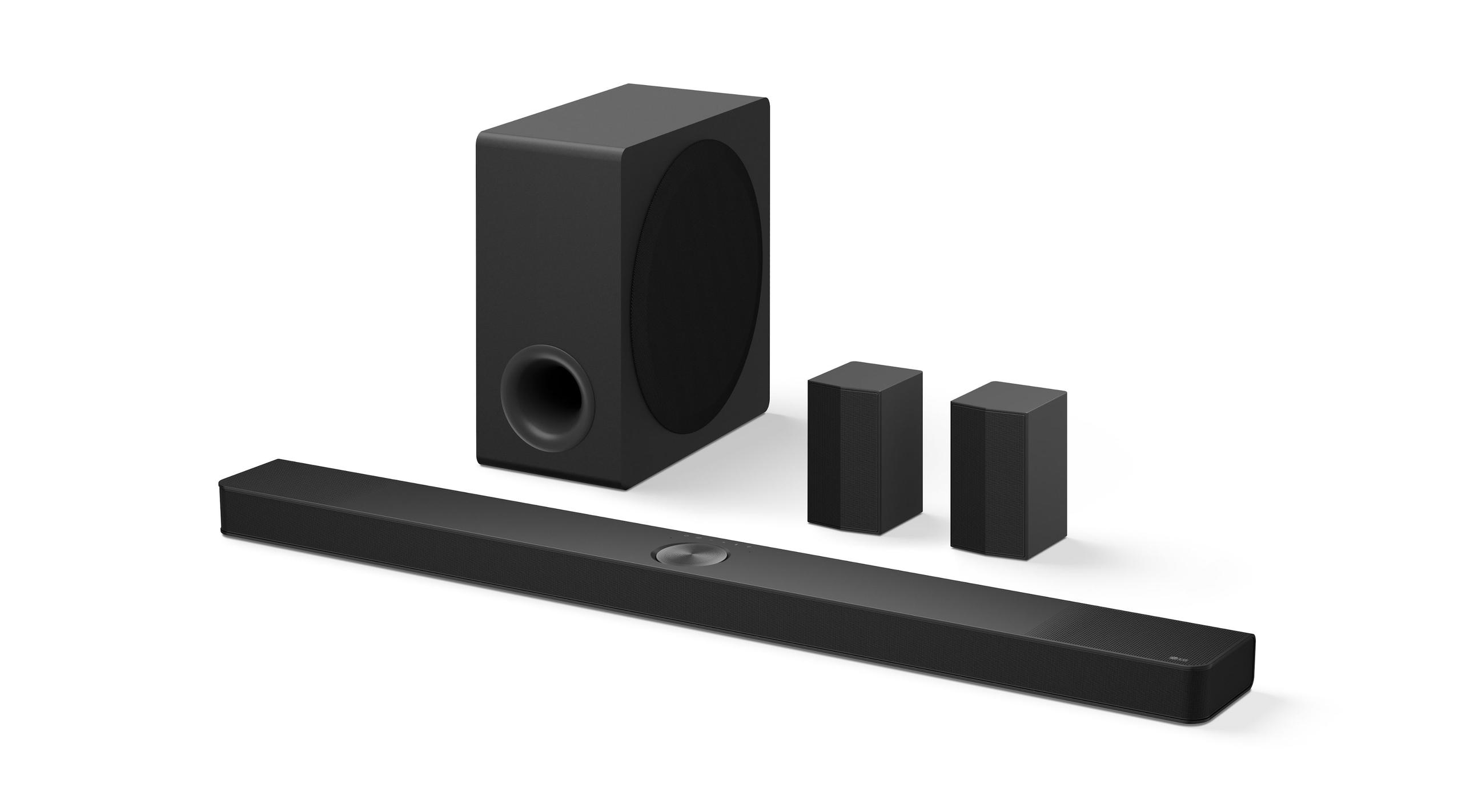
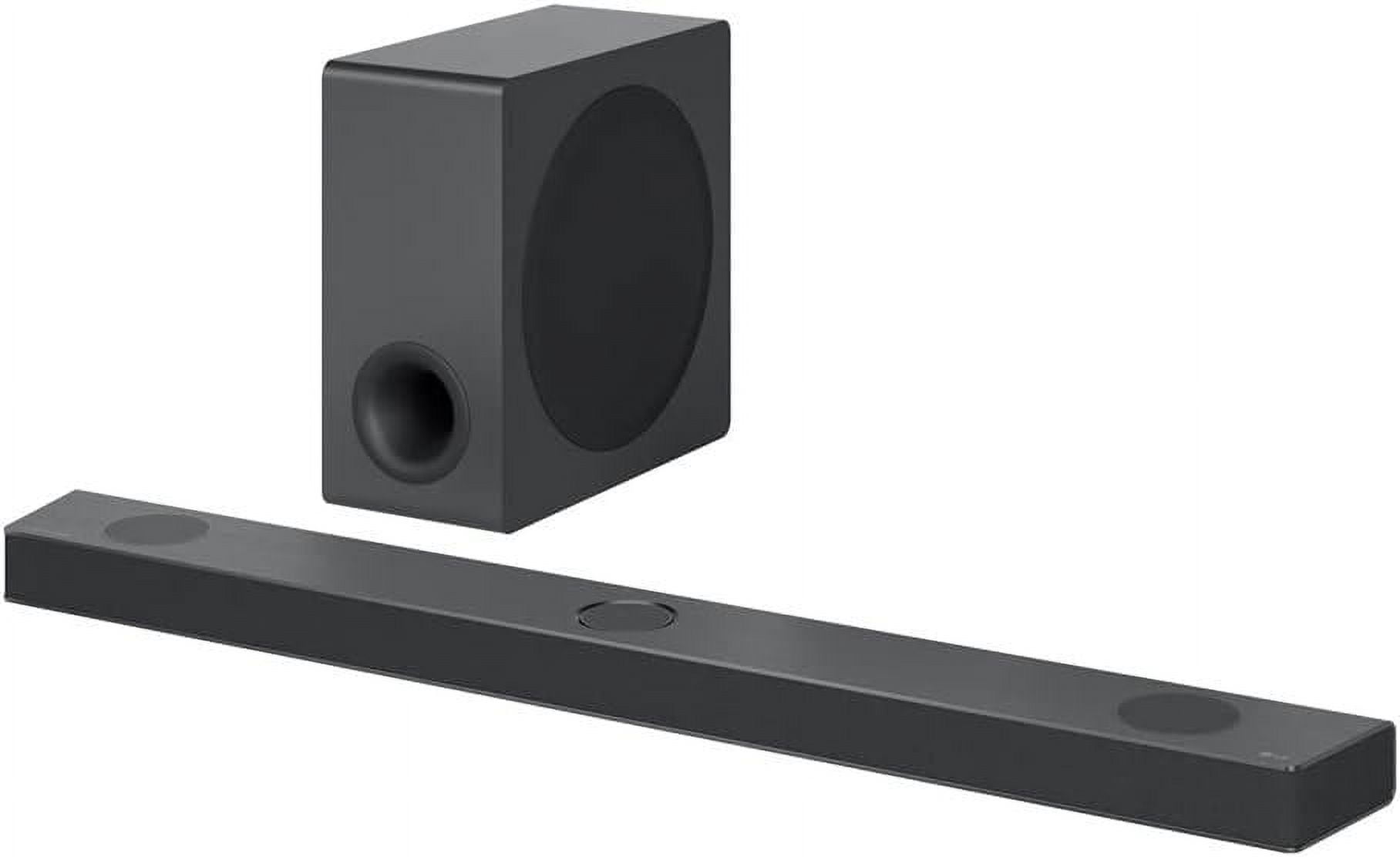








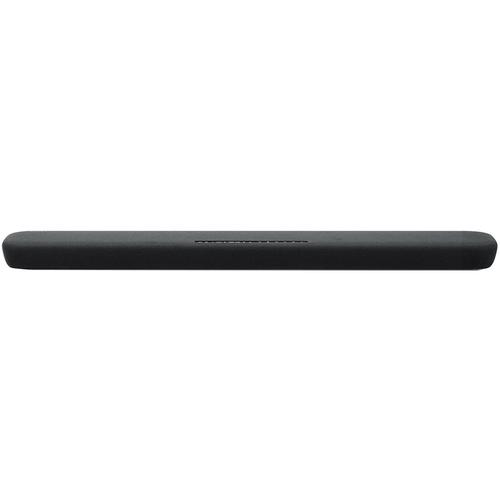



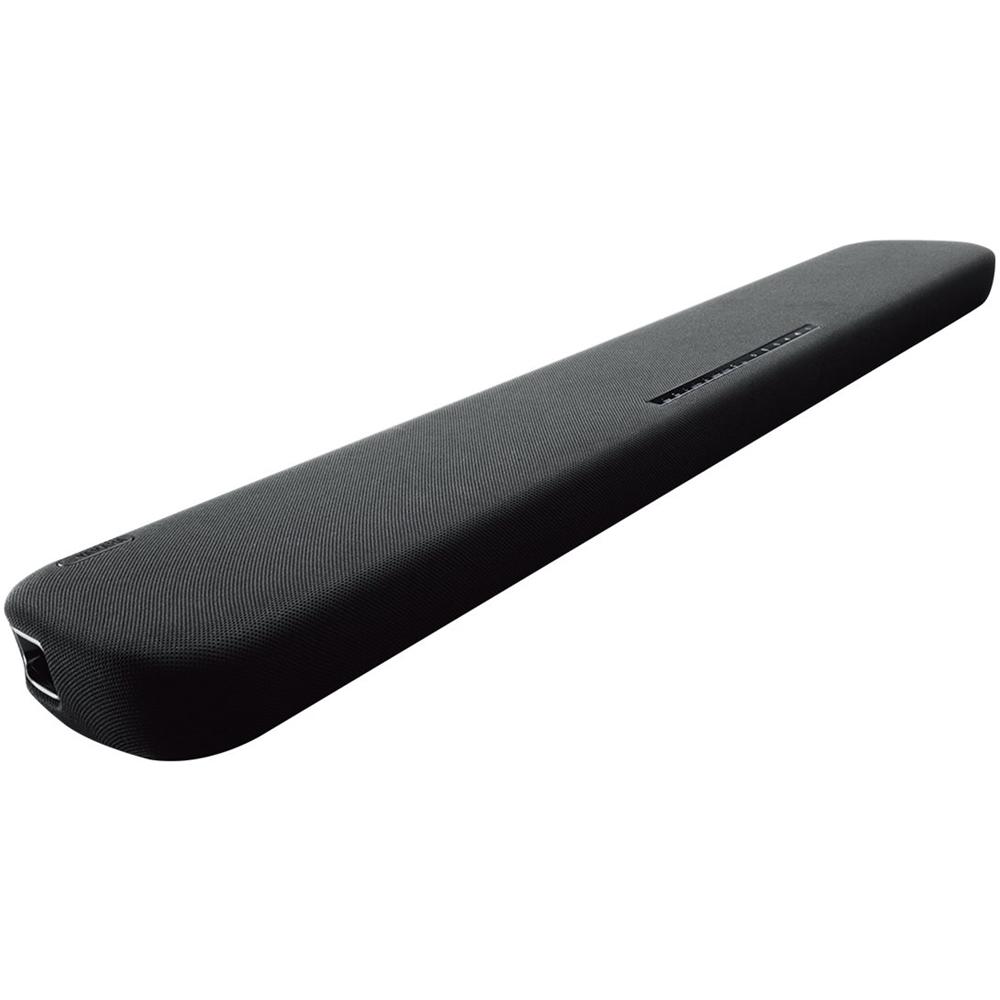
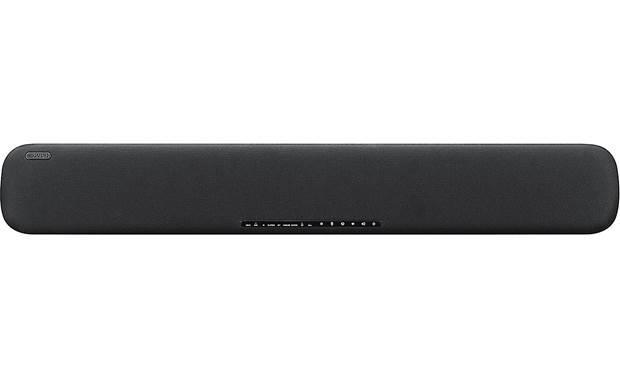
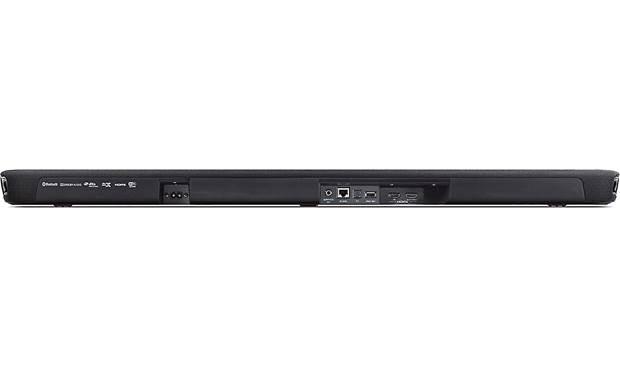


When you're tired of constantly adjusting your TV volume or straining to hear dialogue over explosion scenes, it's time to consider a soundbar upgrade. But walking into the audio world can feel overwhelming, especially when you're comparing products that seem completely different in approach and price. That's exactly what we're dealing with when looking at the LG S90TR ($797) and the Yamaha YAS-109 ($220).
I've spent considerable time with both of these soundbars, and while they're both designed to improve your TV's audio, they represent two fundamentally different philosophies about how to get there. Understanding these differences will help you make the right choice for your specific situation and budget.
Before diving into these specific models, let's talk about what soundbars are trying to solve. Modern TVs, despite their impressive picture quality, have notoriously terrible built-in speakers. This happens because manufacturers prioritize making TVs thinner, leaving no room for decent drivers (the technical term for the actual speakers that move air to create sound).
Soundbars address this by placing better speakers in a dedicated enclosure that sits in front of or below your TV. The key considerations when choosing one include how many audio channels it can handle, whether it needs additional components like subwoofers or rear speakers, and what kind of advanced audio processing it can perform.
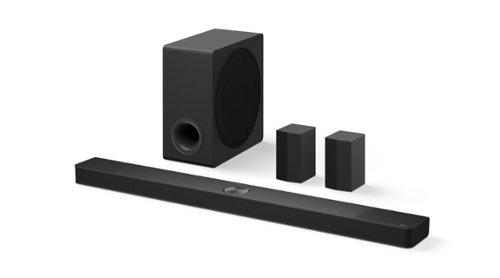
The channel configuration tells you how sophisticated the audio system is. A 2.1 system has left and right speakers plus a subwoofer for bass. A 7.1.3 system like the LG has seven main channels, one subwoofer, and three height channels for overhead effects. These numbers directly impact how immersive your audio experience will be.
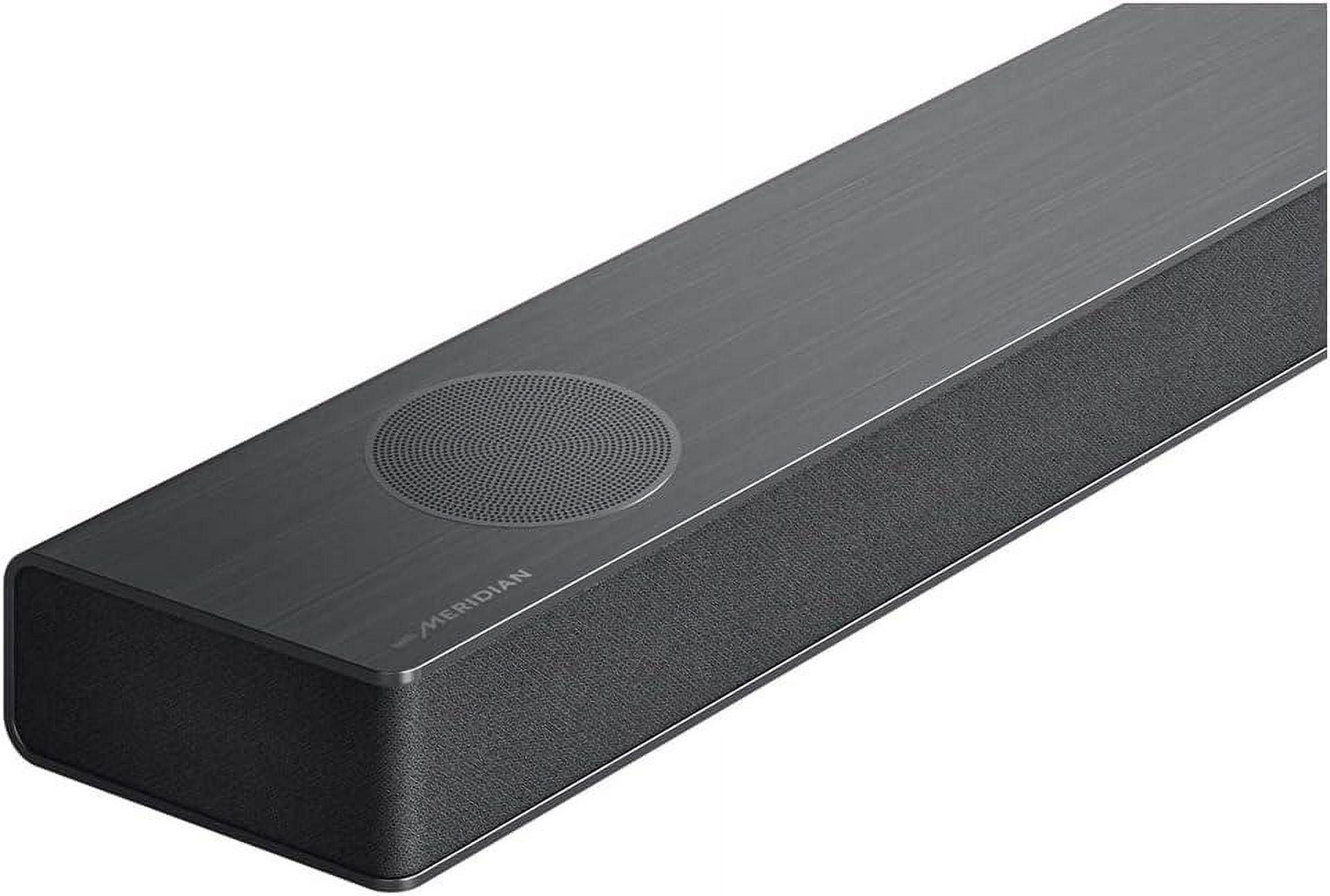
The LG S90TR, released in 2024, represents the premium end of soundbar technology. It's what we call a "true surround" system because it includes physical rear speakers that you place behind your listening position, plus up-firing drivers that bounce sound off your ceiling to create overhead effects. This is the real deal when it comes to Dolby Atmos, the advanced audio format that places sounds in a three-dimensional space around you.
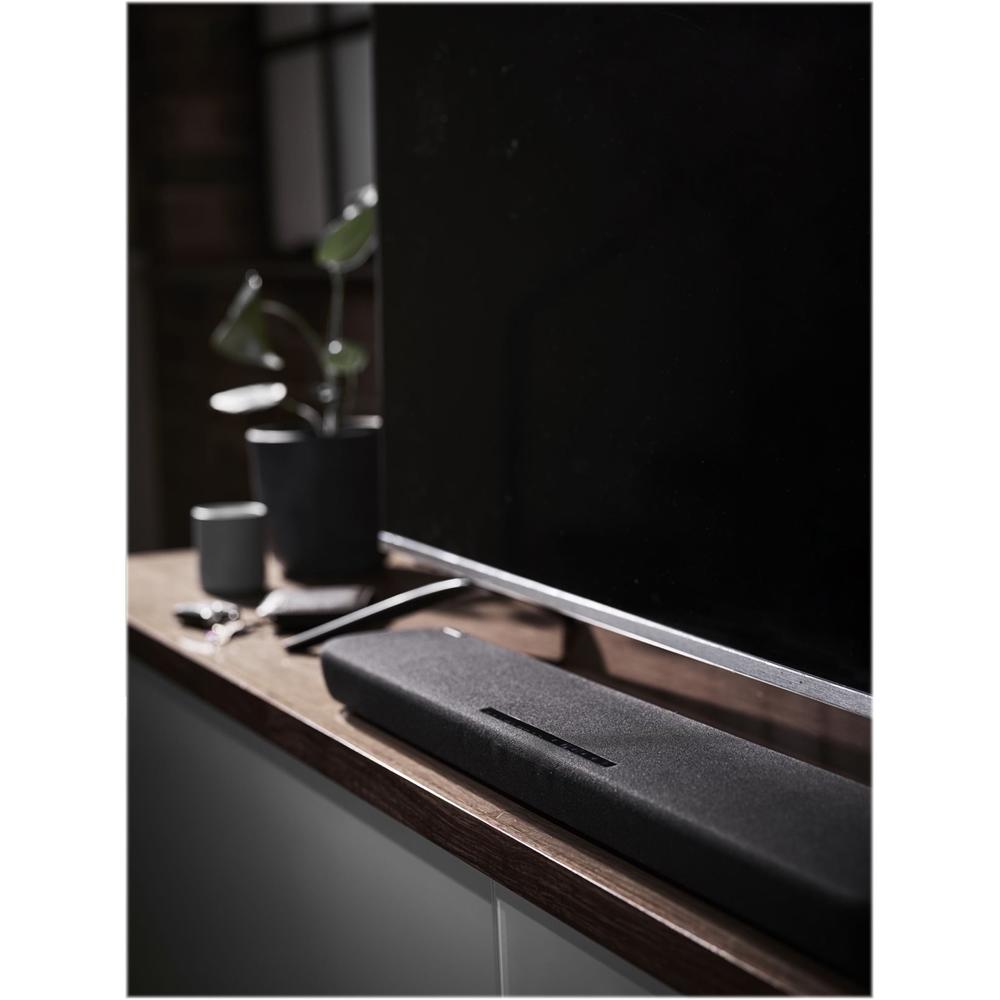
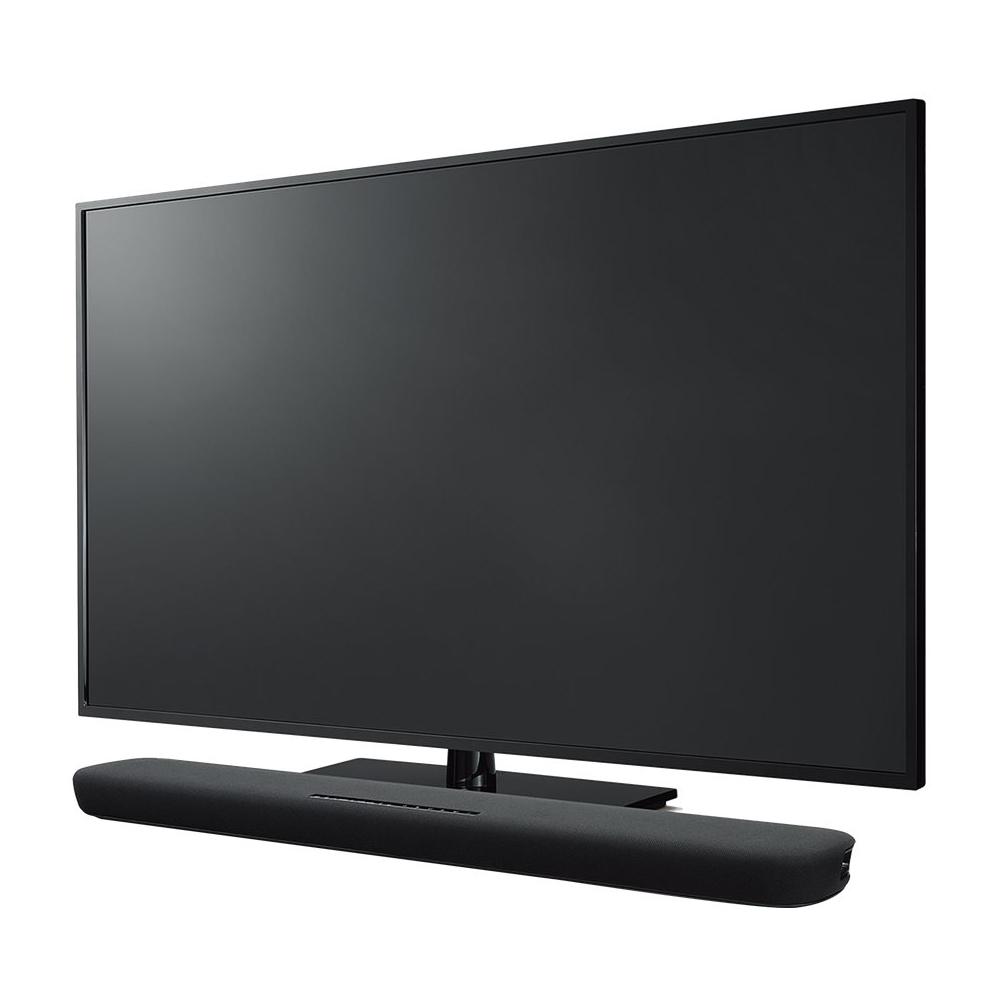
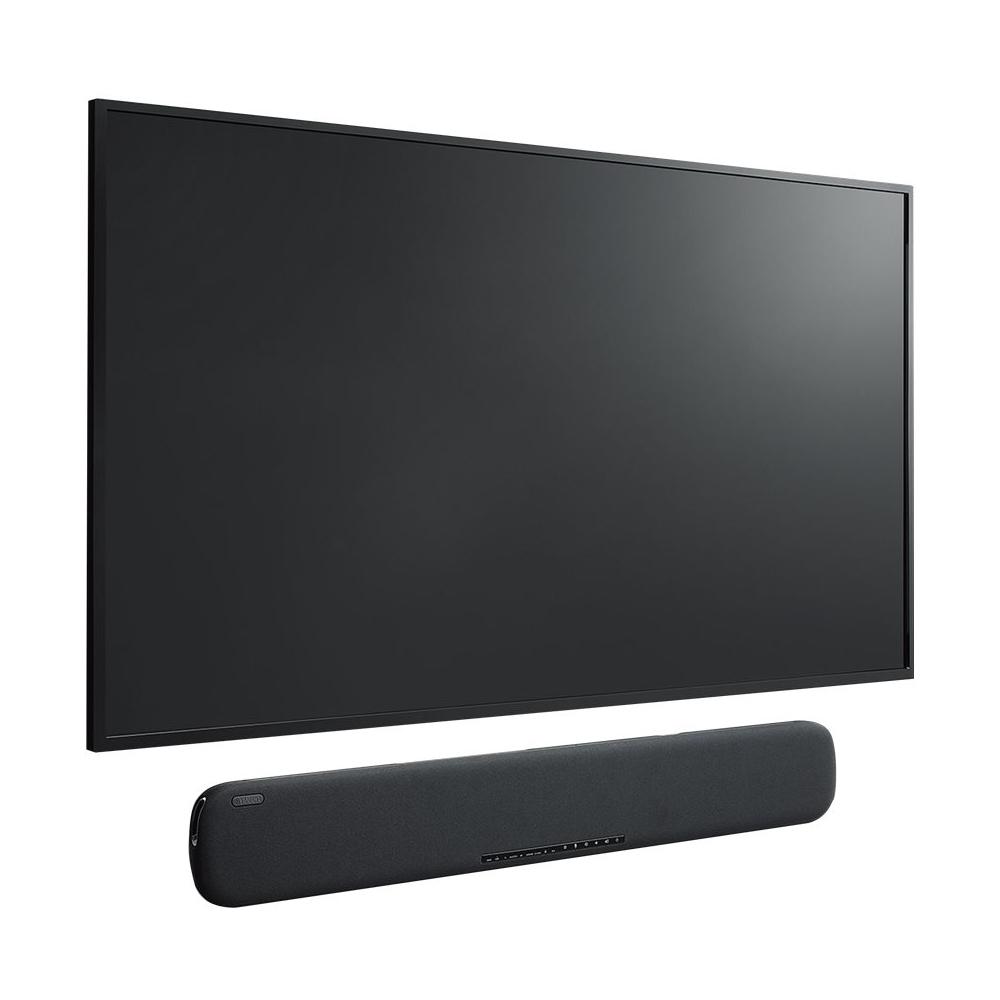
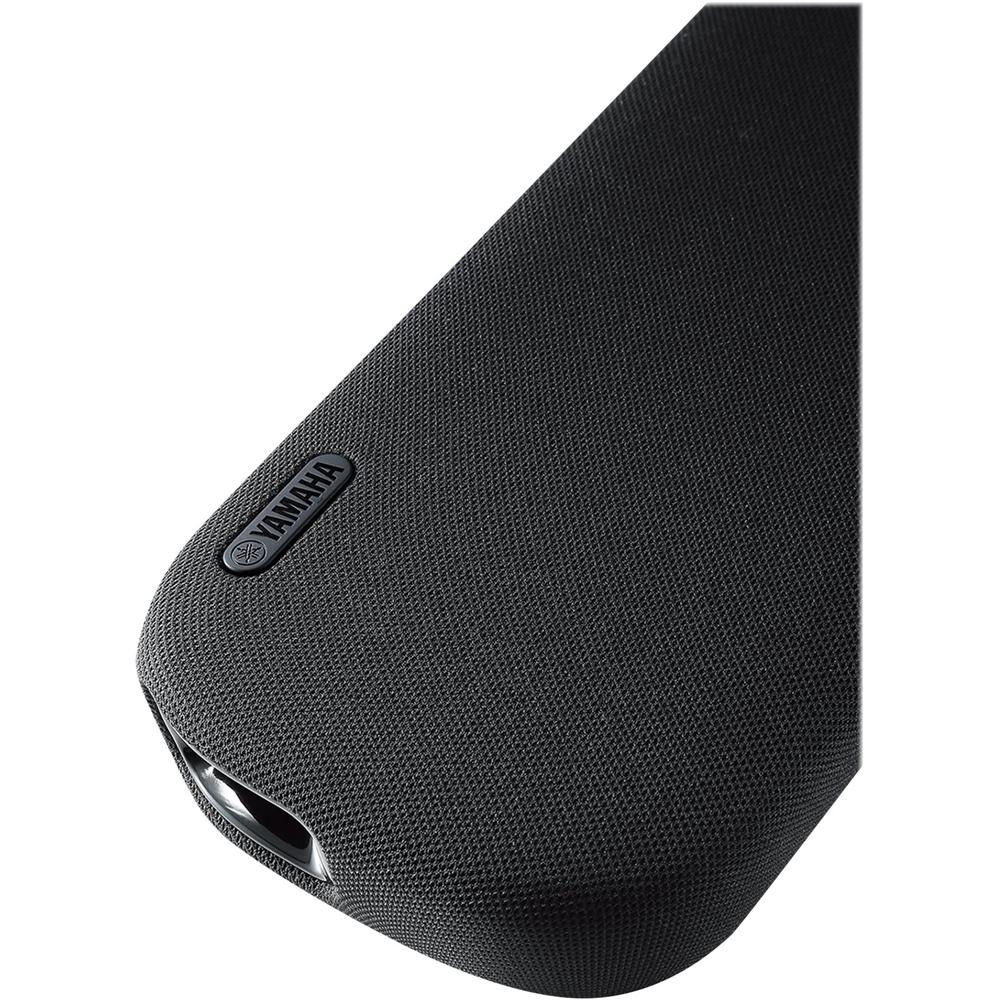
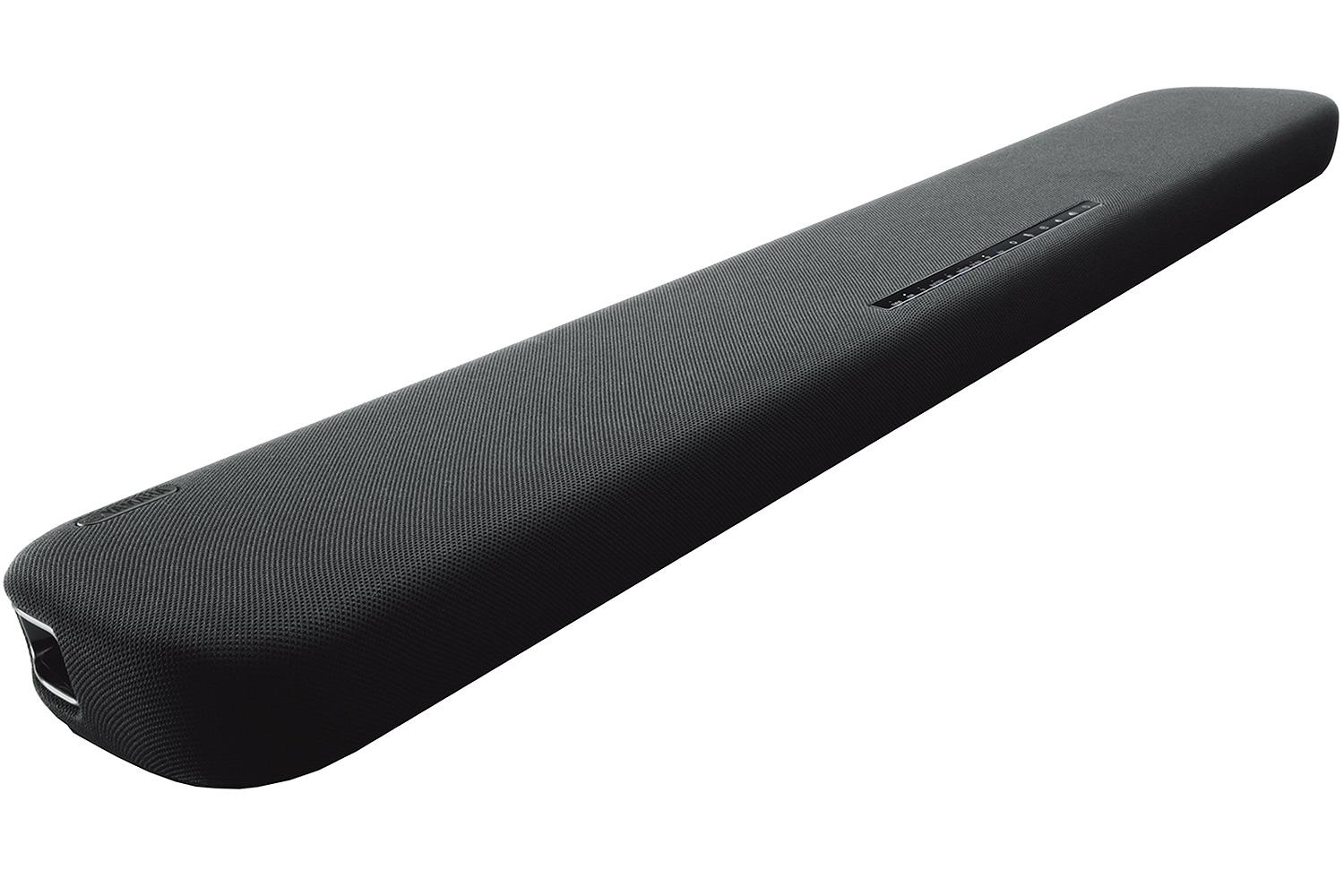
On the other side, we have the Yamaha YAS-109, which came out in 2019. This represents the "virtual surround" approach, where all the speakers face forward from a single bar, but digital processing tricks your brain into thinking sounds are coming from different directions. It includes built-in subwoofers (bass speakers) rather than requiring a separate subwoofer component.
Having tested both extensively, I can tell you that these different approaches create entirely different experiences, and neither is inherently better – they're just suited for different needs and spaces.
The LG's 7.1.3 configuration means it has seven main speakers, one subwoofer, and three height channels. But the real magic happens with its AI Room Calibration technology. This system uses built-in microphones to analyze your room's acoustics – how sound bounces off your walls, furniture, and ceiling – then adjusts the audio output to compensate for these reflections.
When I first set up the S90TR in my living room, the difference before and after calibration was striking. The system detected that my couch was closer to the left wall, creating an imbalance, and automatically adjusted the left-right levels to compensate. This kind of intelligent processing is what you're paying for in premium audio equipment.
The wireless rear speakers communicate with the main bar using a dedicated wireless protocol, which means they don't suffer from the compression and delay issues you might experience with standard Bluetooth connections. These rear speakers are crucial for creating authentic surround effects – when a car drives across the screen, you'll actually hear it move from front to back in your room.
The S90TR also includes WOW Orchestra technology, which is LG's proprietary system for integrating the soundbar with compatible LG TVs. When paired properly, the TV's built-in speakers work alongside the soundbar to create an even more expansive soundstage, rather than being disabled entirely.
While the Yamaha might seem less sophisticated on paper, it includes some clever engineering of its own. The built-in subwoofers use what's called a "band-pass" design, where the bass drivers fire into an internal chamber rather than directly into the room. This allows them to generate more low-frequency output than you'd expect from such a compact enclosure.
The DTS Virtual:X processing is where things get interesting. This technology analyzes incoming audio and uses psychoacoustic principles – basically, how your brain interprets sound – to create the illusion of surround effects. It does this by carefully timing and filtering the audio sent to each speaker, creating phase differences that your ears interpret as sounds coming from different locations.
Having used this extensively, I can tell you it's surprisingly effective for content that isn't specifically mixed for surround sound. Regular TV shows and stereo music benefit significantly from this processing, creating a wider, more enveloping sound than you'd get from basic stereo speakers.
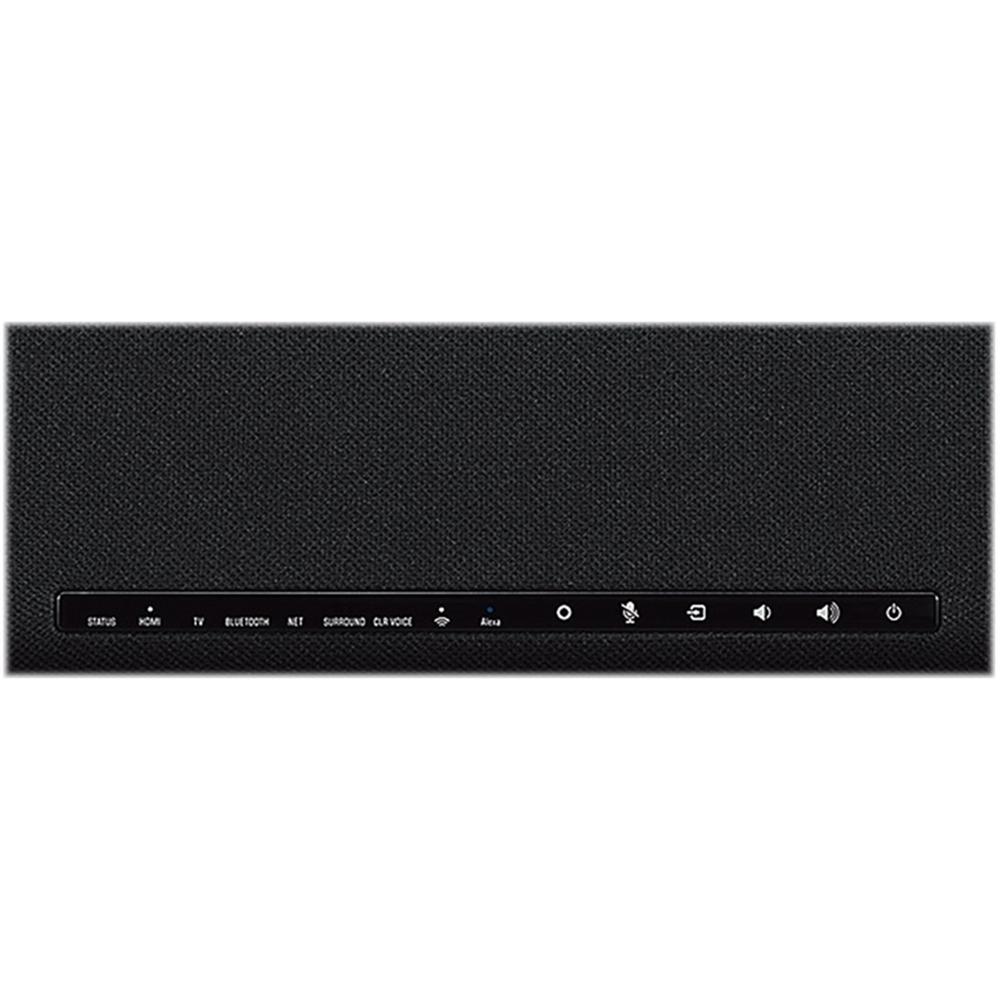
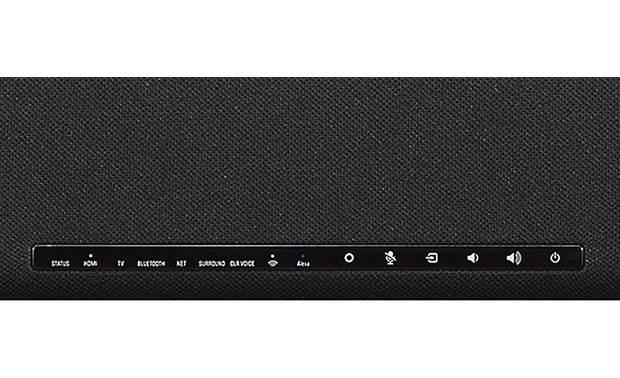
The built-in Alexa integration is more than just a gimmick. The soundbar includes far-field microphones that can pick up voice commands even when audio is playing at moderate volumes. You can control not just the soundbar itself, but also smart home devices, music streaming, and general Alexa functions.
This is where the fundamental differences between these approaches become most apparent. With the LG S90TR, watching a properly mixed Dolby Atmos movie is genuinely impressive. I tested it extensively with films like "Mad Max: Fury Road" and "Blade Runner 2049," and the overhead effects are convincing enough that you'll find yourself looking up at the ceiling when aircraft pass overhead.
The rear speakers create authentic ambient effects that virtual processing simply can't replicate. In quieter scenes, you'll hear subtle environmental sounds – wind through trees, distant traffic, background conversations – that seem to come from all around you rather than just from the front of the room.
However, this impressive performance comes with requirements. The system works best in rooms that are at least 12 feet deep, giving the rear speakers enough distance from your listening position to create proper stereo separation. In smaller rooms, the effect can actually become overwhelming or disorienting.
The Yamaha YAS-109 takes a different approach that works better in constrained spaces. Its DTS Virtual:X processing creates a convincingly wide soundstage, making dialogue feel like it's coming from the screen rather than from a speaker below it. For regular TV viewing – news, sitcoms, documentaries – this is often all you need.
Where the Yamaha really shines is with its Clear Voice technology. This feature specifically enhances the frequency range where human speech occurs, making dialogue easier to understand even when background music or sound effects are loud. For viewers who struggle with hearing dialogue clearly, this can be more valuable than any surround effect.
Both soundbars handle music well, but again, in different ways. The LG's balanced frequency response and room calibration create accurate stereo imaging, meaning instruments and vocals appear to come from specific locations in the soundstage rather than just "from the speakers." The wireless subwoofer provides deep, controlled bass that doesn't overwhelm the midrange frequencies where most musical content lives.
The Yamaha has a more colored sound signature – it's bass-heavy in a way that makes electronic music and hip-hop sound punchy and exciting. The built-in Compressed Music Enhancer helps improve the sound quality of streamed music from services like Spotify, which use data compression that can make music sound flat or lifeless.
I found myself preferring the LG for acoustic music, jazz, and classical content where accuracy matters most, while the Yamaha was more fun for pop, rock, and electronic genres where a bit of extra excitement in the bass can be welcome.
For gaming, both soundbars offer advantages, but the LG pulls ahead for serious gamers. Its 4K/120Hz passthrough means it can handle the highest resolution and frame rate combinations that next-generation consoles can output, without adding any processing delay that might affect competitive gaming.
The surround effects can genuinely improve gaming performance by making it easier to locate enemies or environmental hazards based on audio cues. In first-person shooters, being able to hear footsteps behind you or gunfire from a specific direction provides a real tactical advantage.
The Yamaha's lower input lag and simpler signal path can actually be preferable for fast-paced competitive gaming where every millisecond matters. Its Game mode optimizes the audio processing for the quick transients and dynamic range typical of game audio.
If you're building a dedicated home theater space, the LG S90TR is clearly the better choice, despite its complexity. The multiple components require careful placement – the rear speakers need to be positioned at or slightly behind your listening position, ideally at ear level or slightly above.
The setup process involves running the AI calibration routine, which takes about five minutes and requires the room to be quiet. The system plays test tones from each speaker and measures how they sound at your listening position, then creates a custom EQ curve to optimize the frequency response.
I've found that this calibration makes a meaningful difference, especially in rooms with challenging acoustics. My testing room has a large opening to the kitchen on one side, which normally creates an imbalanced soundstage, but the LG's processing compensates effectively.
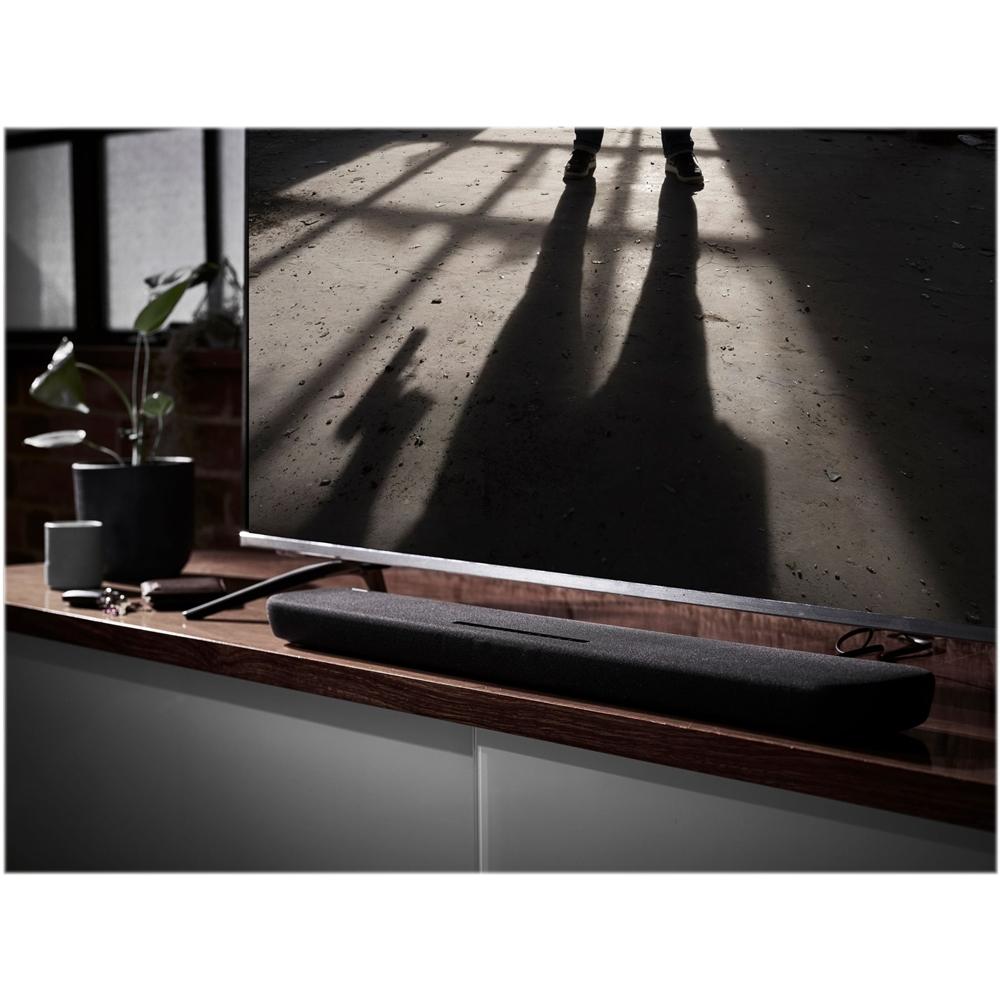
For more casual setups – a soundbar in a bedroom, apartment, or family room where the TV is just one of many activities – the Yamaha YAS-109 makes much more sense. It provides meaningful improvement over TV speakers without requiring you to rearrange your room or manage multiple components.
The five-year gap between these products' release dates represents significant evolution in soundbar technology. When the Yamaha YAS-109 launched in 2019, built-in Alexa was cutting-edge, and virtual surround processing was still relatively new. At that time, most affordable soundbars were simple stereo units with basic connectivity.
The 2024 LG S90TR benefits from advances in wireless technology that make the rear speaker connections more reliable, improved room correction algorithms that can handle more complex acoustic environments, and better integration with modern TV features like variable refresh rate gaming and advanced HDR formats.
However, this technological progress comes at a cost – literally. The YAS-109's simpler approach means it can be manufactured more affordably while still delivering the core benefits that most users are looking for: better dialogue clarity and more impactful bass than TV speakers can provide.
After extensive testing with both systems, I can confidently say that your decision should primarily be based on your room, your budget, and your content consumption habits rather than simply choosing the "better" soundbar.
Choose the LG S90TR if you have a dedicated viewing room with enough space for proper speaker placement, regularly watch movies with advanced audio formats, and want the most immersive experience possible. The investment makes sense if you're building a proper home theater and plan to keep the system for many years.
The Yamaha YAS-109 is the smarter choice for most people upgrading from TV speakers. It provides dramatic improvement in a single, manageable package that works in any room size. The built-in smart features and simple setup make it particularly appealing for users who want better sound without complexity.
Consider your content habits too. If you mainly watch network TV, YouTube, and streaming services with standard audio, the Yamaha will meet your needs perfectly. If you're a cinephile with a 4K Blu-ray collection and streaming service subscriptions that include Dolby Atmos content, the LG's capabilities will be more fully utilized.
Ultimately, both soundbars succeed at their intended purposes. The LG delivers a premium, immersive experience for serious home theater enthusiasts, while the Yamaha provides excellent value and convenience for everyday TV watching. Your choice between them should align with which of these priorities better matches your specific needs and living situation.
| LG S90TR 7.1.3 Channel Soundbar ($797) | Yamaha YAS-109 Sound Bar ($220) |
|---|---|
| Audio Channels - Determines immersion level and surround sound capability | |
| 7.1.3 channels with physical rear speakers and height effects | 2.1 channels with virtual surround processing |
| Dolby Atmos Support - Essential for 3D spatial audio from streaming and Blu-ray | |
| True Dolby Atmos with dedicated up-firing drivers | DTS Virtual:X (simulated overhead effects only) |
| Subwoofer Configuration - Affects bass impact and setup flexibility | |
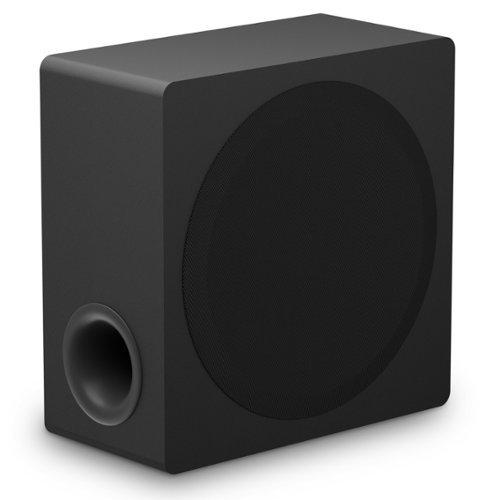
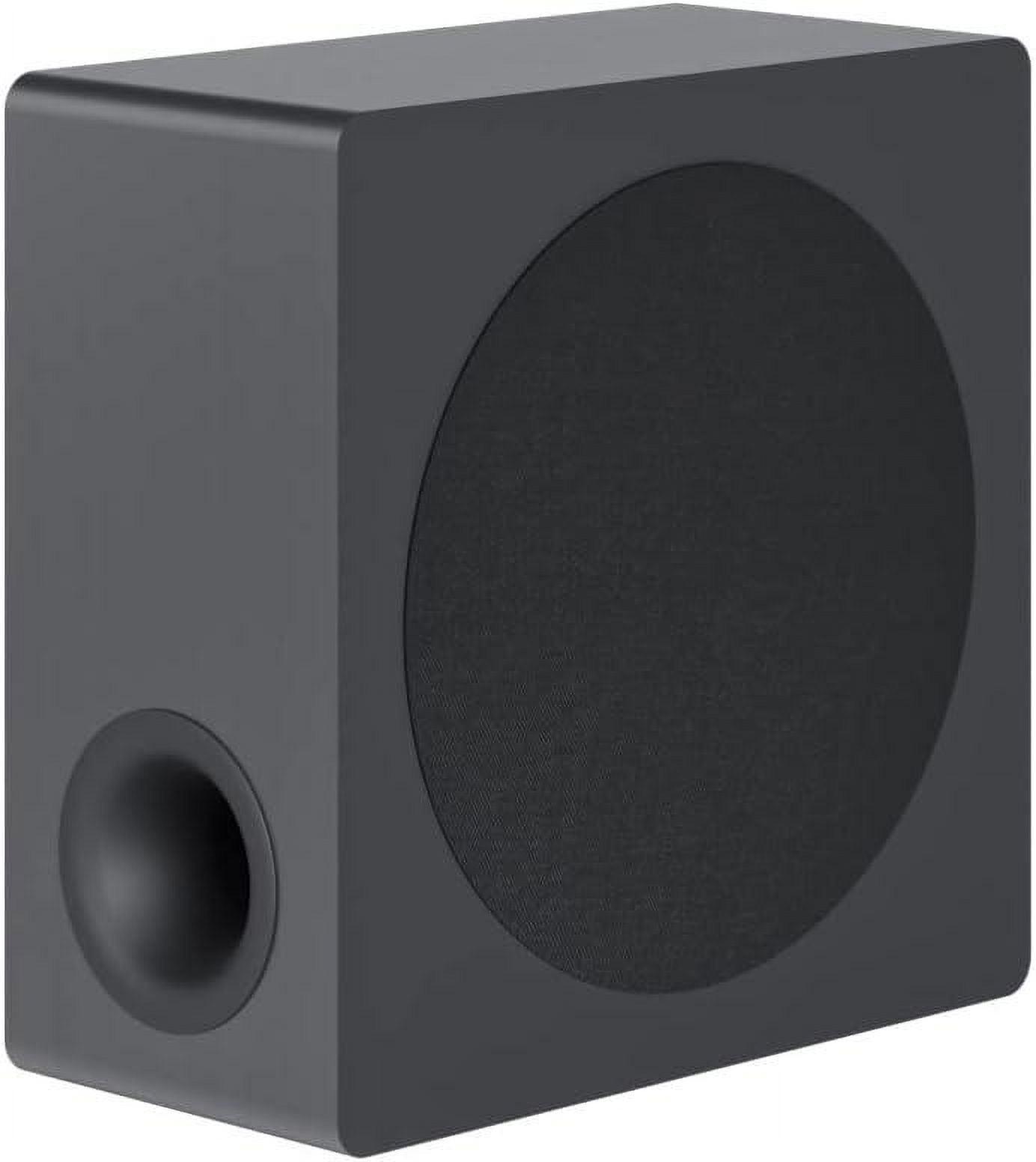
| Wireless 8-inch subwoofer (separate component) | Dual 3-inch built-in subwoofers |
| Total Power Output - Higher wattage generally means louder, cleaner sound | |
| Not specified (estimated 400W+ based on driver count) | 120W total (60W subwoofer, 60W main channels) |
| Room Size Requirements - Critical for proper performance and speaker placement | |
| Large rooms (12+ feet depth) for optimal rear speaker positioning | Any room size, ideal for small to medium spaces |
| Setup Complexity - Impacts ease of installation and daily use | |
| Multi-component system requiring rear speaker placement | Single soundbar, plug-and-play setup |
| HDMI Connectivity - Affects compatibility with modern devices and gaming | |
| HDMI eARC, 4K/120Hz passthrough, multiple inputs | HDMI ARC only, 4K/60Hz passthrough, single input |
| Smart Features - Voice control and streaming capabilities | |
| WOW Orchestra (LG TV integration), Wi-Fi streaming | Built-in Alexa, Spotify Connect, voice control |
| Room Calibration - Optimizes sound for your specific listening environment | |
| AI Sound Calibration with automatic room correction | No room calibration (manual EQ adjustments only) |
| Release Year - Indicates technology generation and future-proofing | |
| 2024 (latest technology and connectivity standards) | 2019 (mature but older wireless and processing tech) |
| Best Value Proposition - Who should consider each option | |
| Premium home theater enthusiasts with dedicated viewing rooms | TV audio upgraders seeking convenience and smart features |
The LG S90TR ($797) is significantly better for movies due to its true 7.1.3 Dolby Atmos support with physical rear speakers and up-firing drivers. This creates authentic overhead effects and surround sound that makes action scenes and cinematic content much more immersive. The Yamaha YAS-109 ($220) uses virtual surround processing which is decent for casual movie watching but can't match the spatial audio experience of a true multi-channel system.
The primary difference is that the LG S90TR is a complete surround sound system with wireless rear speakers and a separate subwoofer, while the Yamaha YAS-109 is an all-in-one soundbar with built-in subwoofers. The LG provides true surround sound effects, whereas the Yamaha creates virtual surround effects using digital processing from a single bar.
The Yamaha YAS-109 is much easier to set up since it's a single soundbar that you simply place in front of your TV and connect one cable. The LG S90TR requires positioning wireless rear speakers behind your seating area and placing a separate subwoofer, making the setup more complex but ultimately more rewarding for audio quality.
The LG S90TR works best in larger rooms (12+ feet deep) to properly position the rear speakers and achieve optimal surround effects. The Yamaha YAS-109 works excellent in any room size, making it perfect for apartments, bedrooms, or smaller living spaces where a full surround system would be overwhelming.
Both offer good bass but in different ways. The LG S90TR has a dedicated wireless subwoofer that provides deeper, more controlled bass with better room placement flexibility. The Yamaha YAS-109 has dual built-in subwoofers that deliver surprisingly punchy bass for its compact size, though not as deep as a dedicated subwoofer.
The Yamaha YAS-109 has Alexa built-in, allowing direct voice control of the soundbar, music streaming, and smart home devices. The LG S90TR doesn't have built-in voice assistants but can connect to external Alexa devices and offers advanced smartphone app control with more audio customization options.
For most people, the Yamaha YAS-109 ($220) offers exceptional value with dramatic sound improvement over TV speakers, built-in Alexa, and simple setup. The LG S90TR ($797) is better value for home theater enthusiasts who want premium Dolby Atmos performance and have the room space and budget for a complete surround system.
Both work well with gaming consoles, but the LG S90TR is better for serious gamers with its 4K/120Hz passthrough support for next-gen consoles and immersive surround effects that help with directional audio cues. The Yamaha YAS-109 offers lower input lag and a dedicated Game mode, making it suitable for competitive gaming.
The LG S90TR provides more accurate, balanced sound reproduction with AI room calibration that optimizes music playback for your space. The Yamaha YAS-109 has a bass-heavy sound signature that many find exciting for pop and electronic music, plus Spotify Connect for easy wireless streaming.
Dolby Atmos is increasingly important as more streaming services (Netflix, Disney+, Apple TV+) and 4K Blu-rays include this format. The LG S90TR provides true Dolby Atmos with physical height channels, while the Yamaha YAS-109 doesn't support Atmos at all, limiting its compatibility with premium audio content.
The LG S90TR is more future-proof with 2024 technology, advanced connectivity options, and support for the latest audio formats. The Yamaha YAS-109 from 2019 still performs well but lacks some modern features like HDMI eARC and the latest wireless standards.
Brand matching isn't essential, but the LG S90TR offers special WOW Orchestra integration with LG TVs that uses the TV's speakers alongside the soundbar for enhanced audio. The Yamaha YAS-109 works equally well with any TV brand and focuses on universal compatibility rather than brand-specific features.
We've done our best to create useful and informative comparisons to help you decide what product to buy. Our research uses advanced automated methods to create this comparison and perfection is not possible - please contact us for corrections or questions. These are the sites we've researched in the creation of this article: rtings.com - abt.com - youtube.com - bestbuy.com - microcenter.com - buydig.com - bestbuy.com - videoandaudiocenter.com - oceanstateappliance.com - youtube.com - avsforum.com - lg.com - rtings.com - crutchfield.com - usa.yamaha.com - digitaltrends.com - tomsguide.com - listenup.com - youtube.com - usa.yamaha.com - hub.yamaha.com - youtube.com - hub.yamaha.com

Privacy Policy
Terms and Conditions - Affiliate Policy
Home Security
© Copyright 2008-2026.
11816 Inwood Rd #1211, Dallas, TX 75244