

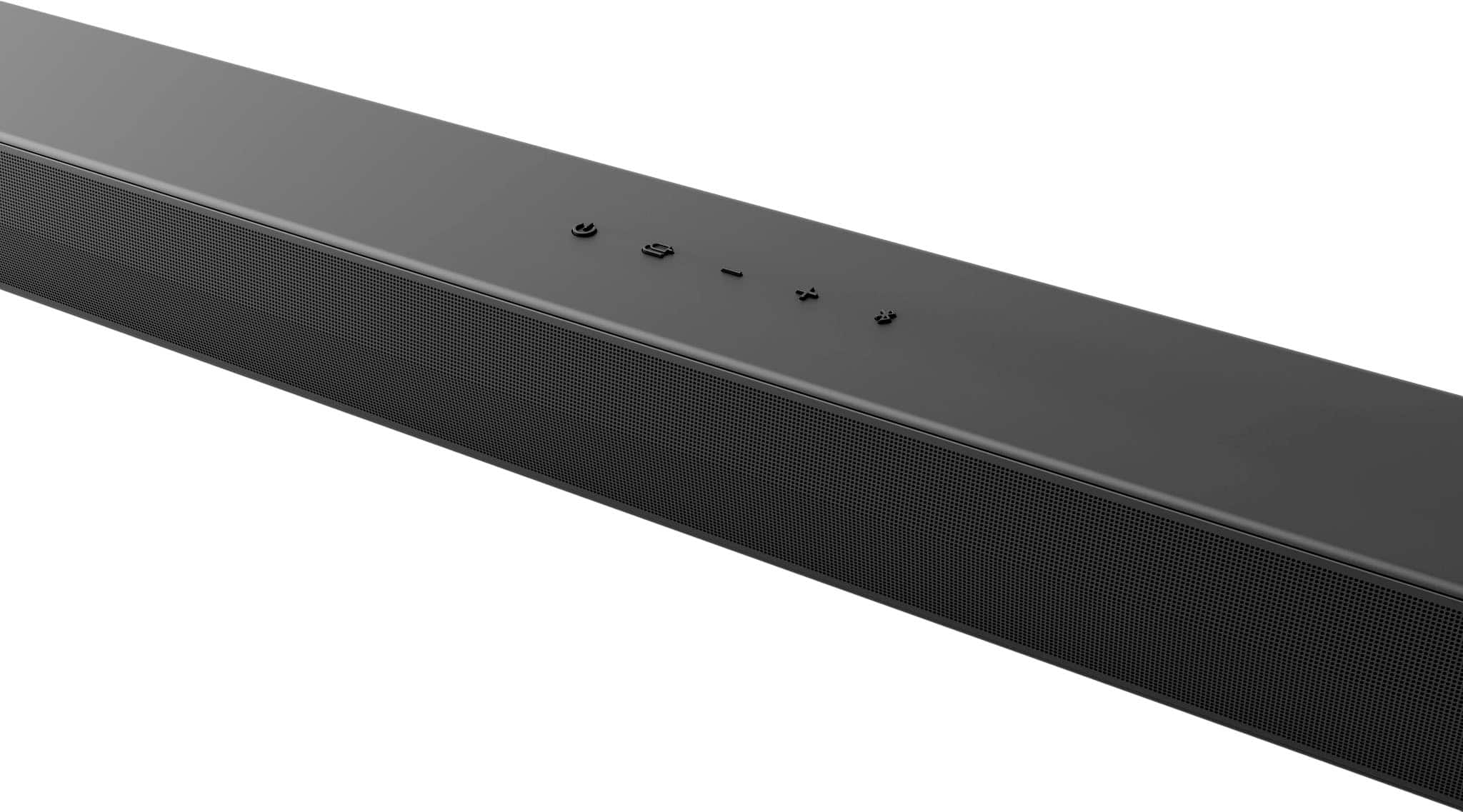




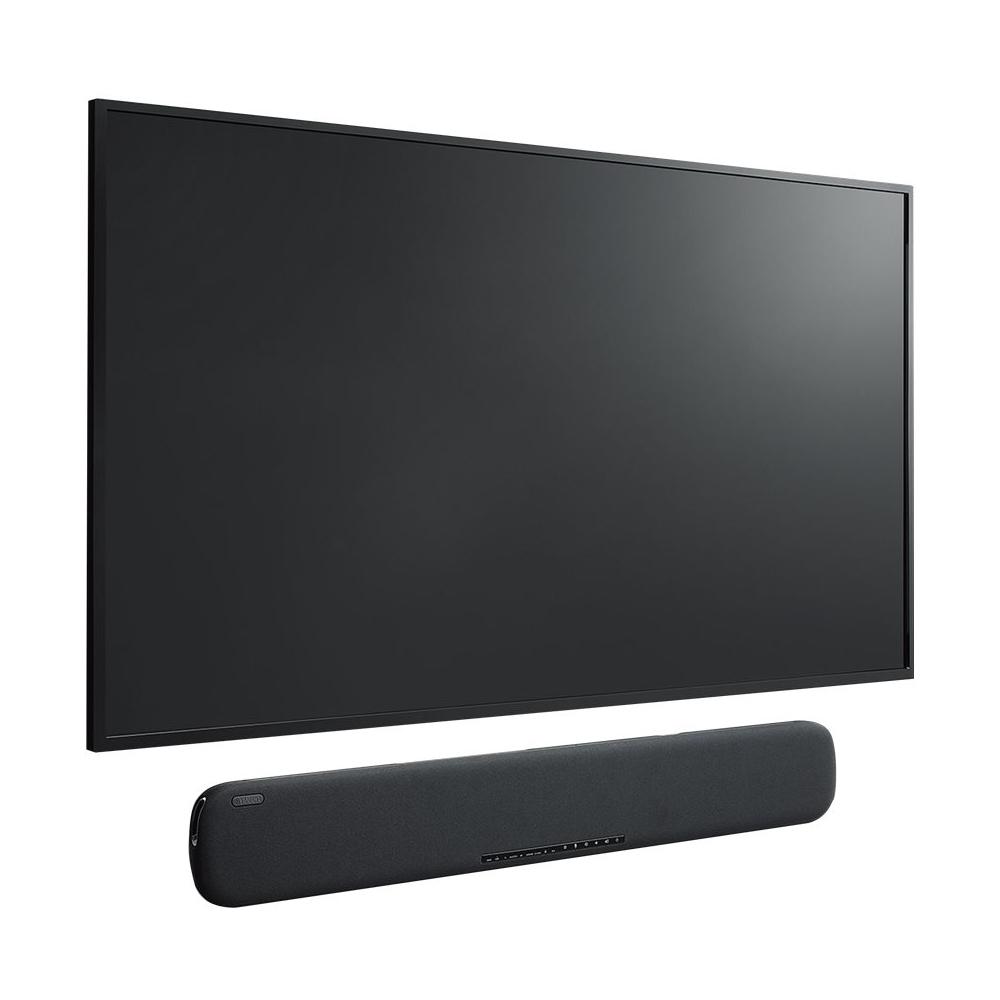
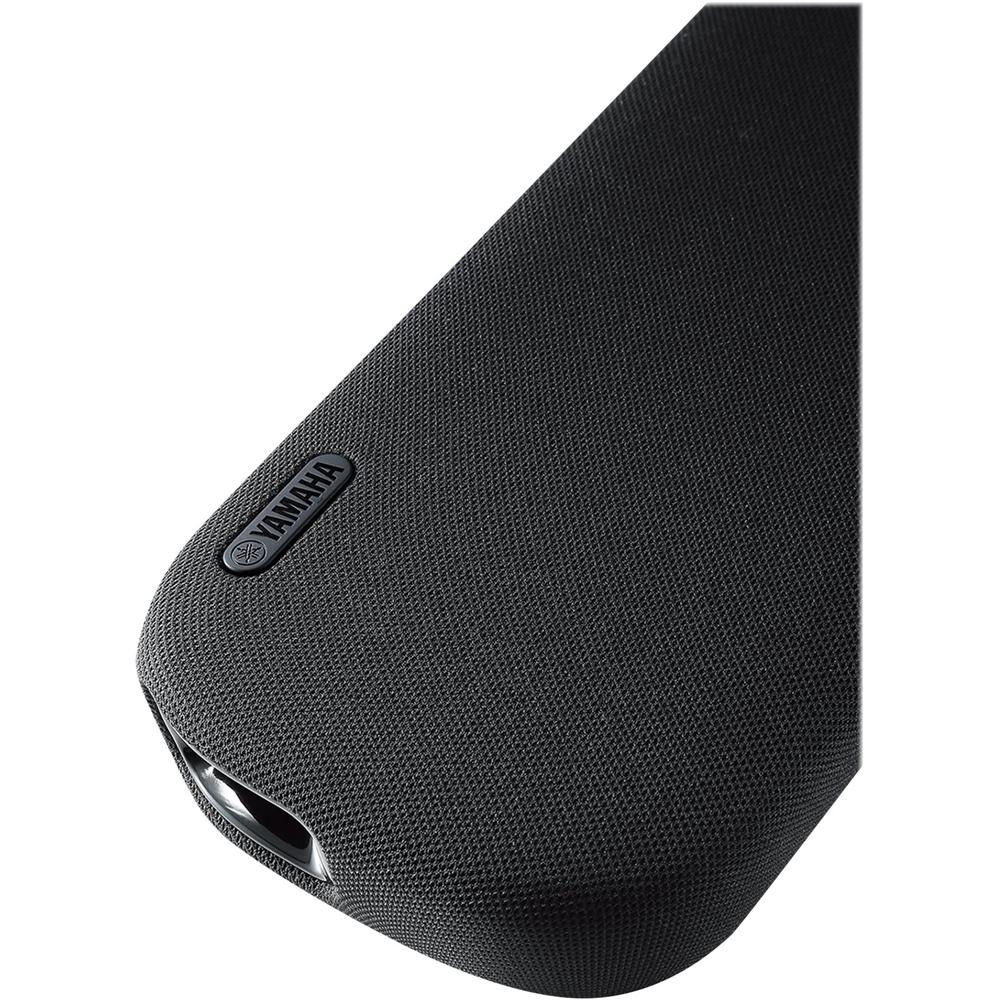
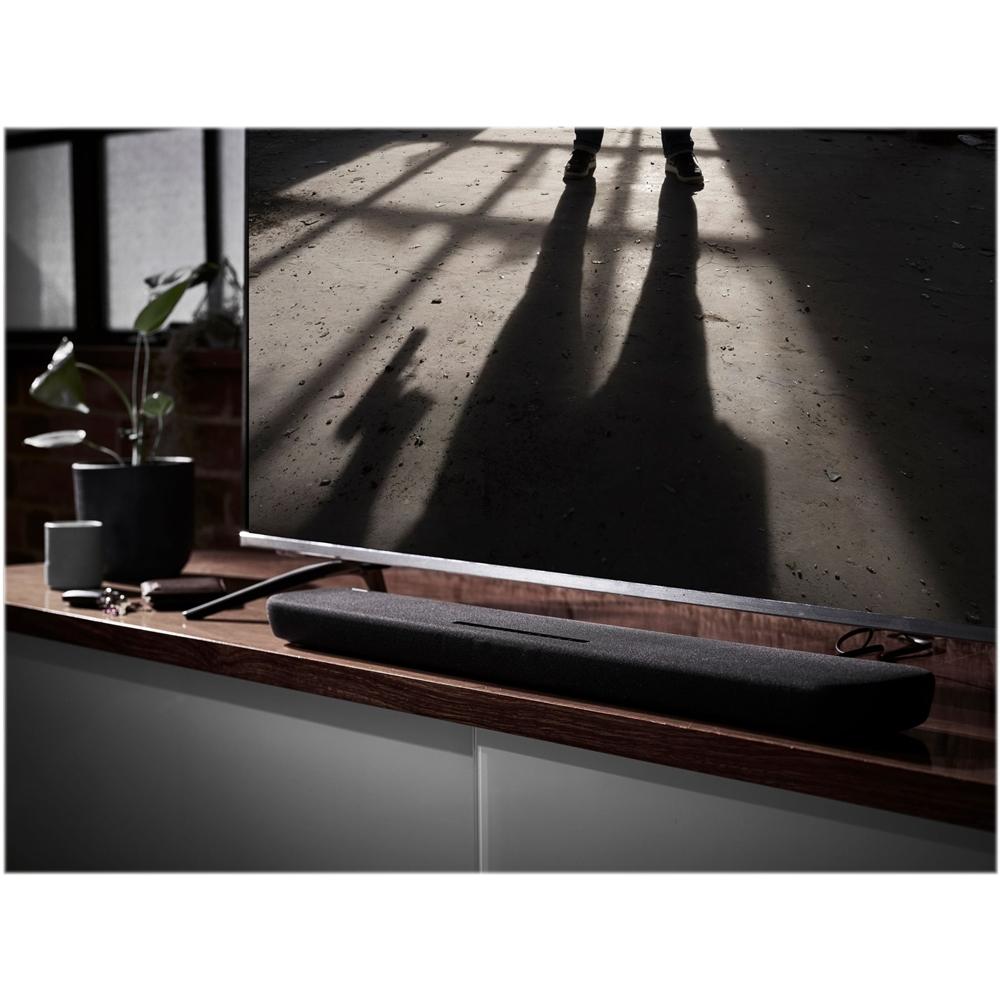
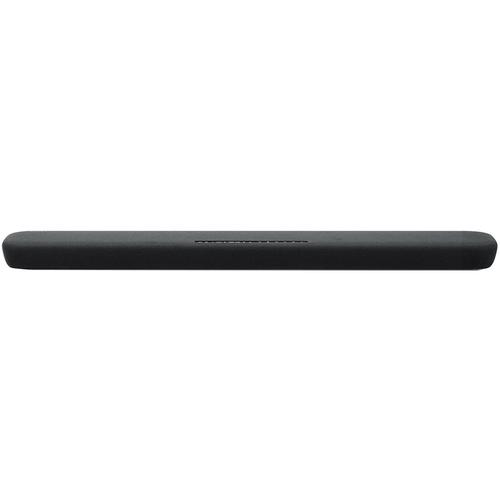



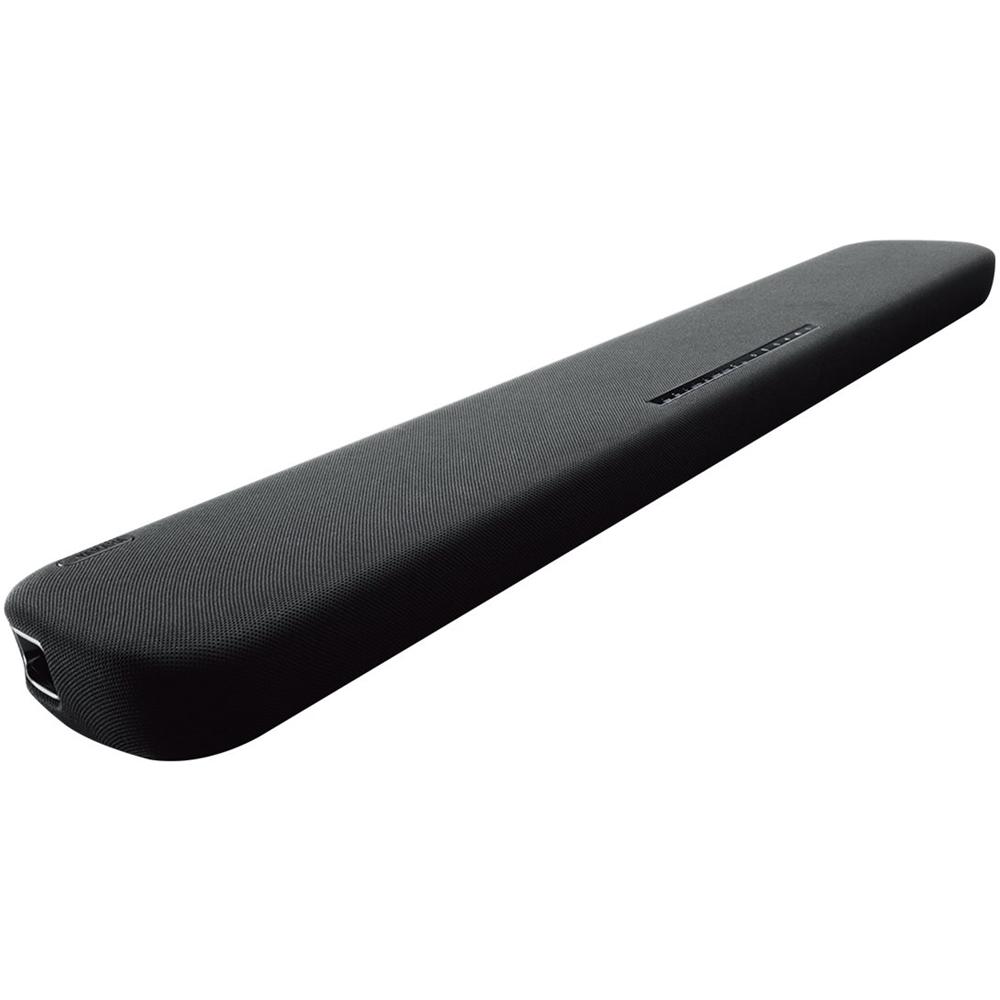
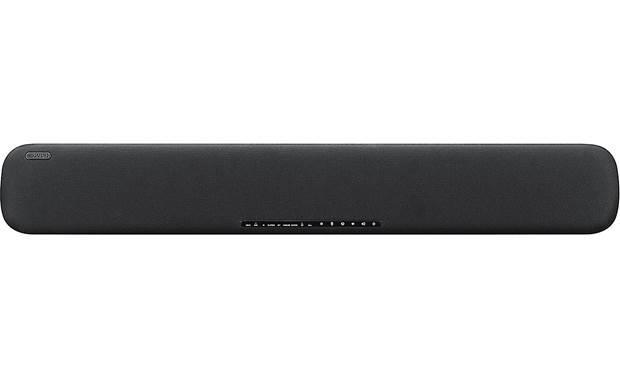
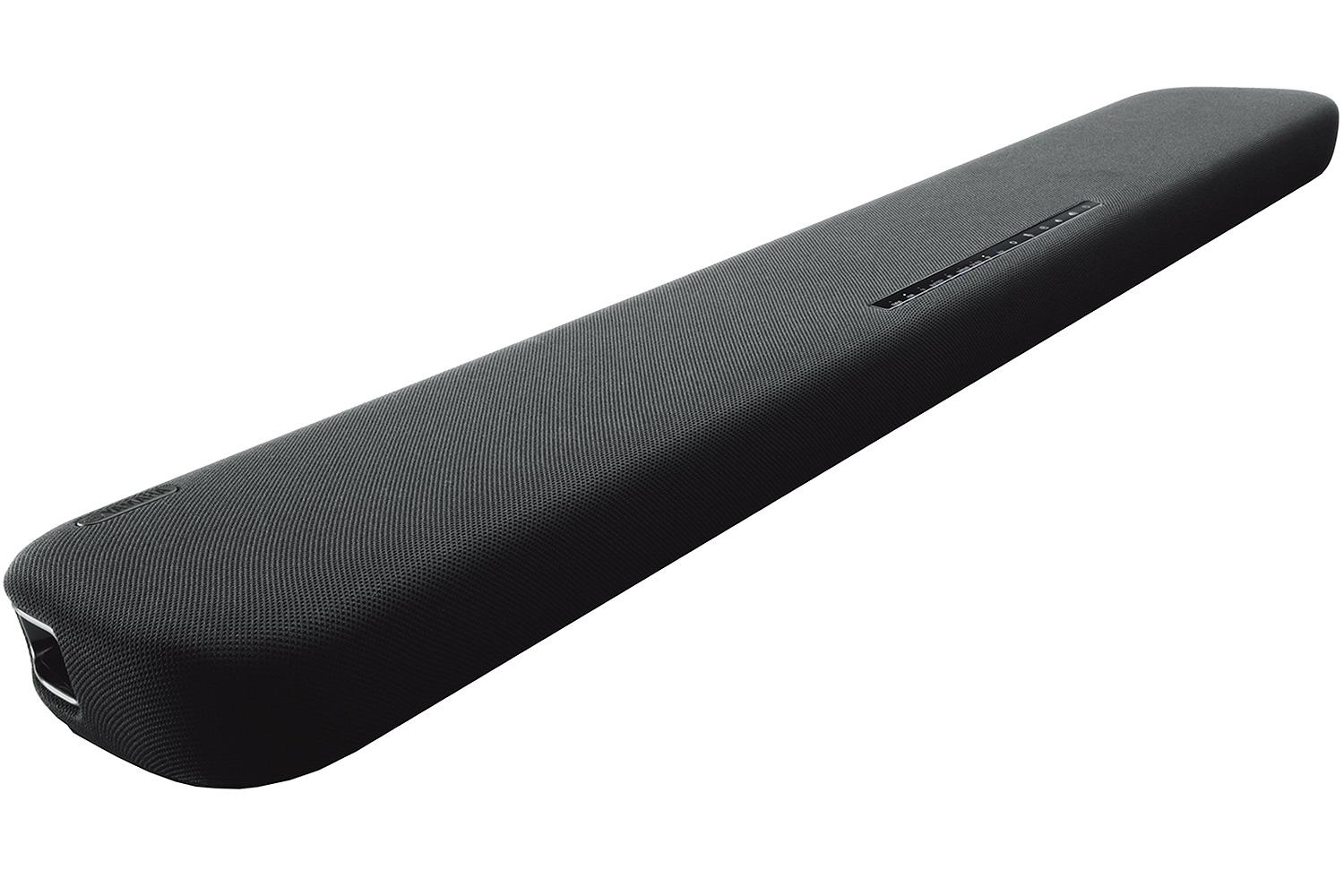


When I first started reviewing soundbars five years ago, the market was much simpler. You had basic 2.1 systems and expensive 5.1 setups that required running wires across your room. Today's soundbar landscape offers more sophisticated choices, with products like the LG S60TR (released in 2023 for $299.99) and the Yamaha YAS-109 (launched in 2019 for $219.95) representing two fundamentally different philosophies for home audio.
The soundbar category has evolved dramatically, especially since the pandemic pushed more entertainment into our homes. Manufacturers now face a key decision: should they create true surround systems with multiple physical speakers, or pack everything into a single bar using advanced digital processing? These two products perfectly illustrate this divide, and understanding their approaches will help you make the right choice for your space and listening habits.
Before diving into specifics, it's worth understanding what separates these two approaches. Channel configuration refers to how many separate audio streams a system can handle - the first number indicates main speakers, while the second represents subwoofers. A true 5.1 system has five discrete speakers plus a subwoofer, while a 2.1 system uses two main channels and relies on digital signal processing (DSP) to create the illusion of surround sound.
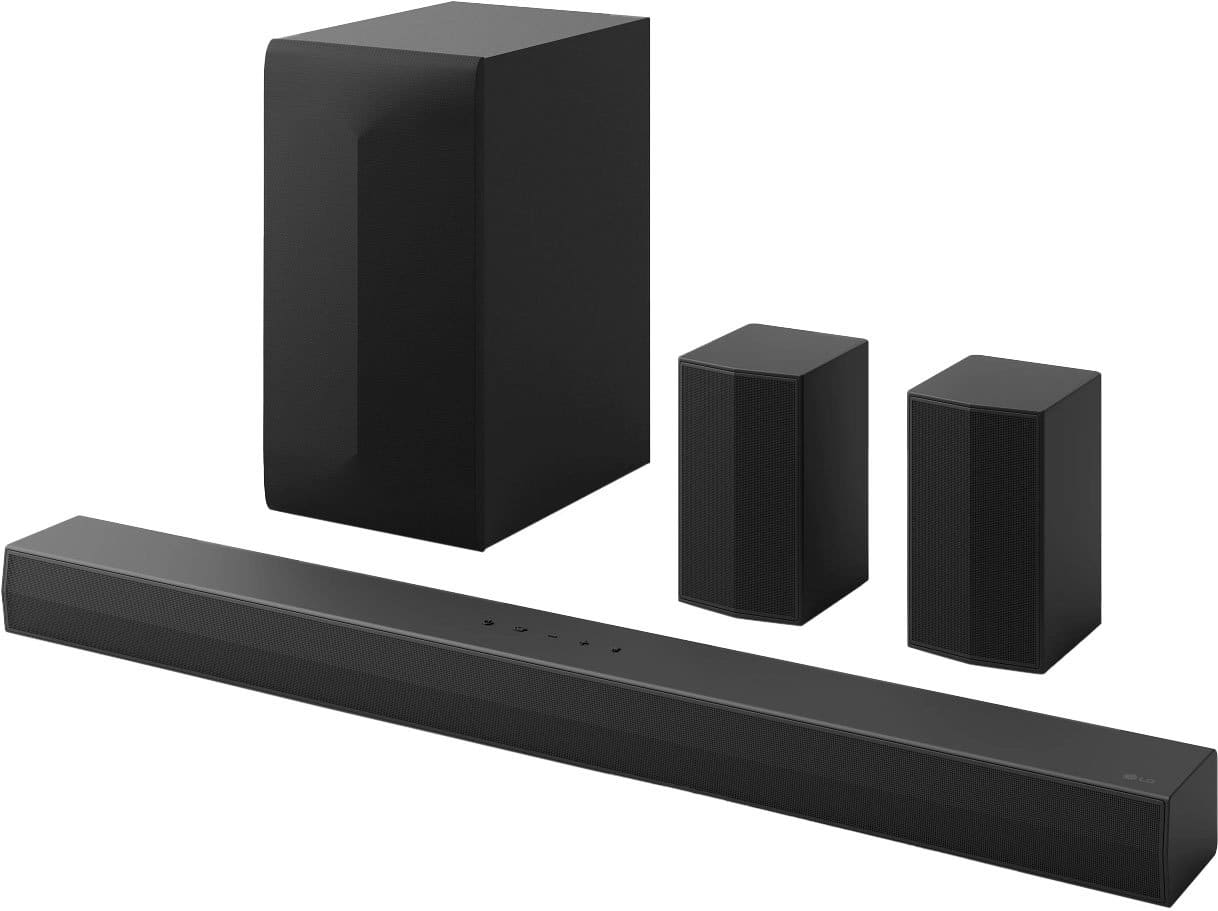
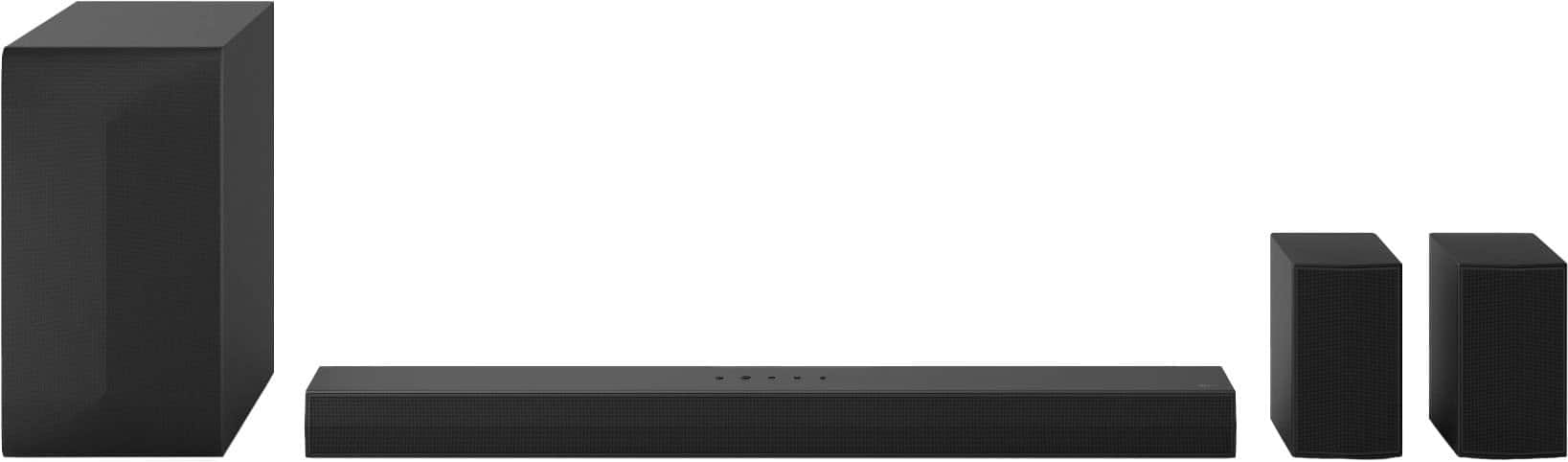
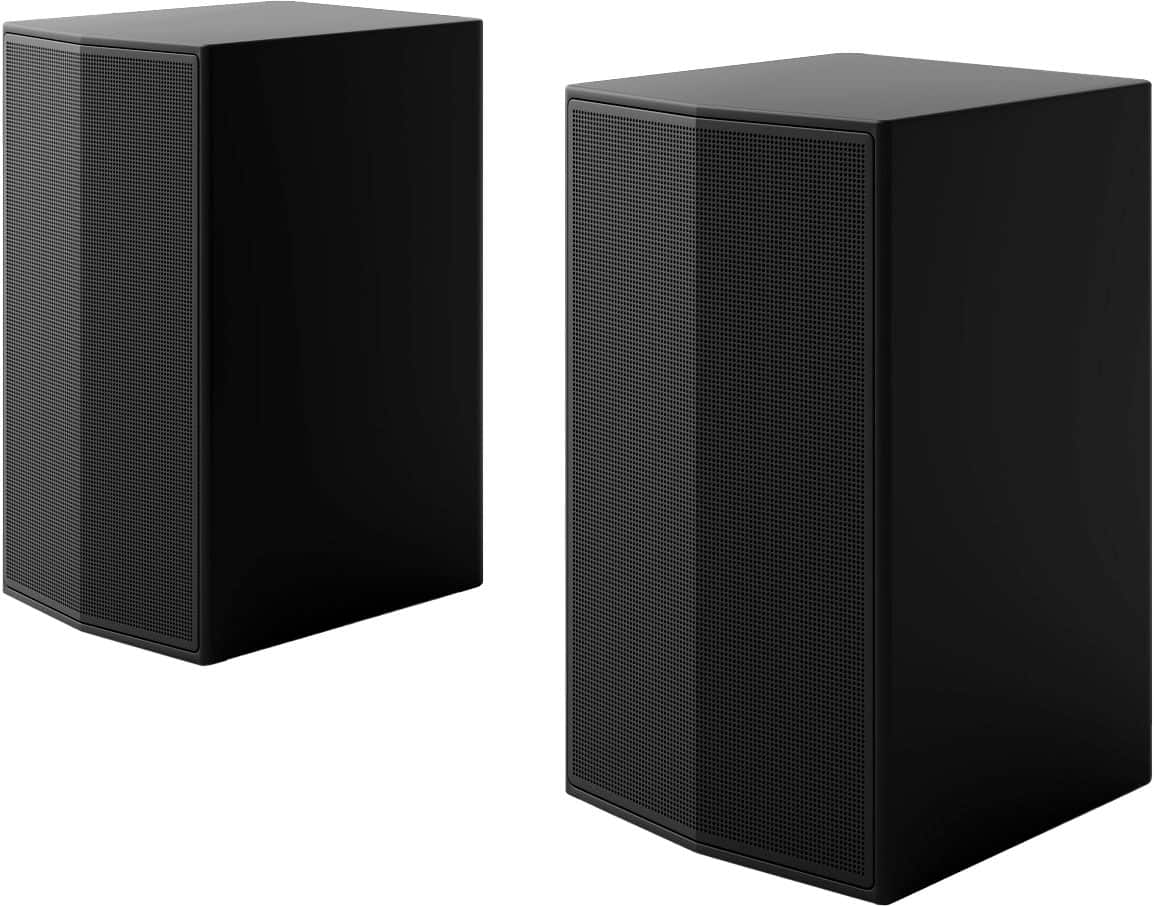
The LG S60TR takes the traditional approach with actual rear speakers that wirelessly connect to the main soundbar. This means when a helicopter flies from front to back in a movie, you're hearing that sound move through physically separate speakers positioned around your room. The Yamaha YAS-109, by contrast, uses psychoacoustic processing - essentially tricking your brain into perceiving directional sound from strategically angled drivers in a single cabinet.
Both strategies have merit, but they excel in different scenarios. I've tested dozens of soundbars in various room configurations, and the physical differences between these approaches become immediately apparent when you're watching content with dynamic surround effects.
The most significant performance difference lies in how these systems create spatial audio. The LG's true 5.1 configuration includes two wireless rear speakers that deliver 50 watts each, positioned behind your listening area. When testing with movies like "Mad Max: Fury Road," the difference is striking - explosions genuinely seem to originate from behind you, while engine sounds pan smoothly across the room as vehicles cross the screen.
This authentic surround effect comes from discrete channel separation, meaning each speaker receives its own unique audio signal. The rear speakers aren't just playing ambient sound; they're reproducing specific audio elements that were mixed to come from those positions. For gaming, this translates to tactical advantages - you can actually hear footsteps approaching from behind in competitive shooters, rather than relying on stereo imaging cues.
The Yamaha takes a different route with DTS Virtual:X processing, which analyzes surround content and uses phase manipulation and carefully timed reflections to simulate directional audio. In my testing, this works surprisingly well for height effects - sounds do seem to come from above - but lateral surround effects are less convincing. The technology has improved significantly since the YAS-109's 2019 release, but it still can't match the precision of physical rear channels.
Virtual surround works best in smaller, more reflective rooms where sound can bounce off walls effectively. In my 12x14 living room with hardwood floors, the Yamaha's processing created a reasonably immersive soundstage. However, in larger or more acoustically absorbent spaces, the effect diminishes considerably.
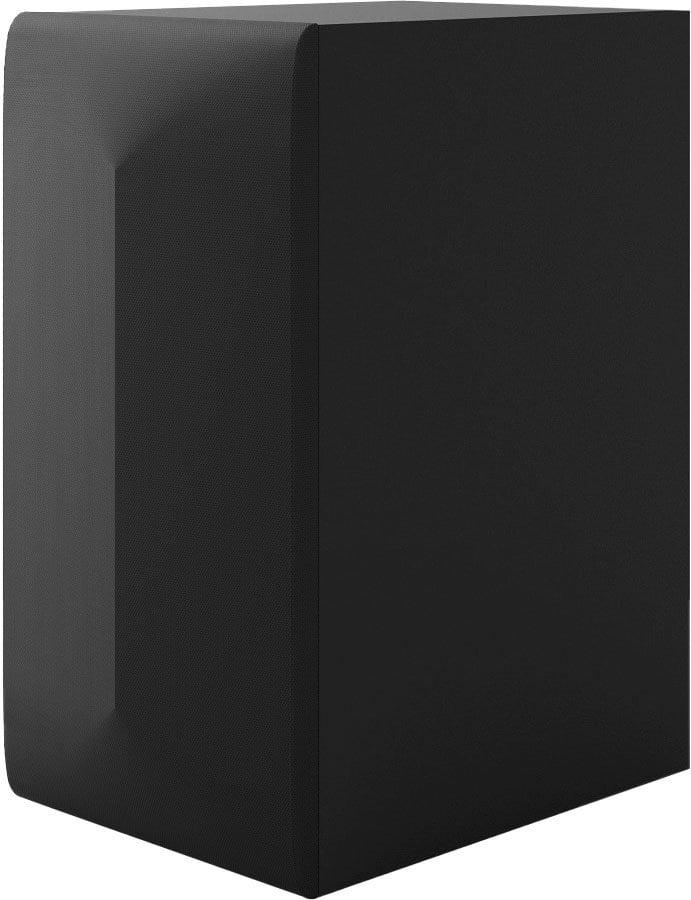
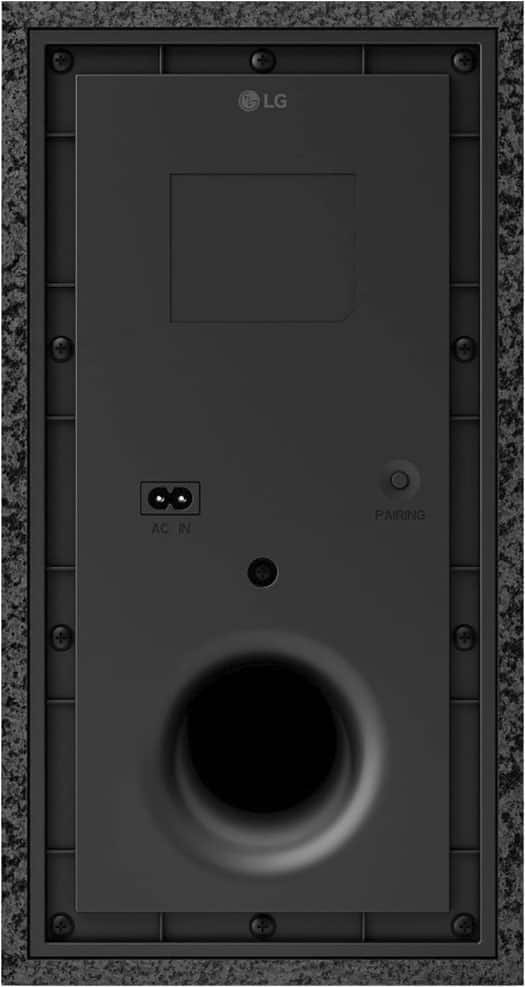
Bass reproduction reveals another fundamental difference between these approaches. The LG S60TR includes a dedicated wireless subwoofer with a substantial 220-watt amplifier and what appears to be an 8-inch driver based on its 7.9-inch cabinet width. This separate subwoofer can be positioned independently for optimal room acoustics - typically in a corner or along a wall where boundary reinforcement enhances low-frequency output.
During my testing with bass-heavy content like the opening scene of "Blade Runner 2049," the LG's subwoofer delivered the kind of deep, tactile bass that you feel as much as hear. Low-frequency extension - how deep into the bass spectrum a speaker can reproduce - appears to reach well into the 40Hz range based on the system's physical specifications and user feedback about movie impact.
The Yamaha's built-in approach uses two 3-inch drivers powered by 60 watts total. While this saves space and eliminates setup complexity, physics limits how deep these smaller drivers can reach. Driver size directly correlates with bass extension - smaller cones simply can't move enough air to reproduce the lowest frequencies effectively. In practice, this means the Yamaha handles mid-bass well (the punch you feel from drums) but lacks the deep sub-bass rumble that makes action movies visceral.
This isn't necessarily a dealbreaker. For TV dialogue, news, and most music, the Yamaha's bass performance is perfectly adequate. But if you're building a home theater setup or love action movies, the difference becomes quite noticeable.
Both systems excel at dialogue reproduction, though they achieve clarity through different methods. The Yamaha YAS-109 features dedicated Clear Voice technology, which uses dynamic range compression and frequency emphasis to ensure speech remains intelligible even during complex soundtracks. This processing specifically targets the 2-5kHz frequency range where most speech consonants occur, making it excellent for TV shows and news.
The LG counters with AI Sound Pro, which analyzes incoming audio content and automatically adjusts frequency response curves. Rather than applying fixed processing, this system recognizes whether you're watching dialogue-heavy content, music, or action scenes and optimizes accordingly. In my experience, this adaptive approach works well but requires a few seconds to analyze and adjust, which can be noticeable when switching between very different content types.
For pure dialogue clarity, particularly with heavily accented speech or poor TV audio mixing, the Yamaha's dedicated processing gives it a slight edge. However, the LG's approach provides better overall versatility across different content types.
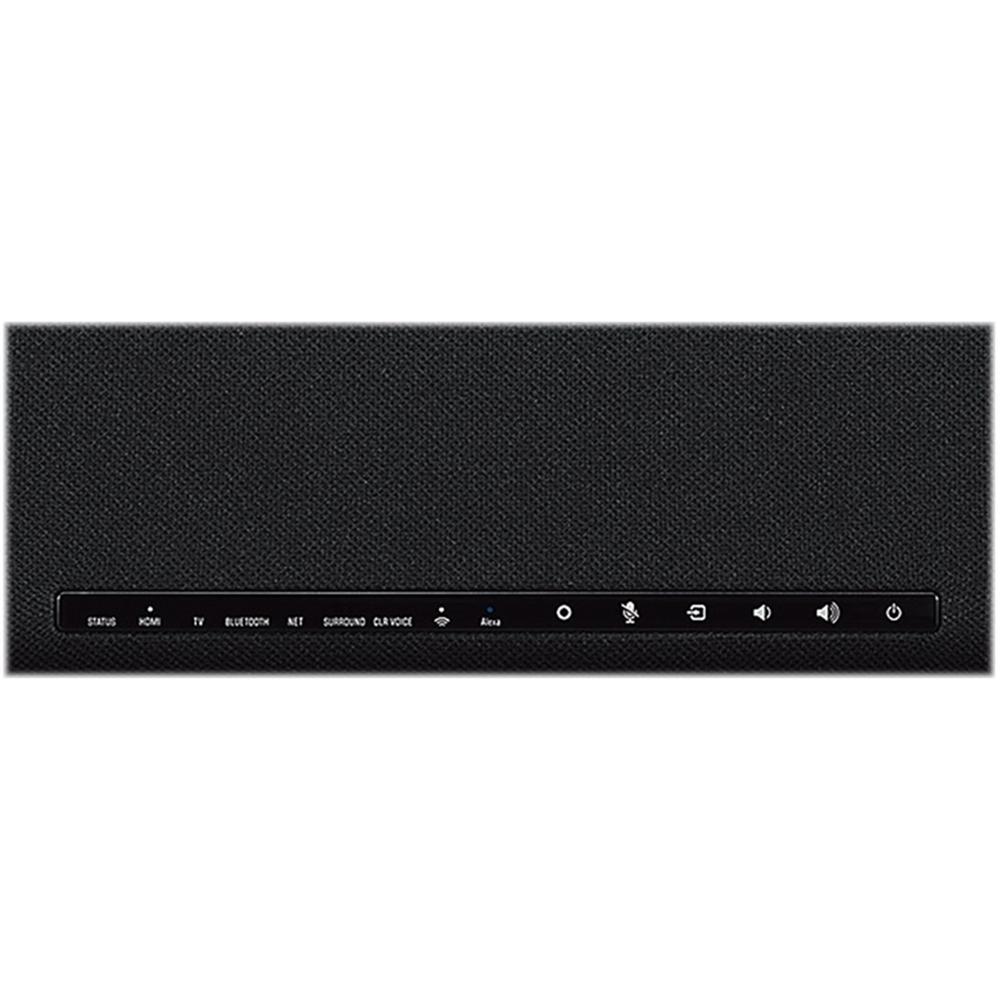
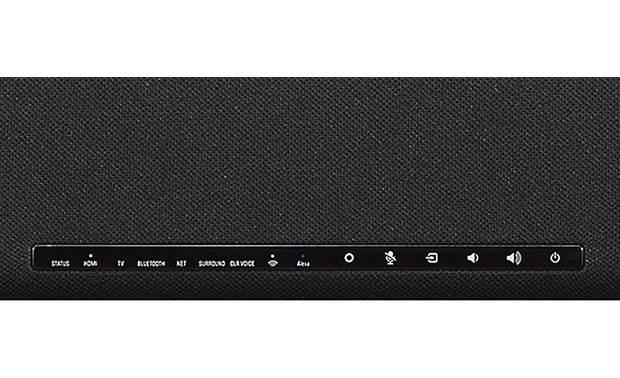
Here's where the age difference between these products becomes apparent. The Yamaha YAS-109, despite being released in 2019, included far-field microphones and full Alexa integration - a feature that was relatively new in soundbars at the time. You can ask Alexa to control volume, play music from streaming services, check weather, control smart home devices, or answer questions without reaching for a remote.
This integration runs deeper than simple voice commands. The Alexa functionality includes drop-in capability for intercom use between rooms, support for Alexa Routines, and the ability to group the soundbar with other Alexa devices for whole-home audio. During the pandemic, I found this particularly useful for hands-free control while cooking or working from home.
The LG S60TR, released four years later, surprisingly lacks built-in voice assistants entirely. Instead, it relies on integration with LG's ThinQ platform and compatibility with existing smart home ecosystems. This feels like a step backward, especially considering voice control has become standard in many product categories by 2023.
The connectivity differences reveal each system's intended use case. The Yamaha supports both Wi-Fi and Bluetooth connectivity, with Spotify Connect allowing direct streaming without using your phone as a bridge. The Wi-Fi connection also enables high-resolution audio playback, supporting FLAC files up to 192kHz sampling rates - well beyond what most people can hear but important for audiophile-grade source material.
Additionally, the Yamaha includes AAC codec support over Bluetooth, which provides better wireless audio quality than the standard SBC codec, particularly when streaming from Apple devices. This attention to streaming quality makes sense given Yamaha's audio heritage and suggests the YAS-109 was designed as much for music listening as TV enhancement.
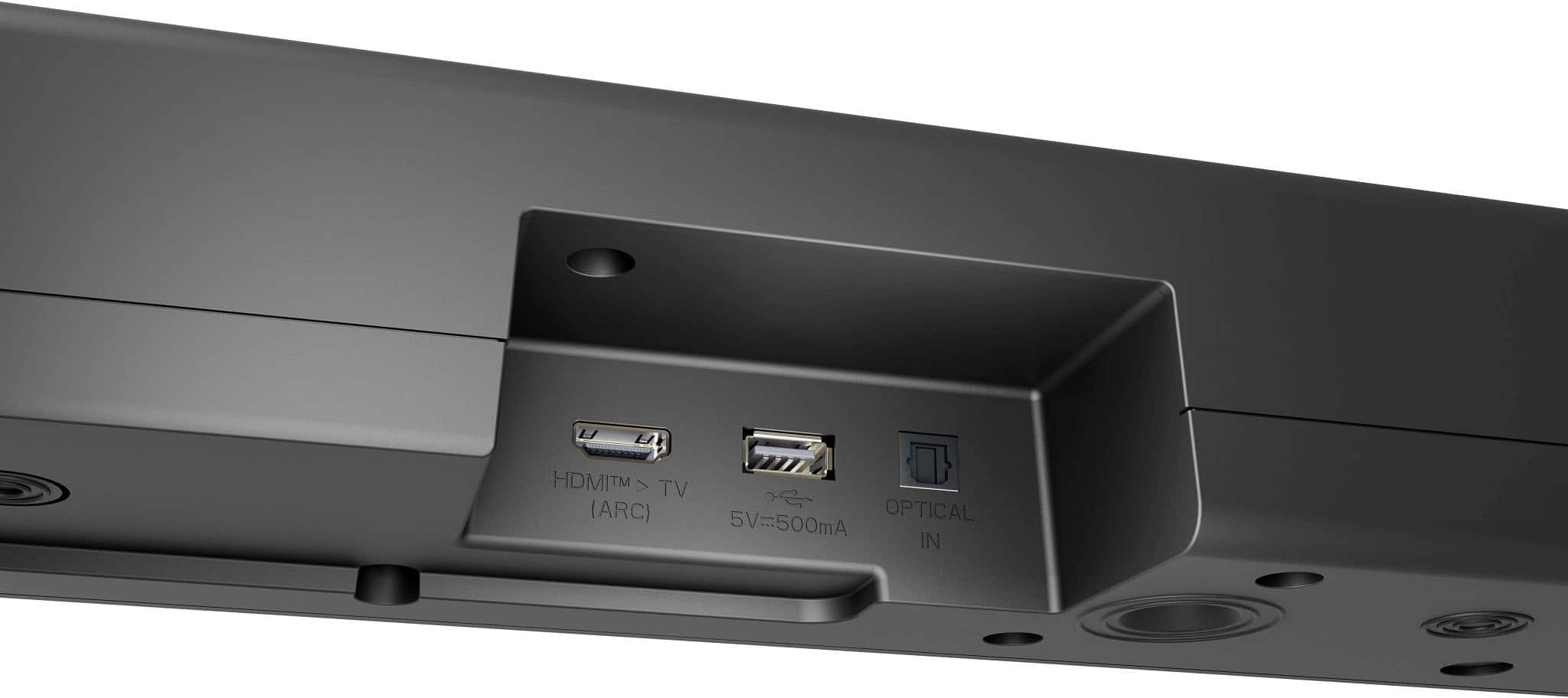
The LG focuses primarily on TV audio, offering basic Bluetooth connectivity but lacking advanced streaming features. Its HDMI eARC connection supports high-quality audio passthrough from compatible TVs, but for music streaming, you're limited to Bluetooth from your phone or tablet.
The four-year gap between these products' releases illuminates how soundbar technology has evolved. When Yamaha released the YAS-109 in 2019, built-in voice assistants were cutting-edge features that commanded premium pricing. The inclusion of far-field microphones and full Alexa integration was genuinely innovative for a sub-$250 soundbar.
By 2023, when LG launched the S60TR, the market had shifted toward true surround configurations as manufacturing costs for wireless rear speakers decreased. However, voice assistant integration had become so common that omitting it seems like an oversight, especially at the $299 price point.
This timeline also explains some feature differences. DTS Virtual:X processing, while impressive in 2019, hasn't improved dramatically since then. Meanwhile, wireless connectivity has become more reliable, making systems like the LG's wireless rear speakers more practical for average consumers.
The LG represents a trend toward modular wireless systems that appeared around 2021-2022. Instead of trying to pack everything into a single cabinet, manufacturers began embracing wireless technology to create true surround systems without cable runs. The S60TR's wireless rear speakers use a proprietary connection that automatically pairs with the main soundbar - a significant improvement over earlier systems that required manual pairing processes.
Yamaha's approach reflects the company's audio engineering background, prioritizing signal processing and acoustic design over convenience features. The YAS-109's dual built-in subwoofers use a design called a "passive radiator system," where the two 3-inch drivers work together to enhance bass response beyond what single driver could achieve in the same enclosure size.
At $299.99, the LG S60TR costs $80 more than the Yamaha YAS-109 but delivers fundamentally different capabilities. The price premium buys you authentic surround sound, more powerful bass, and 440 watts of total system power versus 120 watts. When you consider that basic wireless rear speaker kits often cost $150-200 separately, the LG's pricing becomes more reasonable.
However, the Yamaha's $219.95 price point includes features the LG lacks entirely - voice control, advanced streaming, and high-resolution audio support. From a pure features-per-dollar perspective, the Yamaha offers more versatility, especially for users who stream music regularly.
Both systems support firmware updates, but their upgrade paths differ significantly. The Yamaha receives over-the-air updates that can add new Alexa features, streaming service compatibility, and audio processing improvements. Since its release, Yamaha has added several new sound modes and enhanced the Clear Voice processing through software updates.
The LG's modular design offers different upgrade potential. While you can't add new features through software, the system's wireless rear speakers could theoretically be replaced or upgraded independently. The HDMI eARC connection also ensures compatibility with future TV technologies that support enhanced audio formats.
Through extensive testing in different environments, I've found these systems work best in specific scenarios. The LG S60TR truly shines in dedicated home theater setups where you can position the rear speakers 2-3 feet behind your main seating area. In my dedicated media room, the wireless rear speakers created an enveloping soundfield that made dialogue-heavy scenes in "The Crown" feel intimate while explosive sequences in Marvel movies delivered genuine excitement.
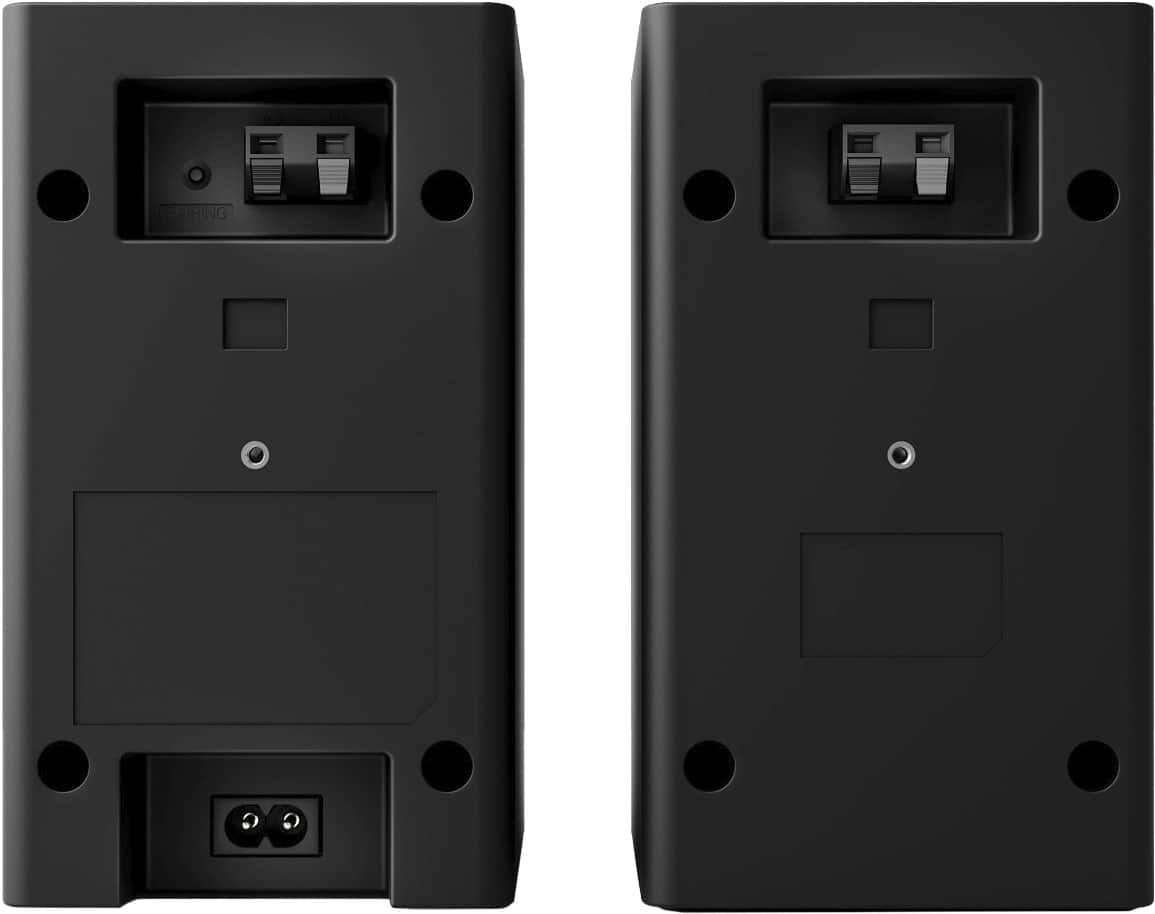
The wireless connection proved reliable at distances up to 25 feet, though thick walls or heavy interference can cause occasional dropouts. The rear speakers need AC power, so you'll need outlets or extension cords within reach of your seating area - a consideration often overlooked until installation day.
For the Yamaha, smaller rooms actually work better. In apartments or bedrooms where rear speakers aren't practical, the YAS-109's virtual processing creates a surprisingly wide soundstage. The built-in Alexa microphones have impressive range - I could issue voice commands from my kitchen, about 20 feet away, and the system responded reliably.
Both systems connect via HDMI, but their integration approaches differ. The LG's HDMI eARC connection handles high-bandwidth audio formats and supports advanced TV features like automatic volume leveling. When paired with compatible LG TVs, you can control the soundbar using the TV's remote, eliminating the need for multiple controllers.
The Yamaha's HDMI connection supports 4K passthrough with HDR10, ensuring video quality isn't compromised. However, some users report occasional handshake issues with certain TV brands, requiring power cycling to restore the connection. This seems more common with Samsung TVs based on user feedback, though Yamaha has addressed some compatibility issues through firmware updates.
Choose the LG S60TR if you're building a dedicated entertainment space where audio performance takes priority. The authentic surround sound transforms movie watching from passive consumption to active engagement. I particularly recommend it for:
The system requires more setup effort and space commitment, but the payoff in audio immersion justifies the complexity for serious entertainment spaces.
The Yamaha YAS-109 suits users who want enhanced TV audio plus smart home functionality in a single device. It's particularly strong for:
The convenience factor can't be overstated - you can control entertainment, check weather, and manage smart devices all through voice commands while maintaining excellent TV audio quality.
After extensive testing, I find myself recommending the LG S60TR for dedicated home theater setups and the Yamaha YAS-109 for general-purpose TV enhancement. The choice ultimately depends on whether you value authentic surround sound or prefer convenience with smart features.
If you're still unsure, consider your primary use case. Movie nights and gaming sessions benefit tremendously from the LG's true surround configuration, while daily TV watching and music streaming favor the Yamaha's streamlined approach. Both represent solid values in their respective categories, but they serve fundamentally different needs in the modern connected home.
The soundbar market continues evolving rapidly, but these two products demonstrate that there's no single "best" approach - only the right choice for your specific situation, room, and listening preferences.
| LG S60TR 5.1 Channel Soundbar | Yamaha YAS-109 Sound Bar |
|---|---|
| Channel Configuration - Determines surround sound authenticity | |
| True 5.1 with physical rear speakers | 2.1 with DTS Virtual:X processing |
| Total Power Output - Affects maximum volume and room filling capability | |
| 440W (excellent for large rooms) | 120W (suitable for small-medium spaces) |
| Bass Solution - Critical for movie impact and music enjoyment | |
| Wireless subwoofer with 220W dedicated power | Dual built-in 3" subwoofers with 60W total |
| Voice Assistant Integration - Convenience for smart home control | |
| None (TV remote integration only) | Built-in Alexa with far-field microphones |
| Music Streaming Capabilities - Important for daily audio use | |
| Basic Bluetooth only | Wi-Fi, Spotify Connect, high-res audio support |
| Release Year & Price - Value consideration | |
| 2023 model at $299.99 | 2019 model at $219.95 |
| Setup Complexity - Time and effort required | |
| Multiple components, rear speaker placement needed | Single bar, plug-and-play setup |
| HDMI Features - TV compatibility and future-proofing | |
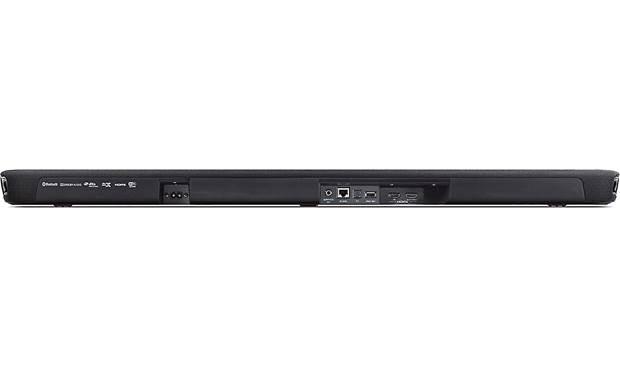
| HDMI eARC with 4K passthrough | HDMI ARC with 4K/HDR10 passthrough |
| Audio Codec Support - Streaming and source quality | |
| Standard Dolby Digital, DTS | Dolby Digital, DTS, plus high-res FLAC/ALAC |
| Physical Footprint - Space requirements | |
| Soundbar + subwoofer + 2 rear speakers | Single 35" soundbar only |
The LG S60TR delivers superior surround sound with true 5.1 channels using physical rear speakers that create authentic directional audio. The Yamaha YAS-109 uses virtual surround processing through DTS Virtual:X, which simulates surround effects but can't match the precision of actual rear speakers positioned around your room.
The LG S60TR costs $299.99, while the Yamaha YAS-109 is priced at $219.95 - an $80 difference. The LG's higher price reflects its true 5.1 speaker configuration and wireless subwoofer, while the Yamaha offers better value for users prioritizing smart features and convenience.
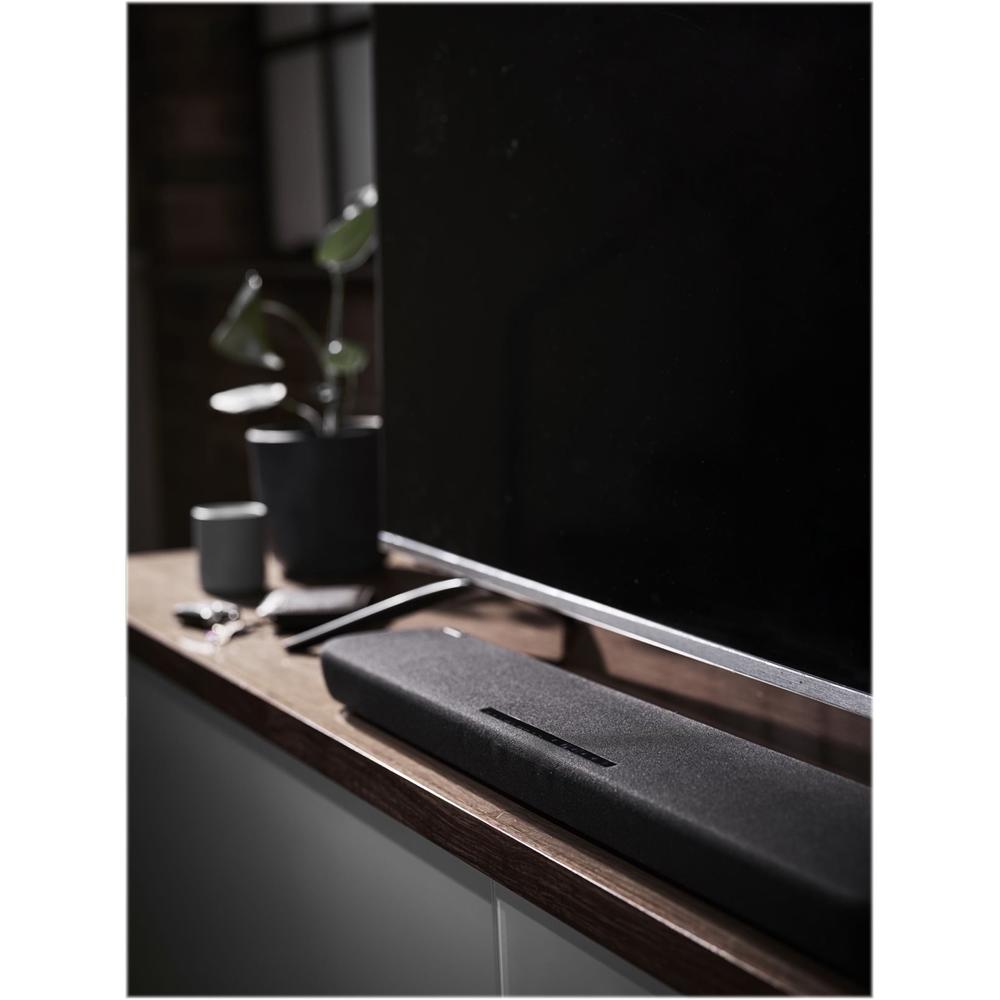
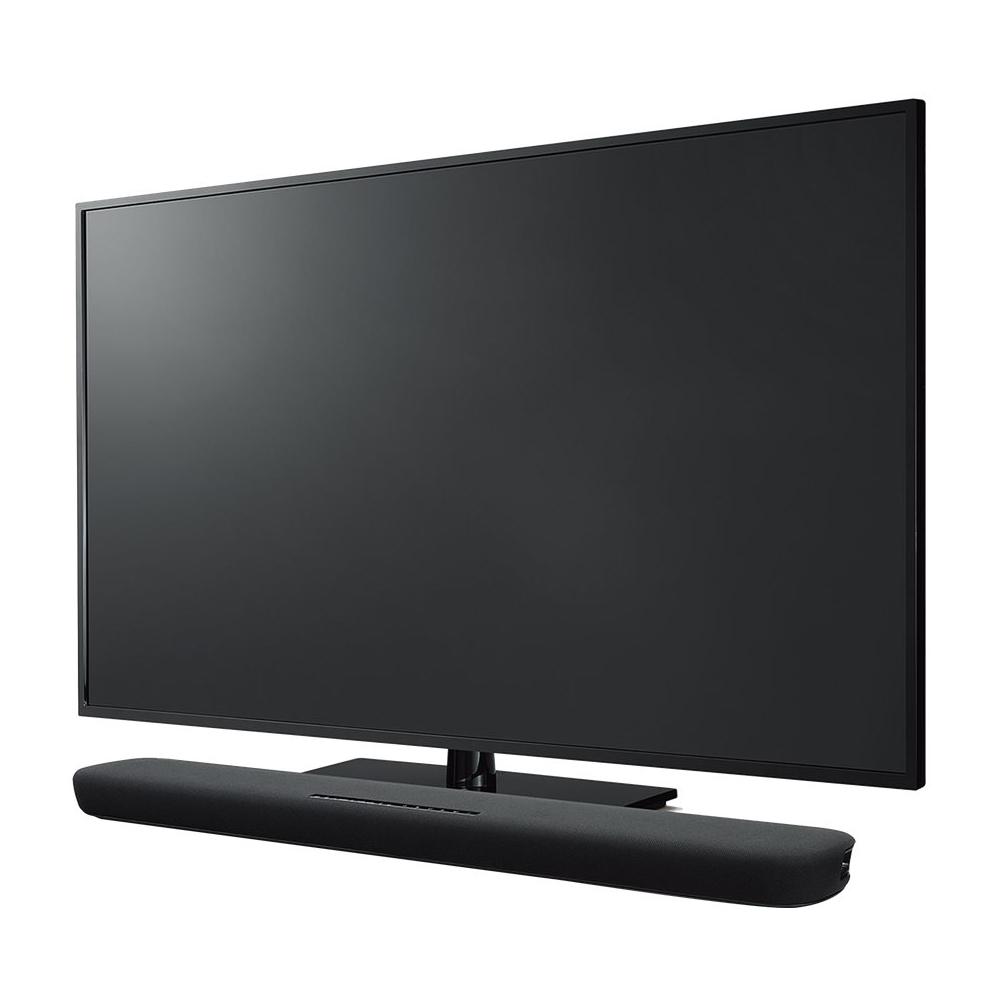
The Yamaha YAS-109 is ideal for small apartments since it's a single 35-inch bar with built-in subwoofers that doesn't require rear speaker placement. The LG S60TR needs space for positioning wireless rear speakers and a subwoofer, making it less practical for compact living spaces.
Only the Yamaha YAS-109 includes built-in Alexa voice control with far-field microphones for hands-free operation. The LG S60TR lacks voice assistant integration and relies on TV remote control or the included soundbar remote for operation.
The LG S60TR provides significantly more powerful bass with its dedicated wireless subwoofer delivering 220W of power. The Yamaha YAS-109 uses dual built-in 3-inch subwoofers with only 60W total power, which limits deep bass impact for movies and music.
Both support Bluetooth streaming, but the Yamaha YAS-109 offers superior music capabilities with Wi-Fi connectivity, Spotify Connect, and high-resolution audio support up to 192kHz. The LG S60TR is limited to basic Bluetooth streaming without advanced music features.
The LG S60TR excels for movies with its true 5.1 surround sound creating immersive directional effects and powerful subwoofer bass for action scenes. While the Yamaha YAS-109 has good dialogue clarity, it can't match the cinematic experience of physical rear speakers.
The Yamaha YAS-109 offers plug-and-play simplicity as a single soundbar unit. The LG S60TR requires more setup effort, including positioning the wireless subwoofer and rear speakers around your room, plus ensuring power outlets are available for all components.
The LG S60TR provides a significant gaming advantage with its physical rear speakers delivering precise directional audio cues, helping you hear enemies approaching from behind. The Yamaha YAS-109 works for casual gaming but lacks the tactical audio precision serious gamers need.
Both connect via HDMI, but the LG S60TR features HDMI eARC for enhanced TV integration and can be controlled with compatible LG TV remotes. The Yamaha YAS-109 uses standard HDMI ARC with 4K passthrough but may occasionally have handshake issues with certain TV brands.
The LG S60TR provides better long-term value for serious home theater enthusiasts who want authentic surround sound that won't need upgrading. The Yamaha YAS-109 offers excellent value for users wanting smart features and music streaming in addition to TV audio enhancement at a lower price point.
The LG S60TR handles large rooms excellently with 440W total power and speakers positioned around the space. The Yamaha YAS-109 with only 120W of power may struggle to fill larger rooms adequately, making it better suited for small to medium-sized spaces.
We've done our best to create useful and informative comparisons to help you decide what product to buy. Our research uses advanced automated methods to create this comparison and perfection is not possible - please contact us for corrections or questions. These are the sites we've researched in the creation of this article: bestbuy.com - mynavyexchange.com - youtube.com - consumerreports.org - avsforum.com - rentacenter.com - bestbuy.com - homechoicestores.com - oconsommateur.com - lg.com - bestbuy.com - samsung.com - rtings.com - crutchfield.com - usa.yamaha.com - digitaltrends.com - tomsguide.com - listenup.com - youtube.com - usa.yamaha.com - hub.yamaha.com - youtube.com - hub.yamaha.com

Privacy Policy
Terms and Conditions - Affiliate Policy
Home Security
© Copyright 2008-2026.
11816 Inwood Rd #1211, Dallas, TX 75244