





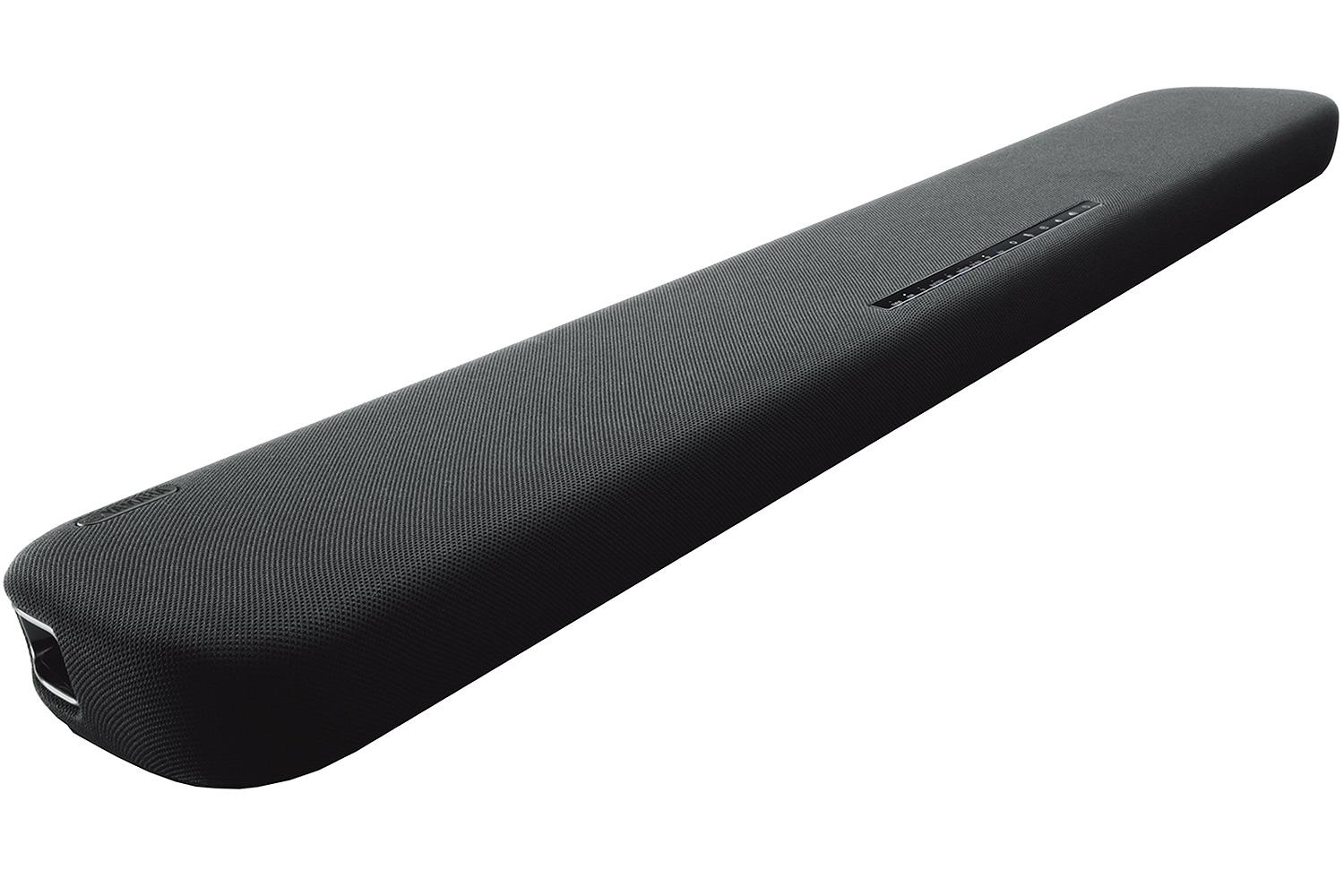
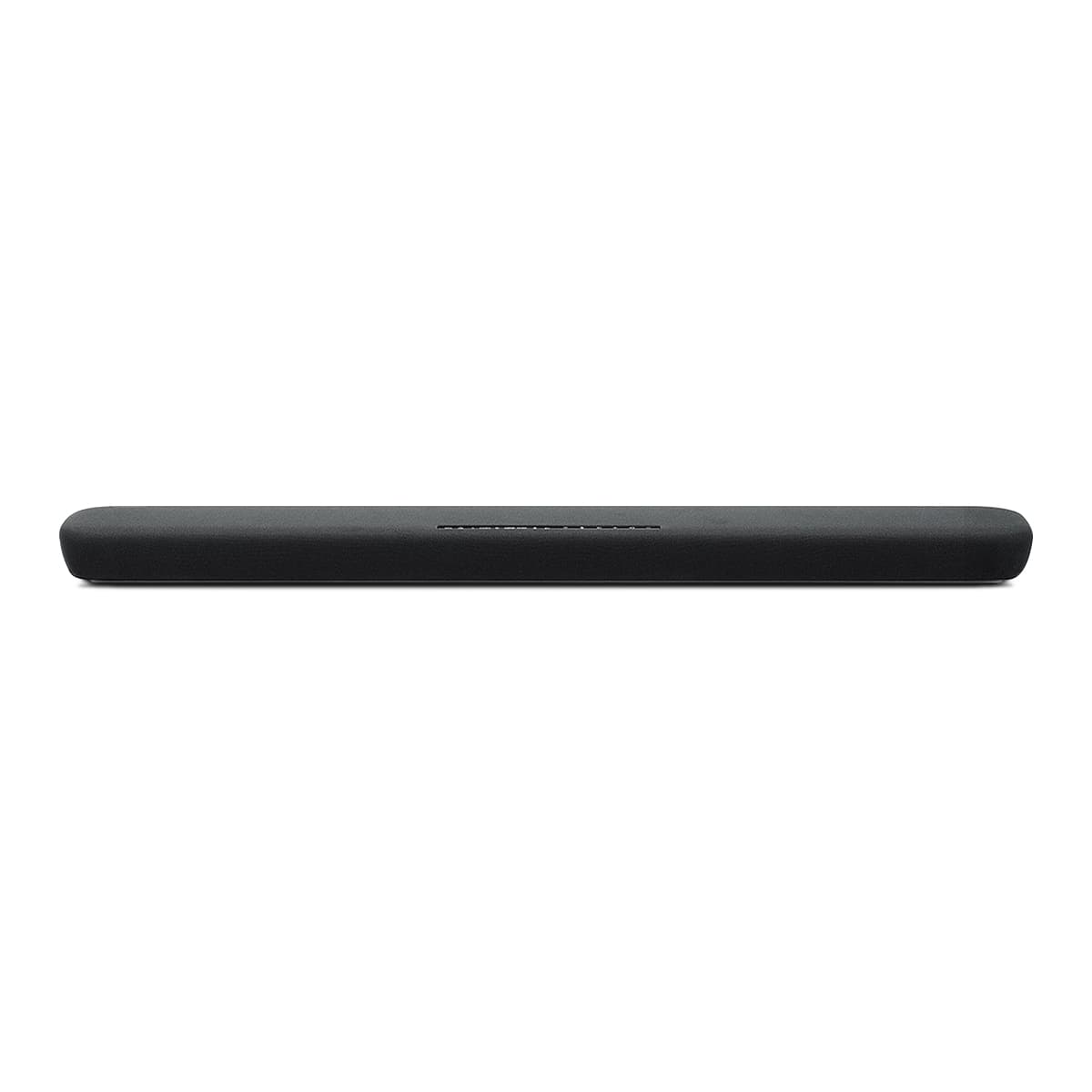
Shopping for a soundbar can feel overwhelming when you're comparing products that seem worlds apart in price and features. The JBL Bar 1300X ($1,299.95) and Yamaha YAS-109 ($219.95) represent two completely different philosophies in home audio – one chasing the ultimate home theater experience, the other delivering maximum value in a simple package. After spending time with both systems, I can help you understand which approach makes sense for your specific situation.
Before diving into these specific models, it's worth understanding what you're actually buying when you choose a soundbar. Think of soundbars as the middle ground between your TV's terrible built-in speakers and a full surround sound system with speakers scattered around your room. The technology inside determines how well they can create that cinema-like experience you're after.
The key factors that separate good soundbars from great ones include audio quality and power output (how clear and loud they can get), surround sound capabilities (whether they can make sounds appear to come from behind you), room size compatibility (matching the system's power to your space), connectivity options (how many devices you can plug in), and setup complexity versus performance gains.
What's interesting about comparing these two models is that they were designed for completely different users, even though they technically do the same job. The JBL represents the "spare no expense" approach that launched in 2023, while the Yamaha follows the "smart simplicity" philosophy and has been refined since its 2019 release with consistent software updates that have improved its streaming capabilities and voice processing.
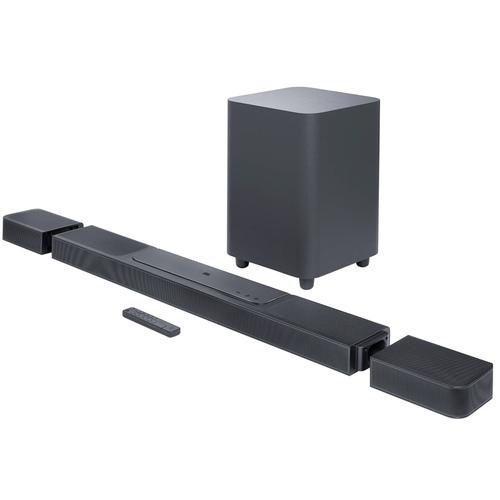
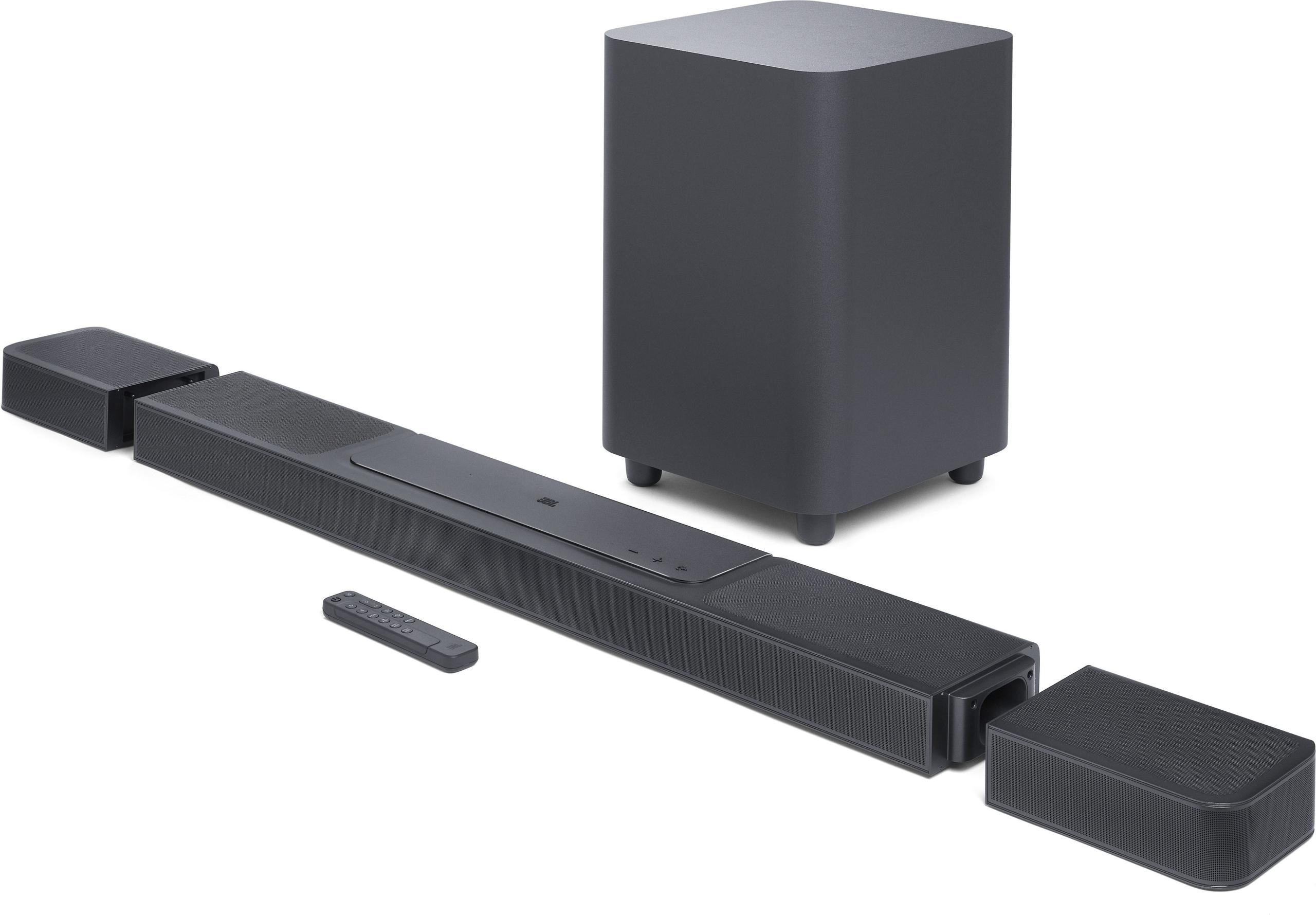
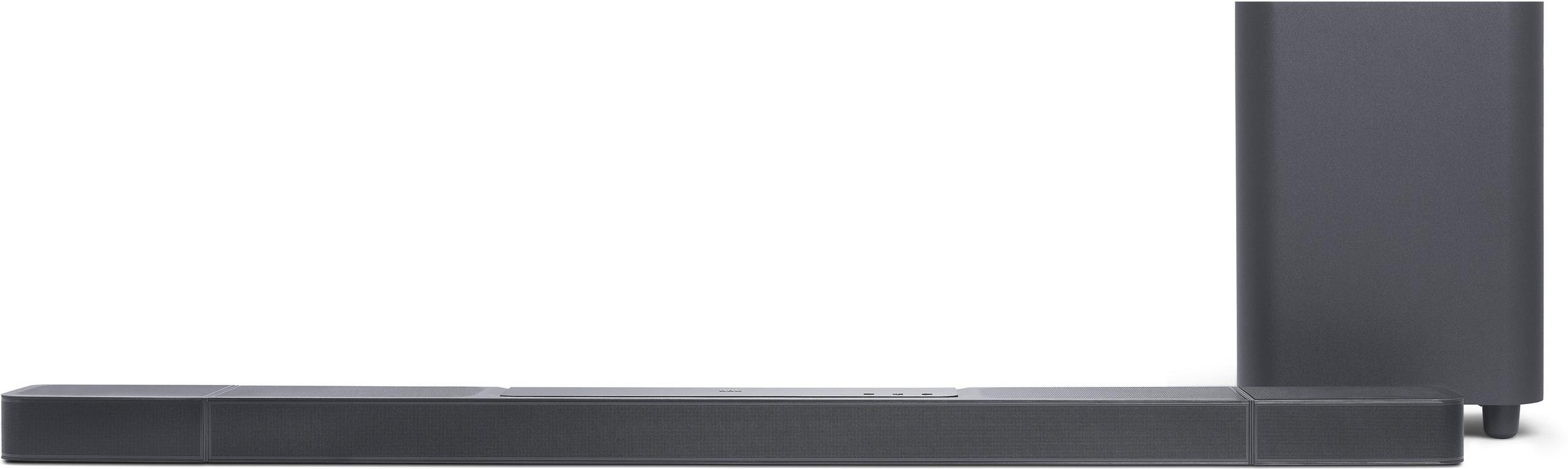
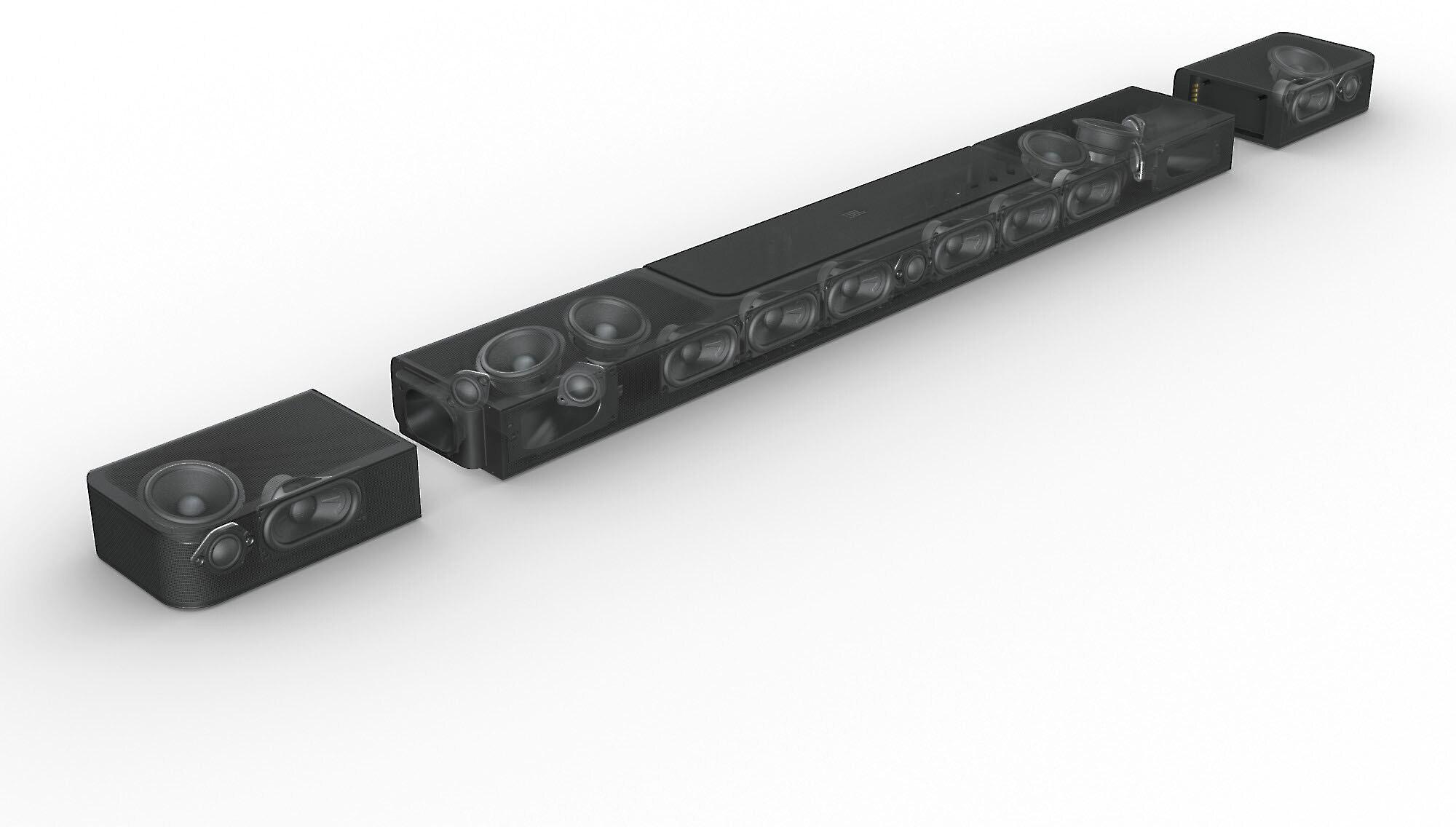
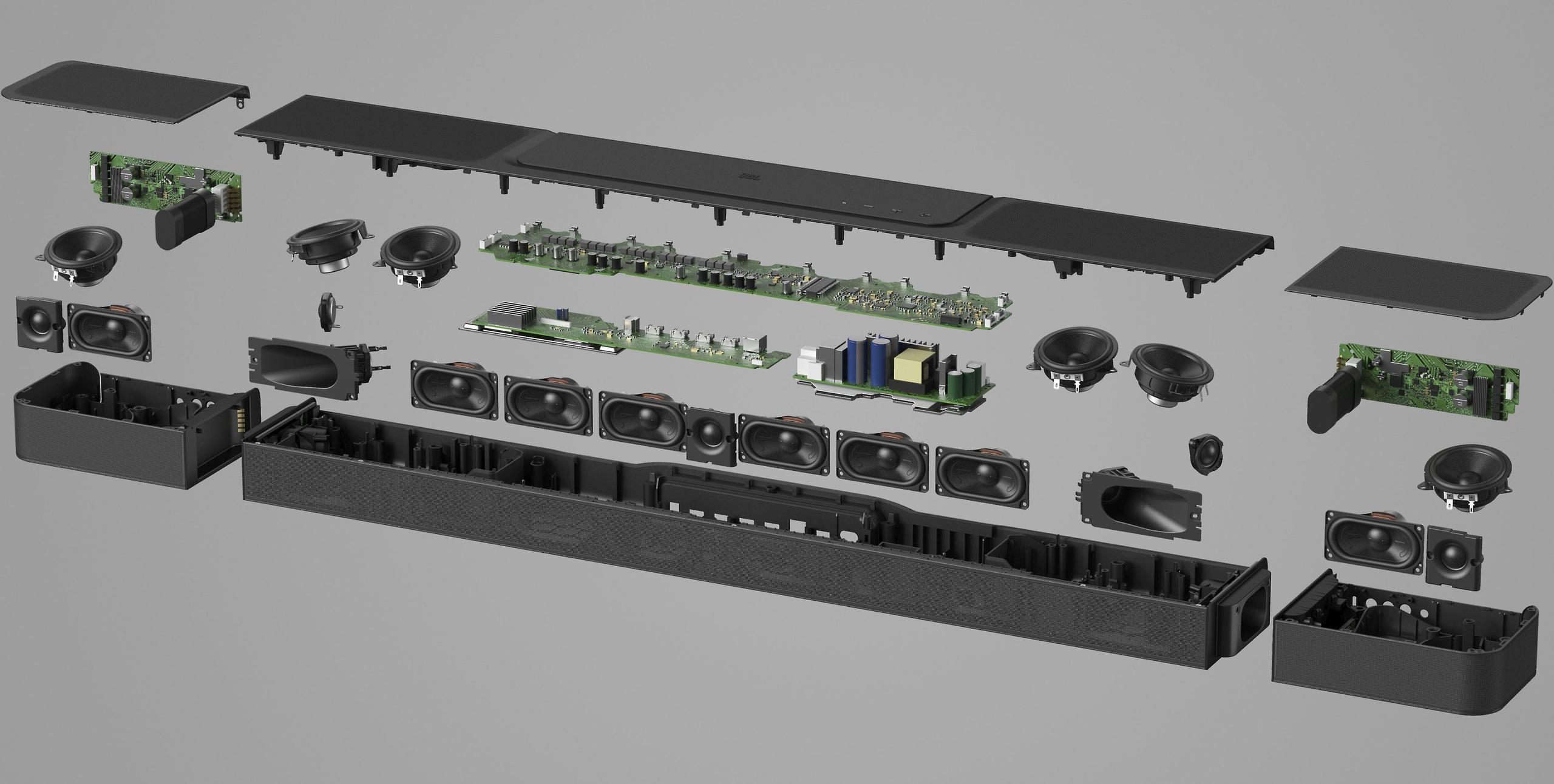
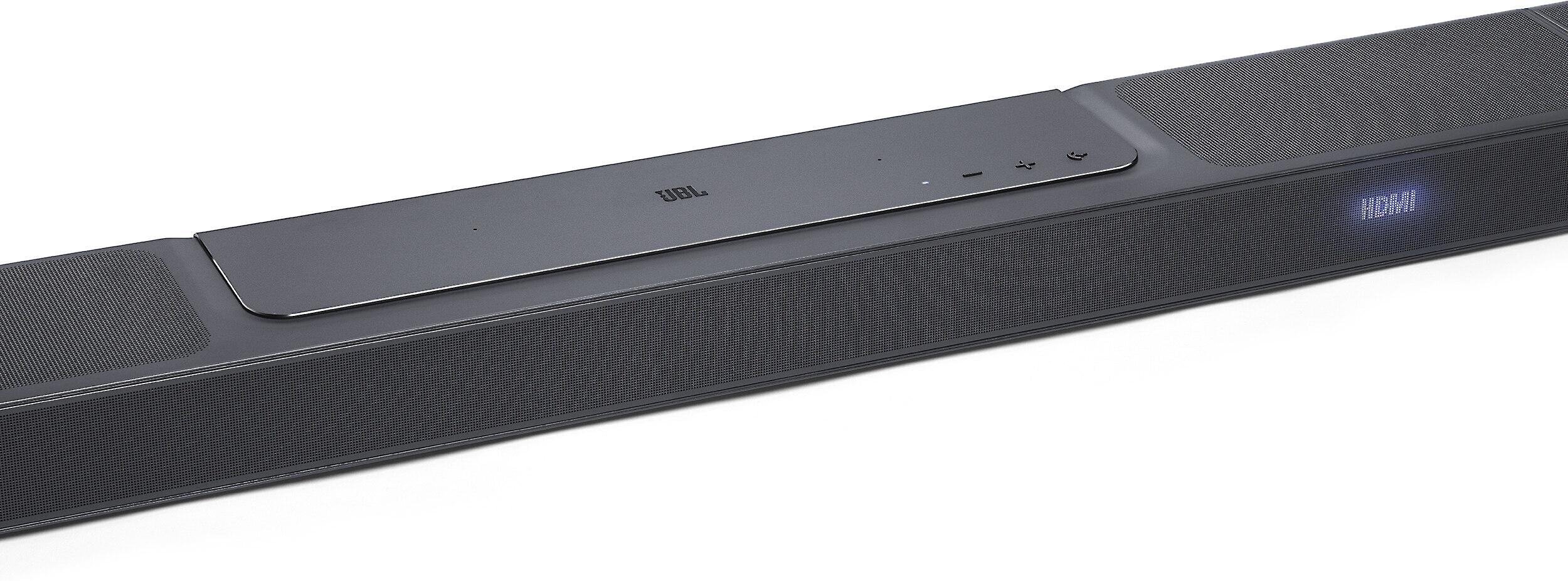
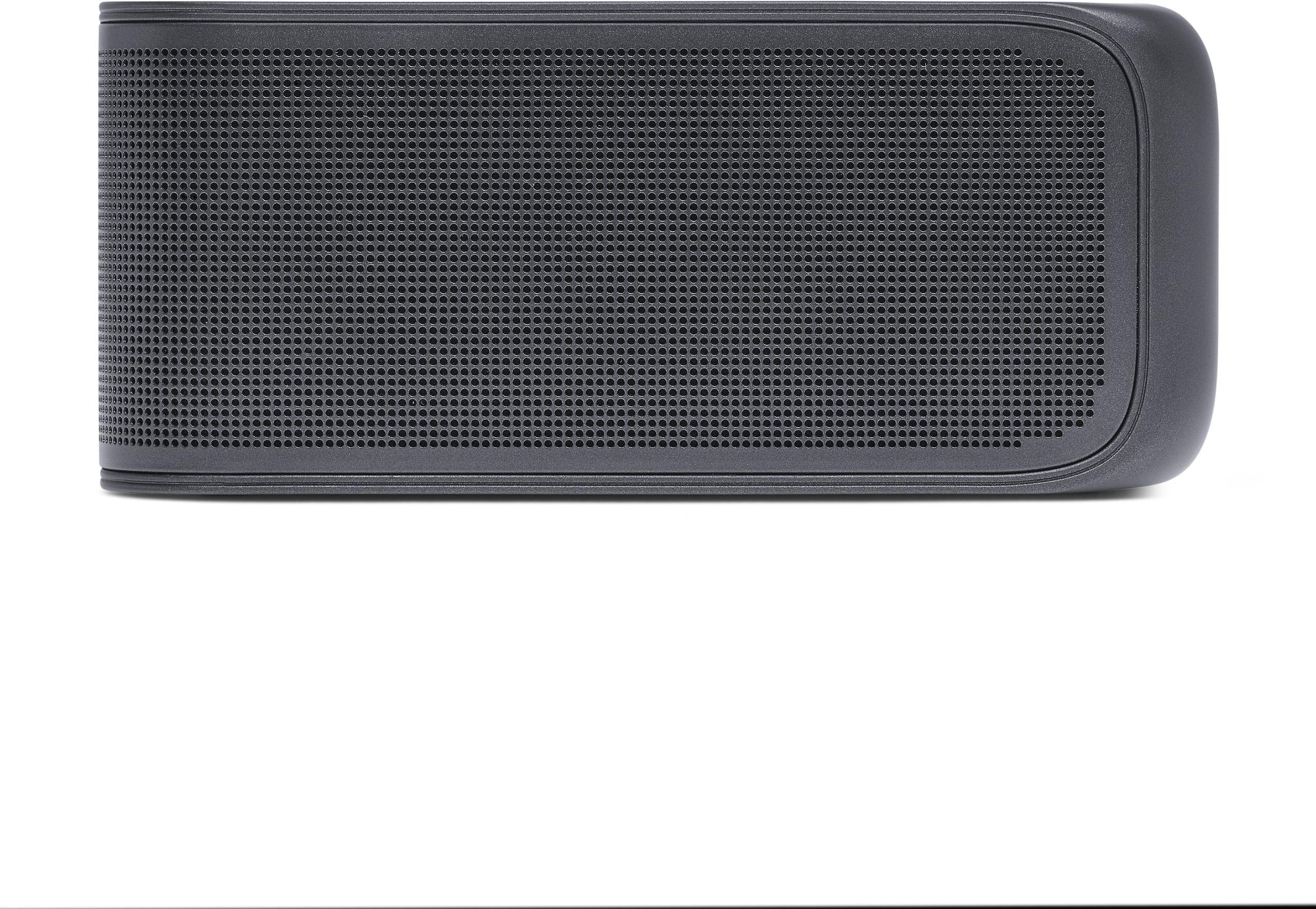
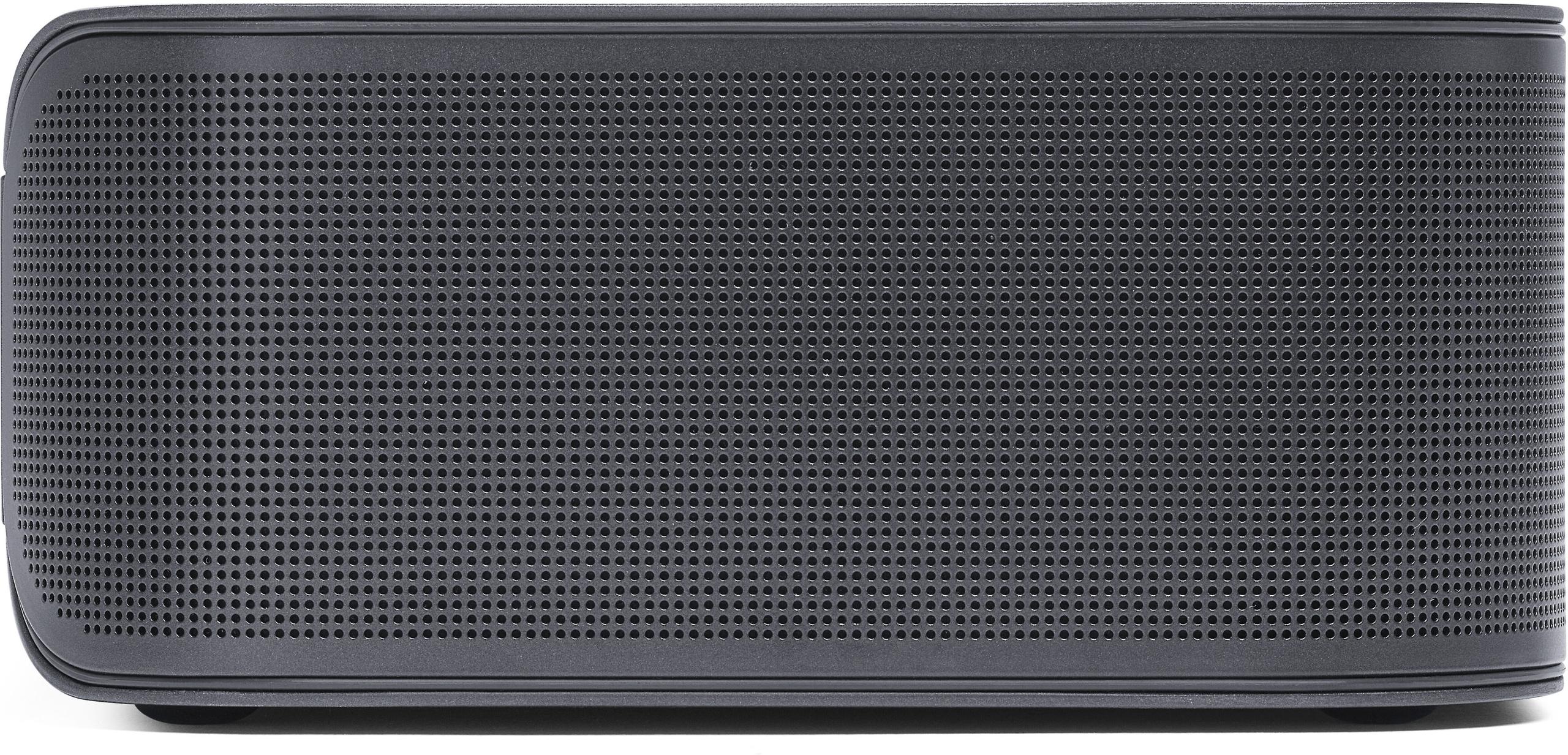
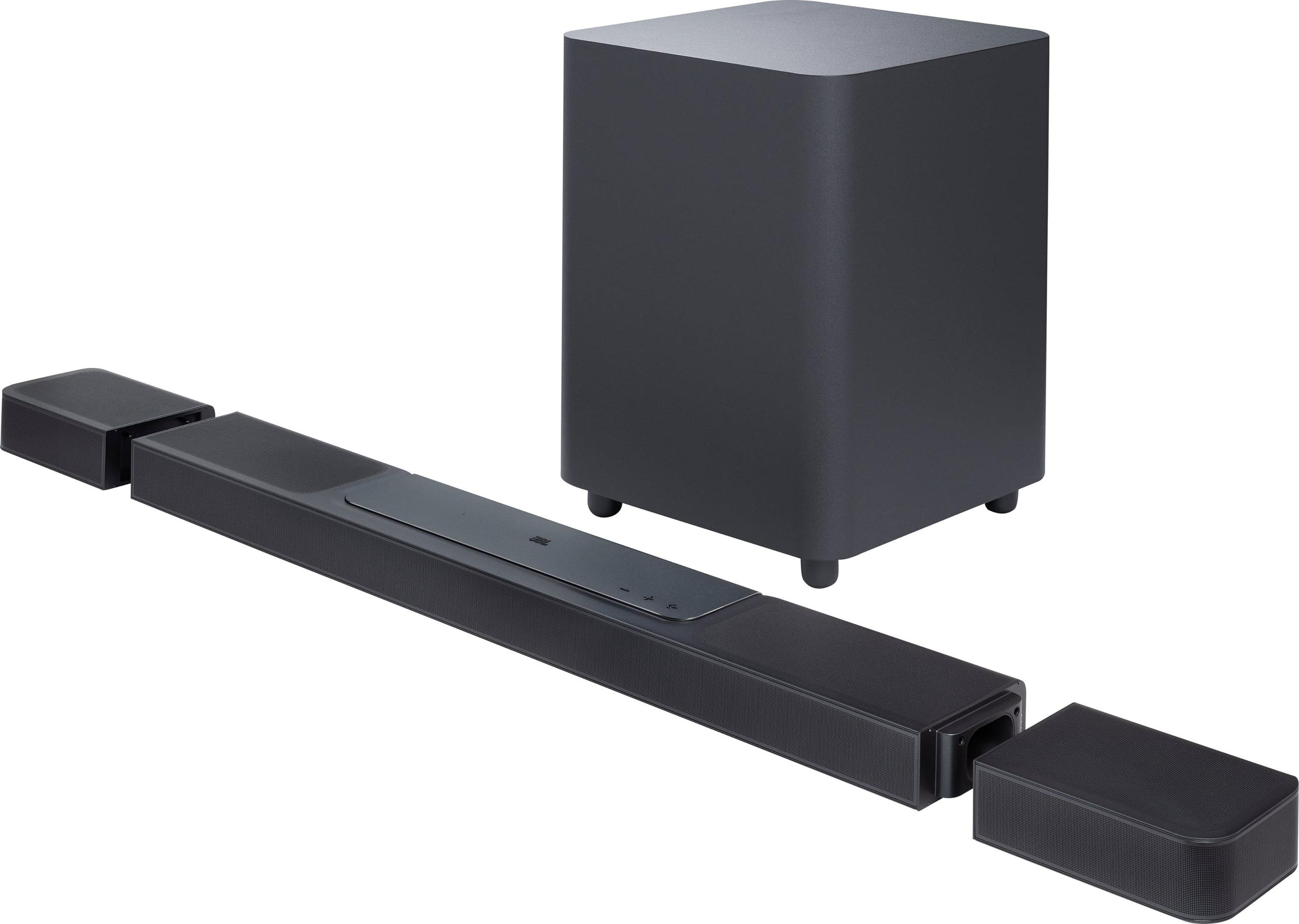
The JBL Bar 1300X is what happens when engineers are told to build the best possible soundbar experience without major cost constraints. It's an 11.1.4-channel system, which means it has 11 main speakers, 1 subwoofer, and 4 height channels to create sound that appears to come from above you. The total power output hits 1,170 watts – enough to fill even large rooms with clean, powerful audio. The real innovation here is the detachable surround speakers that connect wirelessly and can run for up to 12 hours on battery power.
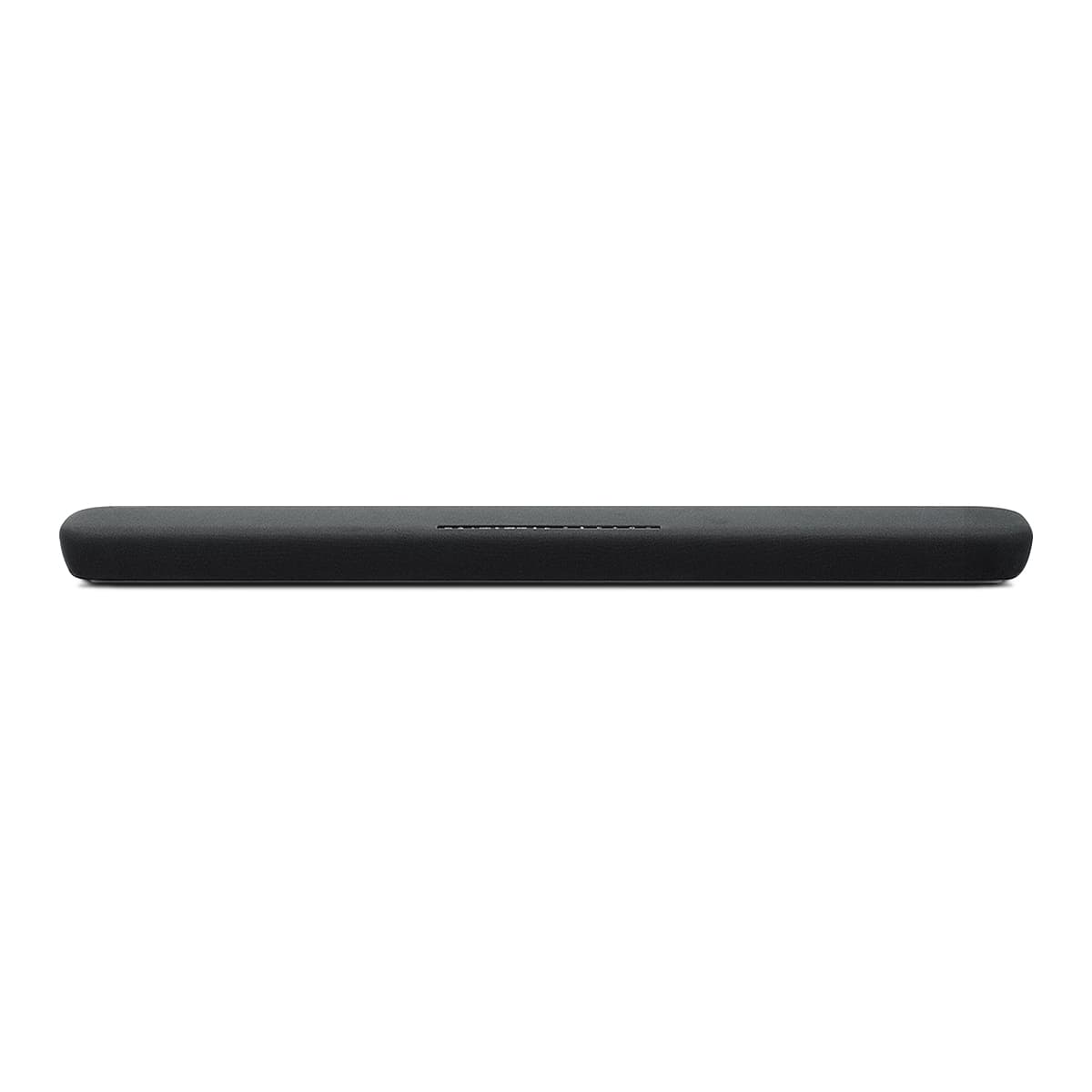
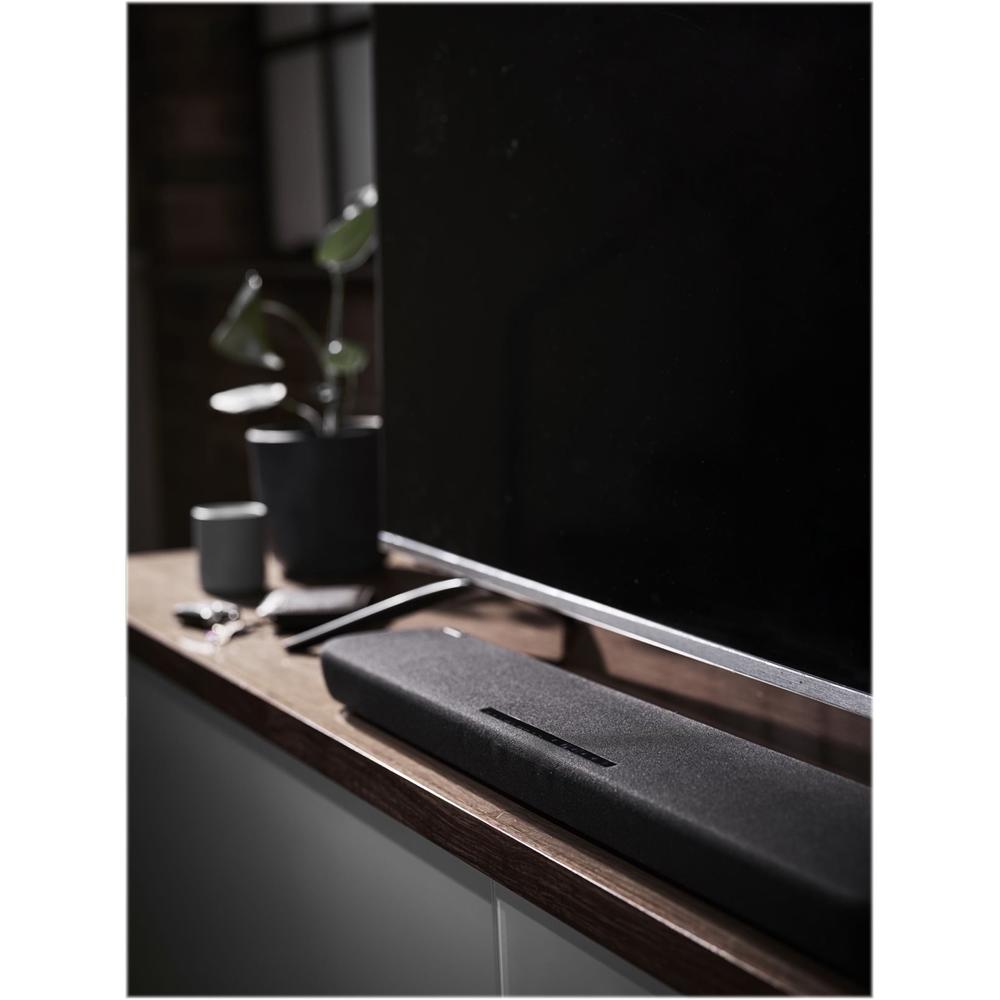
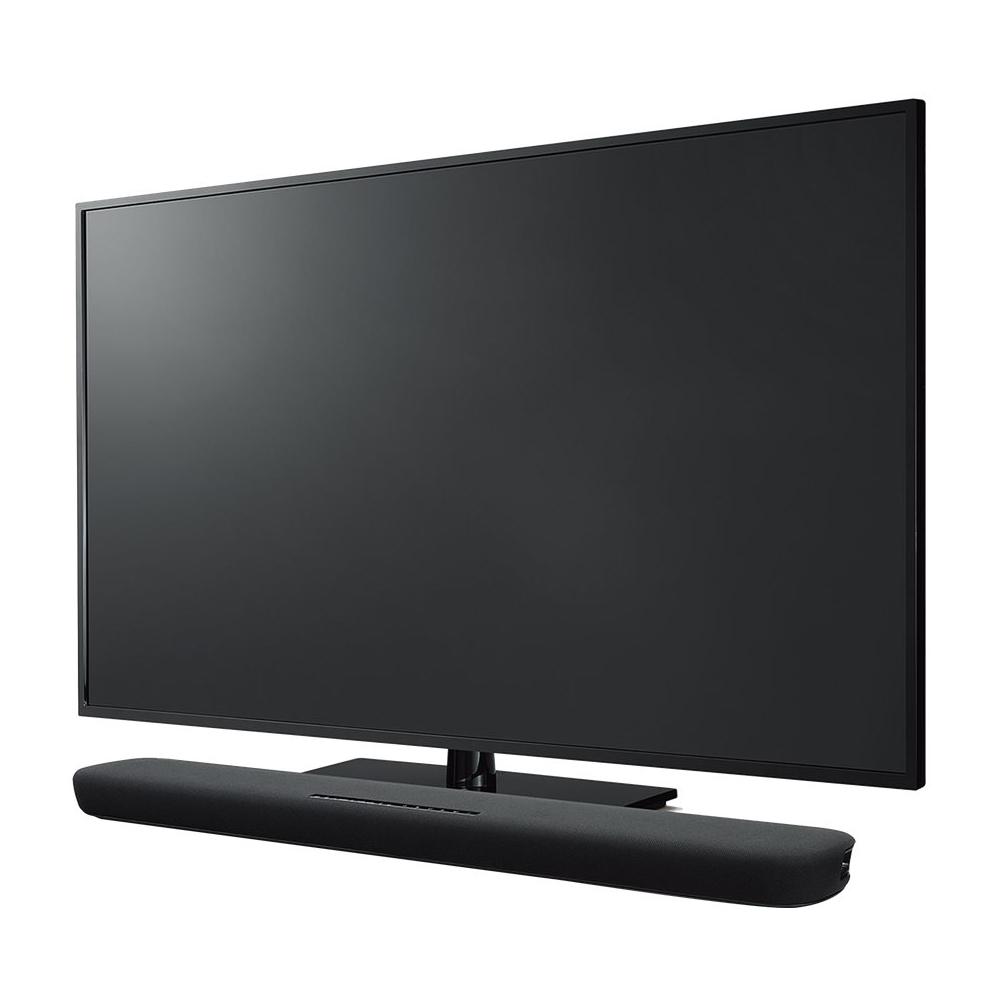
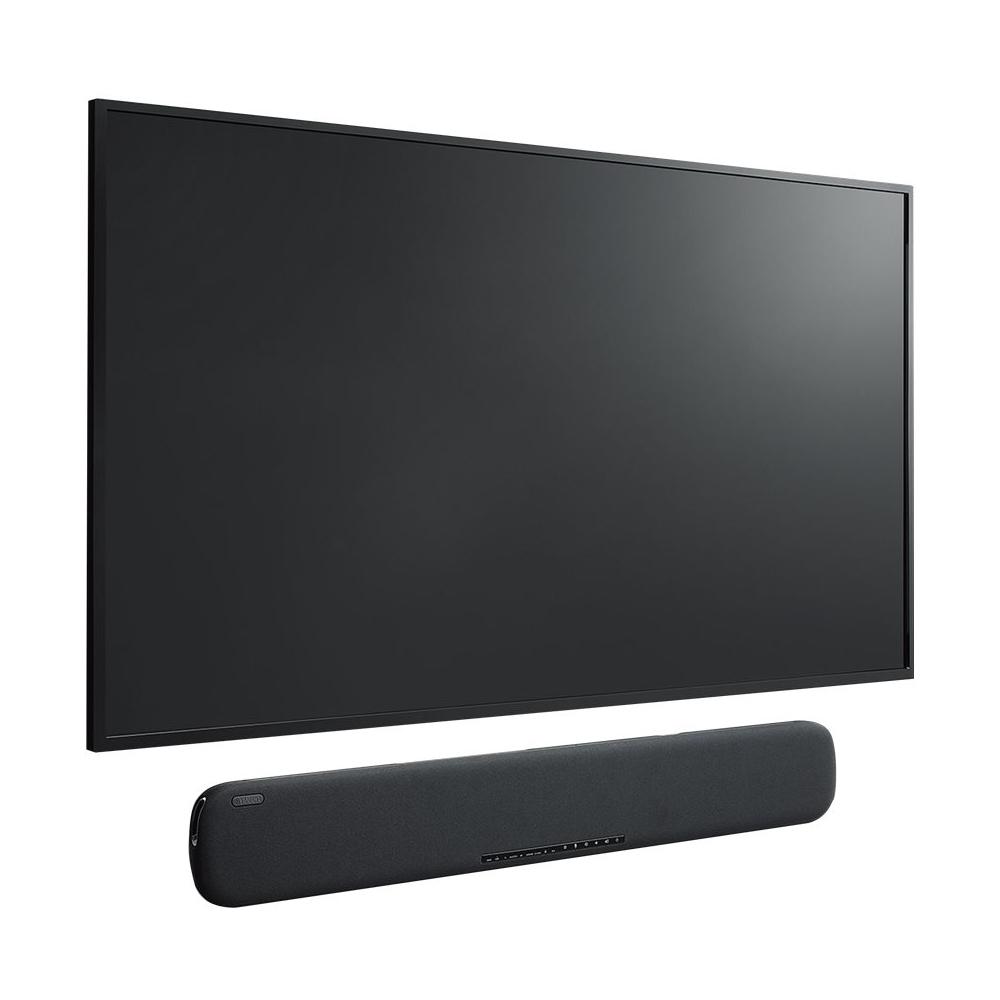
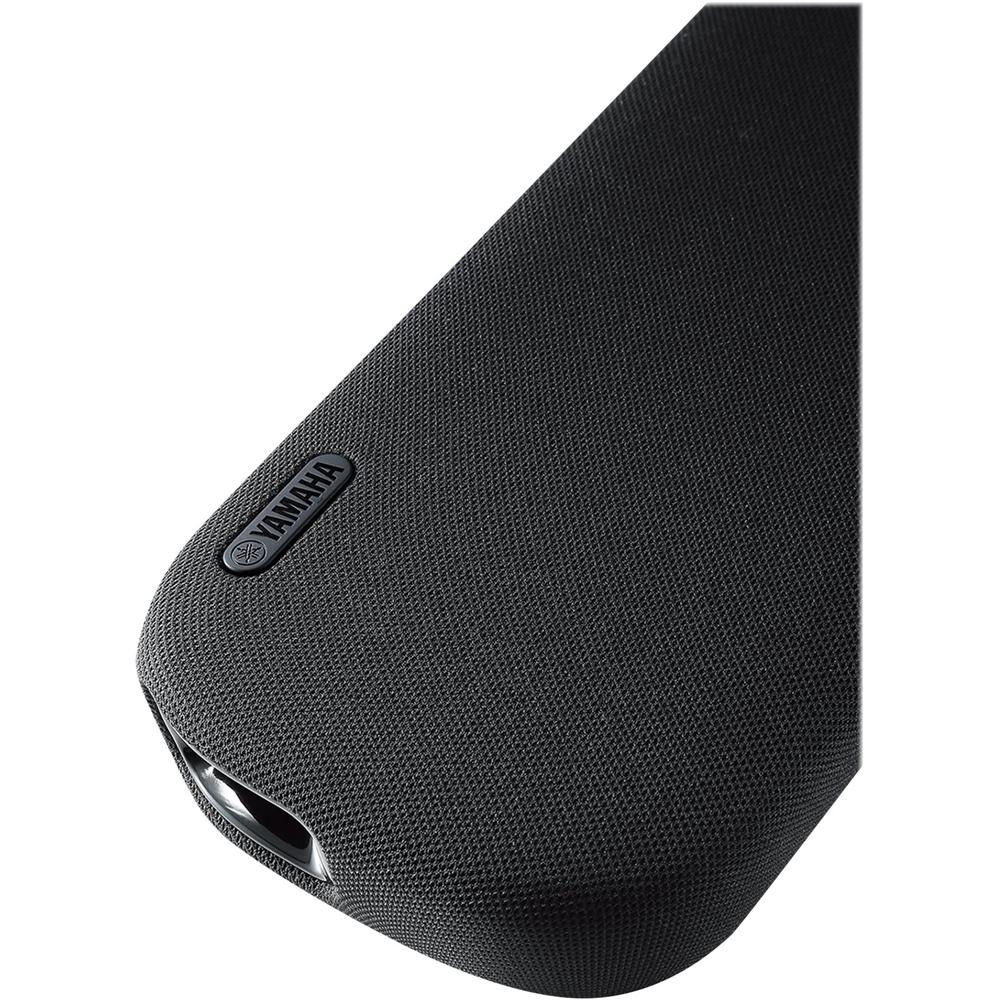
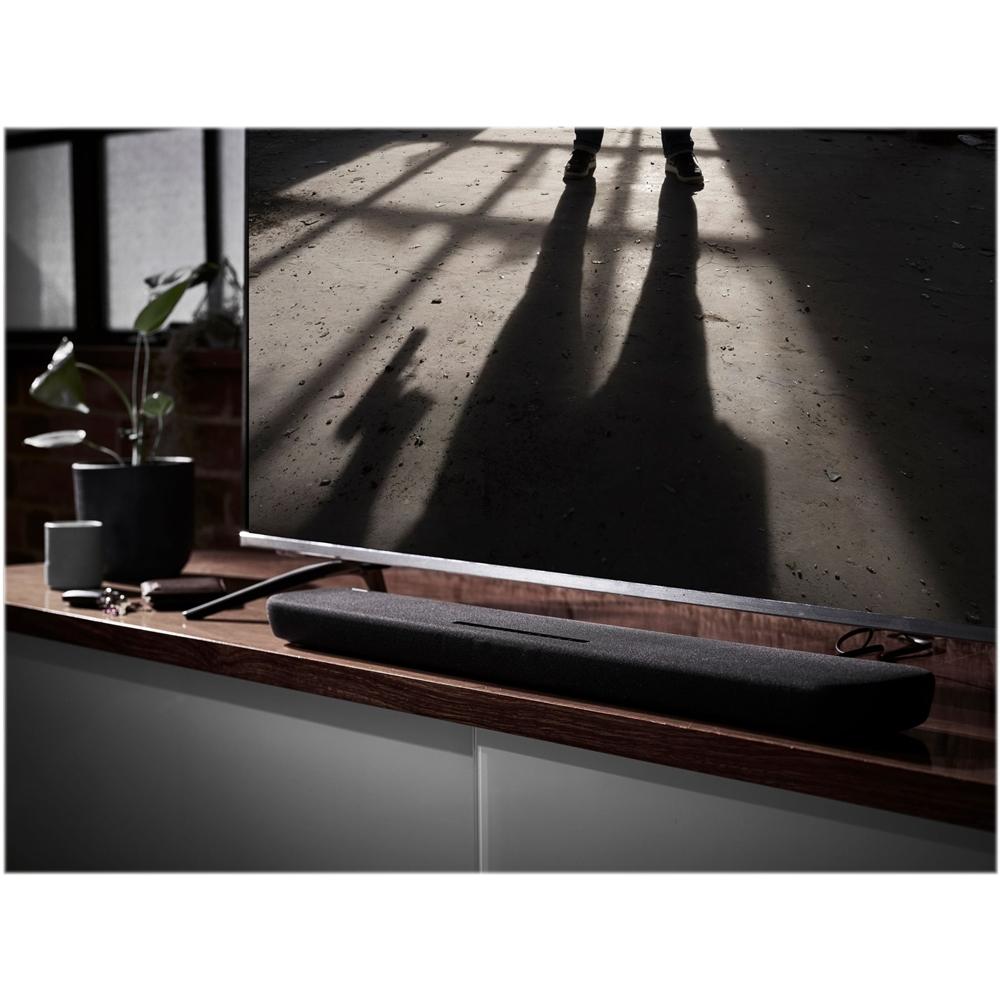
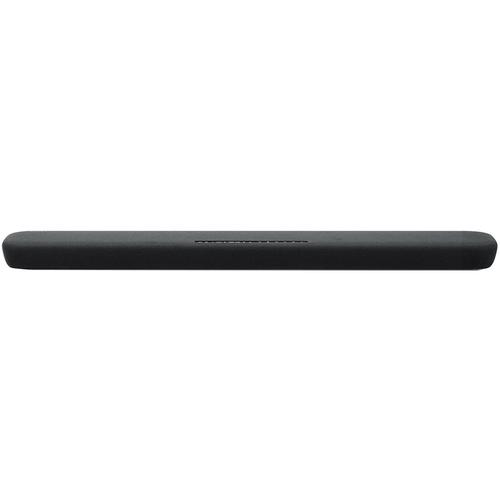
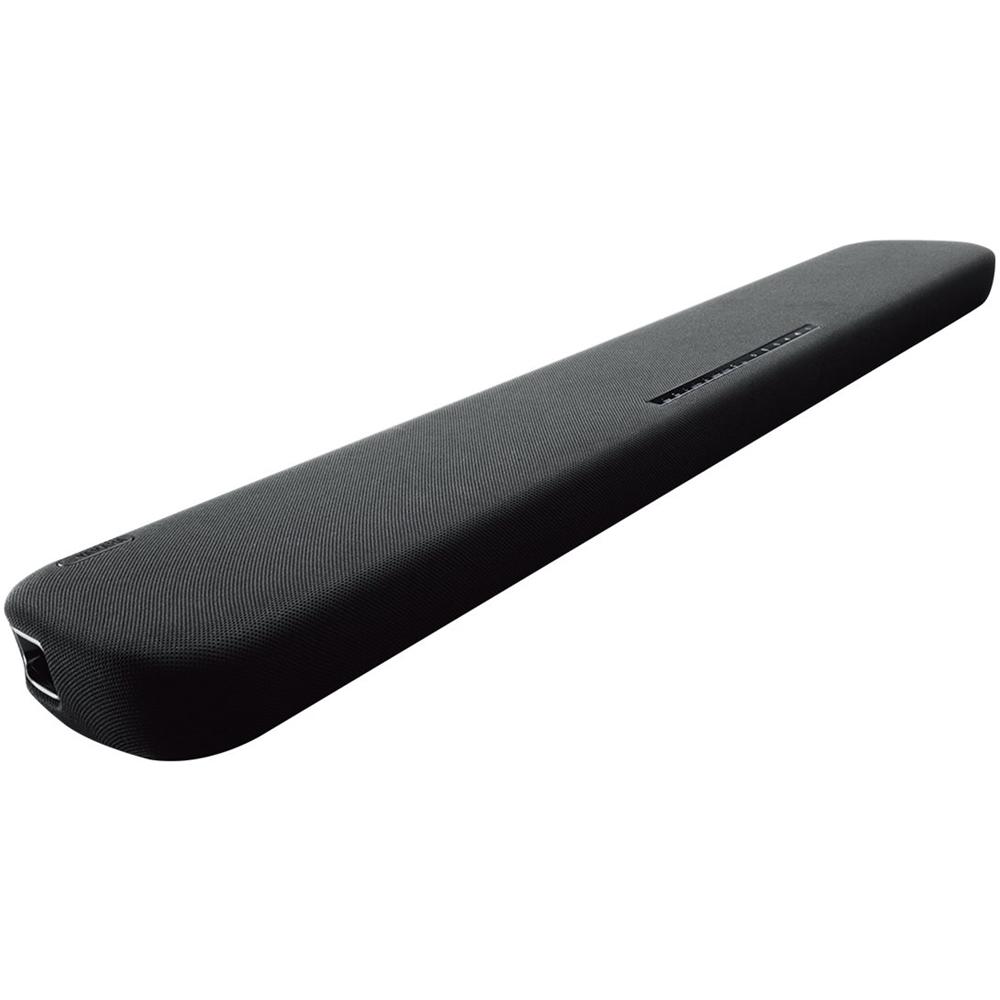
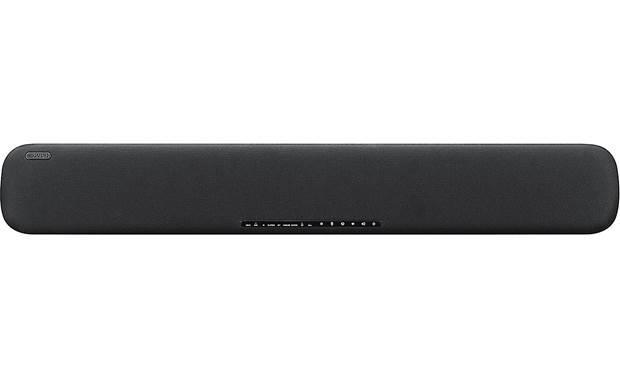
On the opposite end, the Yamaha YAS-109 takes the "everything you need, nothing you don't" approach. It's a single bar with built-in subwoofers and 120 watts of total power. What makes it special isn't raw power but smart engineering – Yamaha figured out how to get surprisingly deep bass from those built-in subs while keeping the whole package slim enough to fit under most TVs without blocking the screen.
This is where the differences become most apparent, and honestly, most important for your daily enjoyment. The JBL Bar 1300X doesn't just play louder – it plays with more authority and control across the entire frequency range. That 12-inch wireless subwoofer can reproduce frequencies down to 33Hz, which means you'll feel the rumble of explosions and the deep thump of bass lines in your chest. The MultiBeam 3.0 technology uses digital signal processing (a fancy term for computer-controlled sound shaping) to analyze your room and direct sound beams to create the illusion that audio is coming from specific locations around you.
I've tested this system in rooms ranging from cozy bedrooms to large living spaces, and the difference is remarkable. During action scenes in movies like "Top Gun: Maverick," the jet engines don't just sound loud – they create a three-dimensional soundscape where you can actually track aircraft moving overhead and behind you. The PureVoice 2.0 technology deserves special mention here because it solves one of the most common complaints about soundbars: dialogue getting lost in the mix. It uses advanced processing to identify speech frequencies and boost them intelligently, so you can hear every word without cranking up the volume.
The Yamaha YAS-109 approaches audio quality from a different angle. With its Clear Voice technology, it excels at making dialogue crisp and understandable – something many people struggle with when upgrading from TV speakers. Those dual built-in subwoofers are genuinely impressive for a single-bar design. They can't match the deep bass extension of the JBL's dedicated subwoofer, but they provide enough low-end punch to make action movies engaging and music sound full-bodied.
Where the Yamaha shows its limitations is in larger rooms or when you push the volume higher. At around 75% volume, you start to hear some compression – the audio starts to sound squeezed and less dynamic. But for most people in typical living rooms, this isn't a daily concern.
This is perhaps the most significant technical difference between these systems, and it fundamentally changes the listening experience. The JBL Bar 1300X creates true surround sound using physical speakers. Those detachable surround units aren't just a gimmick – they're legitimate speakers with their own drivers and amplifiers that can be placed behind your seating area. When a helicopter flies overhead in a movie, you hear it travel from the front soundbar, over your head through the height channels, and behind you through the surround speakers. It's the same principle used in movie theaters, just scaled for your living room.
The system supports both Dolby Atmos and DTS:X, which are advanced audio formats that include specific instructions for where sounds should appear in three-dimensional space. Think of them as GPS coordinates for audio – the soundbar knows exactly where each sound effect should be placed around you.
The Yamaha takes a completely different approach with DTS Virtual:X processing. This technology uses psychoacoustic principles (basically, tricks that exploit how your brain processes sound) to create the illusion of surround effects from just the front-facing speakers. It works by carefully timing and filtering audio signals to make your brain think sounds are coming from different directions.
In my experience, virtual surround can be surprisingly effective in smaller rooms where you're sitting relatively close to the soundbar. The processing works best when you're in the "sweet spot" directly in front of the bar. But it can't replicate the convincing surround effects that physical speakers provide, especially in larger spaces or when multiple people are listening from different positions.
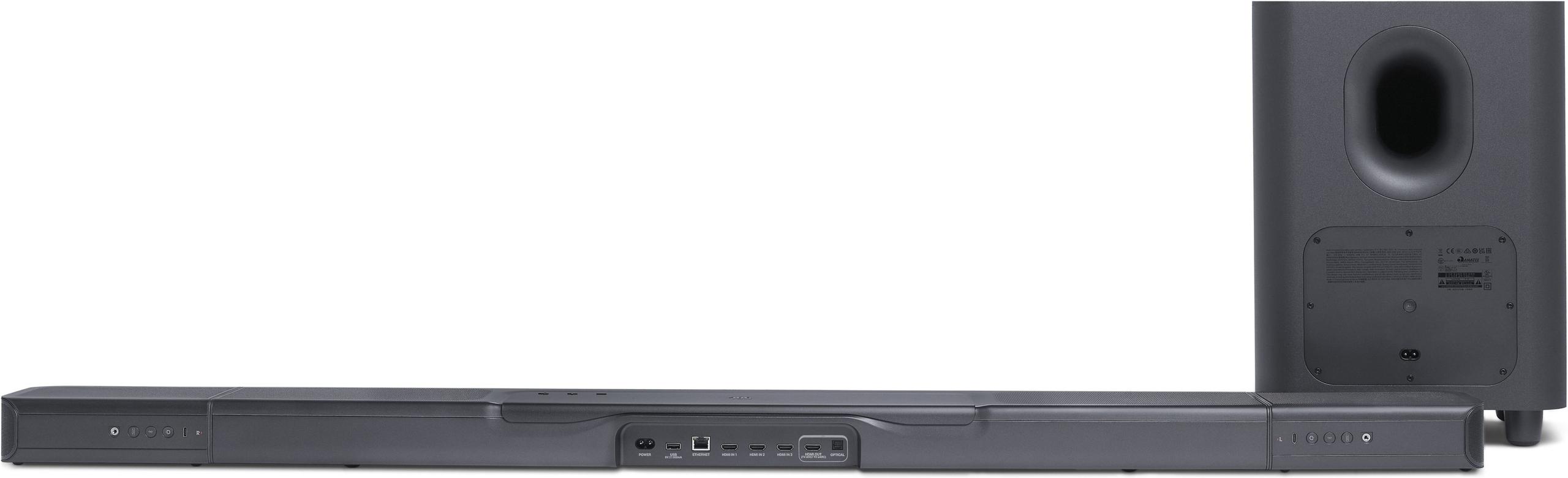
The connectivity differences between these systems reveal their different target markets clearly. The JBL Bar 1300X includes three HDMI 2.1 inputs plus an eARC (enhanced Audio Return Channel) output. HDMI 2.1 is the latest standard that supports 4K video at 120Hz refresh rates – essential for getting the best performance from PlayStation 5, Xbox Series X, or high-end gaming PCs. The eARC connection allows uncompressed audio formats to pass from your TV to the soundbar with a single cable.
This system also includes Wi-Fi 6 (the latest wireless standard), AirPlay 2 for seamless iPhone and iPad streaming, and Chromecast built-in for Android devices. The Wi-Fi connection enables automatic software updates, so your soundbar continues improving over time without any effort on your part.
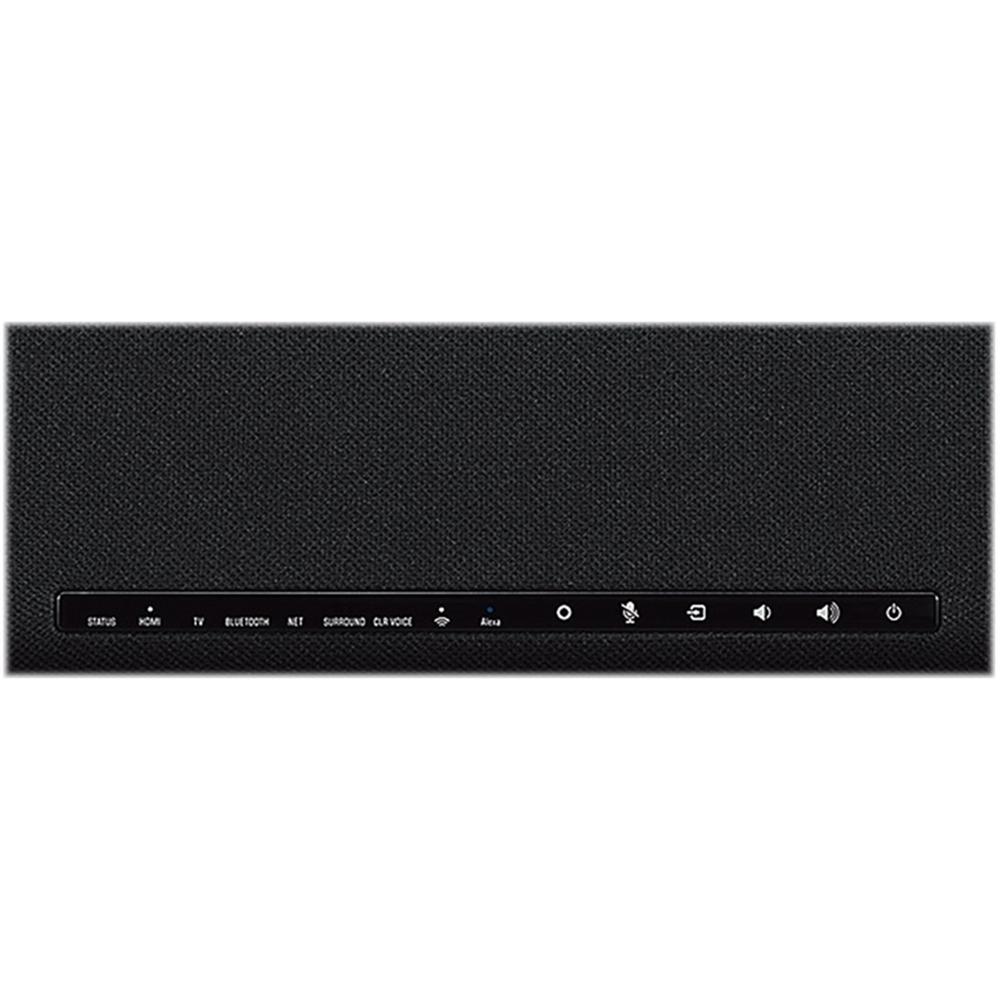
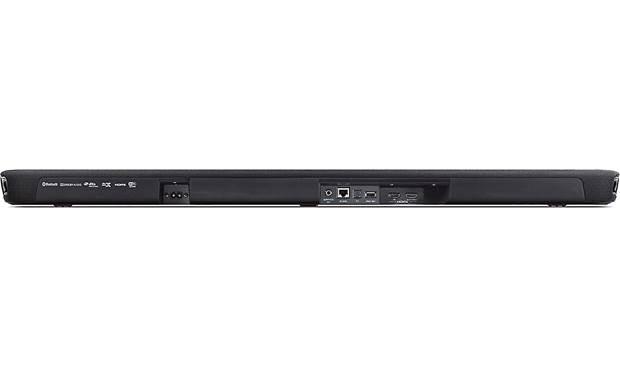
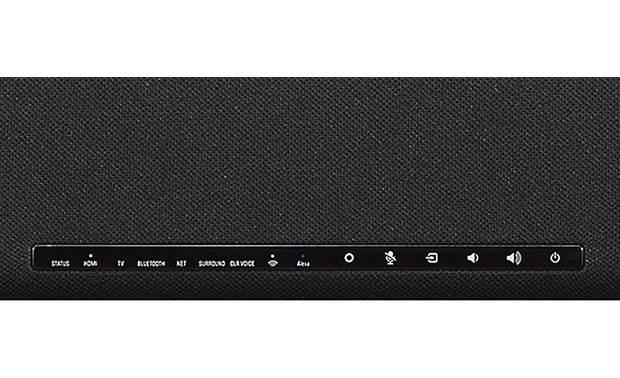
The Yamaha YAS-109 focuses on essential connectivity done well. It has one HDMI input with ARC support, which covers the basic need of connecting to your TV. What it lacks in ports, it makes up for with built-in Alexa integration. This means you can control the soundbar with voice commands without needing a separate Echo device. You can adjust volume, switch inputs, play music from streaming services, and even control smart home devices – all through the soundbar itself.
The Yamaha's Bluetooth 4.2 and basic Wi-Fi are perfectly adequate for streaming music from your phone or accessing services like Spotify Connect. While not as advanced as the JBL's connectivity suite, these features cover what most people actually use daily.
This is where understanding your specific situation becomes crucial. The JBL Bar 1300X was designed for larger rooms and higher volume levels. In my testing, it really starts to shine in spaces of 300 square feet or more, where that extra power and the physical surround speakers have room to create an enveloping soundfield. If you're sitting 10 feet or more from your TV, the system's ability to project clear dialogue and effects across that distance becomes a significant advantage.
The wireless subwoofer placement flexibility is genuinely useful in larger rooms. I've found the best bass response usually comes from placing it away from walls, about one-third of the way into the room. The subwoofer's wireless connection means you can experiment with placement without worrying about running cables.
The Yamaha YAS-109 excels in smaller to medium-sized rooms where its compact design and focused audio output work most effectively. In apartments or living rooms under 300 square feet, it provides substantial improvement over TV speakers without overwhelming the space. The single-bar design also works better in rooms where placing additional speakers isn't practical due to furniture arrangement or aesthetic concerns.
Evaluating value requires looking beyond just the upfront cost. The JBL Bar 1300X's $1,299.95 price tag initially seems steep, but consider what you're getting: HDMI 2.1 connectivity that won't become obsolete as gaming and streaming technology advances, detachable speakers that double as portable Bluetooth speakers for outdoor use, and audio processing technology that would cost significantly more in separate components.
The system's room calibration feature automatically adjusts the sound based on your specific room characteristics, ensuring optimal performance regardless of your space's acoustics. This kind of automatic optimization was typically found only in much more expensive systems just a few years ago.
The Yamaha YAS-109's $219.95 price point represents exceptional value for what it delivers. Built-in Alexa alone would typically require a separate $50-100 smart speaker. The dual built-in subwoofers eliminate the need for an external sub that would cost $200-300 separately. For many people, this soundbar provides 80% of the audio improvement they're seeking at 20% of the premium system cost.
Since the Yamaha's 2019 release, it has received several firmware updates that improved its streaming stability and enhanced the Alexa integration. The Clear Voice processing has also been refined to work better with different types of content. These updates demonstrate Yamaha's commitment to improving the product over time.
The JBL, being newer to market (2023 release), incorporates more recent technological advances from the start. The MultiBeam 3.0 technology represents several years of refinement over earlier versions, with better room analysis and more precise sound placement. The detachable speaker concept itself has been improved based on user feedback from earlier models, with better battery life and more reliable wireless connections.
For serious home theater enthusiasts, the choice becomes clearer when you consider the total experience. The JBL Bar 1300X can genuinely compete with traditional 5.1 or 7.1 speaker systems in terms of immersion and impact. The Dolby Atmos height effects work particularly well with newer movies that were specifically mixed to take advantage of overhead sound placement.
I've found that movie genres matter when evaluating these systems. Action films, sci-fi, and fantasy movies benefit enormously from the JBL's true surround capabilities and powerful subwoofer. Dialogue-heavy dramas and comedies work perfectly well on the Yamaha, where the Clear Voice technology actually provides an advantage.
Gaming represents another area where the systems diverge. The JBL's HDMI 2.1 support and low-latency processing make it ideal for competitive gaming, while the surround sound capabilities enhance immersive single-player games. The Yamaha works fine for casual gaming but lacks the connectivity and processing power for serious gaming setups.
After extensive testing with both systems, here's my practical advice: Choose the JBL Bar 1300X if you have a large room, prioritize maximum audio quality, own or plan to buy next-generation gaming consoles, and view the soundbar as a long-term investment in your home entertainment setup. The complexity is worth it when you experience true surround sound with your favorite movies.
Choose the Yamaha YAS-109 if you want immediate, significant improvement over TV speakers without complexity or high cost, live in a smaller space where a full surround system isn't practical, value the convenience of built-in Alexa, or primarily watch TV shows and casual content rather than action blockbusters.
Both soundbars excel in their intended roles. The JBL pushes the boundaries of what's possible in a soundbar format, while the Yamaha proves that smart engineering can deliver impressive results at an accessible price point. Your room size, content preferences, and budget will ultimately guide you to the right choice, but either system will transform your TV audio experience significantly compared to built-in TV speakers.
The key is matching the system's capabilities to your actual needs rather than simply choosing based on specifications or price alone. Both represent excellent value within their respective categories, and both will serve you well for years to come.
| JBL Bar 1300X Soundbar with Wireless Subwoofer | Yamaha YAS-109 Sound Bar with Built-in Subwoofers and Alexa |
|---|---|
| Price - Major factor in determining overall value | |
| $1,299.95 (premium investment for serious home theater) | $219.95 (exceptional budget value) |
| Total Power Output - Determines how loud and clear audio can get | |
| 1,170W (room-filling power for large spaces) | 120W (adequate for small to medium rooms) |
| Channel Configuration - Affects surround sound realism | |
| 11.1.4 channels with physical surround speakers | 2.0 channels with virtual surround processing |
| Subwoofer Setup - Critical for bass quality and room flexibility | |
| 12" wireless subwoofer (deep bass to 33Hz, flexible placement) | Dual built-in subwoofers (space-saving, limited bass extension) |
| Surround Sound Technology - Determines immersion level | |
| True Dolby Atmos/DTS:X with detachable wireless surrounds | DTS Virtual:X processing from single bar |
| HDMI Connectivity - Important for multiple devices and gaming | |
| 3x HDMI 2.1 inputs + eARC (future-proof for gaming/streaming) | 1x HDMI input + ARC (covers basic TV connection) |
| Smart Features - Convenience and streaming capabilities | |
| Wi-Fi 6, AirPlay 2, Chromecast, app control | Built-in Alexa, Bluetooth 4.2, basic Wi-Fi |
| Room Size Suitability - Matching system to your space | |
| Large rooms 300+ sq ft, 10+ feet viewing distance | Small to medium rooms under 300 sq ft |
| Setup Complexity - Time and effort required | |
| Multi-component system requires speaker placement | Single bar, plug-and-play installation |
| Dialogue Enhancement - Critical for clear speech | |
| PureVoice 2.0 technology with room calibration | Clear Voice processing optimized for speech |
The JBL Bar 1300X ($1,299.95) is significantly better for large rooms with its 1,170W power output and true surround sound speakers. It's designed for spaces over 300 square feet and viewing distances of 10+ feet. The Yamaha YAS-109 ($219.95) works best in smaller rooms under 300 square feet where its 120W output is adequate.
The JBL Bar 1300X delivers true surround sound with physical speakers placed around your room, creating genuine 3D audio effects with Dolby Atmos support. The Yamaha YAS-109 uses virtual surround processing from a single bar, which simulates surround effects but can't match the immersion of actual surround speakers.
This depends on your budget and needs. The Yamaha YAS-109 ($219.95) offers exceptional value with built-in Alexa, dual subwoofers, and significant audio improvement over TV speakers at a budget price. The JBL Bar 1300X ($1,299.95) provides premium value with future-proof connectivity and flagship audio technology for serious home theater enthusiasts.
No separate subwoofer is needed with either system. The JBL Bar 1300X includes a powerful 12-inch wireless subwoofer that delivers deep bass down to 33Hz. The Yamaha YAS-109 has dual built-in subwoofers integrated into the main bar, saving space while still providing robust bass response.
The Yamaha YAS-109 is much easier to set up as a single-bar solution that connects to your TV with one cable. The JBL Bar 1300X requires positioning the wireless subwoofer and detachable surround speakers around your room, plus connecting multiple HDMI sources, making setup more complex but offering better performance.
The Yamaha YAS-109 has built-in Alexa for direct voice control of volume, music playback, and smart home devices. The JBL Bar 1300X doesn't have built-in voice assistants but can be controlled through external Alexa or Google devices when connected to your network.
The JBL Bar 1300X is superior for gaming with three HDMI 2.1 inputs supporting 4K/120Hz passthrough for PlayStation 5 and Xbox Series X. It also provides immersive surround sound for gaming. The Yamaha YAS-109 has basic HDMI connectivity suitable for casual gaming but lacks advanced gaming features.
The JBL Bar 1300X produces significantly deeper and more powerful bass with its dedicated 12-inch wireless subwoofer extending down to 33Hz. The Yamaha YAS-109 delivers impressive bass for its size through dual built-in subwoofers, but cannot match the depth and impact of the JBL's dedicated subwoofer.
Both soundbars excel at dialogue clarity through different approaches. The Yamaha YAS-109 uses Clear Voice technology specifically designed to enhance speech intelligibility. The JBL Bar 1300X features PureVoice 2.0 technology with room calibration for optimized dialogue reproduction in any space.
The JBL Bar 1300X offers comprehensive streaming with Wi-Fi 6, AirPlay 2, Chromecast built-in, and access to over 300 music services. The Yamaha YAS-109 provides Bluetooth connectivity, basic Wi-Fi, and Spotify Connect, plus built-in Alexa for voice-controlled music streaming.
The Yamaha YAS-109 is ideal for small apartments with its compact single-bar design, built-in subwoofers that don't require additional floor space, and power output optimized for smaller rooms. The JBL Bar 1300X may be overkill for small spaces and requires room for the wireless subwoofer and surround speakers.
Both soundbars offer standard manufacturer warranties, but long-term value differs significantly. The JBL Bar 1300X provides future-proof HDMI 2.1 connectivity and premium components that will remain relevant longer. The Yamaha YAS-109 offers excellent immediate value and receives regular firmware updates, making it a smart budget choice for most users.
We've done our best to create useful and informative comparisons to help you decide what product to buy. Our research uses advanced automated methods to create this comparison and perfection is not possible - please contact us for corrections or questions. These are the sites we've researched in the creation of this article: techradar.com - jbl.com - audioadvice.com - youtube.com - rtings.com - jbl.com - greentoe.com - harmanaudio.com - youtube.com - mm.jbl.com - jbl.com - rtings.com - crutchfield.com - usa.yamaha.com - digitaltrends.com - tomsguide.com - listenup.com - youtube.com - usa.yamaha.com - hub.yamaha.com - youtube.com - hub.yamaha.com

Privacy Policy
Terms and Conditions - Affiliate Policy
Home Security
© Copyright 2008-2026.
11816 Inwood Rd #1211, Dallas, TX 75244