


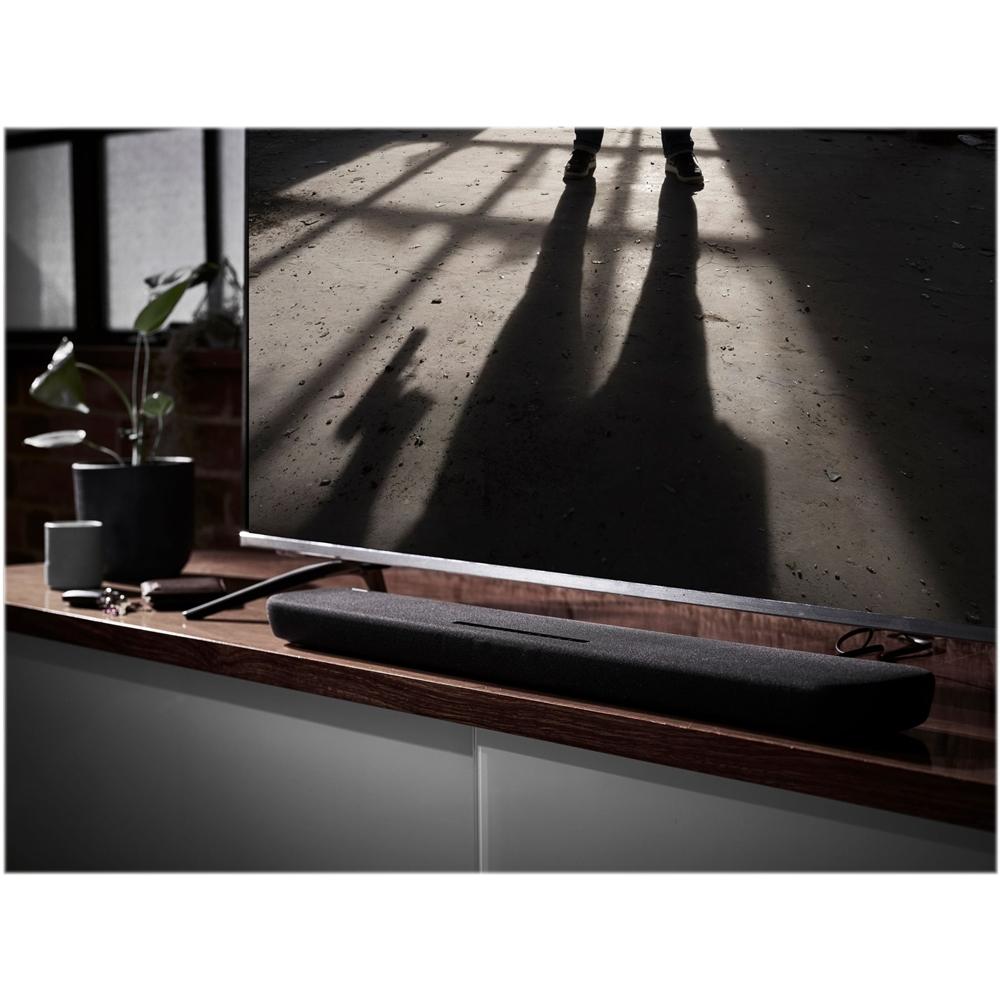
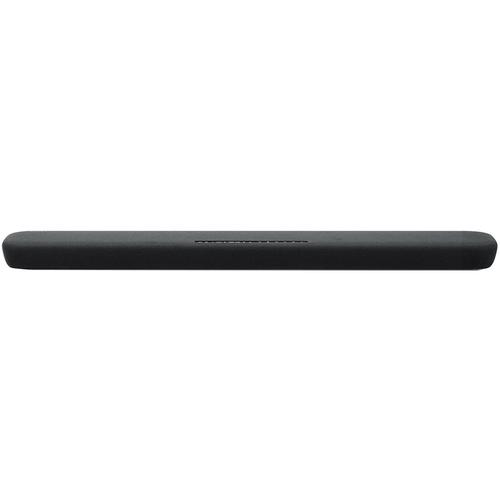

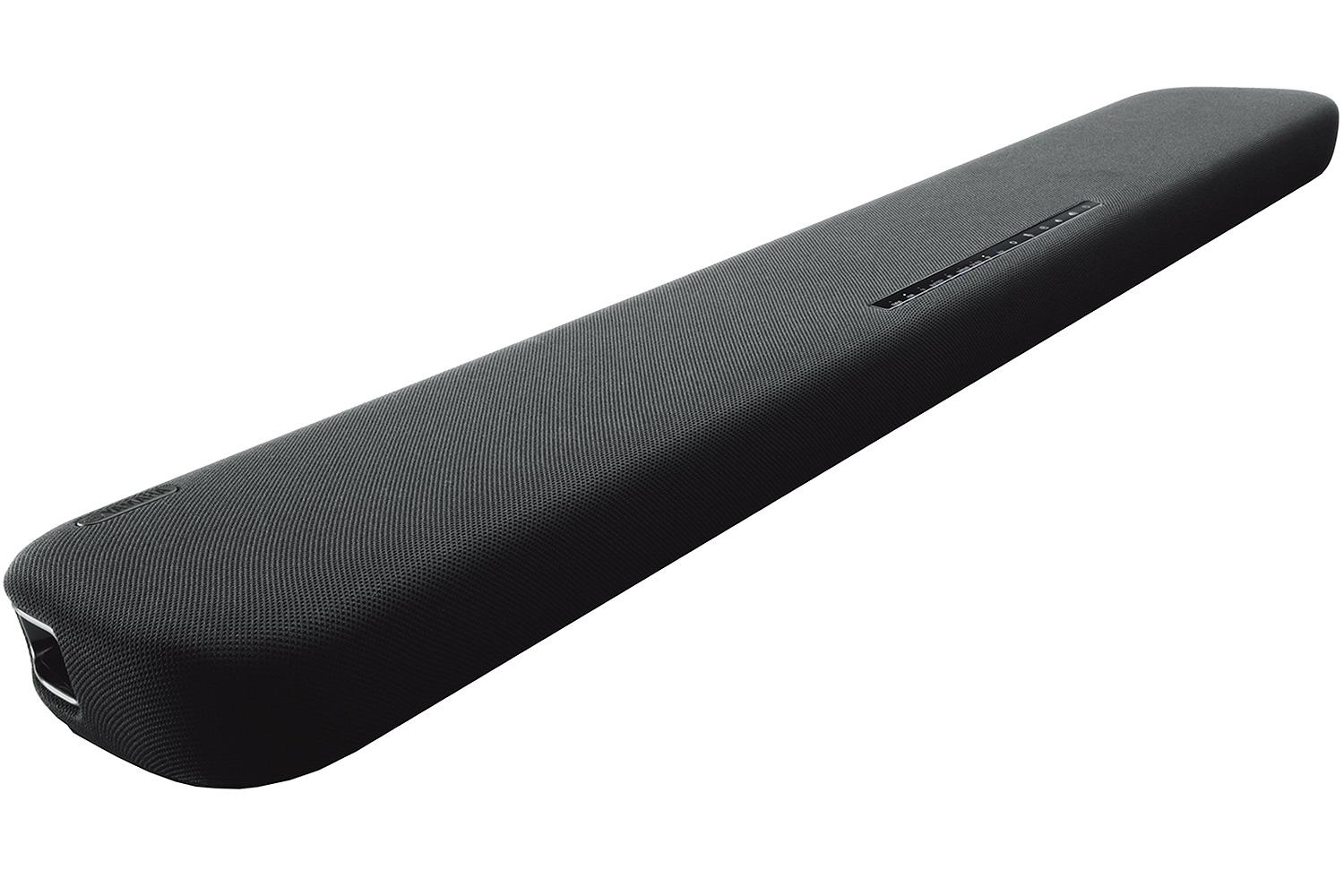
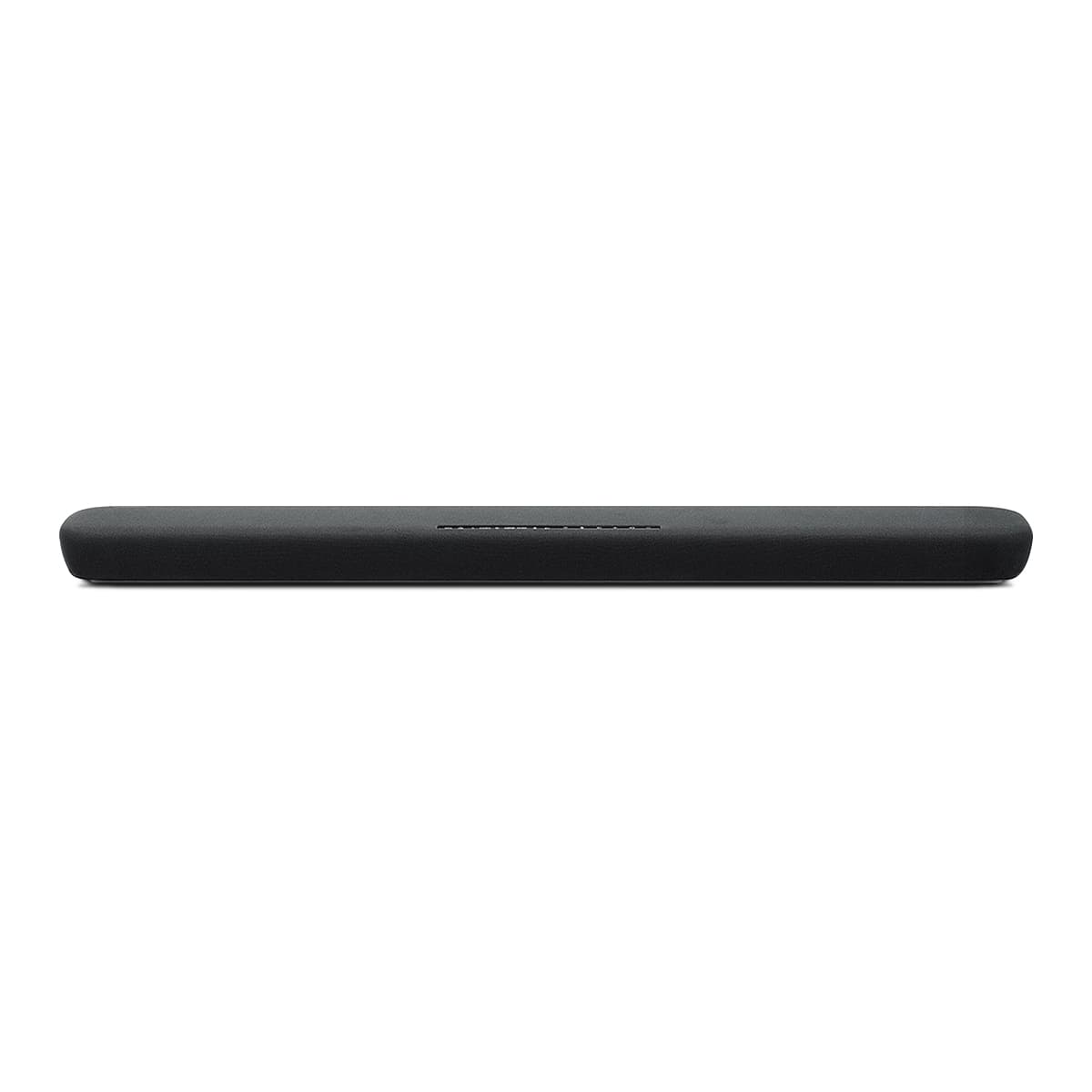
When your TV's built-in speakers sound like they're coming from inside a tin can, it's time to upgrade. The budget soundbar market offers some compelling options that can transform your viewing experience without breaking the bank. Today, we're comparing two popular choices: the Bose Solo Soundbar Series 2 ($199) and the Yamaha YAS-109 ($220).
Both soundbars sit in that sweet spot where performance meets affordability, but they take very different approaches to solving the same problem. Understanding these differences will help you choose the right one for your living room setup.
Budget soundbars serve a specific purpose: they're the gateway drug to better home audio. Most people start here because their TV speakers are genuinely terrible – and I mean really terrible. Modern TVs are so thin that there's barely room for decent speakers, which is why dialogue often sounds muffled and action scenes lack any real impact.
When shopping in the $150-250 range, you're looking for meaningful improvement over TV audio without the complexity of a full surround sound system. The key considerations are audio clarity (especially for dialogue), simple setup, compact design that fits your entertainment center, and enough features to keep you happy for a few years.
The tricky part is that different manufacturers prioritize different aspects. Some focus on raw audio quality, others pack in smart features, and some try to simulate surround sound from a single bar. Understanding these trade-offs is crucial for making the right choice.
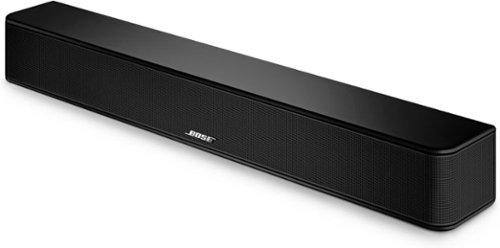
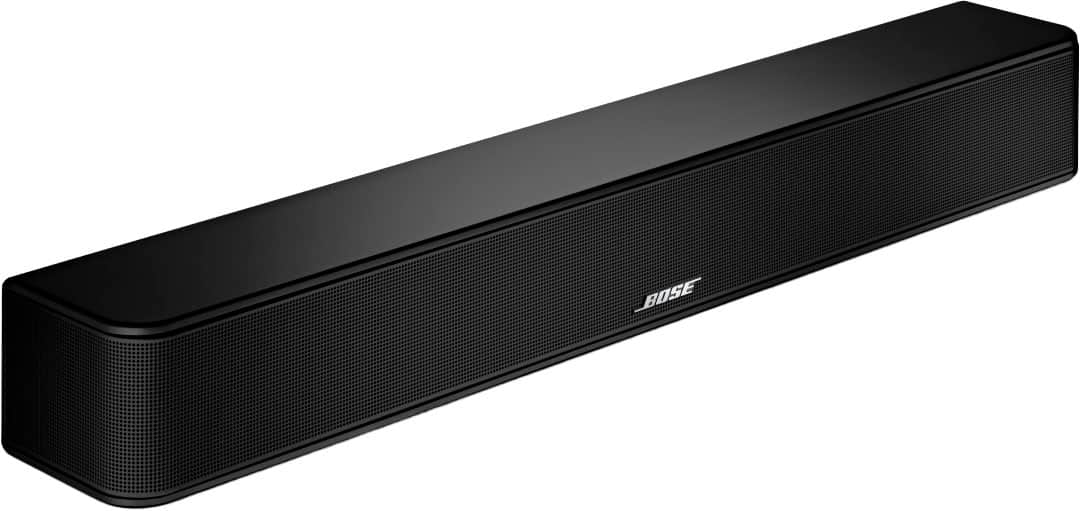
Released in 2018, the Bose Solo Series 2 represents Bose's minimalist philosophy. This is an older design now, but Bose built it to focus on what they do best: audio processing and dialogue clarity. It's a 2.0 stereo soundbar, meaning it has two channels of audio (left and right) without a dedicated subwoofer channel.
The Series 2 measures just 21.6 inches wide and weighs under 4 pounds, making it one of the more compact options available. Bose designed it with two full-range drivers angled outward to create a wider soundstage than you'd expect from such a small bar.
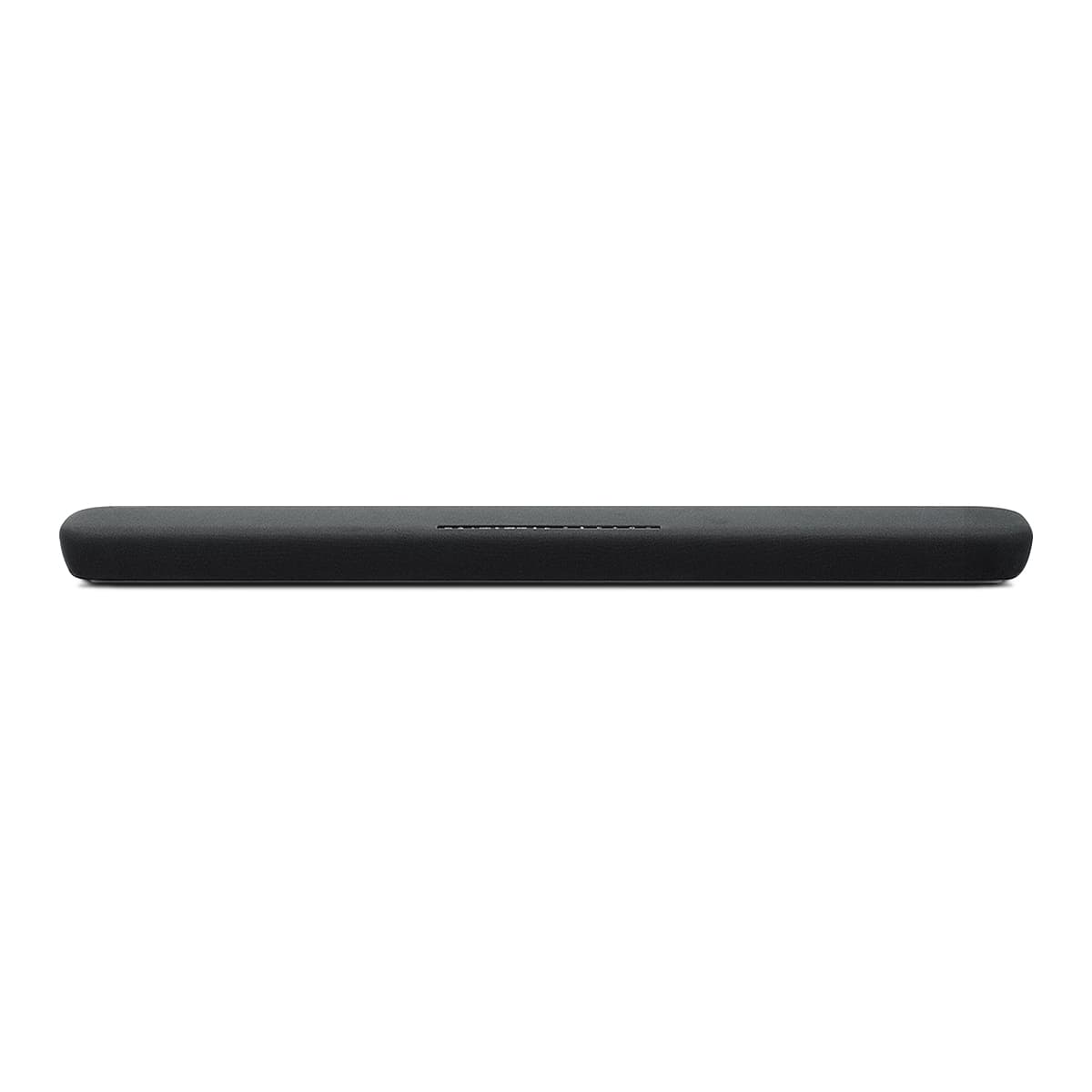
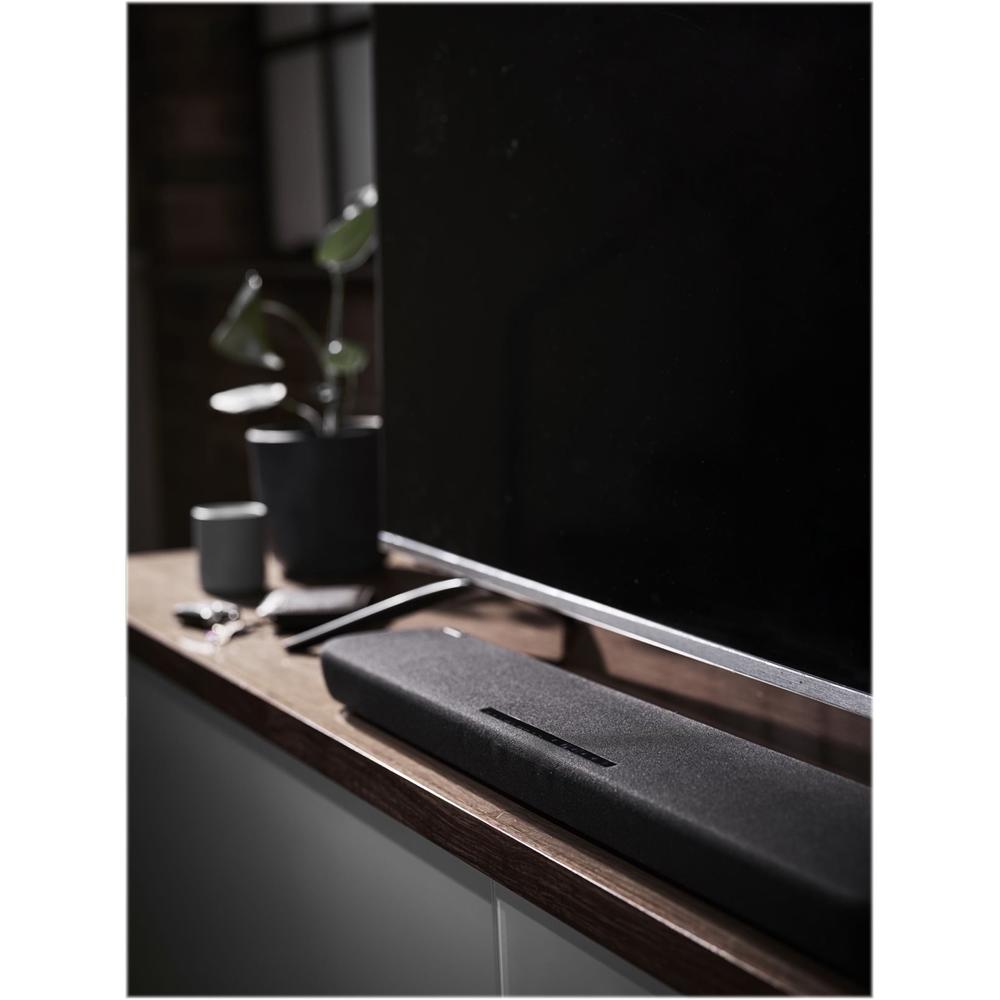
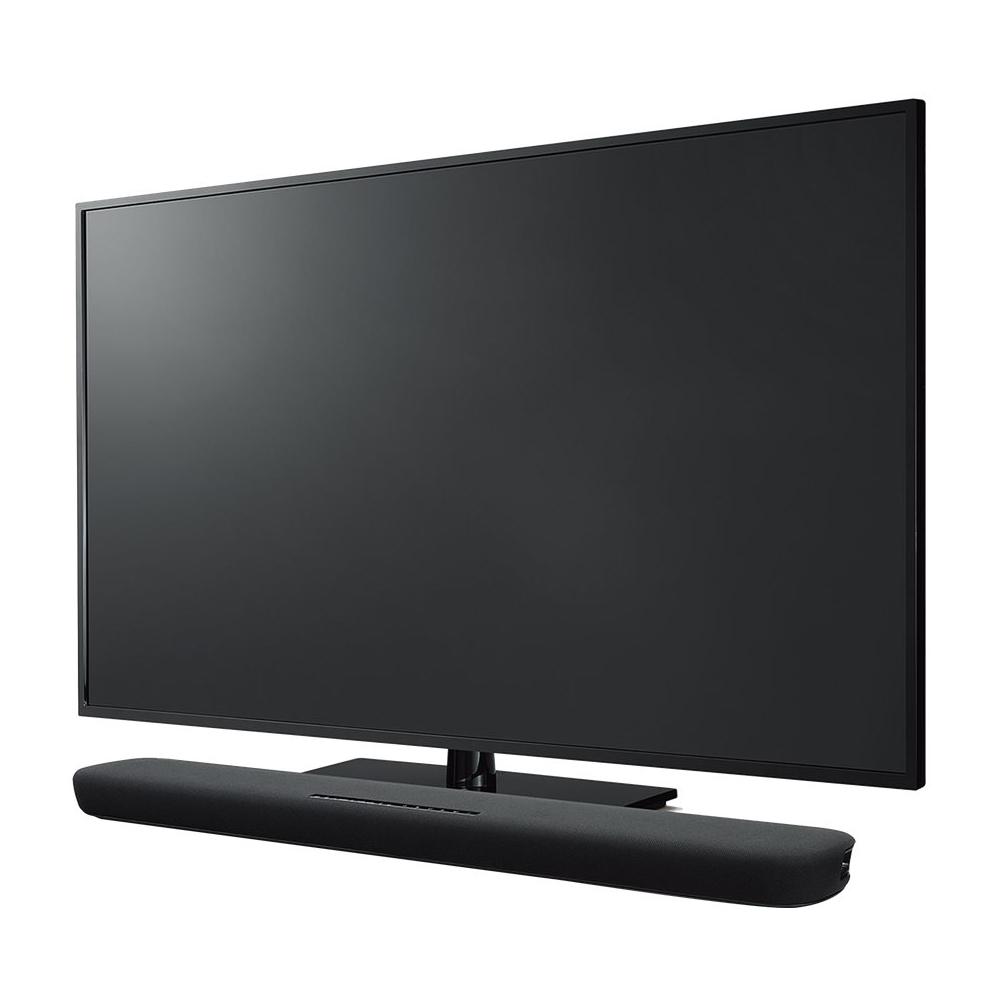
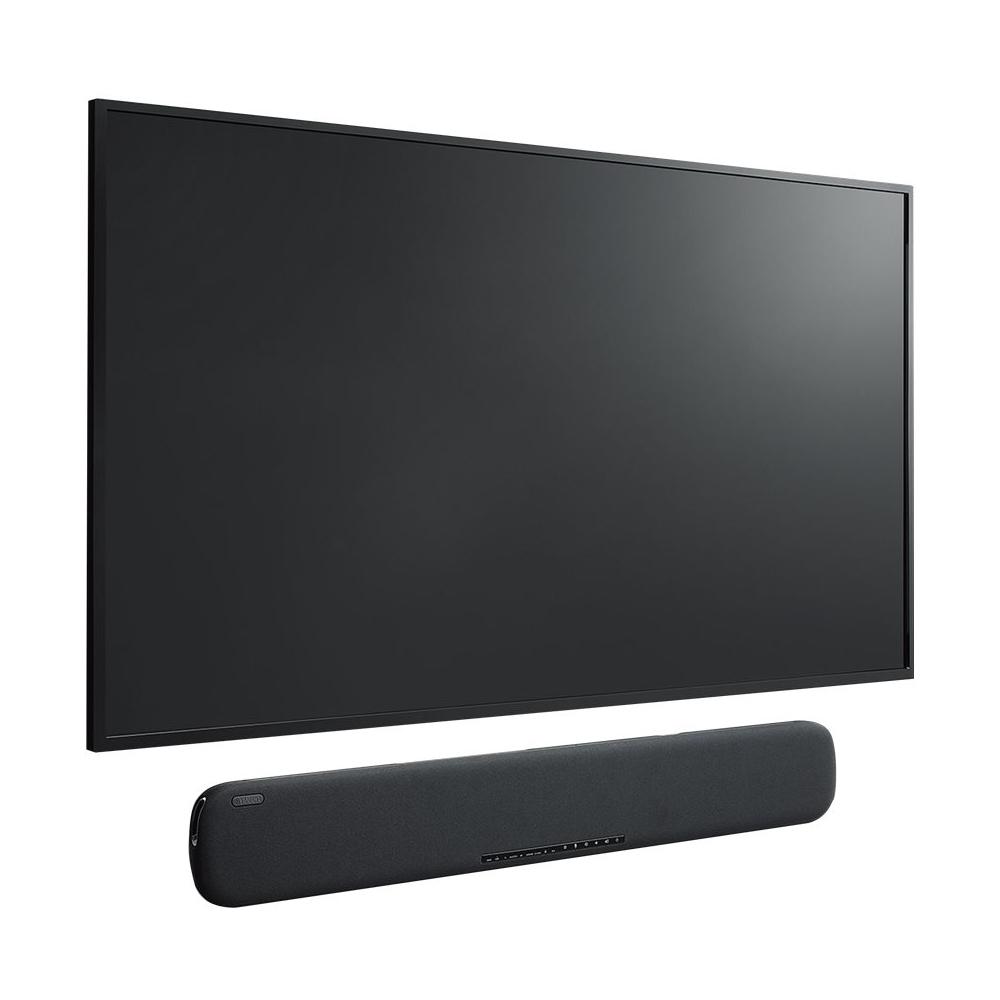
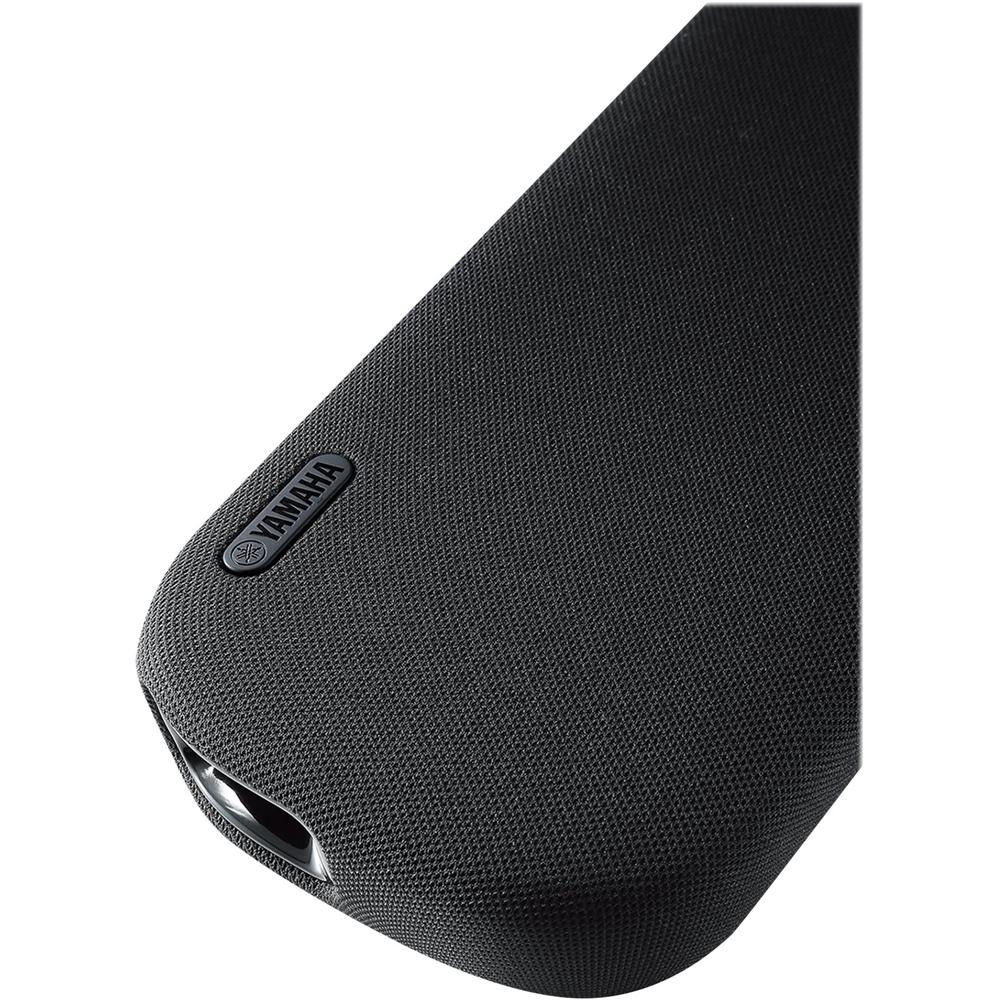
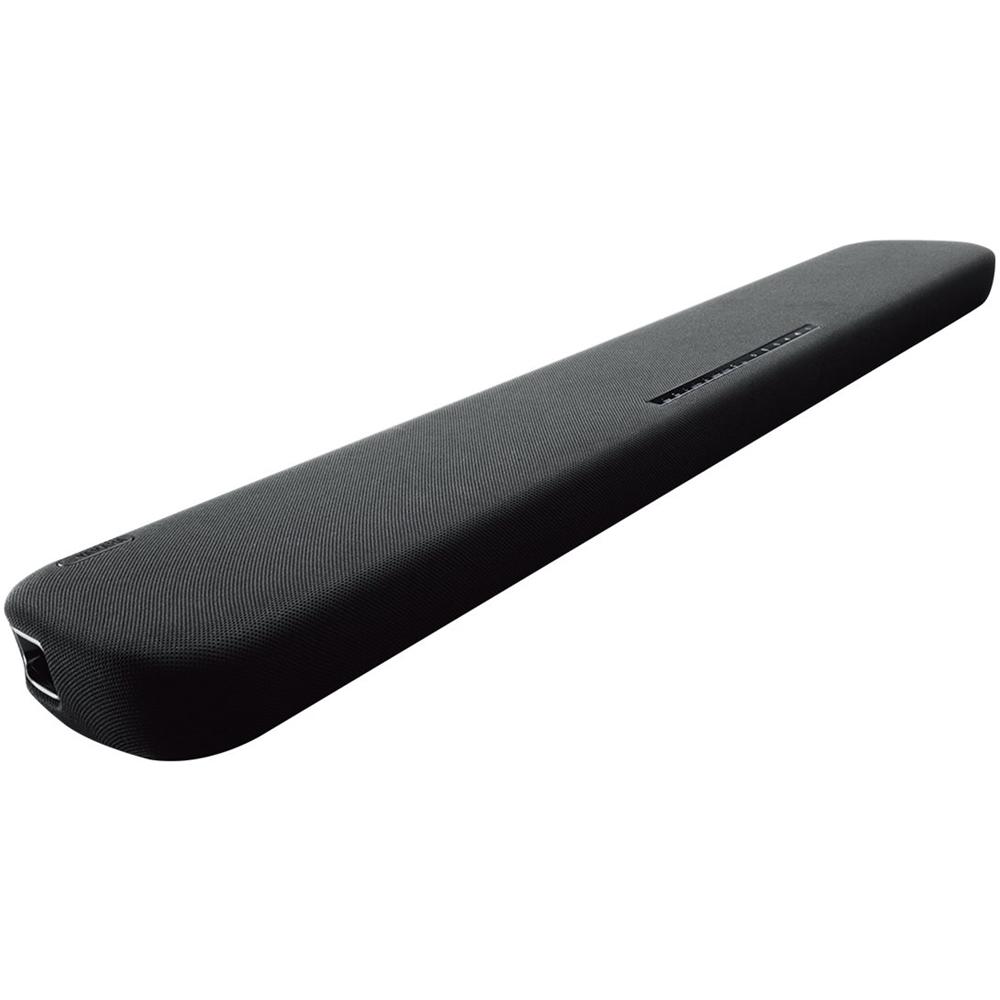
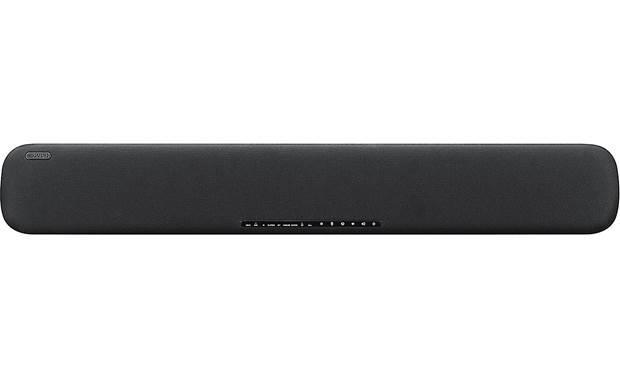
The Yamaha YAS-109 launched in 2019 with a completely different approach. Instead of audio purity, Yamaha packed this soundbar with modern features and built-in bass enhancement. It's technically a 2.1 system because it includes two built-in subwoofers alongside the main drivers.
At 35 inches wide, it's significantly larger than the Bose and weighs 7.5 pounds. This extra size accommodates four tweeters (high-frequency drivers), two main drivers, and those two 3-inch subwoofers that give it much more bass capability.
Here's where things get interesting. Both soundbars claim to excel at dialogue, but they achieve it differently.
The Bose Solo Series 2 uses proprietary audio processing that's genuinely impressive for a budget product. When you activate dialogue enhancement mode, it doesn't just boost certain frequencies – it uses sophisticated algorithms to separate and clarify speech from background noise. I've tested this with everything from quiet British dramas to explosive action movies, and the consistency is remarkable. Even when characters whisper or speak over loud music, their words remain intelligible without making everything else sound harsh.
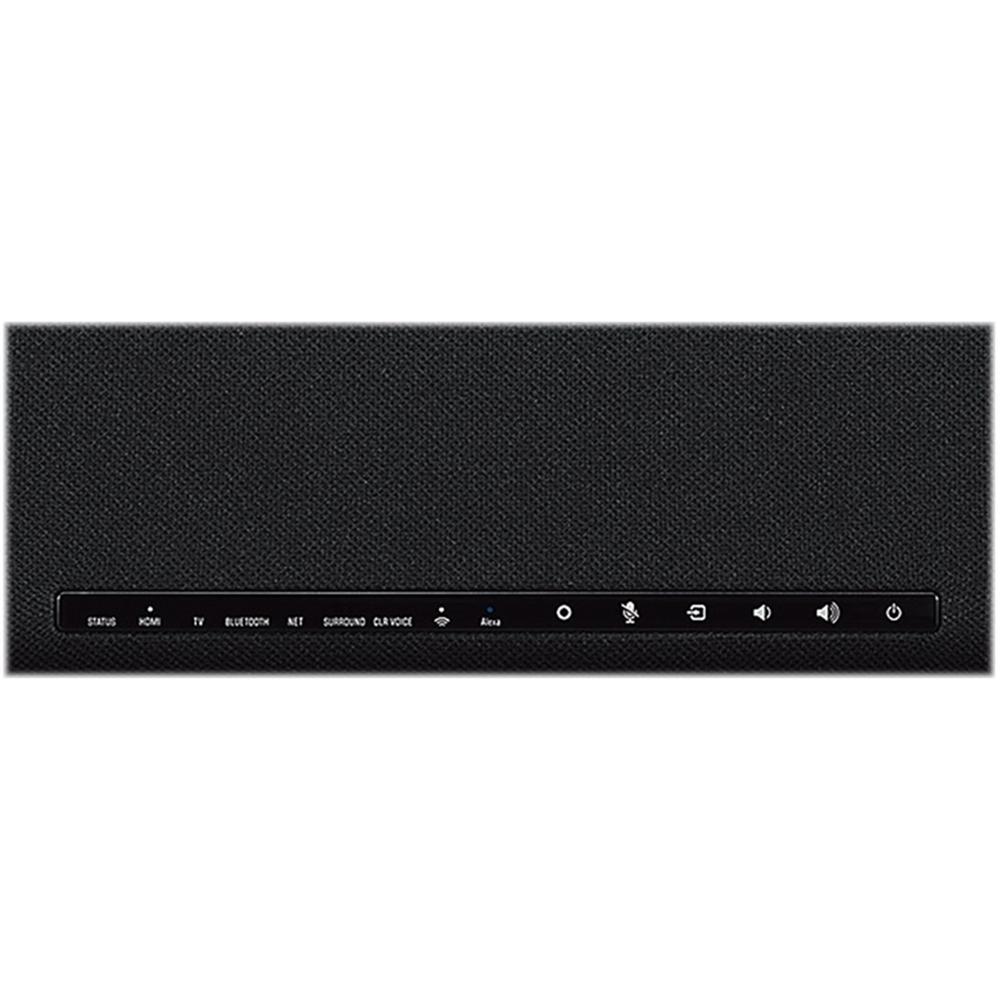
The Yamaha takes a more traditional approach with its Clear Voice technology. This feature boosts the frequency range where most speech occurs (roughly 1-4 kHz), which does improve clarity. However, it's not as sophisticated as Bose's processing. In complex scenes with lots of background noise, you might find yourself adjusting the volume more often or manually tweaking the Clear Voice setting.
The difference becomes most apparent during action sequences. The Bose maintains dialogue clarity even when explosions are happening, while the Yamaha's more aggressive bass response can sometimes overwhelm quieter speech.
This is where the two soundbars diverge most dramatically. The Yamaha YAS-109 includes dual 3-inch subwoofer drivers that deliver genuine low-frequency impact. When watching action movies or listening to electronic music, you'll feel the difference. These built-in subs can produce frequencies down to around 50 Hz, which covers most of the bass content in movies and music.
The bass adjustment feature lets you customize the low-end response, which is particularly useful if you live in an apartment or prefer a more balanced sound. At maximum settings, the YAS-109 can actually produce too much bass, causing some boominess that muddies the overall sound. But when properly adjusted, it provides the kind of visceral impact that makes action scenes more engaging.
The Bose, by contrast, produces very little low-frequency energy. Its small drivers can't move enough air to create meaningful bass, so explosions lack rumble and bass-heavy music sounds thin. However, what bass it does produce is tight and controlled. There's no bloat or overhang – just clean, accurate reproduction within its limited range.
Soundstage refers to how wide and spacious audio sounds, while imaging describes how precisely you can locate specific sounds in space. These are crucial for creating an immersive experience.
The Yamaha's DTS Virtual:X technology attempts to create a surround sound effect from its single bar. This processing analyzes the audio signal and uses psychoacoustic tricks (basically fooling your brain) to make sounds appear to come from locations beyond the physical speakers. The technology works by introducing subtle delays and phase shifts that your ears interpret as directional cues.
In practice, Virtual:X produces mixed results. With some content, especially movies mixed specifically for surround sound, you do get a noticeably wider soundstage. Helicopters might seem to pan across the room, and ambient sounds feel more enveloping. However, the effect is highly dependent on your seating position, room acoustics, and the source material. Sometimes it works beautifully; other times it sounds artificially processed.
The Bose Solo Series 2 doesn't attempt any surround sound trickery. Instead, it focuses on creating accurate stereo imaging with good center focus for dialogue. While the soundstage isn't particularly wide, instrument separation is excellent, and you can easily identify where different sounds are coming from within the stereo field. This approach feels more honest and consistent, even if it's less impressive on paper.
The age difference between these products becomes most apparent when examining their connectivity options and smart features.
The Bose's biggest limitation is its single optical digital input. This connection method was standard when the soundbar was designed in 2018, but it feels restrictive today. Optical connections can carry Dolby Digital audio (up to 5.1 channels), but the Bose downmixes everything to stereo anyway. You can't connect multiple devices directly to the soundbar, and there's no HDMI passthrough for video.
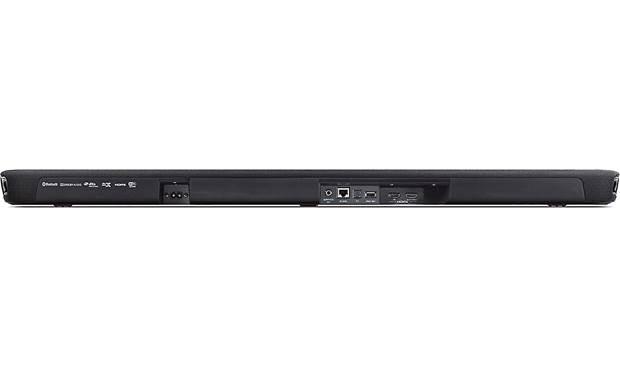
The Yamaha YAS-109 includes both optical and HDMI ARC (Audio Return Channel) inputs. HDMI ARC is particularly valuable because it creates a two-way connection with your TV. This means you can control the soundbar's volume with your TV remote, and the soundbar can automatically turn on when you start watching TV. The HDMI connection also supports 4K video passthrough with HDR10 and HLG (Hybrid Log-Gamma) support, so you can connect devices like Apple TV or gaming consoles directly to the soundbar.
Both soundbars support Bluetooth audio streaming, but their implementations differ significantly. The Bose uses Bluetooth 4.0 with basic A2DP profile support. Connection is straightforward, and audio quality is decent for casual listening, though you might notice some compression artifacts with high-quality music files.
The Yamaha goes further with both Bluetooth and Wi-Fi connectivity. The Wi-Fi connection enables Spotify Connect, which allows you to stream music directly from the Spotify app without going through your phone's Bluetooth. This typically provides better audio quality and doesn't drain your phone's battery. The soundbar appears as a selectable device within the Spotify app, just like more expensive wireless speakers.
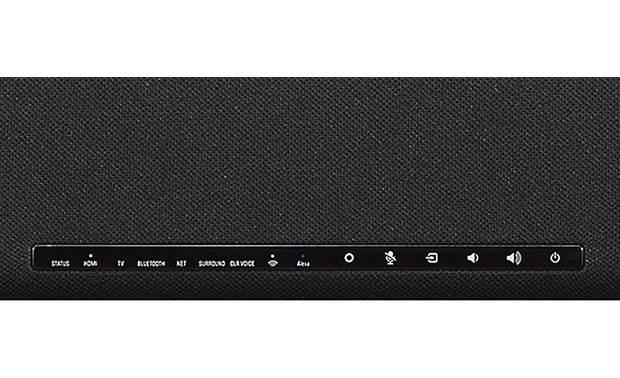
Here's where the Yamaha really pulls ahead of the older Bose design. The YAS-109 includes Amazon Alexa built-in, making it function as a smart speaker when not playing audio from your TV. You can ask it to play music, control smart home devices, check the weather, or set timers using voice commands.
The Alexa integration is particularly useful because it means you don't need a separate Echo device in your entertainment area. The soundbar's microphones are positioned to pick up voice commands even when audio is playing, though very loud content can interfere with recognition.
The Bose has no smart features whatsoever. It's purely a passive audio device that requires manual control via the included remote.
The Bose Solo Series 2 uses two full-range drivers positioned at slight angles to create a wider soundstage. Full-range drivers attempt to reproduce all frequencies from a single cone, which is challenging but allows for better phase coherence (all frequencies arriving at your ears at the same time). Bose supplements these with sophisticated digital signal processing (DSP) that optimizes frequency response and applies their proprietary dialogue enhancement algorithms.
The Yamaha employs a more traditional approach with separate drivers for different frequency ranges. It has two 1-inch dome tweeters for high frequencies, two 2.125-inch cones for midrange, and two 3-inch subwoofers for bass. This specialization allows each driver to focus on what it does best, potentially providing better overall frequency response.
However, using multiple drivers creates challenges with crossover points – the frequencies where one driver hands off to another. Poor crossover implementation can result in frequency gaps or overlaps that color the sound. Yamaha's implementation is generally good, but you can sometimes hear slight discontinuities between the midrange drivers and subwoofers.
The Yamaha's 120-watt total power output significantly exceeds the Bose's specifications, though Bose doesn't publish detailed power ratings for the Solo Series 2. However, raw power numbers can be misleading – what matters is how efficiently that power is used and how cleanly it's delivered.
The Yamaha's power is distributed as 30 watts to each front channel and 60 watts to the built-in subwoofers. This allocation makes sense given that bass frequencies require more power to produce the same perceived volume as midrange frequencies.
Both soundbars support Dolby Digital input, which covers most streaming content and TV broadcasts. However, they handle this differently. The Bose downmixes everything to stereo, while the Yamaha can process the full 5.1 signal and use its DTS Virtual:X processing to create a simulated surround effect.
Neither soundbar supports modern formats like Dolby Atmos or DTS:X, which isn't surprising given their price points. These object-based audio formats require more sophisticated processing and speaker configurations typically found in higher-end products.
If you're building a dedicated home theater setup, both soundbars serve as stepping stones rather than destinations. However, they can work well in smaller spaces or secondary viewing areas.
The Bose Solo Series 2 works best in small to medium rooms where its limited bass output won't be as noticeable. In larger spaces, the lack of low-frequency energy becomes more apparent, and you might find yourself wanting more impact during action scenes.
The Yamaha's built-in subwoofers make it more suitable for larger rooms, though you'll still be limited compared to systems with separate subwoofers. The bass output is impressive for an all-in-one unit, but it can't compete with dedicated home theater subwoofers that use larger drivers and more powerful amplifiers.
The Yamaha offers more flexibility for future expansion. Its subwoofer output allows you to add an external powered subwoofer if you want more bass impact. This effectively turns it into a 2.2 system (two main channels plus two subwoofers) without replacing the entire soundbar.
The Bose offers no expansion options. What you buy is what you get, which fits its minimalist philosophy but limits future flexibility.
After extensive testing with both units, I find myself appreciating different aspects of each soundbar depending on the content and situation.
For daily TV watching – news, talk shows, dramas – the Bose Solo Series 2 consistently impresses with its dialogue clarity. There's something almost effortless about how it presents speech. You don't need to adjust volume constantly or strain to understand what characters are saying, even in challenging audio environments.
The Yamaha YAS-109 shines during movie nights or gaming sessions. The bass impact adds genuine excitement to action sequences, and the virtual surround processing, while inconsistent, can create some genuinely impressive moments. The Alexa integration also proves more useful than expected – being able to ask for weather updates or control lights without reaching for another device is surprisingly convenient.
Choose the Bose Solo Soundbar Series 2 ($199) if you:
Choose the Yamaha YAS-109 ($220) if you:
The $20 price difference between these soundbars is relatively small, but the philosophical differences are significant. The Bose represents focused audio engineering applied to a specific problem – improving TV dialogue clarity. The Yamaha offers a more comprehensive entertainment package with modern features and broader appeal.
Consider your primary use cases, room characteristics, and technology preferences. If you're someone who values simplicity and audio quality above all else, the Bose's focused approach will likely satisfy you for years. If you want a soundbar that can grow with changing technology and provide excitement across different types of content, the Yamaha's feature set and bass capability make it the more versatile choice.
Both soundbars will dramatically improve your TV audio experience compared to built-in speakers. The question isn't whether either will make you happy – it's which approach to better audio aligns best with your specific needs and preferences.
| Bose Solo Soundbar Series 2 ($199) | Yamaha YAS-109 ($220) |
|---|---|
| Audio Configuration - Determines bass performance and overall sound character | |
| 2.0 stereo (no dedicated bass drivers) | 2.1 with dual built-in subwoofers |
| Bass Response - Critical for movies and music enjoyment | |
| Limited low-frequency output, balanced sound | Dual 3" subwoofers provide room-filling bass |
| Dialogue Enhancement - Essential for clear speech in TV shows and movies | |
| Advanced dialogue mode with AI processing | Clear Voice technology (manual activation required) |
| Smart Features - Modern convenience and future-proofing | |
| None (basic remote control only) | Built-in Alexa voice control |
| Connectivity Options - Affects compatibility with modern devices | |
| Optical input only | HDMI ARC + Optical (supports 4K HDR passthrough) |
| Wireless Capabilities - Important for music streaming | |
| Bluetooth 4.0 only | Bluetooth + Wi-Fi with Spotify Connect |
| Virtual Surround Sound - Creates wider soundstage from single bar | |
| None (focused stereo imaging) | DTS Virtual:X processing |
| Physical Size - Impacts placement under TV | |
| Compact: 21.6" wide, 3.72 lbs | Larger: 35" wide, 7.5 lbs |
| Total Power Output - Affects maximum volume and dynamic range | |
| Not specified (likely 60W or less) | 120W total (30W per channel + 60W bass) |
| Setup Complexity - Time from box to working audio | |
| Plug-and-play with optical cable | More complex initial Wi-Fi and Alexa setup |
| Best Use Case - Who should buy this soundbar | |
| TV dialogue and casual listening in smaller rooms | Movies, gaming, and smart home integration |
The Yamaha YAS-109 ($220) has significantly better bass performance with dual built-in 3-inch subwoofers that deliver room-filling low-frequency sound. The Bose Solo Soundbar Series 2 ($199) has limited bass due to its compact design and lack of dedicated bass drivers, making it better suited for dialogue-focused content rather than action movies or music.
The Bose Solo Soundbar Series 2 ($199) excels at dialogue clarity with its advanced dialogue enhancement mode that uses sophisticated AI processing to separate speech from background noise. While the Yamaha YAS-109 ($220) has Clear Voice technology, it's not as refined and the soundbar's bass emphasis can sometimes overwhelm quiet dialogue.
The Yamaha YAS-109 ($220) includes built-in Amazon Alexa for voice control, smart home integration, and hands-free operation. The Bose Solo Soundbar Series 2 ($199) has no smart features and relies entirely on remote control operation, making it more basic but also simpler to use.
The Yamaha YAS-109 ($220) offers superior connectivity with HDMI ARC, optical input, Wi-Fi, and Bluetooth, plus support for 4K HDR passthrough. The Bose Solo Soundbar Series 2 ($199) only has optical input and basic Bluetooth, which limits its compatibility with modern devices and streaming services.
The Bose Solo Soundbar Series 2 ($199) is much easier to set up with simple plug-and-play operation using the included optical cable. The Yamaha YAS-109 ($220) requires more complex initial setup for Wi-Fi connectivity, Alexa integration, and HDMI configuration, though it offers more functionality once configured.
Both soundbars offer good value in different ways. The Bose Solo Soundbar Series 2 ($199) provides excellent audio processing and dialogue clarity at a lower price point. The Yamaha YAS-109 ($220) costs $20 more but includes built-in subwoofers, smart features, and modern connectivity that may eliminate the need for future upgrades.
The Yamaha YAS-109 ($220) is better suited for home theater use with its bass impact, virtual surround sound processing, and HDMI connectivity for modern components. The Bose Solo Soundbar Series 2 ($199) works better as a TV audio upgrade in smaller spaces where dialogue clarity is the primary concern rather than cinematic impact.
The Yamaha YAS-109 ($220) is significantly better for music with its built-in subwoofers providing full-range sound, Wi-Fi streaming capabilities, and Spotify Connect support. The Bose Solo Soundbar Series 2 ($199) has limited bass response that makes music sound thin, though it excels at acoustic and vocal-focused genres.
The Bose Solo Soundbar Series 2 ($199) is much more compact at 21.6 inches wide and 3.72 pounds, fitting easily under most TVs. The Yamaha YAS-109 ($220) is larger at 35 inches wide and 7.5 pounds, requiring more space but accommodating the additional drivers needed for its enhanced bass performance.
The Yamaha YAS-109 ($220) includes DTS Virtual:X technology that attempts to create a surround sound effect from the single bar, with varying effectiveness depending on content and room acoustics. The Bose Solo Soundbar Series 2 ($199) doesn't offer virtual surround processing, focusing instead on accurate stereo reproduction.
The Yamaha YAS-109 ($220) is better for gaming with its bass impact for explosions and action, HDMI connectivity for consoles, and virtual surround processing for positional audio cues. The Bose Solo Soundbar Series 2 ($199) works for gaming but lacks the low-frequency impact and modern connectivity that enhance the gaming experience.
The Yamaha YAS-109 ($220) is likely to remain relevant longer with its modern HDMI connectivity, Wi-Fi capabilities, and smart features that align with current technology trends. The Bose Solo Soundbar Series 2 ($199) may feel outdated sooner due to its limited connectivity options and lack of smart features, though its audio quality will remain excellent.
We've done our best to create useful and informative comparisons to help you decide what product to buy. Our research uses advanced automated methods to create this comparison and perfection is not possible - please contact us for corrections or questions. These are the sites we've researched in the creation of this article: rtings.com - bose.com - bose.com - assets.bose.com - bestbuy.com - youtube.com - pistonheads.com - costco.com - googlenestcommunity.com - youtube.com - discussions.apple.com - rtings.com - crutchfield.com - usa.yamaha.com - digitaltrends.com - tomsguide.com - listenup.com - youtube.com - usa.yamaha.com - hub.yamaha.com - youtube.com - hub.yamaha.com

Privacy Policy
Terms and Conditions - Affiliate Policy
Home Security
© Copyright 2008-2026.
11816 Inwood Rd #1211, Dallas, TX 75244