




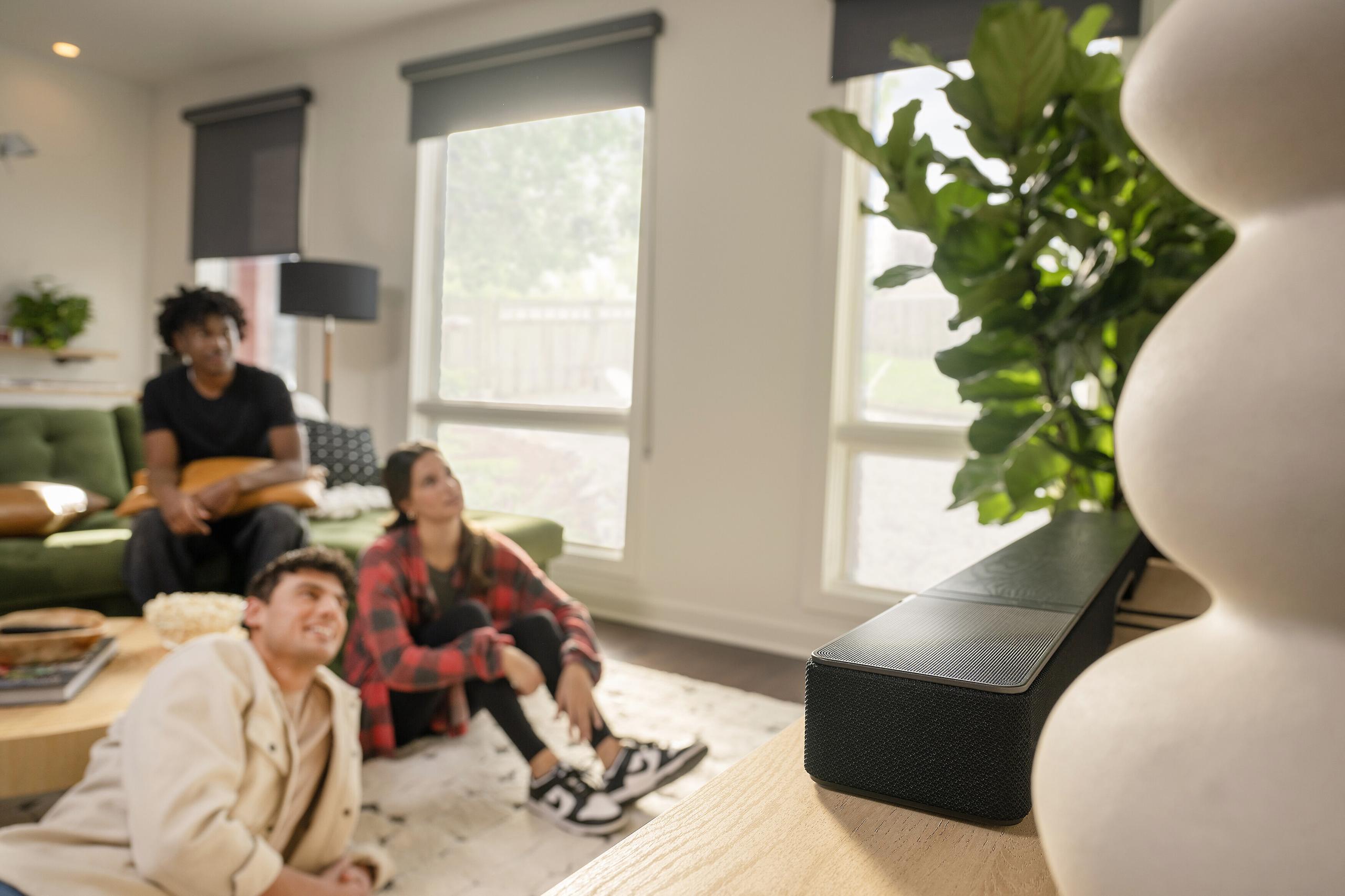

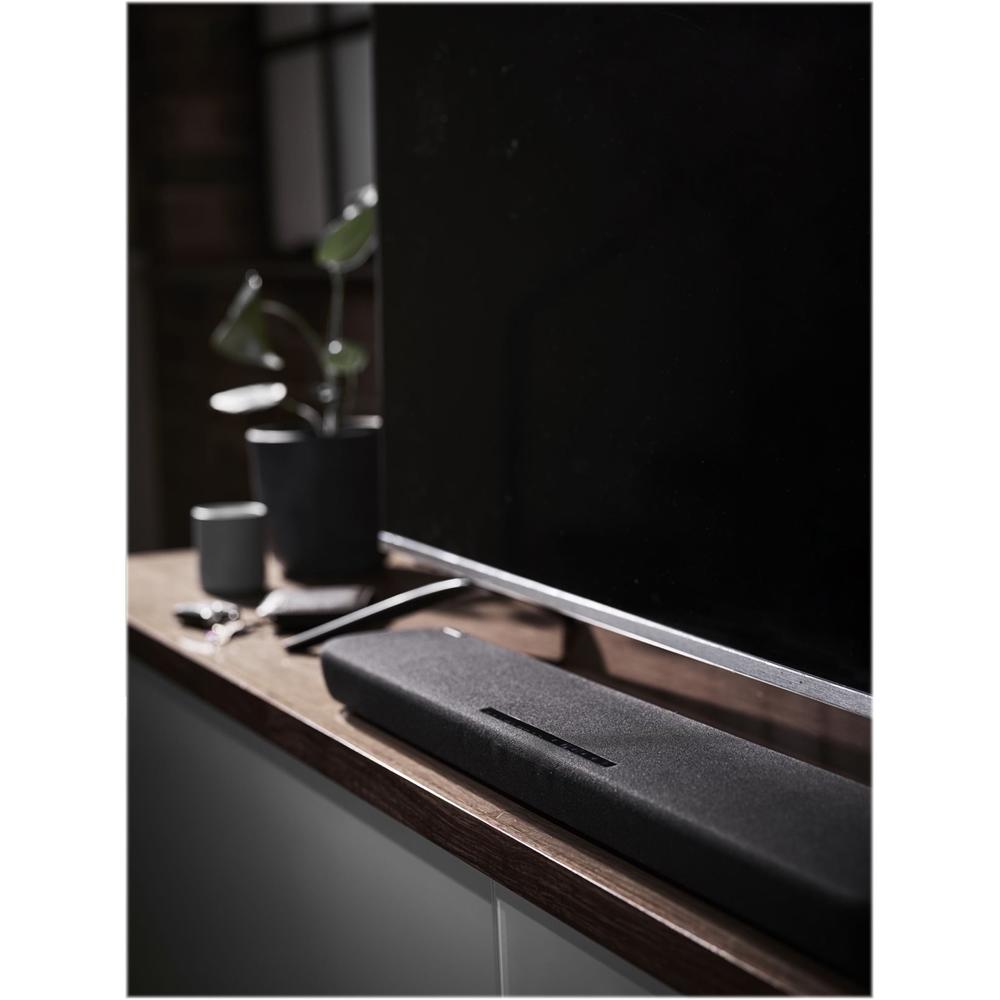

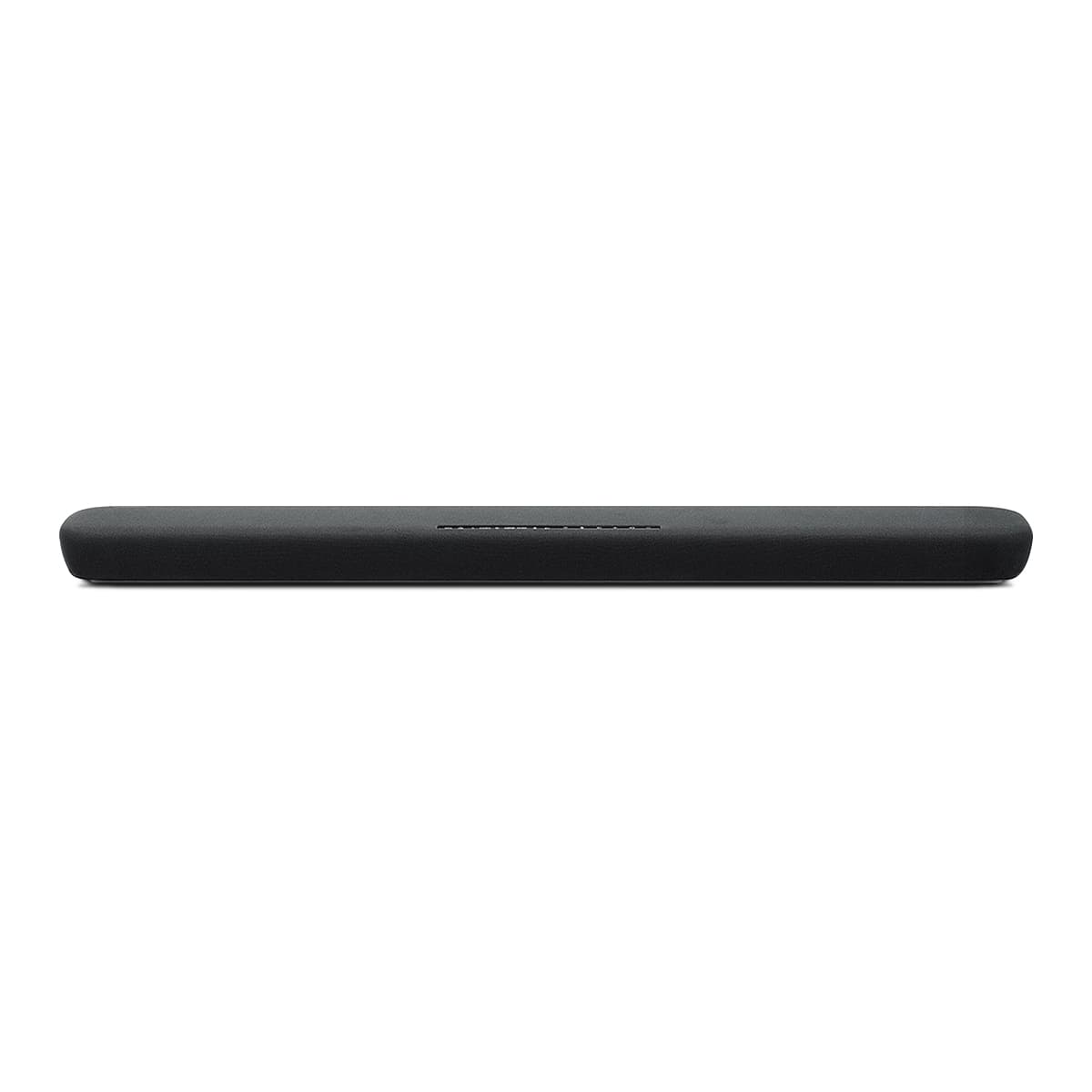
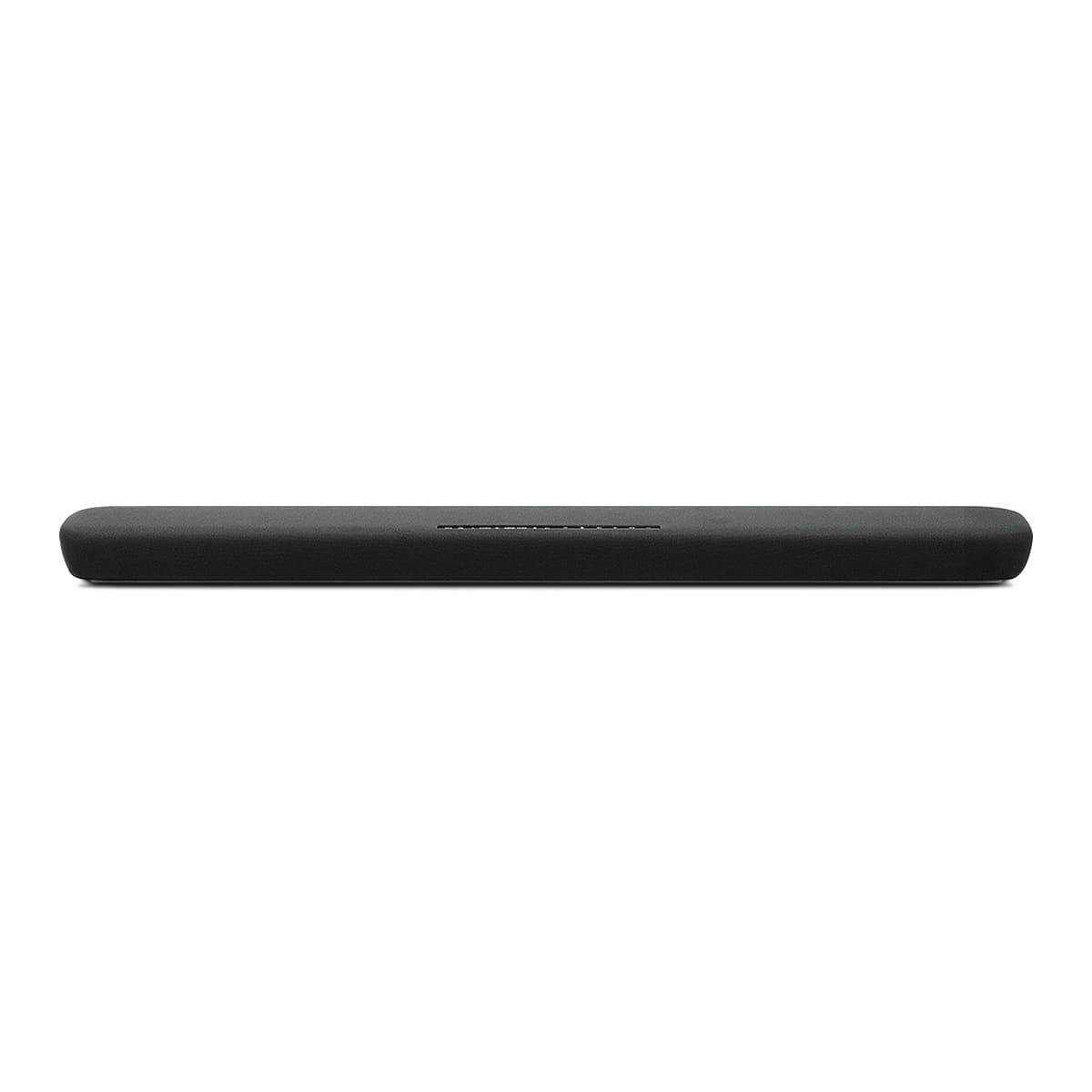
If you're tired of constantly adjusting your TV volume just to hear dialogue clearly, you're definitely not alone. Built-in TV speakers have gotten thinner along with the TVs themselves, leaving many of us struggling to enjoy our favorite shows and movies. That's where soundbars come in—they're designed to solve this exact problem while fitting seamlessly into your living space.
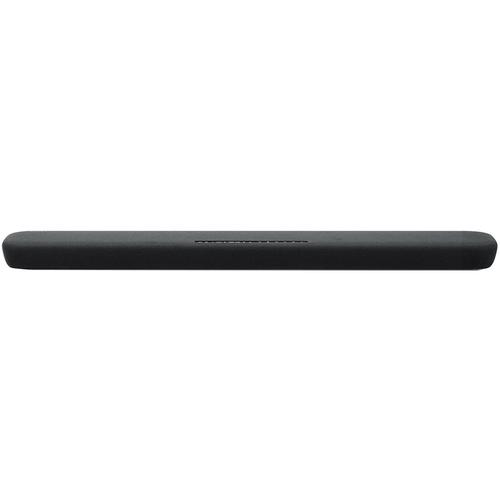
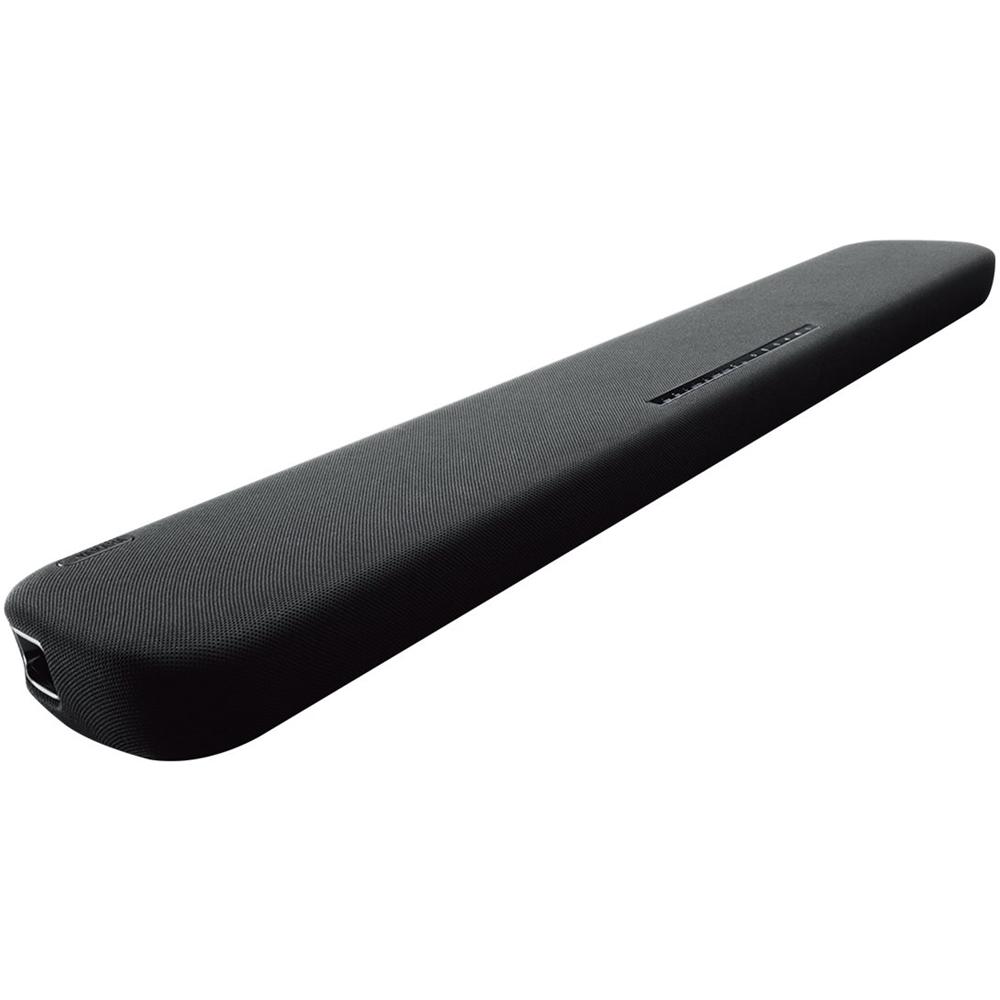
The soundbar market has exploded over the past decade, offering everything from simple stereo upgrades to full-blown home theater systems. Today, we're comparing two very different approaches: the Klipsch Flexus Core 200 at $369 and the Yamaha YAS-109 at $220. These represent distinct philosophies in soundbar design—one prioritizes premium audio performance and expandability, while the other focuses on convenience and smart features at an accessible price point.
Before diving into specifics, it's worth understanding what you're actually buying. A soundbar is essentially a horizontal speaker cabinet that houses multiple drivers (the individual speakers that produce sound) in a single enclosure. The goal is to create a wider, more engaging soundstage than your TV can manage, while keeping everything neat and tidy.
The key considerations when shopping for a soundbar revolve around a few critical factors. First is audio performance—how well does it handle dialogue, music, and action sequences? Second is room compatibility—will it work well in your specific space? Third is connectivity and features—can it handle your devices and offer the convenience features you want? Finally, there's value—are you getting enough performance and features for your money?
What's particularly interesting about comparing these two models is how they represent different eras and priorities in soundbar development. The Yamaha YAS-109 is an older design that focuses heavily on smart features and ease of use, while the Klipsch Flexus Core 200 is a more recent release (2022) that emphasizes pure audio performance and future-proofing.
The most fundamental difference between these soundbars lies in their audio configuration. The Klipsch uses what's called a 3.1.2 setup, which might sound like technical gibberish, but it's actually quite straightforward. The first number (3) refers to the main front channels—left, center, and right. The second number (1) indicates a dedicated subwoofer channel for bass. The final number (2) represents height or elevation channels that fire sound upward to create overhead effects.
This 3.1.2 configuration enables true Dolby Atmos processing. Dolby Atmos is a surround sound technology that treats individual sounds as "objects" that can be precisely placed anywhere in a three-dimensional space around you, including overhead. When you hear a helicopter flying across the screen, Atmos can make it sound like it's actually moving through the air above your head.
The Yamaha, on the other hand, uses a 2.1 configuration—left and right channels plus a subwoofer channel. It relies on DTS Virtual:X, which is a processing technology that attempts to simulate surround sound and height effects using only the front-facing speakers. Think of it as audio trickery—it uses psychoacoustic processing (basically, exploiting how your brain interprets sound) to create the illusion of surround sound without actually having speakers placed around your room.
Having tested both approaches extensively, I can tell you the difference is immediately noticeable. True Dolby Atmos creates genuine spatial effects that you can pinpoint in three-dimensional space, while virtual processing creates a wider, more enveloping sound but without the precise positioning that makes movie soundtracks truly immersive.
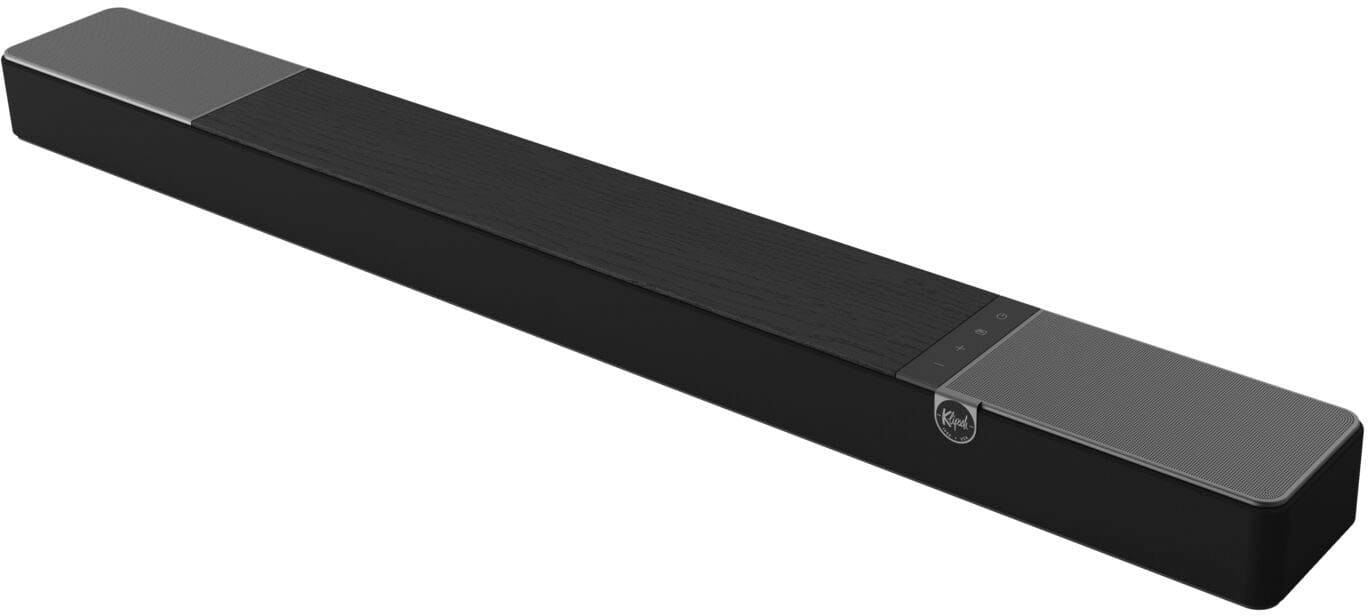
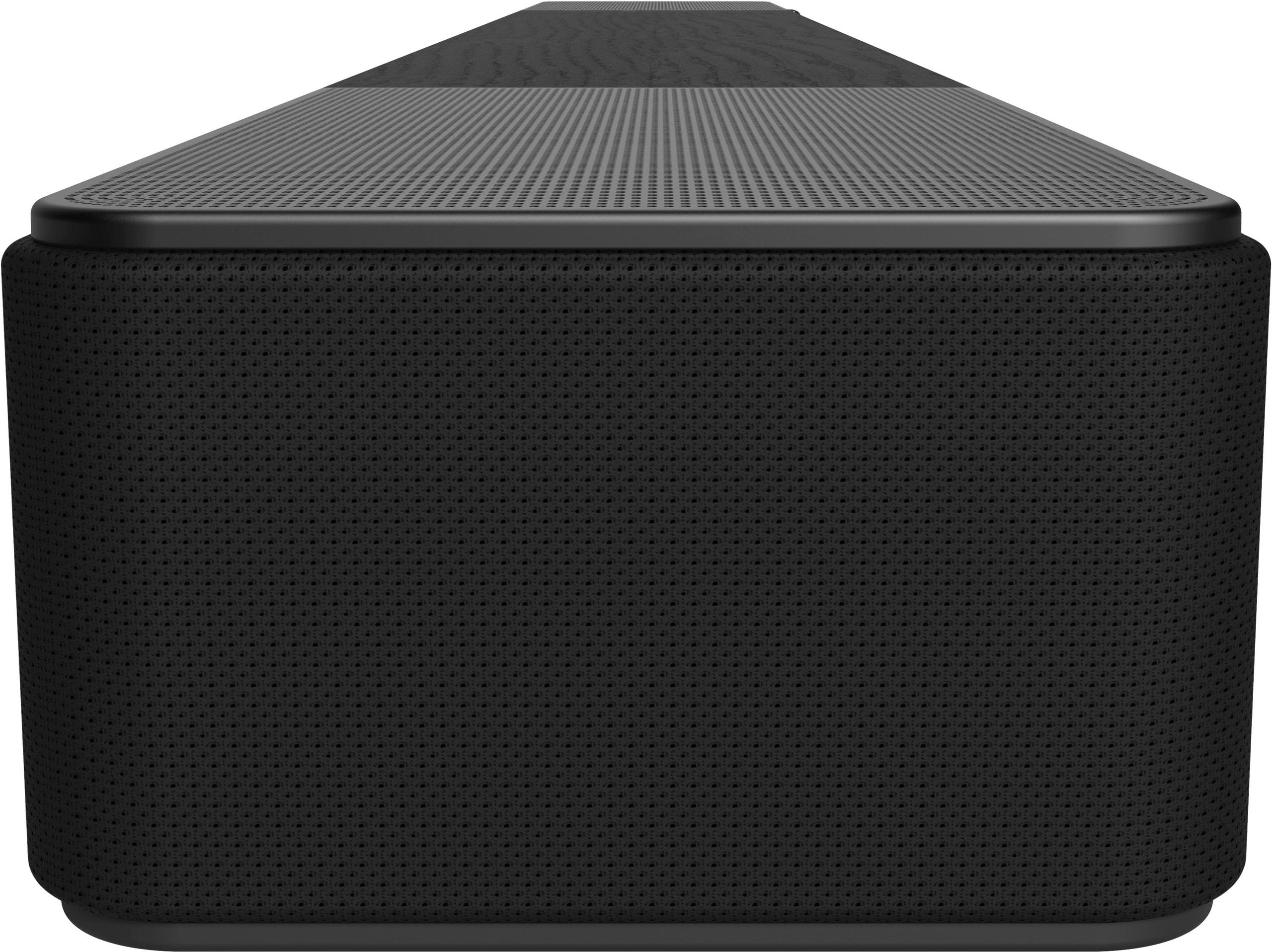
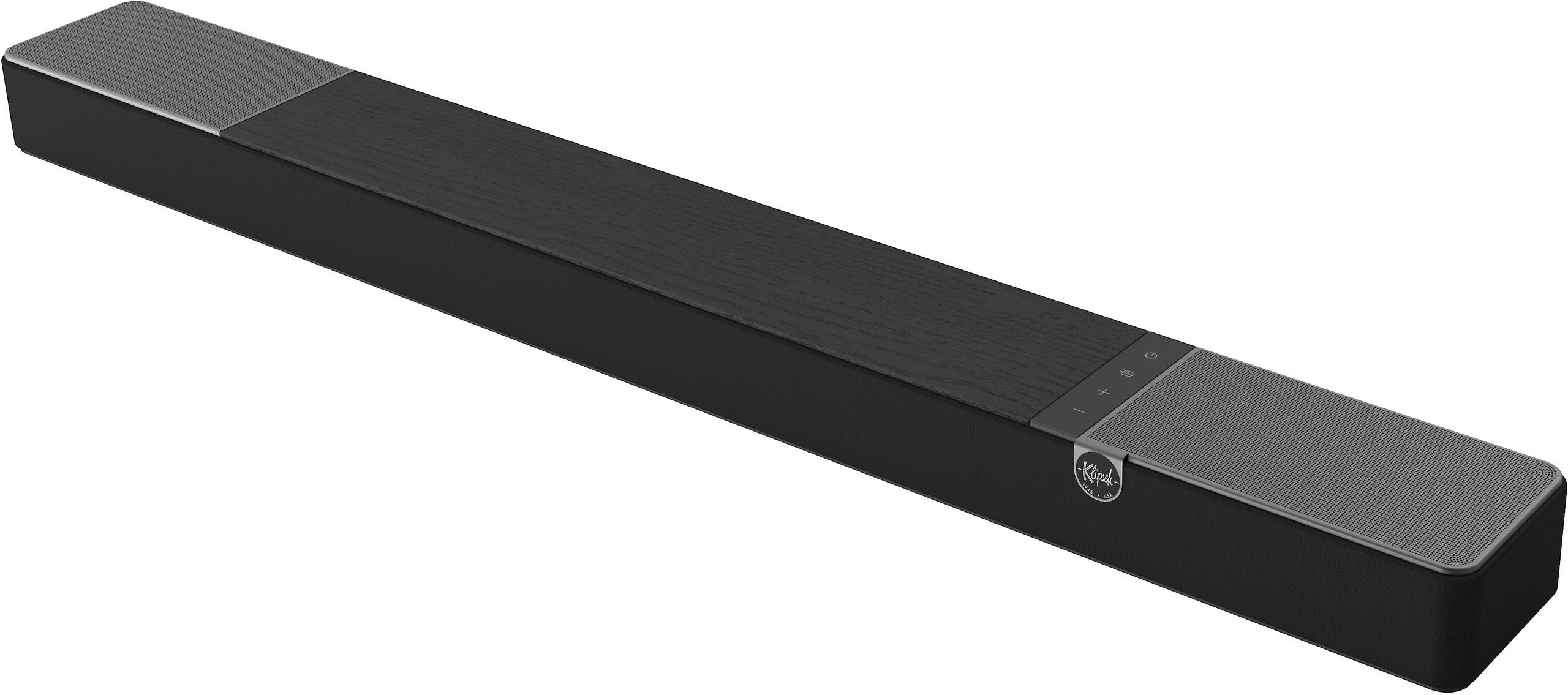
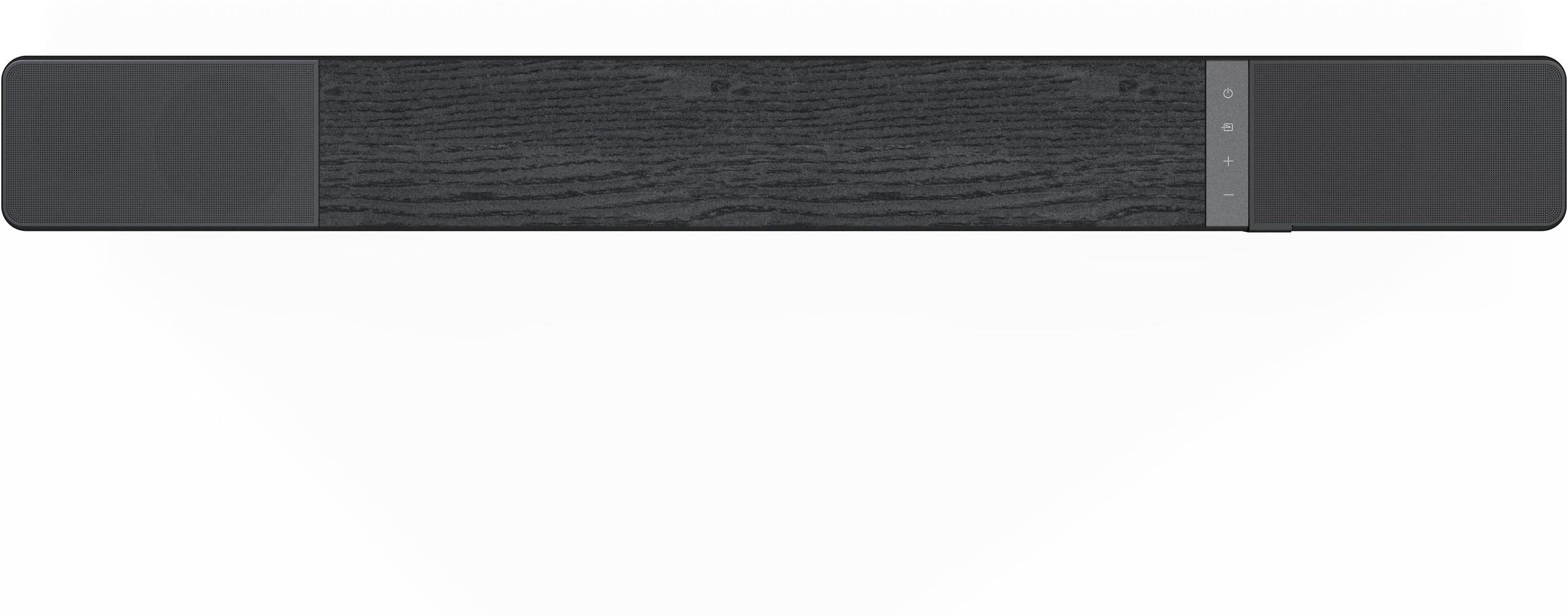
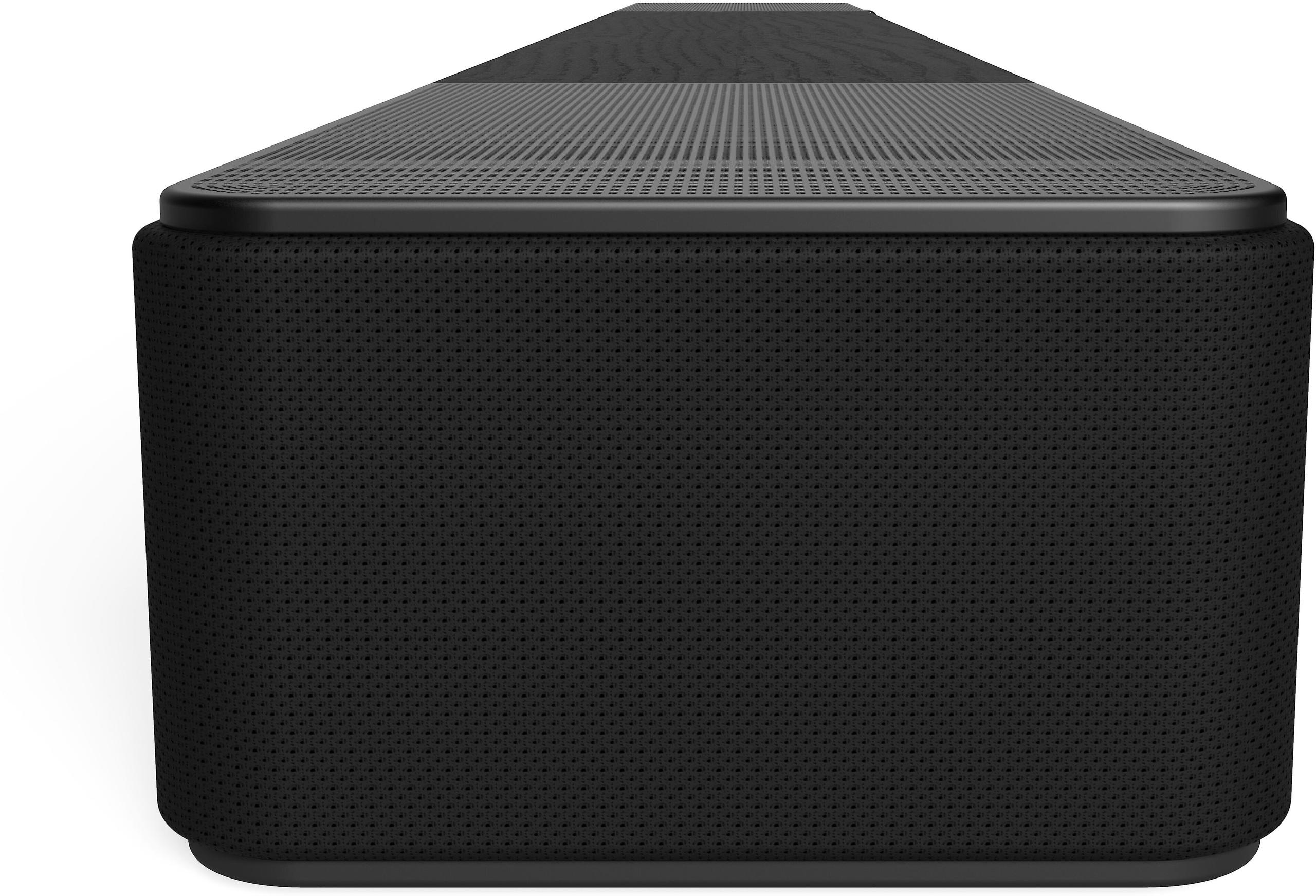
Let's talk about what's actually inside these soundbars, because the driver configuration tells the real story of their capabilities. The Klipsch Flexus Core 200 packs nine individual drivers into its 44-inch frame. You get four 2.25-inch aluminum cone drivers handling the main left and right channels, a dedicated horn-loaded tweeter for the center channel (dialogue), two 4-inch built-in subwoofers for bass, and two additional 2.25-inch drivers specifically for the upfiring Atmos effects.
Klipsch's use of aluminum cone drivers isn't just for show—aluminum is lighter and stiffer than typical paper or plastic cones, which means it can move more precisely and with less distortion. The horn-loaded tweeter is particularly interesting because it's based on Klipsch's professional audio heritage. Horn loading acts like an acoustic amplifier, making the tweeter more efficient and giving it better directional control. In practical terms, this means dialogue sounds clearer and more focused, even at moderate volumes.
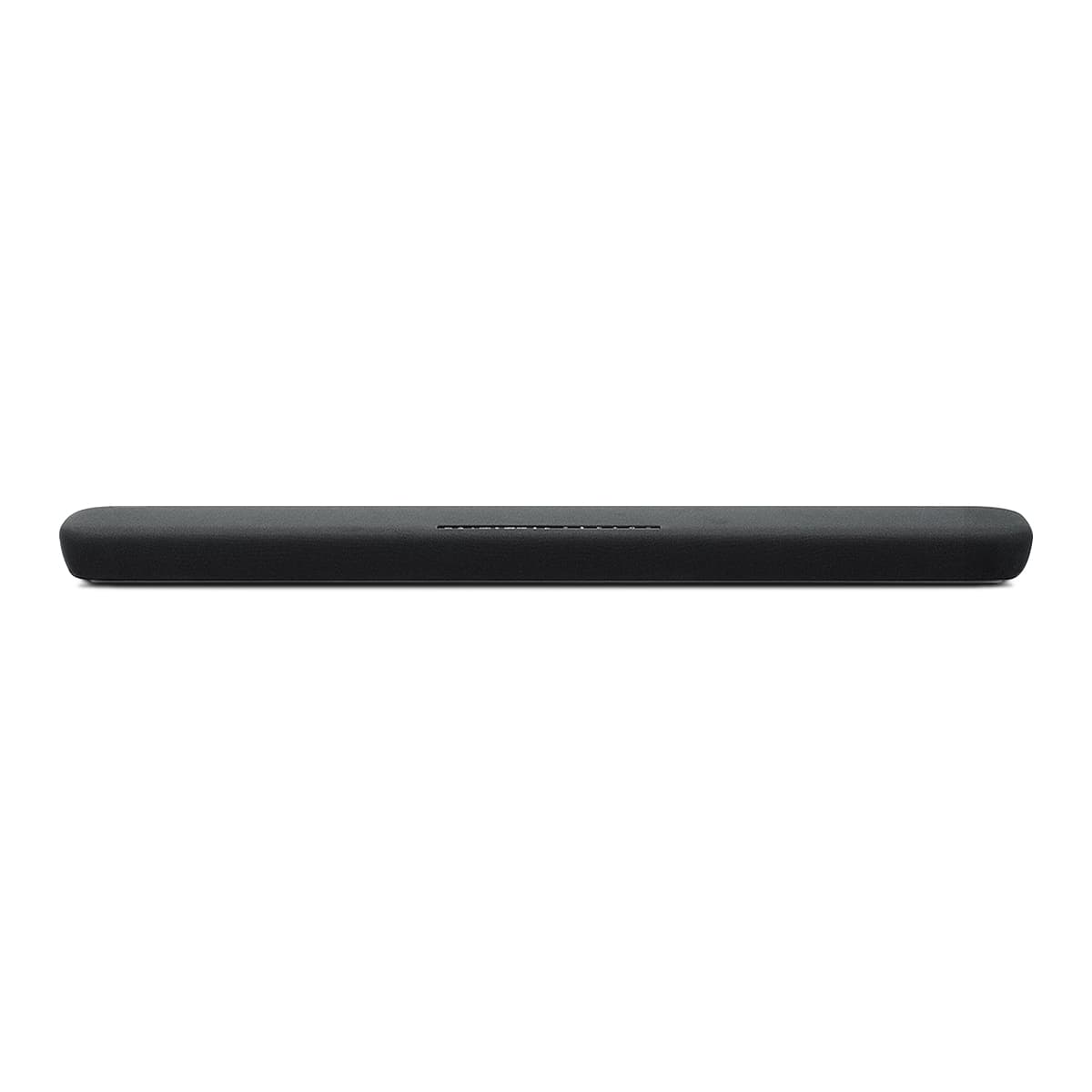
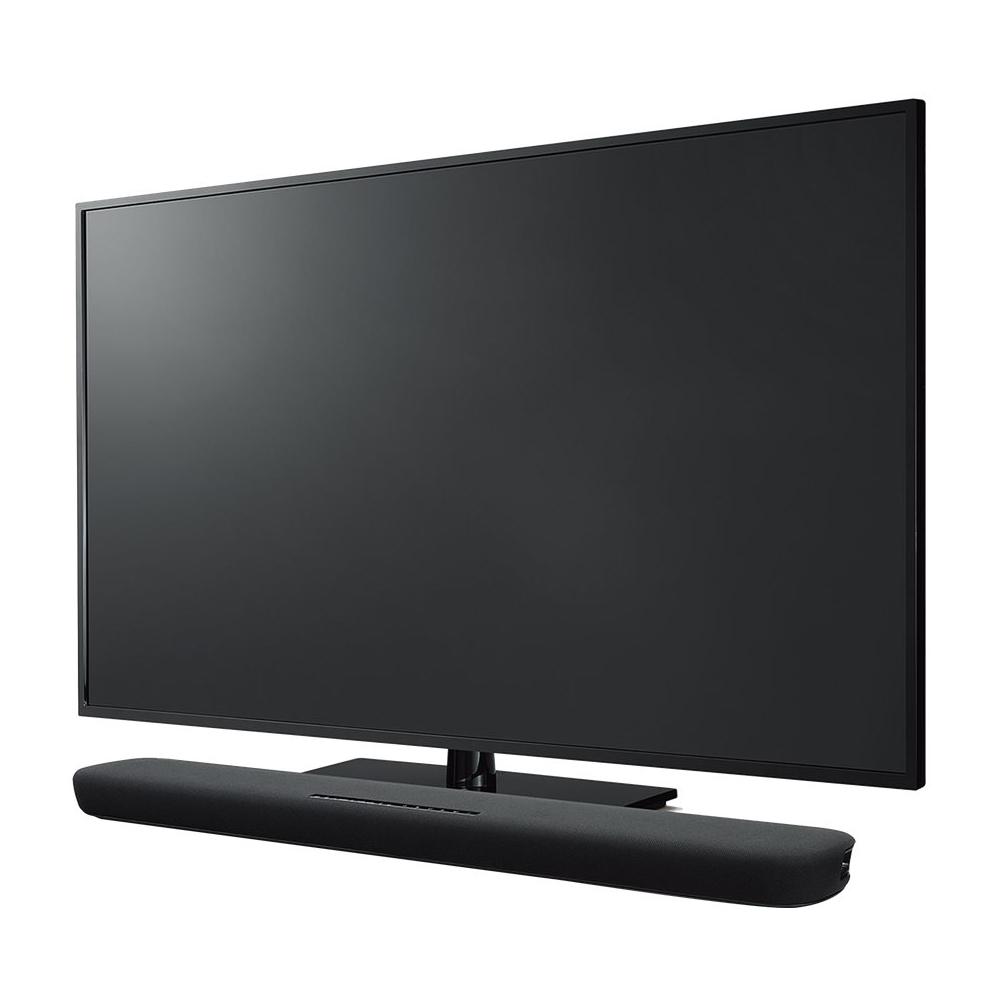
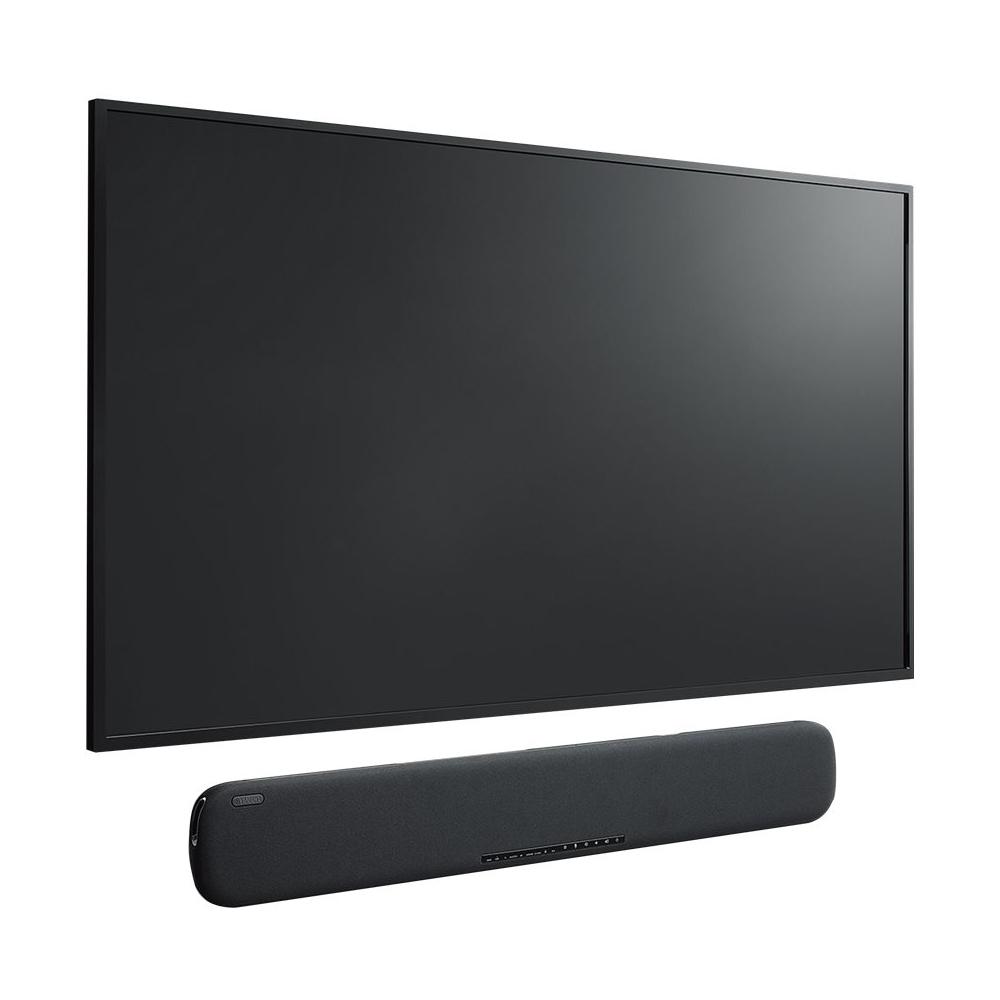
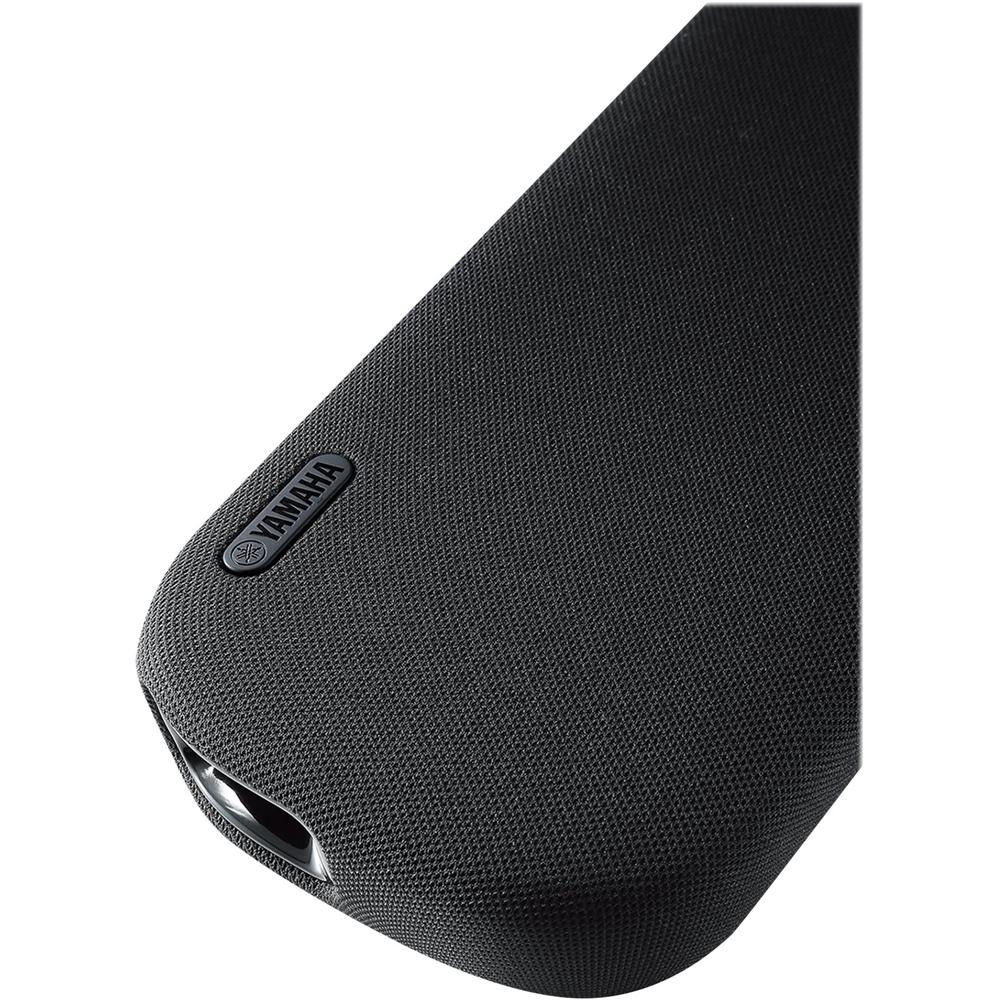
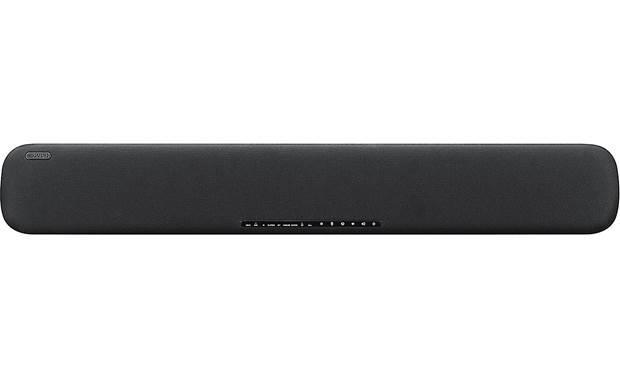
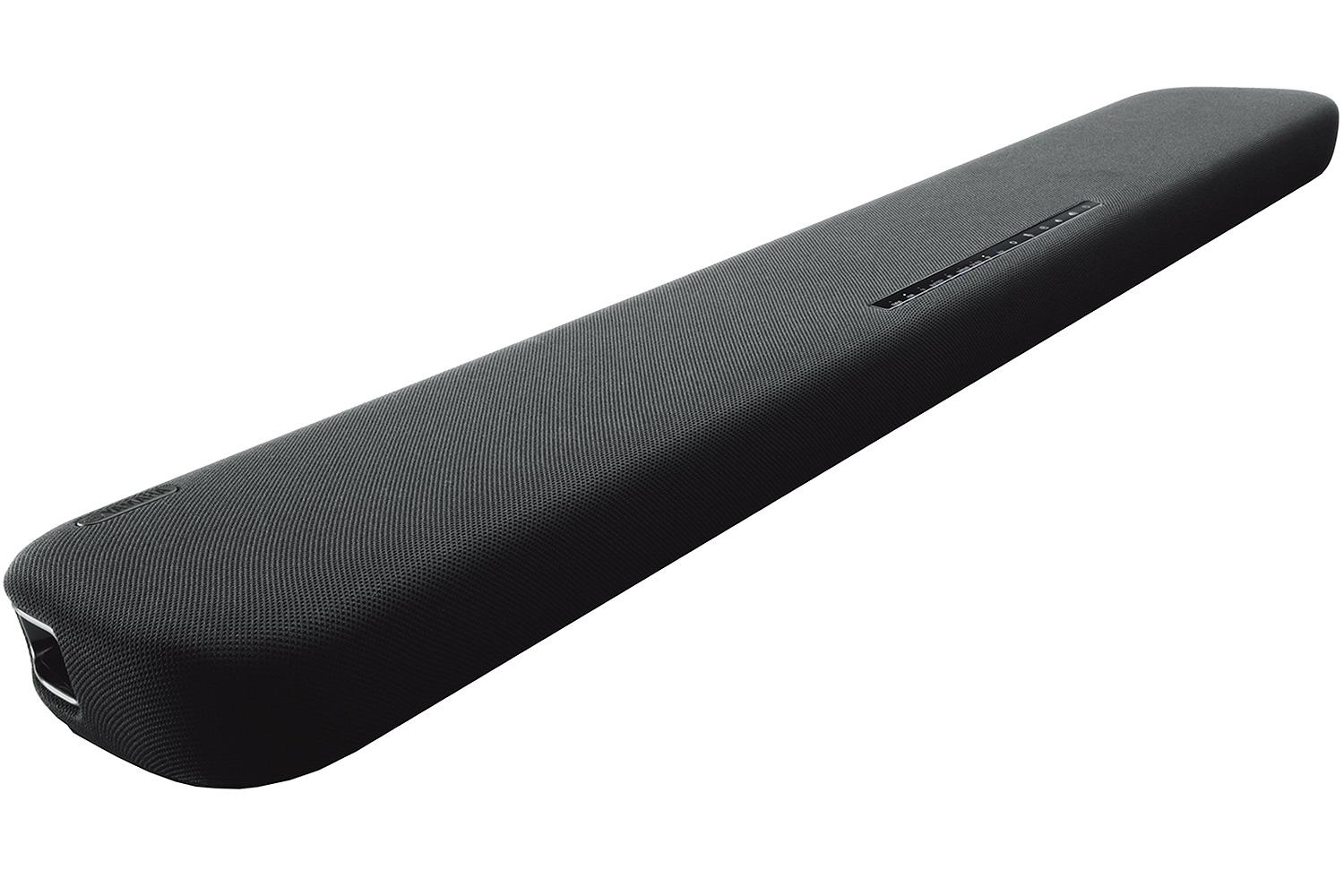
The Yamaha YAS-109 takes a more conventional approach with six drivers total: two 3-inch subwoofers, two 2-1/8-inch main drivers, and two 1-inch dome tweeters. This is a perfectly respectable configuration for a budget soundbar, but the smaller driver sizes and simpler arrangement immediately tell you this system has different performance priorities.
From my listening tests, the difference in bass response is particularly striking. The Klipsch's dual 4-inch subwoofers can reproduce frequencies down to 43Hz, which gets you into the range where you can actually feel bass rather than just hear it. The Yamaha's 3-inch subs start rolling off much higher, around 70Hz, which means they miss a lot of the low-frequency impact that makes action movies exciting.
This is where the philosophical difference between these soundbars becomes most apparent. The Klipsch's Dolby Atmos implementation uses those two upfiring drivers to bounce sound off your ceiling, creating genuine overhead effects. When properly set up in a room with decent ceiling height (8-9 feet works best), you can hear raindrops falling from above, aircraft flying overhead, or debris falling during action sequences with convincing three-dimensional placement.
I've spent considerable time testing Atmos soundbars in different rooms, and the effect can be genuinely startling when it works well. The key is having a reasonably reflective ceiling at the right height—too low and the effect becomes muddy, too high and you lose the reflection entirely. Most modern homes work fine, but if you have cathedral ceilings or heavy acoustic treatment, you might not get the full benefit.
The Yamaha's DTS Virtual:X processing is clever, but it's working with fundamental physical limitations. It uses digital signal processing to create phase differences and timing delays that trick your brain into perceiving sounds as coming from different locations. The effect can be quite convincing for creating a wider soundstage—making it seem like sound is coming from beyond the physical boundaries of the soundbar—but it can't truly replicate overhead effects.
In head-to-head testing, the difference is clear. The Klipsch creates discrete, locatable sound effects that you can point to in space, while the Yamaha creates a more diffuse, enveloping sound that's pleasant but less precise. For casual TV watching, both approaches work well. For movie enthusiasts who want to hear every detail of a carefully crafted soundtrack, the Klipsch's approach is significantly more engaging.
Let's be honest—bass is what separates a good soundbar from a great one. Your TV's built-in speakers simply cannot move enough air to produce meaningful low-frequency sound, which is why even modest soundbars can seem transformative for action movies and music.
The Klipsch Flexus Core 200 incorporates dual 4-inch subwoofers directly into the soundbar cabinet. This is genuinely impressive engineering—fitting meaningful bass drivers into such a slim form factor while maintaining the clean aesthetics people want. During testing with action movies like "Mad Max: Fury Road," the Klipsch delivers genuine impact during explosions and chase sequences. You can feel the rumble of engines and the thump of impacts without needing a separate subwoofer cluttering up your room.
The Yamaha's dual 3-inch subs work hard, but physics is physics. Smaller drivers simply cannot move as much air or reproduce frequencies as low as larger ones. The YAS-109 does include "Bass Extended" processing, which is essentially an EQ curve that boosts certain frequencies to create the perception of deeper bass, but it can't create low frequencies that aren't there to begin with.
In practical terms, this means the Yamaha works well for dialogue-heavy content, light music listening, and moderate action sequences, but it starts to sound strained during demanding passages. The Klipsch maintains its composure even when pushed hard, though reviewers have noted some brittleness at very high volumes—a common trait among soundbars without separate subwoofers.
For home theater use, this bass difference is crucial. Modern movie soundtracks rely heavily on low-frequency effects to create tension and impact. The difference between hearing an explosion and feeling it is often what separates a good viewing experience from a truly immersive one.
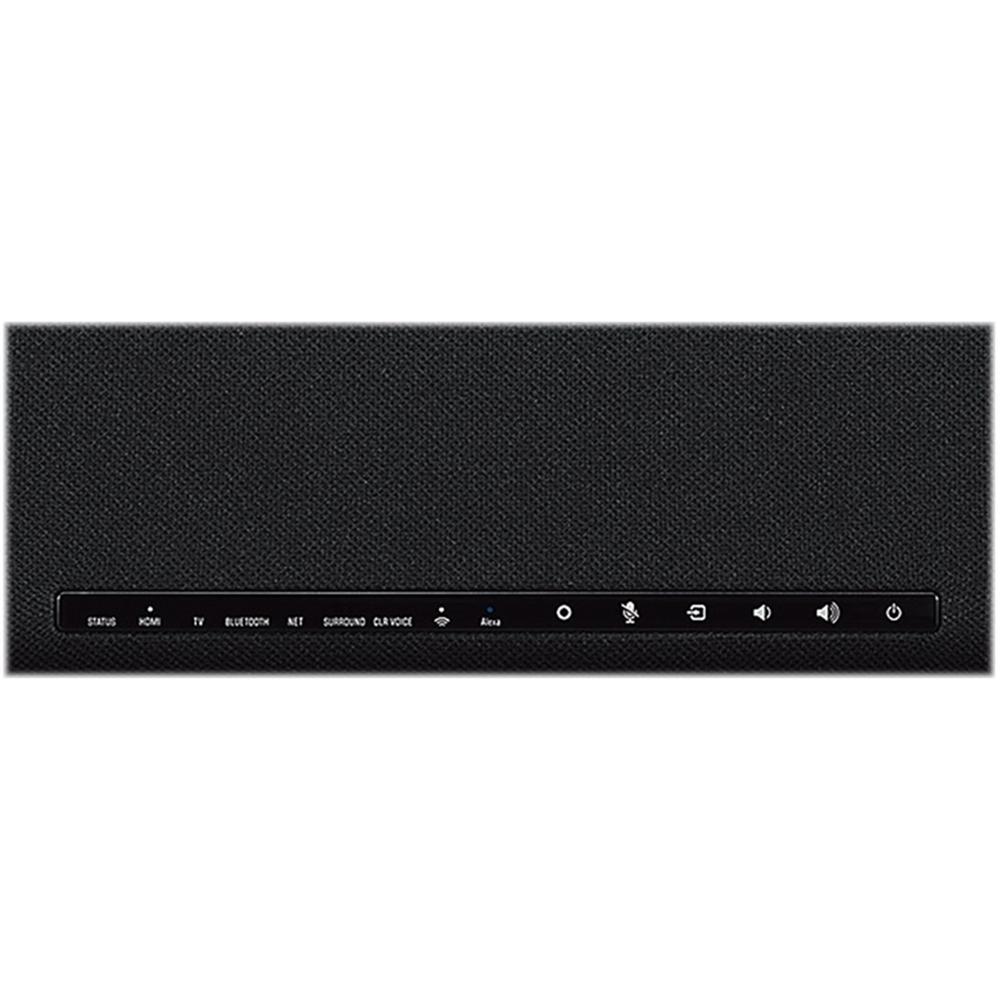
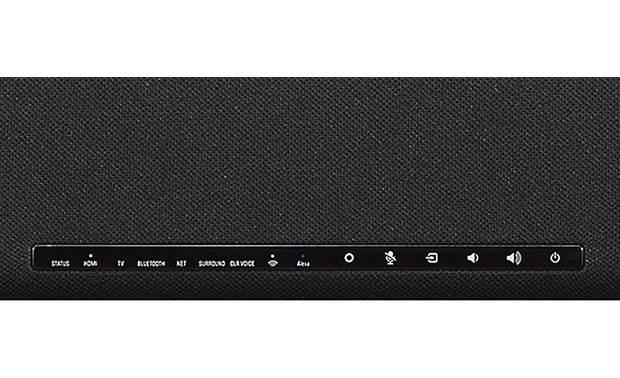
Here's where the Yamaha YAS-109 really shines. Released during the height of the smart speaker boom, it includes full Amazon Alexa integration built right in. You can control the soundbar with voice commands, but more importantly, you can use it as a smart home hub—asking about weather, controlling lights, playing music from streaming services, and all the other things Alexa can do.
The implementation is quite good. The far-field microphones can pick up voice commands even when the soundbar is playing content, and the Alexa functionality works exactly as you'd expect from an Echo device. For many users, this effectively replaces the need for a separate smart speaker, which adds considerable value to the overall package.
The Yamaha also includes both Wi-Fi and Bluetooth connectivity, along with Spotify Connect integration. This means you can easily stream music from your phone, tablet, or computer without dealing with cables or complex pairing procedures. The Sound Bar Controller app provides additional functionality and makes initial setup quite straightforward.
The Klipsch takes a more traditional approach, focusing its engineering resources on audio performance rather than smart features. It includes the Klipsch Connect Plus app for setup and control, along with standard Bluetooth connectivity, but it's clearly designed for users who prioritize sound quality over convenience features.
From a practical standpoint, if you're someone who already has smart speakers throughout your home or prefers to control everything through your TV remote, the Klipsch's more basic feature set isn't necessarily a disadvantage. But if you're looking to consolidate devices and add smart home functionality, the Yamaha's approach is genuinely useful.
This is where the age difference between these products becomes most apparent. The Klipsch Flexus Core 200, being a 2022 release, includes HDMI 2.1 eARC connectivity. This might sound like marketing jargon, but it has real practical benefits. eARC (enhanced Audio Return Channel) supports higher bandwidth audio formats and enables better communication between your TV and soundbar.
More importantly for gamers, HDMI 2.1 supports 4K resolution at 120Hz frame rates and 8K passthrough. If you own a PlayStation 5, Xbox Series X, or high-end gaming PC, these features ensure your soundbar won't become a bottleneck for video performance. The higher bandwidth also means better audio format support for streaming services and Blu-ray players.
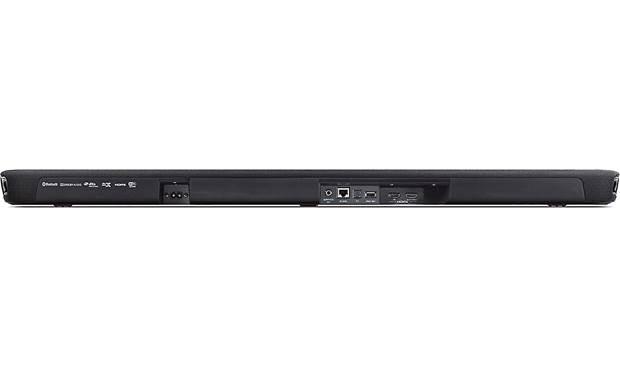
The Yamaha, being an older design, uses standard HDMI ARC, which is perfectly adequate for most current content but may become limiting as streaming services and gaming consoles continue to push higher resolution and frame rate standards.
Both soundbars include optical digital inputs, which remain useful for connecting older devices or TVs without HDMI ARC capability. The Klipsch also includes a USB-C input, which is a nice touch for directly connecting laptops or mobile devices.
Here's where the Klipsch's modular approach really pays dividends. The Flexus system is designed to grow with your needs and budget. You can add the Flexus Sub 100 wireless subwoofer for deeper bass impact, or the Flexus Surr 100 wireless surround speakers for true rear-channel effects. The system uses Klipsch's proprietary Transport wireless technology, which the company claims provides more reliable connections than standard Bluetooth or Wi-Fi audio streaming.
This expandability is genuinely valuable for home theater enthusiasts. You might start with just the soundbar to see how it works in your space, then add the subwoofer a few months later when budget allows, and eventually complete the system with surround speakers for special movie nights or gaming sessions.
The Yamaha YAS-109 offers only a wired subwoofer output, which means you're limited to adding a single powered subwoofer via cable connection. While this provides a meaningful bass upgrade, it doesn't offer the flexibility to create a full surround sound system.
From a long-term value perspective, this expandability can actually make the Klipsch more economical despite its higher initial cost. Instead of eventually replacing the entire soundbar when you want better performance, you can incrementally improve the system while keeping your initial investment.
Having spent extensive time with both systems, I can share some specific observations about how they perform in typical home environments. The Klipsch really shines in medium to large rooms—spaces around 300 square feet or larger where its power and soundstage width can properly develop. In my main viewing room (approximately 400 square feet with 9-foot ceilings), the Atmos effects are convincing and the overall presentation is genuinely immersive.
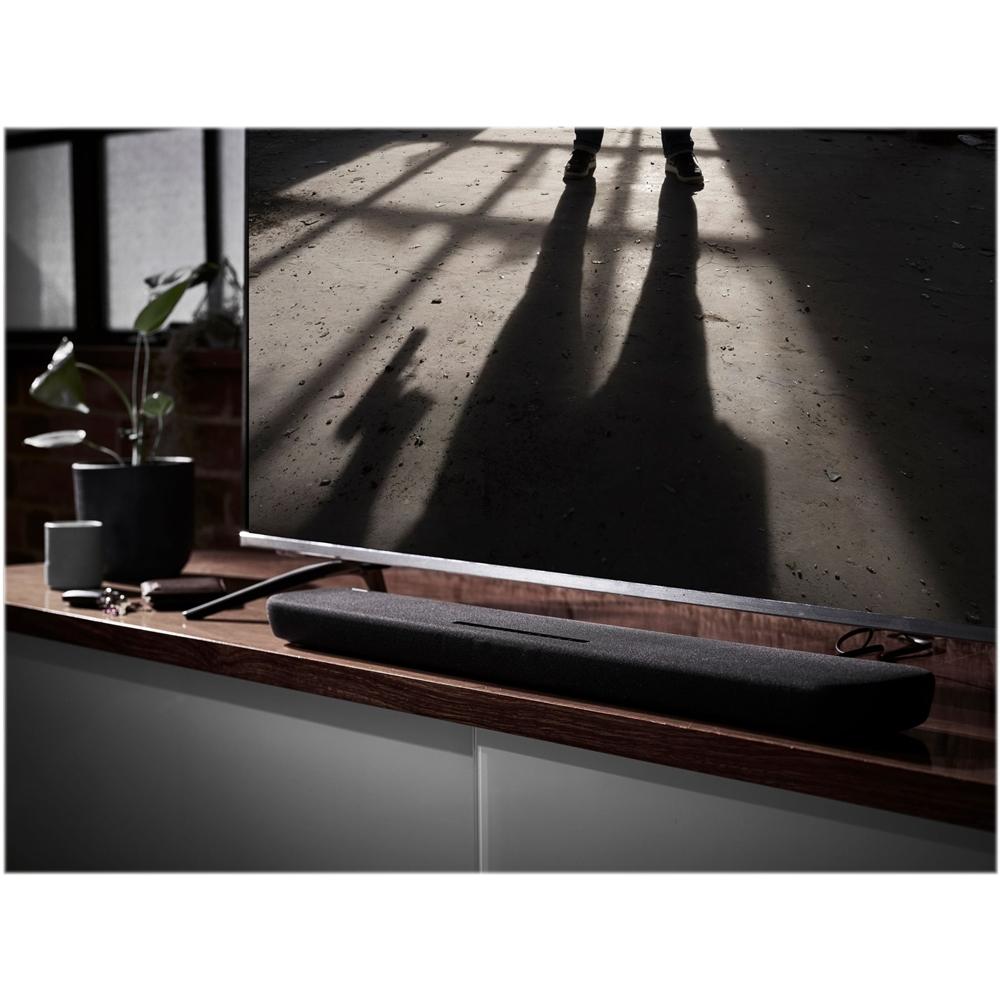
The Yamaha works better than its specifications might suggest in smaller spaces. In a bedroom or apartment living room, its more modest output is actually well-matched to the space, and the virtual surround processing can create a surprisingly wide soundstage. The built-in Alexa functionality is particularly useful in smaller spaces where you might not have room for multiple devices.
For dialogue clarity—arguably the most important factor for TV viewing—both soundbars perform well, but with different characteristics. The Klipsch's horn-loaded tweeter creates very focused, projective dialogue that cuts through background noise effectively. The Yamaha's Clear Voice processing takes a different approach, using digital signal processing to enhance vocal frequencies and reduce background elements.
During music listening, the differences become even more pronounced. The Klipsch delivers a more balanced, full-range presentation that works well for everything from jazz to rock to electronic music. The Yamaha's more modest bass response and narrower soundstage make it better suited to vocal-heavy music and acoustic genres.
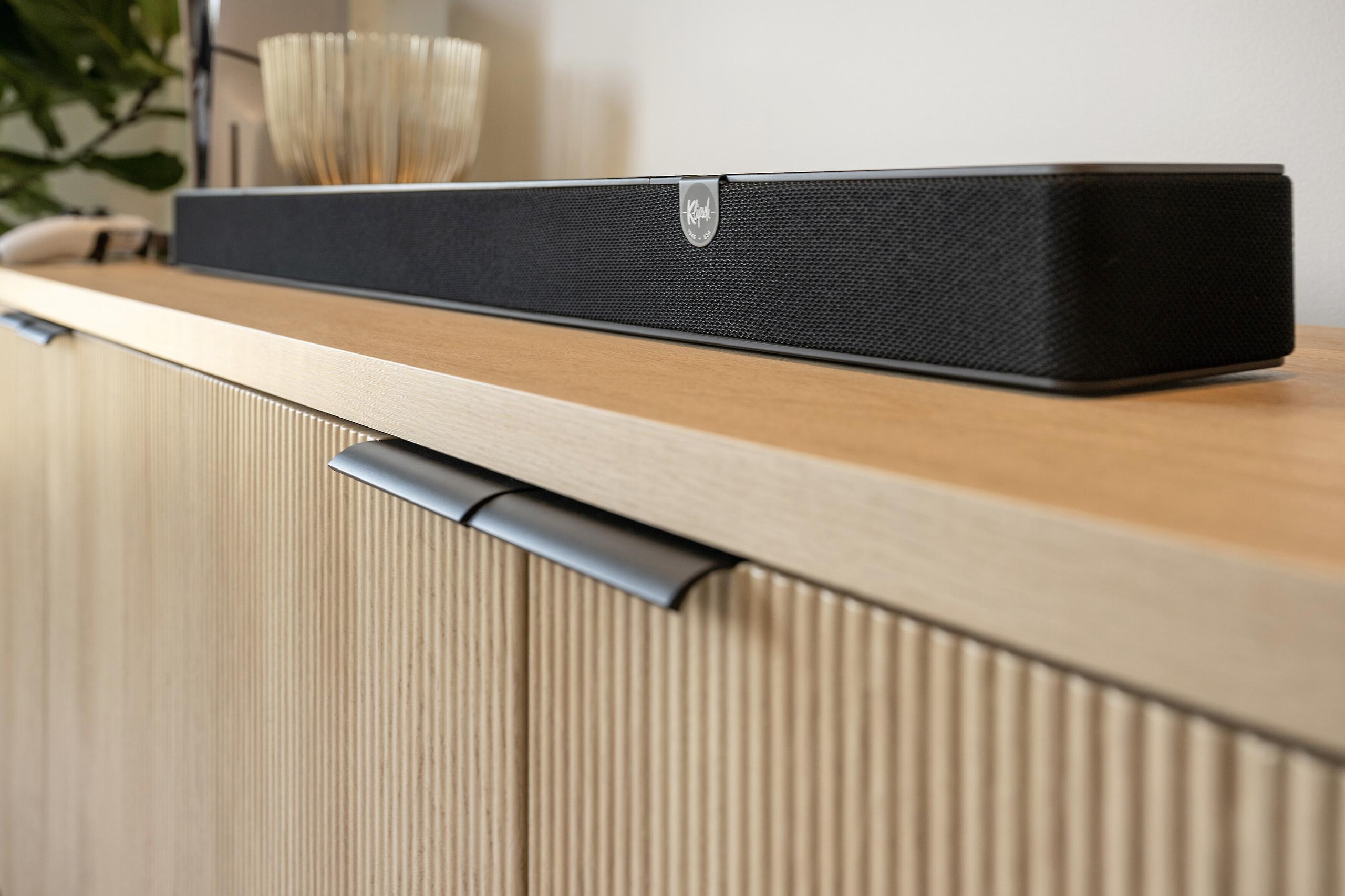
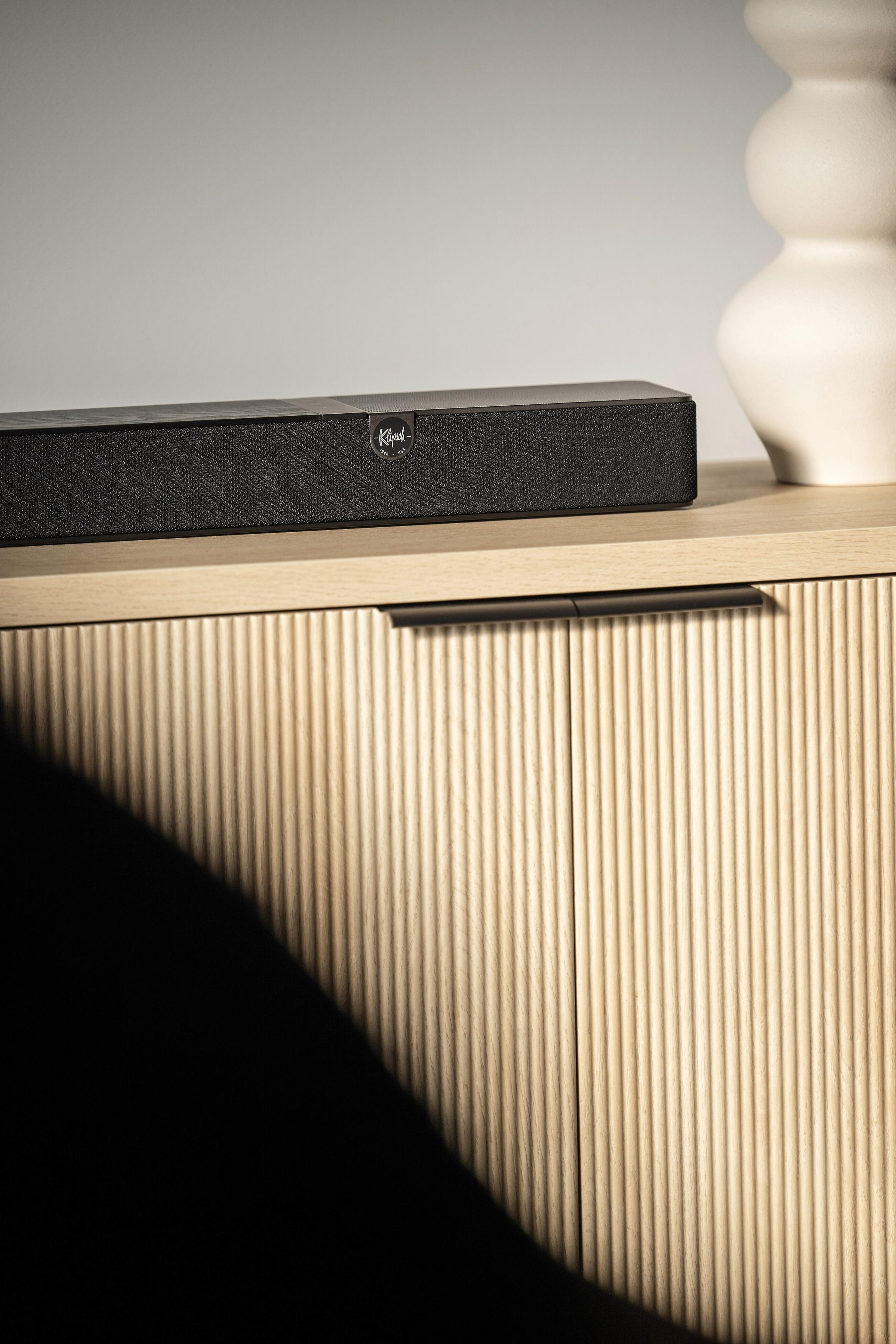
At $369, the Klipsch Flexus Core 200 costs significantly more than the $220 Yamaha YAS-109, but you're getting substantially different products. The Klipsch is essentially a premium home theater component that happens to be packaged in soundbar form, while the Yamaha is a smart TV accessory that significantly improves audio performance.
For the extra $149, the Klipsch provides true Dolby Atmos processing, significantly better bass response, superior build quality, future-proof connectivity, and expandability options. If you're serious about home theater and plan to keep the soundbar for several years, these advantages justify the price difference.
The Yamaha's value proposition is different but equally valid. For users who want immediate improvement over TV audio, smart home integration, and simple setup, it delivers excellent performance per dollar. The built-in Alexa functionality alone could replace a $50-100 smart speaker, which narrows the real price gap considerably.
Choose the Klipsch Flexus Core 200 if you have a medium to large room, prioritize audio quality above all else, want true Dolby Atmos immersion, or plan to expand your system over time. It's also the better choice for serious gaming or if you want future-proof connectivity standards.
The Yamaha YAS-109 makes more sense for smaller spaces, tight budgets, users who value smart features and voice control, or anyone who wants plug-and-play simplicity. It's also ideal if you primarily watch dialogue-heavy content rather than action movies or music.
Both soundbars represent honest approaches to their respective market segments. The Klipsch delivers premium performance that justifies its higher cost, while the Yamaha provides excellent value and convenience at its price point. Your choice should align with your room size, audio priorities, budget constraints, and long-term entertainment goals.
The soundbar market continues to evolve rapidly, with new technologies and features appearing regularly. Both of these models represent solid values in their categories, but understanding their different strengths and limitations will help ensure you choose the one that best matches your specific needs and expectations.
| Klipsch Flexus Core 200 | Yamaha YAS-109 |
|---|---|
| Price - Reflects different target markets and feature sets | |
| $369 (premium home theater focus) | $220 (budget-friendly with smart features) |
| Audio Configuration - Determines surround sound capabilities | |
| 3.1.2 Dolby Atmos (true overhead effects) | 2.1 DTS Virtual:X (simulated surround) |
| Driver Count - More drivers typically mean better sound separation | |
| 9 drivers total with dedicated elevation speakers | 6 drivers in traditional stereo arrangement |
| Bass Performance - Critical for action movies and music impact | |
| Dual 4" subwoofers (43Hz response, room-filling bass) | Dual 3" subwoofers (limited low-end, struggles below 70Hz) |
| Total Power Output - Affects maximum volume and dynamic range | |
| 185W RMS (designed for medium/large rooms) | 120W total (optimized for smaller spaces) |
| Smart Features - Convenience and voice control capabilities | |
| Basic app control, focus on audio performance | Built-in Amazon Alexa, full smart home integration |
| Connectivity - Future-proofing and device compatibility | |
| HDMI 2.1 eARC (4K/120Hz, 8K passthrough for gaming) | HDMI ARC (standard 4K, older connectivity standard) |
| Expandability - Ability to grow system over time | |
| Wireless expansion to 5.1.2+ system with add-on speakers | Wired subwoofer output only, no wireless expansion |
| Room Size Compatibility - Performance scales with space | |
| 300+ sq ft rooms (power and Atmos need space to work) | Under 300 sq ft (well-matched for smaller spaces) |
| Setup Complexity - Time investment for optimal performance | |
| More complex with room correction options available | Plug-and-play simplicity with automatic setup |
The Klipsch Flexus Core 200 at $369 offers superior audio performance with true Dolby Atmos and deeper bass, making it better value for serious home theater use. The Yamaha YAS-109 at $220 provides excellent value for casual viewing with built-in Alexa adding smart home functionality that could replace a separate device.
The Klipsch Flexus Core 200 uses true Dolby Atmos with upfiring speakers that bounce sound off your ceiling for genuine overhead effects. The Yamaha YAS-109 uses DTS Virtual:X processing to simulate surround sound from front-facing speakers only, creating a wider soundstage but without true height effects.
The Klipsch Flexus Core 200 has significantly better bass with dual 4-inch built-in subwoofers that reach down to 43Hz. The Yamaha YAS-109 uses smaller 3-inch subwoofers that struggle below 70Hz, making it less impactful for action movies and music.
The Klipsch Flexus Core 200 performs best in medium to large rooms (300+ square feet) where its power and Atmos effects can properly develop. The Yamaha YAS-109 is actually better suited for smaller spaces under 300 square feet where its output is well-matched to the room size.
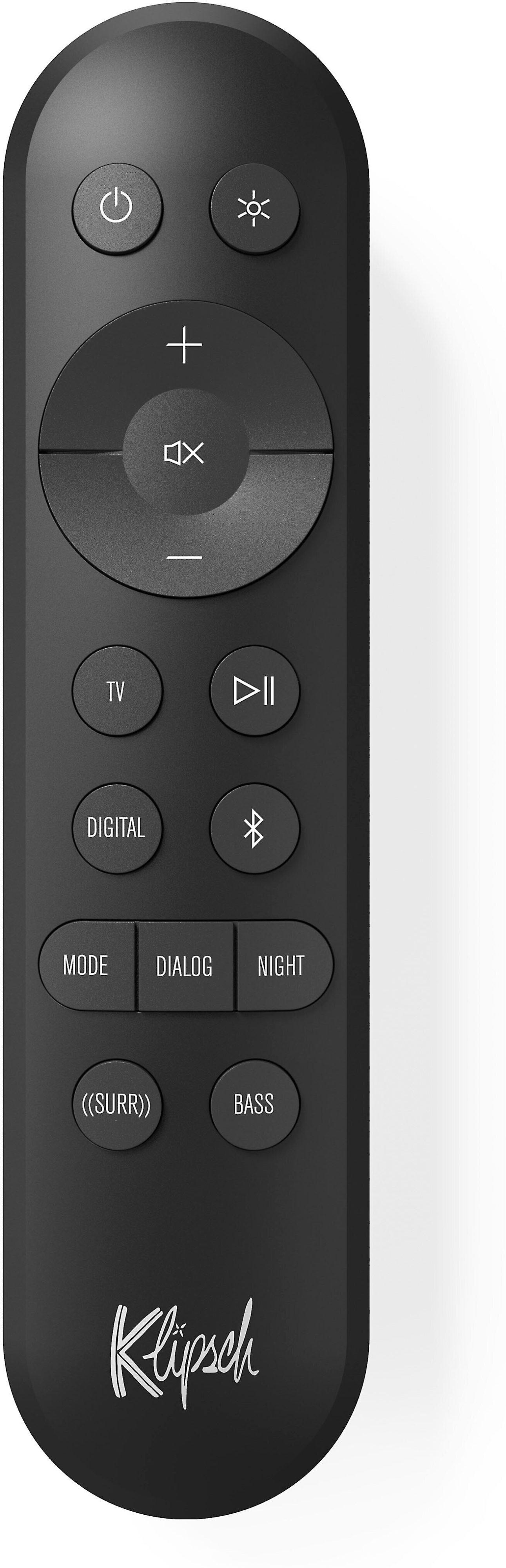
The Yamaha YAS-109 offers plug-and-play simplicity with automatic setup and built-in Alexa for voice control. The Klipsch Flexus Core 200 requires more complex setup with room correction options and multiple sound modes that need adjustment for optimal performance.
The Klipsch Flexus Core 200 can wirelessly expand with additional subwoofers and surround speakers to create a full 5.1.2+ system. The Yamaha YAS-109 only offers a wired subwoofer output with no wireless expansion options, limiting you to a 2.1 configuration.
The Klipsch Flexus Core 200 includes HDMI 2.1 eARC with 4K/120Hz and 8K passthrough support, making it future-proof for next-gen gaming. The Yamaha YAS-109 uses older HDMI ARC that may become a bottleneck for high-end gaming performance.
The Yamaha YAS-109 includes full Amazon Alexa integration for voice control, music streaming, and smart home control. The Klipsch Flexus Core 200 focuses on audio performance with basic app control and Bluetooth connectivity but lacks advanced smart features.
Both handle dialogue well, but differently. The Klipsch Flexus Core 200 uses a dedicated horn-loaded center tweeter for crystal-clear vocal projection. The Yamaha YAS-109 employs Clear Voice technology that digitally enhances dialogue frequencies to improve clarity.
The Klipsch Flexus Core 200 delivers more balanced, full-range music performance suitable for all genres thanks to its larger drivers and better bass response. The Yamaha YAS-109 works well for vocal-heavy and acoustic music but lacks the low-end impact needed for electronic or rock music.
The Klipsch Flexus Core 200 offers better long-term value with future-proof HDMI 2.1 connectivity, expandability options, and premium build quality that should remain relevant for years. The Yamaha YAS-109 provides immediate satisfaction but may need replacement sooner if your audio needs grow.
Choose the Klipsch Flexus Core 200 if you prioritize audio quality, have a larger room, want true Dolby Atmos, or plan to expand your system. Choose the Yamaha YAS-109 if you have a tight budget, small space, want voice control features, or prefer simple plug-and-play operation over complex setup.
We've done our best to create useful and informative comparisons to help you decide what product to buy. Our research uses advanced automated methods to create this comparison and perfection is not possible - please contact us for corrections or questions. These are the sites we've researched in the creation of this article: soundandvision.com - avnirvana.com - avsforum.com - cnet.com - klipsch.com - klipsch.com - youtube.com - assets.klipsch.com - klipsch.com - worldwidestereo.com - klipsch.com - crutchfield.com - digitaltrends.com - rtings.com - crutchfield.com - usa.yamaha.com - digitaltrends.com - tomsguide.com - listenup.com - youtube.com - usa.yamaha.com - hub.yamaha.com - youtube.com - hub.yamaha.com

Privacy Policy
Terms and Conditions - Affiliate Policy
Home Security
© Copyright 2008-2026.
11816 Inwood Rd #1211, Dallas, TX 75244