

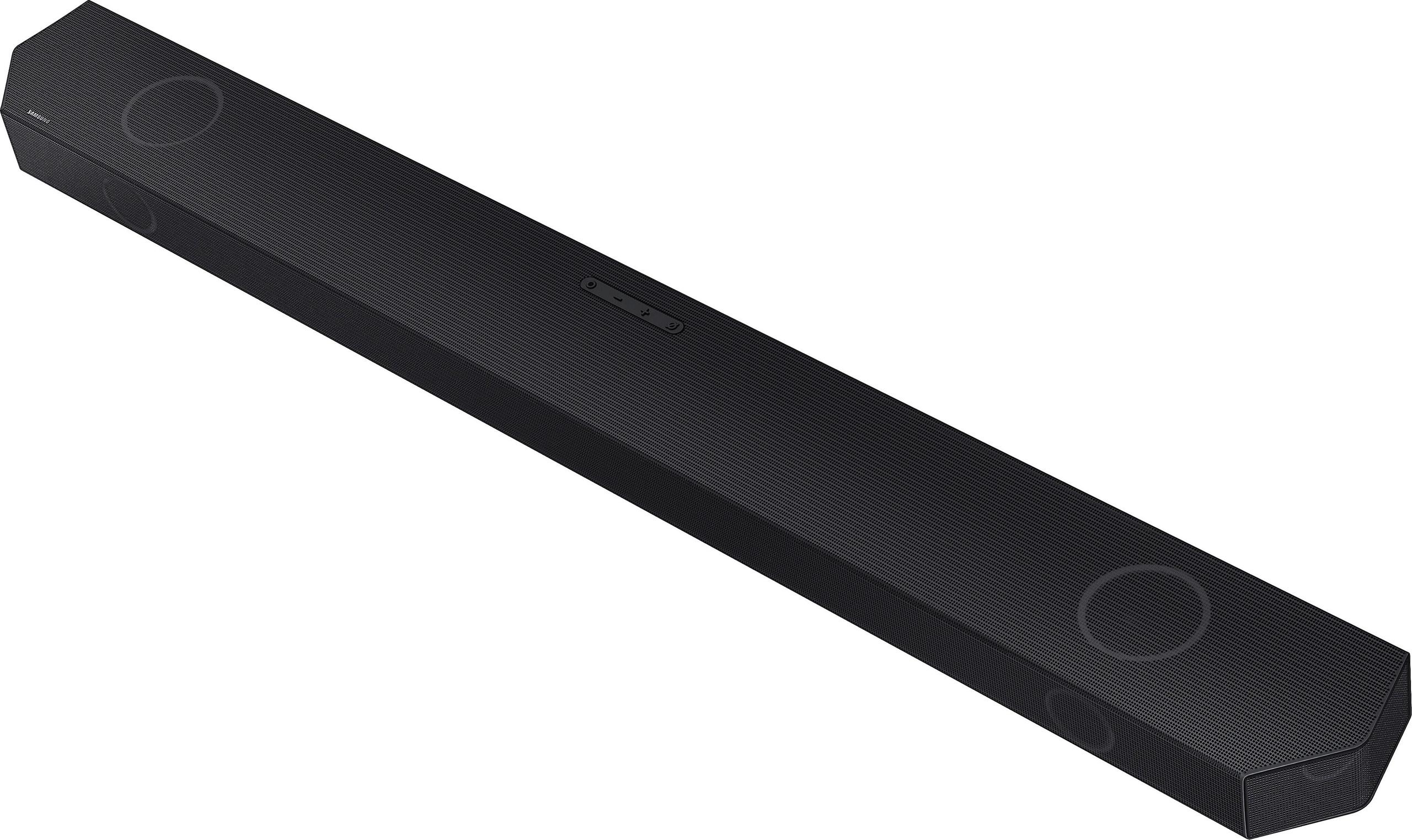
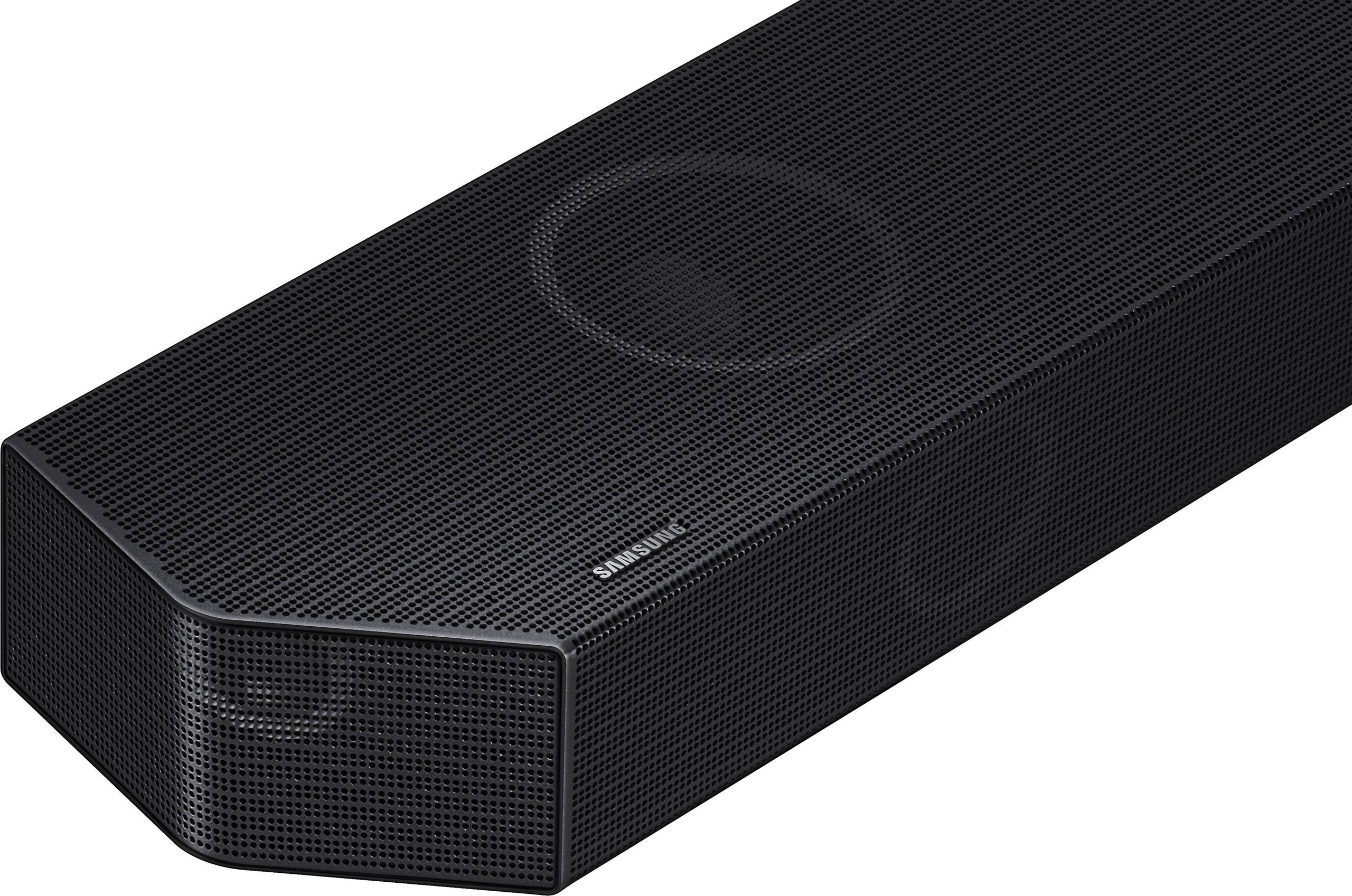




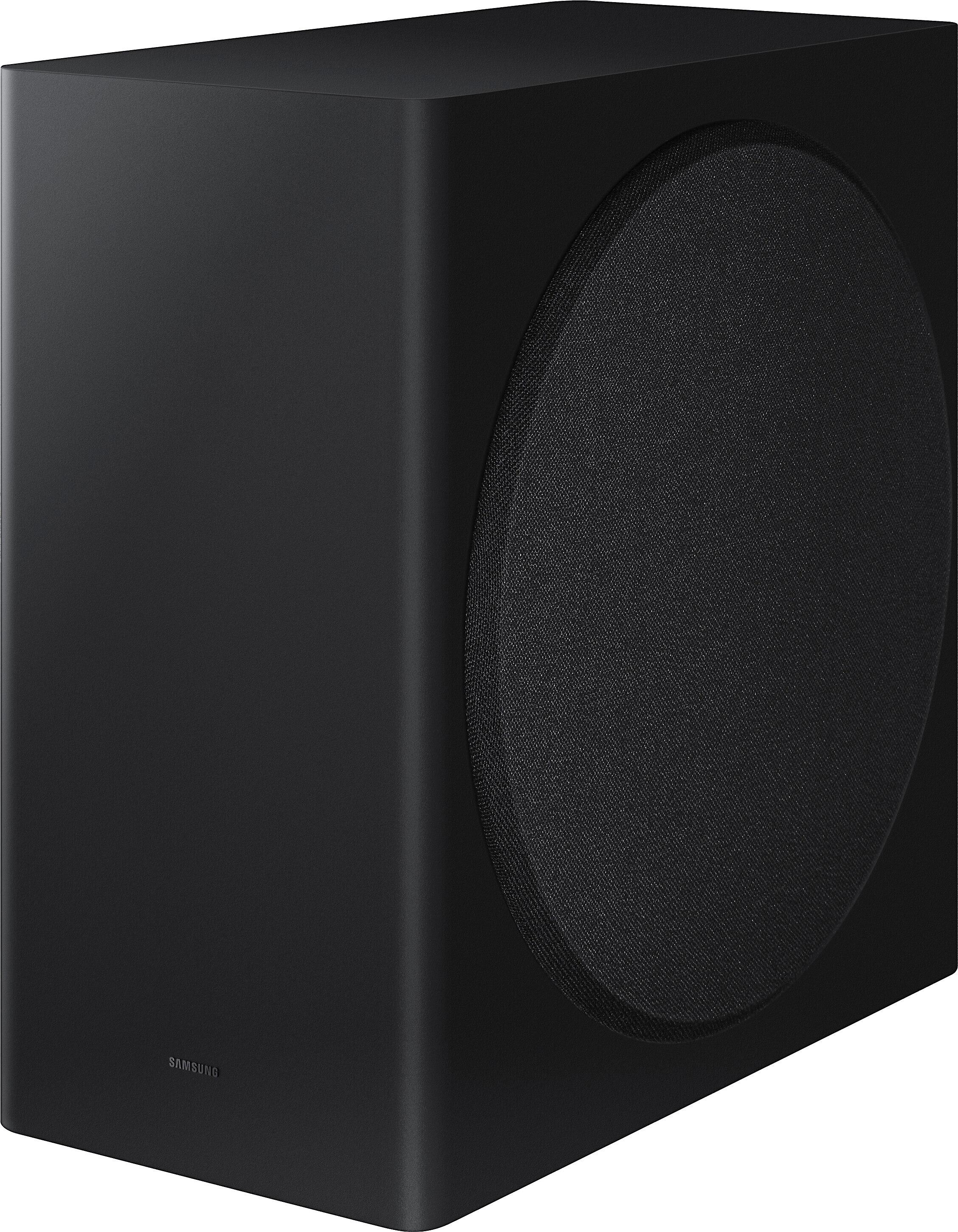

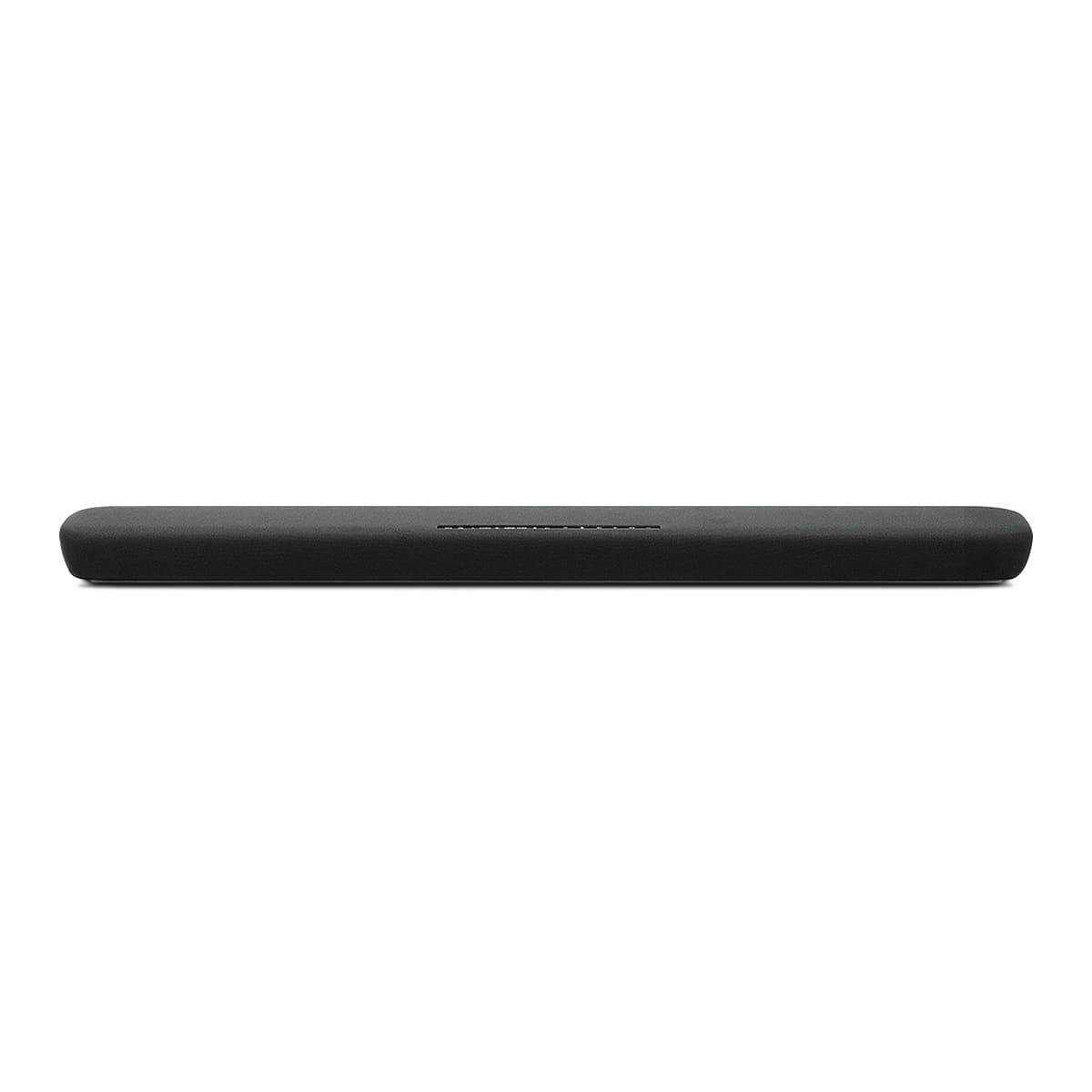
If you've ever found yourself cranking up the TV volume just to understand what characters are saying, you're not alone. Modern TVs might deliver stunning picture quality, but their built-in speakers often leave much to be desired. That's where soundbars come in – they're designed to dramatically improve your TV's audio without the complexity of a full surround sound system.
The soundbar market has exploded over the past decade, offering everything from basic stereo upgrades to sophisticated home theater systems. Today, we're comparing two very different approaches: the premium Samsung HW-Q800D (priced at $999.99) and the budget-friendly Yamaha YAS-109 (available for $219.95). These represent opposite ends of the soundbar spectrum, and understanding their differences will help you make the right choice for your setup and budget.
Before diving into specifics, let's establish what makes soundbars tick. At their core, soundbars are long, horizontal speakers designed to sit below or mount on the wall near your TV. They contain multiple drivers (individual speakers) arranged to create a wider soundstage than your TV's tiny built-in speakers can manage.
The key considerations when choosing a soundbar include audio quality and power output, immersive sound capabilities like Dolby Atmos, connectivity options, smart features, and of course, value for money. Modern soundbars also incorporate advanced processing to simulate surround sound effects or, in premium models, actually create true multi-dimensional audio.
The Samsung HW-Q800D launched in 2024 as part of Samsung's latest soundbar lineup, featuring their newest audio processing technologies and wireless connectivity improvements. Meanwhile, the Yamaha YAS-109 debuted in 2019 and has remained a popular budget option, representing the solid foundation of features that were cutting-edge five years ago.
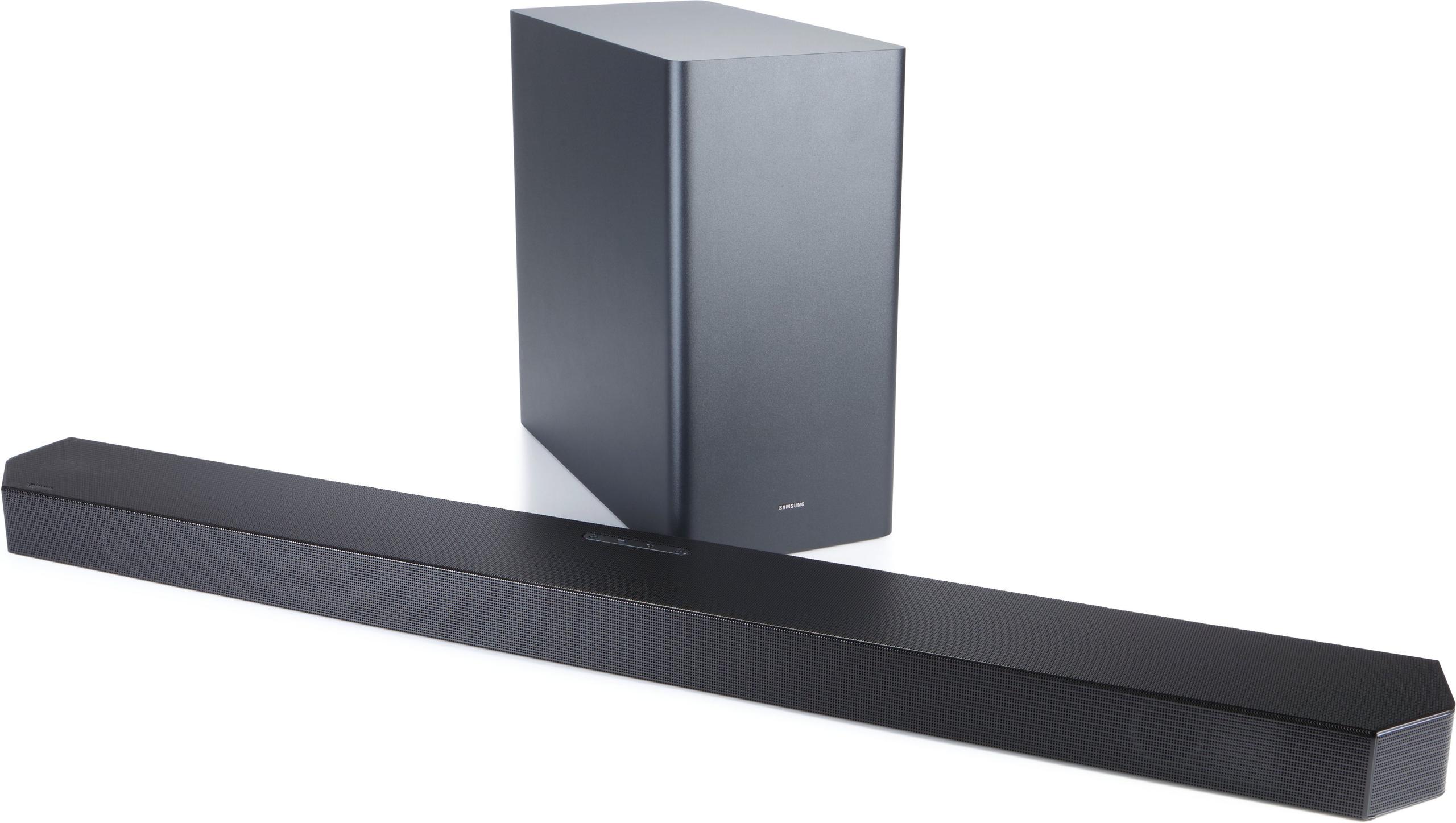
The most dramatic difference between these soundbars lies in their raw audio capabilities. The Samsung HW-Q800D delivers 360 watts of total power through a true 5.1.2 channel configuration. This means you get dedicated left, right, and center front channels, plus discrete surround channels and height channels for overhead effects. The "5.1.2" designation breaks down as five main channels, one subwoofer channel, and two height channels – a setup that creates genuinely three-dimensional sound.
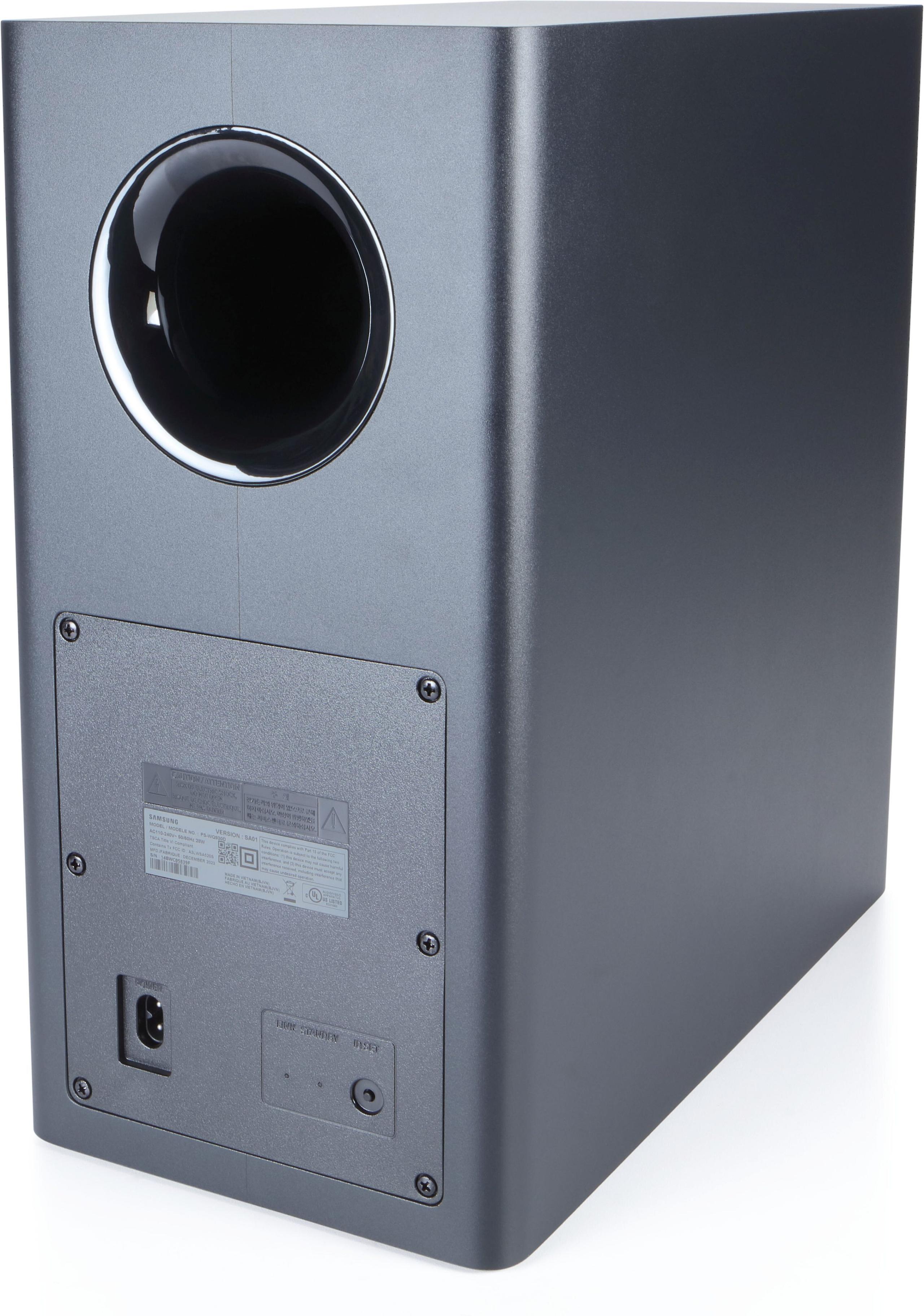
Supporting this impressive channel count is a wireless subwoofer featuring an 8-inch side-firing driver. In my experience testing various soundbars, dedicated subwoofers make an enormous difference. They can reproduce those deep bass frequencies that make explosions feel visceral and music sound full-bodied. The Samsung's subwoofer operates wirelessly, so you can place it wherever it sounds best in your room without worrying about cable management.
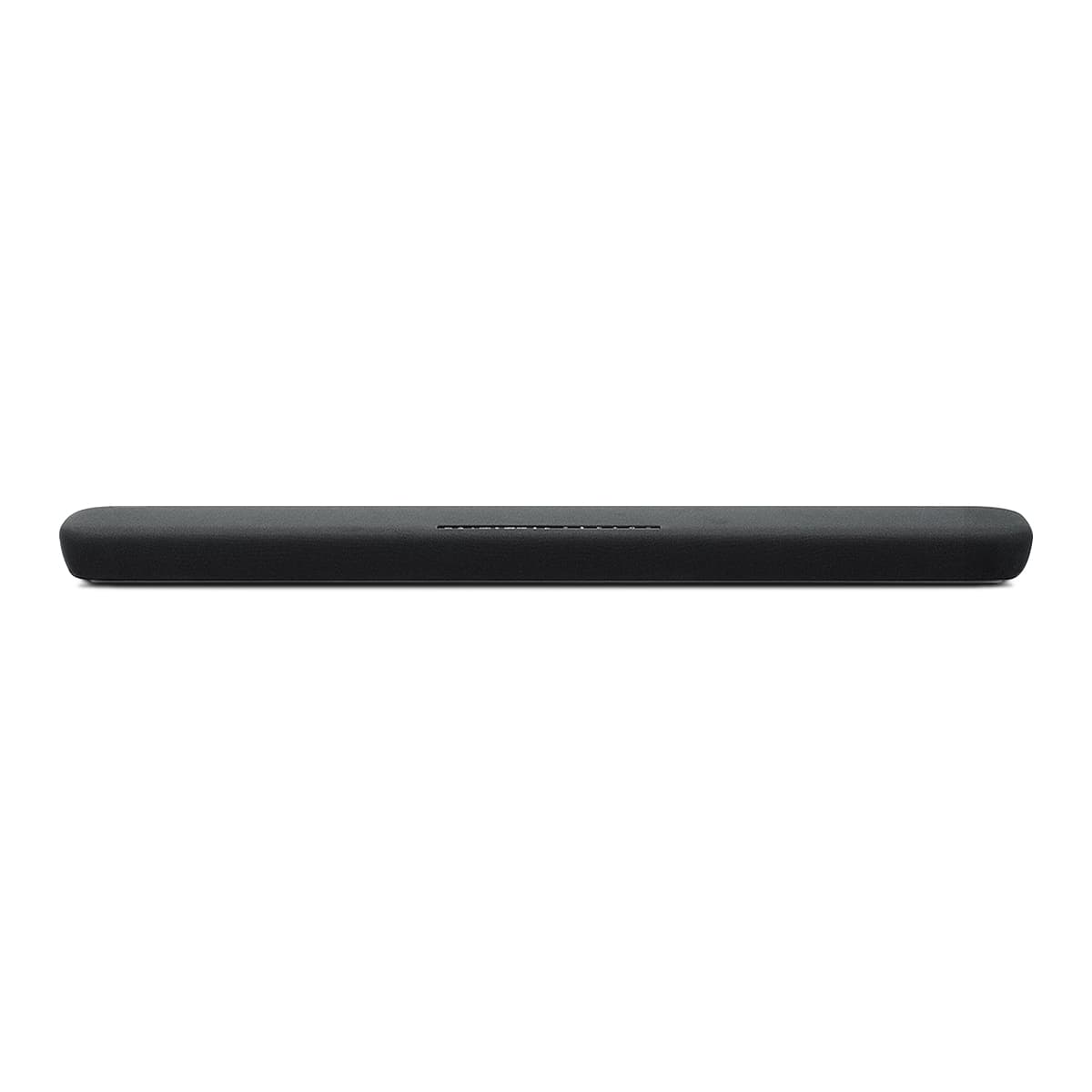
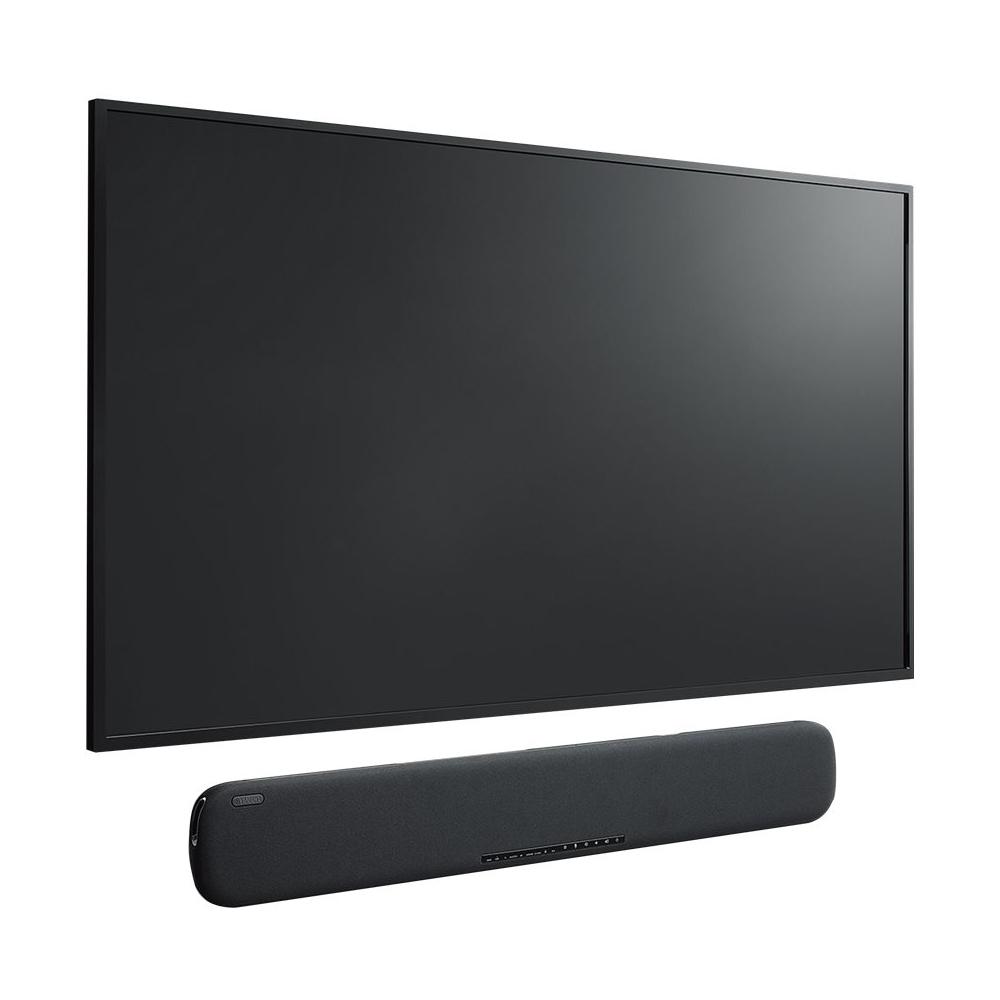
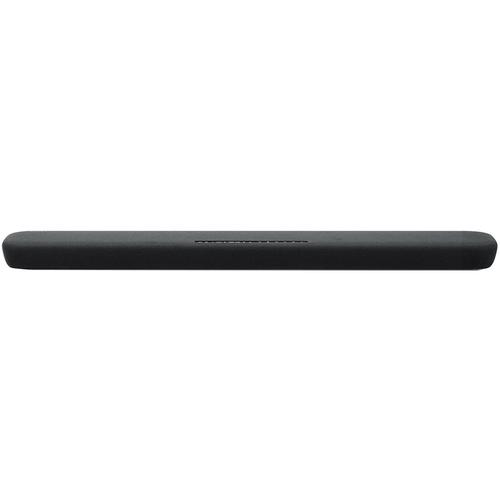
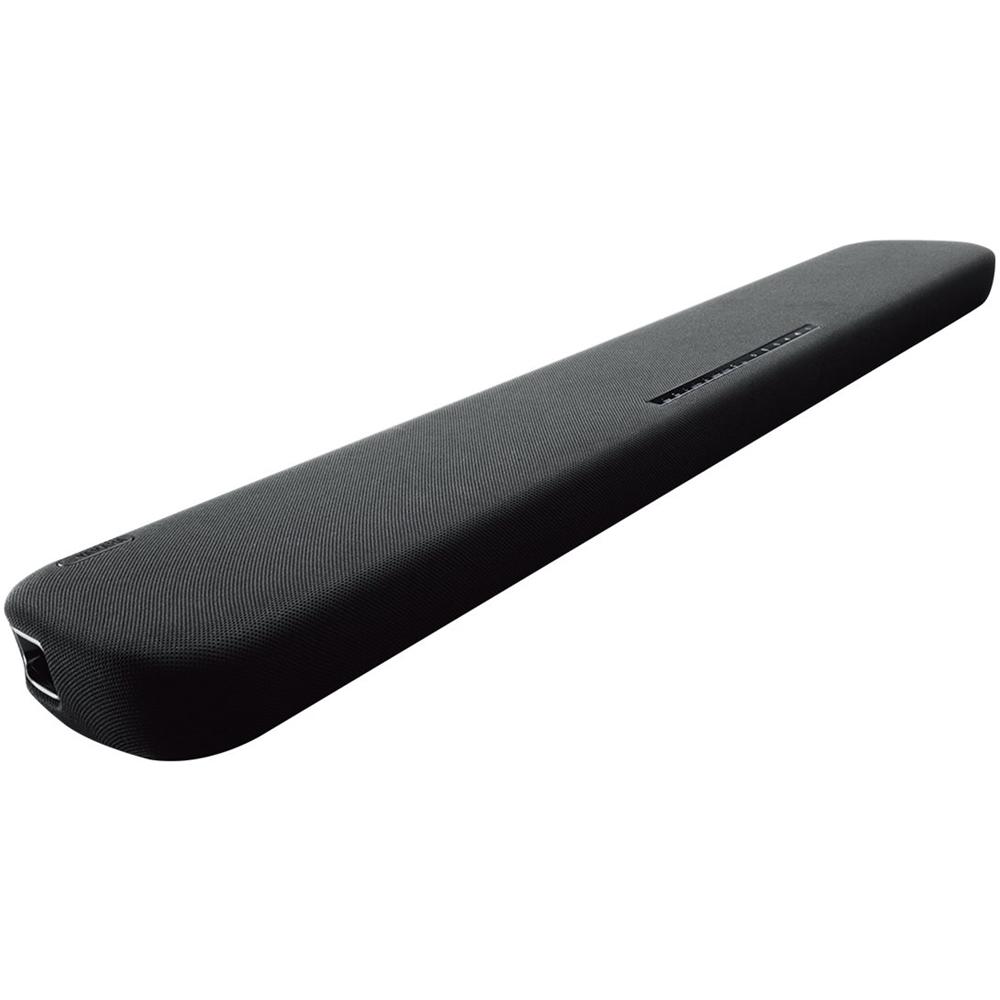
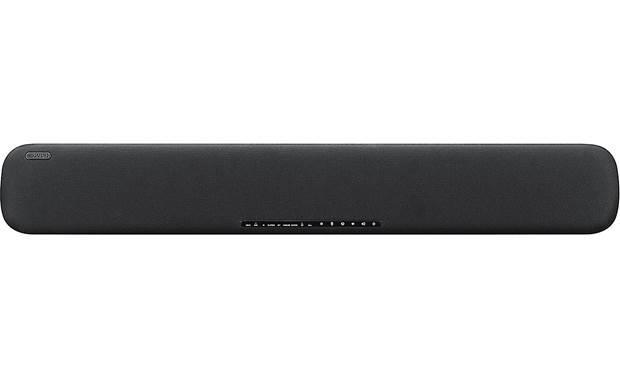
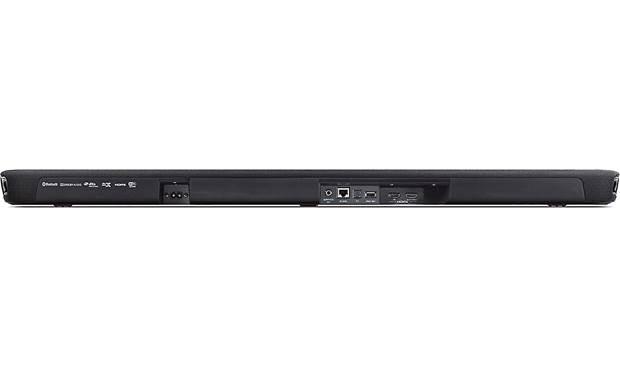
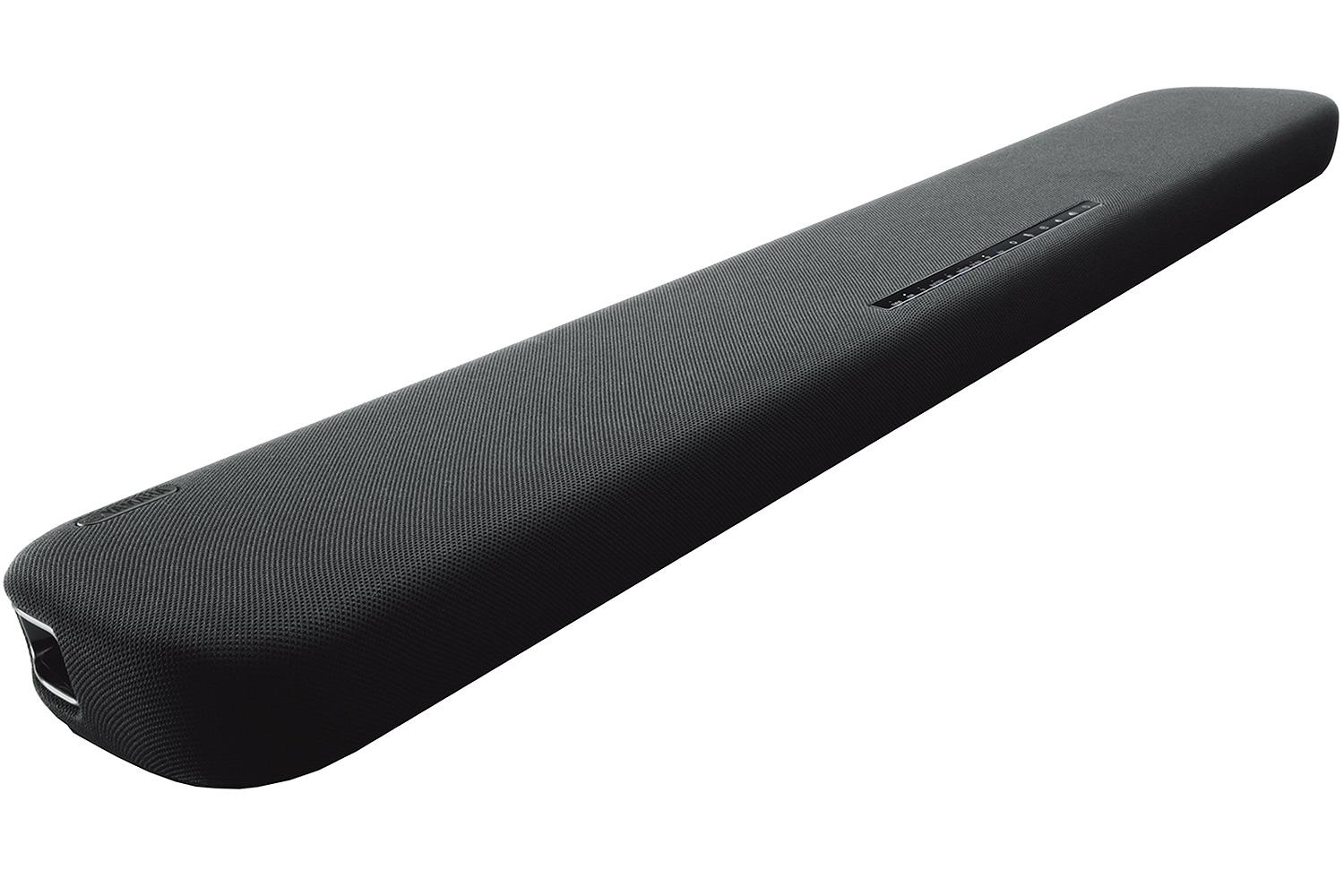
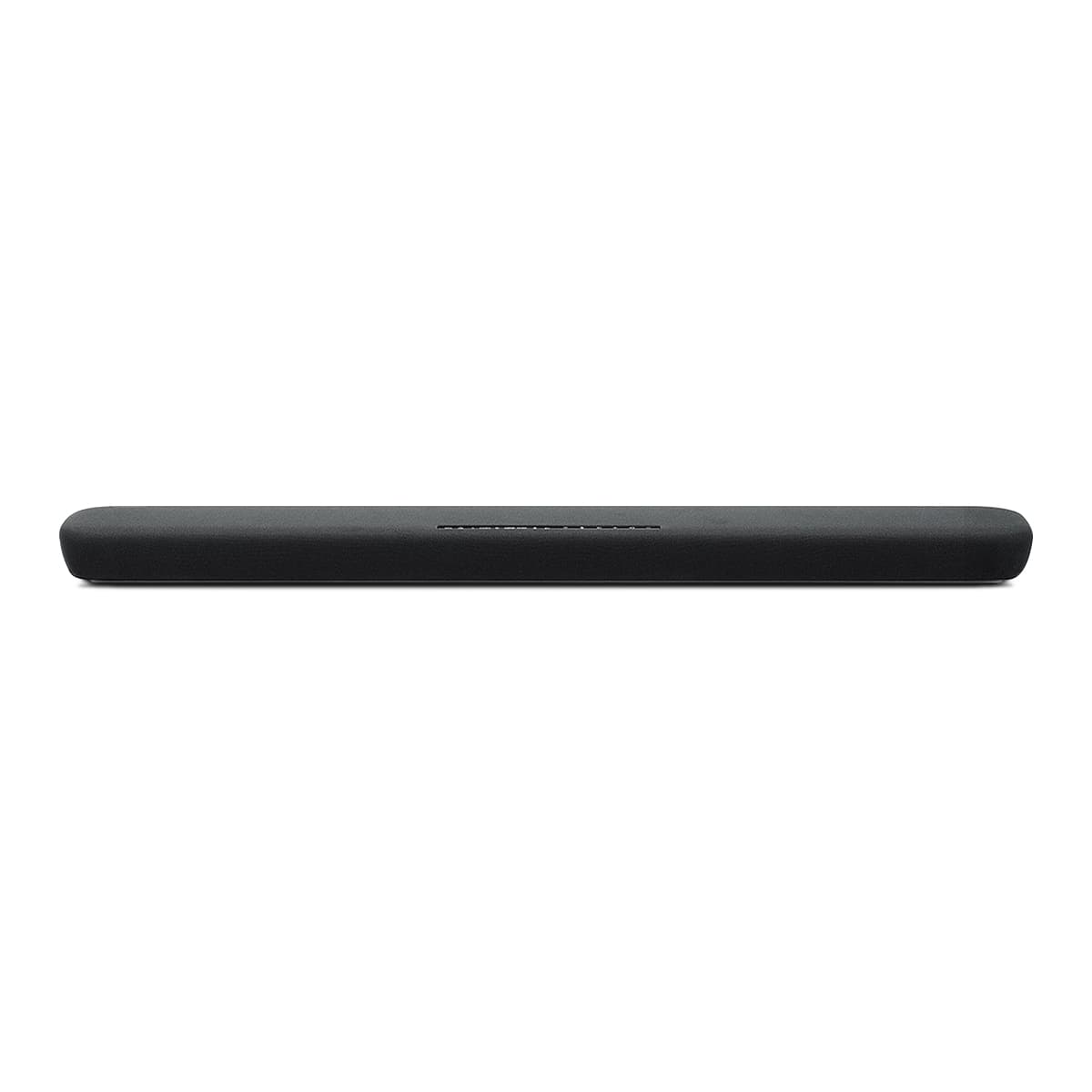
The Yamaha YAS-109 takes a completely different approach. With 120 watts of total power in a 2.1 configuration, it integrates dual 3-inch subwoofers directly into the soundbar itself. While this creates a much more compact footprint, physics limits how deep these smaller drivers can reach. The built-in subs provide adequate bass for dialogue-heavy content and lighter music, but they struggle with the kind of room-shaking low-end that makes action movies exciting.
During testing, the power difference becomes immediately apparent. The Samsung can fill larger rooms with ease, while the Yamaha works best in smaller to medium-sized spaces. If you're upgrading from TV speakers, both will impress you, but the Samsung offers a more dramatic transformation.
This is where the technology gap between 2019 and 2024 becomes most evident. The Samsung HW-Q800D supports true Dolby Atmos and DTS:X, which are object-based audio formats. Instead of simply sending sound to specific channels, these formats contain metadata that tells compatible soundbars exactly where to place each sound element in three-dimensional space. The Samsung's upfiring speakers bounce sound off your ceiling to create genuine overhead effects – you'll actually hear helicopters passing above you or rain falling from overhead.
The soundbar also features Samsung's Q-Symphony technology, which is particularly clever if you own a compatible Samsung TV. Instead of muting the TV's speakers when you connect the soundbar (as most systems do), Q-Symphony uses both the TV and soundbar speakers together, creating an even wider soundstage and more immersive experience.
The Yamaha YAS-109 relies on DTS Virtual:X, which uses psychoacoustic processing to trick your brain into perceiving surround effects from just the front-facing speakers. Virtual surround has improved significantly over the years, and Yamaha's implementation is quite good for the price point. However, it's still an approximation of true surround sound rather than the real thing.
I've found that virtual surround works reasonably well for movies with lots of ambient sound effects, but it can't match the precision and impact of actual overhead and surround channels. The difference is most noticeable in action sequences where sounds move around the room – the Samsung tracks these movements convincingly, while the Yamaha creates a more generalized sense of spaciousness.
Both soundbars recognize that dialogue clarity is often the primary reason people upgrade from TV speakers, but they address it differently. The Samsung HW-Q800D features a dedicated center channel – a speaker specifically designed to handle dialogue and vocals. This center channel sits at ear level and aims directly at your listening position, ensuring voices remain clear and focused even during complex soundtracks.
The soundbar also includes Active Voice Amplifier (AVA) technology, which analyzes the incoming audio signal and dynamically boosts dialogue frequencies when it detects competing sound effects or music. There's also a Night Mode that compresses the dynamic range, reducing the volume difference between quiet dialogue and loud explosions – perfect for late-night viewing when you don't want to wake the household.
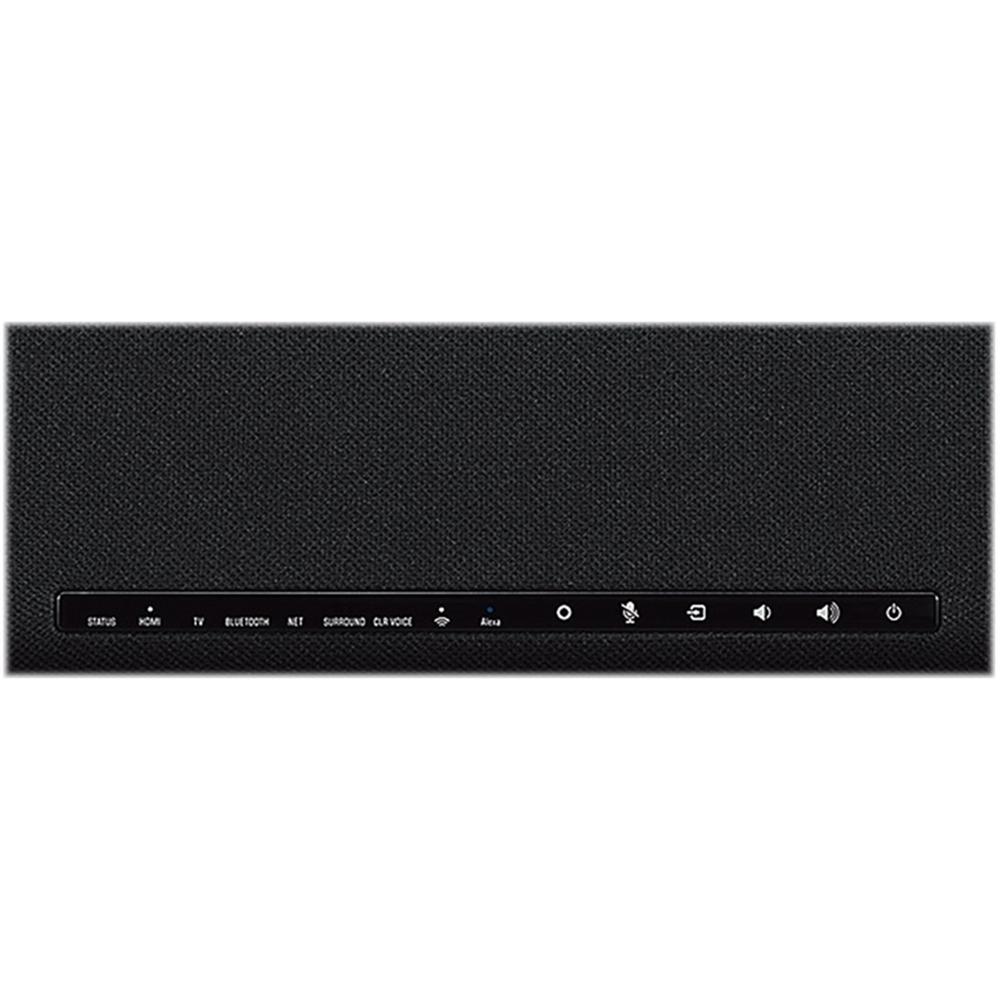
The Yamaha YAS-109 lacks a dedicated center channel but compensates with Clear Voice technology. This feature enhances dialogue frequencies and reduces background noise, making conversations easier to follow. While not as sophisticated as the Samsung's approach, it's remarkably effective for a 2.1 system.
In practical terms, both soundbars will dramatically improve dialogue clarity compared to TV speakers. The Samsung's dedicated center channel provides more consistent results across different types of content, while the Yamaha's Clear Voice processing works well but can sometimes make voices sound slightly artificial when pushed to extreme settings.
A good soundbar should excel with music as well as movies, and both models handle musical content differently. The Samsung HW-Q800D offers impressive stereo imaging – the ability to create a convincing sense of left-right separation and soundstage width. Its powerful subwoofer handles electronic music, hip-hop, and rock with authority, while the detailed midrange and treble drivers reveal nuances in vocals and acoustic instruments.
The soundbar includes multiple EQ presets optimized for different content types, plus a 7-band manual equalizer accessible through Samsung's SmartThings app. This level of customization allows you to fine-tune the sound to your preferences and room acoustics.
The Yamaha YAS-109 includes a Compressed Music Enhancer that attempts to restore detail lost in heavily compressed streaming audio – a thoughtful touch given how much music we consume through Spotify, Apple Music, and similar services. While the built-in subwoofers provide punchy bass for most genres, they lack the extension needed for bass-heavy electronic music or hip-hop. The overall tonal balance favors vocals and midrange content, making it particularly good for acoustic music, jazz, and classic rock.
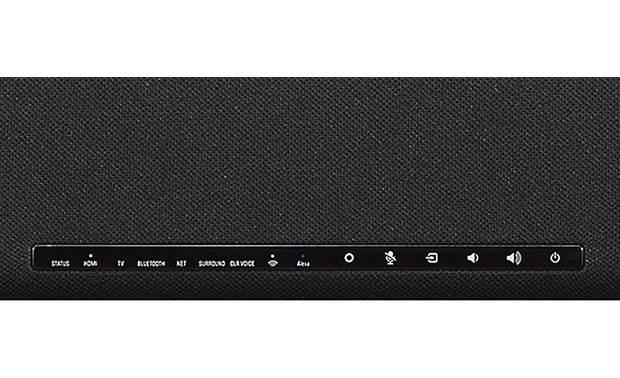
The smart feature comparison reveals interesting priorities from each manufacturer. The Yamaha YAS-109 launched during the height of the smart speaker boom, and its built-in Alexa integration remains one of its strongest selling points. You can control volume, play music, check weather, control smart home devices, and perform all the typical Alexa functions directly through the soundbar. The far-field microphones work well even with content playing, though they're not quite as sensitive as dedicated Echo devices.
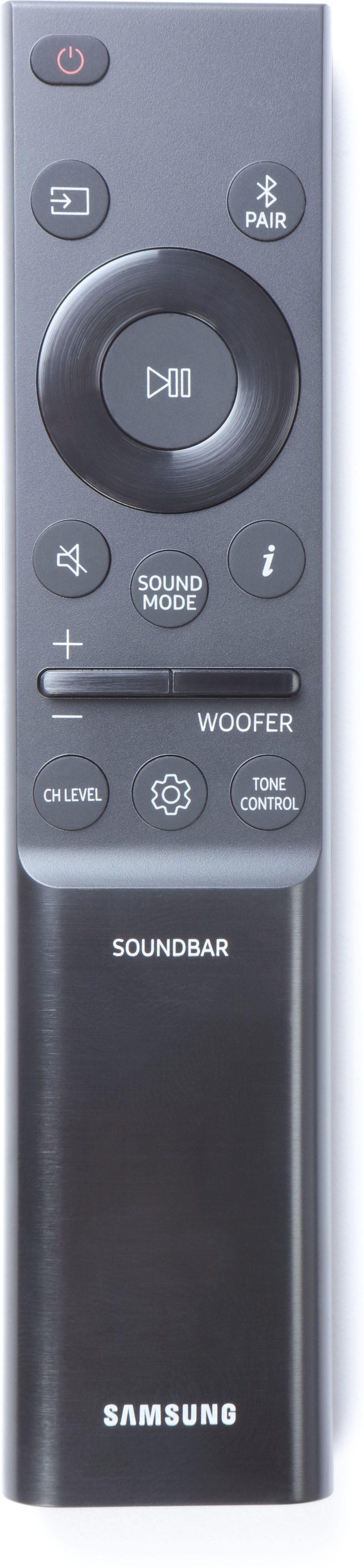
The Samsung HW-Q800D takes a different approach, focusing on audio performance over built-in smarts. It integrates with Samsung's SmartThings ecosystem and can be controlled via smartphone app, but it lacks built-in voice assistants. This isn't necessarily a disadvantage – many users prefer controlling their soundbar through their TV remote or a universal remote rather than voice commands.
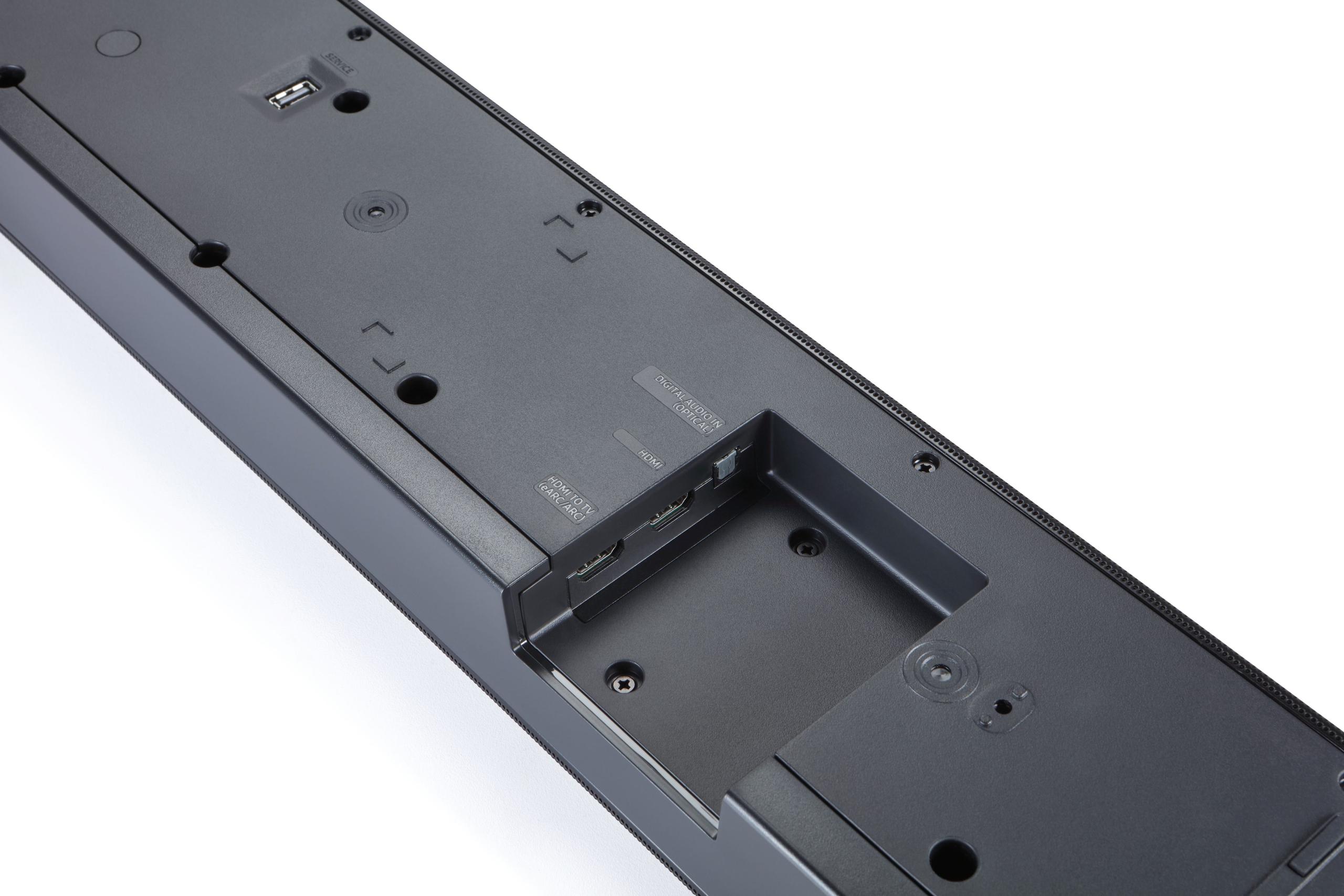
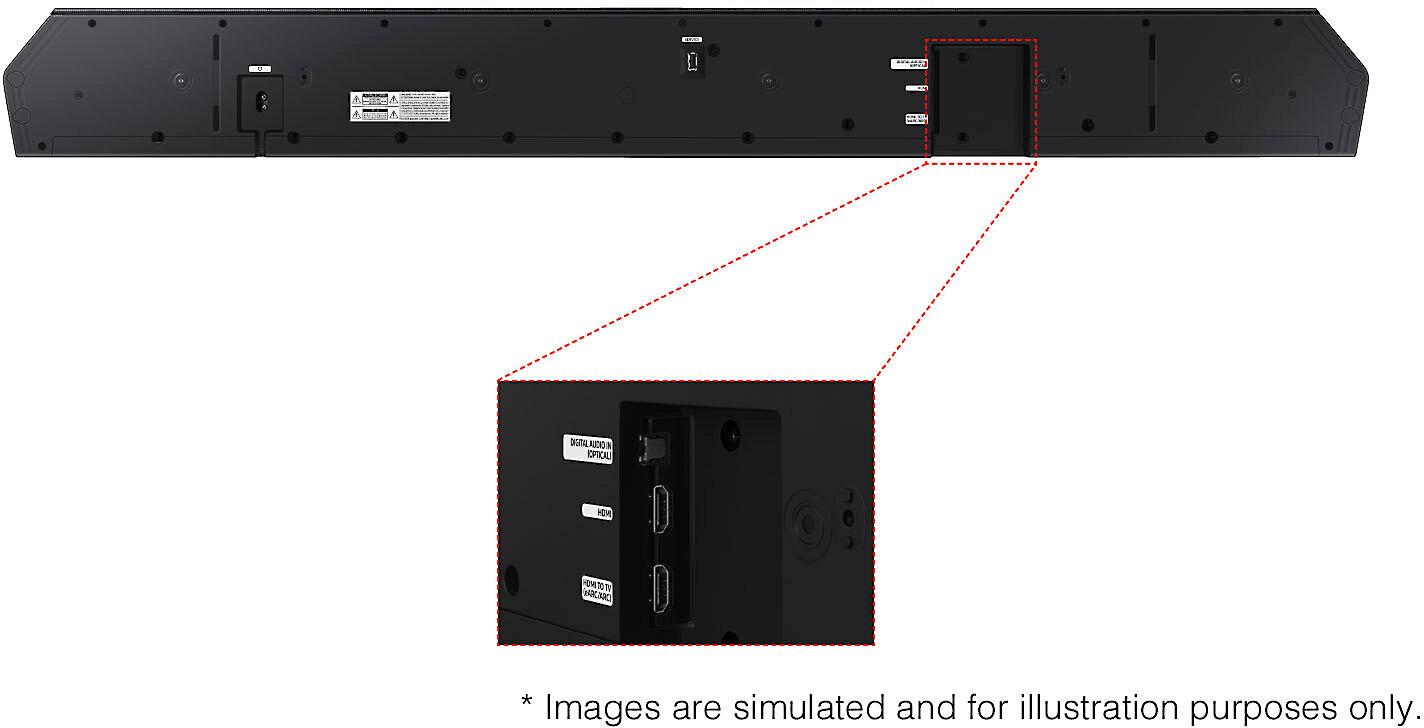
Connectivity differences matter more than you might expect. The Samsung features HDMI eARC (enhanced Audio Return Channel), which supports lossless audio formats like true Dolby Atmos and DTS-HD Master Audio. This means you get bit-perfect audio reproduction from compatible sources. The Yamaha uses standard HDMI ARC, which compresses these high-quality formats.
Both soundbars support 4K video passthrough with HDR (High Dynamic Range), so they won't interfere with your TV's picture quality. The Samsung's Bluetooth 5.2 offers improved range and stability compared to the Yamaha's Bluetooth 4.2, though both work fine for casual music streaming.
The five-year gap between these soundbars' releases highlights how quickly audio technology evolves. When the Yamaha YAS-109 launched in 2019, built-in Alexa was relatively rare in soundbars, making it a standout feature. Object-based audio formats like Dolby Atmos were still emerging in the mainstream market, and most budget soundbars focused on virtual surround processing.
The Samsung HW-Q800D represents 2024's state-of-the-art, incorporating lessons learned from years of Dolby Atmos content proliferation. Streaming services like Netflix, Disney+, and Apple TV+ now offer extensive Atmos catalogs, making the technology more relevant than ever. The wireless subwoofer connection has also improved – early wireless subs sometimes suffered from latency or connection drops, issues that Samsung has largely resolved.
Samsung's SpaceFit Sound Pro technology, introduced in their 2024 lineup, uses the soundbar's built-in microphone to analyze your room's acoustics and automatically optimize the sound profile. This kind of room correction was previously found only in high-end AV receivers.
At $999.99, the Samsung HW-Q800D sits firmly in premium territory. You're paying for true multi-channel audio, a powerful wireless subwoofer, cutting-edge processing, and future-proof connectivity. For dedicated home theater enthusiasts who regularly watch Atmos-enabled content and have the space for a subwoofer, the audio quality justifies the investment.
The Yamaha YAS-109 at $219.95 offers exceptional value in the budget category. Built-in Alexa alone would cost $50-100 in a separate smart speaker, and the audio quality represents a massive upgrade from TV speakers. While it can't match the Samsung's immersive capabilities, it delivers solid performance for its price point.
Consider the total cost of ownership too. The Samsung's wireless subwoofer needs AC power and takes up floor space, while the Yamaha's all-in-one design simplifies setup and reduces clutter. Both should last many years with proper care, but the Samsung's premium components and newer technology provide better future-proofing.
For serious home theater use, the differences become more pronounced. The Samsung HW-Q800D can serve as the foundation of a proper surround sound system, especially when paired with a compatible Samsung TV using Q-Symphony. Its true Atmos capabilities make movie nights genuinely cinematic, with sound effects that match the visual spectacle.
The soundbar's 360-watt power output provides adequate volume for larger rooms without distortion, while the wireless subwoofer can be positioned for optimal bass response. The dedicated center channel ensures dialogue remains intelligible even during action sequences with heavy sound effects.
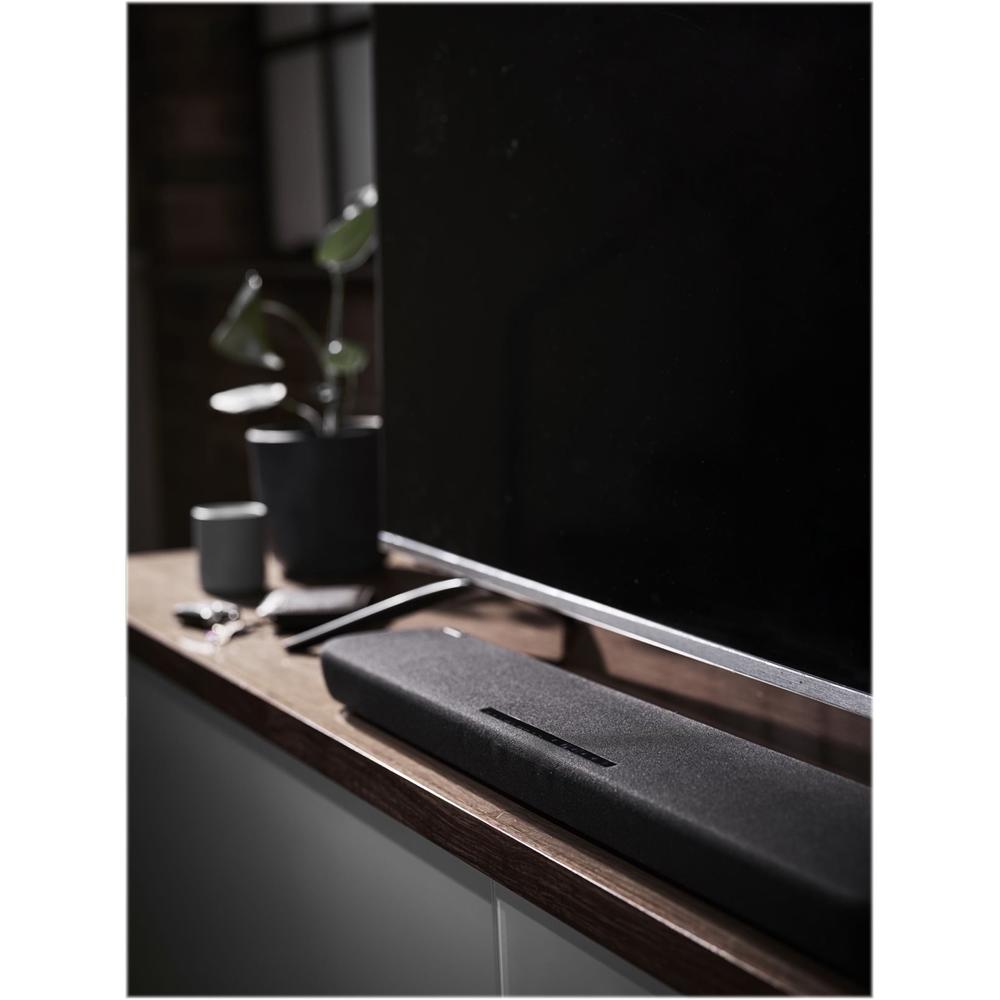
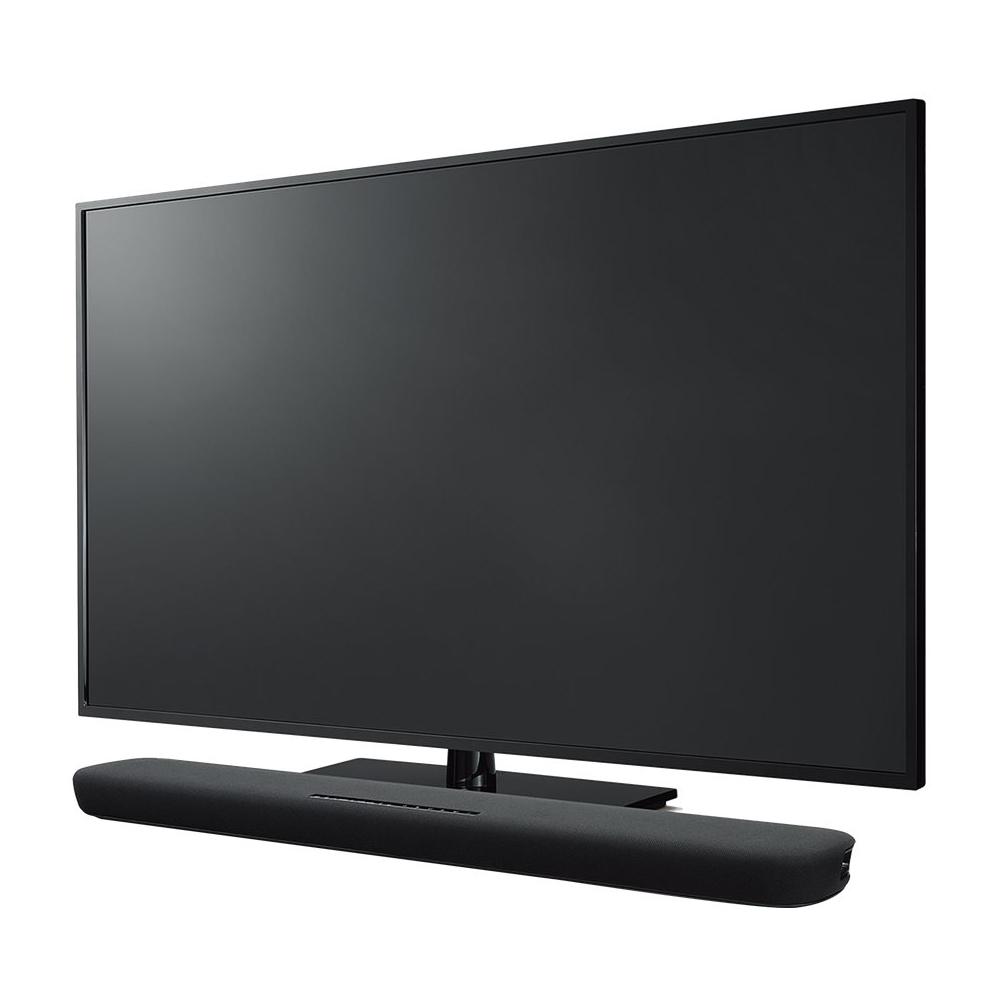
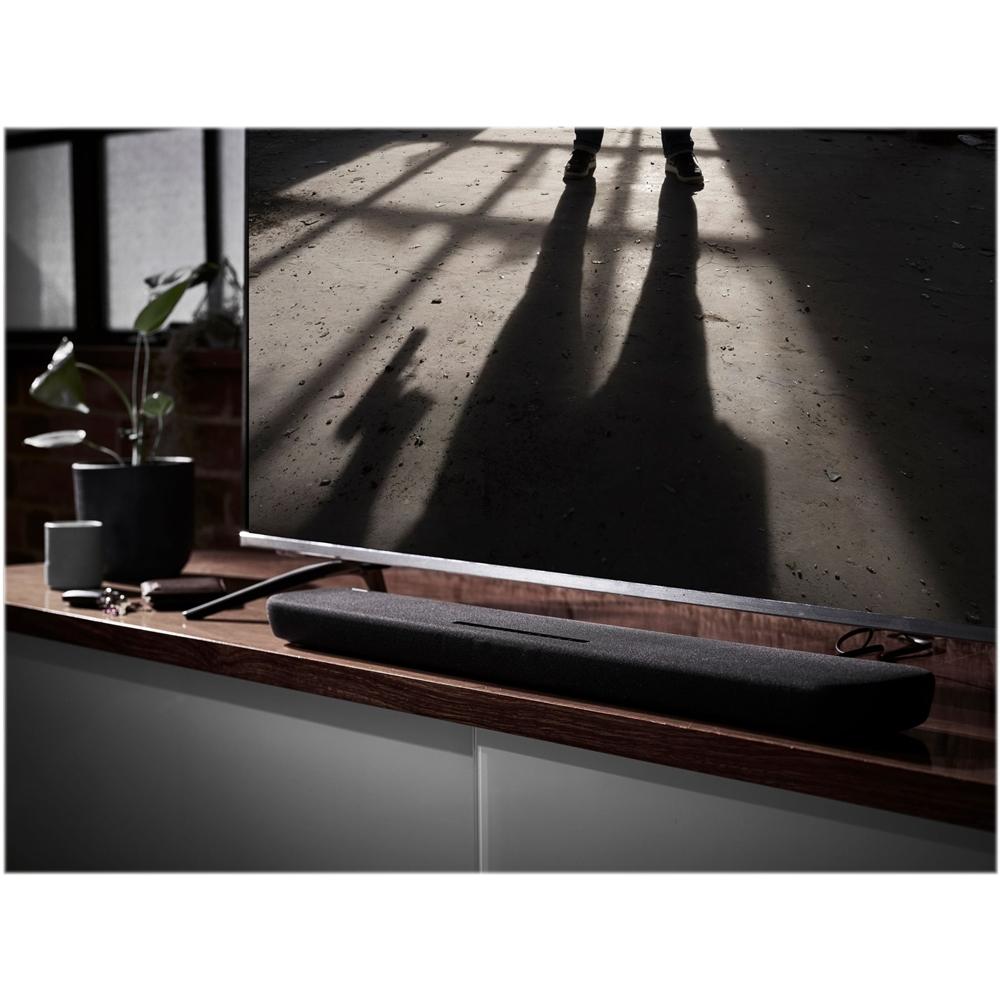
The Yamaha YAS-109 works better as a TV enhancement device rather than a home theater centerpiece. Its compact form factor makes it ideal for bedrooms, apartments, or smaller living rooms where a full surround system isn't practical. The built-in Alexa functionality adds convenience for daily use beyond just TV viewing.
Choose the Samsung HW-Q800D if you have a budget around $1,000 and prioritize audio quality above all else. It's ideal for movie enthusiasts with medium to large rooms who want genuine surround sound immersion. The lack of built-in voice assistant won't matter if you already have Echo devices or prefer controlling audio through your TV remote.
The Samsung also makes sense if you own or plan to buy a Samsung TV, as the Q-Symphony integration creates a more cohesive audio experience. Future-proofing is another consideration – as more content adopts Atmos and DTS:X, the Samsung will continue delivering the intended experience.
Choose the Yamaha YAS-109 if you're budget-conscious but still want meaningful audio improvement. It's perfect for smaller spaces, apartments, or secondary rooms where a subwoofer isn't practical. The built-in Alexa integration provides excellent value if you use voice assistants regularly.
The Yamaha also suits casual viewers who primarily watch TV shows and lighter content rather than action-packed movies. Its Clear Voice technology excels with dialogue-heavy programming, and the compact design won't dominate your entertainment center.
Ultimately, both soundbars succeed in their respective market segments. The Samsung represents what's possible when budget isn't the primary constraint, while the Yamaha proves that thoughtful engineering can deliver impressive results at an accessible price point. Your choice should align with your specific needs, room size, and how much importance you place on audio quality versus convenience features.
The gap in audio performance is significant, but so is the price difference. Consider how often you'll use the advanced features and whether the improved sound quality justifies the additional investment in your particular situation.
| Samsung HW-Q800D 5.1.2 Channel Soundbar | Yamaha YAS-109 Sound Bar with Built-in Subwoofers and Alexa |
|---|---|
| Price - Major investment difference that determines feature expectations | |
| $999.99 (premium home theater category) | $219.95 (budget-friendly TV upgrade) |
| Channel Configuration - Determines surround sound authenticity and immersion | |
| True 5.1.2 channels with dedicated height speakers for genuine Dolby Atmos overhead effects | 2.1 channels with virtual surround processing (no physical rear or height channels) |
| Total Power Output - Affects volume capability and dynamic range | |
| 360W total (can fill large rooms without distortion) | 120W total (adequate for small to medium rooms) |
| Subwoofer Design - Critical for bass depth and room placement flexibility | |
| Dedicated wireless 8" subwoofer (deep bass, flexible placement) | Dual built-in 3" subwoofers (compact but limited low-end extension) |
| Dolby Atmos Support - Essential for modern movie soundtracks and streaming content | |
| True Dolby Atmos with physical upfiring speakers for authentic 3D audio | DTS Virtual:X only (simulated overhead effects, not true Atmos) |
| Voice Assistant Integration - Convenience for smart home control and music streaming | |
| None built-in (relies on TV remote or smartphone app) | Built-in Alexa with far-field microphones for hands-free control |
| HDMI Audio Return - Determines audio quality from TV and streaming devices | |
| eARC support for lossless audio formats (future-proof connectivity) | Standard ARC only (compresses high-quality audio formats) |
| Release Year - Indicates technology generation and feature currency | |
| 2024 (latest Samsung audio processing and wireless tech) | 2019 (solid foundation but older connectivity standards) |
| Room Size Suitability - Matching power and features to your space | |
| Medium to large rooms (wireless sub requires floor space and AC power) | Small to medium rooms (all-in-one design perfect for apartments) |
| Best Use Case - Who should prioritize each option | |
| Home theater enthusiasts wanting cinematic audio quality and genuine surround effects | Budget-conscious buyers seeking significant TV audio improvement with smart features |
The Yamaha YAS-109 at $219.95 offers exceptional value for budget-conscious buyers, providing built-in Alexa and significant audio improvement over TV speakers. The Samsung HW-Q800D at $999.99 delivers premium home theater performance with true Dolby Atmos and a wireless subwoofer, justifying its higher price for audio enthusiasts who want cinematic sound quality.
The Samsung HW-Q800D is a premium 5.1.2 channel system with true Dolby Atmos, 360W power, and a dedicated wireless subwoofer. The Yamaha YAS-109 is a budget-friendly 2.1 channel soundbar with built-in Alexa, 120W power, and integrated subwoofers. The Samsung focuses on audio performance while the Yamaha emphasizes convenience and smart features.
The Yamaha YAS-109 is ideal for small rooms due to its compact all-in-one design and adequate 120W power output. The Samsung HW-Q800D may be overpowered for very small spaces and requires additional room for its wireless subwoofer placement.
Only the Samsung HW-Q800D supports true Dolby Atmos with physical upfiring speakers for genuine overhead effects. The Yamaha YAS-109 uses DTS Virtual:X to simulate surround sound but cannot reproduce actual Dolby Atmos content as intended.
The Samsung HW-Q800D delivers significantly better bass with its dedicated wireless 8-inch subwoofer that can reproduce deep, room-filling low frequencies. The Yamaha YAS-109 has dual built-in 3-inch subwoofers that provide adequate bass for its price range but lack the depth and power of a dedicated subwoofer.
The Yamaha YAS-109 is easier to set up as an all-in-one unit that only requires power and one cable connection to your TV. The Samsung HW-Q800D requires additional setup for the wireless subwoofer and positioning optimization, though it's still straightforward for most users.
The Samsung HW-Q800D is far superior for home theater use with its true 5.1.2 channel configuration, genuine Dolby Atmos support, and powerful 360W output that can fill larger rooms. The Yamaha YAS-109 works better as a TV audio upgrade rather than a dedicated home theater solution.
The Yamaha YAS-109 has built-in Alexa with far-field microphones for hands-free voice control of volume, music, and smart home devices. The Samsung HW-Q800D doesn't include built-in voice assistants but can be controlled through Samsung's SmartThings app or your TV remote.
The Samsung HW-Q800D offers superior music performance with wider frequency response, better stereo imaging, and a 7-band equalizer for customization. The Yamaha YAS-109 includes a Compressed Music Enhancer for streaming audio and handles vocals well, but lacks the dynamic range and bass extension of the Samsung.
The Samsung HW-Q800D features HDMI eARC for lossless audio, Bluetooth 5.2, and Wi-Fi connectivity. The Yamaha YAS-109 offers HDMI ARC, Bluetooth 4.2, Wi-Fi, and Spotify Connect. The Samsung's eARC support provides better audio quality from compatible devices.
Both the Samsung HW-Q800D and Yamaha YAS-109 should provide years of reliable service. The Samsung's newer 2024 technology and premium components offer better future-proofing, while the Yamaha's simpler design with fewer components may have fewer potential failure points.
Choose the Samsung HW-Q800D if you have a $1,000 budget, want true home theater performance, and regularly watch movies with Dolby Atmos content. Choose the Yamaha YAS-109 if you're budget-conscious, want built-in Alexa convenience, and primarily need better TV dialogue and basic audio improvement over built-in TV speakers.
We've done our best to create useful and informative comparisons to help you decide what product to buy. Our research uses advanced automated methods to create this comparison and perfection is not possible - please contact us for corrections or questions. These are the sites we've researched in the creation of this article: techradar.com - valueelectronics.com - samsung.com - rtings.com - samsung.com - crutchfield.com - samsung.com - samsung.com - samsung.com - shidirect.com - rtings.com - crutchfield.com - usa.yamaha.com - digitaltrends.com - tomsguide.com - listenup.com - youtube.com - usa.yamaha.com - hub.yamaha.com - youtube.com - hub.yamaha.com

Privacy Policy
Terms and Conditions - Affiliate Policy
Home Security
© Copyright 2008-2026.
11816 Inwood Rd #1211, Dallas, TX 75244