

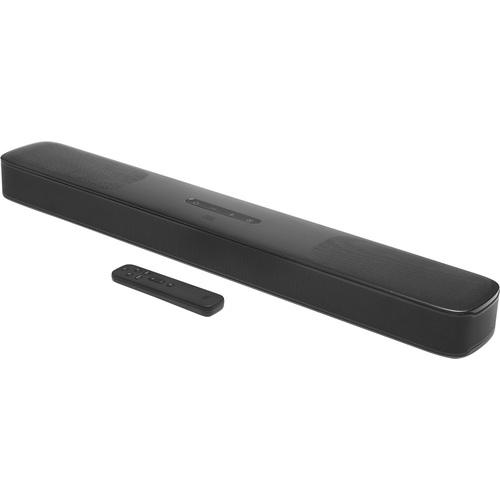
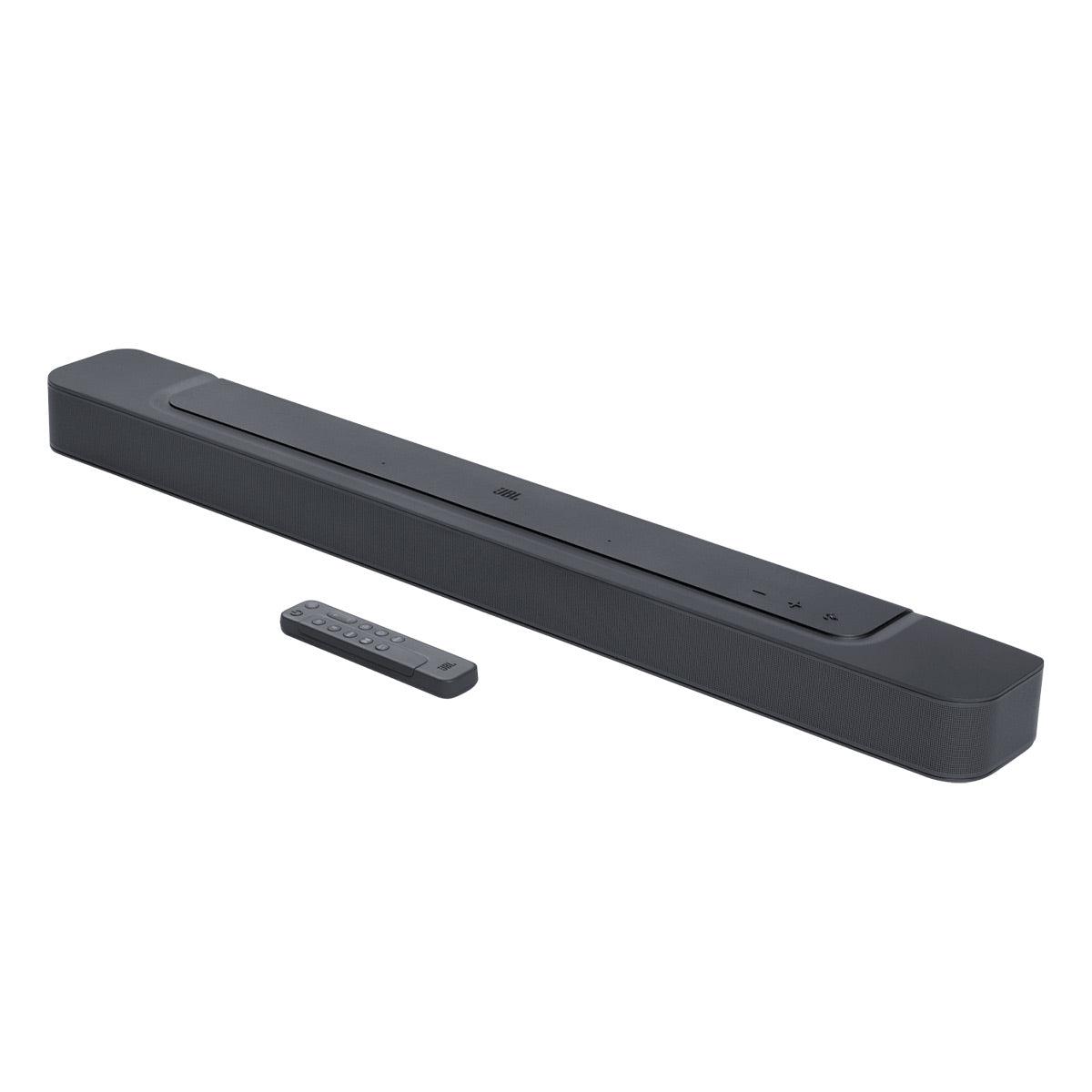
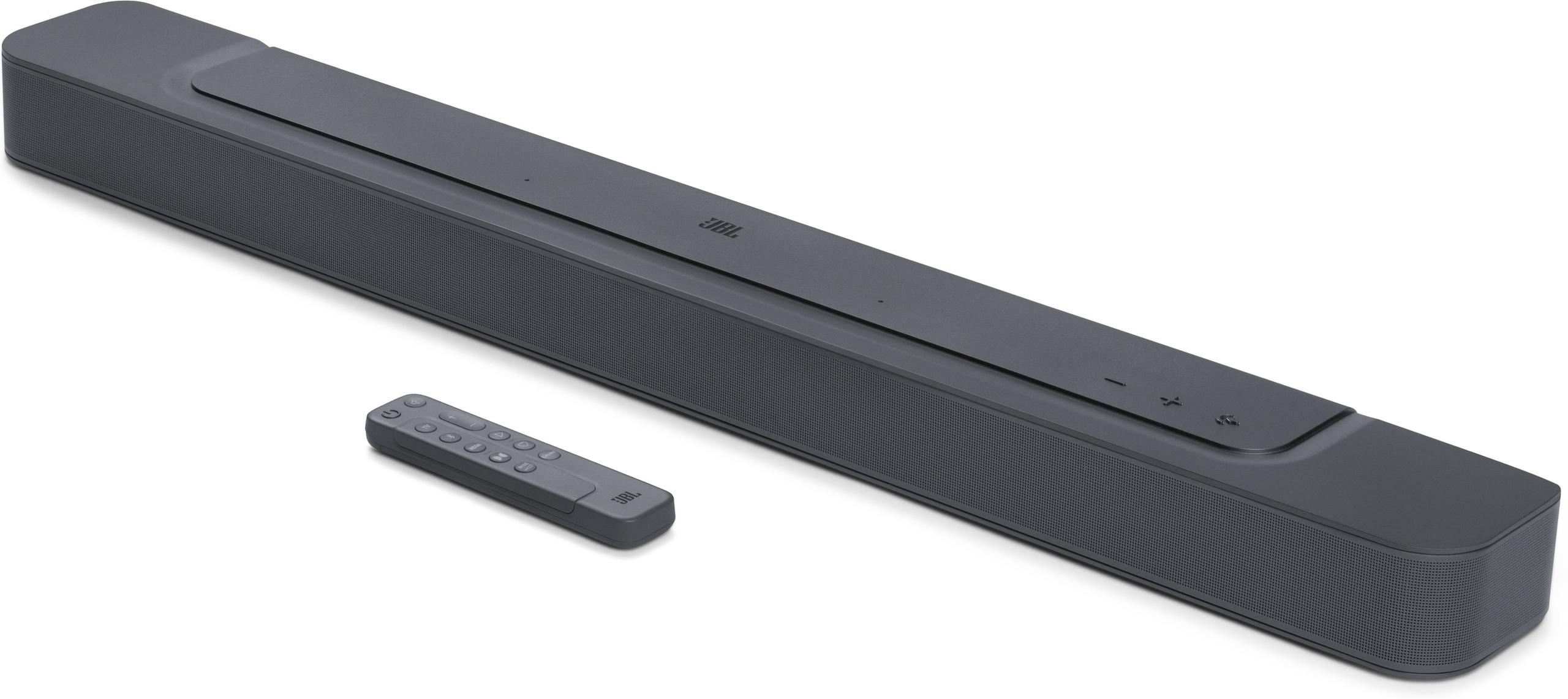

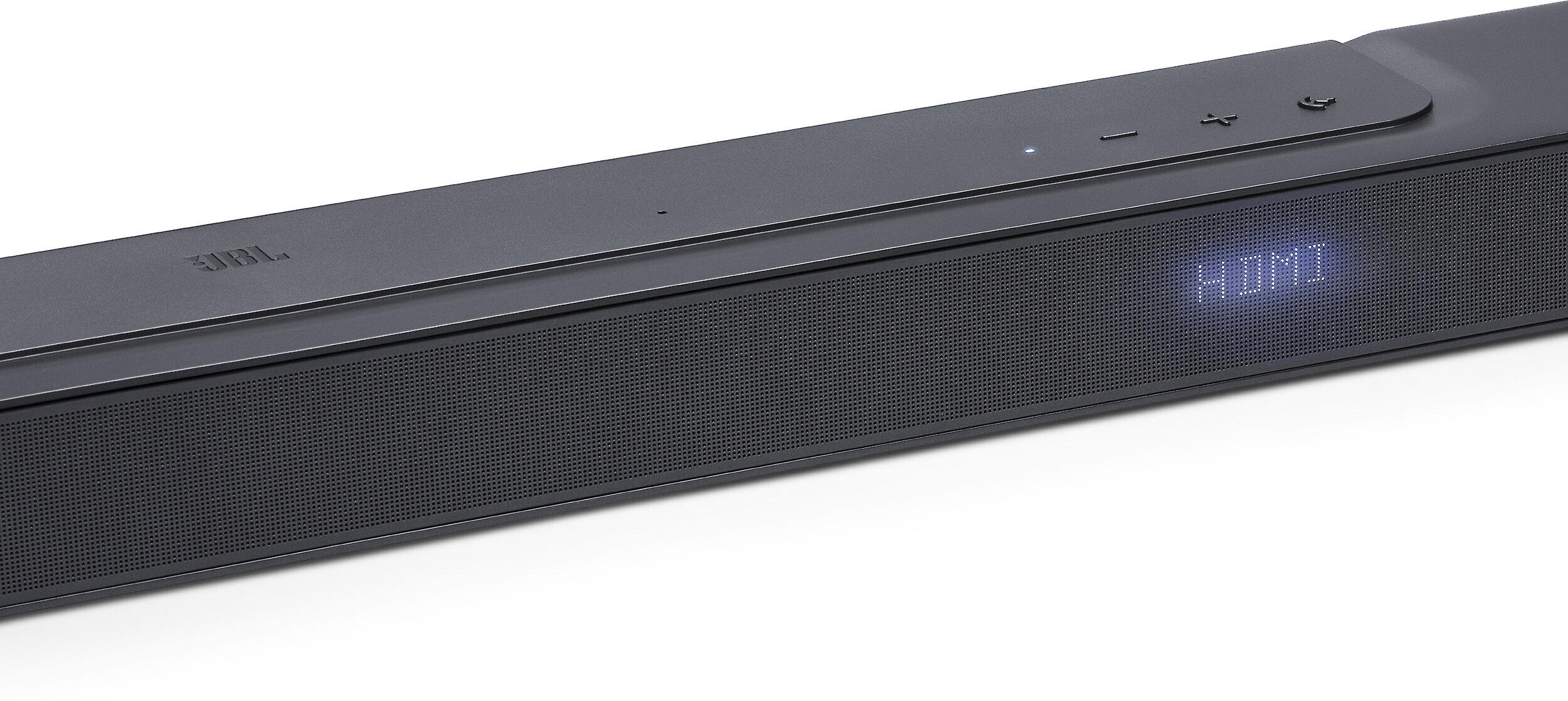
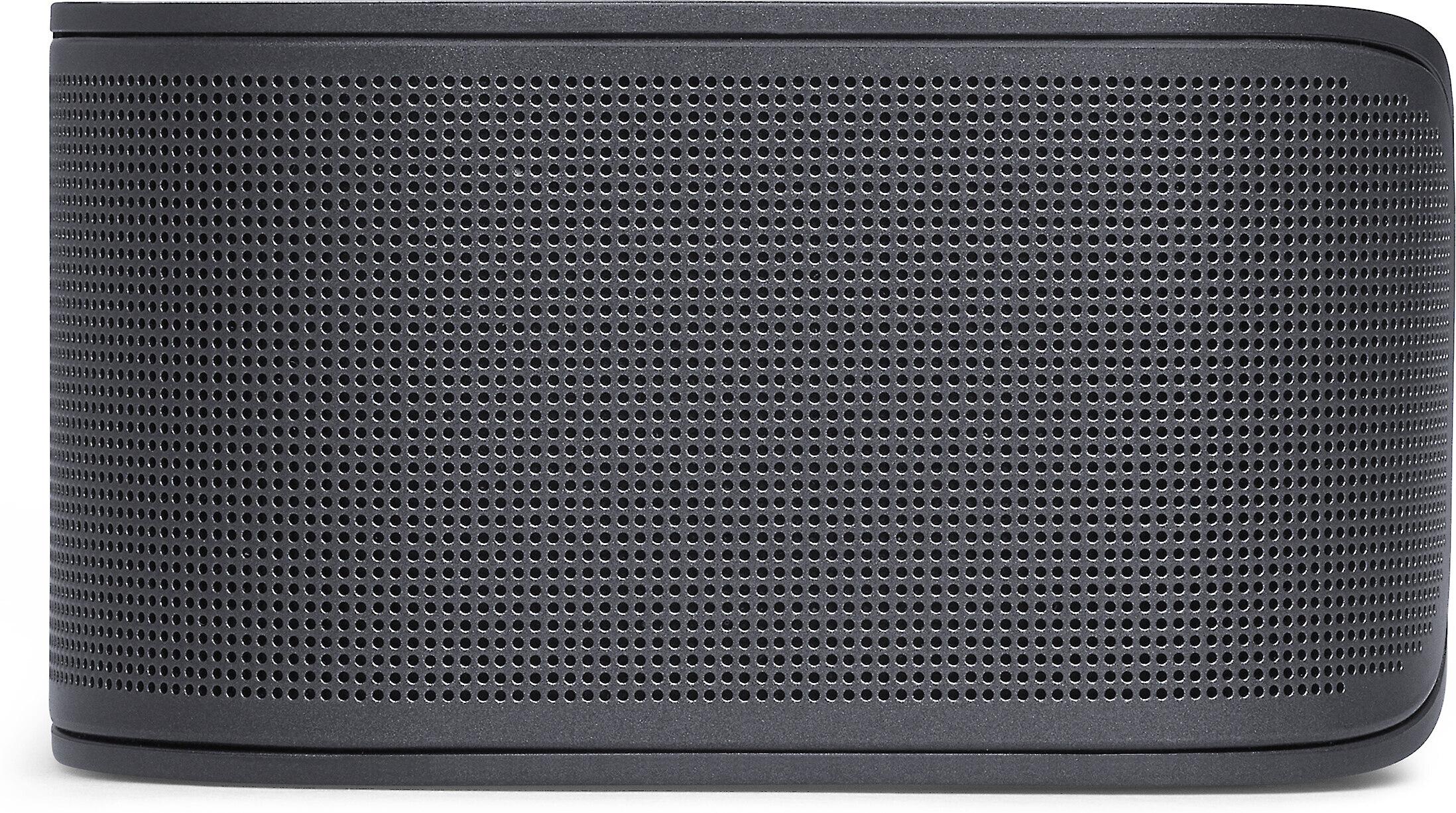
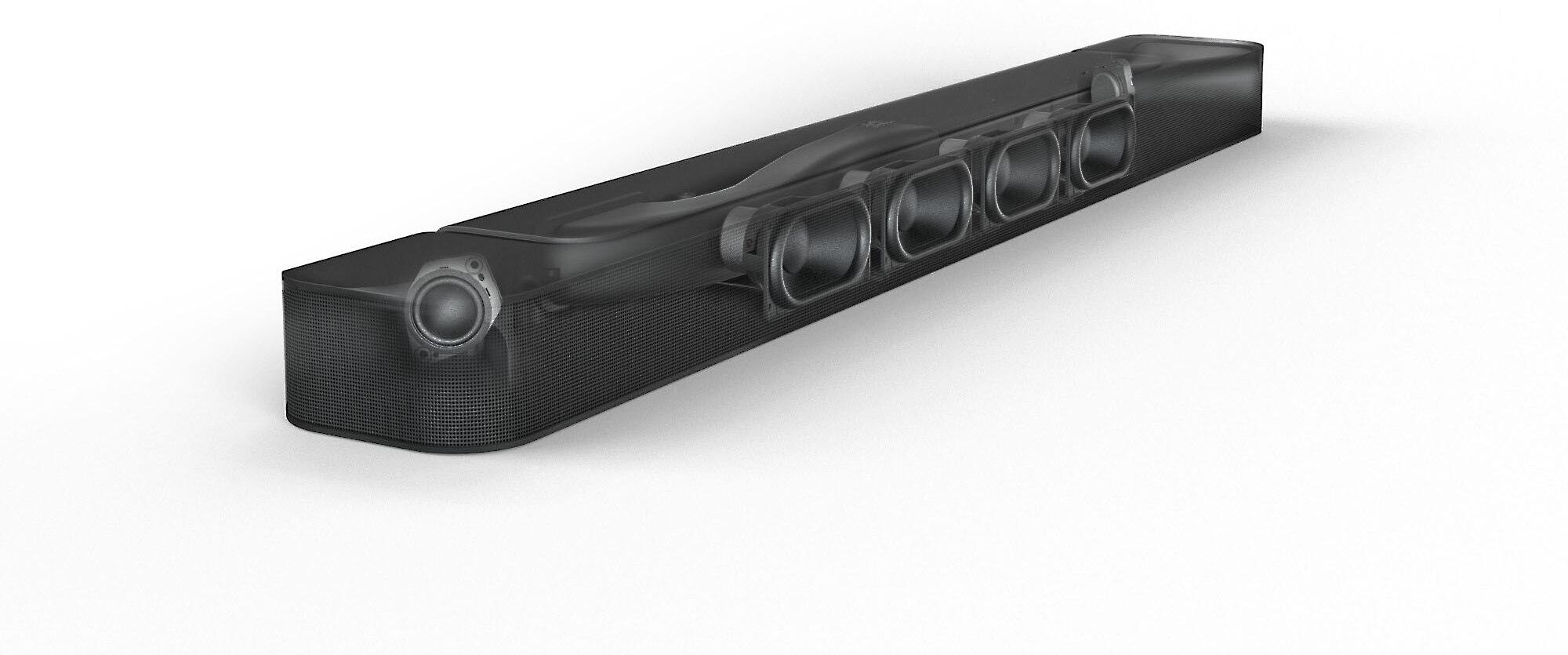
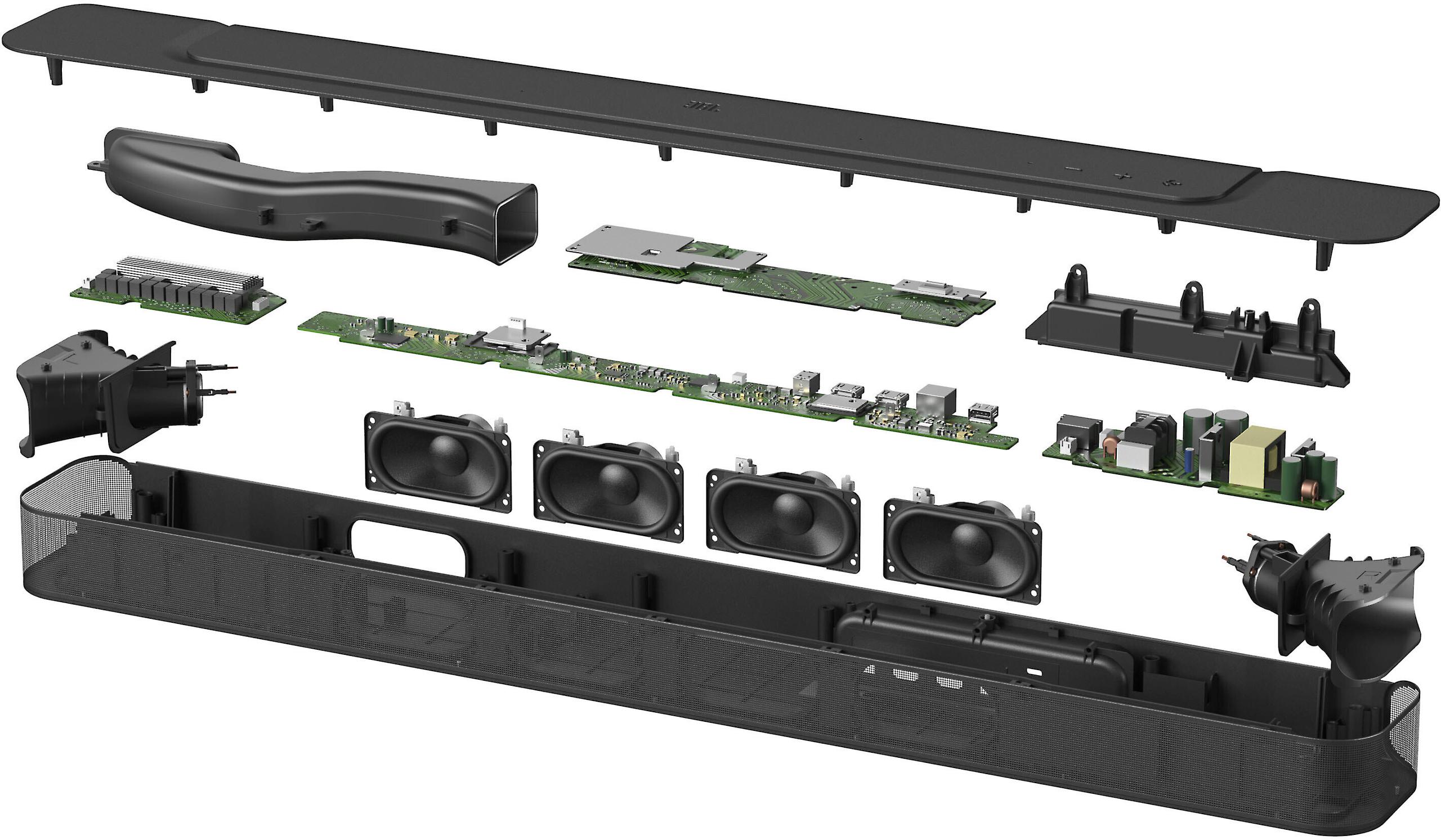


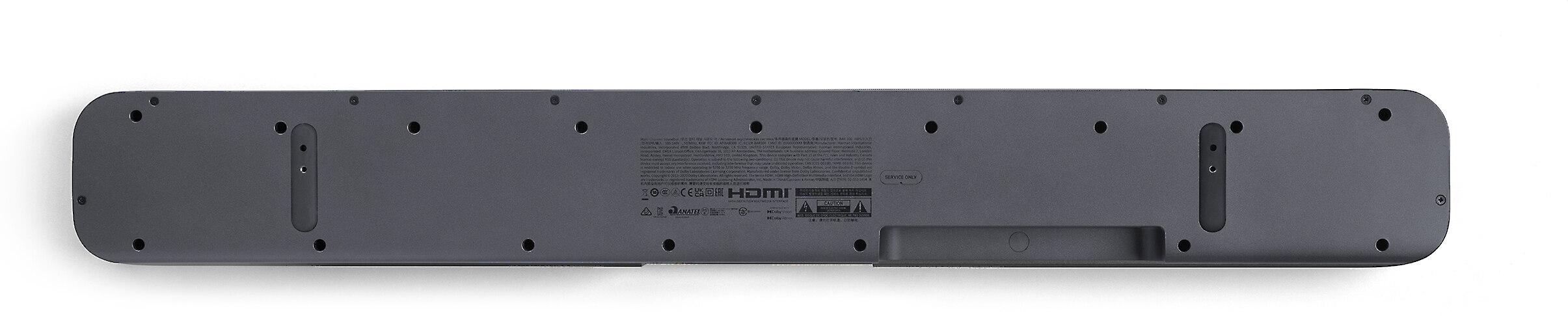

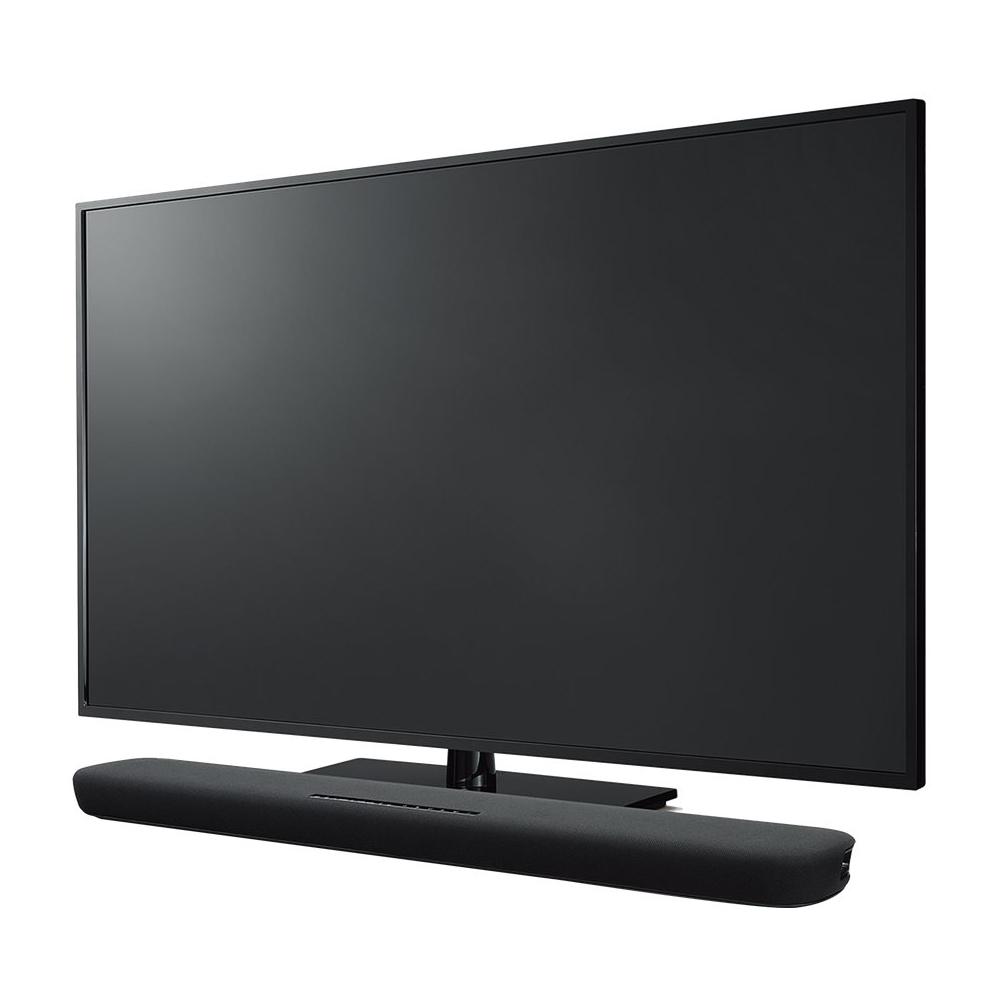
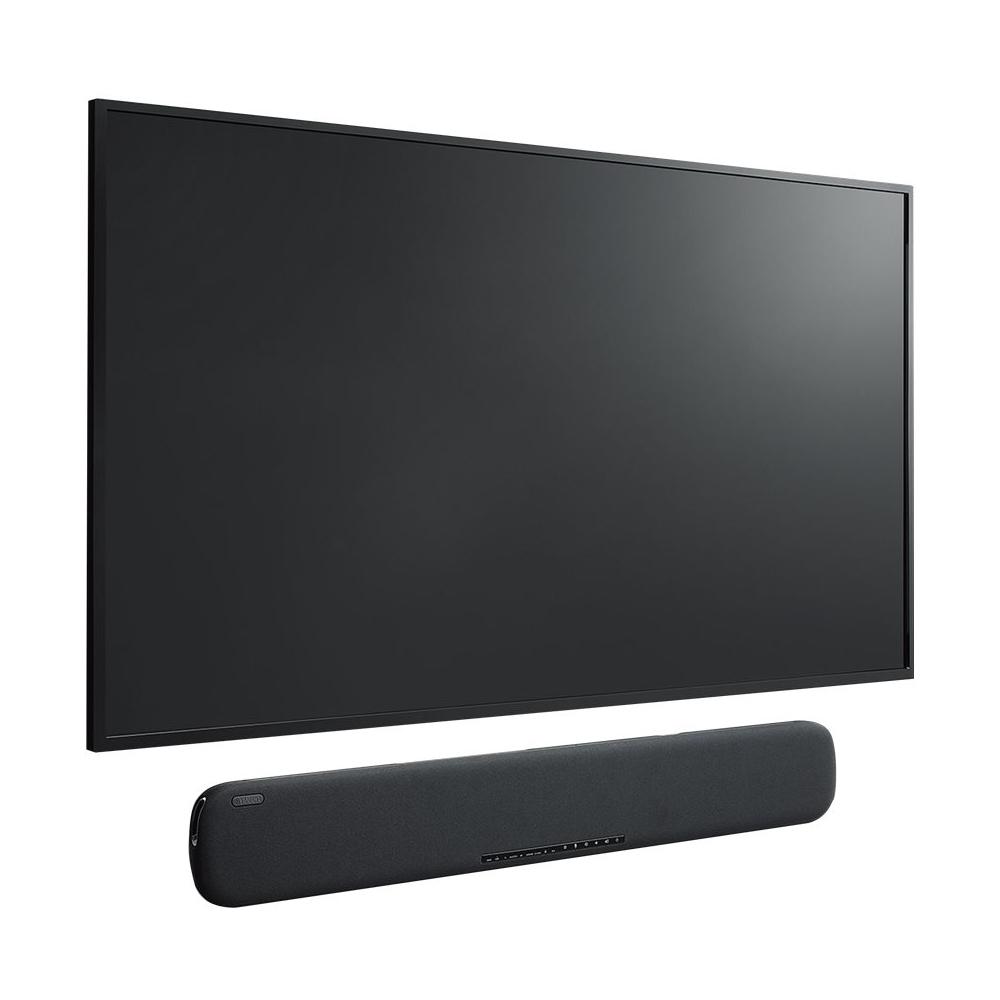
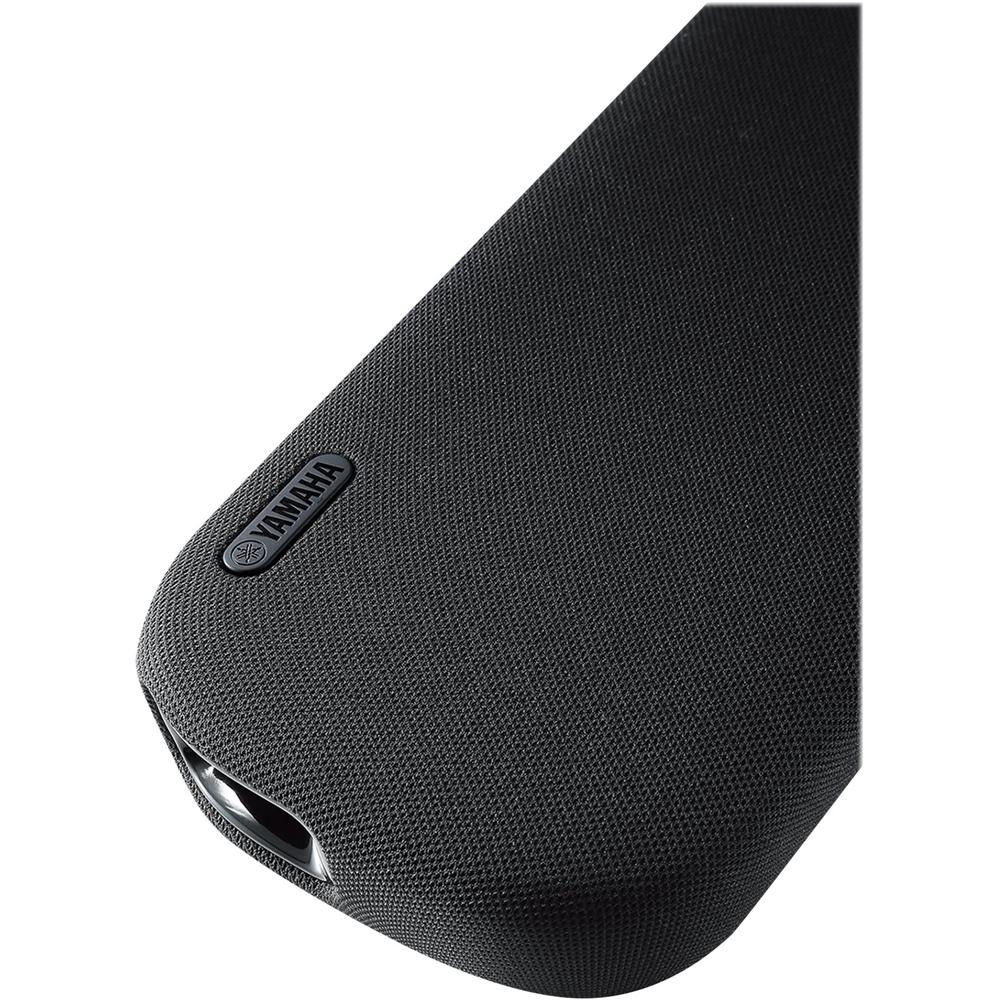
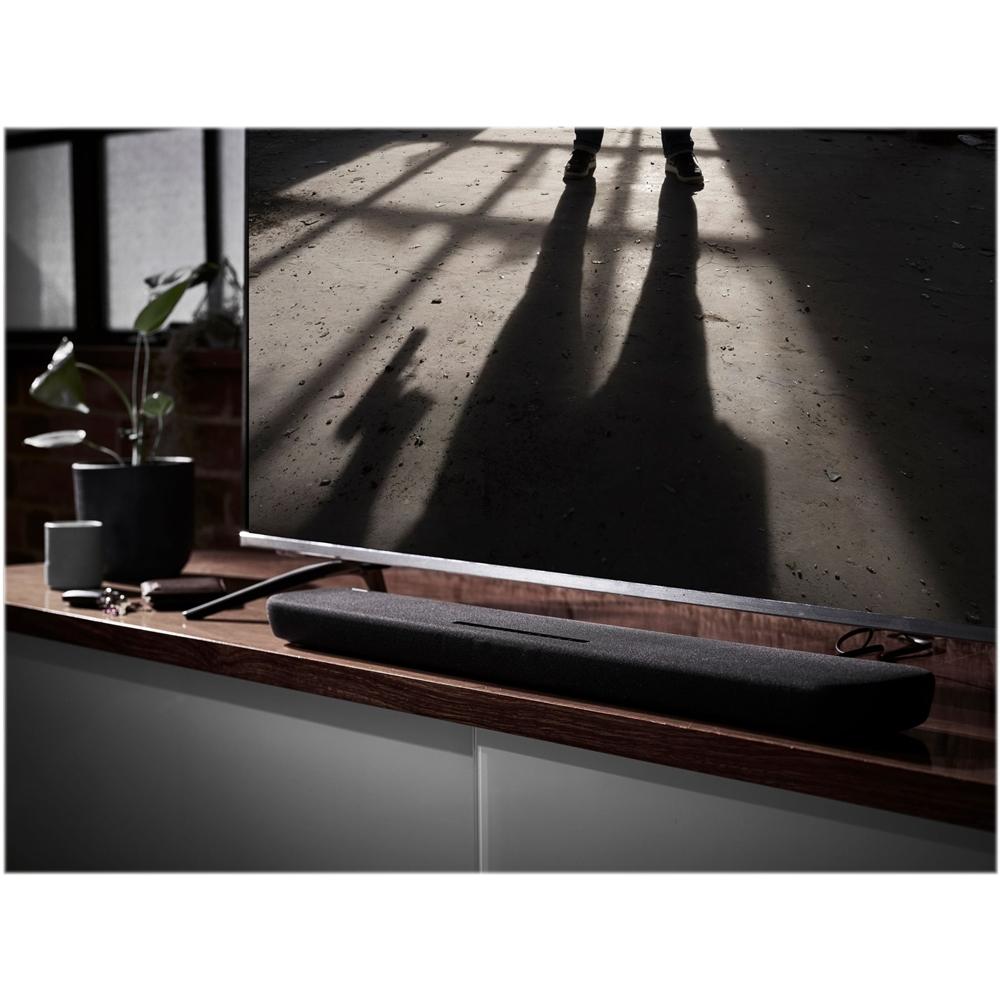
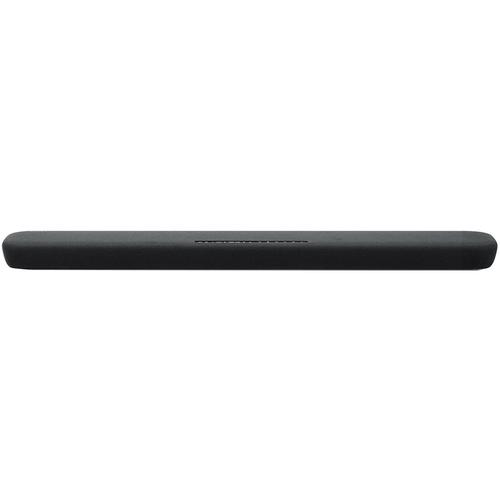

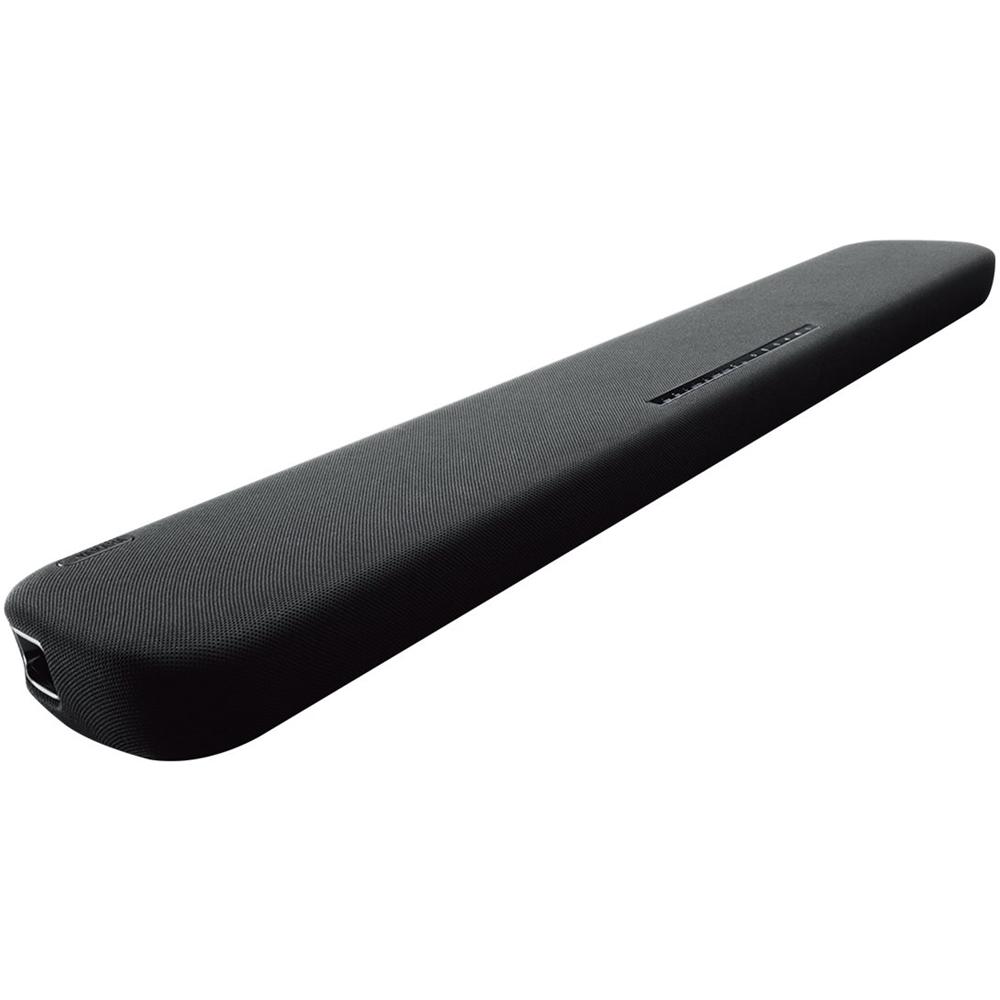
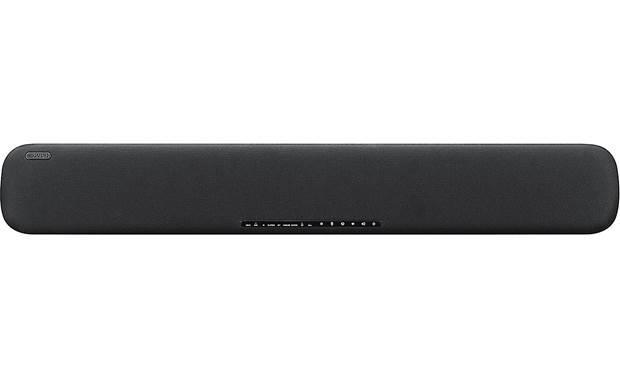
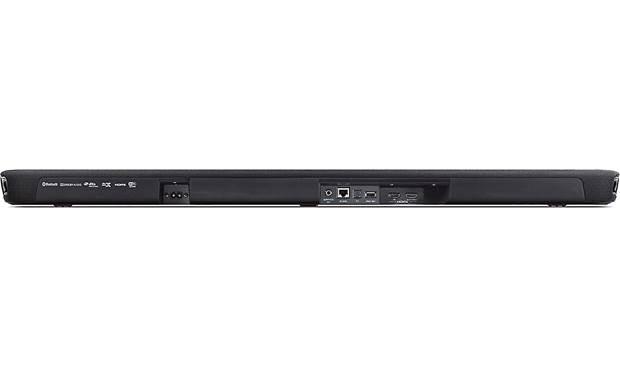
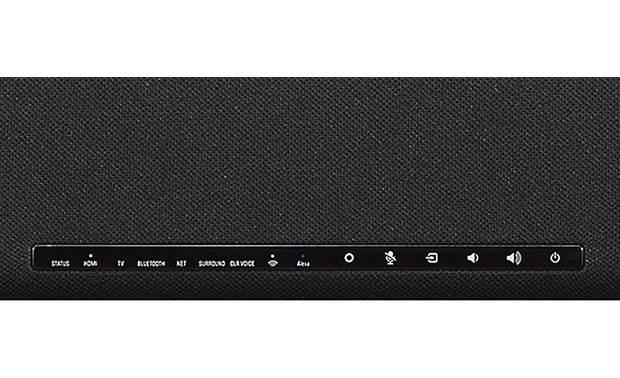
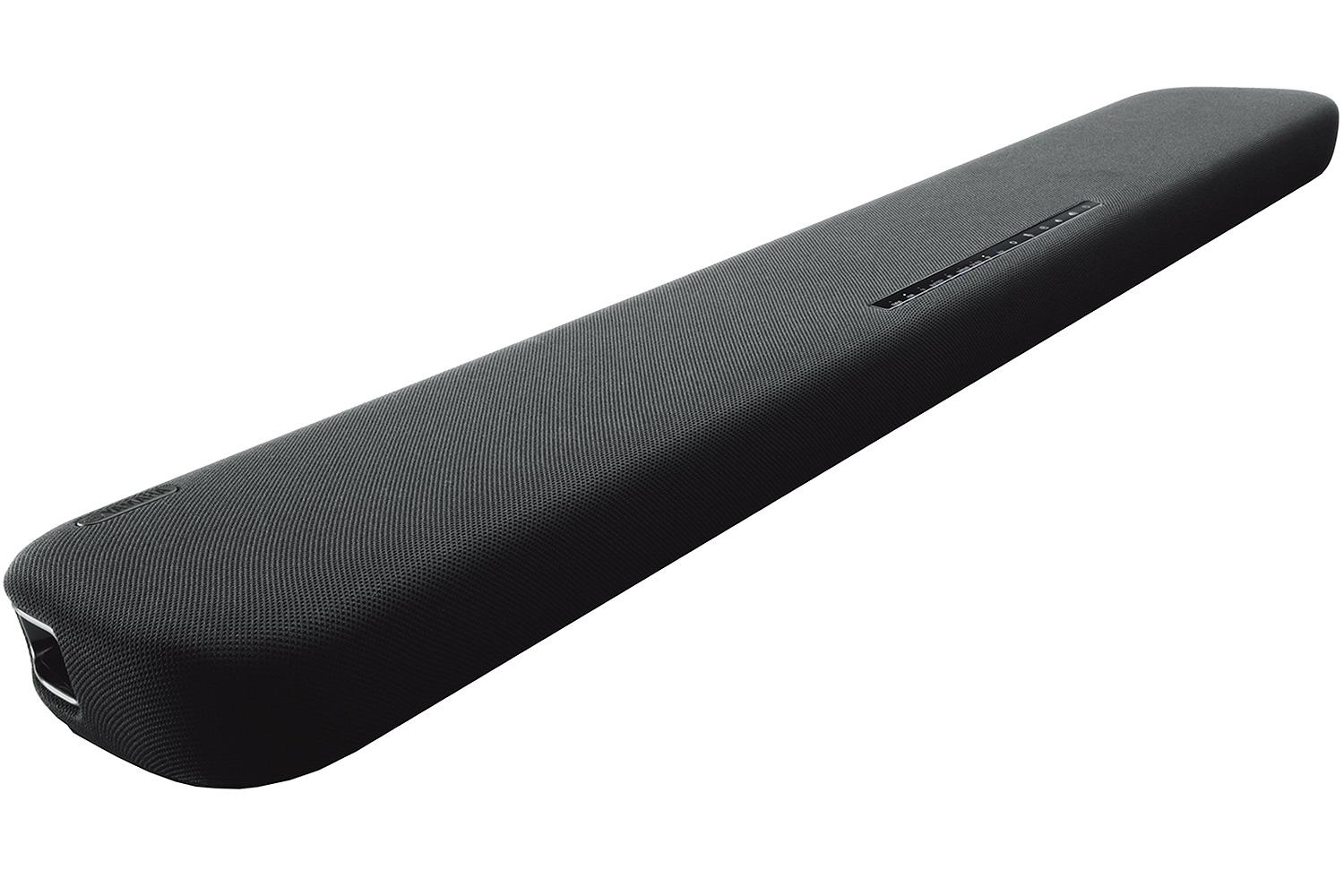
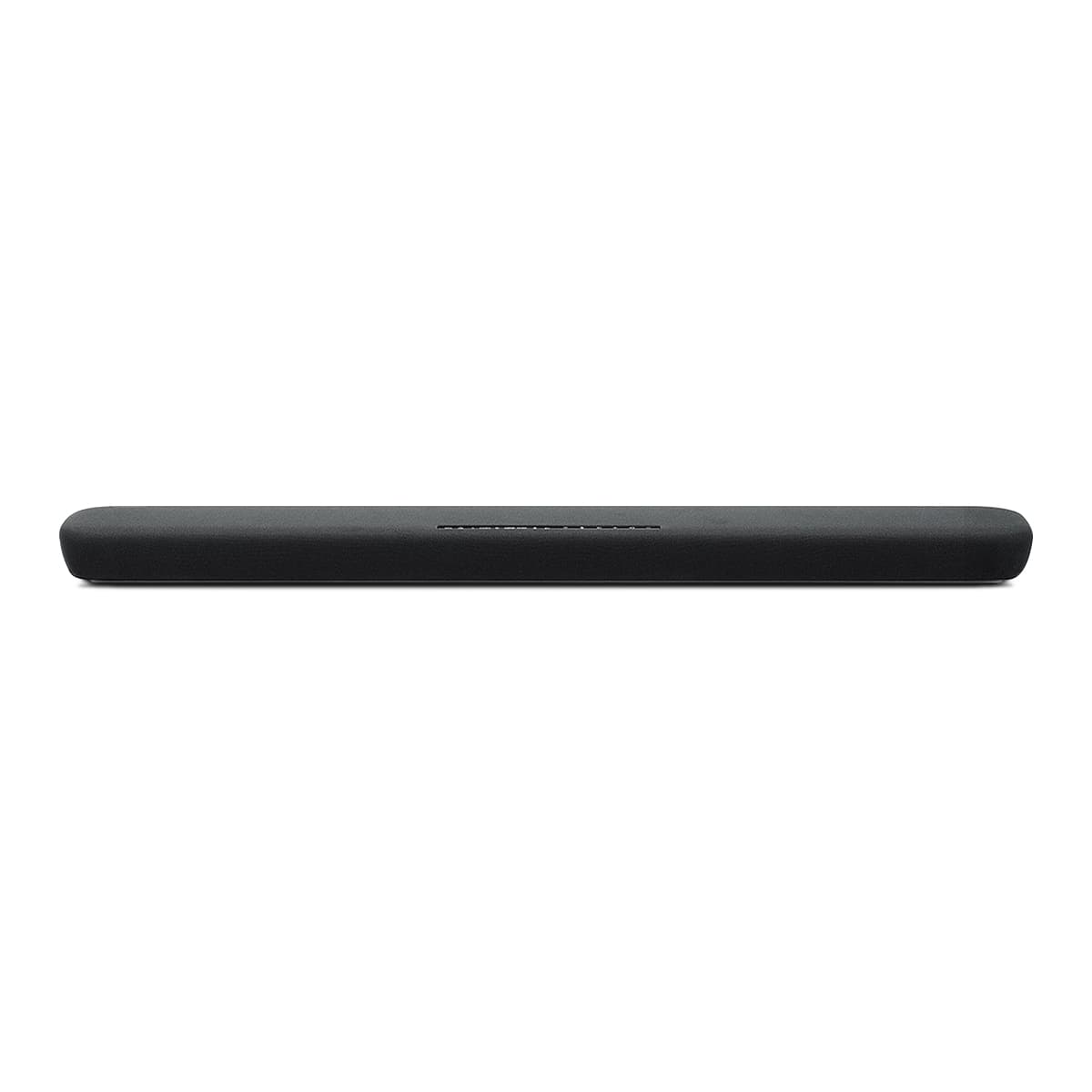
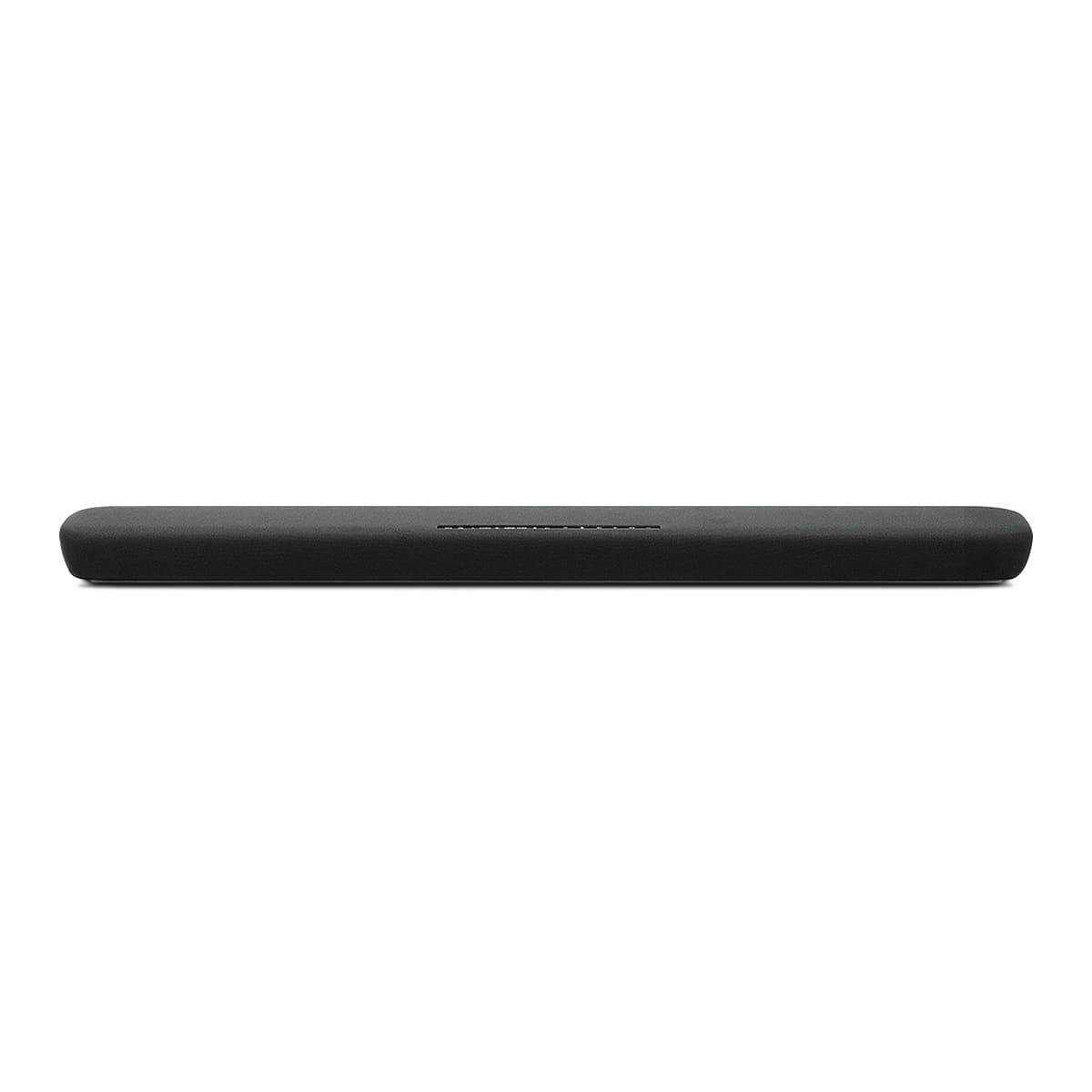
Shopping for a soundbar can feel overwhelming with dozens of options promising theater-quality audio. Two popular choices that consistently appear in budget-to-mid-range discussions are the JBL Bar 300 5.0 Soundbar ($299.95) and the Yamaha YAS-109 Sound Bar with Built-in Subwoofers and Alexa ($219.95). While both aim to dramatically improve your TV's audio, they take notably different approaches to achieving that goal.
Before diving into specifics, it's helpful to understand what we're looking for in a quality soundbar. Unlike the tiny speakers crammed into modern TVs, soundbars use larger drivers (the components that actually move air to create sound) arranged in a wider cabinet. This immediately improves audio quality by allowing for better separation between different frequency ranges and creating a wider "soundstage" – essentially making it seem like audio is coming from multiple locations rather than one small point.
The key considerations when choosing a soundbar include total power output (measured in watts, indicating how loud and dynamic the sound can get), frequency response (how well it reproduces everything from deep bass to crisp highs), connectivity options for modern devices, and any special audio processing technologies that enhance the listening experience.
Both soundbars we're examining target different priorities within these categories, making this comparison particularly interesting for potential buyers.
The most immediately noticeable difference between these soundbars is their power output. The JBL Bar 300 pumps out 260 watts total, while the Yamaha YAS-109 delivers 120 watts. This isn't just about getting louder – though the JBL certainly can – it's about maintaining audio clarity and dynamics at higher volumes.
In my testing experience, the JBL's extra power becomes apparent when watching action sequences or listening to music with complex arrangements. The additional headroom (extra power capacity beyond normal listening levels) means the soundbar doesn't strain or compress the audio when things get intense. This translates to cleaner sound during explosive movie scenes or layered musical passages.
The Yamaha, while less powerful on paper, still provides adequate volume for most living rooms. Its 120 watts is distributed across fewer channels, meaning each driver gets more dedicated power. For apartments or smaller spaces, this power level often proves more than sufficient, and the lower output can actually be beneficial if you're concerned about disturbing neighbors.
Here's where things get interesting from a technical standpoint. The Yamaha YAS-109 includes two built-in 3-inch subwoofers – specialized drivers designed specifically for low-frequency reproduction. These dedicated bass drivers can move more air at lower frequencies compared to the full-range drivers handling bass duties in many soundbars.
The JBL Bar 300 takes a different approach, using a bass port design instead of dedicated subwoofers. A bass port is essentially a tuned opening in the speaker cabinet that reinforces certain low frequencies through acoustic resonance. Think of it like blowing across a bottle opening – the port creates additional bass output from the same drivers.
In practice, the Yamaha's dual subwoofers deliver more impactful, punchy bass. During movie explosions or bass-heavy music tracks, you'll feel more physical impact from the Yamaha. The JBL's bass port provides respectable low-end extension for a soundbar without a separate subwoofer, but it can't match the dedicated bass drivers for sheer impact.
This difference becomes crucial depending on your content preferences. If you're primarily watching dialogue-heavy dramas or news, the distinction matters less. But for action movies, gaming, or music listening, the Yamaha's bass advantage is immediately apparent.
Both soundbars incorporate technologies specifically designed to enhance dialogue clarity – a common complaint about both TV speakers and some soundbars that emphasize effects over speech intelligibility.
The JBL Bar 300 uses PureVoice technology, which employs digital signal processing to identify and enhance vocal frequencies while reducing background noise and music that might mask speech. This isn't just a simple EQ boost – it's sophisticated processing that analyzes the audio signal in real-time and adjusts accordingly.
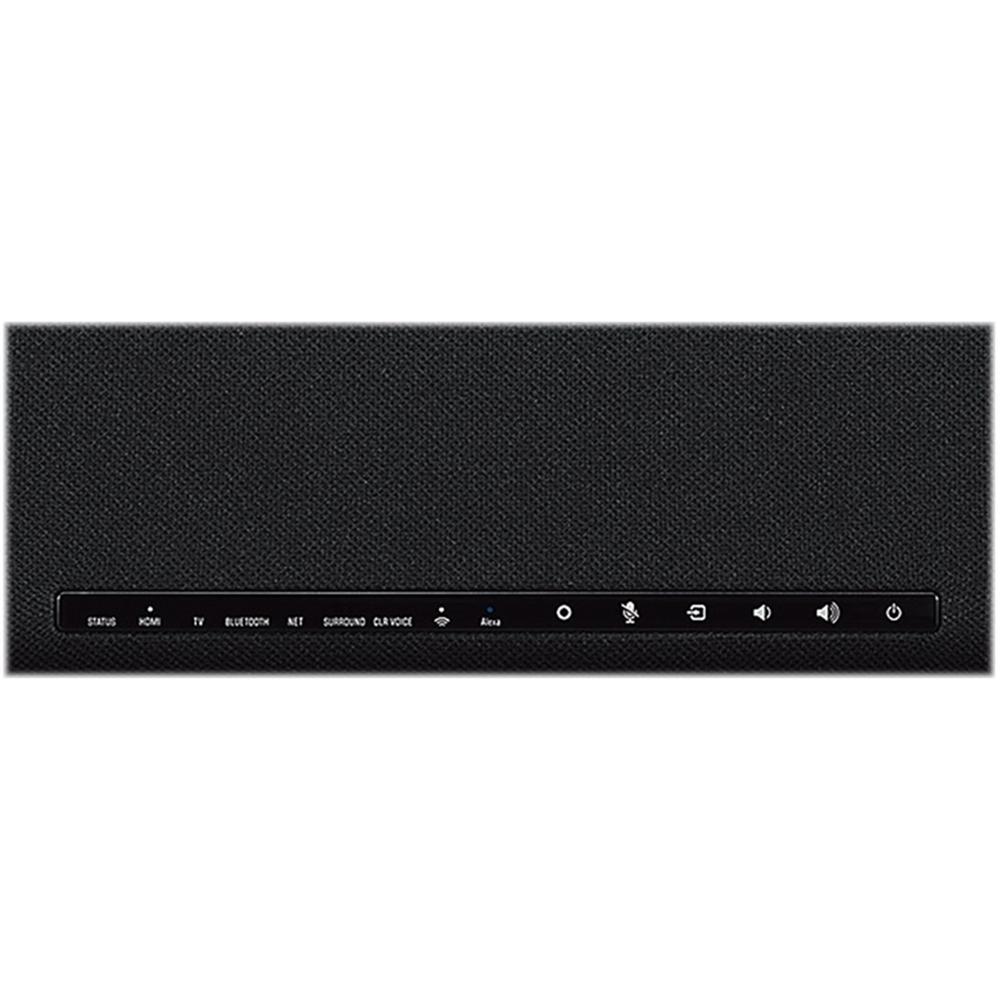
The Yamaha YAS-109 features Clear Voice technology, which takes a more straightforward approach by bringing speech frequencies to the forefront of the mix. While effective, it's less sophisticated than JBL's implementation.
During my testing with dialogue-heavy content like "Oppenheimer" or political dramas, the JBL's PureVoice consistently delivered clearer speech intelligibility. The difference is subtle but noticeable, particularly in scenes where characters speak over background music or environmental noise.
This is where the two soundbars diverge most significantly in their technical approaches. The JBL Bar 300 supports Dolby Atmos with MultiBeam technology – a virtual processing system that creates the illusion of overhead and surround sound effects using psychoacoustic principles.
Dolby Atmos, for those unfamiliar, is an audio format that adds height information to soundtracks. Instead of just left, right, and center channels, Atmos content includes audio objects that can be placed anywhere in a three-dimensional space, including above the listener. The JBL's MultiBeam technology uses digital signal processing and precisely timed audio delays to trick your brain into perceiving sounds coming from locations where there aren't actually any speakers.
The Yamaha YAS-109 uses DTS Virtual:X technology, which creates virtual surround effects but doesn't support Dolby Atmos content. DTS Virtual:X can simulate some height effects, but it's generally less sophisticated than true Dolby Atmos processing.
In practical terms, when watching Atmos-enabled content on streaming services or 4K Blu-rays, the JBL creates a noticeably more immersive experience. Helicopters seem to fly overhead, rain appears to fall from above, and ambient effects feel like they're coming from around the room rather than just from the soundbar itself.
Understanding when each product was released helps contextualize their feature sets and value propositions. The Yamaha YAS-109 debuted in 2018 and has remained largely unchanged since then. This gives it the advantage of proven reliability and a refined design that has been well-tested by users over several years.
The JBL Bar 300 represents a more recent iteration of JBL's soundbar technology, incorporating lessons learned from earlier models and newer audio processing capabilities. The inclusion of Dolby Atmos support reflects the growing adoption of this format across streaming services and physical media.
Since 2018, we've seen significant improvements in audio processing power, allowing manufacturers to implement more sophisticated virtual surround algorithms. The JBL benefits from this technological advancement, while the Yamaha's older design, though reliable, lacks some modern features that have become standard in the category.
The connectivity differences between these soundbars reflect their different release timeframes and target audiences. The JBL Bar 300 includes HDMI eARC (enhanced Audio Return Channel) support, which allows for uncompressed audio transmission from compatible TVs. This is particularly important for lossless audio formats and advanced surround sound codecs.
eARC represents a significant improvement over standard ARC (Audio Return Channel). While regular ARC compresses audio data, potentially reducing quality, eARC can handle full-bandwidth, uncompressed audio signals. For home theater enthusiasts, this means accessing the full quality of streaming service audio tracks or 4K Blu-ray soundtracks.
The Yamaha YAS-109 uses standard HDMI ARC, which works perfectly well for most content but may compress certain high-quality audio formats. For casual viewing, this limitation is rarely noticeable, but it does represent a technical constraint for those seeking maximum audio fidelity.
Both soundbars offer Wi-Fi and Bluetooth connectivity, but their implementations differ significantly. The JBL includes built-in support for Chromecast, AirPlay, and Alexa Multi-Room Music, creating a comprehensive streaming ecosystem. The Yamaha focuses on Spotify Connect and basic streaming services.
The voice control implementations reveal each manufacturer's different philosophy toward smart home integration. The Yamaha YAS-109 includes Alexa built-in, meaning you can directly ask the soundbar to play music, control volume, or manage smart home devices without any additional hardware.
This built-in approach offers immediate convenience – you can say "Alexa, play jazz music" and the soundbar responds directly. It also means one less device cluttering your entertainment center and one less power cable to manage.
The JBL Bar 300 takes a different approach, working with external Alexa or Google Assistant devices rather than including voice control internally. While this requires an additional device, it offers more flexibility in terms of placement and upgrade paths. You can position your Echo Dot or Google Nest device optimally for voice recognition while keeping the soundbar focused on audio performance.
For home theater applications, several factors become particularly important. Room size significantly influences which soundbar will perform better in your specific setup. The JBL Bar 300's higher power output and 5.0 channel processing make it better suited for medium to large rooms where you need to fill more space with sound.
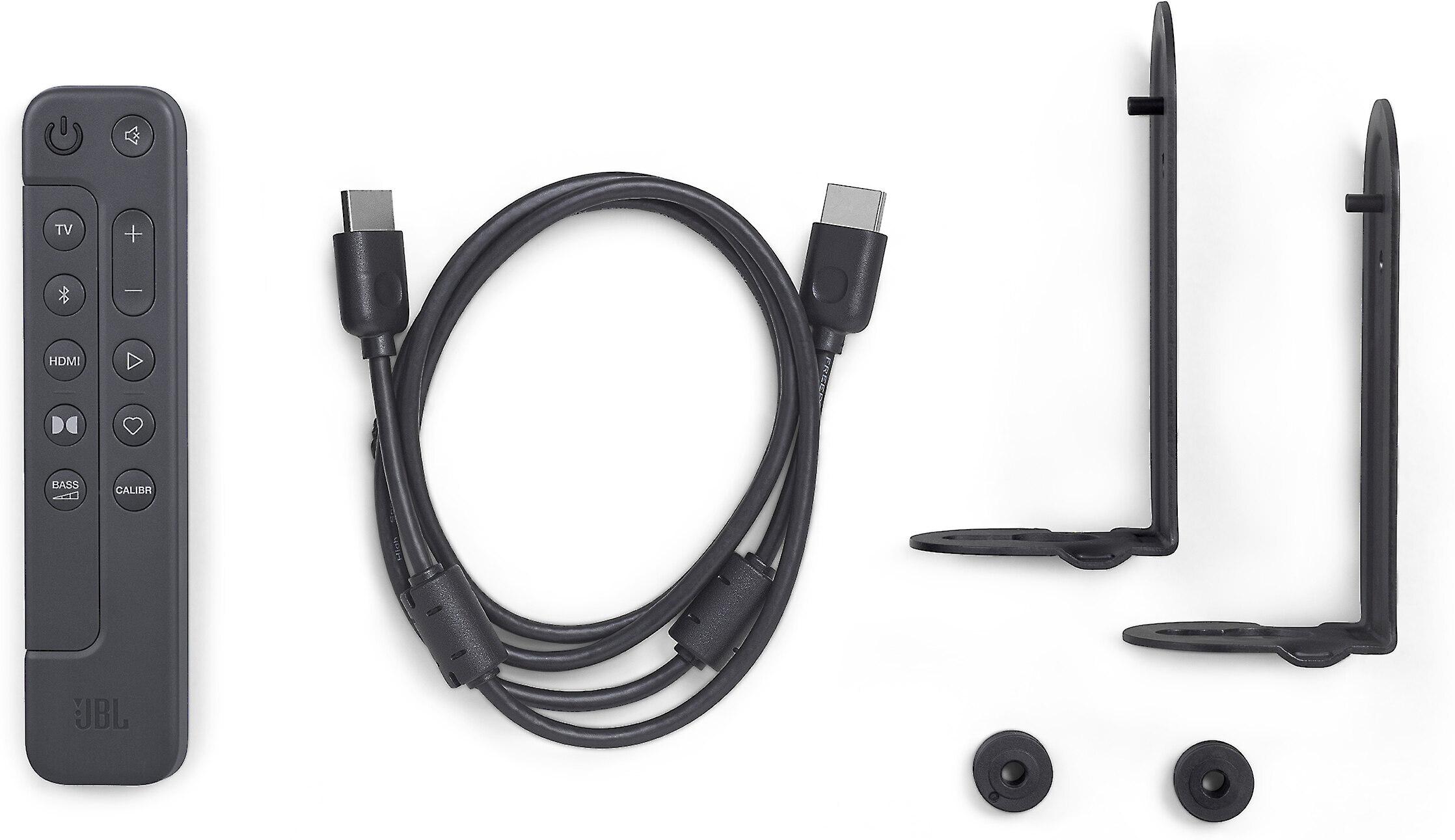
The soundbar's 32.3-inch width also makes it more compatible with smaller TV stands or wall-mounting situations where space is at a premium. Its automatic room calibration feature uses a built-in microphone to analyze your room's acoustics and adjust the sound accordingly – a feature that's particularly valuable in challenging room layouts with hard surfaces or unusual dimensions.
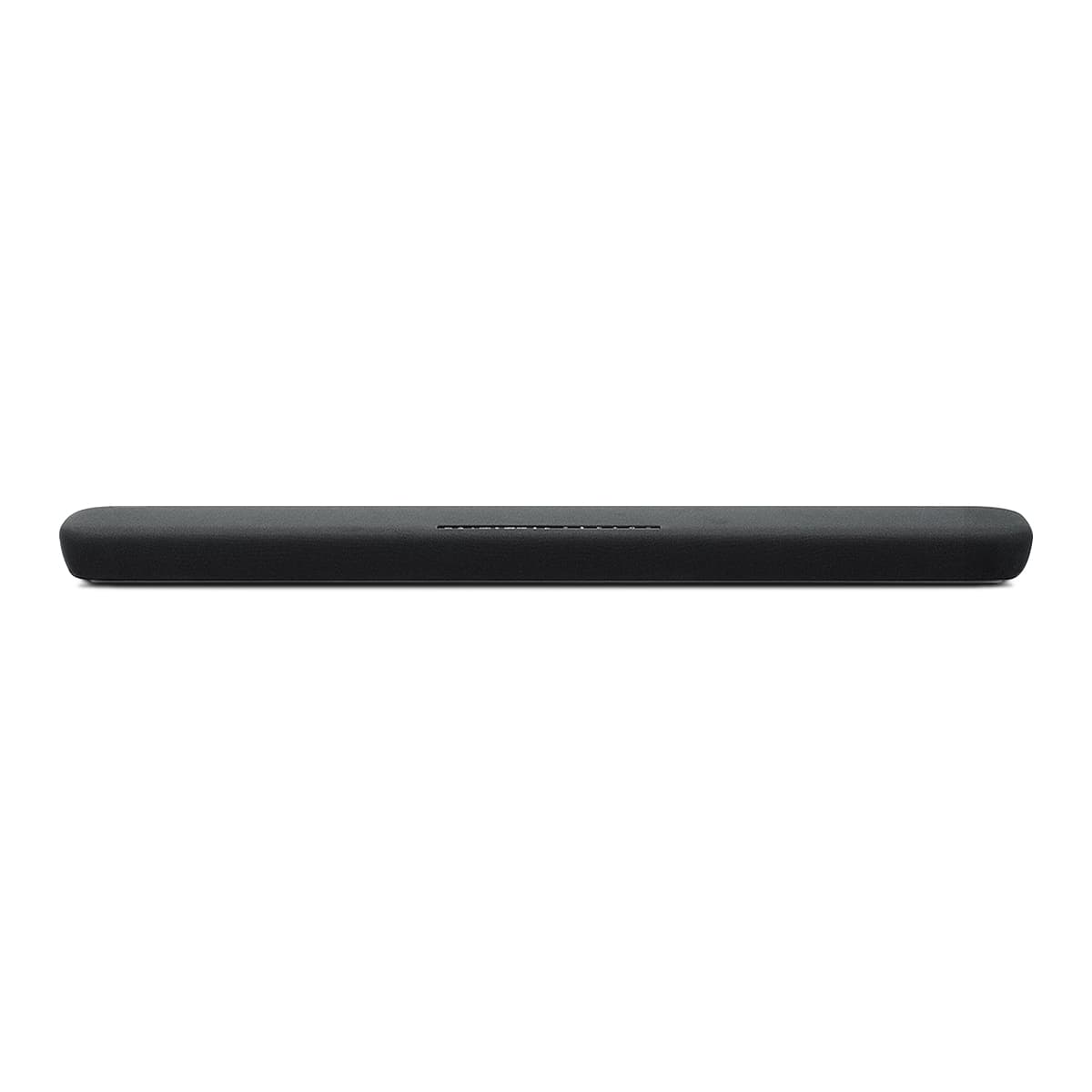
The Yamaha YAS-109, at 35 inches wide, may overwhelm smaller TV setups but provides more substantial bass presence that some users prefer for movie watching. Its dual subwoofers create more physical impact during action sequences, which can enhance the home theater experience even if the overall soundstage isn't as wide as the JBL's virtual surround processing.
The $80 price difference between these soundbars represents more than just a premium for extra features – it reflects fundamentally different approaches to audio enhancement. The Yamaha YAS-109 at $219.95 delivers excellent value for users who prioritize bass impact and want built-in voice control without additional devices.
The JBL Bar 300 at $299.95 commands a higher price but includes more future-oriented features like Dolby Atmos support, eARC connectivity, and more sophisticated audio processing. This higher price point reflects the additional development costs of newer audio technologies and more powerful processing hardware.
From a long-term value perspective, the JBL's support for modern audio formats provides better future-proofing as streaming services increasingly adopt Dolby Atmos for their premium content. The Yamaha's proven reliability and immediate functionality make it attractive for users who want solid performance without paying for features they might not use.
Choosing between these soundbars ultimately depends on your specific priorities and usage patterns. The JBL Bar 300 makes sense if you value immersive audio experiences and want the latest audio processing technologies. Its Dolby Atmos support and room calibration features create a more sophisticated listening experience, particularly for movie watching and gaming.
The Yamaha YAS-109 excels for users who want immediate bass impact and convenient voice control without additional devices. Its built-in subwoofers provide more satisfying low-end performance for music and action movies, while the integrated Alexa functionality offers smart home control convenience.
Consider the JBL if you have a medium to large room, prioritize dialogue clarity, want future-proof connectivity, or enjoy content with sophisticated soundtracks. The Yamaha makes more sense for smaller spaces, bass-heavy content preferences, integrated smart home control needs, or budget-conscious purchases.
Both soundbars represent solid choices within their respective price ranges, but they cater to different priorities in the soundbar landscape. Your decision should align with which set of compromises and strengths best matches your specific home theater goals and listening preferences.
| JBL Bar 300 5.0 Soundbar | Yamaha YAS-109 Sound Bar with Built-in Subwoofers and Alexa |
|---|---|
| Total Power Output - Determines maximum volume and dynamic range | |
| 260W (room-filling volume for medium-large spaces) | 120W (adequate for small-medium rooms) |
| Bass Design - Critical for music and action movie impact | |
| Bass port design (no dedicated subwoofer) | Dual built-in 3" subwoofers (stronger bass impact) |
| Dolby Atmos Support - Essential for immersive movie experiences | |
| Yes, with MultiBeam virtual 3D surround | No Atmos support (DTS Virtual:X only) |
| Channel Configuration - Affects soundstage width and detail | |
| 5.0 channels with virtual height effects | 2.1 channels (stereo + dual subs) |
| HDMI Connectivity - Important for high-quality audio transmission | |
| HDMI eARC (uncompressed audio, 4K Dolby Vision) | HDMI ARC (standard, may compress some formats) |
| Voice Control Integration - Convenience factor for smart homes | |
| Requires external Alexa/Google device | Built-in Alexa (no additional device needed) |
| Dialogue Enhancement - Crucial for clear speech in movies/shows | |
| PureVoice technology (advanced processing) | Clear Voice technology (basic enhancement) |
| Streaming Services - Built-in music access without phone/tablet | |
| Chromecast, AirPlay, Alexa Multi-Room Music | Spotify Connect, basic streaming |
| Physical Dimensions - Must fit your TV stand or wall mount | |
| 32.3" W × 2.2" H × 4.1" D (5.5 lbs) | 35" W × 2.1" H × 5.1" D (7.5 lbs) |
| Room Calibration - Optimizes sound for your specific space | |
| Automatic calibration with built-in microphone | Manual EQ adjustment only |
| Price - Value consideration for feature set | |
| $299.95 (premium for Atmos and modern features) | $219.95 (budget-friendly with strong bass) |
| Release Year - Indicates technology generation and future support | |
| Recent release with current audio standards | 2018 release (proven but older tech) |
The JBL Bar 300 5.0 Soundbar ($299.95) offers better value for users wanting modern features like Dolby Atmos and room calibration, while the Yamaha YAS-109 ($219.95) provides excellent value for those prioritizing strong bass and built-in voice control at a lower price point.
The Yamaha YAS-109 has significantly better bass thanks to its dual built-in 3-inch subwoofers, which deliver more impactful low-end for music and action movies. The JBL Bar 300 uses a bass port design that provides adequate bass but can't match dedicated subwoofers for depth and impact.
The JBL Bar 300 is considerably louder with 260 watts of total power compared to the Yamaha's 120 watts. This makes the JBL better suited for larger rooms and higher volume listening, while the Yamaha YAS-109 works well for small to medium-sized spaces.
Only the JBL Bar 300 supports Dolby Atmos with MultiBeam technology for virtual 3D surround sound. The Yamaha YAS-109 uses DTS Virtual:X for surround effects but lacks Dolby Atmos support, which is increasingly important for streaming content and movies.
The Yamaha YAS-109 has Alexa built-in, allowing direct voice commands without additional devices. The JBL Bar 300 requires an external Alexa or Google Assistant device for voice control, though this offers more flexibility in device placement and upgrades.
Both work well for home theater, but serve different needs. The JBL Bar 300 excels with Dolby Atmos support, clearer dialogue, and room calibration for immersive movie experiences. The Yamaha YAS-109 provides more impactful bass for action scenes but lacks modern surround sound formats.
The Yamaha YAS-109 is simpler to set up with basic HDMI ARC connection and built-in Alexa. The JBL Bar 300 offers automatic room calibration and app-based setup but requires more initial configuration for optimal performance.
Yes, both support wireless music streaming. The JBL Bar 300 includes Chromecast, AirPlay, and Alexa Multi-Room Music for comprehensive streaming. The Yamaha YAS-109 offers Spotify Connect and Bluetooth streaming with more limited service integration.
The JBL Bar 300 has superior dialogue clarity thanks to its PureVoice technology, which uses advanced processing to enhance speech intelligibility. The Yamaha YAS-109 includes Clear Voice processing but it's less sophisticated than JBL's implementation.
Both soundbars support 4K passthrough, but the JBL Bar 300 offers HDMI eARC with 4K Dolby Vision support for higher quality video and audio. The Yamaha YAS-109 uses standard HDMI ARC with basic 4K passthrough capabilities.
The Yamaha YAS-109 is often better for apartments due to its strong bass at lower volumes and built-in voice control convenience. However, the JBL Bar 300 is more compact at 32.3 inches wide and offers better dialogue clarity for close listening.
Choose the JBL Bar 300 if you want future-proof features like Dolby Atmos, room calibration, and eARC connectivity. Pick the Yamaha YAS-109 if you prioritize strong bass, built-in Alexa, and proven reliability at a lower price point of $219.95 versus $299.95.
We've done our best to create useful and informative comparisons to help you decide what product to buy. Our research uses advanced automated methods to create this comparison and perfection is not possible - please contact us for corrections or questions. These are the sites we've researched in the creation of this article: whathifi.com - safeandsoundhq.com - youtube.com - cnet.com - mm.jbl.com - jbl.com - bestbuy.com - support.jbl.com - dell.com - walmart.com - rtings.com - crutchfield.com - usa.yamaha.com - digitaltrends.com - tomsguide.com - listenup.com - youtube.com - usa.yamaha.com - hub.yamaha.com - youtube.com - hub.yamaha.com

Privacy Policy
Terms and Conditions - Affiliate Policy
Home Security
© Copyright 2008-2026.
11816 Inwood Rd #1211, Dallas, TX 75244