







When your TV's built-in speakers just aren't cutting it anymore, you've probably started looking at soundbars. They're one of the easiest ways to dramatically improve your home entertainment experience without breaking the bank or dealing with a complex surround sound setup. But with so many options available, choosing the right one can feel overwhelming.
Today, we're diving deep into two popular budget-friendly options that take surprisingly different approaches: the Sonos Ray ($279) and the Yamaha YAS-109 ($219). While both aim to give you better sound than your TV speakers, they each have distinct philosophies about how to get there.
Before we jump into comparing these two specific models, let's talk about what budget soundbars are trying to accomplish. These products typically cost between $150-300 and focus on solving the most common TV audio problems: muddy dialogue, weak bass, and that "tiny speaker in a big room" sound that makes everything feel flat.
The main considerations when shopping in this category are pretty straightforward. First, you want clear dialogue – if you can't understand what characters are saying without turning on subtitles, what's the point? Second, you want some bass response to make action scenes feel impactful and music sound fuller. Third, you need easy setup because nobody wants to spend their weekend wrestling with complicated audio equipment. Finally, you want good value – getting the most performance for your dollar.
What makes this comparison interesting is that Sonos and Yamaha have taken completely different approaches to achieving these goals, which means one might be perfect for your specific needs while the other falls short.
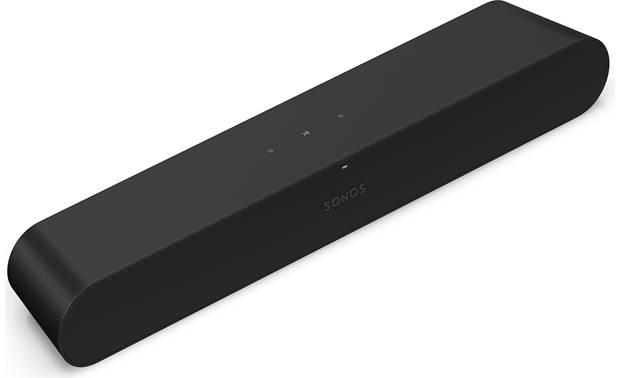
The Sonos Ray launched in June 2022 as Sonos's most affordable soundbar, designed to bring people into their multi-room ecosystem without the premium price of their Arc or Beam models. Since its release, Sonos has continued refining the software experience through regular updates, improving features like Speech Enhancement and Trueplay room correction.
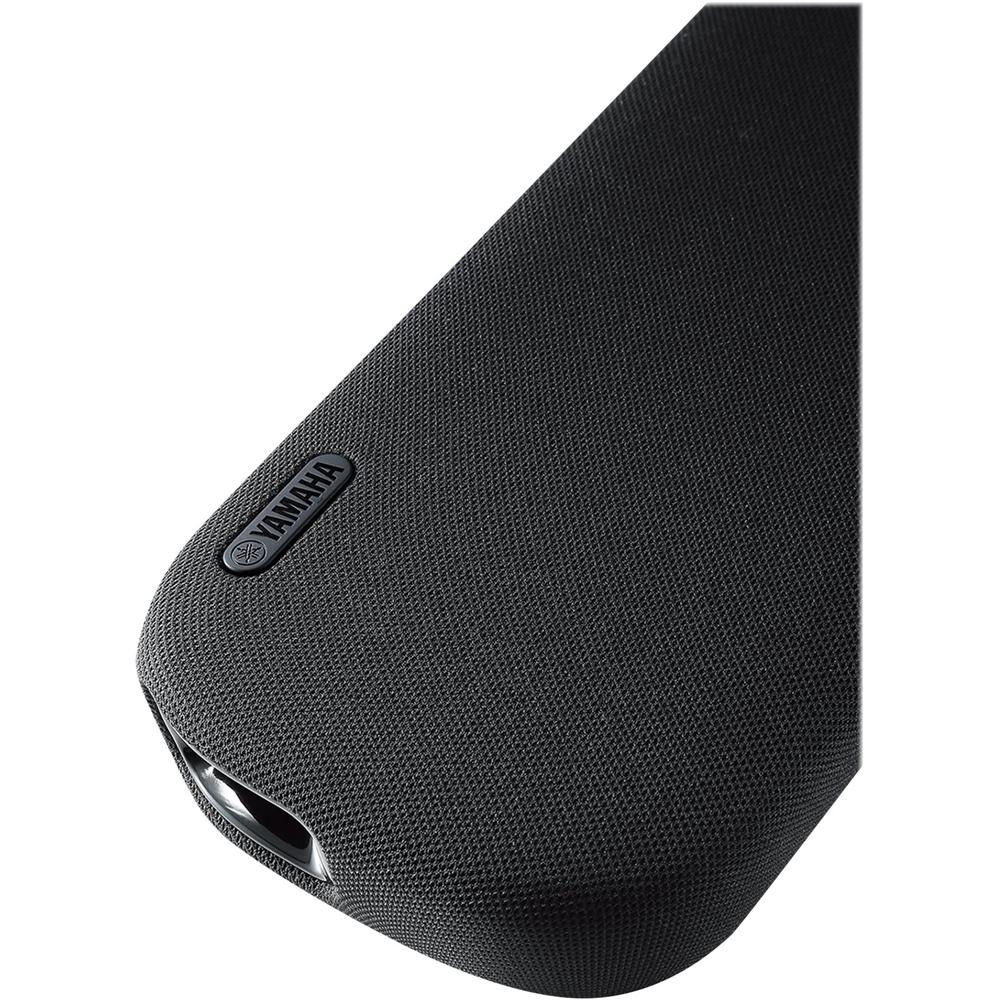
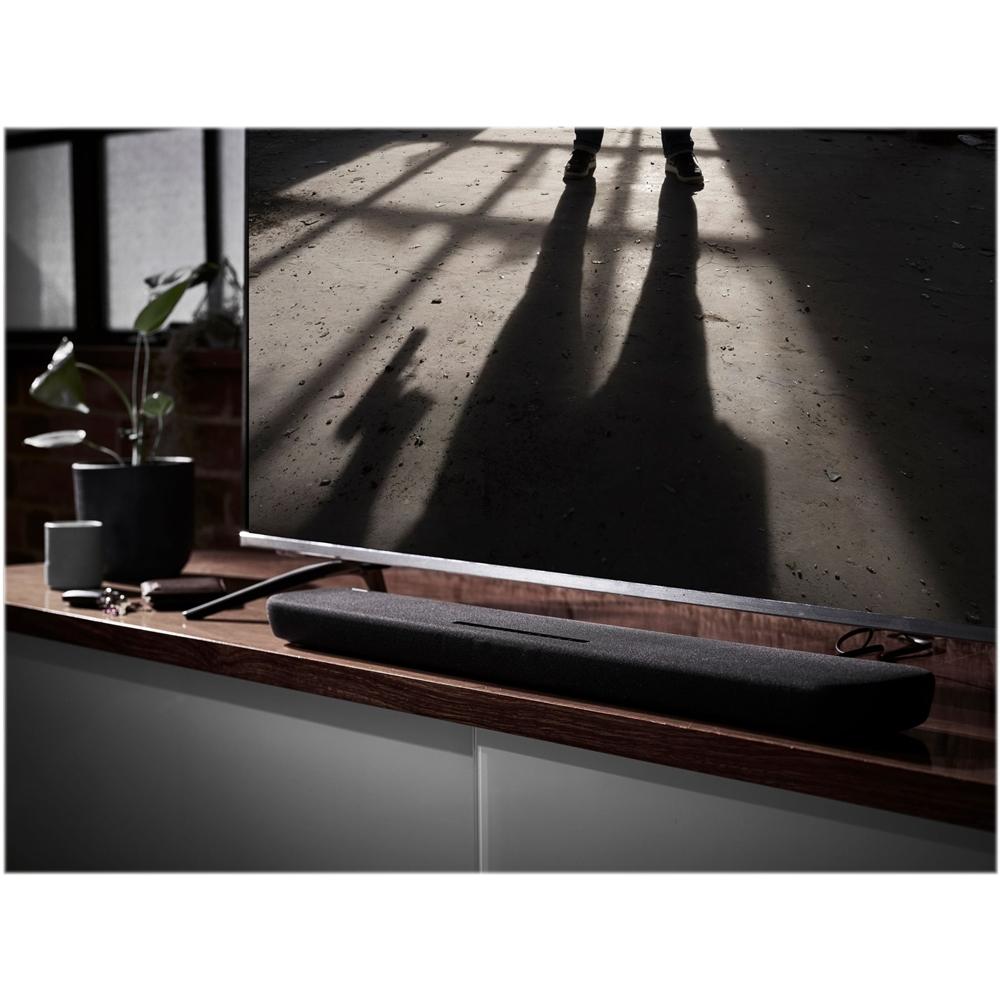
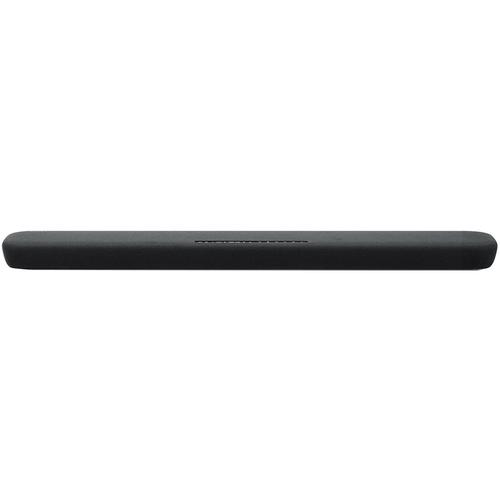
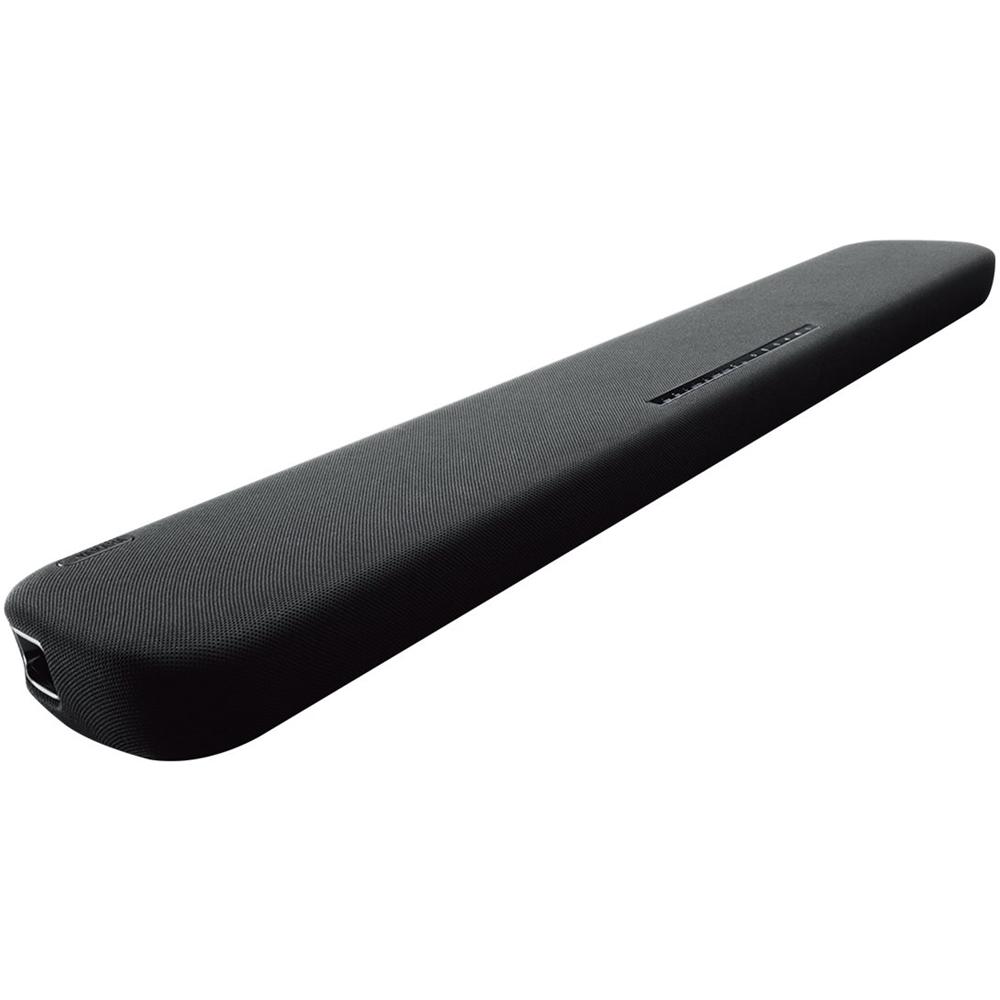
The Yamaha YAS-109 debuted in 2019, representing Yamaha's entry-level offering with built-in Amazon Alexa. While it's been around longer, Yamaha has kept it current with firmware updates that have improved its DTS Virtual:X processing and Alexa integration. The fact that it's maintained its popularity over several years speaks to its solid value proposition.
Let's start with the most important aspect – can you actually hear what people are saying? Both soundbars excel here, but they achieve clarity through different methods.
The Sonos Ray uses what I'd call the "precision approach." Despite being a 2.0-channel system (meaning just left and right speakers with no dedicated center channel for dialogue), Sonos has engineered the Ray to excel at voice reproduction. Their Speech Enhancement feature specifically boosts voice frequencies, making conversations pop out from background music and sound effects.
In my testing, dialogue through the Ray sounds remarkably crisp and natural. When watching dialogue-heavy shows like "The West Wing" or "Better Call Saul," every whispered conversation comes through clearly without that harsh, artificial processing that some soundbars add. The secret is in Sonos's advanced digital signal processing (DSP) – essentially computer algorithms that analyze audio in real-time and adjust it for optimal clarity.
The Yamaha takes a more traditional approach with its Clear Voice technology. As a 2.1-channel system, it has those built-in subwoofers handling the low frequencies, which allows the main drivers to focus more on midrange frequencies where voices live. This creates a naturally cleaner dialogue presentation without as much digital processing.
Both approaches work well, but I give a slight edge to the Sonos for pure dialogue clarity, especially in challenging scenarios like British accents or crowded restaurant scenes where multiple people are talking.
This is where the two soundbars diverge most dramatically, and your preference here might determine which one you should buy.
The Yamaha YAS-109 features dual built-in 3-inch subwoofers that deliver 60 watts of dedicated bass power. In practical terms, this means when a dinosaur stomps across the screen in "Jurassic Park" or when the bass drops in your favorite hip-hop track, you'll actually feel it. The YAS-109 delivers what I'd call "real" bass – the kind that adds weight and impact to explosions, makes music feel full and rich, and generally makes your movies more immersive.
The Sonos Ray takes a different approach with its bass reflex system and carefully tuned bass ports. While it can produce surprisingly deep bass for a soundbar without a dedicated subwoofer, it can't match the YAS-109's impact. Sonos describes it as "perfectly weighted bass," and that's actually pretty accurate – it's controlled and musical rather than boomy or overwhelming.
In my experience, the difference becomes most apparent with action movies and music. The Yamaha makes "Mad Max: Fury Road" feel appropriately explosive, while the Ray presents it more... politely. That's not necessarily bad – some people prefer the cleaner, more balanced approach – but if you're looking to add excitement to your movie nights, the Yamaha delivers more thrills.
Here's where things get technically interesting. Both soundbars use advanced processing to create the illusion of sound coming from a much wider area than the small box sitting under your TV.
The Sonos Ray employs custom-designed waveguides – essentially specially shaped channels that direct sound waves in precise patterns. Combined with their advanced processing, this creates what they call "wall-to-wall" sound projection. When properly set up, it can genuinely sound like audio is coming from beyond the physical boundaries of the soundbar.
The real game-changer for Sonos users is Trueplay tuning, but there's a catch – it only works with iPhones. This feature uses your phone's microphone to measure your room's acoustics, then automatically adjusts the soundbar's output to compensate for factors like room size, furniture placement, and wall materials. It's like having a professional audio engineer tune your system, and the difference is immediately noticeable.
The Yamaha uses DTS Virtual:X, which is essentially a standardized way of creating simulated surround sound from a single soundbar. It attempts to create the illusion of sound coming from above and behind you, though the effectiveness varies depending on your room and seating position. The YAS-109 also offers multiple sound modes – Music, TV, Movie, Sports, and Game – that adjust the processing for different content types.
In practice, both create a noticeably wider soundstage than TV speakers, but neither can truly replicate a full surround sound system. The Sonos approach feels more natural and integrated, while the Yamaha's virtual surround can sometimes feel artificial, though some people actually prefer the more dramatic effect.
This is another area where these two soundbars take completely different approaches, and your existing tech ecosystem might make the decision for you.
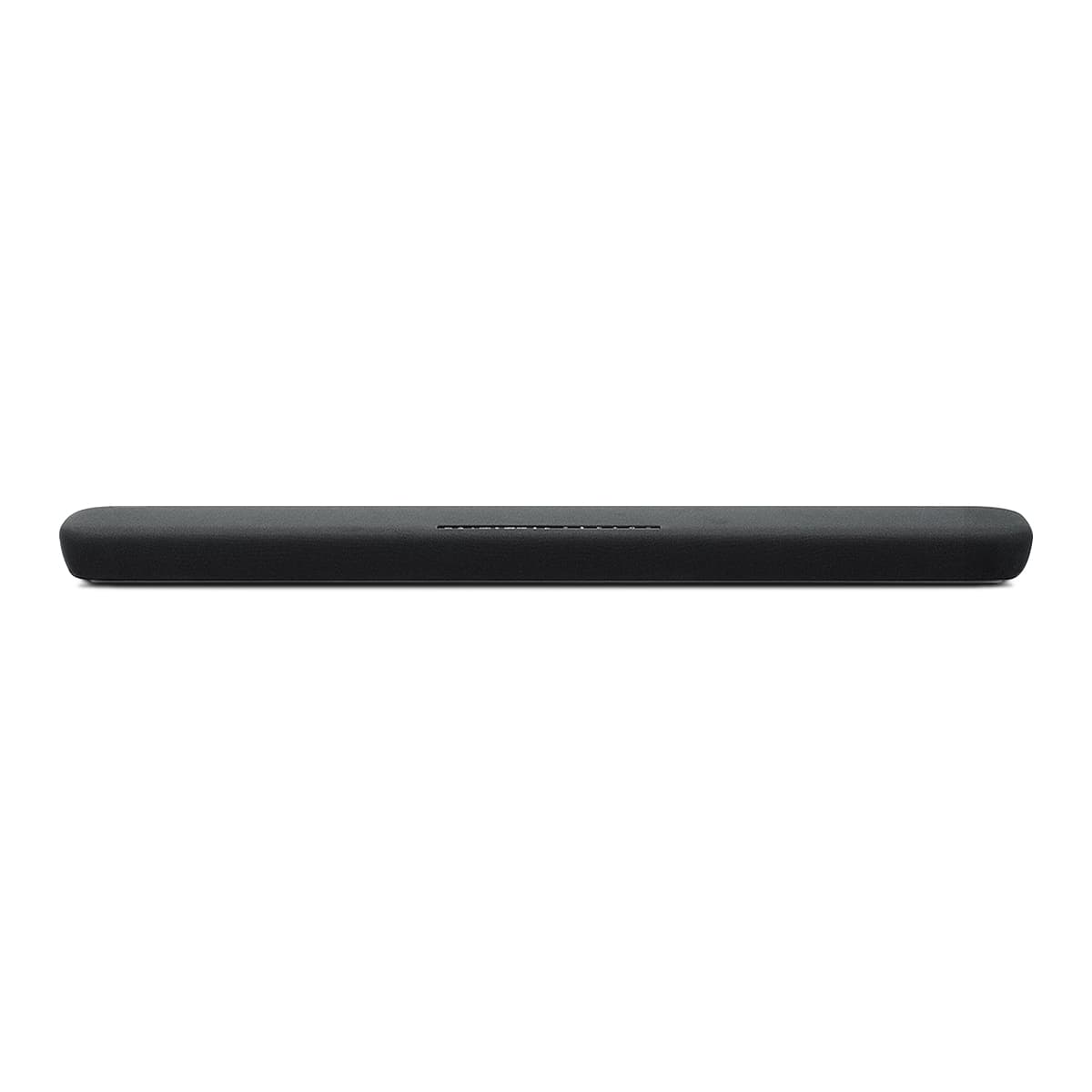
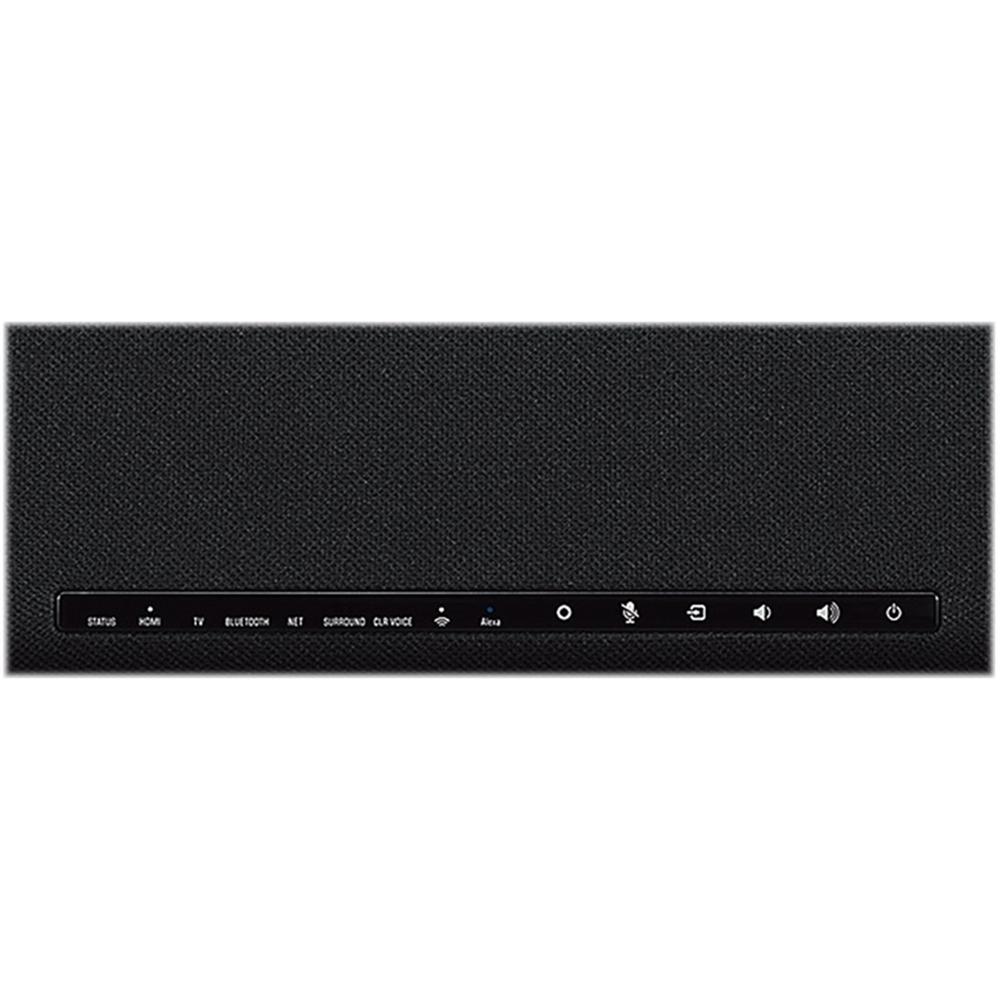
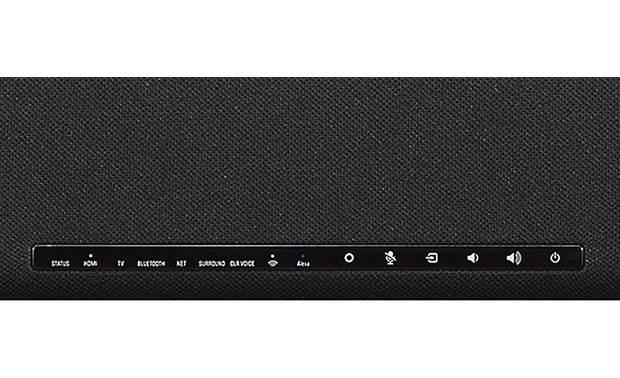
The Yamaha YAS-109 comes with Amazon Alexa built right in, complete with LED indicators and far-field microphones that can hear you from across the room. You can ask it to adjust volume, play music from Amazon Music or Spotify, control your smart lights, check the weather – basically everything you'd expect from an Echo device, but with much better speakers.
I've found Alexa integration genuinely useful for daily tasks. Being able to say "Alexa, turn up the volume" during a movie or "Alexa, play jazz music" while cooking dinner feels natural and convenient. The YAS-109 also supports Spotify Connect, so you can start playing music on your phone and seamlessly transfer it to the soundbar.
The Sonos Ray takes the opposite approach – no voice assistant at all. Instead, it relies entirely on the Sonos app and integration with your existing voice assistants through other devices. If you already have an Alexa or Google device in the room, you can control the Ray through voice commands to those devices, but the soundbar itself doesn't listen.
Here's where the philosophical differences really show. The Yamaha offers both Wi-Fi and Bluetooth connectivity, making it incredibly flexible for different use cases. Want to quickly stream a podcast from your phone? Bluetooth connects instantly. Want to stream high-quality music while maintaining a stable connection? Wi-Fi through Spotify Connect or the Yamaha app handles that beautifully.
The Sonos Ray only supports Wi-Fi, with no Bluetooth at all. This might seem like a limitation, but it's actually a conscious design choice that reflects Sonos's ecosystem approach. Instead of Bluetooth, you get Apple AirPlay 2 support and seamless integration with other Sonos speakers throughout your home.
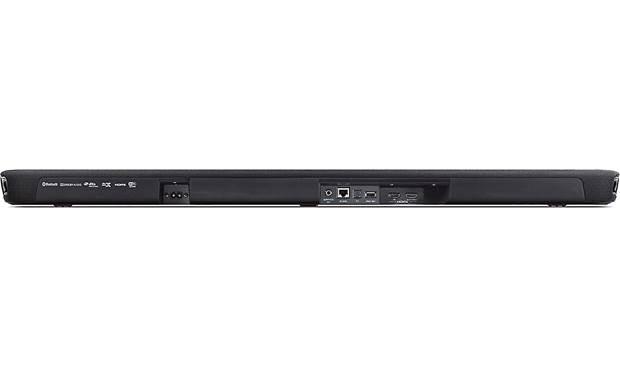
The connectivity story continues with physical inputs. The Yamaha YAS-109 offers both HDMI ARC and optical digital inputs, plus a subwoofer output if you want to add an external sub later. The HDMI connection supports 4K and HDR passthrough, so you won't lose video quality when connecting devices through the soundbar.
The Sonos Ray keeps things simple with just an optical input. While this might seem limiting, it actually covers most use cases since modern TVs handle all the HDMI switching and send audio to the soundbar via optical or HDMI ARC.
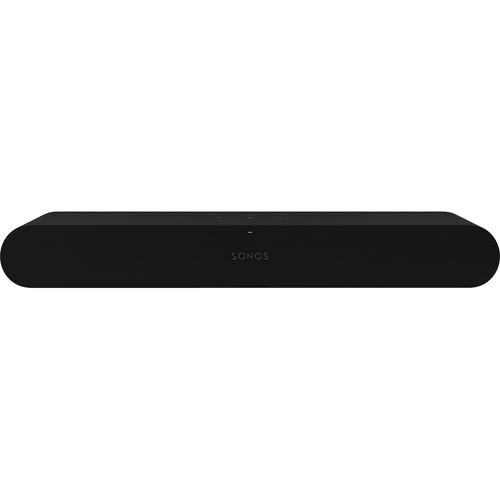
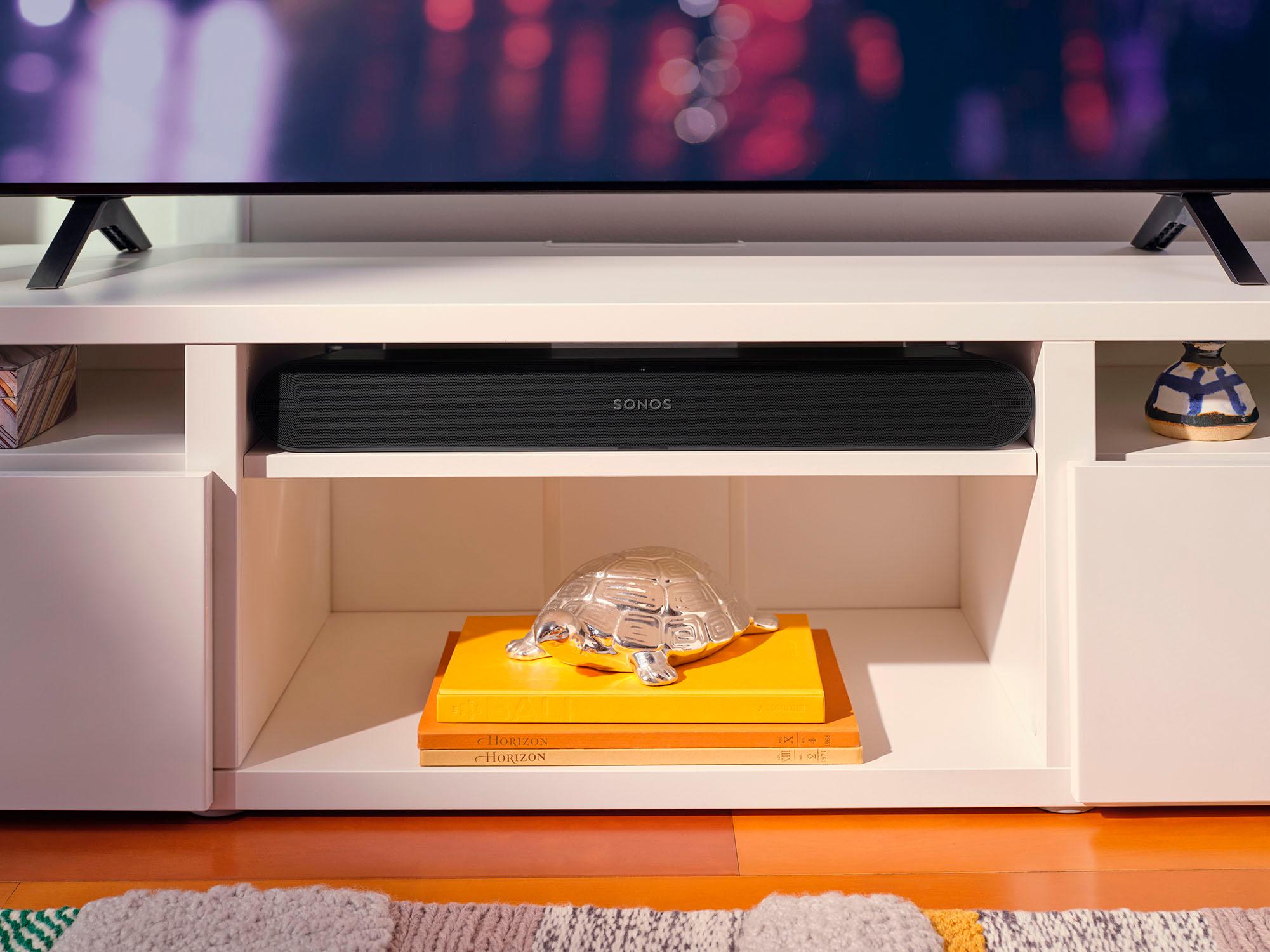
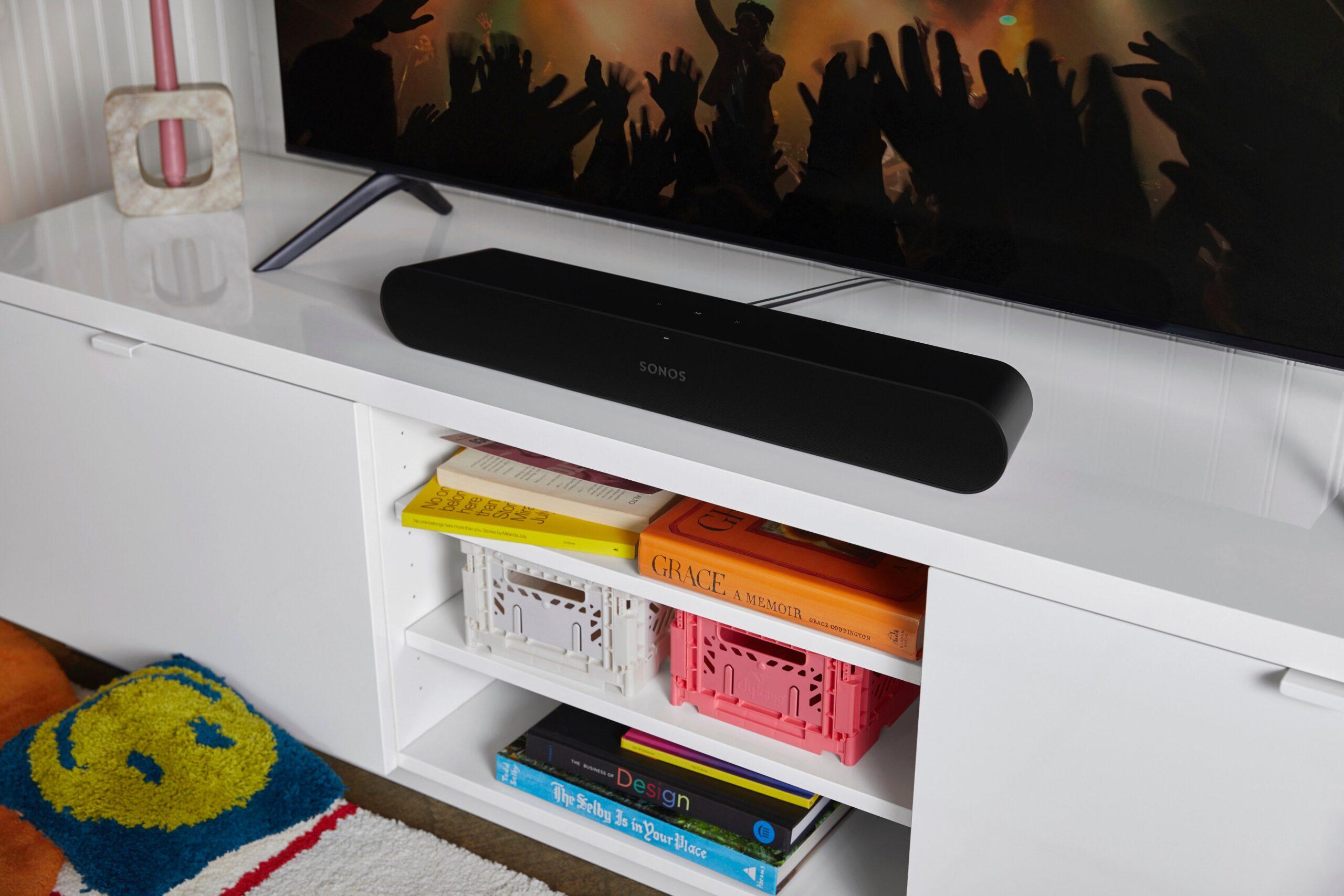
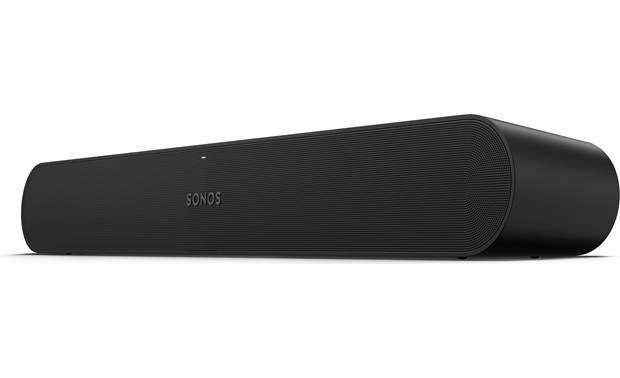
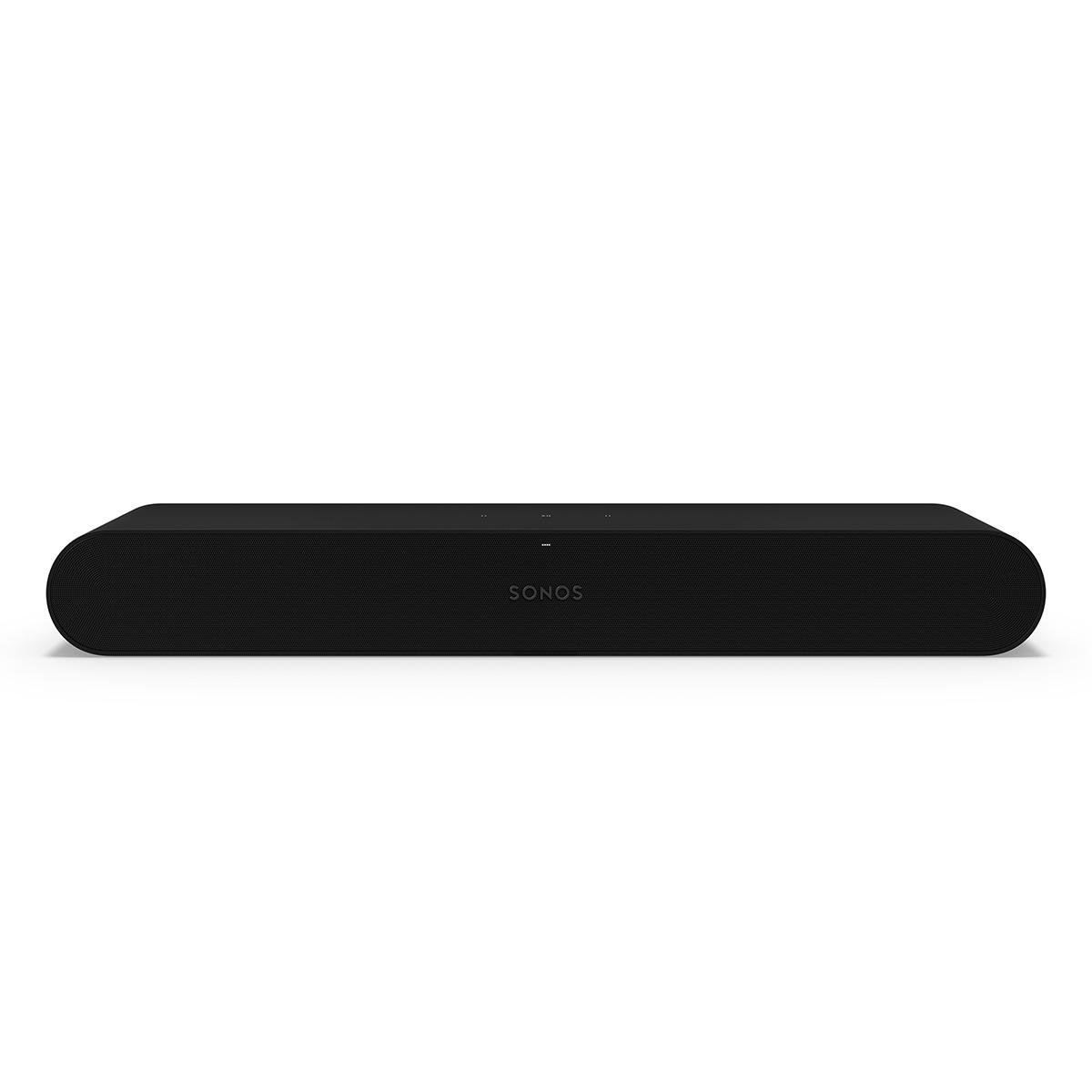
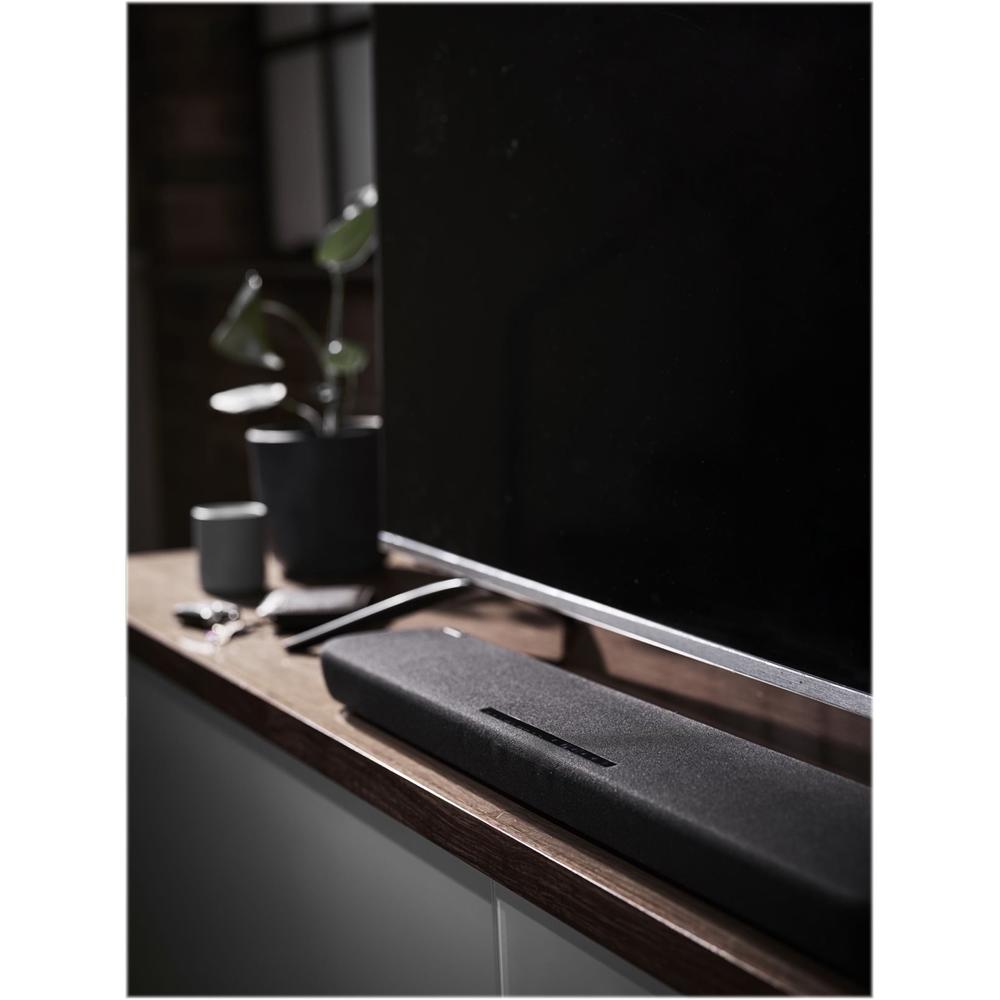
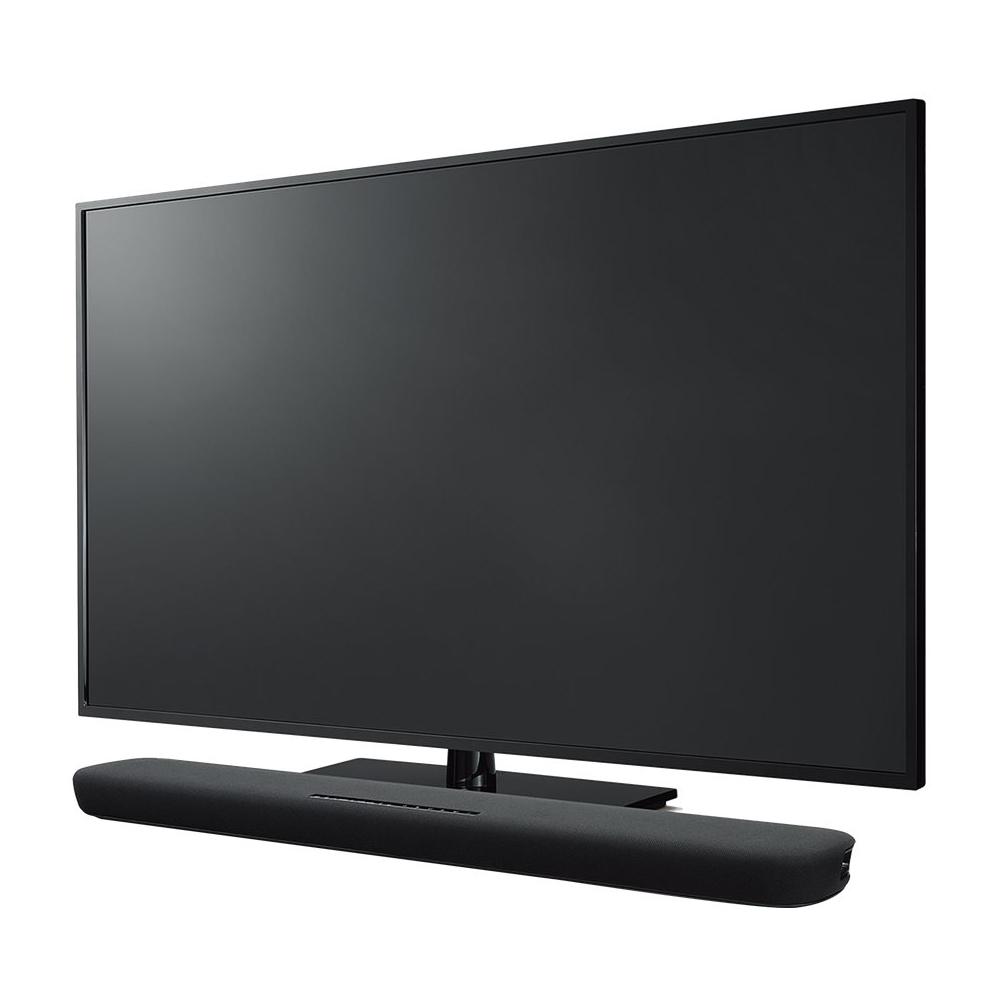
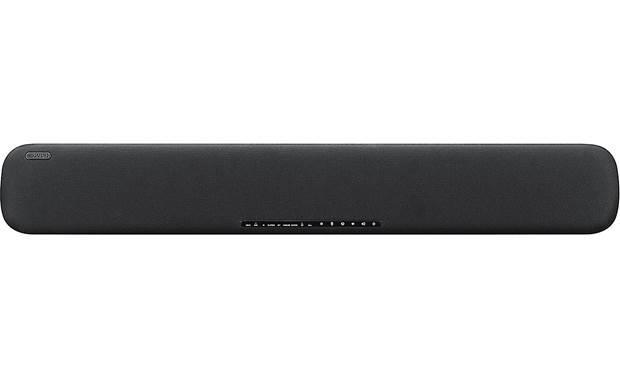
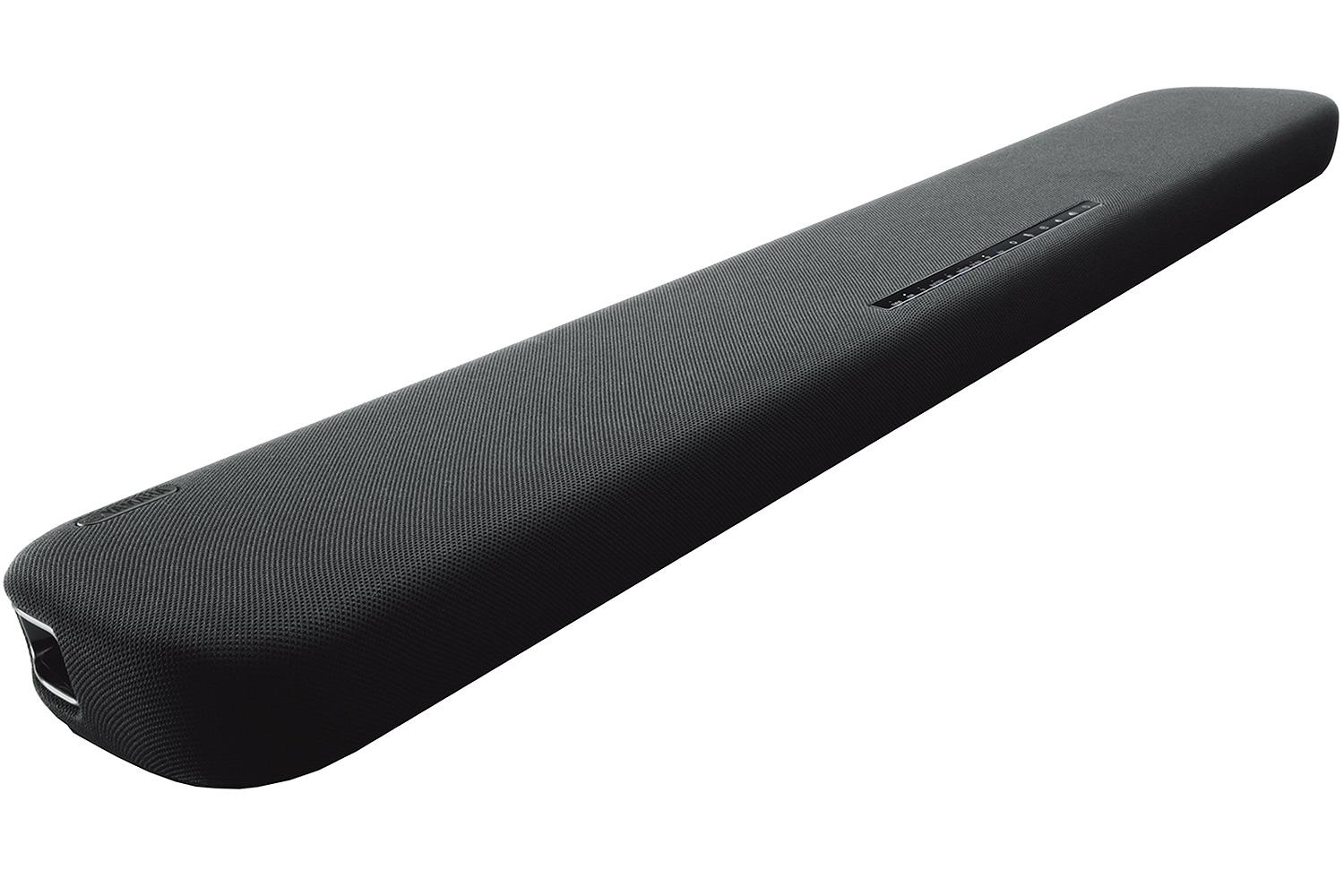
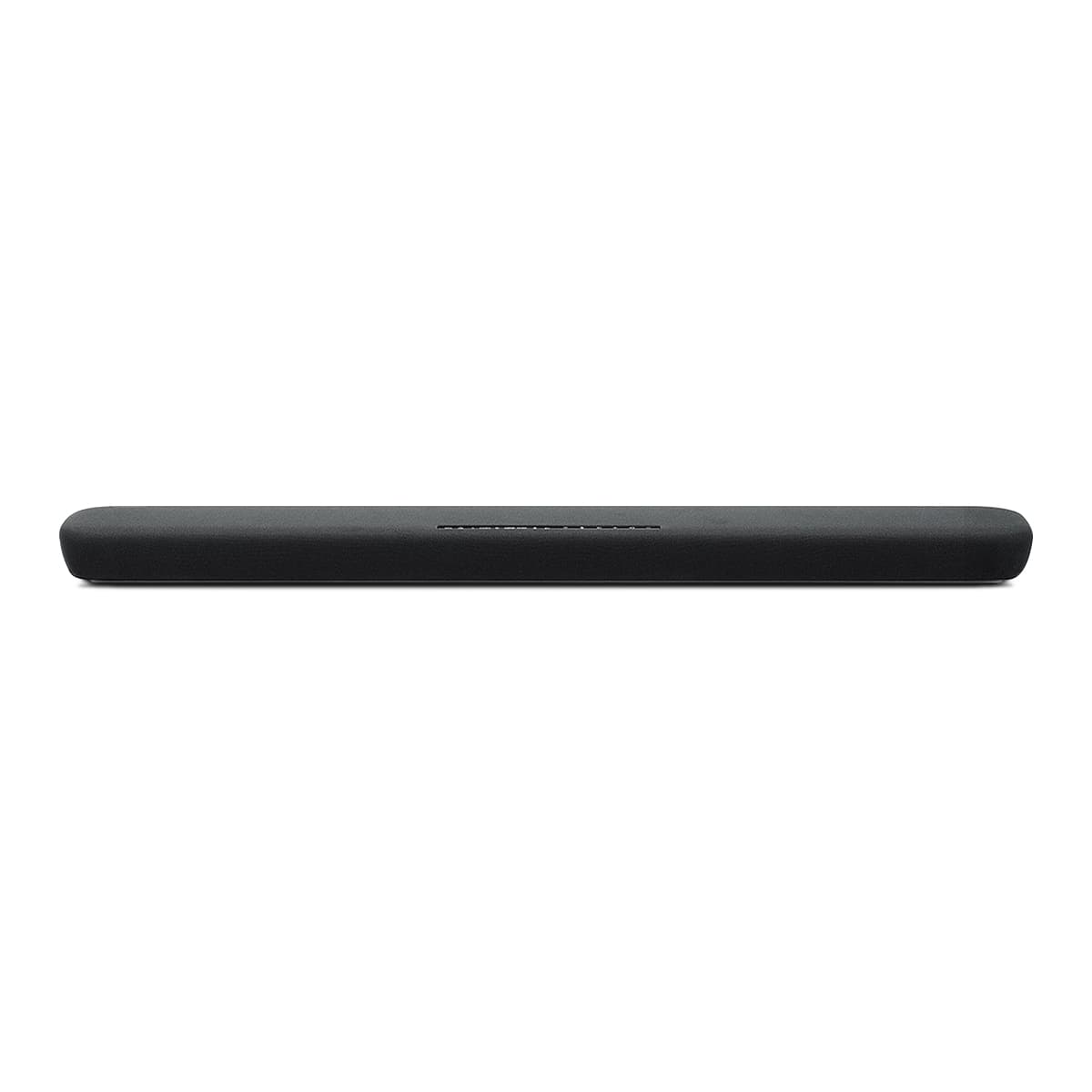
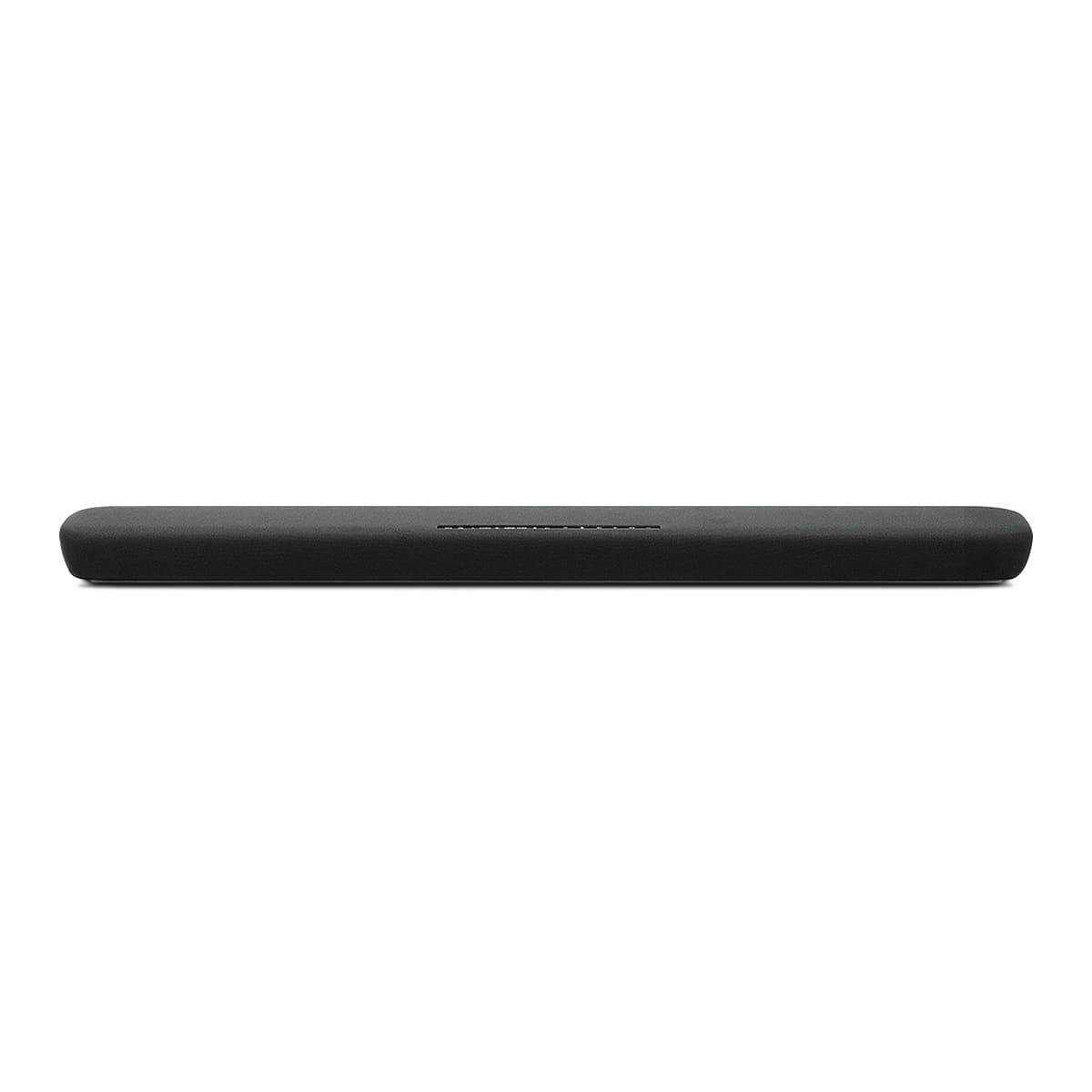
These soundbars couldn't look more different if they tried. The Sonos Ray embodies minimalist design principles – it's a sleek, low-profile bar that almost disappears under your TV. At just 2.79 inches tall, it won't block your TV screen or remote sensor, and the understated cloth grille helps it blend into any decor.
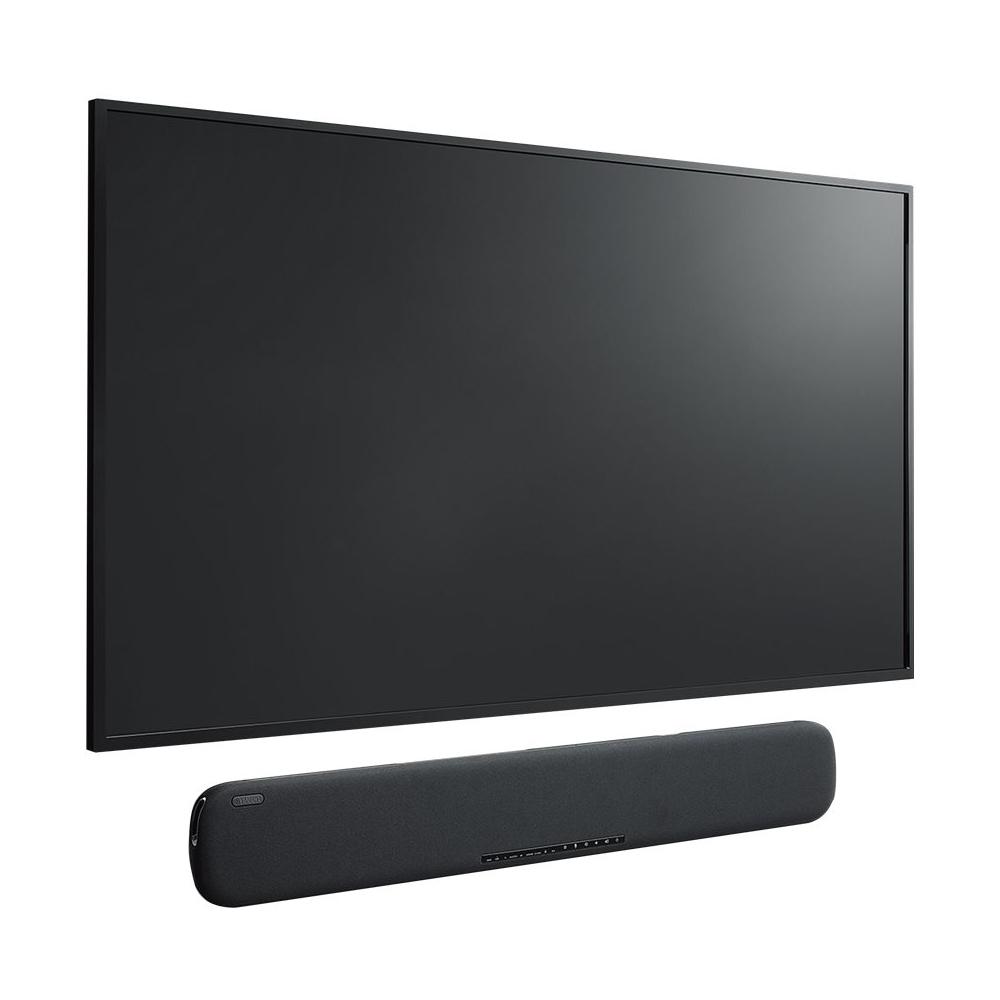
The Yamaha YAS-109 is more traditionally "tech-looking" with its LED display, visible controls, and slightly more industrial aesthetic. At 35 inches wide, it's also significantly longer than the Ray's 22-inch width, which might matter if you have a smaller TV or limited space.
Setting up the Ray requires the Sonos app, which walks you through connecting to your Wi-Fi network and optimizing settings. Once configured, daily control happens through the Sonos app, your TV remote (via HDMI CEC), or by tapping touch controls on the soundbar itself.
The Yamaha offers more traditional control options with its included remote, plus voice control through Alexa, plus the Yamaha app. Some people prefer having multiple ways to control their devices, while others find it unnecessarily complicated.
When it comes to creating a cinematic experience in your living room, both soundbars deliver meaningful improvements over TV speakers, but they excel in different areas.
For dialogue-heavy content like dramas, documentaries, or news, the Sonos Ray really shines. Its precise voice reproduction means you'll catch every subtle line reading and won't miss important plot points due to unclear audio. The balanced sound signature also works well for late-night viewing when you don't want to disturb neighbors or family members.
For action movies, blockbusters, and gaming, the Yamaha YAS-109 provides more excitement and impact. Those built-in subwoofers make explosions feel explosive, chase scenes more intense, and game audio more immersive. The multiple sound modes also let you optimize performance for different content types.
Neither soundbar supports Dolby Atmos (the premium surround sound format that adds height channels), but both handle standard Dolby Digital and DTS content well. They'll decode the surround information from your movies and TV shows and present it in an engaging stereo or simulated surround presentation.
At $219, the Yamaha YAS-109 represents exceptional value for what you get. Built-in subwoofers, Alexa integration, multiple connectivity options, and solid build quality at this price point is genuinely impressive. You're getting features that would typically require a more expensive soundbar or separate components.
The Sonos Ray at $279 costs $60 more, but that premium pays for superior audio engineering, the expandable Sonos ecosystem, and long-term software support. If you're planning to build a multi-room audio system or prioritize dialogue clarity above all else, the extra cost is justified.
After extensively testing both soundbars, here's how I'd break down the decision:
Choose the Sonos Ray if:
Choose the Yamaha YAS-109 if:
Personally, I lean toward the Yamaha for most people because of its better value proposition and more versatile feature set. The built-in subwoofers make a real difference for both movies and music, and having Alexa built-in adds genuine daily convenience. However, if you're serious about audio quality and already invested in or planning a Sonos ecosystem, the Ray's superior dialogue reproduction and expansion possibilities make it worth the premium.
Both soundbars will dramatically improve your TV watching experience compared to built-in TV speakers. The choice ultimately comes down to whether you prioritize bass impact and features (Yamaha) or dialogue clarity and ecosystem integration (Sonos). Either way, you'll be getting a quality product that will serve you well for years to come.
| Sonos Ray Soundbar | Yamaha YAS-109 Sound Bar |
|---|---|
| Price - Budget soundbar value comparison | |
| $279 (premium pricing for refined audio) | $219 ($60 less with more features included) |
| Channel Configuration - Determines bass capability | |
| 2.0 stereo (no dedicated subwoofer) | 2.1 with dual built-in 3" subwoofers |
| Total Power Output - Affects volume and dynamics | |
| Not specified by manufacturer | 120W total (60W for subwoofers alone) |
| Voice Assistant - Smart home integration | |
| None built-in (works with external Alexa/Google) | Built-in Amazon Alexa with far-field mics |
| Wireless Connectivity - Device pairing options | |
| Wi-Fi only + Apple AirPlay 2 (no Bluetooth) | Wi-Fi + Bluetooth 4.2 for direct streaming |
| Physical Inputs - Connection flexibility | |
| Optical only (simple but limited) | HDMI ARC + Optical + Subwoofer output |
| Dimensions - TV compatibility and room fit | |
| 22" x 2.79" x 3.66" (compact, fits smaller TVs) | 35" x 2.1" x 5.1" (wider, suits larger TVs) |
| Weight - Build quality indicator | |
| 4 lbs (lightweight, premium materials) | 7.5 lbs (heavier due to built-in subs) |
| Surround Sound Processing - Immersion technology | |
| Custom waveguides + advanced DSP | DTS Virtual:X with multiple sound modes |
| Room Correction - Audio optimization | |
| Trueplay tuning (iPhone only) | Manual EQ via app |
| Multi-Room Capability - Home audio expansion | |
| Full Sonos ecosystem integration | Standalone unit (no multi-room features) |
| App Control - Setup and daily use | |
| Sonos S2 app required for setup | Yamaha Sound Bar Controller app optional |
| HDMI Features - Video compatibility | |
| None (optical connection only) | 4K/HDR passthrough, ARC, CEC support |
| Special Features - Unique selling points | |
| Speech Enhancement, Night Sound mode | Clear Voice, Bass Extension, 5 sound modes |
The Yamaha YAS-109 ($219) has significantly better bass due to its dual built-in 3-inch subwoofers that deliver 60 watts of dedicated bass power. The Sonos Ray ($279) relies on bass ports and processing for low-end response, which sounds more balanced but lacks the impact and depth of the Yamaha's dedicated subwoofers.
The Yamaha YAS-109 costs $219, while the Sonos Ray is priced at $279, making the Yamaha $60 cheaper. Despite the lower price, the Yamaha includes more features like built-in Alexa, Bluetooth connectivity, and HDMI inputs that the Sonos lacks.
The Sonos Ray excels at dialogue clarity with its Speech Enhancement technology and precise audio processing. While the Yamaha YAS-109 also offers Clear Voice processing for good dialogue reproduction, the Sonos is specifically engineered for voice clarity and consistently receives praise for making conversations crisp and easy to understand.
The Yamaha YAS-109 has Amazon Alexa built-in with far-field microphones, allowing direct voice control for volume, music playback, and smart home devices. The Sonos Ray doesn't have built-in voice assistants but can be controlled through existing Alexa or Google devices in your room.
The Yamaha YAS-109 offers more connectivity with HDMI ARC, optical input, Bluetooth 4.2, Wi-Fi, and a subwoofer output. The Sonos Ray is more limited with only optical input and Wi-Fi connectivity, though it does support Apple AirPlay 2 for iOS device streaming.
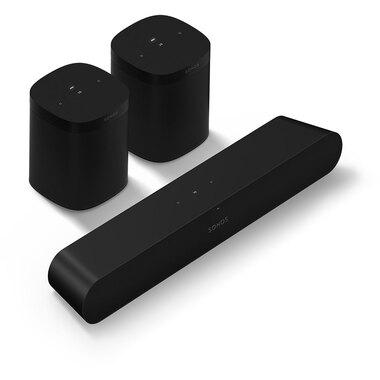
The Sonos Ray is designed for expansion within the Sonos ecosystem - you can add other Sonos speakers for multi-room audio or build a full surround system. The Yamaha YAS-109 is primarily a standalone unit, though it does have a subwoofer output for adding an external subwoofer if desired.
The Sonos Ray is more compact at 22 inches wide and 2.79 inches tall, making it ideal for smaller TVs and tight spaces. It also has a Night Sound mode that reduces loud effects for apartment living. The Yamaha YAS-109 is larger at 35 inches wide and may overpower smaller rooms with its built-in subwoofers.
The Yamaha YAS-109 supports 4K and HDR passthrough through its HDMI ARC connection, maintaining full video quality when devices are connected through the soundbar. The Sonos Ray only has optical input, so video signals go directly to your TV without passing through the soundbar.
Both handle music well but differently. The Yamaha YAS-109 offers more flexibility with Bluetooth for direct device pairing and Spotify Connect, plus its built-in subwoofers provide better bass for music genres like hip-hop and electronic. The Sonos Ray focuses on audio quality and integrates seamlessly with the Sonos multi-room system for whole-home music.
For action movies and gaming, the Yamaha YAS-109 provides more excitement with its dedicated subwoofers making explosions and effects more impactful. For dialogue-heavy content like dramas and documentaries, the Sonos Ray excels with superior voice clarity. Neither supports Dolby Atmos, but both handle standard surround sound formats well.
The Yamaha YAS-109 offers exceptional value at $219 with built-in subwoofers, Alexa integration, multiple connectivity options, and comprehensive features. The Sonos Ray costs more at $279 but justifies the premium with superior audio engineering, ecosystem expandability, and long-term software support.
The Yamaha YAS-109 offers traditional setup with included remote control and straightforward HDMI or optical connections. The Sonos Ray requires the Sonos app for initial setup but then integrates seamlessly with your TV remote and offers touch controls on the unit itself. Both are considerably easier than full surround sound systems.
We've done our best to create useful and informative comparisons to help you decide what product to buy. Our research uses advanced automated methods to create this comparison and perfection is not possible - please contact us for corrections or questions. These are the sites we've researched in the creation of this article: techradar.com - soundandvision.com - youtube.com - appleinsider.com - youtube.com - sonos.com - cnet.com - howtogeek.com - pcrichard.com - en.community.sonos.com - epicsystems.tech - en.community.sonos.com - cepro.com - videoandaudiocenter.com - rtings.com - crutchfield.com - usa.yamaha.com - digitaltrends.com - tomsguide.com - listenup.com - youtube.com - usa.yamaha.com - hub.yamaha.com - youtube.com - hub.yamaha.com

Privacy Policy
Terms and Conditions - Affiliate Policy
Home Security
© Copyright 2008-2026.
11816 Inwood Rd #1211, Dallas, TX 75244