







If you've ever found yourself straining to hear dialogue in your favorite movie or cranking up the volume just to catch what characters are saying, you're not alone. Modern flat-screen TVs, despite their stunning picture quality, often deliver disappointing audio through their paper-thin speakers. That's where soundbars come in—they're designed to transform your TV's weak audio into something that actually matches the visual experience.
But choosing the right soundbar isn't as simple as picking the cheapest or most popular option. The market is packed with different approaches, technologies, and price points that can make your head spin. Today, we're diving deep into two popular models that represent fundamentally different philosophies: the Samsung HW-B630F and the Yamaha YAS-109.
Before we jump into comparing these specific models, let's talk about what makes a soundbar actually worth buying. The most important consideration is channel configuration—this refers to how many separate audio channels the soundbar can produce. You'll see numbers like 2.0, 2.1, or 3.1, where the first digit represents main speakers (left, right, center) and the second represents subwoofers (the ".1" part).
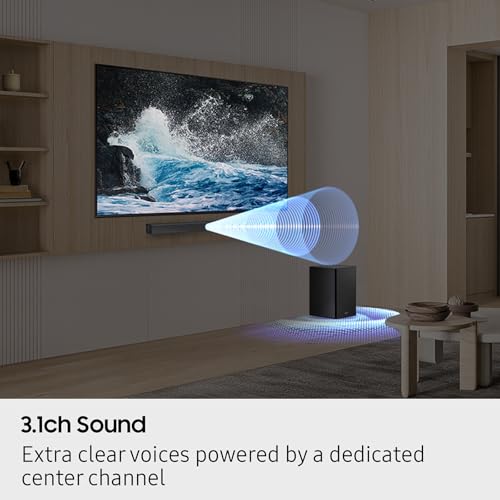
A 2.0 system has just left and right speakers, while a 2.1 adds a subwoofer for bass. The magic number for many people is 3.1—that third channel is a dedicated center speaker that handles dialogue. Having a separate center channel makes voices much clearer because it anchors speech to your TV screen instead of trying to create phantom dialogue between left and right speakers.
Bass performance is another crucial factor. Some soundbars include separate subwoofer units (those big boxes that produce deep, rumbling bass), while others try to cram bass drivers directly into the main bar. Each approach has trade-offs in terms of performance, space requirements, and setup complexity.
Modern soundbars also compete heavily on smart features—think voice assistants, wireless streaming, and smartphone apps. These conveniences can genuinely improve your daily experience, but they shouldn't overshadow audio quality if your primary goal is better sound.
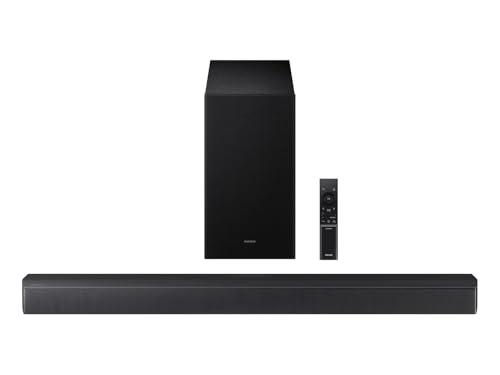
The Samsung HW-B630F, released in 2024, represents Samsung's traditional approach to soundbar design. It's a true 3.1-channel system that comes with a separate wireless subwoofer, focusing primarily on delivering excellent audio performance for movies and TV shows. At the time of writing, it typically sells in the mid-$200 range, positioning it as a serious audio upgrade without breaking into premium territory.
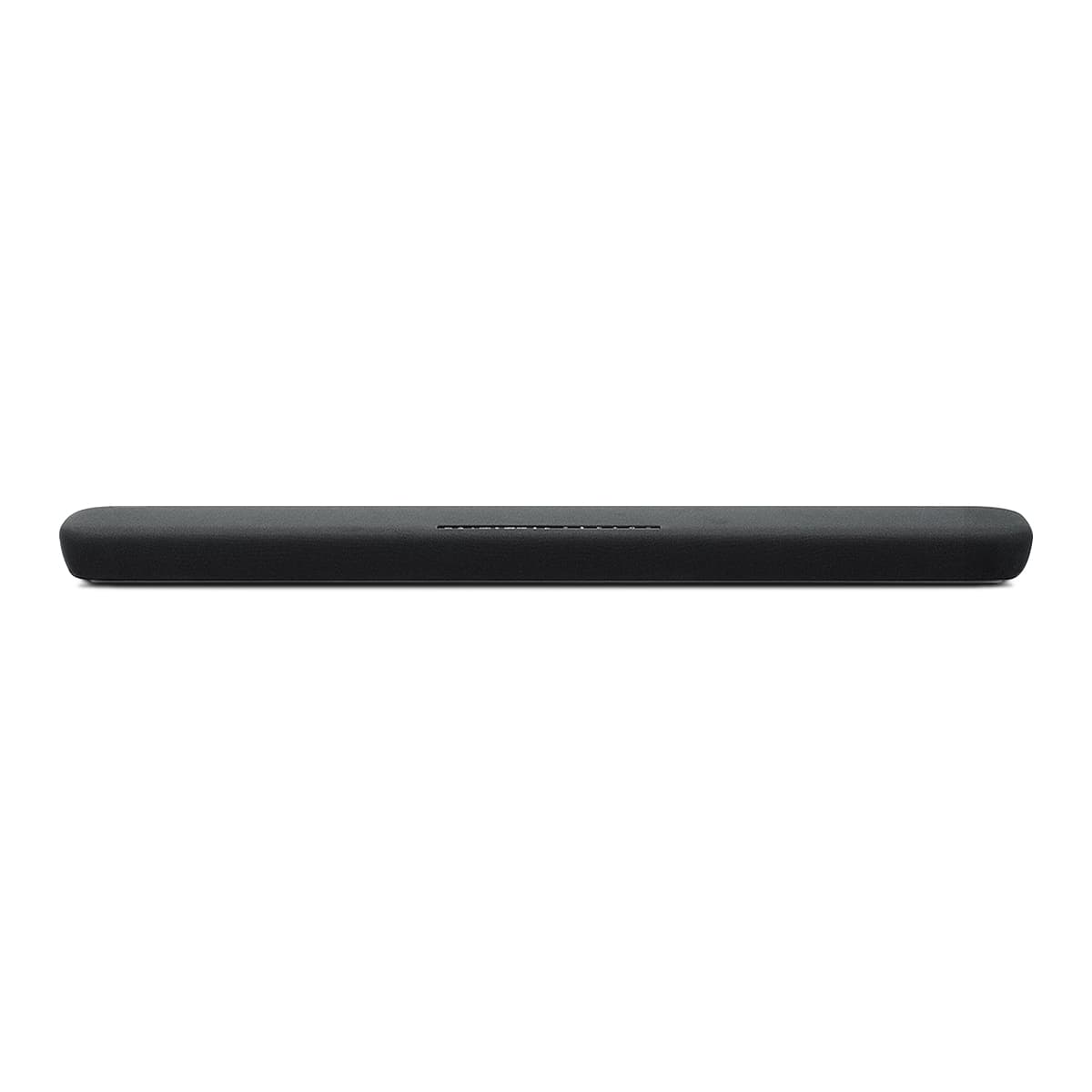
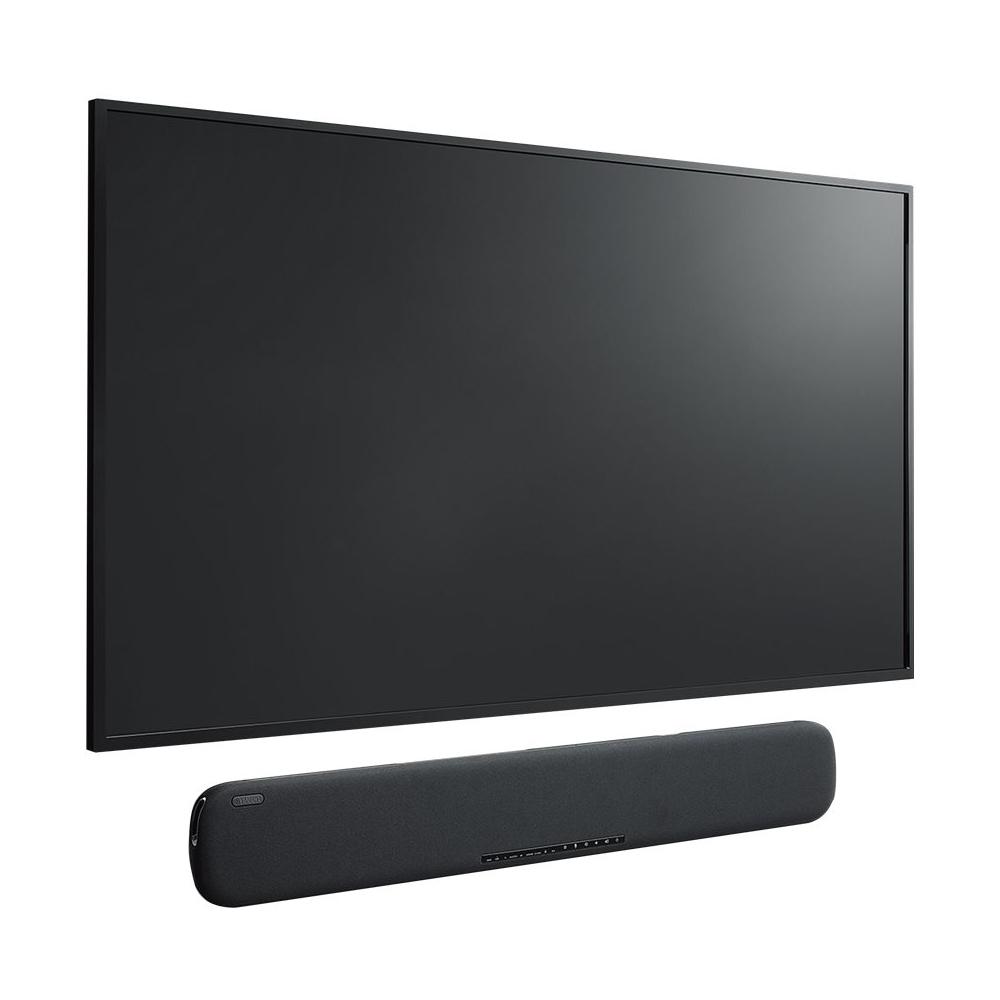
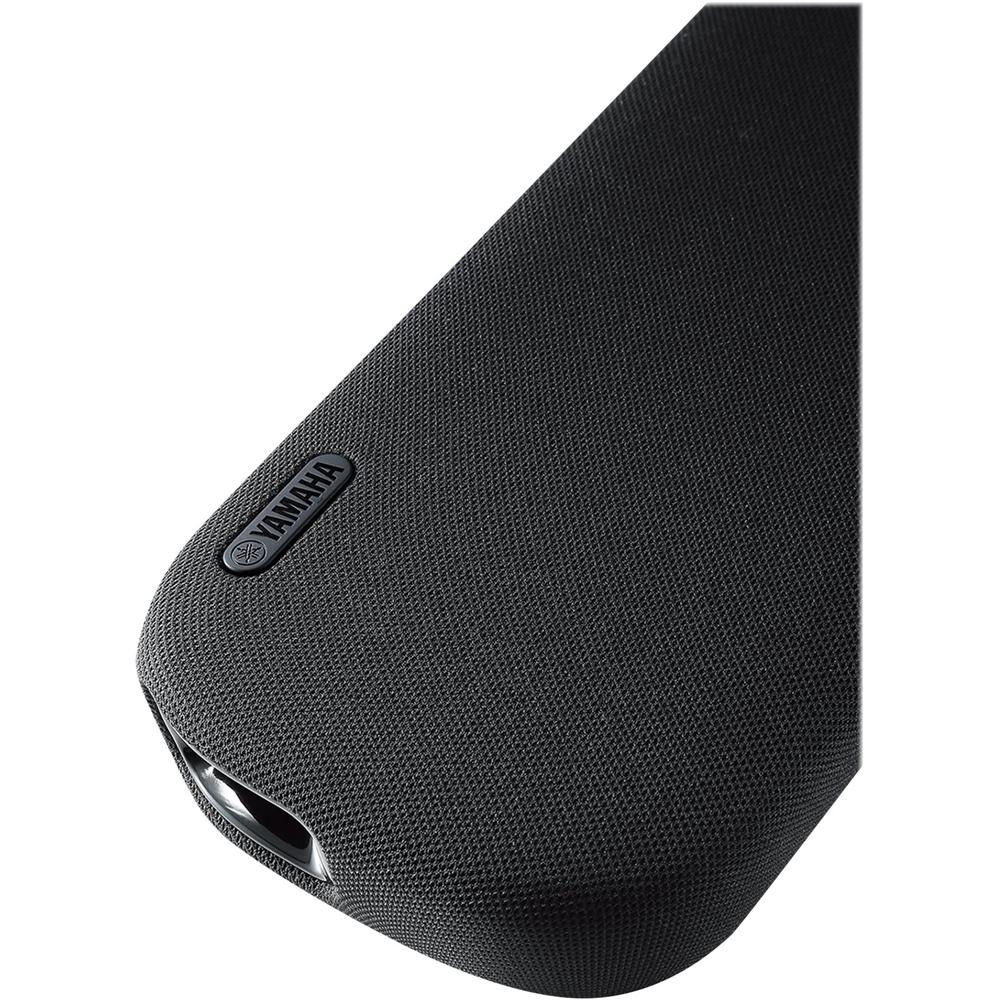
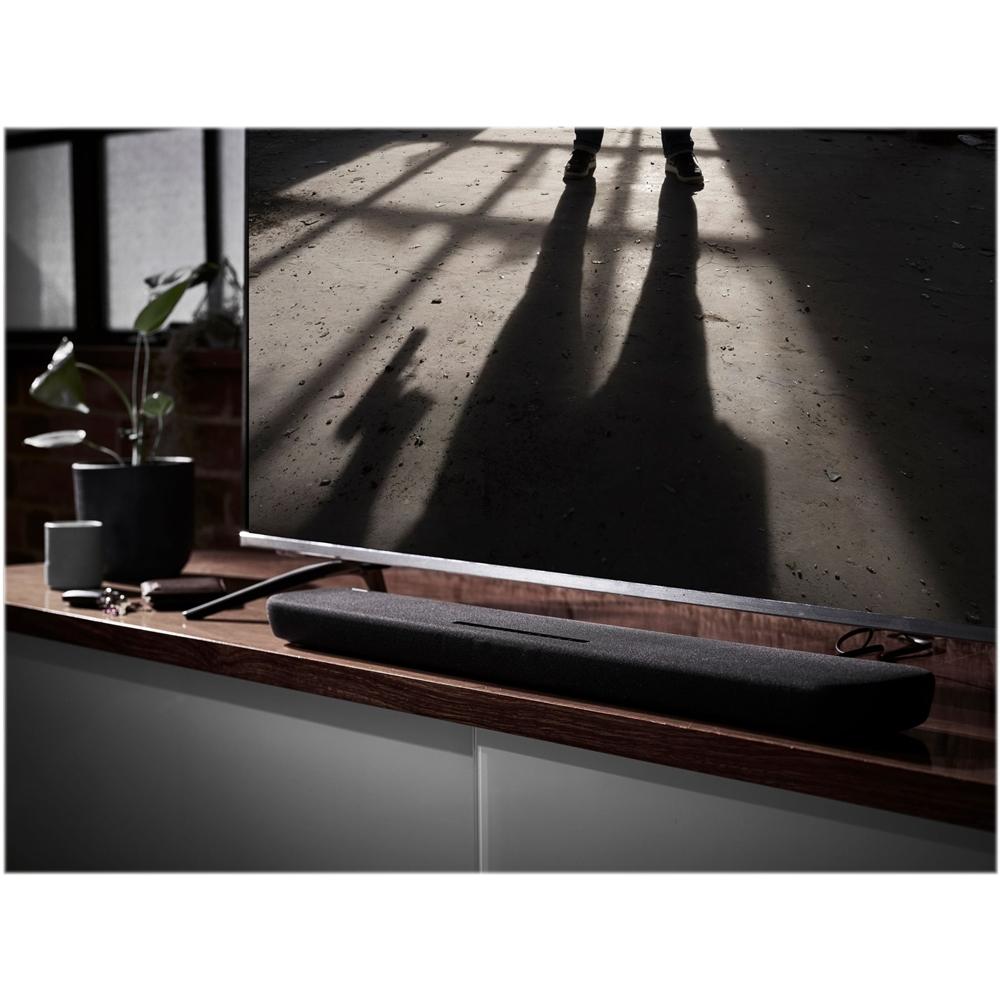
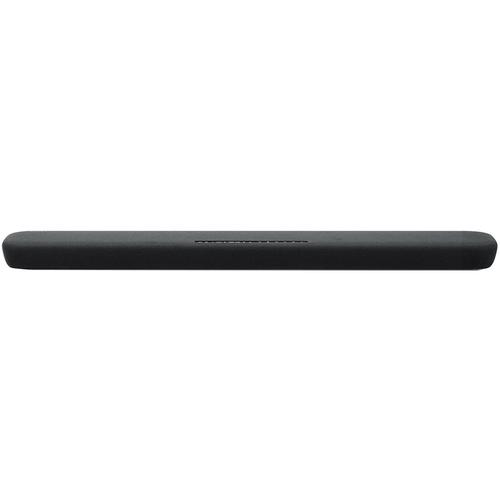
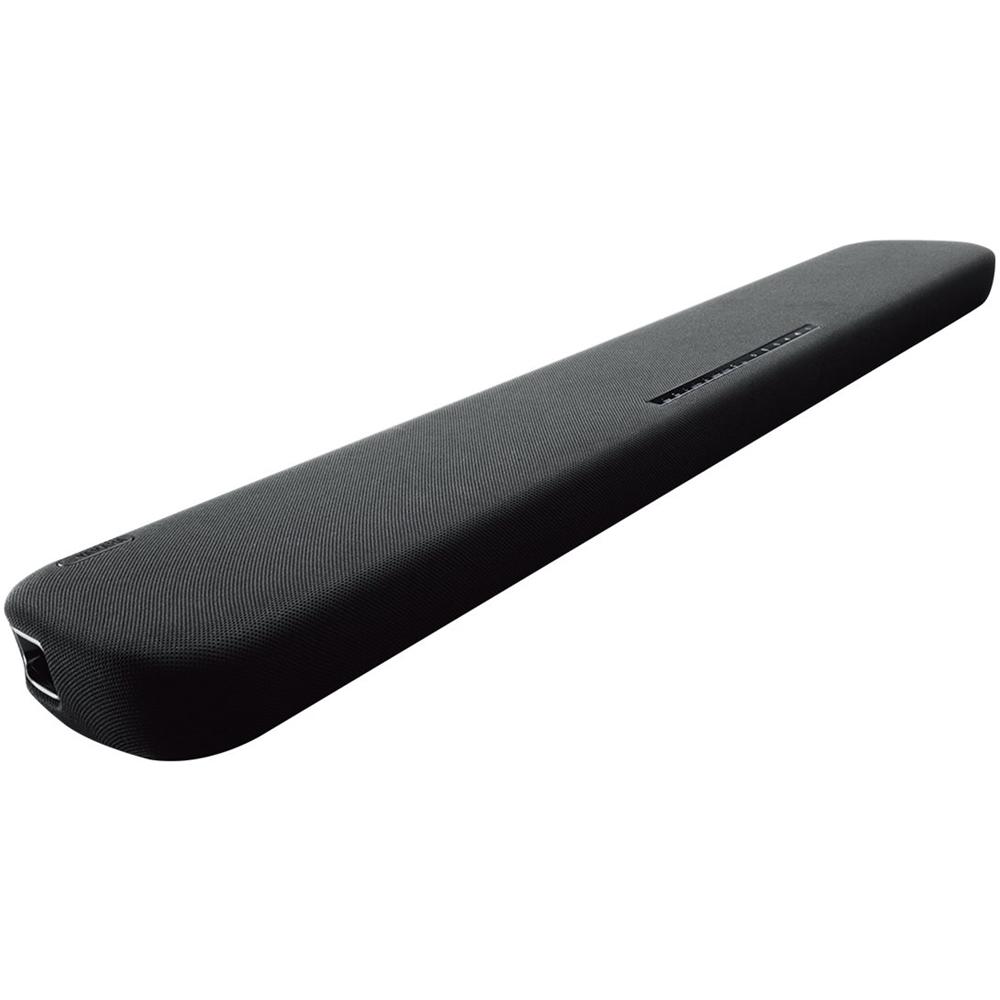
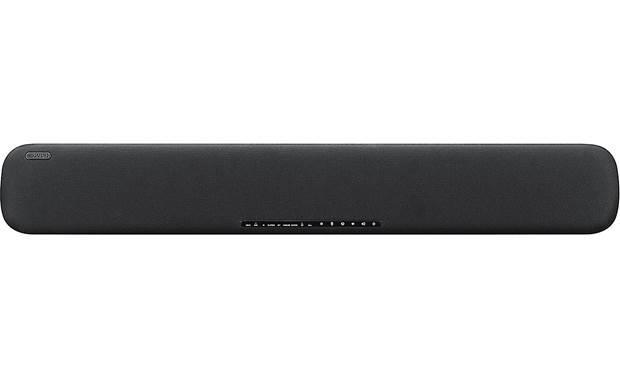
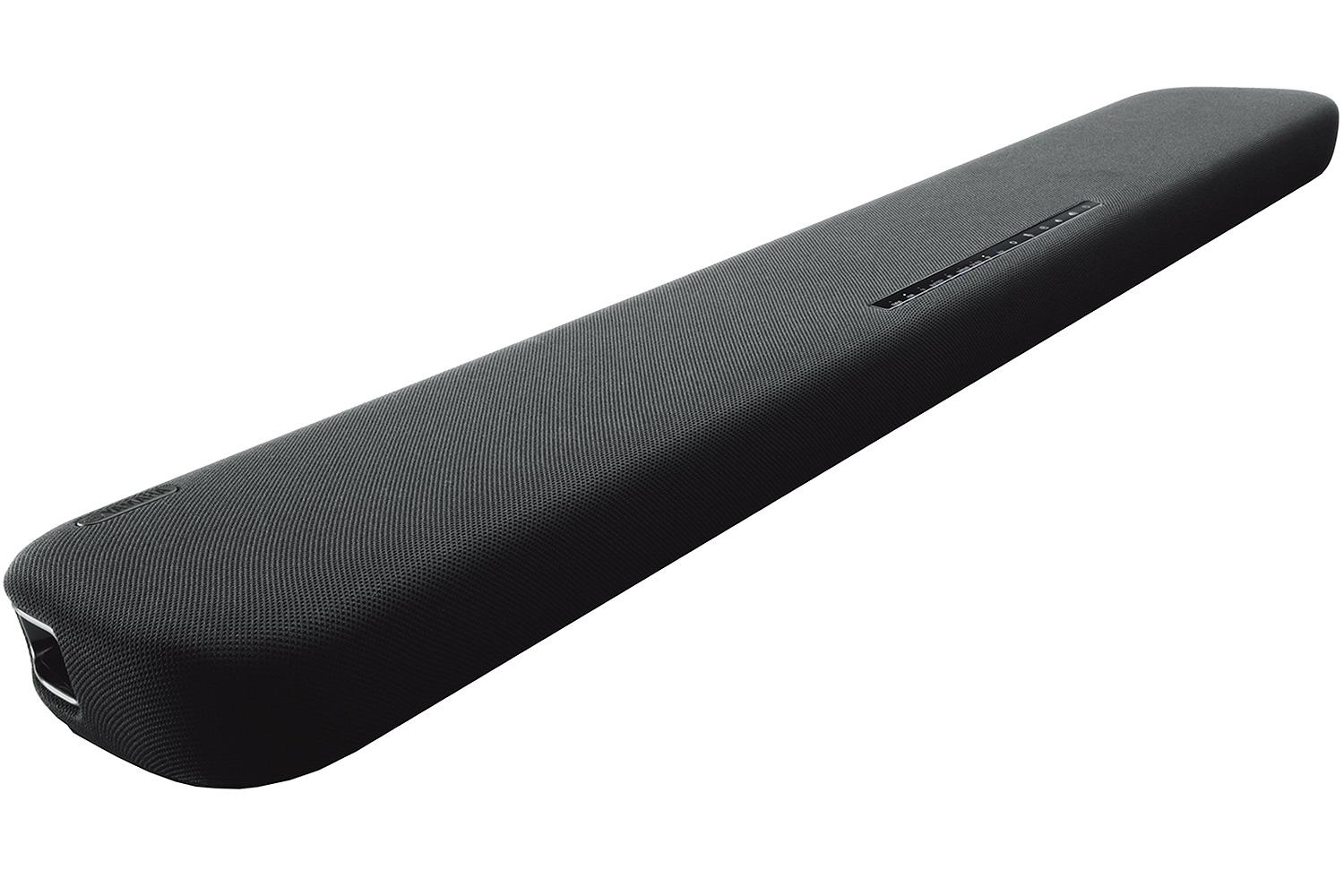
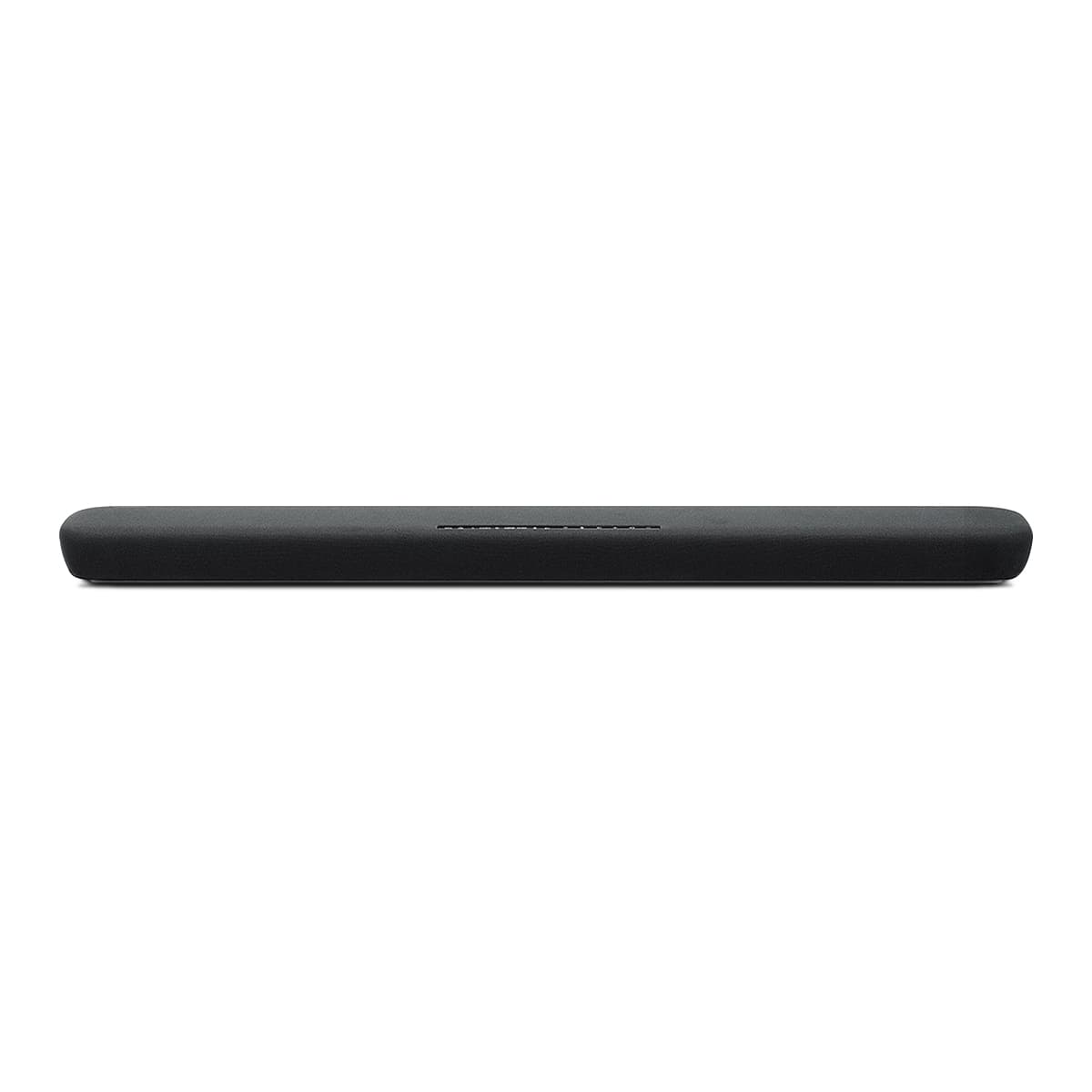
The Yamaha YAS-109, launched back in 2019, takes a completely different approach. This compact all-in-one unit packs everything into a single soundbar, including built-in subwoofers and Amazon Alexa voice control. Despite being older, it remains popular because Yamaha got the fundamentals right and continues to update its smart features. It generally retails for slightly less than the Samsung, making it an attractive option for budget-conscious buyers.
What's interesting is how these represent two distinct eras of soundbar development. The Samsung HW-B630F reflects 2024's focus on refined audio processing and seamless TV integration, while the Yamaha YAS-109 pioneered the smart soundbar concept that many manufacturers now follow.
The most significant difference between these soundbars lies in their fundamental audio architecture. The Samsung HW-B630F uses a true 3.1-channel setup with physically separate drivers for left, center, and right channels, plus a standalone wireless subwoofer. This means dialogue comes from an actual center speaker positioned directly below your TV screen, creating natural vocal placement that feels anchored to the action on screen.
In contrast, the Yamaha YAS-109 is technically a 2.0 system with built-in subwoofers. It uses digital processing to create a phantom center channel between its left and right drivers. While this processing has improved significantly since 2019, it fundamentally can't match the precision of a dedicated center speaker.
From our research into user and expert reviews, this difference becomes most apparent during complex movie scenes. The Samsung HW-B630F maintains clear dialogue separation even when explosions, music, and sound effects compete for attention. The Yamaha YAS-109, while still a major improvement over TV speakers, can struggle to keep voices distinct during particularly busy audio moments.
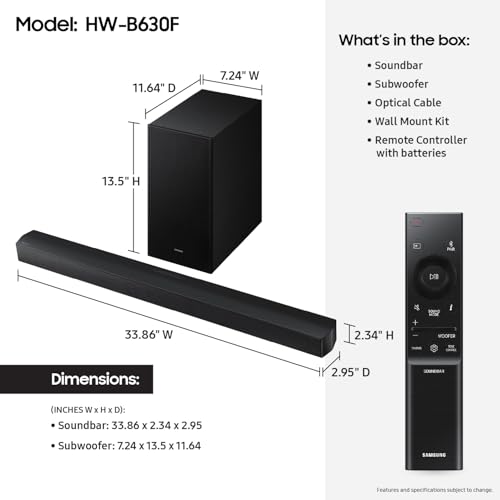
Here's where things get really interesting. The Samsung HW-B630F's wireless subwoofer houses a 6-inch driver in a bass-reflex cabinet (that's an enclosure with a port that helps extend low-frequency response). This dedicated sub can be positioned anywhere in your room for optimal bass distribution, and its larger size naturally produces deeper, more impactful low frequencies.
The Yamaha YAS-109 takes a clever but compromised approach with dual 3-inch subwoofers built directly into the soundbar. These smaller drivers simply can't move as much air or reach as deep into bass territory as the Samsung's dedicated sub. However, they do provide more consistent bass response since their positioning is fixed relative to the main drivers.
In practical terms, action movie fans will definitely notice the difference. The Samsung HW-B630F delivers that chest-thumping bass during explosions and the deep rumble of approaching helicopters. The Yamaha YAS-109 provides adequate bass for most content but lacks the visceral impact that makes blockbuster movies feel truly cinematic.
Both soundbars use DTS Virtual:X, a technology that attempts to create three-dimensional surround sound from forward-firing speakers. This processing analyzes incoming audio and uses psychoacoustic tricks to make sounds appear to come from beside and even above you, without actually having speakers in those positions.
The Samsung HW-B630F has a significant advantage here because its physical driver separation gives the processing more to work with. When the Virtual:X algorithm tries to create the illusion of surround effects, having actual left, center, and right speakers provides better starting points for directional audio cues.
The Yamaha YAS-109's compact form factor limits what Virtual:X can accomplish. While it still creates a wider soundstage than standard TV speakers, the effect isn't as convincing during scenes with complex directional audio, like helicopter flyovers or racing sequences.
Importantly, the Samsung HW-B630F offers an upgrade path—it's compatible with optional wireless rear speakers that can create genuine 5.1 surround sound. This expandability means you can start with the basic 3.1 system and later add true rear channels if you want more immersion.
Surprisingly, this is where both soundbars excel, albeit through different methods. The Samsung HW-B630F uses its dedicated center channel combined with processing modes like Voice Enhance and Adaptive Sound. The center speaker naturally anchors dialogue to your screen, while the processing can automatically boost speech frequencies when it detects dialogue-heavy content.
The Yamaha YAS-109 compensates for its lack of a physical center channel with sophisticated Clear Voice technology. This processing actively identifies speech patterns in the audio signal and enhances them while suppressing competing sounds. Based on user feedback, this system is remarkably effective—many reviewers specifically praise how clearly they can understand dialogue even at lower volume levels.
Both approaches work well, but they feel different in practice. The Samsung HW-B630F's dialogue sounds naturally centered and stable, while the Yamaha YAS-109's processed dialogue can sometimes feel artificially enhanced, though still very intelligible.
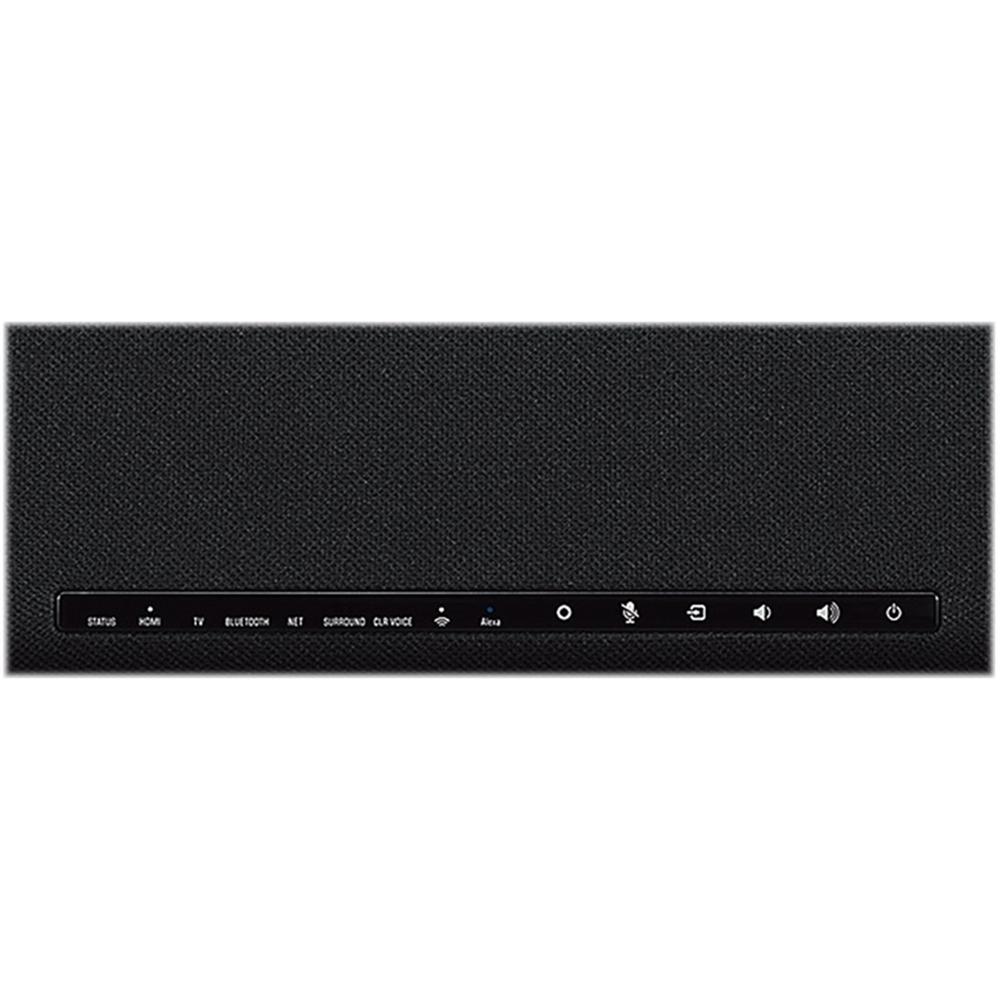
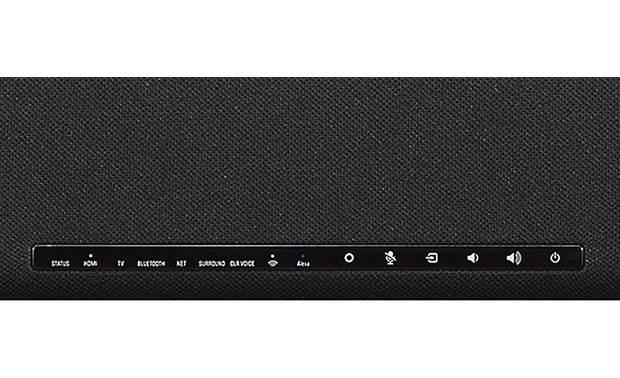
This is where the age difference between these soundbars really shows. The Yamaha YAS-109, despite being from 2019, was ahead of its time with built-in Amazon Alexa. You can control the soundbar, adjust volume, switch inputs, and even manage smart home devices using voice commands. It also includes Wi-Fi connectivity, letting you stream music directly from services like Spotify Connect without needing your phone.
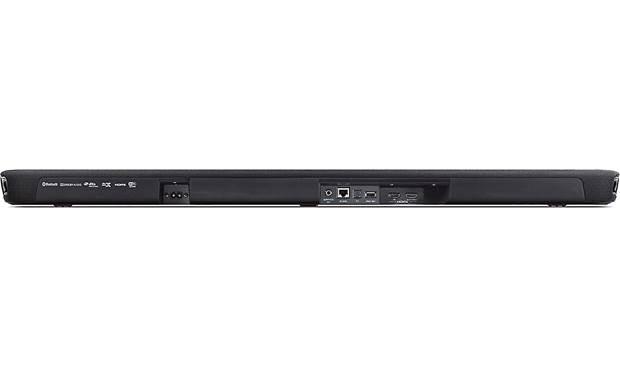
The Sound Bar Controller app for iOS and Android provides detailed control over all settings, and the inclusion of an Ethernet port means you can use a wired network connection for the most stable streaming performance. For 2019, this was remarkably forward-thinking.
The Samsung HW-B630F, released in 2024, feels surprisingly traditional in comparison. It focuses on core audio performance with basic Bluetooth connectivity and One Remote Control integration for Samsung TVs. There's no voice assistant, no Wi-Fi streaming, and no dedicated app. Instead, Samsung doubled down on audio processing and TV integration features.
This philosophical difference reflects changing market priorities. In 2019, manufacturers were racing to add smart features. By 2024, Samsung apparently decided that many users prefer simpler, audio-focused devices that do one thing exceptionally well.
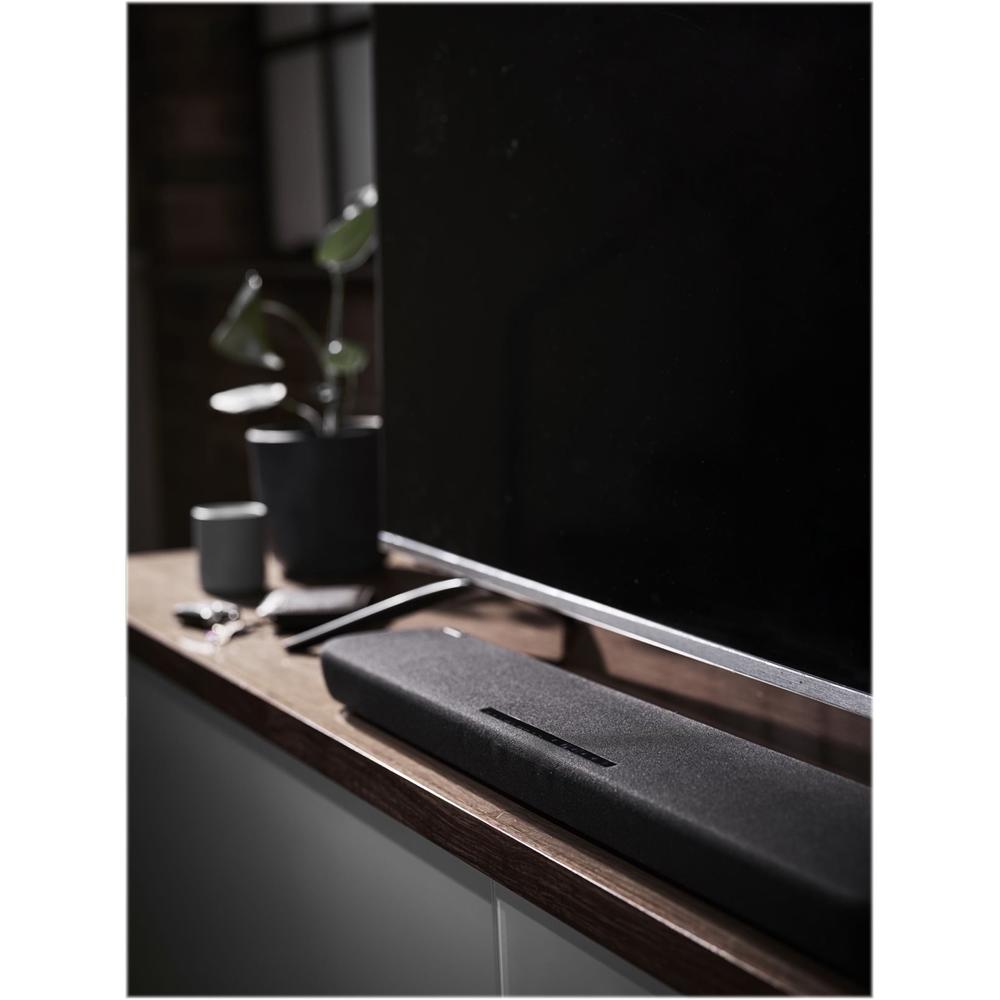
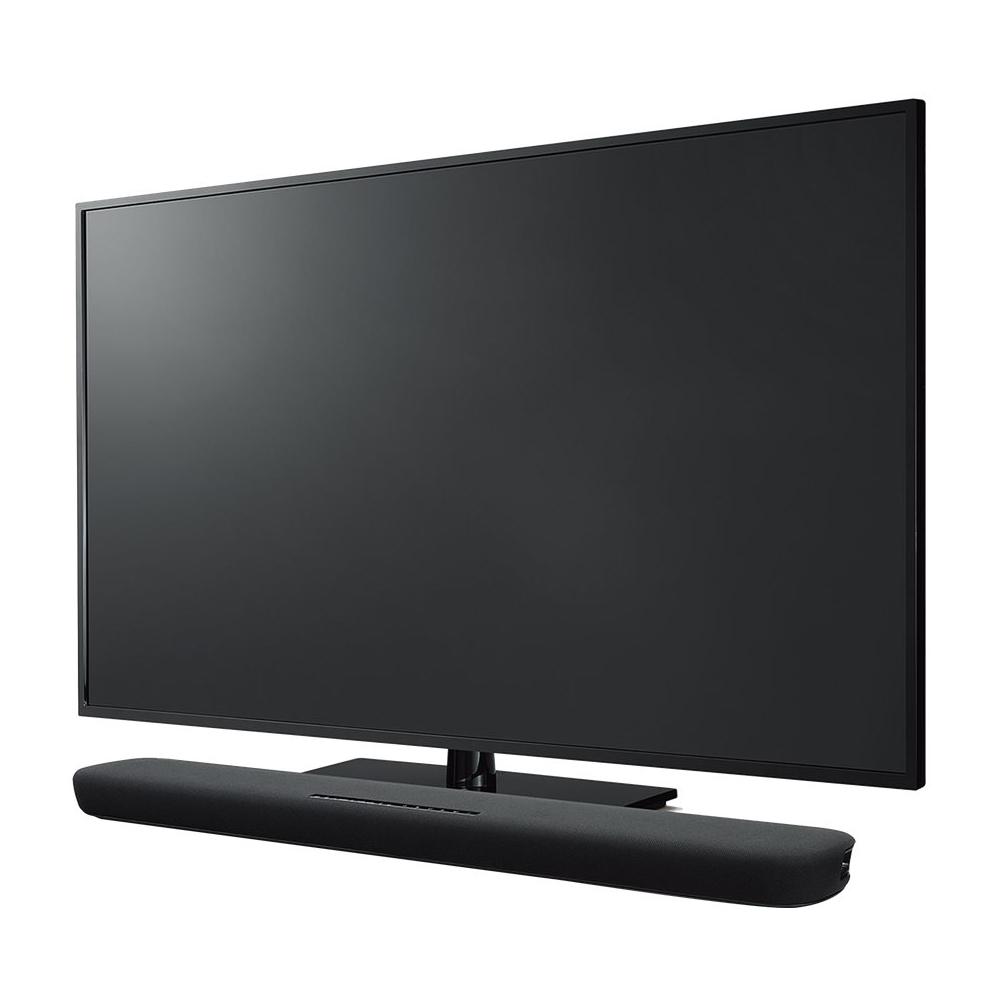
The Yamaha YAS-109 wins decisively on simplicity. At 35 inches wide and weighing just 7.5 pounds, it's a single unit that you place in front of your TV or mount on the wall. Setup involves connecting one HDMI cable and plugging it into power—that's it. The built-in subwoofers mean no additional components to position or wireless pairing to worry about.
The Samsung HW-B630F requires more thought and space. The main soundbar is similar in size to the Yamaha, but you also need to find placement for the wireless subwoofer. While this offers acoustic advantages (you can position the sub for optimal bass response), it also means dealing with two power outlets and ensuring the wireless connection between components works reliably.
From a practical standpoint, apartment dwellers and those with limited space often prefer the Yamaha's all-in-one approach. Homeowners with dedicated media rooms typically appreciate the Samsung's flexibility and superior performance that comes from component separation.
Gaming has become a major consideration for soundbar buyers, and here the newer Samsung HW-B630F shows its 2024 design priorities. Its Game Mode optimizes audio processing for competitive gaming, reducing latency while enhancing directional cues that help players locate footsteps, gunshots, and other positional audio elements.
The 3.1 channel configuration provides better directional information than the Yamaha YAS-109's stereo setup. When playing first-person shooters or battle royale games, having discrete left, center, and right channels helps with audio positioning in ways that processed stereo simply cannot match.
The Yamaha YAS-109 includes its own Game mode, but it's more about general audio optimization rather than the specific competitive gaming enhancements found in newer soundbars. For casual gaming, it's perfectly adequate, but serious gamers will appreciate the Samsung's more refined approach.
If you're building a proper home theater setup, the Samsung HW-B630F makes more sense as a foundation. Its HDMI ARC connection, while limited to 1080p pass-through, handles the most common home theater audio formats correctly. The ability to add wireless rear speakers later means you can grow the system over time without starting from scratch.
The Yamaha YAS-109 actually has a technical advantage with 4K HDR pass-through support, meaning you can connect gaming consoles or 4K Blu-ray players directly to the soundbar and pass video to your TV without quality loss. This is genuinely useful if you have multiple 4K sources and limited HDMI inputs on your TV.
However, for serious home theater enthusiasts, both of these soundbars represent stepping stones rather than final destinations. Neither supports Dolby Atmos (an object-based surround format that adds height channels) or DTS:X (a competing 3D audio format). If you're planning a dedicated theater room, you'll likely outgrow either of these within a few years.
At the time of writing, both soundbars occupy similar price territories in the $200-250 range, making direct value comparisons meaningful. The Samsung HW-B630F delivers better pure audio performance for your money—the combination of discrete channels and a proper subwoofer typically costs more in other brands' lineups.
The Yamaha YAS-109 offers better feature value, especially if you want smart home integration and music streaming capabilities. The built-in Alexa alone would cost extra on most competing soundbars, and the Wi-Fi streaming features add genuine daily utility.
Your value equation depends entirely on how you plan to use the soundbar. If you mainly watch TV and movies and want the best possible audio quality at this price point, the Samsung HW-B630F is the clear winner. If you stream music regularly, want voice control, or prefer minimal setup complexity, the Yamaha YAS-109 provides better overall value despite being older.
Choose the Samsung HW-B630F if you:
Choose the Yamaha YAS-109 if you:
Both of these soundbars successfully solve the "terrible TV speaker" problem, but they do it in fundamentally different ways. The Samsung HW-B630F is an audio purist's choice that delivers genuinely impressive sound quality for its price range. Its discrete channel configuration and powerful subwoofer create a more convincing and immersive listening experience that will satisfy most movie lovers and gamers.
The Yamaha YAS-109 represents the smart soundbar approach done right. Despite being older, its feature set feels modern and useful, while its compact design and excellent dialogue processing make it ideal for everyday TV watching and music streaming.
In my opinion, most people will be happier with the Samsung HW-B630F in the long run. Better audio quality tends to remain satisfying over time, while smart features can feel dated as technology evolves. However, if convenience and smart home integration are priorities, the Yamaha YAS-109 remains an excellent choice that proves good design transcends release dates.
The decision ultimately comes down to whether you value peak audio performance or comprehensive features more. Either choice will dramatically improve your TV watching experience—you just need to decide which approach better fits your lifestyle and priorities.
| Samsung HW-B630F | Yamaha YAS-109 |
|---|---|
| Channel Configuration - Determines dialogue clarity and surround immersion | |
| True 3.1 channels with dedicated center speaker + wireless subwoofer | 2.0 channels with dual built-in subwoofers (phantom center channel) |
| Bass Performance - Critical for movies and music impact | |
| 6" wireless subwoofer with bass-reflex design (deeper, room-filling bass) | Dual 3" built-in subwoofers (adequate for small rooms, lacks deep impact) |
| Smart Features - Voice control and streaming capabilities | |
| Basic Bluetooth 4.2, Samsung TV integration, no voice assistant | Built-in Alexa, Wi-Fi streaming, Spotify Connect, dedicated app control |
| Surround Sound Technology - Creates immersive audio from front-facing speakers | |
| DTS Virtual:X enhanced by physical speaker separation | DTS Virtual:X limited by compact single-bar design |
| Connectivity Options - Determines compatibility with modern devices | |
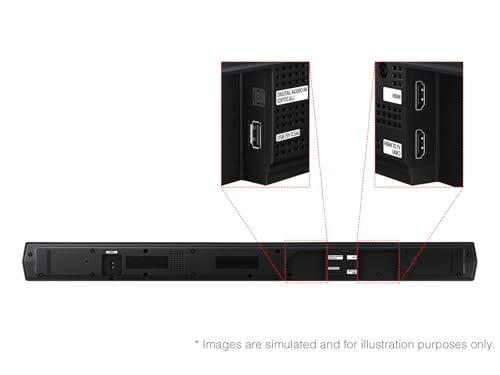
| HDMI ARC (1080p pass-through), optical, USB, Bluetooth | HDMI ARC with 4K HDR pass-through, optical, Wi-Fi, Ethernet, Bluetooth |
| Physical Design - Affects placement flexibility and setup complexity | |
| Two-piece system: 33.9" soundbar + separate subwoofer (more setup, better acoustics) | Single 35" unit with everything integrated (simpler setup, space-efficient) |
| Dialogue Enhancement - Essential for clear speech in movies and TV | |
| Voice Enhance mode + dedicated center channel for natural dialogue anchoring | Clear Voice technology with advanced speech processing and enhancement |
| Gaming Performance - Important for console and PC gaming | |
| Game Pro Mode with optimized latency and directional audio cues | Basic Game mode without specialized competitive gaming features |
| Expandability - Future upgrade potential | |
| Compatible with optional wireless rear speakers for true 5.1 surround | No expansion options - complete system as purchased |
| Setup Complexity - Time and effort required for installation | |
| Moderate: soundbar + subwoofer placement and wireless pairing | Minimal: single unit with one HDMI connection |
The Samsung HW-B630F delivers superior movie sound quality with its true 3.1-channel configuration and dedicated wireless subwoofer. The separate center channel provides clearer dialogue, while the 6-inch subwoofer creates deeper, more impactful bass for action scenes. The Yamaha YAS-109 offers good sound quality but lacks the dynamic range and bass depth that makes movies truly cinematic.
For most users, a separate subwoofer like the one included with the Samsung HW-B630F provides significantly better bass performance than built-in options. The Yamaha YAS-109's dual 3-inch built-in subwoofers work well for smaller rooms and casual listening, but they can't match the room-filling bass impact of a dedicated 6-inch wireless subwoofer for movies and music.
The Yamaha YAS-109 is much easier to set up as a single-unit design that only requires one HDMI connection and power. The Samsung HW-B630F requires placing both the soundbar and wireless subwoofer, connecting power to both units, and ensuring proper wireless pairing between components.
Only the Yamaha YAS-109 includes built-in Amazon Alexa for full voice control of volume, inputs, music playback, and smart home devices. The Samsung HW-B630F lacks voice assistant integration but offers seamless control through compatible Samsung TV remotes via One Remote Control technology.
The Samsung HW-B630F is better for gaming with its dedicated Game Pro Mode that optimizes audio latency and enhances directional sound cues for competitive gaming. The discrete 3.1 channels also provide better positional audio for locating enemies. The Yamaha YAS-109 has a basic Game mode but lacks the specialized gaming enhancements.
The Yamaha YAS-109 supports 4K HDR pass-through, allowing you to connect gaming consoles or 4K players directly to the soundbar. The Samsung HW-B630F only supports 1080p pass-through, so 4K sources should connect directly to your TV with audio sent back via HDMI ARC.
Both excel at dialogue clarity through different approaches. The Samsung HW-B630F uses a dedicated center channel speaker that naturally anchors voices to the screen, while the Yamaha YAS-109 employs advanced Clear Voice processing to enhance speech frequencies. Both deliver significantly clearer dialogue than TV speakers.
The Yamaha YAS-109 offers superior music streaming with Wi-Fi connectivity, Spotify Connect, and app control in addition to Bluetooth. The Samsung HW-B630F only supports Bluetooth streaming but includes Multi Connection technology to pair two devices simultaneously for easy switching between phones.
The Yamaha YAS-109 requires less space as an all-in-one design measuring 35 inches wide. The Samsung HW-B630F needs space for both the 33.9-inch soundbar and the separate wireless subwoofer, though the subwoofer can be placed flexibly around the room for optimal bass response.
The Samsung HW-B630F can be expanded with optional wireless rear speakers to create a full 5.1 surround system, providing a clear upgrade path. The Yamaha YAS-109 cannot be expanded - it's designed as a complete system with no additional speaker compatibility.
The Yamaha YAS-109 works equally well with all TV brands and offers more universal features like 4K pass-through and voice control. While the Samsung HW-B630F works with any TV via HDMI ARC or optical connection, Samsung TV owners get additional benefits like One Remote Control integration.
The choice depends on your priorities: the Samsung HW-B630F provides better pure audio value with superior sound quality, dedicated subwoofer, and expandability. The Yamaha YAS-109 offers better feature value with smart capabilities, voice control, streaming services, and simpler setup that many users prefer for daily convenience.
We've done our best to create useful and informative comparisons to help you decide what product to buy. Our research uses advanced automated methods to create this comparison and perfection is not possible - please contact us for corrections or questions. These are the sites we've researched in the creation of this article: samsung.com - bhphotovideo.com - crutchfield.com - youtube.com - bestproducts.com - videoandaudiocenter.com - pcrichard.com - bhphotovideo.com - samsung.com - youtube.com - requiremints.com - karlsonline.com - crutchfield.com - youtube.com - donstv.com - samsung.com - bhphotovideo.com - youtube.com - youtube.com - crutchfield.com - costco.ca - rtings.com - crutchfield.com - accio.com - bhphotovideo.com - manuals.plus - samsung.com - saraappliance.com - rtings.com - crutchfield.com - usa.yamaha.com - digitaltrends.com - tomsguide.com - listenup.com - youtube.com - usa.yamaha.com - hub.yamaha.com - youtube.com - hub.yamaha.com

Privacy Policy
Terms and Conditions - Affiliate Policy
Home Security
© Copyright 2008-2026.
11816 Inwood Rd #1211, Dallas, TX 75244