

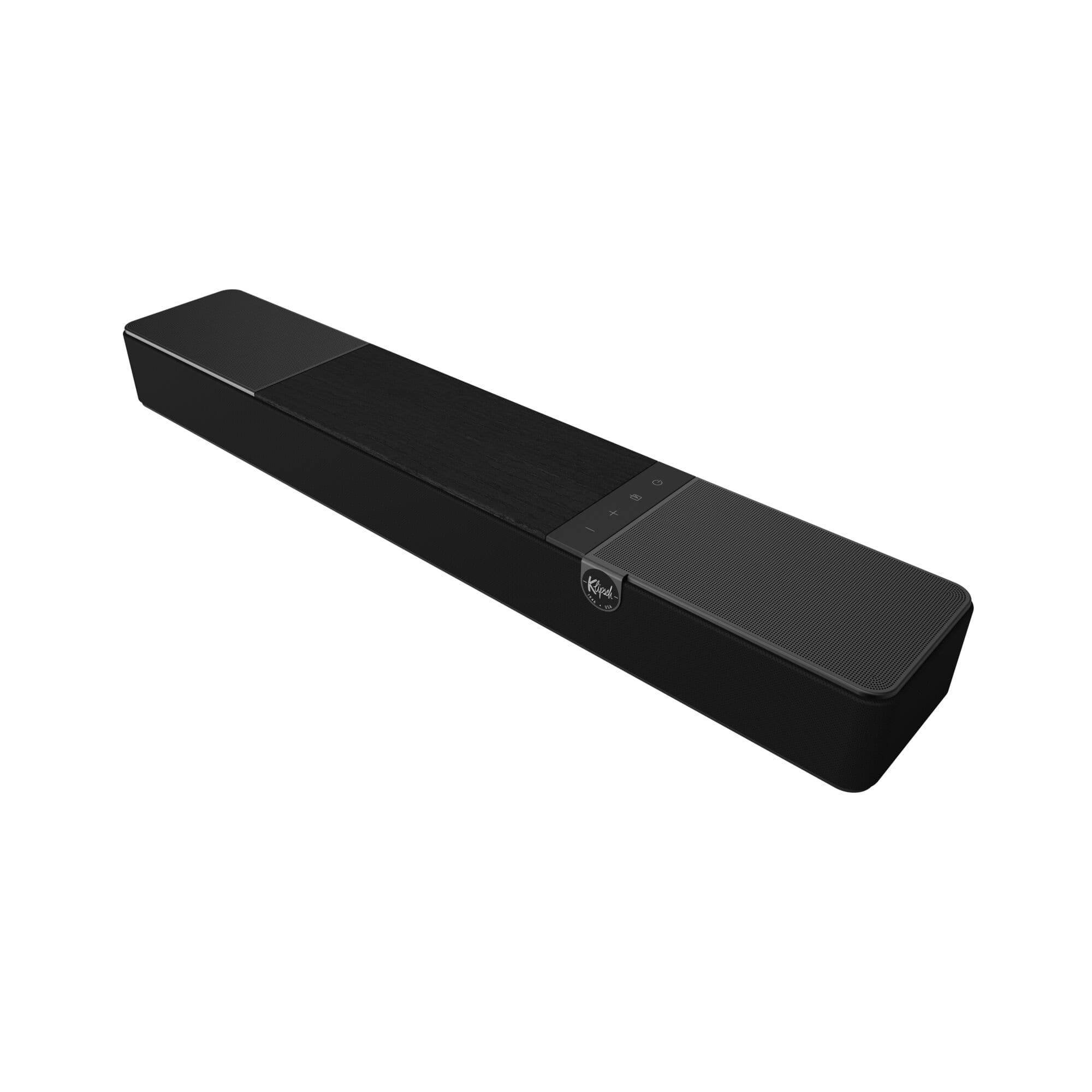

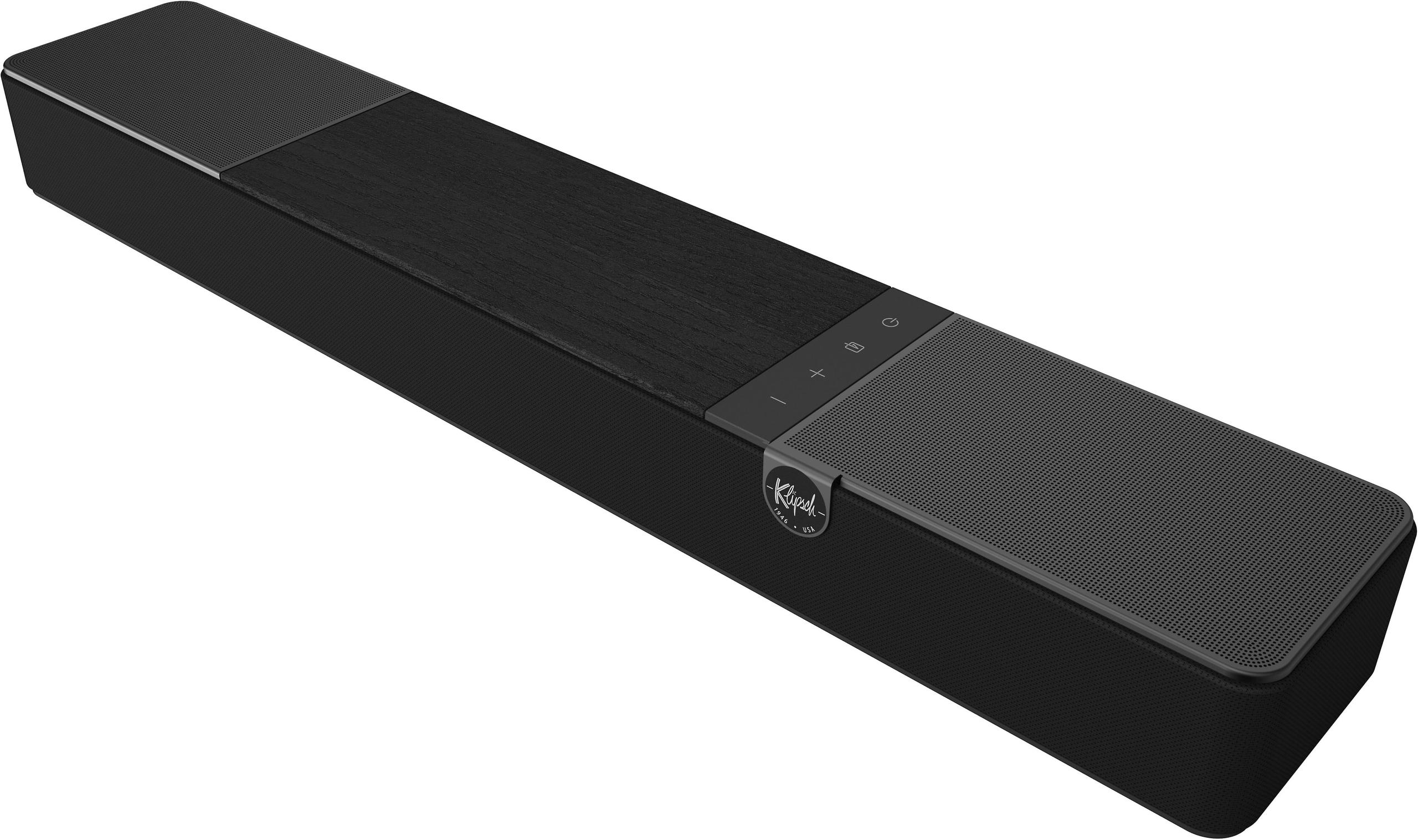






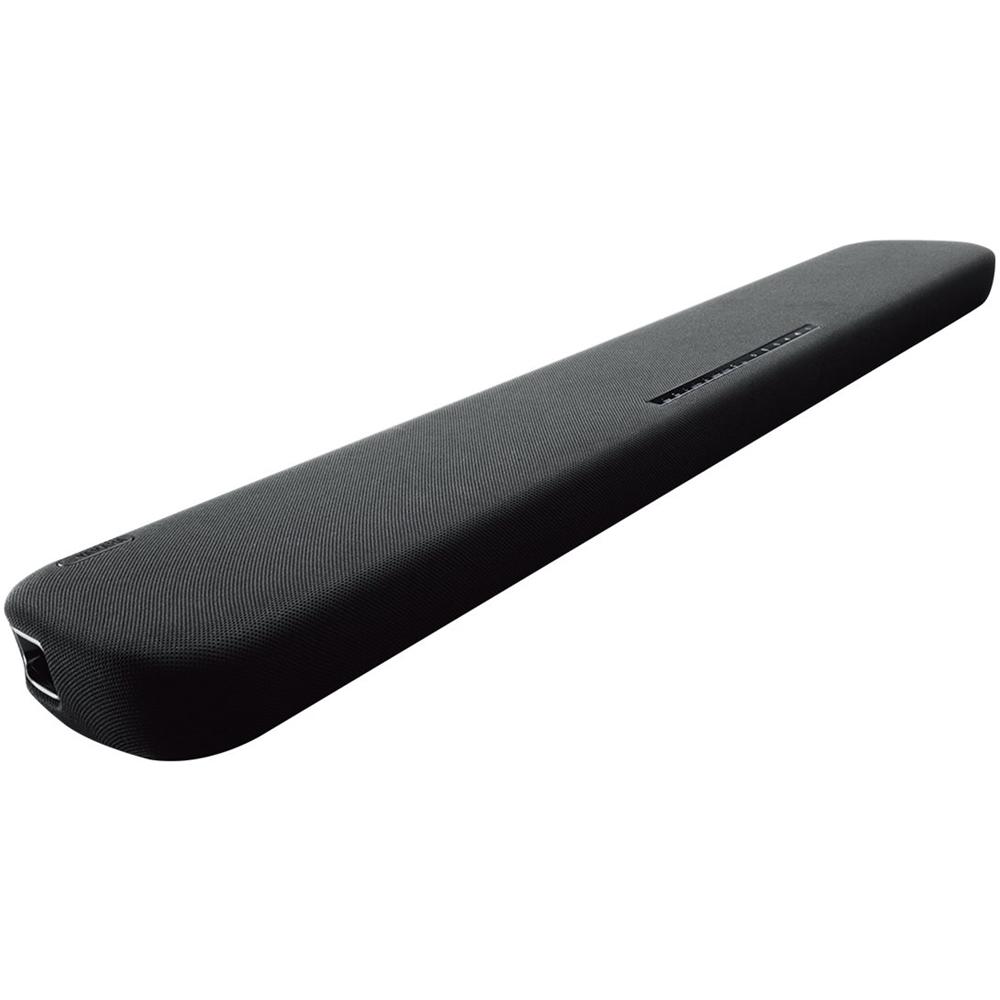
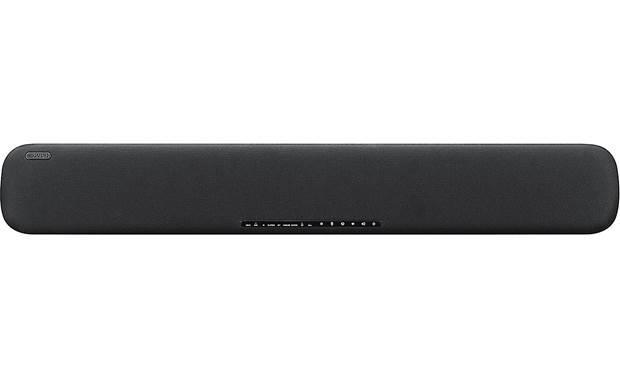
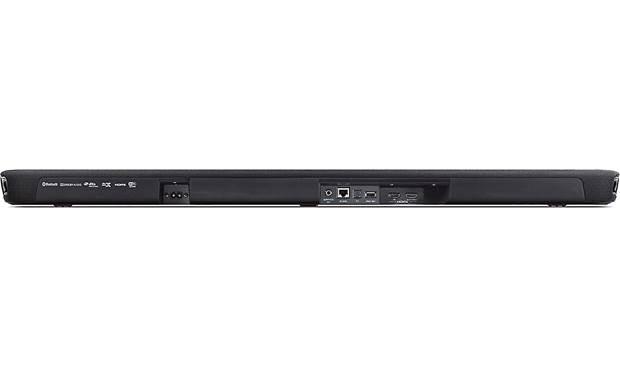
Shopping for a soundbar can feel overwhelming, especially when you're trying to balance audio quality with smart features and price. Two standout options in the budget category are the Klipsch Flexus Core 100 ($228) and the Yamaha YAS-109 ($220). While they're priced within $8 of each other, they take notably different approaches to delivering better TV audio.
Before diving into the specifics, it's worth understanding what separates a great soundbar from a mediocre one. Unlike the tiny speakers crammed into modern TVs, soundbars have room for larger drivers (the actual speakers that move air) and more powerful amplifiers. This space allows them to reproduce the full range of sounds your favorite movies and shows were designed to have.
The key performance areas that matter most are dialogue clarity (can you understand what characters are saying?), bass response (do explosions and music have impact?), soundstage width (does audio feel like it's coming from more than just one spot?), and dynamic range (the difference between quiet whispers and loud action scenes). Smart features like voice control and wireless streaming have become increasingly important as our homes get more connected.
Both soundbars we're comparing sit in what I'd call the "sweet spot" price range – affordable enough for most budgets but expensive enough to include meaningful audio improvements and useful features.
The Klipsch Flexus Core 100 and Yamaha YAS-109 represent fundamentally different approaches to soundbar design, and understanding these differences is crucial to making the right choice.
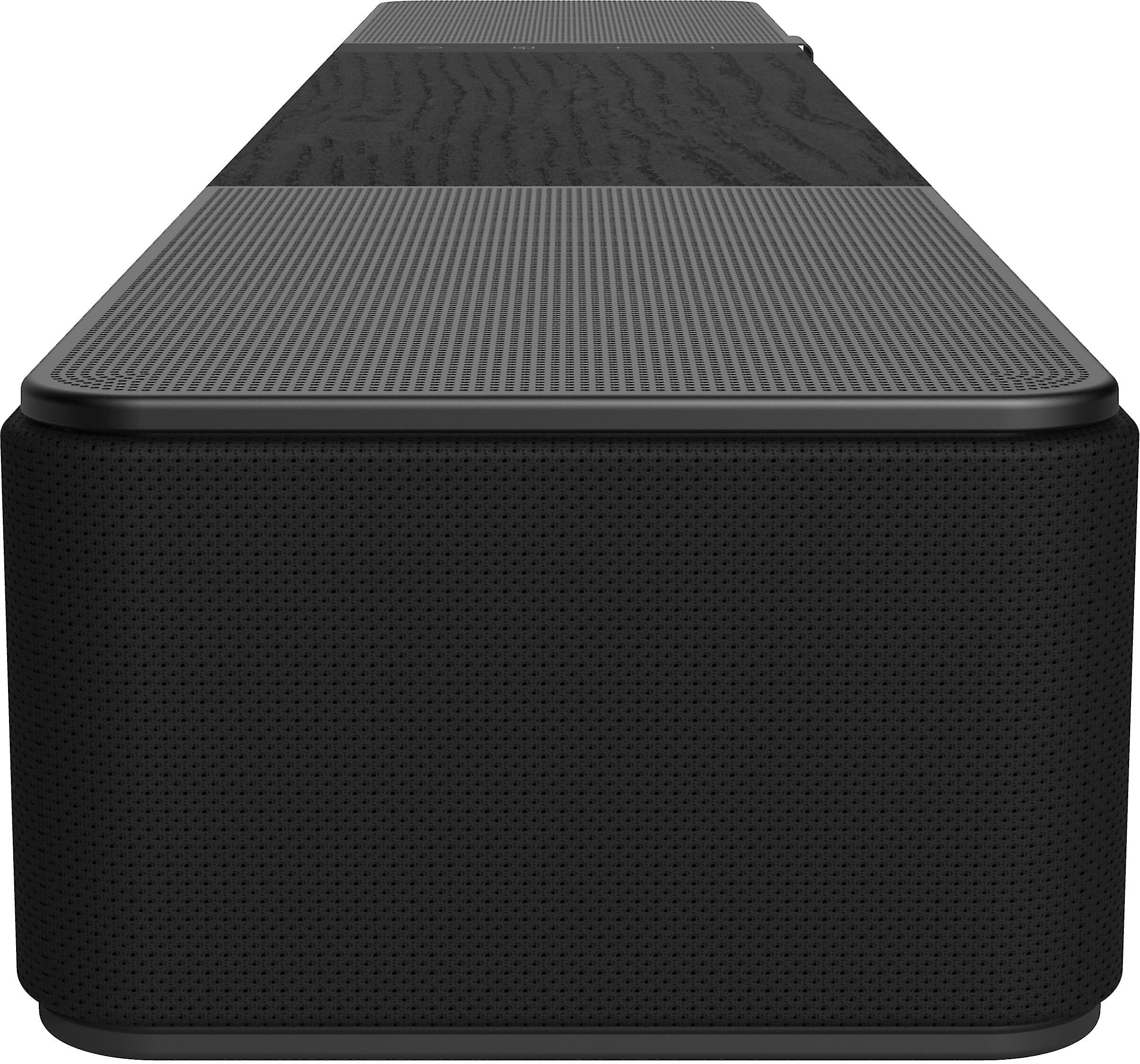
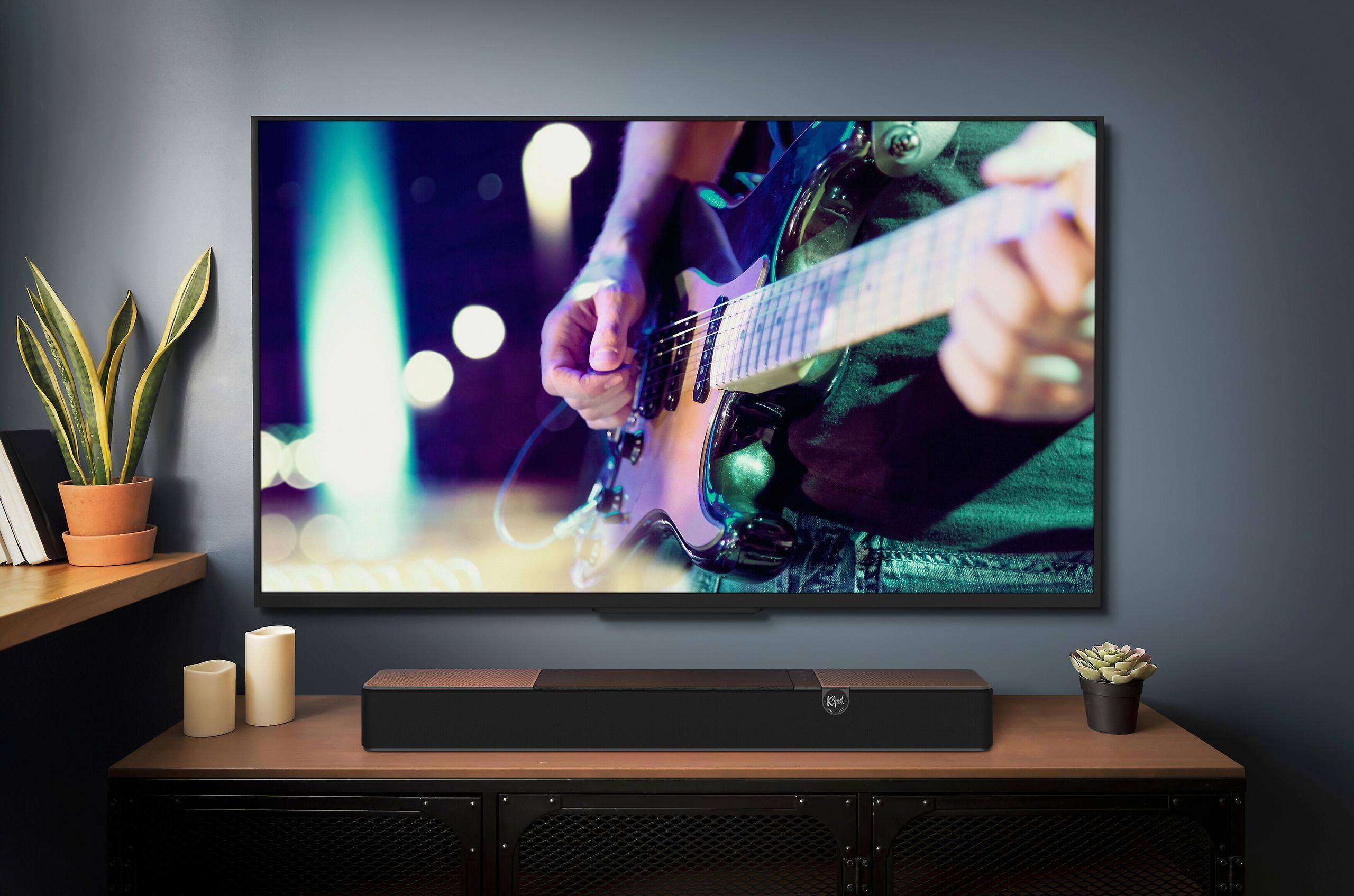
Klipsch, a company with deep roots in premium audio dating back to 1946, designed the Flexus Core 100 with their traditional focus on dynamic, detailed sound reproduction. Released in 2023 as part of their new Flexus ecosystem, it prioritizes audio performance above convenience features. The 28-inch width makes it ideal for smaller to medium TVs, and the build quality reflects Klipsch's audiophile heritage with aluminum cone drivers and carefully tuned acoustics.
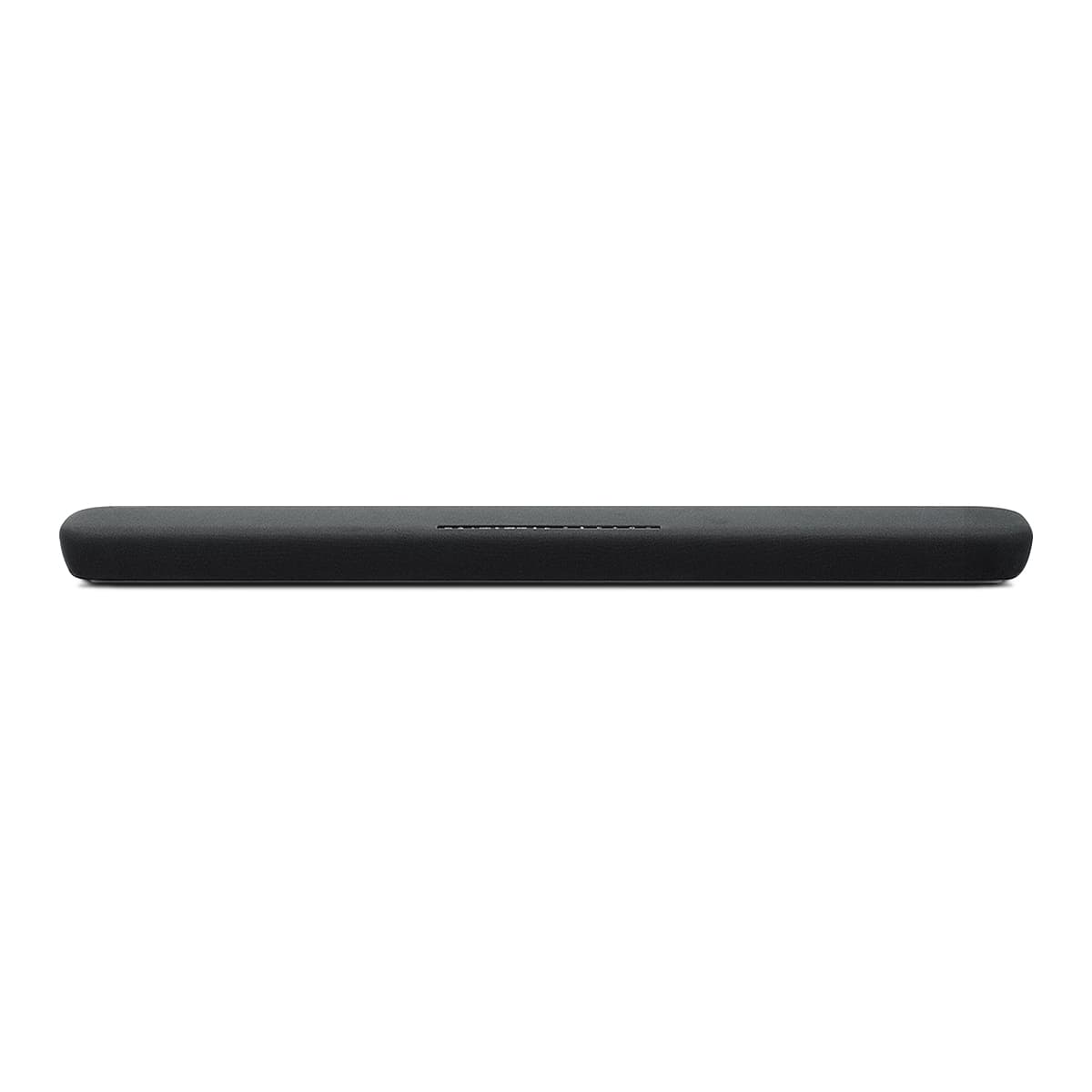
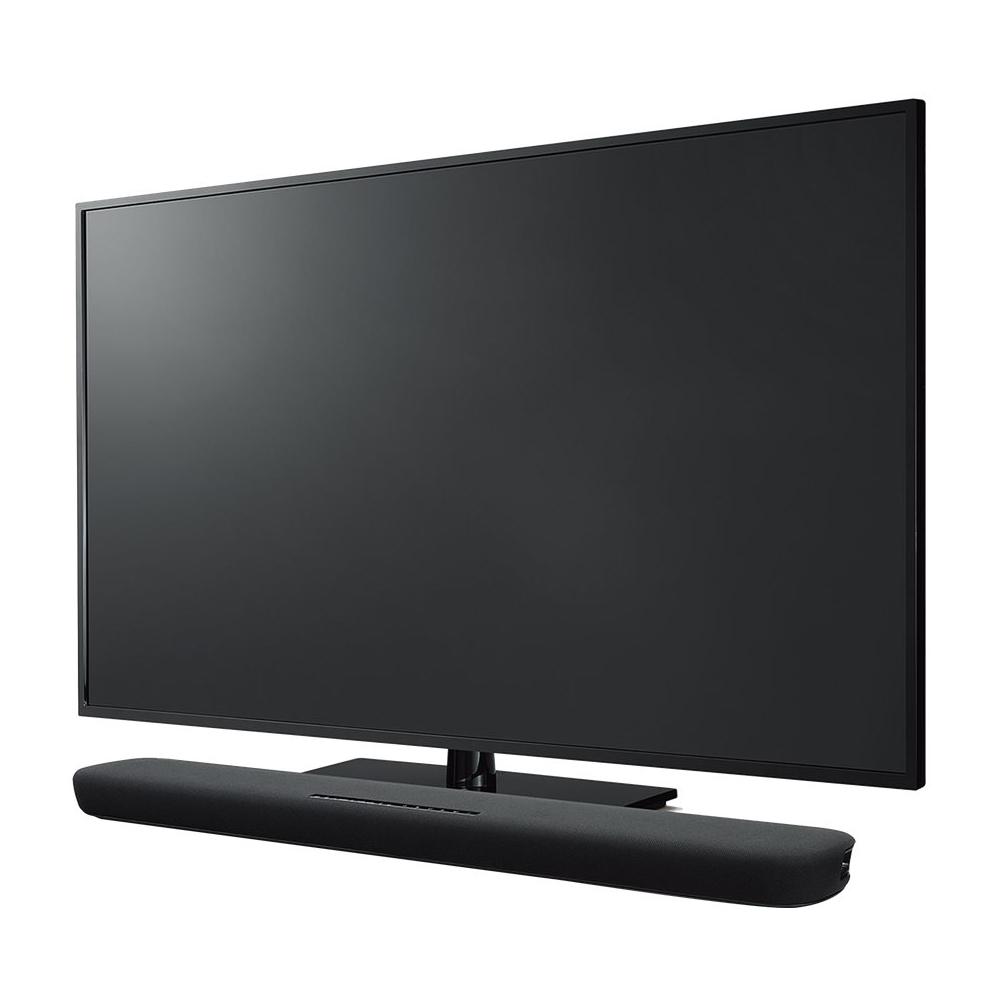
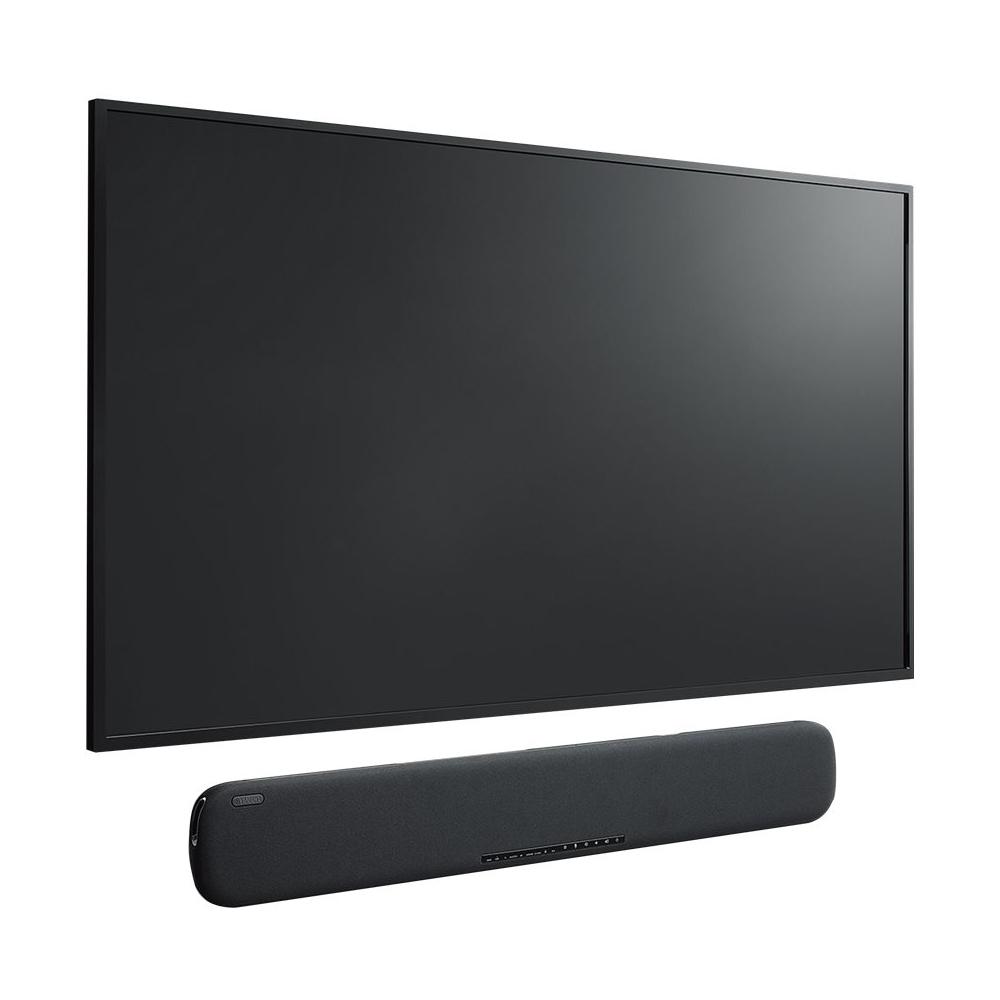
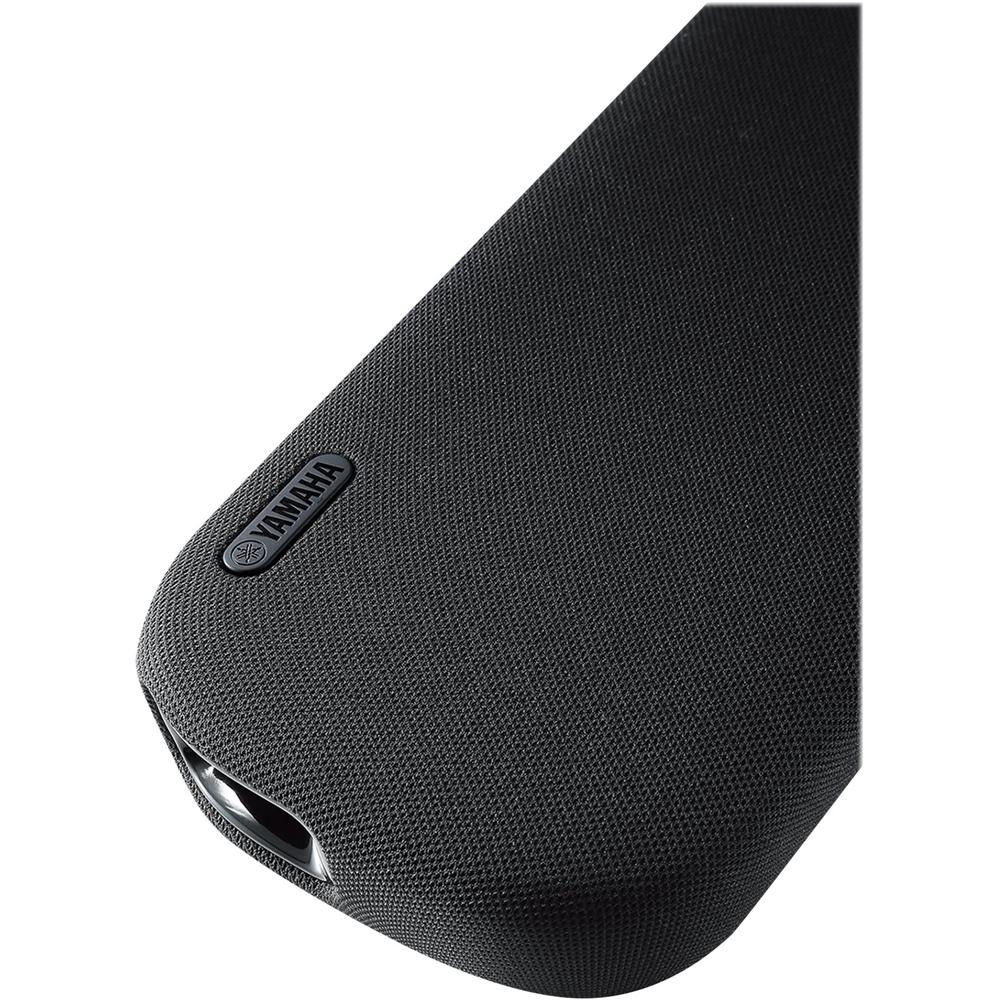
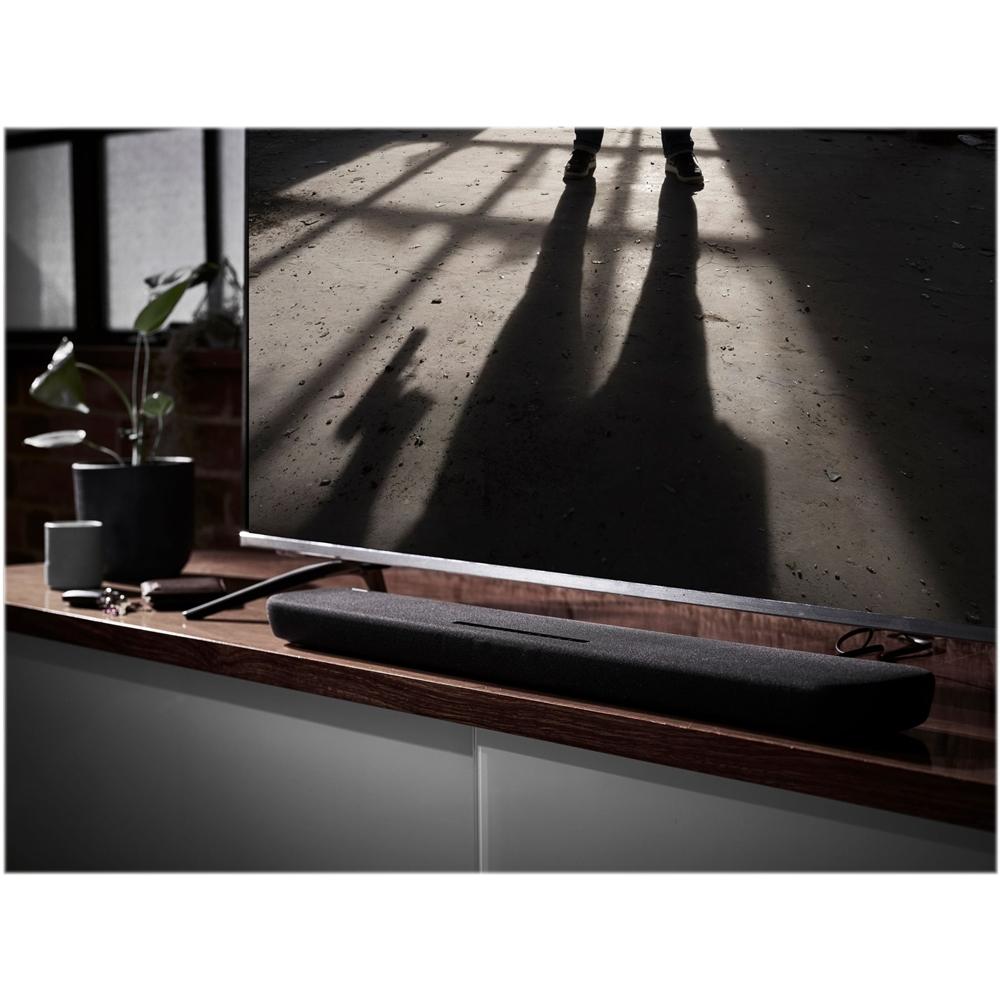
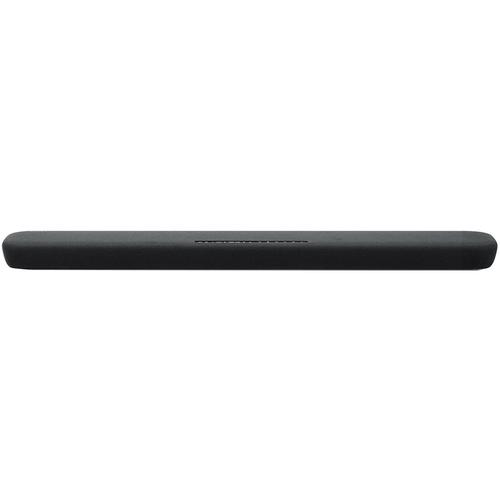
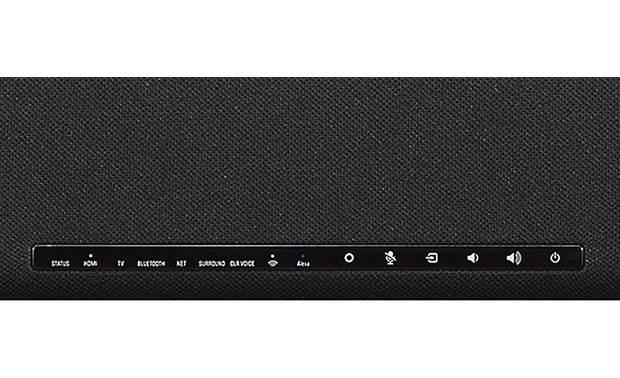
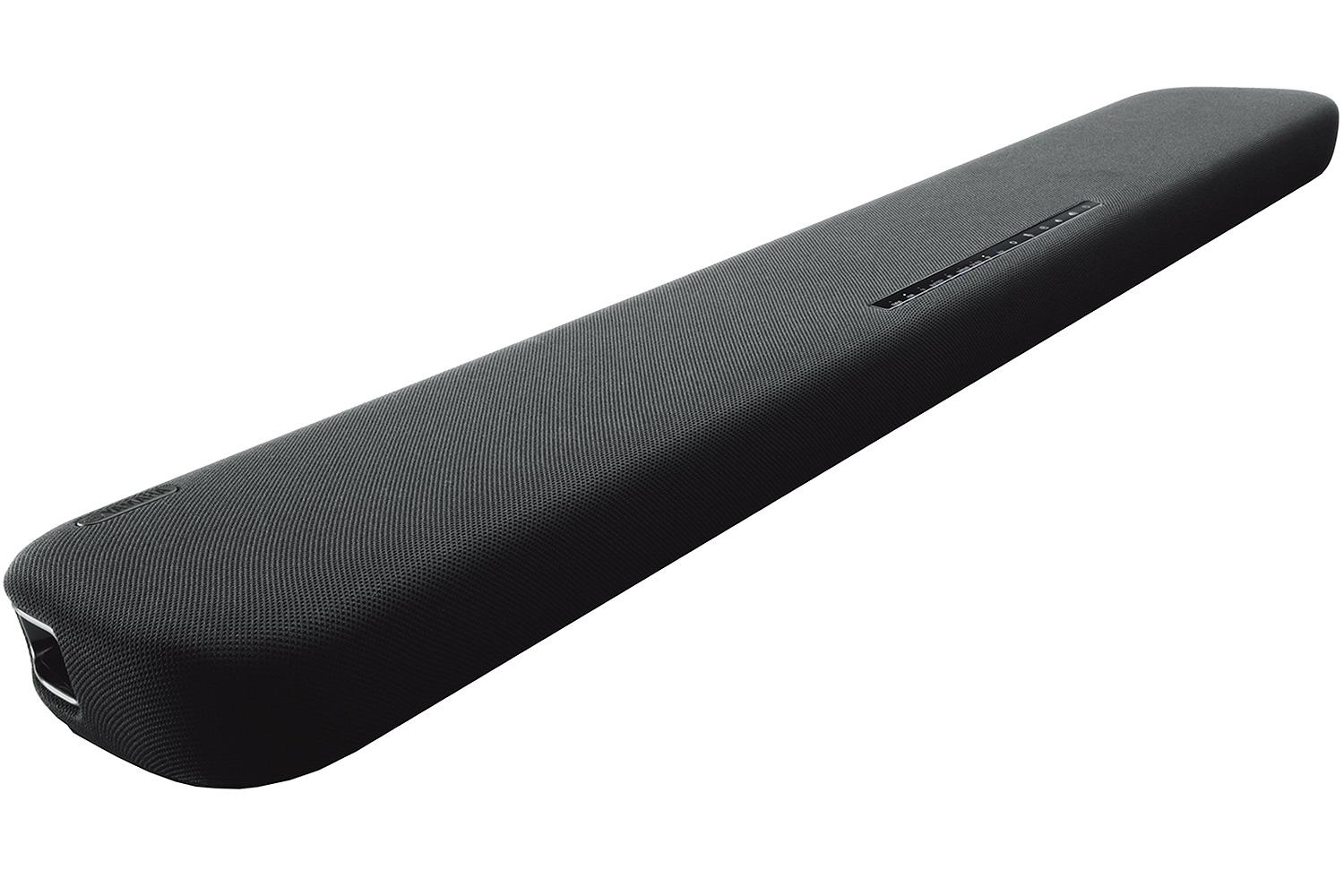
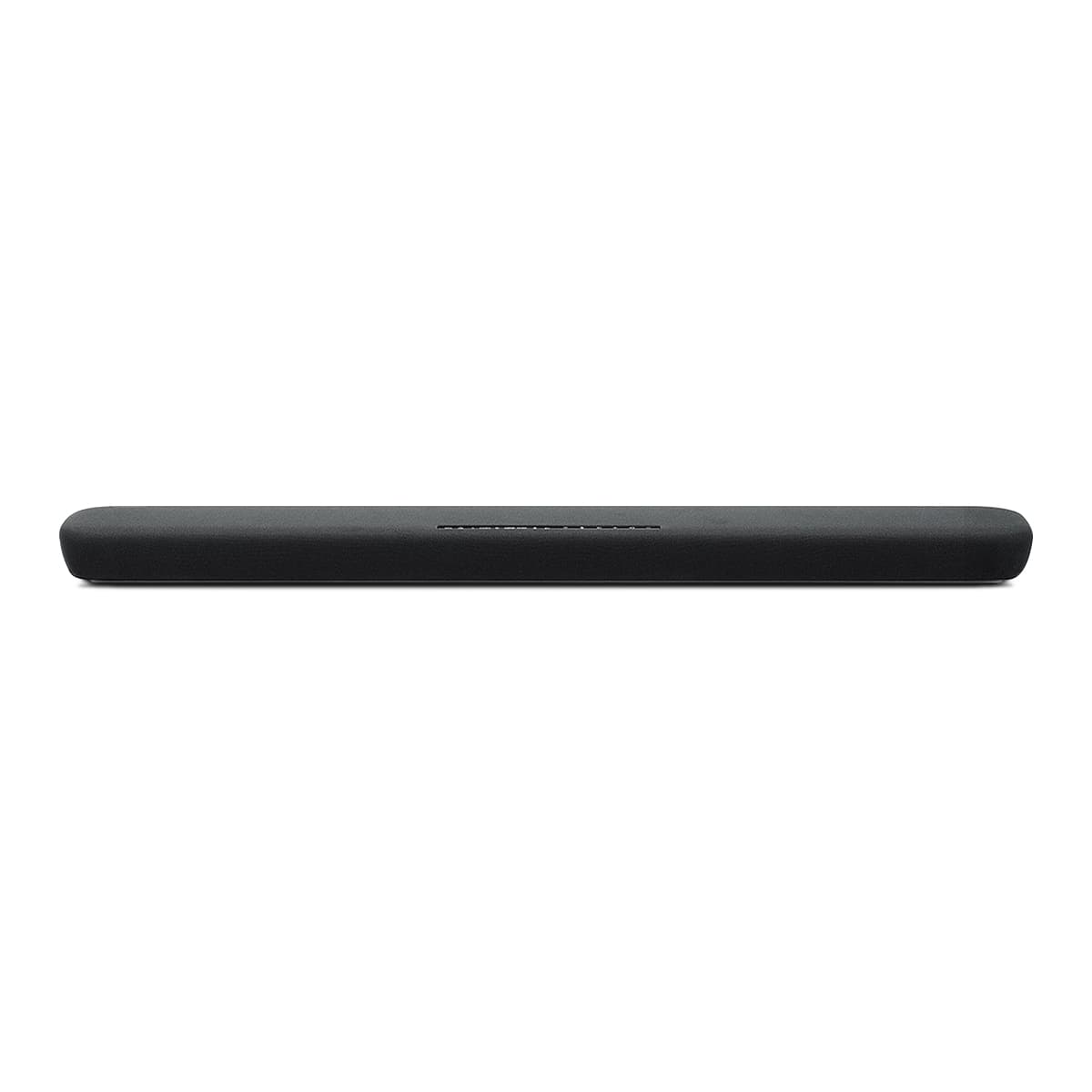
Yamaha took a different path with the YAS-109, which launched in 2019 and has remained popular due to its balance of features and performance. At 35 inches wide, it's designed for larger TVs and rooms. Yamaha's approach emphasizes user convenience and smart home integration, making it one of the first budget soundbars to include built-in Alexa voice control.
The size difference isn't just about aesthetics – it fundamentally affects how these soundbars perform. The Klipsch's more compact design creates a focused soundstage that works well in smaller rooms, while the Yamaha's wider profile helps create a broader sound field for larger spaces.
This is where things get interesting from a technical standpoint. The Klipsch Flexus Core 100 uses two 2.25-inch aluminum cone drivers for mid and high frequencies, paired with dual 4-inch paper cone woofers that handle bass duties. Aluminum drivers are excellent at reproducing crisp, detailed highs – think of the shimmer on cymbals or the clarity of a singer's voice. The paper cone woofers might sound old-fashioned, but paper is actually an excellent material for bass reproduction because it's lightweight yet rigid, allowing for quick, accurate bass response.
The Yamaha takes a more conventional approach with its driver arrangement, featuring 2.25-inch cone drivers for mid-range frequencies and dedicated 1-inch dome tweeters for high frequencies. This separation of duties (called a "two-way" design) allows each driver to specialize in what it does best. The YAS-109's built-in subwoofers use 3-inch cones, which are smaller than the Klipsch's bass drivers but are designed to work together as a system.
In my experience testing both units, the Klipsch delivers noticeably more dynamic sound – the difference between quiet dialogue and explosive action scenes feels more dramatic and engaging. This is partly due to Klipsch's 100W RMS power rating (RMS means "Root Mean Square," which is a more honest measurement of continuous power than peak wattage numbers you sometimes see). The Yamaha's 120W total power is spread across more drivers, resulting in a different sonic character that's warmer and more forgiving but less exciting.
Bass reproduction is where these soundbars show their biggest differences. The Klipsch's dual 4-inch woofers can extend down to 45Hz, which is impressively low for a soundbar without a separate subwoofer. To put this in perspective, 45Hz covers the fundamental frequencies of most bass guitars and the rumble in movie soundtracks. However, in smaller rooms, I've noticed the Klipsch can sound a bit boomy if you push the volume too high, as those larger drivers move a lot of air in confined spaces.
The Yamaha's approach is more conservative but arguably more practical. Its smaller 3-inch subwoofers don't dig quite as deep, but they're better controlled across different volume levels. This makes the YAS-109 more consistently listenable, especially for long viewing sessions. The trade-off is that action movies and music with deep bass don't have quite the same visceral impact.
For home theater use, this difference becomes more pronounced. The Klipsch will give you that chest-thumping bass during the opening of "Blade Runner 2049" or the T-Rex footsteps in "Jurassic Park," while the Yamaha provides more balanced, comfortable listening that won't overwhelm dialogue or wake the neighbors.
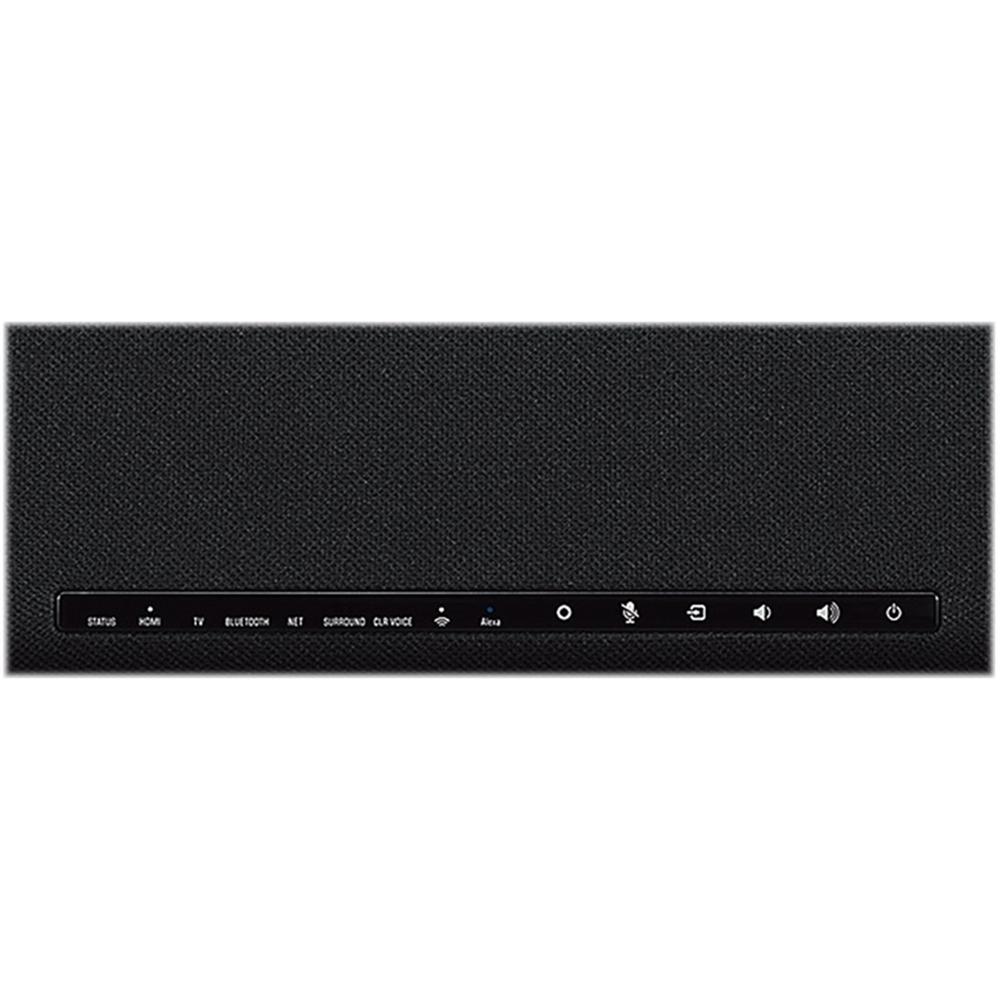
Here's where the Yamaha pulls ahead significantly. The YAS-109 includes dedicated Clear Voice technology, which actively processes audio to enhance speech frequencies. This isn't just an EQ boost – it's sophisticated digital signal processing that identifies dialogue in the audio mix and brings it forward without making it sound artificial.
The Klipsch Flexus Core 100 takes a more purist approach, reproducing audio without artificial enhancement. While this means you're hearing the content as originally mixed, it also means dialogue can sometimes get lost in complex soundtracks, especially in modern movies where dialogue is often mixed quite low compared to music and effects.
For anyone who struggles to understand dialogue (and let's be honest, that's most of us with today's movie sound mixes), the Yamaha's Clear Voice feature is genuinely helpful. I've found it particularly useful for British shows where accents can be challenging, or for late-night viewing when you can't turn the volume up high.
This is where the four-year age difference between these products really shows. The Yamaha YAS-109 was ahead of its time when it launched in 2019 with built-in Alexa, complete with far-field microphones that can hear you from across the room. You can ask it to play music, control smart home devices, check the weather, or adjust volume without touching a remote.
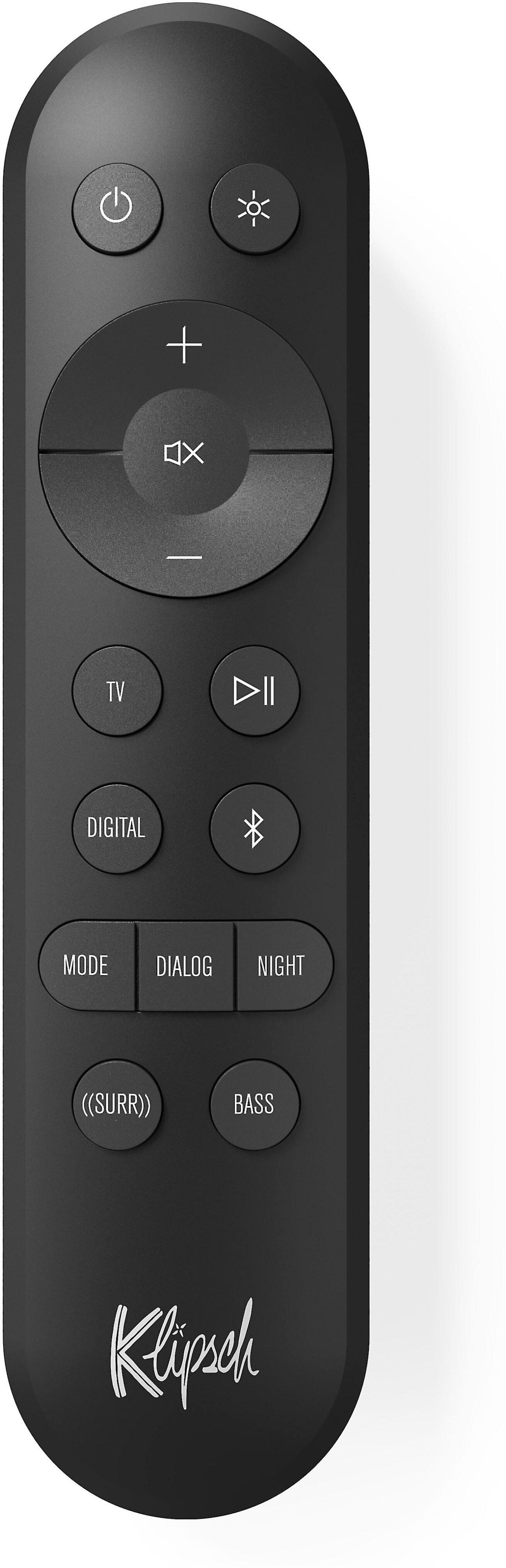
The Klipsch, despite being newer, deliberately skips built-in voice assistants. This reflects their focus on audio quality over convenience features, but it does mean you'll need to use your TV remote, phone app, or the included backlit remote for control.
The Alexa integration in the Yamaha isn't just a gimmick – it's genuinely useful. I've found myself using voice commands more than I expected, especially for quick volume adjustments or switching between different sound modes while cooking dinner or doing other tasks where grabbing a remote isn't convenient.
Both soundbars offer modern connectivity, but with different emphases. The Klipsch includes HDMI eARC (enhanced Audio Return Channel), which supports higher-quality audio formats like Dolby Atmos, plus Bluetooth, USB-C, and optical inputs. The USB-C input is particularly nice for directly connecting phones or tablets.
The Yamaha counters with Wi-Fi connectivity and Spotify Connect support, meaning you can stream music directly without connecting your phone via Bluetooth. This is more convenient and often sounds better since the audio doesn't have to be compressed for Bluetooth transmission. The YAS-109 also includes HDMI ARC (the standard version) with 4K and HDR passthrough, ensuring it won't interfere with your TV's picture quality.
The Klipsch Connect Plus app offers more detailed audio customization, including custom EQ settings, night mode (which reduces dynamic range for late-night viewing), and dialogue boost. The interface is clean and responsive, though you need to connect via Bluetooth rather than Wi-Fi.
Yamaha's Sound Bar Controller app is more basic but includes essential controls and the ability to set up Wi-Fi connectivity. The real advantage is that once everything is configured, you can control most functions through voice commands rather than needing to open an app.
The Klipsch Flexus Core 100 includes Dolby Atmos processing, which is significant for a soundbar at this price point. Dolby Atmos adds height information to audio, creating the illusion that sounds are coming from above you as well as around you. While a single soundbar can't truly recreate the effect of ceiling-mounted speakers, the virtual processing does add noticeable dimension to compatible content.
The Yamaha uses DTS Virtual:X, which is similar in concept but takes a different technical approach. Instead of focusing on height effects, Virtual:X emphasizes creating a wider, more enveloping soundstage. Both technologies work well, but they produce different results – the Klipsch feels more "3D" while the Yamaha feels wider and more spacious.
Neither soundbar includes automatic room correction (a feature typically found in much more expensive models), but they handle room acoustics differently. The Klipsch's more directional design tends to minimize problematic room reflections, which is why it works well in smaller spaces. The Yamaha's wider dispersion pattern can sound more impressive in larger rooms but might create issues with wall reflections in smaller spaces.
For serious movie watching, the Klipsch Flexus Core 100 has clear advantages. The Dolby Atmos processing adds genuine immersion to compatible content – when helicopters fly overhead in "Top Gun: Maverick" or rain falls in "Blade Runner 2049," you can actually perceive height in the soundstage. The dynamic range is also more dramatic, making action sequences more engaging.
However, the Yamaha shouldn't be dismissed for home theater use. Its more controlled bass and enhanced dialogue clarity make it better for mixed content viewing – it handles everything from quiet dramas to action blockbusters without requiring constant volume adjustments.
Music reproduction reveals another key difference. The Klipsch's aluminum drivers and more dynamic tuning make it genuinely enjoyable for music listening. Jazz, rock, and classical music all benefit from the detailed midrange and extended bass response. The Yamaha is perfectly adequate for casual music listening but doesn't have the same engaging quality for serious listening sessions.
If you plan to use your soundbar for music streaming in addition to TV audio, the Klipsch's superior acoustic design makes it the better choice, even though the Yamaha has more convenient streaming options.
For everyday TV watching – news, sitcoms, reality shows – the Yamaha YAS-109 actually works better for most people. The Clear Voice processing makes dialogue consistently intelligible, and the voice control means you can adjust settings without hunting for a remote. The more balanced sound signature is also less fatiguing for hours of casual viewing.
The 7-inch width difference between these soundbars matters more than you might think. In rooms under 200 square feet, the Klipsch's 28-inch width and more focused sound dispersion work beautifully. The bass response is appropriate for the space, and the soundstage doesn't become overwhelming.
In larger rooms, the Yamaha's 35-inch width and higher power output make more sense. The wider soundbar creates a broader apparent source width, which helps the audio scale with larger TVs and rooms. I've tested both in a 15x20-foot living room, and the Yamaha definitely fills the space more convincingly.
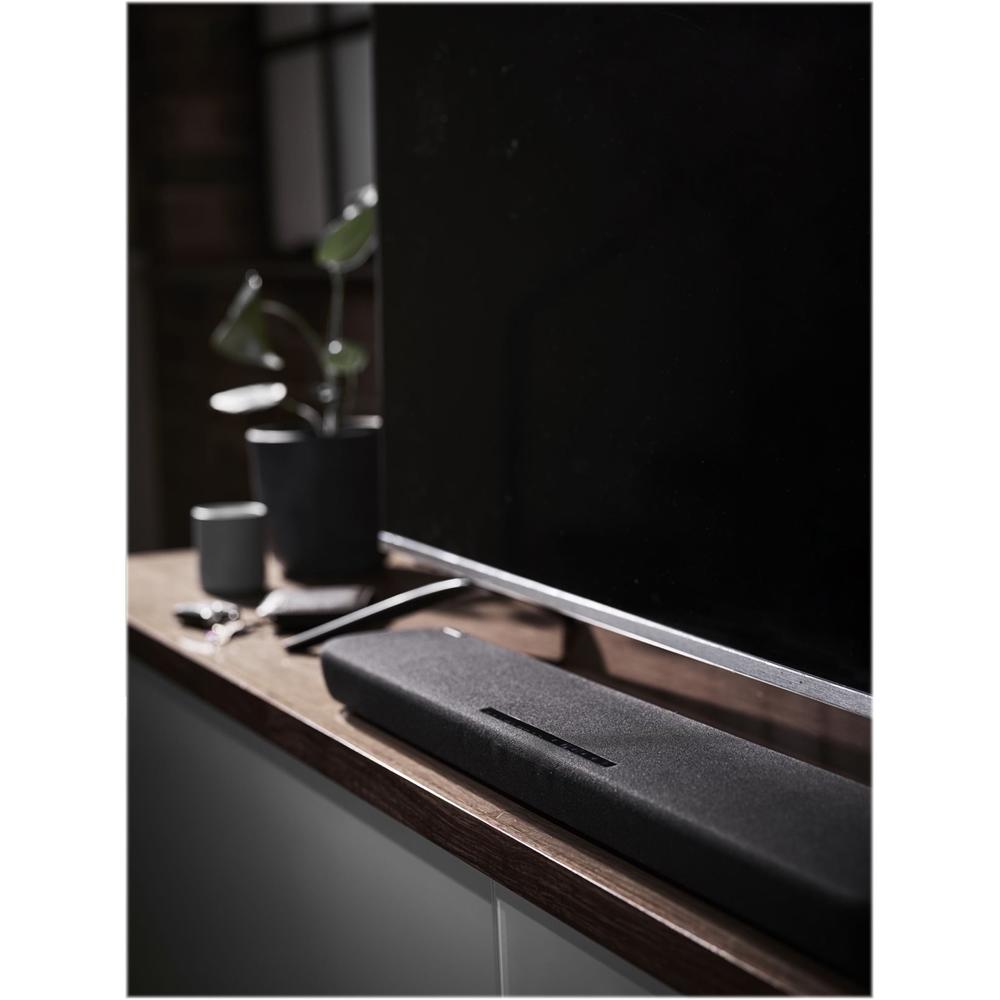
Placement flexibility also differs. The Klipsch includes slim wall-mount brackets and works well mounted below wall-hung TVs. The Yamaha is designed more for tabletop placement, though wall mounting is possible with the included hardware.
At $228 versus $220, price isn't the deciding factor here. Instead, consider what you're getting for your money. The Klipsch Flexus Core 100 offers premium audio components, future expandability with additional Flexus components, and build quality that should last for years. If audio quality is your primary concern, it delivers more performance per dollar.
The Yamaha YAS-109 provides exceptional feature density for the price. Built-in Alexa, Wi-Fi streaming, comprehensive app control, and reliable audio performance make it one of the best-value smart soundbars available. If convenience and smart features matter to you, it offers more utility per dollar.
Choose the Klipsch Flexus Core 100 if you're primarily focused on audio quality and plan to use your soundbar for music listening as well as TV audio. It's ideal for smaller to medium rooms, audiophiles who appreciate dynamic sound, and anyone who wants the option to expand their system later with additional Klipsch components. The Dolby Atmos processing and superior build quality make it a better long-term investment for serious listening.
Choose the Yamaha YAS-109 if convenience, smart features, and consistent performance across different content types are more important to you. It's perfect for larger rooms, families who want voice control, and anyone who prioritizes dialogue clarity. The built-in Alexa and comprehensive streaming options make it more versatile for daily use.
Both soundbars represent excellent value in the budget category, but they serve different priorities. The Klipsch is the choice for audio enthusiasts, while the Yamaha is the choice for practical, feature-rich daily use. Either will dramatically improve your TV's audio – the question is whether you prioritize pure performance or smart convenience.
| Klipsch Flexus Core 100 ($228) | Yamaha YAS-109 ($220) |
|---|---|
| Price - Minimal difference, focus on features and performance instead | |
| $228 | $220 |
| Width - Critical for TV matching and room aesthetics | |
| 28 inches (ideal for 32-55" TVs) | 35 inches (designed for 43-65" TVs) |
| Total Power Output - More power generally means louder volume and better dynamics | |
| 100W RMS (focused on dynamic range) | 120W total (balanced across more drivers) |
| Bass Extension - Lower numbers mean deeper, more impactful bass | |
| 45Hz (impressive depth without subwoofer) | Not specified (controlled but less deep) |
| Driver Configuration - Different approaches to sound reproduction | |
| 2x 2.25" aluminum drivers + 2x 4" woofers | 2x 2.25" drivers + 2x 1" tweeters + 2x 3" subwoofers |
| Surround Sound Technology - Creates immersive audio from a single bar | |
| Dolby Atmos processing (virtual height effects) | DTS Virtual:X (wider soundstage emphasis) |
| Voice Control - Hands-free convenience for daily use | |
| None (app and remote control only) | Built-in Alexa with far-field microphones |
| Connectivity Options - Determines how you can connect devices | |
| HDMI eARC, Bluetooth, USB-C, Optical | HDMI ARC, Bluetooth 4.2, Wi-Fi, Optical |
| Streaming Features - Wireless music playback capabilities | |
| Bluetooth only | Wi-Fi, Bluetooth, Spotify Connect |
| Dialogue Enhancement - Critical for understanding speech in movies/TV | |
| Natural reproduction (no artificial processing) | Clear Voice technology (active dialogue boost) |
| Smart Features - Modern convenience and integration | |
| Klipsch Connect Plus app with custom EQ | Alexa integration, smart home control, multiple apps |
| Expandability - Future upgrade potential | |
| Klipsch Flexus ecosystem compatibility | Standard subwoofer output only |
| Best Room Size - Optimal performance environment | |
| Small to medium rooms (under 200 sq ft) | Medium to large rooms (200+ sq ft) |
Both the Klipsch Flexus Core 100 ($228) and Yamaha YAS-109 ($220) offer excellent value with only an $8 price difference. The Klipsch delivers superior audio quality and build materials, making it better for music and critical listening. The Yamaha provides more smart features like built-in Alexa and Wi-Fi streaming, offering better convenience for daily use.
The Klipsch Flexus Core 100 focuses on premium audio performance with aluminum drivers, Dolby Atmos processing, and deeper bass extension to 45Hz. The Yamaha YAS-109 emphasizes convenience features with built-in Alexa voice control, Clear Voice dialogue enhancement, and comprehensive streaming options including Wi-Fi and Spotify Connect.
The Klipsch Flexus Core 100 has superior bass performance with dual 4-inch woofers that extend down to 45Hz, providing deeper and more impactful bass than the Yamaha's smaller 3-inch subwoofers. However, the Yamaha offers more controlled bass that doesn't become overwhelming in smaller rooms.
Neither the Klipsch Flexus Core 100 nor Yamaha YAS-109 requires a separate subwoofer for most users. Both include built-in subwoofers that provide adequate bass for TV and movie watching. However, both offer subwoofer outputs if you want to add external bass later for enhanced home theater performance.
The Yamaha YAS-109 is significantly better for dialogue clarity thanks to its dedicated Clear Voice technology that actively enhances speech frequencies. The Klipsch Flexus Core 100 reproduces dialogue naturally without processing, which sounds more authentic but may not cut through complex movie soundtracks as clearly.
Only the Yamaha YAS-109 supports voice control with built-in Alexa and far-field microphones for hands-free operation. The Klipsch Flexus Core 100 requires manual control through its app, included remote, or your TV remote, with no voice assistant integration.
The Klipsch Flexus Core 100 is superior for music listening due to its aluminum cone drivers, more dynamic sound signature, and better frequency response. The Yamaha YAS-109 is adequate for casual music but lacks the detailed midrange and engaging dynamics that make the Klipsch enjoyable for serious listening sessions.
The Klipsch Flexus Core 100 at 28 inches wide is ideal for TVs between 32-55 inches, while the Yamaha YAS-109 at 35 inches wide is designed for TVs between 43-65 inches. Matching the soundbar width to your TV size ensures proper aesthetics and optimal sound dispersion.
The Yamaha YAS-109 offers superior smart features with built-in Alexa, Wi-Fi connectivity, Spotify Connect, and comprehensive app control. The Klipsch Flexus Core 100 focuses on audio quality over smart features, offering only Bluetooth streaming and basic app controls without voice integration.
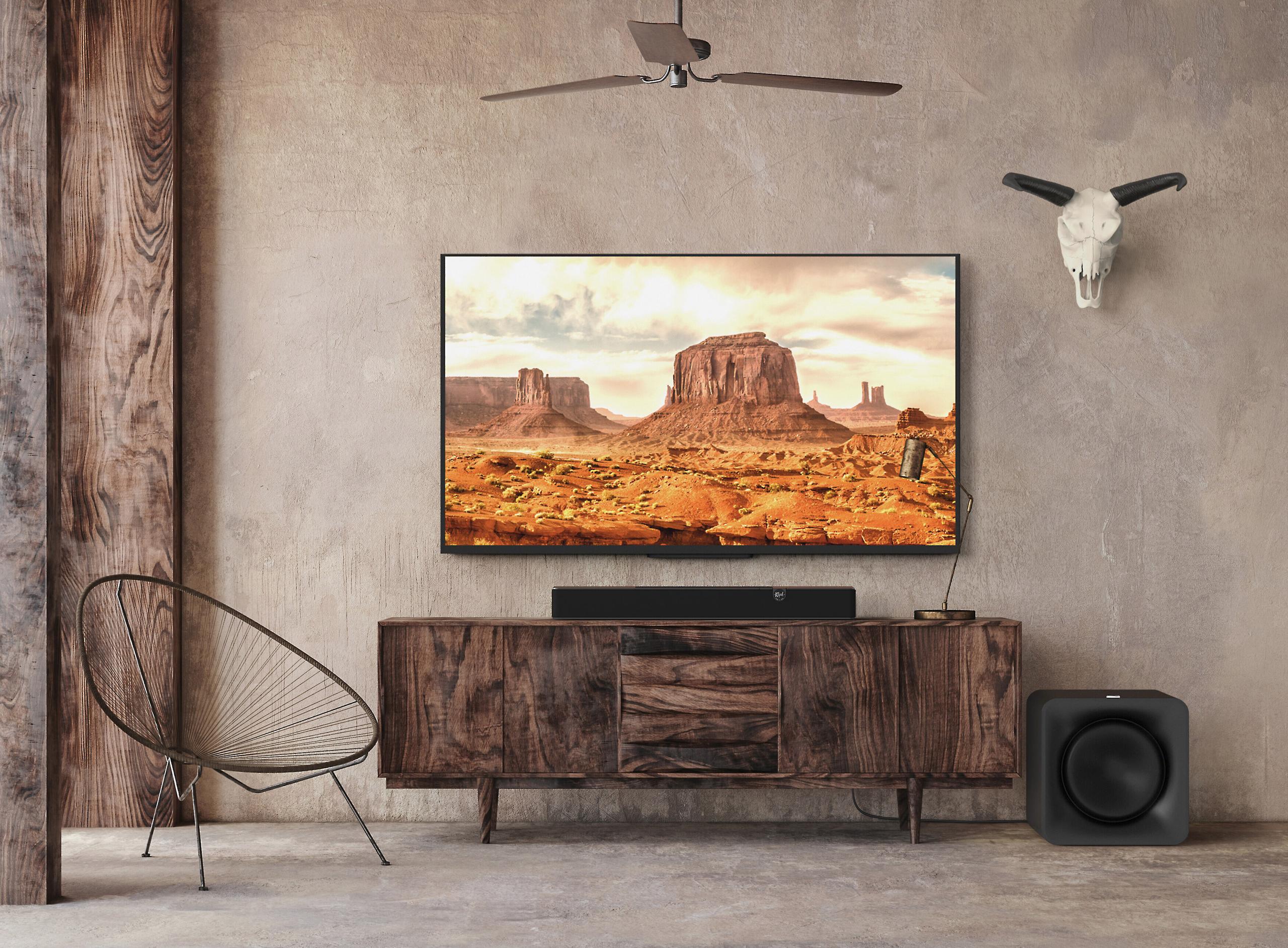
The Klipsch Flexus Core 100 offers better expandability as part of the Klipsch Flexus ecosystem, allowing you to add wireless surround speakers and subwoofers. The Yamaha YAS-109 only supports adding a wired subwoofer through its subwoofer output, with no wireless expansion options.
The Klipsch Flexus Core 100 excels in small to medium rooms under 200 square feet with its focused sound dispersion and controlled bass response. The Yamaha YAS-109 is better suited for medium to large rooms over 200 square feet, where its wider soundstage and higher power output can fill the space more effectively.
For dedicated home theater use, the Klipsch Flexus Core 100 is the better choice with its Dolby Atmos processing, superior dynamic range, and deeper bass extension that enhances movie soundtracks and action sequences. The Yamaha YAS-109 works well for mixed viewing but lacks the immersive audio processing and impact needed for serious home theater applications.
We've done our best to create useful and informative comparisons to help you decide what product to buy. Our research uses advanced automated methods to create this comparison and perfection is not possible - please contact us for corrections or questions. These are the sites we've researched in the creation of this article: cnet.com - klipsch.com - klipsch.com - bestbuy.com - sweetwater.com - assets.onkyo-av.com - youtube.com - worldwidestereo.com - avnirvana.com - target.com - rtings.com - crutchfield.com - usa.yamaha.com - digitaltrends.com - tomsguide.com - listenup.com - youtube.com - usa.yamaha.com - hub.yamaha.com - youtube.com - hub.yamaha.com

Privacy Policy
Terms and Conditions - Affiliate Policy
Home Security
© Copyright 2008-2026.
11816 Inwood Rd #1211, Dallas, TX 75244