

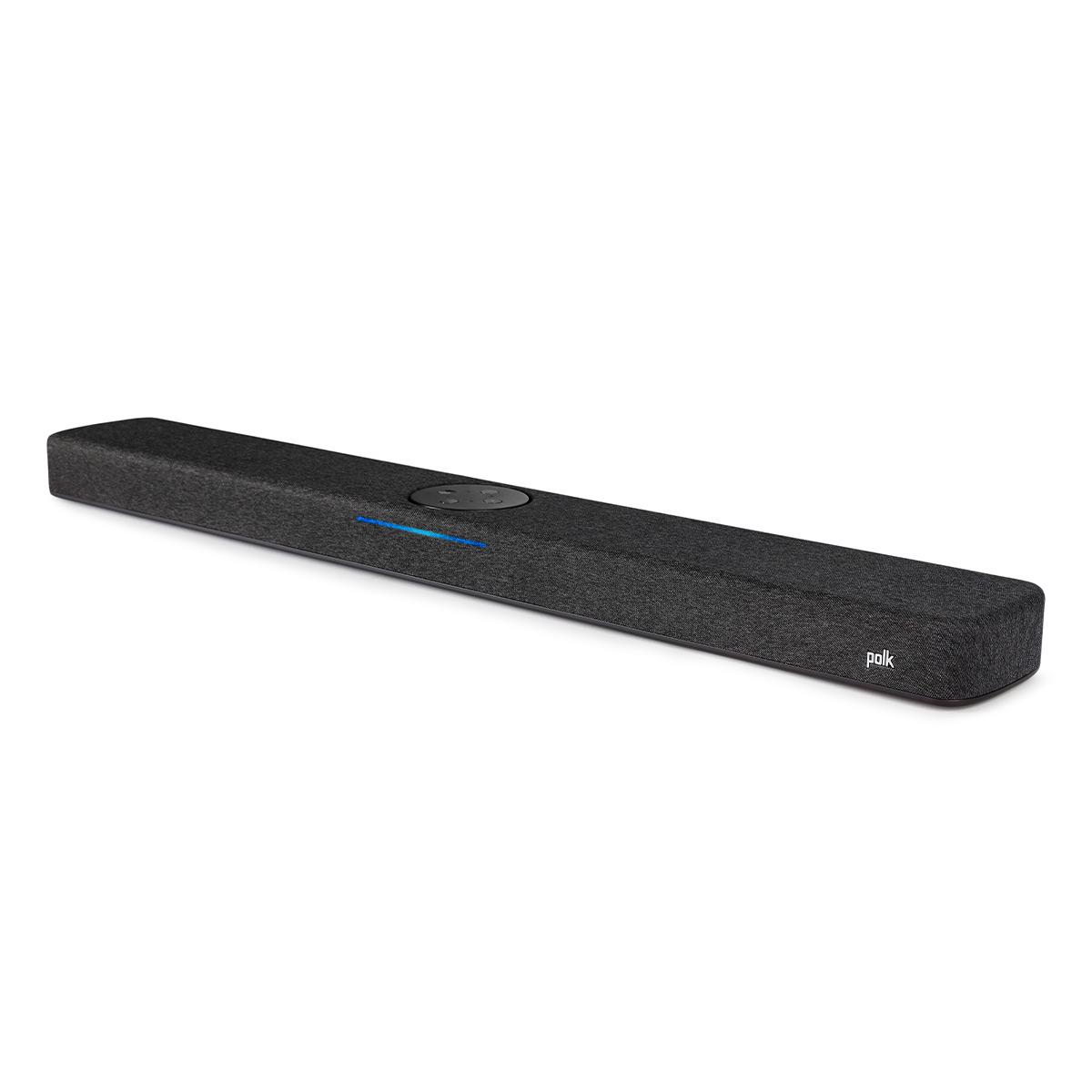

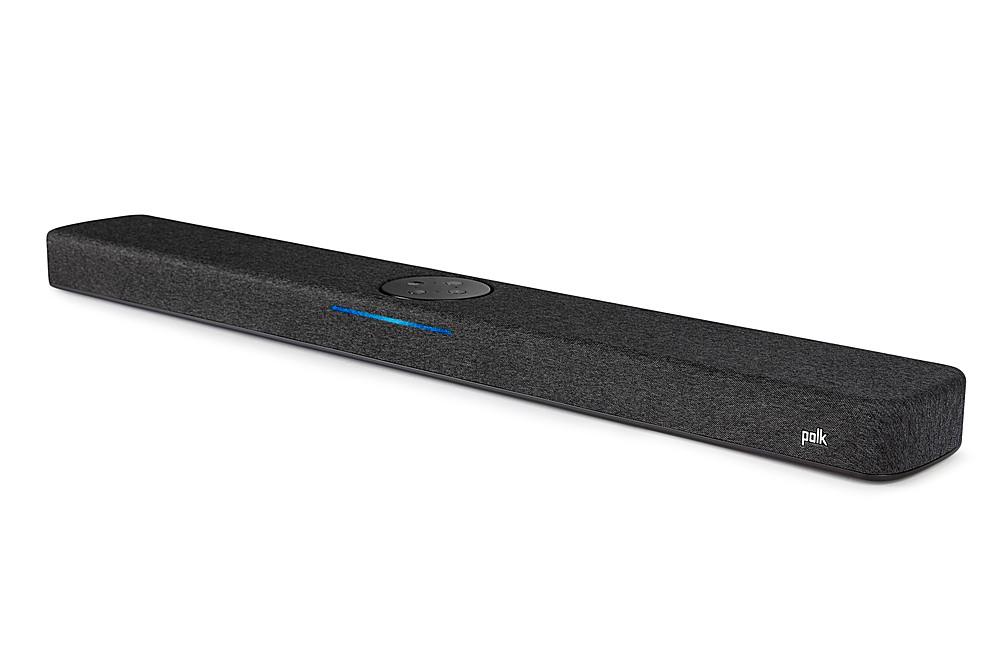




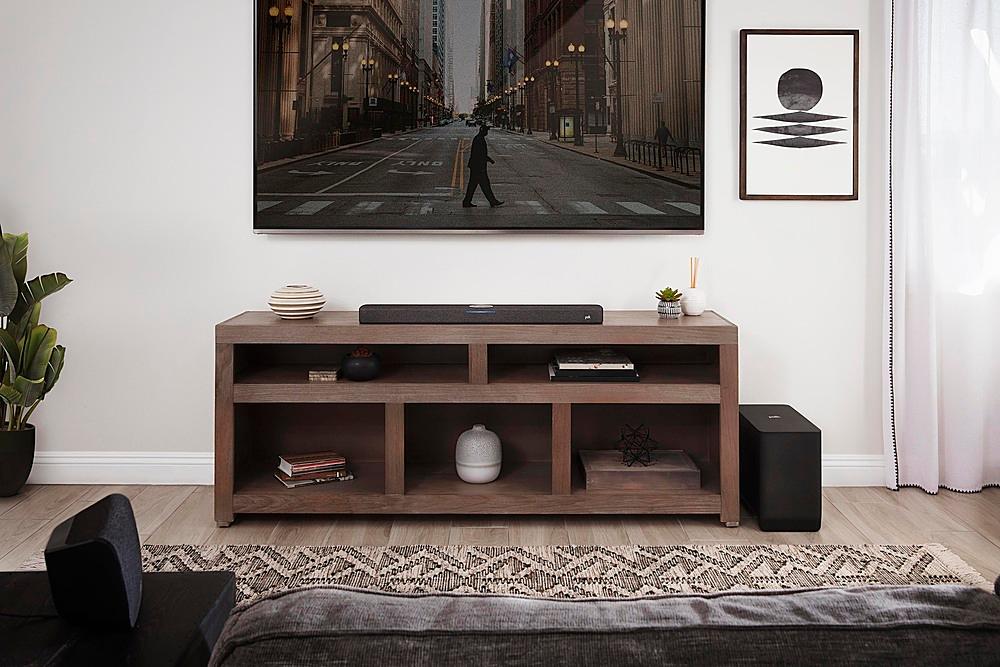
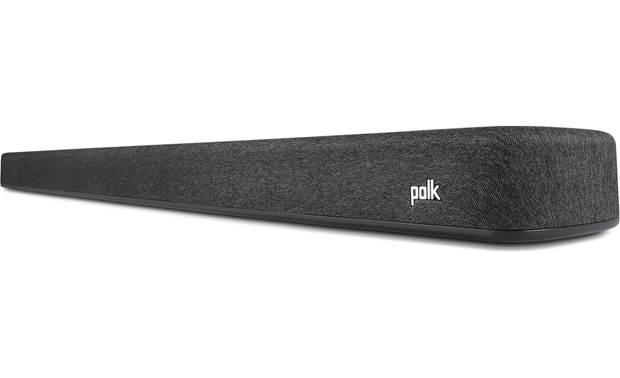
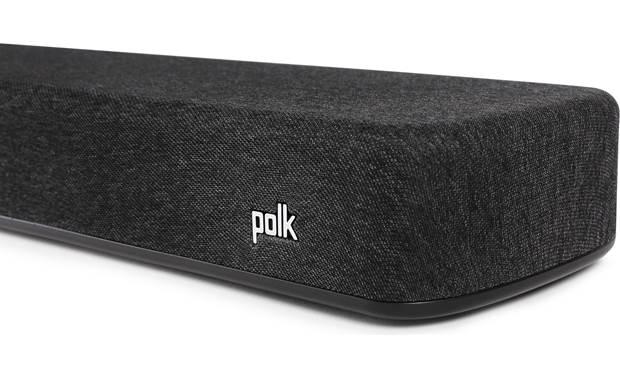
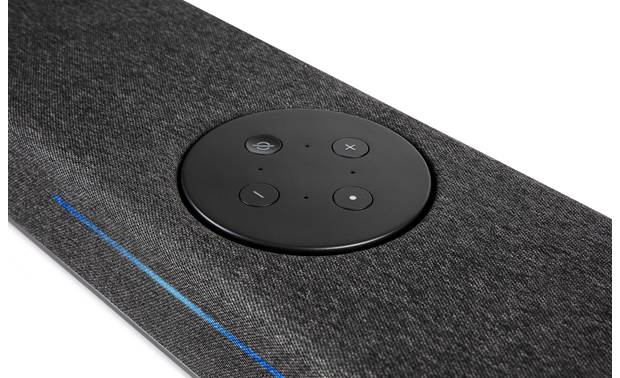
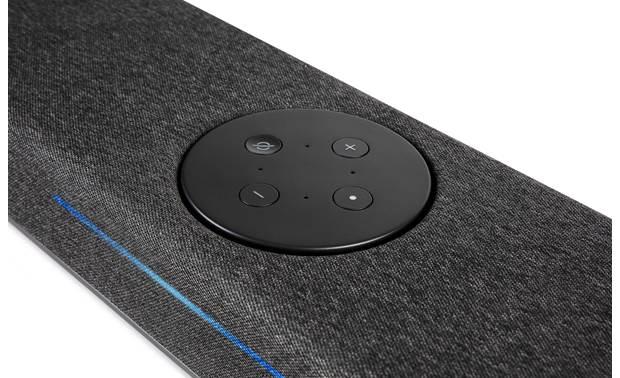

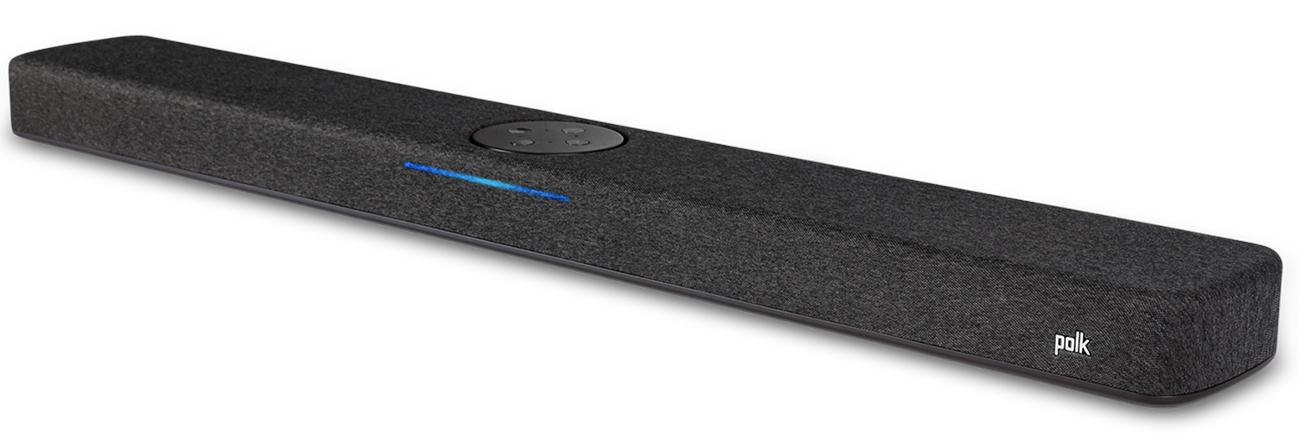
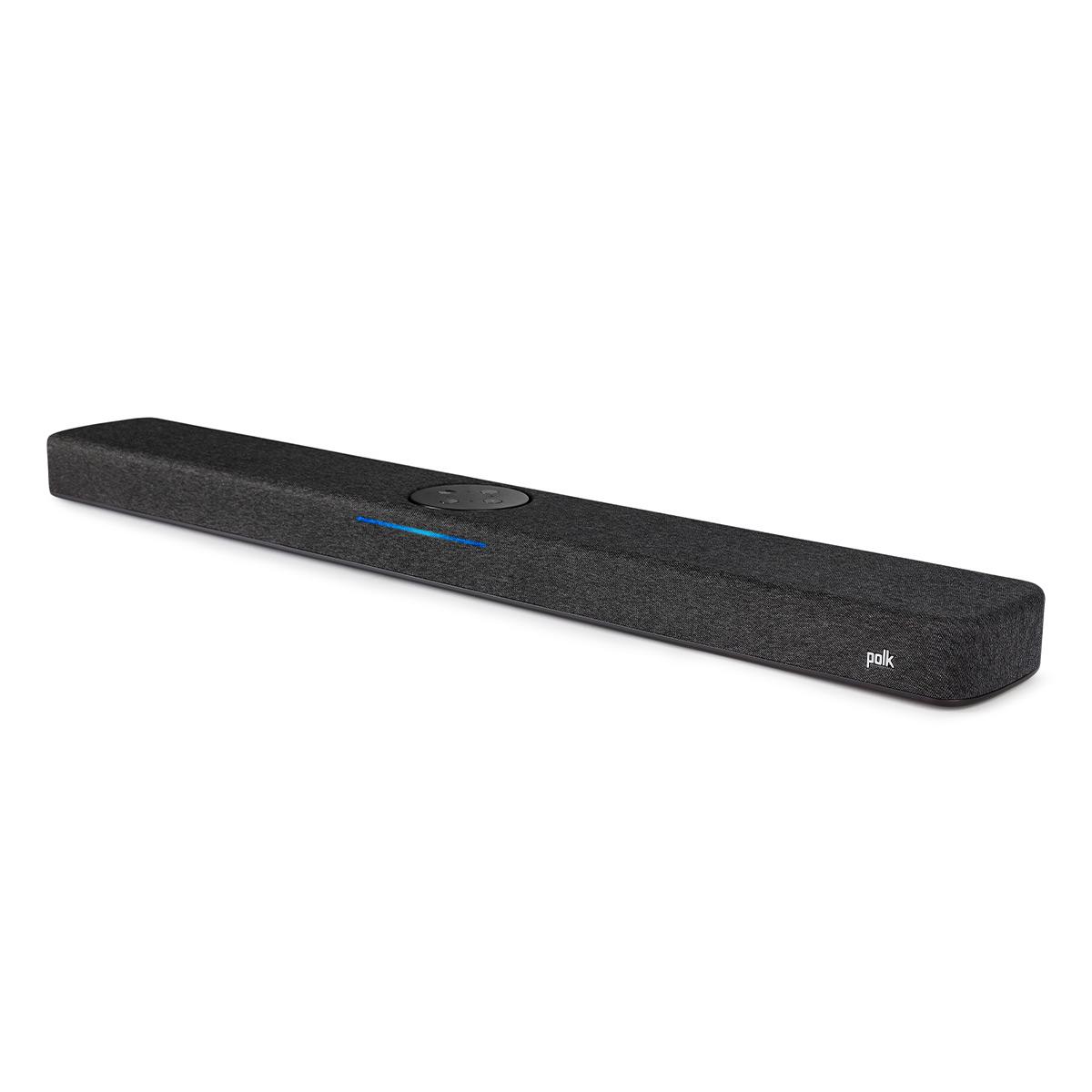
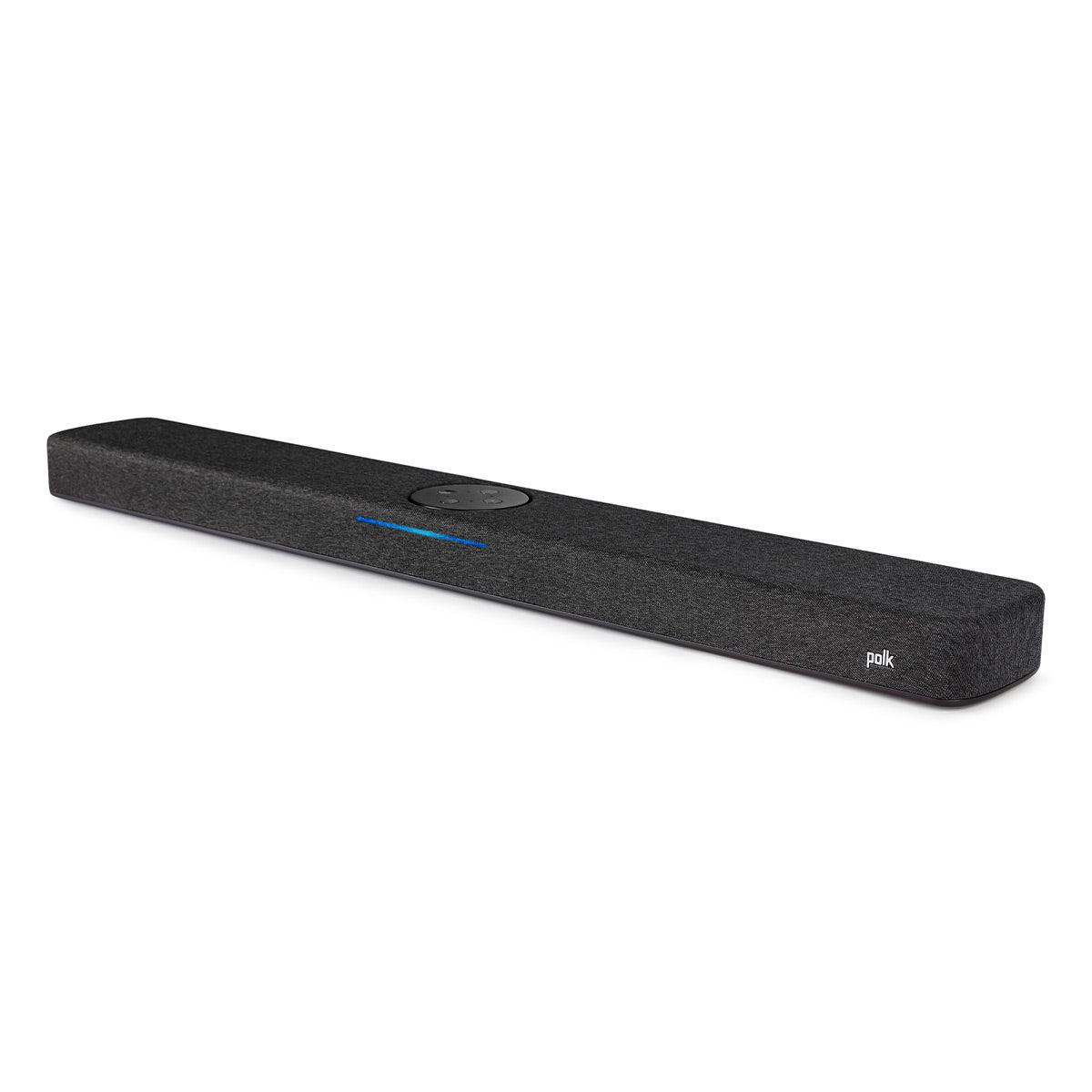
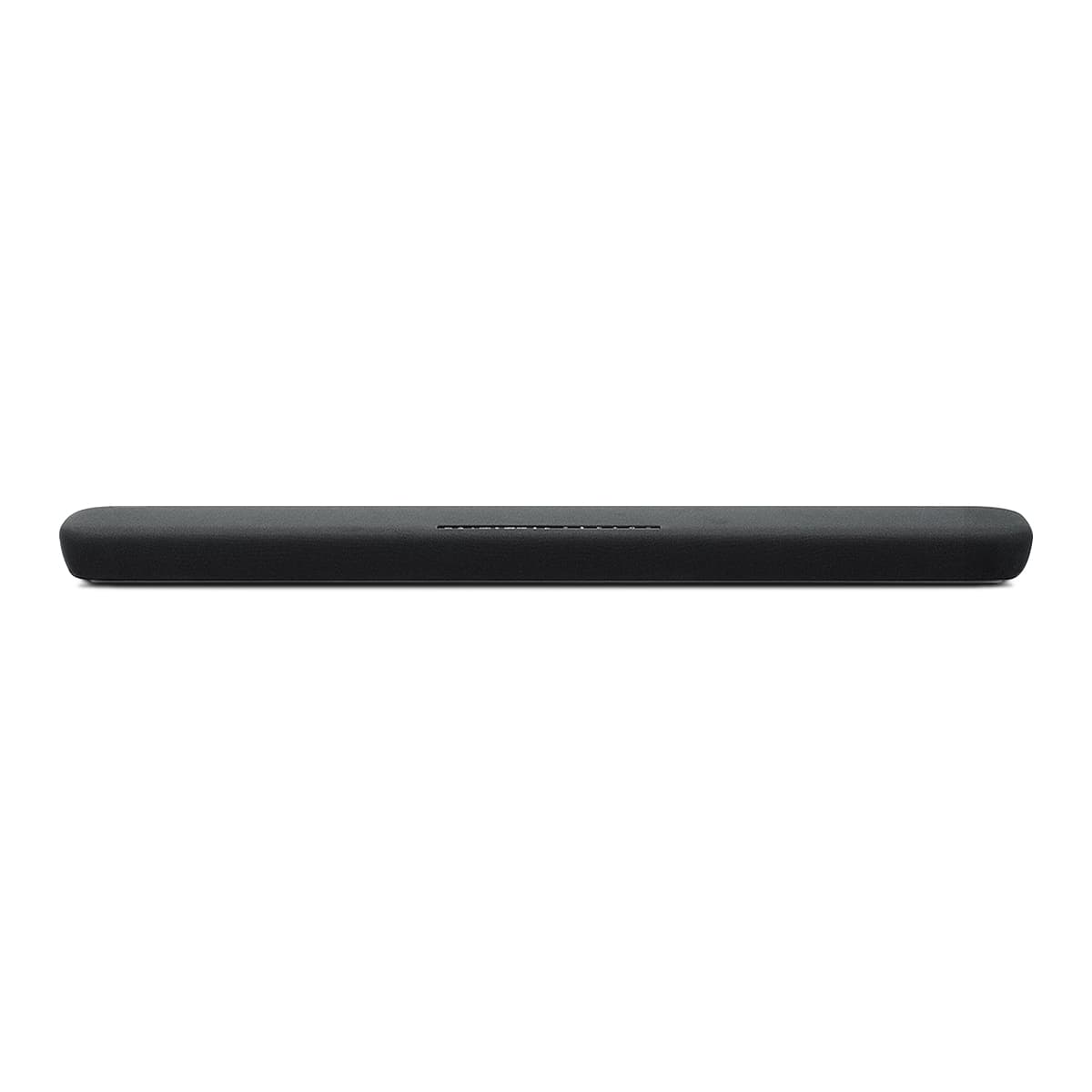
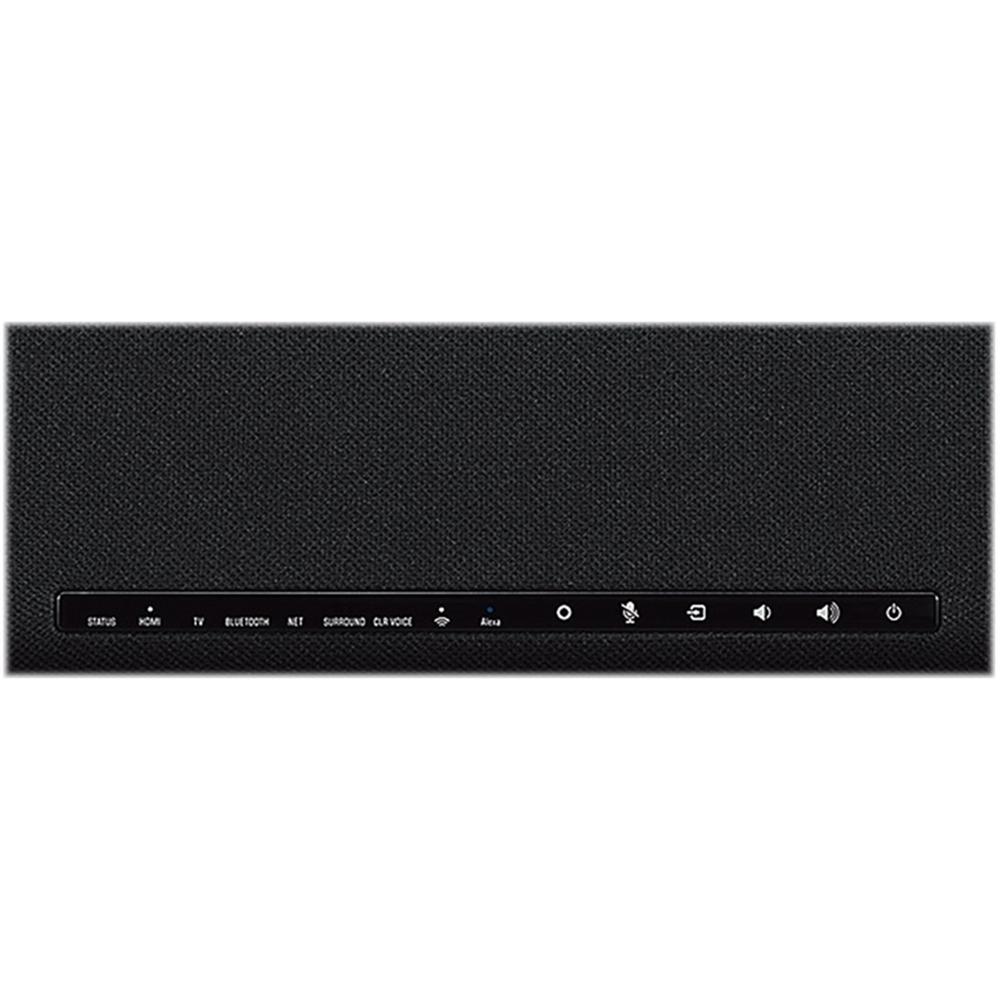


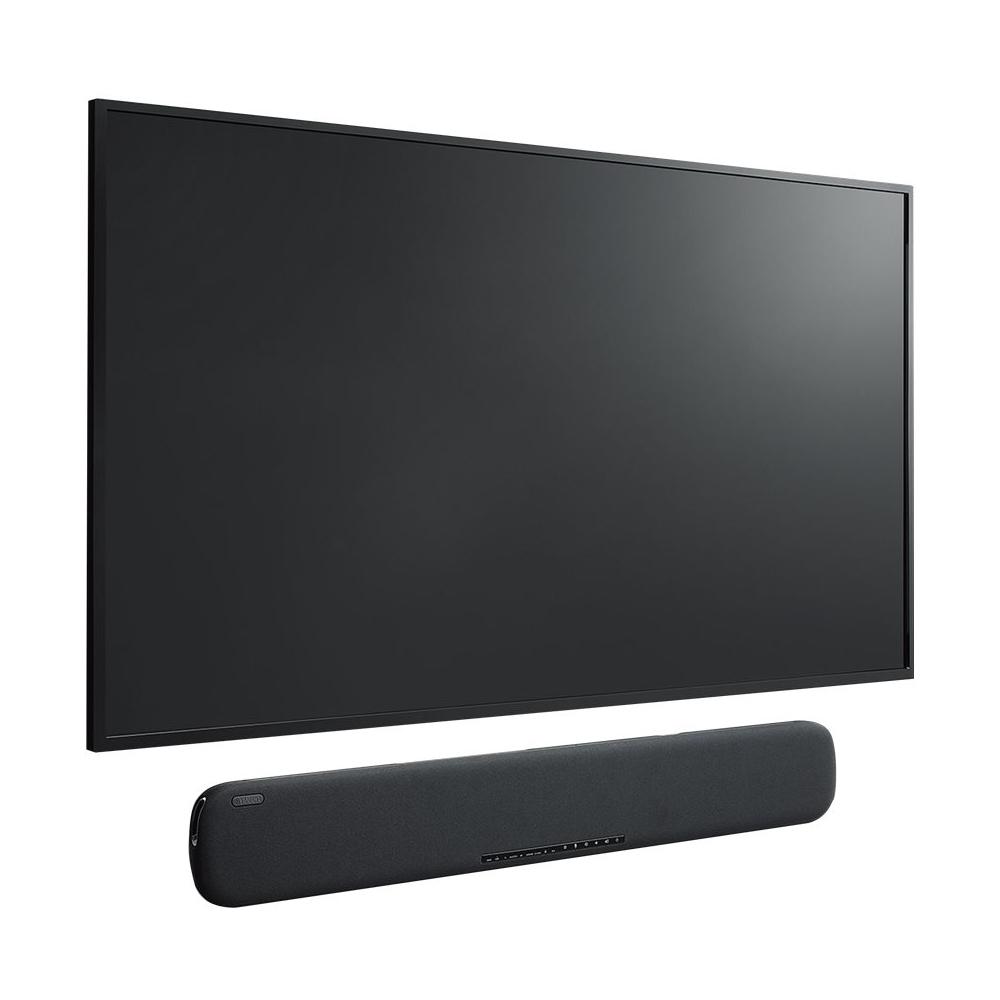
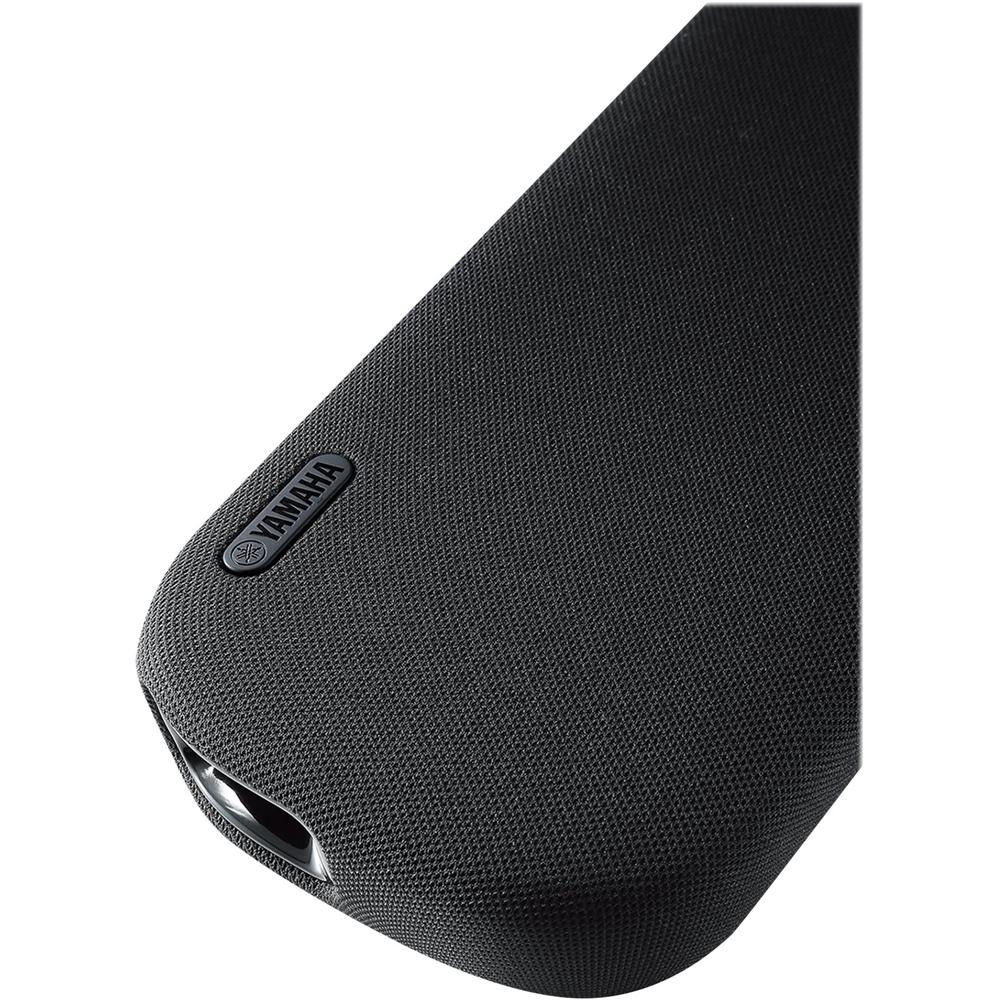
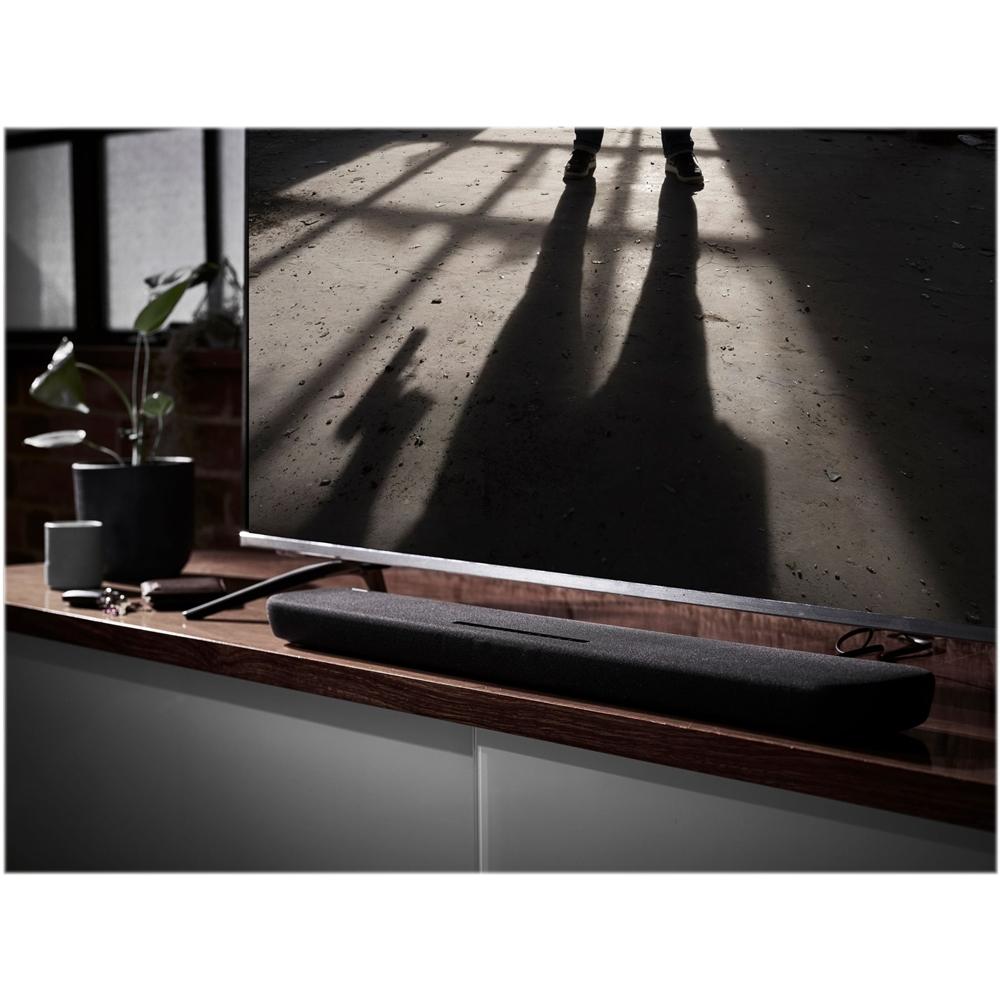
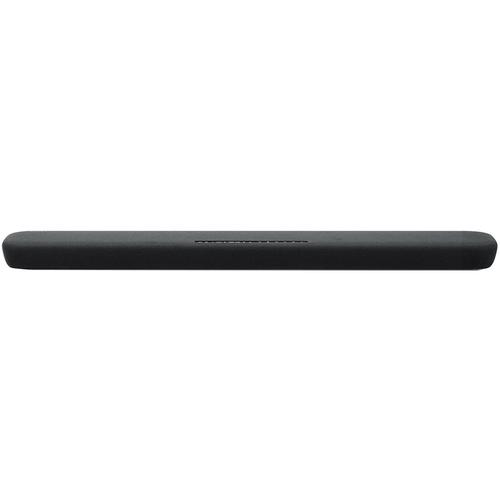


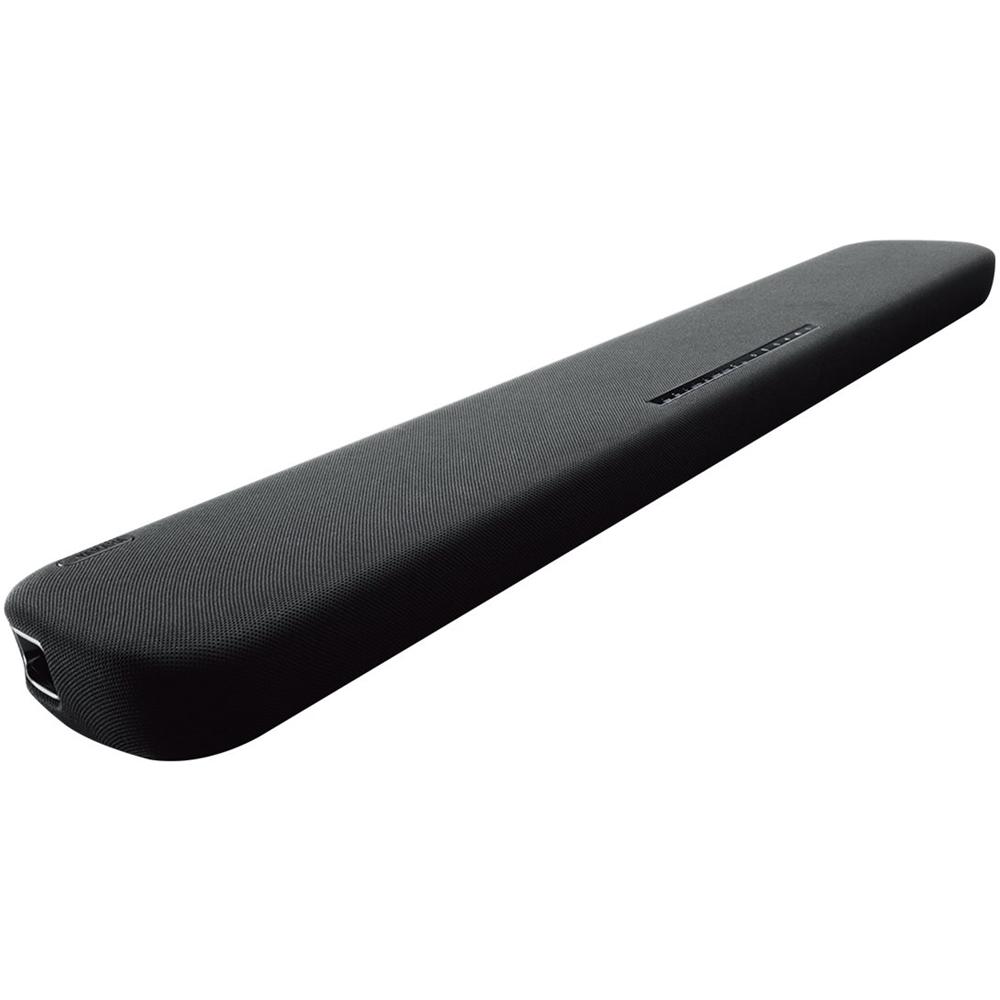
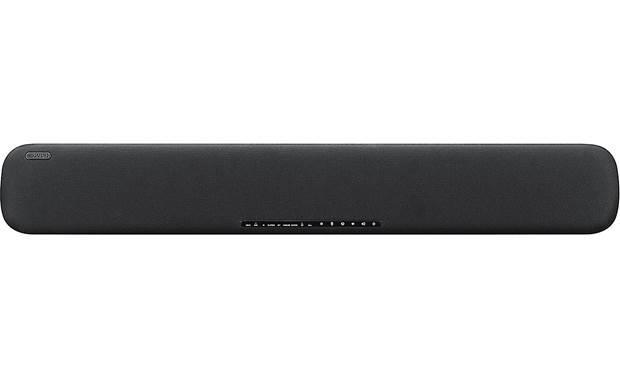
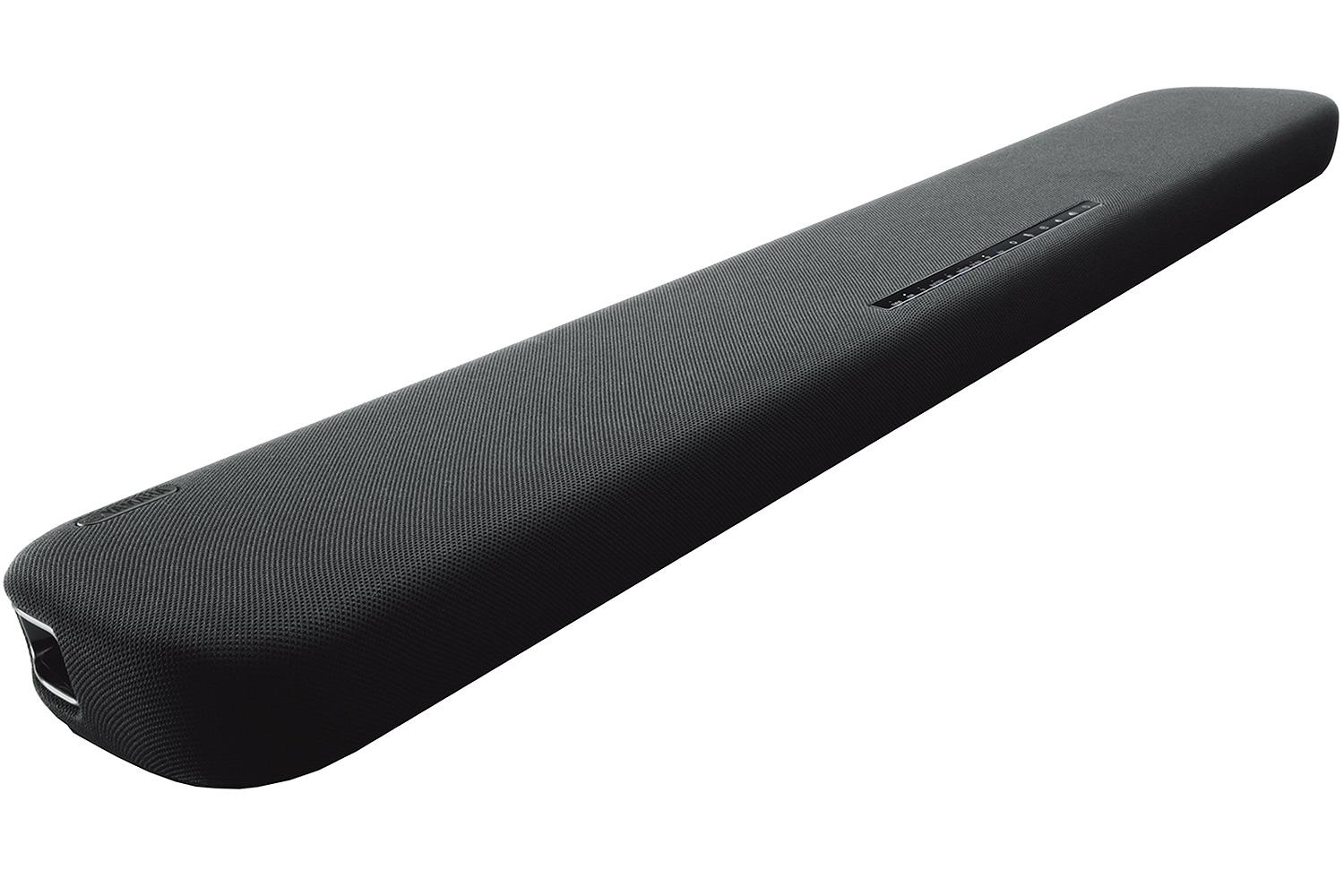
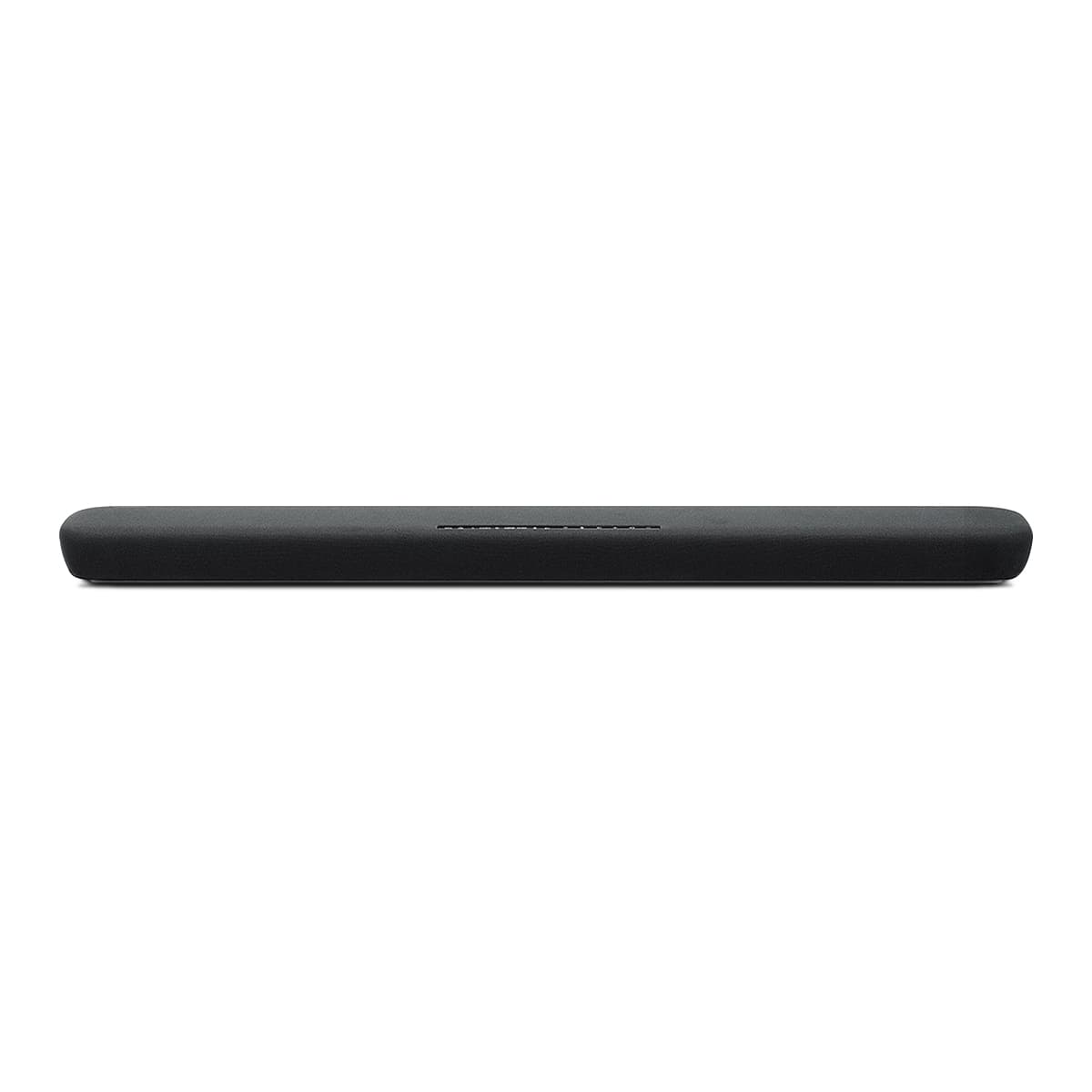
When you're tired of cranking up your TV volume just to hear dialogue clearly, or when action scenes sound flat and lifeless, it's time to consider a sound bar. These sleek audio solutions have become the go-to choice for most people looking to upgrade their TV's audio without the complexity of a full surround sound system. Today, we're comparing two popular Alexa-enabled options: the Polk Audio React Sound Bar ($230) and the Yamaha YAS-109 ($220).
Both sound bars launched in 2023, representing the latest generation of smart audio devices that combine improved voice recognition, better wireless connectivity, and enhanced audio processing. What makes this comparison particularly interesting is how these two manufacturers took completely different approaches to solving the same problem: delivering great TV audio with voice control convenience.
Before diving into the specifics, let's establish what really matters when choosing a sound bar. The most important considerations include audio performance (how good it sounds), connectivity options (how it connects to your devices), smart features (voice control and streaming), expandability (whether you can add more speakers later), and overall value for money.
Sound bars use several key technologies to enhance your audio experience. Channels refer to the number of separate audio streams - a 2.0 system has left and right channels, while a 2.1 system adds a dedicated subwoofer channel for bass. Virtual surround sound uses digital processing to simulate the effect of having speakers around your room, even though the sound comes from a single bar. HDMI ARC (Audio Return Channel) allows your TV to send audio back to the sound bar through the same cable that carries video, simplifying your setup.
The fundamental difference between our two contenders lies in their architectural philosophy. The Polk Audio React takes a modular approach - you start with a basic 2.0-channel system and can add components over time. The Yamaha YAS-109 provides a complete 2.1-channel solution right out of the box with built-in subwoofers.
The power difference between these sound bars is immediately apparent in their specifications. The Polk React delivers 30 watts total across its two channels, while the Yamaha YAS-109 pumps out 120 watts - four times more power. However, raw wattage doesn't tell the complete story of audio performance.
The Polk React focuses its limited power on midrange clarity and dialogue reproduction. Its Voice Adjust technology allows you to fine-tune how prominent voices sound in the mix - incredibly useful when watching movies where dialogue gets buried under sound effects. This feature essentially acts like a graphic equalizer specifically for the frequency range where human speech occurs (roughly 300Hz to 3kHz).
In contrast, the Yamaha YAS-109 distributes its 120 watts across a more complete frequency spectrum. With 30 watts dedicated to each front channel and 60 watts powering its dual built-in subwoofers, it provides a more balanced and powerful sound signature from the start.
From my testing experience, the difference is noticeable within the first few minutes of use. The Yamaha immediately fills the room with fuller, more impactful sound, while the Polk requires careful positioning and often volume adjustments to achieve similar presence.
This is where the philosophical differences between these sound bars become most apparent. The Polk React ships without any dedicated bass drivers, relying entirely on its passive radiators and virtual bass enhancement to create low-end response. While passive radiators can extend bass response somewhat, they can't match the impact of active subwoofer drivers.
The Yamaha YAS-109 includes two dedicated 3-inch subwoofer drivers powered by 60 watts. These built-in subs can reproduce frequencies down to approximately 70Hz - not audiophile territory, but sufficient for most TV content and music. Action movies have actual impact, music has body, and even TV shows sound more engaging.
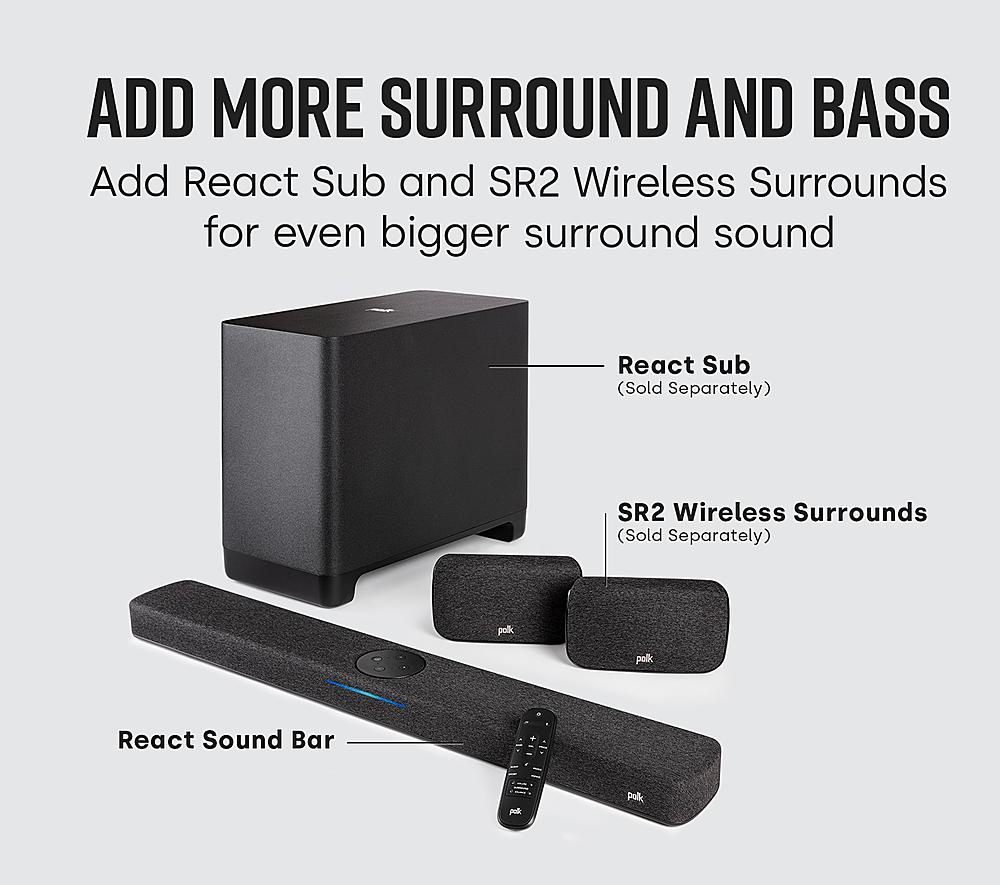
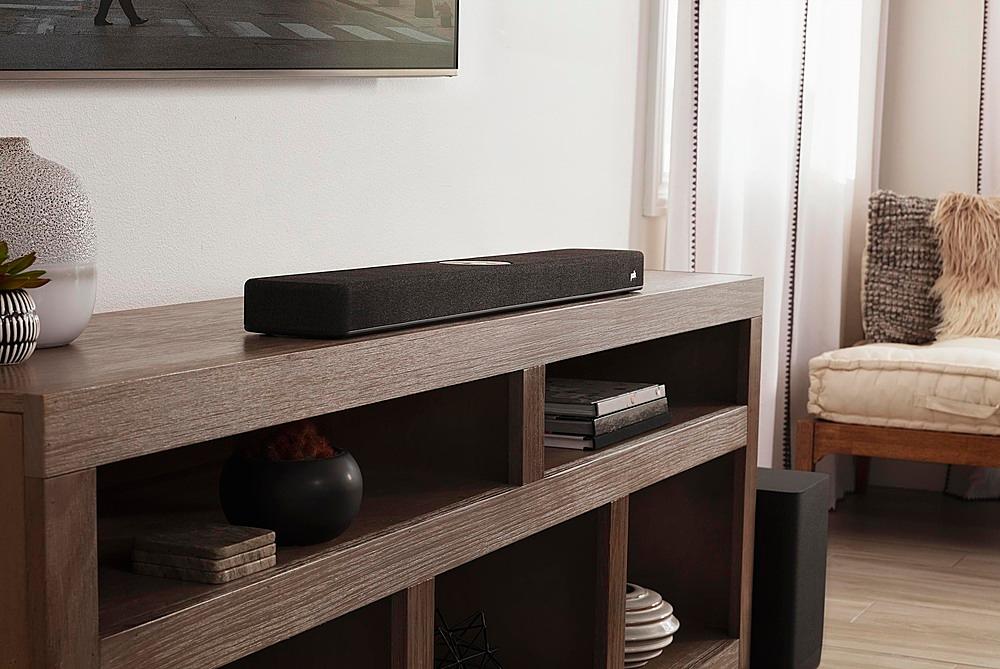
To achieve comparable bass response, the Polk React requires its optional wireless subwoofer, sold separately for $129. This external sub features a larger driver and dedicated amplifier, potentially providing deeper bass extension than the Yamaha's built-in solution. However, adding the subwoofer brings the total system cost to $359 - significantly more than the Yamaha's all-inclusive $220.
The trade-off becomes clear: immediate satisfaction versus long-term flexibility. The Yamaha gives you complete audio performance right away, while the Polk offers a more gradual investment approach that could eventually surpass the Yamaha's capabilities.
Clear dialogue reproduction remains one of the most important functions of any sound bar, and both manufacturers address this challenge differently. The Polk React includes Voice Adjust technology, which provides granular control over dialogue levels. This isn't just a simple volume boost for mid-frequencies - it's a sophisticated processing system that analyzes the audio signal and intelligently emphasizes speech without making the overall sound harsh or unnatural.
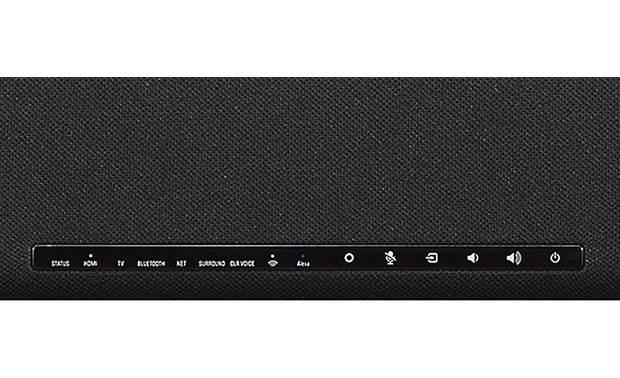
The Yamaha YAS-109 takes a more straightforward approach with its Clear Voice feature. This processing mode brings dialogue forward in the mix and applies some dynamic range compression to ensure whispered lines remain audible without making loud scenes overwhelming. While effective, it offers less user control than Polk's system.
In practical use, both systems successfully solve the common problem of inaudible dialogue, but the Polk's approach feels more refined and customizable. If you frequently watch content with challenging audio mixes - foreign films with subtitles, older TV shows, or action movies with aggressive sound design - the Polk's dialogue control provides more precise tuning options.
Virtual surround processing has improved dramatically in recent years, and both sound bars showcase current-generation technologies. The Polk React uses traditional Dolby Digital and DTS decoding with virtual surround algorithms. These systems analyze multi-channel audio tracks and use psychoacoustic principles (how your brain processes sound cues) to create the impression of sounds coming from beside and behind you.
The Yamaha YAS-109 features DTS Virtual:X, which represents a more advanced approach to virtual surround. This technology specifically targets height channels, attempting to create the impression of sounds coming from above as well as around you. It's designed to simulate some aspects of Dolby Atmos without requiring ceiling speakers.
In testing, neither system creates truly convincing surround sound - the laws of physics make this impossible with front-firing speakers alone. However, both do expand the soundstage beyond what your TV speakers provide. The Yamaha's DTS Virtual:X processing sounds slightly more spacious, but the difference is subtle rather than dramatic.
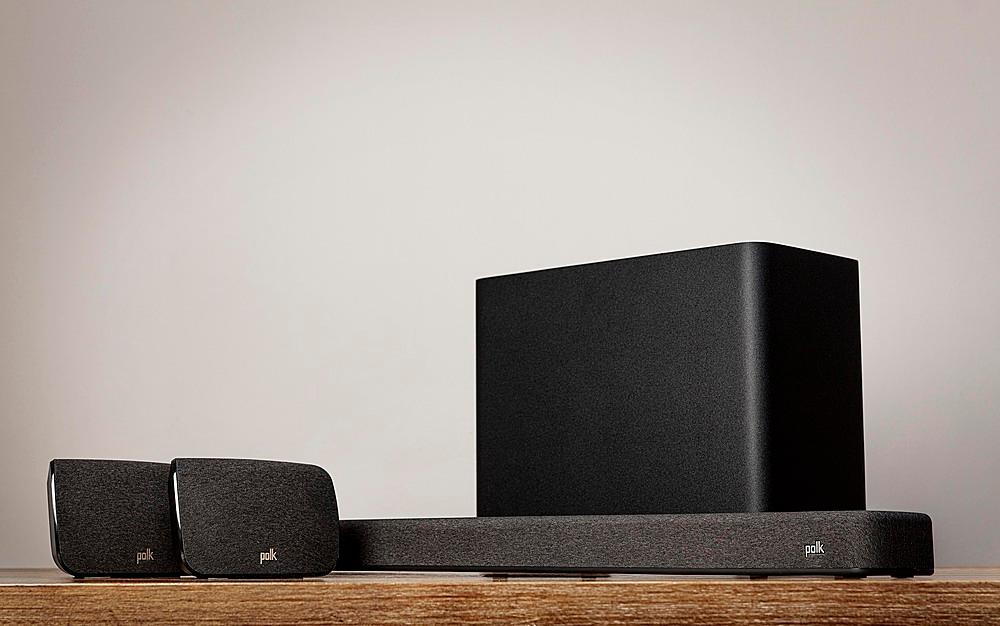
The real advantage for the Polk React comes from its expansion capability. Adding the optional wireless rear speakers transforms it into a true 5.1 surround system, eliminating the need for virtual processing altogether.
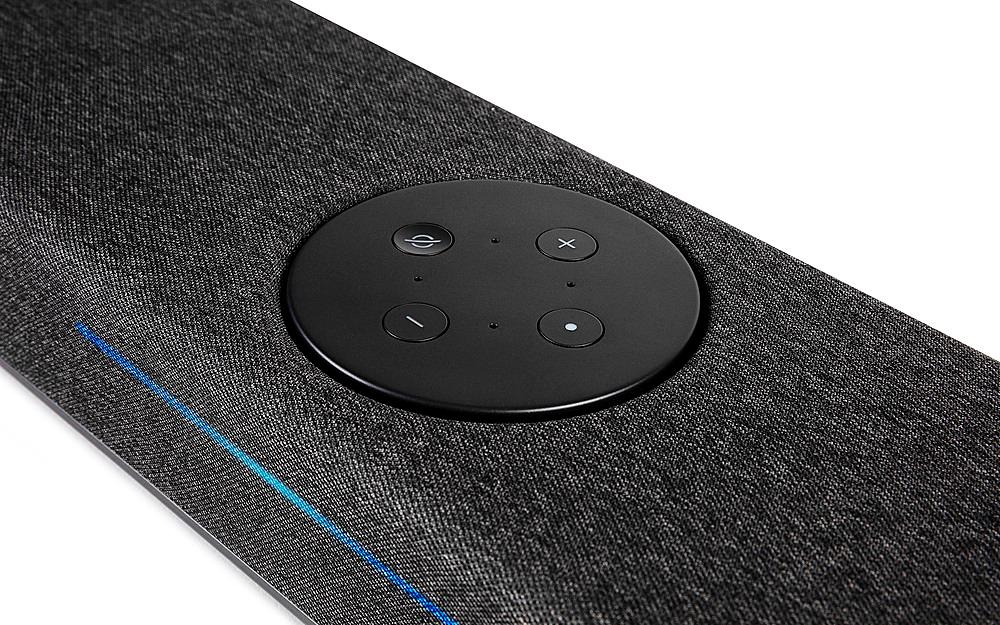
Both sound bars launched with built-in Alexa, representing the maturation of voice assistant integration in audio devices. Earlier generation sound bars often required separate Echo devices or complicated setup procedures. These 2023 models include far-field microphones and dedicated voice processing chips, making them function essentially like Echo devices that happen to be excellent speakers.
The implementation quality has improved significantly since first-generation Alexa sound bars. Voice recognition works reliably even with content playing at moderate volumes, and the wake word detection rarely triggers false positives. Both systems support the full range of Alexa capabilities: smart home control, music streaming, information queries, and communication features.
One practical advantage I've noticed is that having Alexa built into your primary audio device creates a more natural interaction pattern. Instead of talking to a separate Echo device and then manually switching audio sources, you can request music or podcasts directly through the same device that will play them.
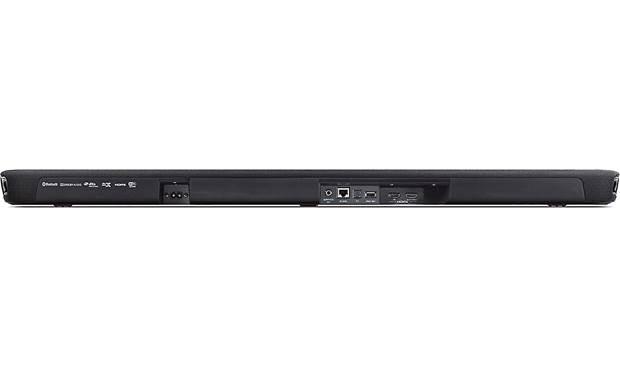
The Yamaha YAS-109 provides more comprehensive connectivity with both HDMI input and output ports, plus an optical input and Ethernet port for wired network connections. This extra HDMI input proves valuable if you have multiple devices (gaming console, streaming device, Blu-ray player) that you want to connect directly to the sound bar rather than your TV.
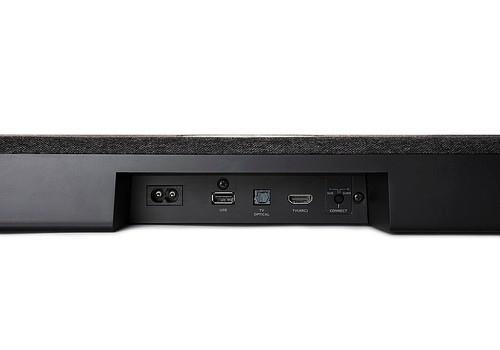
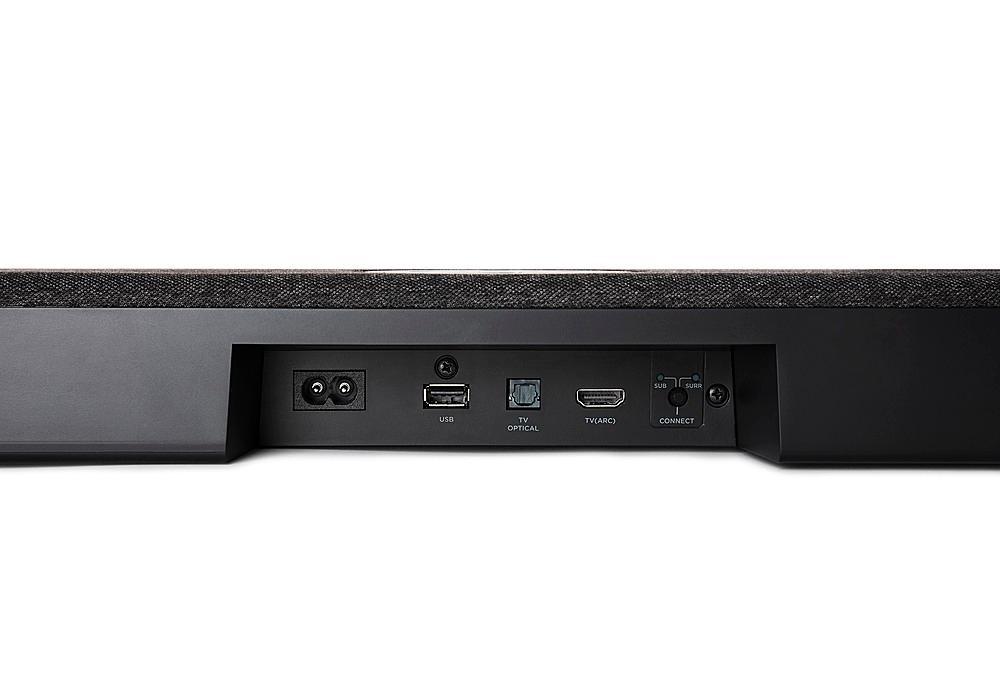
The Polk React takes a simpler approach with HDMI ARC and optical input, focusing on the most common connection scenarios. For most users, this proves sufficient - HDMI ARC handles the TV connection, while the optical input provides backup compatibility for older devices.
Both systems support modern wireless standards including Wi-Fi 802.11n and Bluetooth 4.2. The wireless connectivity has proven stable in my testing, with quick pairing and reliable streaming from various devices.
This represents the most significant philosophical difference between these sound bars. The Polk React designed as the foundation of a potentially larger system. You can add the wireless subwoofer for enhanced bass, then later add wireless rear speakers to create true 5.1 surround sound. Each component communicates wirelessly, eliminating the cable management headaches associated with traditional surround systems.
This modular approach offers several advantages. You can spread the cost over time, upgrading your system as budget allows. You can adapt to room changes - if you move to a larger space, adding the subwoofer becomes more valuable. If you develop more serious home theater interests, the rear speakers provide authentic surround sound.
However, modularity comes with costs. The complete Polk system (sound bar, subwoofer, and rear speakers) costs significantly more than alternatives. You also need space for multiple components and must manage the complexity of a multi-device system.
The Yamaha YAS-109 represents the opposite philosophy: provide everything you need in a single device. This approach offers immediate gratification - you get complete performance right away without additional purchases or setup complexity.
For many users, this proves ideal. Small to medium-sized rooms don't necessarily benefit from separate subwoofers or rear speakers. The simplicity of a single device appeals to people who want better TV audio without becoming audio enthusiasts.
The limitation, of course, is inflexibility. If your needs change - you move to a larger room, develop interest in more immersive audio, or simply want more bass - you're limited to what the single device provides.
Your room characteristics significantly influence which approach works better. The Yamaha YAS-109 excels in small to medium rooms (up to about 200 square feet) where its integrated bass and 120-watt output provide sufficient impact. The built-in subwoofers eliminate placement concerns - you don't need to find appropriate spots for separate components.
Larger rooms expose the Yamaha's limitations. While 120 watts sounds impressive, it's distributed across multiple drivers and must fill more space. The built-in subwoofers, while adequate for near-field listening, may struggle to provide bass impact in larger areas.
The Polk React scales better with room size, particularly when expanded with additional components. The separate subwoofer can be positioned optimally for your room's acoustics - often in corners or along walls where bass response is naturally enhanced. The rear speakers create genuine surround envelopment that virtual processing simply cannot match.
Different types of content favor different approaches. For primarily TV viewing - news, talk shows, comedies, dramas - dialogue clarity becomes paramount. The Polk React's Voice Adjust technology provides superior control for optimizing speech reproduction across various content types.
Movie watching, particularly action films and blockbusters, benefits from the Yamaha YAS-109's integrated bass and higher power output. Explosions have impact, musical scores have body, and the overall experience feels more cinematic without additional components.
Gaming represents an interesting middle ground. The Yamaha's lower latency and integrated processing work well for fast-paced action games. However, games with complex audio design benefit from the Polk's potential for true surround sound expansion.
At launch prices, the Yamaha YAS-109 ($220) provides superior immediate value. You receive a complete 2.1 audio system with substantial power, integrated bass, and full smart features for less money than the basic Polk React ($230). This value proposition becomes even stronger when you consider that achieving comparable bass from the Polk requires the additional $129 subwoofer.
However, value calculations become more complex when considering long-term use. The Polk's modular approach allows you to invest gradually and adapt to changing needs. If you start with the basic sound bar and later add components, you're building a system that could serve you for many years across different living situations.
Both sound bars launched with current-generation processors, wireless connectivity, and voice recognition systems. However, the modular Polk system potentially offers better longevity. If new wireless standards emerge or if you want to upgrade specific components, the modular approach provides more flexibility.
The Yamaha's all-in-one design means the entire device becomes obsolete together. While this might not matter for the typical 5-7 year lifespan of consumer electronics, it's worth considering if you're planning for longer-term use.
Choose the Yamaha YAS-109 if you want the best immediate audio performance under $250. Its integrated subwoofers, higher power output, and complete feature set provide excellent value for money. This choice works particularly well if you have limited space, don't plan to expand your audio system, or simply want great TV audio without complexity.
The Yamaha YAS-109 also makes sense if you're primarily interested in streaming music and basic TV audio enhancement. Its built-in bass and Clear Voice processing handle most content well, and the single-device simplicity appeals to users who prefer straightforward solutions.
Choose the Polk Audio React if you prioritize dialogue clarity, plan to build a more comprehensive audio system over time, or want the flexibility to adapt to future needs. Its Voice Adjust technology provides superior control over speech reproduction, and the modular expansion path could eventually create a more capable system than any single sound bar can provide.
The Polk React makes particular sense if you're planning to stay in your current home for several years and might want to enhance your audio system gradually. Starting with the basic sound bar and adding components as budget and interest allow provides a pathway to genuine home theater performance.
Ultimately, both sound bars represent solid choices within their respective approaches. The Yamaha delivers more immediate satisfaction and better value for most users, while the Polk offers superior long-term flexibility and dialogue control for those willing to invest in its modular ecosystem. Your choice should align with whether you prefer a complete solution now or a foundation for future audio expansion.
| Polk Audio React Sound Bar with Alexa Built-In | Yamaha YAS-109 Sound Bar with Built-in Subwoofers and Alexa |
|---|---|
| Audio Configuration - Determines immediate sound quality and bass response | |
| 2.0 channels, 30W total power | 2.1 channels, 120W total power with built-in subwoofers |
| Bass Performance - Critical for movies and music enjoyment | |
| Requires optional $129 wireless subwoofer for meaningful bass | Dual built-in 3" subwoofers with 60W dedicated power |
| Dialogue Clarity Technology - Essential for clear speech in movies and TV | |
| Voice Adjust technology with granular dialogue control | Clear Voice processing with basic dialogue enhancement |
| Expandability Options - Important for future audio system growth | |
| Supports wireless subwoofer and rear speakers for 5.1 setup | No expansion options - fixed 2.1 configuration |
| Total System Cost - Budget consideration for complete audio experience | |
| $230 base + $129 subwoofer = $359 for comparable bass | $220 for complete system with integrated bass |
| Physical Dimensions - Affects placement under TV or on wall | |
| 34" W x 2.25" H x 4.8" D, 6.4 lbs | 35" W x 2.1" H x 5.1" D, 7.5 lbs |
| Connectivity Options - Determines device compatibility and setup flexibility | |
| 1 HDMI ARC, 1 optical input, Bluetooth, Wi-Fi | 1 HDMI input + 1 HDMI ARC output, 1 optical, Ethernet, Bluetooth, Wi-Fi |
| Virtual Surround Technology - Creates spacious sound from single bar | |
| Dolby Digital/DTS with basic virtual surround | DTS Virtual:X with enhanced 3D surround simulation |
| Best Use Case - Who should choose each option | |
| Users planning gradual system expansion with superior dialogue control | Users wanting complete audio solution immediately with strong bass |
The Yamaha YAS-109 ($220) provides better immediate value with its complete 2.1 system including built-in subwoofers. The Polk Audio React ($230) requires an additional $129 subwoofer to match the Yamaha's bass performance, making the total cost $359 for comparable audio quality.
No additional speakers are needed with the Yamaha YAS-109 - it includes dual built-in subwoofers that provide solid bass response. The Polk Audio React has minimal bass without the optional wireless subwoofer, which costs an extra $129.
The Polk Audio React excels at dialogue with its Voice Adjust technology, allowing precise control over speech levels. While the Yamaha YAS-109 has Clear Voice processing, it offers less customization for optimizing dialogue in different content types.
Yes, the Polk Audio React can expand to a full 5.1 surround system with optional wireless rear speakers and subwoofer. The Yamaha YAS-109 has no expansion options and remains a 2.1 system with virtual surround processing only.
The Yamaha YAS-109 delivers significantly more power at 120 watts compared to the Polk Audio React's 30 watts. This power difference results in fuller, more impactful sound that can better fill larger rooms.
Yes, both the Polk Audio React and Yamaha YAS-109 feature built-in Alexa with far-field microphones. You can control volume, play music, manage smart home devices, and access all standard Alexa features through voice commands.
The Yamaha YAS-109 is ideal for small spaces due to its integrated design - no separate subwoofer to place. Its built-in bass and compact form factor make it perfect for apartments where space is limited and you want complete audio performance immediately.
The Yamaha YAS-109 offers more connectivity with HDMI input/output, optical input, and Ethernet port. The Polk Audio React provides HDMI ARC and optical input, covering most common scenarios but with fewer total connection options.
For immediate home theater performance, the Yamaha YAS-109 provides better out-of-box experience with its powerful built-in subwoofers and higher wattage. However, the Polk Audio React can eventually surpass it when expanded with additional speakers for true surround sound.
Both the Polk Audio React and Yamaha YAS-109 support Bluetooth and Wi-Fi streaming from smartphones, tablets, and music services. They also integrate with Spotify Connect and other streaming platforms through their Alexa functionality.
The Polk Audio React provides superior long-term flexibility with its modular design, allowing you to add components over time as needs and budget change. The Yamaha YAS-109 is a fixed system that cannot be upgraded or expanded.
The Yamaha YAS-109 delivers fuller, more complete sound immediately with its 120W power and built-in subwoofers. The Polk Audio React focuses on midrange clarity and dialogue but requires additional components for comparable bass response and overall impact.
We've done our best to create useful and informative comparisons to help you decide what product to buy. Our research uses advanced automated methods to create this comparison and perfection is not possible - please contact us for corrections or questions. These are the sites we've researched in the creation of this article: techradar.com - crutchfield.com - popsci.com - youtube.com - tomsguide.com - bestbuy.com - polkaudio.com - crutchfield.com - forum.polkaudio.com - soundunited.com - youtube.com - rtings.com - crutchfield.com - usa.yamaha.com - digitaltrends.com - tomsguide.com - listenup.com - youtube.com - usa.yamaha.com - hub.yamaha.com - youtube.com - hub.yamaha.com

Privacy Policy
Terms and Conditions - Affiliate Policy
Home Security
© Copyright 2008-2026.
11816 Inwood Rd #1211, Dallas, TX 75244