














When your TV's built-in speakers just aren't cutting it anymore, you've got some serious decisions to make. The world of home theater audio has exploded with options, from simple plug-and-play soundbars to complex multi-speaker systems that rival commercial movie theaters. Today we're comparing two very different approaches: the Sony HT-A9M2 BRAVIA Theater Quad and the Yamaha YAS-109 soundbar.
These products couldn't be more different in their philosophy. The Sony HT-A9M2 is a premium wireless speaker system that creates true surround sound using four separate speakers, while the Yamaha YAS-109 is an all-in-one soundbar that improves your audio without breaking the bank or taking over your living room. At the time of writing, you're looking at roughly a 10-to-1 price difference between these systems, which tells you everything about their target audiences.
Before diving into specifics, let's talk about what really matters when upgrading your TV's audio. The most important factors are sound quality (how clear and immersive the audio feels), setup complexity (how much work it takes to get great sound), physical footprint (how much space the system requires), and value for money.
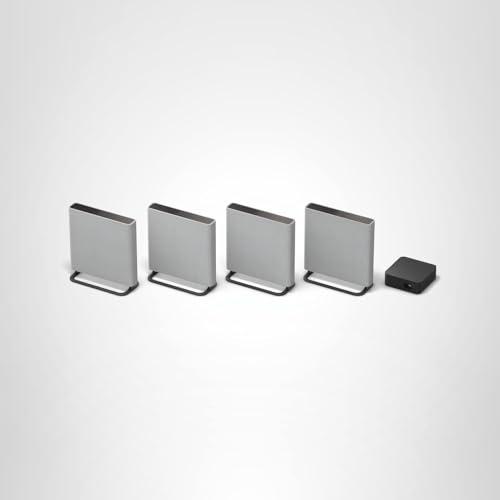
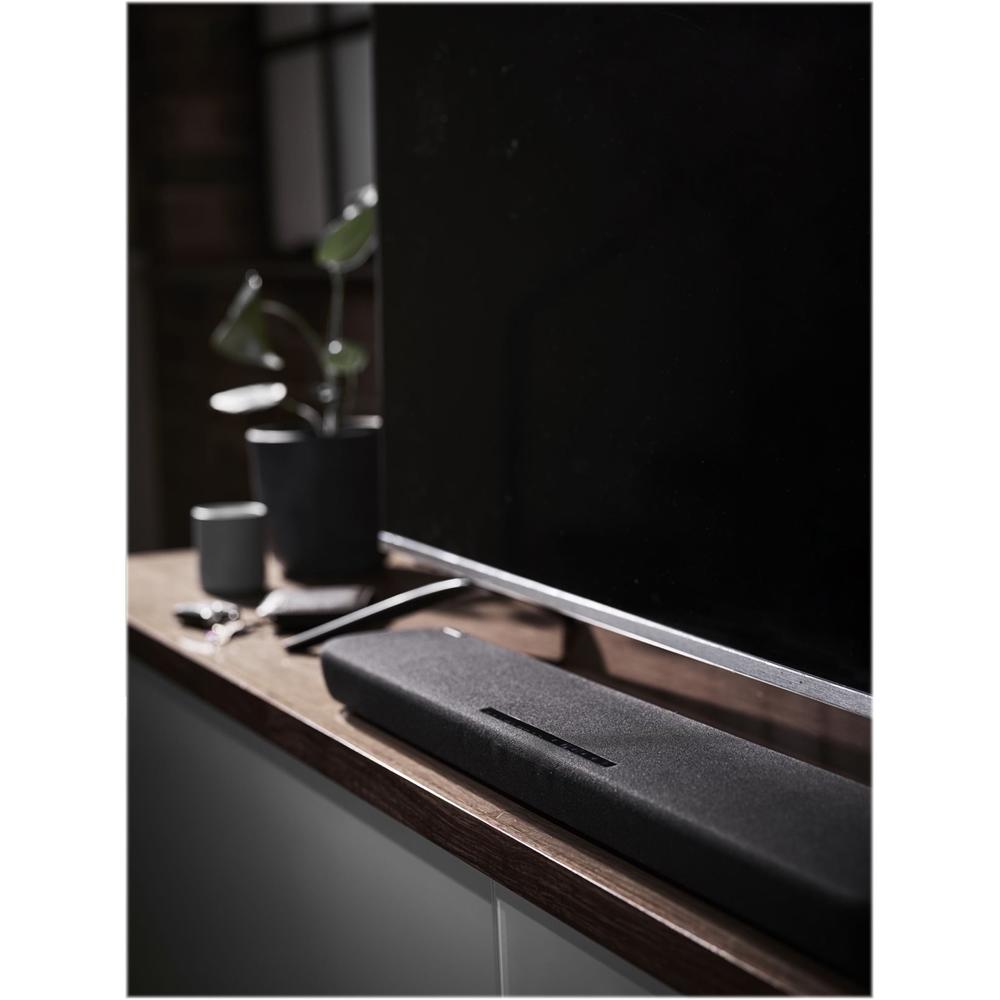
Traditional soundbars like the Yamaha YAS-109 use a single horizontal speaker unit placed below or above your TV. They're designed to be simple – one cable connection and you're done. More advanced systems like the Sony HT-A9M2 use multiple speakers placed around your room to create what's called "discrete surround sound," where different audio channels come from physically separate locations.
The key technical difference is between "virtual" and "true" surround sound. Virtual surround uses digital processing to make stereo or basic surround audio seem like it's coming from multiple directions, even though it's really coming from one or two locations. True surround sound physically places speakers in different locations, so when a helicopter flies overhead in a movie, you actually hear it move from speaker to speaker around your room.
The Yamaha YAS-109 launched in 2019 as part of Yamaha's effort to bring smart features and decent audio quality to the budget soundbar market. Since then, soundbar technology has evolved significantly, with newer models offering better virtual surround processing and more sophisticated room correction. However, the YAS-109's core approach – built-in subwoofers and voice control – remains relevant for its price point.
The Sony HT-A9M2, released in 2024, represents the second generation of Sony's revolutionary wireless surround concept. The original HT-A9 from 2021 proved that you could create cinema-quality spatial audio without running speaker wires or mounting speakers on walls. The M2 version improved wireless reliability (a common complaint with the original), enhanced the spatial processing, and added support for the latest gaming features.
Since 2019, home theater audio has seen massive improvements in spatial audio processing, better wireless technology, and integration with gaming consoles. The Sony system benefits from these advances, while the Yamaha represents the solid fundamentals that were already well-established by its release date.
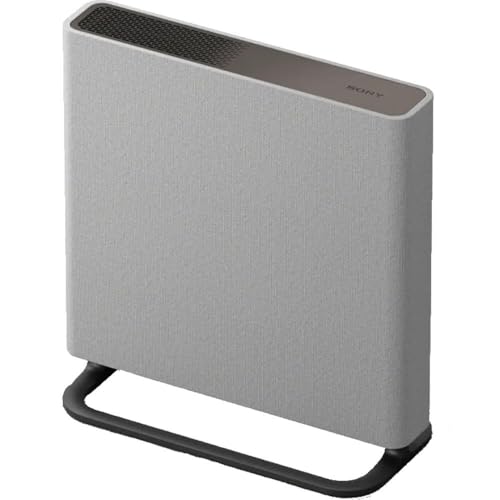
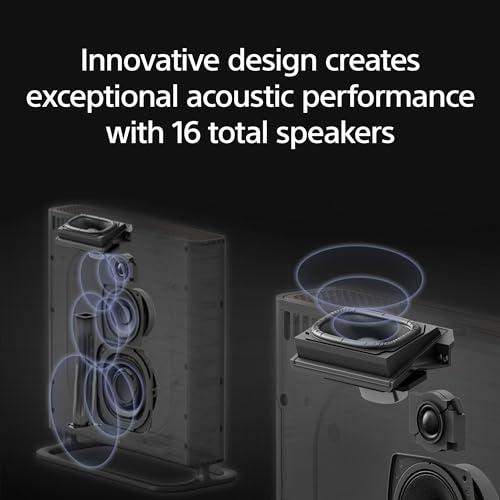
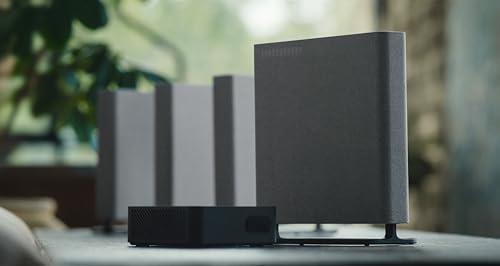
Here's where these systems show their fundamental differences most clearly. The Sony HT-A9M2 uses 16 individual speakers spread across four wireless units – each unit contains a three-way speaker setup with dedicated woofers (for bass), midrange drivers (for voices and most music), tweeters (for high frequencies), and upward-firing drivers for height effects. This isn't just marketing speak; having dedicated drivers for different frequency ranges means each one can be optimized for its specific job, leading to clearer, more detailed sound.
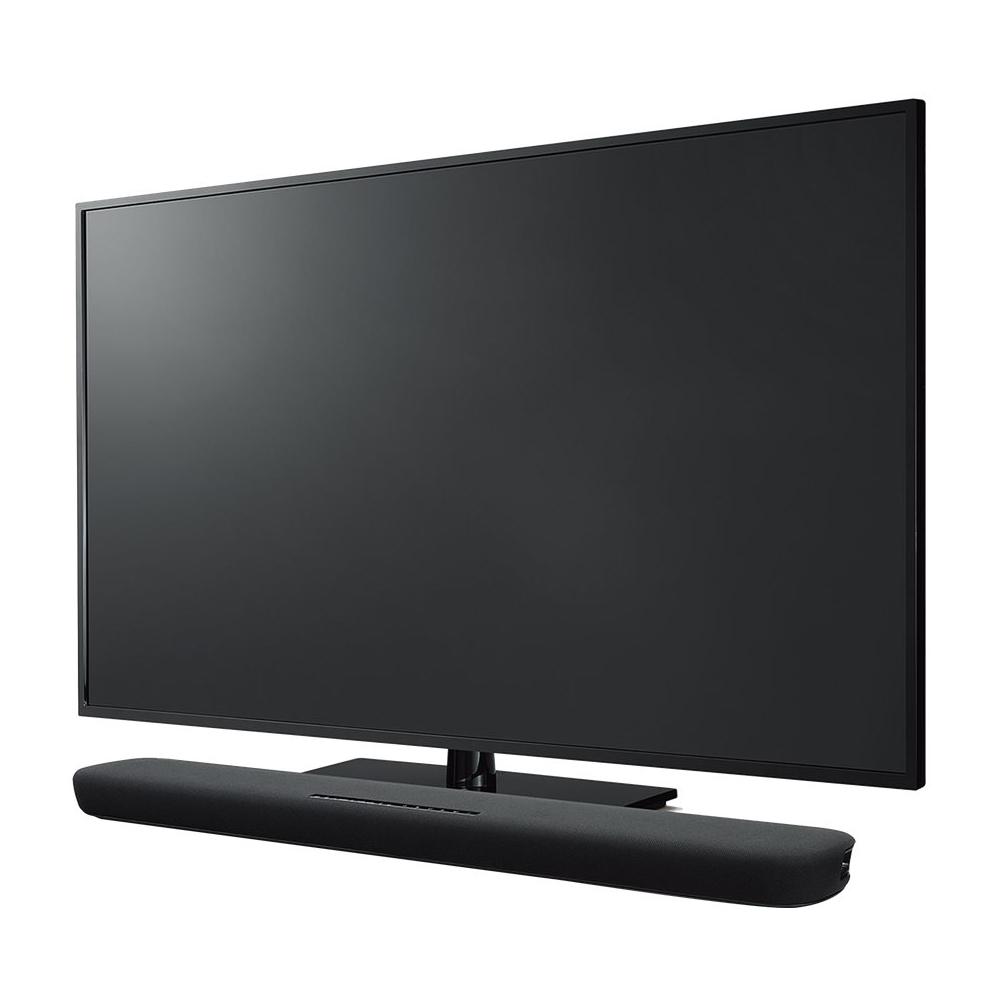
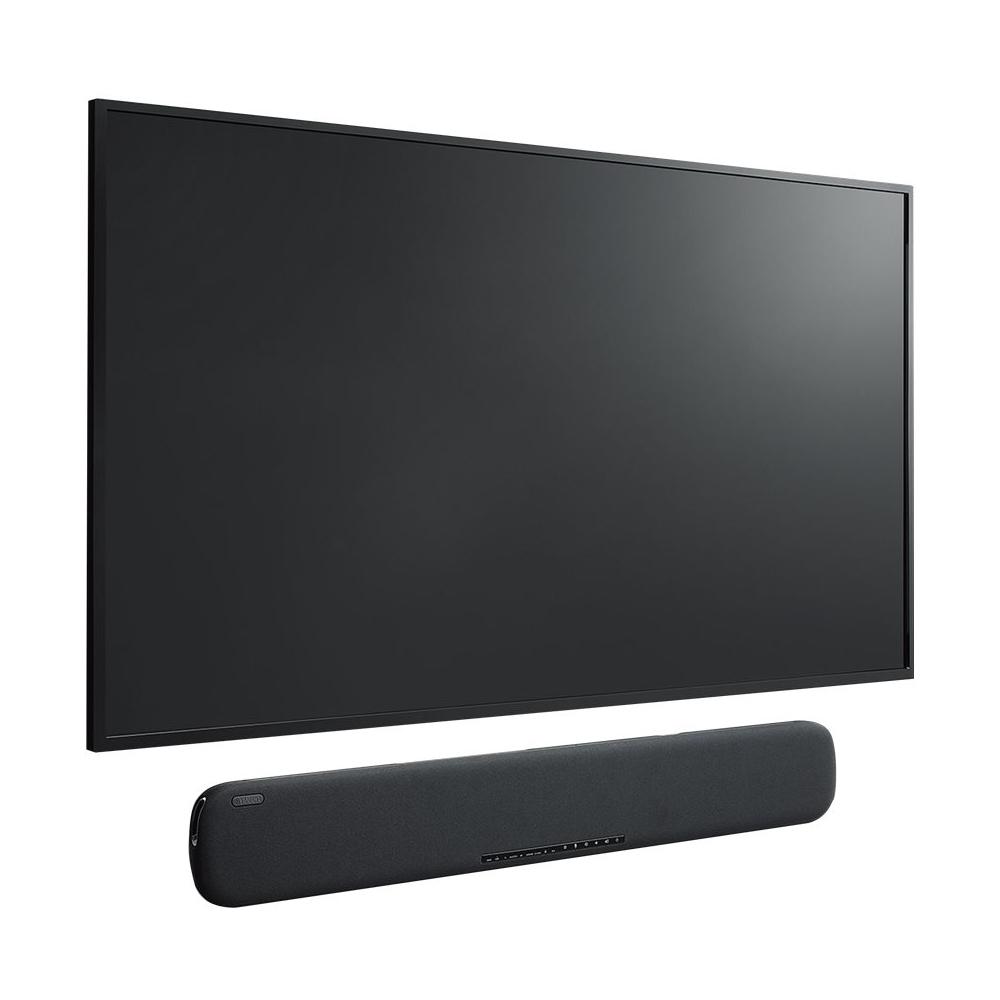
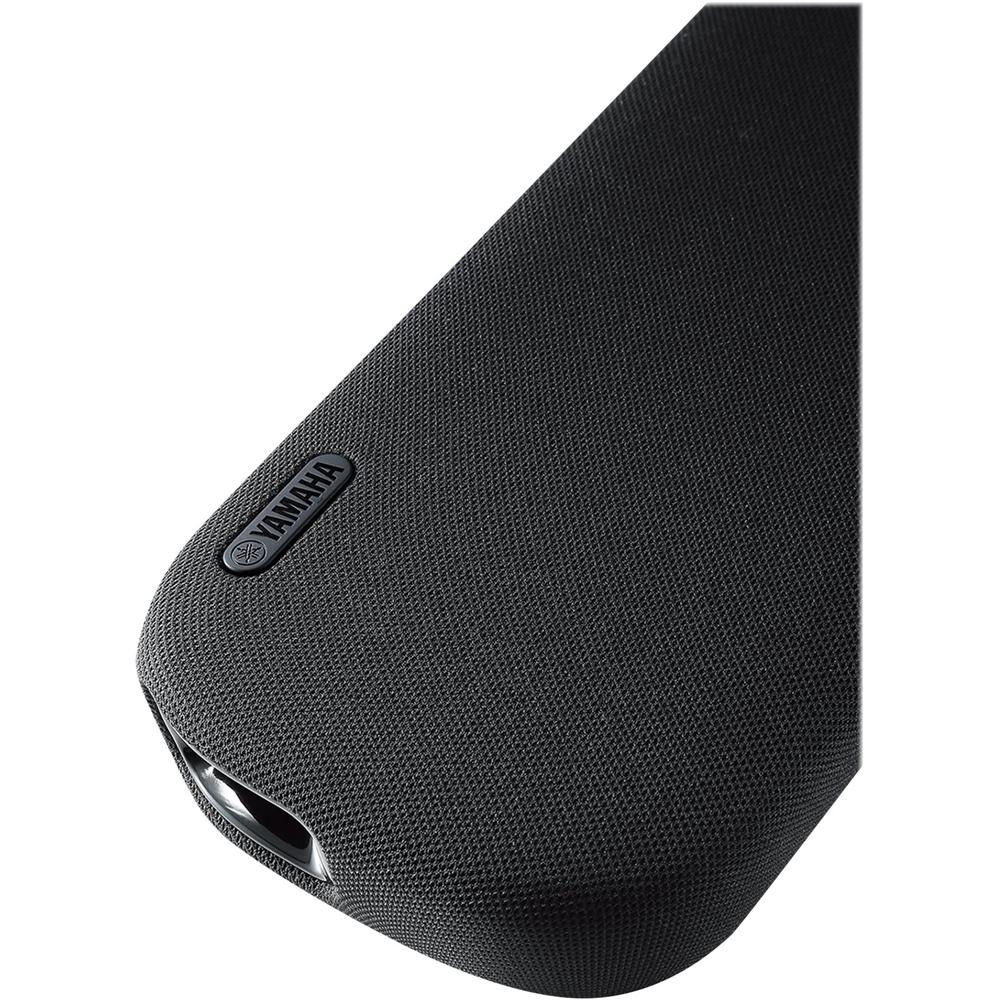
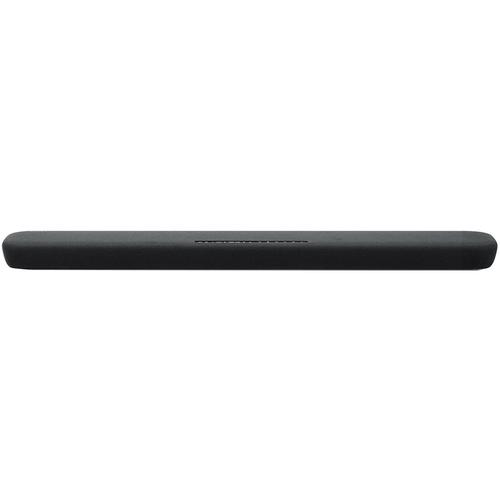
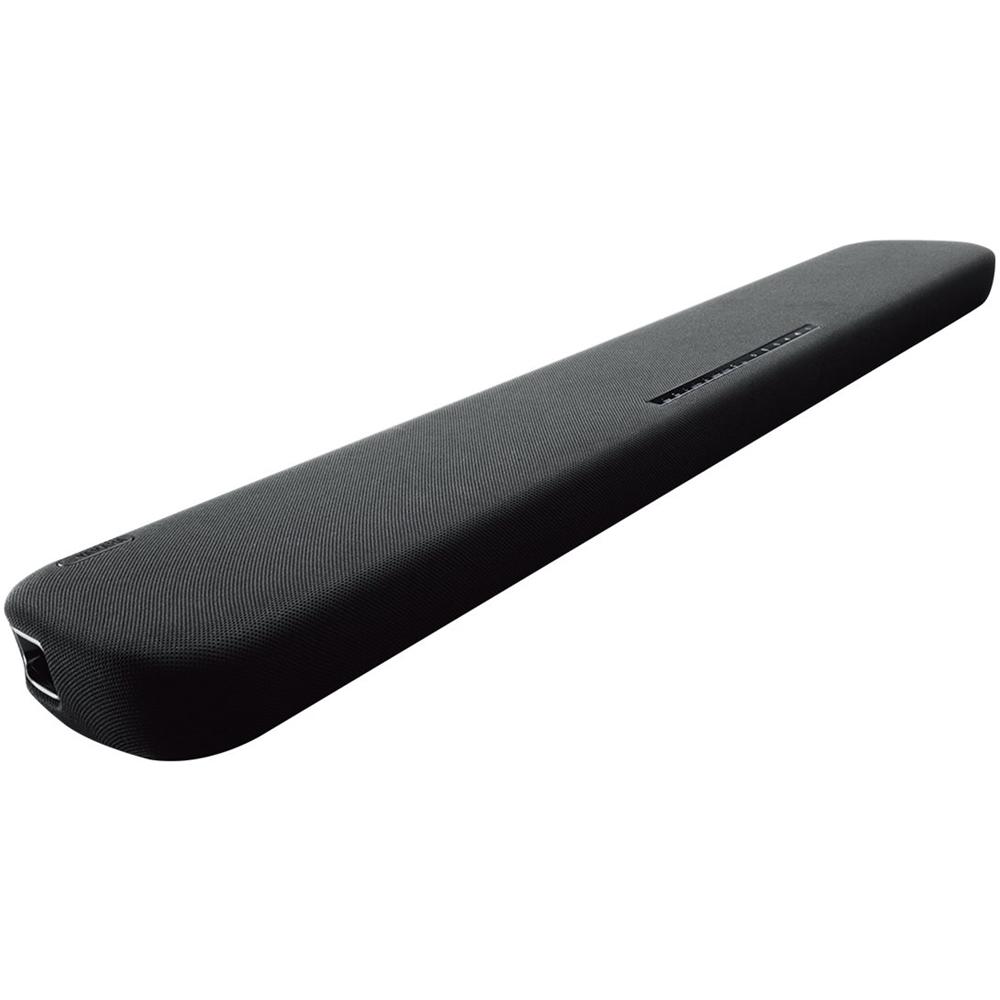
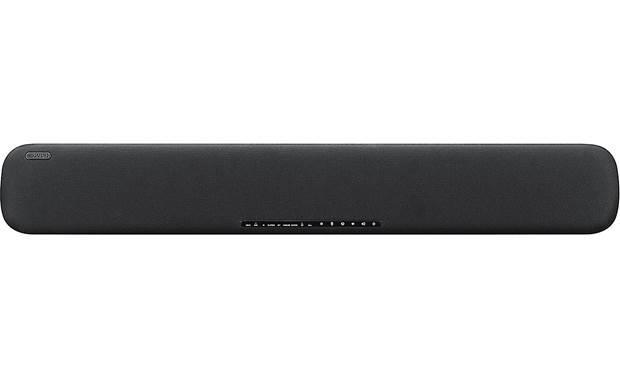
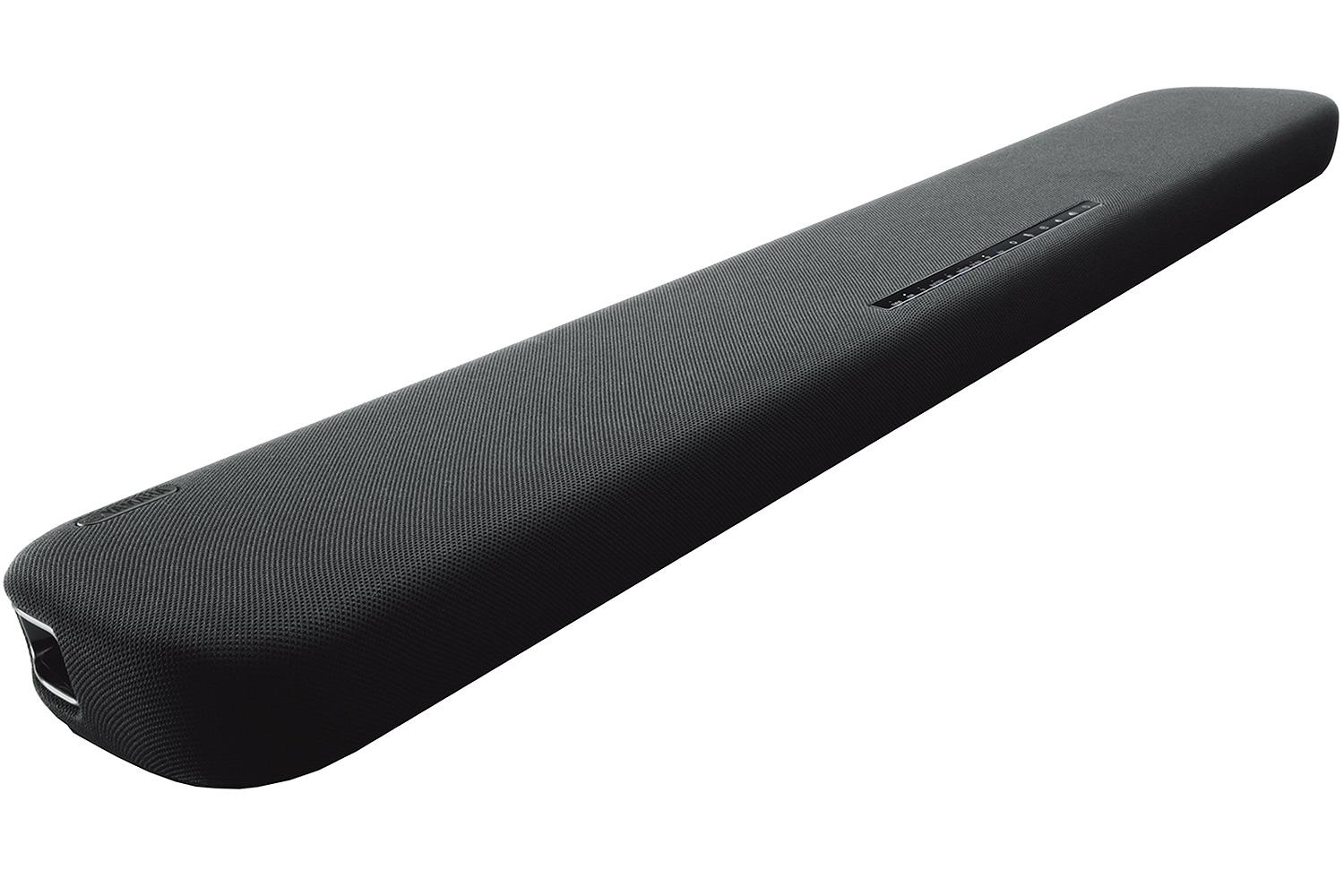
The Yamaha YAS-109 takes a different approach with six speakers total: two tweeters, two midrange drivers, and two built-in subwoofers, all packed into a single bar. The engineering challenge here is making all these drivers work together coherently despite being so close to each other. Yamaha's solution involves careful acoustic design and digital signal processing to minimize interference between drivers.
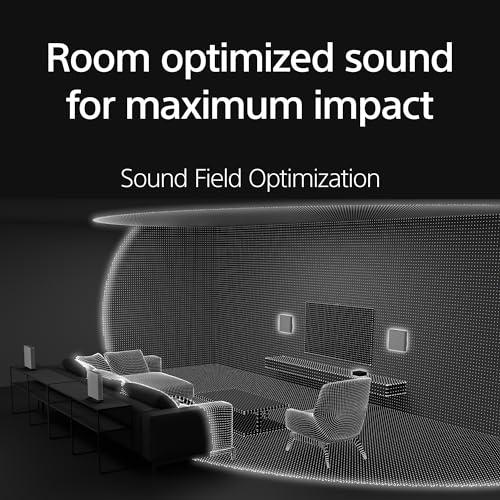
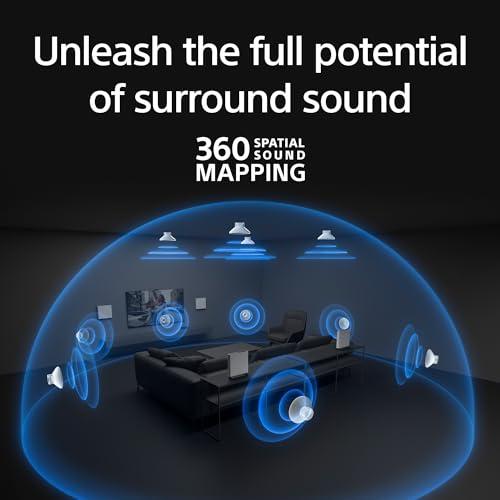
In our research of expert and user reviews, the difference in audio clarity becomes apparent quickly. The Sony system excels at creating what audio engineers call "soundstage width" – the sense that audio extends far beyond the physical speakers. Users consistently report hearing effects that seem to come from locations where no speakers exist, thanks to Sony's 360 Spatial Sound Mapping technology. This system uses the room's walls and ceiling as acoustic reflectors, bouncing sound to create "phantom speakers" in locations around your listening position.
The Yamaha, meanwhile, delivers what most people need: significantly better dialogue clarity than TV speakers, decent bass response, and a wider sound than what you get from your TV alone. Its Clear Voice technology uses frequency-specific processing to make dialogue more prominent in the mix, which is genuinely helpful for modern movies and TV shows where dialogue often gets buried under music and effects.
This is where the philosophical differences between these systems become most obvious. The Yamaha YAS-109 includes dual 3-inch subwoofers built right into the soundbar. These aren't large drivers by home theater standards, but they're immediately effective at adding the low-frequency punch that makes explosions feel more impactful and music more full-bodied.
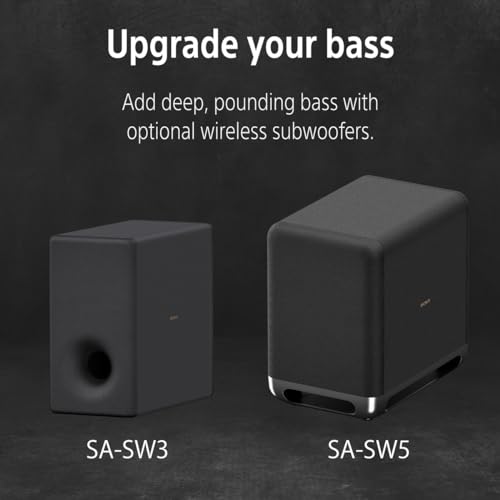
The Sony HT-A9M2, surprisingly for its price point, doesn't include a subwoofer at all. Sony designed it this way to maintain the clean aesthetic and wireless simplicity, but the result is a system that sounds noticeably thin in the bass without adding Sony's optional wireless subwoofer. This creates an interesting value equation – you're paying premium prices for a system that needs another expensive component to reach its full potential.
From a performance standpoint, users consistently report that the Yamaha provides satisfying bass for most content right out of the box, while the Sony requires the subwoofer investment to compete with even mid-range soundbars in terms of low-frequency impact. However, when properly configured with a subwoofer, the Sony system's bass integration and overall frequency balance surpass what any single-bar solution can achieve.
The difference in surround sound capability is perhaps the most dramatic between these systems. The Sony HT-A9M2 creates genuine surround sound by physically placing speakers in different locations around your room. When a car crashes on screen, you hear the impact from the front speakers and the debris scattering from the rear speakers because that's actually where those sounds are being generated.
The system's 360 Spatial Sound Mapping goes beyond traditional surround sound by creating what Sony calls "phantom speakers." Using complex acoustic modeling, the system measures your room's reflective surfaces and times its audio output to create the illusion of speakers in positions where none exist. Users report hearing effects above their heads, behind them, and to their sides, even though only four speakers are actually present.
The Yamaha YAS-109 uses DTS Virtual:X processing, which is essentially sophisticated digital trickery. It analyzes incoming audio and processes it to create the impression of surround sound from the single bar. While this can create a wider soundstage than basic stereo, it can't match the physical separation that multiple speakers provide. Think of it like the difference between a good photo of a landscape and actually being in that landscape – one is impressive given its limitations, the other is the real thing.
For content that specifically supports it, like Dolby Atmos movies and shows, the Sony system can place sounds with precision in three-dimensional space. The upward-firing drivers in each speaker bounce sound off your ceiling to create height effects, so when a plane flies overhead in Top Gun: Maverick, you actually hear it travel above your head rather than just getting louder and quieter.
Gaming has become a major consideration in home theater audio, especially with the PlayStation 5 and Xbox Series X supporting advanced audio formats and high refresh rate video. The Sony HT-A9M2 excels here with full HDMI 2.1 support, including 4K at 120Hz, Variable Refresh Rate (VRR), and Auto Low Latency Mode (ALLM). These features ensure that connecting your gaming console through the Sony system doesn't introduce lag or degrade video quality.
More importantly for gaming, the Sony system provides genuine positional audio that can give you competitive advantages in multiplayer games. When someone's sneaking up behind you in Call of Duty, you'll hear their footsteps from the actual rear speakers, not just processed to sound like they're behind you.
The Yamaha YAS-109 offers basic gaming support with 4K passthrough, but lacks the advanced features that newer consoles can utilize. For casual gaming, this isn't a problem, but competitive gamers and those with high-end consoles won't get the full benefit of their hardware's capabilities.
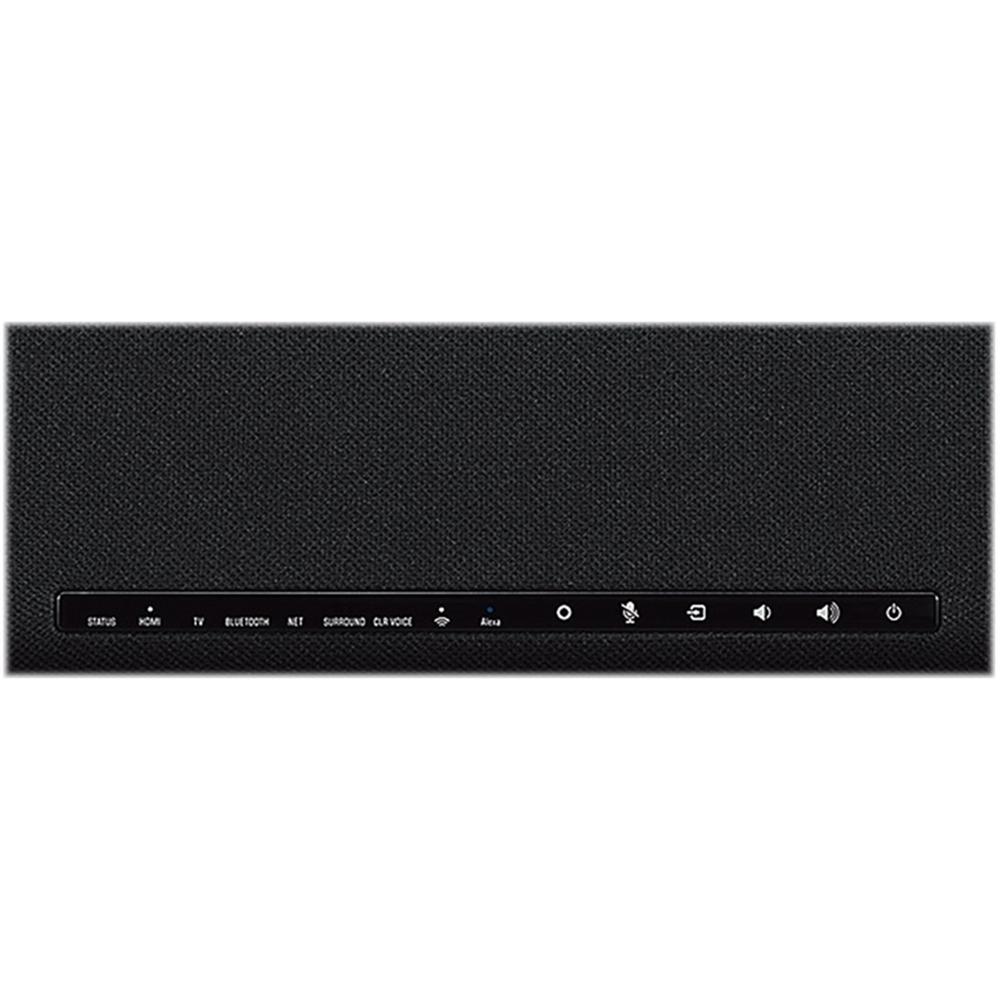
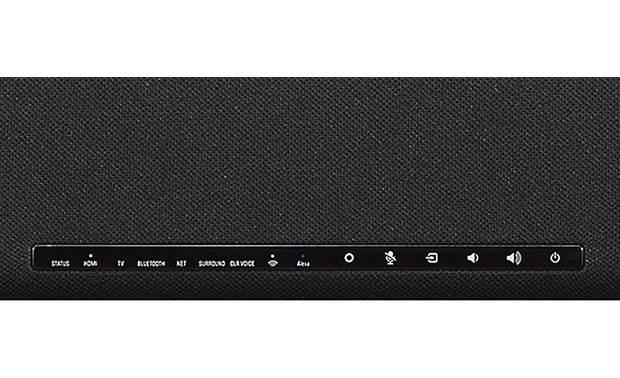
Here's one area where the Yamaha YAS-109 has a clear advantage: built-in Amazon Alexa. The soundbar includes far-field microphones that can hear your voice commands from across the room, allowing you to control volume, switch inputs, play music, or manage smart home devices without touching a remote. This integration feels natural and adds genuine convenience to daily use.
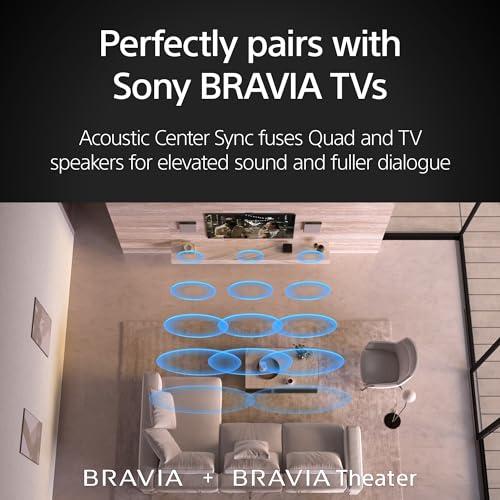
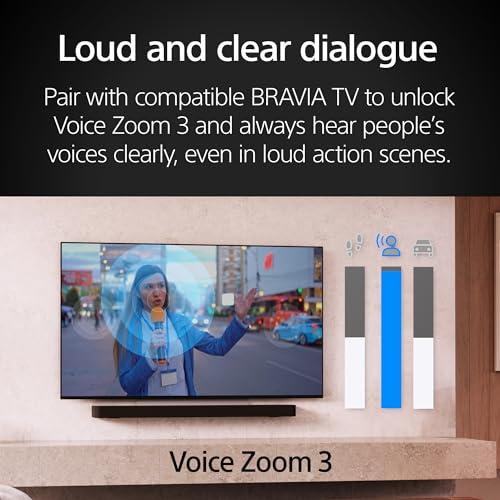
The Sony HT-A9M2 takes a different approach, relying on integration with Sony BRAVIA TVs for smart features rather than including its own voice assistant. If you have a compatible Sony TV, the integration is excellent – you can control the entire system from the TV's interface and even use the TV's speakers as an additional center channel. However, without a Sony TV, you're missing some of the smart functionality that makes modern audio systems more convenient.
Both systems support modern streaming options like AirPlay 2 and Spotify Connect, allowing you to stream music directly from your phone or computer without Bluetooth's quality limitations.
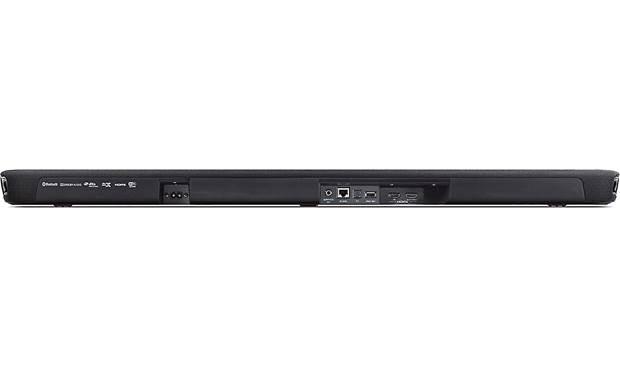
The setup experience reveals each system's design priorities. The Yamaha YAS-109 exemplifies plug-and-play simplicity: connect one HDMI cable to your TV, plug in power, and you're done. The soundbar includes preset modes for different content types (movie, music, sports), and the included remote provides straightforward control.
The Sony HT-A9M2 requires more initial investment in setup time. You'll need to position four speakers around your room (they can be placed quite flexibly), ensure each has power, and run the room calibration process through Sony's app. This calibration is crucial – it's what enables the system's spatial audio magic by measuring distances, acoustics, and reflective surfaces in your specific room.
The payoff for this setup complexity is significant. Users consistently report that the Sony system adapts remarkably well to different room layouts, automatically compensating for asymmetrical speaker placement or challenging acoustics. Once calibrated, the system provides a level of audio immersion that transforms movie watching from entertainment into experience.
When we look at value, we need to consider what each system actually delivers relative to its cost. The Yamaha YAS-109, at the time of writing, represents exceptional value for users seeking immediate audio improvement. You get significantly better dialogue clarity, satisfying bass response, and useful smart features at a price point that's accessible to most households looking to upgrade their TV audio.
The Sony HT-A9M2 operates in an entirely different value category. You're paying for technology that was previously only available in much more expensive custom installation systems. The spatial audio processing, wireless reliability, and integration capabilities justify the premium for users who prioritize audio quality and immersive experience.
However, the Sony system's value proposition becomes complicated by its incomplete nature without a subwoofer. Adding the recommended wireless subwoofer increases the total investment significantly, which pushes the system into territory where traditional component separates become viable alternatives.
Room size plays a crucial role in determining which system makes sense. The Yamaha YAS-109 works well in small to medium rooms where its single-point sound source can fill the space effectively. In larger rooms, the soundbar can start to sound small and distant, lacking the power and presence needed for immersive audio.
The Sony HT-A9M2 actually performs better in larger spaces where the speakers can be separated enough to create convincing surround effects. The system's room correction technology helps it adapt to challenging acoustics, making it suitable for open-plan living spaces or rooms with high ceilings where traditional soundbars struggle.
The Yamaha YAS-109 makes the most sense for users who want immediate, significant improvement over their TV's built-in speakers without complexity or major expense. It's ideal for apartments, smaller homes, or secondary viewing areas where you want better audio but don't need cinema-quality immersion. The built-in Alexa functionality adds genuine convenience for smart home users, and the simple setup means you can be enjoying better audio within minutes of opening the box.
The Sony HT-A9M2 is for users who prioritize audio quality and immersive experience above convenience and cost. It's particularly compelling for movie enthusiasts, gamers with next-gen consoles, and anyone who wants to transform their living room into a genuine home theater without the complexity of traditional surround sound installation. The system's ability to create convincing spatial audio in real-world rooms, rather than just ideal acoustic environments, makes it uniquely valuable for serious home theater applications.
Consider the Yamaha YAS-109 if you want maximum audio improvement for reasonable cost, value simplicity and smart features, primarily watch TV shows and casual content, have space limitations, or prefer a complete solution without additional purchases.
Consider the Sony HT-A9M2 if you have a substantial audio budget and want cinema-quality experience, prioritize spatial audio and true surround sound, own or plan to buy next-gen gaming consoles, have medium to large rooms where speakers can be properly positioned, or are building a serious home theater setup.
The fundamental choice comes down to whether you want immediate audio improvement at an accessible price point, or whether you're willing to invest significantly more for a transformative audio experience that rivals professional installations. Both approaches have merit, but they serve very different needs and expectations.
| Sony HT-A9M2 BRAVIA Theater Quad | Yamaha YAS-109 Sound Bar |
|---|---|
| Product Type - Determines setup complexity and performance ceiling | |
| 4.0.4-channel wireless multi-speaker system with separate control box | All-in-one soundbar with built-in subwoofers |
| Total Speakers - More speakers generally mean better sound separation and clarity | |
| 16 speakers (4 per wireless unit: woofer, midrange, tweeter, upfiring driver) | 6 speakers (2 tweeters, 2 midrange, 2 built-in subwoofers) |
| Power Output - Higher wattage provides more dynamic range and room-filling capability | |
| 504W total with S-Master HX digital amplification | 120W total (60W subwoofers, 60W mains) |
| Surround Sound Technology - Key differentiator for immersive movie experience | |
| True 4.0.4 Dolby Atmos with 360 Spatial Sound Mapping phantom speakers | DTS Virtual:X processing for simulated surround from single bar |
| Bass Solution - Critical for action movies and full-range music | |
| No subwoofer included; requires separate wireless subwoofer purchase | Dual 3-inch subwoofers built-in for immediate bass impact |
| HDMI Features - Important for gaming and future-proofing with new devices | |
| HDMI 2.1 with 4K/120Hz, 8K/60Hz, VRR, ALLM, eARC | HDMI ARC with 4K/60Hz passthrough, no advanced gaming features |
| Voice Control - Convenience factor for daily use | |
| No built-in voice assistant (integrates with Sony BRAVIA TVs) | Built-in Amazon Alexa with far-field microphones |
| Setup Requirements - Affects ease of installation and room flexibility | |
| Four wireless speakers need positioning + power outlets + room calibration | Single HDMI connection to TV, plug-and-play ready |
| Room Calibration - Optimizes sound for your specific space | |
| Sound Field Optimization automatically measures and adapts to room acoustics | Basic preset modes (Movie, Music, Sports, Game) with no room measurement |
| Wireless Connectivity - Affects audio quality and streaming options | |
| Wi-Fi, Bluetooth 5.2 with LDAC, AirPlay 2, Spotify Connect | Wi-Fi, Bluetooth 4.2, Spotify Connect, basic wireless streaming |
| Physical Footprint - Important for room aesthetics and placement options | |
| Four speakers (11.4" x 10.9" each) placed around room + small control box | Single 35" wide soundbar suitable for TVs 32-50 inches |
| Gaming Integration - Matters for console owners seeking competitive advantages | |
| Full PS5/Xbox Series X support with positional audio and low latency | Basic gaming support, adequate for casual console use |
The Sony HT-A9M2 BRAVIA Theater Quad is a premium wireless multi-speaker system with four separate speakers that create true surround sound, while the Yamaha YAS-109 is an all-in-one soundbar with built-in subwoofers. The Sony system offers genuine spatial audio with speakers placed around your room, whereas the Yamaha uses virtual surround processing from a single bar.
The Sony HT-A9M2 is significantly better for home theater use, offering true 4.0.4 Dolby Atmos with physical height speakers and 360 Spatial Sound Mapping. This creates an immersive cinema-like experience where sounds move around and above you. The Yamaha YAS-109 provides decent movie audio improvement over TV speakers but cannot match the spatial immersion of a true surround system.
The Yamaha YAS-109 includes dual built-in subwoofers, making it a complete audio solution out of the box. The Sony HT-A9M2 does not include a subwoofer and sounds noticeably thin in bass without adding Sony's optional wireless subwoofer, which is recommended for full performance.
The Yamaha YAS-109 is much easier to set up – just connect one HDMI cable to your TV and plug in power. The Sony HT-A9M2 requires positioning four wireless speakers around your room, ensuring power for each, and running a room calibration process through Sony's app.
The Sony HT-A9M2 is superior for gaming with full HDMI 2.1 support including 4K/120Hz, VRR, and ALLM. It also provides genuine positional audio that can give competitive advantages. The Yamaha YAS-109 offers basic gaming support with 4K passthrough but lacks advanced features for next-gen consoles.
The Yamaha YAS-109 offers exceptional value as a complete audio upgrade solution at an accessible price point. The Sony HT-A9M2 costs significantly more and requires additional subwoofer investment, but delivers cinema-quality spatial audio that was previously only available in much more expensive systems.
The Yamaha YAS-109 has built-in Amazon Alexa with far-field microphones for hands-free voice control of the soundbar and smart home devices. The Sony HT-A9M2 does not include a voice assistant but integrates deeply with Sony BRAVIA TVs for unified control.
Both systems handle music well but differently. The Sony HT-A9M2 creates an expansive soundstage with excellent separation and spatial effects, especially for Atmos music tracks. The Yamaha YAS-109 provides balanced, clear music reproduction with immediate bass impact from its built-in subwoofers.
The Yamaha YAS-109 works well in small to medium rooms where its single-point audio source can effectively fill the space. The Sony HT-A9M2 actually performs better in larger rooms where the four speakers can be separated enough to create convincing surround effects and spatial audio.
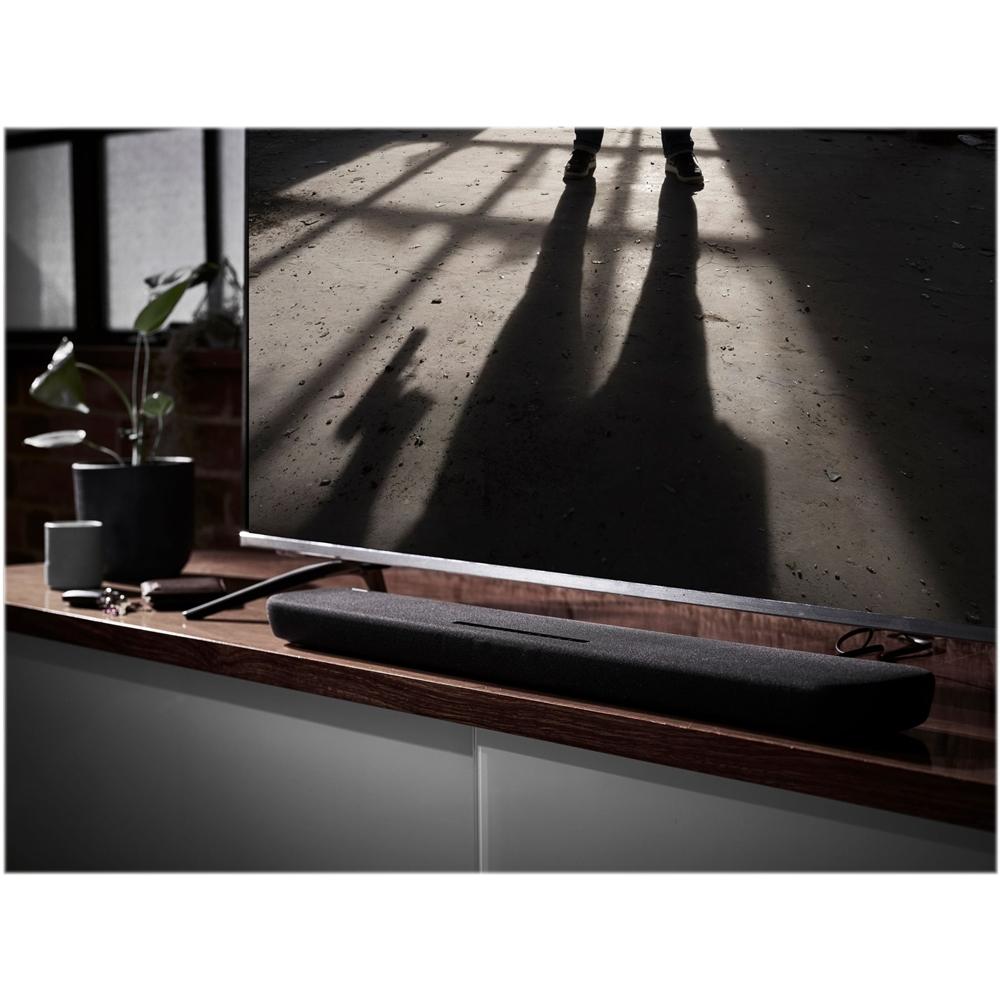
The Yamaha YAS-109 can be placed on furniture below your TV or wall-mounted like a traditional soundbar. The Sony HT-A9M2 speakers can be placed on furniture, shelves, or wall-mounted with flexibility – the system's calibration automatically adjusts for different positioning.
The Sony HT-A9M2 is more future-proof with HDMI 2.1, support for the latest audio formats, and expandability options. It's designed to work with next-generation gaming consoles and streaming devices. The Yamaha YAS-109 covers current needs well but lacks some advanced connectivity features for future devices.
Choose the Sony HT-A9M2 if you want cinema-quality spatial audio, have a substantial budget, own next-gen gaming consoles, and prioritize immersive movie experiences. Choose the Yamaha YAS-109 if you want immediate audio improvement at a reasonable cost, prefer simple setup, value voice control features, and need a complete solution without additional purchases.
We've done our best to create useful and informative comparisons to help you decide what product to buy. Our research uses advanced automated methods to create this comparison and perfection is not possible - please contact us for corrections or questions. These are the sites we've researched in the creation of this article: bestbuy.com - whathifi.com - whathifi.com - youtube.com - rtings.com - audiosciencereview.com - bhphotovideo.com - skybygramophone.com - sony.com - manuals.plus - audioadvice.com - dell.com - valueelectronics.com - youtube.com - merlinstv.com - videoandaudiocenter.com - electronics.sony.com - sony.com - bestbuy.com - beachcamera.com - sony.com - win.consulting - sony.com - rtings.com - crutchfield.com - usa.yamaha.com - digitaltrends.com - tomsguide.com - listenup.com - youtube.com - usa.yamaha.com - hub.yamaha.com - youtube.com - hub.yamaha.com

Privacy Policy
Terms and Conditions - Affiliate Policy
Home Security
© Copyright 2008-2026.
11816 Inwood Rd #1211, Dallas, TX 75244