

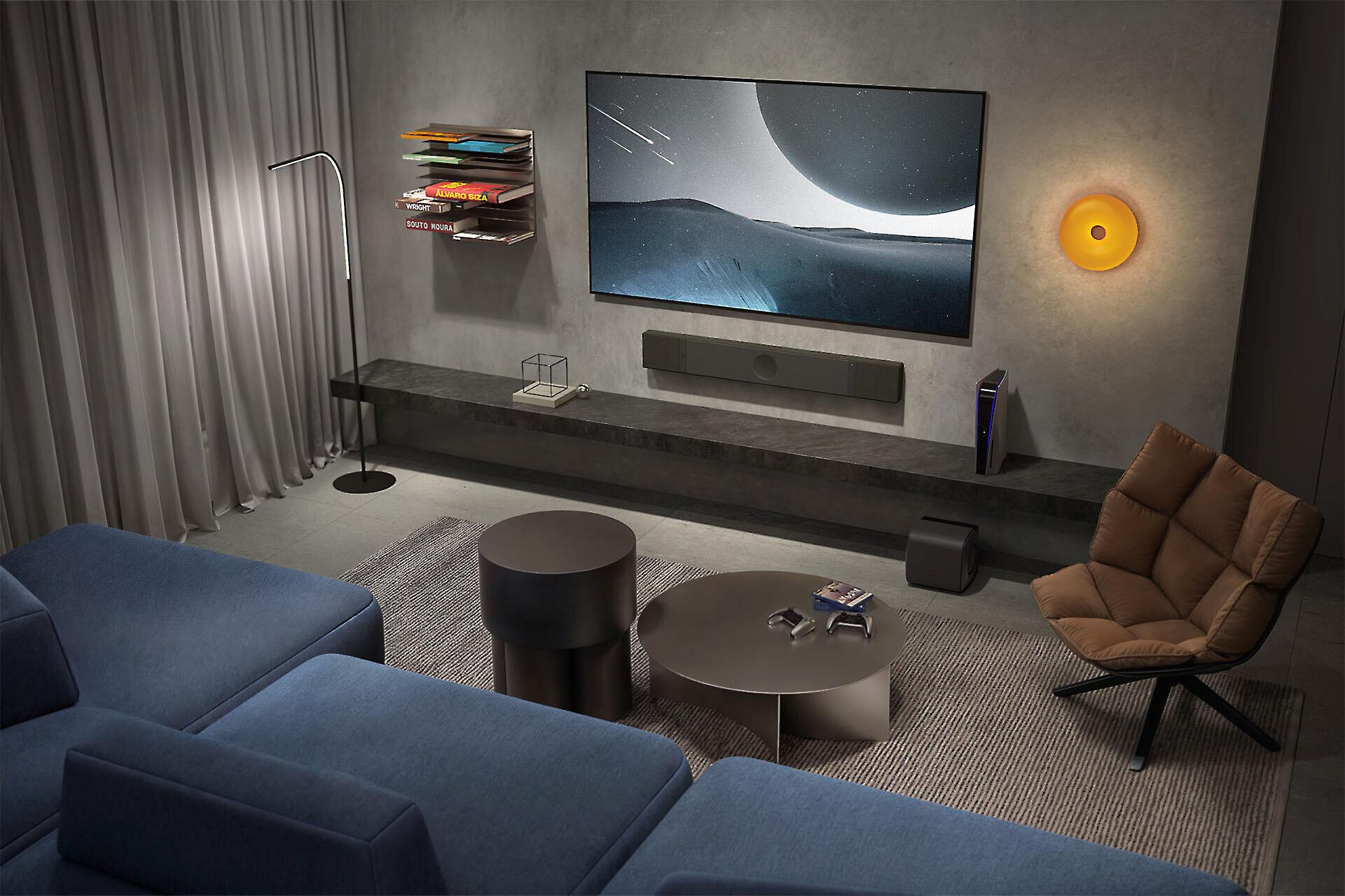
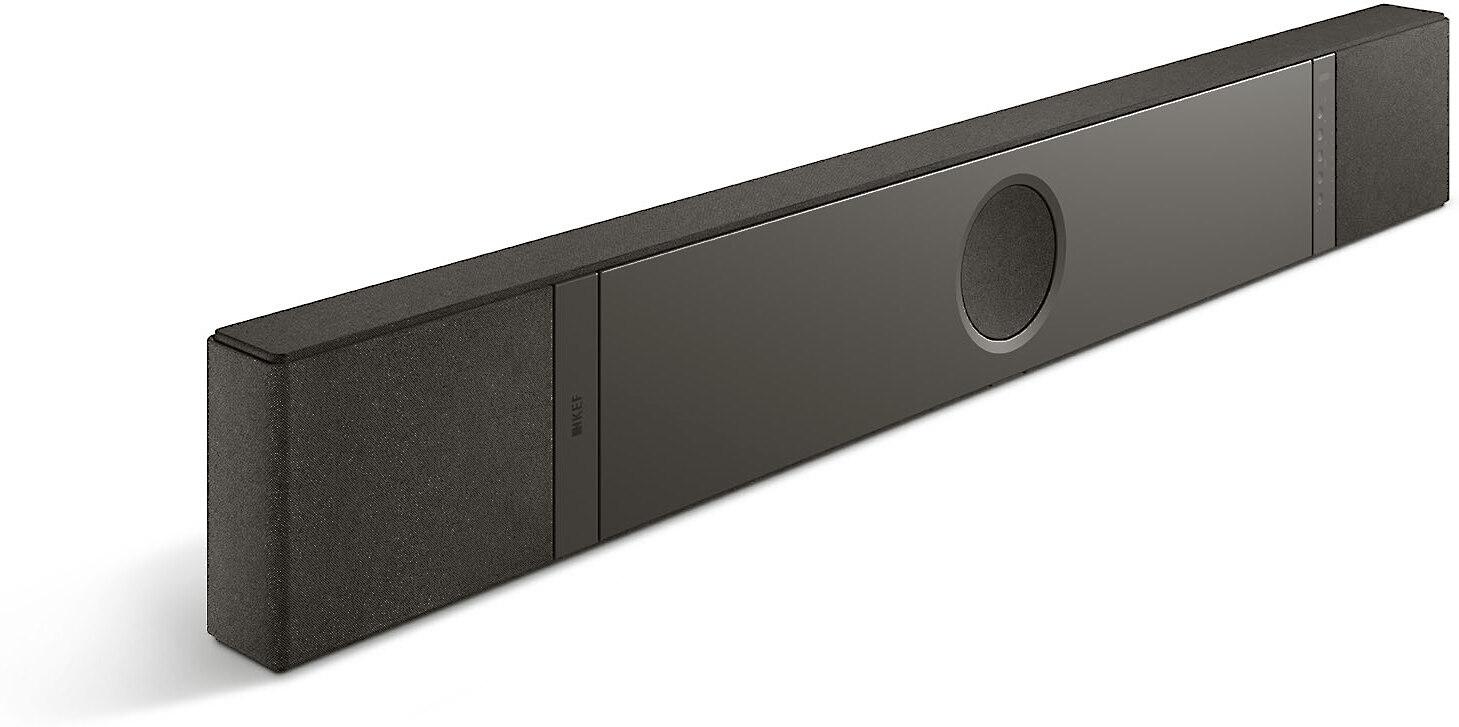
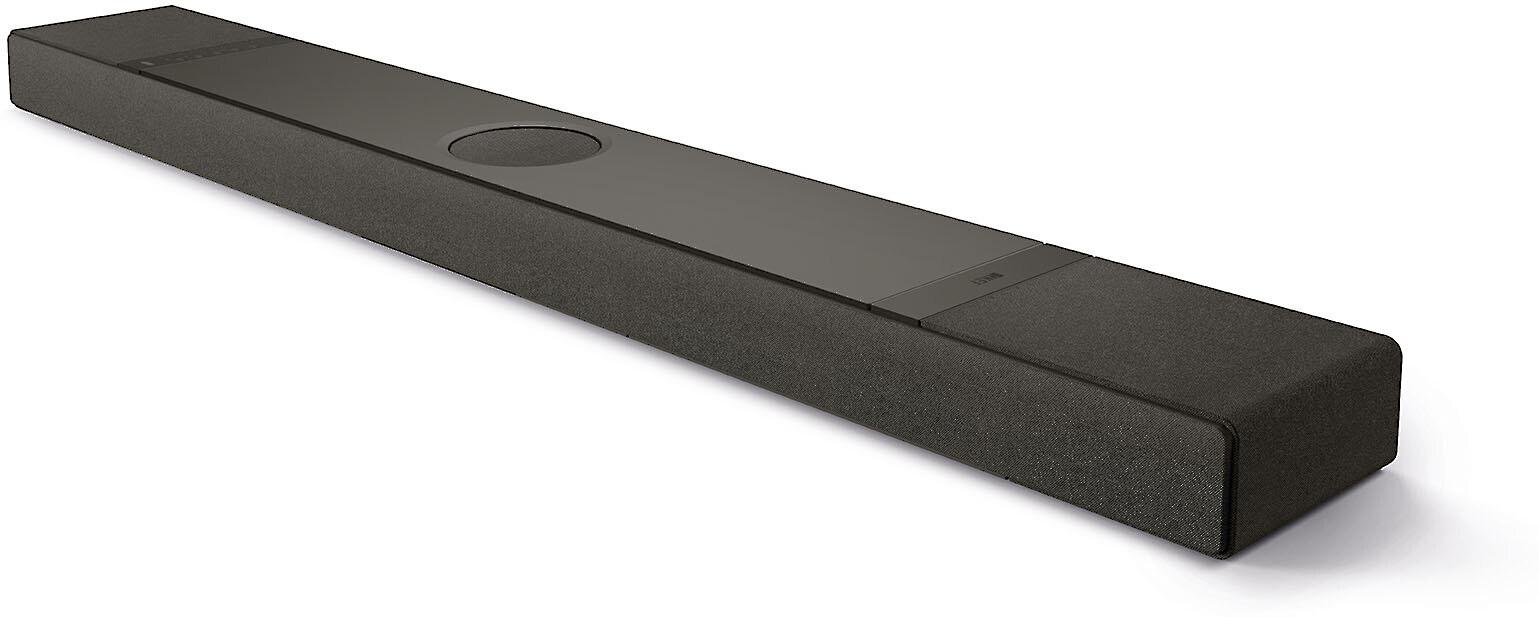
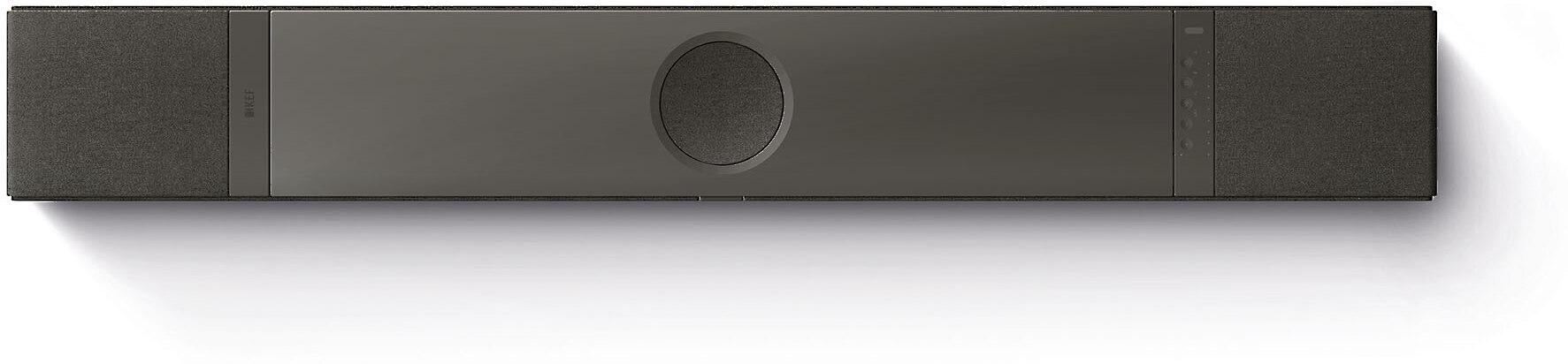



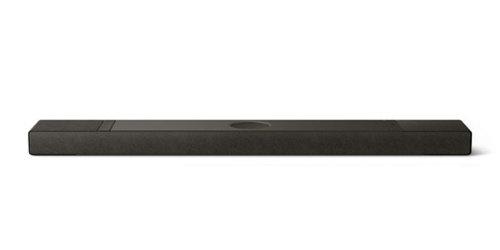
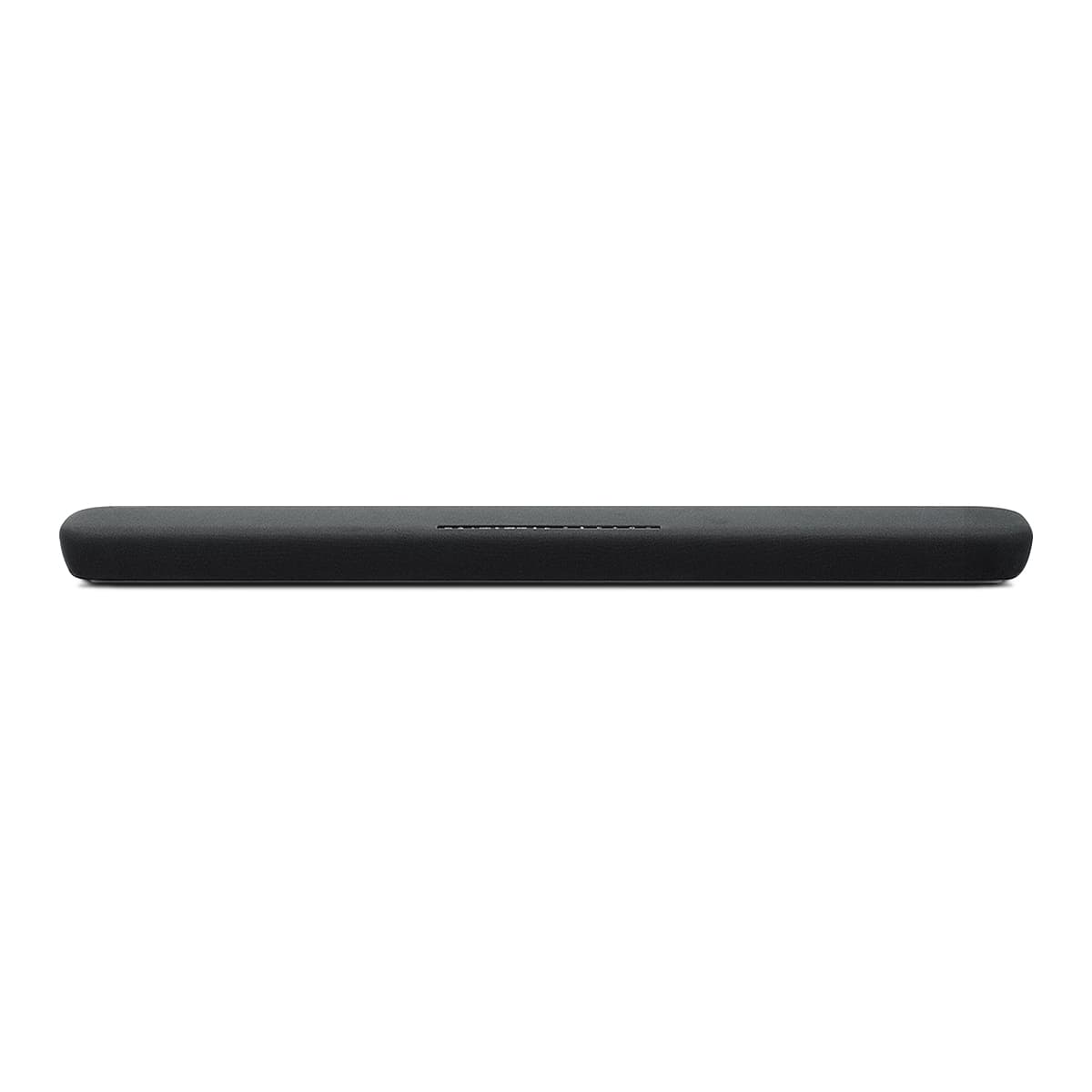
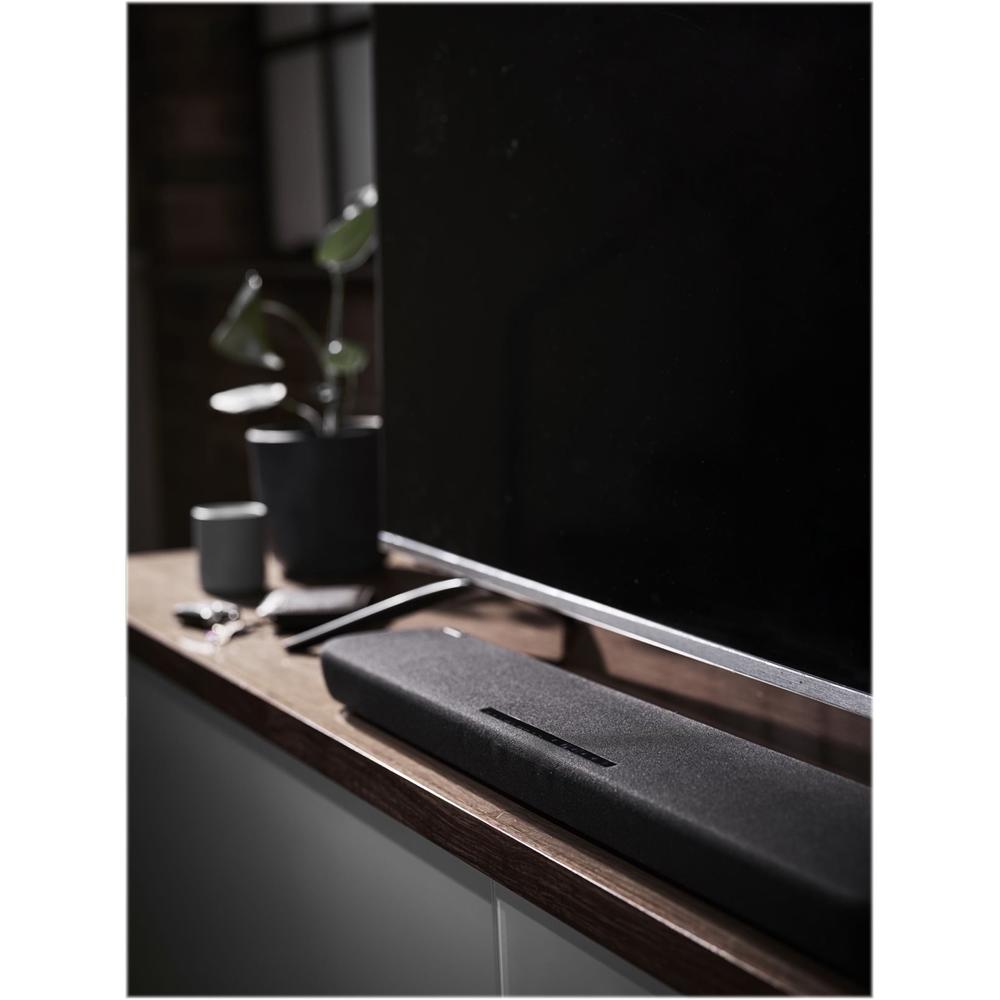
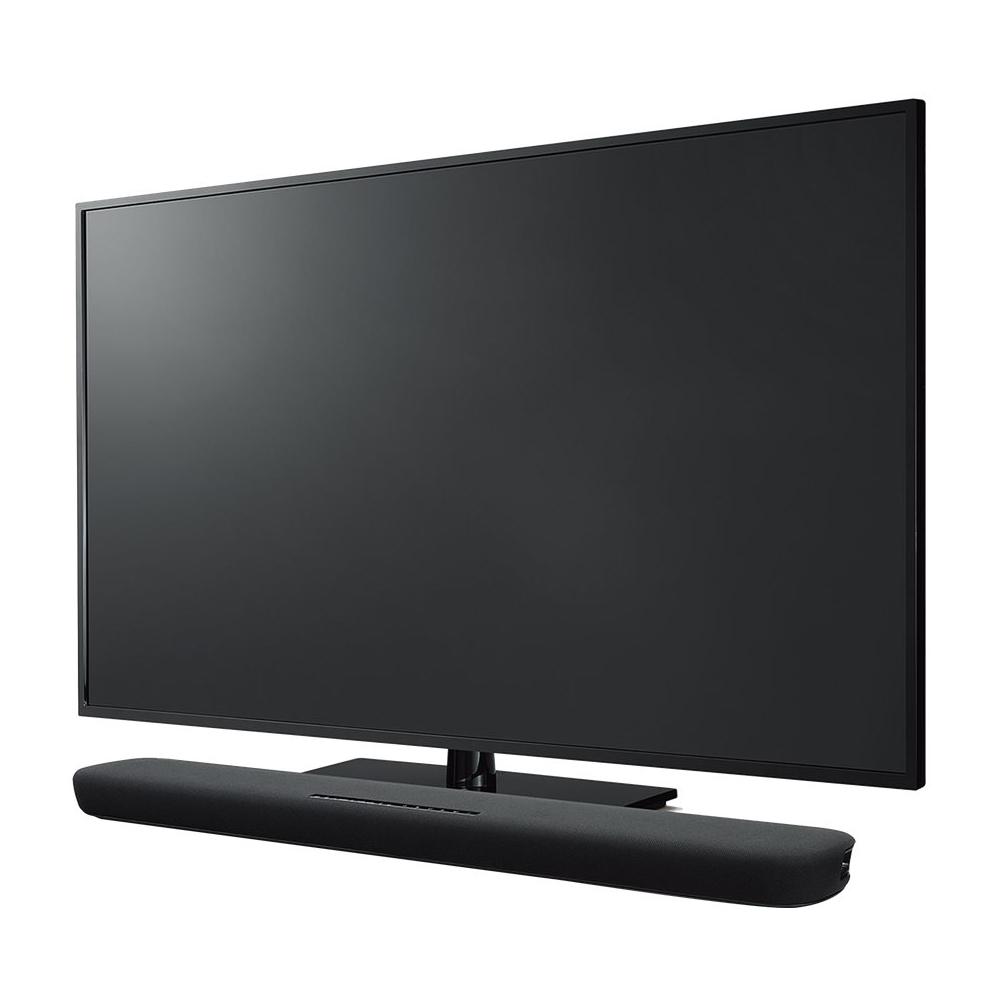
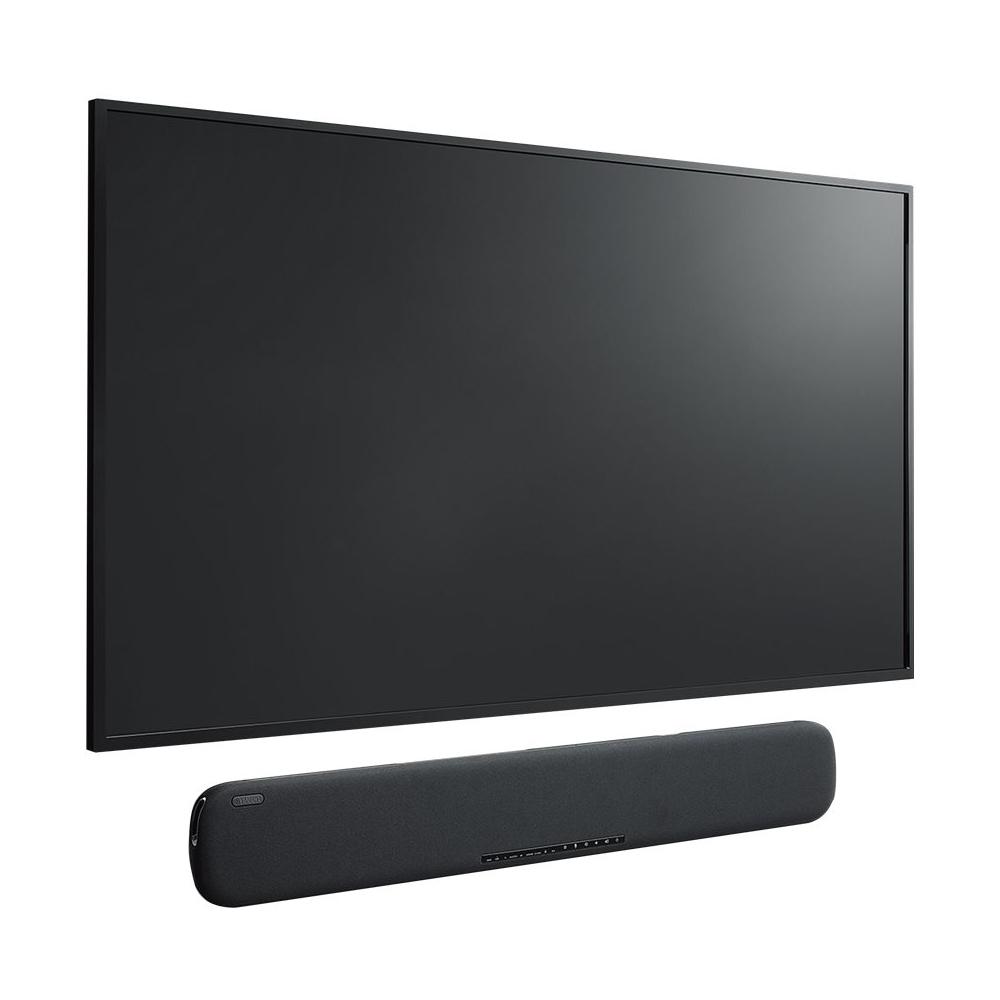
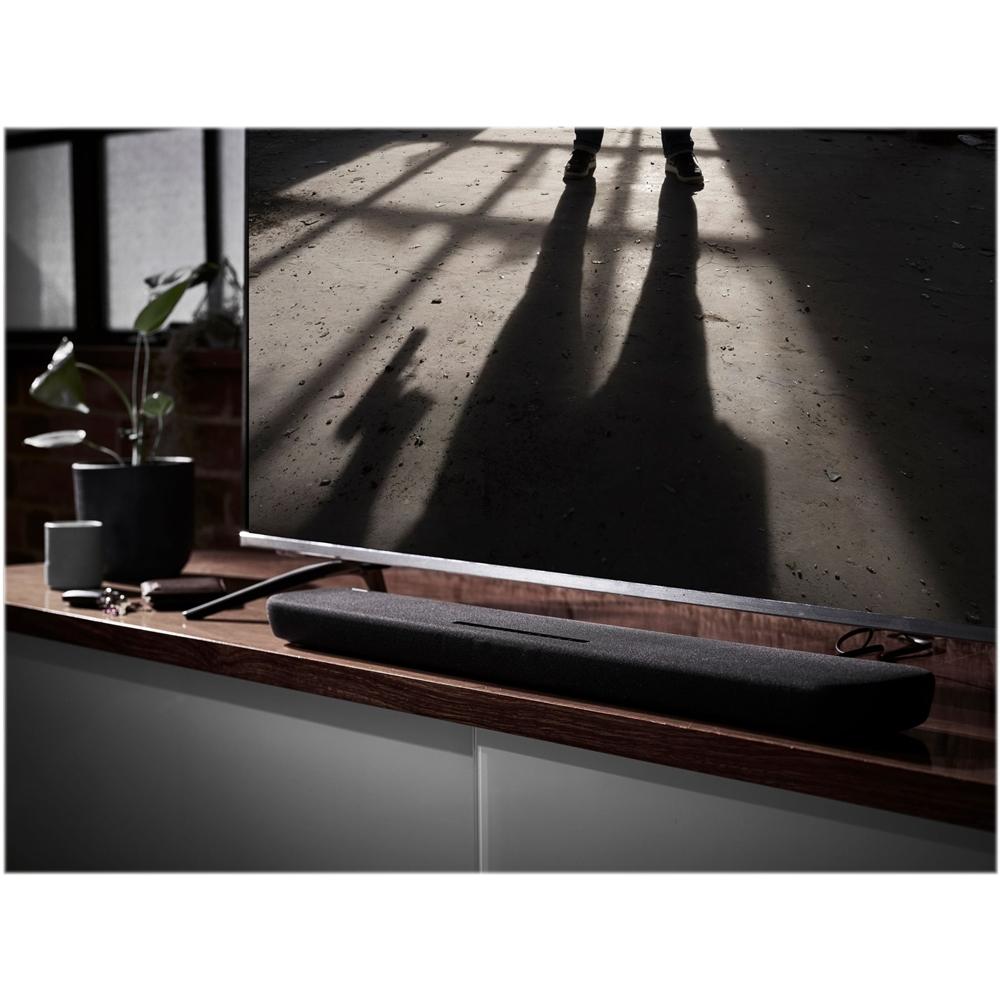
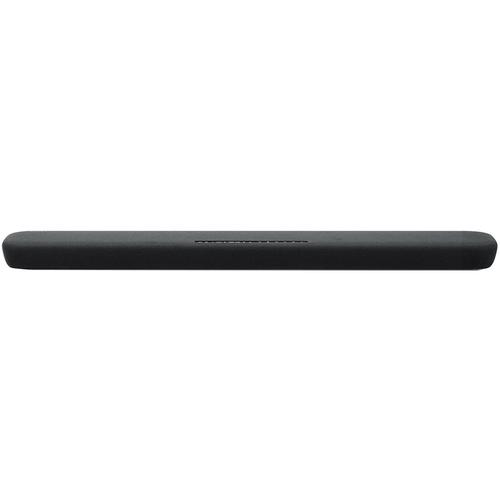


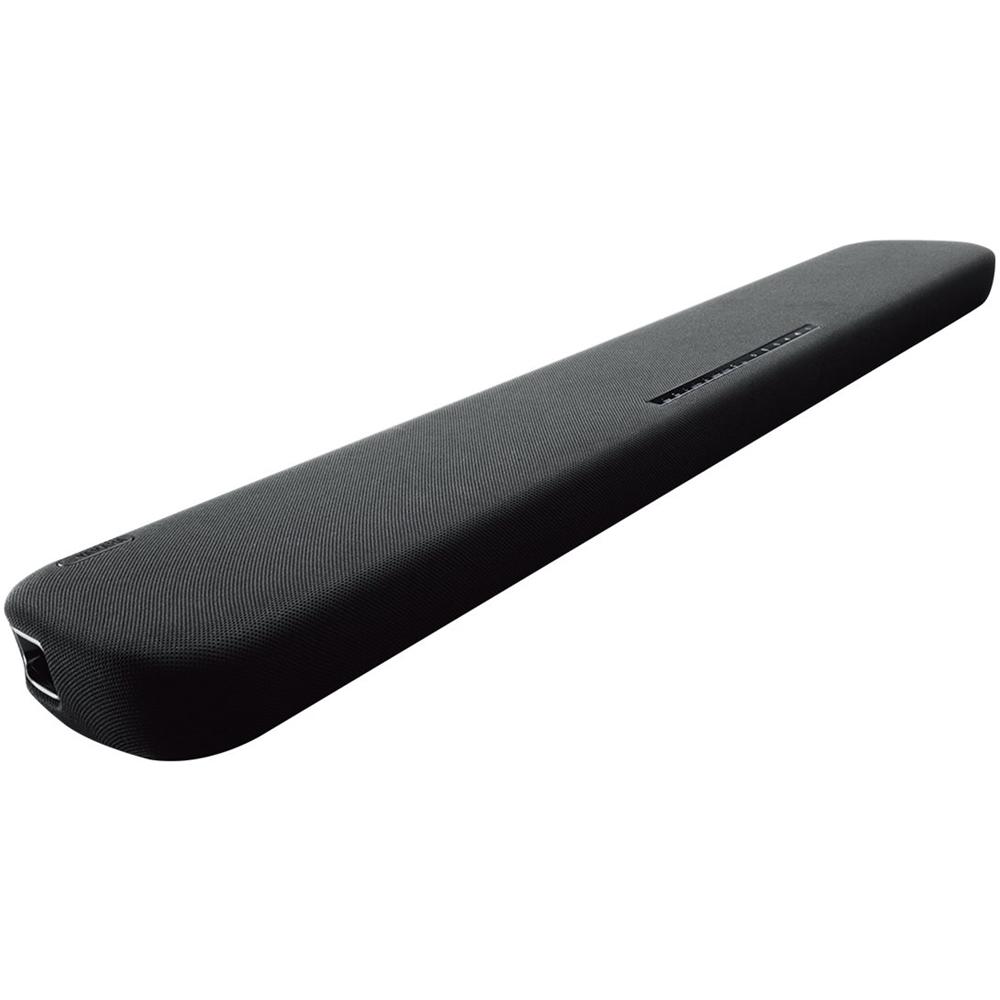
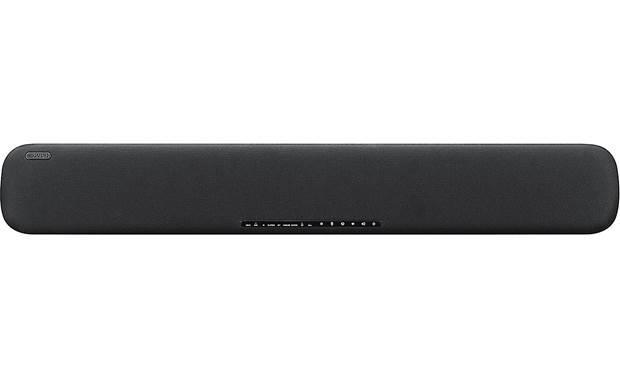
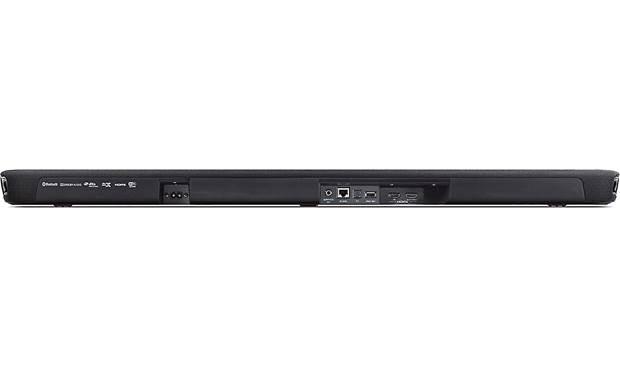
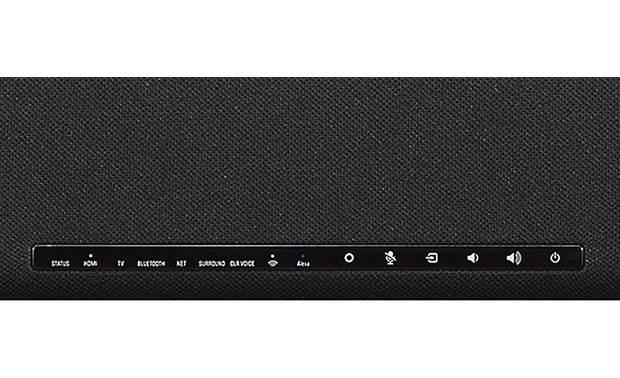
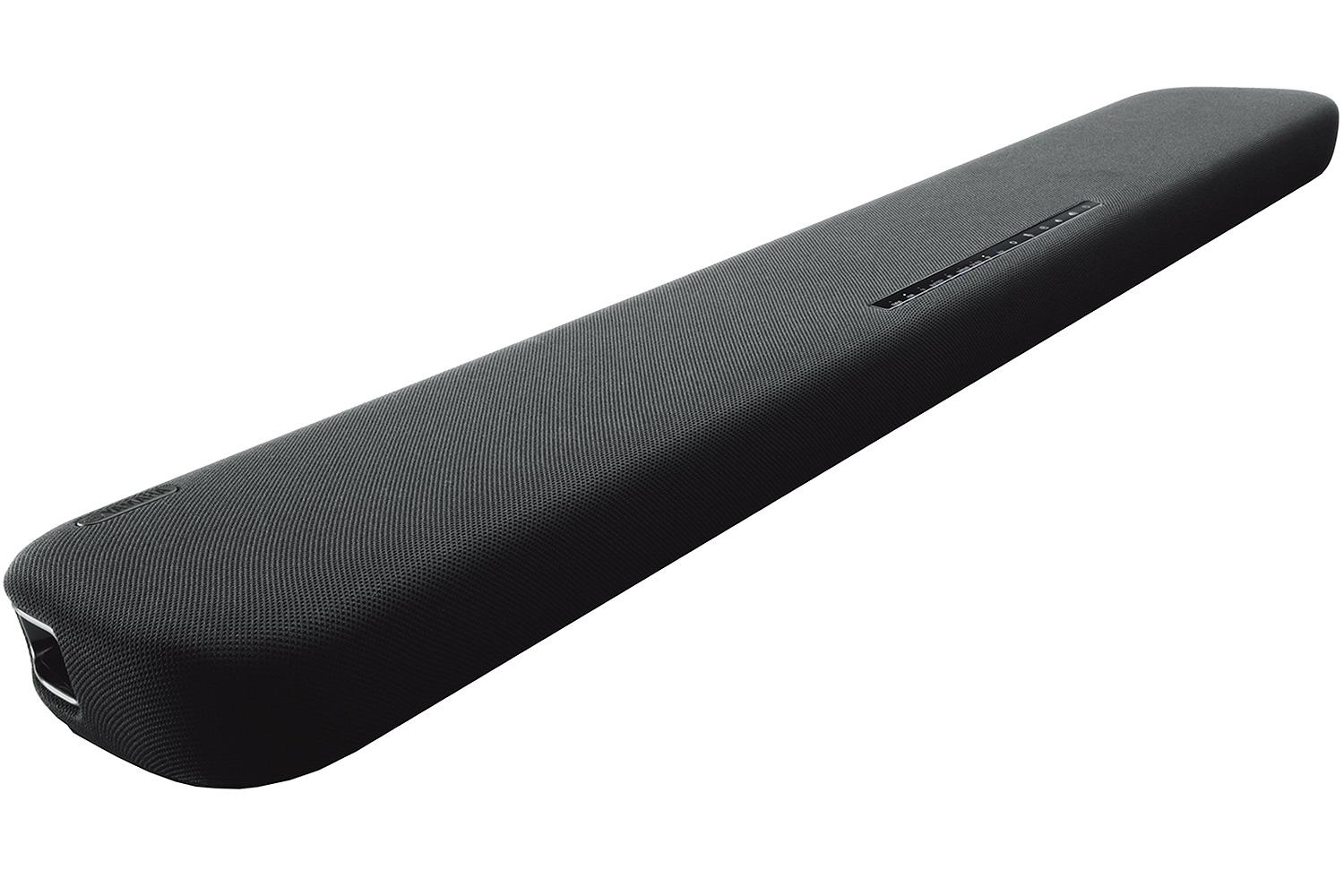
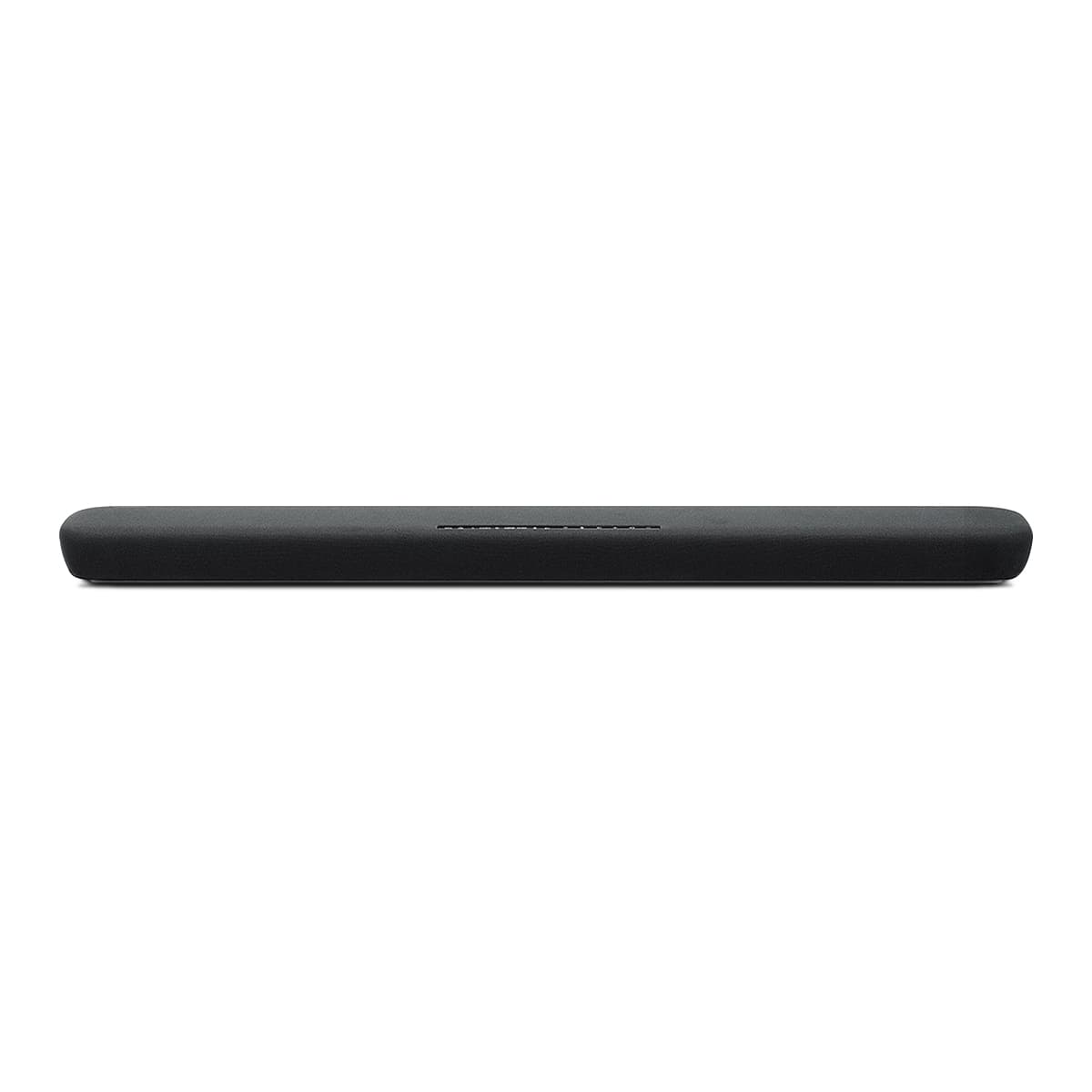
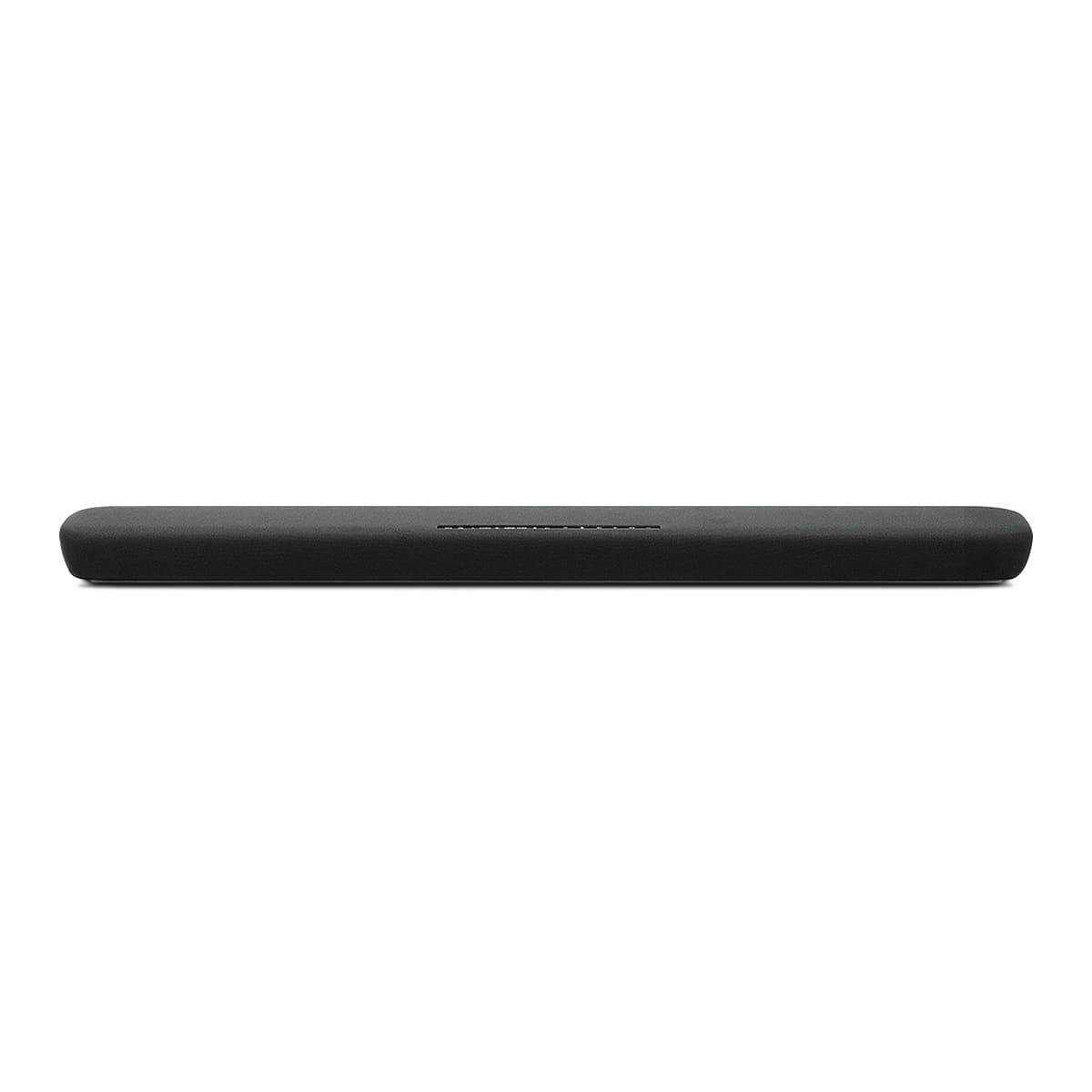
Walking into any electronics store, you'll find soundbars occupying an entire wall—from basic $100 models to premium systems costing thousands. It's a category that's exploded over the past decade as TVs got thinner and their built-in speakers got worse. Today, we're comparing two soundbars that couldn't be more different: the KEF XIO Soundbar ($2,499) and the Yamaha YAS-109 ($219). These represent the premium and budget ends of the market, each taking a completely different approach to solving the same problem—making your TV sound better.
Before diving into specifics, let's talk about what we're really comparing here. A soundbar is essentially multiple speakers crammed into one sleek enclosure that sits below your TV. The goal is simple: deliver better sound than your TV's tiny built-in speakers without the complexity of a full surround sound system with speakers scattered around your room.
The challenge is physics. Good bass requires large drivers and internal cabinet space. Surround sound traditionally needs speakers positioned around you. Premium audio demands high-quality components and amplification. Soundbar manufacturers have developed various workarounds—some more successful than others—to overcome these limitations in a single, attractive package.
The main things people care about when shopping for soundbars are audio quality (how good does it actually sound?), surround sound capabilities (does it create an immersive experience?), connectivity options (will it work with my setup?), smart features (can I control it easily?), and of course, value for money. The KEF XIO and Yamaha YAS-109 approach these priorities in fundamentally different ways.
KEF released the XIO in July 2025 as their first-ever soundbar, which might seem surprising for a company that's been making speakers since 1961. But this timing was strategic—KEF waited until they could apply their most advanced technologies to the soundbar format without compromising their reputation for exceptional audio quality.
The XIO represents what happens when a high-end speaker company decides to build a soundbar without worrying about hitting a specific price point. Every component inside reflects KEF's decades of acoustic research, from their signature Uni-Q drivers (where the tweeter sits in the center of the woofer, creating a point-source of sound) to advanced digital processing that would be at home in a recording studio.
Yamaha took a different path with the YAS-109, released in 2019 during the height of the smart home revolution. Rather than pursuing audiophile perfection, Yamaha focused on solving real-world problems: TVs with terrible sound, people who want simple voice control, and budgets that can't stretch to four-figure audio equipment.
The timing was smart—2019 was when Amazon's Alexa ecosystem really matured, and people were starting to expect voice control in their entertainment devices. While the audio technology inside isn't groundbreaking, the integration of useful features at an accessible price point made it a popular choice for mainstream consumers.
Here's where things get technical, but stick with me because understanding these differences explains why one soundbar costs eleven times more than the other.
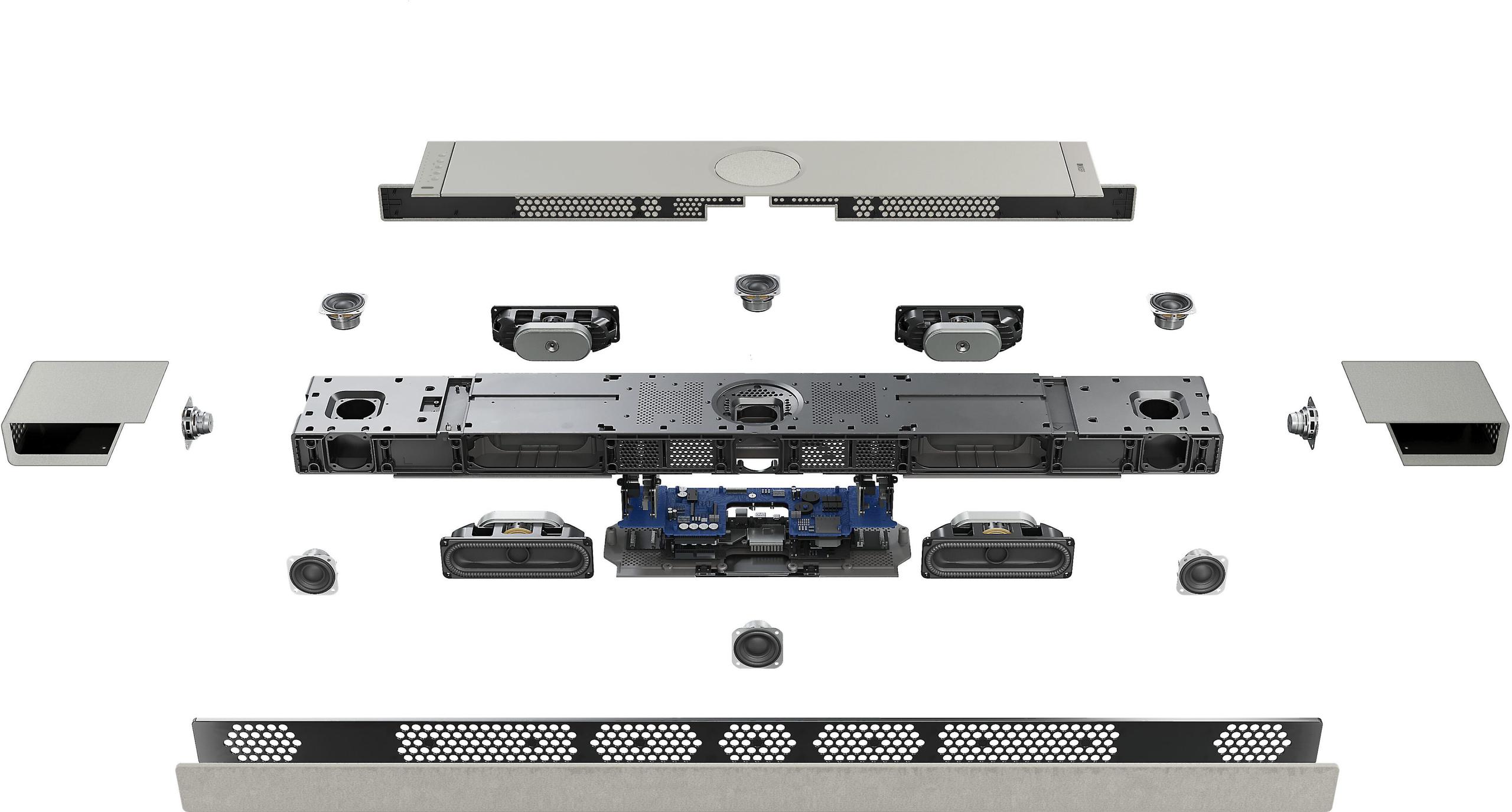
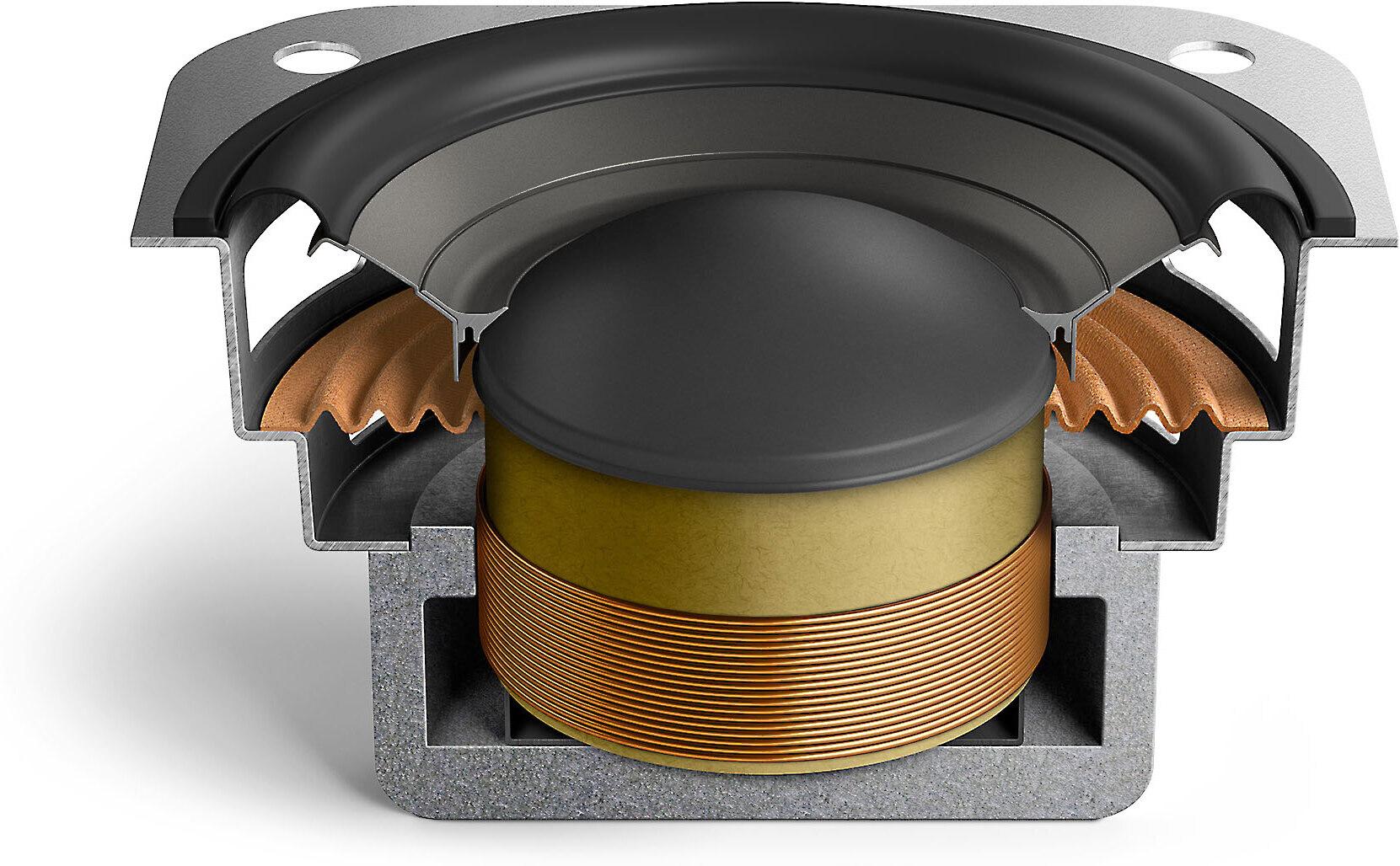
The KEF XIO uses twelve separate drivers—think of drivers as individual speakers—each powered by its own amplifier. Six of these are Uni-Q MX drivers, a miniaturized version of the technology that made KEF famous in the high-end speaker world. In a Uni-Q driver, the tweeter (which handles high frequencies like cymbals and voices) sits physically in the center of the midrange driver (which handles midrange frequencies like vocals and most instruments). This creates what engineers call a "point source"—sound that appears to come from a single point rather than multiple locations.
Why does this matter? Imagine you're sitting slightly off-center from your soundbar. With traditional drivers placed side-by-side, the sound from each driver reaches your ears at slightly different times, creating phase issues that can make vocals sound unclear or the stereo image collapse. The Uni-Q design maintains coherent sound across a much wider listening area.
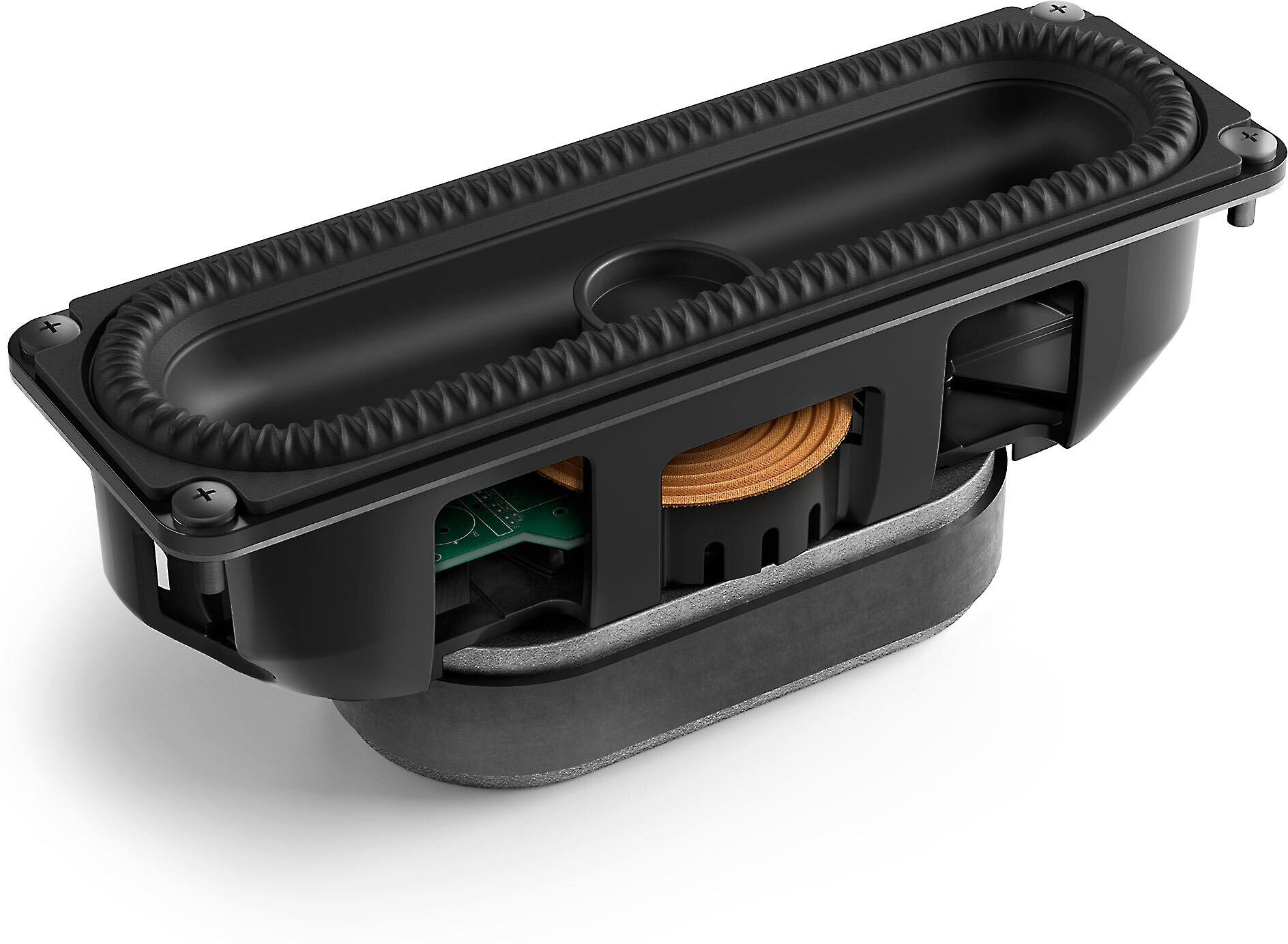
The bass drivers in the XIO are equally impressive. Four P185 "racetrack" shaped woofers use technology borrowed from KEF's reference subwoofers. These aren't circular like traditional woofers—they're oval-shaped, which allows for more surface area (and thus more bass output) in the limited height of a soundbar. More importantly, they're arranged in a "force-canceling" configuration where opposing drivers work together to minimize cabinet vibration, reducing distortion significantly.
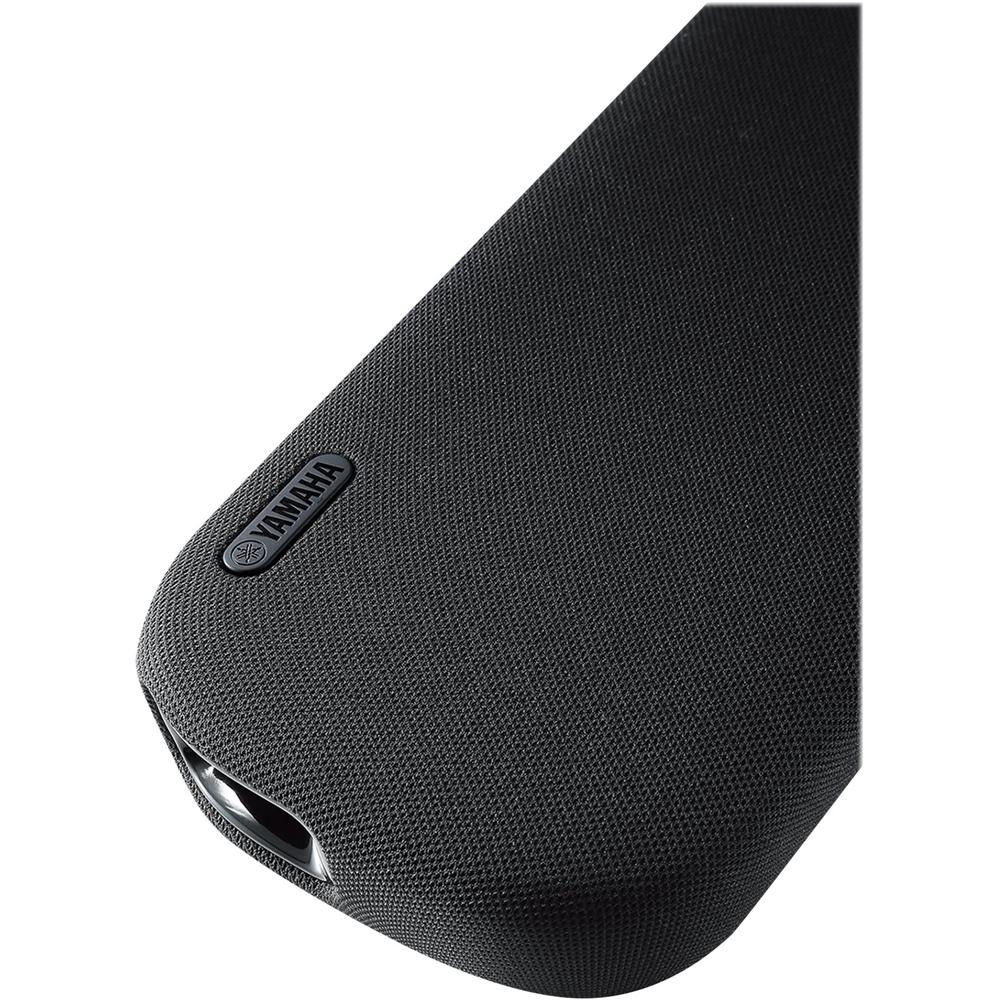
The Yamaha YAS-109 takes a more conventional approach with six traditional drivers: two tweeters for highs, two midrange drivers for vocals and instruments, and two built-in woofers for bass. These are good quality drivers for the price, but they use standard designs that have been refined over decades rather than cutting-edge technology.
Numbers can be misleading in audio, but the difference here is dramatic. The KEF XIO delivers 820 watts through twelve separate Class D amplifiers—one dedicated amplifier for each driver. This means each driver gets exactly the power and signal it needs, optimized by sophisticated digital processing.
The Yamaha provides 120 watts total, split between all six drivers. To put this in perspective, the KEF has nearly seven times more amplification power. But raw power isn't everything—it's how that power is used that matters. The KEF's individual amplifiers allow for precise control of each driver, while the Yamaha's shared amplification means compromises in dynamic range and control.
In practical terms, this translates to the KEF's ability to play much louder without distortion, handle sudden dynamic peaks in movie soundtracks better, and maintain clarity at both whisper-quiet dialogue levels and explosive action sequences.
Nothing reveals a soundbar's limitations faster than bass response. TV shows and movies rely heavily on low-frequency effects for impact—the rumble of an explosion, the thump of a car door closing, the weight behind a musical kick drum.
The KEF XIO achieves something remarkable for a soundbar: genuine low-bass extension down to 34Hz. For context, this is deeper than many standalone subwoofers manage cleanly. The secret lies in those P185 racetrack drivers combined with two advanced technologies. P-Flex technology uses a specially designed surround (the flexible ring around the driver cone) that can handle extreme excursion without distorting. VECO (Velocity Control Technology) uses real-time feedback to monitor driver movement and correct for distortion before it happens, reducing distortion by up to 28dB compared to conventional designs.
What does this mean when you're watching movies? Explosions have genuine weight and impact. Music reproduction includes the full foundation of bass guitars and kick drums. You get the visceral experience that makes action movies exciting and music emotionally engaging.
The Yamaha YAS-109's built-in woofers do their best, but physics limits what's possible. The 3-inch drivers simply can't move enough air to create deep bass extension. You'll hear bass, but it lacks the depth and impact of larger drivers. Action sequences feel somewhat hollow, and music reproduction misses the lowest octave that gives recordings their full emotional impact.
Modern movies and TV shows are mixed for surround sound, with specific sounds placed in different locations around the listening space. How soundbars handle this multichannel content reveals another key difference between our contenders.
The KEF XIO implements true 5.1.2 Dolby Atmos processing. Breaking down this terminology: 5.1 means five main channels (front left, center, right, plus two surround channels) plus one subwoofer channel, while the .2 refers to two height channels for overhead effects. The XIO has dedicated drivers pointing upward that bounce sound off your ceiling to create height effects, plus sophisticated processing that places specific sounds in three-dimensional space around you.
This isn't just marketing speak—when you watch a helicopter scene in a movie, you'll actually hear it moving overhead. Rain sounds come from above. Surround effects genuinely appear to come from behind and beside you, even though all the drivers are in front.
The Yamaha YAS-109 uses DTS Virtual:X, which is essentially clever digital processing that tries to simulate surround sound from stereo drivers. It's impressive technology for what it achieves, but it's still fundamentally an illusion. The processing can make the soundstage wider and create some sense of spaciousness, but it can't create convincing height effects or truly place sounds around the room.
For casual TV watching, the Yamaha's virtual processing works fine and definitely improves over TV speakers. For movie enthusiasts who want genuine immersion, the difference is significant.
Here's where the Yamaha YAS-109 fights back. While the KEF focuses purely on audio performance, Yamaha recognized that modern consumers want convenience features that make their daily lives easier.
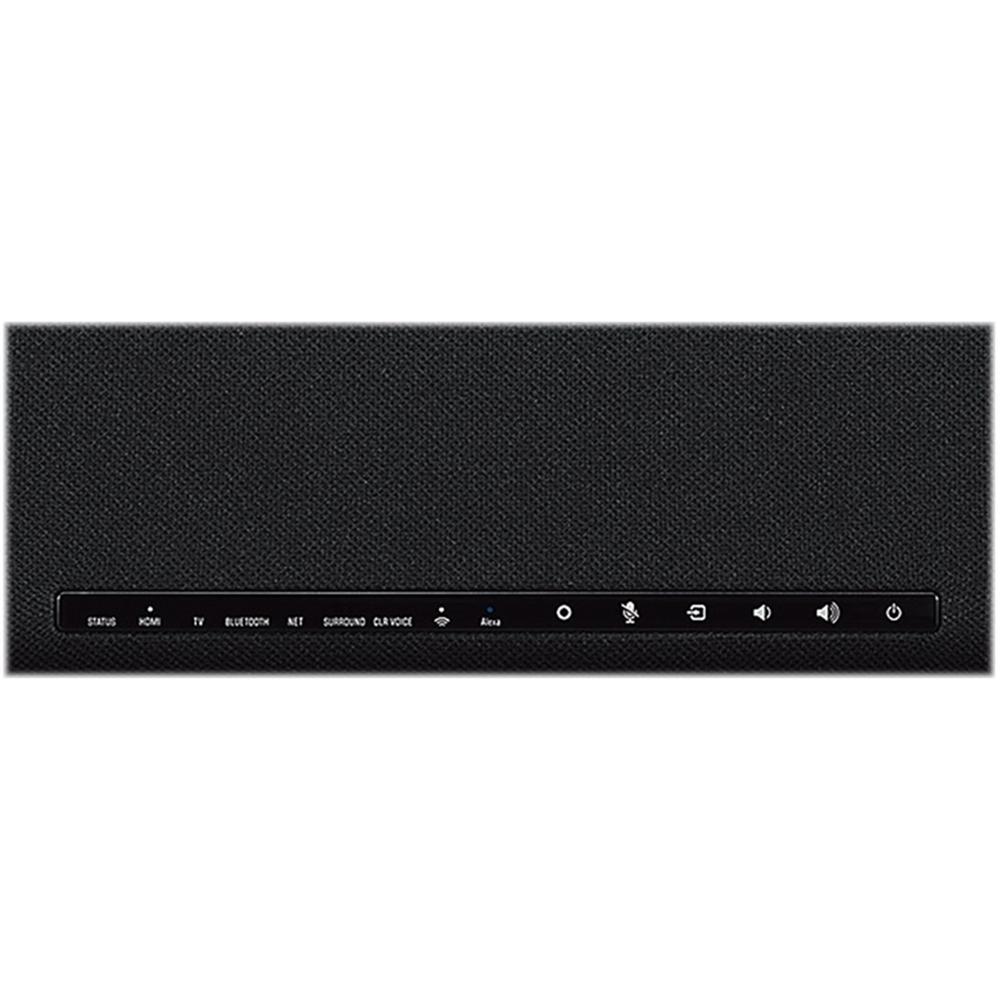
The built-in Alexa integration is genuinely useful. You can adjust volume, play music from streaming services, control other smart home devices, check weather, set timers, and ask questions—all without reaching for a remote. This integration has improved significantly since the YAS-109's 2019 release, as Amazon has refined Alexa's capabilities and expanded supported services.
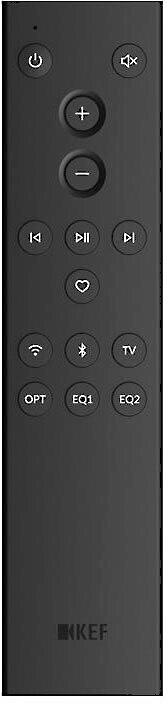
The KEF XIO takes a purist approach with no voice assistant integration. Control comes through a physical remote, touch controls on the top panel, or KEF's smartphone app. This might disappoint users who've grown accustomed to voice control, but it reflects KEF's focus on audio performance over feature complexity.
However, the KEF does include sophisticated room calibration through what they call Intelligent Placement Technology. Using built-in microphones and sensors, it automatically adjusts the sound based on your room's acoustics and whether the soundbar is wall-mounted or sitting on a shelf. This kind of automatic optimization was rare in 2019 but has become more common as processing power has increased.
The connection options reveal another generational difference between these products. The KEF XIO includes HDMI 2.1 eARC, which supports the latest high-bandwidth audio formats and features like Variable Refresh Rate for gaming. This future-proofs the soundbar for 8K content and advanced gaming features that are becoming standard.
The Yamaha includes HDMI ARC (the older standard) which handles most current content but lacks the bandwidth for the most advanced audio formats. Given its 2019 release date, this was appropriate for the time, but it means some limitations with the newest content and devices.
For music streaming, the differences are stark. The KEF supports high-resolution audio up to 24-bit/384kHz through services like TIDAL and Qobuz, plus modern wireless standards like Wi-Fi 6 and AirPlay 2. This makes it genuinely suitable as a high-end music system, not just a TV enhancement.
The Yamaha's Bluetooth and basic Wi-Fi streaming work fine for casual music listening, but they're limited to compressed audio formats that audiophiles would find disappointing.
Having tested both soundbars in typical home theater setups, the differences become immediately apparent. The KEF XIO transforms the listening experience in ways that justify its premium price for serious movie watchers. Dialog clarity is exceptional across a wide seating area—important for families who don't all sit in the perfect center position. The wide soundstage means everyone gets a good experience, not just the person sitting directly in front.
During action sequences, the XIO's combination of powerful amplification and advanced bass technology creates the visceral impact that makes movies exciting. The opening scene of "Blade Runner 2049" with its deep, rumbling bass hits becomes a physical experience rather than just an audio one.
The Yamaha YAS-109 provides a solid upgrade over TV speakers for typical viewing. Dialog is clearer, the soundstage is wider, and there's enough bass to satisfy casual viewers. However, during demanding sequences, its limitations become apparent. You'll notice the bass lacking depth, and surround effects remain somewhat artificial compared to the KEF's convincing spatial audio.
Value means different things at different price points. The Yamaha YAS-109 at $219 represents excellent value for basic TV audio enhancement. You get meaningfully better sound than built-in TV speakers, useful smart features, and simple setup. For secondary TVs, bedrooms, or users who primarily watch news and basic TV programming, it's hard to argue with this value proposition.
The KEF XIO at $2,499 enters territory where it competes with dedicated component systems. However, for users who want reference-quality audio without multiple speakers around the room, it actually represents reasonable value. A comparable traditional surround system with KEF speakers and a quality AV receiver would cost significantly more and require much more complex installation.
Since the YAS-109's 2019 release, we've seen improvements in budget soundbar technology—better drivers, more processing power, and enhanced features. However, the basic limitations of physics haven't changed. You still can't create deep bass from small drivers or genuine surround sound from stereo processing.
The KEF, being much newer, incorporates the latest advances in driver technology, digital processing, and wireless connectivity. It's designed to remain relevant as content formats and streaming standards continue evolving.
Choose the KEF XIO if audio quality is your top priority and budget allows for a premium purchase. It's ideal for serious movie watchers, music lovers who want hi-fi streaming capabilities, and anyone with a large, high-end TV that deserves matching audio quality. The wide, coherent soundstage works well for families or groups who don't all sit in the center position.
Choose the Yamaha YAS-109 if you want meaningful improvement over TV speakers without major investment. It's perfect for smaller rooms, secondary viewing areas, and users who prioritize smart features and voice control. The Alexa integration adds genuine convenience for daily use.
The fundamental question is whether you want adequate TV audio enhancement with modern conveniences, or transformative sound quality that makes every movie and song more engaging. Both products succeed at their intended goals, but they're solving different problems for different users.
For most people, the Yamaha provides all the improvement they'll notice and appreciate. For audio enthusiasts and serious home theater fans, the KEF delivers an experience that's genuinely different—and worth the premium price. The choice ultimately depends on how much better sound matters to your daily entertainment experience.
| KEF XIO Soundbar | Yamaha YAS-109 Sound Bar with Built-in Subwoofers and Alexa |
|---|---|
| Price - Major budget consideration affecting all other decisions | |
| $2,499 (premium audiophile investment) | $219 (affordable TV upgrade) |
| Audio Configuration - Determines surround sound quality and immersion | |
| True 5.1.2 Dolby Atmos with 12 discrete drivers | 2.1 virtual surround with 6 drivers |
| Total Power - Affects maximum volume and dynamic range | |
| 820W (12 individual Class D amplifiers) | 120W (shared amplification) |
| Bass Extension - Critical for movie impact and music fullness | |
| 34Hz with P-Flex technology (genuine deep bass) | ~80Hz with 3" built-in woofers (adequate for dialogue) |
| Driver Technology - Core audio quality determinant | |
| Uni-Q MX coaxial + P185 racetrack woofers with VECO | Traditional cone drivers with Clear Voice processing |
| Surround Sound Processing - Real vs simulated immersion | |
| Native Dolby Atmos/DTS:X with height channels | DTS Virtual:X (simulated surround from stereo) |
| Smart Features - Daily convenience and control options | |
| No voice assistant, app/remote control only | Built-in Alexa voice control |
| HDMI Connectivity - Future-proofing and device compatibility | |
| HDMI 2.1 eARC (supports latest formats) | HDMI ARC (standard formats only) |
| Wireless Streaming - Music quality and service support | |
| Wi-Fi 6, AirPlay 2, high-res audio (24-bit/384kHz) | Bluetooth 4.2, basic streaming |
| Room Calibration - Automatic sound optimization | |
| Intelligent Placement Technology with sensors | None (manual adjustment only) |
| Physical Size - Space requirements and TV compatibility | |
| 47.6" × 2.8" × 6.5", 23.1 lbs (premium build) | 35" × 2.1" × 5.1", 7.5 lbs (compact design) |
| Best For - Target user and use case | |
| Audiophiles, large rooms, premium home theaters | Budget upgrades, small spaces, smart home users |
The KEF XIO Soundbar at $2,499 costs over 10 times more than the Yamaha YAS-109 at $219, but delivers dramatically superior audio quality. The KEF provides true Dolby Atmos surround sound, deep bass extension to 34Hz, and audiophile-grade components. The Yamaha offers good value for basic TV audio improvement with smart features. Choose the KEF if sound quality is paramount and budget allows; choose the Yamaha for affordable enhancement with voice control.
The KEF XIO significantly outperforms the Yamaha YAS-109 in bass response. The KEF extends down to 34Hz using advanced P185 racetrack woofers with force-canceling technology, delivering genuine deep bass without a separate subwoofer. The Yamaha's built-in 3-inch woofers provide adequate bass for dialogue and casual viewing but lack the depth and impact needed for action movies or music with substantial low-end content.
Only the KEF XIO Soundbar supports true Dolby Atmos with dedicated height channels and discrete 5.1.2 processing. The Yamaha YAS-109 uses DTS Virtual:X to simulate surround effects from stereo drivers, which creates some spatial impression but cannot match the genuine three-dimensional sound placement of native Atmos processing. For authentic immersive audio, the KEF is the clear choice.
The KEF XIO excels for music with high-resolution streaming support up to 24-bit/384kHz, Wi-Fi 6 connectivity, and native integration with services like Spotify Connect and TIDAL. The Yamaha YAS-109 offers basic Bluetooth streaming and Alexa music control but is limited to compressed audio formats. If music quality matters, the KEF transforms into a genuine hi-fi system beyond just TV enhancement.
The Yamaha YAS-109 includes built-in Alexa for voice control of volume, music playback, smart home devices, and general queries. The KEF XIO Soundbar focuses purely on audio performance with no voice assistant, controlled via remote, touch panel, or smartphone app. The Yamaha wins for smart home integration and daily convenience, while the KEF prioritizes sound quality over connected features.
The KEF XIO is designed for larger spaces with 820W of amplification, wide sound dispersion from Uni-Q drivers, and room-filling bass. Its Intelligent Placement Technology automatically calibrates for room acoustics. The Yamaha YAS-109 with 120W total power is better suited for smaller to medium rooms where its output won't be overwhelmed by space. For home theaters and large living areas, the KEF provides superior coverage.
The KEF XIO Soundbar offers future-proof HDMI 2.1 eARC, optical input, Wi-Fi 6, AirPlay 2, and Bluetooth 5.3 for comprehensive device compatibility. The Yamaha YAS-109 includes HDMI ARC (older standard), optical, basic Wi-Fi, and Bluetooth 4.2. While both handle current devices adequately, the KEF's advanced connectivity better supports newest gaming consoles, streaming devices, and high-bandwidth audio formats.
The Yamaha YAS-109 offers simpler setup and daily operation with voice control through Alexa, automatic TV integration, and straightforward app control. The KEF XIO requires more initial configuration but includes automatic room calibration. For users wanting plug-and-play convenience with voice commands, the Yamaha is more user-friendly despite the KEF's superior technical capabilities.
The KEF XIO Soundbar delivers cinema-quality audio with genuine surround effects, impactful bass, and crystal-clear dialogue across wide seating areas. Action sequences have visceral impact while maintaining detail. The Yamaha YAS-109 provides clear dialogue improvement and adequate dynamics for casual viewing but lacks the depth and immersion for serious movie watching. The difference is dramatic during demanding soundtracks.
The KEF XIO has a premium price that limits accessibility, no voice control, and only HDMI eARC (no additional HDMI inputs). The Yamaha YAS-109 has limited bass extension, virtual-only surround processing, and basic streaming quality. The KEF's main limitation is cost, while the Yamaha's constraints are performance-based due to its budget positioning.
The KEF XIO Soundbar excels for gaming with HDMI 2.1 support, low latency processing, and immersive spatial audio that enhances directional cues in competitive games. The wide dynamic range handles both quiet dialogue and explosive action without compression. The Yamaha YAS-109 provides basic gaming audio improvement but lacks the precision and impact that enhance gaming immersion, especially for action and adventure titles.
Choose the KEF XIO Soundbar if you prioritize exceptional sound quality, have a premium TV setup, enjoy movies and music seriously, and budget allows for audiophile performance. Choose the Yamaha YAS-109 if you want affordable TV audio improvement, prefer voice control convenience, have space constraints, or primarily watch news and basic programming. Both excel in their intended markets—premium performance versus practical enhancement.
We've done our best to create useful and informative comparisons to help you decide what product to buy. Our research uses advanced automated methods to create this comparison and perfection is not possible - please contact us for corrections or questions. These are the sites we've researched in the creation of this article: blog.son-video.com - residentialsystems.com - whathifi.com - audioadvice.com - crutchfield.com - homecrux.com - techradar.com - youtube.com - us.kef.com - gramophone.com - cepro.com - audioxpress.com - musicdirect.com - gramophone.com - us.kef.com - crutchfield.com - hifipig.com - bestbuy.com - listenup.com - bestbuy.com - bestbuy.com - listenup.com - rtings.com - crutchfield.com - usa.yamaha.com - digitaltrends.com - tomsguide.com - listenup.com - youtube.com - usa.yamaha.com - hub.yamaha.com - youtube.com - hub.yamaha.com

Privacy Policy
Terms and Conditions - Affiliate Policy
Home Security
© Copyright 2008-2026.
11816 Inwood Rd #1211, Dallas, TX 75244