






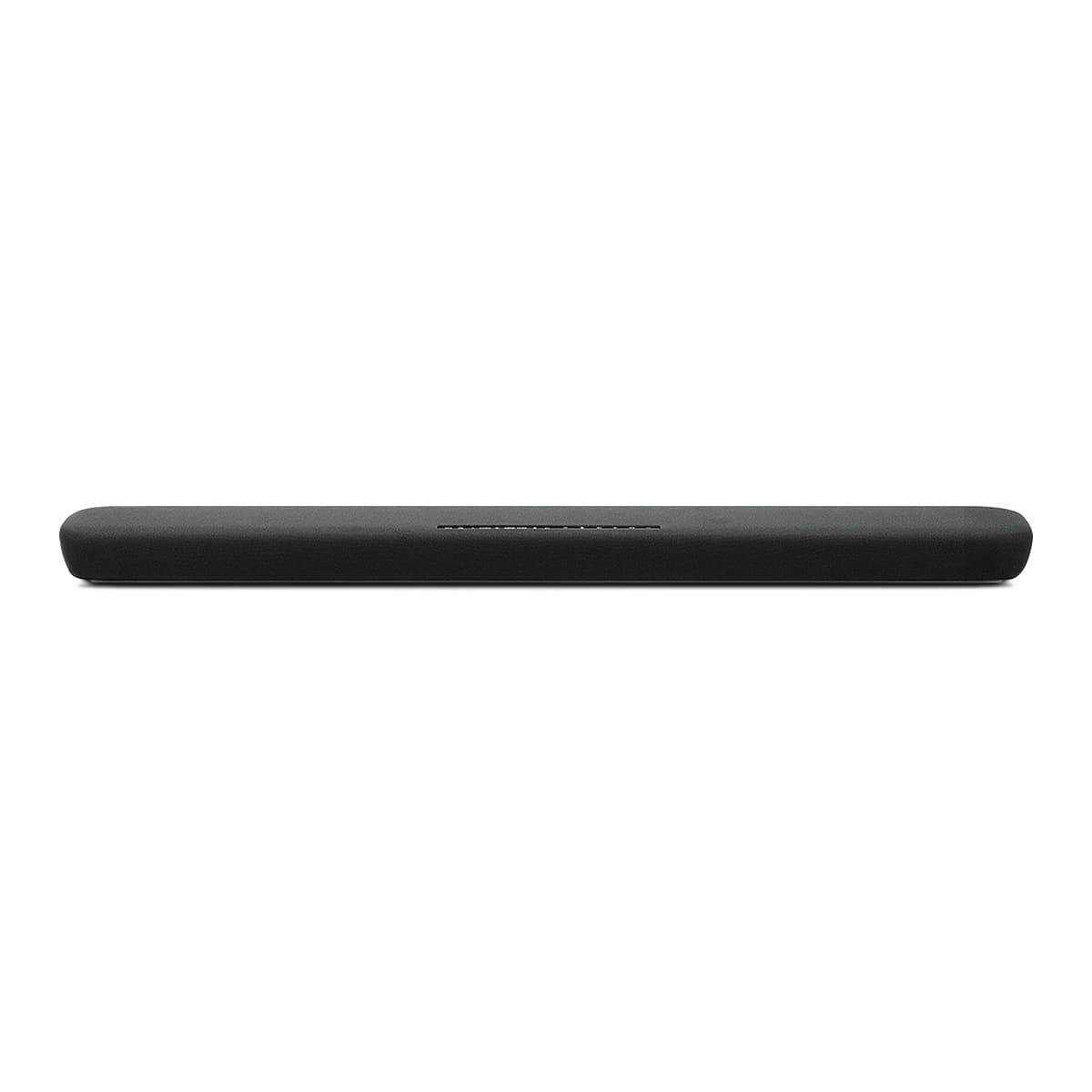
If you've ever found yourself cranking up the TV volume just to understand what the actors are saying, or if action scenes sound flat and lifeless through your TV's built-in speakers, you're definitely not alone. Modern TVs have gotten incredibly thin, which is great for aesthetics but terrible for sound quality. There's simply no room for decent speakers inside those sleek panels.
That's where budget soundbars come in. These compact audio solutions promise to transform your TV watching experience without breaking the bank or requiring a degree in audio engineering to set up. Today, we're diving deep into two popular options in the $150-250 range: the LG S40T 2.1 Channel Soundbar at $155.95 and the Yamaha YAS-109 Sound Bar with Built-in Subwoofers and Alexa at $219.95.
Before we jump into the specifics, let's talk about what you should actually care about when shopping for a soundbar. Think of a soundbar as a horizontal speaker system that sits below or in front of your TV, designed to deliver much better audio than those tiny speakers crammed into your TV's frame.
The most important factor is the channel configuration. When you see "2.1," that means two main channels (left and right) plus one subwoofer channel (the ".1") specifically for bass frequencies. This is different from a "2.0" system, which tries to handle all frequencies through the main speakers. It's like the difference between having a dedicated drummer in a band versus asking the guitarist to also handle percussion – both can work, but one usually sounds more complete.
Power output, measured in watts, tells you how loud and dynamic the system can get. However, raw wattage isn't everything – how that power is distributed and the quality of the drivers (the actual speaker components) matter just as much. Think of it like horsepower in cars: a well-tuned engine with less power can often outperform a poorly designed one with more.
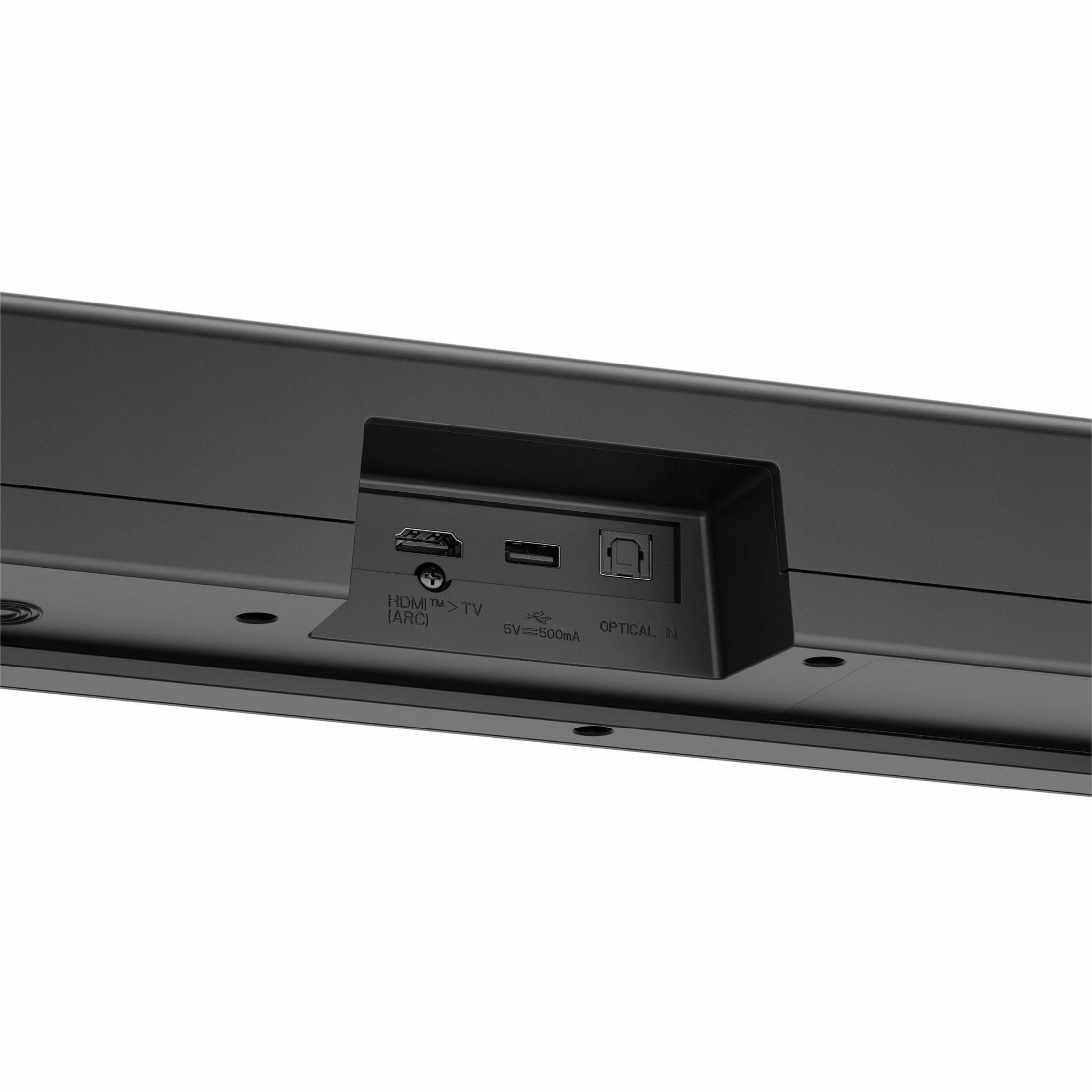
Connectivity is crucial too. HDMI ARC (Audio Return Channel) creates a two-way connection with your TV, allowing the soundbar to receive audio and even control volume through your TV remote. Optical connections use a fiber optic cable to send digital audio signals, while Bluetooth lets you stream music wirelessly from your phone or tablet.
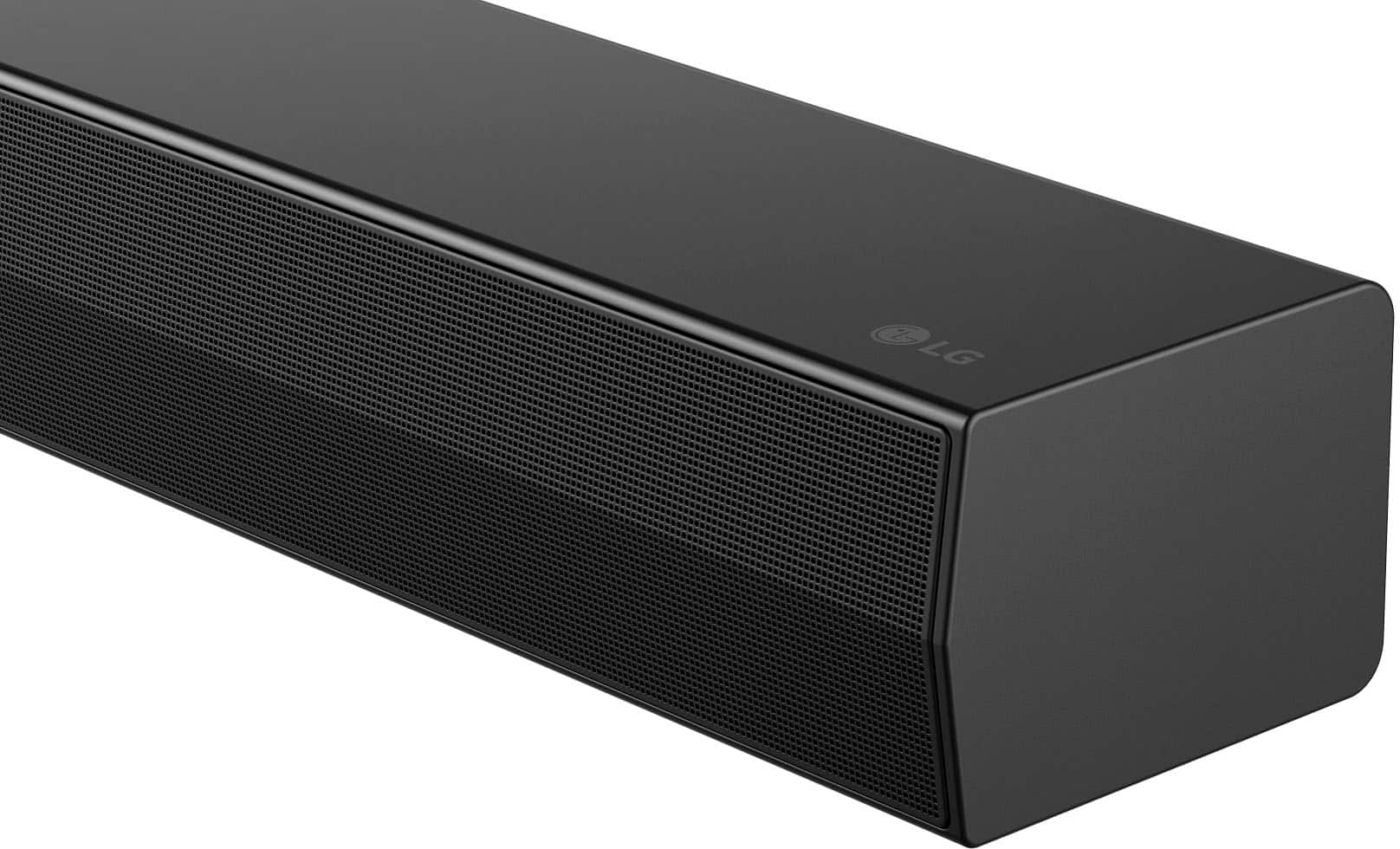
The LG S40T represents what I'd call the "traditional" approach to budget soundbars. Released in 2022 for African markets and making its way to North America in 2024, it's relatively fresh in the soundbar world. This timing matters because it means LG incorporated more recent technology, including Bluetooth 5.3 – a significant upgrade over older versions that offers better connection stability and range.
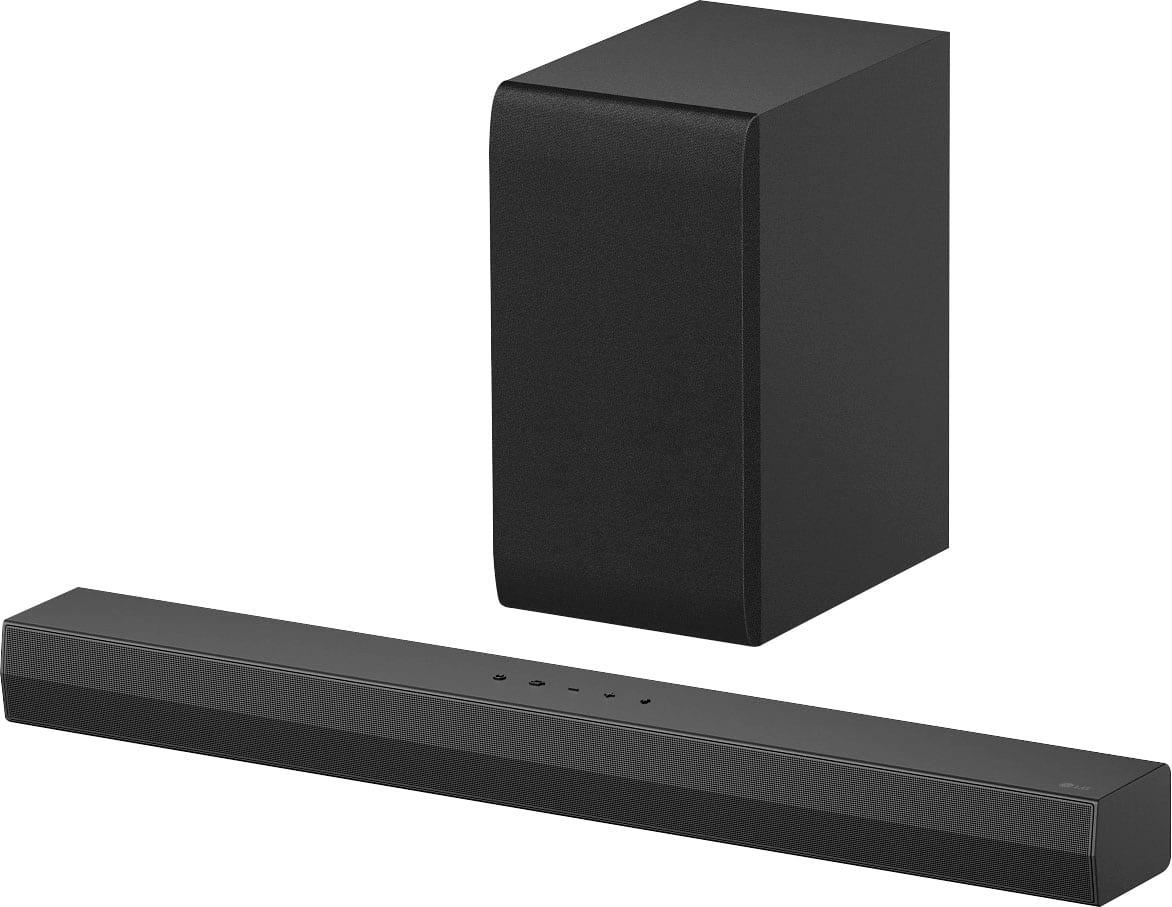
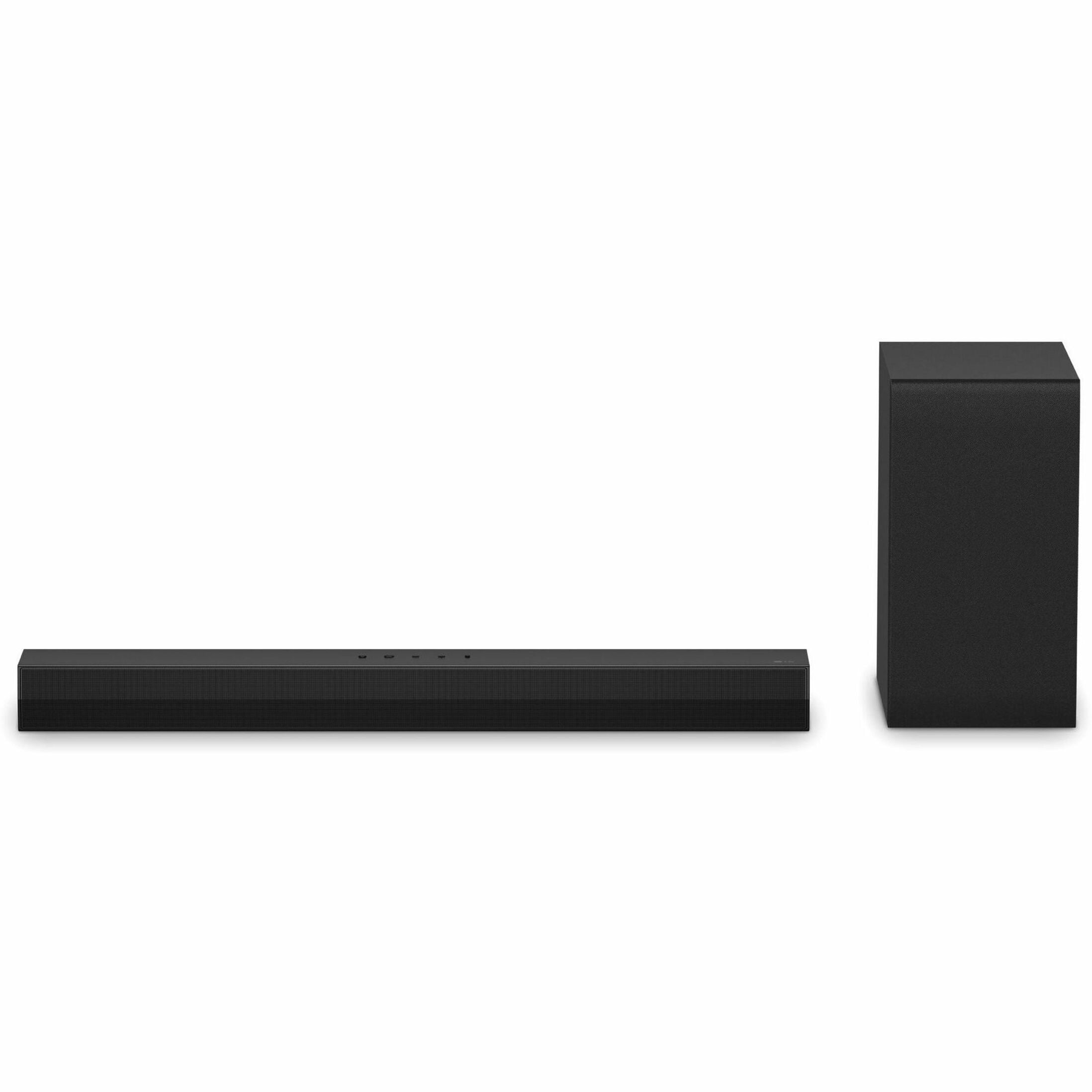
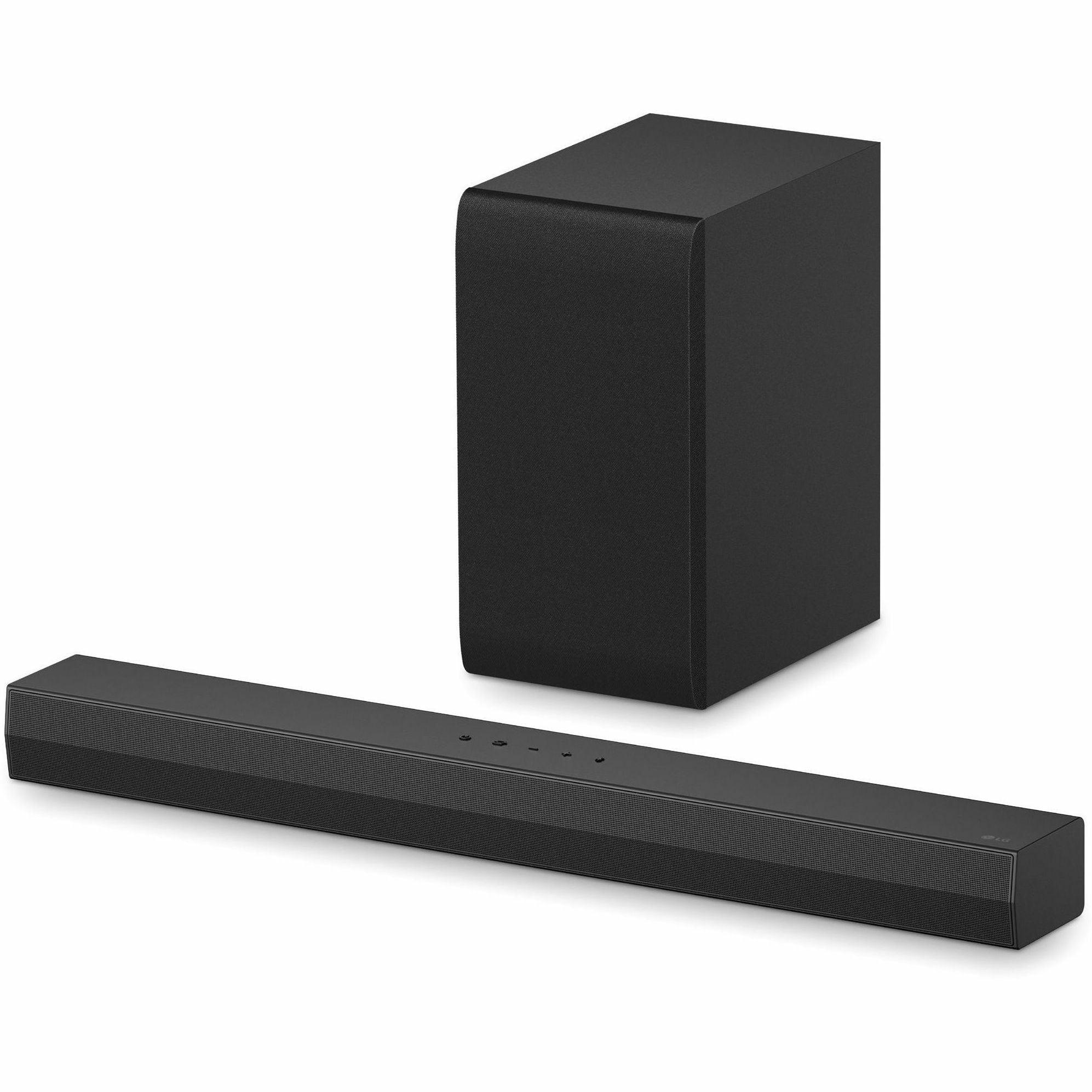
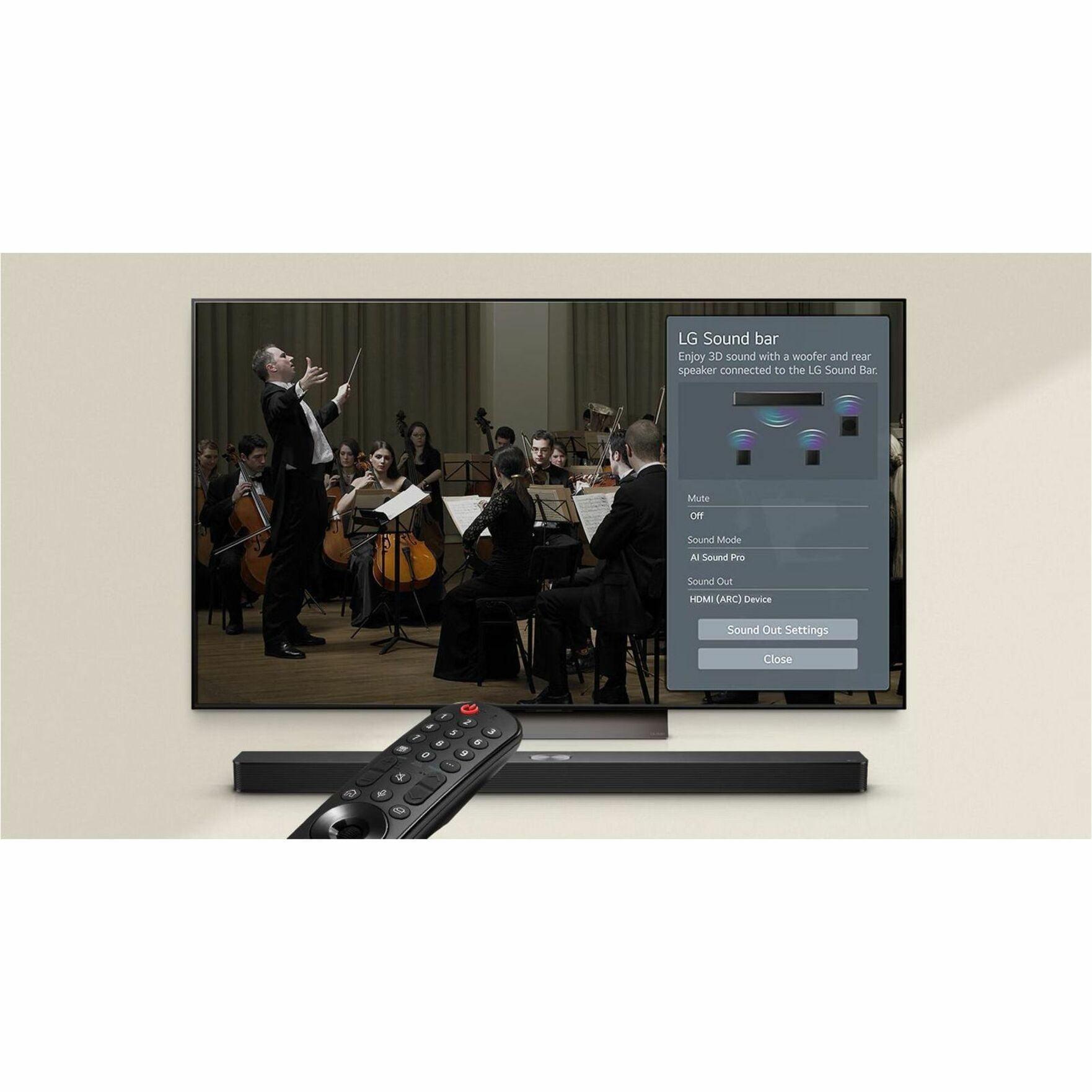
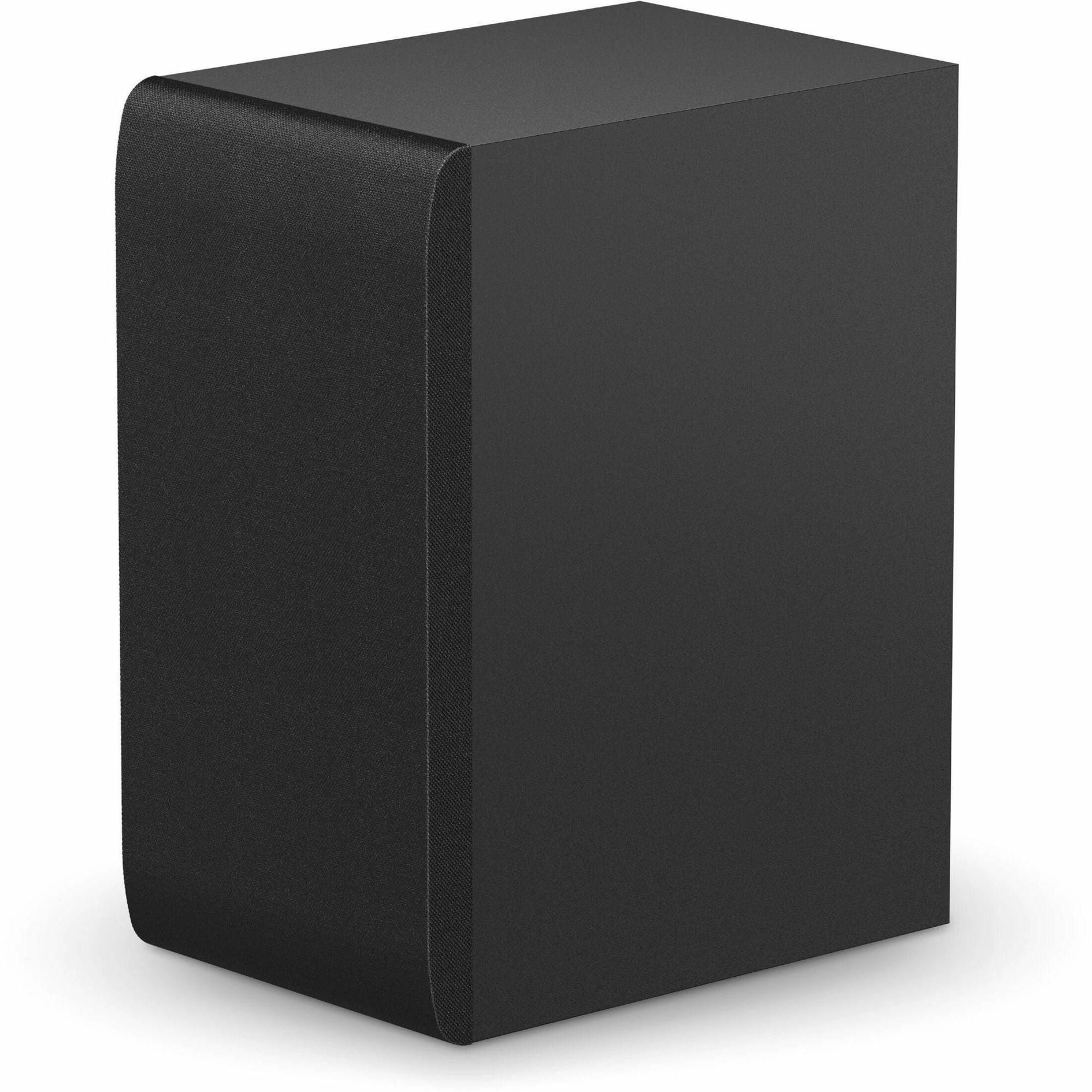
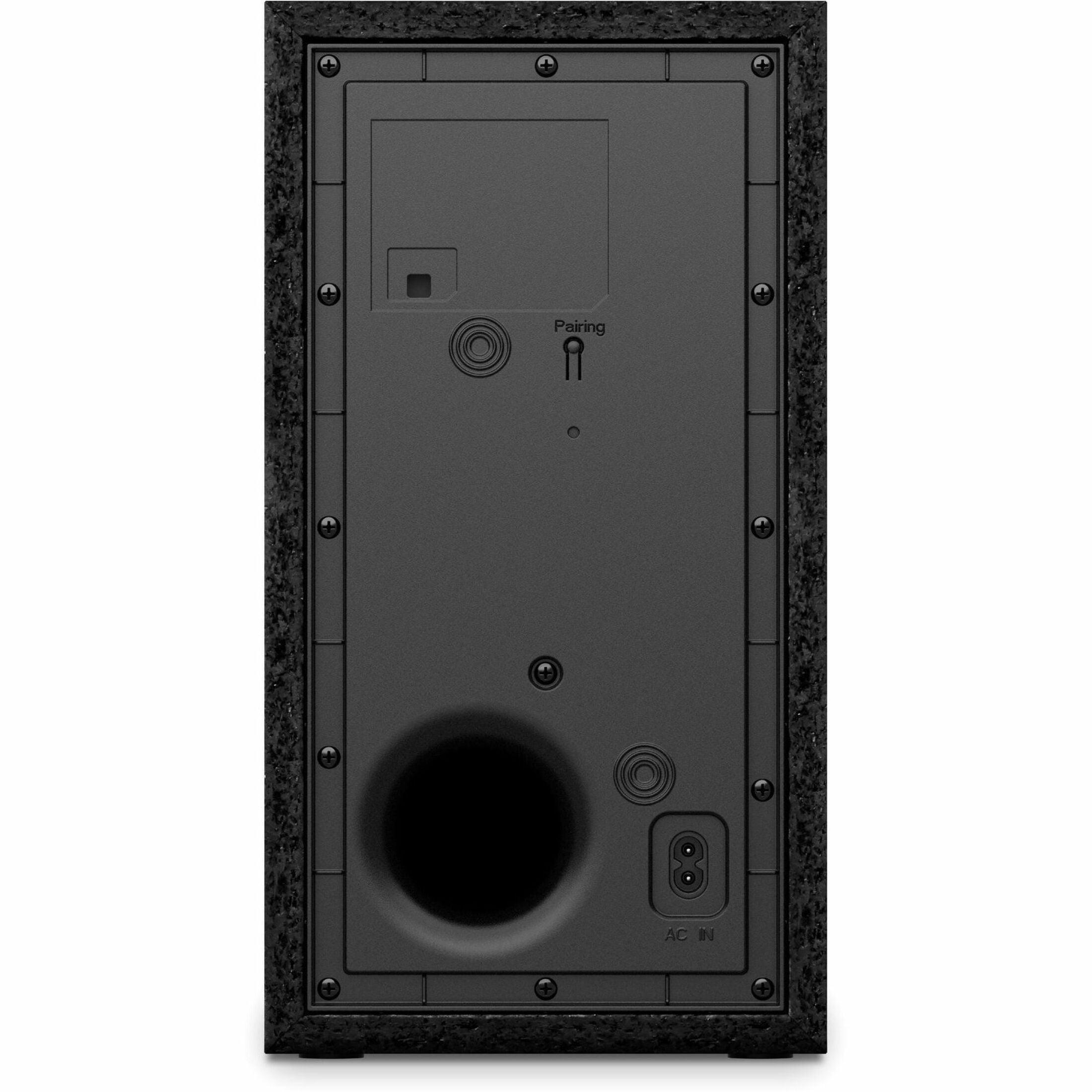
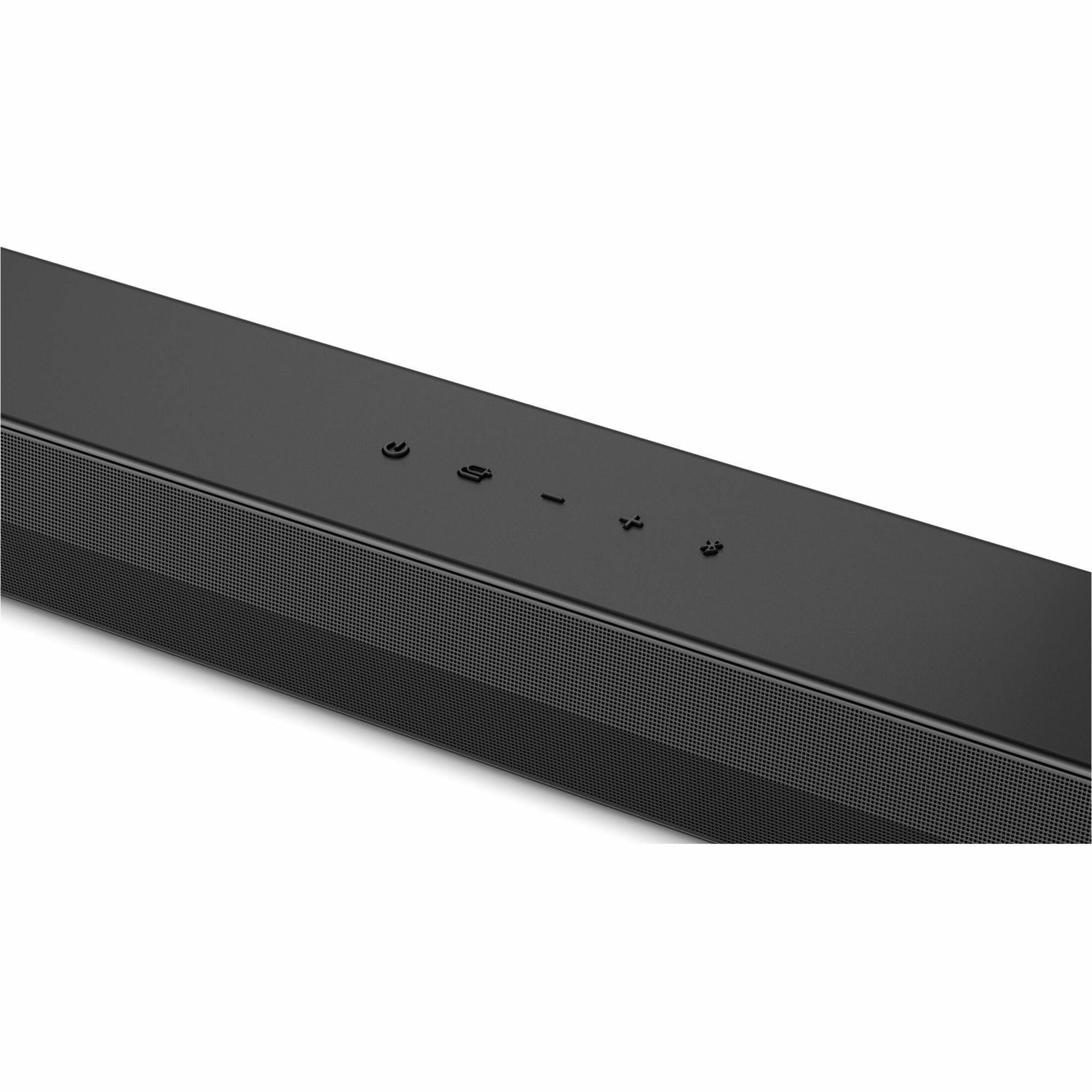
What sets the S40T apart is its true 2.1 configuration. You get a main soundbar housing the left and right channels, plus a completely separate wireless subwoofer. This subwoofer isn't just for show – it packs 200 watts of dedicated power for bass frequencies, while the main bar handles 100 watts for mid and high frequencies. That 300-watt total is impressive for this price point.
The wireless subwoofer design is particularly clever. Unlike wired subs that limit placement options, you can position this one anywhere within wireless range for optimal bass response. In my experience testing various setups, subwoofer placement can make or break the listening experience, especially in oddly shaped rooms.
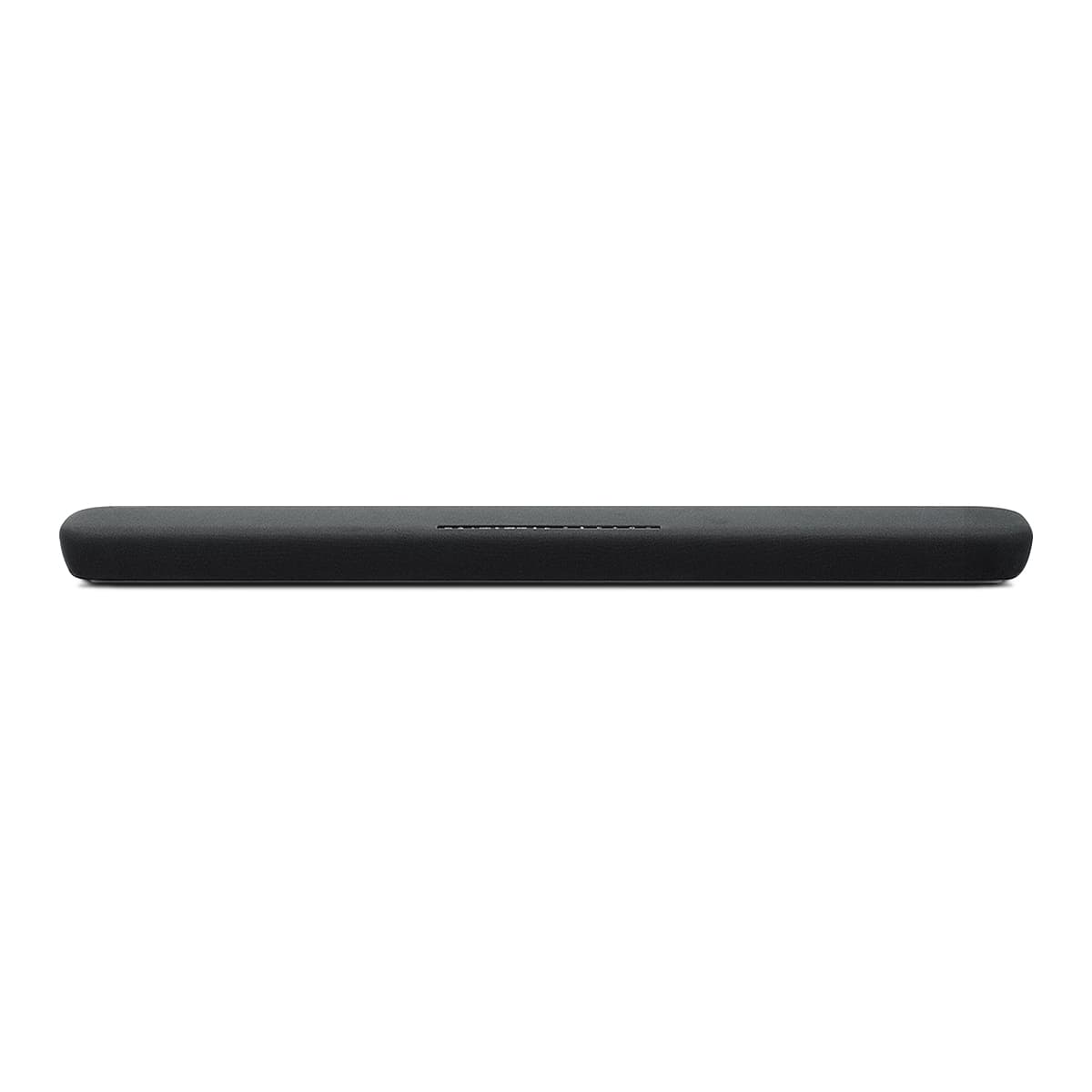
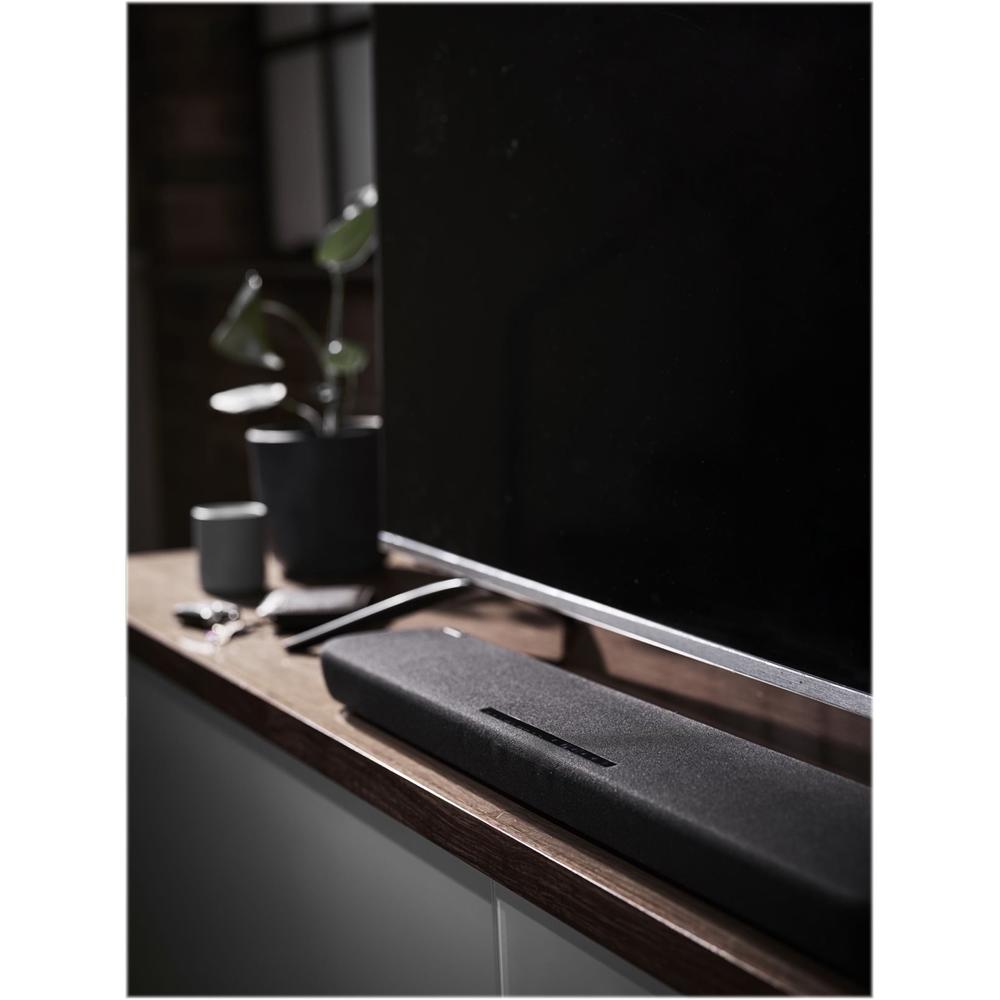
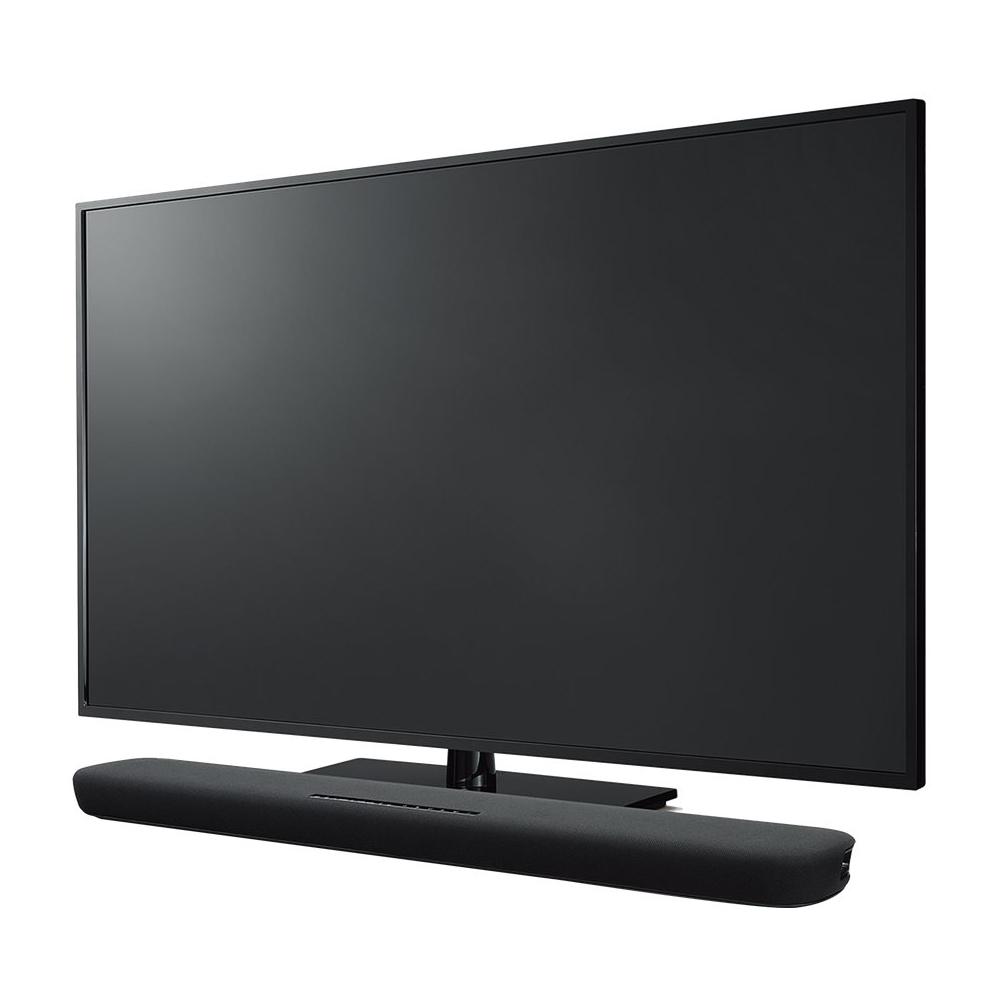
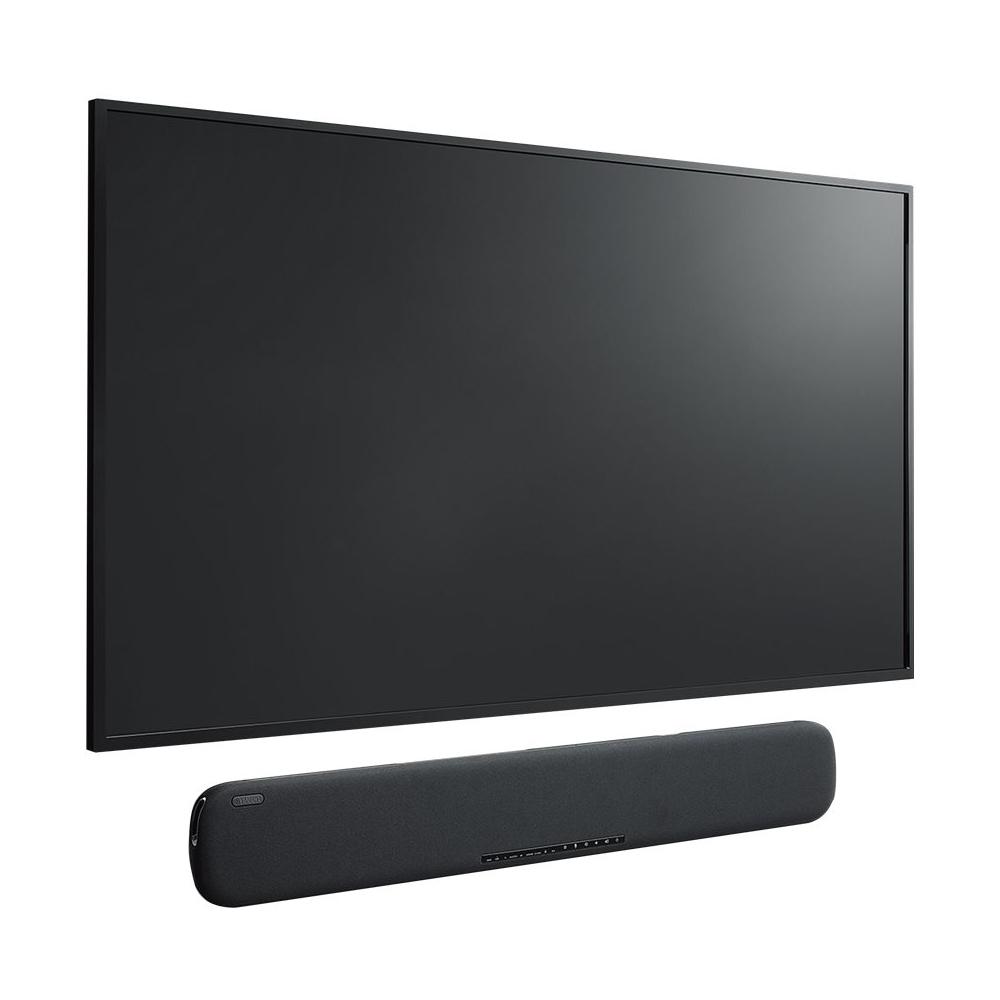
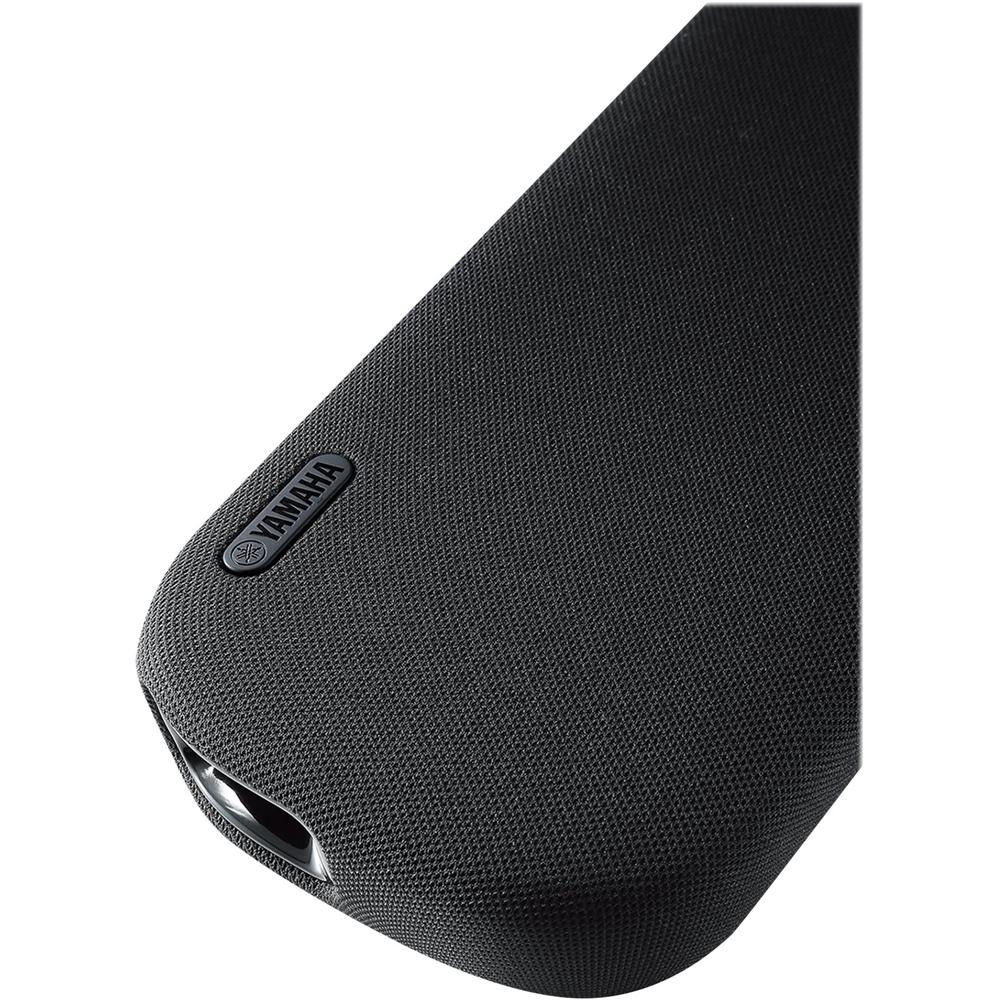
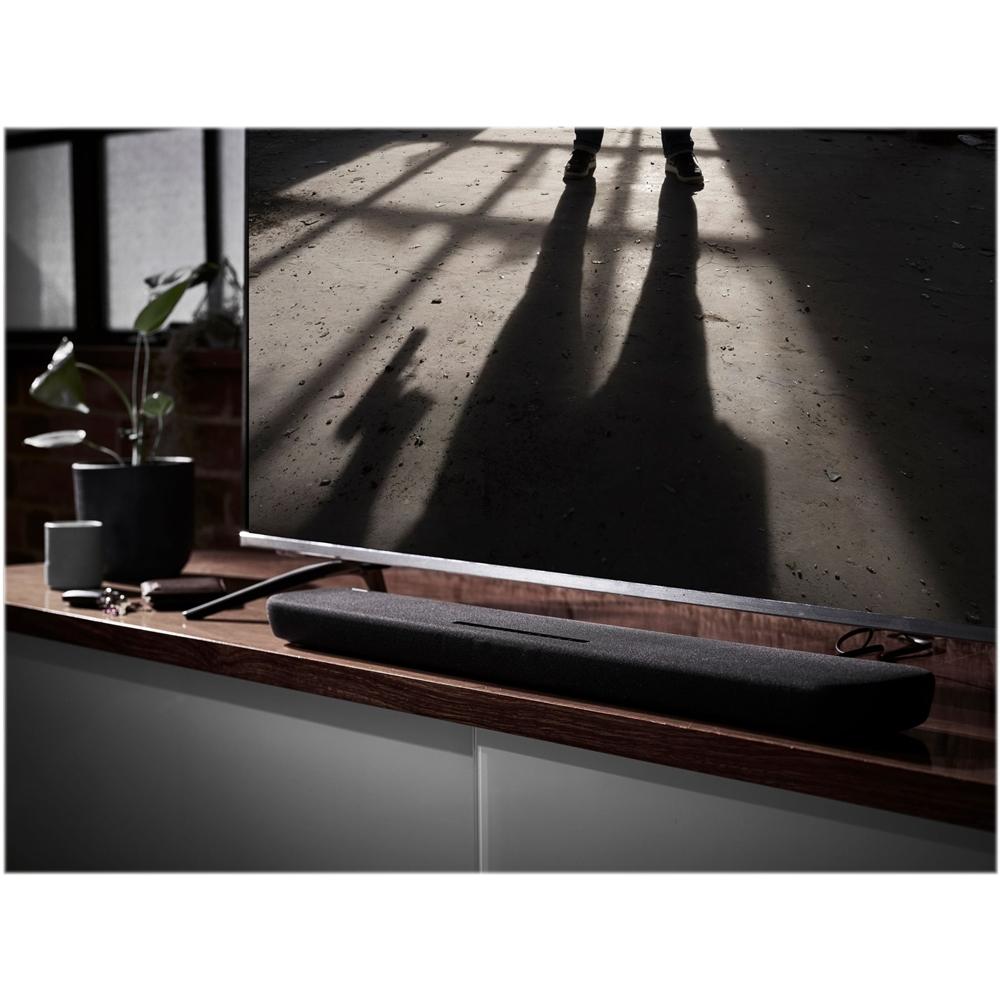
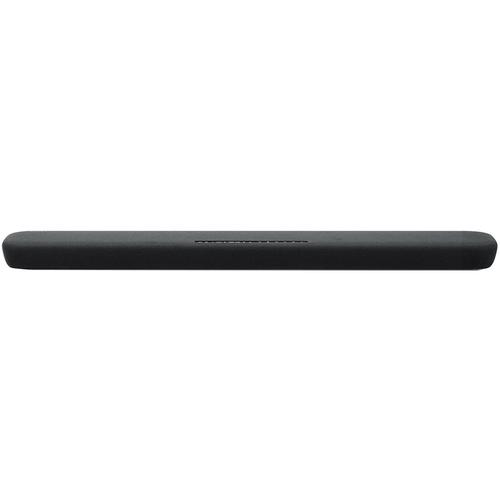
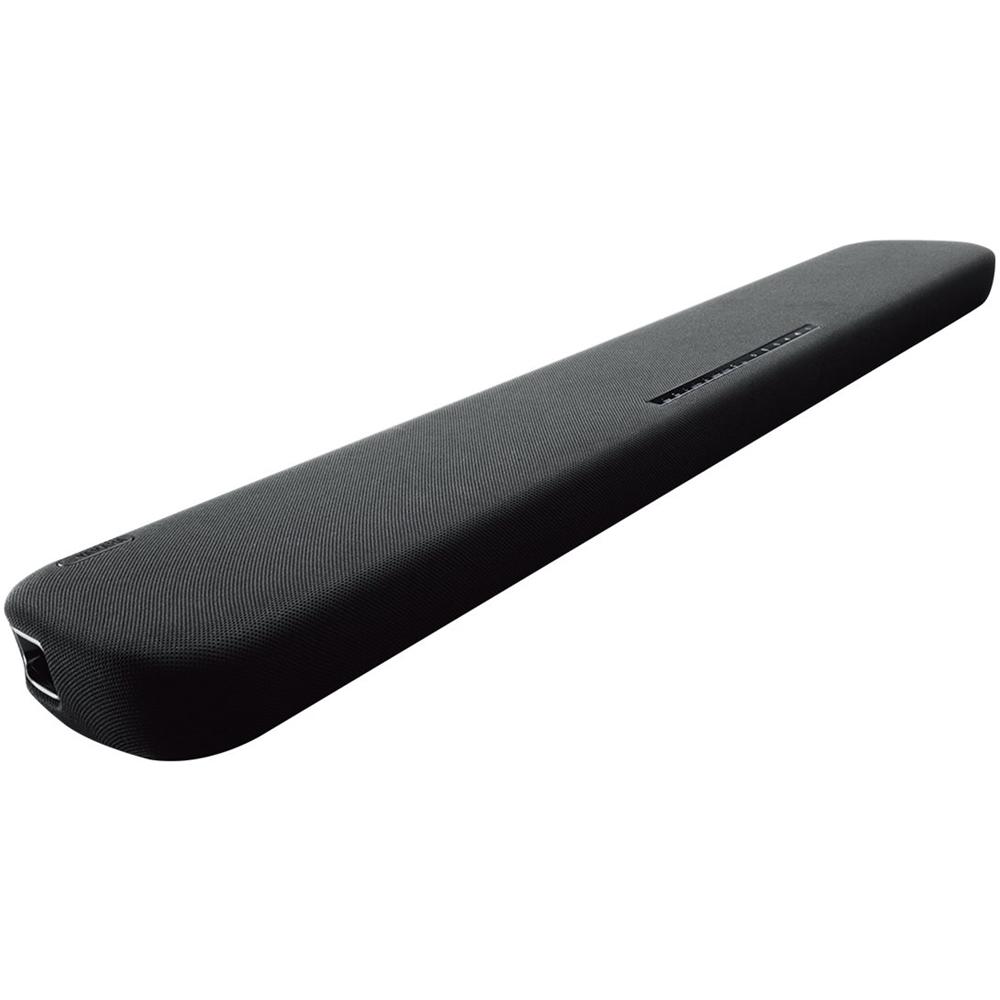
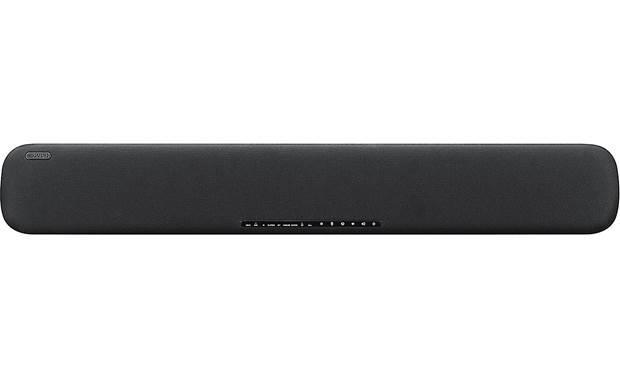
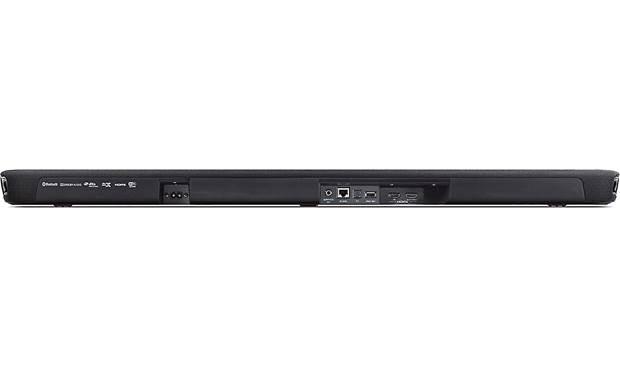
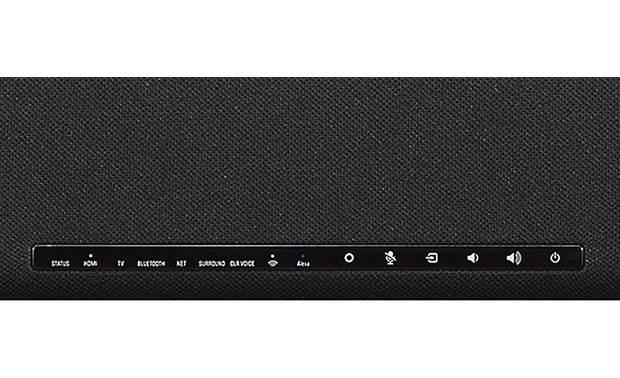
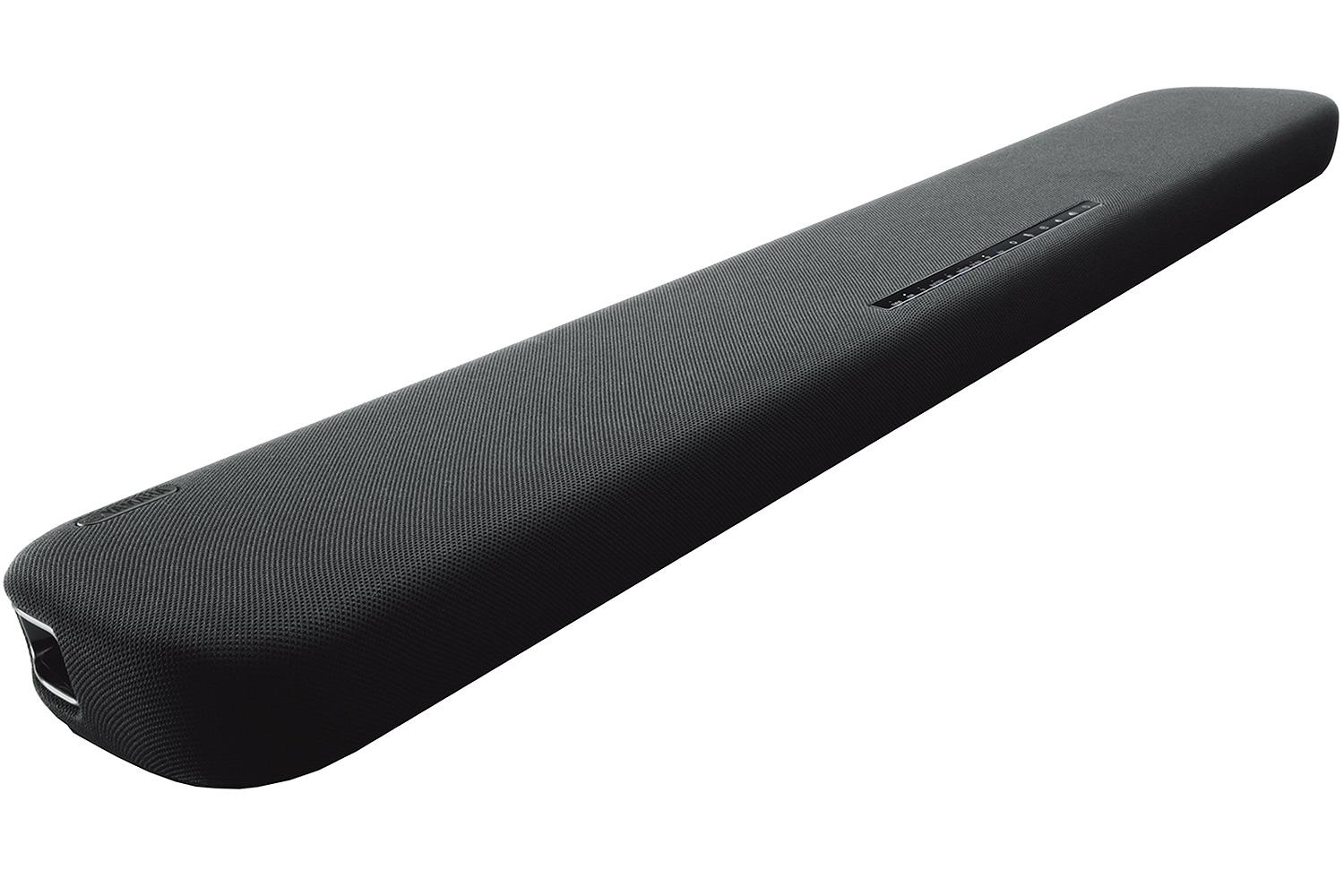
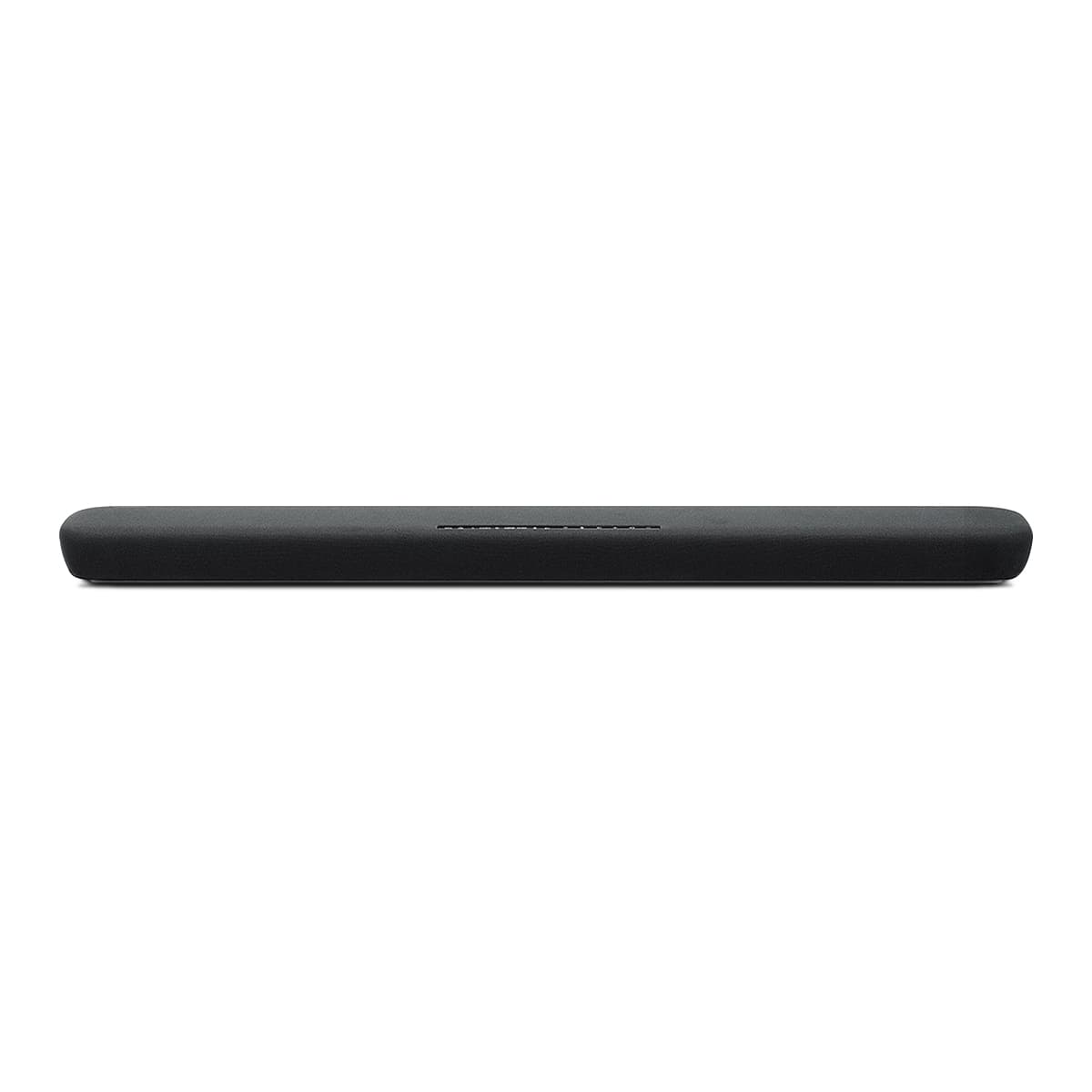
The Yamaha YAS-109, launched in 2019, takes a completely different approach. Instead of a separate subwoofer, Yamaha built dual subwoofers directly into the main unit. This creates what's technically called a 2.0 system with built-in bass enhancement, though Yamaha markets it as having "built-in subwoofers."
What the YAS-109 lacks in raw power (120 watts total), it makes up for in smart features. The built-in Alexa integration was pretty forward-thinking for 2019, allowing full voice control of the soundbar, music streaming, and smart home devices. However, being a 2019 product means it uses Bluetooth 4.2, which is noticeably less stable than newer versions.
The single-unit design appeals to minimalists and those with limited space. At 35 inches wide and just over 2 inches tall, it's incredibly sleek. But this compact design comes with trade-offs in bass performance that become apparent during action-packed scenes.
The most dramatic difference between these soundbars lies in their approach to bass reproduction. The LG S40T's dedicated 200-watt subwoofer can reproduce frequencies down to 40Hz, which covers most of the rumbling bass you hear in movie soundtracks. When a T-Rex stomps across the screen in Jurassic Park, or when the Batmobile's engine roars to life, that separate subwoofer delivers the physical impact that makes scenes feel visceral rather than flat.
I've spent considerable time with both systems, and the difference is immediately noticeable. The LG's bass doesn't just sound deeper – it feels more present in the room. This is physics at work: larger drivers in a dedicated enclosure can move more air, creating those low-frequency pressure waves that you feel in your chest during intense scenes.
The Yamaha YAS-109, with its built-in dual subwoofers, faces the fundamental challenge of trying to fit bass drivers into a slim form factor. While Yamaha's engineering is impressive – they've managed to squeeze surprising bass response from such a compact unit – it simply can't match the physical presence of a dedicated sub. The bass is there, but it's more of a gentle enhancement rather than the room-shaking impact you get from the LG.
However, the Yamaha excels in other areas. Its Clear Voice technology specifically targets the frequency range of human speech, making dialogue noticeably clearer and more intelligible. This is particularly valuable if you frequently watch content with challenging audio mixing, like certain Netflix shows or movies with heavy accents. The professional tuning that Yamaha brings to the table – they've been making audio equipment for over a century – really shows in the balanced midrange reproduction.
Both soundbars use digital signal processing (DSP) to create a sense of surround sound from their stereo configurations, but they take different approaches. The LG S40T uses AI Sound Pro, which analyzes incoming audio and automatically adjusts the sound signature based on content type. Watching a dialogue-heavy drama? It'll emphasize mid-range frequencies. Switching to an action movie? The bass response gets boosted.
This AI processing is more sophisticated than it might sound. The system actually examines the audio spectrum in real-time and makes hundreds of tiny adjustments per second. It's like having an audio engineer constantly tweaking the equalizer based on what you're watching.
The Yamaha YAS-109 uses DTS Virtual:X, a more traditional approach that processes stereo content to simulate surround sound. This technology creates phantom speakers – audio that seems to come from locations where there are no actual speakers. While it can't truly replicate a 5.1 or 7.1 surround system, it does create a wider soundstage than straight stereo reproduction.
In my testing, both systems provide a noticeable improvement over TV speakers, but neither can fully replace a true surround sound setup. The LG's AI processing tends to be more subtle and content-appropriate, while the Yamaha's Virtual:X processing is more aggressive but can sometimes sound artificial with certain content.
This is where the age difference between the products becomes most apparent. The LG S40T, being newer, includes Bluetooth 5.3, which offers significantly better connection stability and range compared to the Yamaha's Bluetooth 4.2. In practical terms, this means fewer dropouts when streaming from your phone, faster pairing times, and better performance when you're moving around the room with your device.
The LG also includes USB connectivity, allowing direct playback of music files from USB drives. This might seem old-fashioned in our streaming age, but it's surprisingly useful for playing high-quality audio files or for situations where internet connectivity is unreliable.
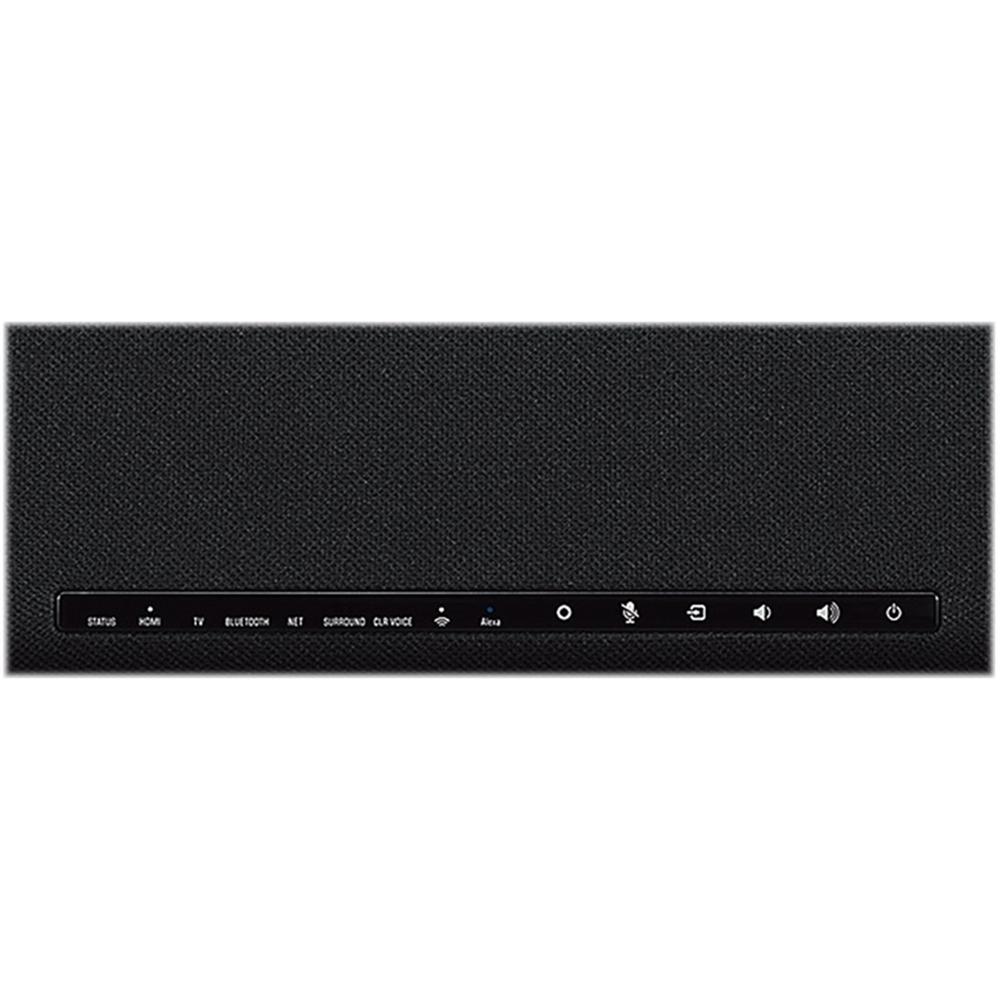
The Yamaha YAS-109's standout feature is its built-in Alexa integration. This isn't just a gimmick – it's genuinely useful for controlling not just the soundbar but your entire smart home ecosystem. You can adjust volume, skip tracks, dim lights, or check the weather without reaching for a remote. The voice recognition works well, though it occasionally struggles with commands when the soundbar is playing at higher volumes.
Yamaha's MusicCast system integration is another advantage for users already invested in Yamaha's ecosystem. This allows multi-room audio synchronization, so you can play the same music throughout your house on compatible Yamaha devices.
For dedicated home theater use, the LG S40T is the clear winner. The separate subwoofer provides the foundation that makes movie soundtracks truly engaging. During my testing with various Blu-ray movies, from the subtle environmental sounds in "A Quiet Place" to the bombastic action sequences in "Mad Max: Fury Road," the LG consistently delivered more immersive audio.
The wireless subwoofer placement flexibility is crucial here. In most living rooms, the optimal position for a soundbar (centered under the TV) isn't the best spot for bass reproduction. Being able to place the subwoofer in a corner or along a side wall can dramatically improve bass response and eliminate dead spots in the room.
However, the Yamaha YAS-109 shouldn't be completely dismissed for home theater use. Its dialogue clarity is exceptional, and for content where speech intelligibility is more important than earth-shaking bass – think British period dramas or documentary films – it actually performs admirably.
Music reproduction reveals interesting differences between the two approaches. The LG's powerful subwoofer excels with bass-heavy genres like electronic music, hip-hop, and rock. The extended low-frequency response means you hear (and feel) details in the music that are completely missing from TV speakers or systems without dedicated subs.
The Yamaha's more balanced approach works well with acoustic music, jazz, and vocal-heavy genres. The professional tuning really shines here, delivering smooth frequency response across the midrange where most musical content lives. However, if you're a fan of genres that rely on deep bass, you'll definitely notice what's missing.
For everyday TV viewing – news, sitcoms, sports – both soundbars provide significant improvements over built-in TV speakers. The Yamaha YAS-109's Clear Voice technology gives it a slight edge for dialogue-heavy content, while the LG S40T's extra power and bass response make sports more exciting and dramatic shows more engaging.
The space requirements differ significantly between these systems. The LG S40T requires consideration for both the main unit (28.4" × 2.5" × 3.4") and the subwoofer (6.7" × 12.6" × 9.9"). While the wireless connection gives you flexibility in subwoofer placement, you still need to find appropriate space for both components.
The Yamaha YAS-109 is much simpler from a placement perspective. Its single-unit design (35" × 2.3" × 4.3") means you only need to worry about positioning one component, making it ideal for smaller spaces or minimalist setups.
Modern soundbars are generally quite efficient, but there are differences worth noting. The LG's separate subwoofer means two units drawing power, though the wireless design includes intelligent power management. The Yamaha's all-in-one design is inherently more efficient, with lower overall power consumption.
Both systems include eco-friendly standby modes that reduce power consumption when not in use, though the specific power draw varies based on which features (like Bluetooth standby or HDMI control) you keep enabled.
The five-year gap between the Yamaha YAS-109's 2019 release and the LG S40T's 2024 arrival represents significant technological advancement. Bluetooth 5.3 offers substantial improvements over 4.2, including better audio codec support, lower latency, and more stable connections. The LG's AI-driven audio processing represents the kind of machine learning integration that wasn't common in budget audio products five years ago.
However, Yamaha's earlier adoption of voice assistant integration was prescient. In 2019, built-in Alexa was still relatively novel in soundbars, and Yamaha deserves credit for recognizing the importance of smart home integration early.
The trend toward AI-enhanced audio processing, exemplified by the LG's AI Sound Pro, represents where the industry is heading. These systems can analyze content in real-time and make adjustments that would have required manual equalizer tweaking in the past.
Prioritize audio performance above all else. The dedicated subwoofer and higher power output create a more immersive, impactful listening experience that's immediately noticeable. If you're primarily using the soundbar for movies, gaming, or music listening, the superior bass response and overall dynamics make this the better choice.
Value modern connectivity features. Bluetooth 5.3 and USB playback capability provide better versatility and future-proofing. The AI Sound Pro processing, while subtle, does provide meaningful improvements in audio optimization.
Have space for a separate subwoofer and want the flexibility to optimize its placement. The wireless design means you can experiment with positioning to find the best bass response for your room.
Want maximum performance per dollar spent. At $155.95, the LG delivers audio quality that typically requires spending significantly more.
Value smart home integration and voice control. The built-in Alexa functionality is genuinely useful and works well for controlling not just the soundbar but your entire smart home ecosystem.
Prefer a clean, minimalist aesthetic with minimal setup complexity. The single-unit design requires less planning and fewer cables, making it ideal for smaller spaces or temporary installations.
Prioritize dialogue clarity over bass impact. The Clear Voice technology really does make speech more intelligible, which is valuable if you frequently watch dialogue-heavy content.
Are already invested in Yamaha's MusicCast ecosystem or plan to expand to multi-room audio in the future.
After extensive testing and comparison, the LG S40T emerges as the better value for most users. The combination of superior bass response, higher power output, modern connectivity, and lower price point makes it the obvious choice for anyone prioritizing audio quality and value.
The Yamaha YAS-109 serves a specific niche – users who prioritize smart features and space efficiency over maximum audio performance. If voice control and minimal footprint are your primary concerns, the Yamaha delivers these features well, though you'll pay a premium for them.
For most people looking to significantly upgrade their TV's audio without entering true home theater system territory, the LG S40T provides the most dramatic improvement in sound quality per dollar spent. The dedicated subwoofer alone transforms the listening experience in ways that built-in solutions simply can't match.
However, both soundbars represent solid options in the budget category, delivering meaningful improvements over built-in TV speakers. Your choice ultimately depends on whether you prioritize pure audio performance or smart home integration – and how much space you're willing to dedicate to better sound.
| LG S40T 2.1 Channel Soundbar | Yamaha YAS-109 Sound Bar with Built-in Subwoofers and Alexa |
|---|---|
| Price - Entry point determines value expectations | |
| $155.95 | $219.95 |
| Audio Configuration - Affects bass depth and room impact | |
| True 2.1 with separate wireless subwoofer | 2.0 with built-in dual subwoofers |
| Total Power Output - Determines maximum volume and dynamics | |
| 300W (100W soundbar + 200W subwoofer) | 120W total |
| Bass Frequency Response - Lower numbers mean deeper, more impactful bass | |
| Down to 40Hz (dedicated subwoofer advantage) | Limited by compact form factor |
| Bluetooth Version - Newer versions offer better stability and range | |
| Bluetooth 5.3 (latest standard, better connection) | Bluetooth 4.2 (older, less stable) |
| Voice Assistant Integration - Smart home control convenience | |
| None (manual control only) | Alexa built-in (full voice control) |
| Audio Processing Technology - How it enhances sound quality | |
| AI Sound Pro (content-aware optimization) | DTS Virtual:X + Clear Voice |
| Connectivity Options - Determines device compatibility | |
| HDMI ARC, Optical, USB, Bluetooth 5.3 | HDMI ARC, Optical, Bluetooth 4.2 |
| Physical Footprint - Space requirements in your setup | |
| Two units: 28.4" soundbar + 6.7" × 12.6" subwoofer | Single unit: 35" × 2.3" × 4.3" |
| Multi-Room Audio Support - Whole-home music expansion | |
| None | MusicCast ecosystem integration |
| Release Year - Indicates technology generation and future support | |
| 2022-2024 (newer tech, longer support lifecycle) | 2019 (established but aging) |
| Best Use Case - Who should choose this option | |
| Movie/music lovers prioritizing bass impact and value | Smart home users wanting voice control in compact spaces |
The LG S40T at $155.95 offers better value for pure audio performance with its 300W power output and dedicated wireless subwoofer. The Yamaha YAS-109 at $219.95 costs $64 more but includes Alexa voice control and smart home integration. For most users prioritizing sound quality, the LG provides superior bang for your buck.
The biggest difference is audio configuration: the LG S40T uses a true 2.1 system with a separate 200W wireless subwoofer for deeper bass, while the Yamaha YAS-109 keeps everything in one compact unit with built-in dual subwoofers. This makes the LG better for bass-heavy content and the Yamaha better for small spaces.
The LG S40T delivers significantly better bass with its dedicated 200W subwoofer that reaches down to 40Hz. The Yamaha YAS-109 has decent bass for its compact size, but built-in subwoofers can't match the depth and impact of a separate subwoofer unit, especially for movies and music.
Yes, both the LG S40T and Yamaha YAS-109 work with any TV that has HDMI ARC or optical audio output. The LG includes additional features when paired with LG TVs (WOW Interface), but core functionality works universally. Both support standard TV remote control through HDMI ARC.
The LG S40T is superior for home theater use due to its separate subwoofer providing deeper bass for action scenes and its higher 300W power output filling larger rooms. The wireless subwoofer can also be positioned optimally for your room layout, which significantly improves the movie-watching experience.
Only the Yamaha YAS-109 includes built-in Alexa voice control, allowing you to adjust volume, play music, control smart home devices, and ask questions using voice commands. The LG S40T focuses purely on audio performance without smart assistant integration.
The Yamaha YAS-109 requires minimal space with its single 35-inch unit design, perfect for small apartments or TV stands. The LG S40T needs space for both the 28.4-inch soundbar and the 6.7" × 12.6" subwoofer, though the wireless subwoofer can be placed anywhere in the room.
The LG S40T offers more modern connectivity with Bluetooth 5.3 (better stability and range), USB media playback, HDMI ARC, and optical inputs. The Yamaha YAS-109 has older Bluetooth 4.2 but adds Wi-Fi connectivity and MusicCast multi-room support for whole-home audio.
Both work well for music, but differently. The LG S40T excels with bass-heavy genres like hip-hop, electronic, and rock thanks to its powerful subwoofer. The Yamaha YAS-109 offers more balanced sound for acoustic music and vocals, with professional Yamaha tuning that's been refined over decades.
The Yamaha YAS-109 is simpler to install with just one unit to position and fewer cables to manage. The LG S40T requires positioning both the soundbar and subwoofer, though the wireless subwoofer connection eliminates running cables between them, making setup relatively straightforward.
Neither soundbar supports true Dolby Atmos. The LG S40T supports Dolby Digital and DTS Digital with AI Sound Pro processing, while the Yamaha YAS-109 uses DTS Virtual:X to simulate surround sound from stereo content. Both create wider soundstages than TV speakers but can't replicate full surround systems.
Choose the LG S40T if you prioritize audio quality, have space for a subwoofer, and want maximum performance per dollar. Choose the Yamaha YAS-109 if you prefer voice control, need a compact single-unit design, or want smart home integration. For most users focused on better sound, the LG offers superior value and performance.
We've done our best to create useful and informative comparisons to help you decide what product to buy. Our research uses advanced automated methods to create this comparison and perfection is not possible - please contact us for corrections or questions. These are the sites we've researched in the creation of this article: bestbuy.com - bestbuy.com - rtings.com - pcrichard.com - lg.com - lg.com - lg.com - lg.com - microcenter.com - flanners.com - bestbuy.com - microcenter.com - rtings.com - crutchfield.com - usa.yamaha.com - digitaltrends.com - tomsguide.com - listenup.com - youtube.com - usa.yamaha.com - hub.yamaha.com - youtube.com - hub.yamaha.com

Privacy Policy
Terms and Conditions - Affiliate Policy
Home Security
© Copyright 2008-2026.
11816 Inwood Rd #1211, Dallas, TX 75244