






When you're watching your favorite movie and the dialogue gets drowned out by background music, or when explosions sound more like gentle pops, you know it's time to upgrade from your TV's built-in speakers. Soundbars have become the go-to solution for this problem, offering dramatic audio improvements without the complexity of traditional surround sound systems with speakers scattered around your room.
But here's where it gets tricky – not all soundbars are created equal. Today we're comparing two very different approaches to better TV audio: the premium LG SC9S ($516) and the budget-friendly Yamaha YAS-109 ($220). These represent two distinct philosophies in soundbar design, and understanding their differences will help you make the right choice for your specific situation and budget.
Before diving into our comparison, let's establish what makes a good soundbar and how the technology has evolved. When soundbars first appeared in the early 2000s, they were essentially long speakers that sat in front of your TV. Today's soundbars are sophisticated audio processors that can simulate surround sound, process complex audio formats, and even integrate with your smart home ecosystem.
The key considerations when choosing a soundbar include audio performance (how good it sounds), content compatibility (what audio formats it can handle), room integration (how well it fits your space and setup), value proposition (performance per dollar), and future-proofing (whether it'll work with tomorrow's technology).
Modern soundbars use several tricks to create immersive audio. Channel configuration tells you how many discrete audio streams the soundbar can handle – a 3.1.3 system has three front channels, one subwoofer channel, and three height channels for overhead effects. Bass response determines how deep and impactful low-frequency sounds will be. Spatial audio capabilities define whether the soundbar can create convincing surround sound effects, either through physical speakers pointing in different directions or through digital processing that tricks your brain into hearing sounds from locations where there are no speakers.
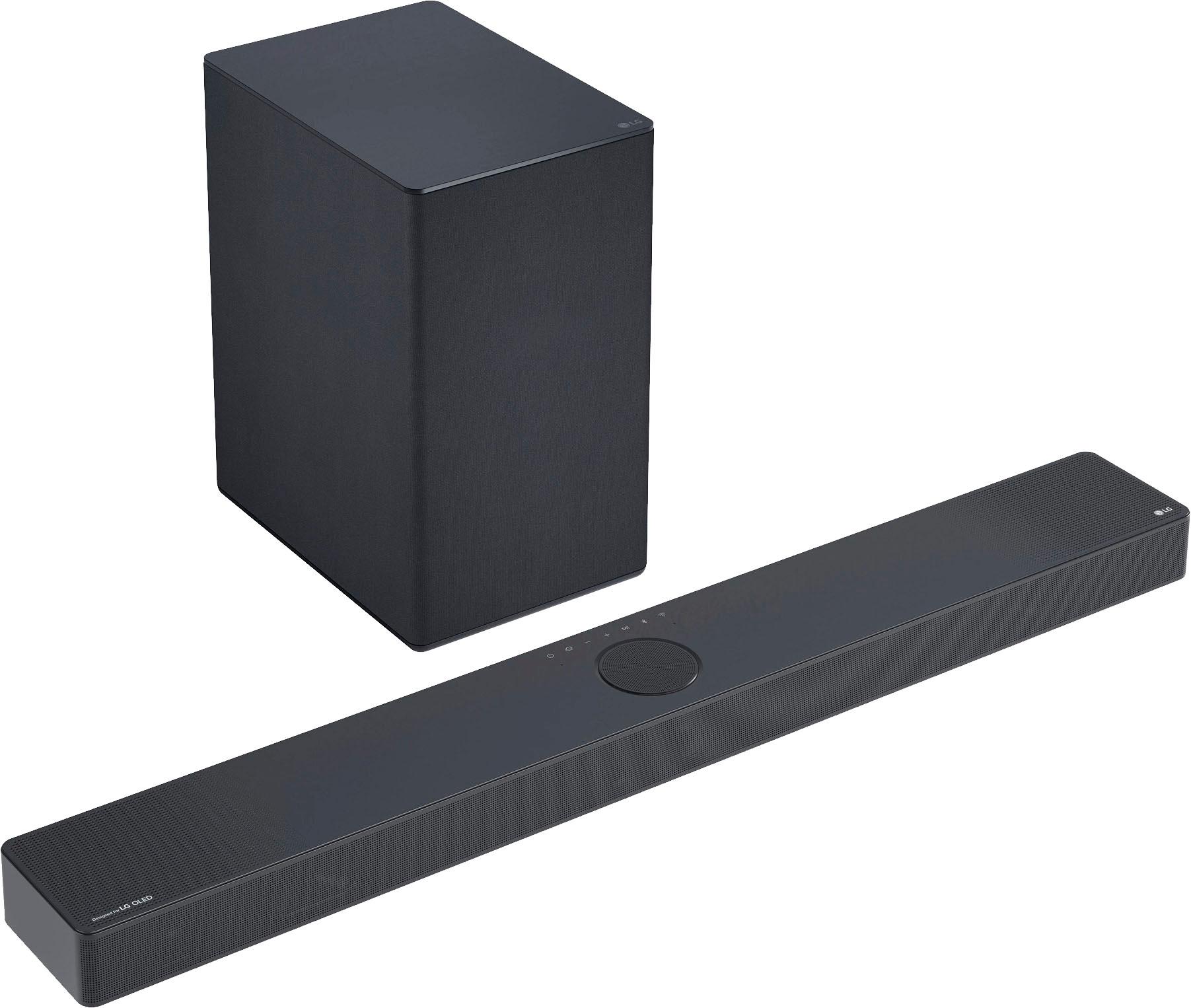
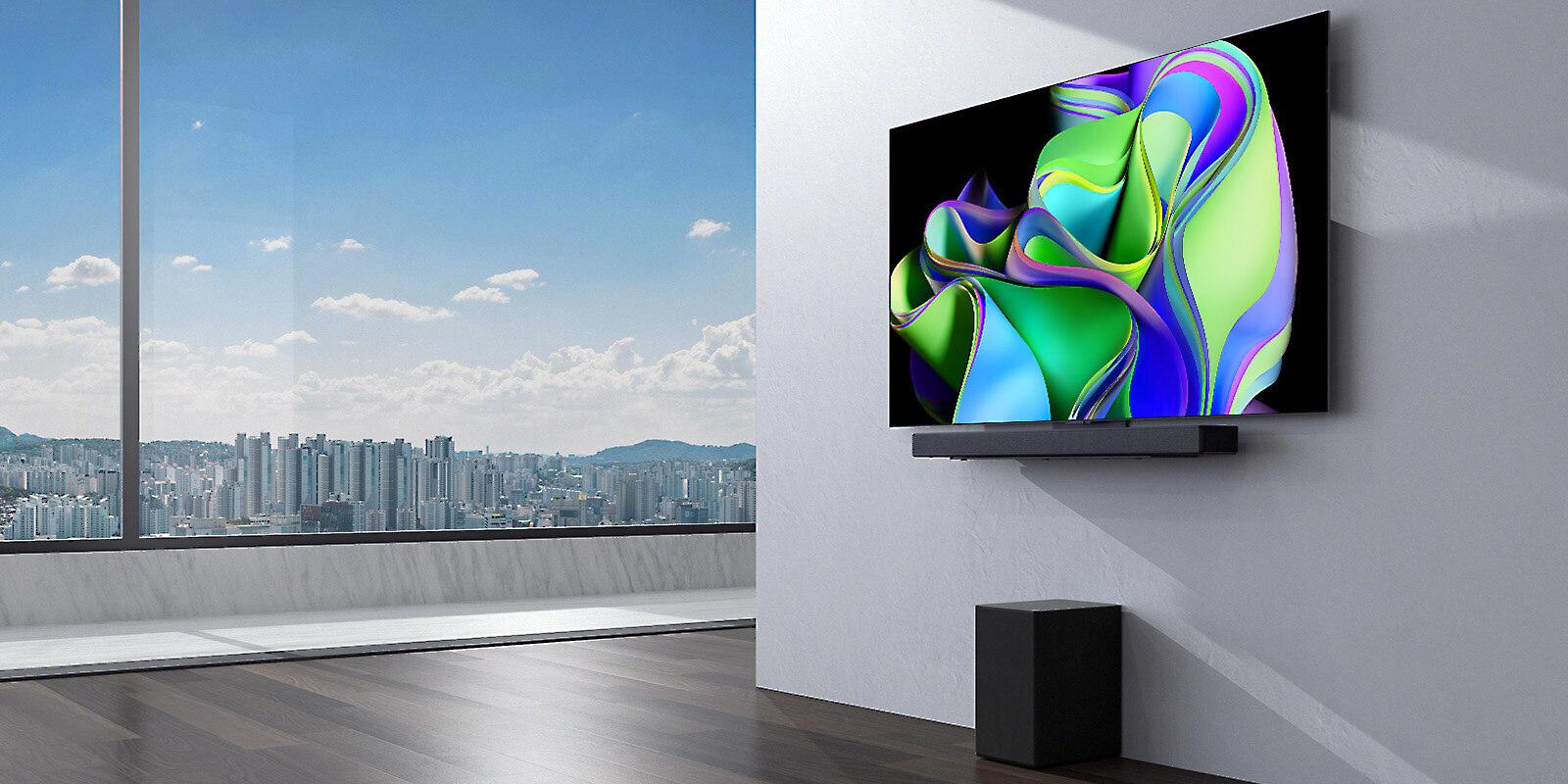
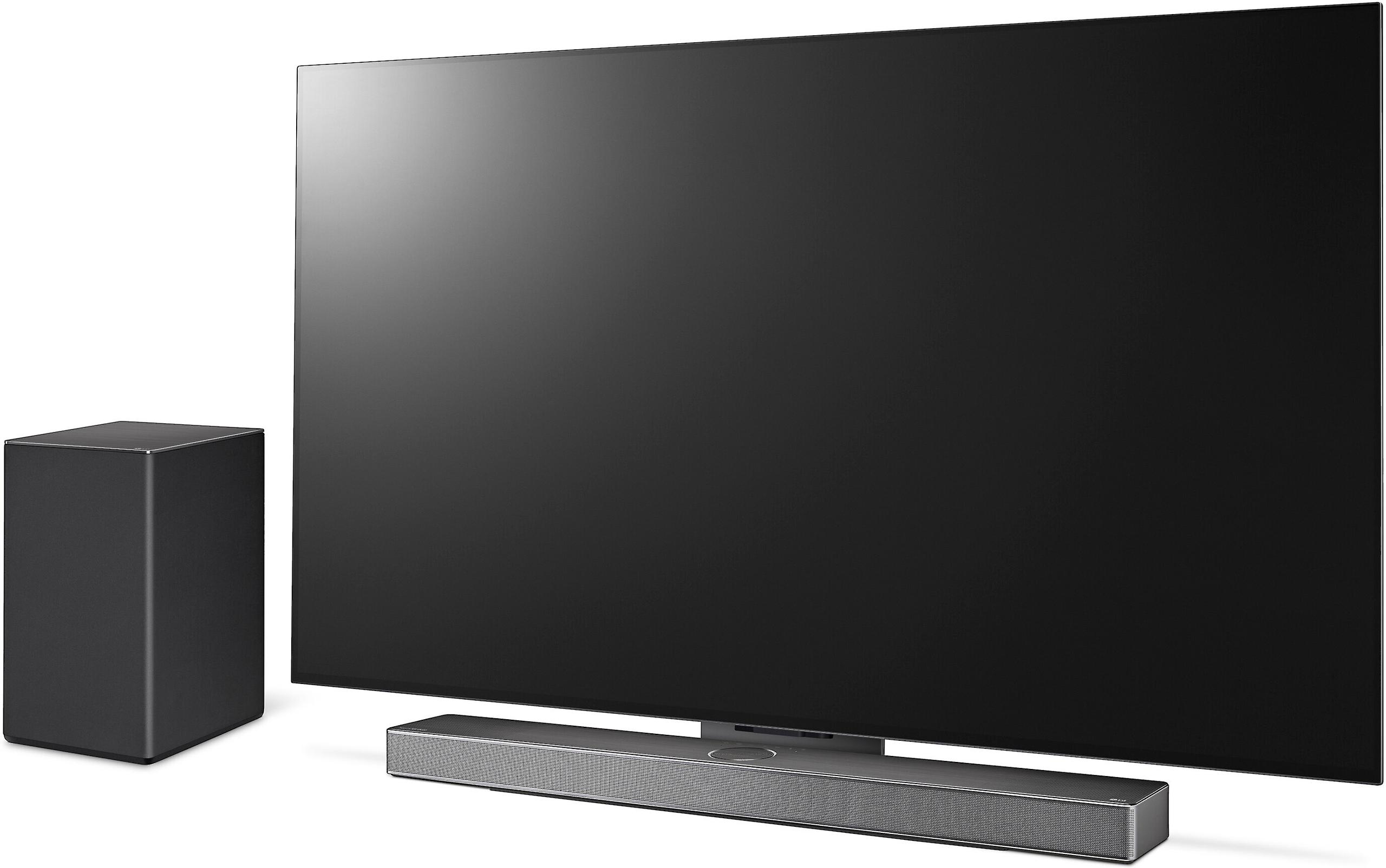
The LG SC9S launched in 2024 as part of LG's premium soundbar lineup, representing the company's latest thinking on Dolby Atmos reproduction. LG has been refining their soundbar technology since entering the market in the mid-2010s, and the SC9S incorporates several years of development in room correction algorithms and driver design. What makes this model particularly interesting is its 3.1.3 channel configuration – that third number represents three dedicated up-firing drivers that bounce sound off your ceiling to create overhead effects.
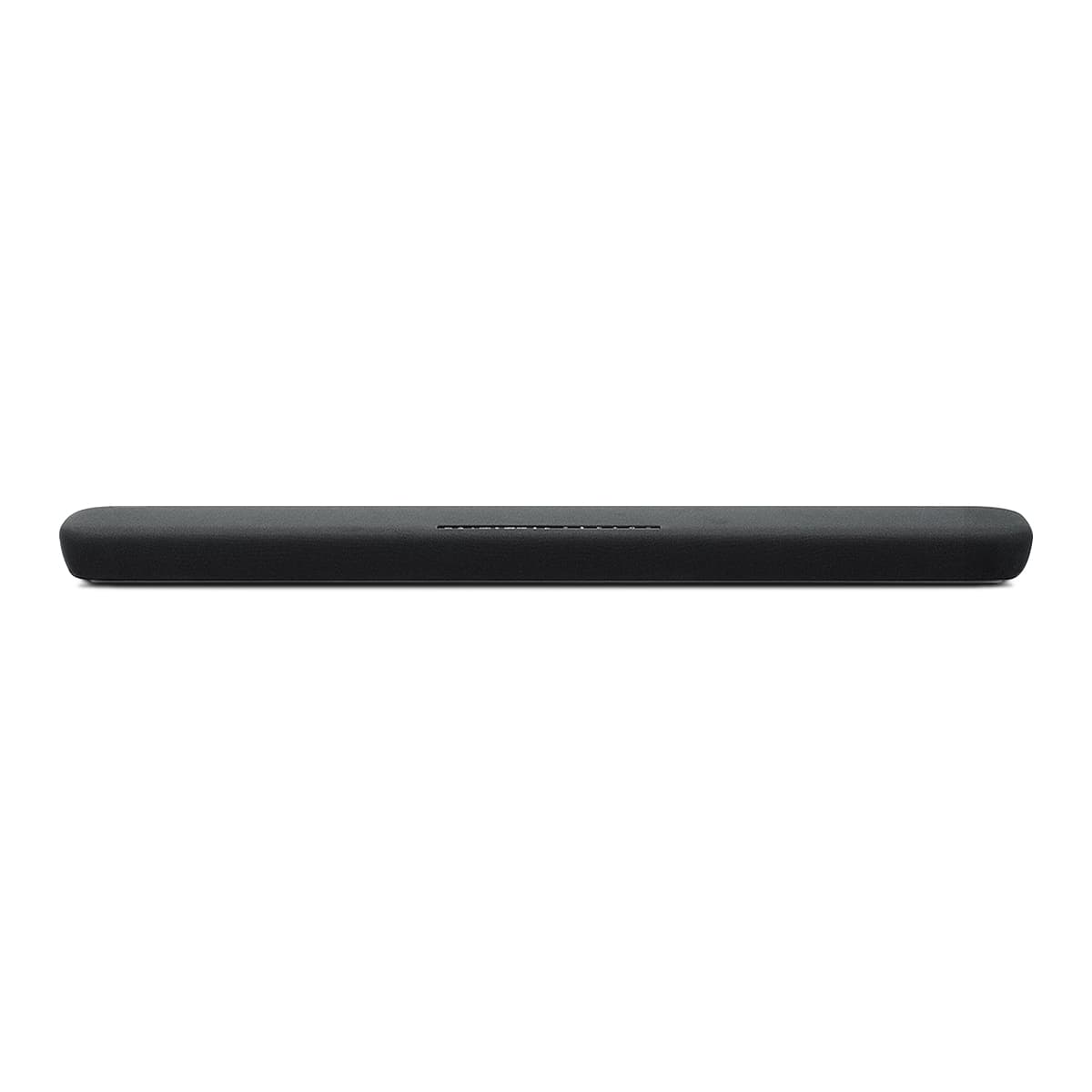
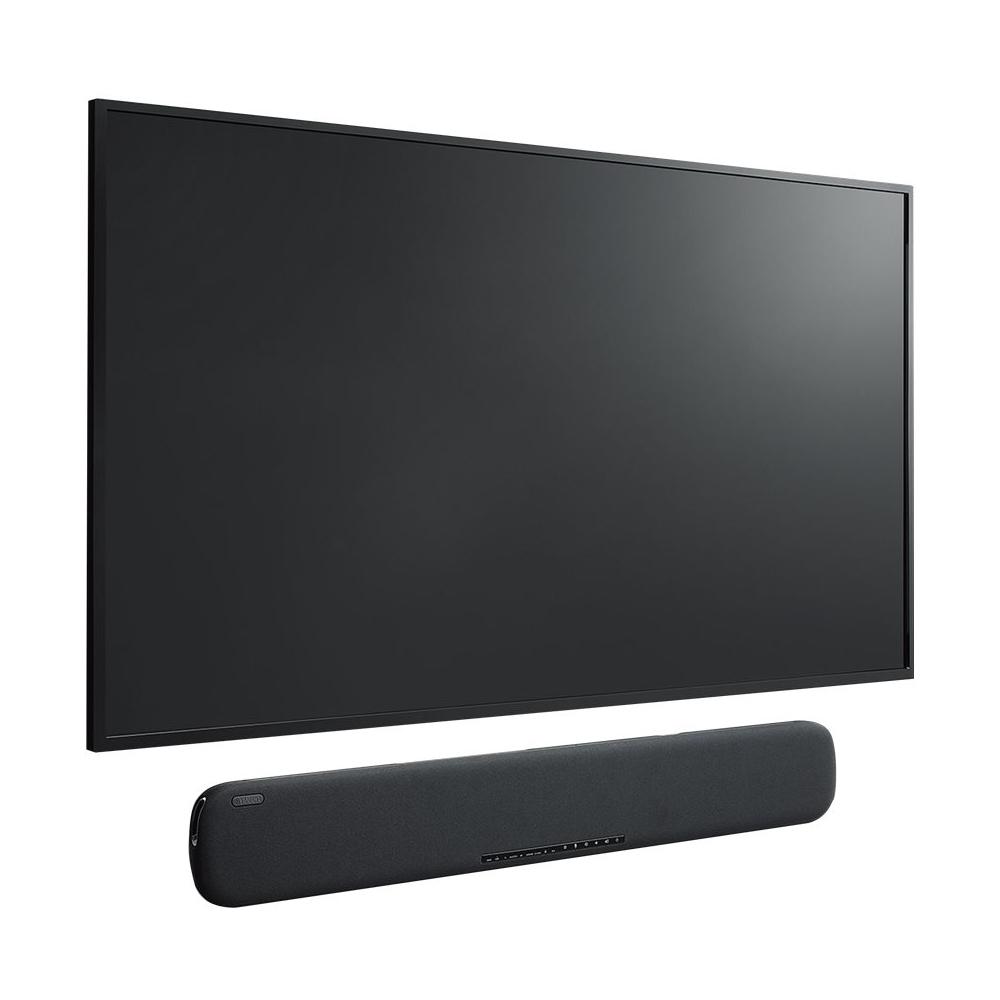
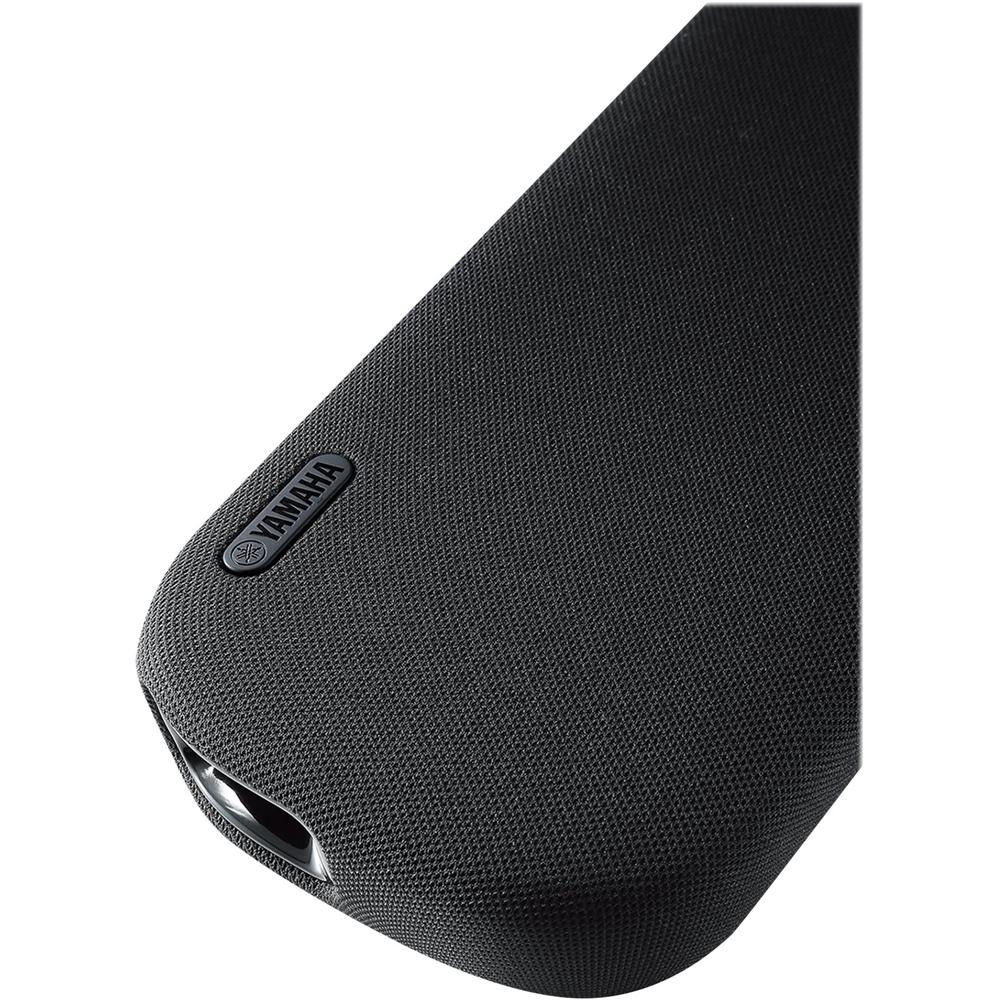
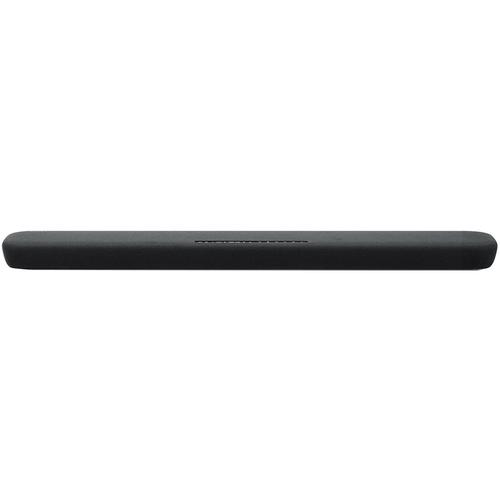
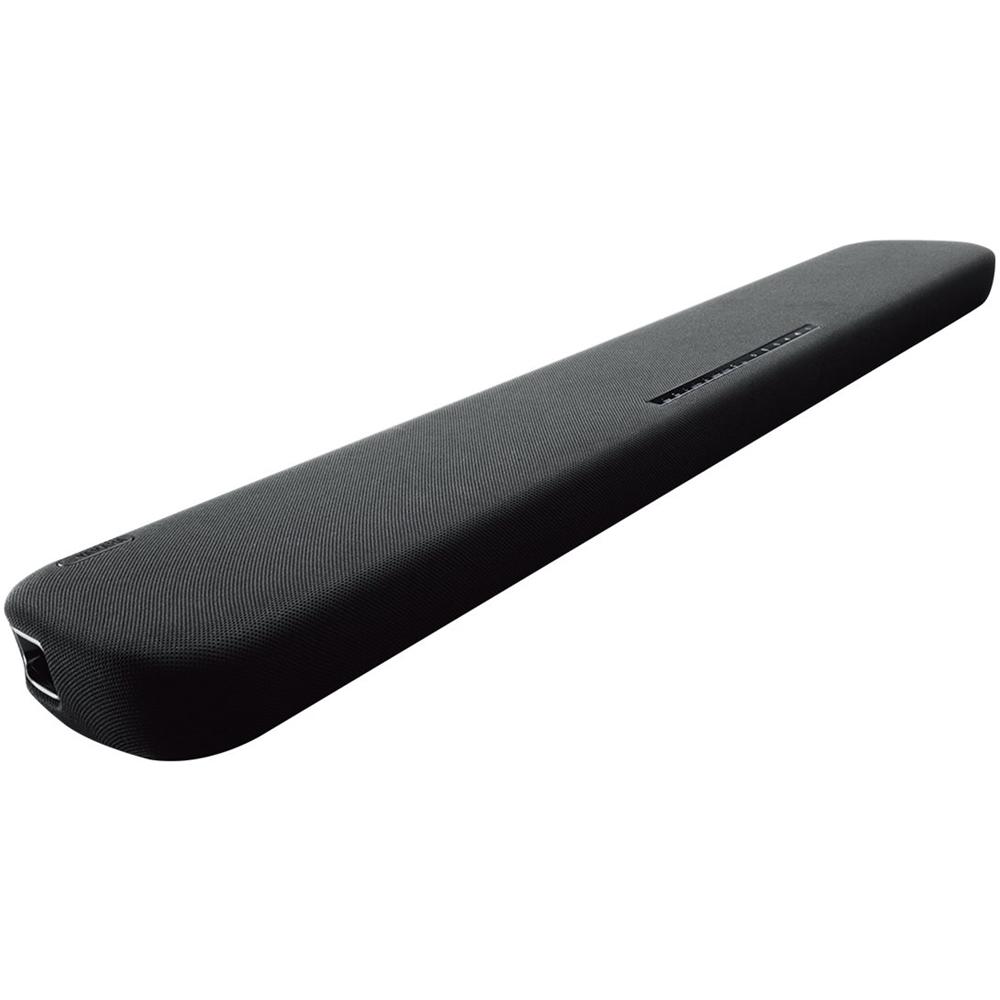
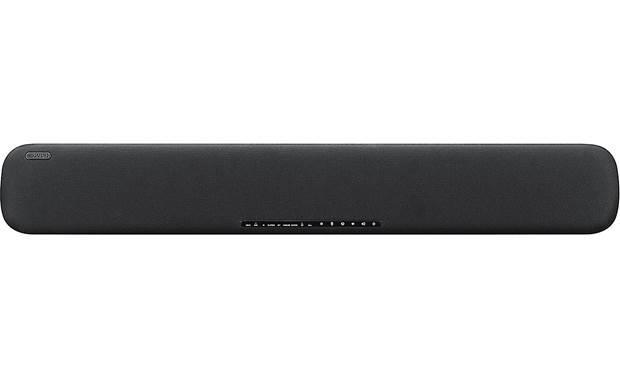
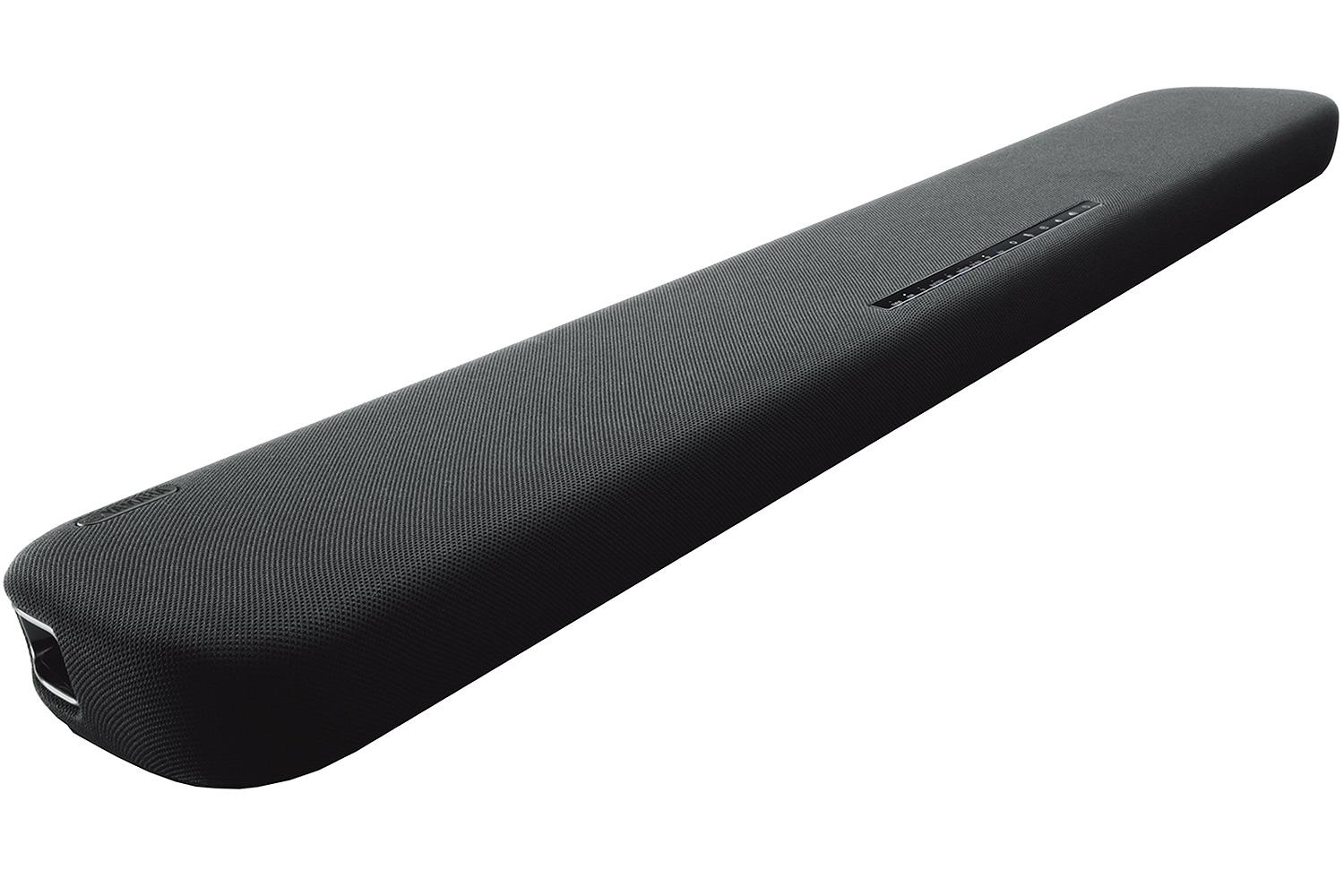
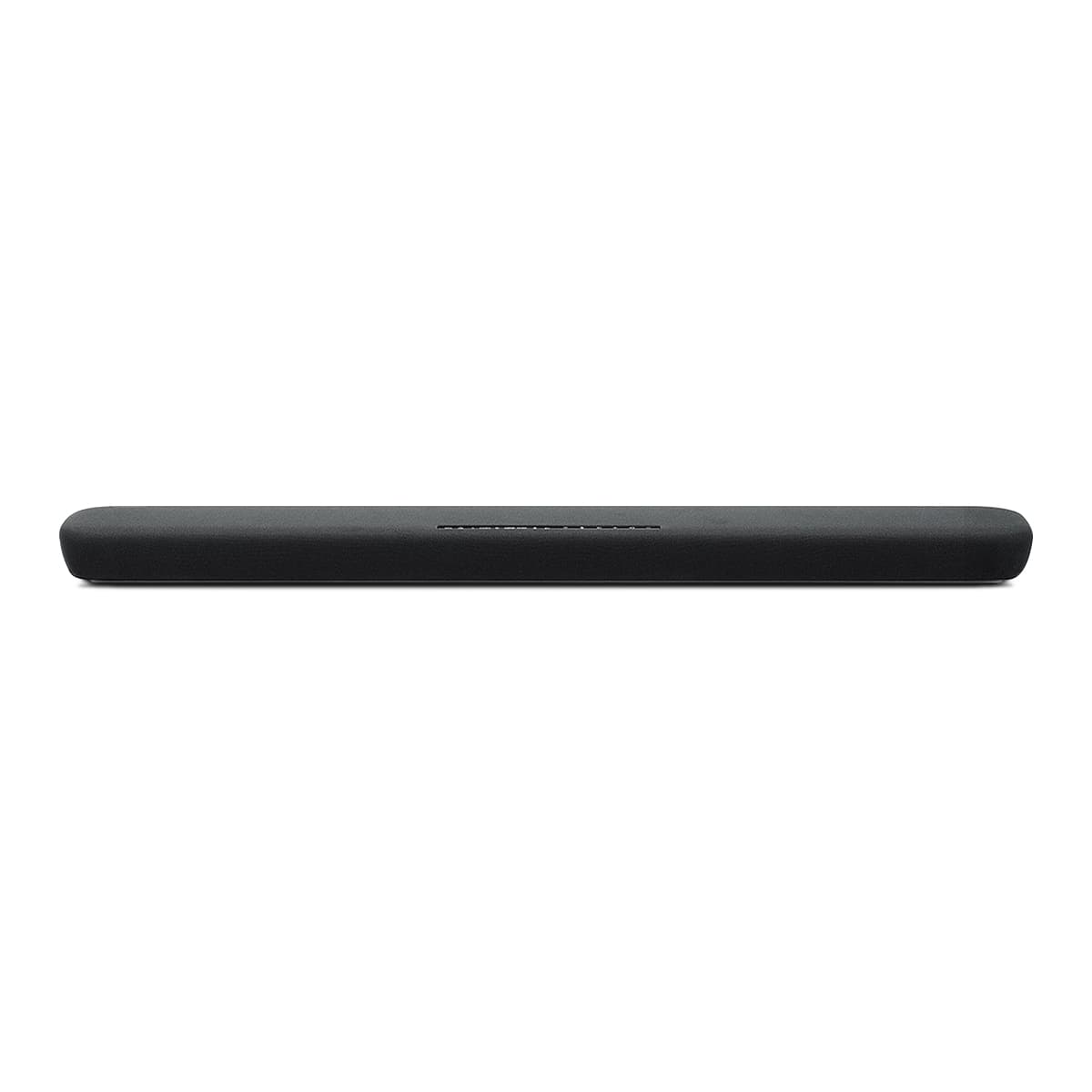
The Yamaha YAS-109, released in 2019, takes a completely different approach. Yamaha, with over 130 years of audio experience, designed this as an all-in-one solution that prioritizes simplicity and value. Rather than using separate components, everything is built into a single compact bar. The five-year age difference between these products is significant in the rapidly evolving soundbar market, but the YAS-109's fundamental design philosophy – simplicity and built-in intelligence – has proven remarkably enduring.
Since the YAS-109's release, the soundbar market has seen major advances in spatial audio processing, wireless connectivity standards, and smart home integration. However, Yamaha's decision to build Alexa directly into the soundbar was prescient, as voice control has become increasingly important to users.
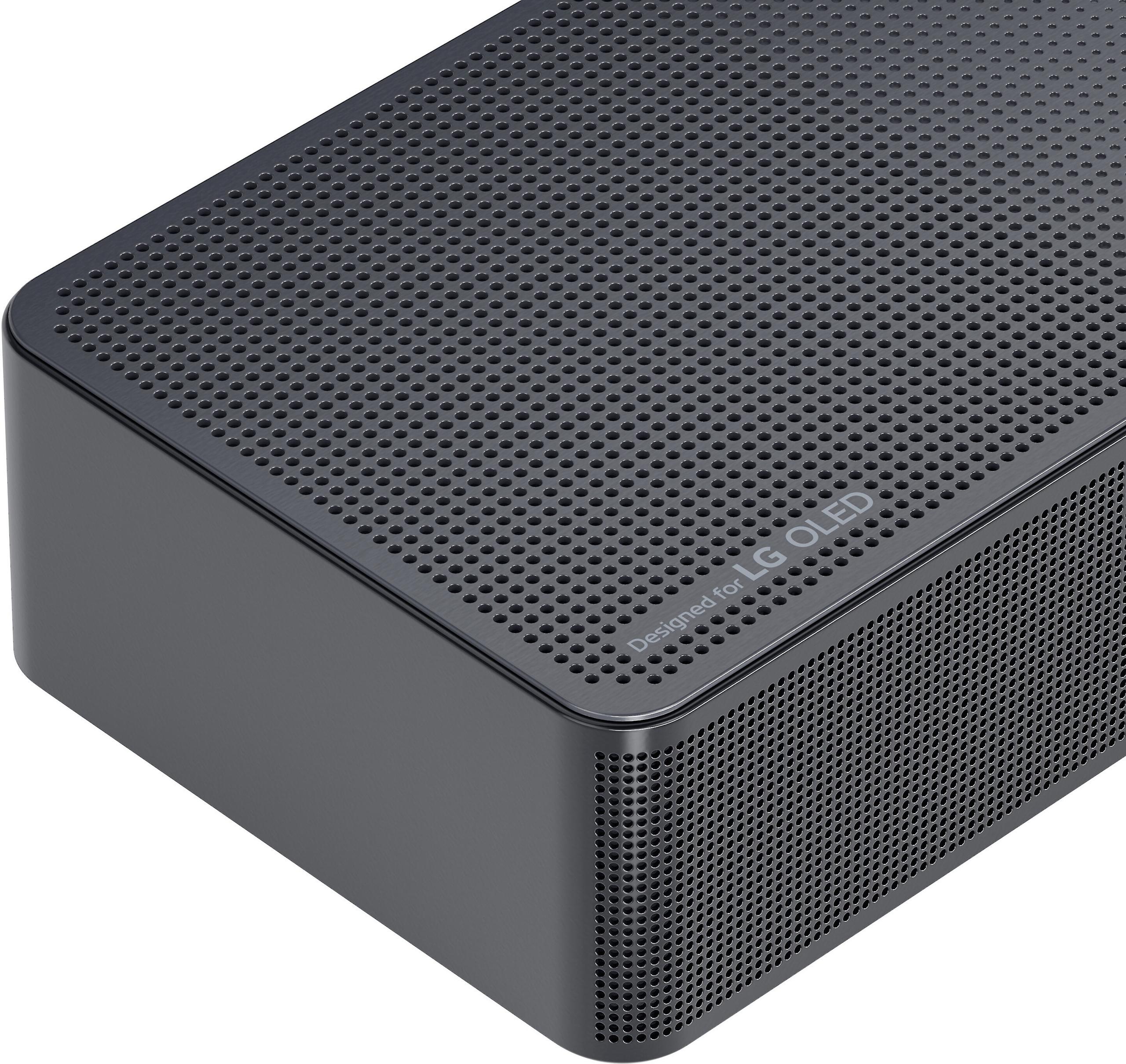
The most fundamental difference between these soundbars lies in their approach to creating immersive audio. The LG SC9S uses a 3.1.3 configuration with physical drivers dedicated to specific audio channels. Those three up-firing speakers on top of the soundbar aren't just for show – they're precisely angled to bounce sound off your ceiling, creating genuine overhead audio effects that make helicopters in Top Gun: Maverick truly feel like they're flying above you.
This physical approach to Dolby Atmos (a 3D audio format that adds height information to traditional surround sound) represents how the format was intended to work. When a movie's sound engineer places a raindrop audio cue at a specific point above and behind your listening position, the SC9S can actually project sound to approximately that location through its combination of forward-firing, side-firing, and up-firing drivers working with its external subwoofer.
The Yamaha YAS-109 takes the virtual route, using DTS Virtual:X processing to simulate surround and height effects through psychoacoustic manipulation. This technology analyzes the audio signal and applies complex digital processing to trick your brain into perceiving sounds from directions where there are no physical speakers. While this sounds less authentic on paper, the results can be surprisingly convincing for everyday viewing, especially considering the price difference.
In my experience testing both systems, the difference becomes most apparent with high-quality Dolby Atmos content. During action sequences in movies like Mad Max: Fury Road, the SC9S creates a noticeably more immersive soundfield where you can pinpoint the location of overhead effects. The YAS-109 creates a wider, more spacious sound than most TV speakers, but lacks the precise positioning that makes Atmos content truly special.
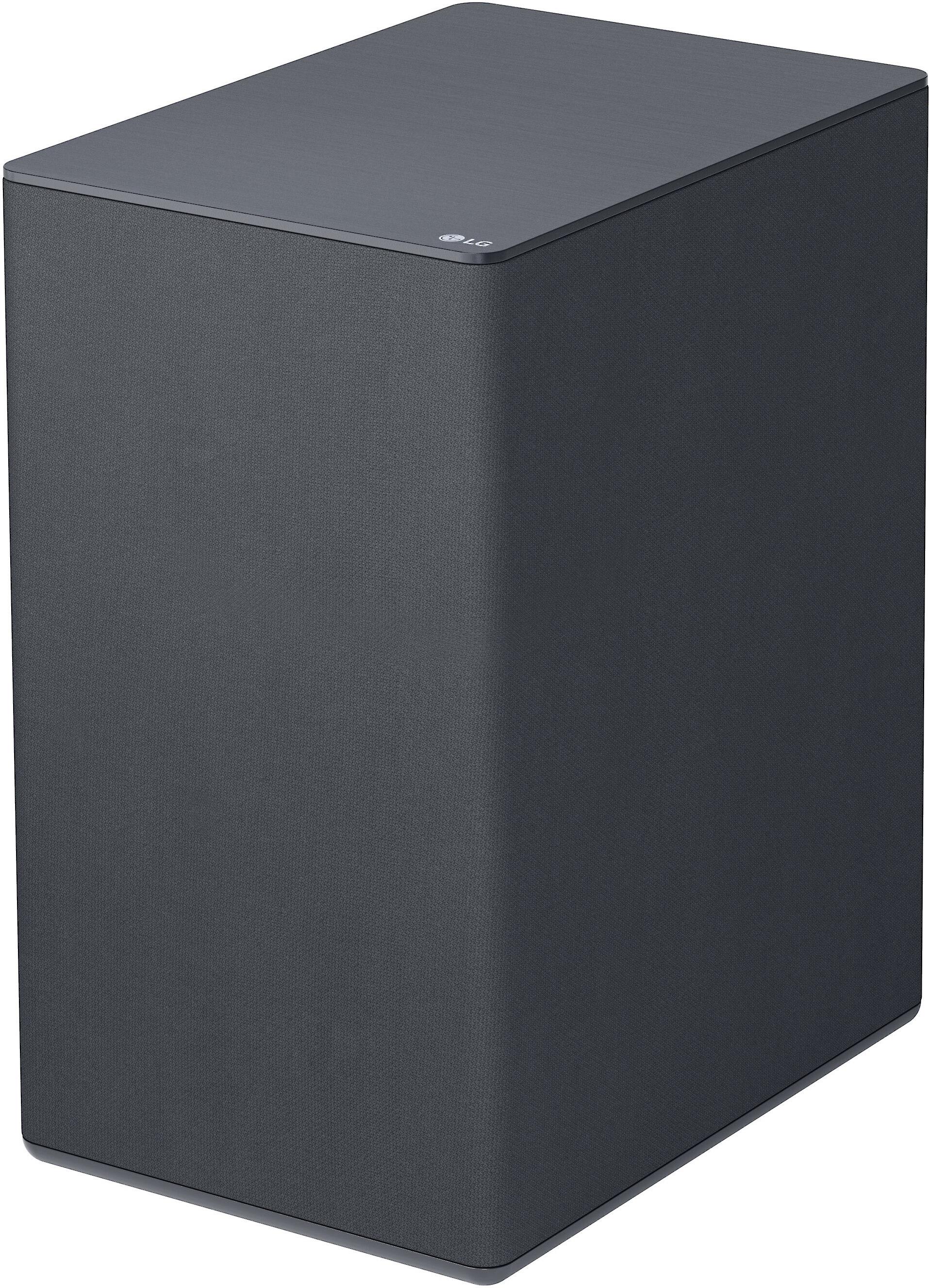
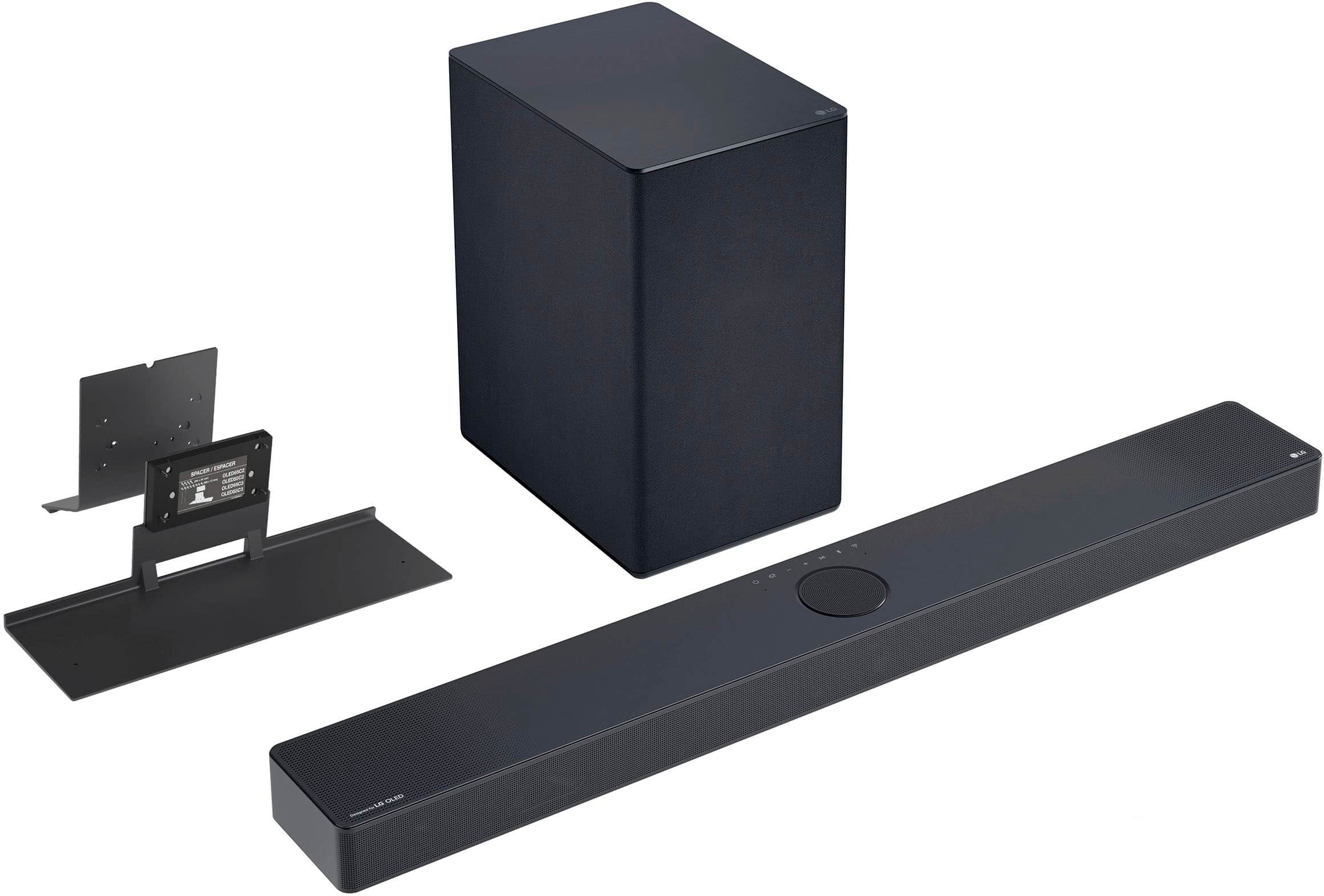
Bass reproduction reveals another fundamental design difference. The LG SC9S includes a separate wireless subwoofer with a 6.5-inch driver that can reproduce frequencies down to approximately 35Hz. For context, that's low enough to reproduce the deep rumble of thunder, the chest-thumping impact of explosions, and the fundamental frequencies of pipe organs and synthesizer bass lines.
This external subwoofer approach offers several advantages beyond just deeper bass extension. Because the subwoofer is physically separate, you can place it optimally in your room – usually in a corner or along a wall where room acoustics naturally amplify low frequencies. The larger cabinet volume also allows for better bass efficiency and less distortion at high volumes.
The Yamaha YAS-109's built-in dual 3-inch subwoofers represent a different compromise. These drivers are tuned for what audio engineers call "musical bass" – emphasizing the 60-100Hz range where bass guitars and kick drums live, while rolling off the deeper frequencies that require larger drivers and cabinet volumes. This approach works well for dialogue clarity and most music, but you'll notice the limitation during action movies or bass-heavy electronic music.
During testing, I found the SC9S's bass to be transformative for movie watching – the opening sequence of Blade Runner 2049 with its massive, room-shaking low-frequency effects simply isn't possible with the YAS-109's more restrained approach. However, for apartment dwellers or those watching primarily dialogue-heavy content, the YAS-109's controlled bass response can actually be preferable, avoiding neighbor complaints while still providing satisfying low-end warmth.
Both soundbars excel at dialogue reproduction, but through different methods. The LG SC9S uses a dedicated center channel – a separate driver specifically responsible for reproducing voices and central audio elements. This physical separation allows the center channel to be optimized for the frequency range of human speech (roughly 200Hz to 3kHz) without compromise.
The SC9S also incorporates AI Room Calibration Pro, a sophisticated system that analyzes your room's acoustic properties and adjusts the soundbar's output accordingly. This technology uses test tones played through the soundbar and measured by the system to identify acoustic challenges like hard surfaces that cause echoes or soft furnishings that absorb high frequencies. The system then applies equalization and timing adjustments to optimize dialogue clarity for your specific room.
The Yamaha YAS-109 approaches dialogue clarity through its Clear Voice technology, which uses digital signal processing to identify and emphasize speech frequencies in the audio mix. Rather than physical separation, this system analyzes the incoming audio in real-time and applies selective amplification to frequency ranges where dialogue typically occurs while slightly reducing competing frequencies.
In practical use, both systems deliver clear, intelligible dialogue, but with different characteristics. The SC9S tends to present voices with more authority and presence – characters sound like they're speaking from a specific location on screen. The YAS-109 creates a more diffuse but still clear vocal presentation that works well across different types of content.
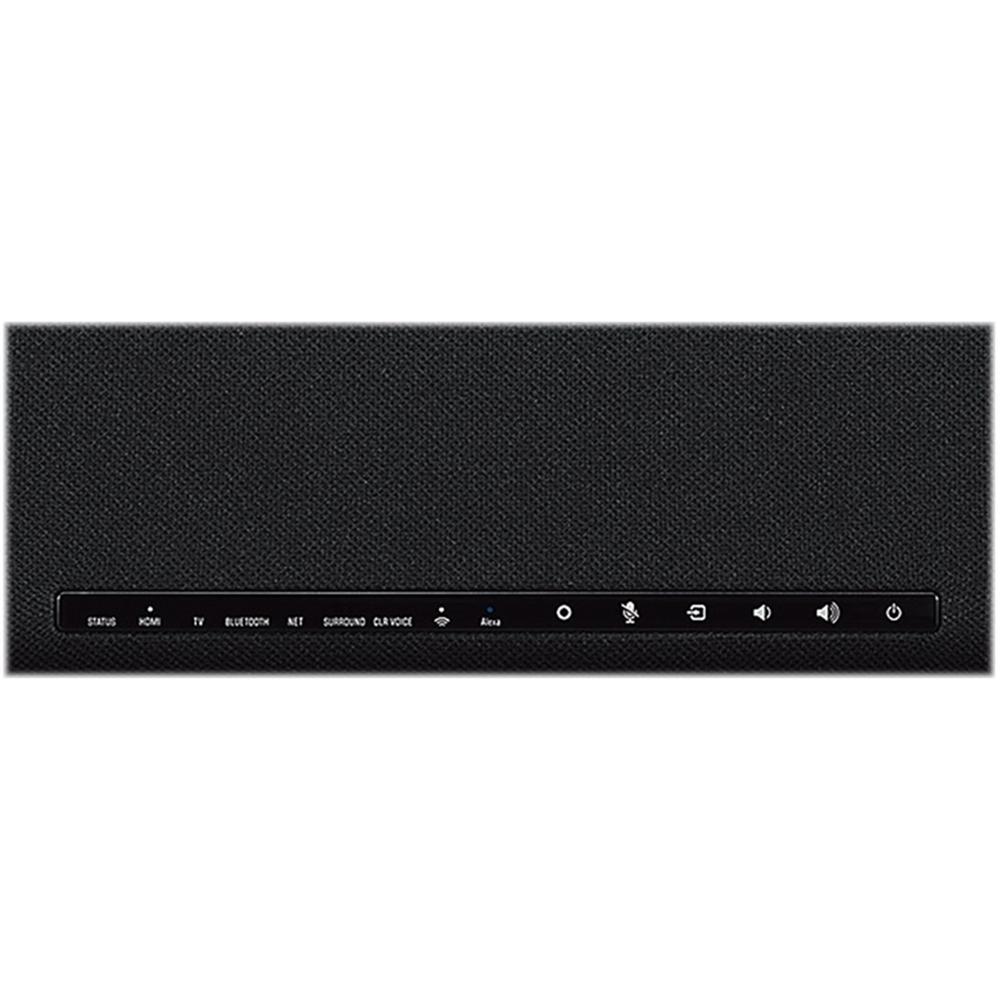
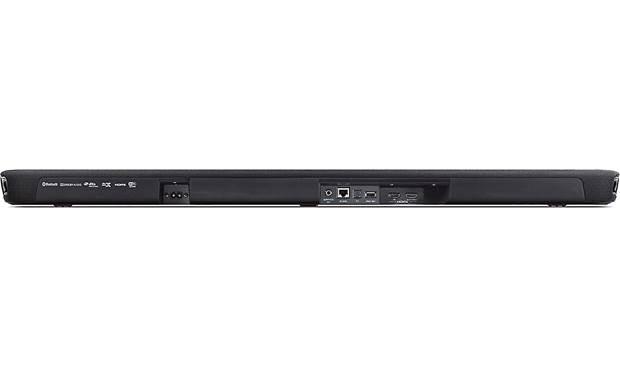
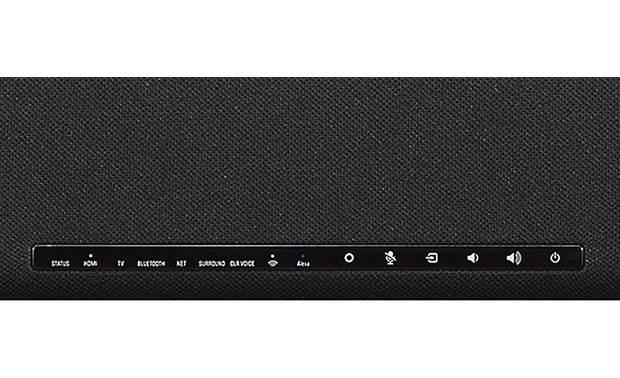
The integration of smart features represents one area where the age difference between these products becomes apparent. The Yamaha YAS-109, despite being older, actually leads in voice control integration with built-in Alexa functionality. This isn't just compatibility – the soundbar includes far-field microphones that can hear your voice commands from across the room, even while audio is playing.
This integration means you can control volume, switch inputs, play music from streaming services, control smart home devices, set timers, and ask questions without reaching for a remote. The convenience factor is significant – during cooking or cleaning, being able to say "Alexa, turn up the volume" or "Alexa, play jazz music" transforms how you interact with your audio system.
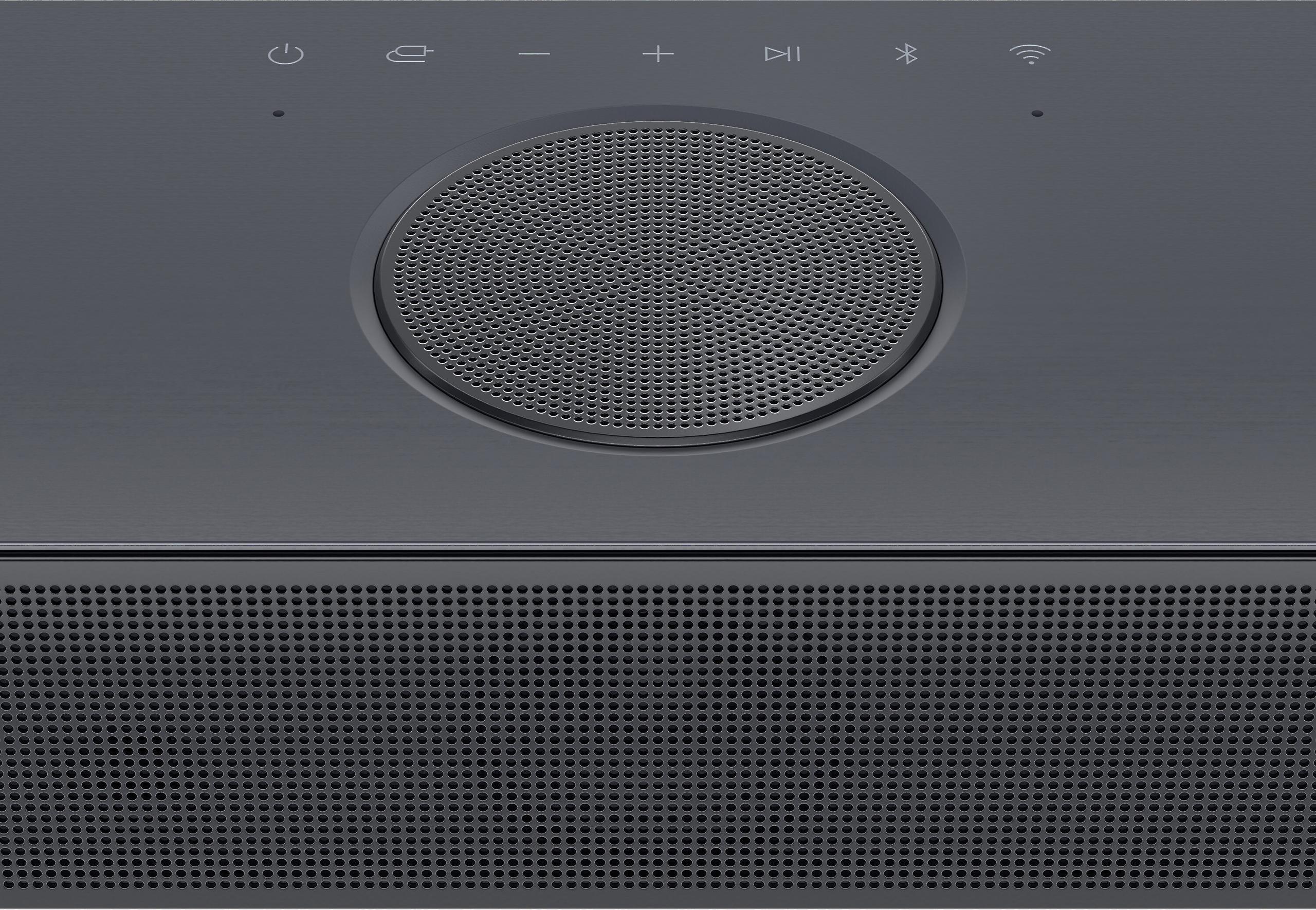
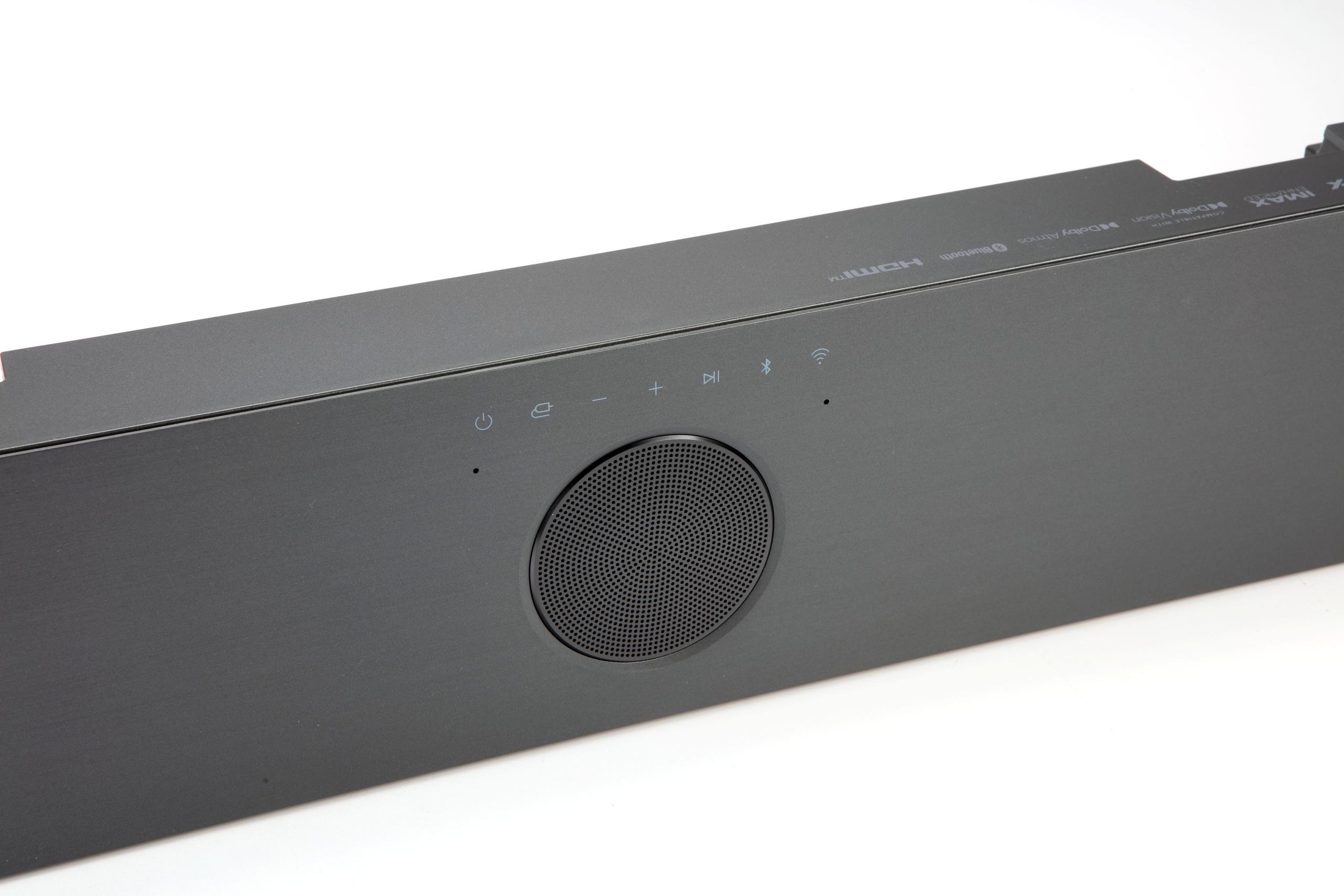
The LG SC9S offers broader connectivity options but requires external devices for voice control. It supports Wi-Fi, Bluetooth, AirPlay 2, and Chromecast built-in, making it exceptionally flexible for music streaming from various devices and platforms. The soundbar can appear as a target for casting from smartphones, tablets, or computers, and the Chromecast integration means you can stream high-quality audio from services like Spotify, Tidal, or YouTube Music.
Where the SC9S excels is in advanced audio connectivity. Its HDMI eARC (enhanced Audio Return Channel) support allows for high-bandwidth audio formats that older HDMI ARC connections can't handle. This means better sound quality from streaming services and gaming consoles that output advanced audio formats.
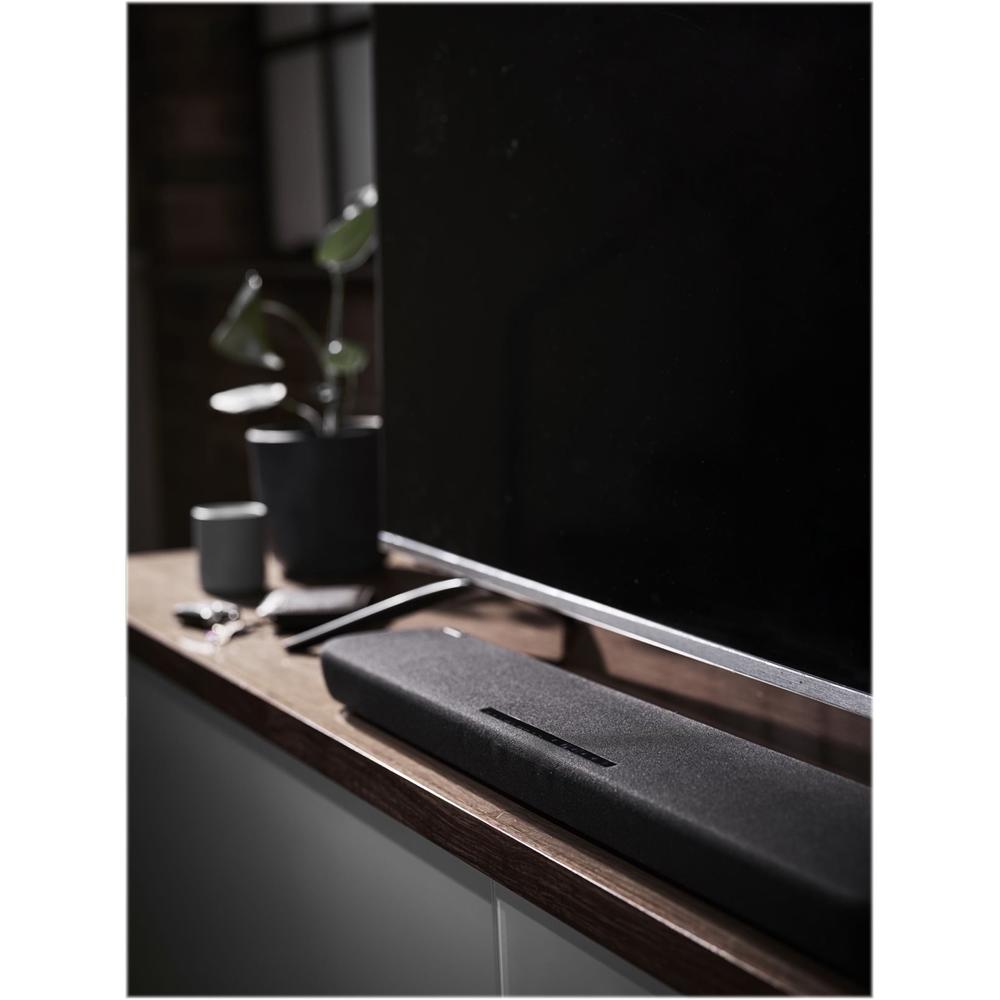
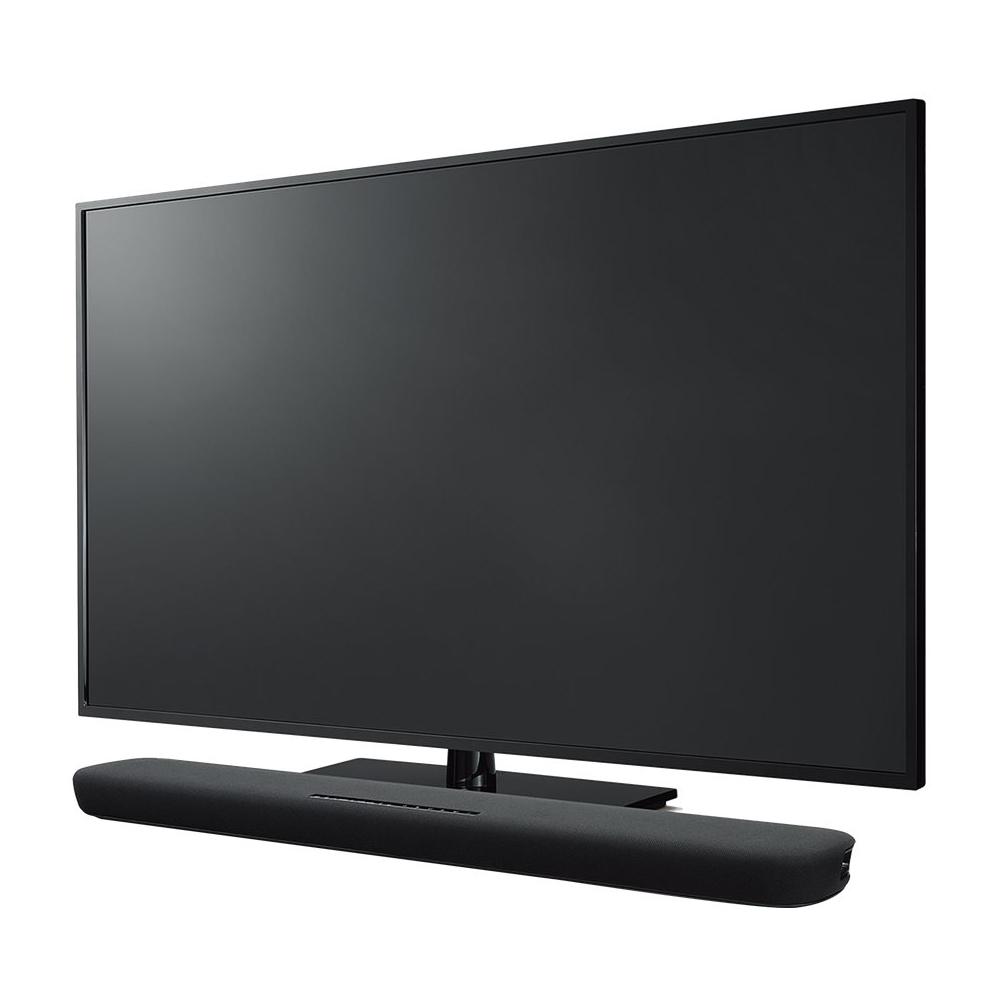
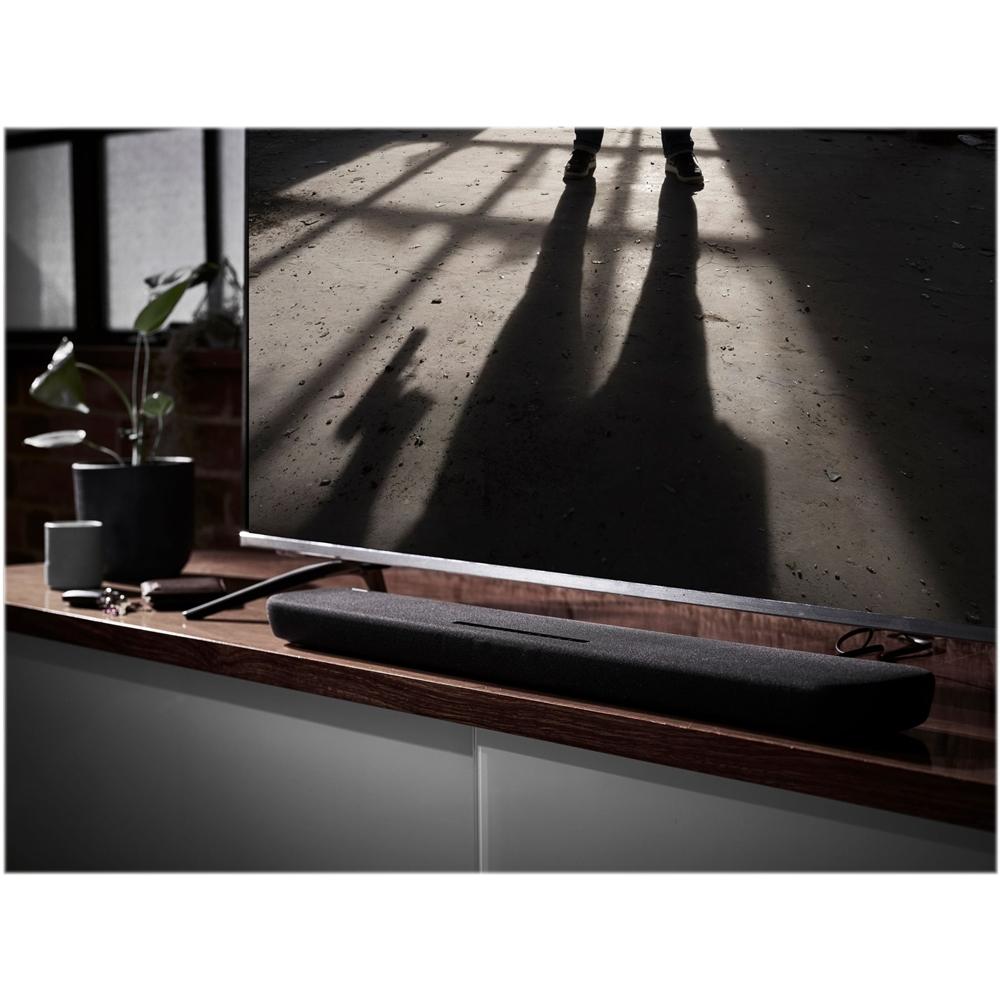
Physical integration into your living space involves more than just aesthetics. The Yamaha YAS-109 measures 35 inches wide and just over 5 inches deep, making it suitable for most TV stands and entertainment centers. Its all-in-one design means no additional components to place or hide, and no wireless signals to potentially interfere with other devices.
The compact design also means simpler wall mounting. If you prefer to mount your soundbar below a wall-mounted TV, the YAS-109 requires only basic mounting hardware and creates a clean, minimalist look without visible subwoofer placement considerations.
The LG SC9S demands more thoughtful integration. While the main soundbar itself is elegant and substantial-looking, the wireless subwoofer requires strategic placement for optimal performance. Subwoofers work best when placed away from the main listening area – typically in a corner or along a wall where room boundaries can reinforce bass output.
This placement flexibility can be an advantage in the right room. Unlike soundbars with built-in bass, you can experiment with subwoofer positioning to find the spot that provides the best bass response for your specific room acoustics. However, this also means another device to accommodate in your room design and another power cord to manage.
For serious home theater use, the differences between these soundbars become most pronounced. The LG SC9S transforms properly mastered Dolby Atmos content in ways that the YAS-109 simply cannot match. During the opening sequence of A Quiet Place, where subtle environmental sounds create tension through precise spatial placement, the SC9S's physical height channels create genuinely unsettling overhead effects that draw you deeper into the film's atmosphere.
Gaming represents another area where the SC9S's advanced capabilities shine. Modern games increasingly use spatial audio to provide competitive advantages – hearing footsteps approaching from specific directions, or experiencing the full impact of explosions and environmental effects. The SC9S's lower input lag and support for advanced audio codecs make it particularly suitable for serious gaming setups.
However, the Yamaha YAS-109 shouldn't be dismissed for home theater use. Its Clear Voice technology and overall tonal balance work exceptionally well for dialogue-heavy content like dramas, documentaries, and news programs. For viewers who primarily watch streaming content and aren't specifically seeking the most immersive possible audio experience, the YAS-109 provides substantial improvement over TV speakers at a fraction of the cost.
The YAS-109's built-in Alexa also offers unique home theater conveniences. You can dim smart lights, adjust thermostats, or control other connected devices without pausing your movie to find additional remotes.
Technology purchasing decisions increasingly require thinking about future compatibility and upgrade paths. The LG SC9S incorporates several future-proofing elements that justify its higher price. HDMI eARC support ensures compatibility with next-generation gaming consoles and streaming devices that output high-bandwidth audio formats. The physical driver configuration won't become obsolete as audio formats evolve – if anything, content creators are moving toward more sophisticated spatial audio that takes advantage of systems like the SC9S.
LG also offers optional rear speaker kits that can expand the SC9S into a more complete surround sound system. This upgrade path means your initial investment can grow with your needs and budget over time.
The Yamaha YAS-109 takes a different approach to longevity through simplicity and proven reliability. Yamaha's reputation for building audio equipment that works reliably for decades suggests this soundbar will continue performing well long after newer models have replaced it in stores. The Alexa integration receives regular updates that add new capabilities and maintain compatibility with evolving smart home standards.
However, the YAS-109's HDMI ARC (not eARC) connectivity may limit compatibility with some future devices, and its virtual surround processing represents current technology that may feel dated as room correction and spatial audio processing continue advancing.
Choosing between the LG SC9S ($516) and Yamaha YAS-109 ($220) ultimately depends on matching each product's strengths to your specific priorities and constraints.
The LG SC9S justifies its premium price for users who prioritize authentic cinematic audio reproduction. If you have a dedicated viewing space where you can properly position the wireless subwoofer, regularly watch high-quality Dolby Atmos content, and value the kind of immersive audio experience that draws you deeper into movies and games, the SC9S delivers performance that's difficult to achieve at any price point with alternative approaches.
The Yamaha YAS-109 represents exceptional value for users seeking immediate, substantial improvement over TV speakers without complexity or high cost. Its built-in Alexa integration, compact design, and reliable performance make it ideal for apartment living, casual viewing habits, or situations where simplicity and convenience outweigh ultimate audio performance.
Neither choice represents a compromise in the negative sense – both soundbars excel at what they're designed to do. Success comes from honestly assessing your priorities, room constraints, and usage patterns, then choosing the product whose strengths align with your specific needs. Whether you choose the cinematic immersion of the SC9S or the practical excellence of the YAS-109, you'll enjoy a dramatic improvement over built-in TV audio that enhances every viewing experience.
| LG SC9S 3.1.3 Channel Dolby Atmos Soundbar | Yamaha YAS-109 Sound Bar with Built-in Subwoofers and Alexa |
|---|---|
| Price - Major cost difference reflects different target markets | |
| $516 (premium home theater focus) | $220 (budget-friendly all-in-one) |
| Channel Configuration - Determines surround sound authenticity | |
| 3.1.3 with physical up-firing drivers for true Dolby Atmos | 2.1 virtual surround via DTS Virtual:X processing |
| Bass System - Impacts room-filling low-end performance | |
| Separate wireless subwoofer with 6.5" driver (deeper, more powerful) | Dual built-in 3" subwoofers (compact but limited depth) |
| Dolby Atmos Support - Critical for immersive movie experiences | |
| True Atmos with dedicated height channels | Simulated Atmos through virtual processing |
| Voice Control - Convenience for hands-free operation | |
| Compatible with Google Assistant/Alexa via external devices | Built-in Alexa with far-field microphones |
| HDMI Connectivity - Future-proofing for advanced audio formats | |
| HDMI eARC (supports high-bandwidth audio) | HDMI ARC (limited to standard audio formats) |
| Physical Design - Room integration considerations | |
| Larger bar + separate subwoofer placement required | Compact 35" single unit, no subwoofer placement needed |
| Room Calibration - Optimizes sound for your specific space | |
| AI Room Calibration Pro with automatic acoustic adjustment | Basic preset sound modes, no room correction |
| Music Streaming - Wireless audio capabilities | |
| Wi-Fi, Bluetooth, AirPlay 2, Chromecast built-in | Wi-Fi, Bluetooth, Spotify Connect integration |
| Best For - Target user and use case | |
| Serious home theater enthusiasts with dedicated viewing rooms | Casual viewers wanting easy TV audio upgrade with smart features |
The Yamaha YAS-109 ($220) offers exceptional value for budget-conscious buyers, providing significant audio improvement over TV speakers with built-in Alexa functionality. The LG SC9S ($516) costs more than double but delivers premium features like true Dolby Atmos and a wireless subwoofer that justify the price for serious home theater enthusiasts.
The LG SC9S includes a separate wireless subwoofer that produces deeper, more impactful bass for movies and music. The Yamaha YAS-109 has dual built-in subwoofers that work well for dialogue and casual listening but lack the room-filling low-end needed for action movies and bass-heavy content.
The LG SC9S features true Dolby Atmos with three physical up-firing drivers that bounce sound off your ceiling for genuine overhead effects. The Yamaha YAS-109 uses virtual processing to simulate Atmos effects, which creates wider sound but cannot replicate authentic height positioning.
The Yamaha YAS-109 offers plug-and-play simplicity with everything built into one compact unit. The LG SC9S requires positioning both the main bar and wireless subwoofer optimally in your room, plus running AI room calibration for best results.
The Yamaha YAS-109 has Alexa built-in with far-field microphones, allowing hands-free voice control from across the room. The LG SC9S requires external smart speakers or devices to access Google Assistant or Alexa voice control features.
Both soundbars support Wi-Fi and Bluetooth streaming, but the LG SC9S offers more options with AirPlay 2 and Chromecast built-in for high-quality wireless audio. The Yamaha YAS-109 includes Spotify Connect integration and benefits from built-in Alexa for voice-controlled music playback.
The Yamaha YAS-109 excels in small spaces with its compact 35-inch design, controlled bass output that won't disturb neighbors, and no separate subwoofer to place. The LG SC9S may overwhelm small rooms and requires space for subwoofer placement.
The LG SC9S provides superior gaming audio with true spatial positioning, lower input lag, and support for advanced audio codecs from gaming consoles. The Yamaha YAS-109 offers decent gaming audio improvement over TV speakers but lacks the precision and impact serious gamers prefer.
Both excel at dialogue but differently - the LG SC9S uses a dedicated center channel and AI room calibration for precise vocal reproduction. The Yamaha YAS-109 employs Clear Voice technology that digitally enhances speech frequencies, making both effective for clear dialogue.
The LG SC9S offers better future-proofing with HDMI eARC support for advanced audio formats and expandability with optional rear speakers. The Yamaha YAS-109 uses older HDMI ARC connectivity but benefits from regular Alexa updates and Yamaha's reputation for long-lasting audio equipment.
The Yamaha YAS-109 needs only 35 inches of wall or shelf space with no additional components. The LG SC9S requires space for the main soundbar plus strategic placement of the wireless subwoofer somewhere in your room for optimal bass performance.
The most significant difference is immersive audio capability - the LG SC9S creates genuine 3D soundscapes with physical height channels for movies and gaming, while the Yamaha YAS-109 provides excellent stereo enhancement and convenience features but cannot match true surround sound immersion.
We've done our best to create useful and informative comparisons to help you decide what product to buy. Our research uses advanced automated methods to create this comparison and perfection is not possible - please contact us for corrections or questions. These are the sites we've researched in the creation of this article: consumerreports.org - valueelectronics.com - youtube.com - bestbuy.com - rtings.com - costco.com - bestbuy.com - walts.com - queencityonline.com - blog.son-video.com - videoandaudiocenter.com - lg.com - rtings.com - crutchfield.com - usa.yamaha.com - digitaltrends.com - tomsguide.com - listenup.com - youtube.com - usa.yamaha.com - hub.yamaha.com - youtube.com - hub.yamaha.com

Privacy Policy
Terms and Conditions - Affiliate Policy
Home Security
© Copyright 2008-2026.
11816 Inwood Rd #1211, Dallas, TX 75244