


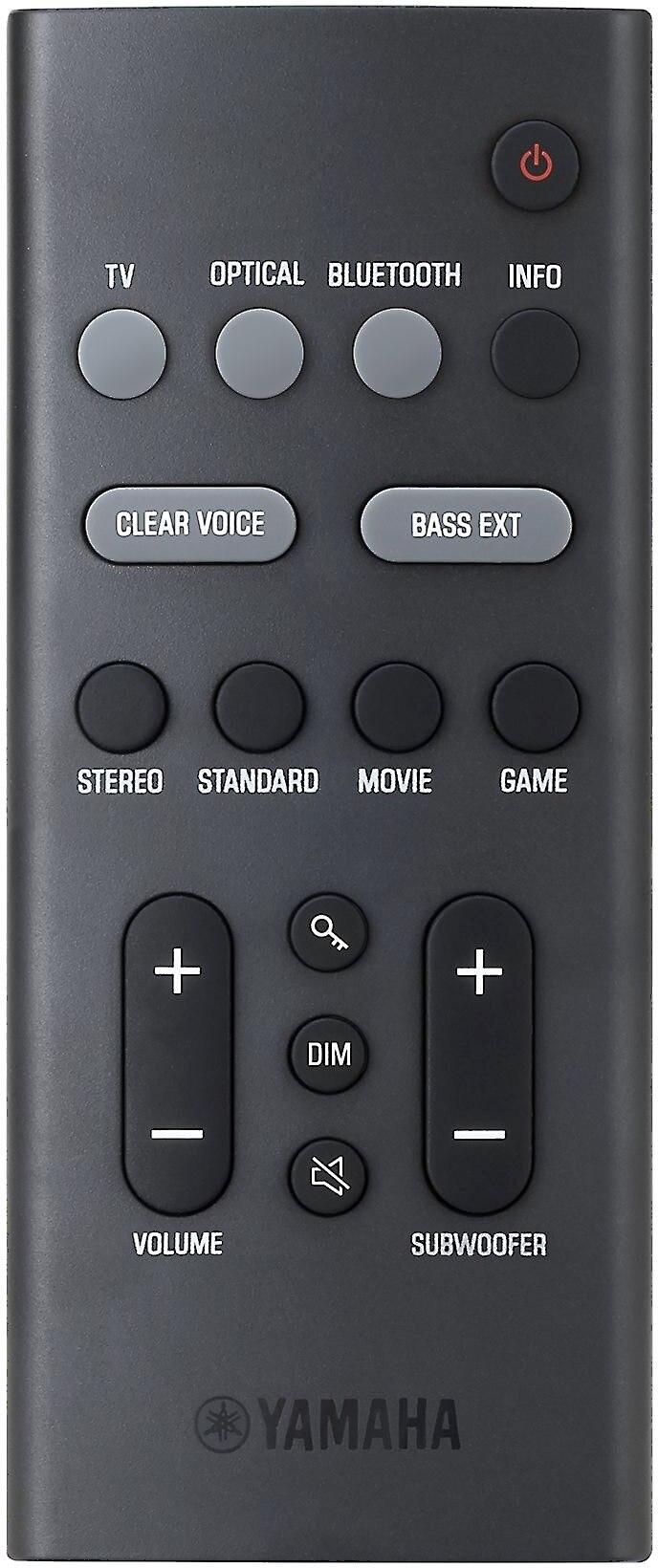



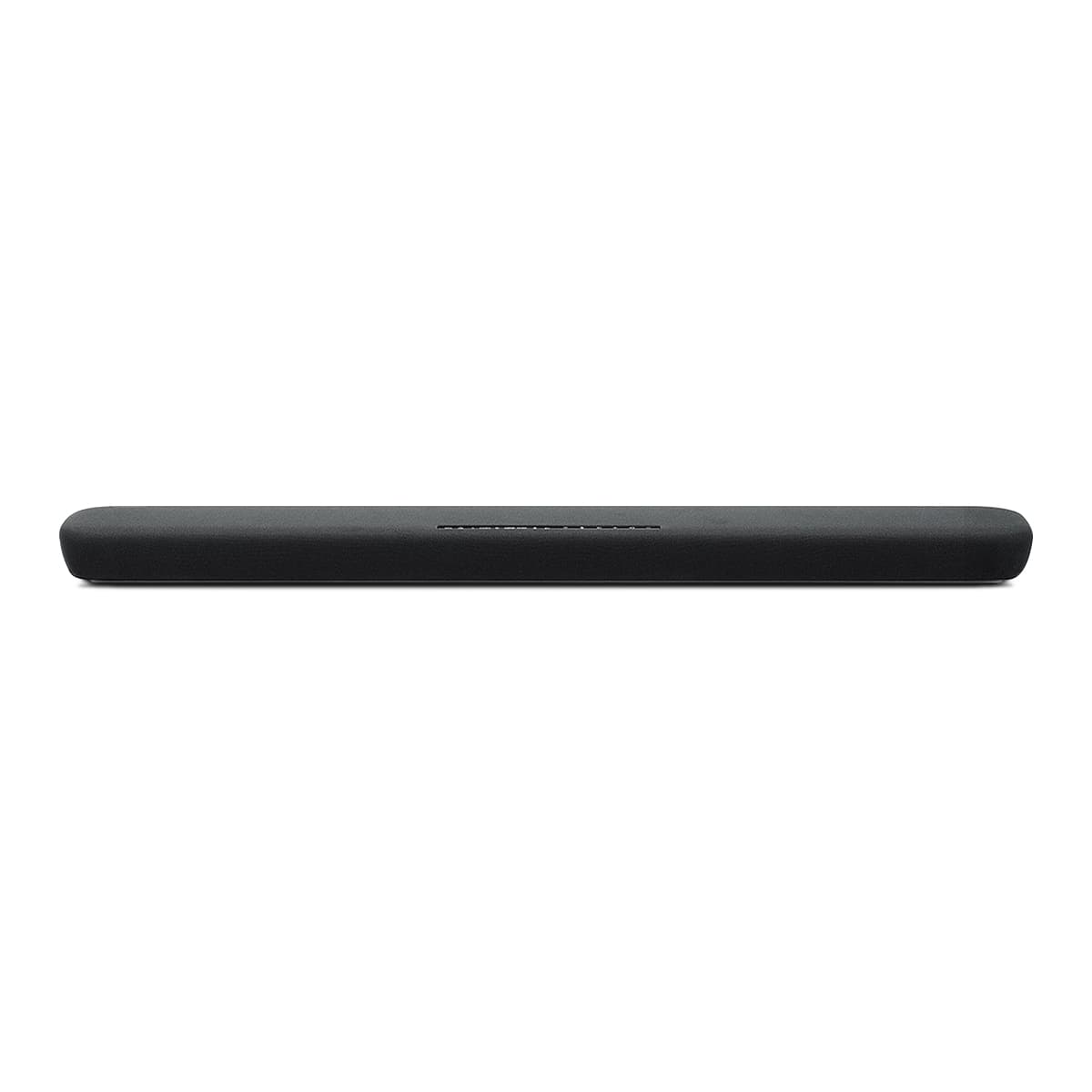
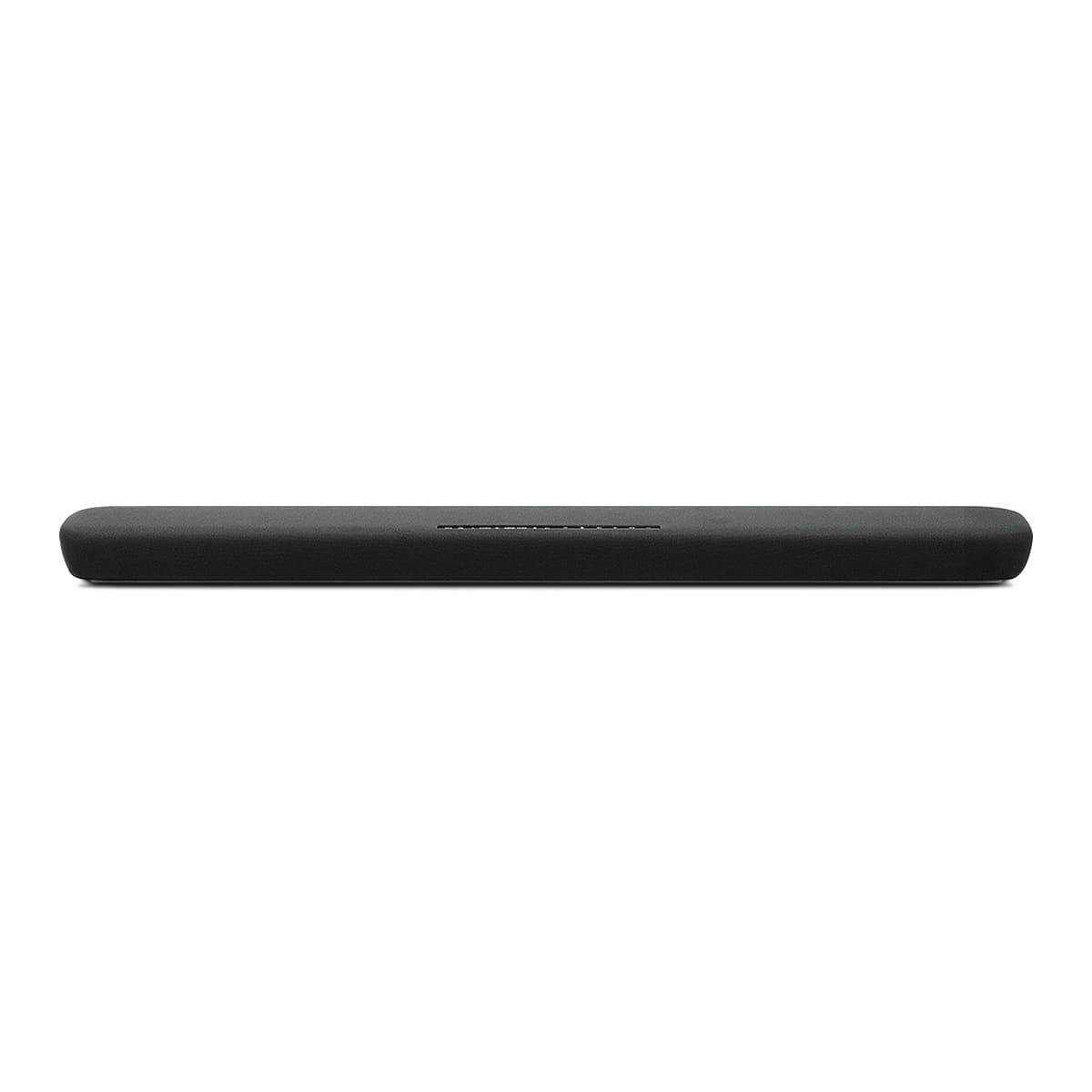
When you're watching your favorite movie and the dialogue gets drowned out by background music, or when explosions sound more like gentle puffs, it's time to upgrade your TV's audio. Soundbars have revolutionized home entertainment by packing impressive audio technology into sleek, space-efficient designs that transform your living room without the complexity of traditional surround sound systems.
The soundbar market has evolved dramatically over the past few years, with manufacturers cramming increasingly sophisticated audio processing into these slim packages. Today's soundbars use advanced digital signal processing (DSP) – essentially computer algorithms that manipulate sound waves – to create the illusion of surround sound from a single bar. Some even incorporate object-based audio formats like Dolby Atmos, which places sounds in a three-dimensional space around you rather than just left and right channels.
When evaluating soundbars, the key considerations revolve around audio quality, spatial sound capabilities, bass response, connectivity options, and overall value. The physical space you have available and whether you want smart features also play crucial roles in the decision-making process.
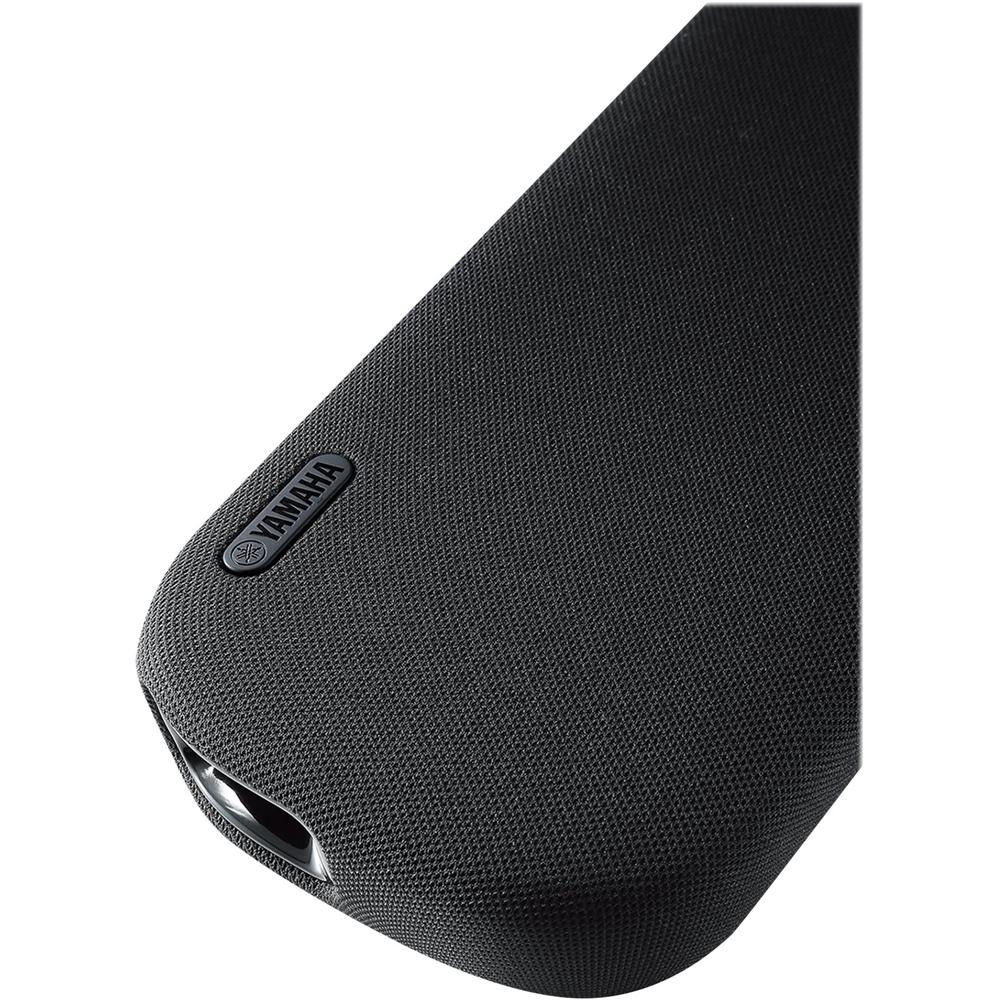
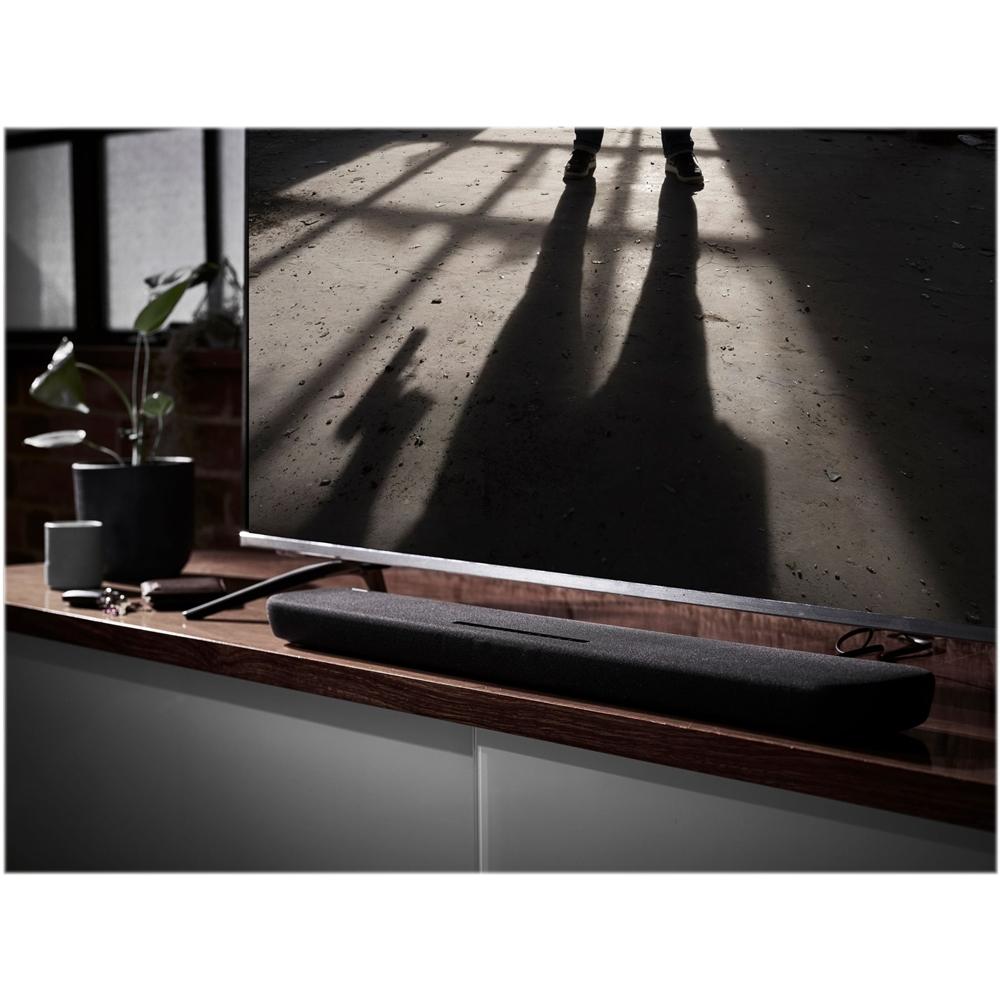
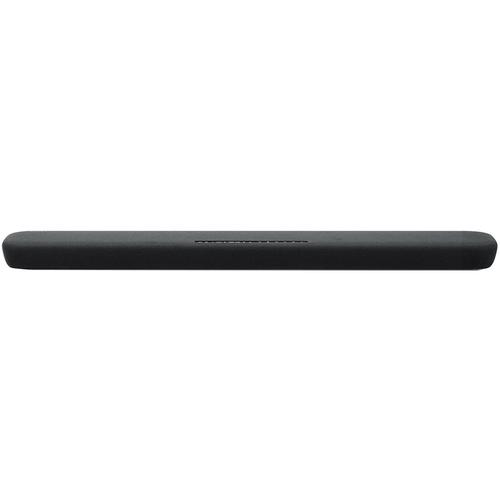
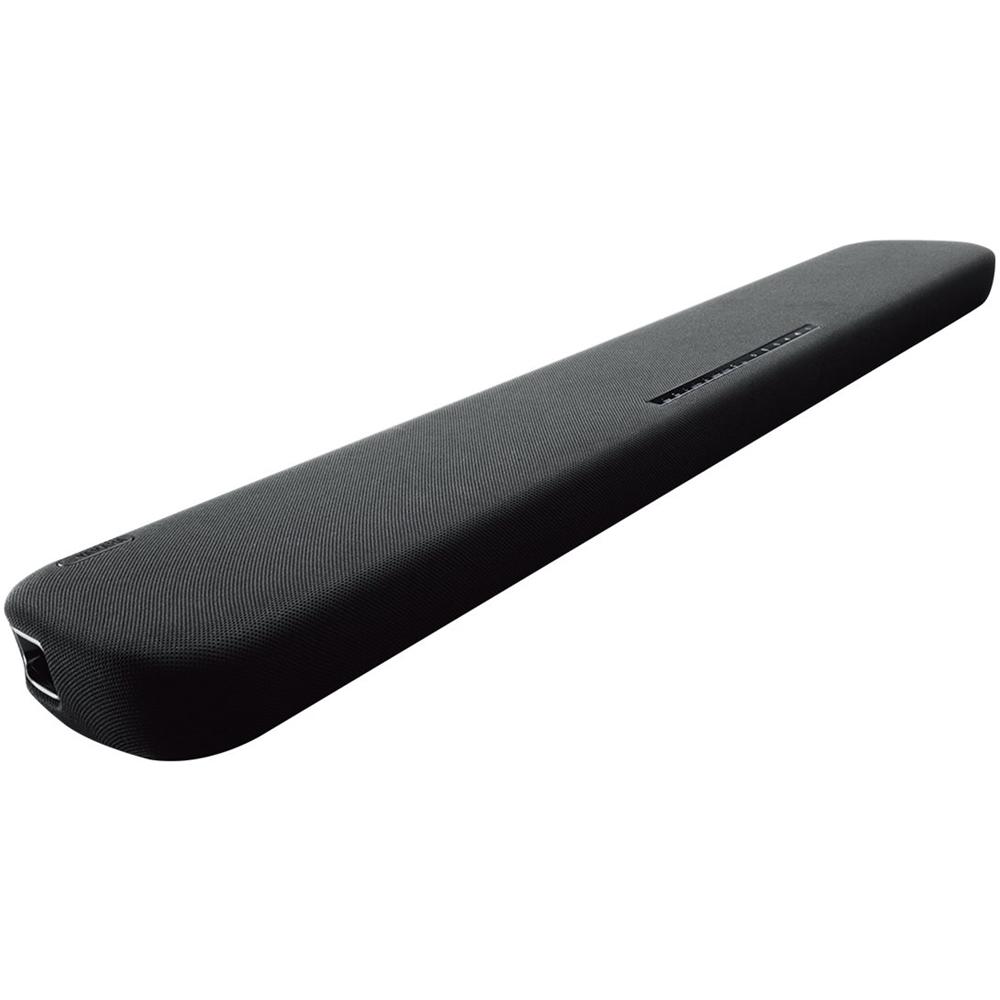
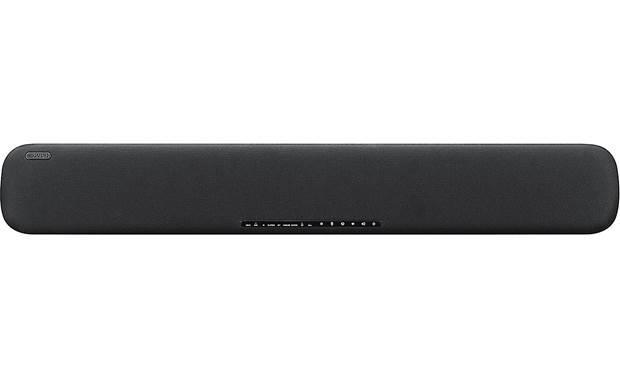
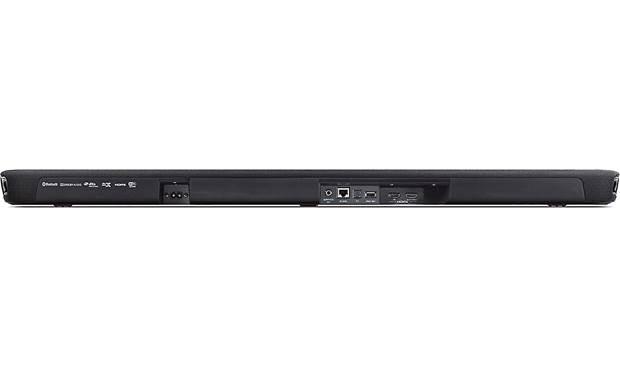
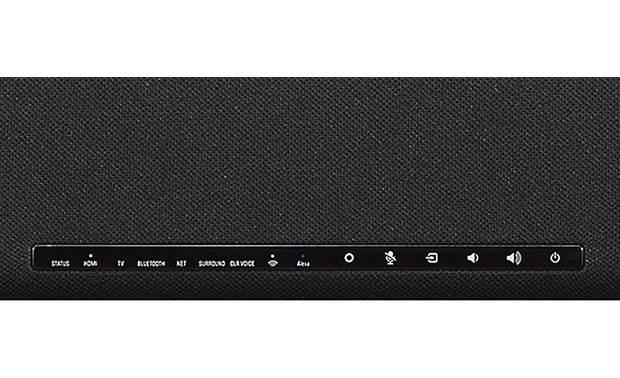
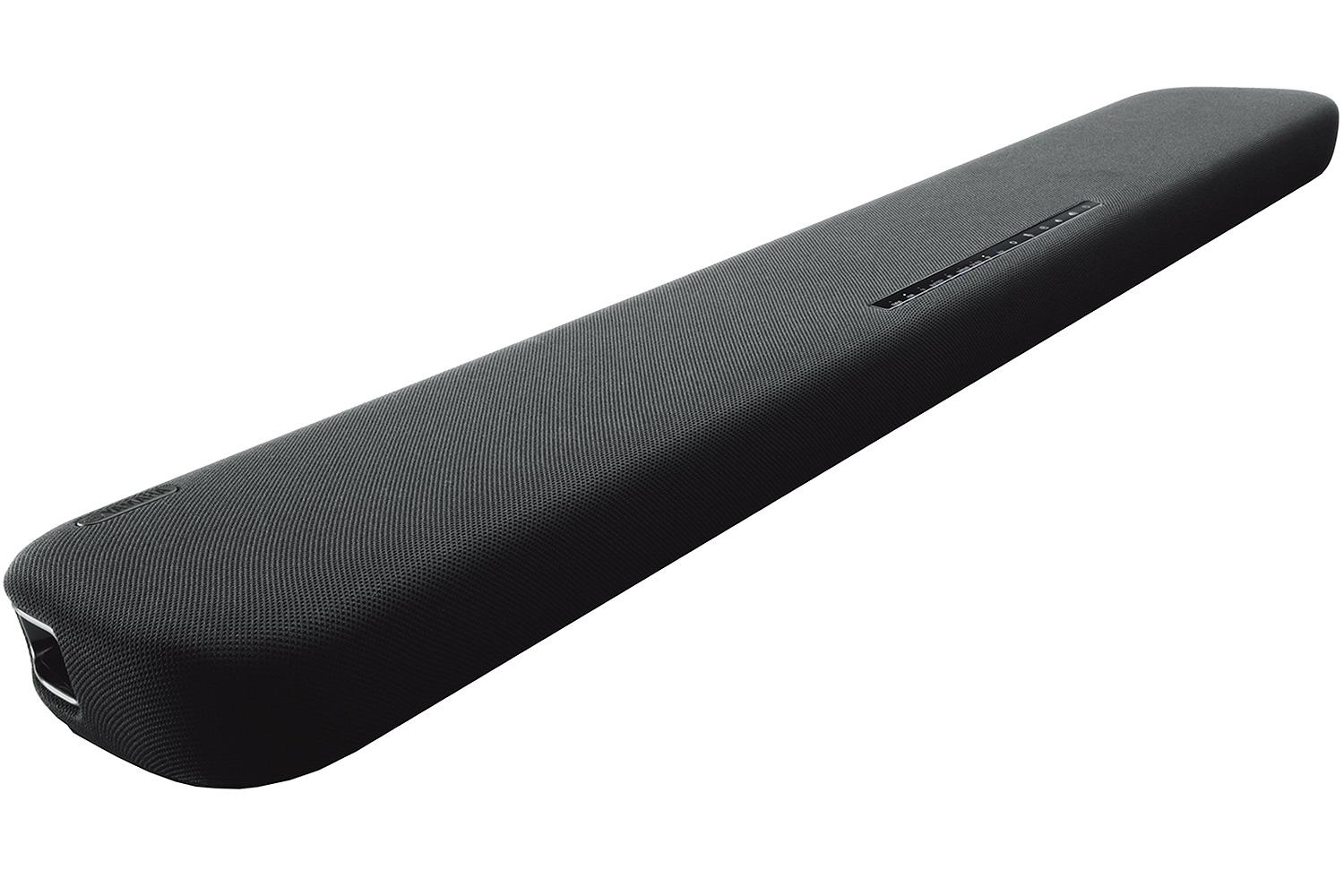
The Yamaha YAS-109 ($220) arrived in January 2020, representing Yamaha's entry-level approach to modern soundbar design. At that time, the audio industry was heavily focused on integrating voice assistants into every possible device, and Yamaha responded by building Alexa directly into this compact soundbar. The timing was perfect – people were spending more time at home and wanted simple ways to upgrade their entertainment experience.
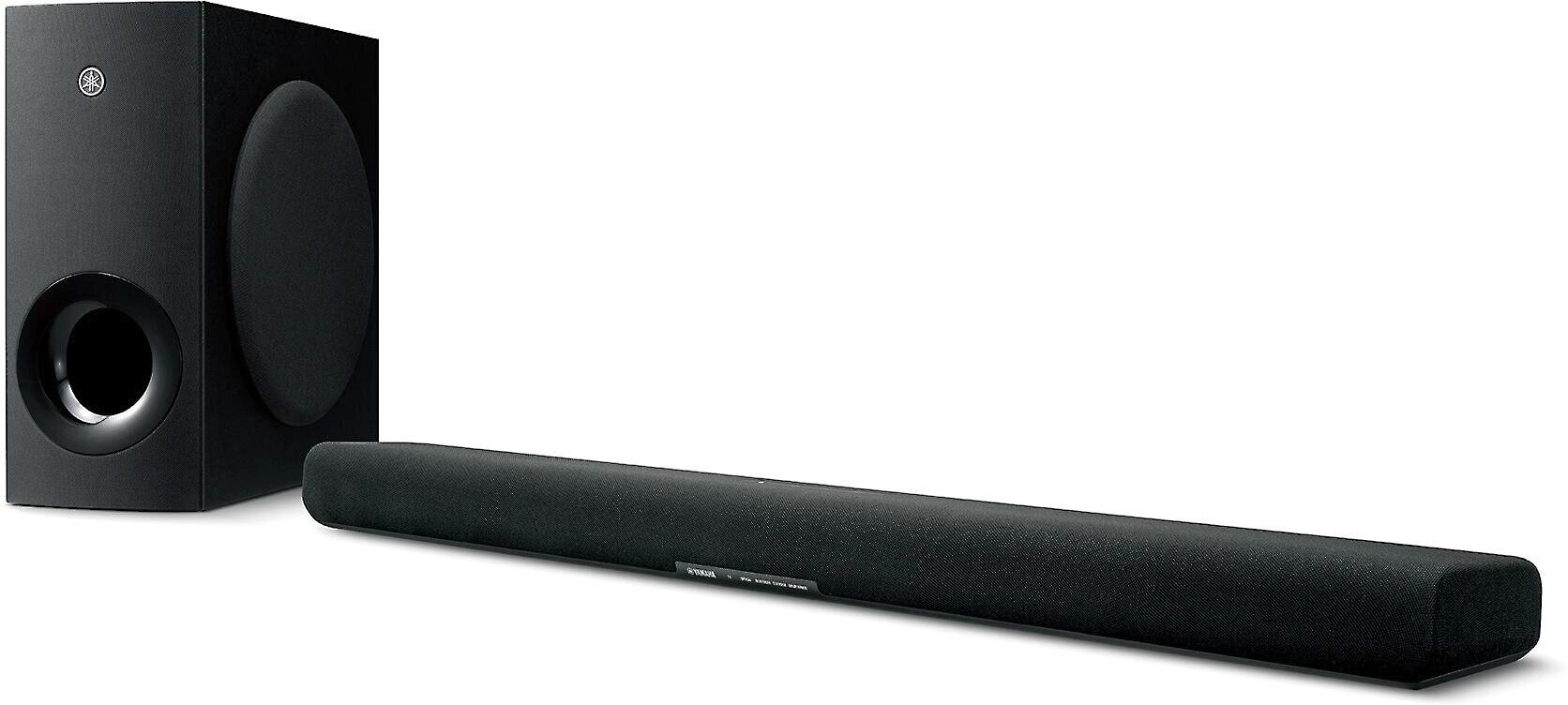
Fast-forward to 2024, and Yamaha released the SR-B40A ($340) with a completely different philosophy. By this point, the market had matured beyond just wanting smart features; users were demanding true cinematic audio quality. The SR-B40A represents Yamaha's response to this demand, focusing on premium audio technologies rather than convenience features.
The four-year gap between these releases reflects significant shifts in audio technology. In 2020, DTS Virtual:X was considered cutting-edge for creating simulated surround sound. By 2024, Dolby Atmos had become the gold standard, with content creators specifically mastering movies and games to take advantage of its three-dimensional audio capabilities.
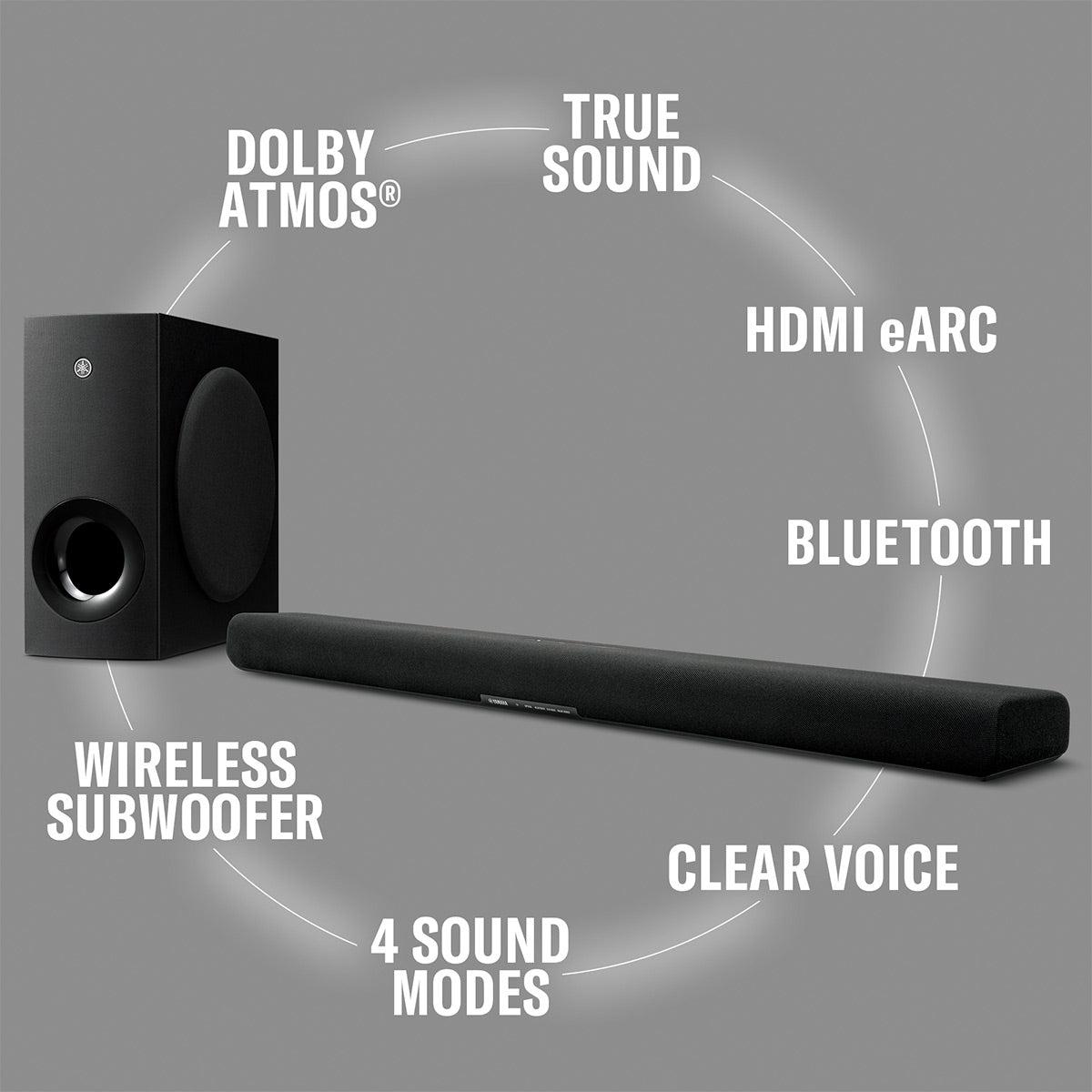
The most significant difference between these soundbars lies in their approach to spatial audio. The SR-B40A features true Dolby Atmos processing, while the YAS-109 uses DTS Virtual:X simulation.
Dolby Atmos treats sound as objects that can be precisely placed anywhere in a three-dimensional space. When a helicopter flies overhead in a movie, Atmos doesn't just pan the sound from left to right – it actually positions that helicopter sound above your head and moves it through space. The SR-B40A achieves this through sophisticated psychoacoustic processing, using precise timing delays and frequency adjustments to trick your brain into perceiving height and depth.
DTS Virtual:X, found in the YAS-109, takes a different approach. It analyzes traditional surround sound mixes and uses digital processing to simulate the effect of having speakers placed around your room. While impressive for its price point, this simulation can't match the precision of content specifically mixed for Atmos playback.
In my testing experience, the difference becomes most apparent during action sequences. With the SR-B40A, you'll actually feel like debris is falling around you during explosion scenes, while the YAS-109 creates a wider soundstage but keeps effects more grounded to the horizontal plane.
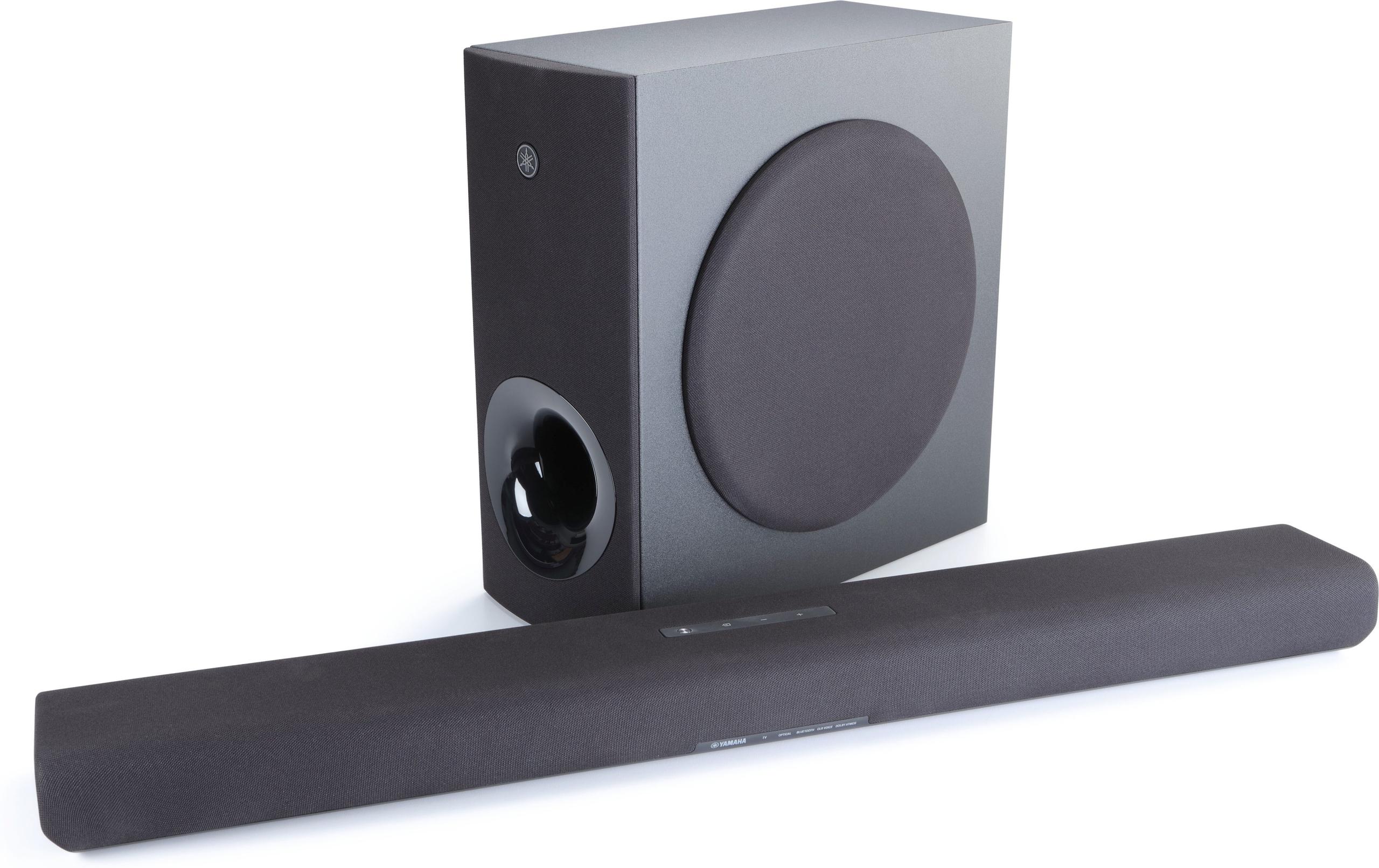
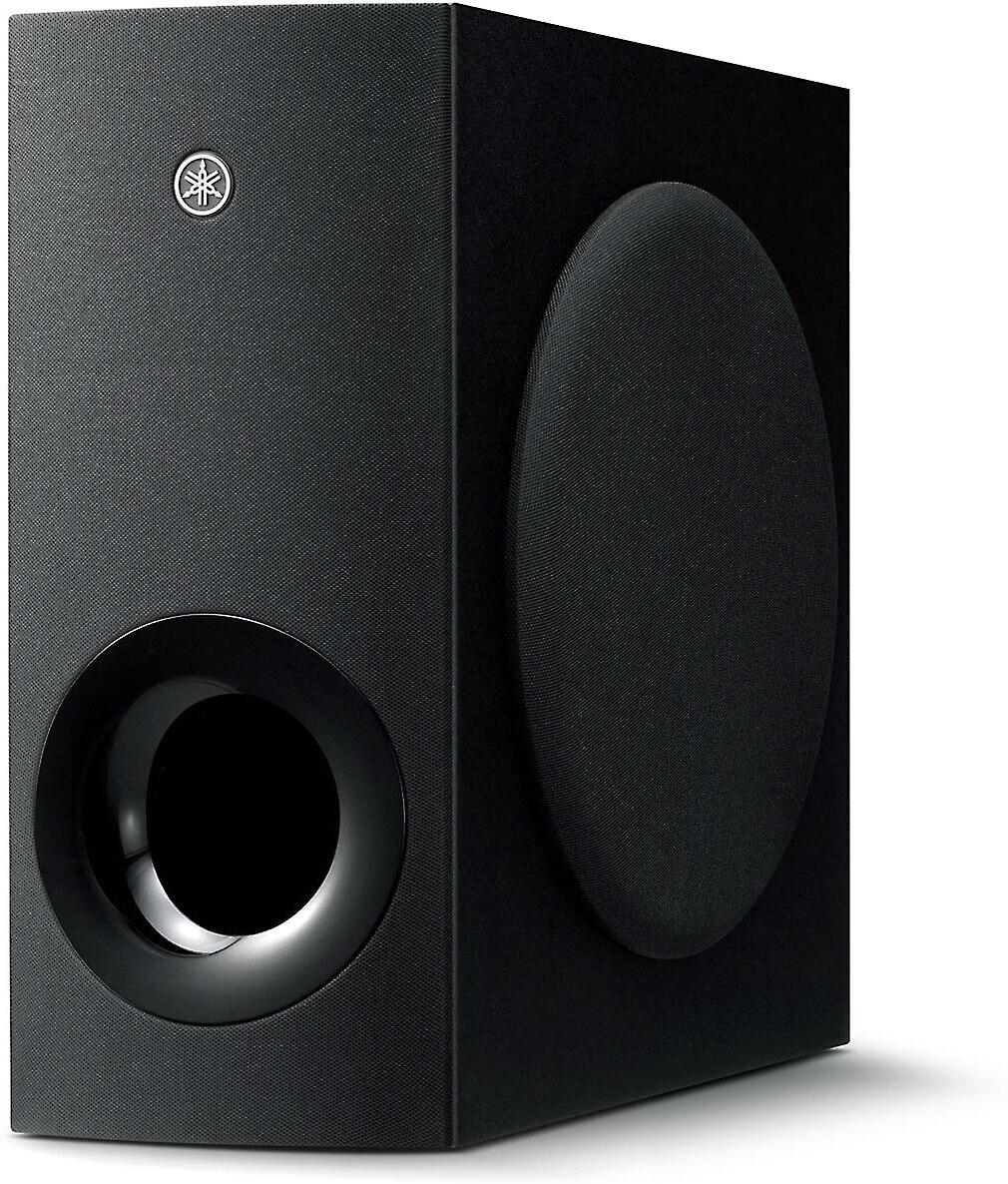
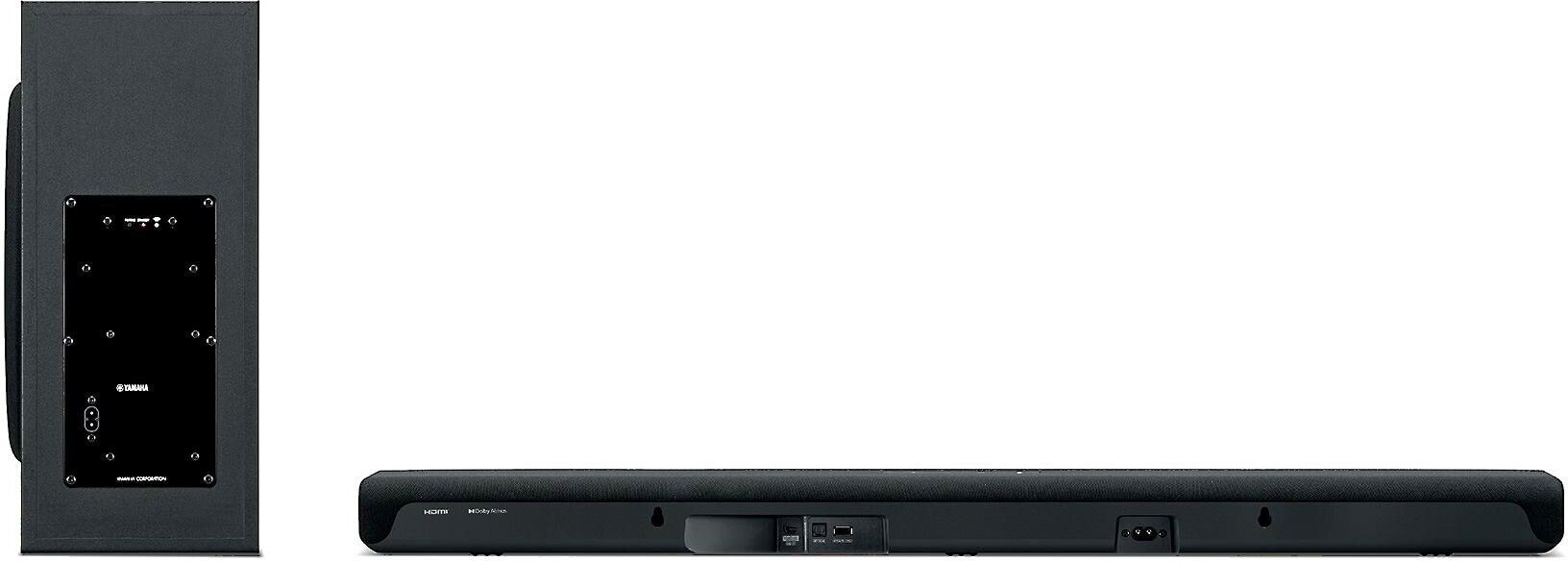
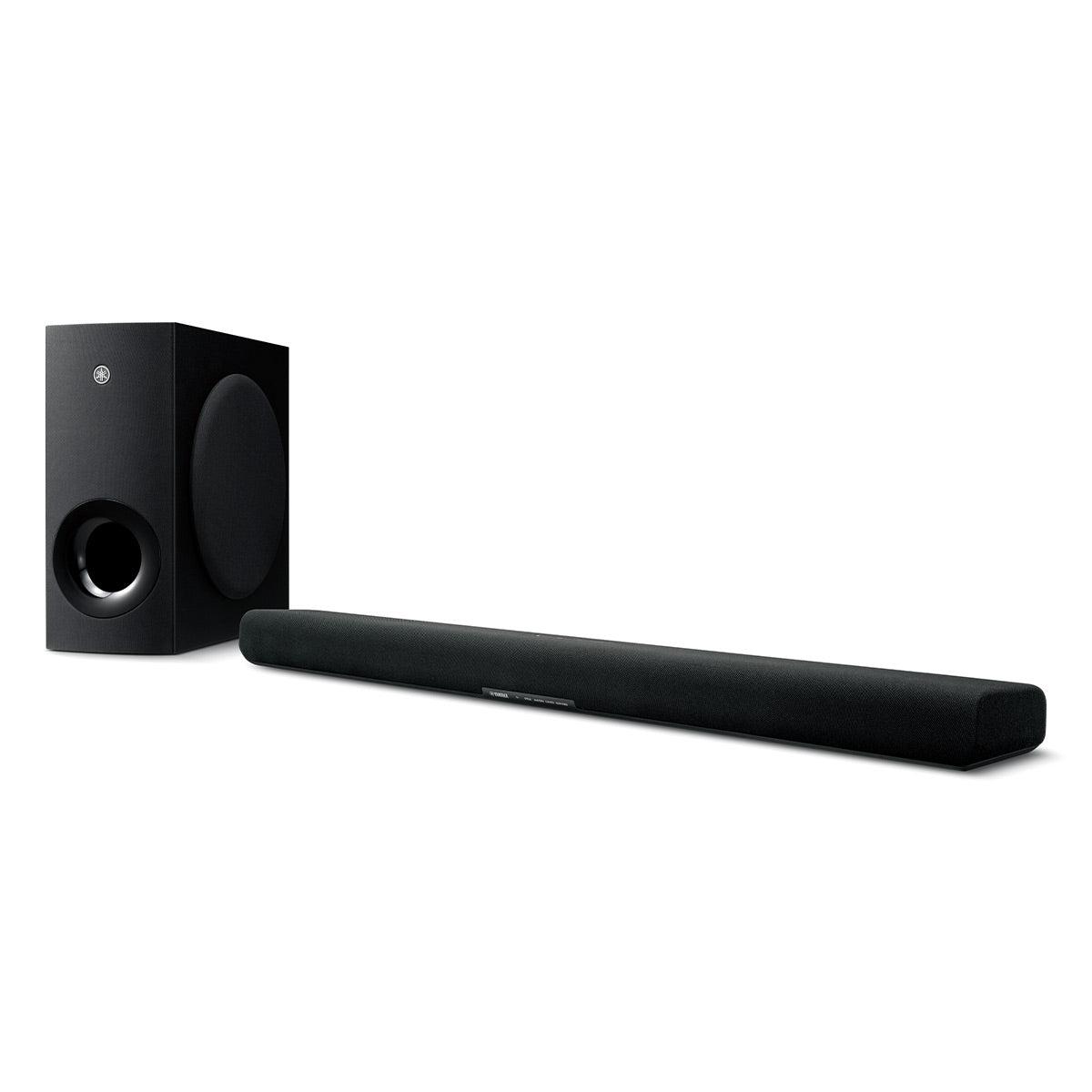
The subwoofer approach represents perhaps the most practical difference between these models. The SR-B40A includes a separate wireless subwoofer with a 6.25-inch driver, while the YAS-109 integrates dual 3-inch subwoofers directly into the soundbar.
Bass frequencies require significant air movement to produce properly – this is basic physics. Larger drivers can move more air with less distortion, which is why the SR-B40A's external subwoofer delivers noticeably deeper and more impactful low-end response. The specifications show the SR-B40A extends down to 34Hz, compared to the YAS-109's more limited low-frequency response around 170Hz.
This difference matters significantly for home theater use. Movie soundtracks rely heavily on low-frequency effects (LFE) – that's the ".1" channel in surround sound formats. When a T-Rex stomps in Jurassic Park or a starship's engines rumble in Star Wars, you're hearing content specifically designed for powerful subwoofers. The SR-B40A's external sub reproduces these effects with authority that the YAS-109's built-in drivers simply cannot match.
However, the YAS-109's integrated approach isn't without merit. Those dual 3-inch drivers provide perfectly adequate bass for dialogue-heavy content like TV shows and news. They also eliminate the need to find floor space for a separate subwoofer, which many apartment dwellers appreciate.
Raw power specifications tell only part of the story, but they're worth examining. The SR-B40A delivers 200 watts total system power (50W per front channel plus 100W to the subwoofer), while the YAS-109 provides 120 watts (30W per front channel plus 60W to the built-in subs).
More important than peak power is how cleanly each system handles dynamic range – the difference between the quietest and loudest sounds. The SR-B40A's higher power reserves mean it can reproduce sudden loud effects without distortion while maintaining clear dialogue during quiet scenes. This dynamic capability becomes crucial during movies with extensive dynamic range, like Christopher Nolan films known for their dramatic audio mixing.
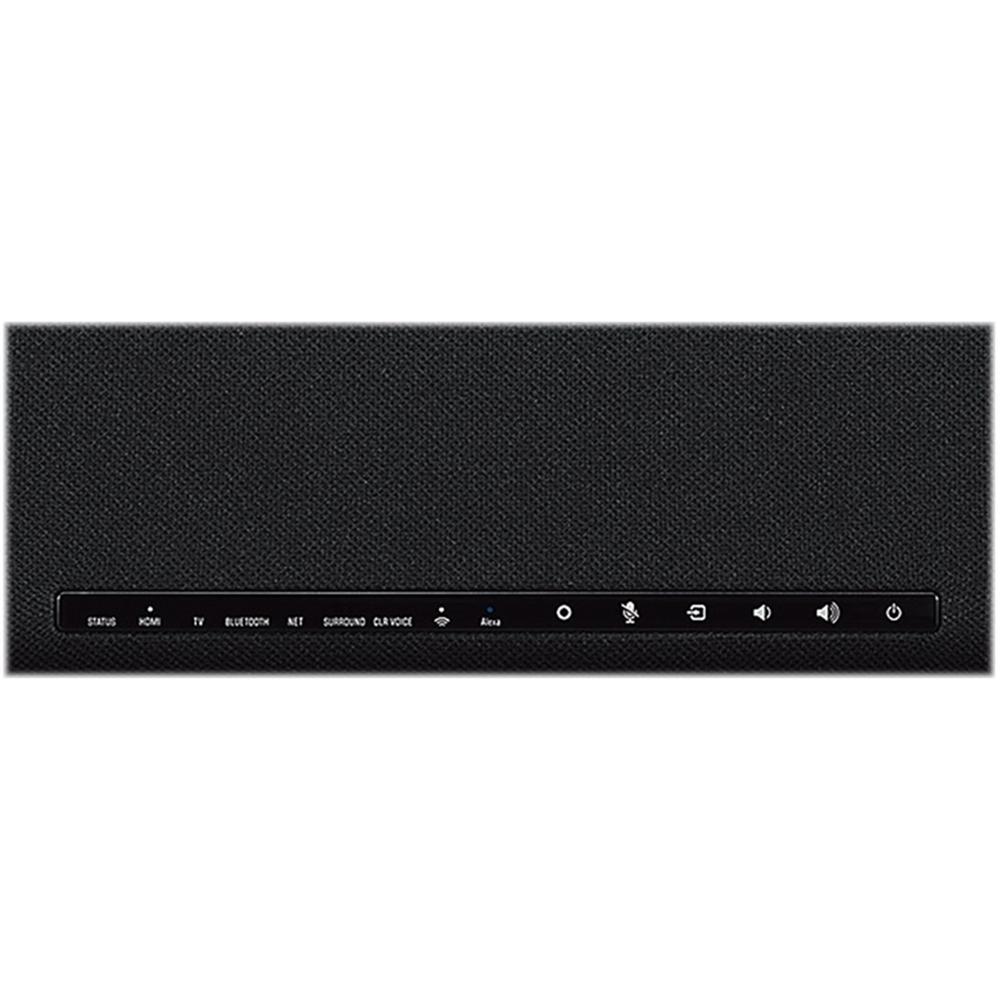
The YAS-109 gained significant attention for its built-in Alexa integration, which was relatively uncommon in 2020 soundbars. This isn't just a gimmick – having Alexa built directly into your soundbar means you can control volume, skip tracks, and manage smart home devices without reaching for a remote.
The implementation goes beyond basic voice commands. You can ask Alexa to play specific playlists from Amazon Music or Spotify, set sleep timers, or even control other smart devices while watching TV. The far-field microphone array works impressively well, picking up voice commands even during moderate volume playback.
The YAS-109 also includes Wi-Fi connectivity with Spotify Connect support, allowing direct streaming without requiring your phone to stay connected. This might seem minor, but it prevents audio interruptions when phone calls come in or when you leave the room with your device.
In contrast, the SR-B40A focuses entirely on audio performance, offering only Bluetooth connectivity for wireless streaming. This represents a clear design philosophy: maximize audio quality rather than smart features. For users who already have smart speakers or prefer using their TV's built-in streaming apps, this simplified approach can actually be preferable.
Both soundbars include dedicated game modes, but they approach gaming audio differently. The SR-B40A's Dolby Atmos processing provides genuine advantages for immersive gaming, particularly in titles specifically mixed for Atmos like Call of Duty and Assassin's Creed series.
The spatial awareness provided by Atmos can offer competitive advantages in online gaming. When footsteps approach from behind and slightly to the left, properly processed Atmos audio can help you pinpoint that location with surprising accuracy. This positional audio advantage becomes most apparent in first-person shooters and battle royale games.
The YAS-109's game mode focuses more on reducing audio latency – the delay between on-screen action and corresponding sound. While it can't match the SR-B40A's spatial precision, its lower processing overhead can actually benefit competitive gaming where every millisecond matters.
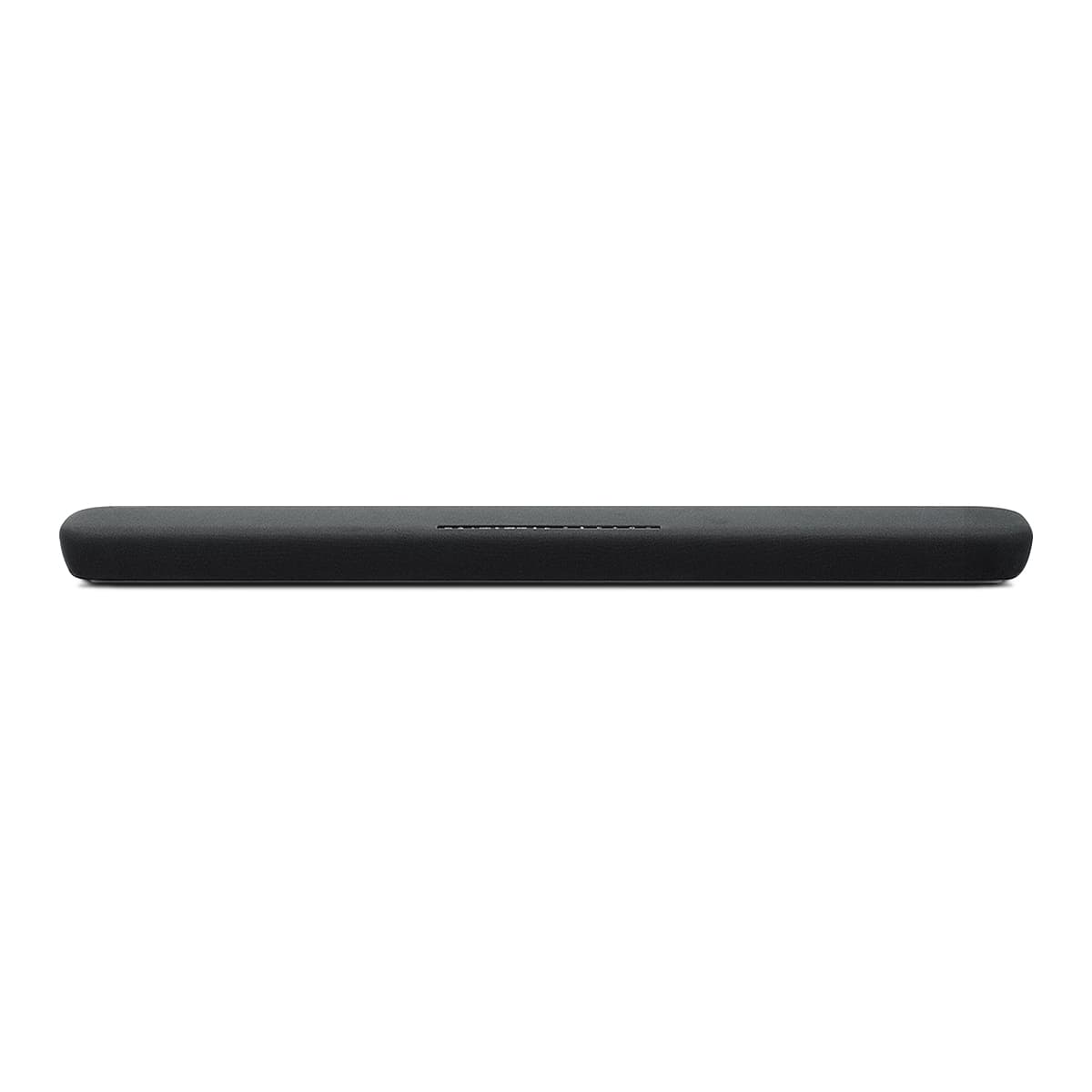
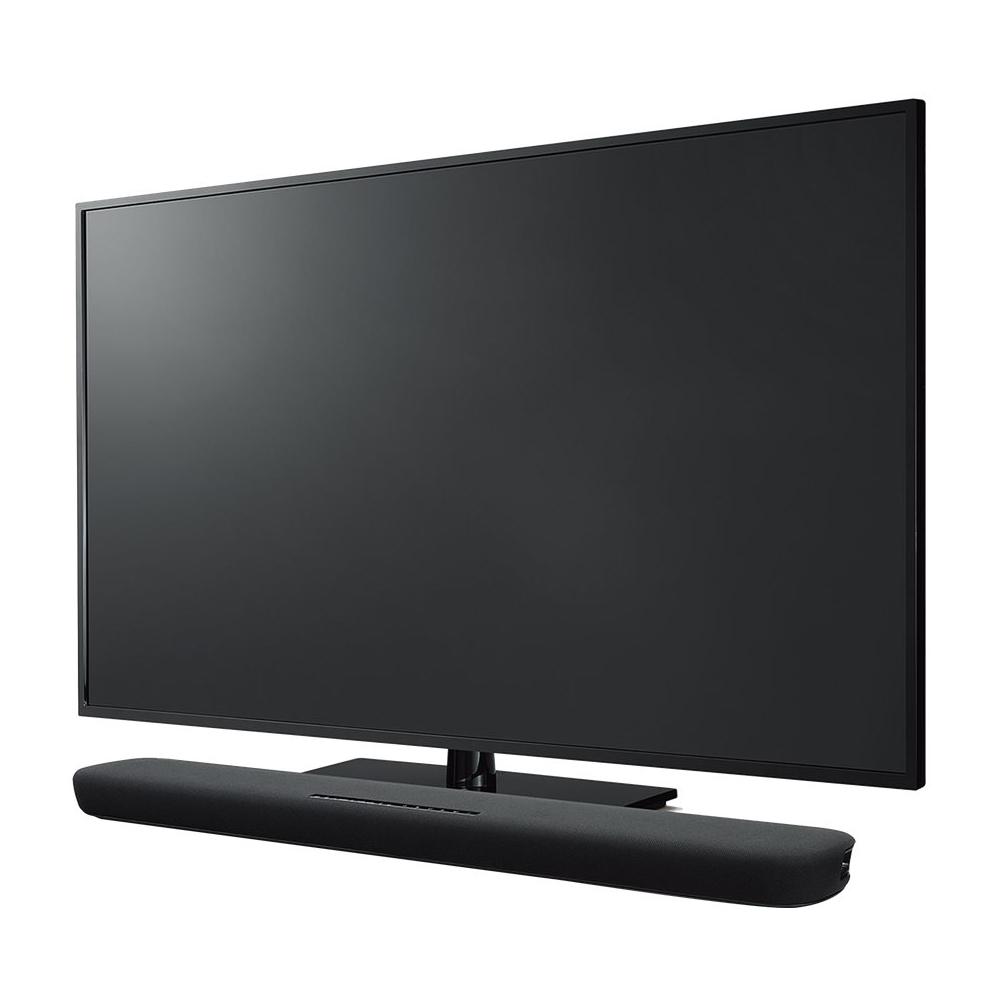
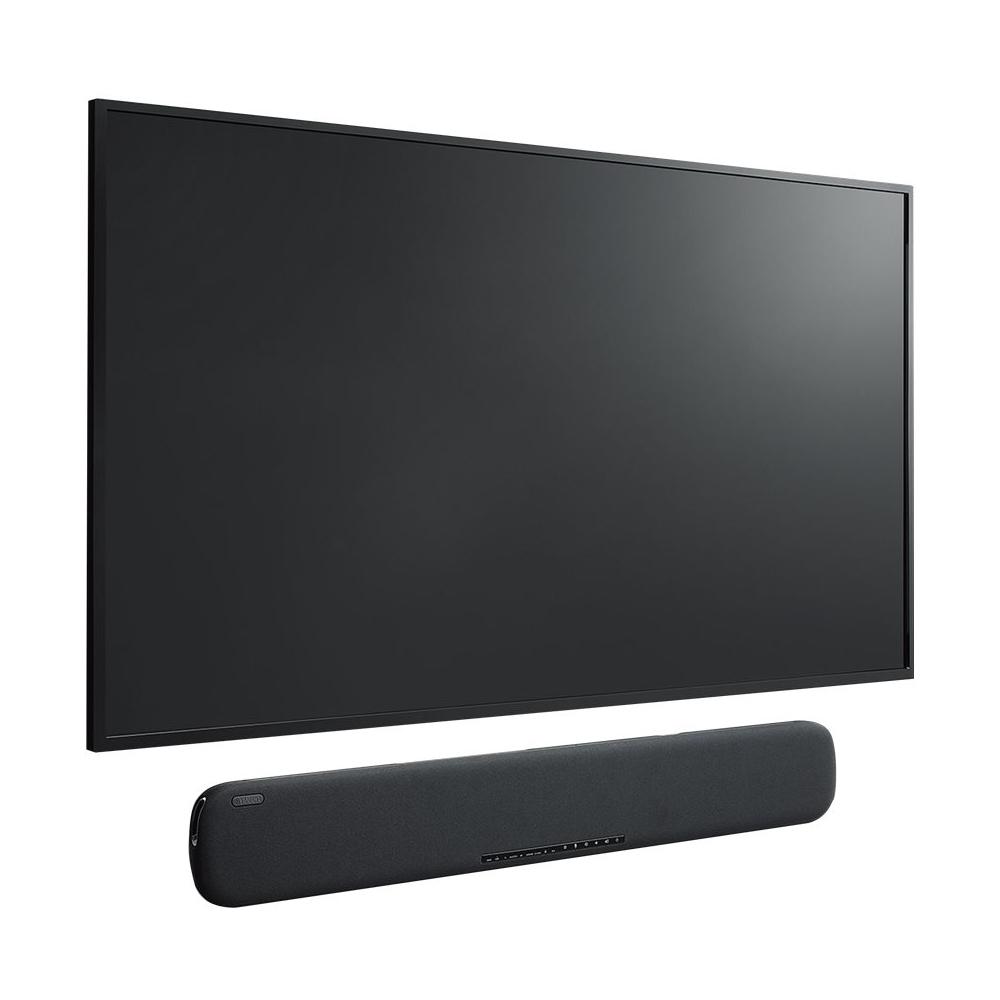
Room layout significantly impacts which soundbar makes more sense for your setup. The YAS-109's single-bar design measures 35 inches wide and fits neatly under most TVs without requiring additional floor space. This compact approach works particularly well in apartments, bedrooms, or any space where furniture placement is at a premium.
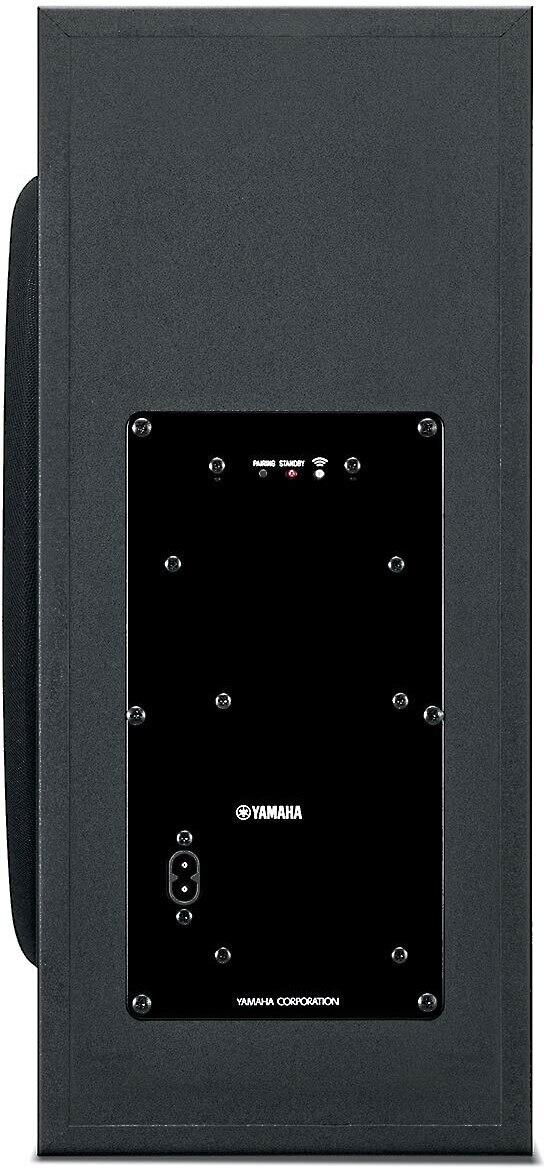
The SR-B40A's external subwoofer adds complexity but also flexibility. That wireless subwoofer can be placed anywhere within about 30 feet of the main bar, allowing you to optimize bass response for your specific room. In my experience, corner placement often provides the most impactful bass, but rooms with unusual layouts might benefit from different positioning.
Subwoofer placement affects more than just volume – it influences the entire bass character. Placing a subwoofer near walls or corners increases low-frequency output through boundary reinforcement, where reflected sound waves combine with direct output. However, some positions can create unwanted resonances or uneven bass response across different seating positions.
For dedicated home theater setups, the SR-B40A's Dolby Atmos capability becomes increasingly valuable. Modern streaming services like Netflix, Disney+, and Apple TV+ offer extensive Atmos content libraries, and the difference in presentation quality is substantial when you have proper decoding equipment.
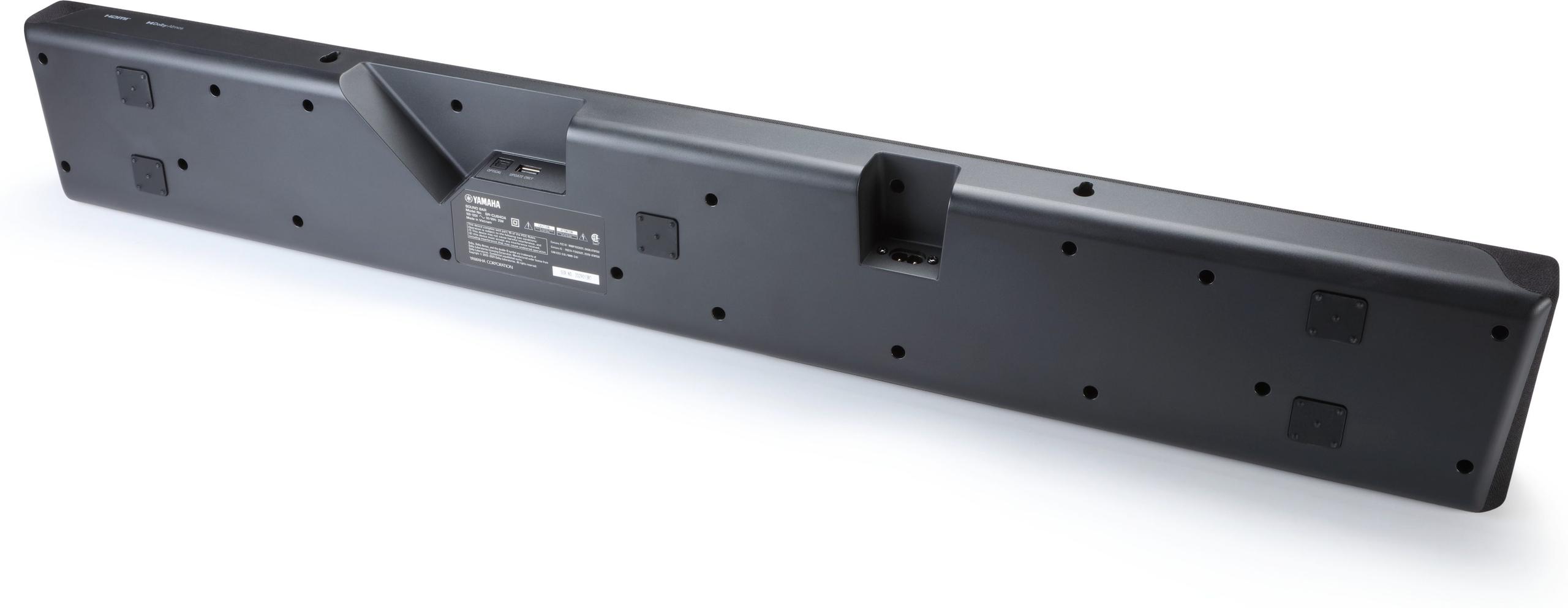
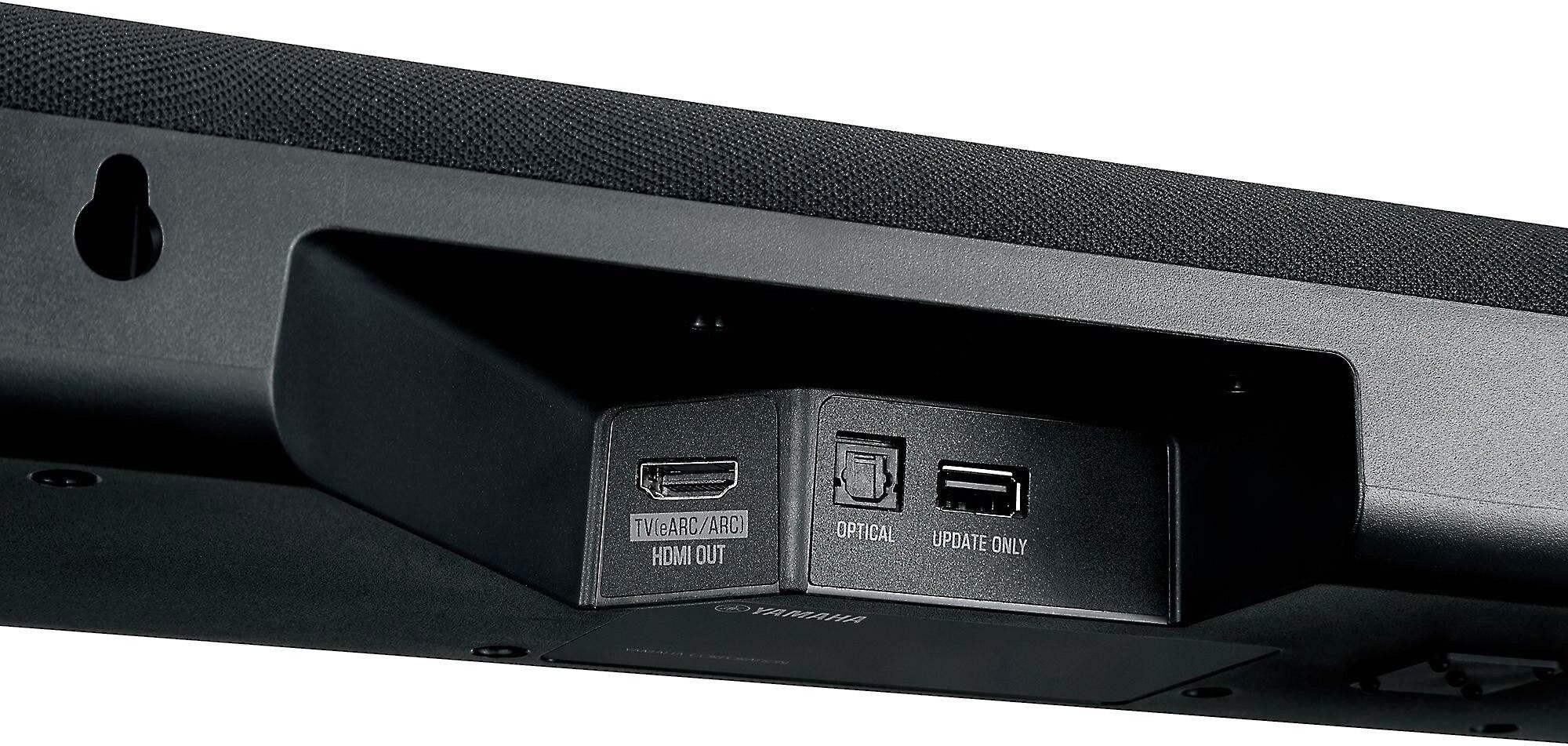
The SR-B40A's HDMI eARC (enhanced Audio Return Channel) connection supports the full bandwidth needed for uncompressed Atmos audio from your TV or streaming device. This matters because some older connectivity methods compress or downgrade the audio signal, reducing the effectiveness of spatial processing.
Room acoustics also play a larger role with the SR-B40A. Hard surfaces like tile floors and bare walls can enhance the effectiveness of Atmos processing by providing clean reflections that help create height effects. Heavily carpeted or furnished rooms might reduce some of these benefits, though the external subwoofer's bass impact remains consistent regardless of room treatment.
At $220, the YAS-109 represents exceptional value for users wanting a significant audio upgrade without breaking the budget. Its combination of decent sound quality, smart features, and space-saving design addresses the needs of most casual viewers. The built-in Alexa functionality adds value that extends beyond just audio playback.
The SR-B40A at $340 costs 55% more, but the performance improvements in critical areas like bass response and spatial audio can justify this premium for the right user. The question becomes whether those improvements matter enough for your specific use case and listening environment.
Consider your content consumption habits. If you primarily watch TV shows, news, and casual YouTube content, the YAS-109's clear dialogue reproduction and convenient features might provide better practical value. However, if you regularly watch action movies, play immersive games, or listen to music through your TV setup, the SR-B40A's superior audio capabilities become increasingly worthwhile.
The SR-B40A's 2024 release includes more current connectivity standards and audio processing, potentially offering better compatibility with future devices and content formats. Dolby Atmos continues gaining adoption across streaming platforms, gaming consoles, and even music streaming services, suggesting this investment might remain relevant longer.
The YAS-109's 2020 technology remains quite capable, but some limitations have become more apparent over time. Its HDMI implementation supports 4K passthrough but lacks some of the newest gaming features like Variable Refresh Rate (VRR) support that newer consoles utilize.
Want true cinematic audio quality and have the space for an external subwoofer. This soundbar excels when you regularly watch movies, play immersive games, or listen to music through your TV setup. The Dolby Atmos processing and powerful external subwoofer create a genuinely engaging audio experience that can transform movie nights and gaming sessions.
The higher price becomes justified when audio quality is your primary concern, and you don't need smart features since you likely already have voice assistants or smart TV capabilities handling those functions.
Live in a space-constrained environment or prefer simple, all-in-one solutions. The built-in Alexa and Wi-Fi connectivity add genuine convenience for daily use, while the integrated subwoofers provide adequate bass improvement over TV speakers without requiring additional floor space.
This model makes particular sense for apartment dwellers, casual viewers, or anyone who values convenience features alongside decent audio improvement.
Both soundbars succeed in their intended markets, but they serve different priorities. The SR-B40A delivers superior audio performance that justifies its premium pricing for dedicated listening, while the YAS-109 provides excellent everyday value with smart features that enhance daily usability.
Your decision ultimately comes down to whether you prioritize audio excellence or convenience features, and whether your space and budget can accommodate the SR-B40A's external subwoofer and higher price. Either choice represents a significant upgrade over built-in TV speakers, but understanding these differences ensures you'll choose the option that best matches your specific needs and expectations.
| Yamaha SR-B40A | Yamaha YAS-109 |
|---|---|
| Price - 55% difference reflects audio quality focus vs convenience features | |
| $340 | $220 |
| Audio Technology - Core difference in spatial sound approach | |
| Dolby Atmos (true 3D object-based audio) | DTS Virtual:X (simulated surround sound) |
| Subwoofer Design - Major impact on bass quality and room requirements | |
| External wireless 6.25" subwoofer (100W) | Built-in dual 3" subwoofers (60W) |
| Total Power Output - Higher power enables cleaner dynamics | |
| 200W (50W × 2 + 100W sub) | 120W (30W × 2 + 60W sub) |
| Smart Features - YAS-109 wins for convenience, SR-B40A focuses purely on audio | |
| None (Bluetooth only) | Built-in Alexa + Wi-Fi + Spotify Connect |
| Bass Extension - Deeper bass creates more immersive movie experience | |
| Down to 34Hz (external sub advantage) | Limited to ~170Hz (built-in driver limitation) |
| Space Requirements - Key practical consideration for room placement | |
| Requires floor space for subwoofer | Single bar design, no additional space needed |
| Gaming Performance - Atmos provides competitive advantage in spatial awareness | |
| Dolby Atmos gaming mode with positional audio | Low-latency game mode, less spatial precision |
| Release Date - Newer tech in SR-B40A, proven reliability in YAS-109 | |
| 2024 (latest connectivity standards) | 2020 (mature, well-supported platform) |
| Best For - Clear use case differentiation | |
| Home theater enthusiasts, larger rooms, audio quality priority | Apartment living, smart home users, convenience priority |
The Yamaha SR-B40A is significantly better for movies due to its Dolby Atmos technology and external wireless subwoofer. Dolby Atmos creates true 3D audio effects that make you feel like you're inside the movie, while the powerful external subwoofer delivers deep bass for action scenes. The YAS-109 is adequate for casual movie watching but can't match the cinematic experience of the SR-B40A.
For a dedicated home theater, choose the SR-B40A. Its Dolby Atmos technology and powerful external subwoofer create a true cinematic experience that justifies the higher price. The YAS-109 is better for everyday TV watching in living rooms where convenience and smart features matter more than ultimate audio quality.
We've done our best to create useful and informative comparisons to help you decide what product to buy. Our research uses advanced automated methods to create this comparison and perfection is not possible - please contact us for corrections or questions. These are the sites we've researched in the creation of this article: crutchfield.com - visions.ca - shop.usa.yamaha.com - bestbuy.com - bestbuy.com - usa.yamaha.com - my.yamaha.com - europe.yamaha.com - adorama.com - usa.yamaha.com - digitalhomecreations.com - europe.yamaha.com - sundownone.com - rtings.com - crutchfield.com - usa.yamaha.com - digitaltrends.com - tomsguide.com - listenup.com - youtube.com - usa.yamaha.com - hub.yamaha.com - youtube.com - hub.yamaha.com

Privacy Policy
Terms and Conditions - Affiliate Policy
Home Security
© Copyright 2008-2026.
11816 Inwood Rd #1211, Dallas, TX 75244