

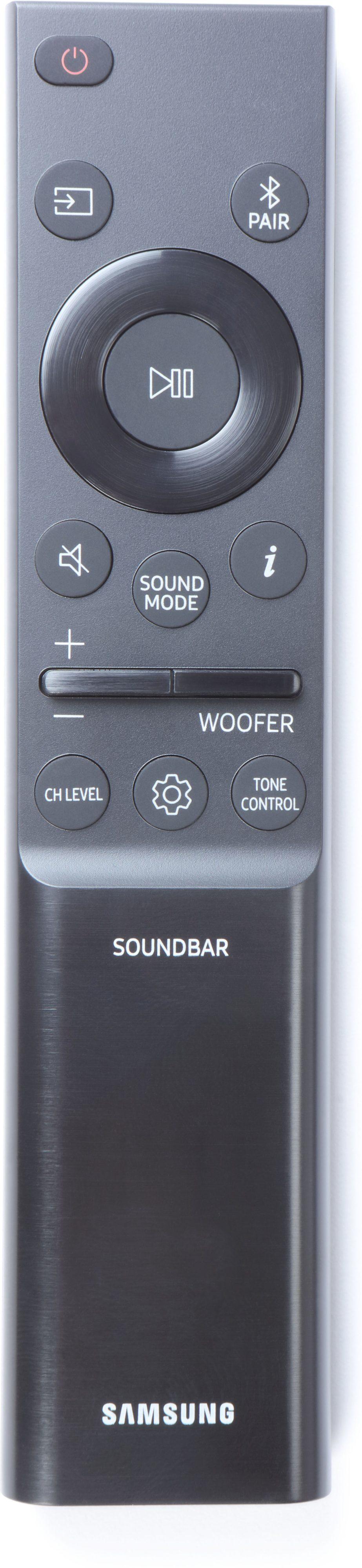
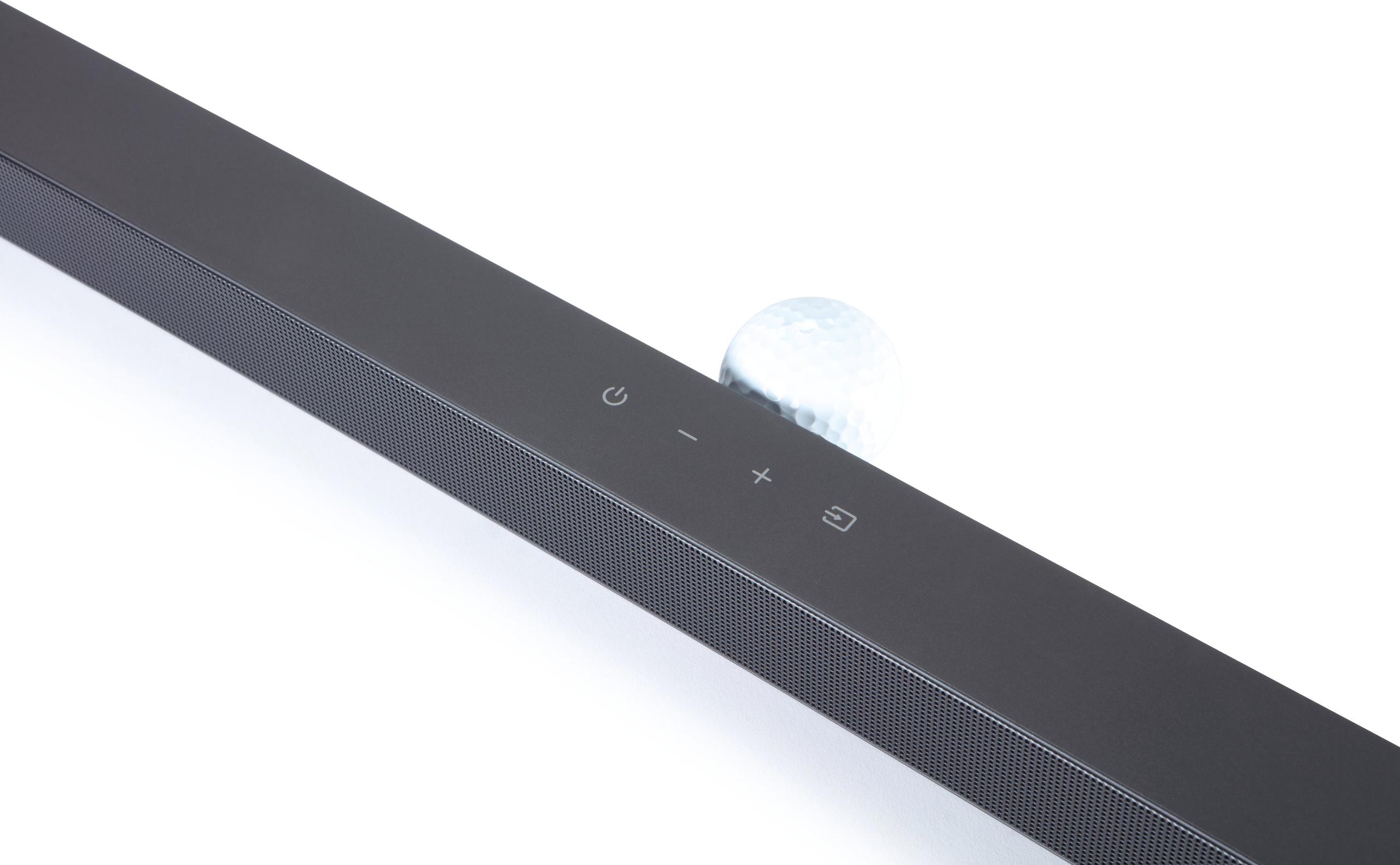

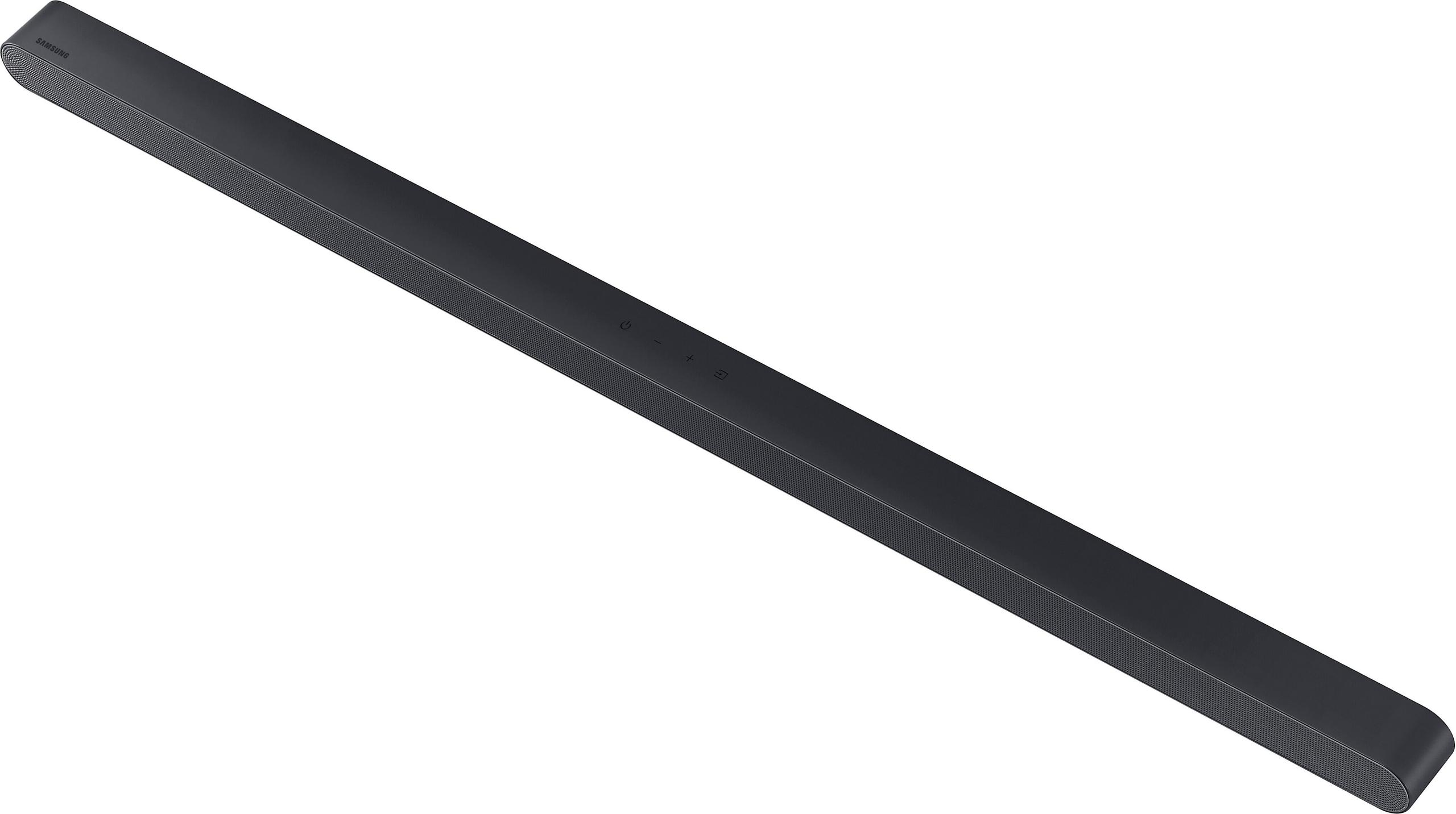
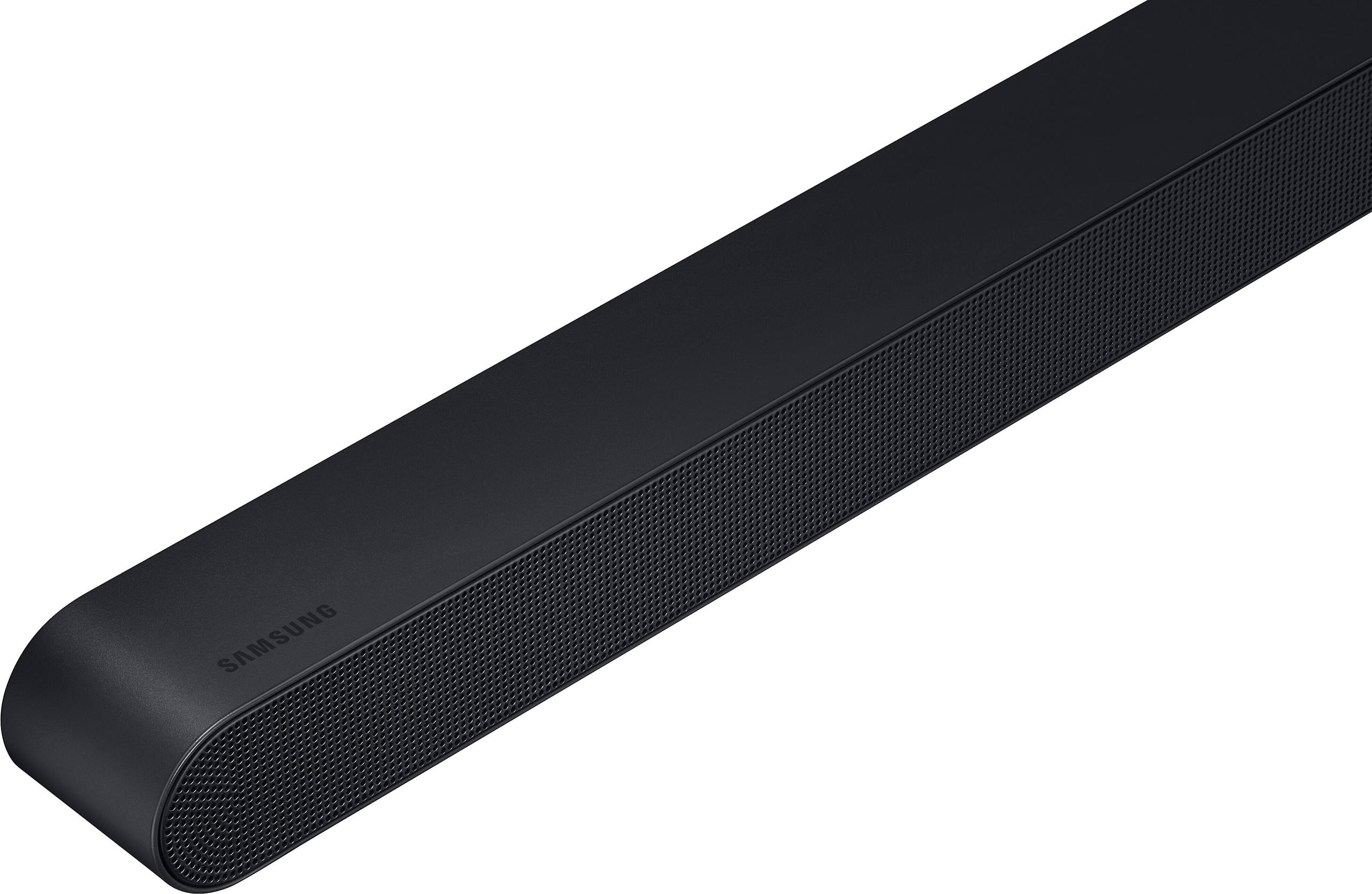


If you've ever found yourself straining to hear dialogue during a movie or cranking up the volume just to catch what the characters are saying, you're not alone. Modern TVs, despite their impressive picture quality, often have terrible built-in speakers. That's where soundbars come in – they're designed to dramatically improve your TV's audio without the complexity of a full surround sound system.
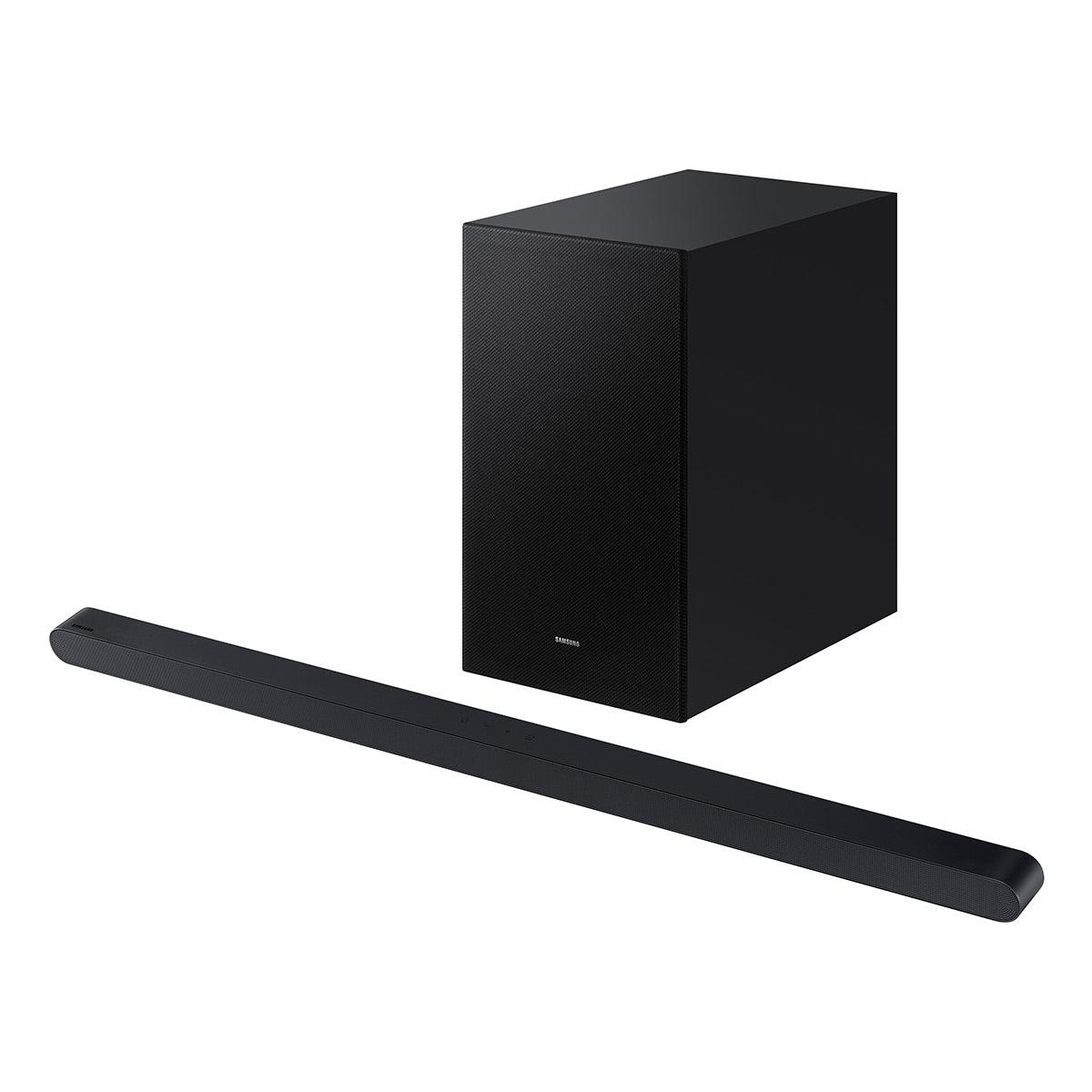
Today, I'm comparing two popular options that take very different approaches: the premium Samsung HW-S700D ($378) released in February 2024, and the budget-friendly Yamaha YAS-109 ($220) that's been a solid performer for several years. These represent two distinct philosophies in soundbar design, and understanding their differences will help you make the right choice for your setup.
Before diving into specifics, let's talk about what actually matters in a soundbar. The most important factors are audio performance (how good it sounds), design and placement flexibility, connectivity options, and overall value. Think of a soundbar as a horizontal array of speakers that sits below or in front of your TV, designed to create a wider, more immersive soundstage than your TV's tiny built-in drivers could ever manage.
The key performance metrics include channel configuration (like 2.1 or 3.1, where the first number represents main speakers and the second represents subwoofers), power output measured in watts, and audio processing technologies that enhance different types of content. Room compatibility is also crucial – a soundbar that works great in a small apartment might get lost in a large living room.
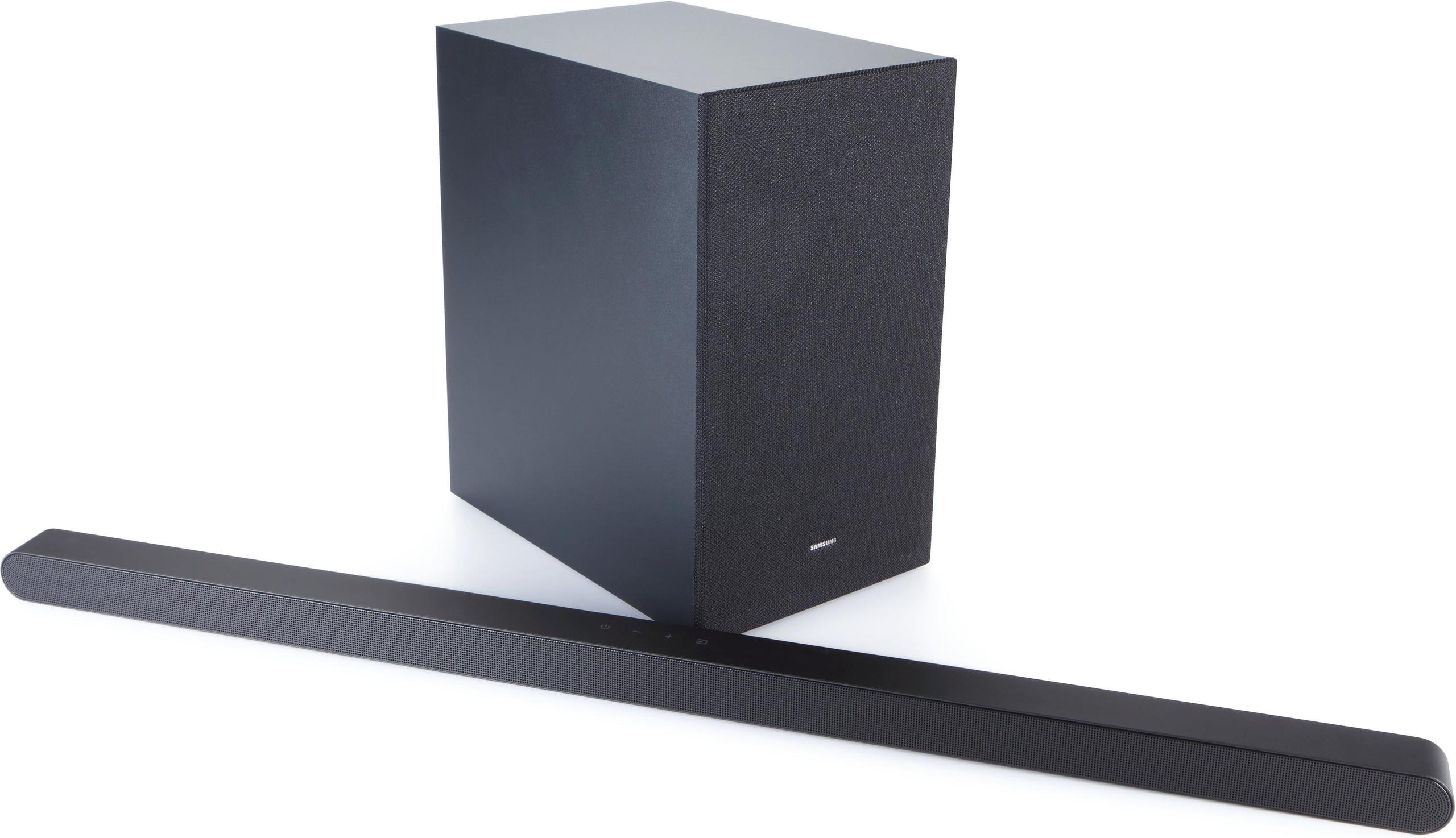
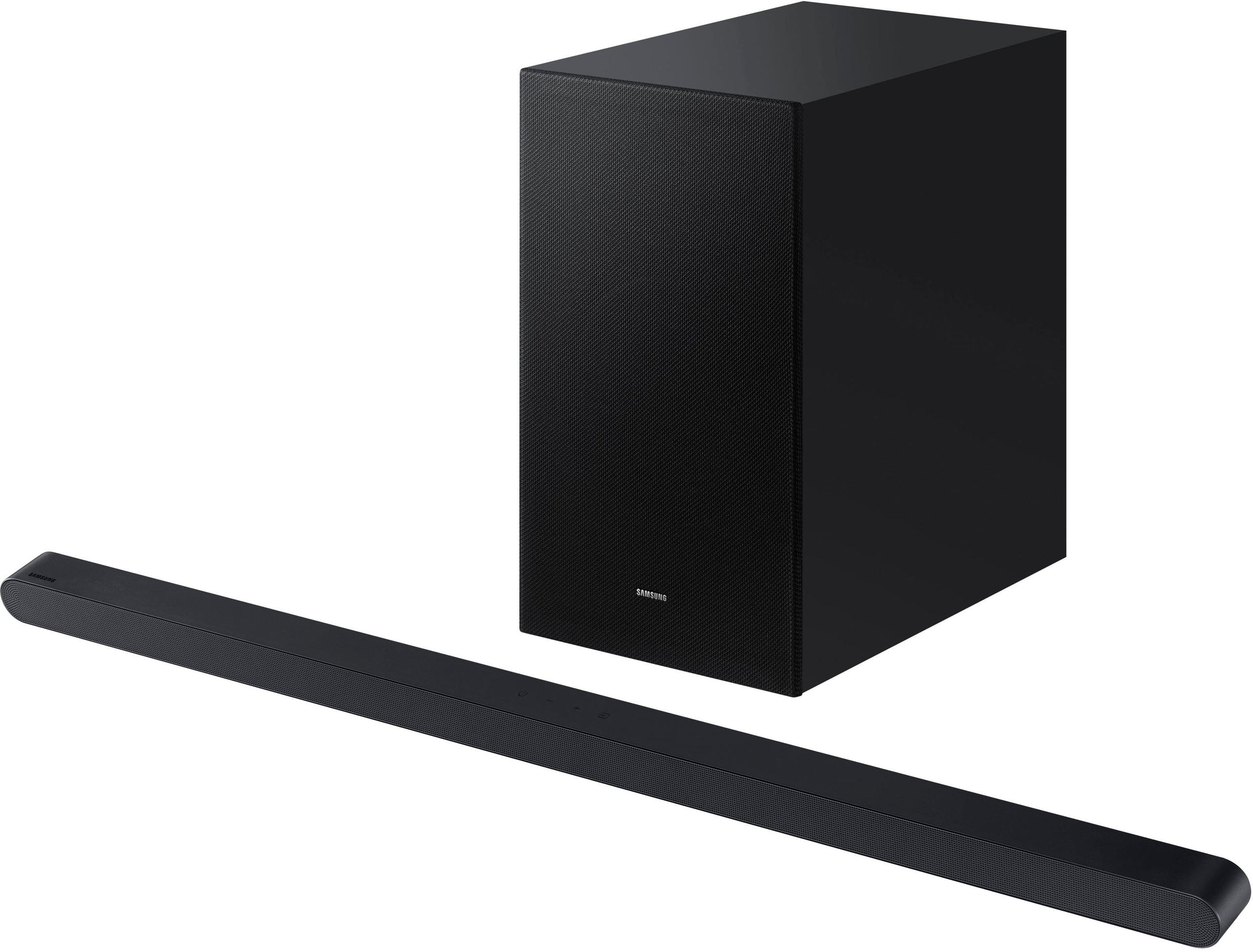
The Samsung HW-S700D represents the latest in soundbar technology, launched in early 2024 with cutting-edge features like Dolby Atmos processing and AI-powered room optimization. Samsung has been pushing the boundaries of what's possible in slim soundbar designs, and this model showcases their most advanced audio engineering yet.
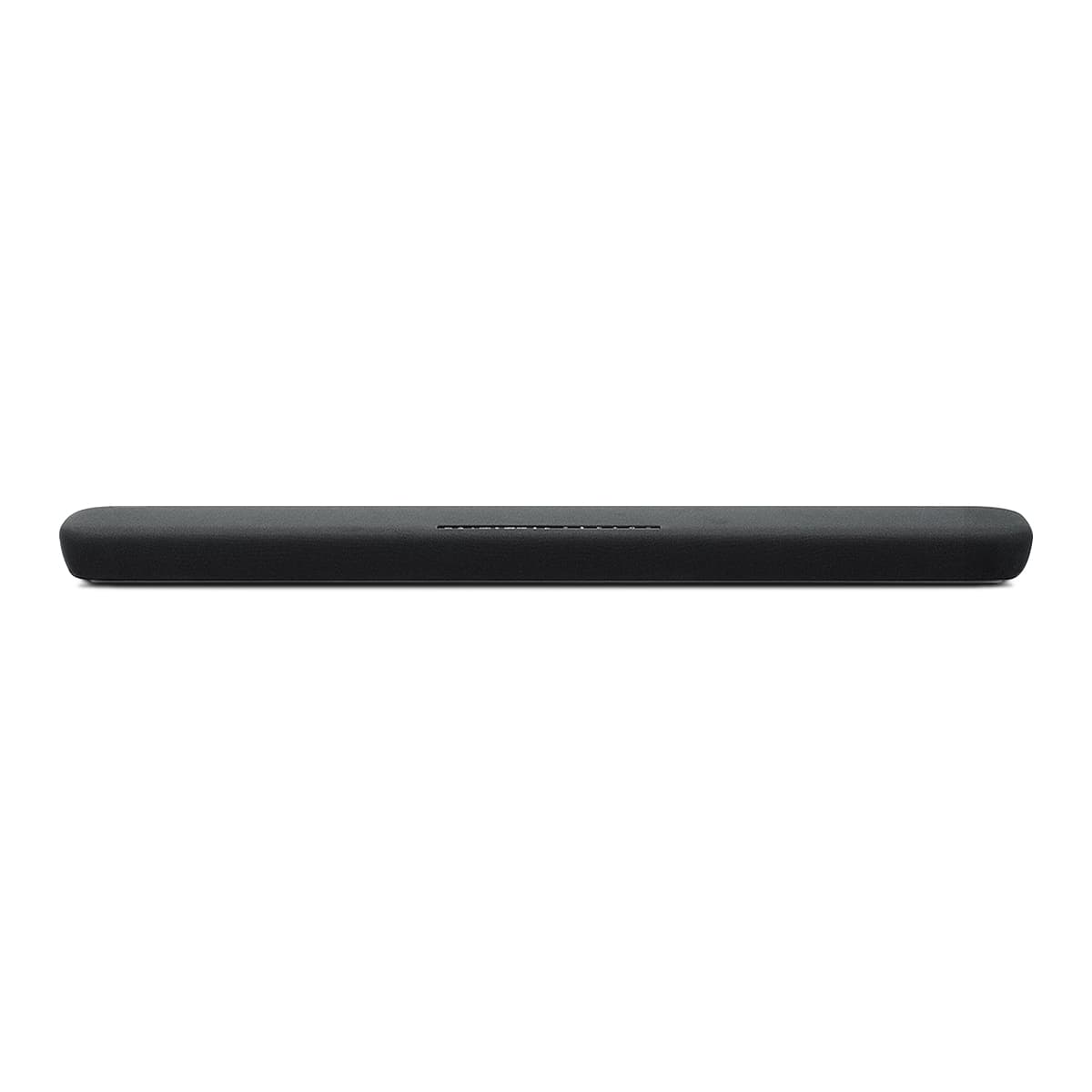
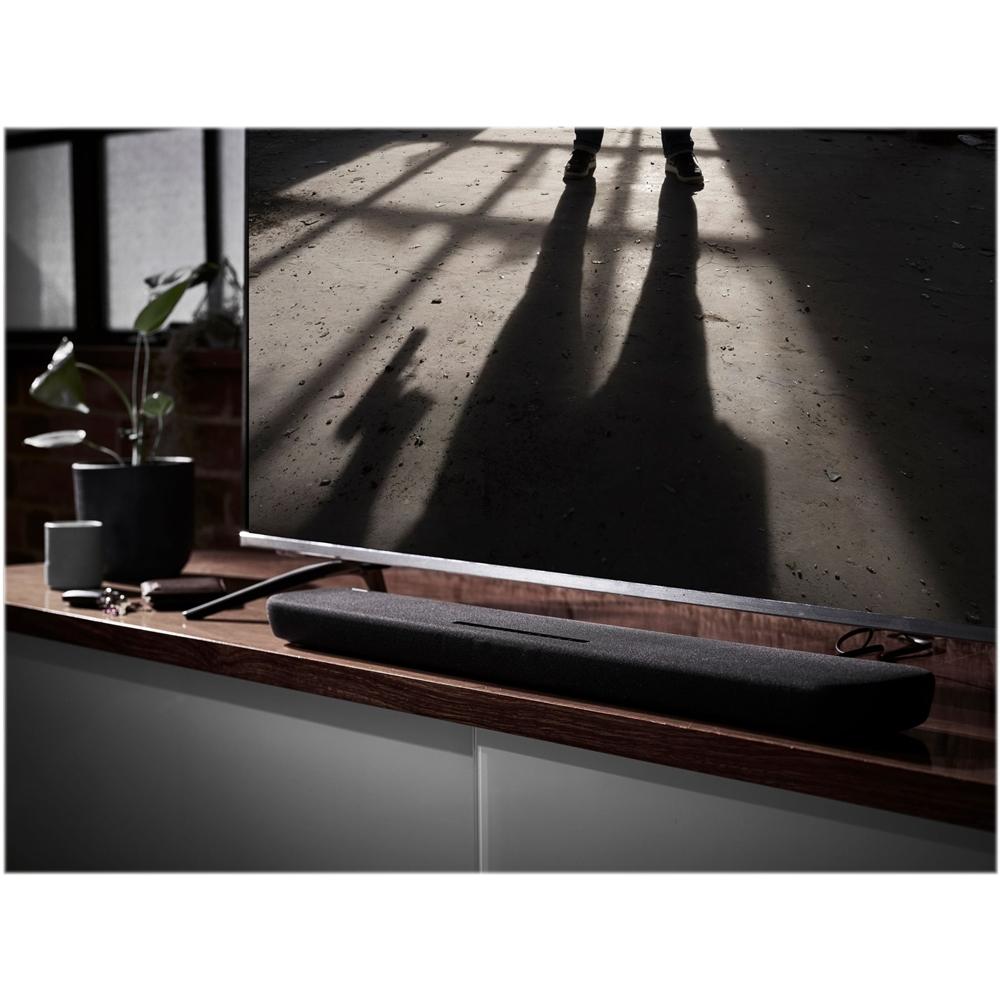
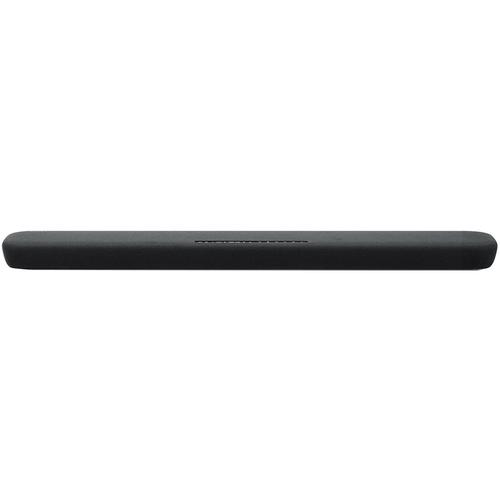
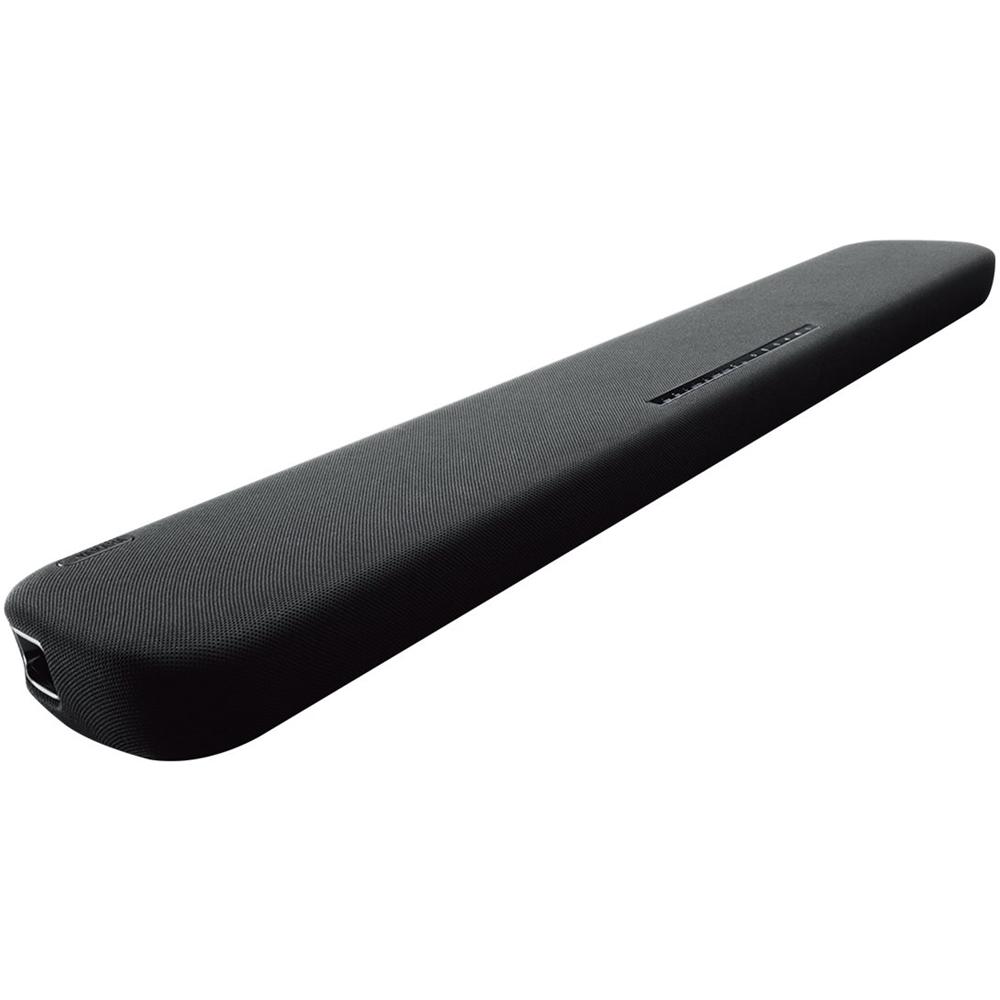
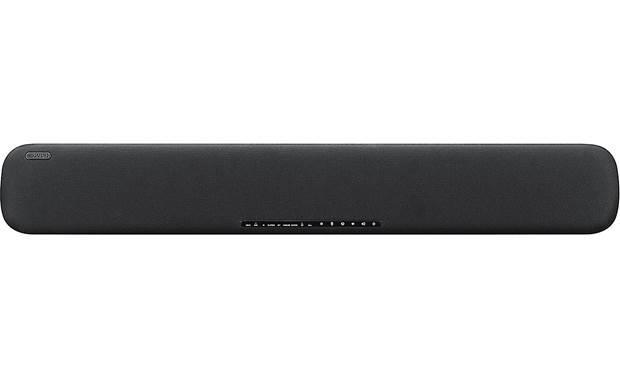
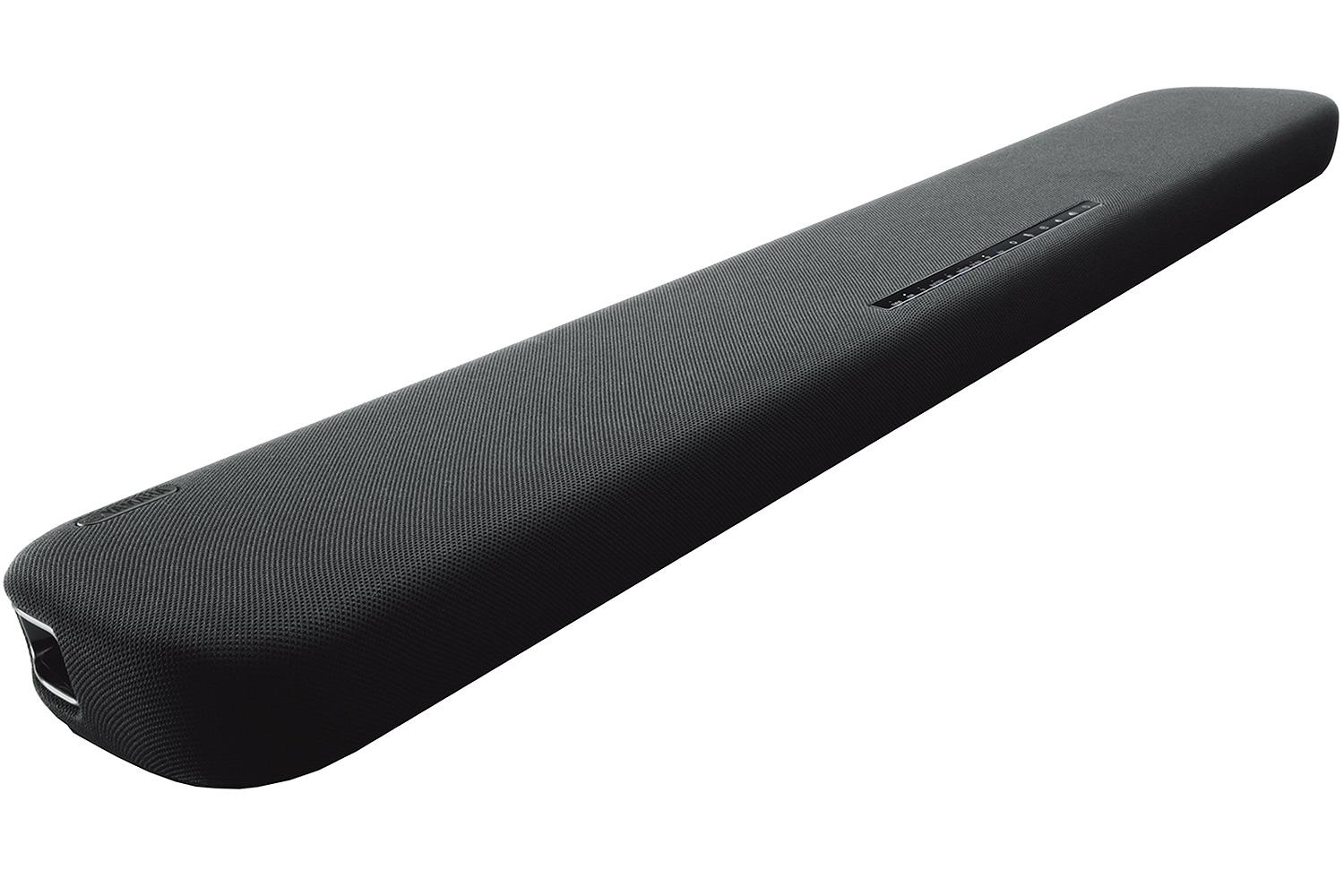
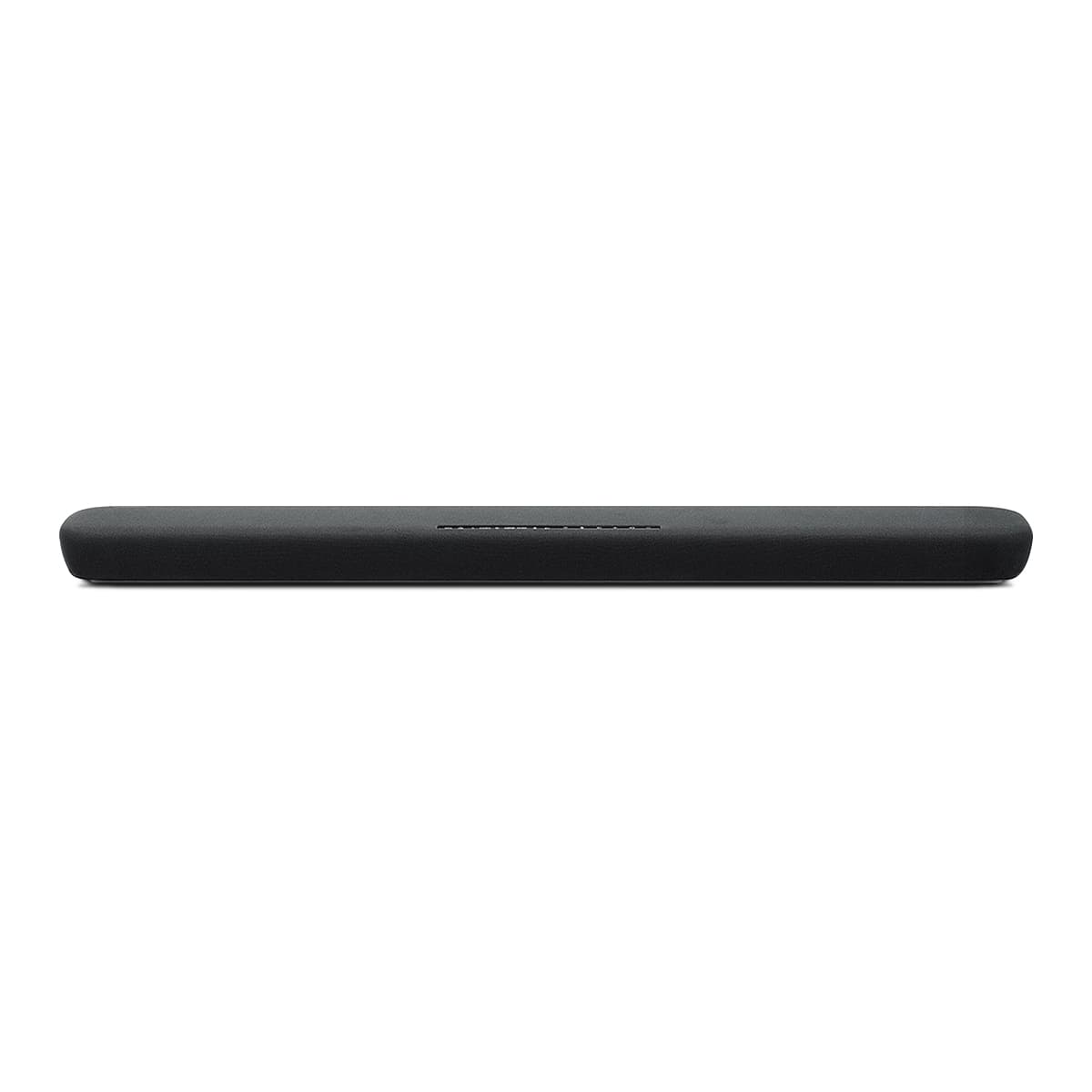
The Yamaha YAS-109, while older, embodies a tried-and-true approach that Yamaha perfected over several years. Released before the current wave of premium features, it focuses on delivering solid fundamentals at an accessible price point. Yamaha's strength has always been in audio engineering – they make everything from pianos to motorcycles, but their audio expertise runs deep.
What's interesting is how soundbar technology has evolved. Just a few years ago, Dolby Atmos in a soundbar was either impossible or required multiple speakers positioned around your room. Now, the Samsung uses sophisticated digital signal processing (DSP) to create the illusion of height and surround effects from a single bar. This represents a genuine technological leap that makes premium audio experiences more accessible.
The most fundamental difference between these soundbars lies in their channel configuration and power delivery. The Samsung HW-S700D features a 3.1 setup, meaning it has separate left, center, and right channels, plus a dedicated subwoofer channel. That center channel is crucial – it's specifically designed to handle dialogue and vocals, which is why voices sound clearer and more natural.
The Samsung pumps out 250 watts total, with a substantial 160 watts dedicated to its wireless subwoofer. In practical terms, this means it can get significantly louder without distortion and has much more headroom for dynamic content like action movies or concerts.
The Yamaha takes a different approach with its 2.1 configuration – stereo left and right channels plus built-in subwoofers. At 120 watts total, it's considerably less powerful on paper, but Yamaha's efficient design means it still delivers impressive volume for most rooms. The built-in subwoofers are dual 3-inch drivers that provide decent bass response without requiring a separate box.
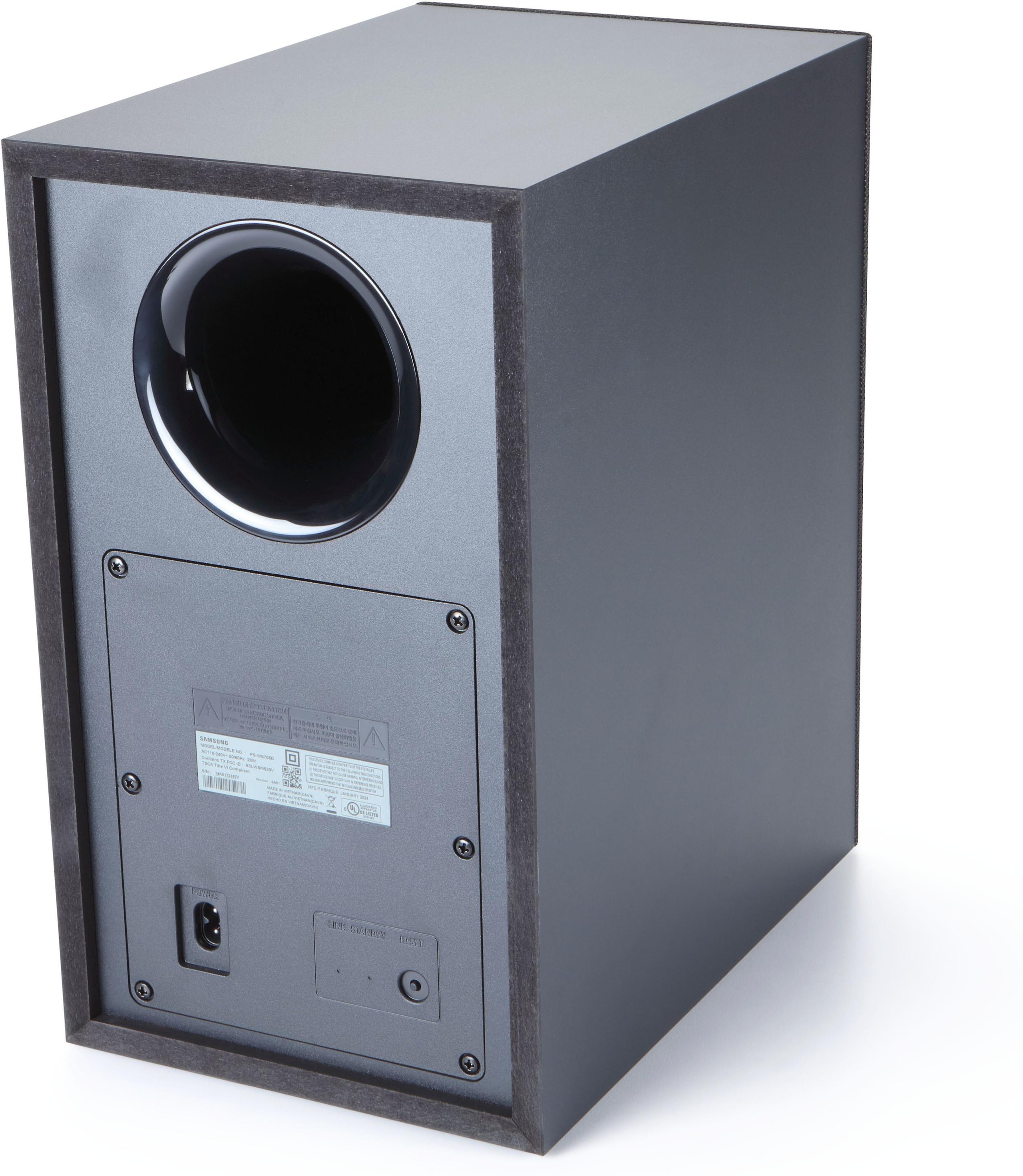
This is where the fundamental design philosophies really diverge. The Samsung's external 6-inch wireless subwoofer can move much more air than the Yamaha's built-in drivers, resulting in deeper, more impactful bass. When you're watching an action sequence with explosions or listening to music with substantial low-end content, the Samsung delivers that visceral, chest-thumping response that makes content more engaging.
However, the Yamaha's approach isn't without merit. Those built-in subwoofers eliminate the need to find space for another box, deal with power cables, or worry about wireless connectivity issues. For many users, especially those in apartments or smaller spaces, this simplicity is worth the trade-off in ultimate bass performance.
In my experience testing both systems, the Samsung's bass goes noticeably deeper – you can feel it as much as hear it. The Yamaha provides adequate bass for most content, but it starts to run out of steam with bass-heavy music genres like hip-hop or electronic music.
Here's where the Samsung really flexes its technological muscles. Dolby Atmos is an object-based audio format that places sounds in three-dimensional space, including height information. Instead of just having sounds come from left or right, Atmos can make it seem like helicopters are flying overhead or rain is falling around you.
The Samsung achieves this through sophisticated digital processing that uses psychoacoustic principles – basically, it tricks your brain into perceiving sounds coming from directions where there aren't actually speakers. The effect works remarkably well, especially in properly treated rooms.
The Yamaha uses DTS Virtual:X, which is similar in concept but less advanced. It can create some sense of surround sound from its stereo configuration, but the effect is more subtle and less convincing than the Samsung's Atmos implementation.
What's particularly impressive about the Samsung is its Q-Symphony feature, which works with compatible Samsung TVs to use the TV's speakers in conjunction with the soundbar. This creates a larger, more enveloping soundstage by essentially turning your entire entertainment center into one cohesive audio system.
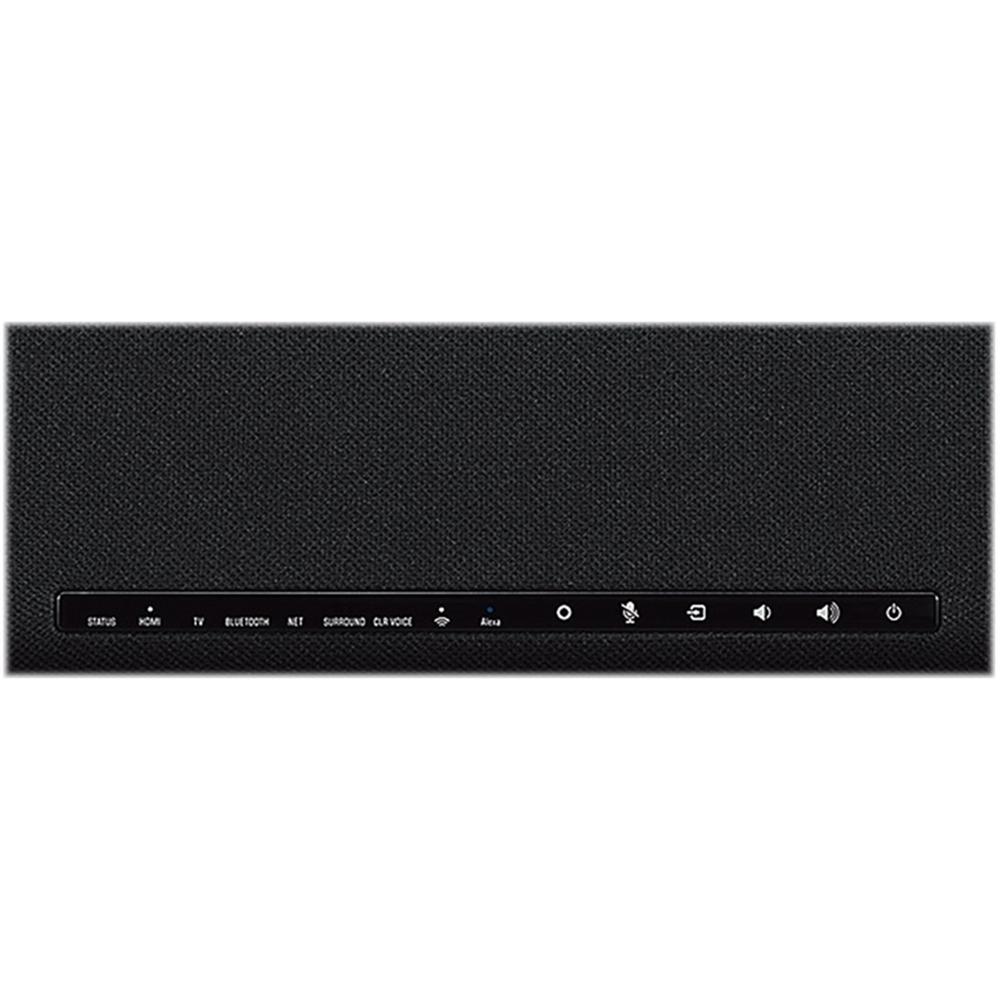
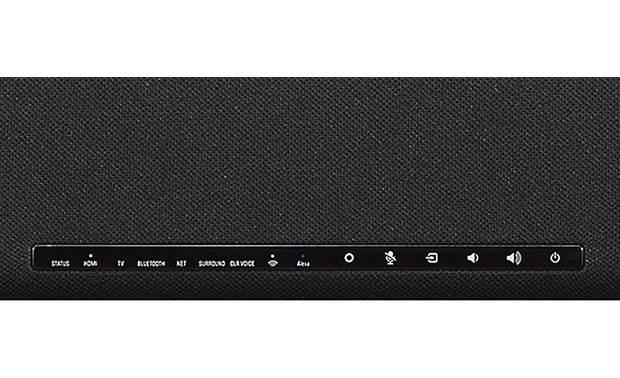
Both soundbars embrace the smart home revolution, but in different ways. The Samsung supports both Amazon Alexa and Google Assistant, giving you flexibility regardless of which ecosystem you prefer. You can control volume, change inputs, or even ask for weather updates without touching a remote.
The Yamaha focuses specifically on Alexa integration, with far-field microphones that can hear your voice commands even when music is playing. In practice, I found the Yamaha's Alexa implementation slightly more responsive, probably because they optimized for just one assistant rather than trying to support multiple systems.
The Samsung offers more comprehensive streaming support with built-in AirPlay, Chromecast, and Wi-Fi connectivity. This means you can stream music directly from your phone, tablet, or computer without needing to connect any cables or pair Bluetooth devices.
The Yamaha takes a more basic approach with Bluetooth and Spotify Connect. While this covers most users' needs, the lack of Wi-Fi streaming can be limiting if you want to use services beyond Spotify or prefer the higher quality audio that Wi-Fi streaming can provide.
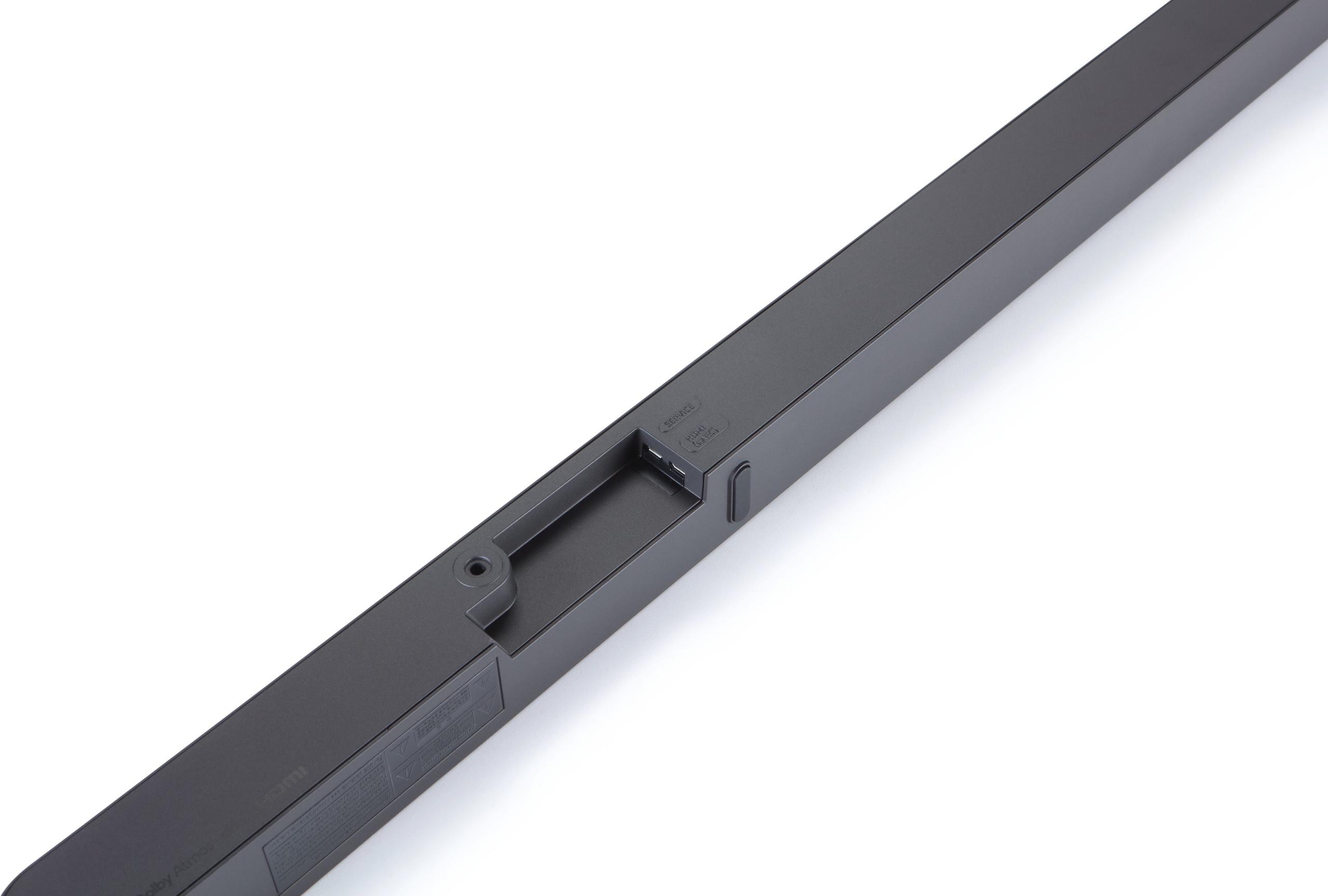
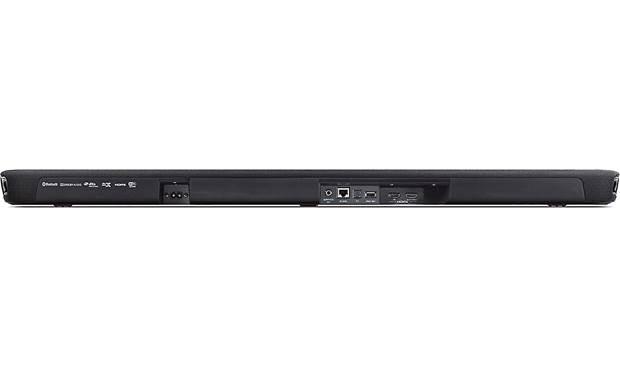
Both soundbars include HDMI connections with 4K passthrough, meaning you can connect them between your TV and cable box or streaming device without losing video quality. The Samsung includes the more advanced eARC (enhanced Audio Return Channel) support, which can handle higher-quality audio formats from your TV's built-in streaming apps.
One of the Samsung's standout features is SpaceFit Sound Pro, which uses built-in microphones to analyze your room's acoustics and adjust the audio accordingly. This isn't just marketing fluff – room acoustics dramatically affect how audio sounds, and automatic room correction can make a significant difference.
The system listens to test tones bouncing around your space and adjusts the frequency response to compensate for reflections, absorption, and other acoustic properties. In a typical living room with furniture, carpets, and irregular surfaces, this can help tighten up bass response and improve dialogue clarity.
The Yamaha doesn't offer automatic room correction, but it does include multiple preset modes for different content types. The Movie mode enhances dialogue and adds some virtual surround processing, while Music mode provides a flatter response for more accurate music reproduction.
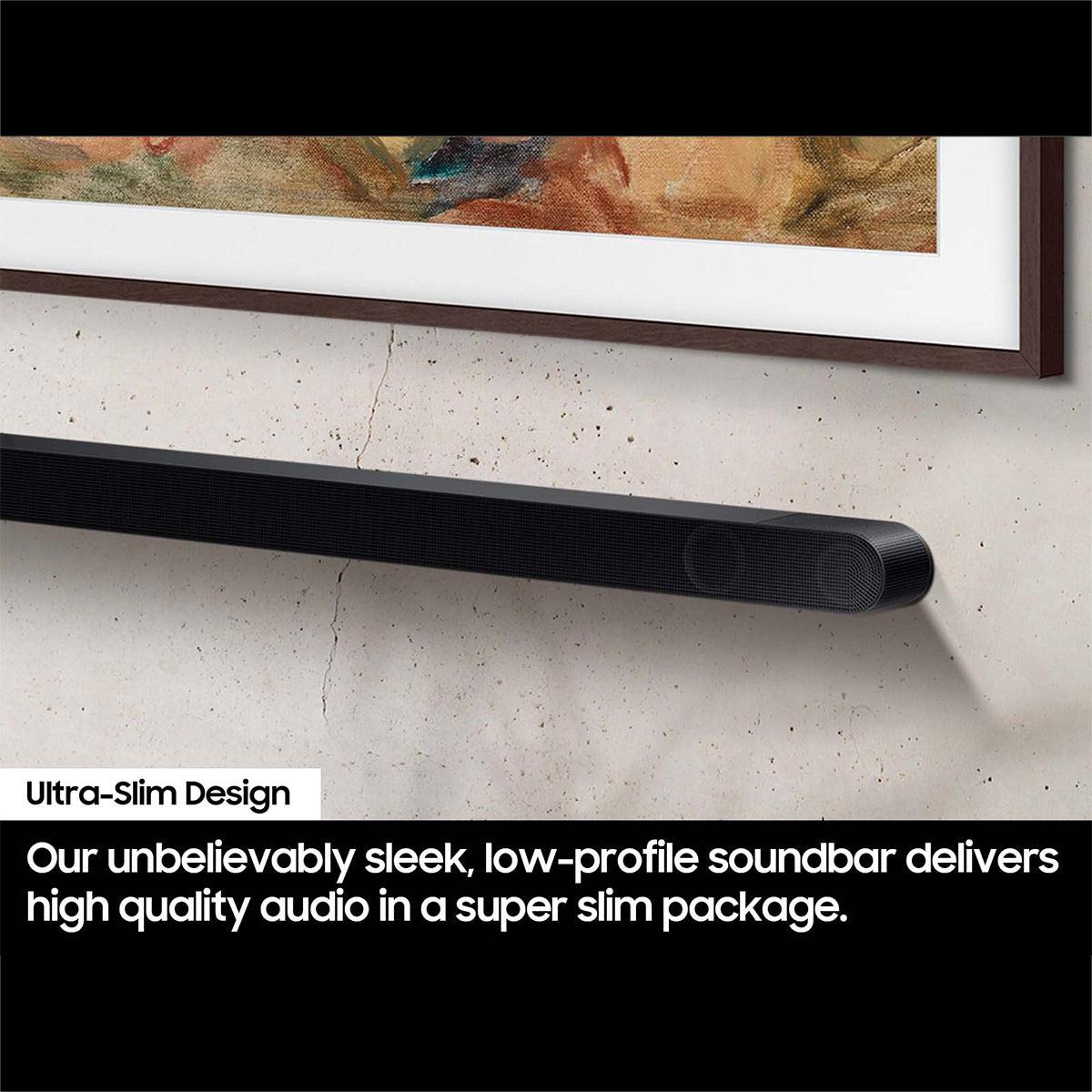
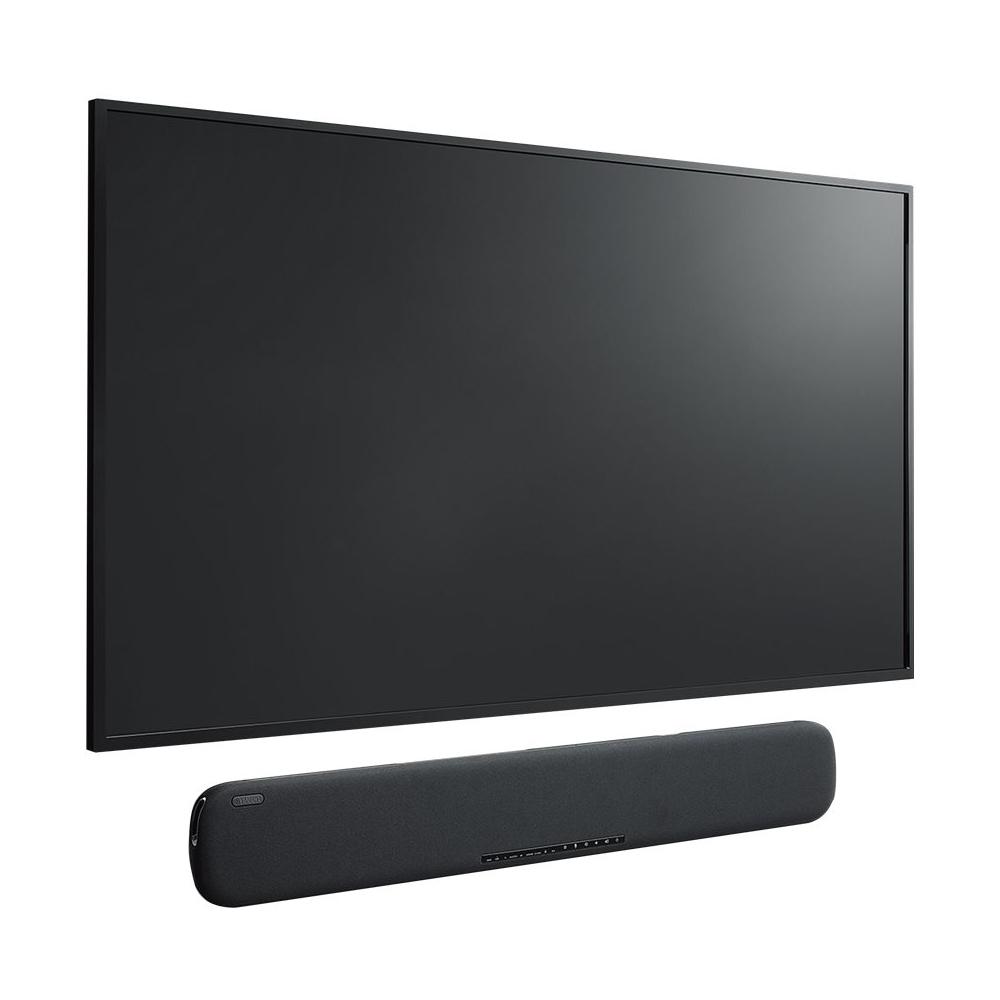
The Samsung HW-S700D embraces the ultra-slim aesthetic that's become popular with modern wall-mounted TVs. At just 2.25 inches tall, it virtually disappears when wall-mounted, creating a clean, minimalist look that doesn't interfere with your TV's design.
However, you'll need to accommodate the wireless subwoofer, which requires floor space and its own power outlet. The subwoofer connects wirelessly, so you have some flexibility in placement, but you'll still need to find an appropriate spot where it won't be intrusive.
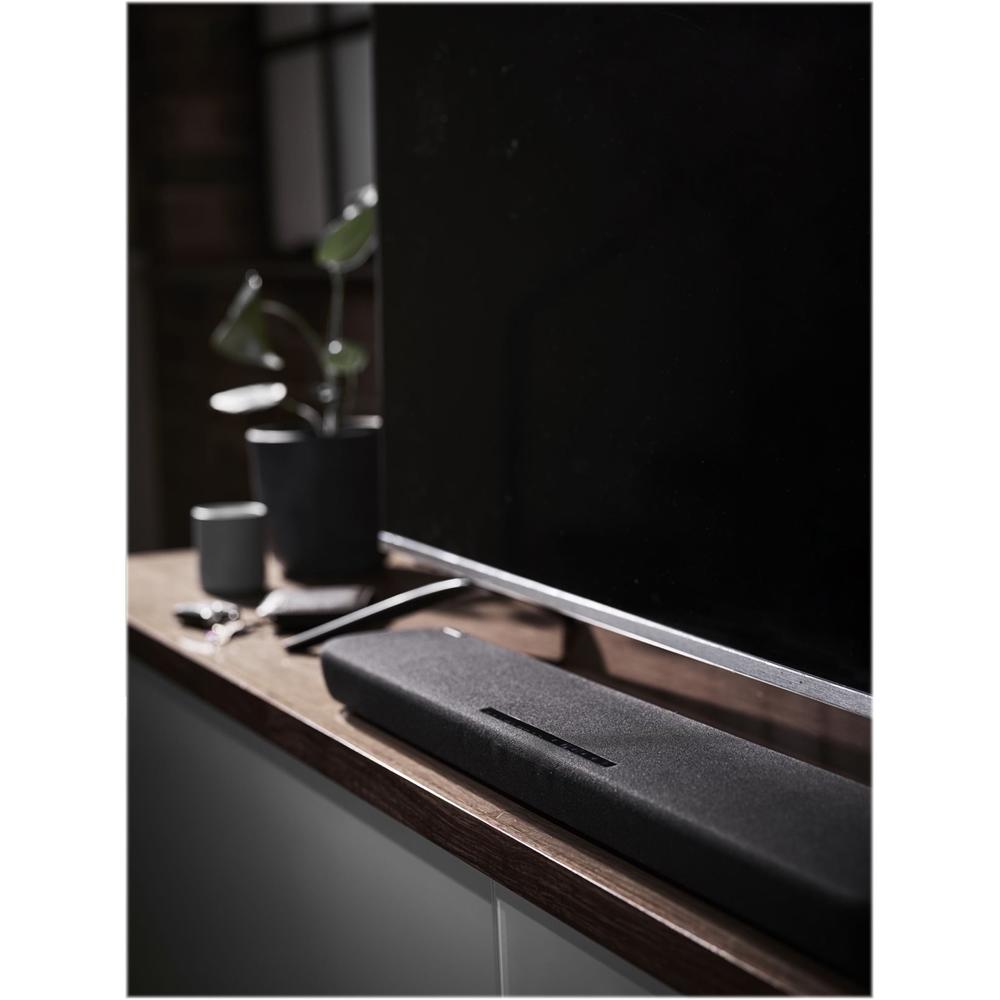
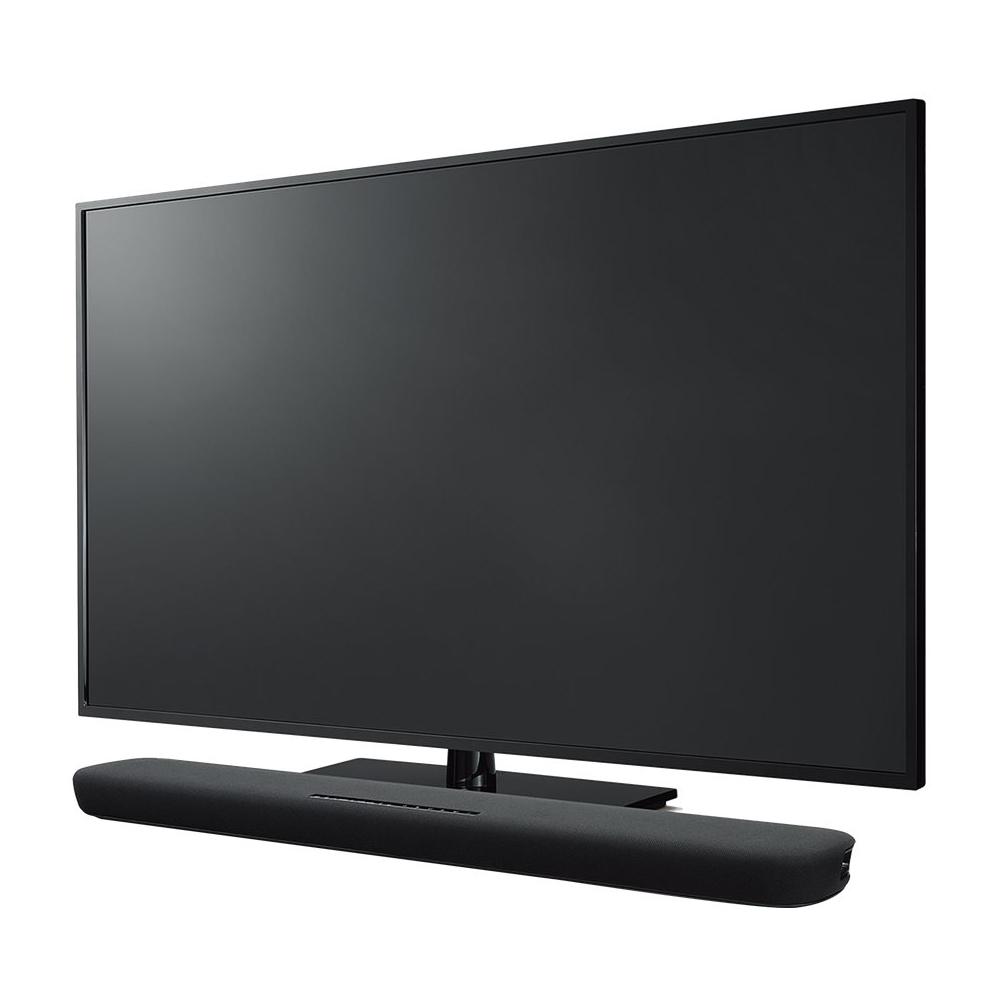
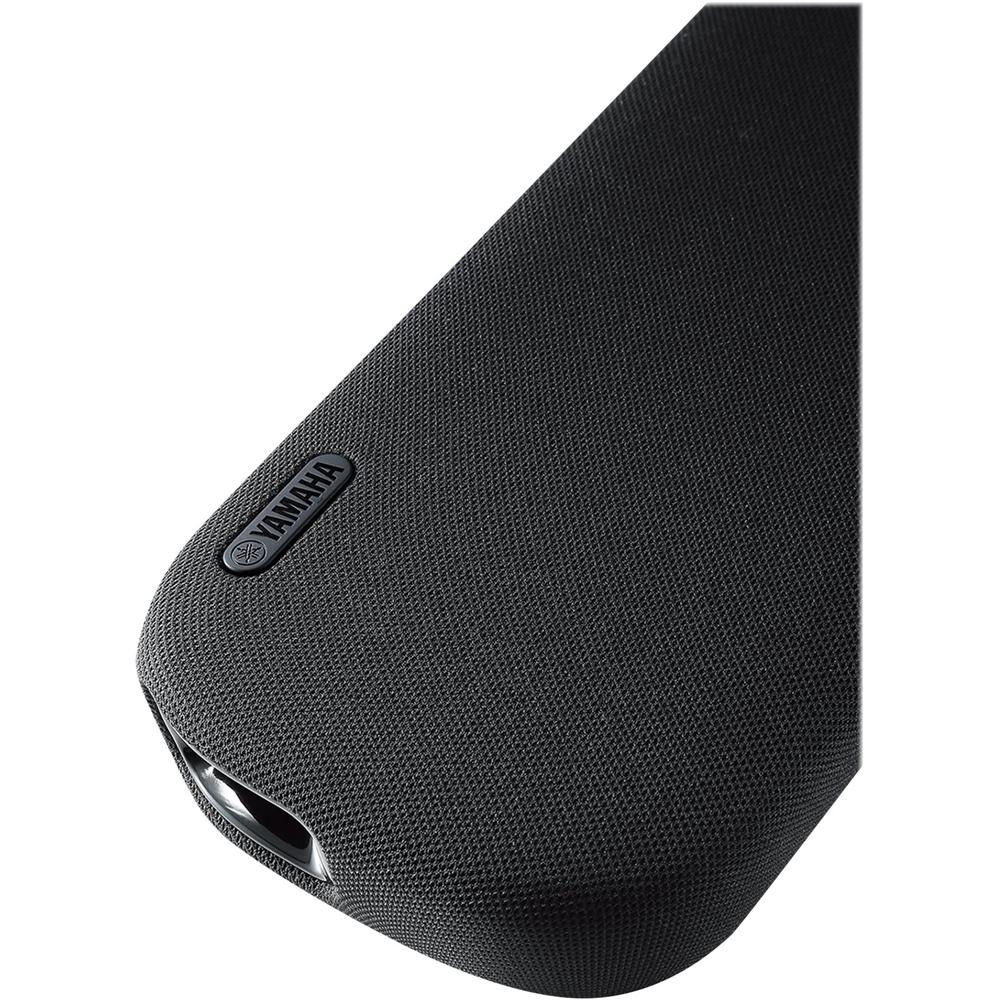
The Yamaha YAS-109 is slightly larger but completely self-contained. At 35 inches wide, it might overhang smaller TVs, but the all-in-one design means there are no additional components to accommodate. This makes it particularly appealing for renters or anyone who wants to minimize the audio system's footprint.
I've set up both systems multiple times, and the difference in complexity is noticeable. The Yamaha is essentially plug-and-play – connect it to your TV, plug in the power, and you're done. The Samsung requires the additional step of positioning and connecting the subwoofer, which isn't difficult but does add some complexity.
The Samsung's wireless subwoofer connection usually works flawlessly, but I have encountered occasional pairing issues that required following the reset procedure. Once connected, it stays connected reliably.
For serious home theater use, the Samsung has clear advantages. The dedicated center channel makes a dramatic difference for movie dialogue – voices are anchored in the center of the soundstage and remain clear even during complex audio scenes. The Dolby Atmos processing adds genuine immersion that enhances the cinematic experience.
The wireless subwoofer's impact becomes most apparent during action sequences. Explosions, crashes, and other low-frequency effects have more weight and impact, making you feel more connected to what's happening on screen.
The Yamaha certainly improves the home theater experience compared to TV speakers, but it's more of a solid upgrade than a transformational one. The virtual surround processing helps, but it can't match the Samsung's more sophisticated spatial audio capabilities.
Both soundbars handle music well, but with different strengths. The Samsung's wider frequency response and more powerful amplification make it better for critical music listening, especially for genres that benefit from extended bass response.
The Yamaha includes a Compressed Music Enhancer that attempts to restore some of the dynamic range lost in MP3 and other compressed formats. While this feature works to some degree, it can't completely compensate for low-quality source material.
For background music or casual listening, both perform admirably. The Samsung edges ahead for more serious music listening sessions where you want to hear all the details in your favorite recordings.
The Samsung includes a dedicated Game Mode Pro that optimizes audio processing for gaming scenarios. This reduces audio latency and enhances directional audio cues that can be crucial in competitive gaming. The spatial audio processing can help you locate enemies or other important audio elements in the game world.
The Yamaha offers a basic gaming mode that primarily adjusts the EQ for gaming content, but it doesn't provide the same level of optimization as the Samsung's more sophisticated processing.
The $158 price difference between these soundbars represents more than just premium features – it reflects fundamentally different approaches to solving the TV audio problem.
The Samsung justifies its higher price through genuine technological advantages: Dolby Atmos processing, wireless subwoofer, dedicated center channel, and advanced smart features. These aren't just marketing checkboxes – they deliver measurable improvements in audio quality and user experience.
The Yamaha's lower price reflects its more straightforward approach, but it's not necessarily inferior. For many users, the built-in subwoofers provide adequate bass response, and the simpler design eliminates potential complexity and failure points.
If you're building a dedicated home theater setup, the Samsung makes more sense despite its higher cost. The Dolby Atmos support ensures compatibility with the latest movie soundtracks, and the wireless subwoofer provides the foundation for truly immersive audio.
However, the Yamaha shouldn't be dismissed for home theater use. It provides a significant upgrade over TV speakers and offers enough performance for casual movie watching. The key is managing expectations – it won't deliver the same level of immersion as the Samsung, but it will make your movies more enjoyable.
Choose the Samsung HW-S700D if you have a room larger than 12 feet viewing distance, regularly watch movies or play games where audio immersion matters, have space for a subwoofer, or own Samsung TVs that can take advantage of Q-Symphony. The investment makes sense if you want future-proof technology and the best possible performance from a soundbar.
Choose the Yamaha YAS-109 if budget is your primary concern, you live in a smaller space where subwoofer placement is problematic, you prefer simple setup and maintenance, or you primarily use your TV for casual viewing rather than critical listening. It delivers most of the benefits of a premium soundbar at a much more accessible price point.
Both soundbars will dramatically improve your TV's audio compared to built-in speakers. The Samsung offers a more premium experience with genuinely advanced features, while the Yamaha provides excellent value for users who want solid performance without complexity or premium pricing. Your choice ultimately depends on your specific needs, room constraints, and how much you value the additional features the Samsung provides.
| Samsung HW-S700D 3.1 Channel Slim Soundbar | Yamaha YAS-109 Sound Bar with Built-in Subwoofers and Alexa |
|---|---|
| Price - Budget impact for similar TV audio improvement | |
| $377.99 (premium features justify 72% higher cost) | $219.95 (excellent value for basic needs) |
| Channel Configuration - Affects dialogue clarity and sound separation | |
| 3.1 channels with dedicated center speaker for crisp dialogue | 2.1 channels with stereo speakers, no dedicated center channel |
| Total Power Output - Determines maximum volume and dynamic range | |
| 250W total (160W subwoofer provides serious bass impact) | 120W total (adequate for most rooms under 15 feet) |
| Subwoofer Design - Bass performance vs setup convenience trade-off | |
| External 6" wireless subwoofer (deeper bass, requires floor space) | Built-in dual 3" subwoofers (convenient but limited low-end) |
| Surround Sound Technology - Immersion level for movies and gaming | |
| Dolby Atmos + DTS Virtual:X (true 3D audio positioning) | DTS Virtual:X only (basic virtual surround effects) |
| Smart Assistant Support - Voice control flexibility | |
| Alexa + Google Assistant built-in (works with any ecosystem) | Alexa only with far-field microphones (optimized but limited) |
| Streaming Connectivity - Wireless audio options | |
| Wi-Fi, Bluetooth, AirPlay, Chromecast (comprehensive streaming) | Bluetooth, Spotify Connect only (basic wireless features) |
| Physical Dimensions - TV compatibility and room aesthetics | |
| 31.5" x 2.25" x 4.75" ultra-slim (disappears when wall-mounted) | 35" x 2.1" x 5.1" larger but self-contained (no extra components) |
| Advanced Audio Features - Sound optimization and room adaptation | |
| SpaceFit Sound Pro room correction, Q-Symphony TV syncing | Clear Voice dialogue enhancement, basic EQ presets |
| HDMI Features - 4K compatibility and audio format support | |
| eARC with 4K passthrough (handles advanced audio formats) | Standard ARC with 4K/HDR passthrough (good but basic) |
The Yamaha YAS-109 at $219.95 offers exceptional value for budget-conscious buyers, delivering solid audio improvement over TV speakers with built-in subwoofers and Alexa integration. The Samsung HW-S700D at $377.99 costs 72% more but justifies the premium with Dolby Atmos, dedicated center channel, and wireless subwoofer that provide significantly better performance for serious listeners.
The Samsung HW-S700D features 3.1 channels with a dedicated center speaker specifically designed for dialogue clarity, making voices sound clearer and more natural. The Yamaha YAS-109 uses 2.1 channels with stereo speakers that handle all audio, which works well but doesn't provide the same level of vocal separation and clarity.
The Samsung HW-S700D's external 6-inch wireless subwoofer delivers deeper, more impactful bass that you can feel during action scenes and music. The Yamaha YAS-109's built-in dual 3-inch subwoofers provide adequate bass for most content while eliminating setup complexity and space requirements, making them ideal for smaller rooms or apartments.
The Samsung HW-S700D excels for home theater use with Dolby Atmos creating 3D audio effects and a dedicated center channel ensuring crystal-clear dialogue. The Yamaha YAS-109 provides a solid movie-watching upgrade over TV speakers with virtual surround sound, though it can't match the Samsung's immersive audio experience.
The Samsung HW-S700D supports both Amazon Alexa and Google Assistant, plus offers Wi-Fi streaming with AirPlay and Chromecast compatibility. The Yamaha YAS-109 focuses on Alexa integration with far-field microphones and includes Spotify Connect, but lacks Google Assistant and advanced streaming features.
The Yamaha YAS-109 wins for simplicity with its all-in-one design requiring just a single connection to your TV and power outlet. The Samsung HW-S700D requires additional setup for the wireless subwoofer positioning and pairing, though the process is straightforward and the subwoofer connects wirelessly.
The Samsung HW-S700D outputs 250 watts total with 160 watts dedicated to the subwoofer, providing significantly more headroom for loud, distortion-free audio. The Yamaha YAS-109 delivers 120 watts, which is adequate for most rooms under 15 feet but may struggle in larger spaces or at higher volumes.
The Samsung HW-S700D offers superior music performance with wider frequency response, more powerful amplification, and deeper bass extension from its external subwoofer. The Yamaha YAS-109 includes a Compressed Music Enhancer for streaming audio and handles music well for casual listening, though it lacks the Samsung's audiophile-level performance.
The Samsung HW-S700D features full Dolby Atmos support that creates genuine 3D audio positioning with height effects, plus DTS Virtual:X processing. The Yamaha YAS-109 uses DTS Virtual:X for virtual surround sound effects but doesn't support Dolby Atmos, limiting its spatial audio capabilities.
The Samsung HW-S700D includes Game Mode Pro that optimizes audio processing for gaming with reduced latency and enhanced directional audio cues. The Yamaha YAS-109 offers a basic gaming preset mode but lacks the advanced gaming-specific optimizations that can help with competitive gaming and immersion.
The Samsung HW-S700D features an ultra-slim 2.25-inch profile that virtually disappears when wall-mounted but requires space for a separate subwoofer. The Yamaha YAS-109 is slightly larger at 35 inches wide but completely self-contained, making it perfect for smaller spaces or situations where subwoofer placement is problematic.
Choose the Samsung HW-S700D if you want premium features like Dolby Atmos, have a larger room, regularly watch movies or game, and can accommodate a subwoofer. Select the Yamaha YAS-109 if budget is your priority, you prefer simple setup, live in a smaller space, or primarily need basic TV audio improvement with convenient Alexa integration.
We've done our best to create useful and informative comparisons to help you decide what product to buy. Our research uses advanced automated methods to create this comparison and perfection is not possible - please contact us for corrections or questions. These are the sites we've researched in the creation of this article: crutchfield.com - samsung.com - bestbuy.com - avsforum.com - walts.com - samsung.com - samsung.com - videoandaudiocenter.com - samsung.com - samsung.com - samsung.com - pcrichard.com - rtings.com - crutchfield.com - usa.yamaha.com - digitaltrends.com - tomsguide.com - listenup.com - youtube.com - usa.yamaha.com - hub.yamaha.com - youtube.com - hub.yamaha.com

Privacy Policy
Terms and Conditions - Affiliate Policy
Home Security
© Copyright 2008-2026.
11816 Inwood Rd #1211, Dallas, TX 75244