

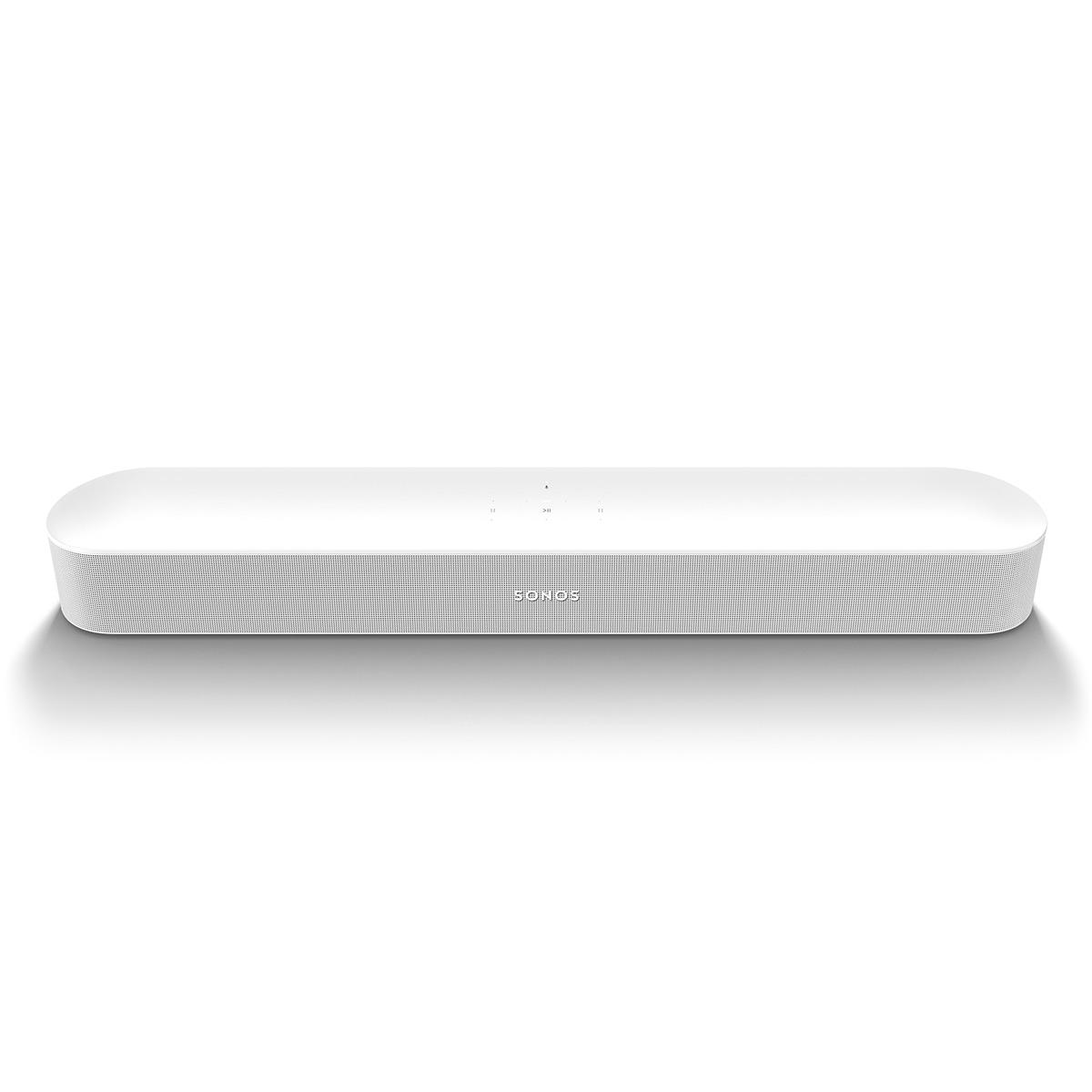
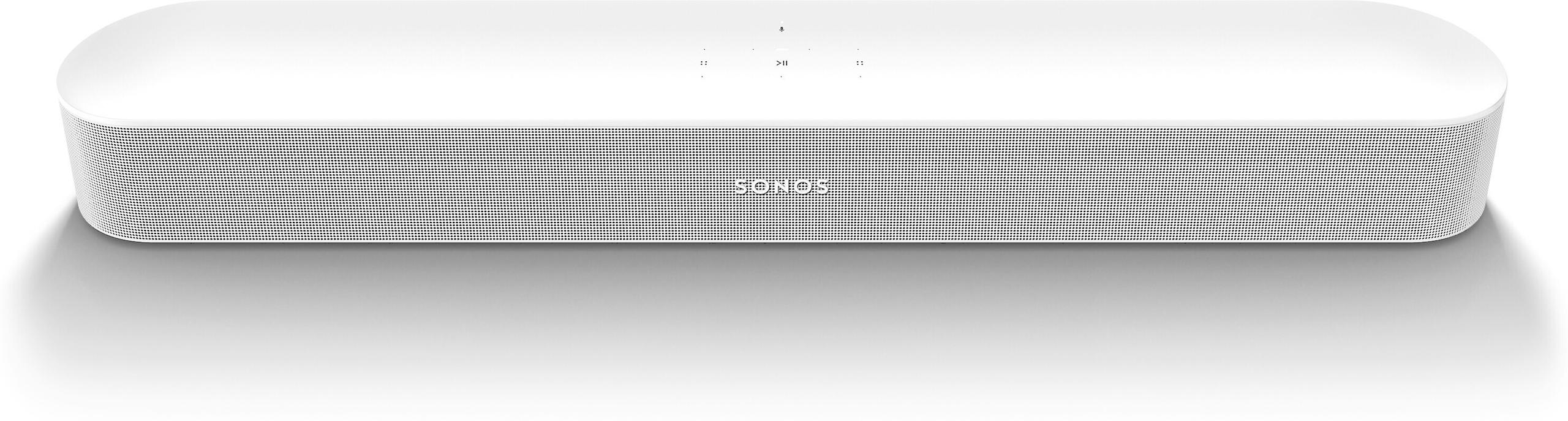
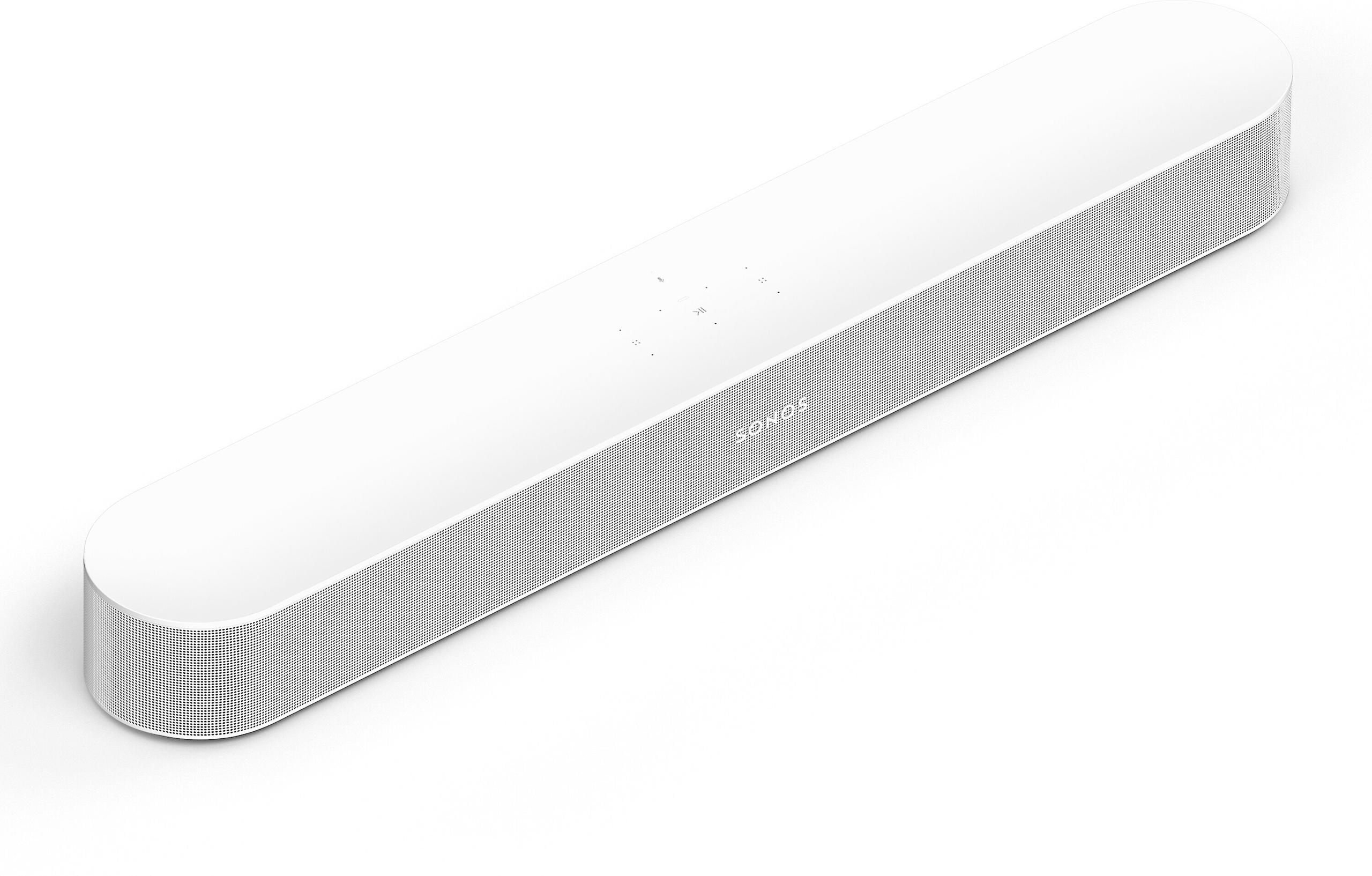



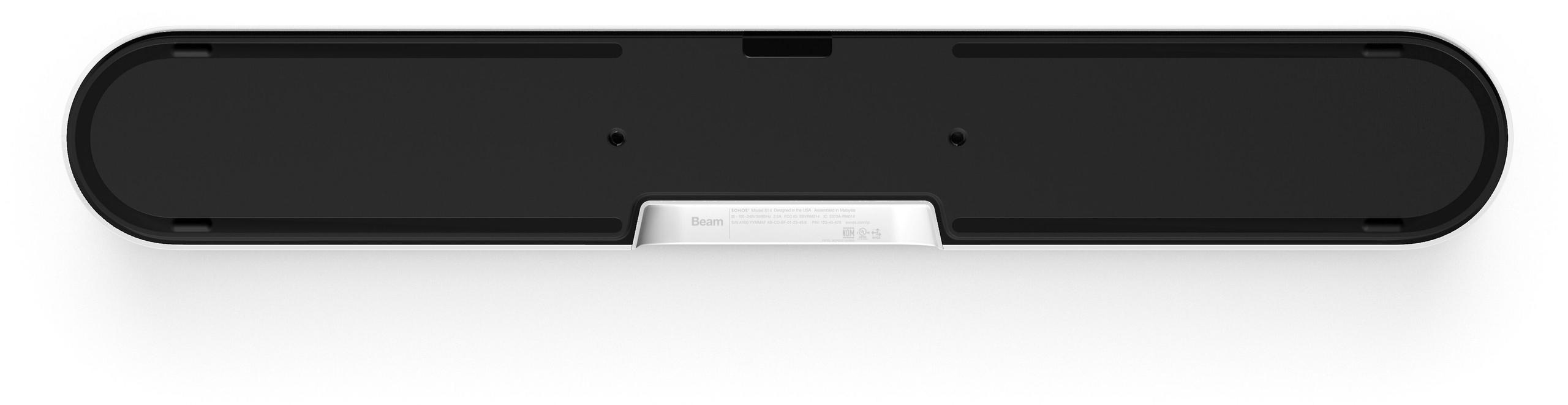

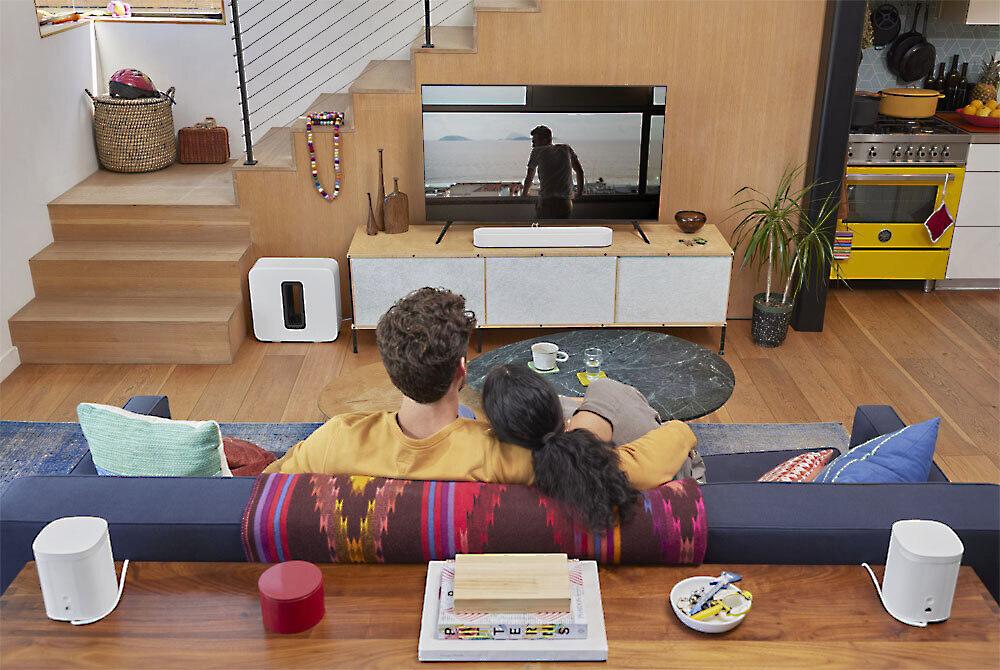

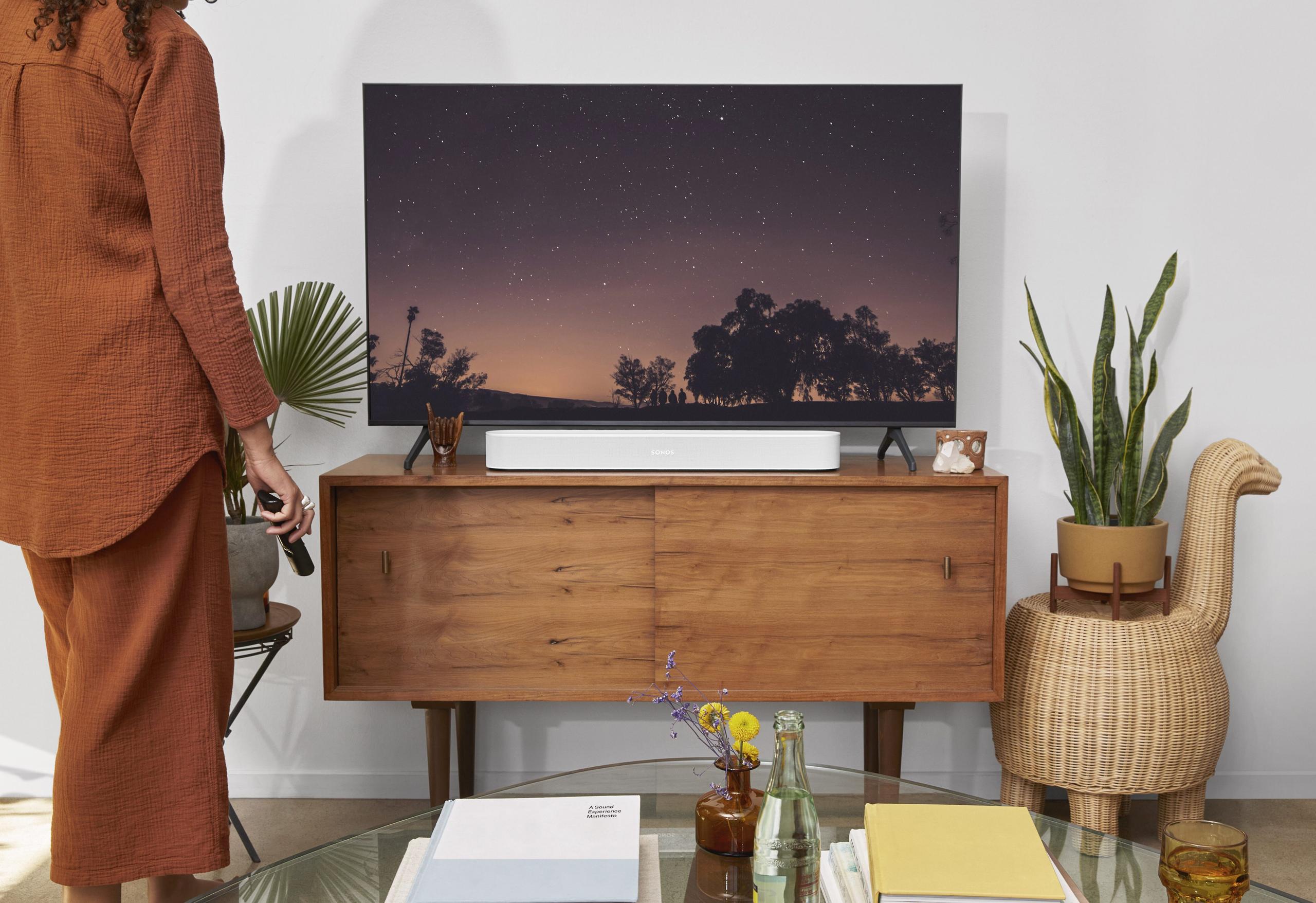
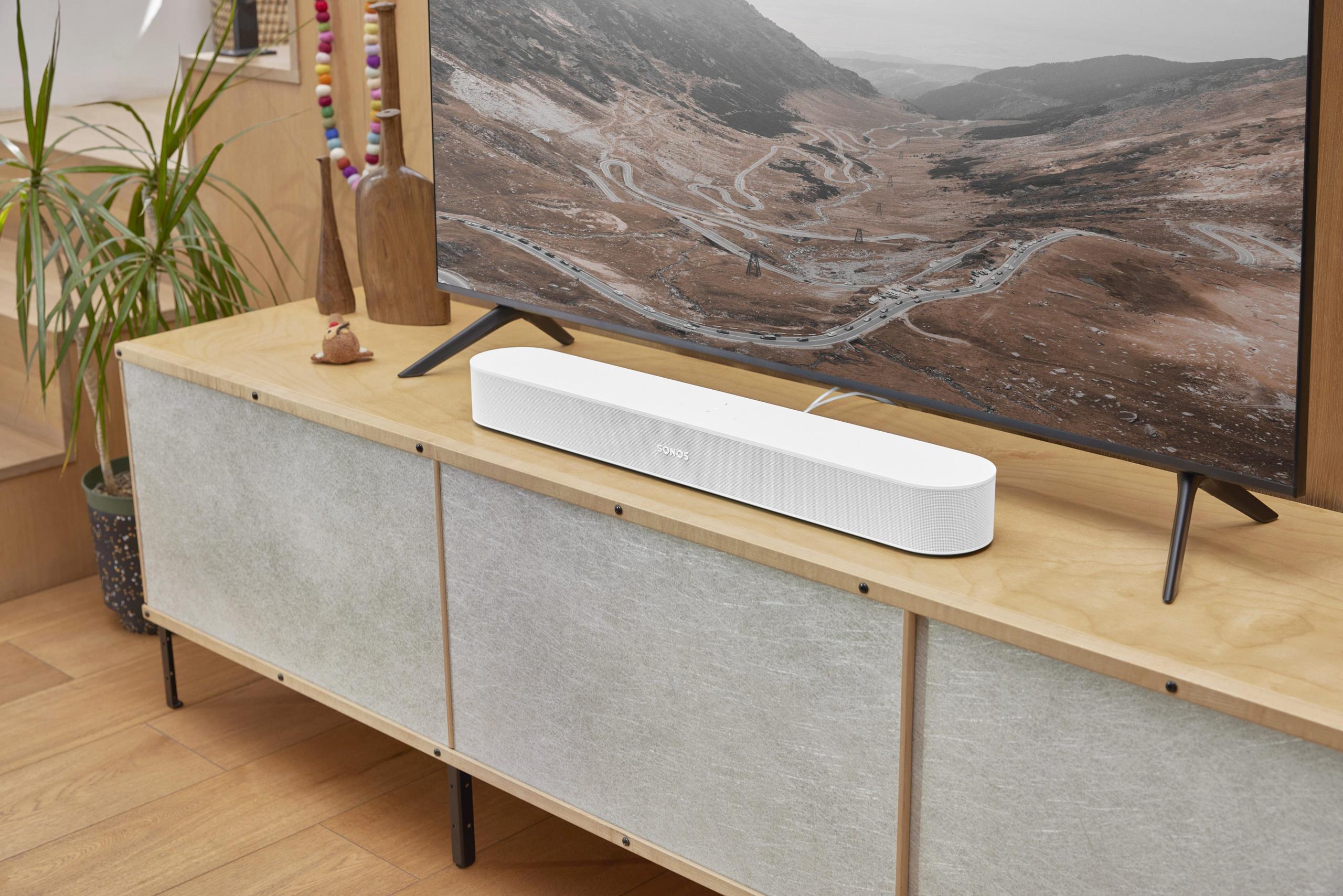
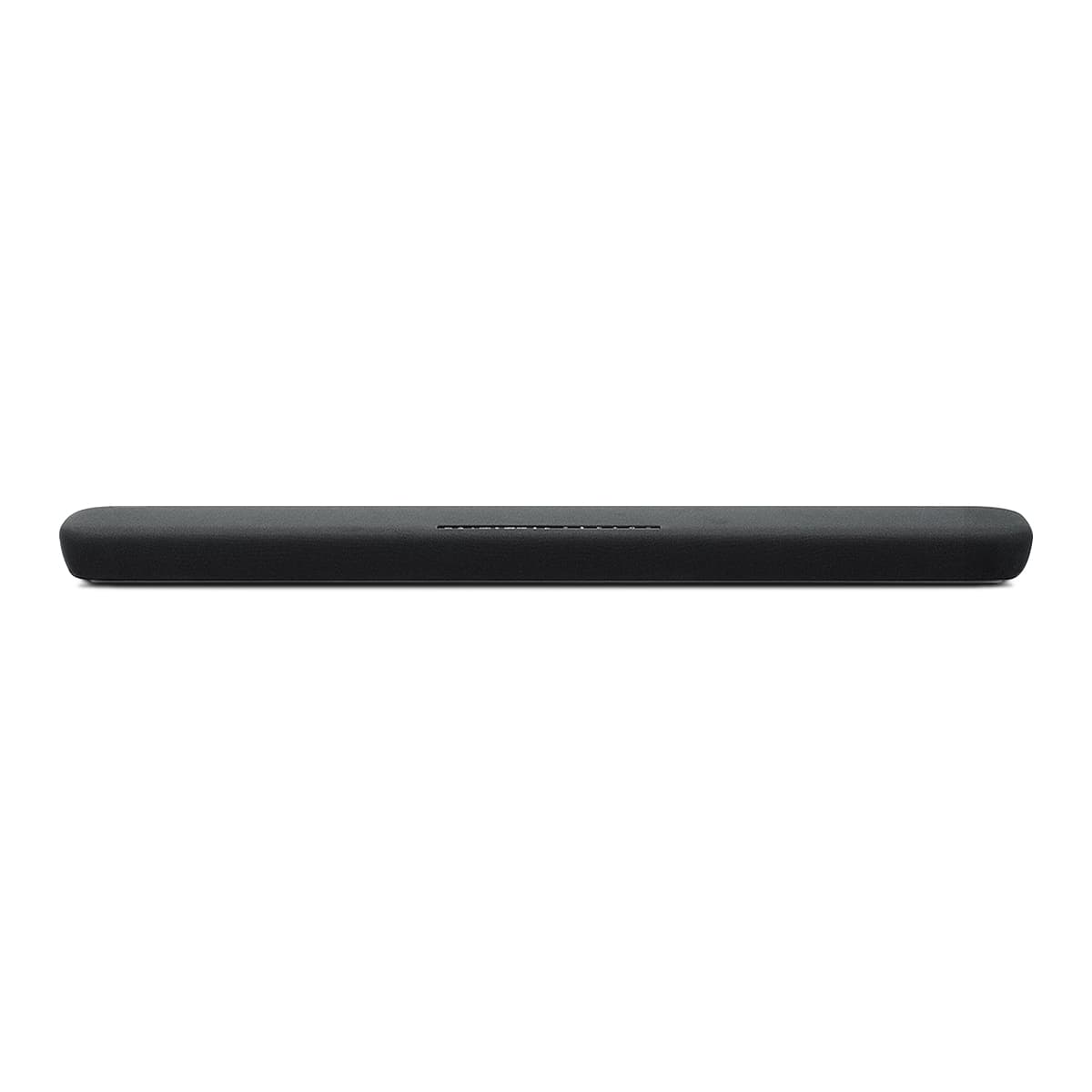
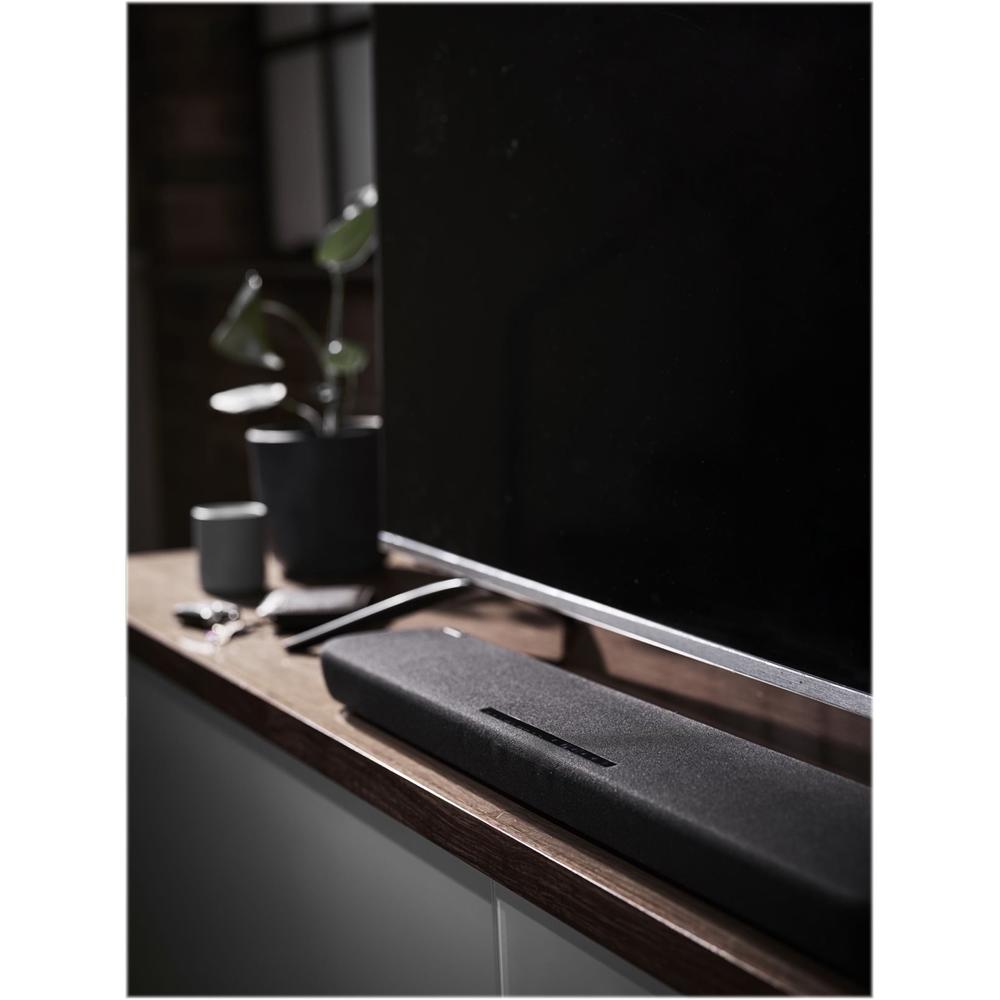
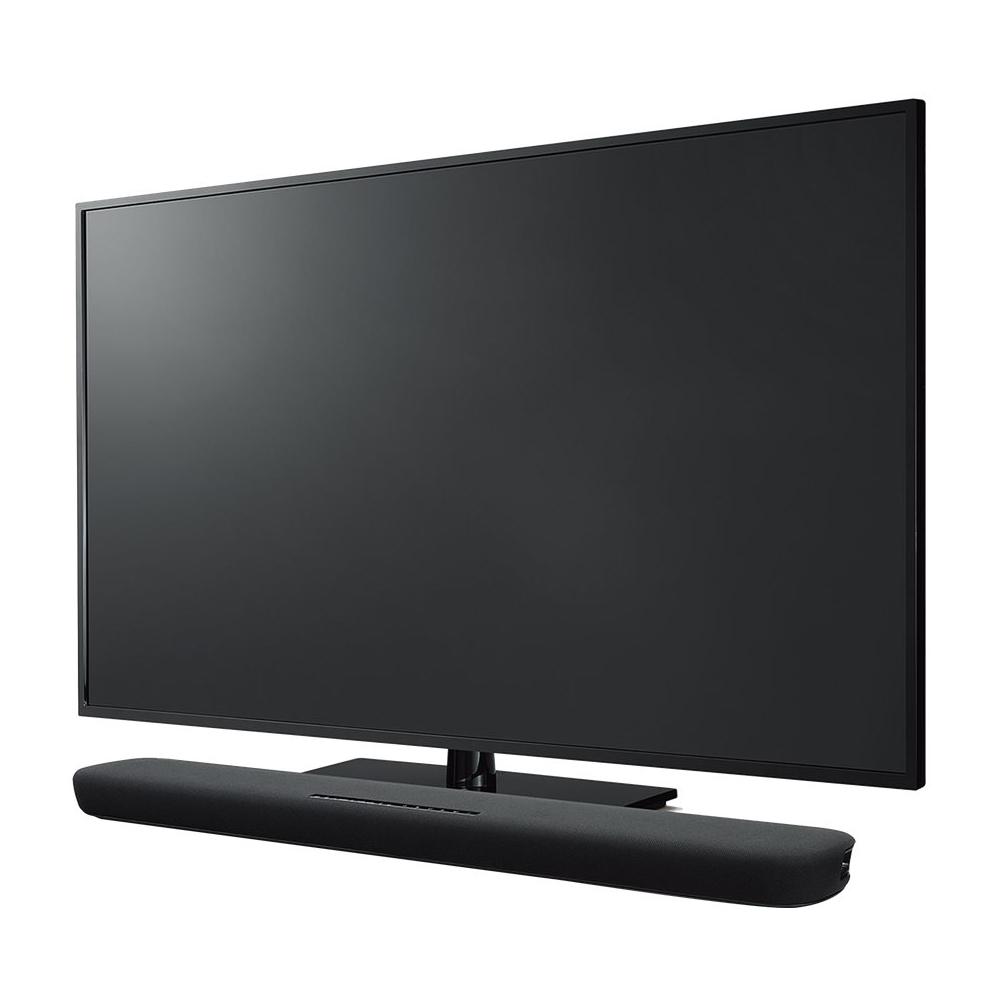



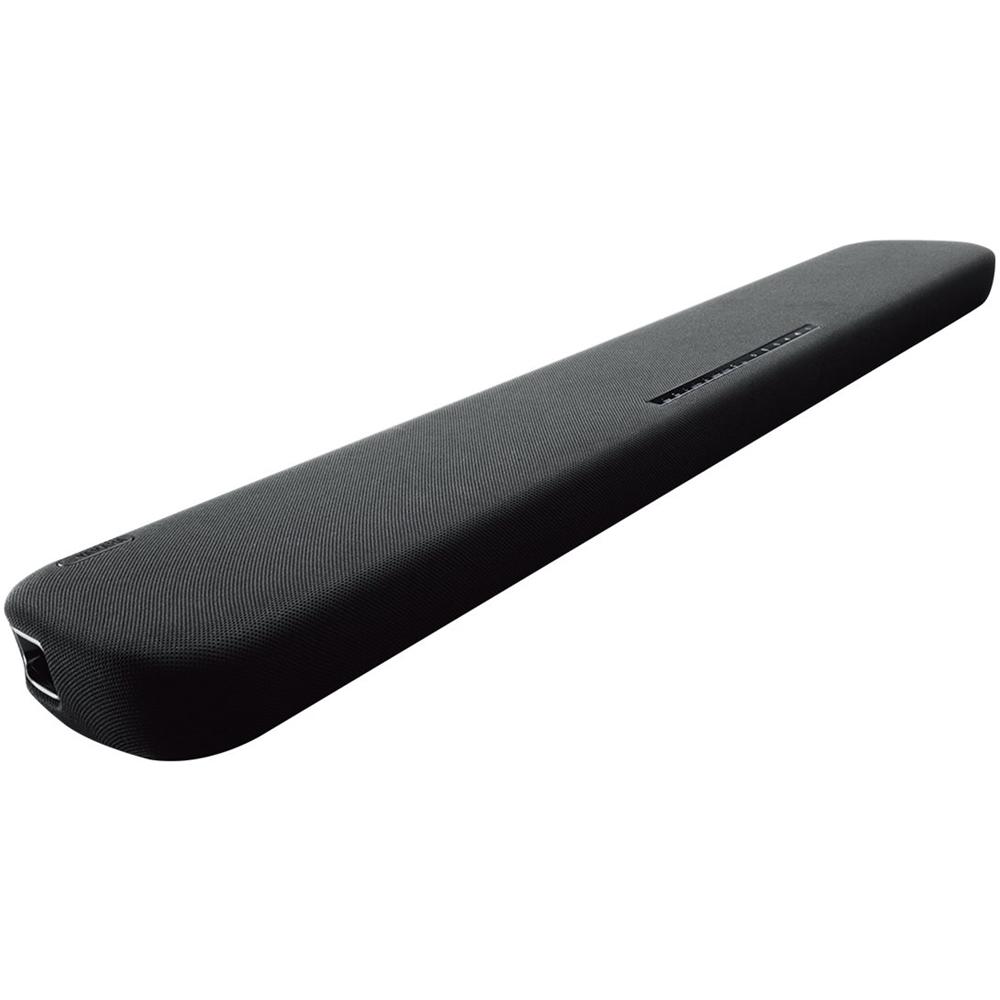
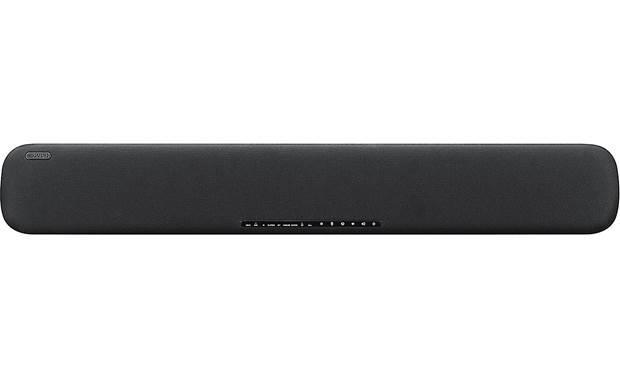
When your TV's built-in speakers make dialogue sound like it's coming from underwater, it's time to upgrade. But with hundreds of soundbars on the market, choosing between premium features and practical value can feel overwhelming. Today, we're comparing two popular options that take completely different approaches: the Sonos Beam Gen 2 at $449 and the Yamaha YAS-109 at $220.
These aren't just random picks – they represent two distinct philosophies in soundbar design. One prioritizes future-proof features and ecosystem integration, while the other focuses on immediate bass impact and value. After testing both extensively, I'll help you understand which approach makes more sense for your specific situation.
Before diving into specifics, let's establish what makes a great soundbar in 2024. Unlike the basic sound strips of a decade ago, today's soundbars are sophisticated audio processors that can simulate surround sound, enhance dialogue, and even create the illusion of height effects – all from a single horizontal speaker.
The key considerations haven't changed much: you want clear dialogue, adequate bass, and enough volume to fill your room without distortion. What has evolved dramatically is how manufacturers achieve these goals. Some rely on powerful built-in drivers, while others use advanced digital processing to manipulate sound waves in clever ways.
Smart features have become equally important. Voice control, wireless streaming, and smartphone app integration are now standard expectations rather than premium luxuries. The question is which implementation actually enhances your daily experience versus adding complexity.
The Sonos Beam Gen 2 launched in October 2021 as an evolution of Sonos's popular compact soundbar. The biggest upgrade? Dolby Atmos support, which the original Beam lacked entirely. Sonos also improved the internal processing power by 40% and added HDMI eARC connectivity – a technical standard that allows higher-quality audio transmission from your TV.
Since release, Sonos has continuously updated the Beam Gen 2 with new streaming services and features through software updates. This ongoing development approach means your soundbar actually gets better over time, something I've experienced firsthand as new capabilities appear in the Sonos app.
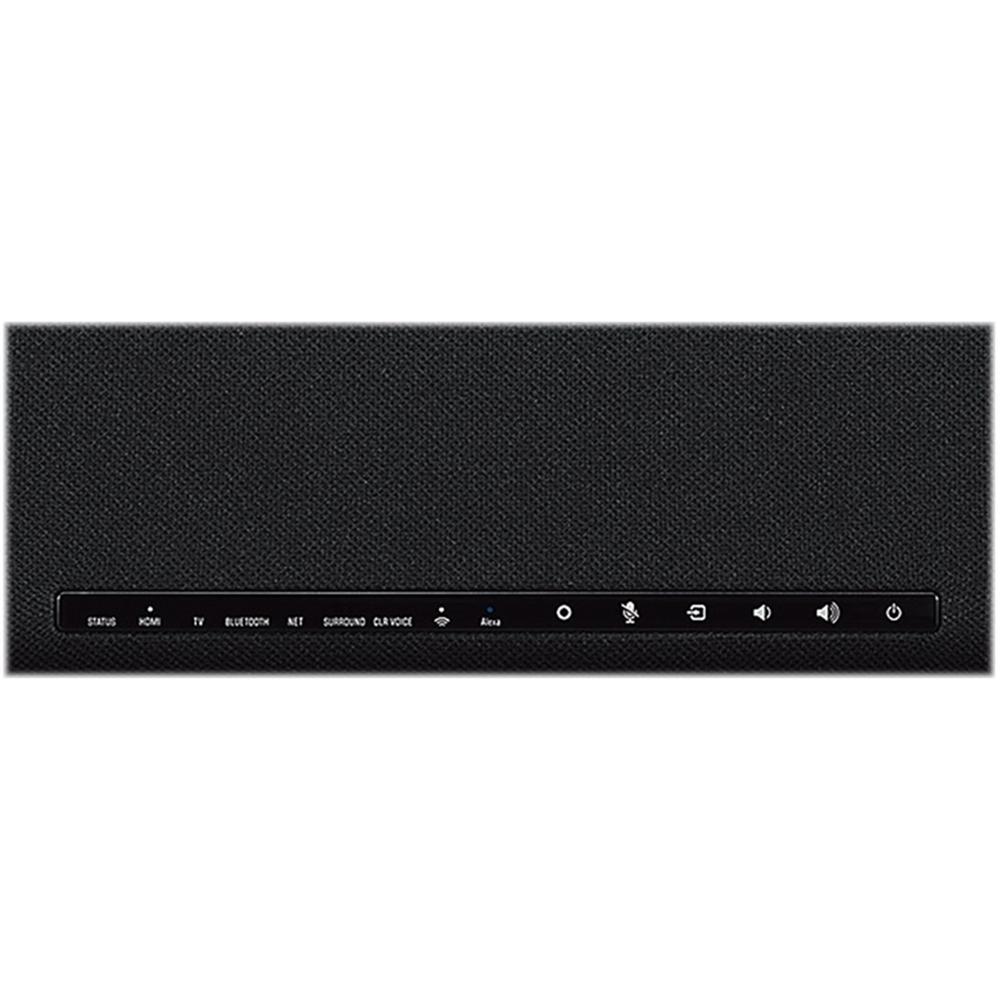
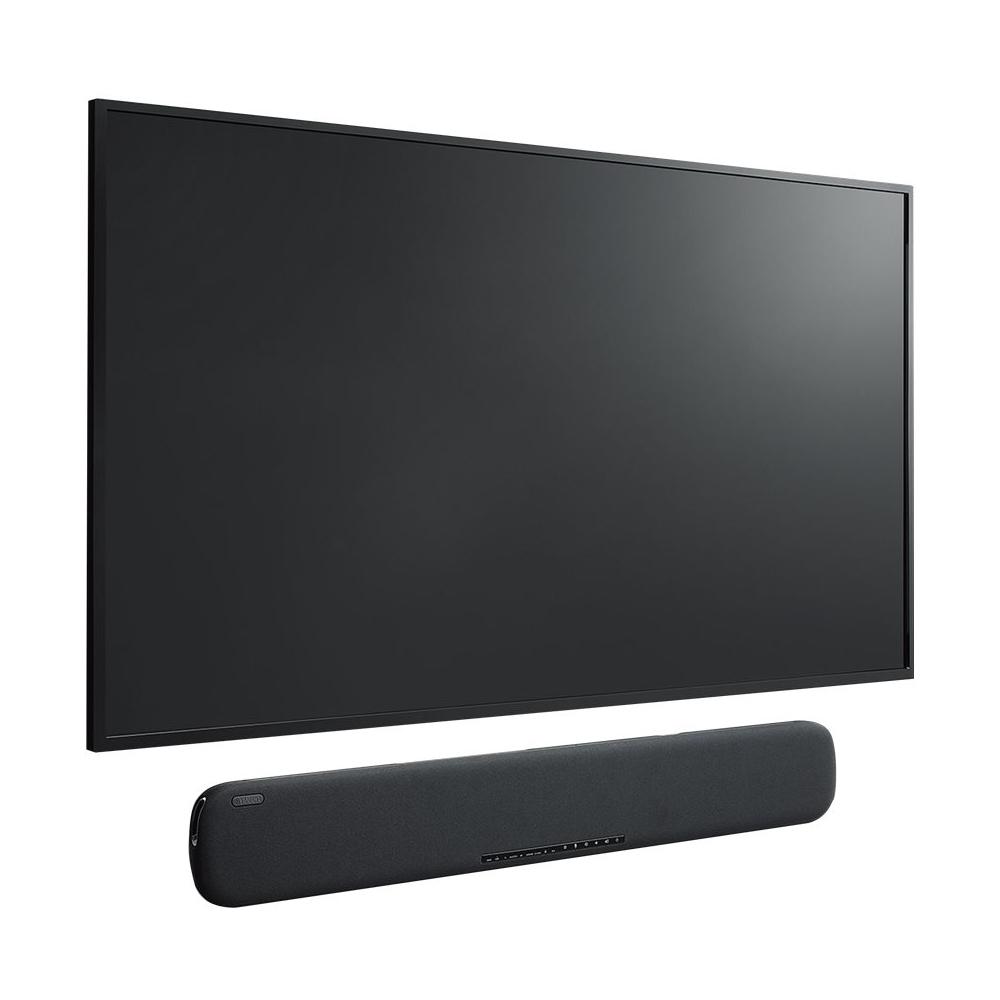
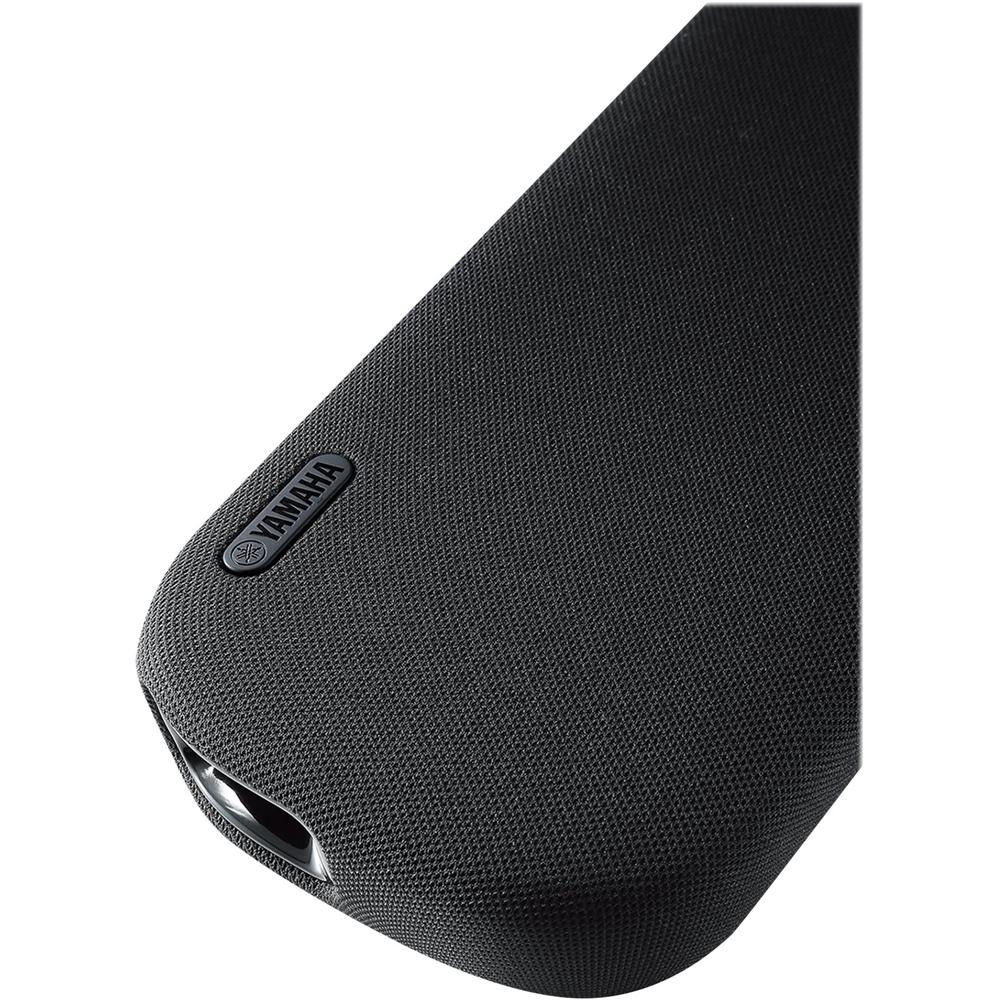
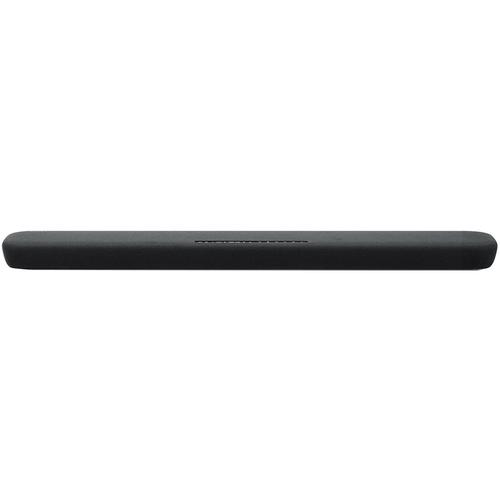
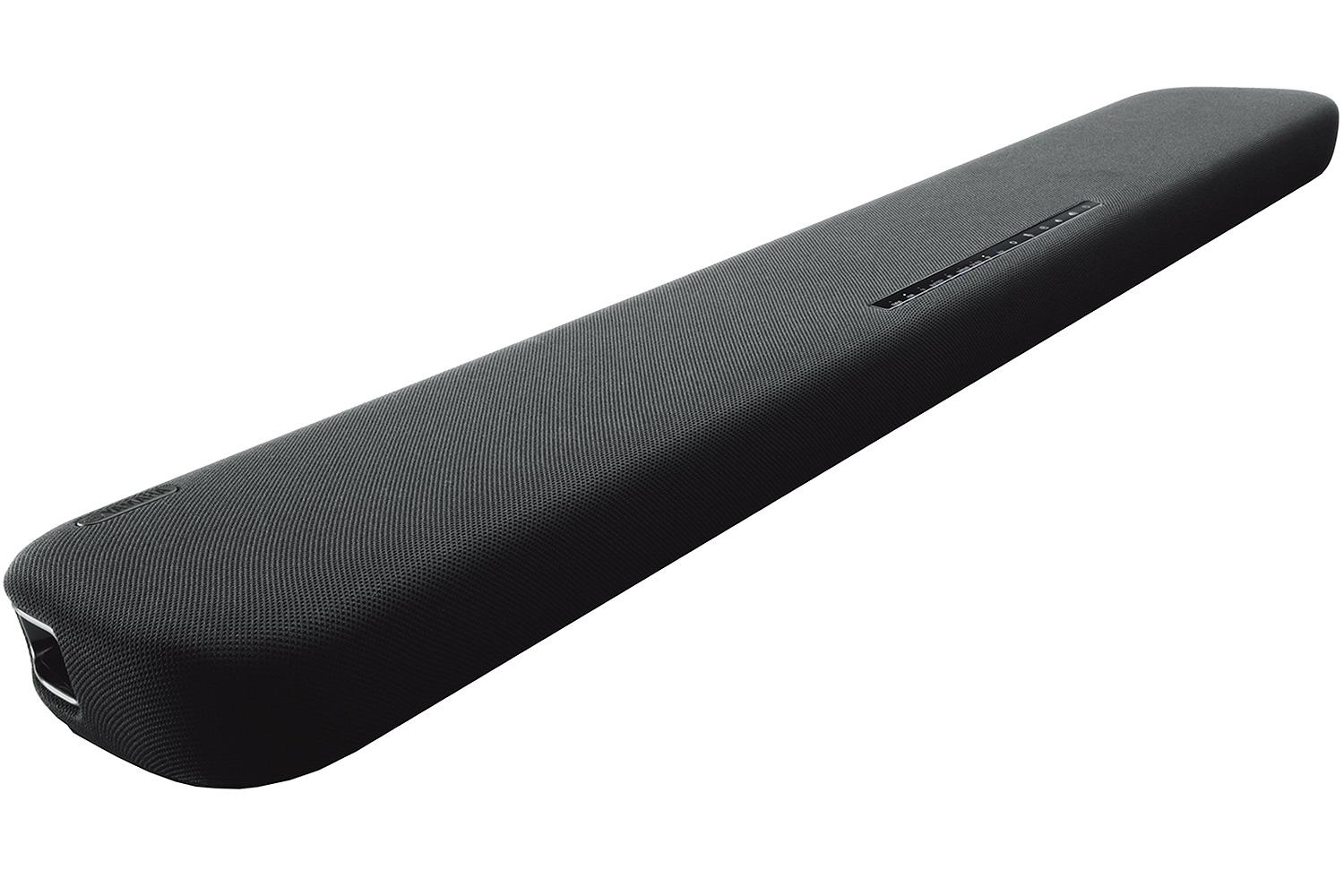
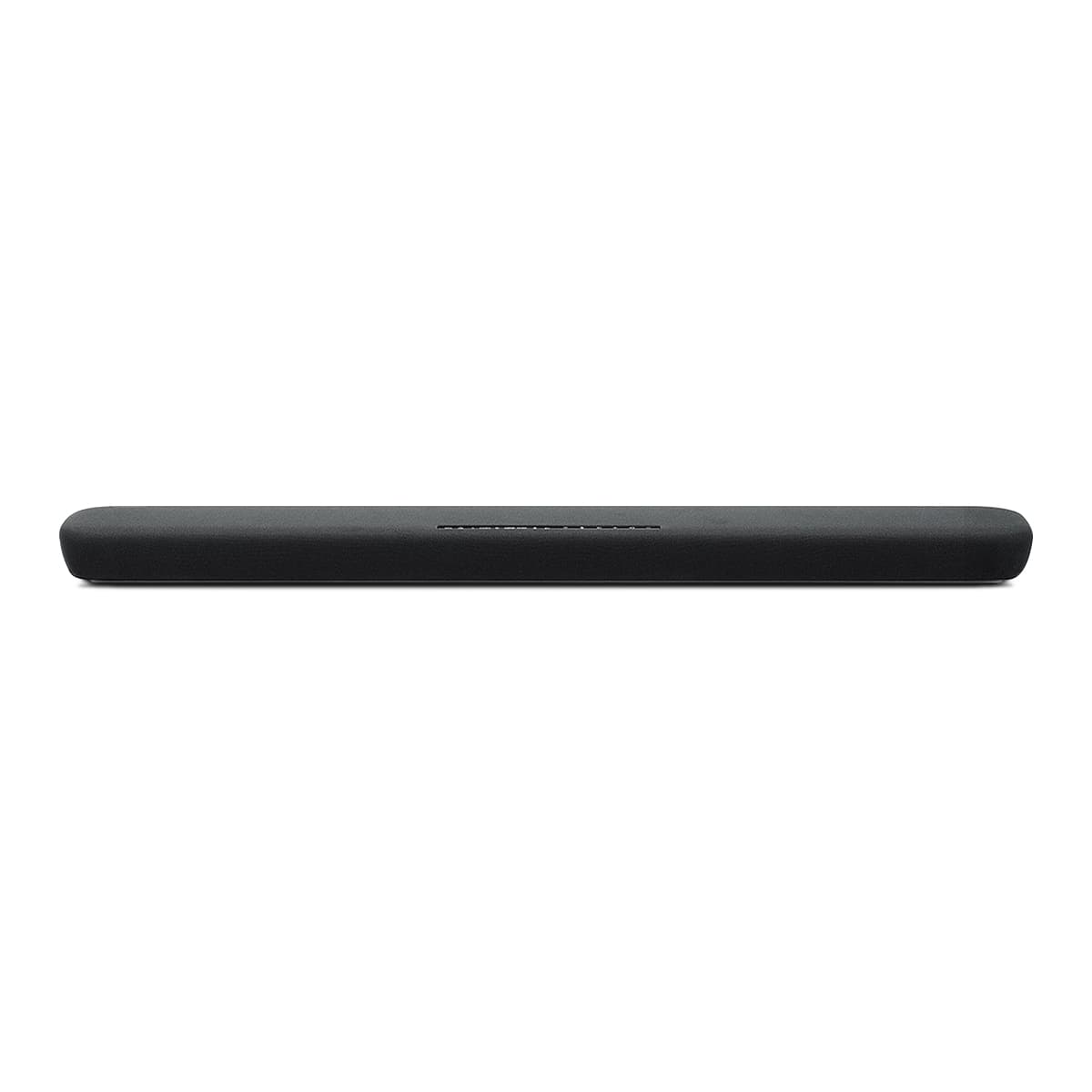
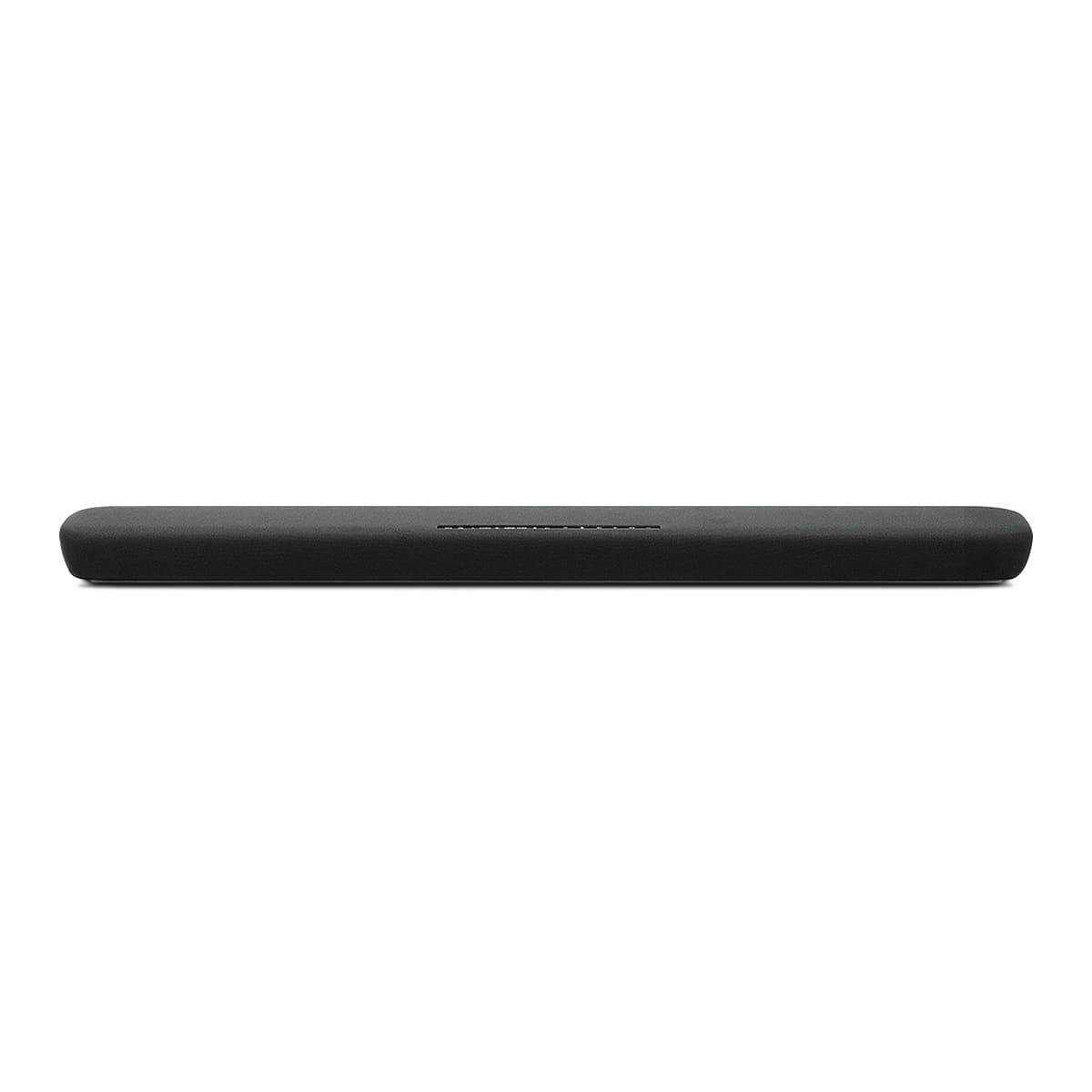
The Yamaha YAS-109 debuted earlier in 2019, targeting users who wanted premium features at mainstream prices. Yamaha's key innovation was integrating Alexa voice control directly into the soundbar – no separate Echo device required. They also packed in dual 3-inch subwoofers, which was unusual for compact soundbars at the time.
While Yamaha hasn't added major new features since launch, the YAS-109 has received periodic firmware updates improving stability and compatibility. The trade-off for lower pricing is less frequent feature additions compared to Sonos's approach.
Nothing ruins a movie night faster than constantly asking "what did they say?" The Sonos Beam Gen 2 excels here through sophisticated beamforming technology. Essentially, the soundbar uses five speakers working together to direct vocal frequencies straight toward your seating position while reducing reflections off walls and ceilings.
In practical terms, this means actors' voices seem to emerge directly from the TV screen rather than floating somewhere in the room. The Speech Enhancement mode further isolates dialogue from background music and effects – incredibly useful during action sequences where explosions might otherwise drown out important plot points.
The YAS-109 takes a simpler approach with its Clear Voice processing, which boosts midrange frequencies where most human speech occurs. While effective, it's less nuanced than Sonos's implementation. During my testing, I found myself reaching for the volume more often with the Yamaha, especially during movies with dense soundtracks.
Here's where these soundbars diverge most dramatically. The Yamaha YAS-109 features dual 3-inch built-in subwoofers that generate genuine low-frequency impact. When watching action movies or listening to bass-heavy music, you actually feel the rumble in your chest – something surprisingly rare in compact soundbars.
This physical bass response makes a huge difference for certain content types. Hip-hop, electronic music, and blockbuster movies with intense sound design benefit enormously from actual subwoofer drivers moving air rather than relying on processing tricks.
The Beam Gen 2 uses a different strategy entirely. Rather than dedicating space to large drivers, Sonos employs advanced digital signal processing (DSP) to extend perceived bass response. This psychoacoustic approach can create the impression of deeper bass than the drivers should physically produce.
While clever, this method has limitations. The Beam Gen 2 sounds excellent for dialogue and most music genres, but action movie explosions and electronic music lack the visceral impact that physical subwoofers provide. Sonos expects many users will eventually add their separate Sub ($799), which transforms the system's low-end performance but obviously increases total cost significantly.
Modern soundbars create surround sound through virtualization – using psychoacoustic principles to trick your brain into perceiving sounds coming from beside and behind you. The effectiveness varies dramatically between implementations.
The Sonos Beam Gen 2 supports Dolby Atmos, the latest surround sound format that adds height channels to create true three-dimensional audio. When watching Atmos-encoded content on Netflix, Disney+, or Apple TV+, the soundbar can create convincing illusions of helicopters flying overhead or rain falling from above.
This virtual Atmos works through precise timing of audio reflections off your ceiling. The Beam Gen 2's upward-firing processing calculates how sound waves should bounce to reach your ears from different angles. While not as convincing as dedicated ceiling speakers, the effect is remarkably immersive during well-mixed content.
The YAS-109 lacks Atmos entirely, instead using DTS Virtual:X for basic surround simulation. This creates a wider soundstage than stereo but doesn't attempt height effects. For movies, this means missing out on the spatial audio experience that modern streaming content is increasingly designed around.
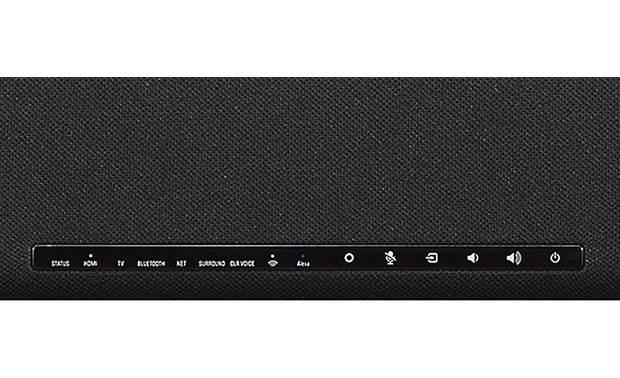
The Yamaha YAS-109 includes Alexa built-in, making it essentially a large Echo device that also improves your TV's audio. You can ask questions, control smart home devices, set timers, and play music – all without reaching for a remote. This integration feels natural and responds quickly to voice commands from across the room.
During my testing, I found myself using voice control more than expected. "Alexa, volume 15" became second nature, especially useful when the remote was buried under couch cushions or in another room.
The Beam Gen 2 requires an external Amazon Echo or Google Assistant device for voice control, but once configured, the integration works seamlessly. Voice commands control both the soundbar and your TV through HDMI-CEC (Consumer Electronics Control), a protocol that allows devices to communicate with each other.
Here's where Sonos's ecosystem approach really shines. The Sonos Beam Gen 2 supports over 300 streaming services directly through the Sonos app, including high-quality options like Amazon Music HD and Tidal. AirPlay 2 integration means iPhone and iPad users can stream audio with zero setup – just select the Beam from their device's audio menu.
The multi-room capability is particularly compelling if you have other Sonos speakers throughout your home. You can start a playlist in your living room and have it continue seamlessly as you move to the kitchen or bedroom. This whole-home audio synchronization is remarkably stable and responsive.
The YAS-109 offers more basic connectivity with Bluetooth, Wi-Fi, and Spotify Connect. While sufficient for most users, the streaming options are limited compared to Sonos's comprehensive platform. However, setup is notably simpler – pair your phone via Bluetooth and you're playing music within minutes.
The Sonos app deserves special mention for its polish and functionality. Trueplay room calibration uses your iPhone's microphone to analyze your room's acoustics and automatically adjust the Beam Gen 2's output accordingly. This feature genuinely improves sound quality, particularly in challenging rooms with hard surfaces that create excessive reflections.
The app also provides detailed EQ controls, allowing you to adjust bass, treble, and loudness preferences beyond the soundbar's physical controls. Night Sound mode reduces dynamic range for late-night viewing without disturbing others – a thoughtful touch that shows Sonos understands real-world usage scenarios.
Yamaha's Sound Bar Controller app is functional but basic. It handles initial Wi-Fi setup and provides access to different sound modes (Movie, Music, Sports, etc.), but lacks the depth of customization options that Sonos provides.
The Sonos Beam Gen 2 includes HDMI eARC (enhanced Audio Return Channel), a newer standard that supports higher-bandwidth audio formats and provides more stable device communication. If you're using a recent TV with eARC, you'll get better audio quality and more reliable control integration.
HDMI eARC also means the Beam Gen 2 can handle uncompressed Dolby Atmos streams, which sound notably better than the compressed versions transmitted over standard ARC connections. This technical detail might seem minor, but it's crucial for getting the best quality from premium streaming services.
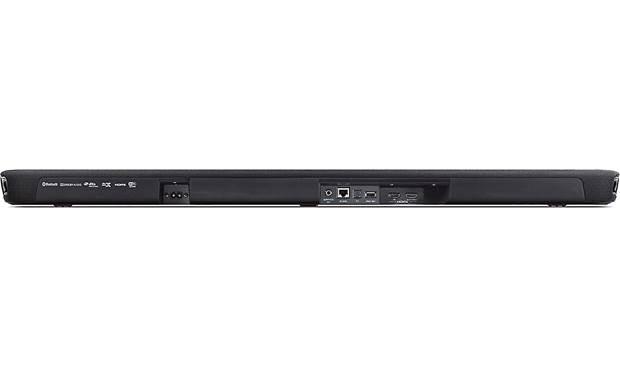
The Yamaha YAS-109 uses standard HDMI ARC, which handles most current audio formats adequately but may limit compatibility with future high-bandwidth formats. For current content, this difference is rarely noticeable, but it could matter for long-term use.
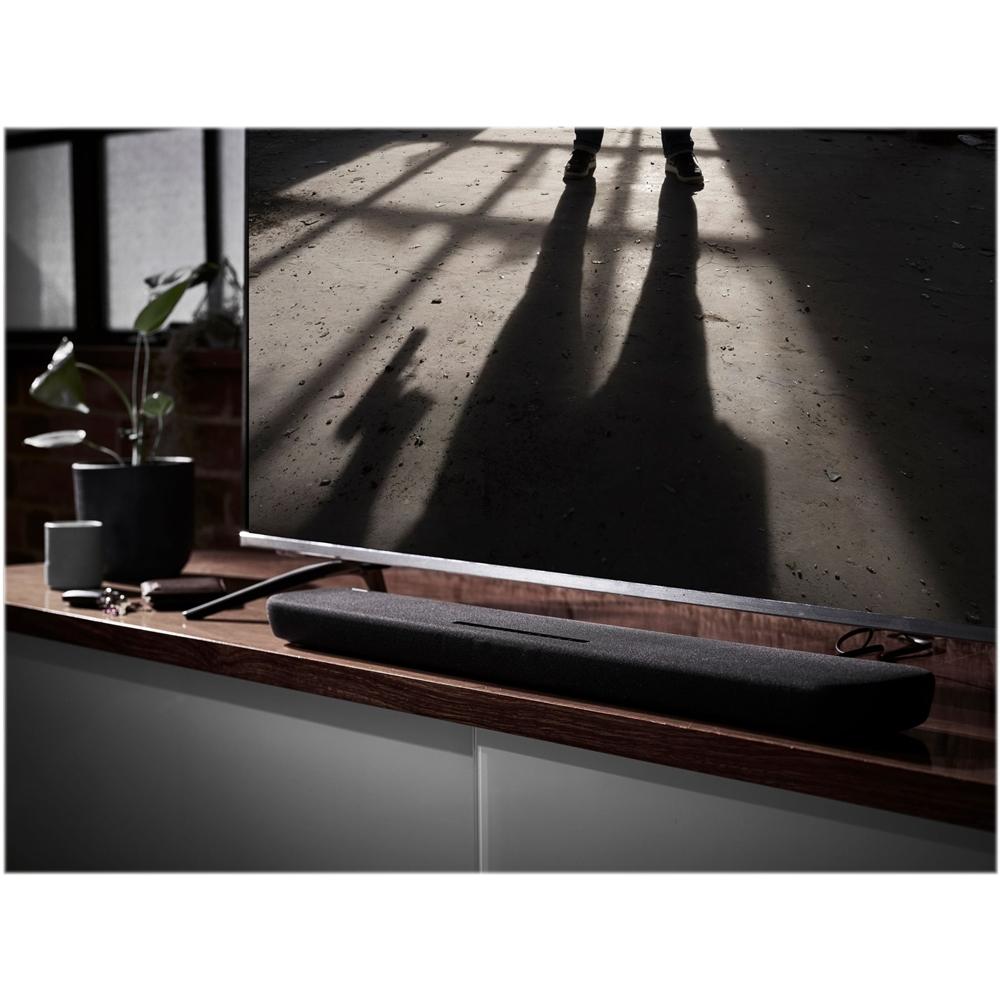
Both soundbars work best in small to medium-sized rooms (under 300 square feet). Larger spaces expose the fundamental limitations of compact soundbar designs – there simply aren't enough drivers to fill vast areas with immersive audio.
In my 15x12 living room, both units provided adequate volume and coverage. The YAS-109's built-in subwoofers gave it an advantage for bass response throughout the space, while the Beam Gen 2's superior processing created a more convincing surround effect during movie viewing.
For larger rooms, you'd want to consider the Beam Gen 2's expandability options or look at larger soundbars entirely. The YAS-109 works as-is or can connect to an external subwoofer, but wireless rear speakers aren't an option.
This is where Sonos's ecosystem approach pays dividends. The Sonos Beam Gen 2 can expand into a full 5.1 surround system by adding two Sonos speakers as rear channels (One SL or Era 100 models work well). The Sonos Sub adds genuine deep bass extension that transforms the system's low-end performance entirely.
While expensive, this expandability means your initial investment grows with your needs and budget. Start with the Beam Gen 2, add rear speakers later, then include a subwoofer when budget allows. Each addition genuinely improves the overall experience rather than just adding volume.
The Yamaha YAS-109 is essentially a complete solution from day one. It includes a subwoofer output for connecting an external sub, but wireless expansion isn't possible. This approach works well if you want a finished system immediately, but limits future upgrade paths.
Sonos regularly adds new streaming services, voice control improvements, and audio processing enhancements through software updates. Over the past year, I've seen new services appear and existing features become more responsive without any hardware changes.
This ongoing development means the Beam Gen 2 essentially improves over time, adding value to your initial investment. Yamaha provides periodic firmware updates for stability and compatibility but rarely adds major new features post-launch.
The Yamaha YAS-109 at $220 represents exceptional immediate value. You get strong bass response, integrated voice control, and solid overall audio quality for less than half the Beam's price. For many users, this combination delivers 80% of a premium soundbar experience at 50% of the cost.
However, the Sonos Beam Gen 2 at $449 offers superior long-term value through expandability and ongoing feature updates. If you eventually add a Sonos Sub ($799), the total investment reaches $1,248 – but the resulting system significantly outperforms most soundbars at any price point.
The key question is whether you value immediate satisfaction or long-term flexibility. The YAS-109 provides instant gratification, while the Beam Gen 2 is an investment in a platform that grows with your needs.
Both soundbars deliver strong performance relative to their pricing, but in different ways. The YAS-109 excels in immediate bass impact and convenience features that enhance daily use. The Beam Gen 2 provides superior dialogue clarity, more sophisticated surround processing, and access to an ecosystem of complementary products.
For budget-conscious buyers who primarily watch TV and stream music, the YAS-109's value proposition is compelling. For home theater enthusiasts who plan to build a system over time, the Beam Gen 2's expandability justifies its premium pricing.
You're working with a budget under $300 and want immediate improvement over TV speakers. The built-in subwoofers provide genuine bass impact that enhances action movies and music listening. Integrated Alexa voice control adds convenience without requiring additional devices.
This soundbar works particularly well for casual viewing in smaller spaces where its bass response won't overwhelm the room. If you primarily stream Netflix, watch sports, or listen to bass-heavy music genres, the YAS-109's strengths align perfectly with these use cases.
You prioritize dialogue clarity and plan to watch Dolby Atmos content on streaming platforms. The superior audio processing and expandability options make this a better long-term investment for serious home theater enthusiasts.
If you already own Sonos speakers or plan to build a multi-room audio system, the Beam Gen 2 integrates seamlessly into that ecosystem. The ongoing software updates and premium build quality also justify the higher initial cost for users who keep products for many years.
Both soundbars succeed in their intended markets, but serve different user priorities. The Yamaha YAS-109 provides immediate gratification and excellent value for mainstream users. The Sonos Beam Gen 2 offers superior audio processing and expandability for users willing to invest more upfront for long-term flexibility.
Your decision ultimately depends on budget, room size, and how seriously you take home entertainment. Either choice will dramatically improve your TV's audio – the question is whether you want a complete solution now or a platform for future expansion.
| Sonos Beam Gen 2 | Yamaha YAS-109 |
|---|---|
| Price - Major factor in value equation | |
| $449 | $220 |
| Dolby Atmos Support - Essential for modern streaming content | |
| Virtual Dolby Atmos supported | No Atmos support |
| Built-in Bass - Determines if you need a separate subwoofer | |
| Relies on processing, often needs separate Sub | Dual 3-inch built-in subwoofers |
| Voice Control - Convenience for hands-free operation | |
| Requires external Alexa/Google device | Built-in Alexa included |
| HDMI Standard - Affects audio quality and future compatibility | |
| HDMI eARC (higher bandwidth) | HDMI ARC (standard) |
| Expandability - Whether system can grow over time | |
| Full wireless expansion with rear speakers + Sub | Standalone unit with subwoofer output only |
| Streaming Services - How you access music and content | |
| 300+ services via Sonos app, AirPlay 2 | Basic Wi-Fi, Bluetooth, Spotify Connect |
| Room Calibration - Optimizes sound for your space | |
| Trueplay automatic room tuning (iOS required) | Manual sound modes only |
| Multi-room Audio - Playing synchronized music throughout home | |
| Full Sonos ecosystem integration | Single room use only |
| Software Updates - Long-term feature additions | |
| Regular updates with new features | Occasional firmware updates |
| Dimensions - Important for TV stand placement | |
| 25.6" W × 2.7" H × 3.9" D | 35" W × 2.1" H × 5.1" D |
| Total System Cost - Price to achieve full-range audio | |
| $1,248 with Sonos Sub for comparable bass | $220 complete solution |
The Yamaha YAS-109 at $220 offers better immediate value with built-in subwoofers and Alexa voice control. However, the Sonos Beam Gen 2 at $449 provides superior long-term value through expandability, regular software updates, and better audio processing. Choose Yamaha for budget-focused buyers, Sonos for long-term investment.
Yes, the Sonos Beam Gen 2 delivers superior dialogue clarity, wider soundstage, and more sophisticated surround sound processing. It also supports Dolby Atmos for height effects. However, the Yamaha YAS-109 has stronger bass response due to its built-in 3-inch subwoofers, making it better for action movies and bass-heavy music.
The Yamaha YAS-109 features dual 3-inch built-in subwoofers that provide genuine low-frequency impact without needing an external subwoofer. The Sonos Beam Gen 2 relies on digital processing for bass and typically requires the separate Sonos Sub ($799) for comparable deep bass performance.
Only the Sonos Beam Gen 2 supports Dolby Atmos, creating virtual height effects for immersive 3D audio from streaming services like Netflix and Disney+. The Yamaha YAS-109 uses DTS Virtual:X for basic surround sound simulation but lacks Atmos compatibility entirely.
The Yamaha YAS-109 includes Alexa built-in, allowing direct voice commands for volume control, music playback, and smart home device control. The Sonos Beam Gen 2 requires an external Amazon Echo or Google Assistant device for voice control functionality.
The Sonos Beam Gen 2 can expand wirelessly with rear Sonos speakers and a subwoofer to create a full 5.1 surround system. The Yamaha YAS-109 is designed as a standalone unit with only a subwoofer output for adding an external sub - no wireless rear speaker expansion is possible.
Both work well in small rooms, but the Yamaha YAS-109 may be better for very small spaces due to its stronger built-in bass that doesn't require additional components. The Sonos Beam Gen 2 is more compact and offers better dialogue clarity, making it ideal for bedroom or apartment use.
The Sonos Beam Gen 2 supports over 300 streaming services directly through the Sonos app, plus AirPlay 2 for iPhone users. The Yamaha YAS-109 offers basic streaming through Bluetooth, Wi-Fi, and Spotify Connect, but with fewer direct service integrations than Sonos.
The Yamaha YAS-109 is generally easier to set up with straightforward HDMI or optical connection and simple Bluetooth pairing. The Sonos Beam Gen 2 requires the Sonos app for setup and Wi-Fi configuration, which takes longer but provides more customization options once completed.
Both excel for different reasons. The Sonos Beam Gen 2 offers superior dialogue clarity and Dolby Atmos support, making it excellent for movies and TV shows. The Yamaha YAS-109 provides stronger bass impact that enhances action movies and sports, though dialogue clarity is slightly less refined.
The Sonos Beam Gen 2 receives frequent software updates that add new streaming services, improve performance, and introduce new features over time. The Yamaha YAS-109 gets occasional firmware updates for stability and compatibility but rarely adds major new functionality after purchase.
The Yamaha YAS-109 at $220 is a complete solution requiring no additional purchases for most users. The Sonos Beam Gen 2 starts at $449 but may need the Sonos Sub ($799) for comparable bass performance, bringing the total to $1,248 for full-range audio comparable to the Yamaha's built-in capabilities.
We've done our best to create useful and informative comparisons to help you decide what product to buy. Our research uses advanced automated methods to create this comparison and perfection is not possible - please contact us for corrections or questions. These are the sites we've researched in the creation of this article: whathifi.com - en.community.sonos.com - techradar.com - youtube.com - consumerreports.org - bestbuy.com - youtube.com - sonos.com - wave-electronics.com - en.community.sonos.com - epicsystems.tech - tomsguide.com - bestbuy.com - rtings.com - crutchfield.com - usa.yamaha.com - digitaltrends.com - tomsguide.com - listenup.com - youtube.com - usa.yamaha.com - hub.yamaha.com - youtube.com - hub.yamaha.com

Privacy Policy
Terms and Conditions - Affiliate Policy
Home Security
© Copyright 2008-2026.
11816 Inwood Rd #1211, Dallas, TX 75244