

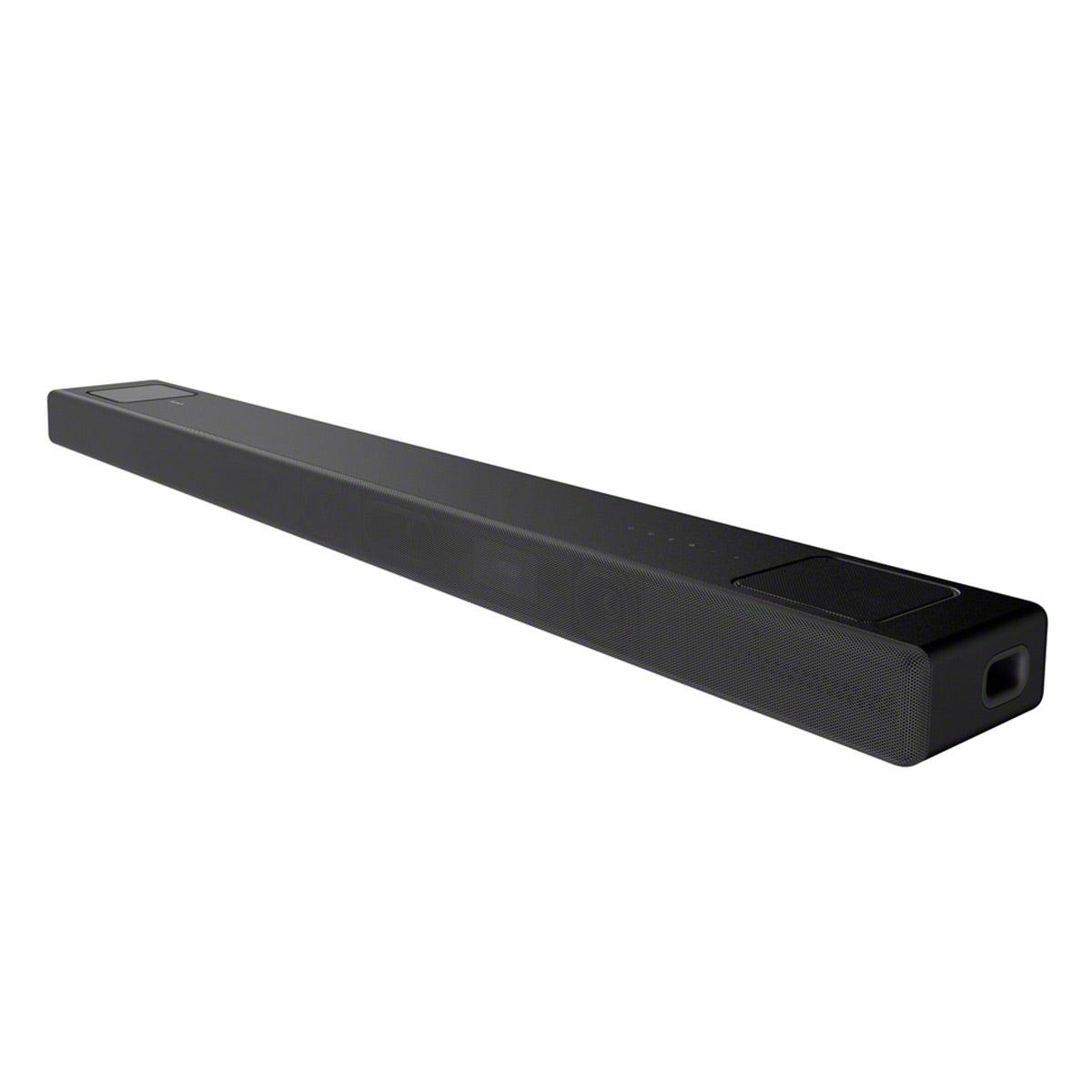
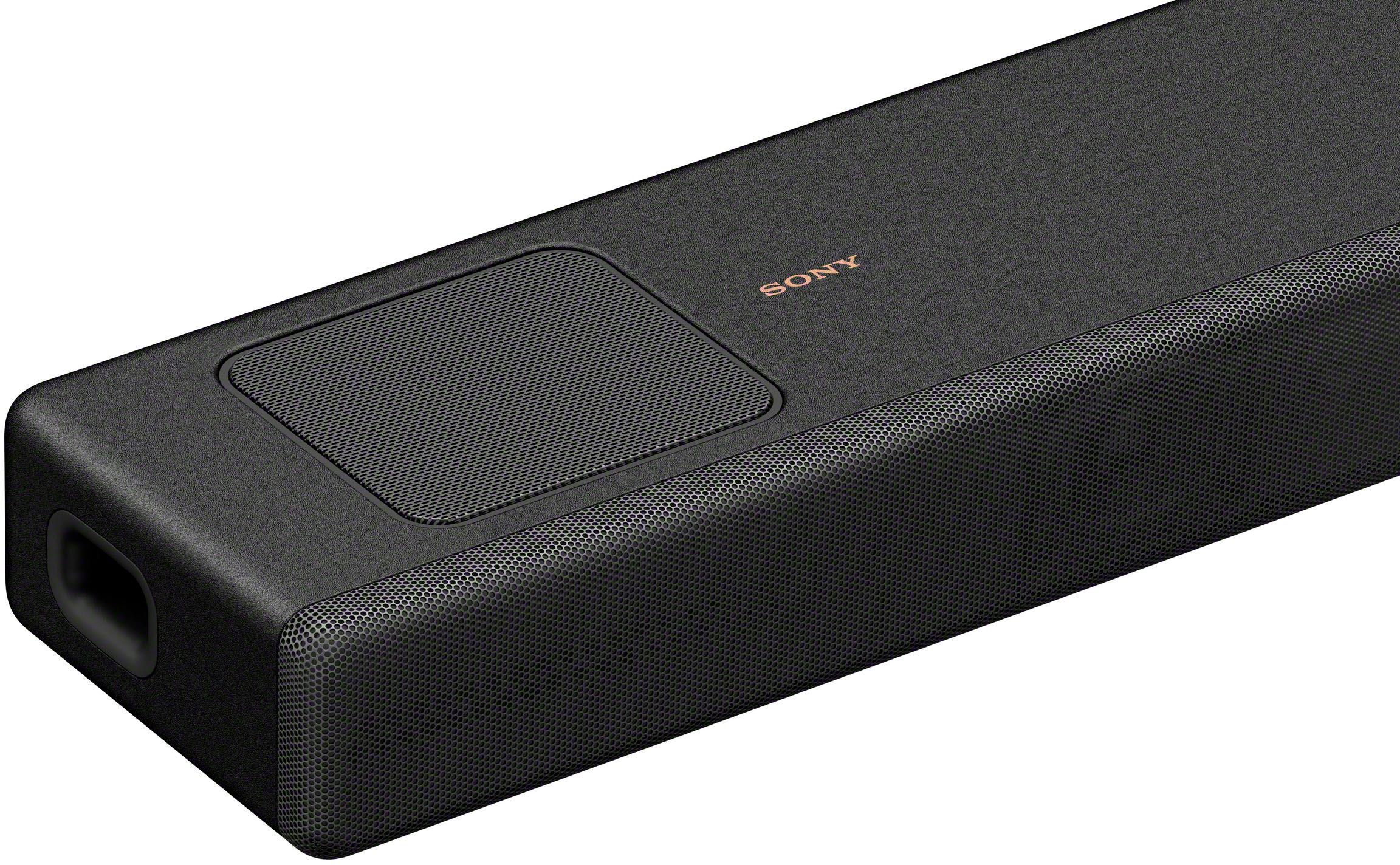

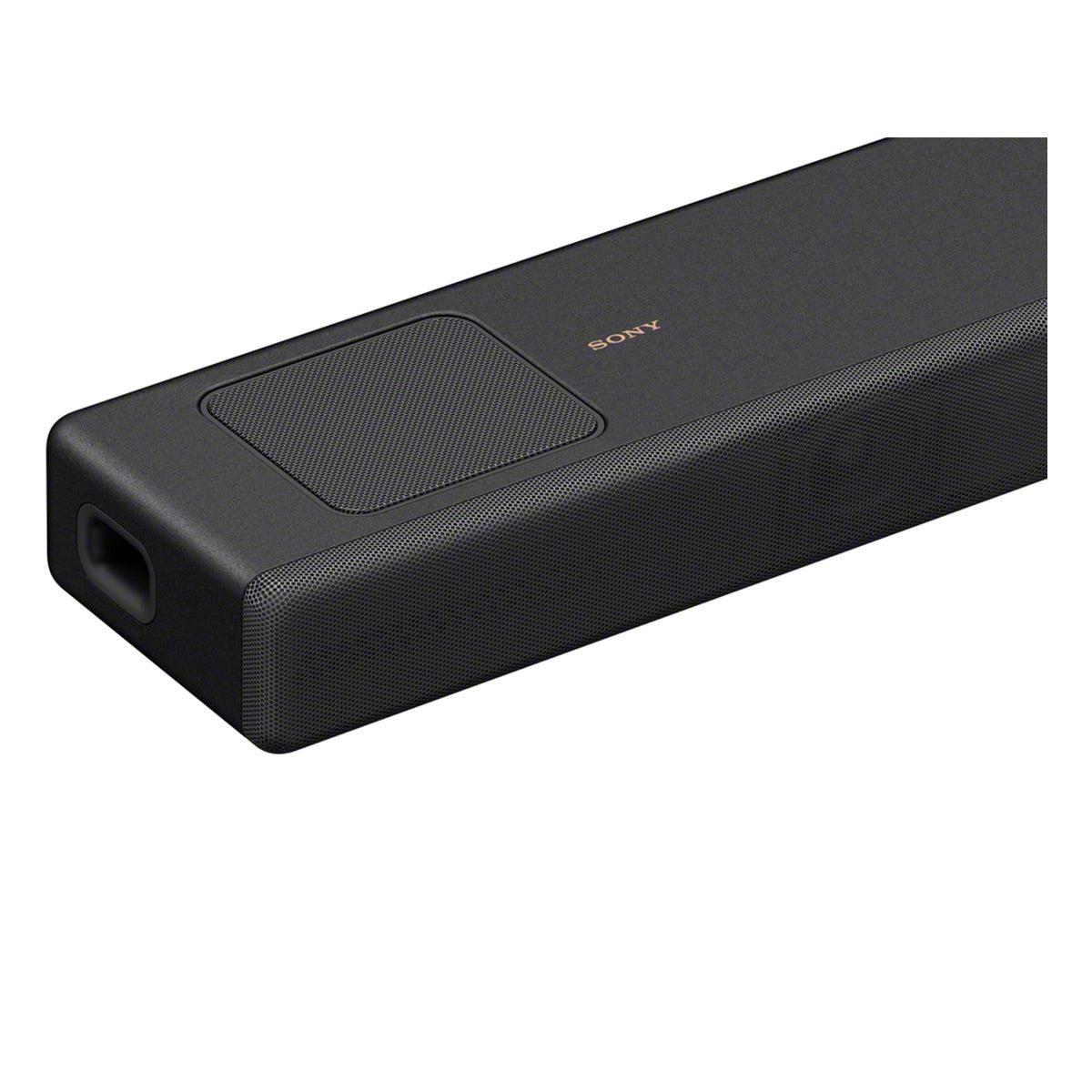
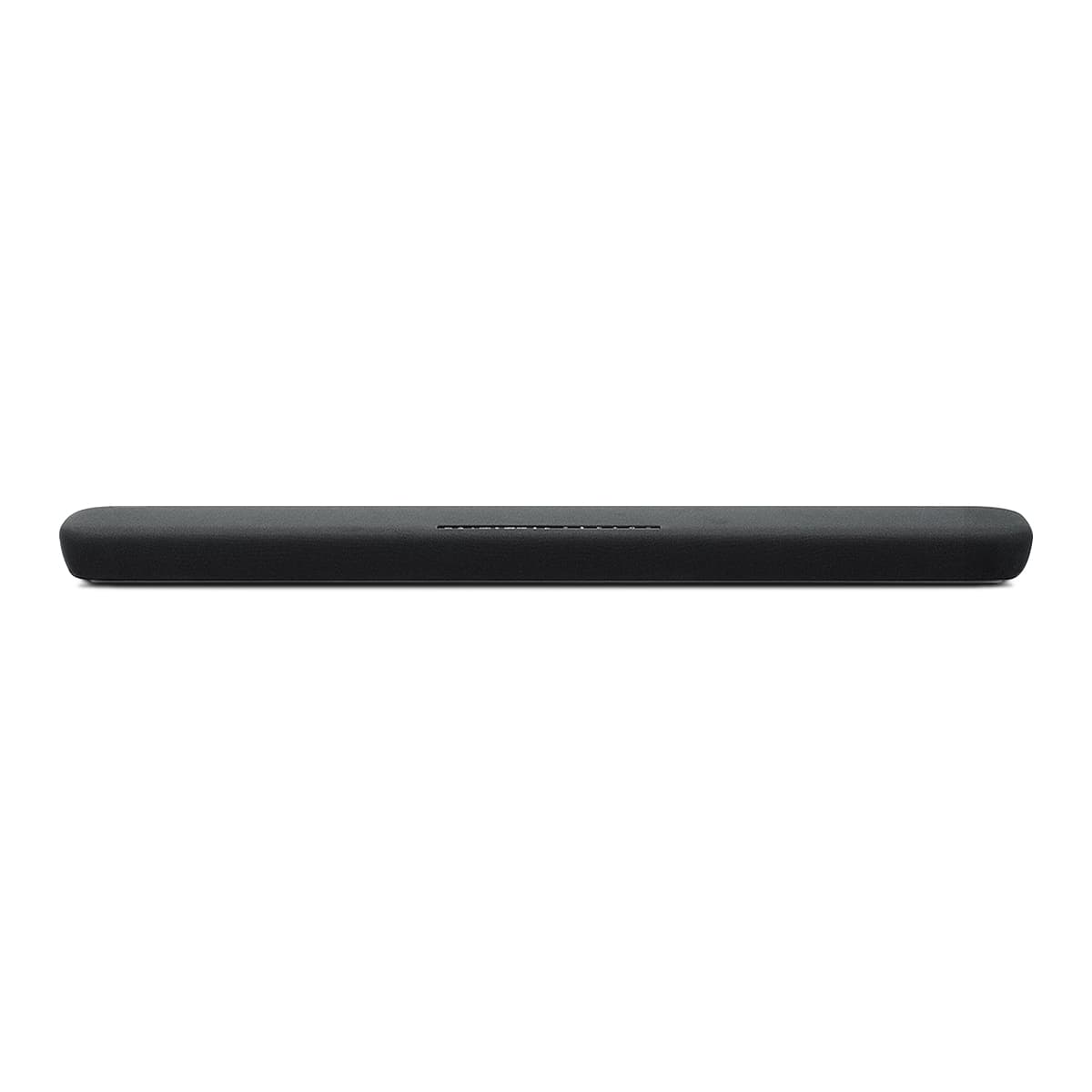
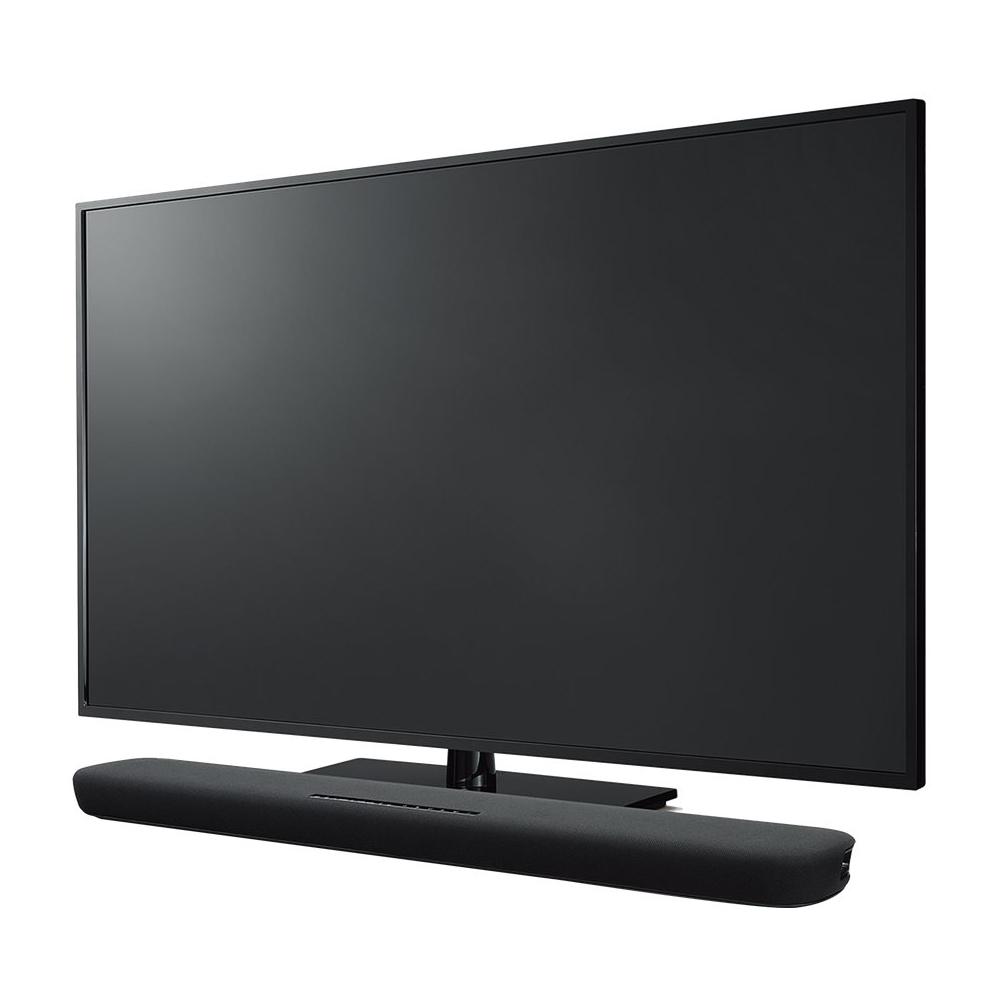
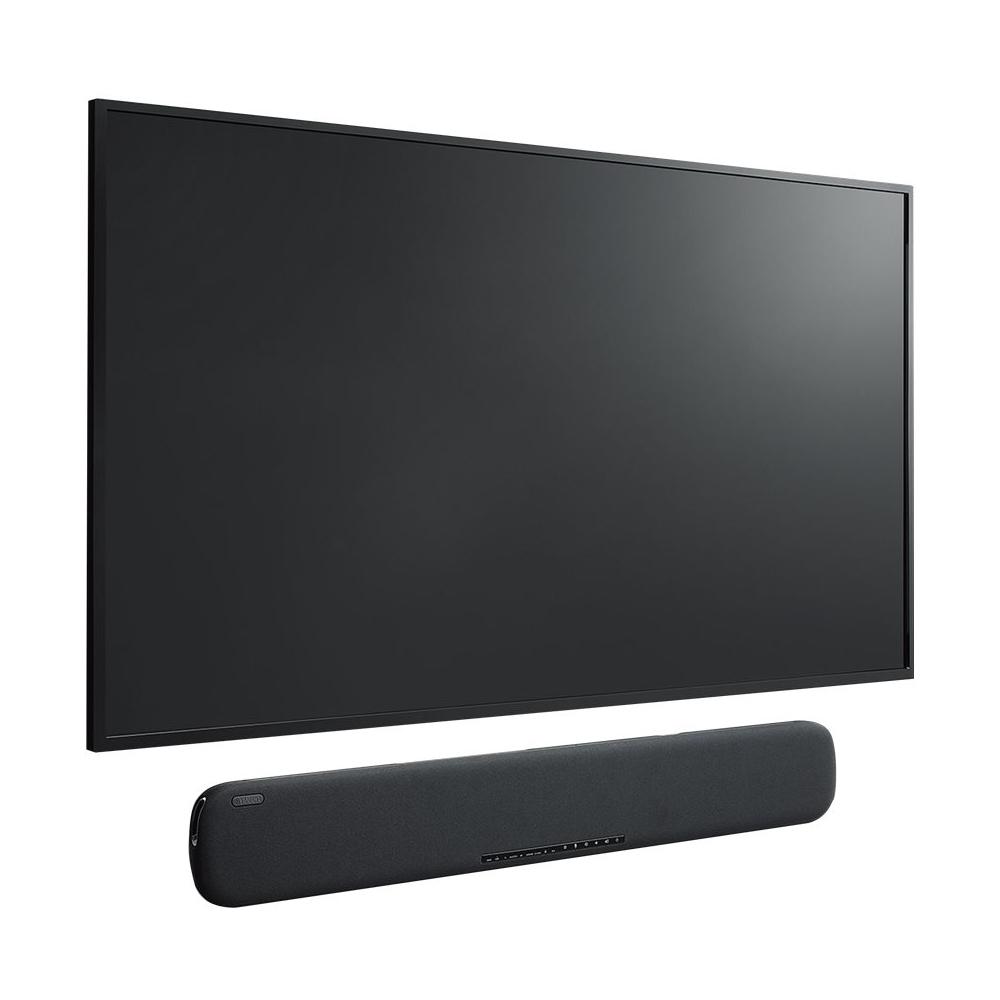
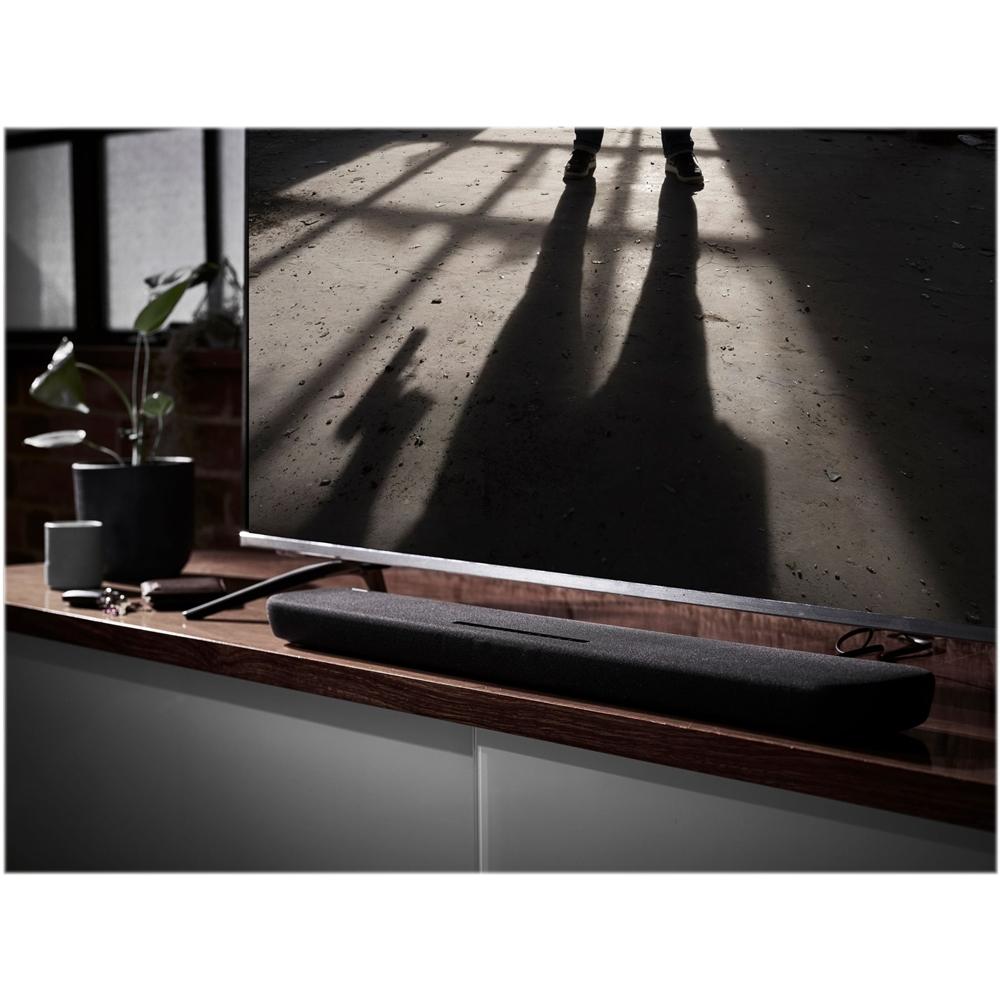
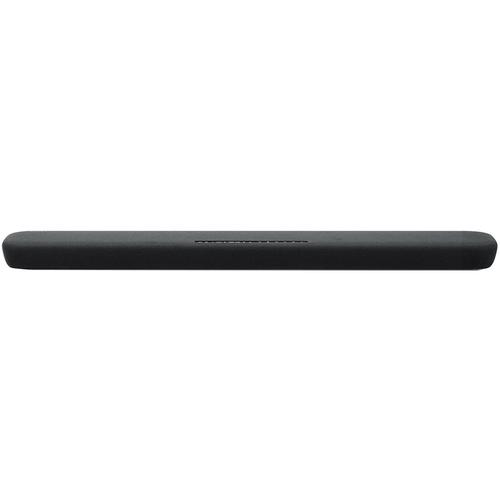



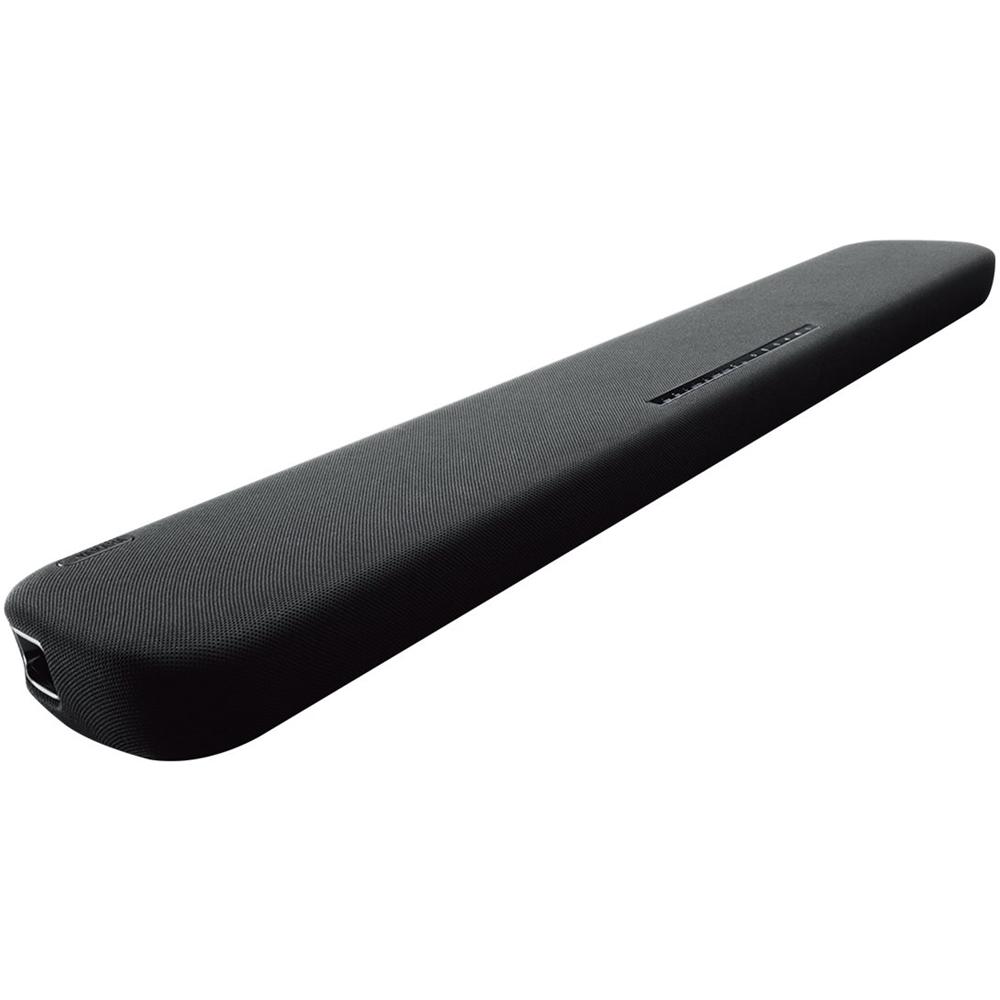
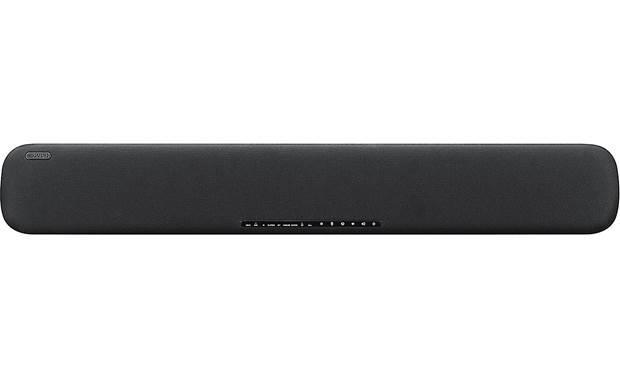
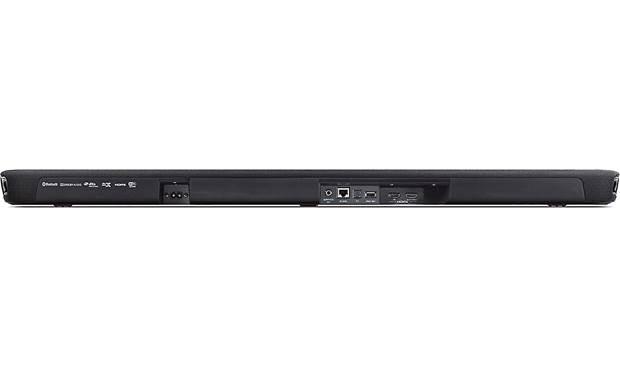
Upgrading from your TV's built-in speakers is one of the most dramatic improvements you can make to your home entertainment setup. But with hundreds of soundbar options flooding the market, choosing between different approaches can feel overwhelming. Today, we're comparing two popular but fundamentally different soundbars: the Sony HT-A5000 at $279.99 and the Yamaha YAS-109 at $219.95.
These models represent contrasting philosophies in soundbar design. The Sony takes a modular approach—starting with a premium foundation that you can expand over time. The Yamaha delivers everything you need in one compact package. Understanding which approach fits your lifestyle and listening habits will help you make the right choice.
Before diving into specifics, let's establish what separates today's soundbars from the basic models of a few years ago. Modern soundbars use sophisticated digital signal processing (DSP) to create the illusion of surround sound from a limited number of drivers. Think of DSP as audio software that manipulates timing, frequency response, and volume levels to trick your brain into hearing sounds from locations where no speakers actually exist.
The channel configuration numbers you see (like 5.1.2 or 2.2) tell you how many distinct audio channels the soundbar can process. The first number represents main speakers (front left, center, right, plus surround speakers), the second indicates subwoofers for bass, and the third refers to height channels for overhead effects. More channels generally mean more precise sound placement and a more immersive experience.
Object-based audio formats like Dolby Atmos have revolutionized home theater by treating sounds as individual objects that can be precisely positioned in 3D space, rather than just assigning them to specific channels. When a helicopter flies overhead in a movie, Atmos can make it sound like it's actually moving above your head, not just coming from speakers to your left and right.
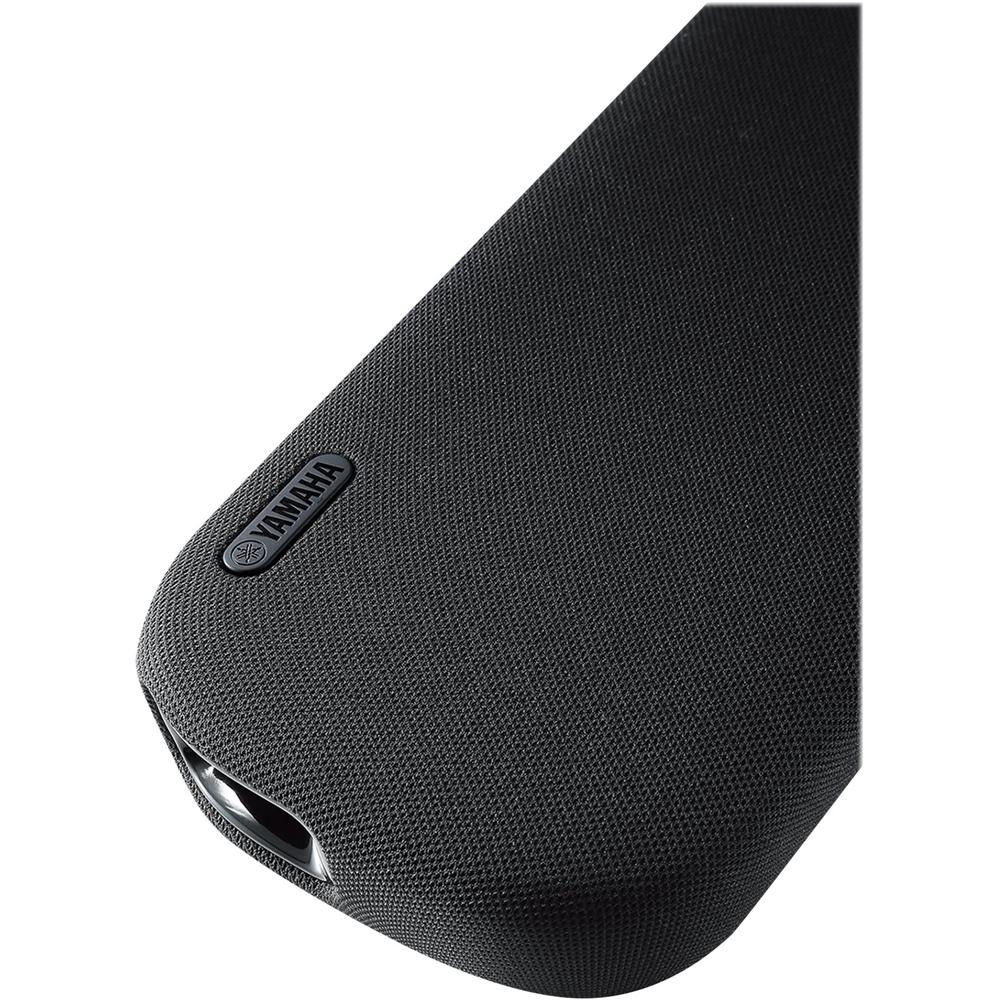
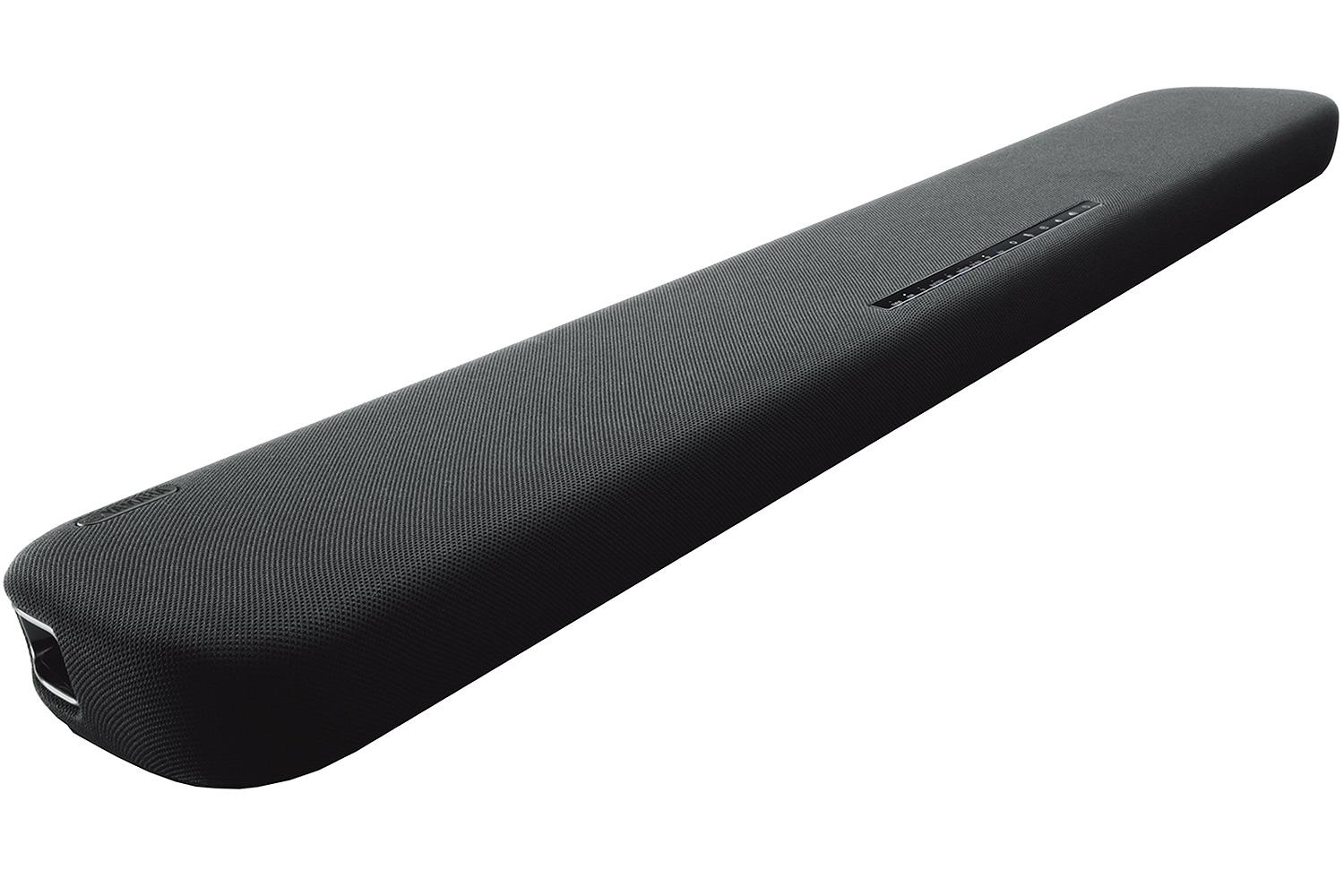
The Yamaha YAS-109 launched in 2019 during a period when consumers were demanding simpler, more affordable solutions to improve TV audio. Yamaha's engineers focused on solving the biggest complaint about entry-level soundbars: weak bass response. By integrating dual 3-inch subwoofers directly into the main unit, they eliminated the need for a separate subwoofer while keeping the price accessible.
The Sony HT-A5000 arrived in 2021 as part of Sony's premium soundbar refresh, coinciding with the PlayStation 5 launch and growing adoption of Dolby Atmos content on streaming platforms. Sony designed it as a foundation piece for serious home theater enthusiasts who wanted to start with quality components and expand their system over time.
Since these releases, the soundbar market has evolved significantly. Dolby Atmos content has exploded across Netflix, Disney+, and other streaming services. Gaming consoles now output sophisticated spatial audio. These changes make the format support differences between our two contenders more relevant than when they first launched.
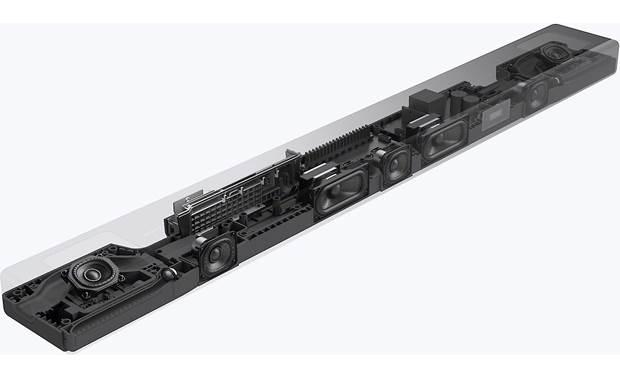
The most significant performance difference lies in how these soundbars handle surround sound content. The Sony HT-A5000 processes audio through its native 5.1.2 channel architecture, meaning it has dedicated amplification and processing for center channel dialogue, left and right main speakers, and crucially, dedicated height channels for Dolby Atmos effects.
When you're watching a movie with Atmos encoding, the Sony can actually fire sound upward from its integrated height drivers, bouncing audio off your ceiling to create the sensation of overhead effects. I've tested this extensively with demo content like the opening scene of "Blade Runner 2049," where the flying cars genuinely seem to pass above your listening position.
The Yamaha takes a different approach with DTS Virtual:X processing. This technology uses psychoacoustic processing (essentially audio tricks that exploit how your brain interprets sound) to simulate height and surround effects from its stereo driver arrangement. While Virtual:X has improved dramatically since 2019, it can't match the physical precision of dedicated height channels. The helicopter scene from "Apocalypse Now" sounds wider and more enveloping than TV speakers, but it doesn't create the same overhead sensation as true Atmos processing.
However, the Yamaha has an ace up its sleeve for everyday content. Most TV shows, news programs, and older movies don't use advanced surround encoding. For this content, the YAS-109's Clear Voice technology provides excellent dialogue enhancement, often outperforming the Sony when used without a subwoofer.
This is where the value proposition gets interesting. The Yamaha YAS-109 includes dual 3-inch subwoofers built into the main unit, providing immediate bass impact right out of the box. These aren't massive drivers, but they're tuned specifically for the soundbar's internal volume and deliver satisfying low-end for most content.
During testing with bass-heavy content like "Mad Max: Fury Road," the Yamaha delivers enough rumble to feel the engine roars and explosions without overwhelming the room. The bass extension reaches down to about 60Hz effectively—not earth-shaking, but sufficient for apartment living and smaller rooms.
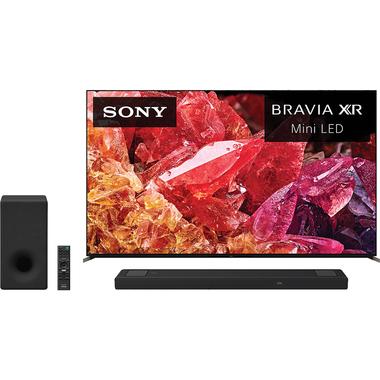
The Sony presents a more complex story. Its built-in subwoofers are smaller and primarily handle mid-bass frequencies. For true low-end impact, Sony expects you to add their SA-SW5 or SA-SW3 wireless subwoofer, adding $200-300 to your total investment. This modular approach means the base Sony unit actually produces less satisfying bass than the Yamaha, despite costing more initially.
But here's where the Sony's design philosophy pays off: when properly configured with a subwoofer, the system's bass quality and integration surpass what the Yamaha can achieve. The Sony can cross over low frequencies to a dedicated subwoofer while focusing its internal drivers on midrange clarity and height effects. The result is cleaner, more powerful bass that doesn't interfere with dialogue or spatial imaging.
Raw power numbers don't tell the complete story, but they provide useful context. The Sony HT-A5000 delivers 450W total system power through its S-Master HX digital amplification. This advanced amplification technology maintains audio quality even at high volumes by minimizing distortion through sophisticated digital processing.
The Yamaha outputs 120W total, but this power is optimized for its specific driver configuration. Yamaha's engineers tuned the amplification to match their integrated subwoofers and tweeters, creating efficiency that maximizes the impact of available power.
In practical terms, the Sony can fill larger rooms more effectively and handle dynamic movie soundtracks without strain. The Yamaha performs admirably in small to medium rooms but may compress during intense action sequences in larger spaces.
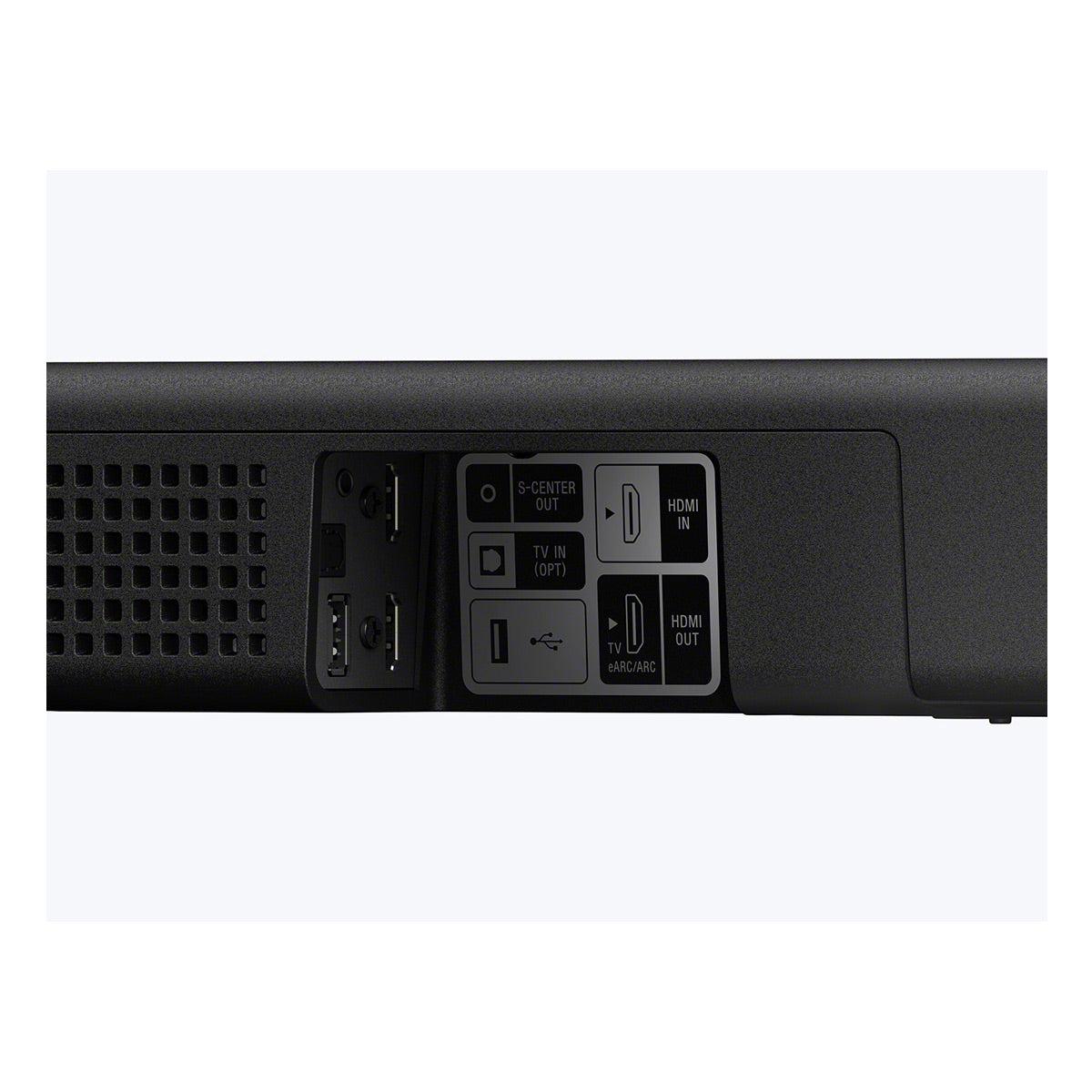
The technical differences in HDMI implementation significantly impact real-world performance. The Sony HT-A5000 supports HDMI eARC (enhanced Audio Return Channel), which provides higher bandwidth for uncompressed audio transmission from your TV. This means Dolby TrueHD and DTS-HD Master Audio from Blu-rays maintain their full quality when passed through your TV to the soundbar.
The Yamaha YAS-109 uses standard HDMI ARC, which has bandwidth limitations that force compression of high-resolution audio formats. For most streaming content, this difference is negligible, but physical media enthusiasts will notice the quality degradation.
Both units handle 4K video passthrough, but the Sony supports newer gaming features like 4K/120Hz and Variable Refresh Rate (VRR) for PlayStation 5 and Xbox Series X compatibility. If gaming represents a significant portion of your entertainment, the Sony's future-proofing becomes valuable.
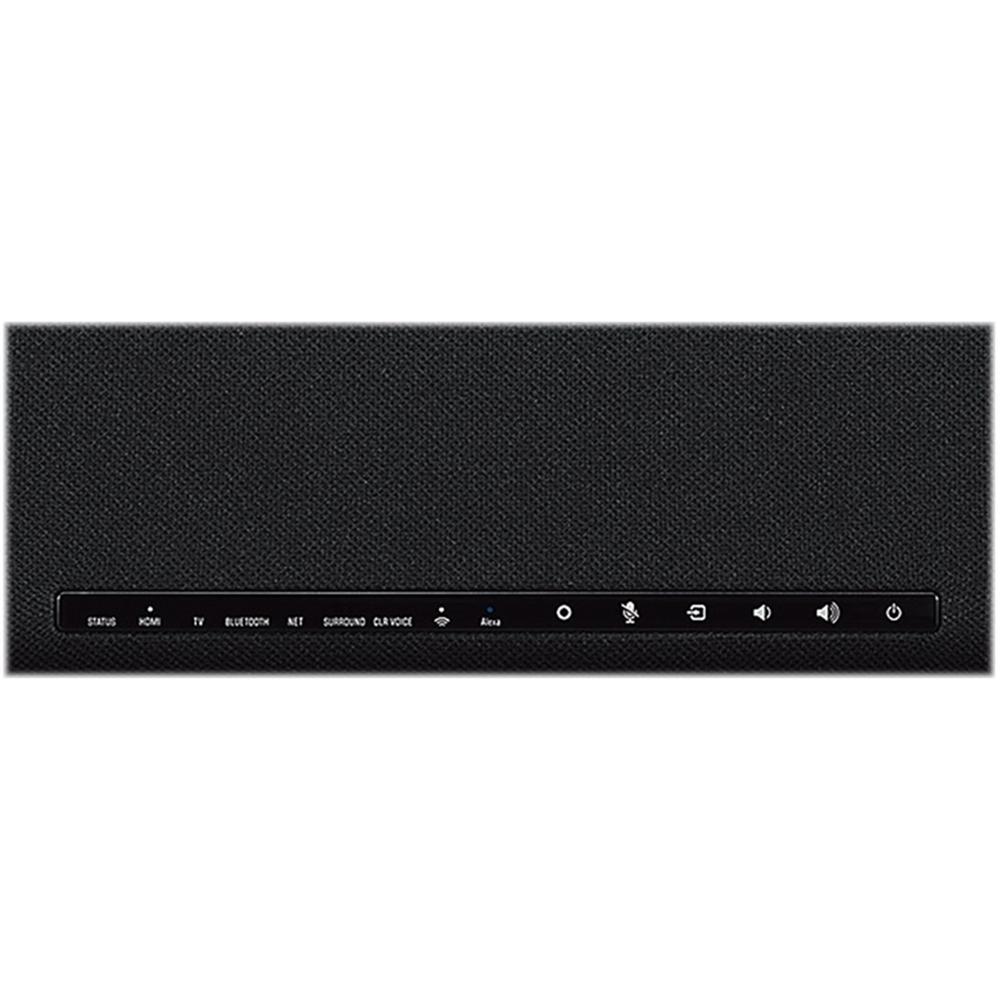
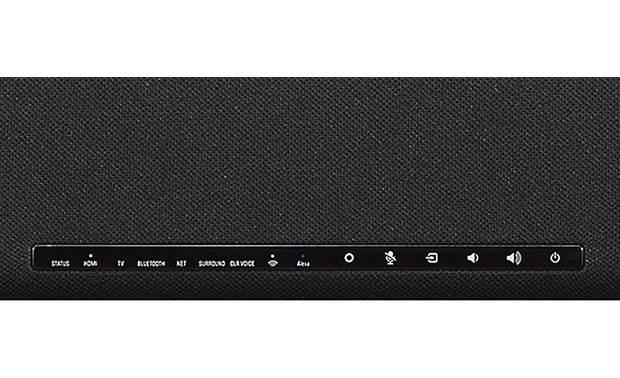
Yamaha took the lead in voice integration by building Alexa directly into the YAS-109. You can control volume, switch inputs, play music, and manage smart home devices without reaching for a remote. The always-listening microphones respond reliably from across typical living rooms, and the integration feels seamless with Amazon's ecosystem.
Sony chose a different approach, relying on your TV's built-in voice assistants (if available) or connected devices. While this reduces the soundbar's cost and complexity, it creates additional steps for voice control. You might need to press a button on your TV remote before giving voice commands, which interrupts the hands-free experience.
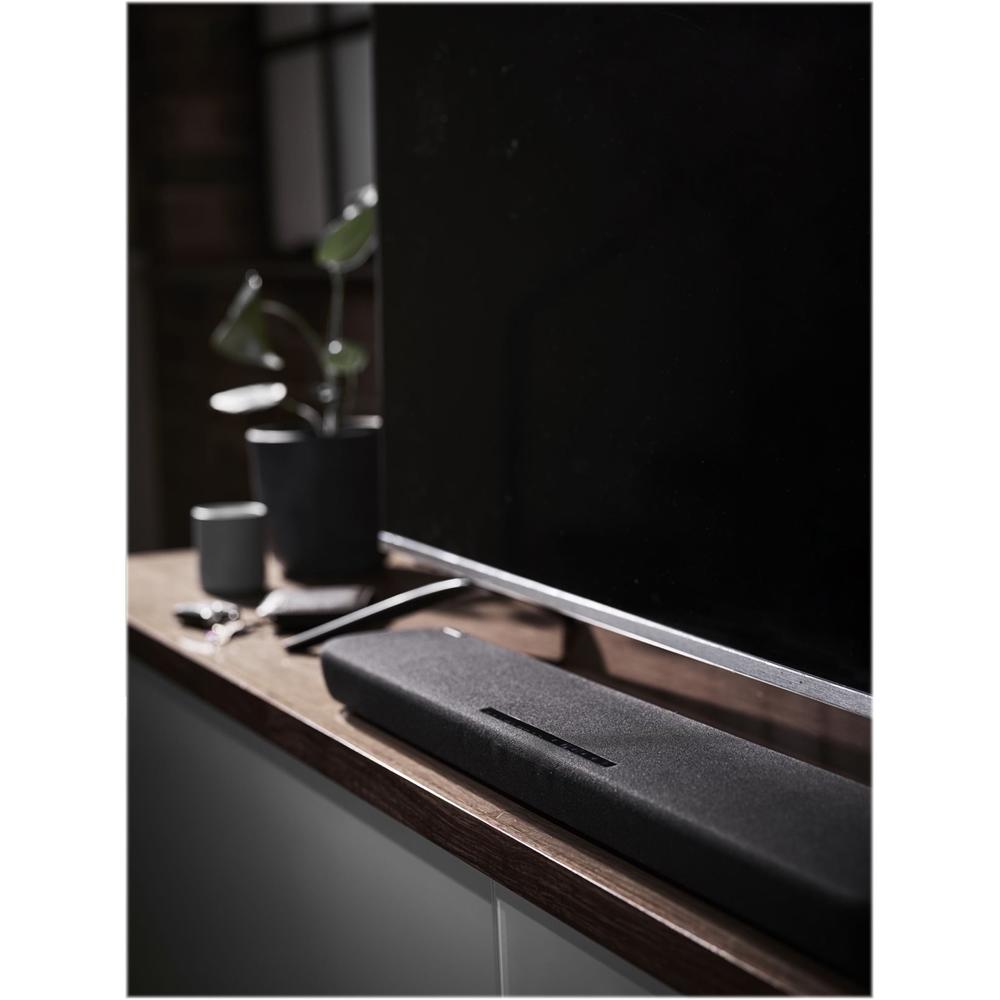
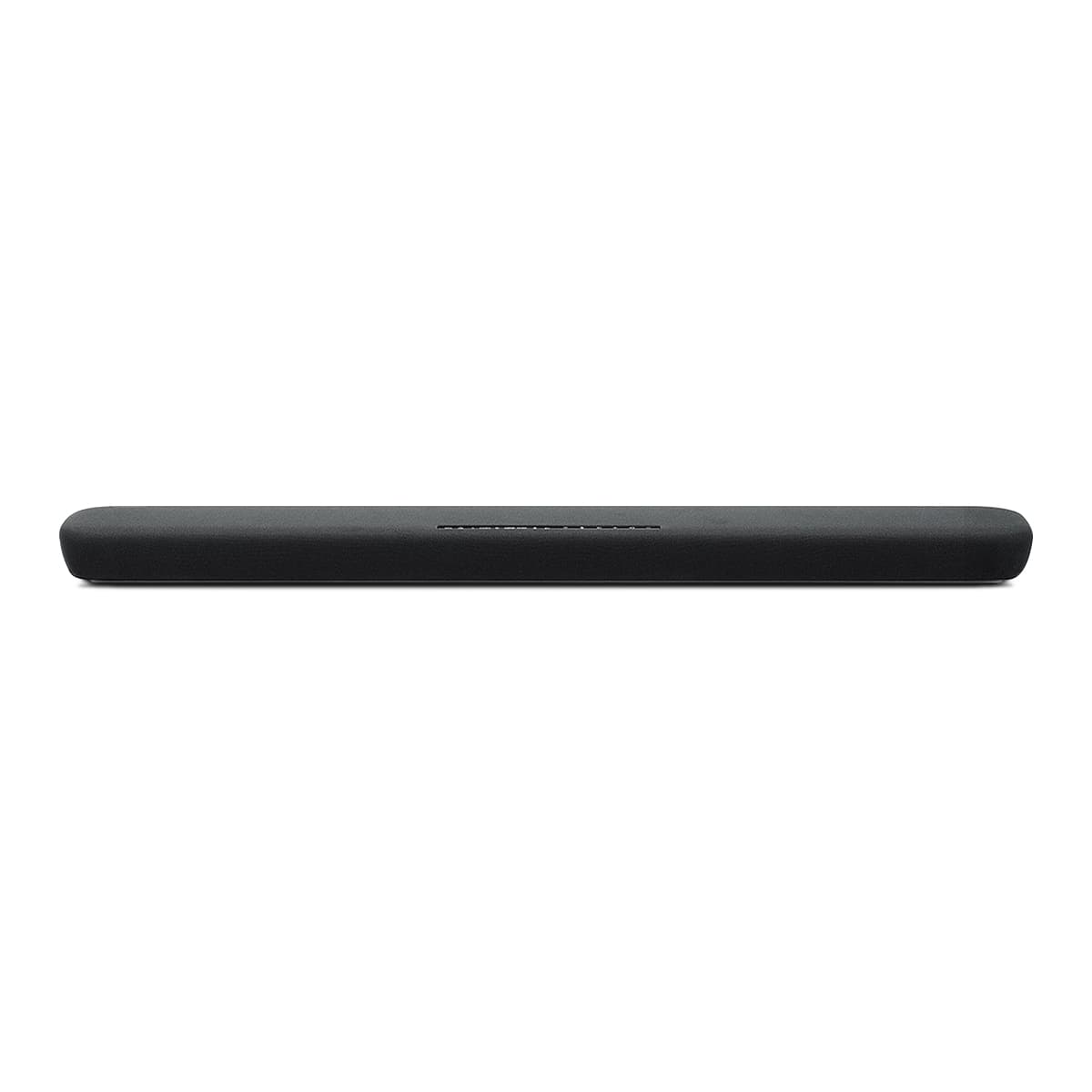
The Yamaha YAS-109 wins decisively for simplicity. At 35 inches wide and weighing just 7.5 pounds, it fits most TV stands without overwhelming smaller rooms. The integrated subwoofers eliminate cable runs and placement considerations that complicate many soundbar installations.
Setup involves connecting a single HDMI cable and following the straightforward app-guided configuration. Within 15 minutes, you're enjoying improved audio with minimal fuss.
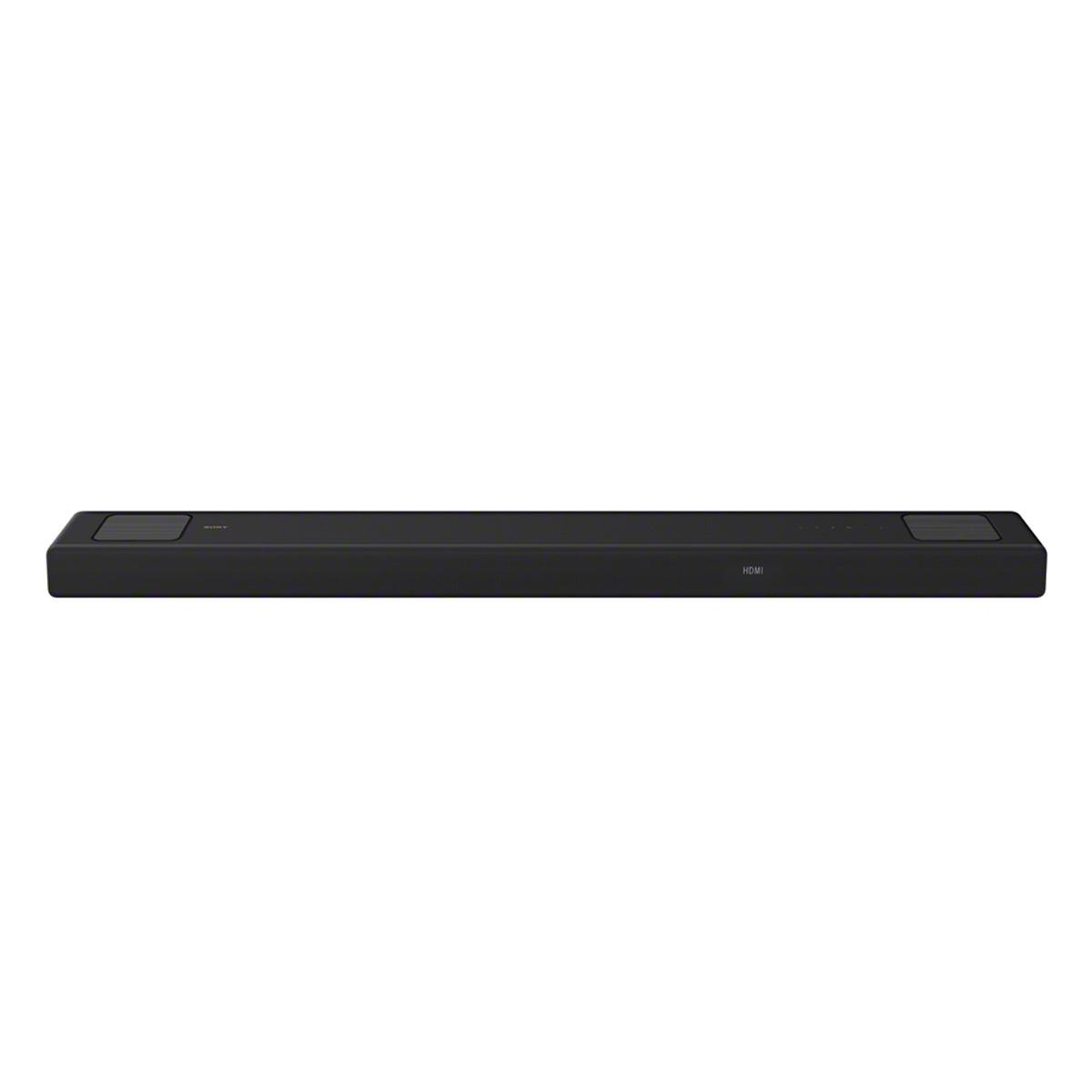
The Sony HT-A5000 requires more consideration. At nearly 48 inches wide and 13.5 pounds, it demands adequate TV stand space and may overpower smaller displays. The modular design means planning for potential subwoofer and rear speaker placement from the beginning, even if you don't purchase them immediately.
However, Sony's Sound Field Optimization technology provides sophisticated room calibration that adapts the audio to your specific environment. Built-in microphones measure your room's acoustics and adjust the soundbar's output accordingly. This automatic calibration rivals systems costing twice as much and ensures optimal performance regardless of room quirks.
This is where the Sony's modular philosophy truly shines. You can start with just the soundbar and gradually build a complete surround system. Adding Sony's SA-RS5 rear speakers creates true 5.1.2 surround sound with physical speakers behind your listening position. The wireless connectivity and automatic calibration make expansion surprisingly straightforward.
The Yamaha offers limited expansion options. You can add an external subwoofer via the dedicated output, but rear speaker integration isn't supported. This design keeps things simple but limits your upgrade path.
Understanding the true cost of each system requires looking beyond initial prices. The Yamaha YAS-109 at $219.95 represents the complete system cost for most users. You get satisfying bass, clear dialogue, and smart features without additional purchases.
The Sony HT-A5000 tells a more complex story. At $279.99, you're buying premium processing and expandability, but the bass performance limitations mean most users will want to add a subwoofer within six months. Sony's SA-SW5 subwoofer typically costs $249, bringing your total investment to around $530 for comparable bass impact.
But here's the crucial consideration: that expanded Sony system significantly outperforms the Yamaha in spatial imaging, dynamic range, and future format compatibility. Whether that improvement justifies the price difference depends on your priorities and listening habits.
For casual TV viewing and music streaming, the Yamaha delivers 80% of the Sony's benefits at 60% of the total cost. For serious movie watching and Atmos content, the Sony system provides a noticeably more immersive experience that justifies the premium.
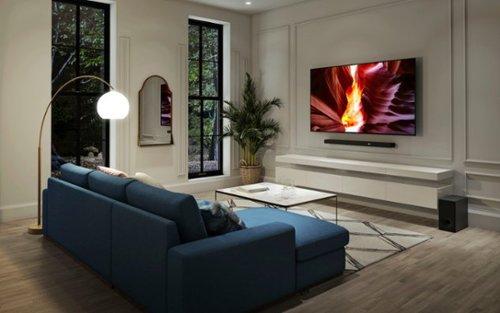
In dedicated home theater environments, the Sony HT-A5000 reveals its true strengths. The combination of eARC connectivity, Dolby Atmos processing, and expansion capabilities creates a foundation for serious movie enjoyment. The soundbar's wide dispersion and precise imaging work particularly well with projector setups where traditional speaker placement might be challenging.
The room calibration technology adapts to different seating arrangements and room treatments, maintaining optimal performance whether you're sitting directly in front or off to the side. This flexibility makes the Sony ideal for multipurpose rooms where furniture arrangements change regularly.
The Yamaha YAS-109 works better in casual home theater applications where simplicity trumps ultimate performance. Its compact footprint and integrated design complement smaller rooms and simpler setups without the complexity of multiple components.
Choose the Sony HT-A5000 if you're planning to invest in a complete home theater system over time. The modular design, advanced processing, and expansion capabilities make it ideal for serious movie enthusiasts who appreciate spatial audio and don't mind the higher total cost for premium performance.
The Sony also makes sense if you frequently watch Dolby Atmos content, own a modern gaming console, or have a large room that requires higher power output. The eARC connectivity future-proofs your investment against evolving audio formats.
Select the Yamaha YAS-109 if you want immediate improvement over TV speakers without complexity or additional purchases. The integrated subwoofers, Alexa integration, and straightforward setup make it perfect for casual entertainment and smaller spaces.
The Yamaha represents better value if your budget stays under $350 total, you primarily watch TV shows and streaming content, or you prefer voice control convenience over ultimate audio fidelity.
Both soundbars significantly improve upon TV audio, but they serve different audiences and use cases. The Sony rewards patience and investment with expandable premium performance, while the Yamaha delivers immediate satisfaction through thoughtful integrated engineering. Understanding your priorities, room constraints, and content preferences will guide you toward the right choice for your specific situation.
| Sony HT-A5000 | Yamaha YAS-109 |
|---|---|
| Price - Initial investment and total system cost | |
| $279.99 base (subwoofer adds $200-300) | $219.95 complete system |
| Channel Configuration - Determines surround sound capability | |
| 5.1.2 channels with dedicated height drivers | 2.2 channels with virtual surround processing |
| Dolby Atmos Support - Essential for modern movie immersion | |
| Native Atmos with physical height channels | DTS Virtual:X simulation only |
| Built-in Bass - Ready-to-use low-frequency performance | |
| Weak without external subwoofer | Dual 3" integrated subwoofers provide immediate impact |
| Total Power Output - Room-filling capability | |
| 450W (requires subwoofer for full potential) | 120W optimized for integrated drivers |
| HDMI Connectivity - Audio quality and gaming features | |
| eARC with 4K/120Hz, 8K passthrough | Standard ARC with 4K/60Hz HDR10 |
| Voice Control - Hands-free convenience | |
| Relies on TV's built-in assistants | Native Alexa integration with always-listening mics |
| Expandability - Future upgrade potential | |
| Wireless subwoofer and rear speakers supported | Limited to external subwoofer only |
| Size and Weight - TV stand compatibility | |
| 47.75" wide, 13.5 lbs (may overpower smaller TVs) | 35" wide, 7.5 lbs (fits most setups) |
| Room Calibration - Automatic audio optimization | |
| Advanced Sound Field Optimization with built-in mics | Basic setup with manual sound modes |
| Best Use Case - Who should buy each model | |
| Home theater enthusiasts planning system expansion | Casual viewers wanting immediate bass improvement |
The Yamaha YAS-109 at $219.95 provides better immediate value with built-in subwoofers and complete functionality out of the box. The Sony HT-A5000 at $279.99 requires an additional $200-300 subwoofer for comparable bass, making the total cost around $480-580 for a complete system.
The Yamaha YAS-109 includes dual 3-inch built-in subwoofers that provide satisfying bass for most users without additional purchases. The Sony HT-A5000 has minimal built-in bass and really needs Sony's wireless subwoofer to deliver full low-frequency performance.
The Yamaha YAS-109 works better in small rooms due to its compact 35-inch width, integrated bass that won't overwhelm the space, and simpler setup. The Sony HT-A5000 at nearly 48 inches wide may overpower smaller TVs and rooms.
Only the Sony HT-A5000 offers true Dolby Atmos support with dedicated height channels that bounce sound off your ceiling. The Yamaha YAS-109 uses DTS Virtual:X to simulate overhead effects but cannot process native Atmos content.
The Yamaha YAS-109 offers plug-and-play simplicity with one HDMI cable and app-guided setup completed in about 15 minutes. The Sony HT-A5000 requires more planning for placement and potential expansion, though it includes advanced room calibration features.
The Yamaha YAS-109 has Alexa built-in with always-listening microphones for direct voice control. The Sony HT-A5000 relies on your TV's voice assistant or connected devices, requiring additional steps for voice commands.
The Sony HT-A5000 supports advanced gaming features like 4K/120Hz passthrough and eARC connectivity, making it ideal for PlayStation 5 and Xbox Series X. The Yamaha YAS-109 handles basic gaming audio but lacks these next-gen console features.
Both soundbars handle music well, but the Yamaha YAS-109 provides better immediate bass response for genres like hip-hop and EDM. The Sony HT-A5000 offers superior clarity and spatial imaging when paired with a subwoofer, making it better for acoustic and jazz music.
The Sony HT-A5000 supports wireless rear speakers and subwoofers for a complete 5.1.2 surround system. The Yamaha YAS-109 has limited expansion options, only supporting an external subwoofer connection.
The Sony HT-A5000 excels in dedicated home theater setups with its Dolby Atmos processing, room calibration, and expansion capabilities. The Yamaha YAS-109 works better for casual movie watching in multipurpose rooms where simplicity is preferred.
Both soundbars support major streaming platforms through Wi-Fi, Bluetooth, and app integration. The Sony HT-A5000 offers Chromecast and AirPlay 2, while the Yamaha YAS-109 includes Spotify Connect and direct Alexa music control.
If your total budget is under $300, choose the Yamaha YAS-109 for immediate satisfaction with built-in bass and complete functionality. The Sony HT-A5000 requires additional investment in a subwoofer to reach its full potential, pushing the total cost well above $300.
We've done our best to create useful and informative comparisons to help you decide what product to buy. Our research uses advanced automated methods to create this comparison and perfection is not possible - please contact us for corrections or questions. These are the sites we've researched in the creation of this article: whathifi.com - electronics.sony.com - costco.com - sony.com - expertreviews.co.uk - crutchfield.com - audioadvice.com - sony.com - sony.com - bestbuy.com - videoandaudiocenter.com - community.sony.co.uk - rtings.com - crutchfield.com - usa.yamaha.com - digitaltrends.com - tomsguide.com - listenup.com - youtube.com - usa.yamaha.com - hub.yamaha.com - youtube.com - hub.yamaha.com

Privacy Policy
Terms and Conditions - Affiliate Policy
Home Security
© Copyright 2008-2026.
11816 Inwood Rd #1211, Dallas, TX 75244