




If you've ever tried watching an action movie through your TV's built-in speakers, you know the struggle. Explosions sound like pop rocks, dialogue gets lost in the mix, and forget about feeling immersed in the experience. That's where soundbars come in – they're designed to transform your living room audio without requiring a PhD in home theater installation.
But here's the thing: not all soundbars are created equal. Some are simple stereo upgrades that make dialogue clearer, while others are sophisticated audio systems that can rival traditional surround sound setups. Today, we're comparing two soundbars that represent completely different approaches to solving your TV audio problems: the premium Samsung HW-Q990D ($847.99) and the budget-friendly Yamaha YAS-109 ($219.95).
Before diving into these specific models, let's talk about what makes soundbars tick. The most important factor is channel configuration – those numbers like "2.1" or "11.1.4" that you see everywhere. The first number represents left and right channels, the second is the subwoofer (the ".1"), and the third number indicates height channels for overhead effects.
Channel configuration determines whether you get virtual surround sound (created through audio processing tricks) or true surround sound (using actual speakers positioned around you). Think of it like the difference between watching a 3D movie with glasses versus actually being inside the scene – both can be enjoyable, but one is fundamentally more immersive.
Another crucial consideration is room size. A powerful soundbar in a small apartment might overwhelm your space, while a compact unit in a large living room could get lost. Modern soundbars also need to handle today's gaming consoles, streaming devices, and smart TV features, which means connectivity matters more than ever.
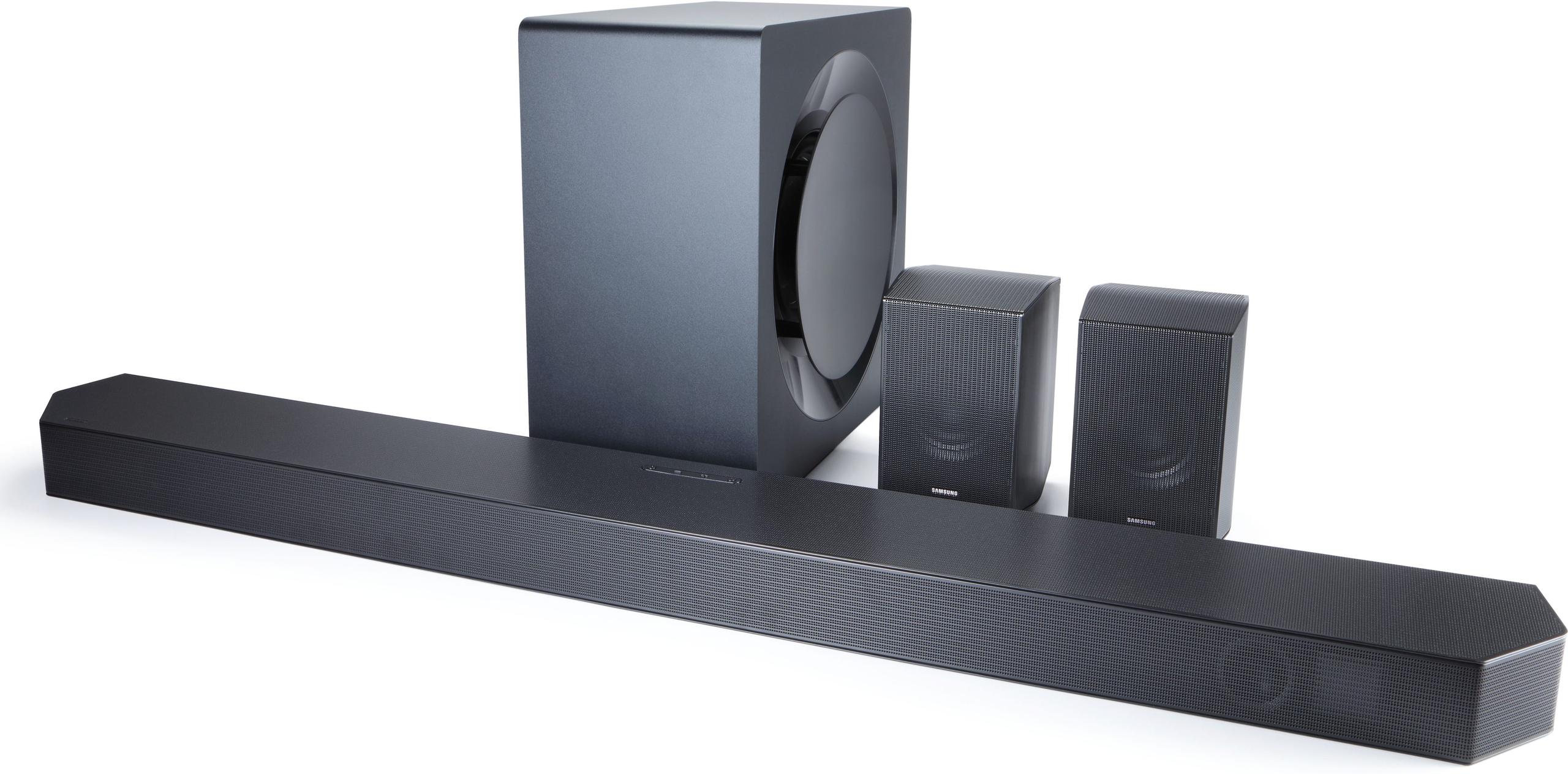
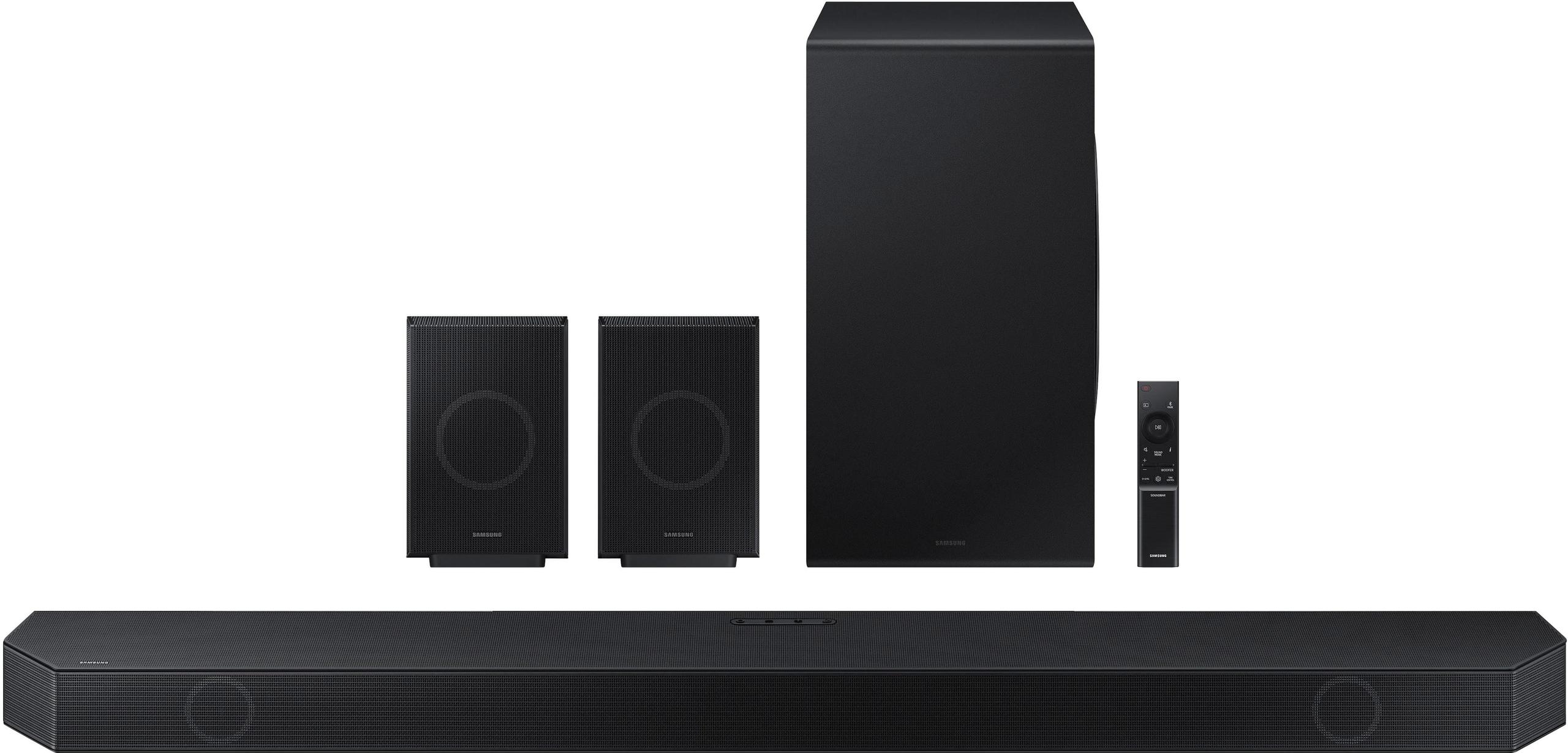
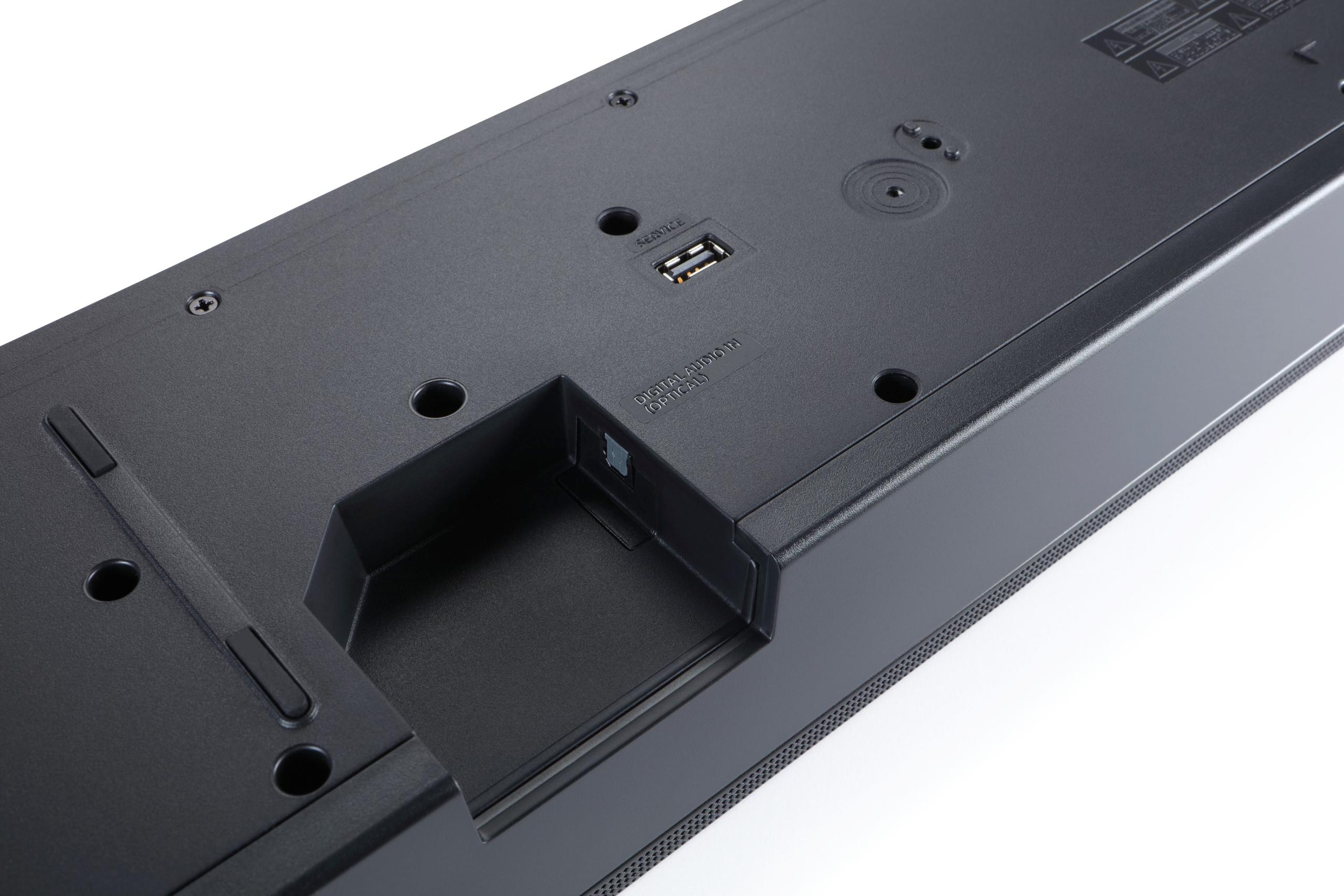
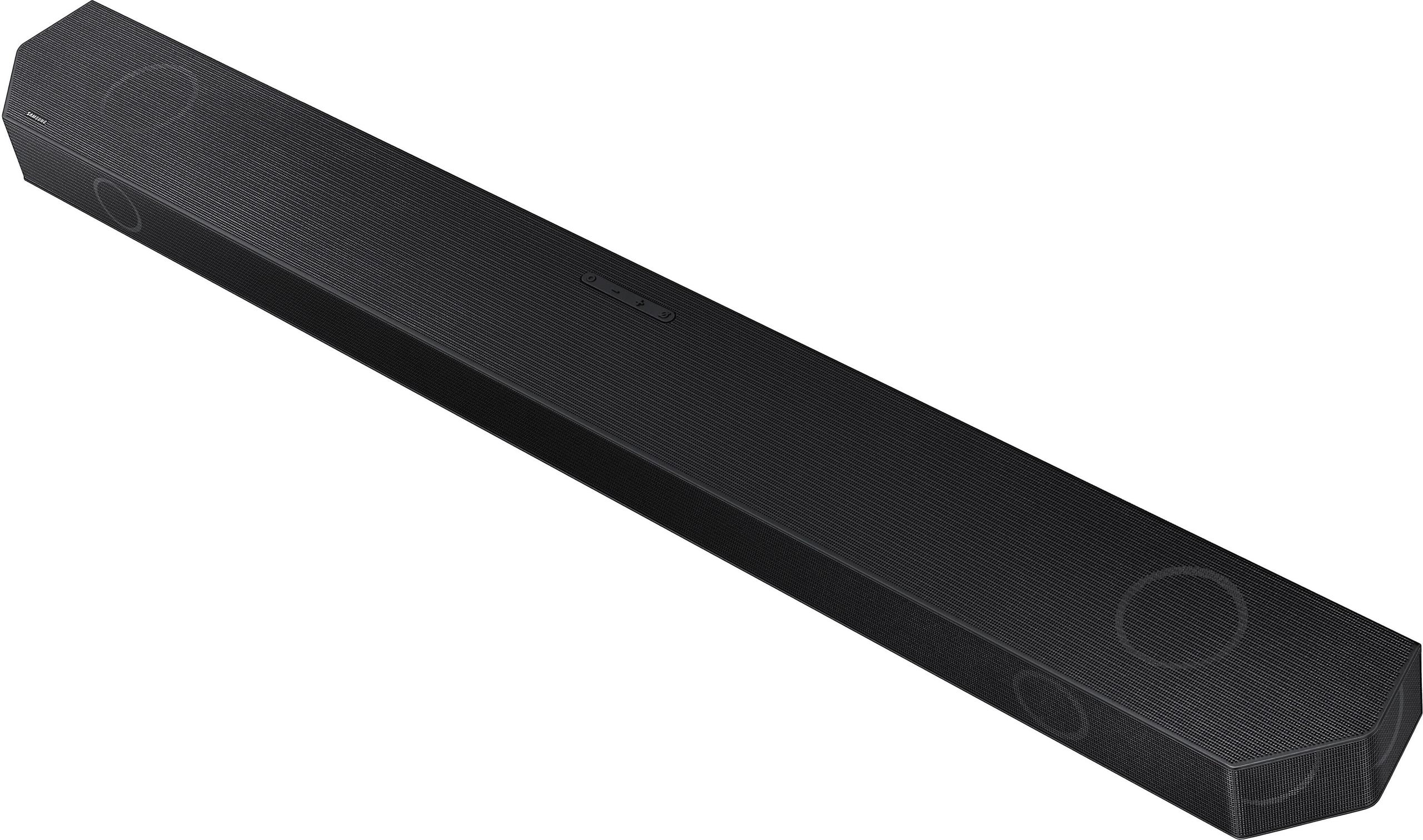
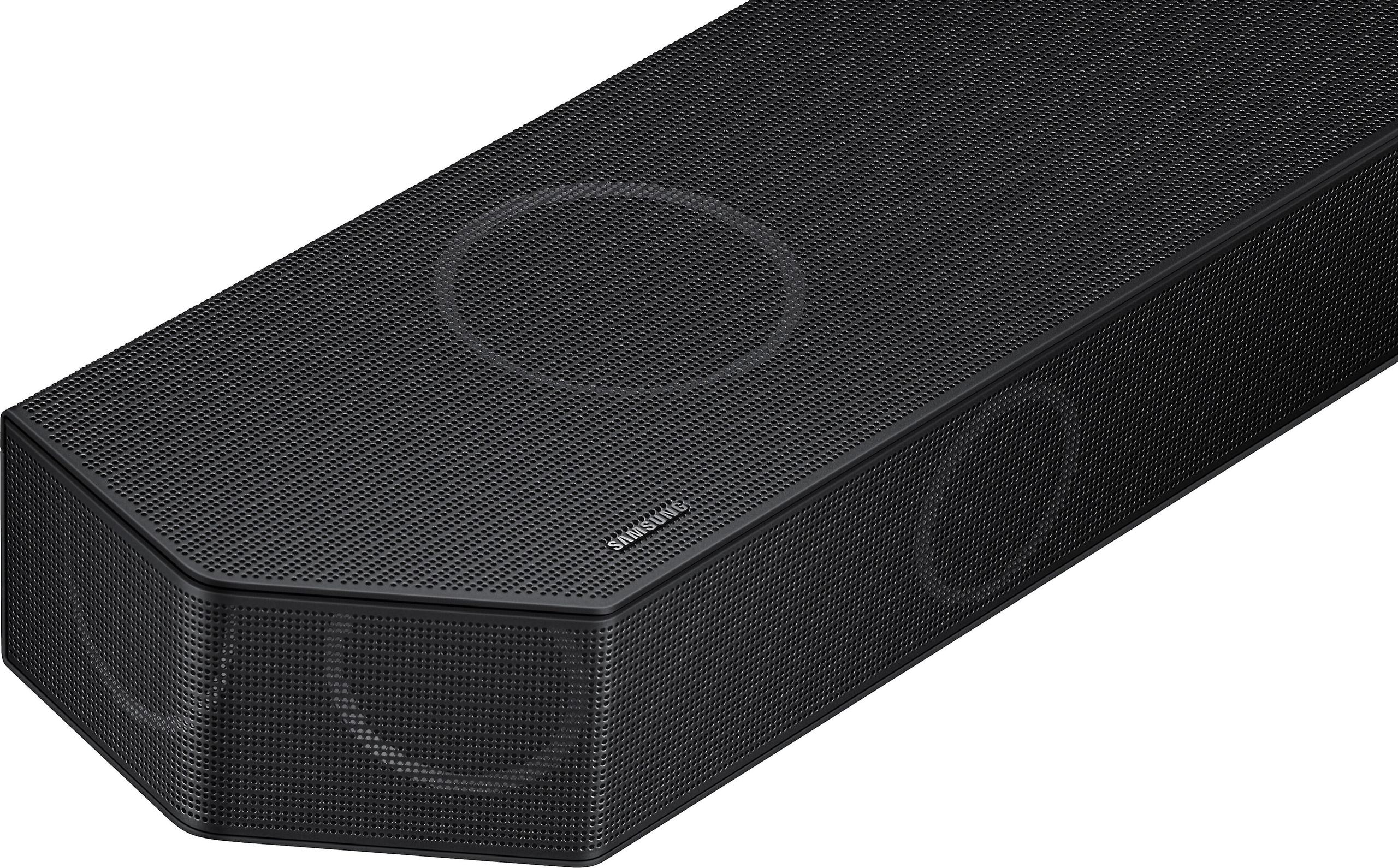
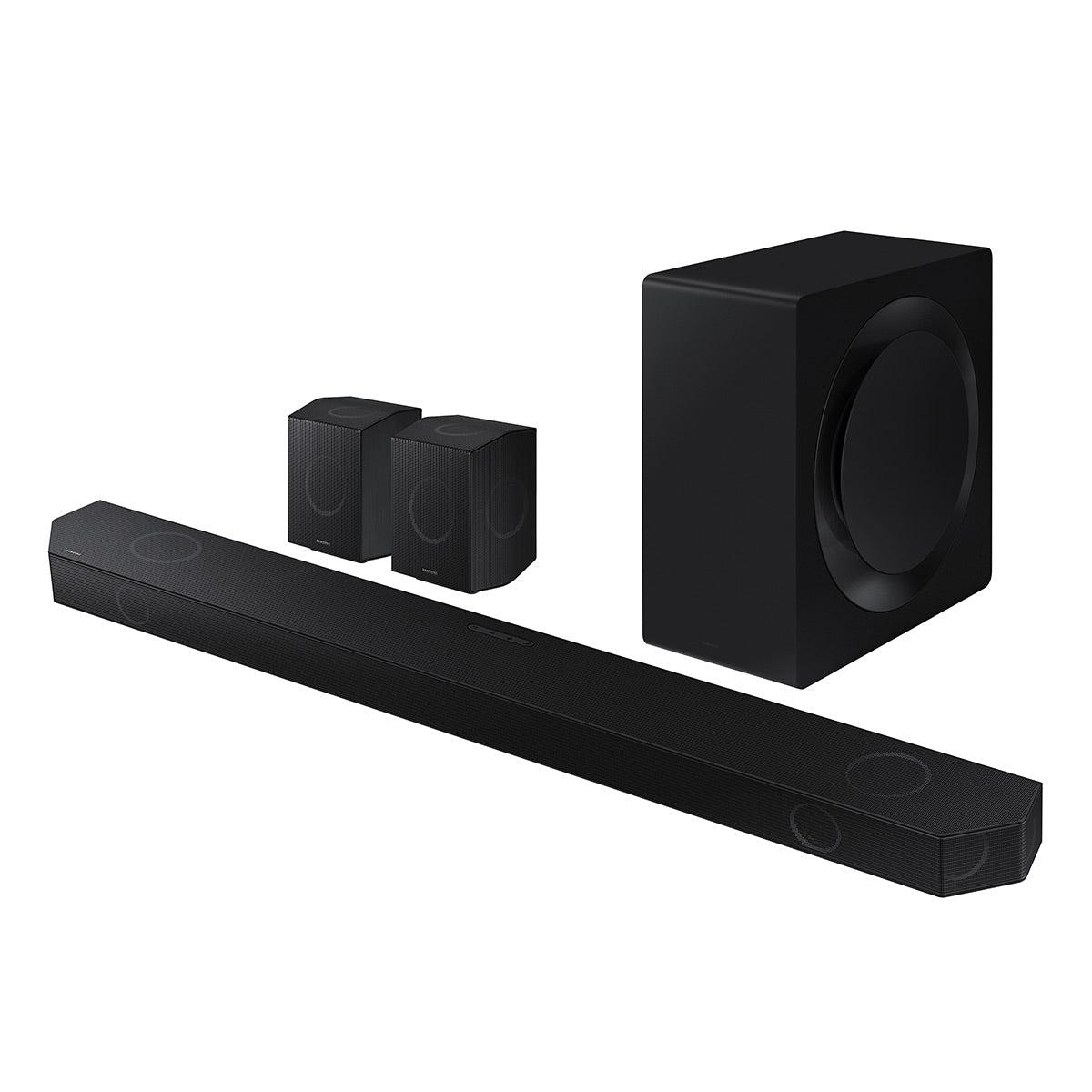
The Samsung HW-Q990D, released in 2024, represents Samsung's flagship approach to home audio. It's an 11.1.4-channel system that includes the main soundbar, wireless rear speakers, and a separate subwoofer – essentially a complete surround sound system disguised as a soundbar setup. With 22 individual drivers (the small speakers inside), it's designed to create authentic three-dimensional audio that can compete with traditional home theaters.
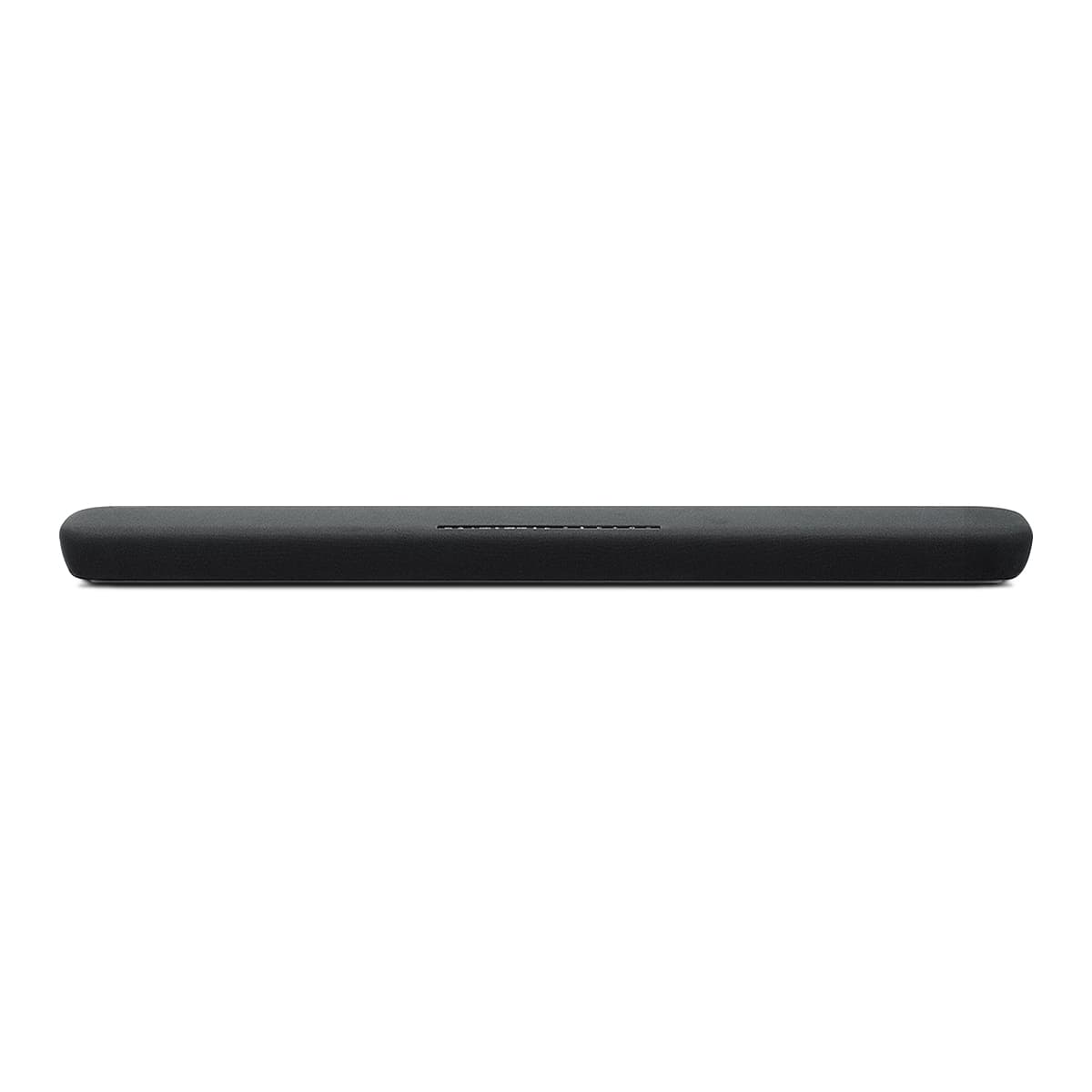
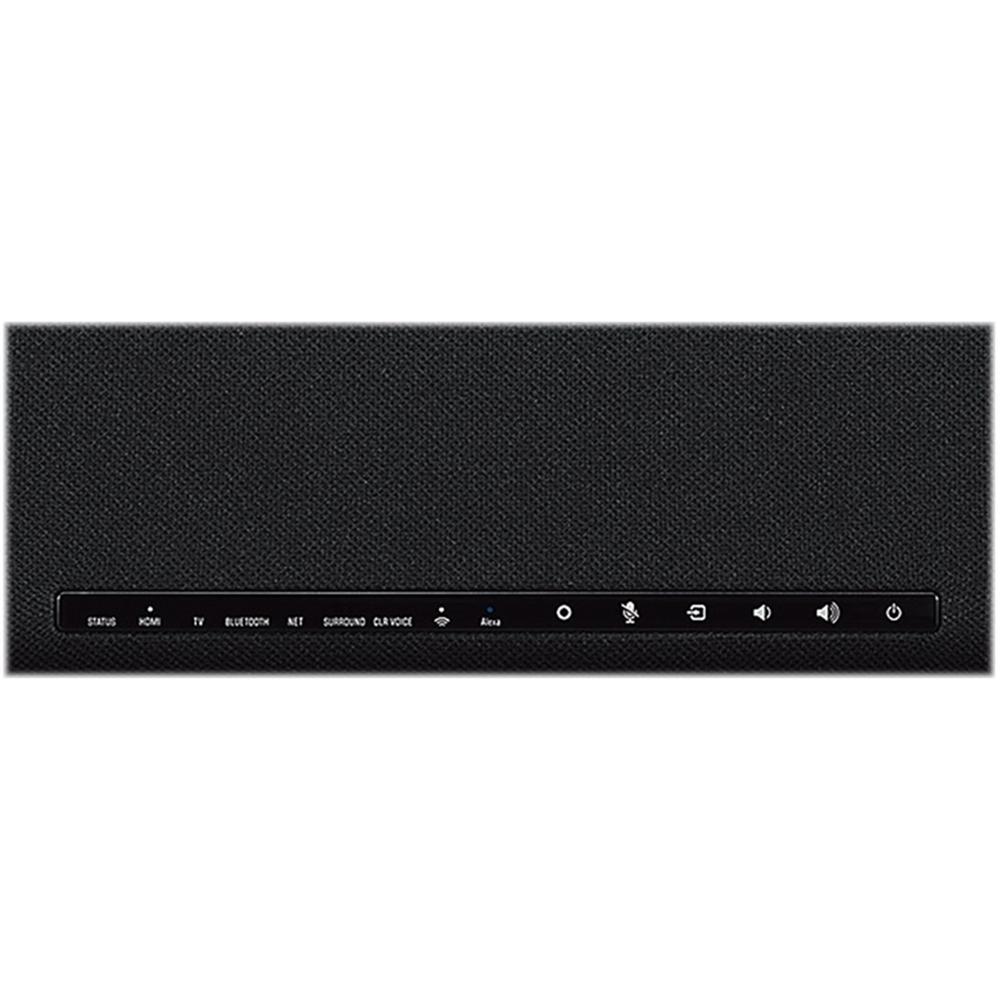
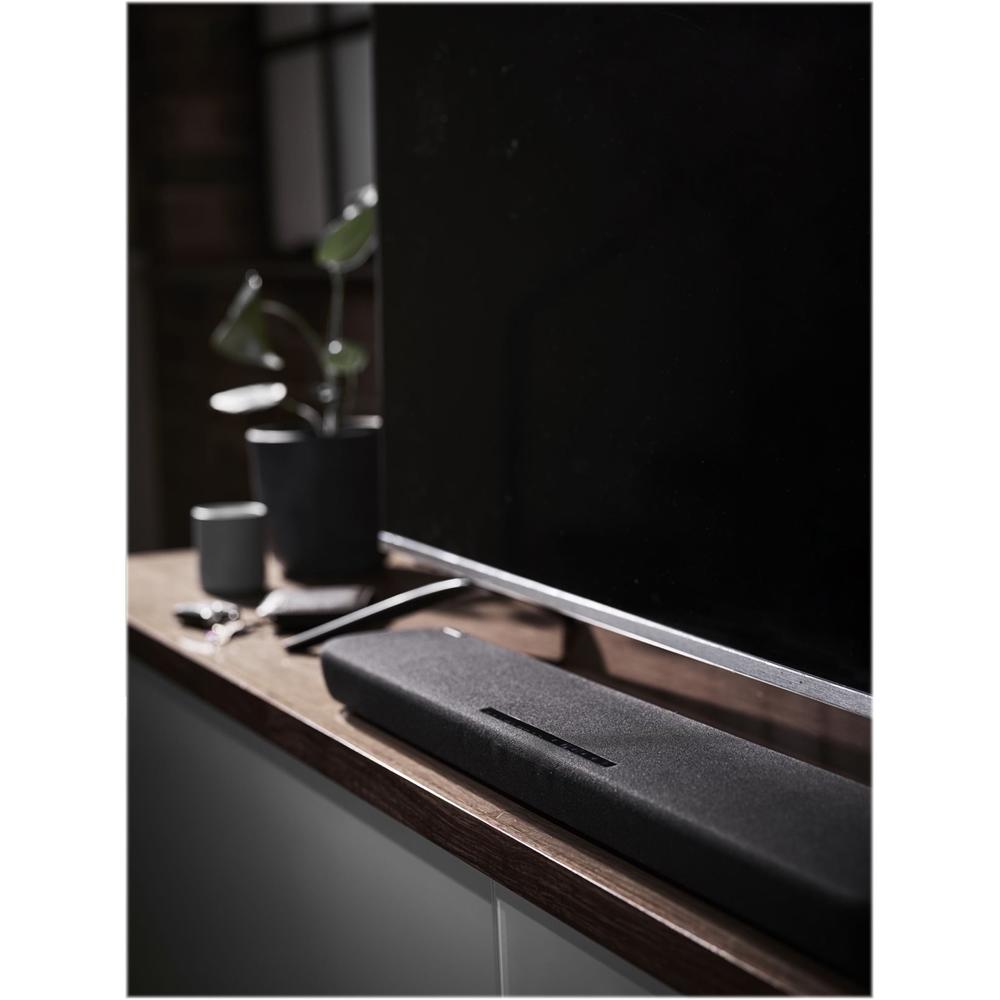
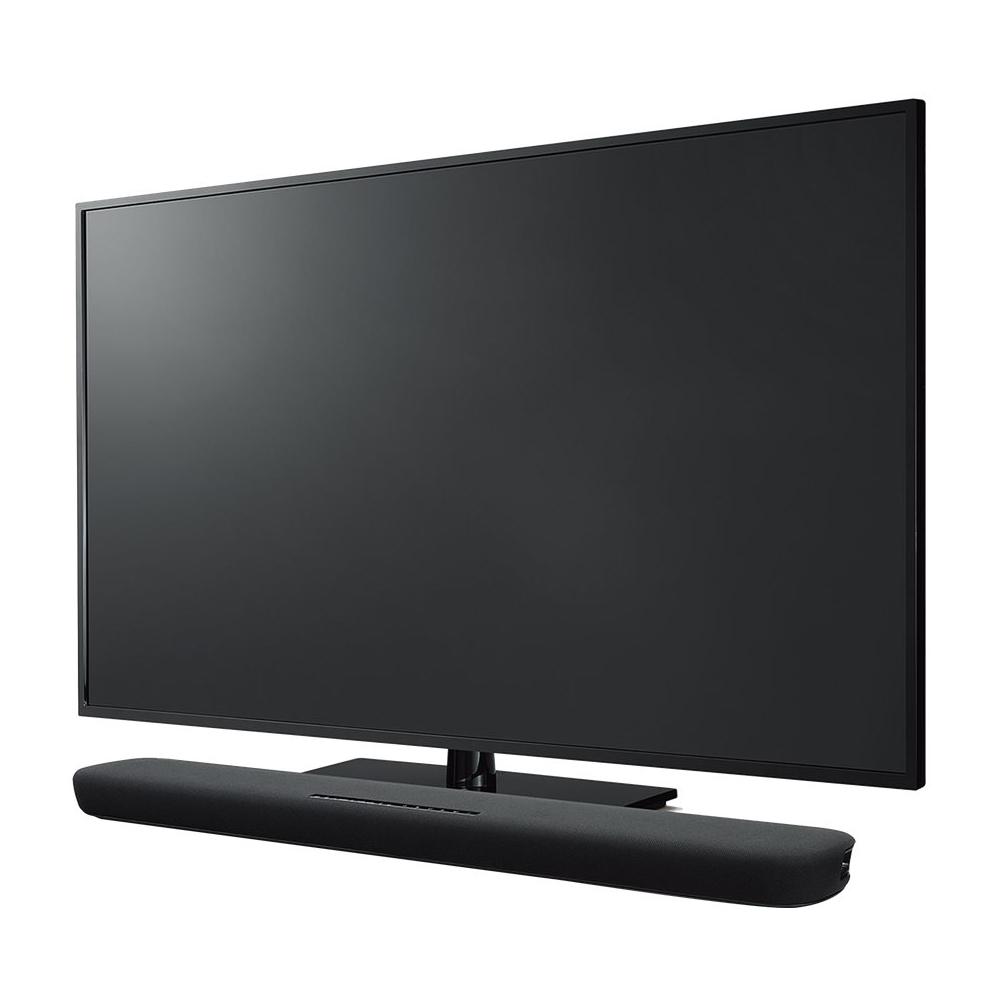
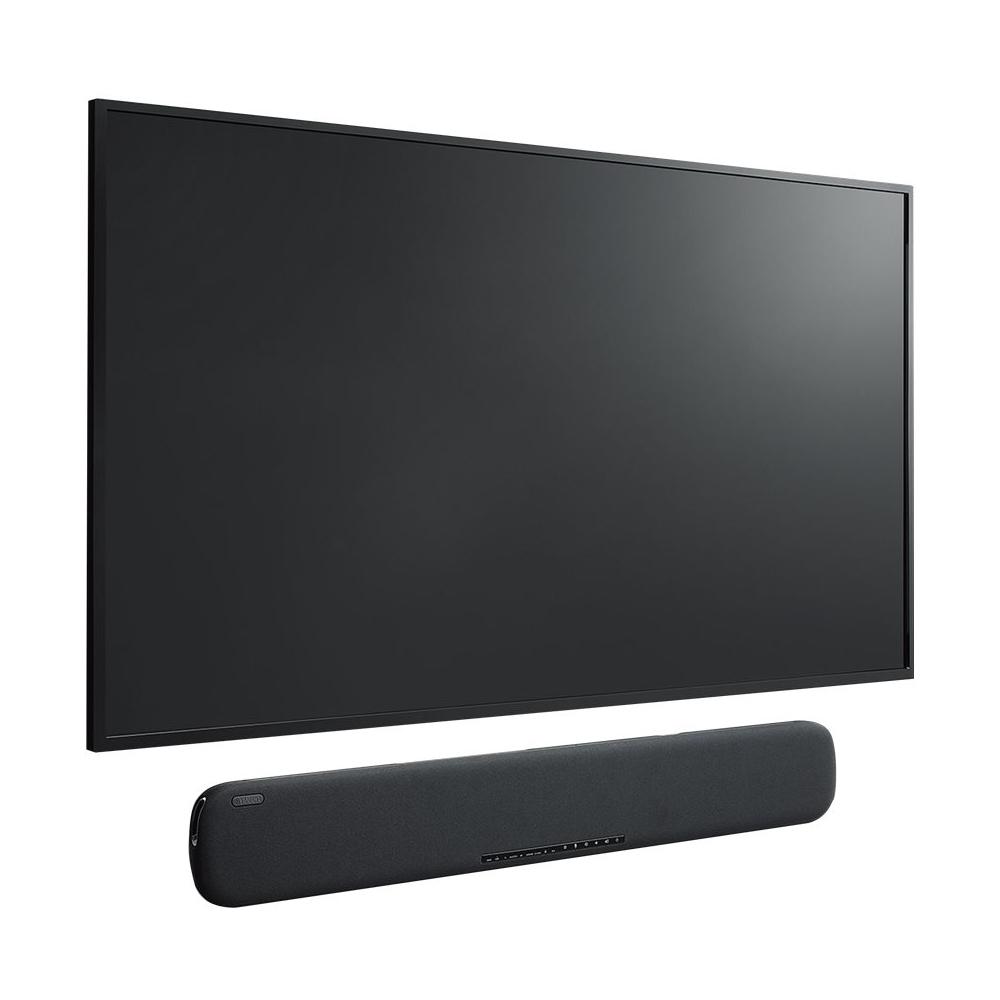
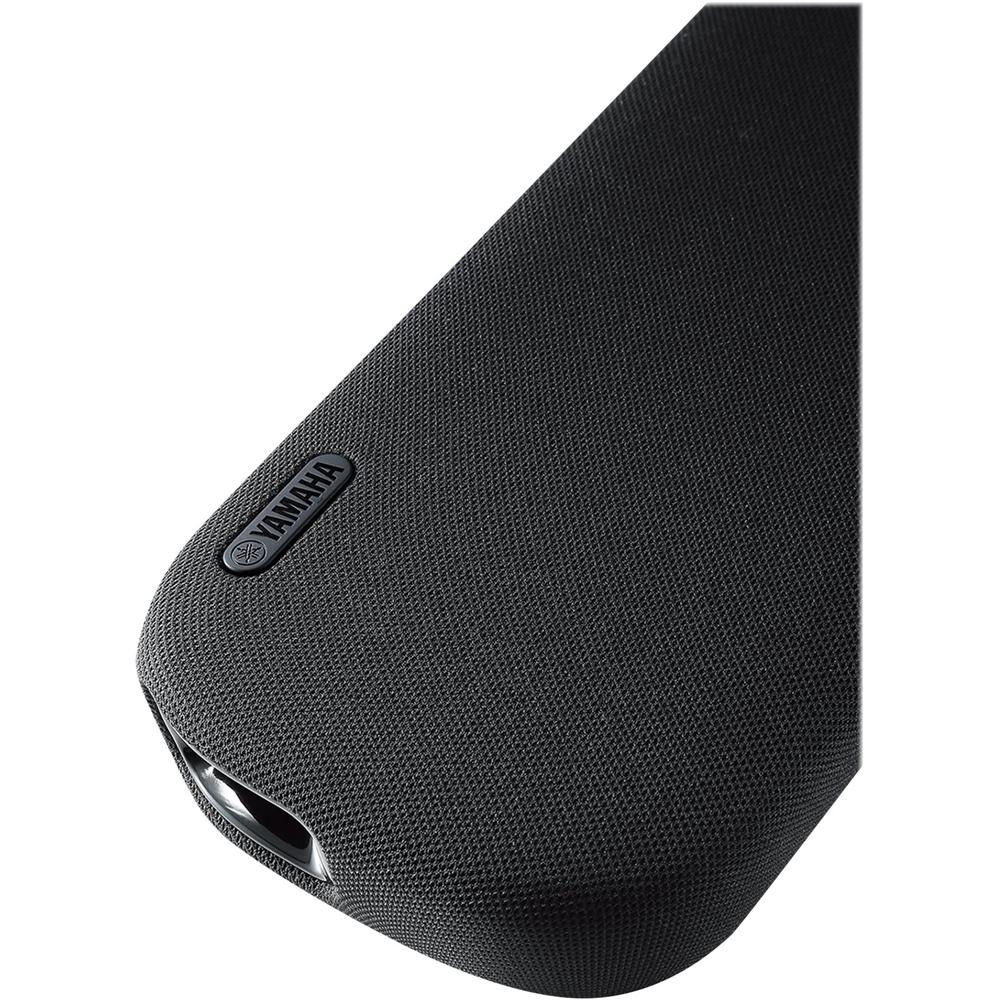
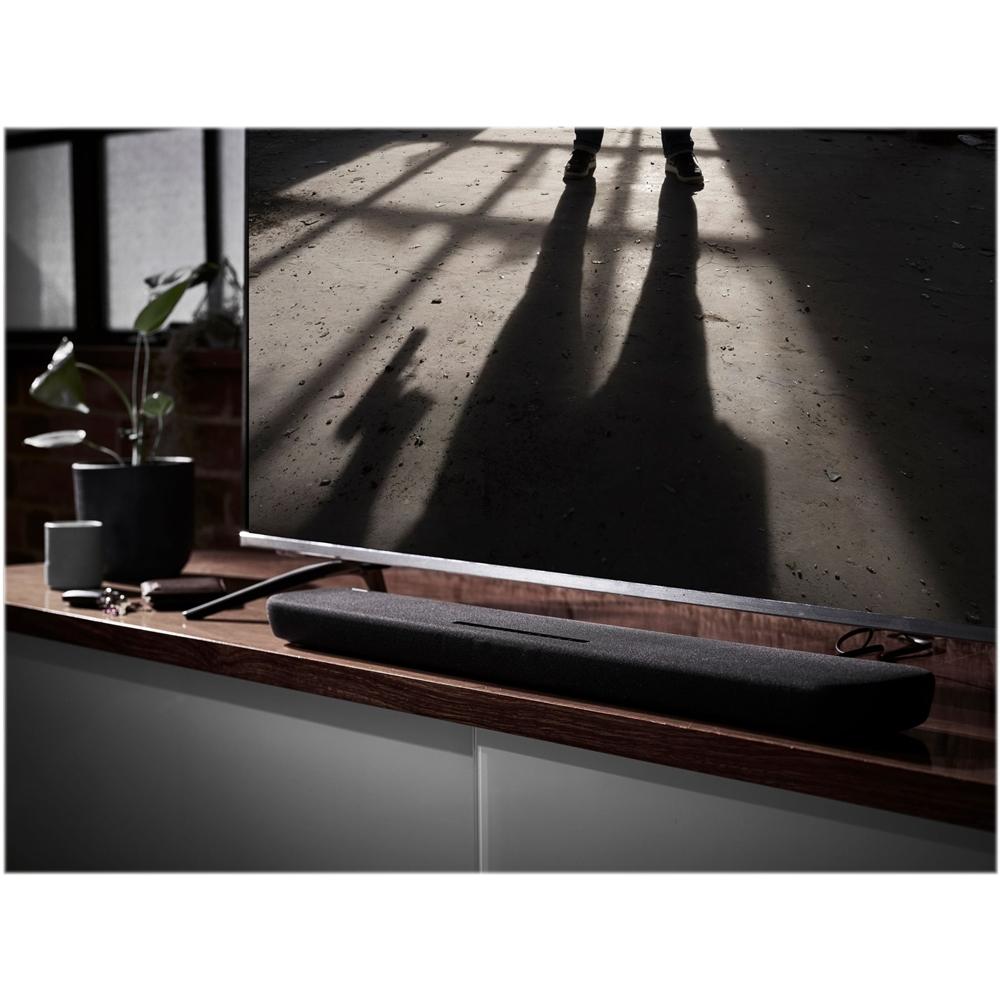
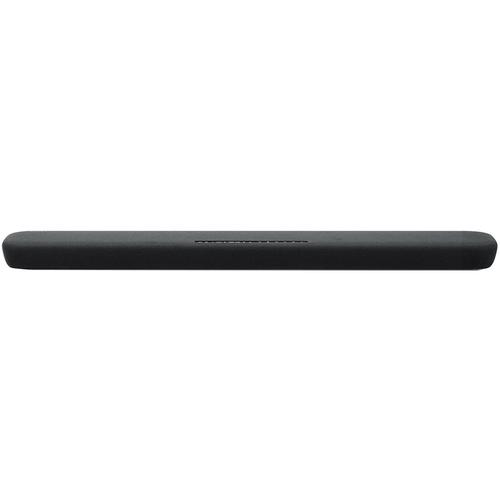
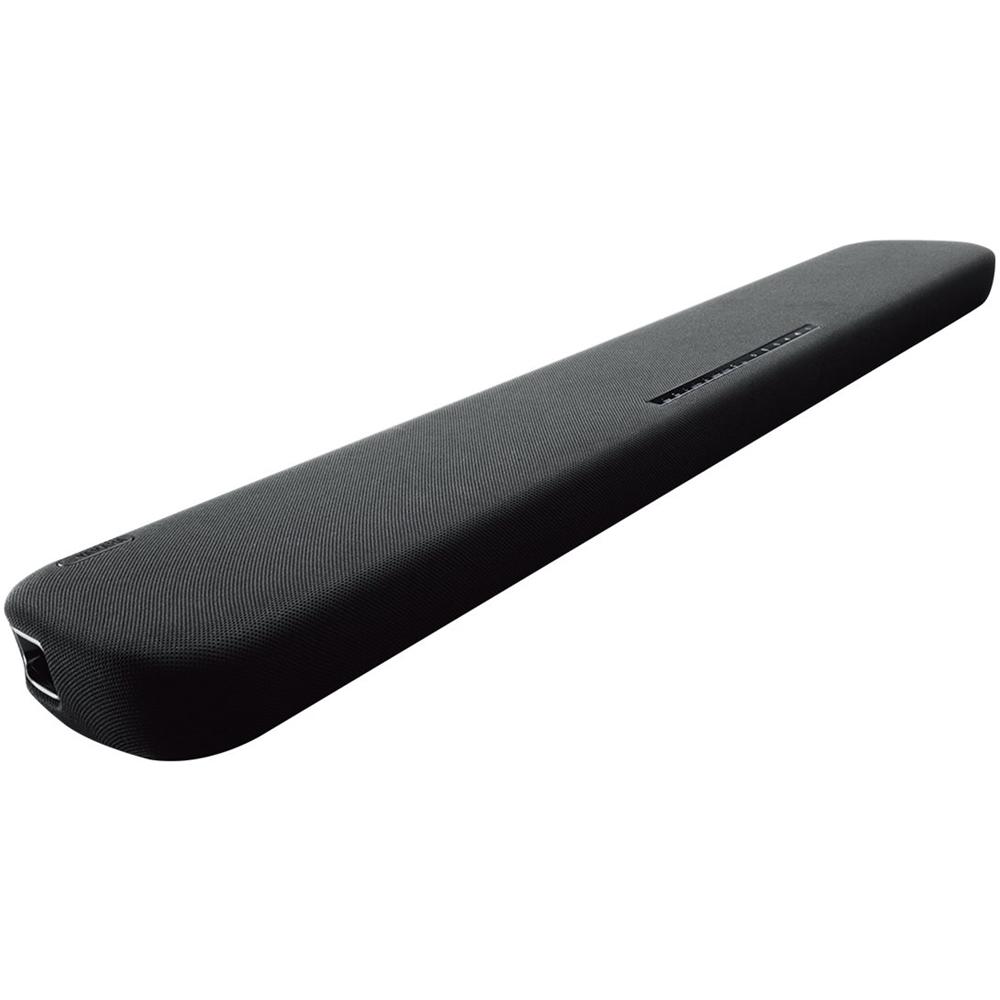
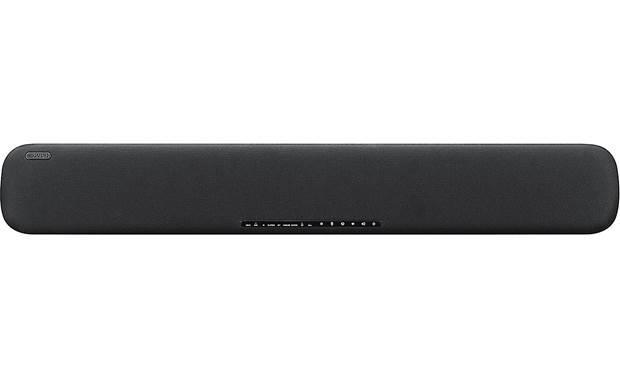
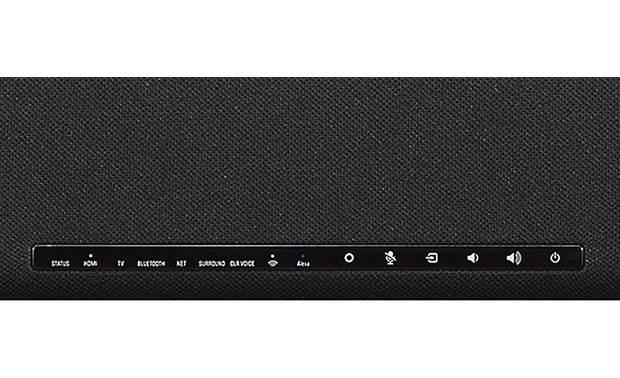
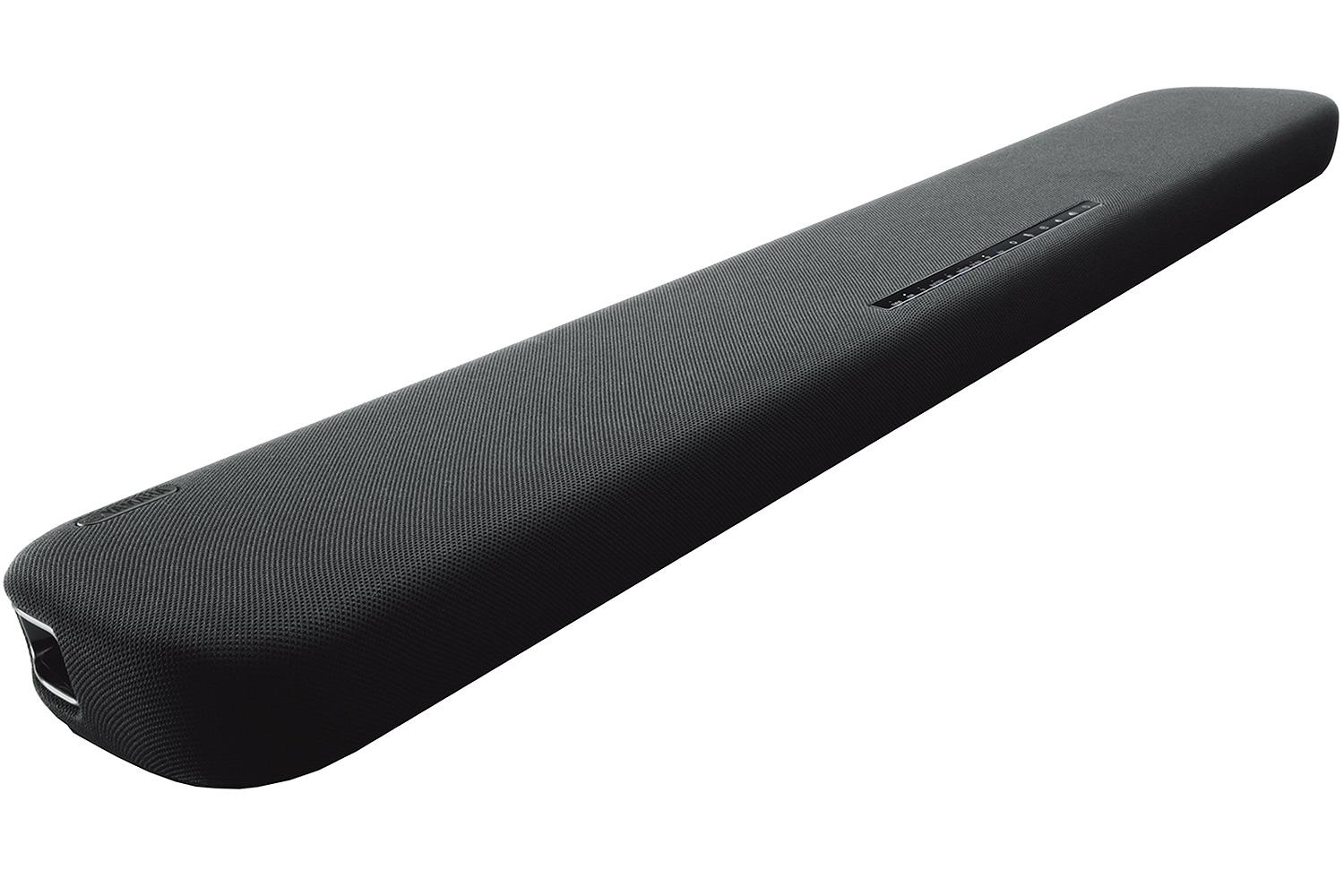
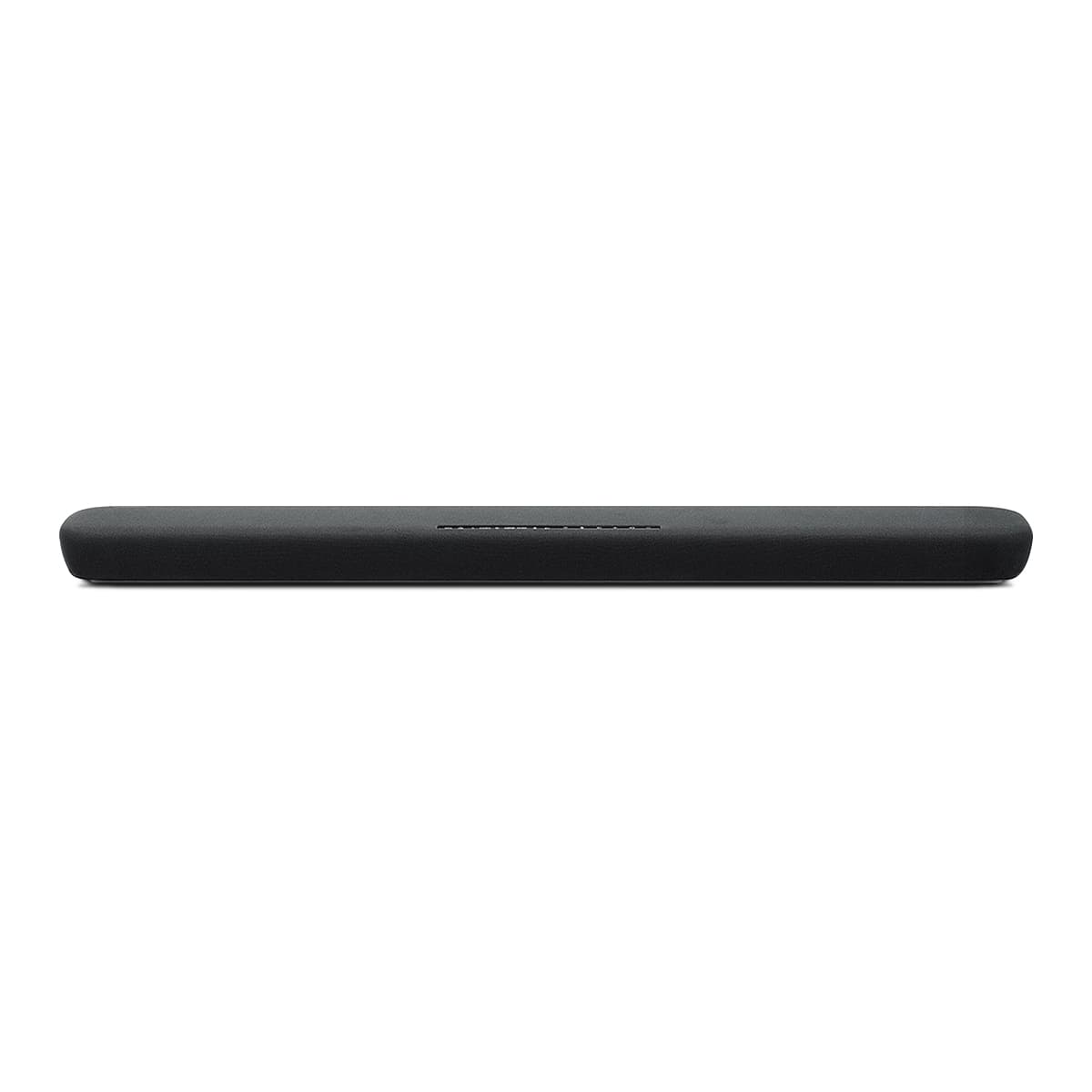
The Yamaha YAS-109, launched in 2019, takes the opposite approach. It's a single-unit solution with built-in subwoofers and integrated Alexa voice control. Rather than using multiple physical speakers, it relies on advanced audio processing to simulate surround sound effects. It's all about convenience and value, packing as much functionality as possible into one sleek package.
The five-year gap between these releases is significant in audio technology terms. The Samsung benefits from newer HDMI standards, improved AI processing, and lessons learned from previous generations. The Yamaha, while older, has had time to prove its reliability and often goes on sale due to its mature product cycle.
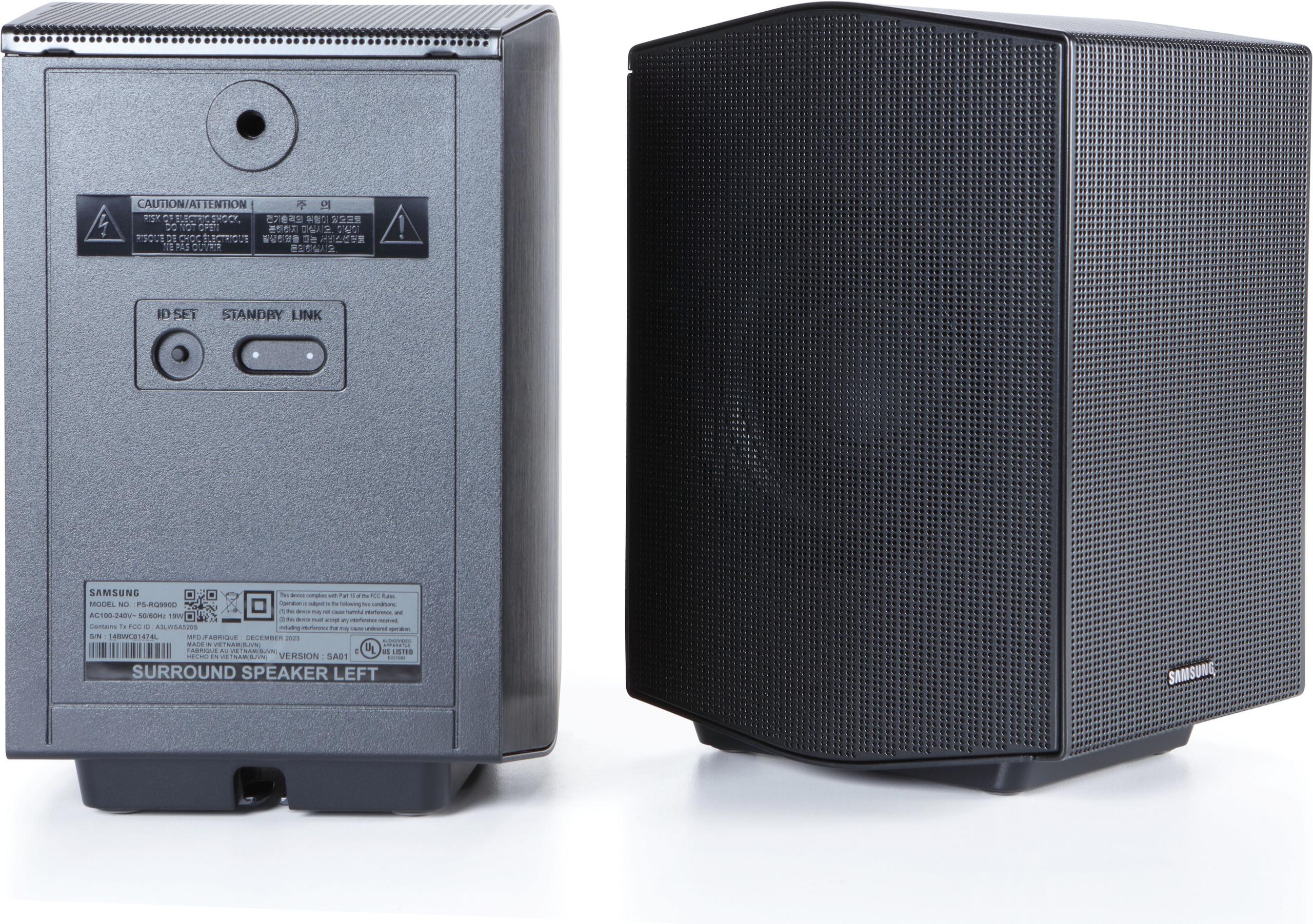
Here's where these soundbars diverge most dramatically. The Samsung HW-Q990D creates true Dolby Atmos and DTS:X audio using physical speakers positioned around your room. Those rear speakers contain up-firing drivers that bounce sound off your ceiling, creating the illusion that helicopters are actually flying overhead or that rain is falling around you.
I've experienced this firsthand during action sequences – when a fighter jet screams across the screen in Top Gun: Maverick, you genuinely feel like it's moving through your space rather than just getting louder and quieter. The system's 11.1.4 configuration means it has dedicated speakers for different audio zones: front left and right, center channel for dialogue, surround speakers, subwoofer for bass, and four height channels for overhead effects.
The Yamaha YAS-109, by contrast, uses DTS Virtual:X processing to simulate these effects. This technology analyzes the audio signal and applies psychoacoustic principles (basically, tricks that exploit how our brains perceive sound) to create the impression of surround sound from just the front-facing soundbar. It's clever engineering, but it's fundamentally limited by physics – you can't create true directional audio from speakers that are all in front of you.
That said, virtual surround isn't necessarily bad. For casual viewing of sitcoms, news, or even many movies, the Yamaha's processing can create a noticeably wider soundstage than your TV speakers. The key is managing expectations – it's an improvement, but it won't fool you into thinking there are speakers behind you.
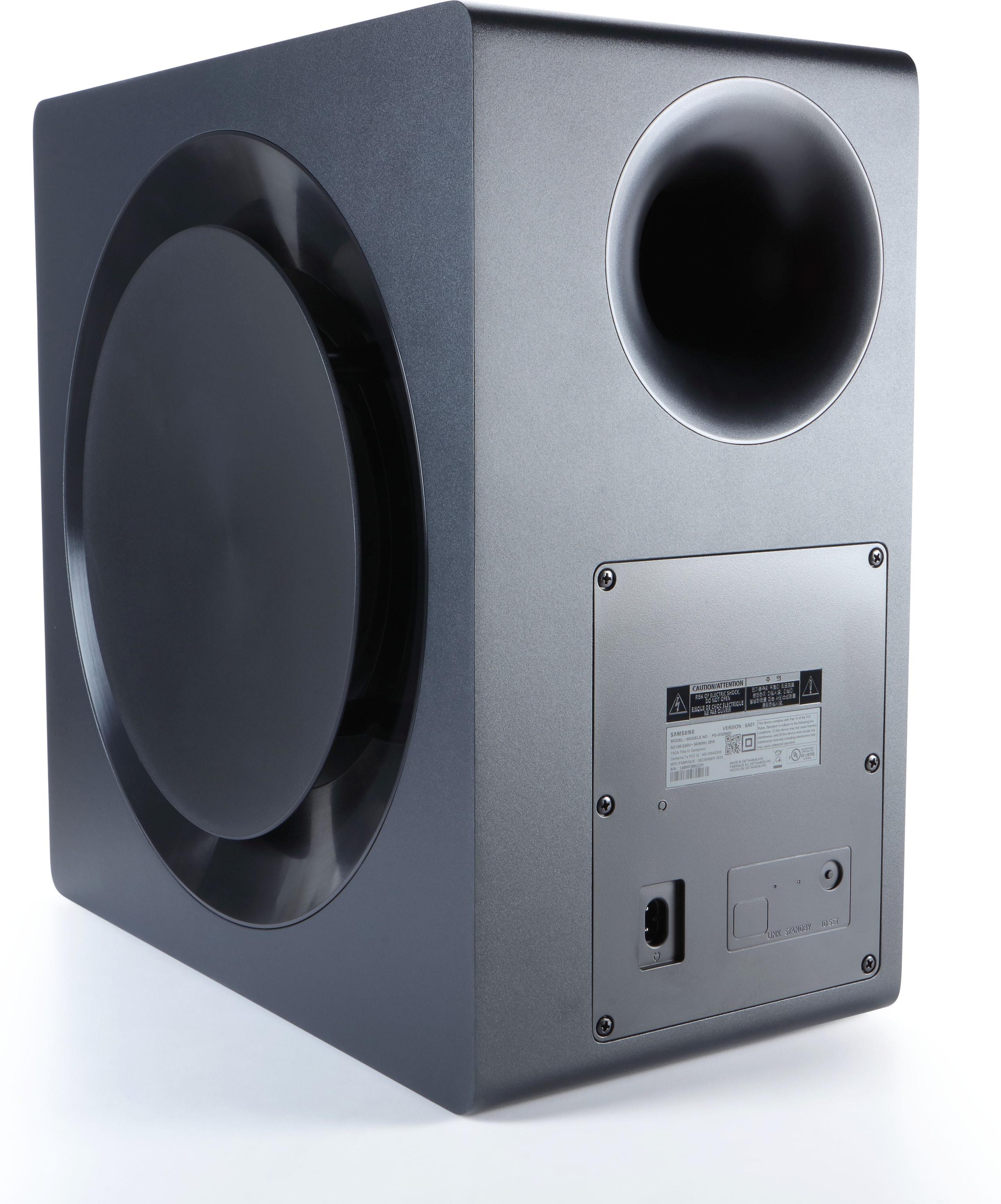
Bass is where size and physics matter most. The Samsung's wireless subwoofer houses a dedicated driver that can move significant amounts of air, creating deep, impactful low-frequency effects down to 34Hz. That's low enough to feel the rumble of explosions and the deep notes in music without distortion, even at high volumes.
The subwoofer being wireless is a practical advantage too – you can position it anywhere in your room for optimal bass response. I've found that corner placement often works well, as walls help amplify low frequencies, but every room is different.
The Yamaha YAS-109 takes a different approach with dual built-in subwoofers integrated into the main soundbar. This saves space and eliminates the need for additional placement decisions, but it's inherently limited by the soundbar's enclosure size. Those 3-inch drivers simply can't move as much air as a dedicated 8-inch subwoofer.
In practice, this means the Yamaha provides adequate bass for smaller rooms and less demanding content, but it can sound muddy or strained during bass-heavy scenes. The Samsung maintains clarity and impact even when things get chaotic on screen.
Clear dialogue is arguably the most important feature of any soundbar – if you can't understand what characters are saying, nothing else matters. Both soundbars address this challenge differently.
The Samsung HW-Q990D includes Active Voice Amplifier Pro, which uses AI to analyze incoming audio and enhance dialogue in real-time. Combined with its dedicated center channel speaker (specifically designed for vocal reproduction), conversations remain clear even during loud action sequences. The system's SpaceFit Sound Pro feature continuously monitors your room acoustics using built-in microphones and adjusts the audio accordingly.
The Yamaha employs Clear Voice technology, which is more straightforward – it boosts the frequency range where most human speech occurs and applies some processing to separate vocals from background noise. It's effective for the price point, though not as sophisticated as Samsung's AI-driven approach.
From my testing, both soundbars significantly improve dialogue clarity compared to TV speakers, but the Samsung maintains that clarity across a wider range of content and volume levels.
Gaming has become a major consideration for soundbar buyers, especially with PlayStation 5 and Xbox Series X supporting advanced audio formats and high refresh rates. This is where the five-year age gap between these products becomes most apparent.
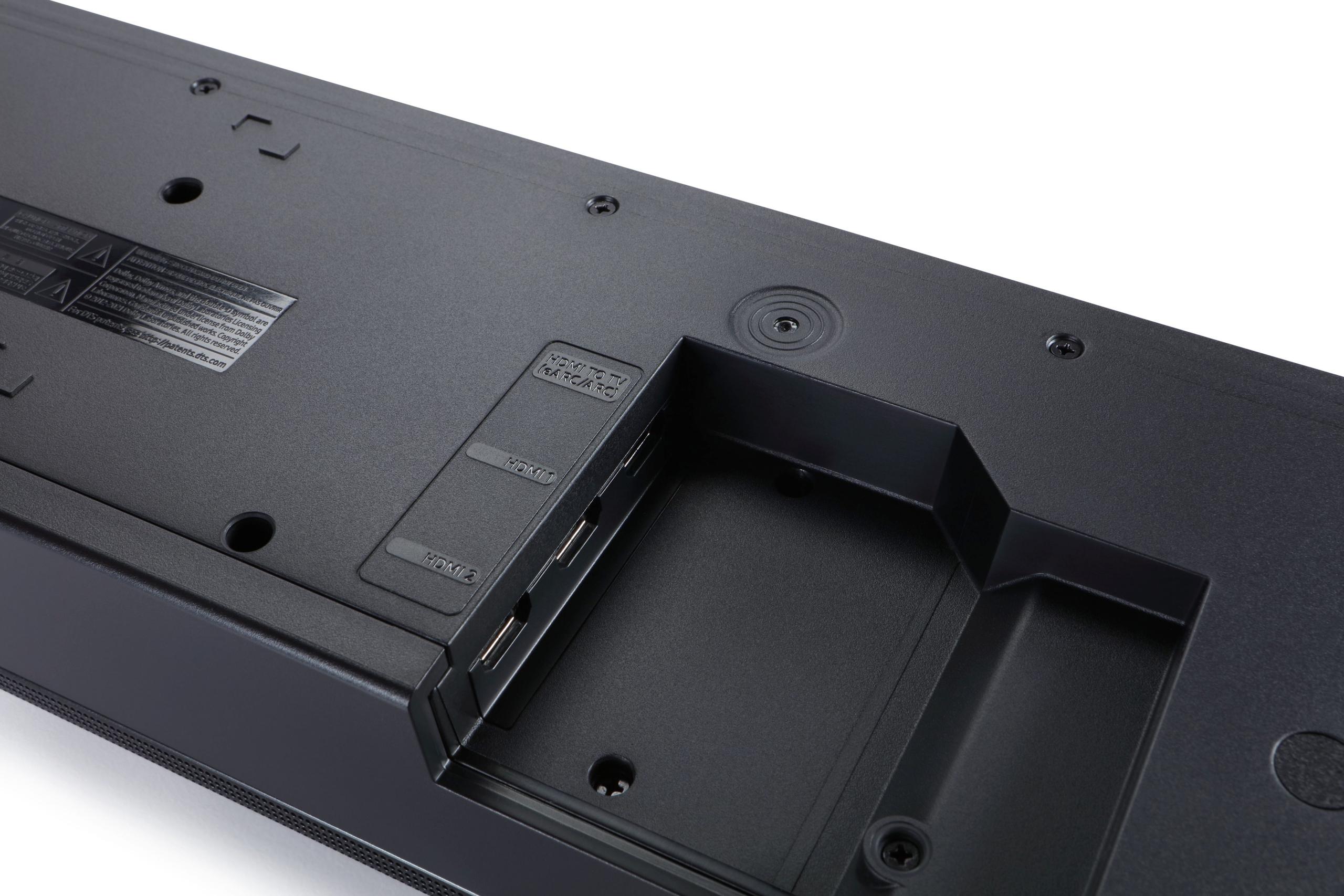
The Samsung HW-Q990D includes HDMI 2.1 inputs that support 4K resolution at 120Hz refresh rates, Variable Refresh Rate (VRR) for smoother gameplay, and Auto Low Latency Mode (ALLM) that automatically reduces input delay when gaming. Its Game Mode Pro even adjusts audio settings based on the type of game you're playing – emphasizing footsteps in shooters or dialogue in RPGs.
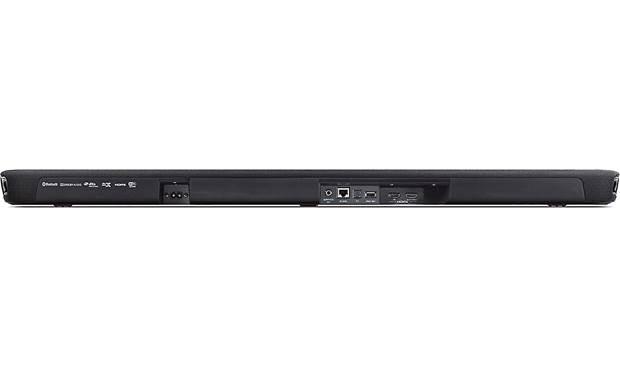
The Yamaha YAS-109, being from 2019, predates these gaming advances. It has basic HDMI ARC (Audio Return Channel) support, which handles audio from your TV but lacks the bandwidth and features that modern consoles can utilize. For casual gaming, this isn't a dealbreaker, but serious gamers will appreciate the Samsung's more advanced capabilities.
Interestingly, the older Yamaha YAS-109 actually has more built-in smart features than the newer Samsung. It includes Amazon Alexa directly in the soundbar, allowing you to control smart home devices, check weather, play music, and adjust volume using voice commands. This integration feels natural and works reliably in my experience.
The Samsung HW-Q990D doesn't include built-in voice assistants, instead relying on integration with your TV or external devices. However, it does offer Q-Symphony technology that synchronizes with compatible Samsung TVs, using both the TV's speakers and the soundbar simultaneously for an expanded soundstage.
Both soundbars support Bluetooth and Wi-Fi connectivity for music streaming, though the Samsung's more recent Bluetooth 5.2 standard provides better range and stability than the Yamaha's 4.2 implementation.
If you're building a dedicated home theater space, the Samsung HW-Q990D is clearly the better choice. Its multi-component design allows for proper speaker placement, and its power output can fill larger rooms without strain. The wireless rear speakers eliminate the need for long cable runs, while still providing authentic surround positioning.
The system's SpaceFit Sound Pro feature is particularly valuable in home theater setups, as it automatically compensates for room acoustics without requiring manual calibration with test tones. I've found this works remarkably well in different room configurations, though audiophiles might still prefer manual tuning options.
For smaller spaces or apartments where a full surround setup isn't practical, the Yamaha YAS-109 makes more sense. Its compact footprint won't dominate your entertainment center, and the built-in subwoofers eliminate the need for additional floor space.
The $628 price difference between these soundbars reflects their fundamentally different target markets. The Samsung HW-Q990D is an investment in premium audio technology that should remain relevant for years to come. Its HDMI 2.1 support, advanced processing, and true Dolby Atmos capability position it well for future content and devices.
The Yamaha YAS-109 offers exceptional value for its price point, providing meaningful audio improvements and smart features for less than many people spend on a single night out. However, its 2019 technology and virtual surround limitations mean you might eventually want to upgrade as your needs evolve.
From a practical standpoint, the Samsung's multi-component design requires more setup time and space planning. You'll need to position the rear speakers, find a spot for the subwoofer, and potentially run power cables to multiple locations. The Yamaha's single-unit design can be set up in minutes.
Choose the Samsung HW-Q990D if you want transformational audio that can serve as the foundation of a serious home theater. It's ideal for larger rooms, frequent movie watching, and anyone who appreciates the difference that authentic surround sound makes. The investment pays off if you spend significant time enjoying movies, games, or immersive content.
The Yamaha YAS-109 is perfect for budget-conscious buyers who want immediate improvement over TV speakers without complexity. It's excellent for apartments, casual viewing, and anyone who values convenience and smart features over absolute audio performance.
Consider your primary use case: if you mainly watch dialogue-heavy content like news, sitcoms, or dramas, the Yamaha's improvements will be noticeable and satisfying. If you're into action movies, gaming, or want to recreate the cinema experience at home, the Samsung's capabilities justify the higher price.
The bottom line is that both soundbars succeed at their intended purposes. The Samsung HW-Q990D delivers premium performance for serious audio enthusiasts, while the Yamaha YAS-109 provides practical improvements for everyday TV watching. Your choice should align with both your audio ambitions and your budget – either will be a significant upgrade from TV speakers, just at very different levels of sophistication and cost.
| Samsung HW-Q990D ($847.99) | Yamaha YAS-109 ($219.95) |
|---|---|
| Channel Configuration - Determines surround sound authenticity and immersion | |
| 11.1.4 channels with 22 physical drivers across multiple units | 2.1 channels with 6 drivers in single soundbar |
| Surround Sound Technology - Virtual vs. true 3D audio positioning | |
| True Dolby Atmos/DTS:X with physical height and rear speakers | DTS Virtual:X processing simulates surround effects |
| Total System Power - Impact on room filling capability and dynamic range | |
| 400W RMS across soundbar, subwoofer, and rear speakers | 120W RMS from integrated drivers |
| Bass System - Affects low-frequency impact and room placement flexibility | |
| Dedicated wireless subwoofer for deep, distortion-free bass | Dual built-in 3" subwoofers (space-saving but limited) |
| Room Calibration - Automatic audio optimization for your space | |
| SpaceFit Sound Pro with real-time microphone-based adjustment | Manual preset modes only (Movie, Music, Sports, etc.) |
| Gaming Features - Modern console compatibility and performance | |
| HDMI 2.1 with 4K/120Hz, VRR, ALLM, and Game Mode Pro | Basic HDMI ARC only (no advanced gaming features) |
| Voice Control - Smart home integration and hands-free operation | |
| None built-in (relies on TV or external device integration) | Built-in Amazon Alexa with full voice control |
| Setup Complexity - Installation time and space requirements | |
| Multi-component system requires rear speaker and subwoofer placement | Single unit plugs in and works immediately |
| Release Year - Technology generation and future-proofing | |
| 2024 flagship with latest audio processing and connectivity | 2019 model with proven reliability but older tech |
| Best Use Case - Primary scenarios where each excels | |
| Large rooms, serious home theater, movie enthusiasts | Small spaces, budget upgrades, casual TV viewing |
The Yamaha YAS-109 ($219.95) offers exceptional value for budget-conscious buyers, providing clear dialogue improvement and built-in Alexa for under $250. The Samsung HW-Q990D ($847.99) justifies its higher price with true Dolby Atmos, powerful bass, and premium home theater performance that will satisfy audio enthusiasts for years.
The Samsung HW-Q990D uses physical rear speakers and height channels to create authentic 3D audio positioning around your room. The Yamaha YAS-109 relies on DTS Virtual:X processing to simulate surround effects from its front-facing speakers, which sounds wider than TV audio but can't match true directional sound placement.
The Yamaha YAS-109 is ideal for small spaces with its compact single-unit design and built-in subwoofers that don't require additional floor space. The Samsung HW-Q990D includes separate rear speakers and a subwoofer that may overwhelm smaller rooms and require more complex placement.
The Samsung HW-Q990D includes a wireless subwoofer that delivers deep, impactful bass down to 34Hz for movie explosions and music. The Yamaha YAS-109 has dual built-in subwoofers that save space but can't match the power and clarity of a dedicated subwoofer unit.
Both soundbars significantly improve dialogue over TV speakers. The Samsung HW-Q990D uses AI-powered Active Voice Amplifier Pro and a dedicated center channel for superior vocal clarity. The Yamaha YAS-109 features Clear Voice technology that effectively enhances speech for its price range.
The Samsung HW-Q990D excels for gaming with HDMI 2.1 support, 4K/120Hz passthrough, and Game Mode Pro that optimizes audio for different game types. The Yamaha YAS-109 only offers basic HDMI ARC connectivity and lacks modern gaming features needed for PlayStation 5 or Xbox Series X.
The Samsung HW-Q990D is designed for larger spaces with 400W of total power and speakers positioned around the room for even sound coverage. The Yamaha YAS-109 works best in small to medium rooms, as its 120W output may struggle to fill larger spaces effectively.
The Samsung HW-Q990D provides true Dolby Atmos with physical height speakers that bounce sound off your ceiling for authentic overhead effects. The Yamaha YAS-109 doesn't support Dolby Atmos but uses DTS Virtual:X to simulate some 3D audio effects through processing.
The Yamaha YAS-109 includes built-in Amazon Alexa for controlling smart home devices, playing music, and adjusting volume with voice commands. The Samsung HW-Q990D doesn't have built-in voice assistants but can integrate with your TV's smart features or external devices.
The Yamaha YAS-109 offers simple plug-and-play setup with just one unit to position and connect. The Samsung HW-Q990D requires more setup time to position the wireless rear speakers, subwoofer placement, and initial calibration, but includes automated room correction features.
The Samsung HW-Q990D is specifically designed for serious home theater setups with true surround sound, powerful bass, and room-filling audio that rivals traditional speaker systems. The Yamaha YAS-109 provides a solid TV audio upgrade but lacks the immersive capabilities needed for dedicated home theater experiences.
The Samsung HW-Q990D from 2024 offers cutting-edge audio technology, modern connectivity, and future-proofing for upcoming content formats. The Yamaha YAS-109 from 2019 has proven reliability and often goes on sale, making it an excellent value despite lacking the latest features.
We've done our best to create useful and informative comparisons to help you decide what product to buy. Our research uses advanced automated methods to create this comparison and perfection is not possible - please contact us for corrections or questions. These are the sites we've researched in the creation of this article: techradar.com - avsforum.com - valueelectronics.com - samsung.com - rtings.com - samsung.com - avsforum.com - samsung.com - cdwg.com - youtube.com - whathifi.com - rtings.com - crutchfield.com - usa.yamaha.com - digitaltrends.com - tomsguide.com - listenup.com - youtube.com - usa.yamaha.com - hub.yamaha.com - youtube.com - hub.yamaha.com

Privacy Policy
Terms and Conditions - Affiliate Policy
Home Security
© Copyright 2008-2026.
11816 Inwood Rd #1211, Dallas, TX 75244