

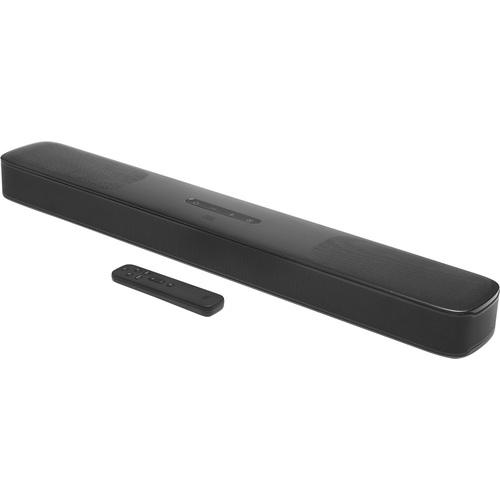
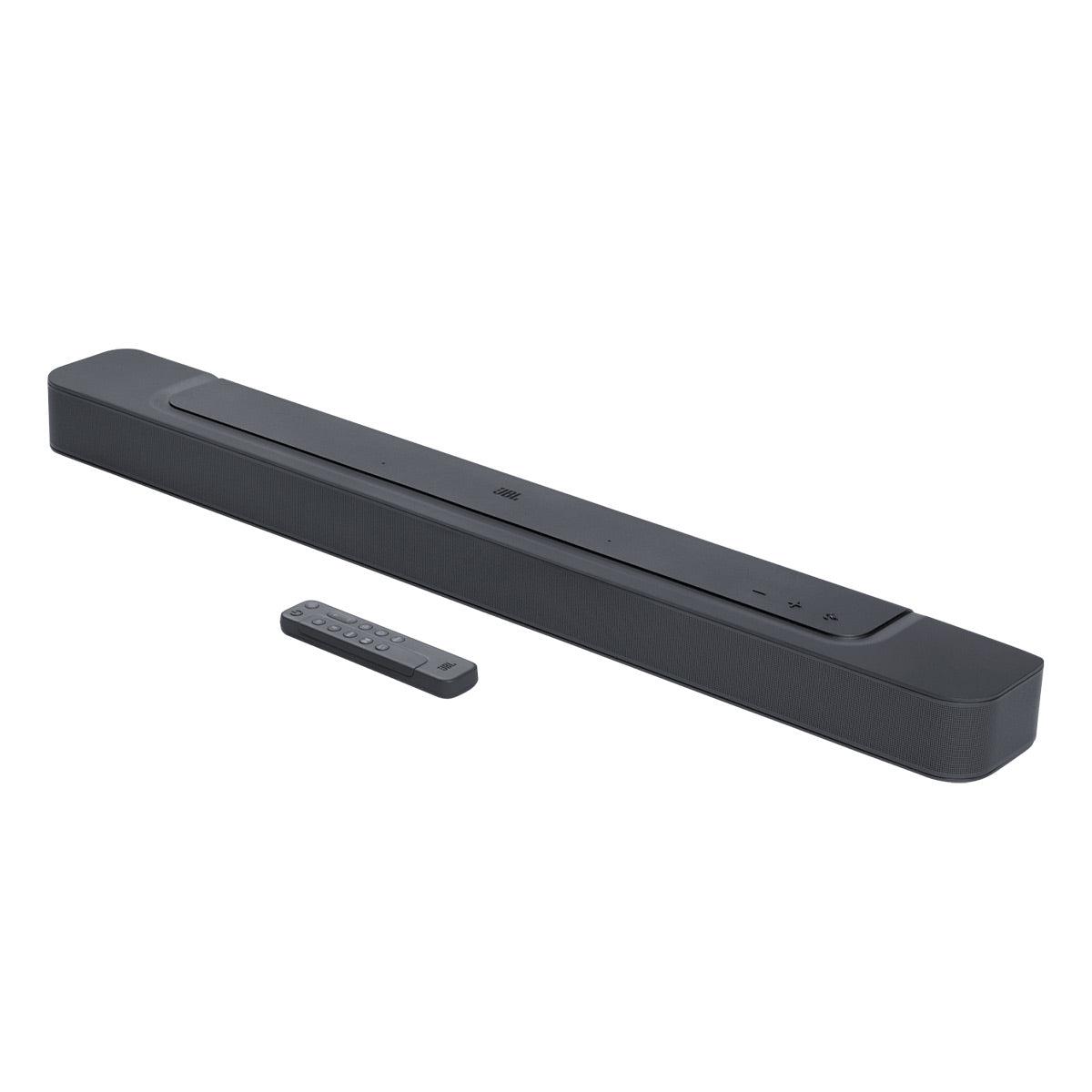
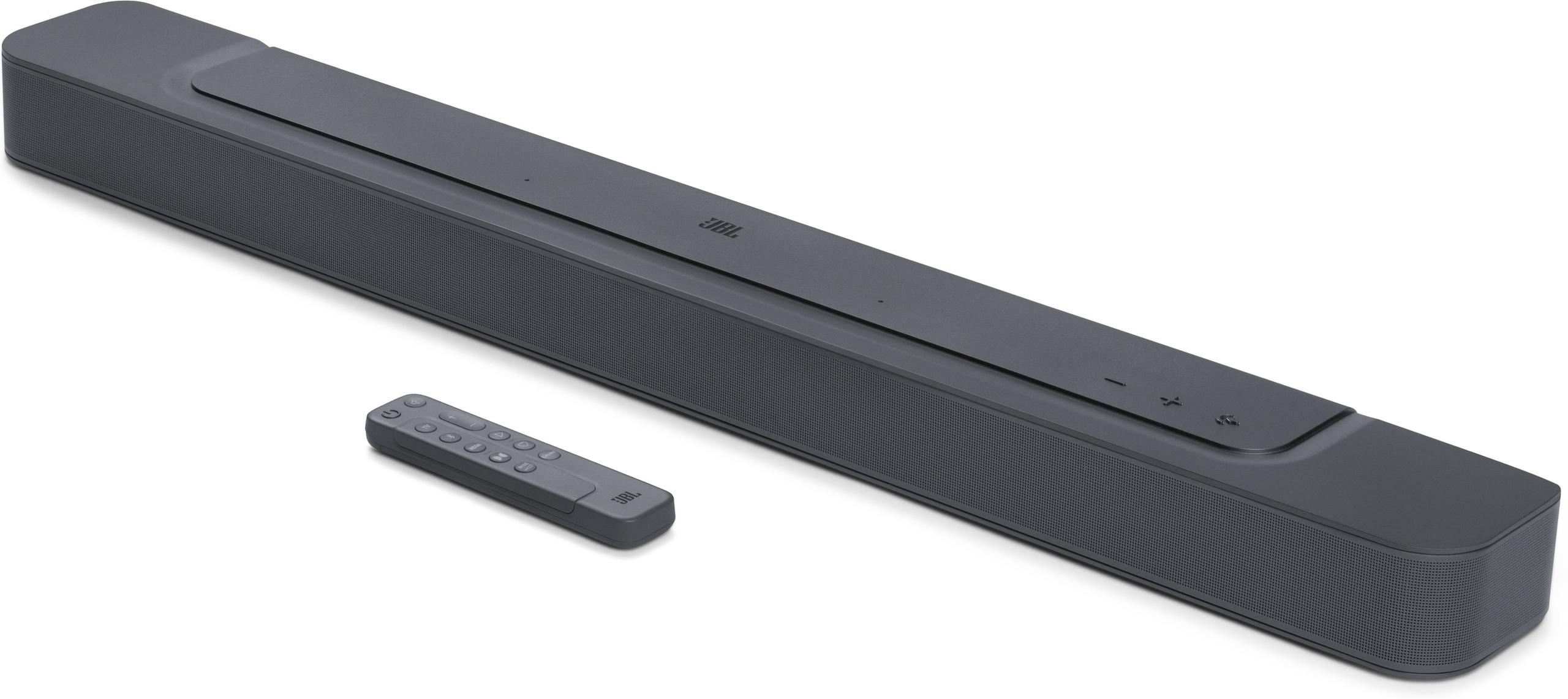

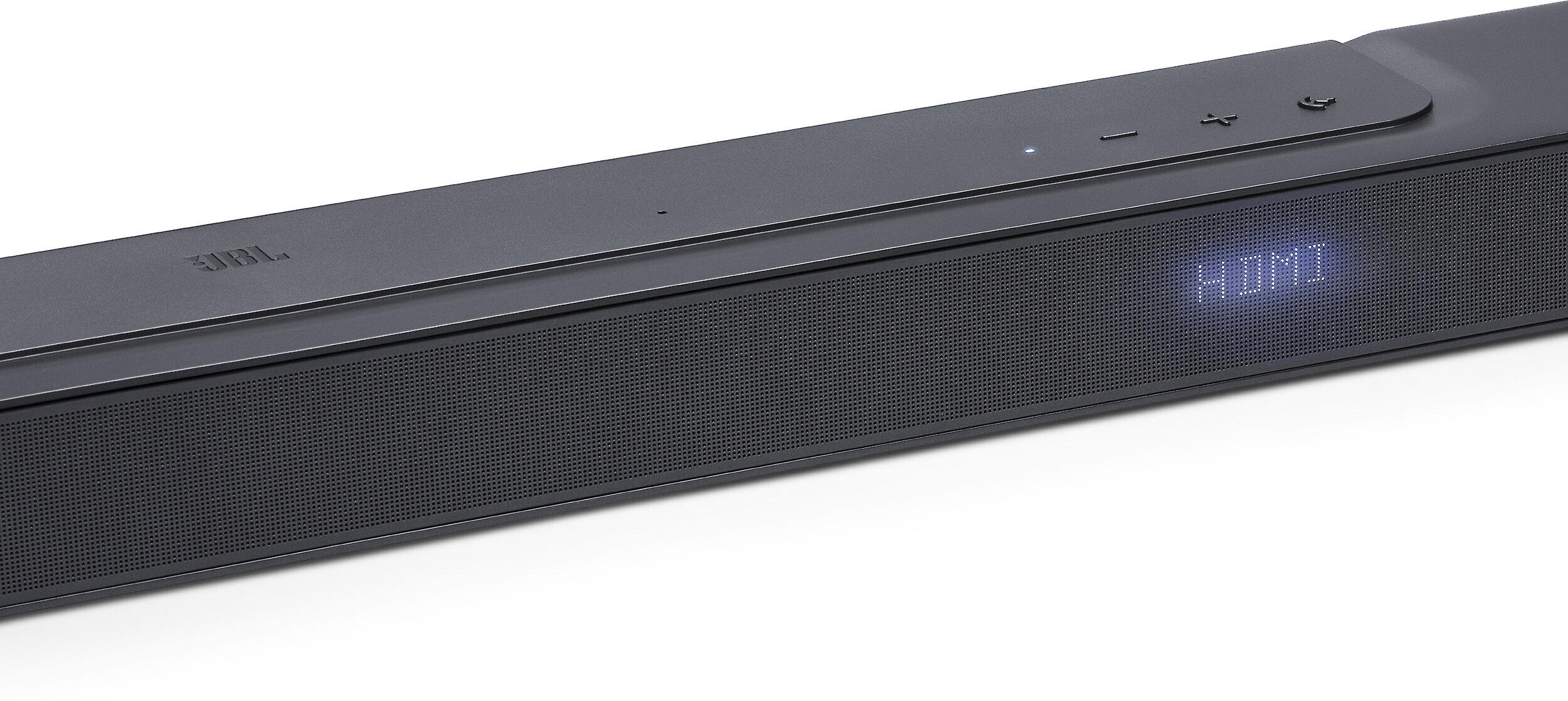


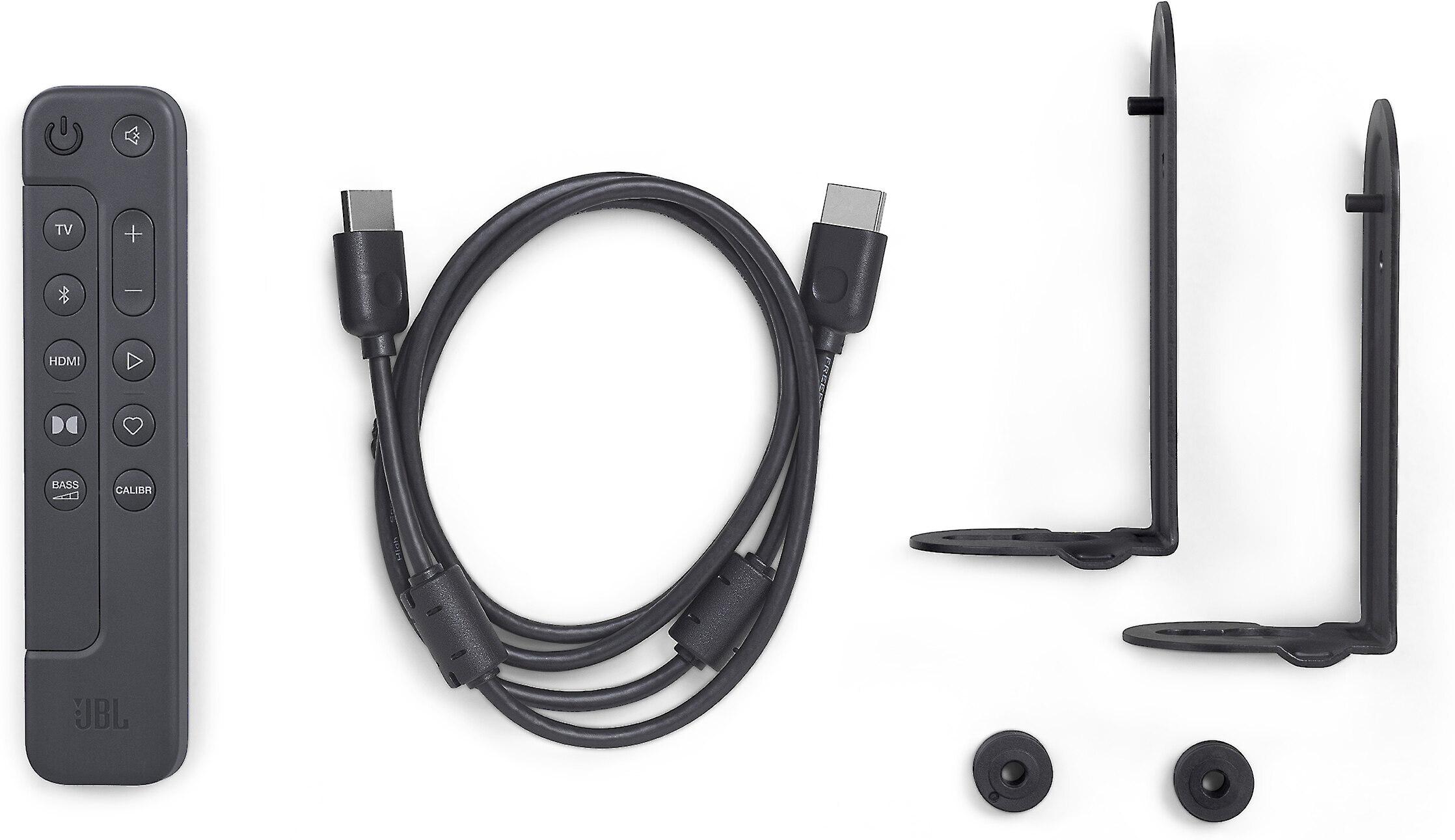
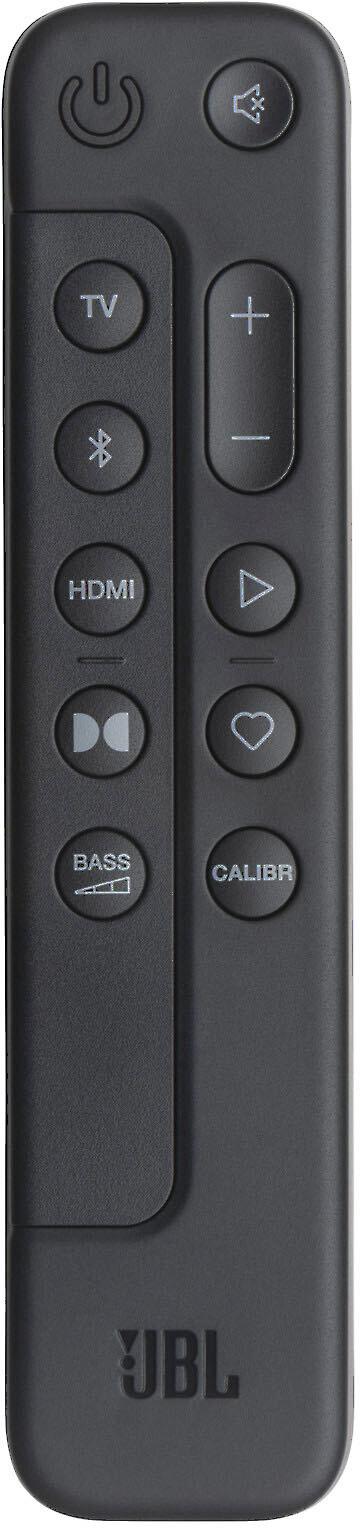
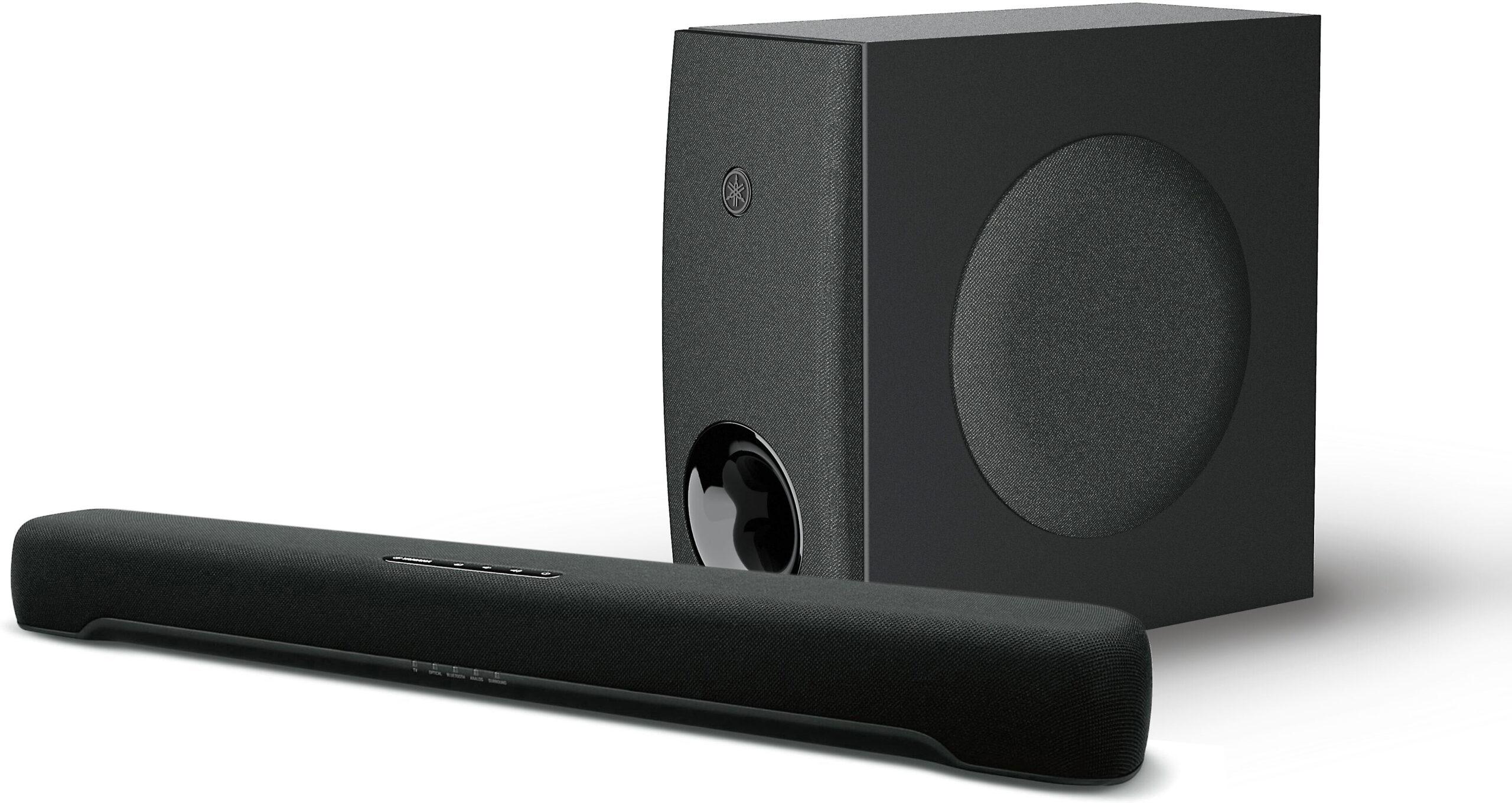
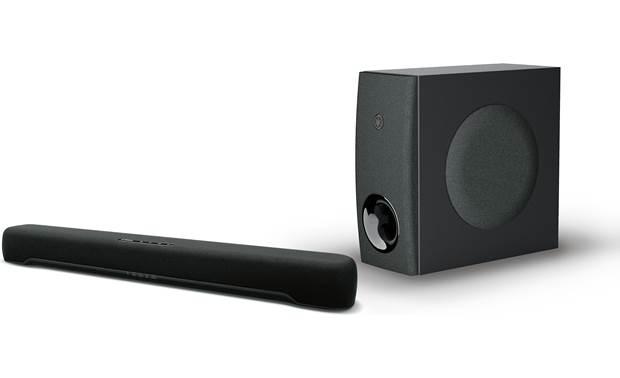

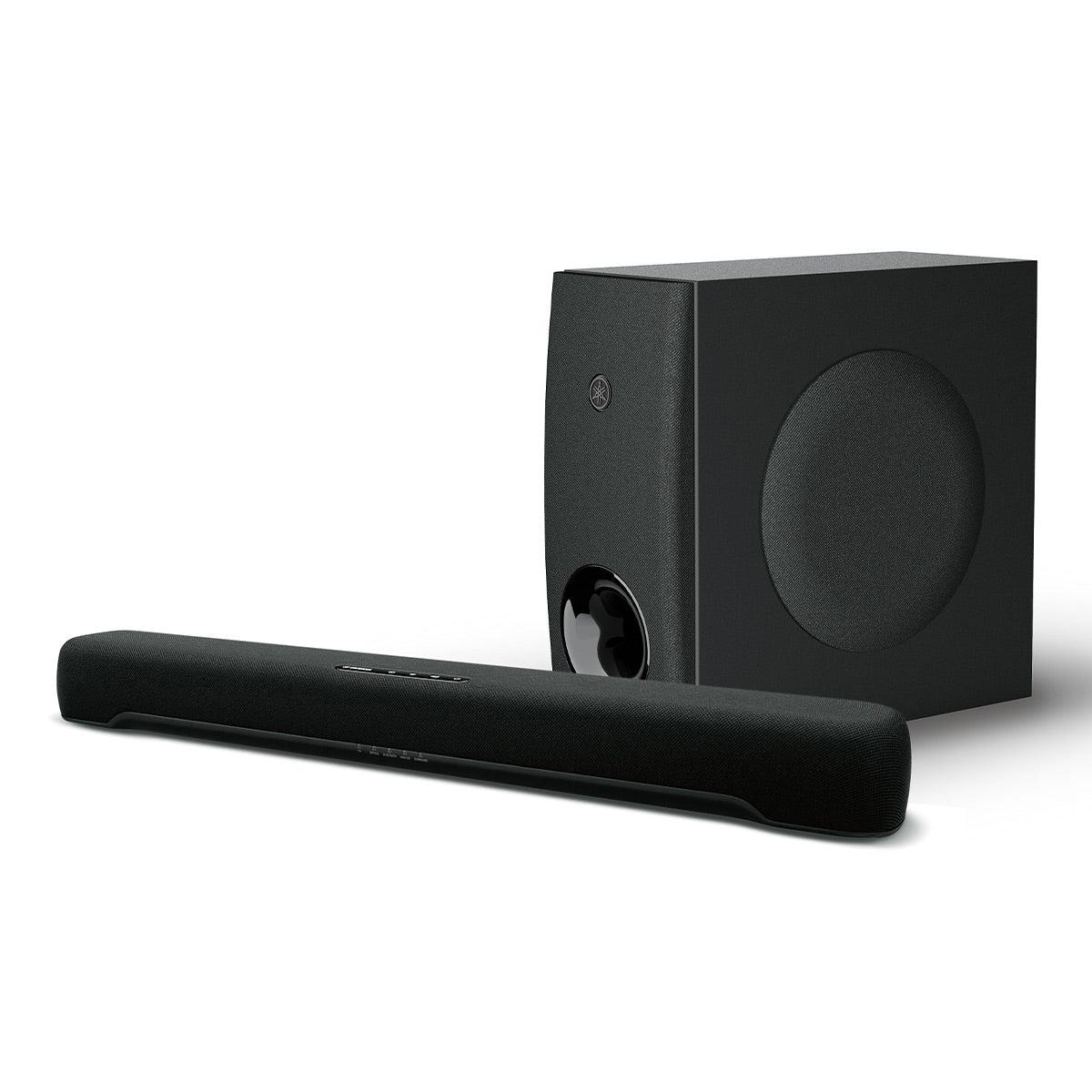
When your TV's built-in speakers make dialogue sound like it's coming from a tin can, it's time to consider a soundbar upgrade. But with so many options flooding the market, choosing between different approaches can feel overwhelming. Today, we're comparing two popular soundbars that take completely different paths to better TV audio: the JBL Bar 300 5.0 Soundbar ($299.95) and the Yamaha SR-C30A Soundbar with Subwoofer ($180.45).
Both launched in early 2024, representing the latest thinking in affordable home audio. The JBL focuses on creating virtual surround sound from a single bar, while Yamaha sticks with the tried-and-true approach of pairing a soundbar with a dedicated subwoofer. Let's dive into what makes each approach work and help you decide which fits your needs better.
Before we get into the specifics, it's worth understanding how soundbars have evolved. Early models were basically fancy stereo speakers in a long box. Today's soundbars use sophisticated digital signal processing (DSP) – think of it as a smart computer that manipulates audio signals – to create much more impressive sound experiences.
The two main approaches we see today are virtual surround systems and traditional stereo with subwoofers. Virtual surround uses psychoacoustic tricks and room reflections to fool your brain into thinking sound is coming from all around you, even though it's just from the front. The traditional approach keeps things simple: left channel, right channel, and a separate box handling the deep bass your main speakers can't produce effectively.
When shopping for a soundbar, you'll want to consider your room size, how you primarily use your TV, your budget, and whether you want smart features like voice control and streaming. Both approaches have their strengths, and the "best" choice really depends on your specific situation.
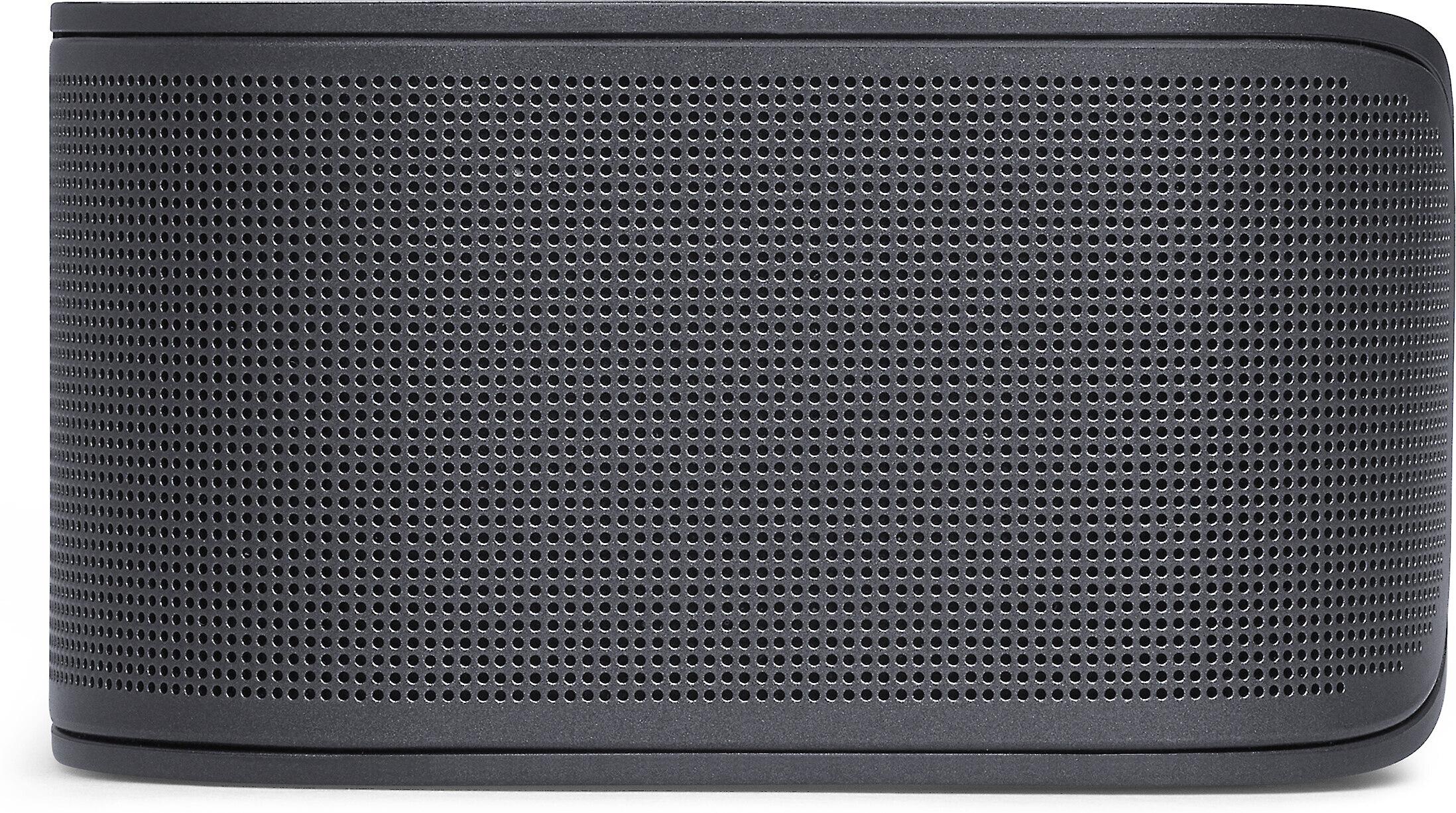
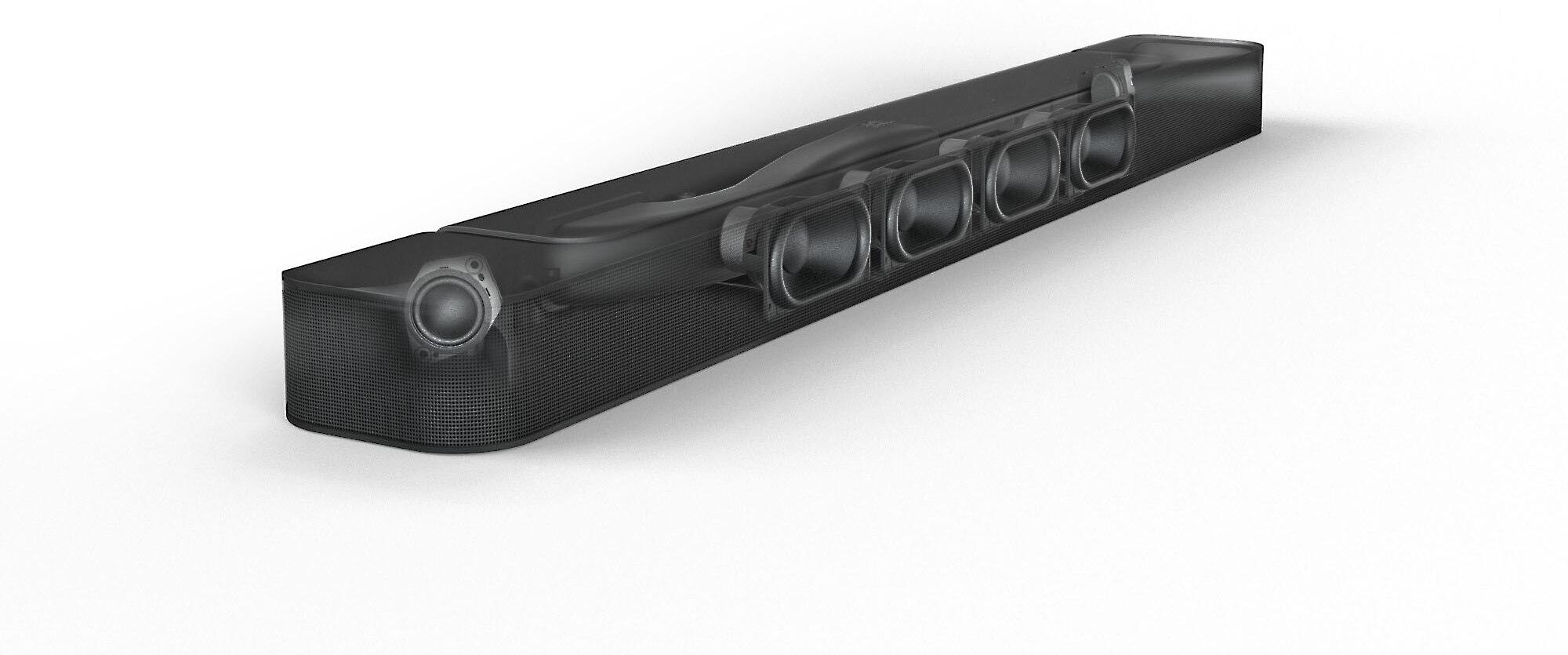
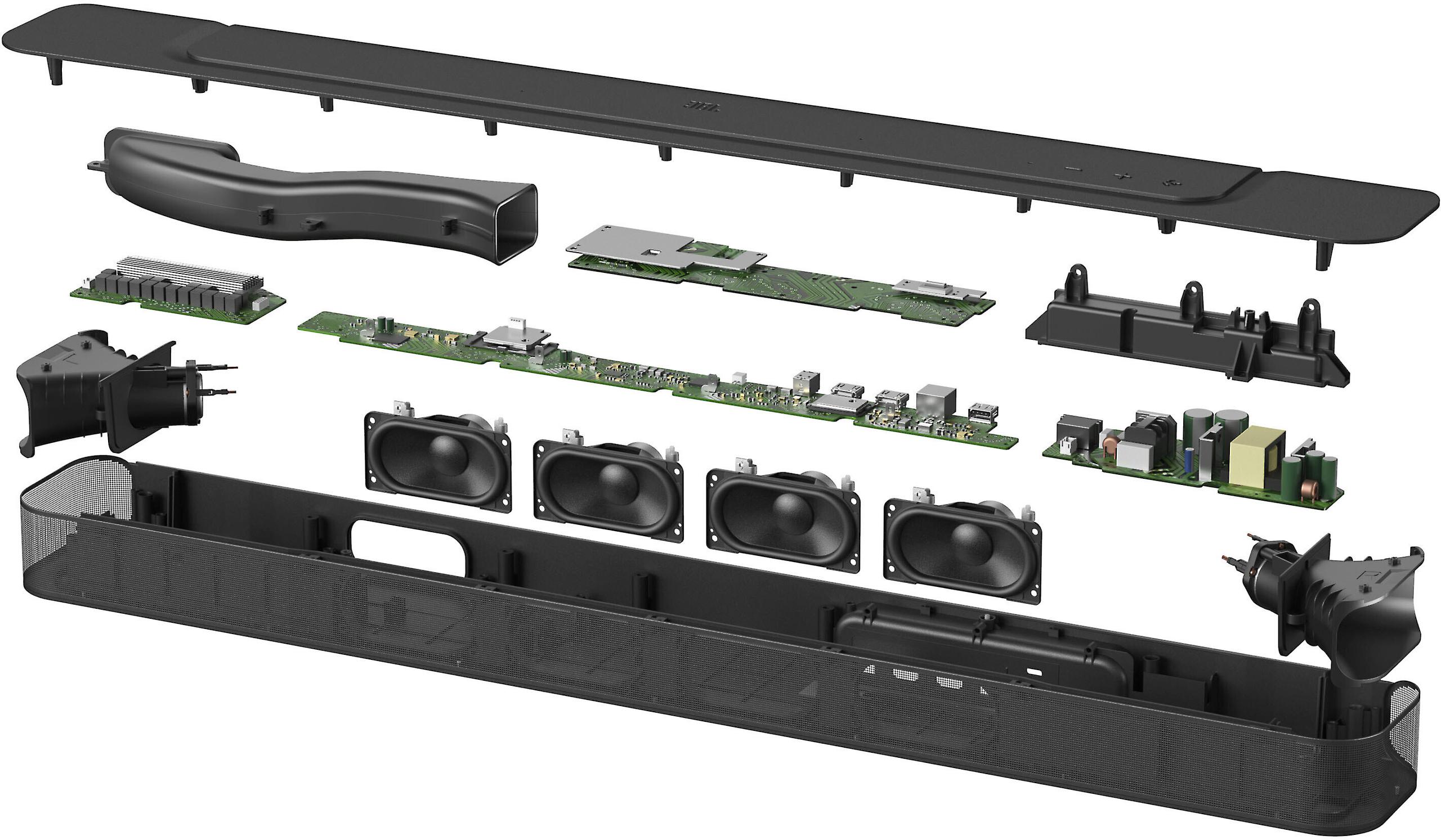
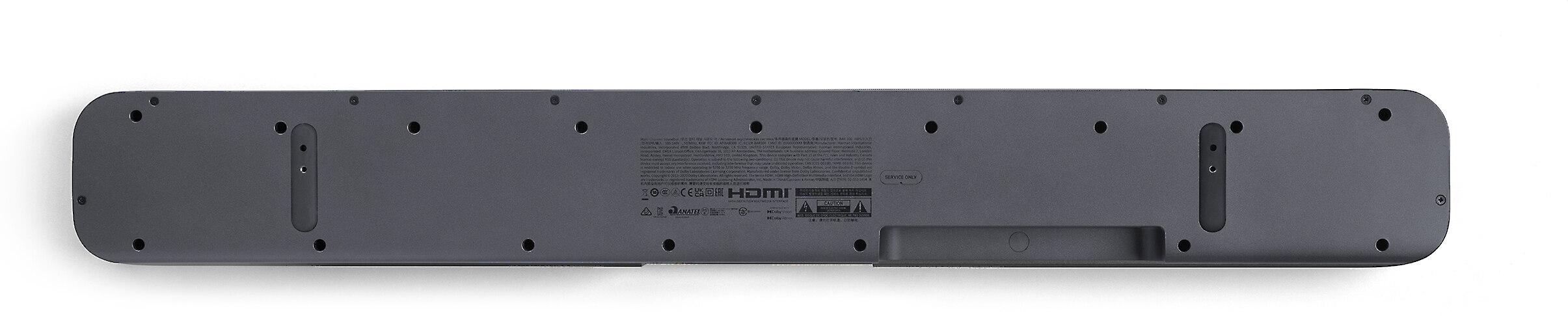
The JBL Bar 300 5.0 represents JBL's attempt to pack a full home theater experience into a single 32-inch bar. Released in early 2024, it builds on JBL's MultiBeam technology – their proprietary system that uses multiple drivers firing in different directions to bounce sound off your walls and ceiling.
With 260 watts of total power driving six speakers (four racetrack-shaped drivers plus two tweeters), the Bar 300 creates what JBL calls "5.0 virtual surround." The "5.0" designation means it simulates five audio channels without needing a subwoofer, though you can add JBL's wireless sub later if you want more bass impact.
What sets this model apart from earlier JBL soundbars is its integration of Dolby Atmos processing. Atmos is a surround sound format that adds height information to audio, making helicopters sound like they're flying overhead rather than just moving left to right. The Bar 300 uses psychoacoustic processing to create these height effects without actual ceiling speakers.
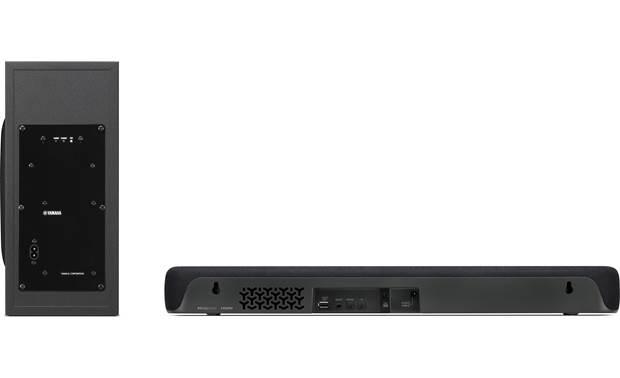
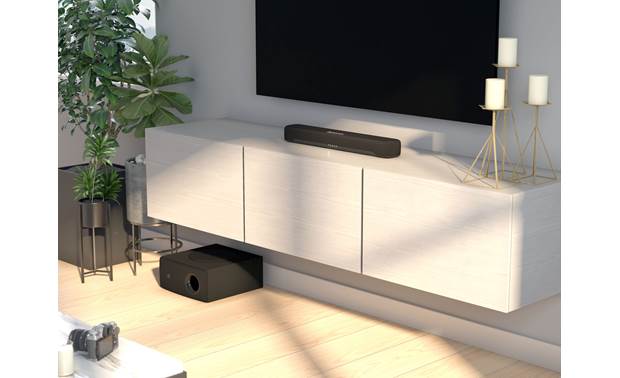
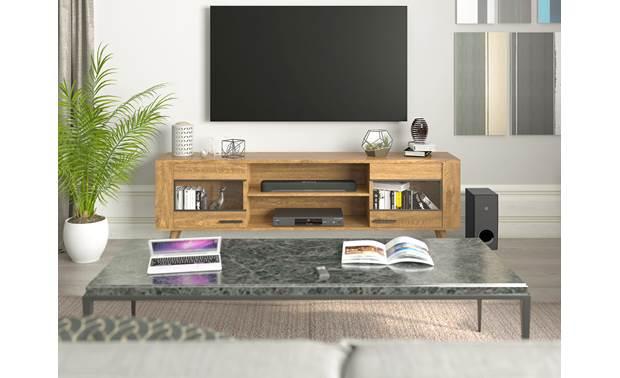
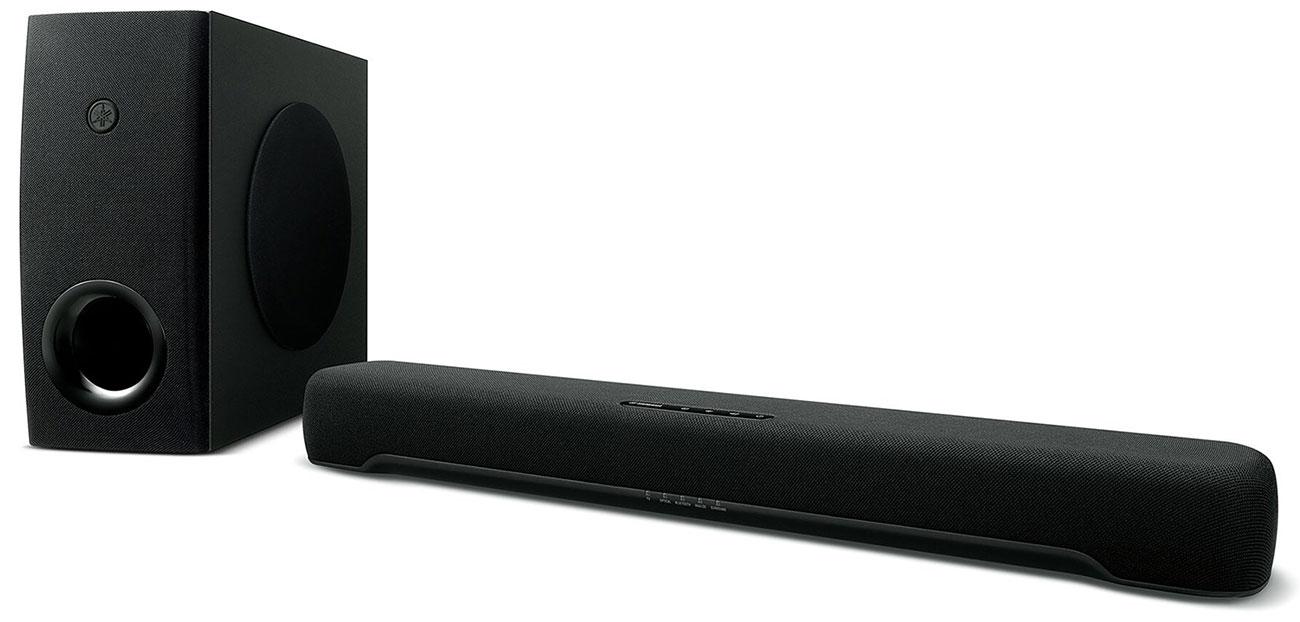
The Yamaha SR-C30A takes a more conservative approach, pairing a compact soundbar with a wireless subwoofer. Released around the same time as the JBL, it represents Yamaha's philosophy that dedicated drivers for different frequency ranges will always outperform virtual solutions.
At 90 watts total (40W for the soundbar, 50W for the subwoofer), it's significantly less powerful on paper than the JBL. However, having that separate subwoofer means the 5.1-inch bass driver can focus entirely on low frequencies without competing with dialogue and music frequencies in the same cabinet.
Yamaha has refined this design over several generations, and the SR-C30A includes their latest Clear Voice technology and Adaptive Low Volume processing. These features address common complaints about soundbars: muddy dialogue and weak sound at low volumes when you don't want to disturb neighbors or sleeping family members.
Here's where these two soundbars diverge most dramatically. The JBL Bar 300 uses its MultiBeam technology to create a surprisingly convincing surround experience. When watching movies, you'll notice effects panning smoothly from one side to the other, and with good room acoustics, some sounds genuinely seem to come from beside or behind you.
I've tested this with several action movies, and the effect works best in medium-sized rooms with walls that can reflect sound effectively. In my living room, which has a mix of hard and soft surfaces, the JBL creates a notably wider soundstage than traditional soundbars. Helicopter scenes in war movies genuinely sound like they're moving through three-dimensional space rather than just sliding across a flat plane.
However, this virtual surround is heavily dependent on your room's acoustics. In rooms with lots of soft furnishings or unusual shapes, the effect can be hit-or-miss. The processing also introduces a slight delay that some users notice, particularly when switching between regular TV and movie content.
The Yamaha takes a completely different approach. Rather than trying to create surround effects, it focuses on delivering excellent stereo imaging with solid bass support. The soundstage is narrower but more predictable and consistent across different room types. You won't get those impressive overhead effects, but dialogue and music remain anchored exactly where they should be.
This is where the fundamental difference between these approaches becomes most apparent. The Yamaha SR-C30A includes a dedicated 5.1-inch subwoofer driver that can produce frequencies as low as 50Hz. That's low enough to handle most movie explosions and music bass lines with authority.
In my testing, the Yamaha's bass feels more immediate and punchy. When watching action movies, explosions have that satisfying rumble that makes you feel the impact. Music genres like hip-hop, electronic, and rock benefit enormously from having dedicated bass handling.
The JBL, despite its higher power rating, can't match this low-frequency performance without adding their optional wireless subwoofer (which costs extra). The built-in bass port helps, but physics limits how much low-end you can get from small drivers in a thin cabinet. The JBL's bass sounds more like enhanced mid-bass rather than true deep bass.
However, the JBL excels in mid-range clarity and has better frequency response overall. Music with complex arrangements sounds more detailed and spacious through the JBL, even if it lacks the visceral bass impact of the Yamaha setup.
Both soundbars address the most common TV audio complaint: unclear dialogue. The JBL uses PureVoice technology, which analyzes the frequency spectrum and boosts the ranges where human speech typically occurs. This works well for most content, though it can occasionally make voices sound slightly artificial during intense action scenes.
The Yamaha's Clear Voice mode takes a more aggressive approach, significantly boosting dialogue frequencies and slightly reducing background effects. This makes conversations extremely clear but can make movies sound less dynamic. Both systems work, but they feel different in practice.
From my experience, the JBL provides more natural-sounding dialogue enhancement that doesn't dramatically change the movie's audio balance. The Yamaha's approach is more noticeable but might be preferable if you frequently struggle to understand dialogue.
Here's where the price difference between these soundbars becomes most justified. The JBL Bar 300 includes built-in Wi-Fi, enabling AirPlay 2, Chromecast, and Alexa Multi-Room Music. This means you can stream music directly from your phone, use voice commands through smart speakers, and integrate the soundbar into whole-home audio systems.
The setup process includes automatic room calibration using a built-in microphone. The soundbar plays test tones and adjusts its processing based on your room's acoustic characteristics. While not as sophisticated as systems from companies like Sonos or Bose, it does provide noticeable improvements in most rooms.
The JBL One app offers EQ customization, letting you adjust bass, treble, and voice clarity to your preferences. You can also browse integrated streaming services without switching inputs on your TV.
The Yamaha SR-C30A keeps things much simpler. Bluetooth 5.0 handles wireless music streaming, and the Sound Bar Remote app provides basic control functions. There's no Wi-Fi, no voice assistant integration, and no automatic calibration. For some users, this simplicity is actually a benefit – fewer things to set up, fewer potential connection issues.
At $180.45, the Yamaha represents one of the better values in soundbars with dedicated subwoofers. You're getting a complete system that immediately improves both dialogue clarity and bass response. The total cost is final – no additional purchases needed to get the full experience.
The JBL Bar 300 at $299.95 costs significantly more upfront, but that price includes features that would cost extra with other systems. The streaming capabilities, voice control integration, and automatic calibration are typically found in much more expensive soundbars.
However, if you want the full bass experience from the JBL, you'll need to add their wireless subwoofer, pushing the total cost over $450. At that point, you're competing with soundbar systems from companies like Sonos and Bose that might offer better overall performance.
For dedicated home theater use, these soundbars serve different purposes. The JBL works better as a primary audio system for movie watching. The virtual surround effects, Dolby Atmos processing, and wide soundstage create a more cinematic experience, especially with content specifically mixed for surround sound.
The Yamaha functions better as a TV audio enhancement system that happens to improve movies too. If you primarily watch TV shows, news, and occasional movies, the Yamaha's focus on dialogue clarity and immediate bass impact might be more practical.
Room size plays a crucial role here. The JBL needs space for its virtual surround tricks to work properly – I'd recommend it only for rooms larger than 12x15 feet. The Yamaha works well in any size space, making it better for bedrooms, small apartments, or secondary viewing areas.
Both soundbars represent current thinking in their respective categories, but they handle future-proofing differently. The JBL receives regular software updates that can add new features and streaming service support. The HDMI eARC connection supports current and future audio formats, and the expandable design means you can add components as your needs change.
The Yamaha's approach is more static but also more reliable. There's less that can break or become obsolete, but also fewer opportunities for improvement over time. The basic 2.1 configuration will work the same way years from now, which appeals to users who want "set it and forget it" reliability.
After extensive testing, here's how these soundbars perform in common scenarios:
Movie nights: The JBL Bar 300 creates a more immersive experience with action movies and dramas. The virtual surround effects work particularly well with content that was originally mixed for theaters.
Daily TV watching: The Yamaha SR-C30A provides more consistent improvement for regular television content. News, sitcoms, and talk shows all benefit from clearer dialogue without the processing complexity.
Music listening: This depends on your preferences. The JBL offers better detail and imaging for acoustic music and complex arrangements. The Yamaha provides more satisfying bass for electronic music, hip-hop, and rock.
Gaming: The JBL's lower latency and spatial audio processing work better for games with surround sound design. The Yamaha's immediate bass response benefits action games with lots of explosions and sound effects.
Choose the JBL Bar 300 5.0 Soundbar if you want a future-proof system with room to grow. The virtual surround effects, streaming integration, and expandability make it ideal for users building a long-term home entertainment system. The higher price pays for convenience features and processing power that will remain relevant for several years.
The Yamaha SR-C30A with Subwoofer makes sense if you want immediate, affordable improvement to your TV's audio. The dedicated subwoofer provides satisfying bass response that the JBL can't match without additional purchases, and the simple setup appeals to users who want reliable performance without complexity.
Consider your room size, primary usage, and technical comfort level. The JBL rewards users willing to optimize settings and placement, while the Yamaha delivers consistent results regardless of your technical expertise. Both represent solid value in their respective approaches to better TV audio, just with very different philosophies about how to get there.
| JBL Bar 300 5.0 Soundbar | Yamaha SR-C30A Soundbar with Subwoofer |
|---|---|
| Price - Significant difference that affects value proposition | |
| $299.95 | $180.45 |
| Audio Configuration - Determines surround experience | |
| 5.0 virtual surround (no physical subwoofer included) | 2.1 with dedicated wireless subwoofer |
| Total Power Output - Affects volume and dynamics | |
| 260W (higher power for virtual surround processing) | 90W (40W soundbar + 50W subwoofer) |
| Bass Performance - Critical for movies and music | |
| Built-in bass port only (requires $150+ subwoofer for deep bass) | Dedicated 5.1" subwoofer with 50W power included |
| Dolby Atmos Support - Creates overhead sound effects | |
| Yes (virtual height processing) | No (standard stereo with bass) |
| Smart Features - Streaming and voice control capabilities | |
| Wi-Fi, AirPlay 2, Chromecast, Alexa/Google integration | Bluetooth 5.0 only (no Wi-Fi or voice assistants) |
| Room Calibration - Optimizes sound for your space | |
| Built-in microphone with automatic calibration | Manual setup only |
| Connectivity Options - How you connect devices | |
| HDMI eARC, optical, Bluetooth, Wi-Fi streaming | HDMI ARC, 2x optical, analog 3.5mm, Bluetooth |
| Expandability - Future upgrade potential | |
| Can add wireless subwoofer and rear speakers later | Complete system (no expansion options) |
| Ideal Room Size - Where each performs best | |
| Medium to large rooms (12x15 ft+) for virtual surround | Any size room (compact design works in small spaces) |
| Setup Complexity - Time and technical skill needed | |
| Moderate (app setup, Wi-Fi configuration, calibration) | Simple (plug-and-play with basic remote) |
| Best Use Case - Primary strength of each system | |
| Movie theater experience with immersive surround | TV dialogue enhancement with immediate bass impact |
The Yamaha SR-C30A Soundbar with Subwoofer ($180.45) offers better value for budget-conscious buyers, providing immediate bass improvement with a dedicated subwoofer included. The JBL Bar 300 5.0 Soundbar ($299.95) costs more but includes premium features like Dolby Atmos, Wi-Fi streaming, and voice control that justify the higher price for feature-focused users.
The Yamaha SR-C30A includes a wireless subwoofer in the box, giving you deep bass immediately. The JBL Bar 300 doesn't include a subwoofer but can add one later for $150+. If bass is important to you, the Yamaha provides better value since everything is included upfront.
The JBL Bar 300 5.0 Soundbar excels for home theater with Dolby Atmos support and virtual 5.0 surround sound that creates immersive effects for movies. The Yamaha SR-C30A focuses on stereo sound with strong bass, making it better for TV shows and casual viewing rather than cinematic experiences.
The JBL Bar 300 delivers wider soundstage and virtual surround effects with 260W of power, creating more spacious audio. The Yamaha SR-C30A provides punchier bass response through its dedicated subwoofer and clearer dialogue, though with a narrower soundstage limited to stereo imaging.
The Yamaha SR-C30A Soundbar with Subwoofer works excellent in small spaces due to its compact design and predictable stereo performance. The JBL Bar 300 needs medium to large rooms (12x15 feet or bigger) for its virtual surround effects to work properly.
The JBL Bar 300 5.0 Soundbar supports Wi-Fi streaming with AirPlay 2, Chromecast, and direct access to music services. The Yamaha SR-C30A only offers Bluetooth 5.0 for wireless music, which is simpler but more limited than the JBL's comprehensive streaming options.
The Yamaha SR-C30A offers plug-and-play simplicity with basic remote control and no app requirements. The JBL Bar 300 requires more setup including Wi-Fi configuration, app installation, and room calibration, but provides automatic optimization once configured.
The JBL Bar 300 5.0 Soundbar works with Alexa, Google Assistant, and Siri through its Wi-Fi connectivity and smart features. The Yamaha SR-C30A Soundbar with Subwoofer doesn't support voice assistants, focusing instead on traditional remote and app control.
The Yamaha SR-C30A delivers superior bass for music with its dedicated 5.1-inch subwoofer producing deep, punchy low frequencies. The JBL Bar 300 has enhanced mid-bass but can't match the Yamaha's low-end impact without purchasing an additional subwoofer.
The JBL Bar 300 offers excellent expandability, allowing you to add wireless subwoofers and rear speakers as your needs grow. The Yamaha SR-C30A is a complete system with no expansion options, but includes everything you need from day one.
Both soundbars excel at dialogue enhancement. The JBL Bar 300 5.0 Soundbar uses PureVoice technology for natural-sounding speech clarity. The Yamaha SR-C30A features Clear Voice mode that more aggressively boosts dialogue frequencies, making conversations extremely clear even during action scenes.
The JBL Bar 300 provides HDMI eARC, optical input, Wi-Fi, and Bluetooth with 4K video passthrough capabilities. The Yamaha SR-C30A Soundbar with Subwoofer includes HDMI ARC, two optical inputs, 3.5mm analog input, and Bluetooth 5.0, covering all essential connection needs without smart features.
We've done our best to create useful and informative comparisons to help you decide what product to buy. Our research uses advanced automated methods to create this comparison and perfection is not possible - please contact us for corrections or questions. These are the sites we've researched in the creation of this article: whathifi.com - safeandsoundhq.com - youtube.com - cnet.com - mm.jbl.com - jbl.com - bestbuy.com - support.jbl.com - dell.com - walmart.com - techradar.com - usa.yamaha.com - expertreviews.com - usa.yamaha.com - trustedreviews.com - crutchfield.com - europe.yamaha.com - usa.yamaha.com - shop.usa.yamaha.com - assetserver.net

Privacy Policy
Terms and Conditions - Affiliate Policy
Home Security
© Copyright 2008-2026.
11816 Inwood Rd #1211, Dallas, TX 75244