

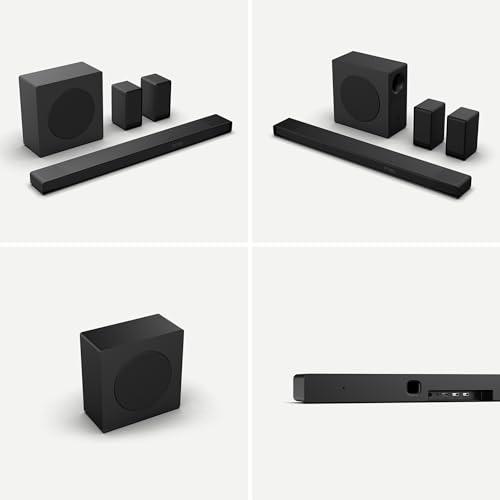
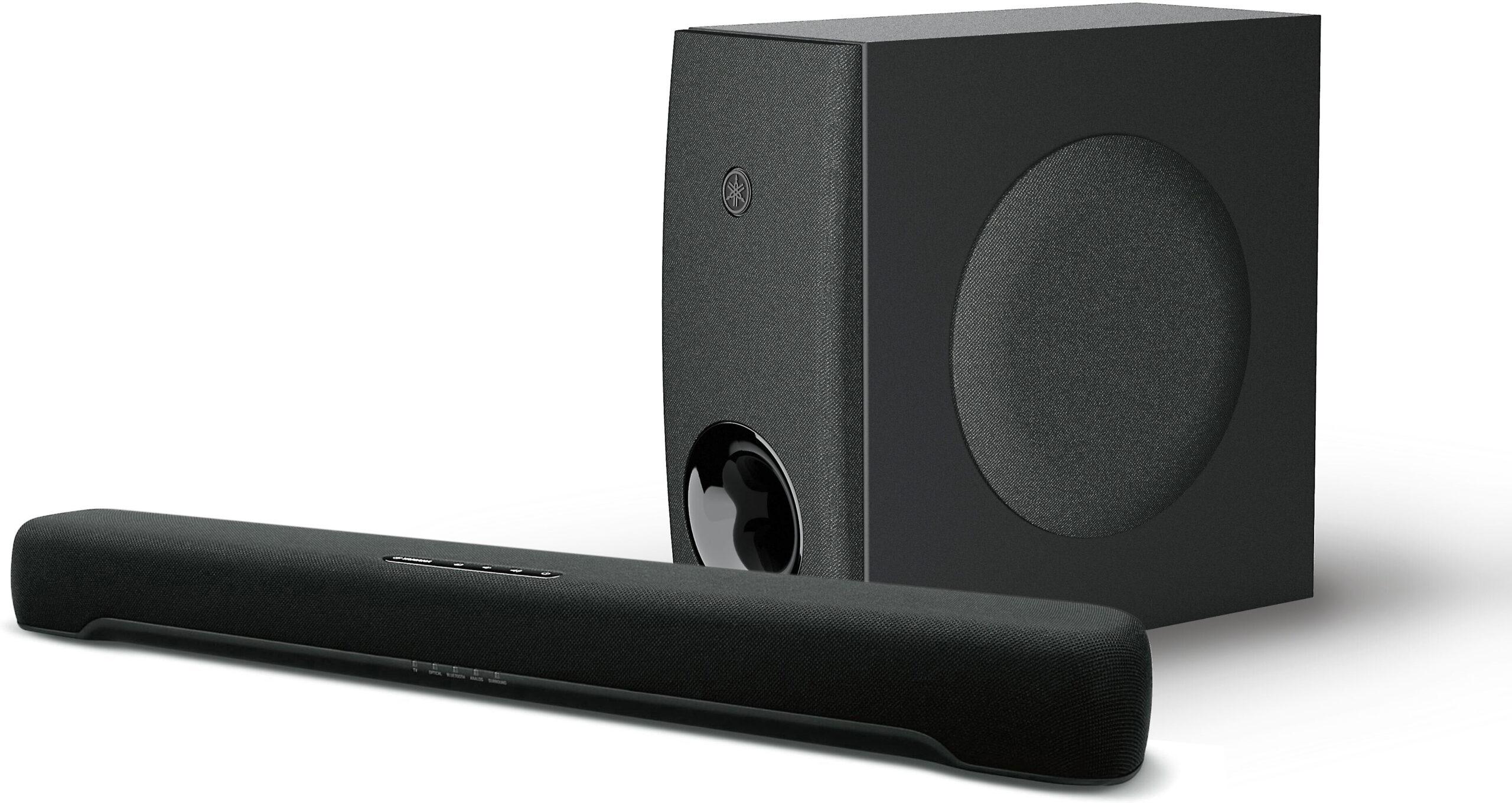

When your TV's built-in speakers just aren't cutting it anymore, soundbars offer the most practical upgrade path without turning your living room into a maze of wires and speakers. But the soundbar market has evolved dramatically, splitting into distinct categories that serve completely different needs. Today, we're comparing two products that perfectly illustrate this divide: the Hisense AX5140Q, a full-featured 5.1.4-channel system released in 2024, and the Yamaha SR-C30A, a compact 2.1-channel solution that hit the market around the same time.
At the time of writing, these products sit in different price ranges—the Hisense AX5140Q costs about 70% more than the Yamaha SR-C30A. But that price difference reflects fundamentally different approaches to improving your TV's audio. One delivers a complete home theater replacement, while the other focuses on maximizing performance in minimal space.
The soundbar landscape has become increasingly sophisticated since the early 2010s when most options were simple stereo bars trying to replicate TV speaker output. Today's market divides into several distinct categories, each serving specific use cases and room types.
Stereo Enhancement Systems (like the Yamaha SR-C30A) focus on improving TV speaker performance without adding complexity. These typically include 2.1 channels—left and right speakers plus a subwoofer—and prioritize space efficiency and simplicity.
True Surround Systems (like the Hisense AX5140Q) attempt to replace traditional home theater setups entirely. These feature 5.1 or more channels, including dedicated rear speakers and often height channels for overhead effects.
The key technical advancement driving this evolution has been wireless speaker technology. Early soundbars required running cables to rear speakers, which defeated the simplicity advantage. Modern wireless systems can transmit multichannel audio signals reliably, enabling genuine surround sound without installation complexity.
Dolby Atmos and DTS:X represent the latest frontier—these are object-based audio formats that place sounds in 3D space rather than just specific channels. Think of traditional surround sound as having designated lanes for audio, while Atmos treats the room as a sphere where sounds can be positioned anywhere. This requires height channels—speakers that fire upward to bounce sound off your ceiling, creating the illusion of overhead effects.
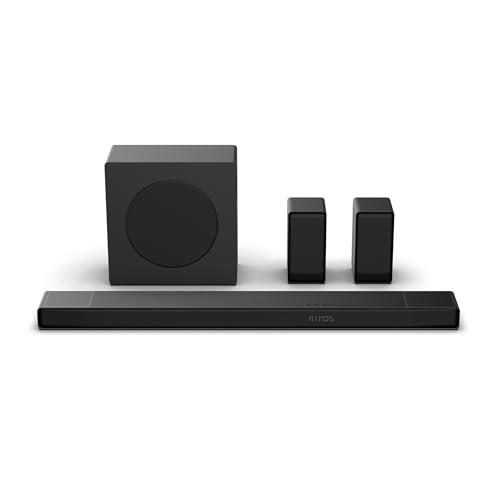
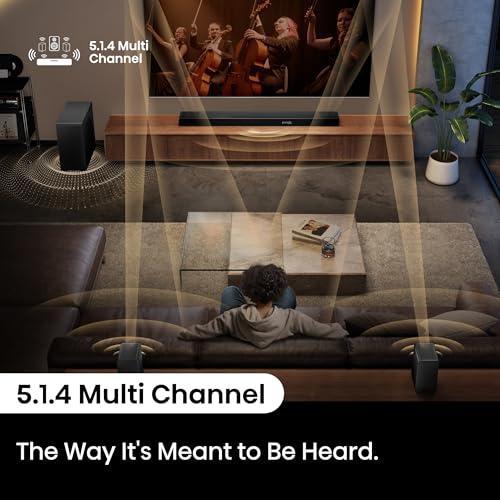
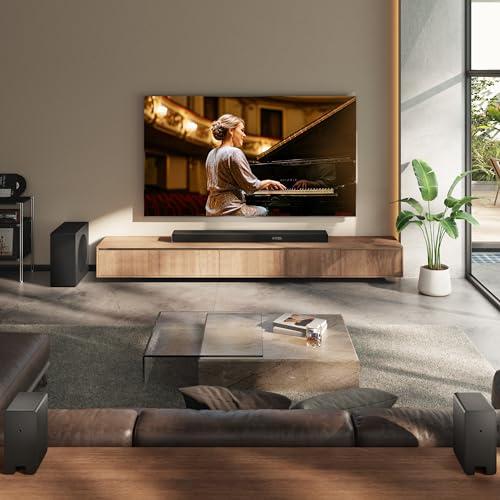
The Hisense AX5140Q represents Hisense's current flagship soundbar approach, building on lessons learned from their earlier 5.1.2 models. The "5.1.4" designation tells the complete story: five main channels (front left, center, front right, rear left, rear right), one subwoofer channel, and four height channels for overhead effects.
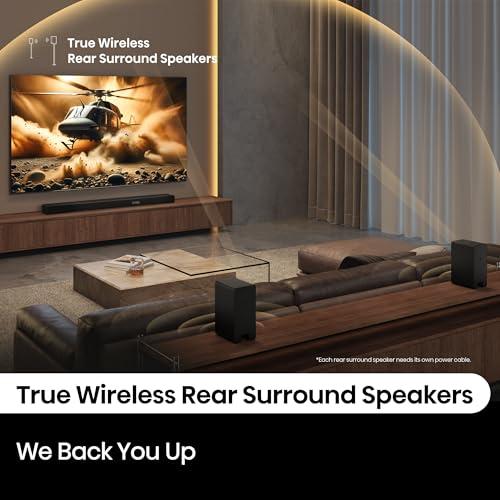
What sets the Hisense AX5140Q apart from most "surround sound" bars is its inclusion of actual wireless rear speakers. Many competitors create virtual surround effects using psychoacoustic processing—essentially tricking your brain into perceiving rear sounds from front-mounted drivers. The Hisense takes a different approach, providing discrete speakers that physically sit behind your listening position.
The system includes four upfiring drivers total—two mounted in the main soundbar and two in the wireless rear speakers. These fire sound toward your ceiling, which reflects back down to create genuine overhead effects. This works best with 8-10 foot ceilings and smooth, reflective surfaces, but even in less ideal rooms, the effect adds noticeable dimension to Atmos content.
The wireless subwoofer uses a 6.5-inch driver, which represents a sweet spot for home theater applications. Larger drivers can produce deeper bass but often sound boomy in typical living rooms, while smaller drivers struggle with the low-frequency impact that makes movie explosions feel visceral.
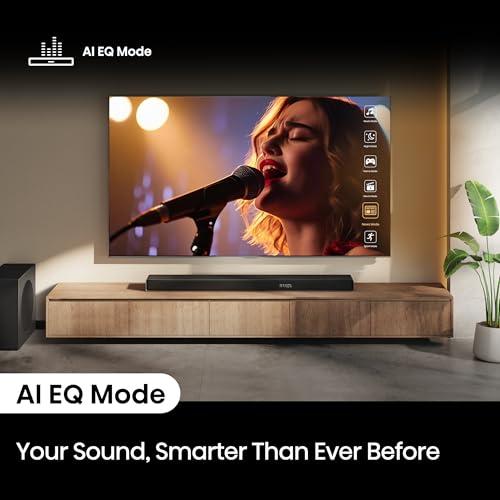
The Hisense AX5140Q incorporates several processing technologies that weren't available in soundbars even a few years ago. The AI EQ Mode analyzes incoming content in real-time, adjusting frequency response and dynamics based on whether you're watching movies, listening to music, or playing games. This automatic optimization prevents the need to constantly switch between preset modes.
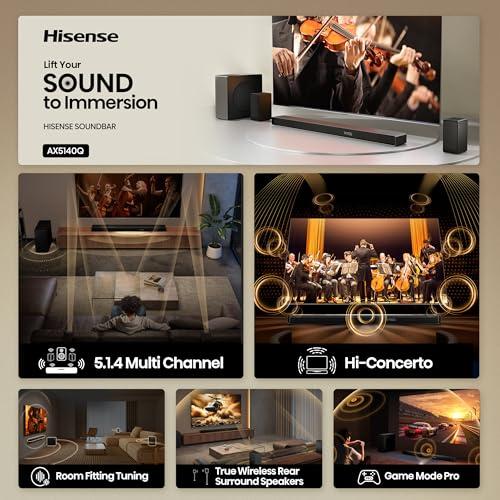
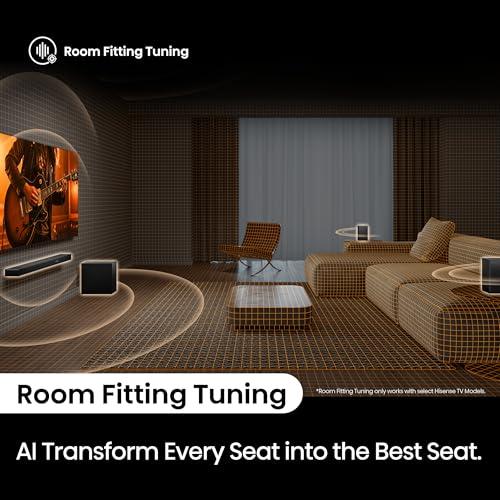
Room Fitting Tuning represents another significant advancement. The system uses test tones to measure your room's acoustics, then adjusts timing and levels across all speakers to compensate for furniture, wall materials, and speaker placement. This type of room correction was previously limited to high-end AV receivers costing significantly more than entire soundbar systems.
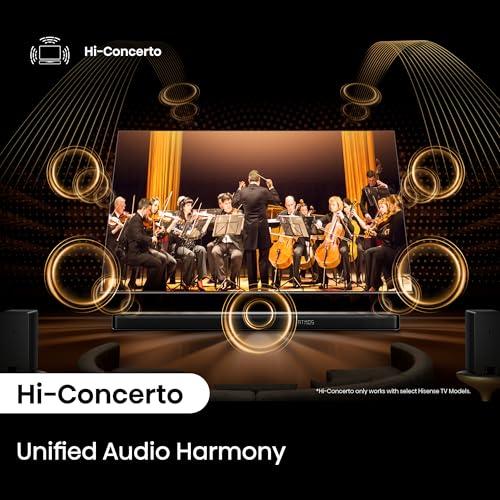
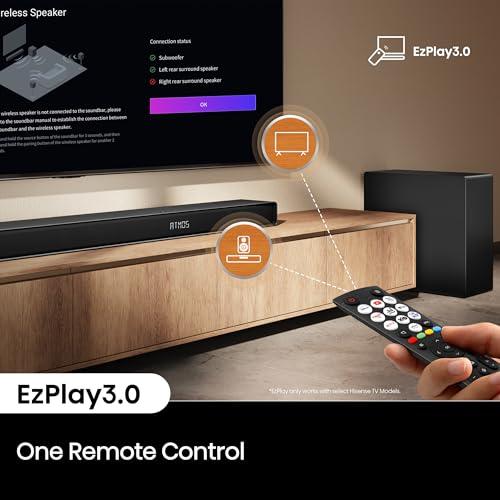
Hi-Concerto integration deserves special mention for Hisense TV owners. This ecosystem approach allows the TV and soundbar to function as a unified system, with the TV handling video processing while the soundbar manages complex audio decode and distribution. The TV remote controls soundbar functions, and setup becomes genuinely plug-and-play.
Based on extensive user feedback and expert evaluations, the Hisense AX5140Q excels in several key areas. Dialogue clarity emerges as a standout feature—the dedicated center channel keeps speech anchored to the screen even during complex action sequences. Users consistently report being able to eliminate subtitles in scenarios where TV speakers made dialogue incomprehensible.
Spatial immersion represents the system's primary strength. In properly mastered Dolby Atmos content—like recent Marvel films or nature documentaries—effects genuinely appear to come from above and behind the listener. Rain sounds like it's falling from the ceiling, aircraft pan convincingly overhead, and ambient sounds create a sense of being inside the scene rather than watching it.
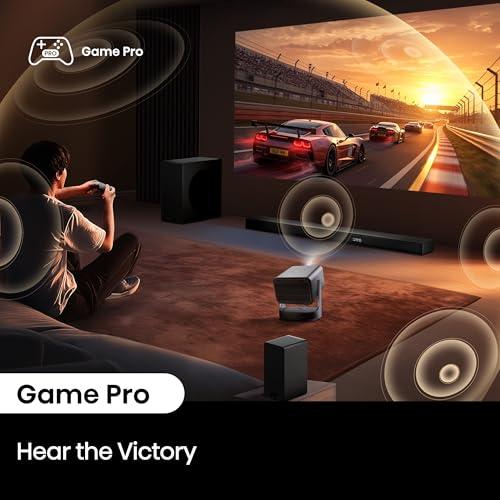
The Game Pro mode optimizes the system for interactive content, enhancing positional audio cues that help identify enemy locations in shooters or environmental details in adventure games. The wireless architecture maintains tight synchronization, so audio doesn't lag behind visual cues during fast-paced gaming.
Bass performance from the 6.5-inch subwoofer consistently surprises users expecting typical soundbar limitations. The wireless connection eliminates placement restrictions, allowing optimal positioning for room acoustics. While it can't match dedicated 10-inch or 12-inch theater subs in absolute output, it provides satisfying impact for most content and room sizes.
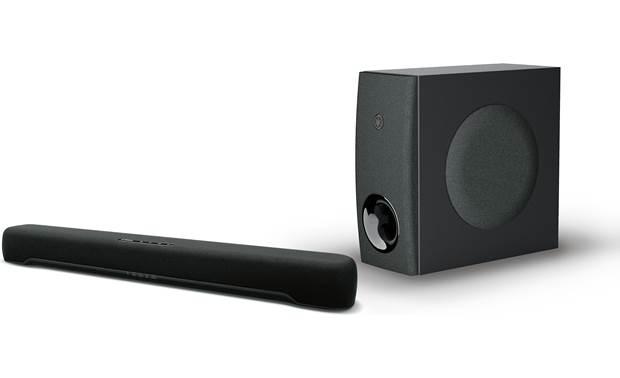
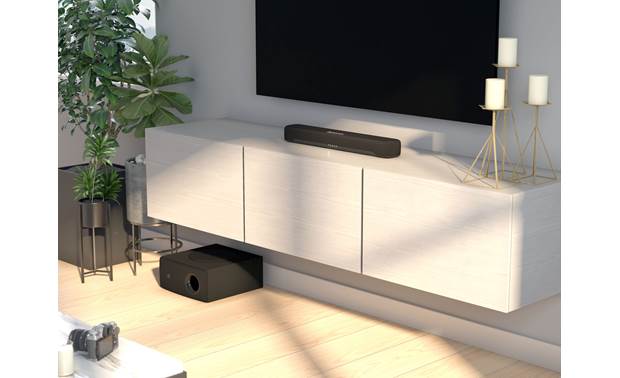
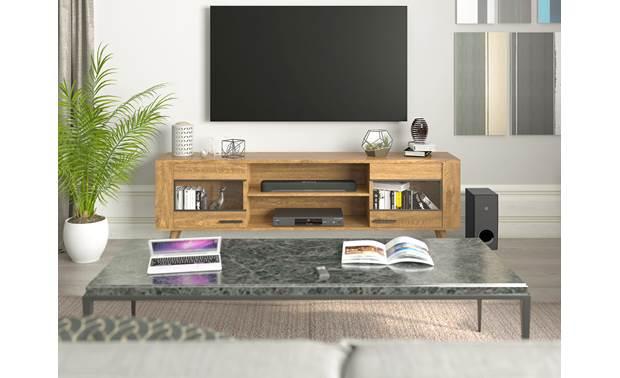
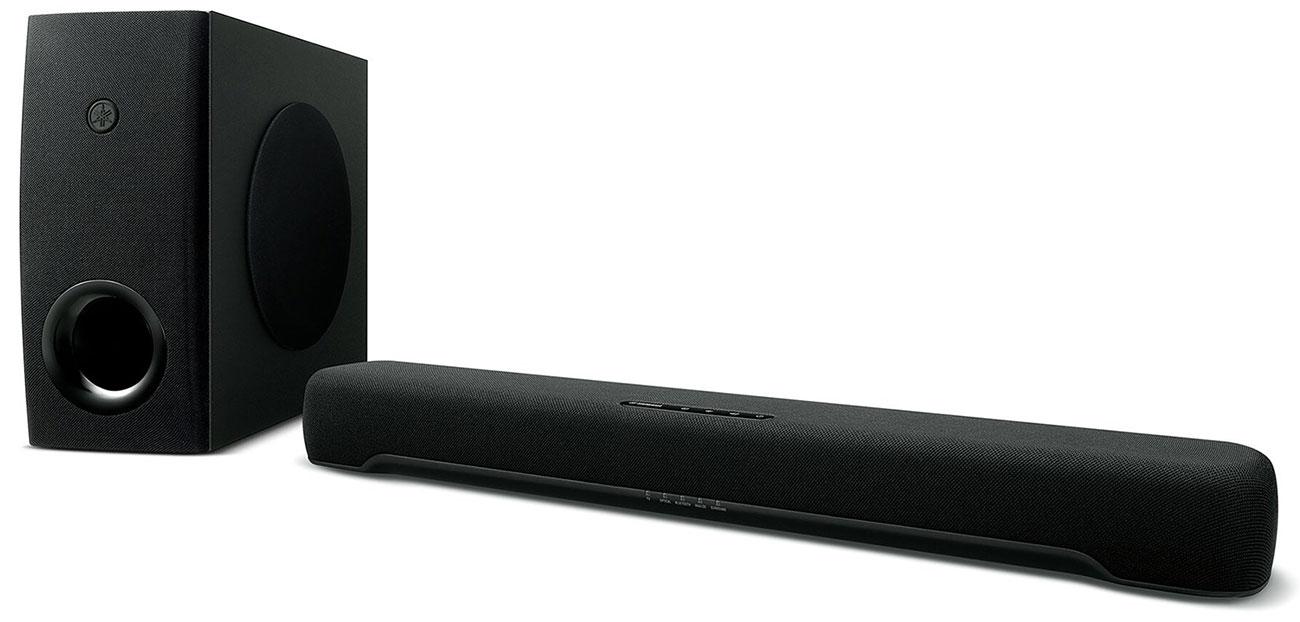
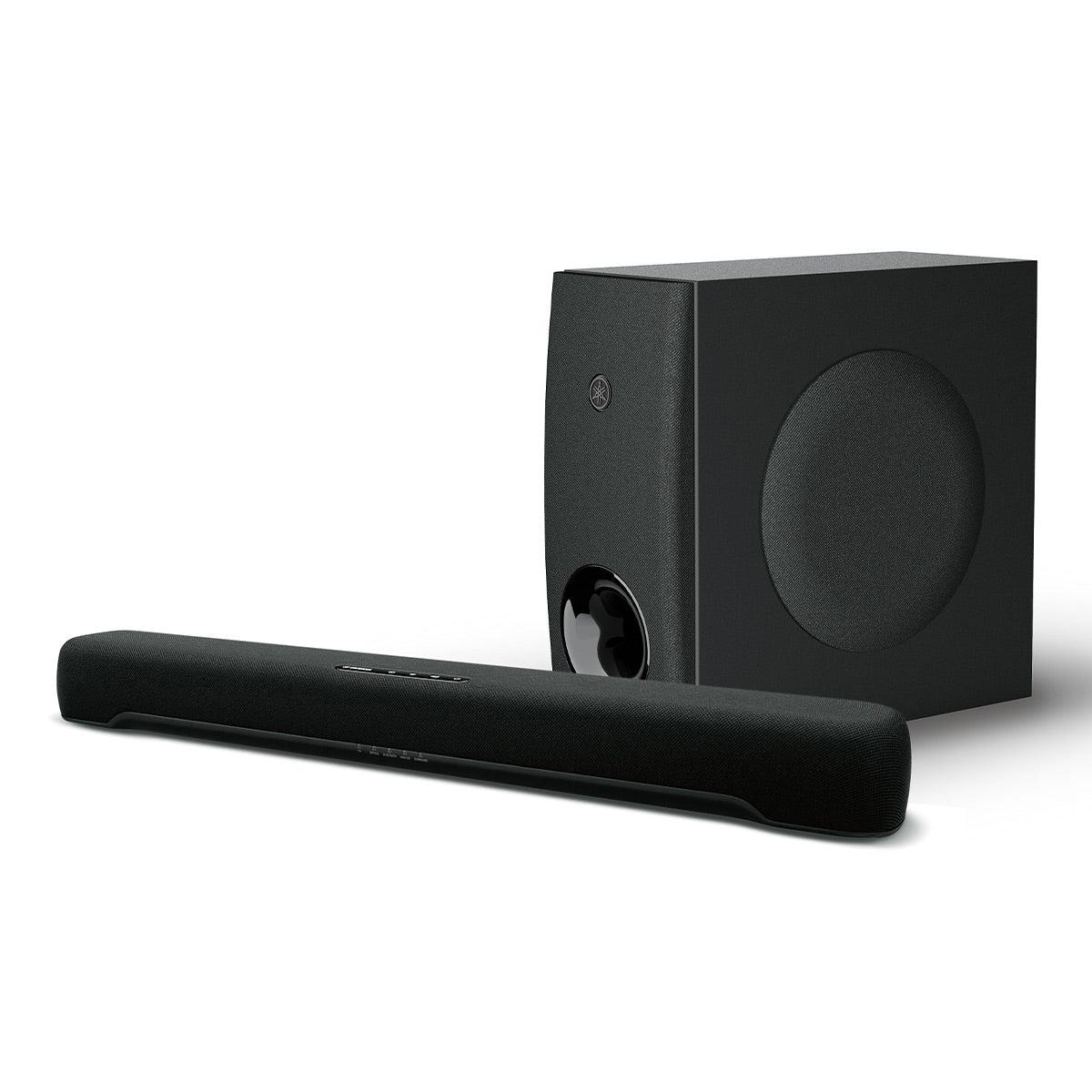
The Yamaha SR-C30A represents Yamaha's response to changing living situations—smaller apartments, wall-mounted TVs, and the desire for audio improvement without visual impact. At under 24 inches wide, it fits under TVs as small as 32 inches while still including a wireless subwoofer.
Yamaha's True Sound design philosophy emphasizes accurate reproduction over artificial enhancement. The Yamaha SR-C30A uses carefully selected drivers and internal acoustics to maximize output from minimal volume. The main bar contains two 1.8-inch full-range drivers that handle everything from deep male vocals to cymbal crashes without dedicated tweeters.
This single-driver approach creates trade-offs. The system produces remarkably natural midrange reproduction—voices sound realistic and present without the sometimes artificial clarity of multi-driver designs. However, extreme high frequencies lack the sparkle and detail that separate tweeters provide. For most TV content and casual music listening, this represents a reasonable compromise that avoids listening fatigue during extended viewing.
The wireless subwoofer, while compact, adds crucial low-frequency foundation that tiny soundbar drivers simply cannot produce. The Bass Ext. function optimizes the crossover between the main bar and subwoofer, ensuring smooth integration rather than the disconnected bass response that plagues many budget systems.
Adaptive Low Volume Technology addresses a common soundbar frustration—many systems sound thin and lifeless at apartment-friendly volume levels. Traditional "night mode" processing typically compresses dynamic range, making everything sound flat. Yamaha's approach maintains frequency balance and impact even at whisper-quiet levels, crucial for late-night viewing or shared living situations.
Clear Voice Mode enhances dialogue intelligibility without the harsh over-emphasis that makes some soundbars sound unnatural. This feature proves particularly valuable for older movies or shows with challenging audio mixes where speech gets buried under music and effects.
The multi-point Bluetooth connectivity allows seamless switching between devices—your phone, tablet, and laptop can all stay paired, with the soundbar automatically connecting to whichever device starts playing audio.
The Yamaha SR-C30A delivers impressive performance within its constraints, but those constraints are real. Spatial presentation remains fundamentally stereo—the 3D Movie mode adds some width and depth, but cannot create the enveloping surround field of discrete rear speakers. For viewers accustomed to TV speakers, this represents a significant upgrade. For those expecting theater-like immersion, it may disappoint.
Frequency response tilts toward warmth rather than analytical precision. Bass feels full and satisfying without overwhelming small rooms, while highs remain smooth enough for extended listening. This tuning works well for TV dialogue and most music but may lack excitement for action movie soundtracks that benefit from aggressive dynamics.
Volume capabilities suit most residential applications but won't fill large open-plan spaces or compete with significant ambient noise. The system maintains composure at higher levels without obvious distortion, but ultimate output remains limited by physics and driver size.
When evaluating soundbar performance, certain characteristics matter more than others depending on your primary use case. Dialogue intelligibility ranks highest for most users—if you can't understand speech clearly, other improvements become irrelevant. Both systems excel here, but through different approaches: the Hisense AX5140Q uses a dedicated center channel for precise localization, while the Yamaha SR-C30A relies on careful tuning and Clear Voice processing.
Dynamic range capability determines how well a system handles the difference between quiet dialogue and explosive action sequences. The Hisense AX5140Q benefits from higher total power and multiple drivers, allowing clean reproduction of demanding content without compression. The Yamaha SR-C30A manages dynamics well within its power envelope but may require volume adjustments during particularly dynamic content.
Bass extension and impact significantly affect perceived audio quality, especially for movies and games. The Hisense AX5140Q's larger subwoofer provides deeper extension and higher output, crucial for cinematic impact. The Yamaha SR-C30A's compact sub offers surprising depth for its size but cannot match absolute output levels.
Spatial accuracy and immersion represent the fundamental difference between these approaches. The Hisense AX5140Q creates genuine surround effects with discrete speakers and height channels. The Yamaha SR-C30A enhances stereo presentation but cannot replicate true multichannel immersion.
For dedicated home theater use, the choice becomes straightforward. The Hisense AX5140Q provides the multichannel foundation that home theater demands—discrete surround channels, height effects for Atmos content, and sufficient dynamic range for cinematic presentation. Its room calibration and AI processing help optimize performance in typical living room environments.
However, "home theater" means different things to different households. A secondary bedroom setup or apartment living room may prioritize space efficiency and simplicity over absolute performance. The Yamaha SR-C30A transforms TV audio quality without dominating the room visually or acoustically.
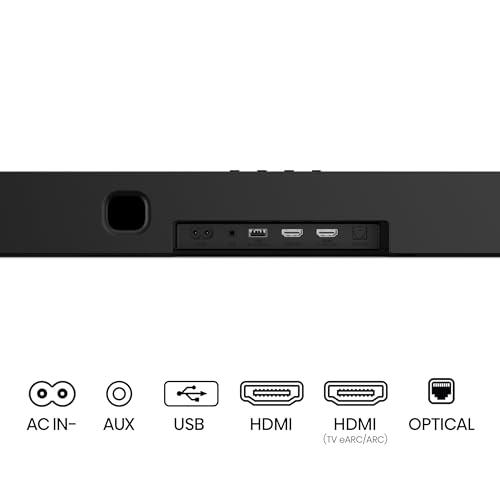
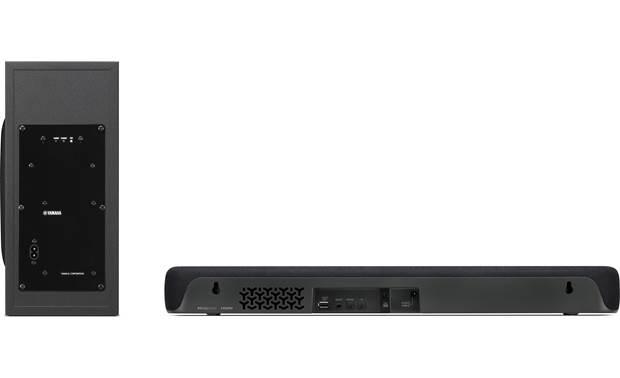
HDMI eARC support on the Hisense AX5140Q enables lossless multichannel audio from streaming services and game consoles, crucial for premium content. The Yamaha SR-C30A's HDMI ARC handles standard surround formats adequately but cannot access the highest quality audio streams.
Gaming performance favors the Hisense AX5140Q significantly. Modern games increasingly use spatial audio for competitive advantage and immersion. The surround speakers and height channels provide positional cues that stereo systems cannot replicate, while Game Pro mode optimizes processing for interactive content.
Both products incorporate technologies that didn't exist in consumer audio equipment a decade ago. Wireless multichannel transmission, AI-powered content analysis, and room acoustic correction represent genuine advances that improve real-world performance.
The Hisense AX5140Q's complete surround architecture provides better long-term value for serious movie and gaming enthusiasts. As streaming services continue expanding Atmos content libraries and games incorporate increasingly sophisticated spatial audio, the system's capabilities remain relevant.
The Yamaha SR-C30A represents a more stable technology trajectory—high-quality stereo reproduction with subwoofer support covers the vast majority of content effectively. While it cannot access the latest spatial audio formats, it handles traditional content superbly and will continue doing so regardless of format evolution.
Choose the Hisense AX5140Q if you:
Choose the Yamaha SR-C30A if you:
The price difference between these systems, while significant, reflects entirely different product categories. The Yamaha SR-C30A competes with premium stereo soundbars and delivers exceptional value in that context. The Hisense AX5140Q competes with complete surround sound systems and offers remarkable value for genuine multichannel audio.
My recommendation leans heavily toward the Hisense AX5140Q for most users with adequate space and budget flexibility. The performance difference in movie and gaming content justifies the additional investment, and the wireless rear speakers provide genuine surround effects that virtual processing cannot replicate. However, the Yamaha SR-C30A serves specific use cases exceptionally well and offers unmatched space efficiency with meaningful audio improvement.
Consider your primary content, room constraints, and long-term needs. Both products excel in their intended applications—the key is matching your requirements to the right approach.
| Hisense AX5140Q | Yamaha SR-C30A |
|---|---|
| Channel Configuration - Determines surround sound capability and immersion level | |
| 5.1.4 channels with discrete rear speakers and height channels for true Dolby Atmos | 2.1 channels (stereo + subwoofer) with virtual surround processing |
| Included Components - What you get in the box affects setup flexibility | |
| Soundbar + wireless subwoofer + 2 wireless rear speakers + remote | Soundbar + wireless subwoofer + remote |
| Dolby Atmos Support - Essential for modern movie and streaming content | |
| Yes, with 4 dedicated upfiring speakers for genuine overhead effects | No, limited to stereo enhancement and basic virtual surround |
| Audio Decoding - Compatibility with premium streaming and disc formats | |
| Dolby Atmos, DTS:X, Dolby TrueHD, DTS-HD Master Audio, PCM | Dolby Digital, Dolby Pro Logic II (no DTS support) |
| Soundbar Dimensions - Critical for TV compatibility and room aesthetics | |
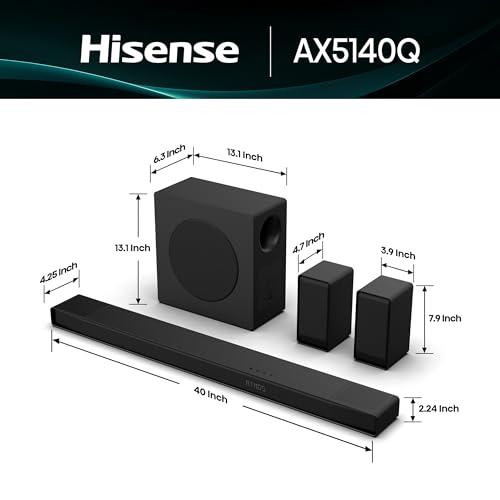
| 40" x 2.24" x 4.25" (requires 50"+ TV or large entertainment center) | 23.6" x 2.6" x 3.7" (fits 32"+ TVs, ideal for small spaces) |
| Subwoofer Size - Directly impacts bass depth and room-filling capability | |
| 6.5" wireless driver with substantial cabinet for deeper bass | Compact wireless design optimized for small rooms |
| HDMI Connectivity - Affects video passthrough and audio quality | |
| HDMI eARC + additional HDMI input with 4K 60Hz passthrough | HDMI ARC only (no additional input or eARC) |
| Smart Features - Convenience and integration capabilities | |
| Hi-Concerto TV integration, AI EQ mode, room calibration, ConnectLife app | Clear Voice mode, Adaptive Low Volume, Sound Bar Remote app |
| Setup Complexity - Time and effort required for optimal performance | |
| Moderate (wireless pairing + rear speaker placement + room calibration) | Simple (plug-and-play with minimal configuration needed) |
| Ideal Room Size - Performance scales with space requirements | |
| Medium to large rooms (12+ ft viewing distance) with rear speaker space | Small to medium rooms, apartments, bedrooms, secondary setups |
| Gaming Performance - Spatial audio advantages for competitive and immersive gaming | |
| Excellent with Game Pro mode and true surround positioning | Good for casual gaming but limited spatial awareness |
The Hisense AX5140Q is significantly better for movies and home theater use. It provides true 5.1.4 surround sound with discrete rear speakers and four upfiring drivers for genuine Dolby Atmos overhead effects. The Yamaha SR-C30A only offers enhanced stereo sound, which can't replicate the immersive surround experience that modern movies are designed for.
The main difference is that the Hisense AX5140Q is a complete surround sound system with wireless rear speakers and height channels, while the Yamaha SR-C30A is a compact stereo enhancement system. The Hisense AX5140Q creates true 360-degree sound, whereas the Yamaha SR-C30A focuses on improving your TV's front-facing audio.
The Yamaha SR-C30A is much better for small rooms and apartments. At under 24 inches wide, it fits under smaller TVs and doesn't require space for rear speakers. The Hisense AX5140Q needs room for wireless rear speaker placement and works best in medium to large living rooms.
No, only the Hisense AX5140Q supports true Dolby Atmos with dedicated upfiring speakers. The Yamaha SR-C30A does not support Dolby Atmos and is limited to basic stereo and virtual surround processing.
The Hisense AX5140Q has better bass performance with its larger 6.5-inch wireless subwoofer that can fill bigger rooms with deeper, more impactful low frequencies. The Yamaha SR-C30A includes a compact wireless subwoofer that's well-suited for smaller spaces but can't match the output of the larger system.
The Yamaha SR-C30A is much easier to set up with simple plug-and-play operation and minimal configuration. The Hisense AX5140Q requires positioning wireless rear speakers, running room calibration, and optimizing multiple components, though the wireless connectivity still makes it relatively straightforward.
The Hisense AX5140Q is significantly better for gaming, especially with its Game Pro mode that enhances positional audio cues. The surround speakers and height channels help identify enemy locations and create immersive environmental audio. The Yamaha SR-C30A works fine for casual gaming but lacks spatial audio advantages.
The Hisense AX5140Q works best with 50-inch or larger TVs due to its 40-inch width. The Yamaha SR-C30A is perfect for 32-inch to 55-inch TVs and won't overpower smaller displays visually.
Both soundbars excel at dialogue clarity but through different methods. The Hisense AX5140Q uses a dedicated center channel for precise speech localization, while the Yamaha SR-C30A uses Clear Voice mode and careful tuning. The Hisense AX5140Q has a slight edge for complex movie scenes.
The Hisense AX5140Q is already a complete surround system that doesn't need expansion. The Yamaha SR-C30A cannot be expanded with additional speakers, so upgrading would require replacing the entire system if you want surround sound later.
Both soundbars work well with any TV brand through HDMI ARC connections. However, the Hisense AX5140Q offers special Hi-Concerto integration features only with Hisense TVs. The Yamaha SR-C30A provides consistent performance regardless of TV brand.
Both offer excellent value in their categories. The Yamaha SR-C30A provides exceptional value for compact stereo enhancement, while the Hisense AX5140Q delivers remarkable value for a complete surround sound system with wireless rear speakers typically found in much more expensive setups.
We've done our best to create useful and informative comparisons to help you decide what product to buy. Our research uses advanced automated methods to create this comparison and perfection is not possible - please contact us for corrections or questions. These are the sites we've researched in the creation of this article: shop.hisense-usa.com - manuals.plus - dolby.com - youtube.com - gzhls.at - rtings.com - youtube.com - bestbuy.com - manuals.plus - bestbuy.com - hisense-usa.com - youtube.com - device.report - manuals.plus - youtube.com - device.report - manuals.plus - youtube.com - techradar.com - usa.yamaha.com - expertreviews.com - usa.yamaha.com - trustedreviews.com - crutchfield.com - europe.yamaha.com - usa.yamaha.com - shop.usa.yamaha.com - assetserver.net

Privacy Policy
Terms and Conditions - Affiliate Policy
Home Security
© Copyright 2008-2026.
11816 Inwood Rd #1211, Dallas, TX 75244