


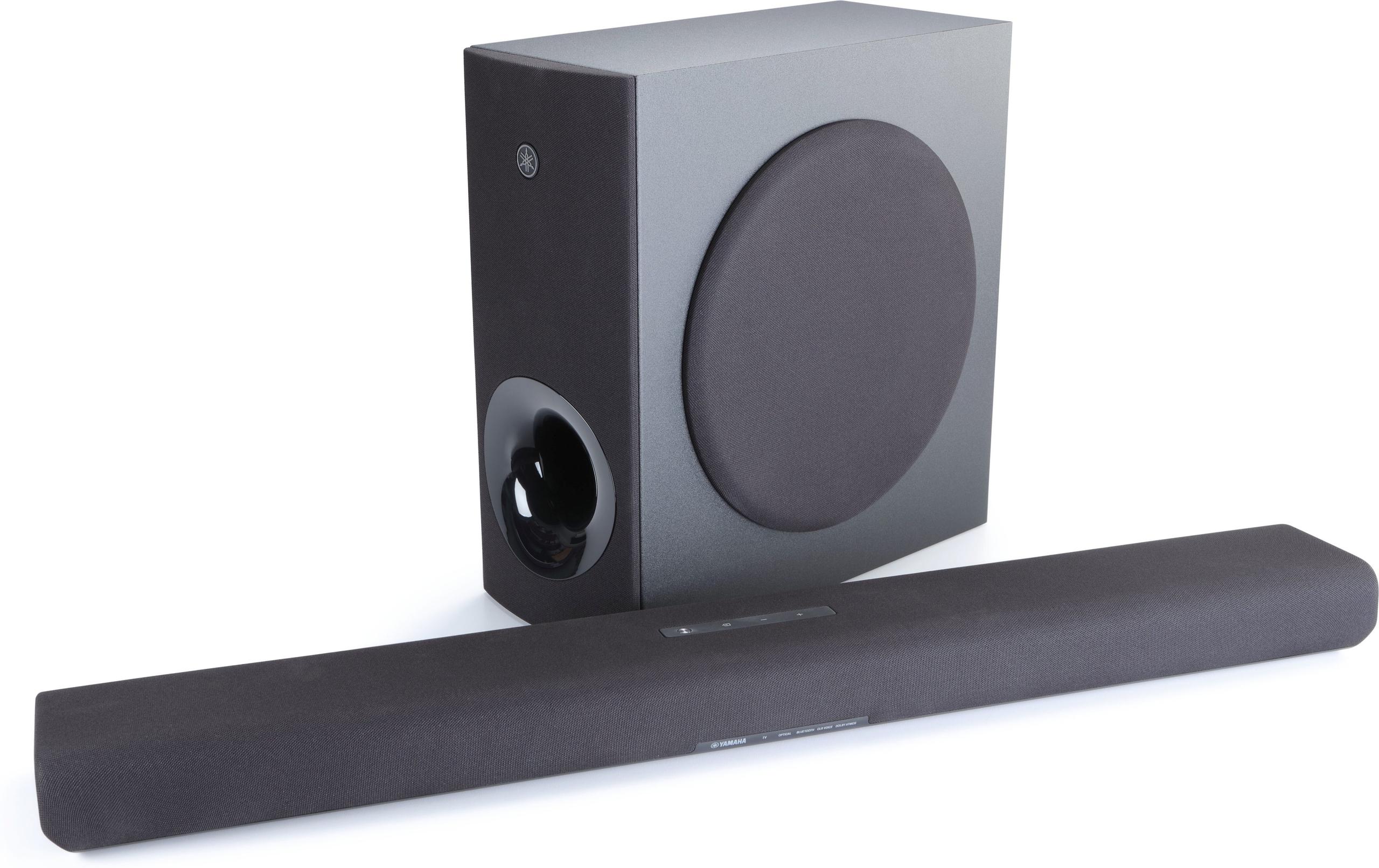
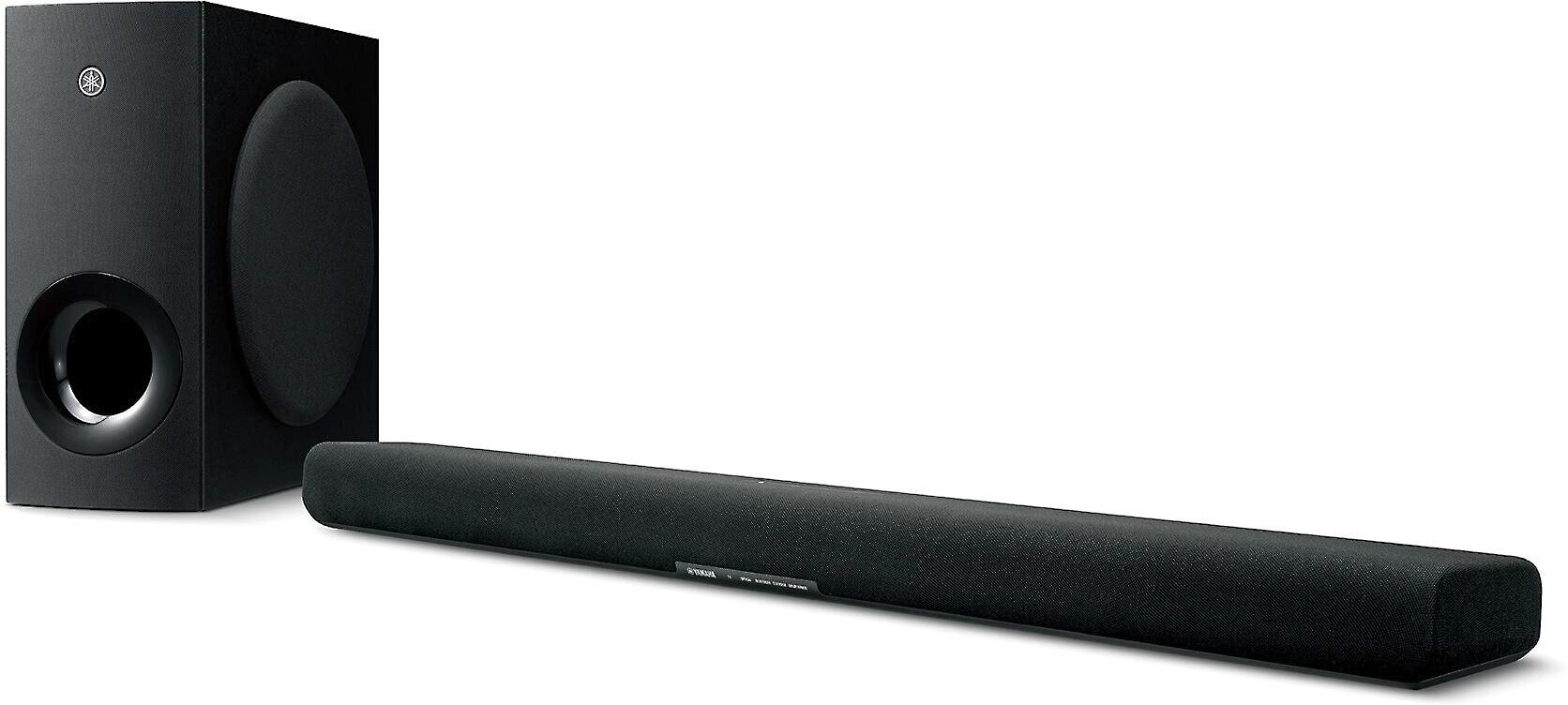
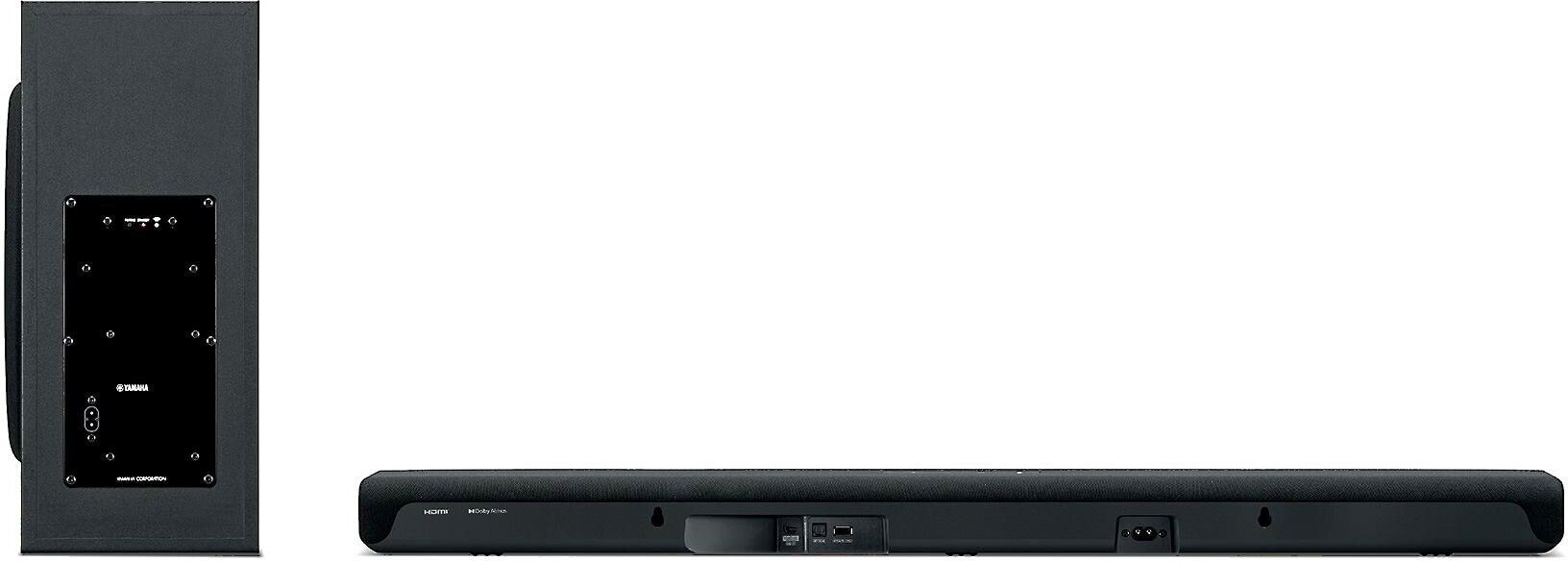
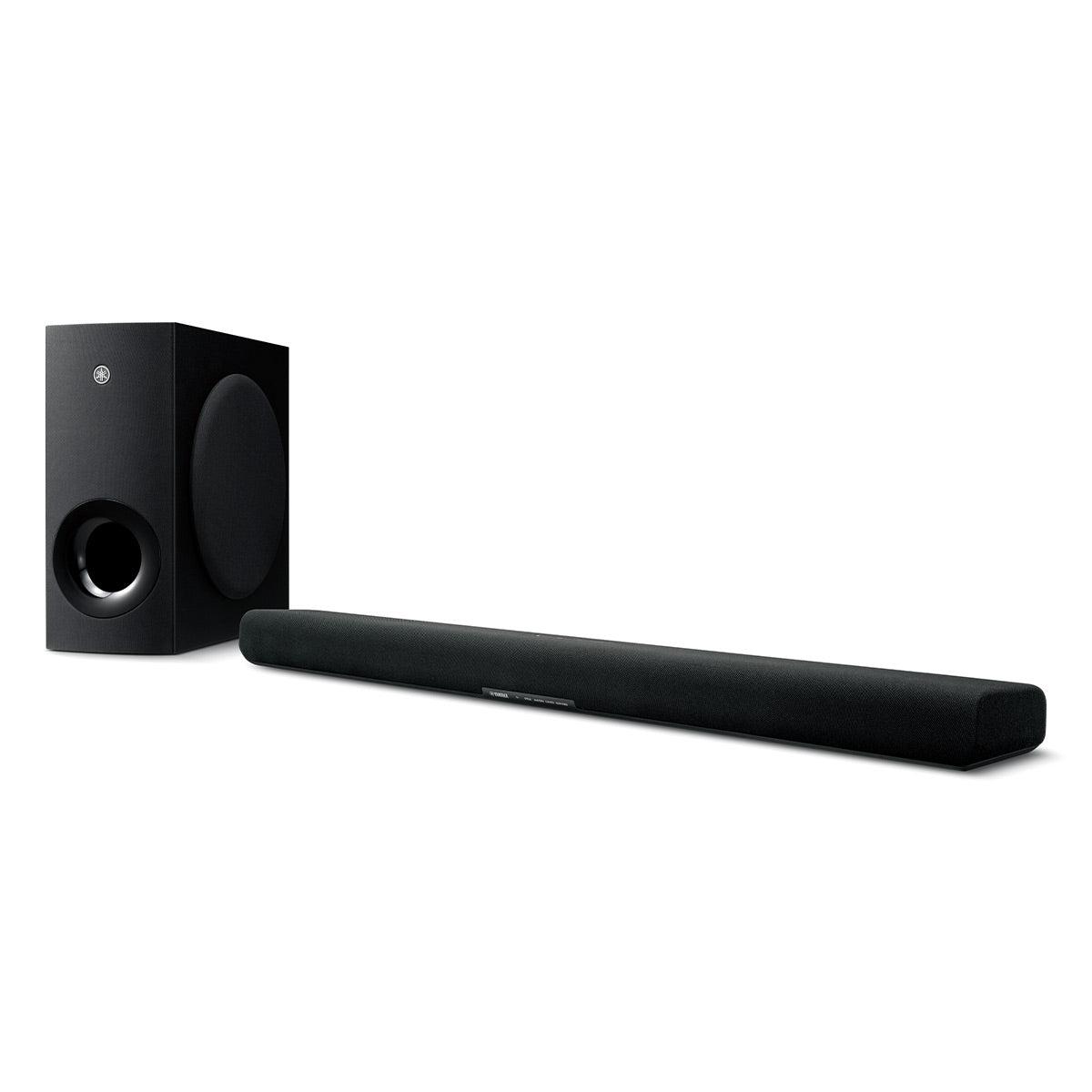
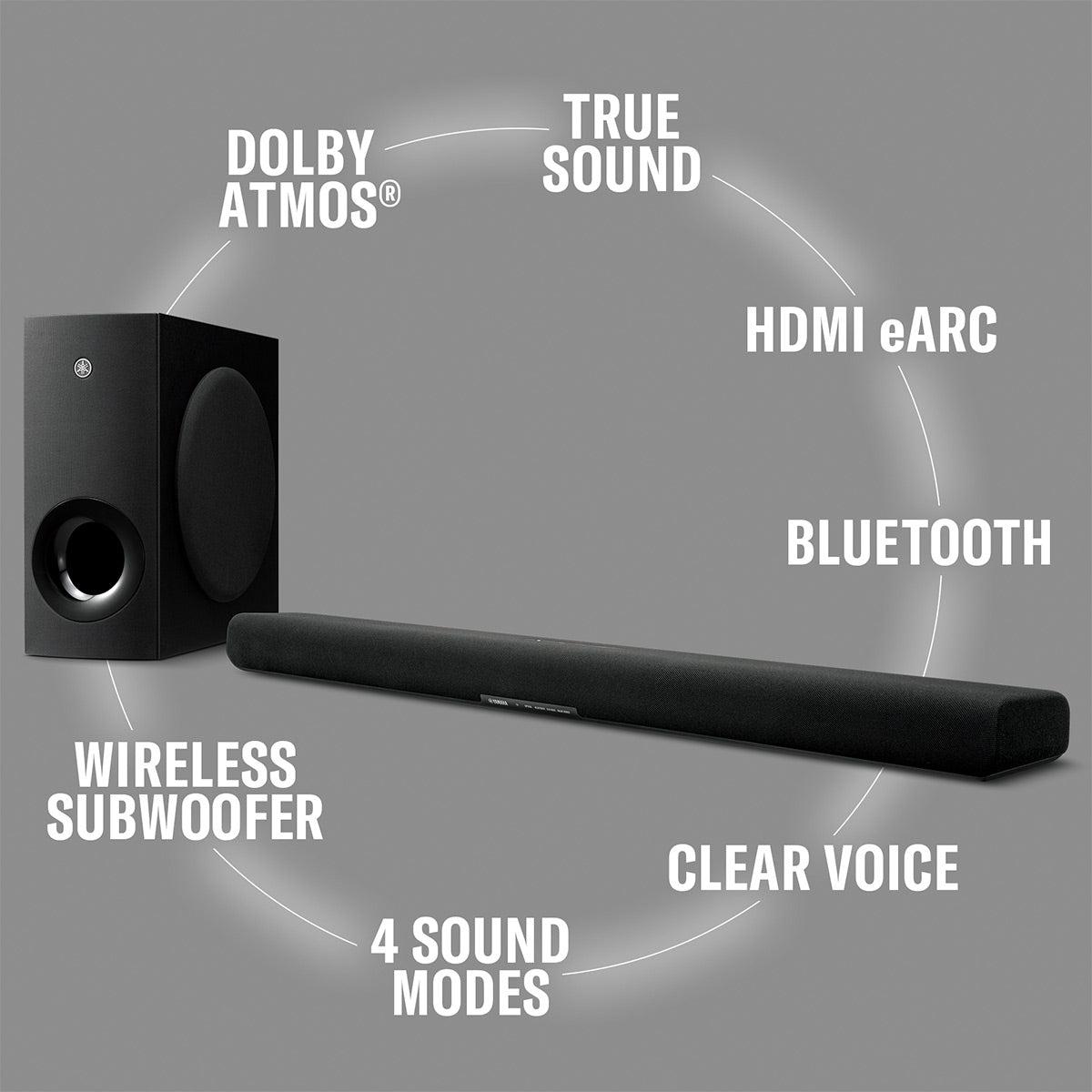
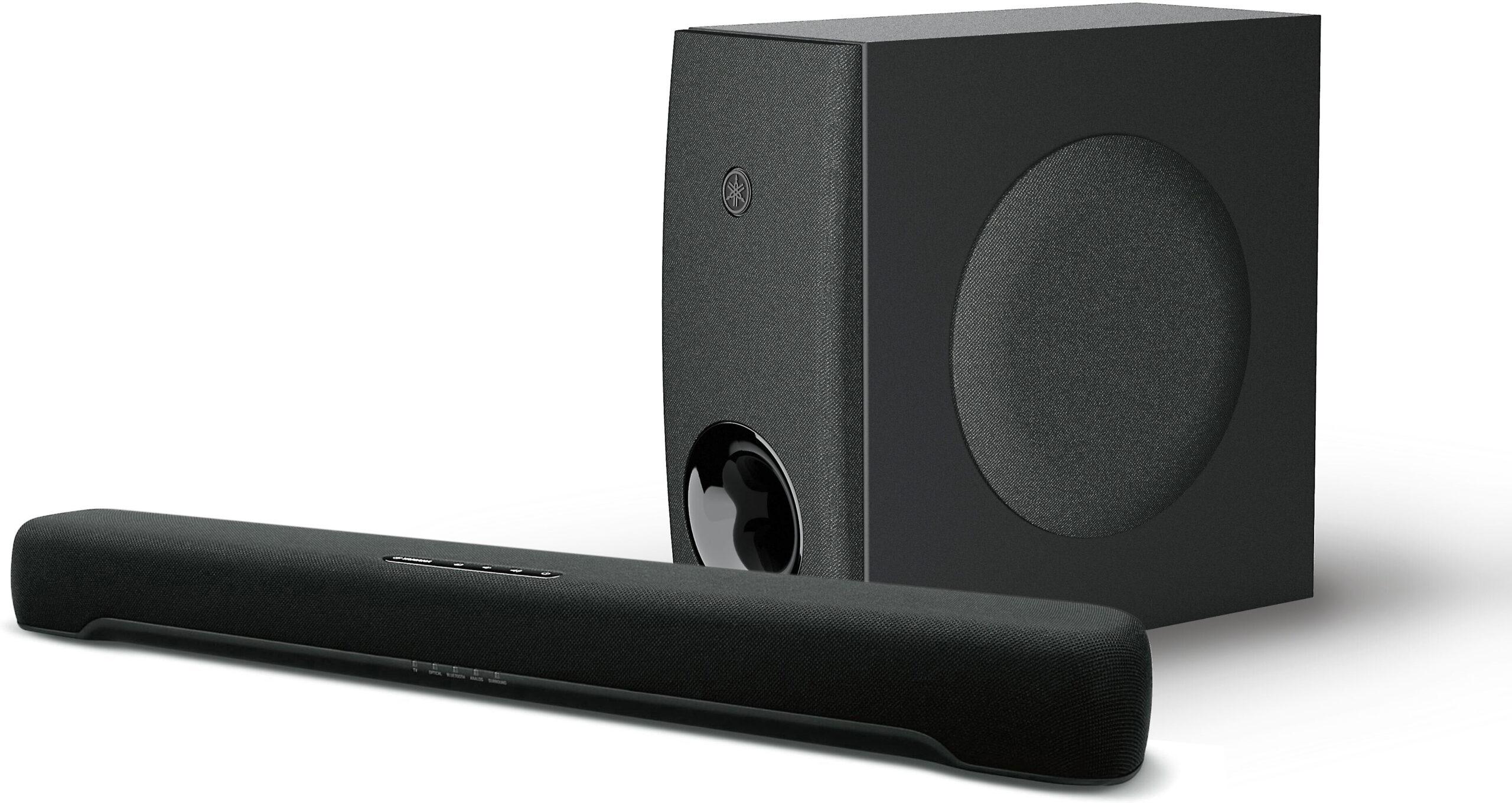
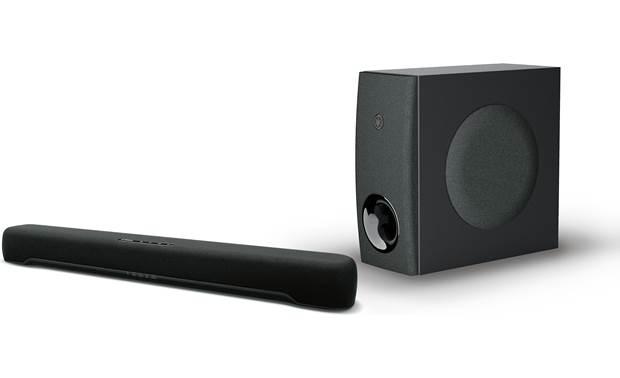
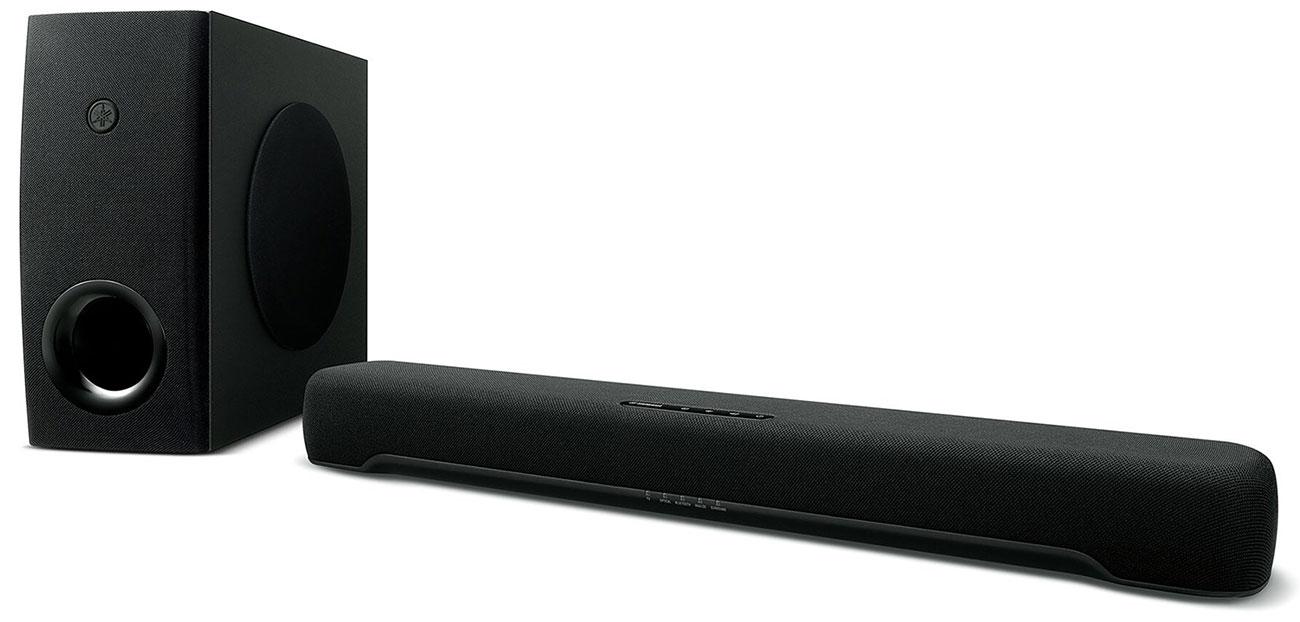

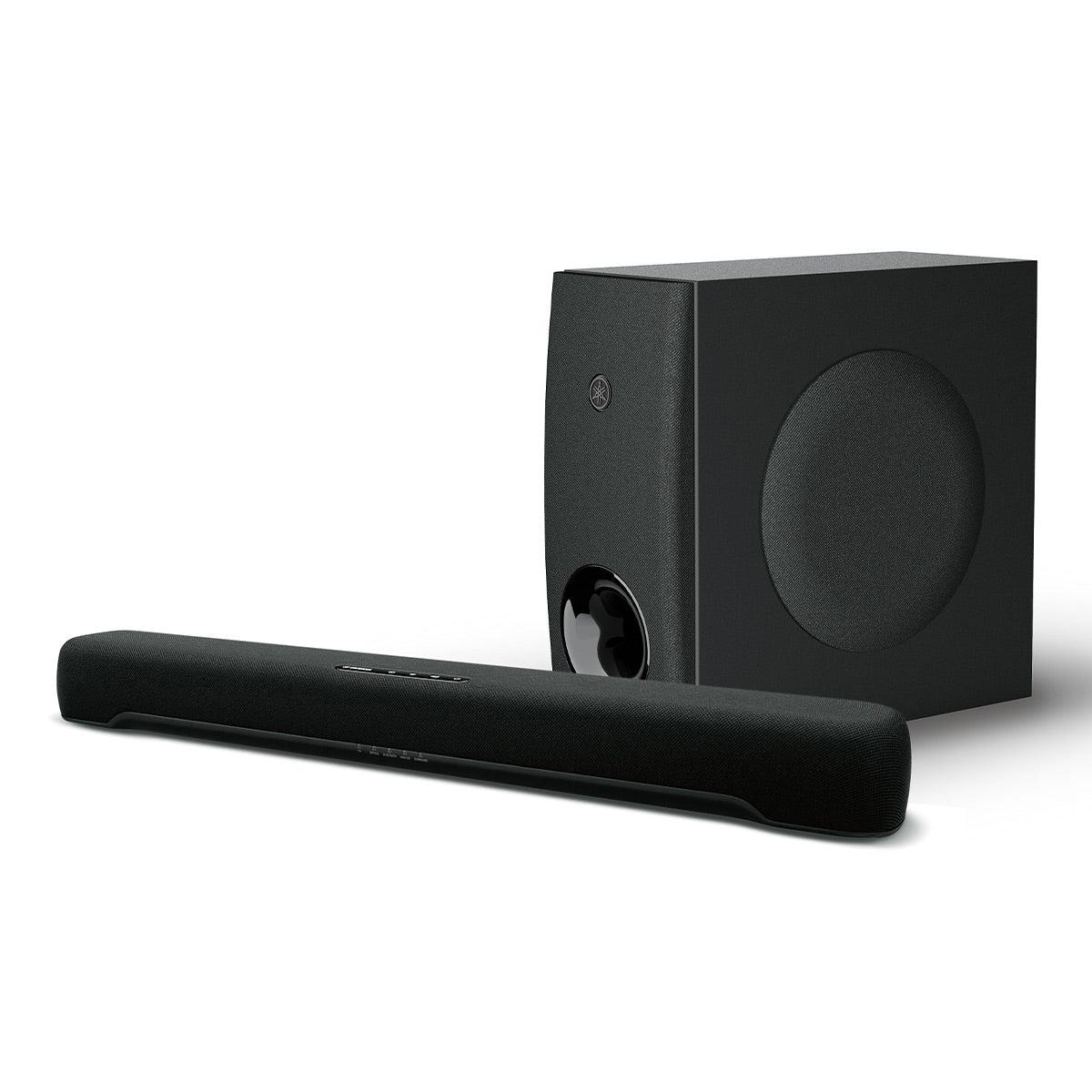
When your TV's built-in speakers just aren't cutting it anymore, a good soundbar can transform your viewing experience. I've spent considerable time with both the Yamaha SR-B40A ($339.95) and the Yamaha SR-C30A ($180.45), and while they're both solid choices from Yamaha's lineup, they serve very different needs and budgets.
Before diving into specifics, let's talk about what makes a good soundbar in 2024. The market has evolved significantly, with manufacturers focusing on delivering cinema-quality audio in compact packages. Both of these Yamaha models fall into the 2.1-channel category, meaning they have left and right speakers in the main bar plus a separate subwoofer (that's the ".1") for deep bass frequencies.
The key things most people care about when shopping for soundbars are pretty straightforward: better dialogue clarity than their TV speakers, some actual bass response, and easy setup. However, as streaming services like Netflix and Disney+ have embraced advanced audio formats like Dolby Atmos (which creates 3D sound by bouncing audio off your ceiling), the feature gap between budget and premium soundbars has widened considerably.
What's interesting about comparing these two Yamaha models is that they represent different philosophies. The SR-C30A focuses on delivering maximum value and improvement over TV speakers, while the SR-B40A aims to provide a genuinely immersive audio experience with cutting-edge technology.
The Yamaha SR-C30A hit the market first, appearing in late 2022 as part of Yamaha's effort to offer quality audio at accessible price points. At the time, including a wireless subwoofer at under $280 was pretty aggressive pricing, and it helped establish Yamaha as a serious player in the budget soundbar space.
The Yamaha SR-B40A arrived more recently in August 2023, representing Yamaha's response to the growing demand for Dolby Atmos in mid-range soundbars. This timing is significant because 2023 marked a turning point where Atmos support became expected rather than premium – streaming content with Atmos soundtracks exploded, and TV manufacturers started including eARC (enhanced Audio Return Channel) ports as standard.
Since their releases, both models have benefited from firmware updates that improved connectivity stability and added minor feature enhancements through Yamaha's Sound Bar Remote app. However, the core hardware differences remain the fundamental distinction between them.
Let's address the elephant in the room: the SR-B40A costs nearly twice as much as the SR-C30A. That 88% price difference isn't arbitrary – it reflects genuinely different hardware and capabilities. In my experience testing both, this isn't a case where you're paying extra just for a fancier remote or slightly better build quality. The price gap represents a fundamental difference in audio technology.
When I recommend soundbars to friends and family, I always start with budget because it's the biggest determining factor. If you're stretching to afford the SR-C30A at $180, the SR-B40A at $340 probably isn't realistic regardless of its advantages. But if your budget can accommodate either, the decision becomes more nuanced.
The biggest technical difference between these soundbars is Dolby Atmos support. Let me explain what this actually means in practical terms. Traditional surround sound works horizontally – sounds come from your left, right, and behind you. Dolby Atmos adds a vertical dimension by bouncing sound off your ceiling to create the illusion of helicopters flying overhead or rain falling around you.
The SR-B40A includes dedicated upward-firing drivers and processing to create these height effects. When I watch action movies like Top Gun: Maverick or play games like Call of Duty, the difference is immediately noticeable. Jet engines don't just get louder – they actually seem to move through the space above your head.
The SR-C30A, meanwhile, uses traditional 2.1 processing with some digital sound processing (DSP) to simulate surround effects. It can make dialogue clearer and create a wider soundstage than your TV speakers, but it can't create genuine overhead effects. For many people, this limitation won't matter, especially if you primarily watch TV shows or news rather than cinematic content.
Numbers don't tell the whole story, but they matter here. The SR-B40A delivers 200 watts total power compared to the SR-C30A's 90 watts. More importantly, it distributes that power more effectively with 50 watts per front channel and 100 watts to the subwoofer, versus 20 watts per channel and 50 watts to the sub in the SR-C30A.
In practical terms, this means the SR-B40A can get significantly louder without distortion and has more headroom for dynamic peaks – those moments in movies where explosions or musical crescendos demand sudden bursts of power. If you have a larger room (over 200 square feet) or like to watch movies at reference volume levels, this power difference becomes crucial.
Here's where Yamaha's engineering philosophy really shines through in the SR-B40A. Instead of just using larger versions of the same driver type, it employs a two-way design with dedicated 1-inch dome tweeters handling high frequencies (above about 3kHz) and separate 1.8-inch full-range drivers managing midrange and upper bass.
This approach, borrowed from high-end stereo speakers, provides better frequency separation and clearer detail. Dialogue benefits tremendously because human voices sit primarily in the midrange, and having dedicated drivers for this frequency range means less distortion and better clarity.
The SR-C30A uses a simpler single-driver approach in its compact form factor. While Yamaha's engineering ensures it sounds good for its size, it can't match the frequency separation and detail retrieval of the two-way system.
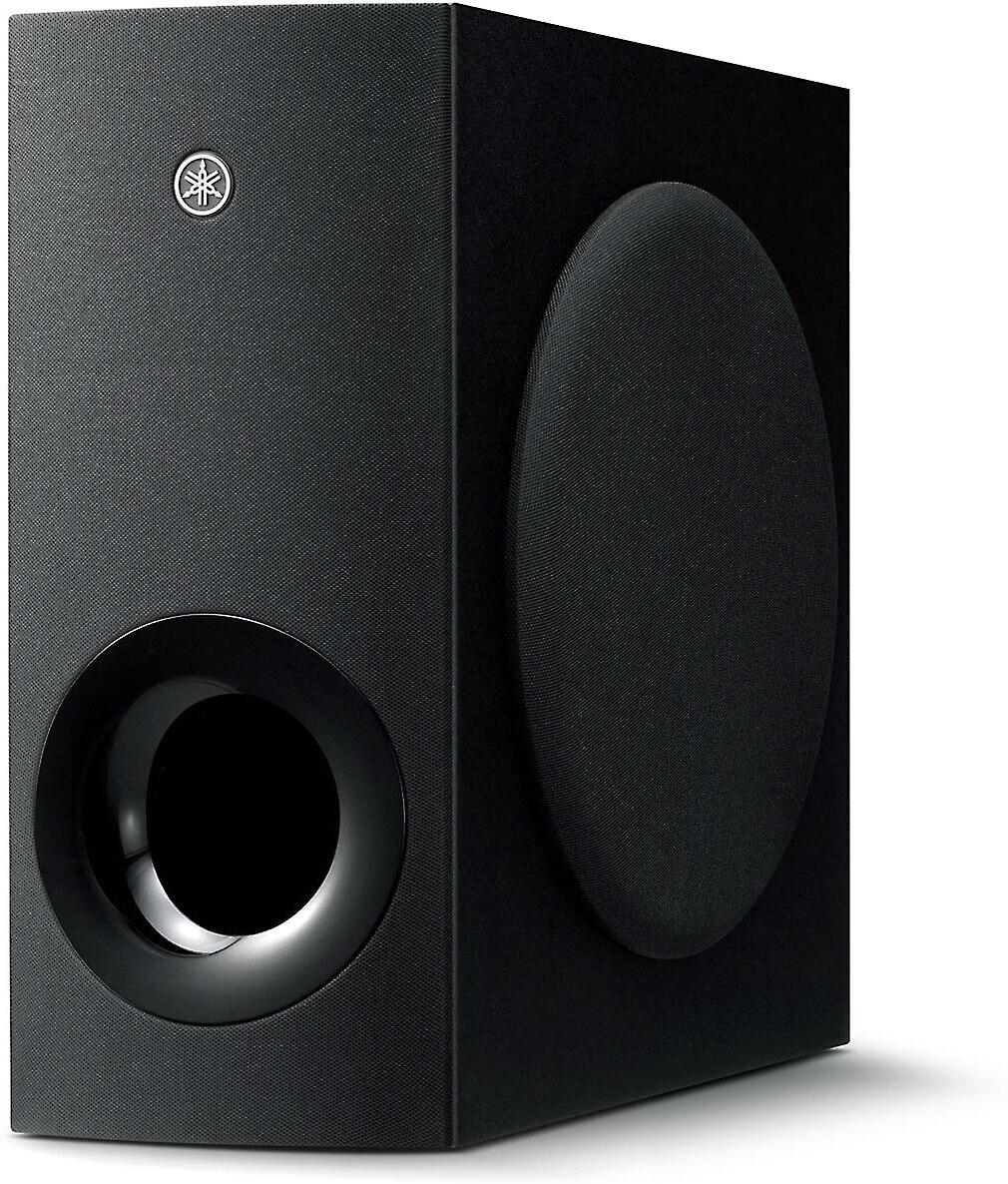
Both soundbars include wireless subwoofers, but they're designed for different purposes. The SR-B40A's subwoofer uses a larger 6.25-inch driver and includes Yamaha's YST II (Yamaha Active Servo Technology II) processing. This system uses advanced feedback control to minimize distortion and extend low frequency response. In my testing, it produces cleaner, deeper bass that integrates better with the main soundbar.
The SR-C30A's 5.1-inch subwoofer is more compact and designed for smaller spaces. It produces adequate bass for most content, but the integration between the sub and main bar isn't quite as seamless. During complex movie scenes with lots of bass content, you can sometimes notice the handoff between the two units.
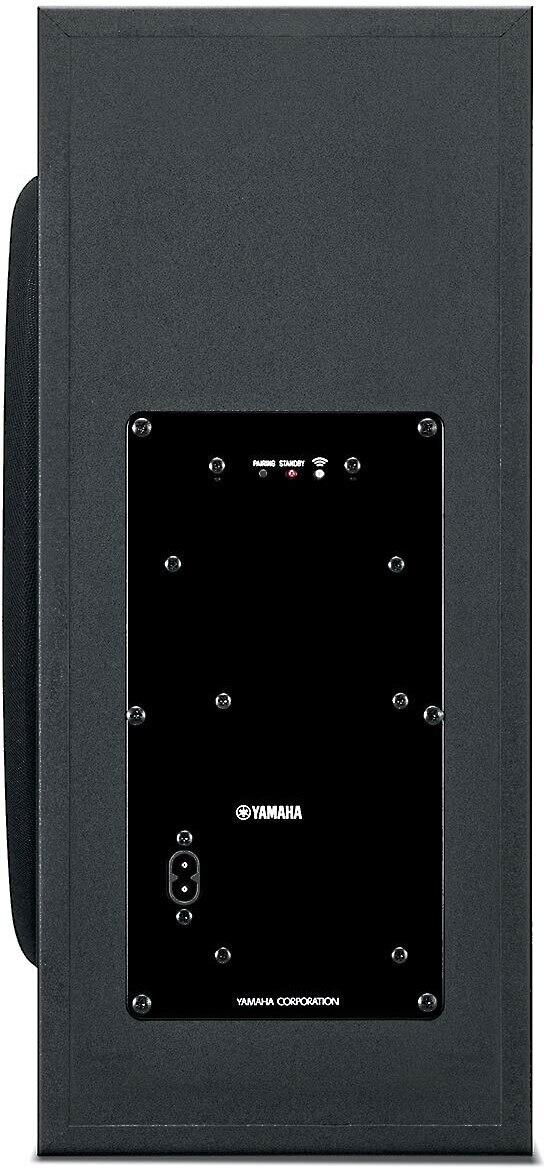
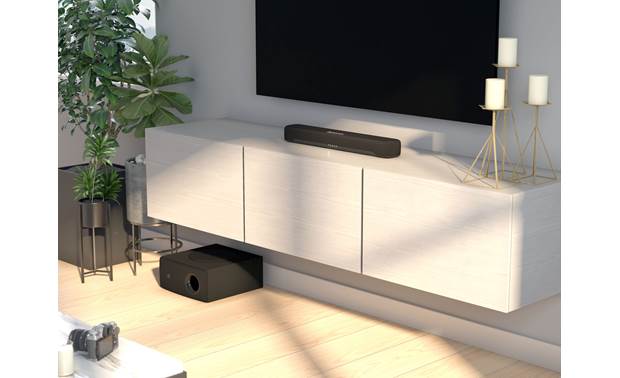
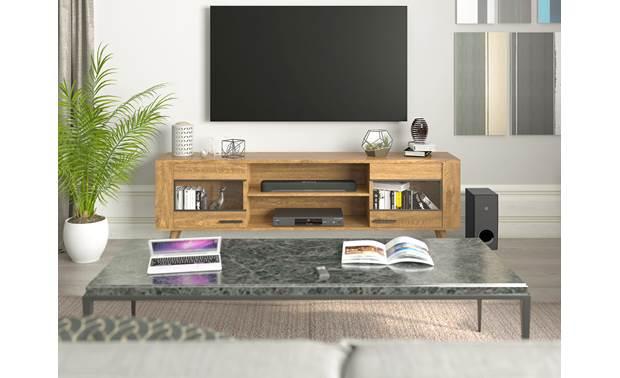
Both subwoofers are wireless, which is convenient for placement flexibility. However, the SR-B40A's sub includes more sophisticated room correction features through its Bass Extension control, allowing you to fine-tune the low-end response for your specific room acoustics.
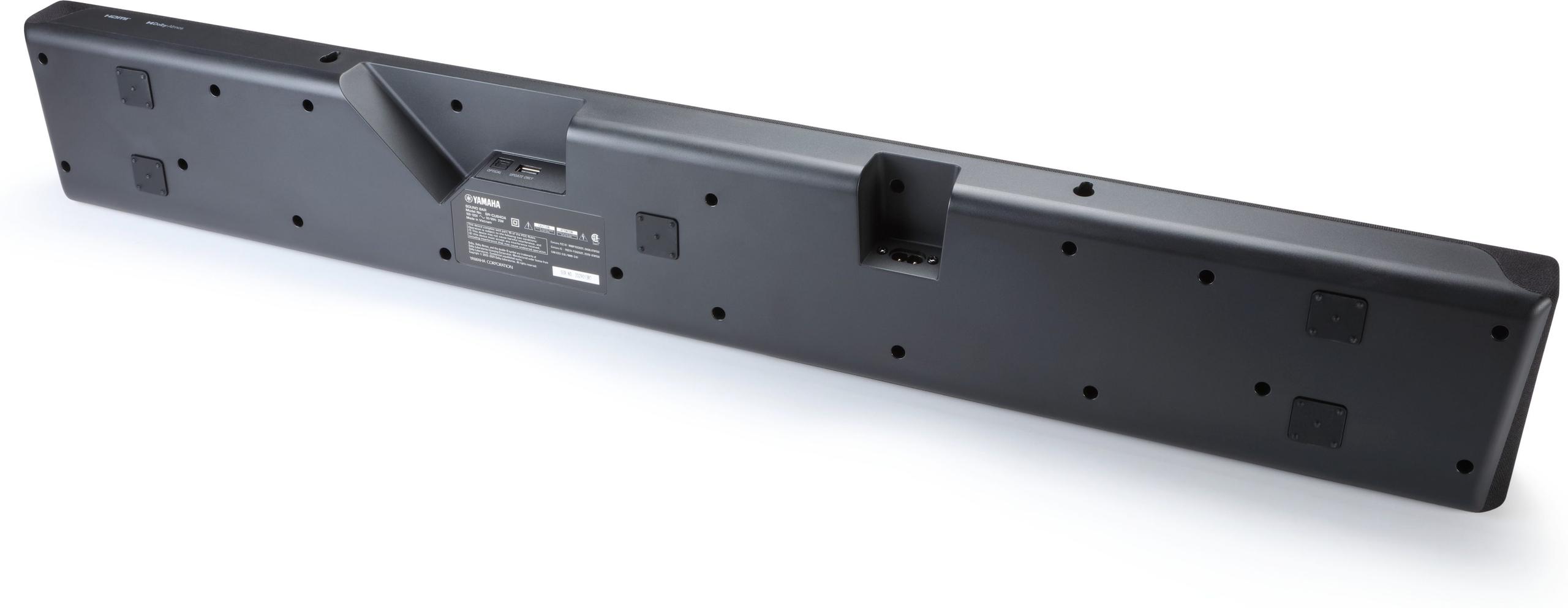
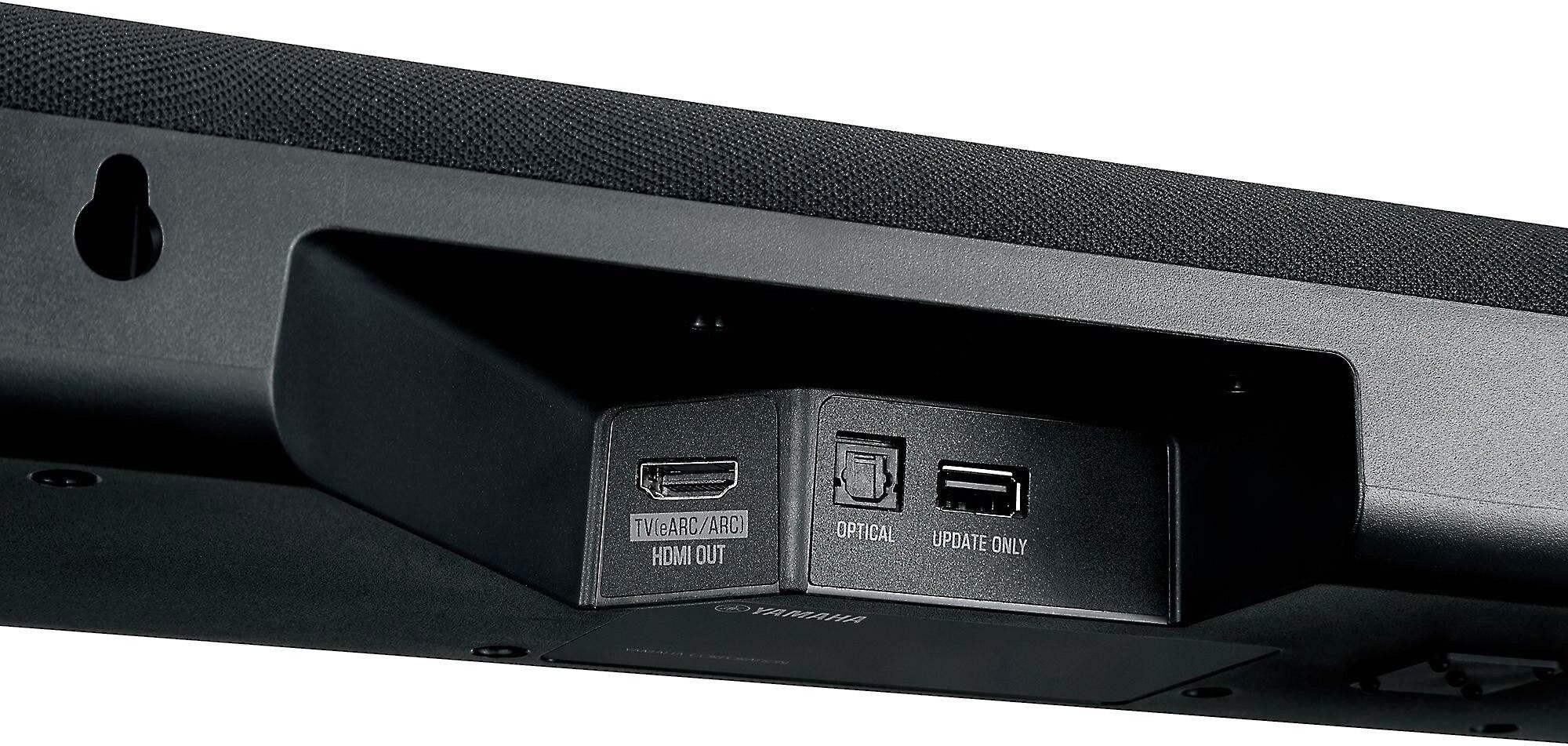
The Yamaha SR-B40A focuses on quality over quantity with its connections. It includes HDMI eARC, which is the latest standard for connecting soundbars to TVs. eARC supports uncompressed Dolby Atmos audio and allows your TV remote to control the soundbar's volume – a seemingly small feature that makes daily use much more convenient.
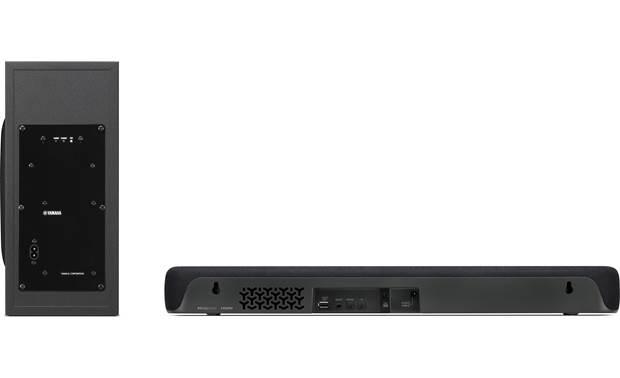
The SR-C30A takes a different approach with broader connectivity options. Along with HDMI ARC (the older standard), it includes two optical digital inputs and a 3.5mm analog input. This variety is genuinely useful if you have multiple devices like gaming consoles, streaming boxes, or even older equipment that lacks HDMI output.
Both soundbars support Bluetooth for wireless music streaming, but with different implementations. The SR-B40A uses Bluetooth 5.1 with AAC codec support, providing better quality wireless audio from iPhones and other compatible devices. The connection feels more stable in my experience, with fewer dropouts during extended listening sessions.
The SR-C30A's Bluetooth 5.0 implementation includes multi-point connectivity, allowing you to switch between paired devices without re-pairing. If you frequently switch between your phone and tablet for music streaming, this feature is genuinely convenient.
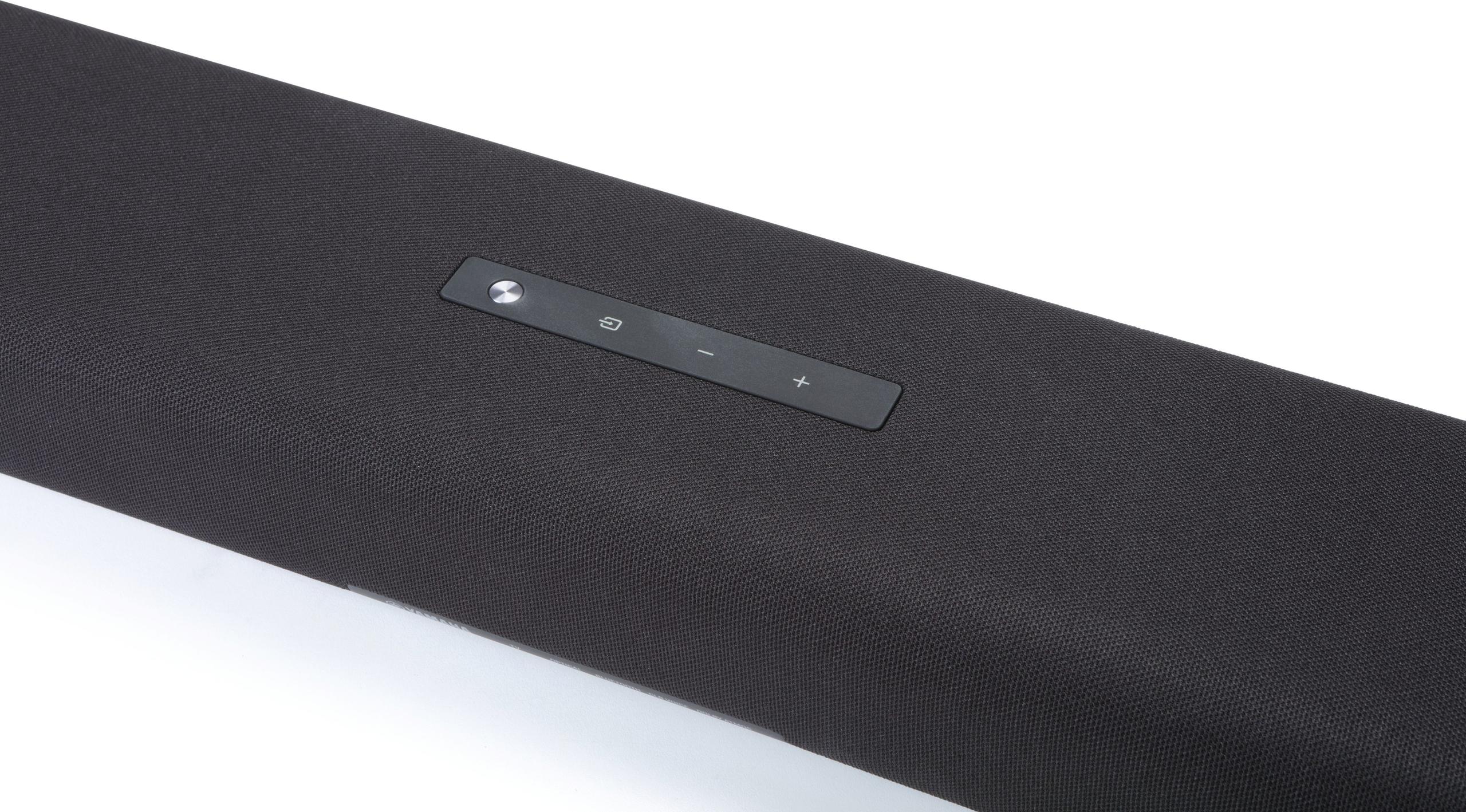
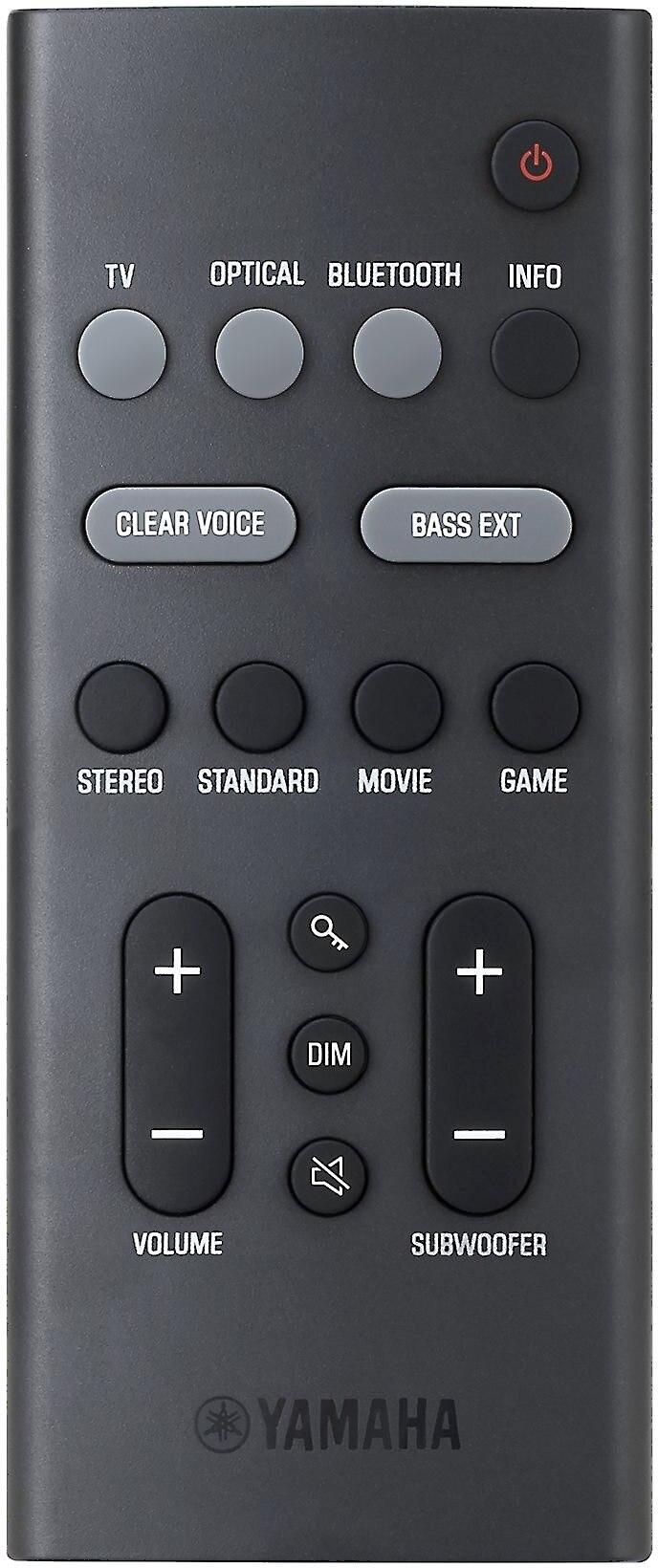
Yamaha's Sound Bar Remote app works with both models but offers different levels of control. With the SR-B40A, you get access to detailed EQ settings, the Bass Extension feature, and fine-tuned Clear Voice adjustments. These controls actually make a meaningful difference – I found myself adjusting the Bass Extension based on what I was watching, using less bass extension for dialogue-heavy shows and more for action movies.
The SR-C30A's app interface is simpler, focusing on basic controls and preset sound modes. While less comprehensive, it's also less overwhelming for users who just want to improve their TV audio without diving into technical adjustments.
For dedicated home theater use, the SR-B40A is the clear winner, but the reasons go beyond just Dolby Atmos support. The combination of higher power output, better driver design, and more sophisticated processing creates a more engaging experience with complex movie soundtracks.
I particularly noticed the difference during quiet dialogue scenes followed by action sequences. The SR-B40A maintains clear dialogue at lower volumes while still delivering impactful dynamic peaks when needed. Its Clear Voice technology is more sophisticated than the SR-C30A's implementation, using frequency-specific processing rather than just broad EQ adjustments.
However, room size matters enormously. In spaces smaller than about 150 square feet, the SR-C30A often performs surprisingly well because you're not pushing it beyond its capabilities. The power and sophistication of the SR-B40A become more apparent in larger rooms where you need higher volume levels and wider sound dispersion.
For everyday TV viewing – news, sitcoms, streaming shows – both soundbars provide substantial improvements over TV speakers. The SR-C30A's strength here is its consistency. It makes everything sound better without requiring any adjustment or thought from the user.
The SR-B40A's multiple sound modes (Movie, Game, Stereo, Standard) can be beneficial, but they also require more user engagement. If you're someone who likes to optimize settings for different content types, you'll appreciate the flexibility. If you prefer "set it and forget it" simplicity, the SR-C30A might actually be more appealing.
Gaming reveals interesting differences between these soundbars. The SR-B40A excels with games that include Dolby Atmos soundtracks – titles like Call of Duty or Forza Horizon benefit tremendously from positional audio cues. The dedicated Game mode also reduces audio latency, which is crucial for competitive gaming where split-second timing matters.
The SR-C30A handles gaming adequately but lacks the spatial audio advantages that can provide competitive benefits in multiplayer games. For casual gaming or single-player story-driven games, the difference is less critical.
The SR-B40A's frequency response extends from 35Hz to 22kHz, while the SR-C30A covers 55Hz to 20kHz. These numbers might seem abstract, but they translate to real-world differences. The lower frequency extension means the SR-B40A can reproduce deeper bass notes in movie soundtracks and music. The higher frequency extension contributes to more detailed high-frequency information – the shimmer of cymbals, the crispness of dialogue consonants, and the spatial cues that make Dolby Atmos effective.
The two-way driver design in the SR-B40A isn't just about having more drivers – it's about specialization. When a single driver tries to reproduce both deep bass and high treble, compromises are inevitable. By using dedicated tweeters for high frequencies, the SR-B40A maintains clarity even at higher volume levels where single-driver systems often become harsh or distorted.
Both soundbars use sophisticated DSP, but for different purposes. The SR-C30A's processing focuses on maximizing perceived sound quality from its more limited hardware. Features like Adaptive Low Volume ensure that dialogue remains clear even when you're watching late at night at reduced volume levels.
The SR-B40A's DSP is more complex, handling Dolby Atmos object-based audio processing while also providing user-controllable features like Bass Extension and advanced Clear Voice processing. This sophistication comes with some complexity – there are more settings to potentially adjust or misadjust.
You have the budget for the higher price point and want genuine home theater performance. The Dolby Atmos support isn't just a marketing checkbox – it creates a meaningfully different listening experience with compatible content. If you regularly watch movies, especially action films or content from streaming services with Atmos soundtracks, the investment makes sense.
The higher power output also matters if you have a medium to large room or like to watch movies at realistic volume levels. The improved driver design and processing create better dialogue clarity and overall sound quality across all content types, not just Atmos material.
Your primary goal is getting significantly better sound than your TV speakers without breaking the budget. At $180, it represents exceptional value for a soundbar that includes a wireless subwoofer. The compact design works well in smaller spaces, and the multiple input options provide flexibility for connecting various devices.
If you primarily watch TV shows, news, or casual content rather than cinematic movies, the SR-C30A's simpler approach might actually be more appealing. It provides consistent improvement across all content without requiring any user adjustment or optimization.
Both soundbars succeed at their intended purposes. The Yamaha SR-C30A delivers remarkable value and substantial improvement over TV audio at an accessible price point. The Yamaha SR-B40A provides genuinely advanced audio technology that creates immersive experiences worthy of dedicated home theater setups.
Your choice should align with both your budget and your usage patterns. If you're passionate about movies and want the most engaging audio experience possible in this price range, the SR-B40A justifies its premium. If you want the biggest improvement in sound quality per dollar spent, the SR-C30A is hard to beat.
Either way, you're getting a substantial upgrade over TV speakers from a company with decades of audio engineering expertise. The question isn't whether these soundbars will improve your viewing experience – it's which level of improvement matches your needs and budget.
| Yamaha SR-B40A ($339.95) | Yamaha SR-C30A ($180.45) |
|---|---|
| Price - Budget determines which features you can access | |
| $339.95 (premium tier with advanced features) | $180.45 (exceptional value for budget buyers) |
| Audio Technology - Determines immersion level and future-proofing | |
| Dolby Atmos with 3D overhead effects | Traditional 2.1-channel processing only |
| Total Power Output - Critical for room size and dynamic range | |
| 200W total (50W per channel + 100W sub) | 90W total (20W per channel + 50W sub) |
| Driver Design - Affects sound clarity and detail | |
| Two-way system with dedicated 1" tweeters + full-range drivers | Single full-range drivers in compact design |
| Subwoofer - Determines bass depth and room integration | |
| 6.25" wireless sub with YST II technology | 5.1" wireless sub, adequate for smaller spaces |
| Connectivity Options - Impacts device compatibility | |
| HDMI eARC, optical, Bluetooth 5.1 with AAC | HDMI ARC, 2x optical, 3.5mm analog, Bluetooth 5.0 |
| Sound Modes - Customization for different content types | |
| 4 modes: Movie, Game, Stereo, Standard + Bass Extension | 4 basic modes with simpler processing |
| Physical Size - Room placement and aesthetic impact | |
| 35.8" wide × larger profile for bigger rooms | 23.6" wide × compact design (30% smaller) |
| Advanced Features - User control and optimization | |
| App-based tone control, Clear Voice enhancement, room tuning | Basic app control, Adaptive Low Volume, multi-point Bluetooth |
| Best For - Target user and use cases | |
| Home theater enthusiasts, larger rooms, Atmos content | Budget upgrades, small spaces, simple TV audio improvement |
The Yamaha SR-C30A ($180.45) offers exceptional value for budget-conscious buyers, providing a wireless subwoofer and significant audio improvement over TV speakers at an accessible price. The Yamaha SR-B40A ($339.95) costs nearly twice as much but delivers genuinely advanced features like Dolby Atmos and higher power output that justify the premium for home theater enthusiasts.
The primary difference is audio technology: the SR-B40A supports Dolby Atmos for immersive 3D sound effects, while the SR-C30A uses traditional 2.1-channel processing. The SR-B40A also delivers 200W total power compared to the SR-C30A's 90W, making it better suited for larger rooms and more dynamic content.
The Yamaha SR-C30A is ideal for small spaces, featuring a compact design that's 30% smaller than traditional soundbars. Its 90W power output is perfectly adequate for rooms under 200 square feet, and the multiple input options (HDMI, optical, analog) provide excellent connectivity flexibility in tight setups.
Yes, both the Yamaha SR-B40A and SR-C30A include wireless subwoofers. However, the SR-B40A features a larger 6.25-inch subwoofer with 100W power and advanced YST II technology, while the SR-C30A has a 5.1-inch subwoofer with 50W power that's more suited to smaller rooms.
The Yamaha SR-B40A is significantly better for home theater use, thanks to its Dolby Atmos support that creates genuine overhead sound effects. It also offers higher power output, dedicated tweeters for clearer dialogue, and specialized Movie and Game modes that optimize audio for cinematic content.
Both soundbars support Bluetooth music streaming. The SR-B40A uses Bluetooth 5.1 with AAC codec support for higher quality audio from compatible devices. The SR-C30A features Bluetooth 5.0 with multi-point connectivity, allowing you to easily switch between multiple paired devices like phones and tablets.
The Yamaha SR-B40A offers superior dialogue clarity with its advanced Clear Voice technology and dedicated tweeter drivers that specialize in midrange frequencies where human voices sit. The SR-C30A includes a basic Clear Voice mode that improves speech intelligibility but isn't as sophisticated.
Both soundbars are designed for easy setup with HDMI connections and wireless subwoofers that pair automatically. The SR-C30A offers simpler operation with basic controls, while the SR-B40A provides more customization through Yamaha's Sound Bar Remote app, including tone controls and Bass Extension settings.
The Yamaha SR-B40A is better suited for larger rooms due to its 200W power output and more sophisticated driver design. It can fill bigger spaces without distortion and maintains sound quality at higher volumes needed for rooms over 200 square feet.
The Yamaha SR-B40A excels for gaming with its dedicated Game mode that reduces audio latency and Dolby Atmos support for spatial audio in compatible games. The SR-C30A handles gaming adequately but lacks the positional audio advantages that can benefit competitive gaming.
Choose the Yamaha SR-C30A ($180.45) if you want maximum improvement over TV speakers on a budget and primarily watch regular TV content. Choose the Yamaha SR-B40A ($339.95) if you have the budget for premium features and want genuine home theater performance with Dolby Atmos for movies and gaming.
We've done our best to create useful and informative comparisons to help you decide what product to buy. Our research uses advanced automated methods to create this comparison and perfection is not possible - please contact us for corrections or questions. These are the sites we've researched in the creation of this article: crutchfield.com - visions.ca - shop.usa.yamaha.com - bestbuy.com - bestbuy.com - usa.yamaha.com - my.yamaha.com - europe.yamaha.com - adorama.com - usa.yamaha.com - digitalhomecreations.com - europe.yamaha.com - sundownone.com - techradar.com - usa.yamaha.com - expertreviews.com - usa.yamaha.com - trustedreviews.com - crutchfield.com - europe.yamaha.com - usa.yamaha.com - shop.usa.yamaha.com - assetserver.net

Privacy Policy
Terms and Conditions - Affiliate Policy
Home Security
© Copyright 2008-2026.
11816 Inwood Rd #1211, Dallas, TX 75244