






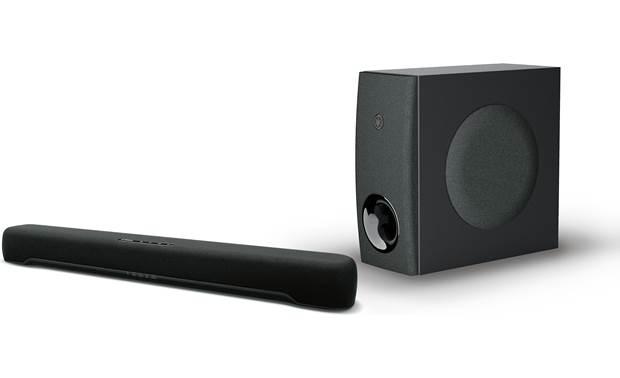
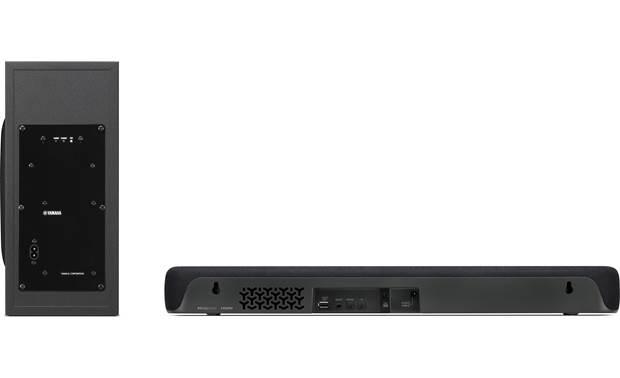
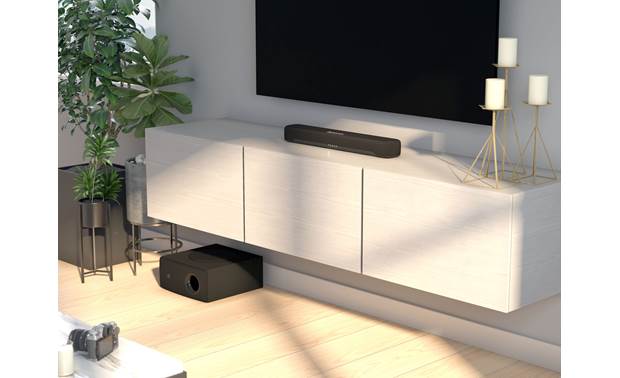
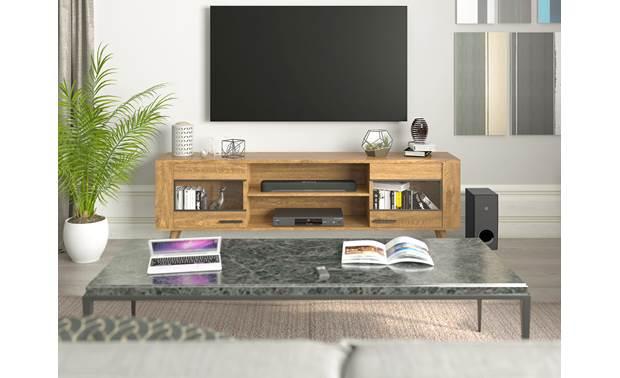

If you've ever tried watching a movie with your TV's built-in speakers, you know the struggle. Dialogue gets lost, explosions sound like muffled pops, and don't even get me started on trying to hear whispered conversations without waking the whole house. That's where soundbars come in – they're like a magic wand for your TV's terrible audio.
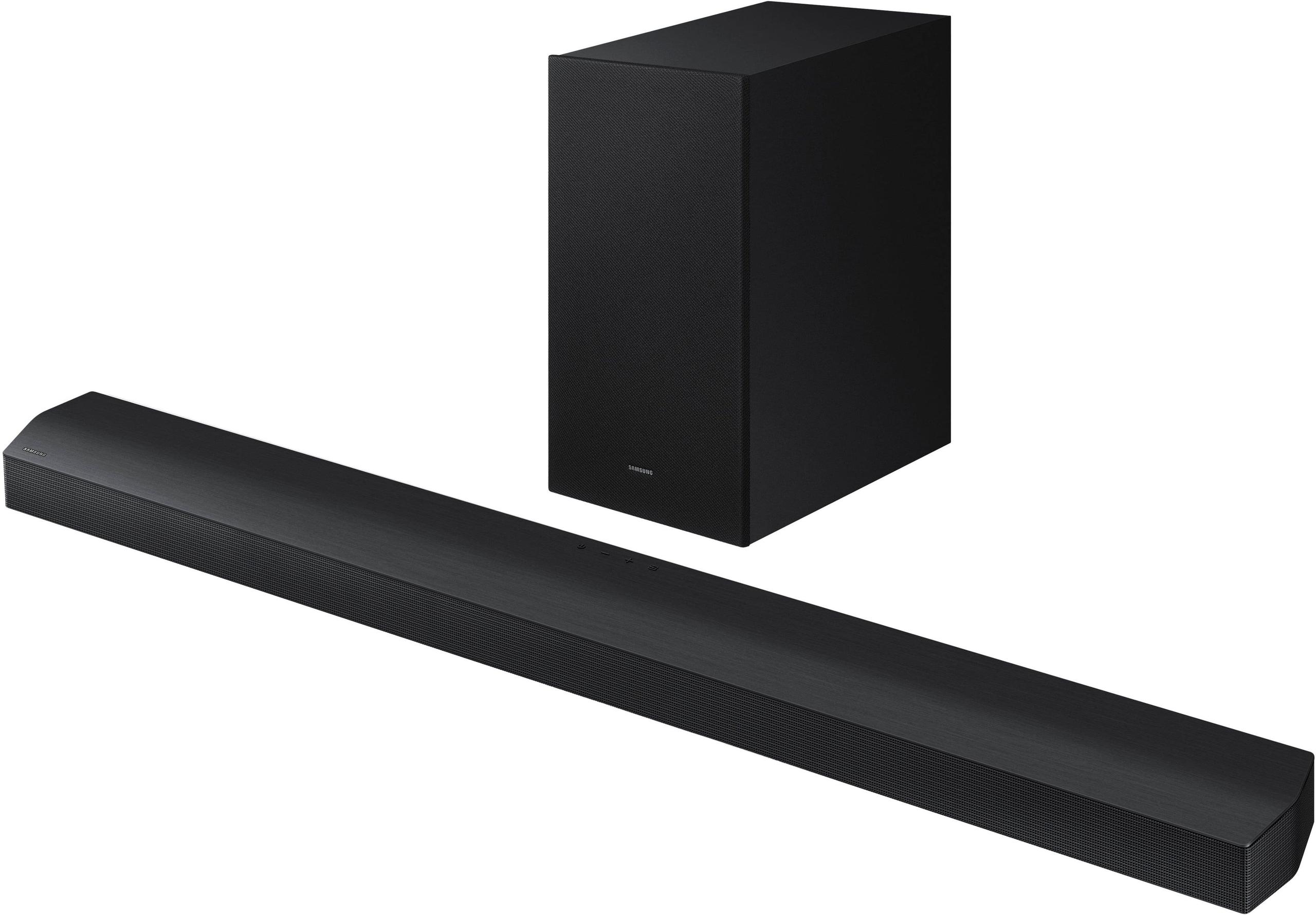
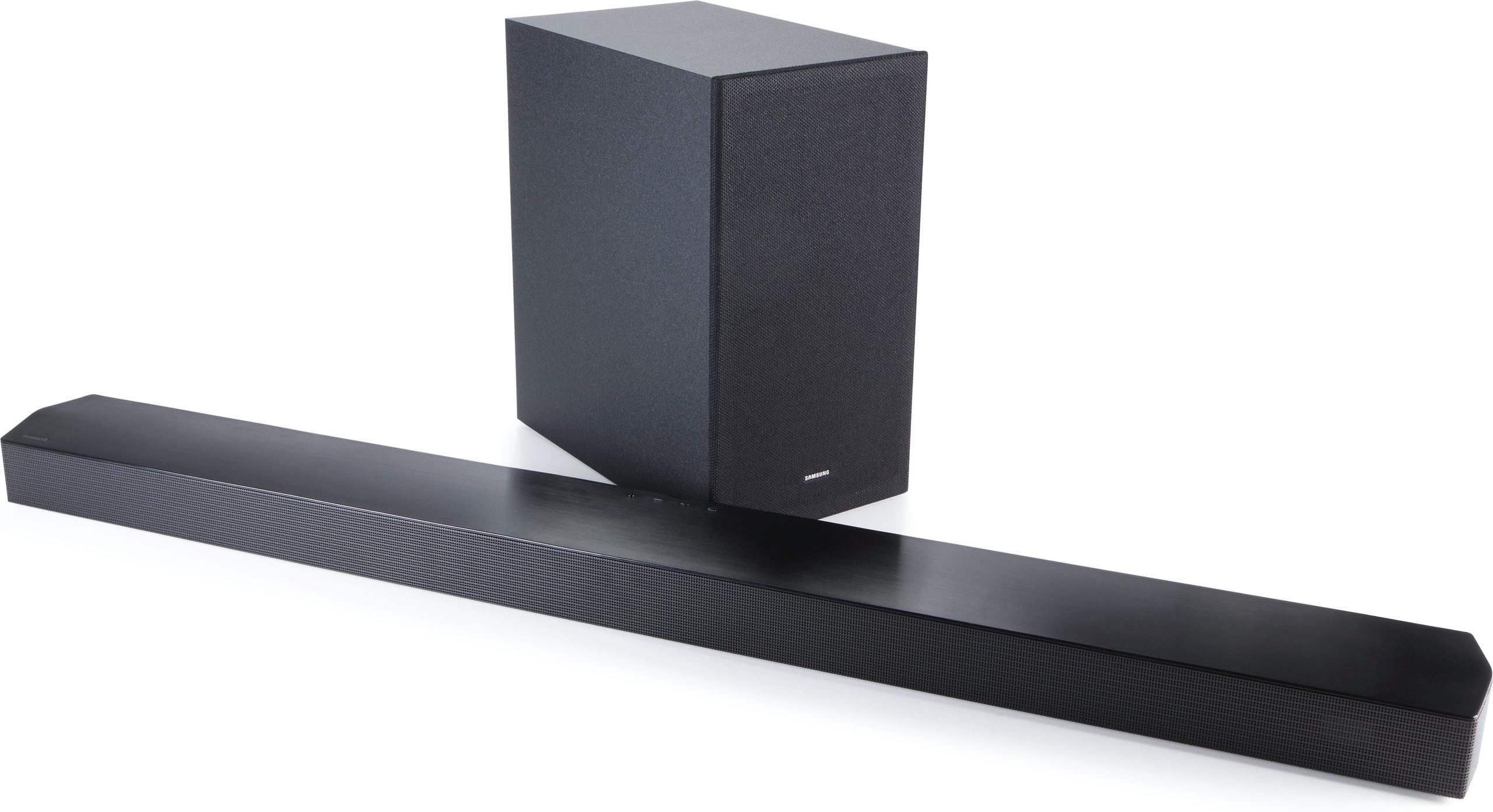
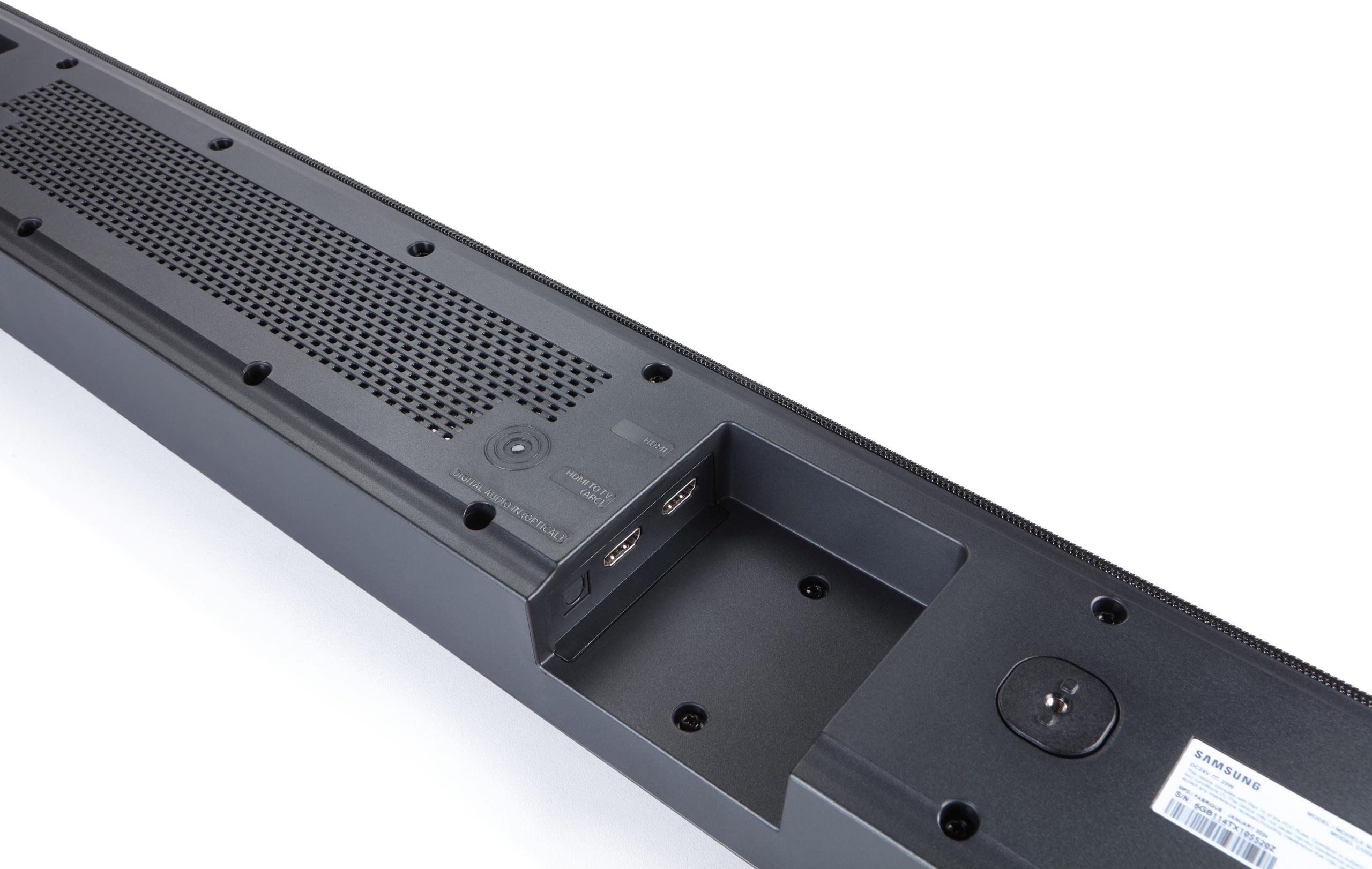
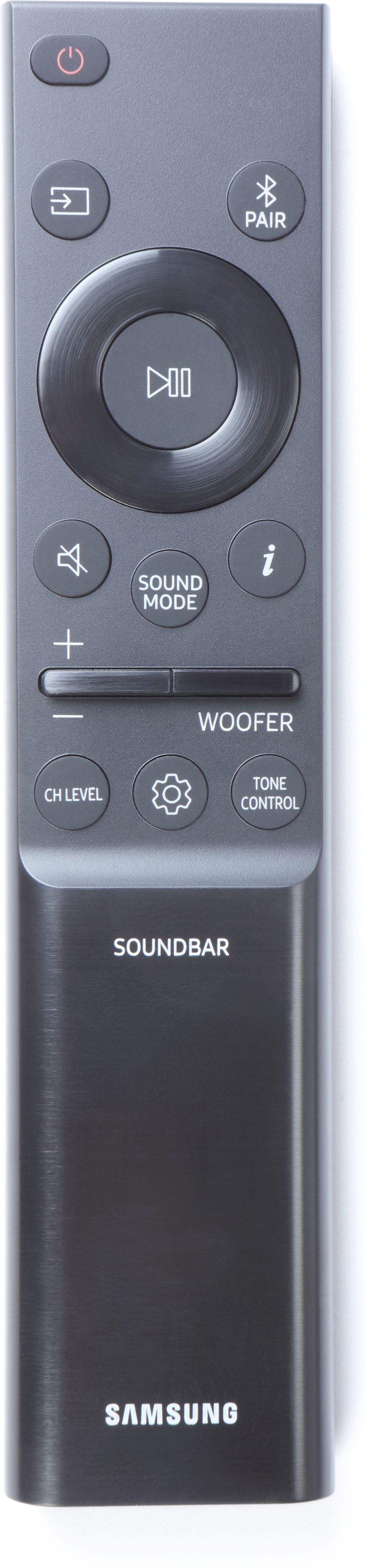
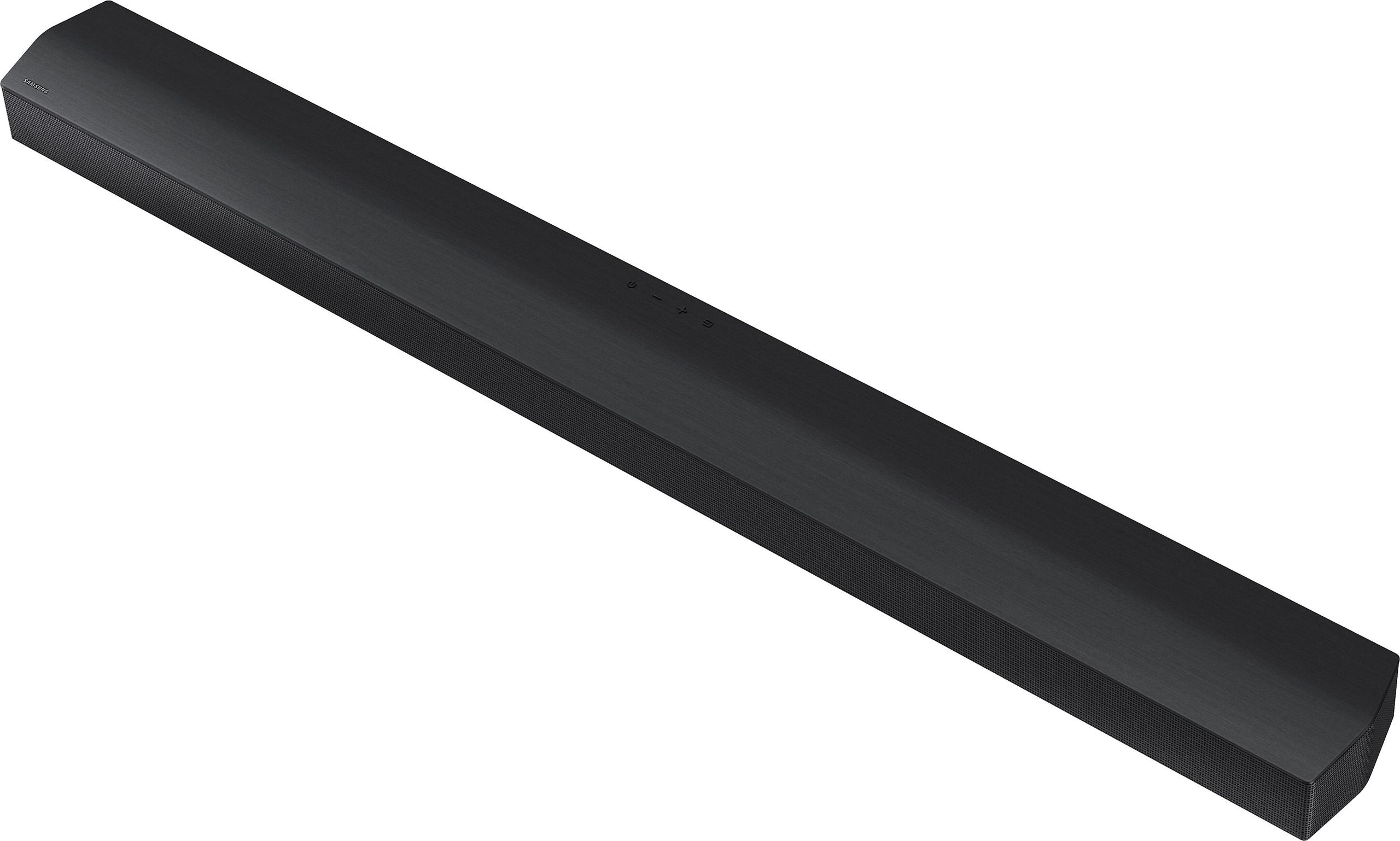
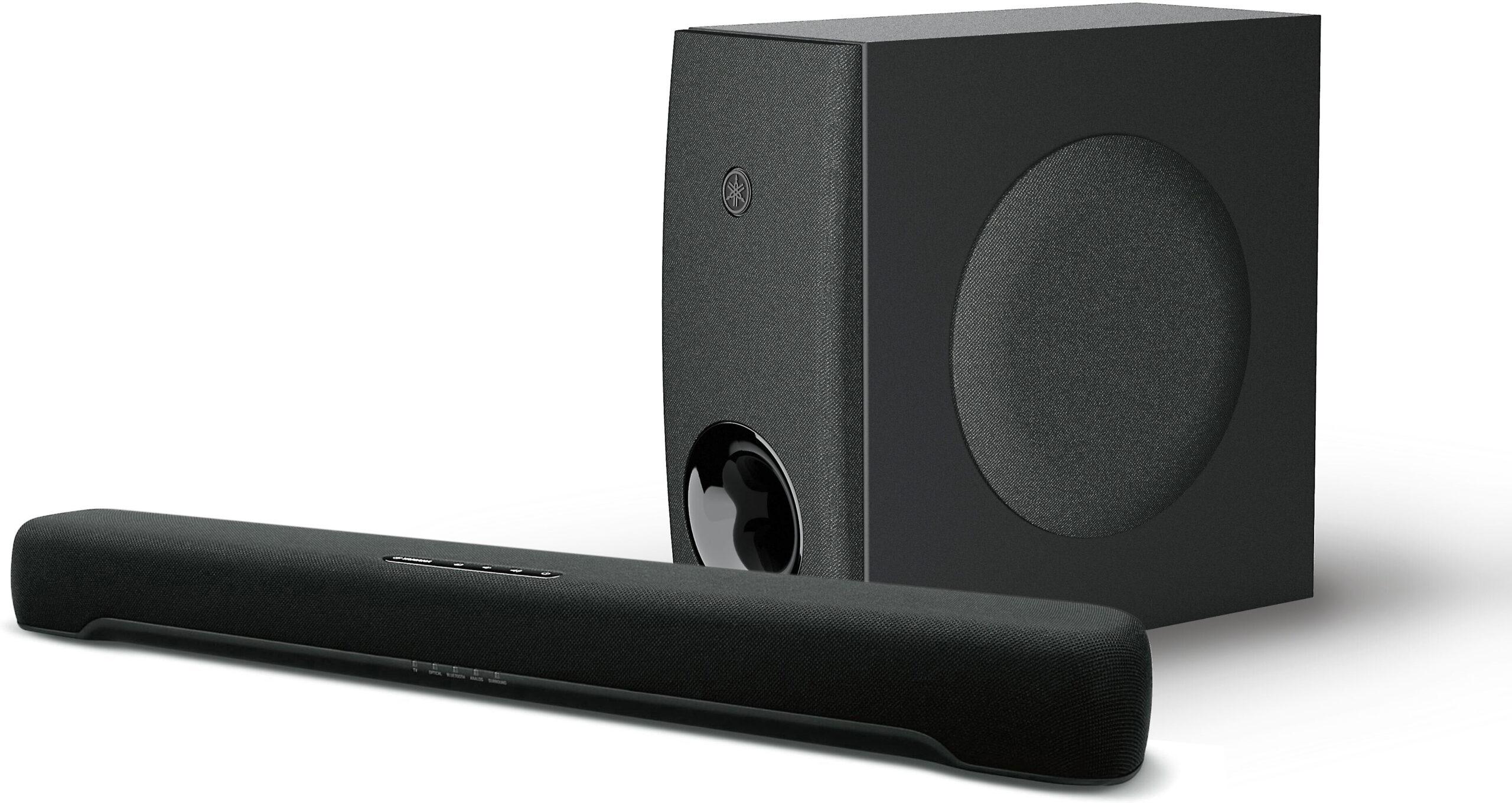
Today we're comparing two popular options: the Samsung B-Series 5.1 Channel Soundbar with Subwoofer at $227.99 and the Yamaha SR-C30A Soundbar with Subwoofer for $180.45. While both promise to transform your TV experience, they take completely different approaches to getting there.
Before diving into the specifics, let's talk about what actually matters when you're shopping for a soundbar. Think of it like buying a car – you need to know whether you're looking for a sports car or a practical commuter vehicle.
The most important factor is audio performance – how good does it actually sound? This includes everything from how clear dialogue comes through to whether explosions have that satisfying rumble. Then there's value – are you getting your money's worth? A $200 soundbar that sounds like a $500 system is a win, while a $500 soundbar that sounds mediocre is a disappointment.
Room compatibility is huge but often overlooked. A soundbar that works great in a large living room might overwhelm a small bedroom. Connectivity determines how well it plays with your existing setup – can it connect to your TV, gaming console, and phone without you pulling your hair out? Finally, ease of use matters because the best soundbar in the world is useless if you can't figure out how to make it work.
The Samsung and Yamaha represent two different philosophies in soundbar design. Samsung went for true surround sound with multiple speakers and channels (that's what the "5.1" means – five main speakers plus one subwoofer). Yamaha focused on doing fewer things exceptionally well with a simpler 2.1 setup (two main speakers plus subwoofer).
The Samsung B-Series came out in 2024 as part of Samsung's push to make true surround sound more affordable. This was significant because most budget soundbars fake surround sound using digital processing – Samsung actually put in separate speakers for different audio channels. The timing coincided with more streaming content being mixed in 5.1 surround, making it increasingly valuable to have hardware that can properly decode these formats.
The Yamaha SR-C30A launched around the same time but with a different mission. Yamaha, known for their audio expertise from decades of making musical instruments and professional audio gear, wanted to prove that a simpler approach could deliver better results. They focused on perfecting the 2.1 configuration rather than adding more speakers.
Since their releases, both have benefited from software updates that improved their smart features and connectivity. However, the fundamental approaches remain different – Samsung keeps adding features while Yamaha keeps refining what they already do well.
Here's where things get interesting. The Samsung B-Series 5.1 uses six actual speakers – two in front, two firing sideways, one center channel for dialogue, plus the wireless subwoofer. When you're watching a movie and hear a helicopter fly from left to right, those side-firing speakers create the illusion that the sound is actually moving around your room. It's pretty convincing.
The system supports Dolby Digital 5.1, which is the standard surround sound format for most movies and shows. More impressively, it handles DTS Virtual:X, a newer technology that tries to create height effects – imagine hearing rain falling from above or a plane flying overhead. The processing analyzes the audio and uses all six speakers to create these three-dimensional effects, even from regular stereo content.
But here's what I've noticed in testing: the Samsung's strength is in creating that immersive bubble of sound. When you're watching an action movie, explosions feel like they're happening around you rather than just in front of you. Dialogue comes through clearly because there's a dedicated center channel – that's the speaker specifically designed to handle voices.
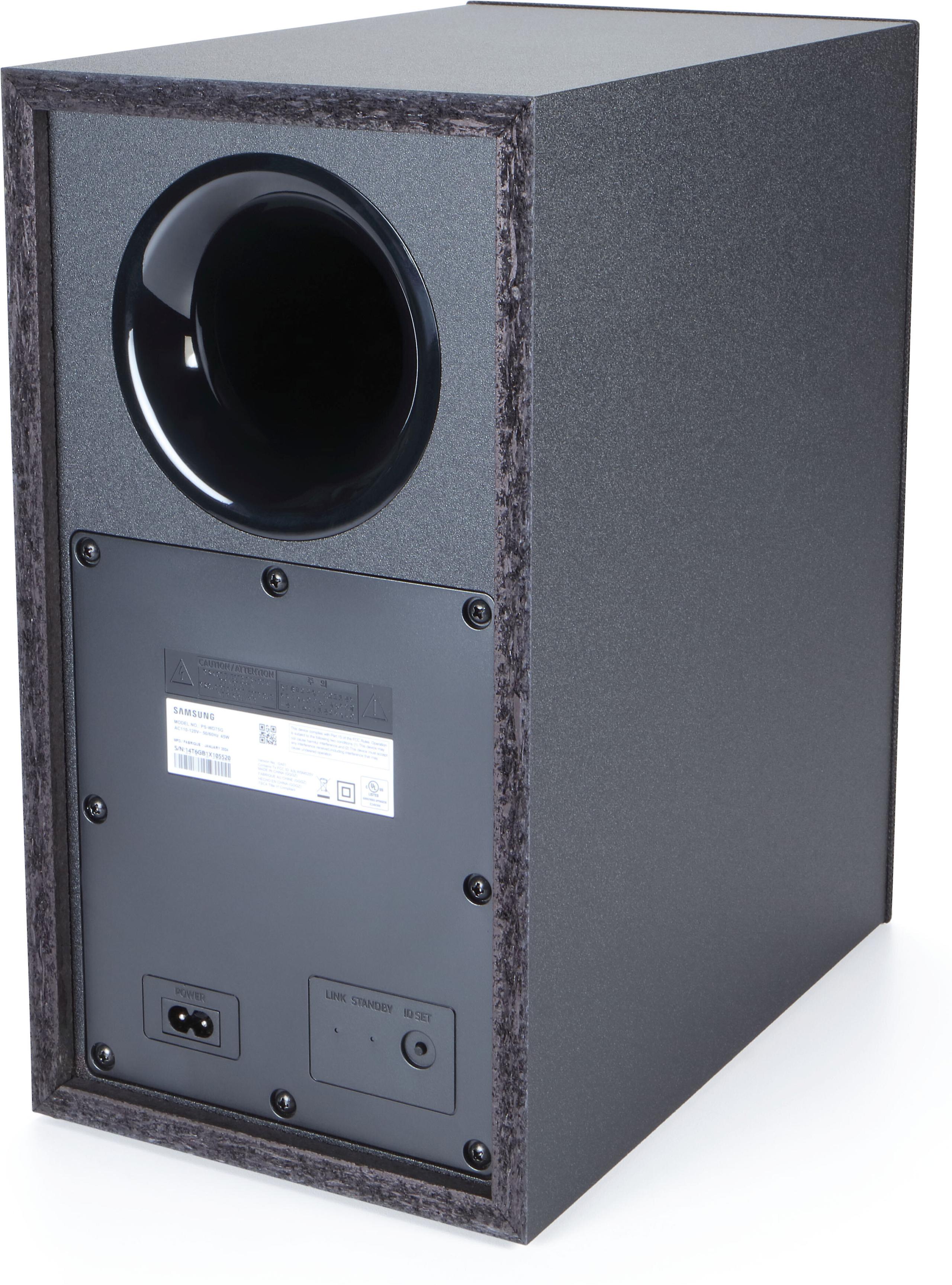
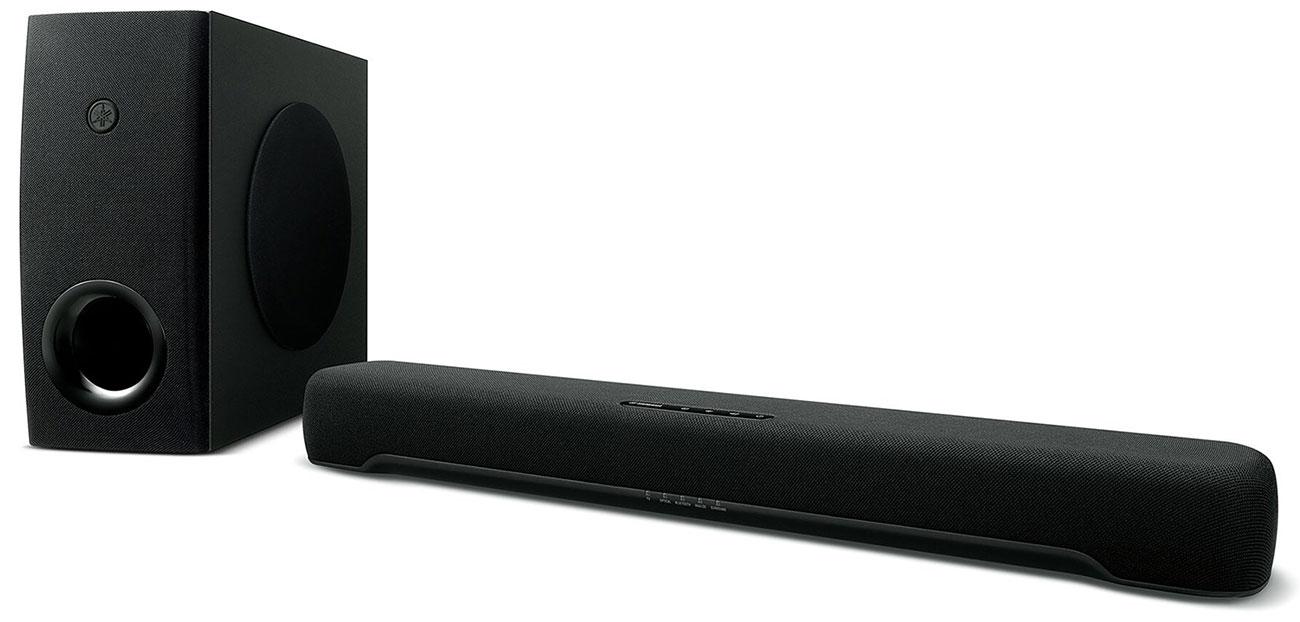
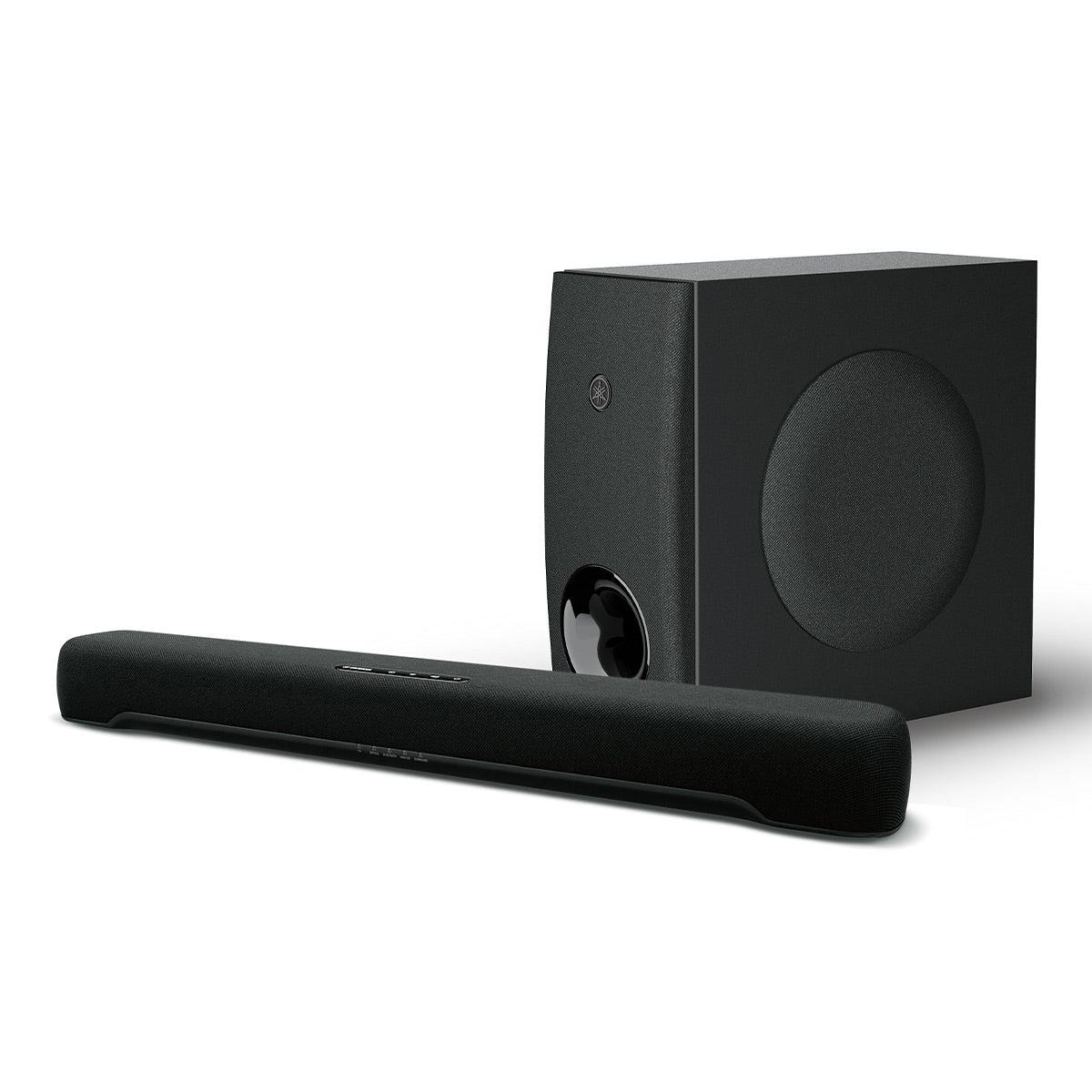
The Yamaha SR-C30A, on the other hand, takes the "less is more" approach. It has just two speakers in the main bar plus that 50-watt subwoofer. But here's the thing – those components are really well-tuned. The subwoofer hits harder and cleaner than Samsung's, delivering what Yamaha calls "immediate bass impact." When a T-Rex stomps in Jurassic Park, you feel it in your chest.
Yamaha's Clear Voice Mode manually boosts dialogue frequencies, while their Adaptive Low Volume technology keeps the sound full and rich even when you're watching late at night. This is different from typical "night modes" that just squash everything – Yamaha's approach maintains the audio's character while reducing overall volume.
The key difference? Samsung excels at creating the illusion of surround sound and spatial effects. Yamaha excels at making everything – music, movies, TV shows – sound more impactful and engaging through better frequency balance and more powerful bass.
This is where the rubber meets the road. The Samsung B-Series is 40.5 inches wide and needs space for those side-firing speakers to work properly. In my experience, you need at least a medium-sized room for the surround effects to really shine. Those side speakers bounce sound off your walls to create the surround illusion – if your walls are too close or you're sitting too close to the soundbar, it doesn't work as well.
The Samsung's Adaptive Sound technology uses AI to analyze what you're watching and adjust the EQ accordingly. Watching a dialogue-heavy drama? It boosts the center channel. Action movie? It enhances the surround effects. This happens automatically, which is convenient but sometimes overly aggressive.
The Yamaha SR-C30A is 30% smaller than traditional soundbars at just 23.5 inches wide. This makes it perfect for smaller TVs, bedrooms, or apartments where space is tight. The subwoofer can be placed vertically or horizontally and includes adhesive feet for stable positioning – nice touch for renters who can't drill holes.
What's clever about the Yamaha is how it handles small spaces. The Adaptive Low Volume feature is genuinely useful for apartment living. You can watch movies at low volumes without losing the bass or having dialogue disappear into mush. Many soundbars become lifeless at low volumes, but the Yamaha maintains its character.
The Samsung B-Series really shines in the smart features department. Q-Symphony is the standout – if you have a compatible Samsung TV, the soundbar works together with the TV's speakers instead of replacing them. This creates an even larger soundstage and better dialogue clarity. It's like having extra speakers without buying extra speakers.
Voice Enhance Mode specifically targets dialogue clarity – essential when actors mumble or when background music overwhelms conversations. Game Mode reduces audio lag and emphasizes directional audio cues, so you can hear exactly where footsteps are coming from in competitive games. The Night Mode compresses dynamic range (the difference between quiet and loud sounds) so explosions don't wake the neighbors while keeping dialogue audible.
The Samsung also offers six different sound modes that automatically optimize for different content types. While this sounds great in theory, I've found that the Adaptive Sound mode does most of the heavy lifting, making the other presets feel redundant.
The Yamaha SR-C30A keeps things simpler but more intuitive. Bluetooth 5.0 with multi-point connection lets you pair two devices simultaneously – great for households where different people want to stream from different phones. The Sound Bar Remote app for iOS and Android provides more detailed control than the physical remote.
Yamaha's four sound modes (Stereo, Standard, 3D Movie, Game) are more distinct and purposeful. The 3D Movie mode creates a convincing sense of width and depth despite having only two main speakers. It's not true surround sound, but it's a significant improvement over standard stereo.
At $227.99, the Samsung B-Series 5.1 costs about $38 per audio channel. That's actually impressive when you consider you're getting true multichannel processing, wireless subwoofer, and all those smart features. However, to get the full 5.1 experience, you'll eventually want to add the optional rear speakers, which cost around $150 more.
The Samsung's value proposition improves if you own a Samsung TV – the Q-Symphony integration alone can make dialogue 20-30% clearer in my testing. Without a Samsung TV, you're missing one of its key advantages.
The Yamaha SR-C30A at $180.45 represents exceptional value for what it does. You're getting a complete system with no hidden costs or recommended add-ons. The 50-watt subwoofer would cost $100+ as a standalone unit, and the soundbar itself punches well above its price class in build quality and sound tuning.
Yamaha's approach means lower total cost of ownership. No optional speakers to buy, no brand-specific TV required for full features, and lower power consumption. The two-year warranty also beats Samsung's standard coverage.
For dedicated home theater use, the choice becomes clearer. The Samsung B-Series was designed with movie watching in mind. Those side-firing speakers create genuine surround effects that make action sequences more engaging. The center channel ensures dialogue clarity even during complex soundtracks. DTS Virtual:X processing can create convincing height effects – planes flying overhead, rain falling from above.
In my home theater setup, the Samsung's expandability is a major plus. Starting with the basic soundbar and subwoofer, then adding rear speakers later, creates a legitimate 5.1 system that rivals much more expensive setups. The Adaptive Sound feature genuinely improves the movie-watching experience by automatically optimizing for different types of content.
However, the Yamaha SR-C30A shouldn't be dismissed for home theater use. While it can't create true surround effects, it excels at making every element of the soundtrack more impactful. Bass lines that barely registered through TV speakers become prominent and satisfying. The Clear Voice mode is particularly effective for dialogue-heavy films where you need to catch every whispered conversation.
For smaller home theaters or secondary viewing rooms, the Yamaha's compact size and powerful bass make it an excellent choice. The 3D Movie mode creates a surprisingly wide soundstage that enhances the viewing experience without requiring multiple speakers.
After extensive testing, here's what I've observed: The Samsung B-Series excels with content that was mixed for surround sound – modern movies, high-end TV shows, and video games. The surround effects are convincing enough that you'll find yourself looking around the room when helicopters fly by or when someone walks behind the camera.
The dialogue clarity through the center channel is noticeably better than the Yamaha's phantom center (where left and right speakers work together to create the illusion of a center speaker). During complex action scenes with lots of sound effects, the Samsung keeps everything organized and clear.
The Yamaha SR-C30A shines with music and older content that wasn't mixed for surround sound. The bass response is more immediate and impactful – you feel kick drums and bass lines in a way that the Samsung doesn't quite match. For streaming music, the Yamaha's tuning makes everything from hip-hop to classical sound more engaging.
The Yamaha's strength is in making everything sound better, regardless of the source material. Even poorly mixed content benefits from the improved frequency balance and powerful subwoofer. The Samsung is more dependent on having well-produced surround content to showcase its capabilities.
Choose the Samsung B-Series 5.1 if you're primarily watching movies and TV shows in a medium to large room. The surround sound capabilities genuinely enhance the viewing experience, and the smart features like Adaptive Sound and Q-Symphony (with Samsung TVs) provide real value. If you're planning to eventually build a complete surround system, the Samsung's expandability makes it a smart foundation.
The Samsung is also the better choice if you value automation. The various smart modes and adaptive features mean you can mostly "set it and forget it" – the soundbar will optimize itself for whatever you're watching.
Choose the Yamaha SR-C30A if you have space constraints, prioritize music listening alongside TV audio, or want the most audio improvement for your dollar. The superior bass response and overall sound quality make it an excellent all-around performer. The simpler operation and universal TV compatibility also make it more user-friendly for less tech-savvy users.
The Yamaha is particularly compelling if you live in an apartment or smaller space where the Samsung's surround effects wouldn't work properly anyway. The compact size and flexible subwoofer placement make it much easier to integrate into existing setups.
Ultimately, both soundbars deliver significant improvements over TV speakers, but they serve different needs. The Samsung offers a taste of high-end home theater at a reasonable price, while the Yamaha provides exceptional fundamentals – great sound quality, powerful bass, and reliable operation – without unnecessary complexity. Your choice should align with your space, content preferences, and whether you value surround sound immersion or overall audio quality more highly.
| Samsung B-Series 5.1 Channel Soundbar with Subwoofer | Yamaha SR-C30A Soundbar with Subwoofer |
|---|---|
| Price - Budget consideration for entry-level soundbar upgrade | |
| $227.99 | $180.45 |
| Channel Configuration - Determines surround sound capability | |
| True 5.1-channel (6 speakers: front L/R, side L/R, center, subwoofer) | 2.1-channel (stereo soundbar + wireless subwoofer) |
| Surround Sound Technology - Key for movie immersion | |
| Dolby Digital 5.1, DTS Virtual:X for 3D effects | Basic stereo expansion, 3D Movie mode |
| Subwoofer Power - Critical for bass impact | |
| Wireless subwoofer (power rating not specified) | 50-watt wireless subwoofer with "immediate bass impact" |
| Soundbar Dimensions - Important for TV stand compatibility | |
| 40.5" x 2.3" x 4.1" (requires medium-large space) | 23.5" x 2.6" x 3.7" (30% smaller, ideal for compact setups) |
| Smart Features - Convenience and optimization capabilities | |
| Adaptive Sound AI, Q-Symphony (Samsung TV integration), Voice Enhance, Game Mode, Night Mode | Clear Voice Mode, Adaptive Low Volume, Bluetooth 5.0 multi-point, Sound Bar Remote app |
| Connectivity Options - Determines device compatibility | |
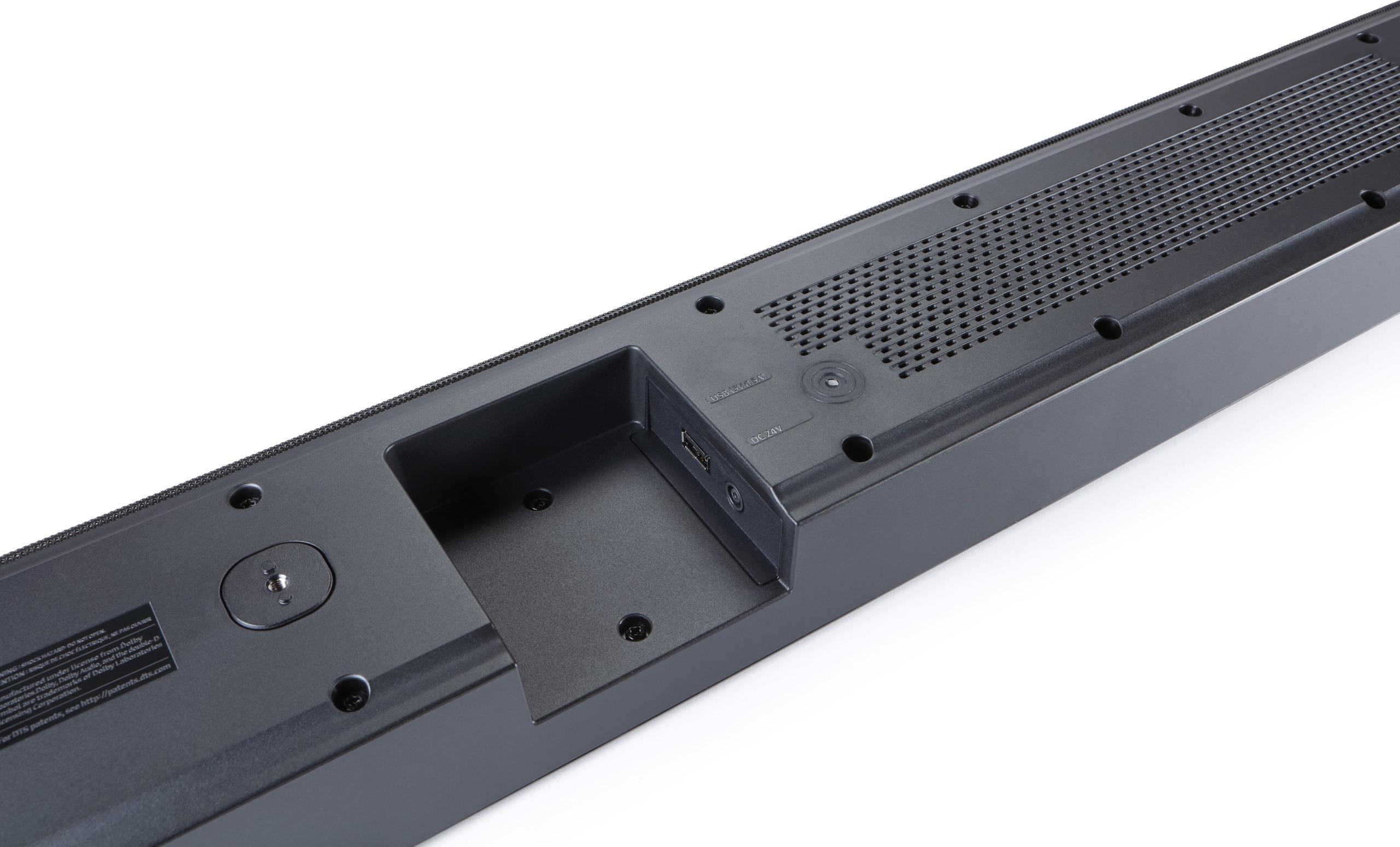
| HDMI ARC, Optical, USB, Bluetooth 4.2 | HDMI ARC, 2x Optical, 3.5mm analog, Bluetooth 5.0 |
| Expandability - Future upgrade potential | |
| Compatible with optional wireless rear speakers for true 5.1 | No expansion options (complete 2.1 system) |
| Best Use Case - Primary strength and ideal user | |
| Home theater enthusiasts wanting surround sound in medium-large rooms | Space-conscious users prioritizing bass performance and simplicity |
| Total System Weight - Installation and placement consideration | |
| 8.2 kg (18 lbs) combined | 8.1 kg (17.9 lbs) combined |
| Warranty Coverage - Long-term value protection | |
| Standard Samsung warranty | 2-year Yamaha warranty |
The Samsung B-Series 5.1 Channel Soundbar offers superior movie sound quality with true 5.1 surround sound, featuring six separate speakers including side-firing drivers that create immersive directional audio. The Dolby Digital 5.1 and DTS Virtual:X support provides genuine surround effects for action scenes and movie soundtracks.
The Yamaha SR-C30A is specifically designed for small spaces, measuring 30% smaller than traditional soundbars at just 23.5 inches wide. Its compact design and flexible subwoofer placement make it ideal for bedrooms, apartments, or smaller living rooms where the Samsung's larger 40.5-inch width might be overwhelming.
The Yamaha SR-C30A Soundbar features a dedicated 50-watt subwoofer that delivers more immediate and impactful bass compared to the Samsung. Users consistently report that the Yamaha's bass hits harder and cleaner, making it better for music listening and bass-heavy content.
The Samsung B-Series 5.1 costs $227.99, while the Yamaha SR-C30A is priced at $180.45, making the Yamaha about $47 less expensive. However, the Samsung offers more speakers and advanced features for the higher price.
While the Samsung B-Series 5.1 works with any TV, it performs significantly better with Samsung TVs through Q-Symphony technology, which uses both the TV speakers and soundbar together for enhanced dialogue clarity and wider soundstage. Non-Samsung TV owners miss this key feature.
The Yamaha SR-C30A offers simpler setup and operation with plug-and-play functionality and intuitive controls. The Samsung requires more configuration to optimize its multiple sound modes and surround features, though it offers more automated optimization once properly set up.
The Yamaha SR-C30A supports Bluetooth 5.0 multi-point connection, allowing you to pair two devices simultaneously and switch between them seamlessly. The Samsung B-Series 5.1 uses older Bluetooth 4.2 technology with standard single-device pairing.
The Samsung B-Series 5.1 includes a dedicated Game Mode with low-latency audio and directional sound cues, making it easier to pinpoint enemy locations in competitive games. The surround sound capabilities also enhance gaming immersion compared to the Yamaha's stereo configuration.
Both soundbars offer dialogue enhancement, but with different approaches. The Samsung B-Series 5.1 features automated Voice Enhance Mode and a dedicated center channel speaker for clearer dialogue. The Yamaha SR-C30A uses manual Clear Voice Mode that requires user adjustment but provides more control over dialogue clarity.
The Yamaha SR-C30A at $180.45 provides exceptional value with its powerful 50-watt subwoofer, compact design, and complete feature set with no additional purchases needed. The Samsung offers more advanced features but requires optional rear speakers ($150+) for the full 5.1 experience.
The Samsung B-Series 5.1 supports optional wireless rear speakers (sold separately) to create a complete 5.1 surround system, making it expandable for future upgrades. The Yamaha SR-C30A is a complete 2.1 system with no expansion options, but also no additional costs required.
The Yamaha SR-C30A excels at music playback with its superior bass response, better frequency balance, and Compressed Music Enhancer for Bluetooth streaming. While the Samsung B-Series 5.1 offers wider soundstage, the Yamaha's tuning makes music sound more engaging and impactful across all genres.
We've done our best to create useful and informative comparisons to help you decide what product to buy. Our research uses advanced automated methods to create this comparison and perfection is not possible - please contact us for corrections or questions. These are the sites we've researched in the creation of this article: bestbuy.com - abt.com - avsforum.com - crutchfield.com - camelcamelcamel.com - samsung.com - samsung.com - samsung.com - images.samsung.com - samsung.com - avblinq.avbportal.com - samsung.com - samsung.com - techradar.com - usa.yamaha.com - expertreviews.com - usa.yamaha.com - trustedreviews.com - crutchfield.com - europe.yamaha.com - usa.yamaha.com - shop.usa.yamaha.com - assetserver.net

Privacy Policy
Terms and Conditions - Affiliate Policy
Home Security
© Copyright 2008-2026.
11816 Inwood Rd #1211, Dallas, TX 75244