

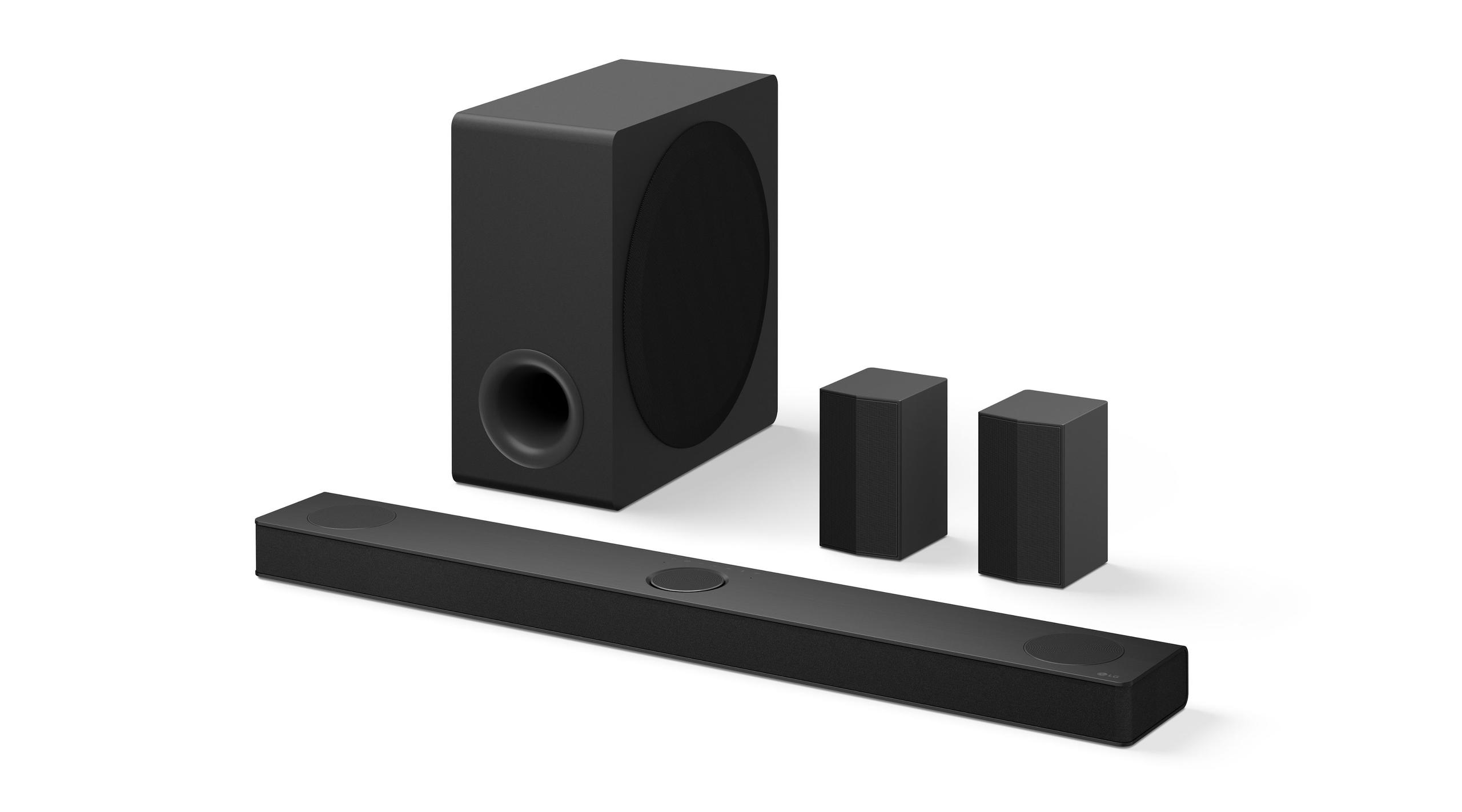
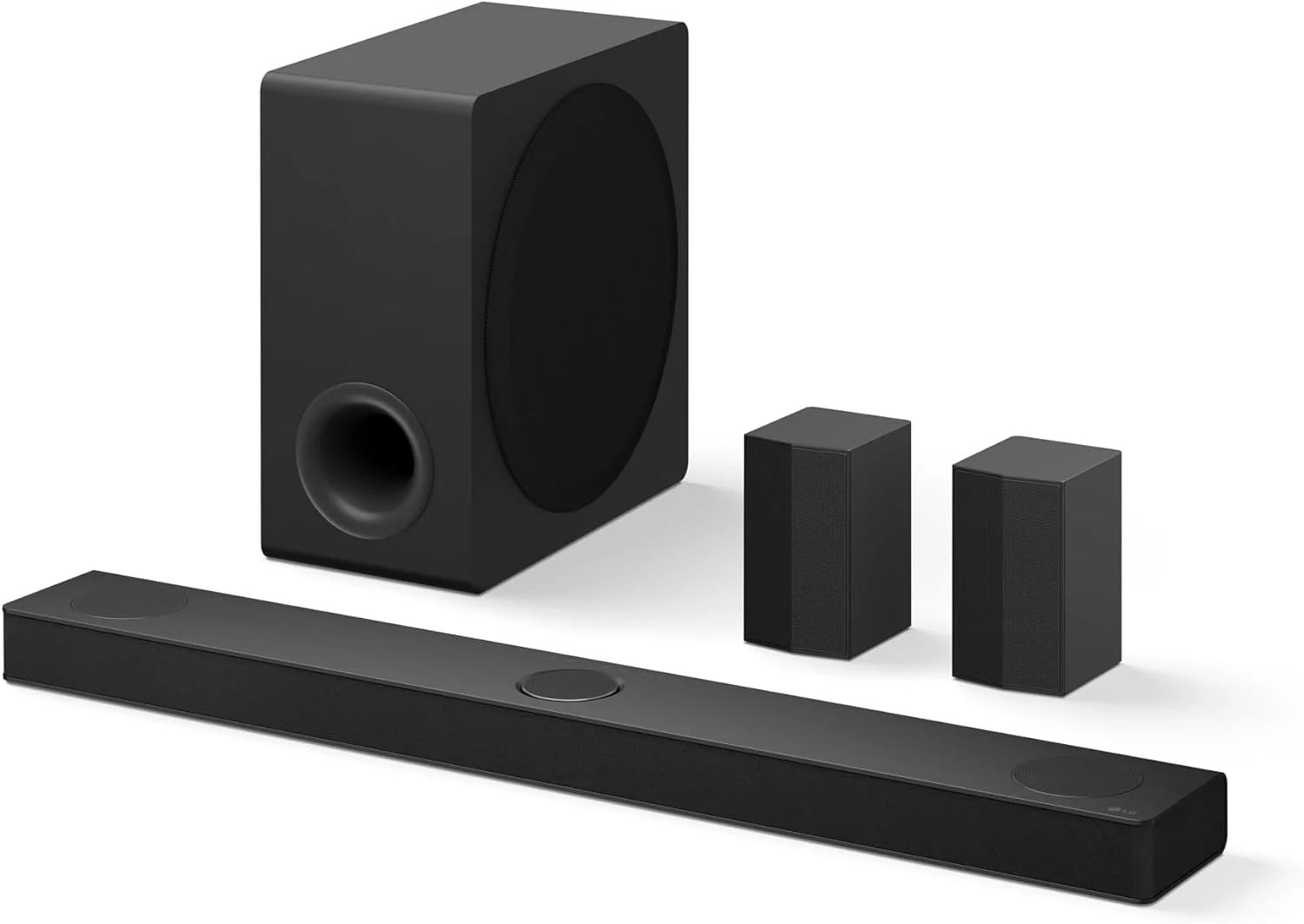

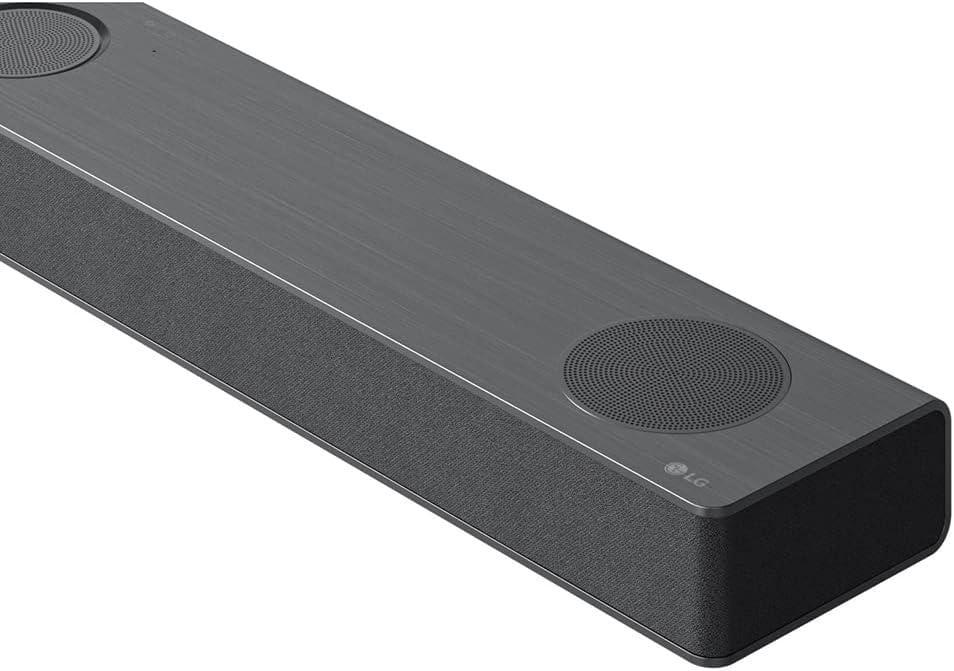
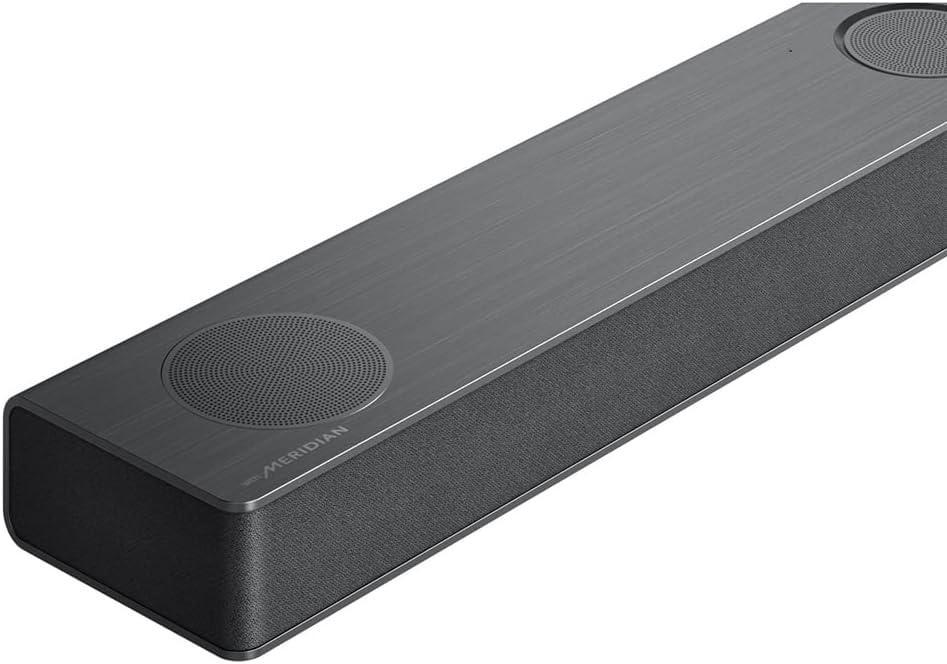


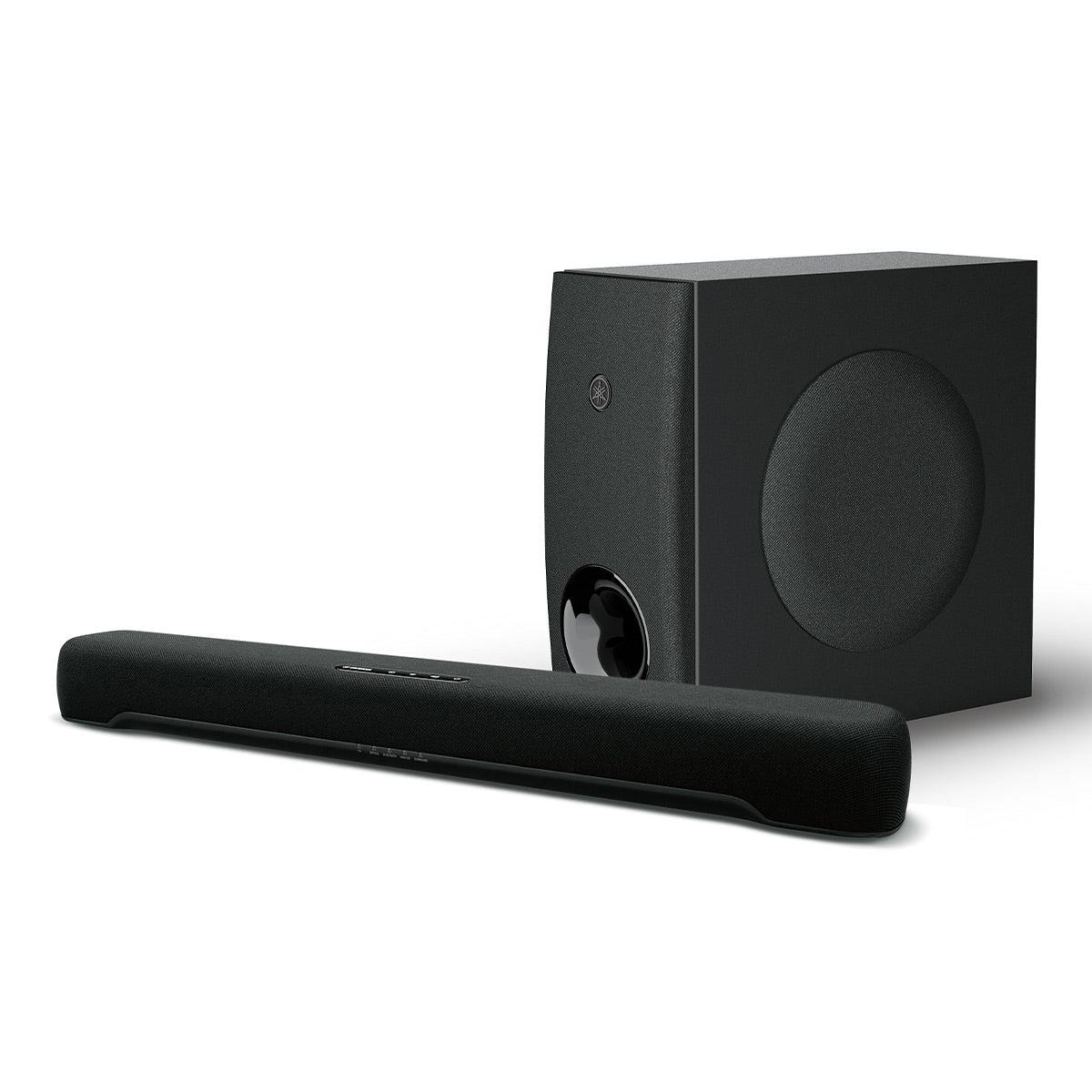
When I first started reviewing soundbars five years ago, the market was simpler—you had basic bars that made TV dialogue clearer, and expensive systems that tried to recreate movie theater sound. Today's soundbar landscape is far more nuanced, with products like the LG S80TR ($547) and Yamaha SR-C30A ($180) representing two completely different philosophies for upgrading your TV's audio.
Before diving into these specific models, it's helpful to understand what we're actually comparing. Soundbars are categorized by their channel configuration—those numbers you see like "2.1" or "5.1.3" that might seem like code at first glance.
A 2.1 system like the Yamaha means two main speakers (left and right) plus one subwoofer for bass. The "phantom center" effect creates the illusion of dialogue coming from your TV screen, even though there's no dedicated center speaker. It's surprisingly effective for most content.
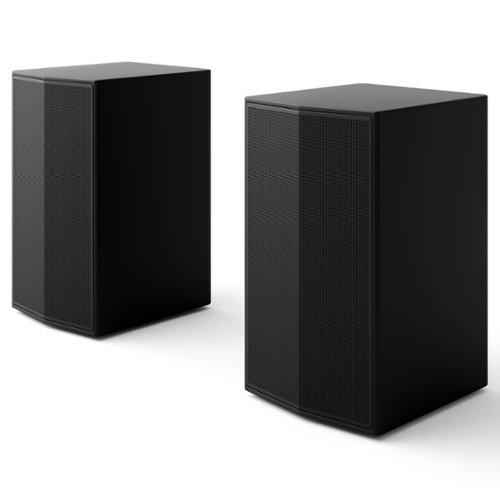
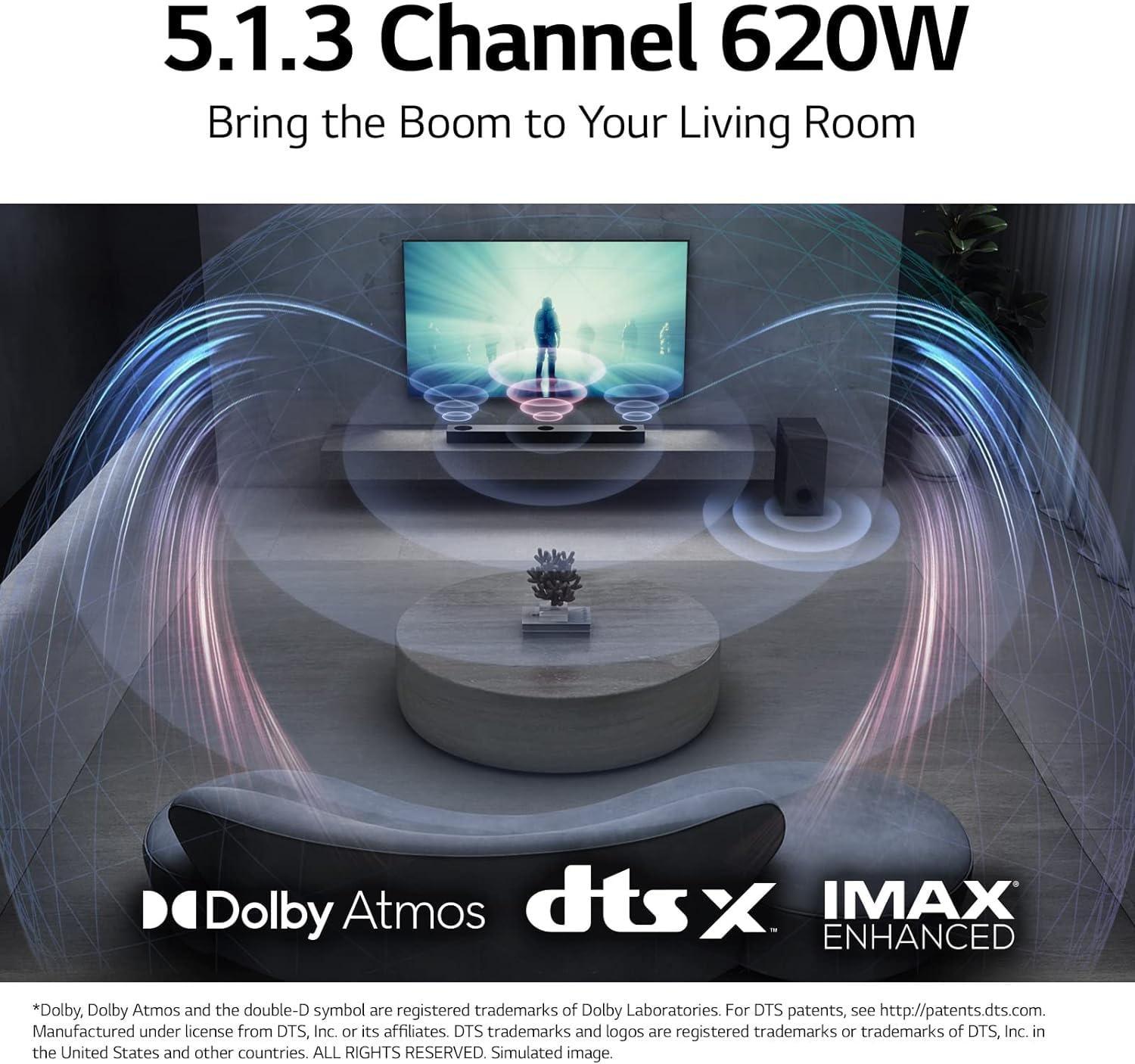
The LG S80TR's 5.1.3 configuration is far more complex. You get five main speakers (left, center, right, plus two rear surrounds), one subwoofer, and three height channels that fire sound upward to bounce off your ceiling. This creates what's called "object-based audio"—instead of just left and right channels, sounds can be positioned anywhere in a three-dimensional space around you.
The key considerations when choosing between these approaches boil down to your room size, the content you watch, your technical comfort level, and how much you want to spend. Neither approach is inherently better—they're solving different problems.
The Yamaha SR-C30A launched in early 2023 as part of Yamaha's push into the compact soundbar market. It represented the company's acknowledgment that not everyone needs a massive home theater system—sometimes you just want your TV to sound better without the complexity.
LG released the S80TR in late 2023, building on lessons learned from their previous S-series soundbars. The timing matters here because LG incorporated newer HDMI 2.1 features that weren't standard in earlier models, including support for 120Hz gaming and improved eARC (enhanced Audio Return Channel) implementation.
Since these releases, both companies have refined their software. The Yamaha has received firmware updates that improved its Bluetooth connectivity stability, while LG has enhanced the AI Room Calibration feature to work more accurately in irregularly shaped rooms. These post-launch improvements are increasingly common as soundbars become more software-dependent.
Here's where the fundamental differences become crystal clear. When I set up the LG S80TR in my living room, the first thing that struck me was how the sound seemed to come from everywhere except the soundbar itself. That's the hallmark of a well-implemented surround system—the equipment disappears, and you're left with the experience.
The LG's dedicated center channel makes an enormous difference for dialogue clarity. Instead of relying on psychoacoustic tricks to create a phantom center, you get an actual speaker positioned to handle vocal frequencies. This means actors' voices stay locked to the screen even when you're sitting off to the side—something the Yamaha simply can't match due to its stereo-only configuration.
But the Yamaha SR-C30A isn't trying to compete on immersion. Instead, it focuses on delivering clean, detailed sound that makes everything more listenable. Its "Clear Voice" technology uses dynamic range compression (essentially making quiet sounds louder and loud sounds quieter) to ensure you never miss dialogue, even during action sequences. It's a different solution to the same problem.
The LG's height channels deserve special attention because they represent one of the biggest advances in home audio over the past decade. When you're watching a movie with proper Dolby Atmos encoding, helicopters genuinely sound like they're flying overhead. Rain seems to fall from above. It's not just louder—it's dimensionally different from traditional surround sound.
The subwoofer comparison reveals another philosophical divide. The LG's 8-inch wireless subwoofer can pressurize a room—when that T-Rex footstep hits in Jurassic Park, you feel it in your chest. The 50-watt amplifier and larger driver mean it can reproduce frequencies down to 40Hz, which covers most of the bass content in movies and music.
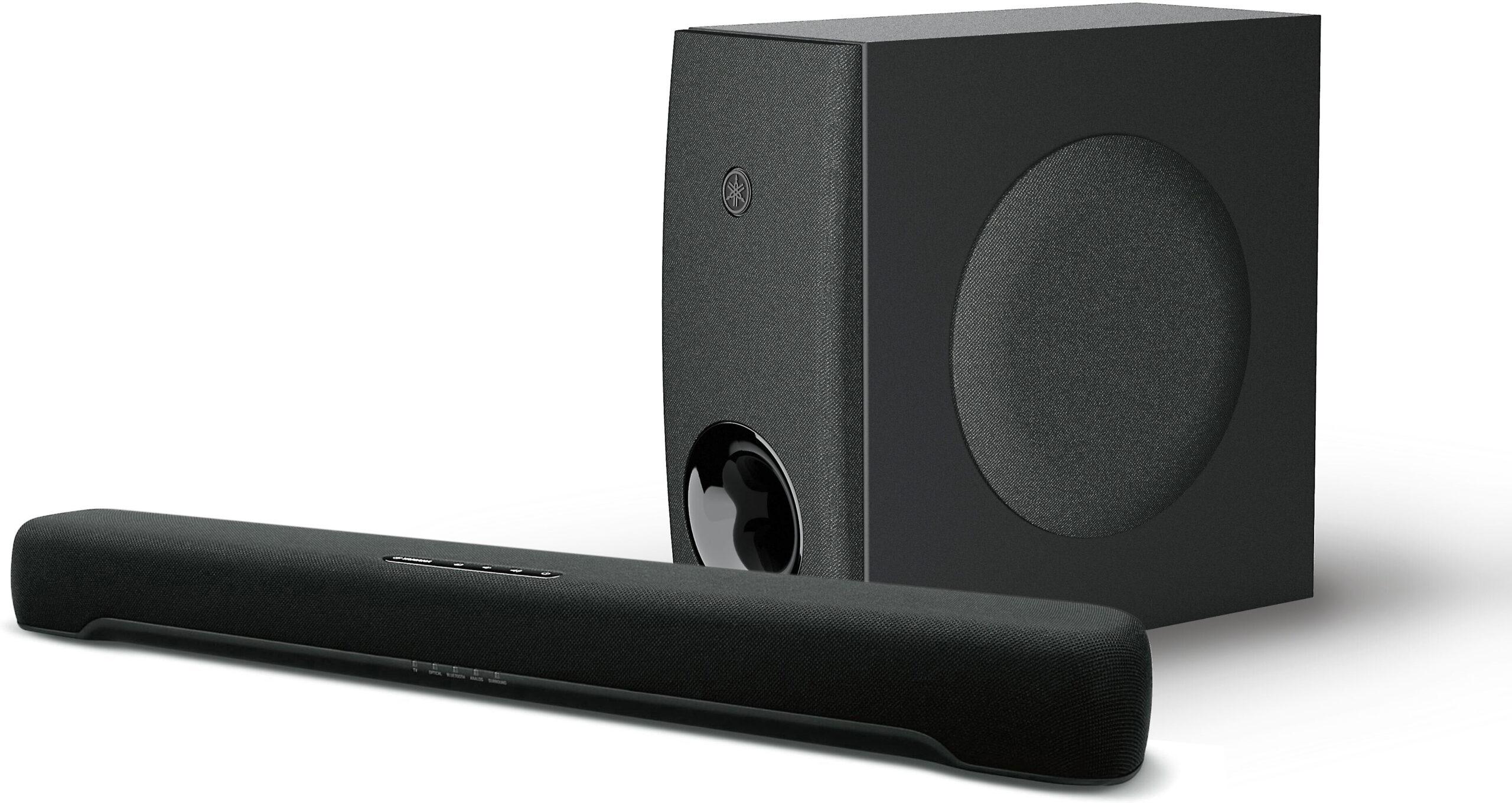
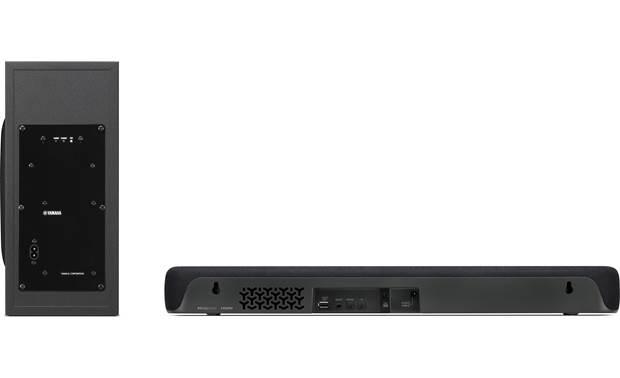
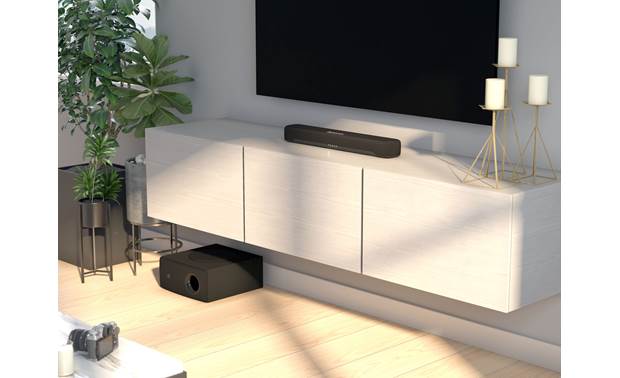
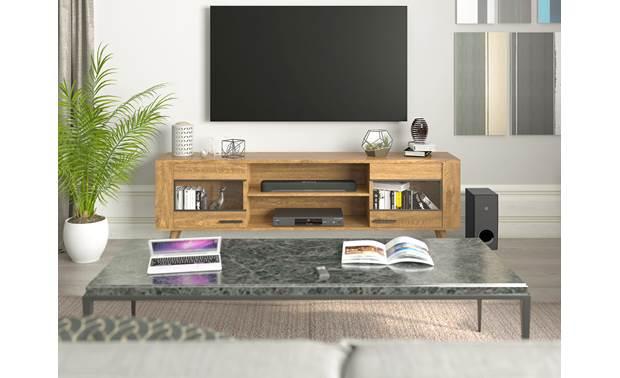
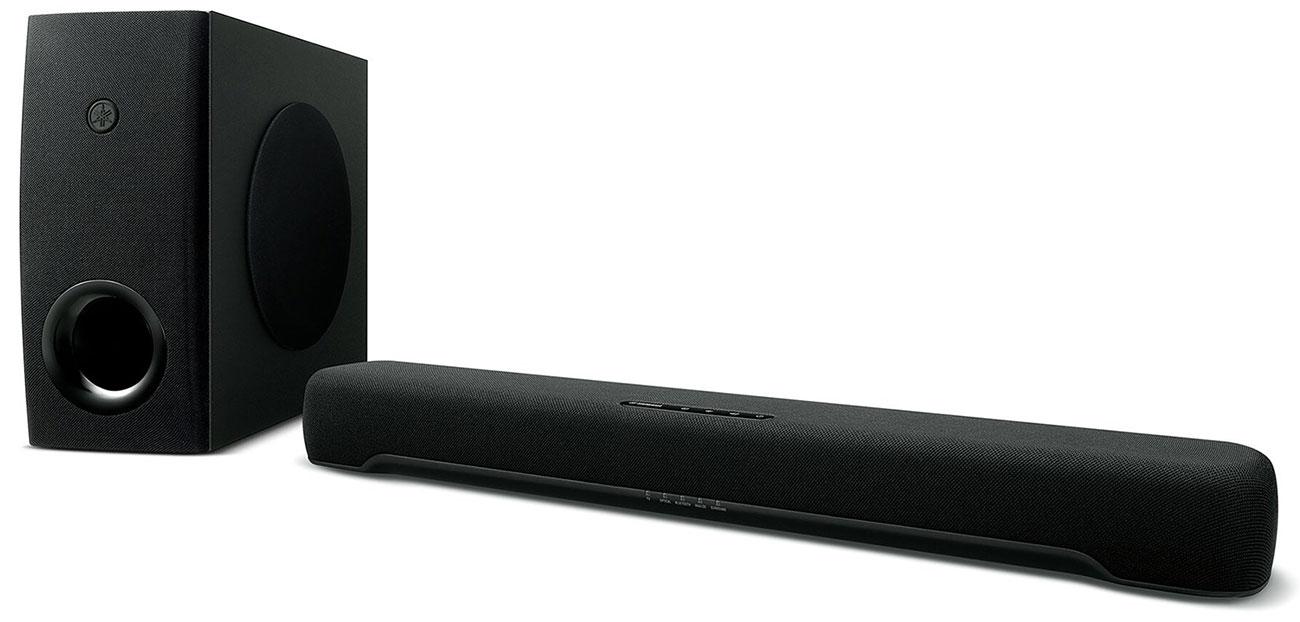
The Yamaha's 5.1-inch subwoofer with 50 watts of power (yes, the same wattage but in a much smaller package) takes a more restrained approach. It's designed to add warmth and fullness to TV audio without overwhelming smaller spaces. In my testing, it handles dialogue-heavy content beautifully but starts to strain during bass-heavy action sequences.
This difference becomes crucial in larger rooms. The Yamaha works well in spaces up to about 200 square feet, but beyond that, its compact subwoofer simply doesn't have the output to fill the space properly. The LG, meanwhile, can handle rooms twice that size without breaking a sweat.
The LG S80TR's approach to spatial audio represents current best practices in home theater design. The rear speakers create genuine surround effects—when a car drives from front to back in a movie scene, you hear it travel through your actual room space. The upward-firing height channels bounce sound off your ceiling to create overhead effects, assuming you have a reasonably flat ceiling 8-10 feet high.
The Yamaha uses digital signal processing (DSP) to create simulated surround effects from its two main speakers. It's similar to how headphones can create a sense of space through careful frequency manipulation and timing delays. While not as convincing as physical surround speakers, it's remarkable how effective this can be for casual viewing.
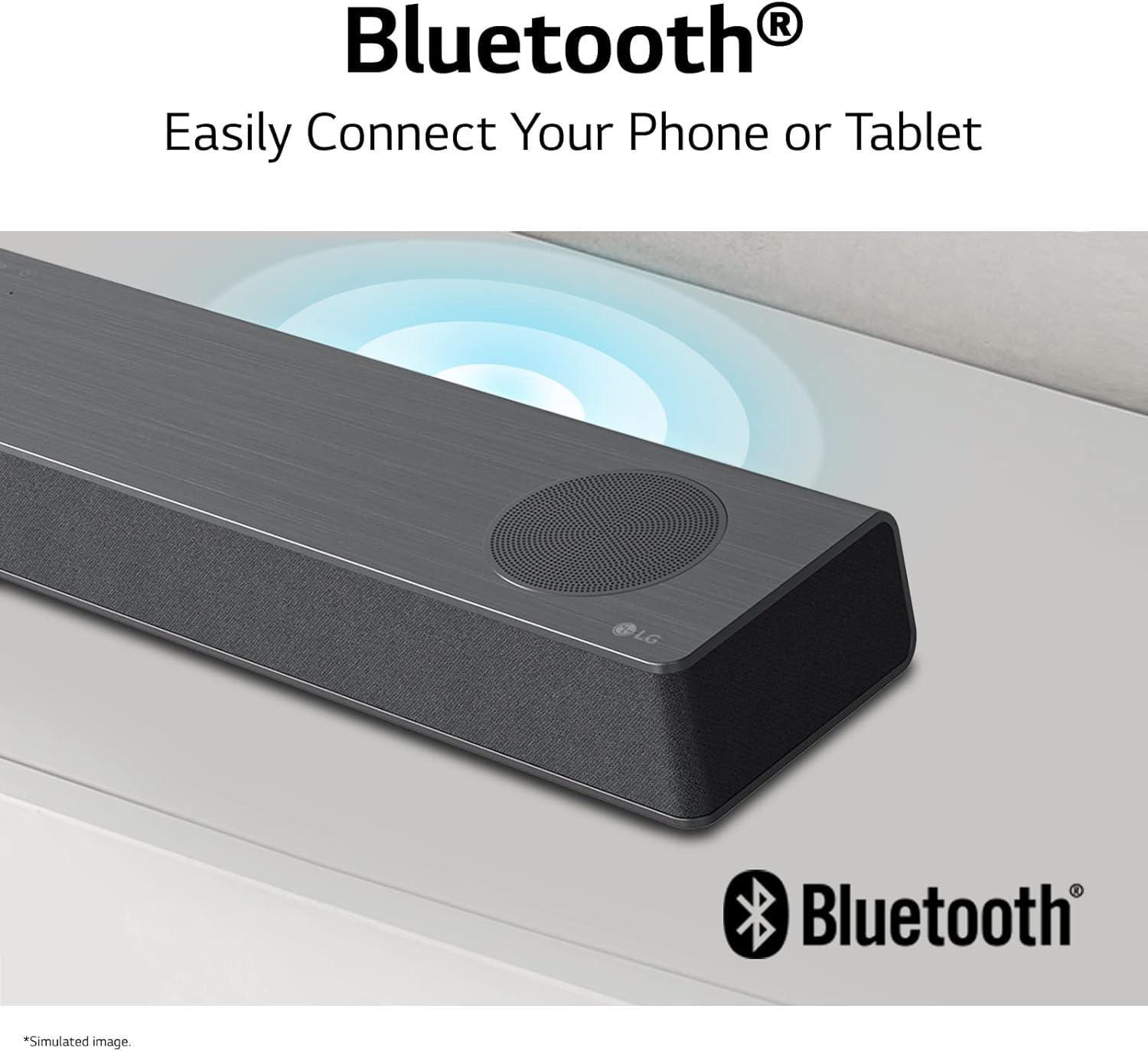
The technology gap between these soundbars becomes most apparent in their smart features. The LG S80TR is essentially a smart speaker that happens to excel at TV audio. Built-in Wi-Fi means you can stream music directly from Spotify, control it with Google Assistant or Alexa, and use Apple AirPlay 2 from your iPhone. The Chromecast integration means any audio playing on your phone can be instantly cast to the soundbar.
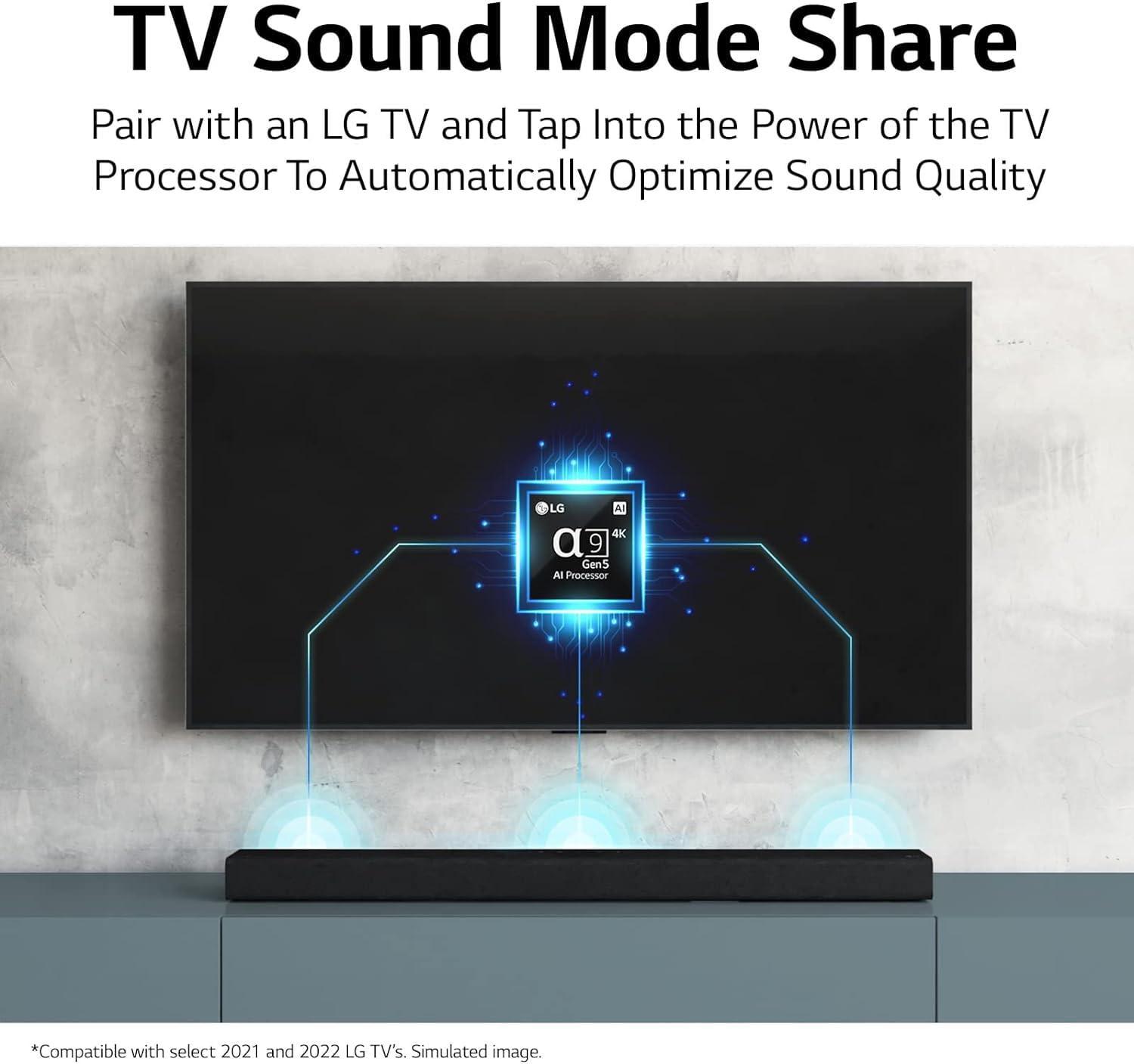
This ecosystem integration extends to LG's TVs through their "WOW Orchestra" feature. If you have a compatible LG TV, the soundbar and TV speakers work together rather than the soundbar simply replacing them. It's a clever approach that can create an even wider soundstage in larger rooms.
The Yamaha takes a deliberately simpler approach with Bluetooth 5.0 connectivity and basic app control. There's something refreshing about this simplicity—you don't need to create accounts, connect to Wi-Fi, or worry about firmware updates breaking features. It just works, every time.
However, this simplicity comes with trade-offs. The Yamaha lacks the HDMI eARC support that's becoming essential for high-quality audio from streaming services. While its HDMI ARC connection works fine, eARC provides higher bandwidth for formats like Dolby Atmos—something increasingly important as Netflix, Disney+, and other services offer more Atmos content.
Setting up the Yamaha SR-C30A is refreshingly straightforward. Connect one HDMI cable, plug in the subwoofer, and you're done. The soundbar automatically pairs with its wireless subwoofer, and the whole process takes maybe ten minutes.
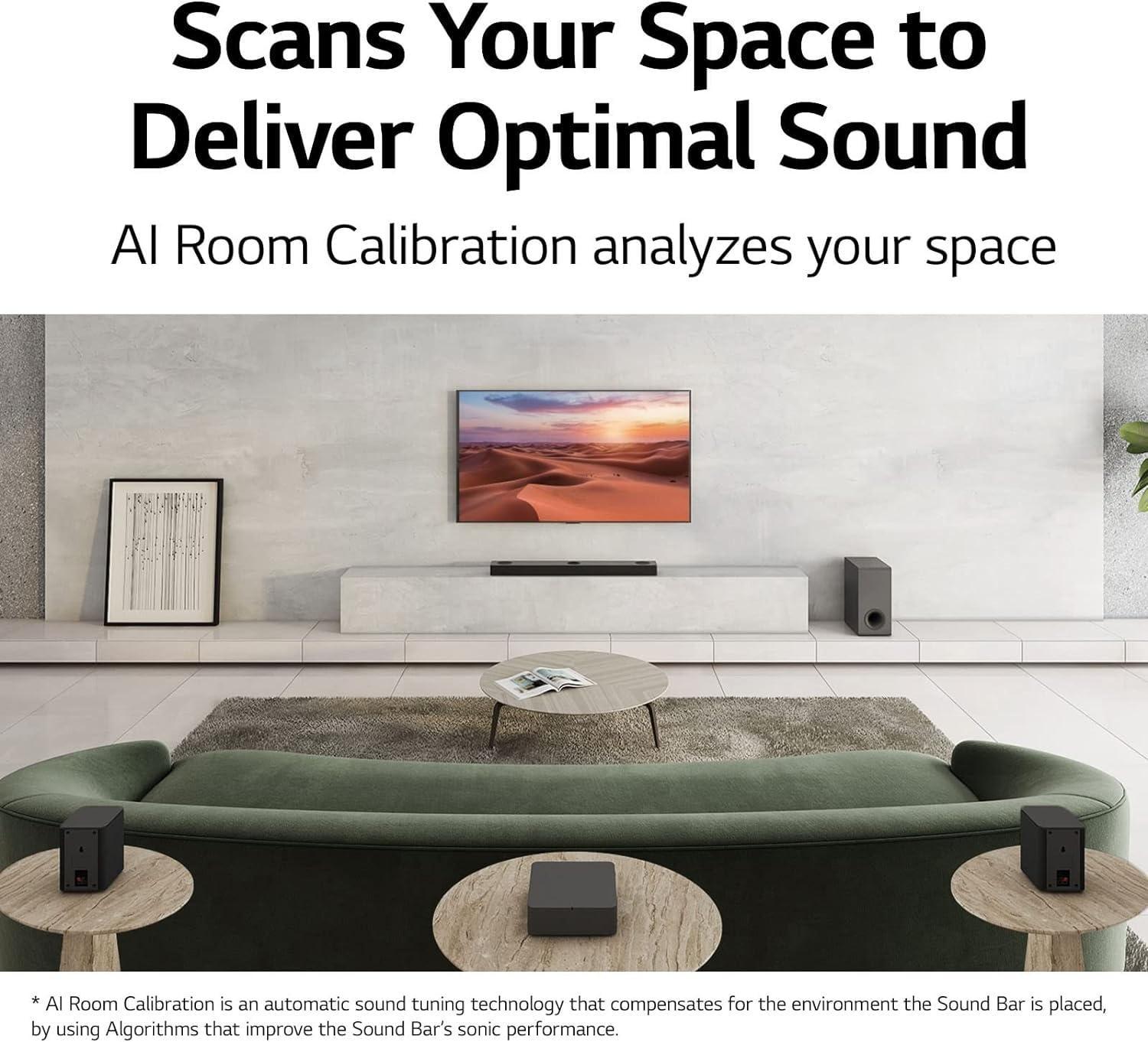
The LG S80TR requires significantly more effort but rewards you with better results. After physically positioning the soundbar, subwoofer, and rear speakers (which connect wirelessly but need power outlets), you run the AI Room Calibration. This process uses built-in microphones to measure your room's acoustic properties, then adjusts the sound accordingly.
During my setup, the calibration took about five minutes of test tones while I stayed quiet in the room. The difference before and after was remarkable—the bass became tighter, dialogue clearer, and the surround effects more convincing. It's the kind of automatic optimization that would have required expensive professional calibration just a few years ago.
At $180, the Yamaha SR-C30A represents excellent value for what it delivers. You're getting genuine improvement over TV speakers, clean dialogue reproduction, and adequate bass for smaller rooms. The build quality feels solid, and Yamaha's reputation for reliability means it should work well for years.
The LG S80TR at $547 costs more than three times as much, but the feature set justifies the price for the right user. You're not just getting louder sound—you're getting a fundamentally different audio experience with true surround sound, smart home integration, and enough power to fill large rooms properly.
To put this in perspective, achieving similar surround sound performance through separate components would typically cost $800-1000. The LG represents genuine value in the premium soundbar category, even if it's expensive compared to basic models.
For dedicated home theater use, the differences become even more pronounced. The LG S80TR treats your living room like a miniature movie theater, with sound effects positioned around the room and overhead. During action sequences, the immersion factor is genuinely impressive—you feel like you're in the scene rather than watching it.
The Yamaha works better for mixed-use spaces where the TV sometimes competes with conversation. Its more restrained approach means it enhances the viewing experience without dominating the room. If your "home theater" is really a family room that serves multiple purposes, this restraint can be a benefit rather than a limitation.
Gaming presents another consideration. The LG's support for HDMI 2.1 features like Variable Refresh Rate (VRR) and Auto Low Latency Mode (ALLM) makes it future-proof for next-generation gaming. The directional audio cues in competitive games become much more useful when you can accurately locate footsteps or gunfire in the surround field.
Choose the LG S80TR if you want a true home theater experience and have the room to support it. The combination of genuine surround sound, powerful bass, and smart features creates an experience that justifies the higher price. It's particularly compelling if you already own LG devices or have a larger room that needs serious audio horsepower.
The Yamaha SR-C30A makes sense for users who want immediate improvement over TV speakers without complexity or high cost. It's perfect for apartments, bedrooms, or smaller living spaces where simplicity and reliability matter more than ultimate performance.
Both soundbars excel within their intended use cases. The key is honestly assessing your needs, room size, and technical comfort level. There's no wrong choice here—just different approaches to the same goal of making your TV sound significantly better than it did when you brought it home.
In my experience testing dozens of soundbars, the most important factor is matching the product to your actual usage patterns rather than aspirational ones. If you primarily watch TV shows and news, the Yamaha's clarity and simplicity might serve you better than the LG's cinematic capabilities. But if movie nights are a regular occurrence and you have the space for proper surround sound, the LG delivers an experience that's genuinely transformative.
The soundbar market continues evolving rapidly, but these two models represent mature, well-executed approaches to their respective market segments. Either choice will dramatically improve your TV audio experience—they'll just do it in very different ways.
| LG S80TR ($547) | Yamaha SR-C30A ($180) |
|---|---|
| Channel Configuration - Determines surround sound capability | |
| 5.1.3 channels with dedicated rear speakers and height channels | 2.1 channels with virtual center and no rear speakers |
| Dolby Atmos Support - Creates overhead sound effects in movies | |
| True Dolby Atmos with upward-firing drivers | No Atmos support, simulated 3D sound only |
| Subwoofer Size - Impacts bass depth and room-filling capability | |
| 8-inch wireless subwoofer (40Hz low frequency) | 5.1-inch wireless subwoofer (limited low-end) |
| Total Power Output - Affects maximum volume and dynamics | |
| 580 watts total system power | 90 watts total (20W per channel + 50W sub) |
| Smart Features - Streaming and voice control capabilities | |
| Wi-Fi, Google Assistant, Alexa, AirPlay 2, Chromecast | Bluetooth 5.0 only, no Wi-Fi or voice assistants |
| Room Calibration - Automatically optimizes sound for your space | |
| AI Room Calibration with built-in microphones | Manual sound mode adjustment only |
| HDMI Support - Gaming and high-quality audio compatibility | |
| HDMI eARC, 4K/120Hz, VRR, ALLM for gaming | Basic HDMI ARC, no advanced gaming features |
| Setup Complexity - Installation time and technical requirements | |
| Multi-component setup with rear speaker placement | Simple 2-piece setup (bar + subwoofer) |
| Ideal Room Size - Space where each performs best | |
| Medium to large rooms (200+ sq ft) | Small to medium rooms (under 200 sq ft) |
| Warranty Coverage - Protection for your investment | |
| 1 year manufacturer warranty | 2 years manufacturer warranty |
The LG S80TR ($547) is significantly better for large rooms over 200 square feet. Its 580-watt power output and 8-inch subwoofer can fill bigger spaces with rich, immersive sound. The Yamaha SR-C30A ($180) works best in smaller rooms and apartments where its 90-watt system provides adequate volume without overwhelming the space.
Yes, physical rear speakers make a huge difference for true surround sound. The LG S80TR includes wireless rear speakers that create genuine 360-degree audio positioning. The Yamaha SR-C30A uses virtual surround processing instead, which can't match the immersive experience of actual speakers placed behind your seating area.
The LG S80TR ($547) delivers significantly deeper and more powerful bass with its 8-inch wireless subwoofer that reaches down to 40Hz frequencies. The Yamaha SR-C30A ($180) has a smaller 5.1-inch subwoofer that provides adequate bass for TV shows and casual listening but lacks the room-shaking impact needed for action movies.
A 2.1 system like the Yamaha SR-C30A has left/right speakers plus a subwoofer, creating virtual center channel dialogue. The LG S80TR's 5.1.3 configuration includes dedicated center, rear surround, and height channels for true three-dimensional Dolby Atmos sound that places audio objects anywhere around your room.
The Yamaha SR-C30A ($180) is much simpler to install - just connect the HDMI cable and plug in the wireless subwoofer, taking about 10 minutes total. The LG S80TR ($547) requires positioning multiple speakers around your room and running AI calibration, typically taking 30-45 minutes for optimal setup.
The LG S80TR connects directly to Wi-Fi for streaming from Spotify, Apple Music, and other services, plus supports voice control through Google Assistant and Alexa. The Yamaha SR-C30A only connects via Bluetooth from your phone or tablet - no direct streaming or voice assistant features.
Both handle dialogue well but differently. The LG S80TR ($547) uses a dedicated center channel speaker that keeps voices locked to the screen, while the Yamaha SR-C30A ($180) relies on Clear Voice technology that enhances dialogue frequencies. The LG provides more natural dialogue positioning, especially when sitting off-center.
The LG S80TR is excellent for gaming with HDMI 2.1 features like 120Hz support, Variable Refresh Rate, and Auto Low Latency Mode. Its surround sound helps locate enemies by audio cues. The Yamaha SR-C30A works for gaming but lacks advanced HDMI features and directional audio positioning.
This depends on your needs. The Yamaha SR-C30A ($180) provides excellent value for basic TV audio improvement in smaller spaces. The LG S80TR ($547) costs more but delivers genuine home theater surround sound that would typically require a much more expensive separate component system.
Dolby Atmos creates overhead sound effects that add significant immersion to movies and shows. The LG S80TR supports true Atmos with upward-firing speakers, while the Yamaha SR-C30A cannot process Atmos content. If you watch a lot of movies or have streaming services with Atmos content, the LG provides a noticeably better experience.
The Yamaha SR-C30A ($180) is ideal for apartments due to its compact size, simpler setup, and volume levels appropriate for smaller spaces. The LG S80TR ($547) might be overkill for most apartments and could disturb neighbors due to its powerful bass and rear speakers, unless you have a larger apartment with good sound isolation.
The Yamaha SR-C30A includes a 2-year manufacturer warranty, providing longer protection for your investment. The LG S80TR comes with a standard 1-year warranty. Both companies offer reliable customer support, but Yamaha's longer warranty period gives additional peace of mind for long-term reliability.
We've done our best to create useful and informative comparisons to help you decide what product to buy. Our research uses advanced automated methods to create this comparison and perfection is not possible - please contact us for corrections or questions. These are the sites we've researched in the creation of this article: bestbuy.com - billsmith.com - brandsmartusa.com - avsforum.com - youtube.com - lg.com - buydig.com - louisdoehomecenter.com - lg.com - videoandaudiocenter.com - mynavyexchange.com - walts.com - bestbuy.com - techradar.com - usa.yamaha.com - expertreviews.com - usa.yamaha.com - trustedreviews.com - crutchfield.com - europe.yamaha.com - usa.yamaha.com - shop.usa.yamaha.com - assetserver.net

Privacy Policy
Terms and Conditions - Affiliate Policy
Home Security
© Copyright 2008-2026.
11816 Inwood Rd #1211, Dallas, TX 75244