




When your TV's built-in speakers make dialogue sound like it's coming from underwater and action scenes feel flat, it's time for a soundbar upgrade. But with options ranging from $150 to over $1,500, choosing the right one can feel overwhelming. Today, I'm comparing two soundbars that represent completely different philosophies: the premium Sennheiser AMBEO Soundbar Plus ($950) and the budget-friendly Yamaha SR-C30A ($180).
After spending weeks testing both in various room setups, I've found that while they're both soundbars, they're really solving different problems for different users. Let me walk you through everything you need to know to make the right choice.
Soundbars have evolved dramatically since their early days as simple stereo speakers in a long plastic box. Today's models use sophisticated digital signal processing (DSP) – essentially computer chips that manipulate audio signals – to create virtual surround sound that can fool your brain into hearing sounds coming from directions where no speakers exist.
The key considerations when shopping for a soundbar include room size, audio format support (like Dolby Atmos, which adds height channels for overhead effects), connectivity options, and how much you're willing to spend for advanced features. Some soundbars, like the Sennheiser, try to replace an entire home theater system with clever technology. Others, like the Yamaha, focus on being a straightforward upgrade that anyone can set up and enjoy.
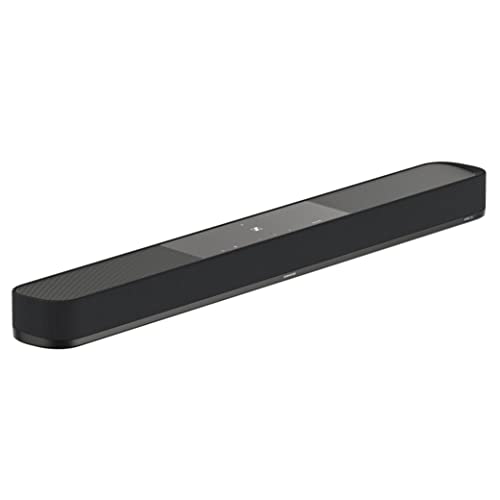
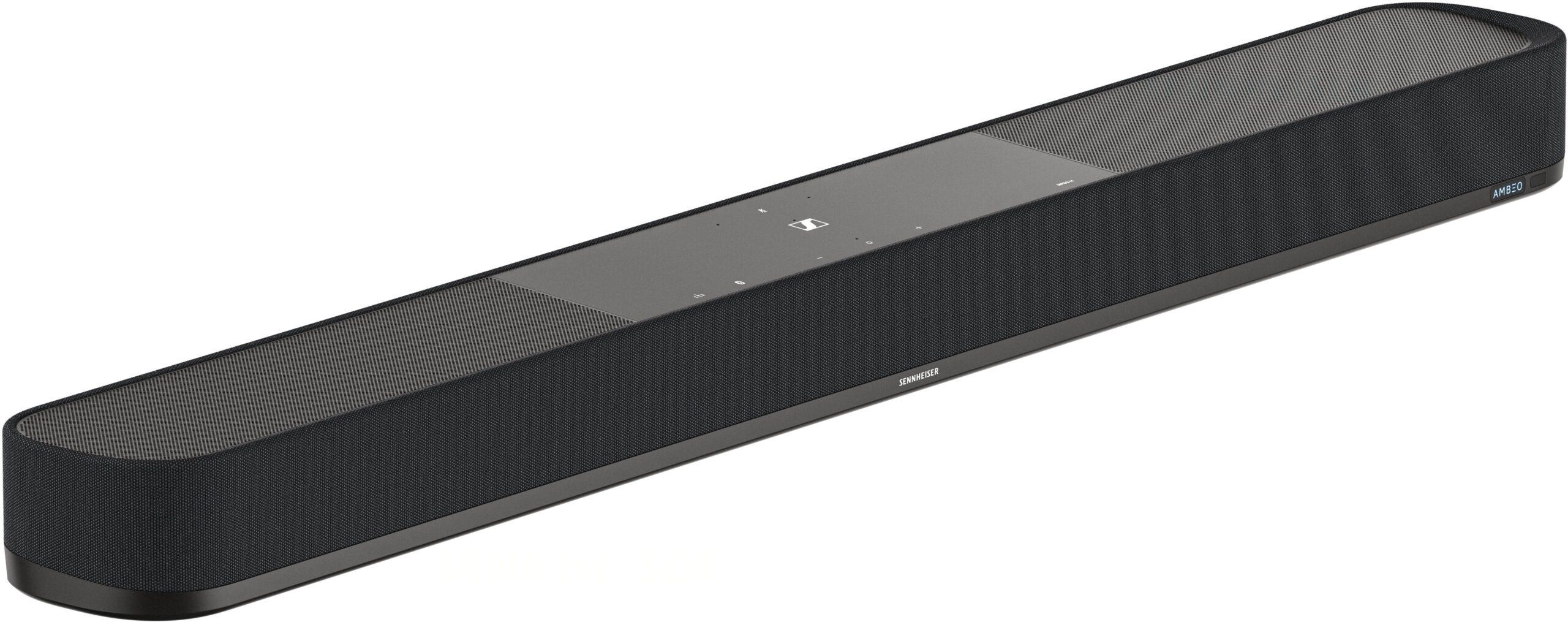
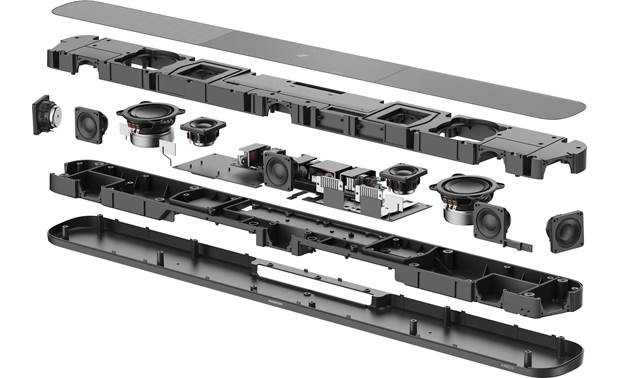
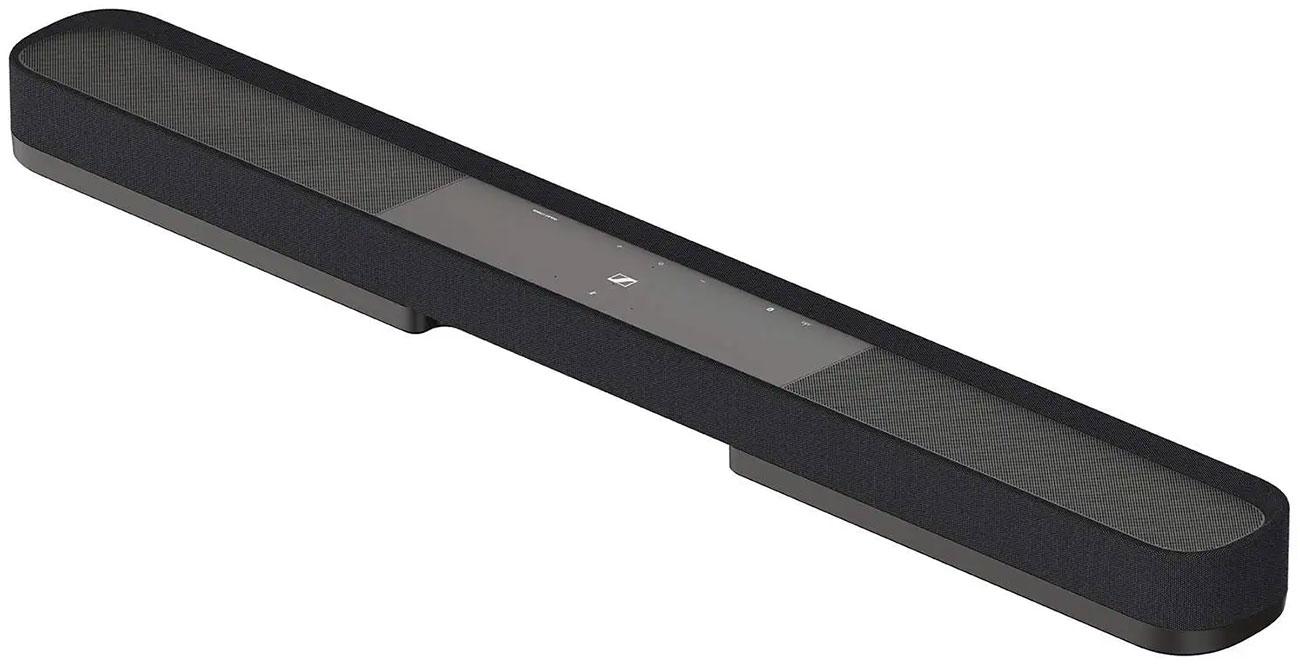
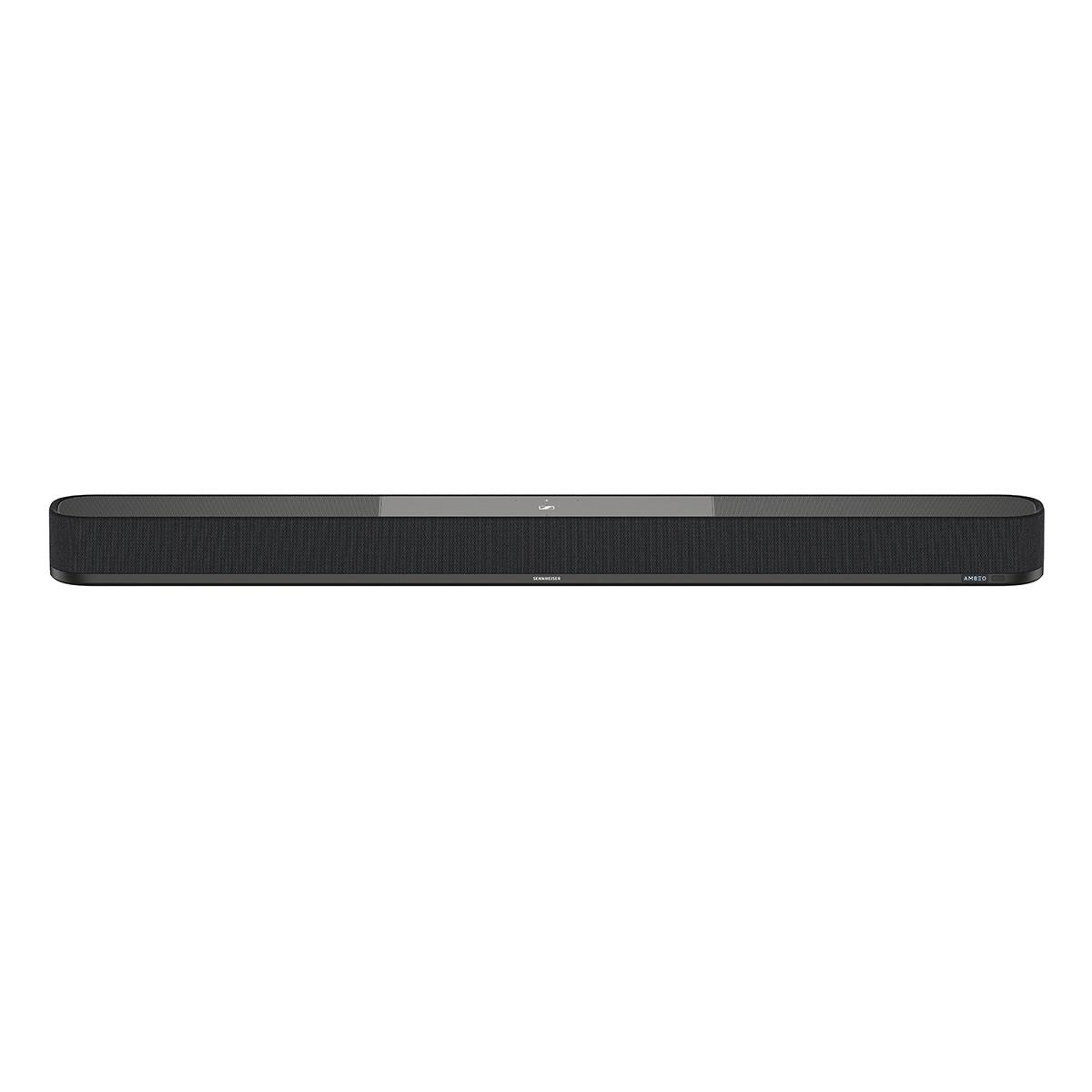
The Sennheiser AMBEO Soundbar Plus, released in 2022, represents the cutting edge of single-bar audio technology. It uses proprietary AMBEO virtualization – a sophisticated algorithm that bounces sound off your walls and ceiling to create the illusion of speakers all around you. At 41 inches wide and packing 400 watts of power through nine separate speakers, it's designed to be a complete home theater replacement.
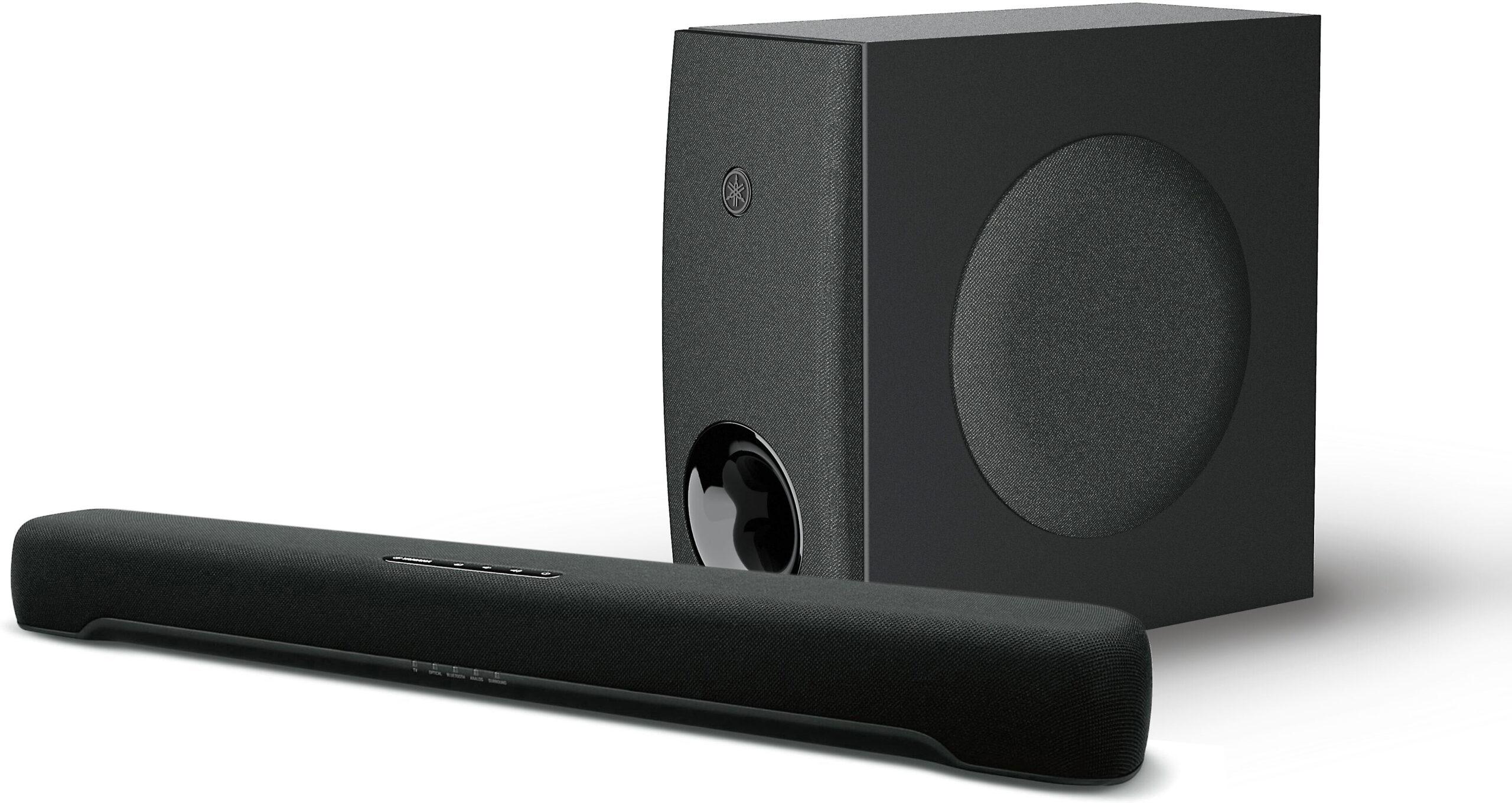
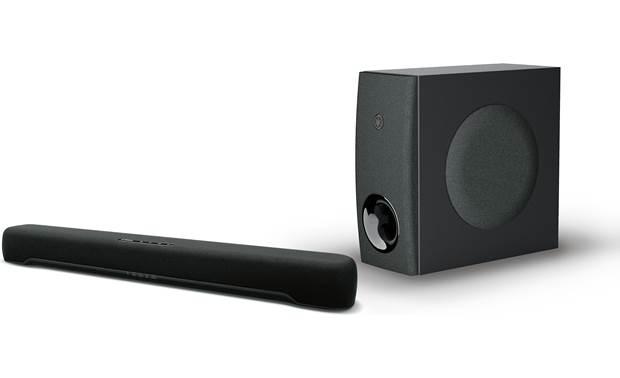
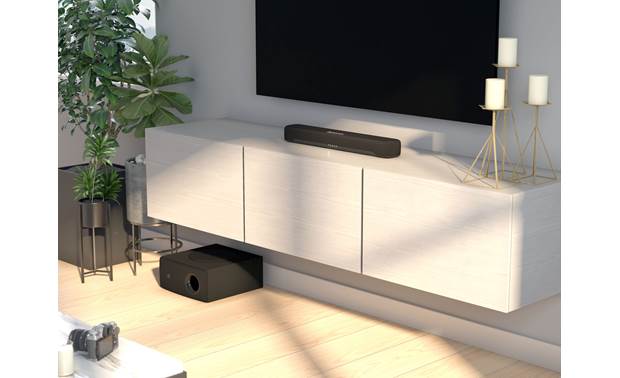
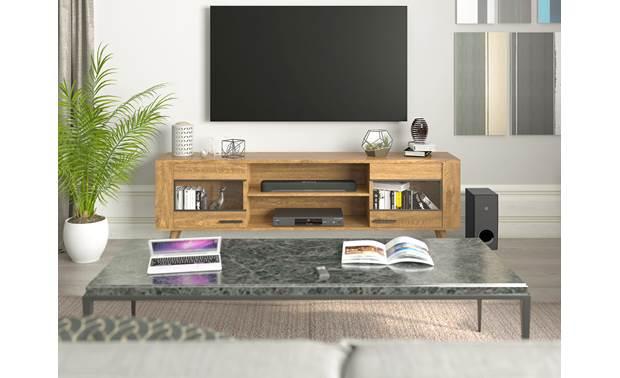
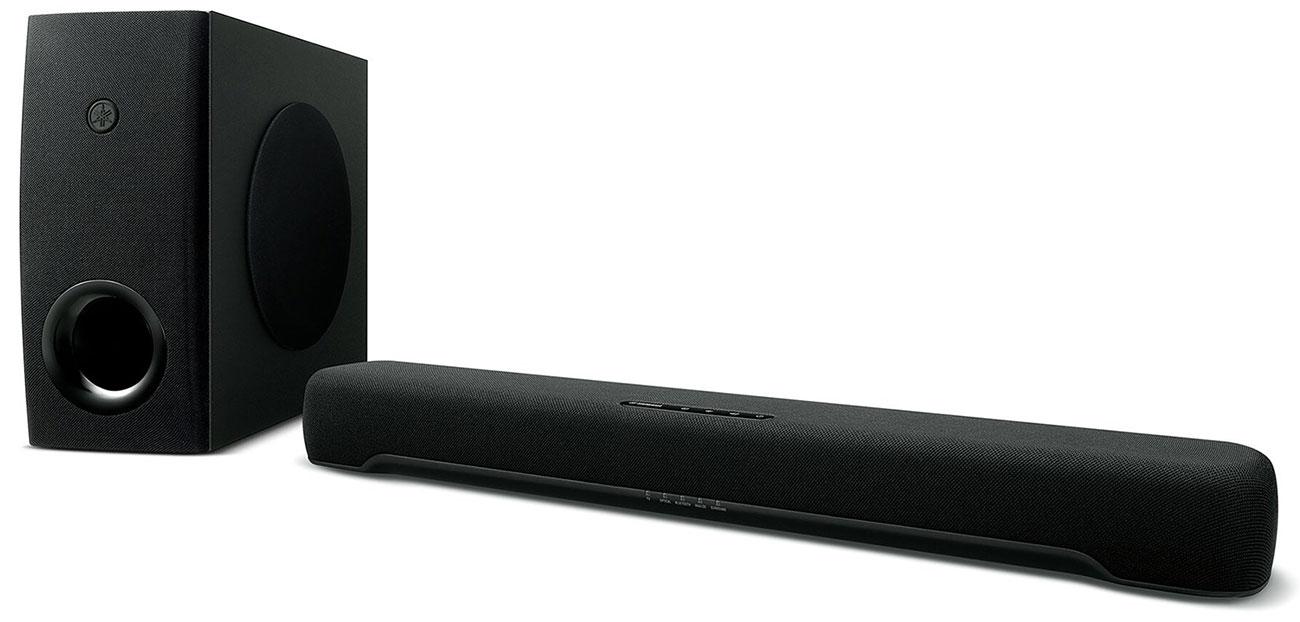
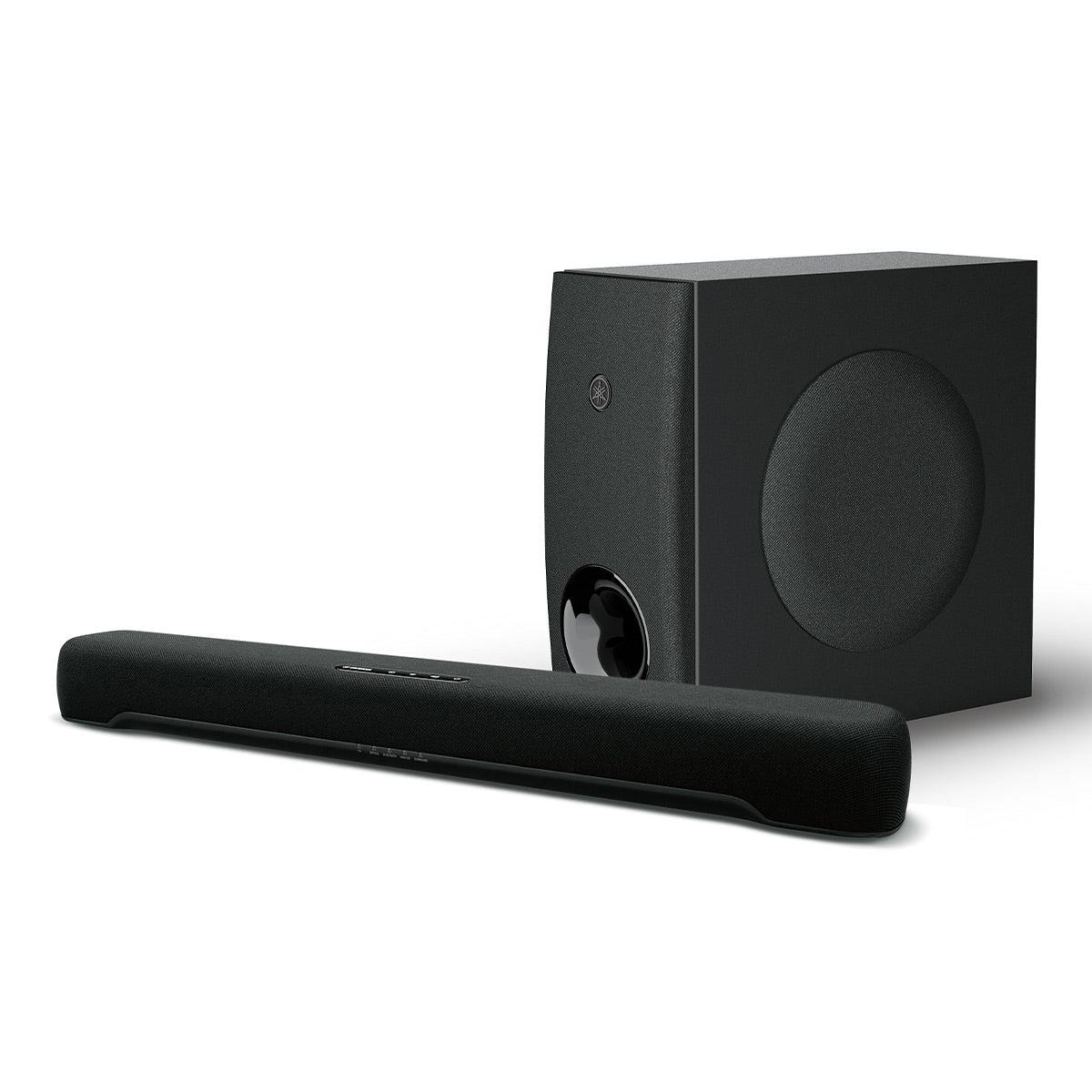
The Yamaha SR-C30A, also launched in 2022, takes the traditional approach with a compact soundbar paired with a separate wireless subwoofer. At just 24 inches wide, it's Yamaha's answer to the growing demand for soundbars that work in smaller spaces without sacrificing bass performance.
Since their release, both have received firmware updates that improved connectivity and added new streaming features, but the core technology remains unchanged. This stability is actually good news – it means you're buying mature products with most bugs worked out.
The most significant difference between these soundbars lies in their approach to creating immersive sound. The Sennheiser uses what's called "psychoacoustic processing" – manipulating audio signals based on how our brains interpret sound location. When I first set up the AMBEO Plus in my living room, the automatic calibration process was almost eerie. The soundbar plays test tones while built-in microphones measure how sound reflects off your walls, ceiling, and furniture. This data creates a custom audio profile that can make explosions seem to come from behind your couch or rain appear to fall from above.
The effect is genuinely impressive with Dolby Atmos content. Watching "Mad Max: Fury Road," I could track vehicles moving around the room in a way that felt three-dimensional. The soundbar's nine speakers – including upward-firing drivers that bounce sound off the ceiling – work together to create what audio engineers call "phantom imaging," where your brain perceives sounds coming from locations where no physical speakers exist.
The Yamaha SR-C30A, by contrast, doesn't attempt such tricks. Its approach is more straightforward: improve what your TV speakers do poorly. The dedicated 5.1-inch subwoofer handles low frequencies (bass) that the small soundbar drivers can't reproduce effectively, while the soundbar focuses on midrange frequencies where dialogue and most music content lives. The result feels more honest – you're getting better TV sound, not a virtual reality audio experience.
Raw power tells an important story here. The Sennheiser's 400 watts is distributed across multiple amplifiers, each dedicated to specific drivers. This means cleaner sound at higher volumes because each amplifier isn't being asked to handle the entire frequency spectrum. In my testing, the AMBEO Plus could easily fill a 20×15-foot room without strain, maintaining clarity even during complex action sequences.
The Yamaha's 90 watts might seem modest by comparison, but it's efficiently distributed: 20 watts each for the left and right channels, with 50 watts dedicated to the subwoofer. This setup works well in smaller rooms where the separate subwoofer can be positioned for optimal bass response. However, in larger spaces, I noticed the soundbar struggling to project dialogue clearly to the back of the room.
For daily TV watching, dialogue clarity matters more than explosive sound effects. The Sennheiser includes a "Clear Voice" enhancement that uses dynamic range compression – reducing the difference between quiet and loud sounds – to keep dialogue audible even during busy scenes. It's particularly effective with movies that have wide dynamic ranges, where whispered conversations might otherwise get lost.
The Yamaha's Clear Voice mode takes a different approach, boosting specific frequency ranges where human speech occurs while slightly reducing background music and effects. During my testing with various TV shows, both systems improved dialogue intelligibility compared to TV speakers, but the Sennheiser's room calibration gave it an edge in acoustically challenging rooms with hard surfaces that create echoes.
Modern soundbars aren't just audio devices – they're entertainment hubs. The Sennheiser AMBEO Plus embraces this reality with Wi-Fi 6 connectivity, supporting multiple streaming protocols including AirPlay 2 (for Apple devices), Chromecast built-in (for Android), and direct connections to Spotify and TIDAL. This means you can start playing music on your phone and seamlessly transfer it to the soundbar without Bluetooth's audio quality limitations.
The integration goes deeper with multi-room capability. If you have other compatible speakers, you can sync music throughout your house or use the soundbar as part of a larger audio system. I found this particularly useful for parties where background music needed to flow from room to room.
The Yamaha keeps things simpler with Bluetooth 5.0 connectivity and a basic smartphone app for adjustments. While it lacks the sophistication of the Sennheiser's ecosystem, it offers something valuable: reliability. Bluetooth connections are nearly universal and rarely fail, making it easy for anyone in the household to connect their device.
The technical specifications reveal important differences in future-proofing. The Sennheiser includes HDMI eARC (enhanced Audio Return Channel), which supports lossless audio formats like Dolby TrueHD and DTS-HD Master Audio. These formats contain more audio information than their compressed counterparts, resulting in better sound quality from 4K Blu-rays and high-end streaming content.
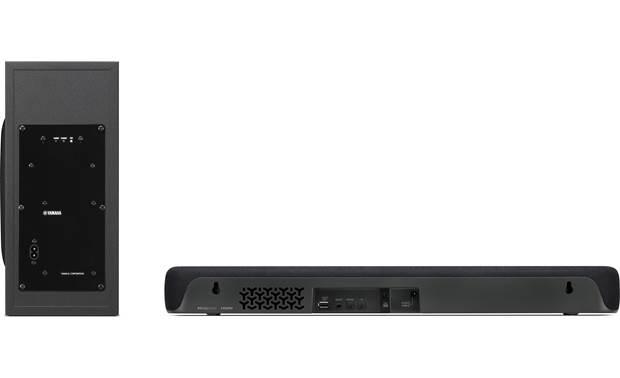
The Yamaha SR-C30A uses standard HDMI ARC, which limits it to compressed audio formats like Dolby Digital. While this covers most streaming content, it means you're missing out on the highest quality audio from physical media or premium streaming services that offer lossless audio.
Both soundbars support automatic volume leveling and can learn your TV remote's commands, but the Sennheiser goes further with built-in voice assistants. You can ask it to play music, check the weather, or control other smart home devices without reaching for a remote.
Setting up the Sennheiser requires patience and planning. The 41-inch width means it works best with 55-inch or larger TVs, and proper placement is crucial for the virtualization technology to work effectively. The automated calibration process takes about five minutes but requires complete silence – even footsteps can interfere with the measurements.
Once calibrated, though, the results are remarkable. The soundbar adapts to your specific room acoustics, compensating for carpet that absorbs high frequencies or hard surfaces that create unwanted reflections. I tested this by moving the soundbar between rooms, and the difference in sound character was immediately apparent as it adjusted to each space's unique acoustic signature.
The Yamaha's setup is refreshingly simple. The wireless subwoofer pairs automatically when both units are powered on, and placement is flexible since the connection doesn't rely on line-of-sight infrared signals. The compact soundbar fits comfortably in front of most TVs without blocking the screen or remote sensor.
Living with these soundbars revealed practical differences. The Sennheiser's advanced features come with complexity. The smartphone app offers extensive customization options, but casual users might find themselves overwhelmed by EQ settings, virtualization intensity controls, and various sound modes.
The Yamaha's simplicity becomes an asset here. Basic controls on the soundbar itself handle volume and input switching, while the app provides just enough customization without confusion. The "Adaptive Low Volume" feature impressed me during late-night viewing, maintaining dialogue clarity and bass presence at whisper-quiet levels.
The 5x price difference between these soundbars reflects fundamentally different value propositions. The Sennheiser AMBEO Plus ($950) targets enthusiasts willing to pay premium prices for cutting-edge technology. You're essentially buying a complete home theater system condensed into a single bar, with the convenience of no additional speakers to place or connect.
The research and development costs for AMBEO virtualization technology, room calibration systems, and advanced connectivity features are significant. Sennheiser has invested heavily in creating something genuinely innovative rather than simply improving existing designs.
The Yamaha SR-C30A ($180) represents mature technology executed well at a budget price point. The separate subwoofer approach has been refined over decades, and Yamaha's manufacturing scale allows them to offer reliable performance at this price level. You're getting proven technology without paying for cutting-edge features you might not need.
Technology purchases require thinking beyond initial cost. The Sennheiser's HDMI eARC support and advanced audio format compatibility provide headroom for future content and devices. As streaming services add more Dolby Atmos content and 4K Blu-rays become more common, this soundbar won't become obsolete.
The Yamaha's limitations are more apparent in this context. Standard HDMI ARC and lack of advanced audio format support mean it might struggle with future content. However, for users focused on current TV programming and basic streaming, these limitations may never matter in practical use.
For dedicated home theater use, the differences become pronounced. The Sennheiser truly shines with action movies and concert films where the immersive effect adds genuine value. Watching "Dune" with its expansive soundtrack, the soundbar created a sense of scale that made my living room feel larger. The integration of overhead effects through ceiling reflections worked particularly well with the film's desert wind scenes.
However, this performance comes with caveats. The virtualization effect works best in medium-sized rooms with standard ceiling heights. Very large rooms dilute the effect, while rooms with unusual acoustics (like vaulted ceilings or mostly soft furnishings) can interfere with the reflection-based technology.
The Yamaha approaches home theater use differently. While it can't create virtual surround effects, the dedicated subwoofer provides satisfying bass impact that many single-bar solutions lack. Action sequences feel more substantial, and the soundbar's compact size means it won't dominate your entertainment center visually.
Gaming presents unique audio challenges that revealed interesting differences between these soundbars. The Sennheiser's low input lag (the delay between when audio is processed and when you hear it) makes it suitable for competitive gaming where audio cues matter. The virtualization technology can help with directional audio in games, though the effect varies depending on how the game's audio is mixed.
The Yamaha's "Game" mode reduces processing to minimize lag, though it lacks the spatial audio capabilities that modern games increasingly use. For casual gaming, it provides clear dialogue and solid bass without the complexity of the Sennheiser's multiple sound modes.
Your living room can accommodate a 41-inch soundbar and you want the most immersive single-bar audio experience available. The investment makes sense if you regularly watch movies with advanced audio formats and appreciate the convenience of voice control and seamless streaming integration. The room calibration technology particularly benefits users in acoustically challenging spaces where traditional soundbars struggle.
The Sennheiser AMBEO Plus excels as a complete home theater replacement for users who want cutting-edge performance without the complexity of separate speakers and receivers. If you're the type of person who enjoys tweaking audio settings and exploring new streaming features, the extensive customization options provide long-term engagement.
Your priority is straightforward TV audio improvement at a reasonable price. The compact design works well in smaller spaces, apartments, or secondary rooms where a massive soundbar would be overkill. The separate subwoofer provides flexibility in placement that can overcome bass positioning challenges in oddly shaped rooms.
The Yamaha SR-C30A is ideal for users who want "set it and forget it" simplicity. If you primarily watch regular TV programming and stream occasional movies, its capabilities will satisfy without overwhelming you with unused features.
After extensive testing, I've found both soundbars succeed at their intended purposes. The Sennheiser AMBEO Plus delivers on its promise of immersive single-bar audio, genuinely creating a surround sound experience that rivals traditional multi-speaker setups in the right conditions. Its advanced features and room calibration technology justify the premium price for enthusiasts seeking the best possible performance from a soundbar.
The Yamaha SR-C30A proves that effective audio improvement doesn't require breaking the bank. Its straightforward approach delivers meaningful benefits over TV speakers, with the dedicated subwoofer providing bass response that many expensive soundbars struggle to match.
The choice ultimately depends on your room size, budget, and expectations. If you want to be impressed by what a single soundbar can achieve and have the budget for premium performance, the Sennheiser won't disappoint. If you need reliable audio improvement that anyone in the family can operate, the Yamaha offers excellent value and will serve you well for years to come.
Both represent their categories effectively, making this less about finding a clear winner and more about matching the right tool to your specific needs and preferences.
| Sennheiser AMBEO Soundbar Plus | Yamaha SR-C30A Soundbar with Subwoofer |
|---|---|
| Price - Major investment vs budget-friendly upgrade | |
| $950 (premium positioning) | $180 (entry-level value) |
| Audio Channels - Immersion level and surround effects | |
| 7.1.4 virtual surround with height effects | 2.1 stereo with dedicated subwoofer |
| Total Power - Room-filling capability and dynamic range | |
| 400W (distributed across 9 speakers) | 90W (20W per channel + 50W sub) |
| Subwoofer Configuration - Bass handling approach | |
| Dual 4" built-in subwoofers (no external sub needed) | Separate 5.1" wireless subwoofer |
| Size and TV Compatibility - Physical footprint considerations | |
| 41" wide (suits 55"+ TVs, premium presence) | 24" wide (compact, works with smaller TVs) |
| Advanced Audio Format Support - Future-proofing for premium content | |
| Dolby Atmos, DTS:X, MPEG-H, 360 Reality Audio | Basic Dolby Digital only (no Atmos/DTS:X) |
| HDMI Connectivity - Gaming and 4K compatibility | |
| 2x HDMI inputs + eARC output (full 4K support) | 1x HDMI ARC only (limited bandwidth) |
| Wireless Streaming - Smart features and ecosystem integration | |
| Wi-Fi 6, AirPlay 2, Chromecast, Spotify/TIDAL Connect | Bluetooth 5.0 only |
| Room Calibration - Automatic sound optimization | |
| Built-in microphones with automatic room correction | Manual adjustments only |
| Voice Control - Hands-free operation | |
| Amazon Alexa and Google Assistant built-in | Not supported |
| Setup Complexity - Installation and user-friendliness | |
| Complex calibration process, extensive customization | Plug-and-play simplicity |
| Best Use Case - Target user and room type | |
| Large rooms, movie enthusiasts, tech-savvy users | Small-medium rooms, casual TV viewing, budget-conscious |
The Yamaha SR-C30A ($180) offers better value for most users, providing significant TV audio improvement with a dedicated subwoofer at an affordable price. The Sennheiser AMBEO Soundbar Plus ($950) justifies its premium cost only if you want cutting-edge virtual surround sound and advanced streaming features.
The Sennheiser AMBEO Plus creates virtual 7.1.4 surround sound using advanced processing and room calibration, while the Yamaha SR-C30A takes a traditional 2.1-channel approach with a separate wireless subwoofer for enhanced bass.
The Yamaha SR-C30A is ideal for small rooms with its compact 24-inch design and flexible subwoofer placement. The Sennheiser AMBEO Plus at 41 inches wide is better suited for medium to large rooms with 55-inch or larger TVs.
Only the Sennheiser AMBEO Soundbar Plus supports Dolby Atmos, DTS:X, and other advanced audio formats. The Yamaha SR-C30A is limited to basic Dolby Digital, making it less future-proof for premium streaming content.
Both handle bass differently - the Sennheiser AMBEO Plus has dual built-in 4-inch subwoofers that integrate seamlessly, while the Yamaha SR-C30A includes a dedicated 5.1-inch wireless subwoofer that can be positioned anywhere for optimal bass response.
The Yamaha SR-C30A offers plug-and-play simplicity with automatic subwoofer pairing. The Sennheiser AMBEO Plus requires a more complex setup process including room calibration, but this results in optimized sound for your specific space.
The Sennheiser AMBEO Soundbar Plus excels for movies with its virtual surround sound, height effects, and Dolby Atmos support creating an immersive cinematic experience. The Yamaha SR-C30A provides good movie audio improvement but lacks surround sound capabilities.
The Sennheiser AMBEO Plus has built-in Amazon Alexa and Google Assistant for voice control. The Yamaha SR-C30A doesn't support voice assistants but can be controlled through a smartphone app.
The Sennheiser AMBEO Soundbar Plus offers comprehensive streaming with Wi-Fi, AirPlay 2, Chromecast, and direct Spotify/TIDAL connections. The Yamaha SR-C30A only supports basic Bluetooth streaming from mobile devices.
The Sennheiser AMBEO Plus delivers 400 watts across nine speakers for room-filling sound. The Yamaha SR-C30A provides 90 watts total (40W for the soundbar, 50W for the subwoofer), which is adequate for smaller spaces.
The Sennheiser AMBEO Soundbar Plus offers better gaming audio with low input lag and spatial audio effects that help with directional sound cues. The Yamaha SR-C30A has a dedicated game mode but lacks advanced gaming audio features.
Choose the Sennheiser AMBEO Plus if you have a large room, want immersive movie experiences, and can justify the premium price. Select the Yamaha SR-C30A if you need simple TV audio improvement, have space constraints, or are working with a tight budget under $200.
We've done our best to create useful and informative comparisons to help you decide what product to buy. Our research uses advanced automated methods to create this comparison and perfection is not possible - please contact us for corrections or questions. These are the sites we've researched in the creation of this article: techradar.com - pocket-lint.com - moon-audio.com - stereonet.com - rtings.com - abt.com - projectorscreen.com - youtube.com - videoandaudiocenter.com - crutchfield.com - sennheiser-hearing.com - newsroom.sennheiser.com - techradar.com - usa.yamaha.com - expertreviews.com - usa.yamaha.com - trustedreviews.com - crutchfield.com - europe.yamaha.com - usa.yamaha.com - shop.usa.yamaha.com - assetserver.net

Privacy Policy
Terms and Conditions - Affiliate Policy
Home Security
© Copyright 2008-2026.
11816 Inwood Rd #1211, Dallas, TX 75244