






Shopping for a soundbar can feel overwhelming when you're comparing products that seem worlds apart in price and features. The JBL Bar 1000 ($699) and Yamaha SR-C30A ($180-280) represent two completely different approaches to improving your TV's audio, and understanding these differences will help you make the right choice for your home.
Before diving into our comparison, let's establish what makes today's soundbars tick. A soundbar is essentially a horizontal speaker system designed to replace or dramatically improve your TV's built-in speakers. The numbers you see—like 2.1, 5.1, or 7.1.4—tell you how many speakers are working together. The first number represents main speakers (left, right, center), the second indicates subwoofers for bass, and the third (when present) shows height speakers for overhead effects.
Modern soundbars have evolved far beyond simple stereo upgrades. They now incorporate sophisticated digital signal processing (DSP)—computer algorithms that manipulate audio signals to create different listening experiences. Some use physical speakers positioned throughout your room, while others rely on psychoacoustic tricks to make your brain think sounds are coming from places they're not.
The technology landscape has shifted dramatically in recent years. Dolby Atmos, which creates three-dimensional sound by bouncing audio off your ceiling, has become increasingly mainstream. Wireless connectivity has improved, reducing the cable clutter that once plagued home theater setups. Smart features now allow soundbars to stream music directly from the internet, bypassing your TV entirely.
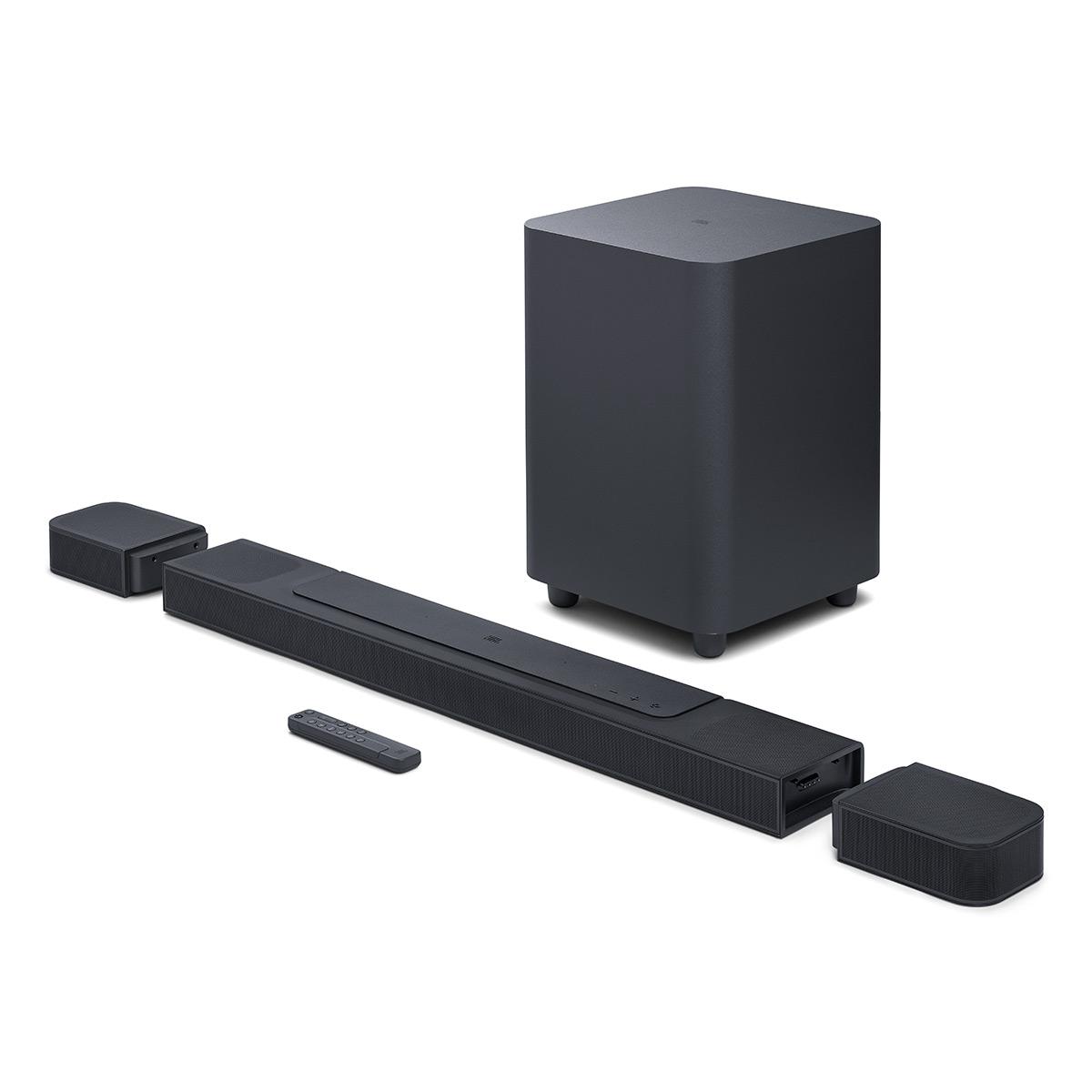
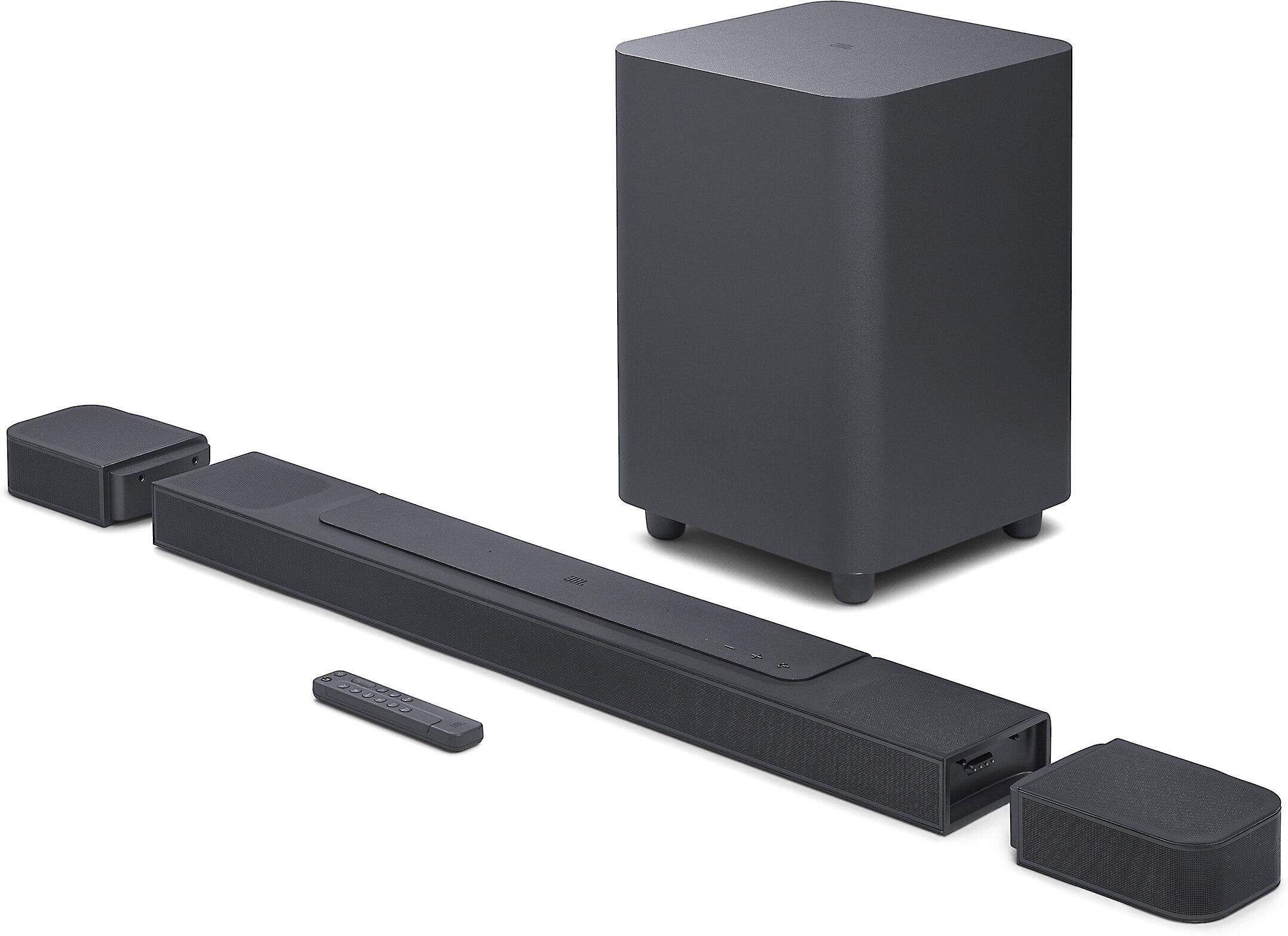
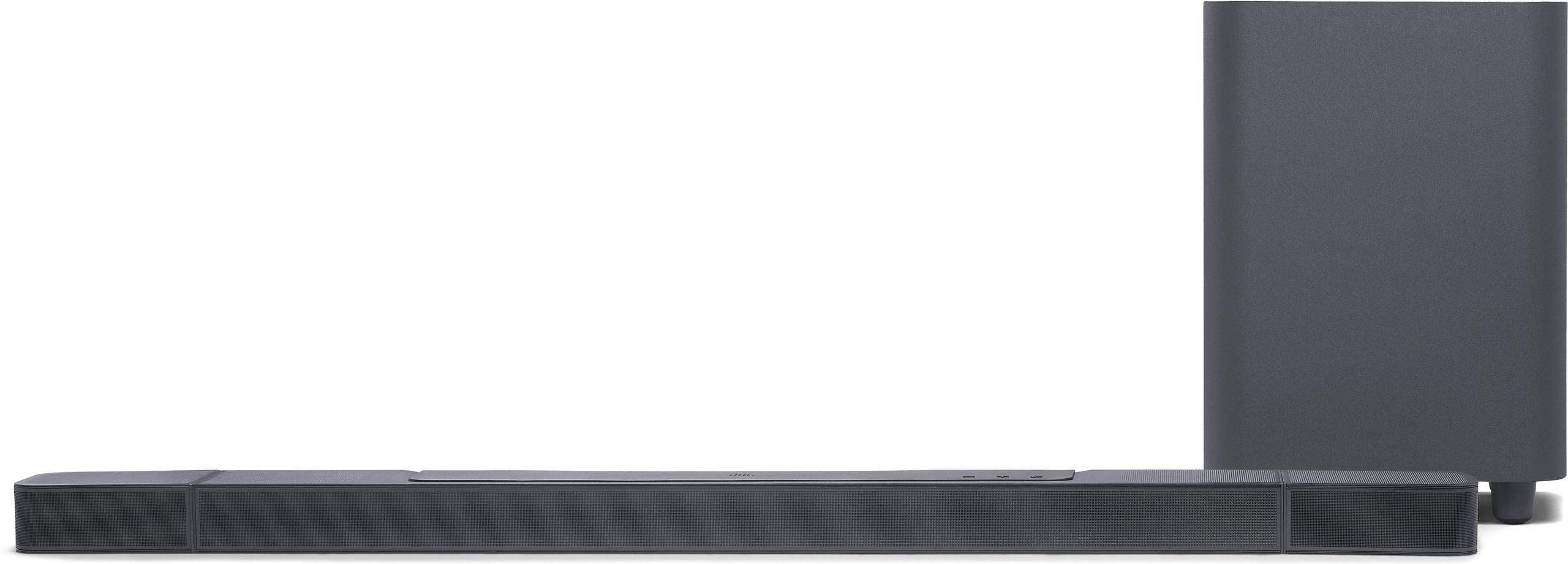
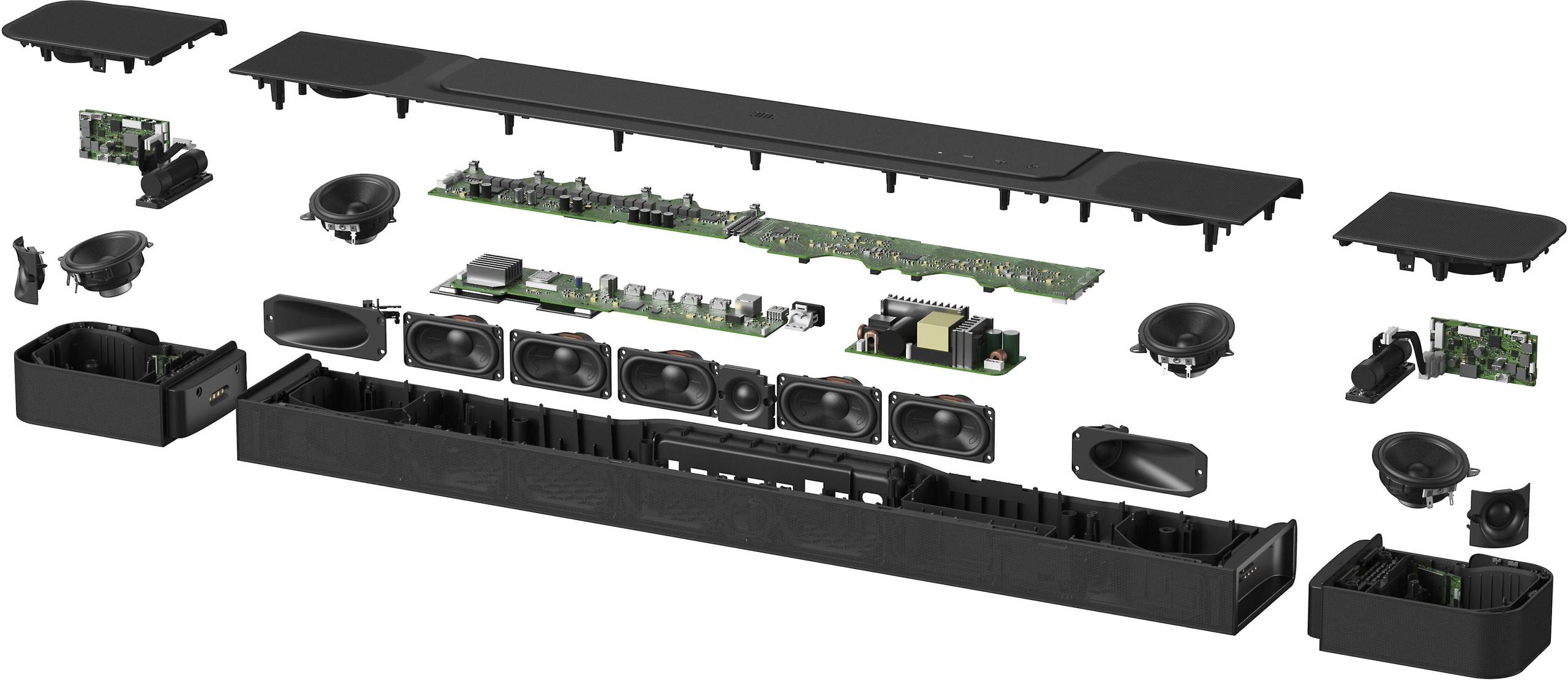
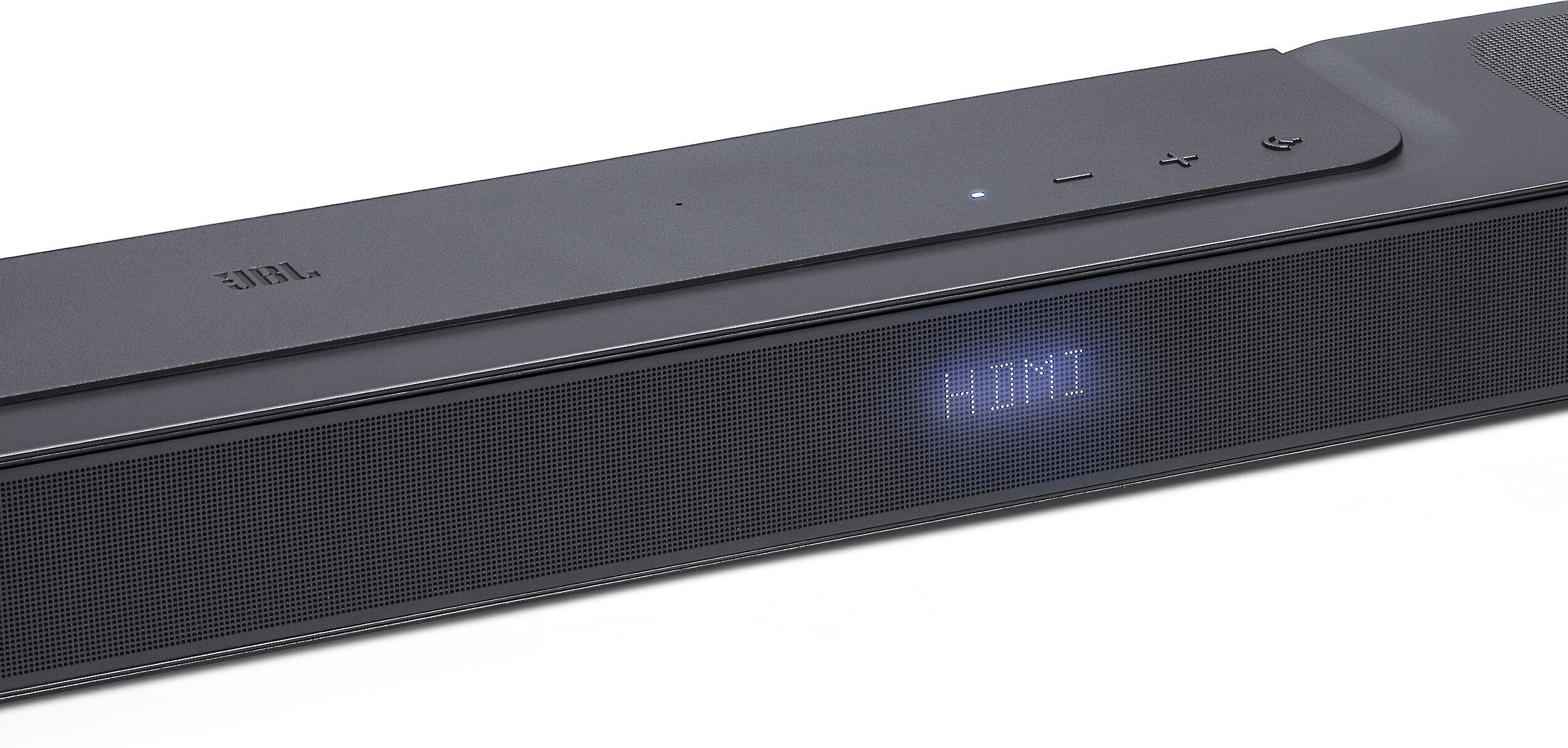
The JBL Bar 1000, released in 2022, represents JBL's flagship soundbar technology. It's built around the concept of true surround sound—meaning it uses actual speakers positioned around your room rather than audio tricks to simulate the effect. The system includes a main soundbar, wireless subwoofer, and two detachable rear speakers that can operate independently.
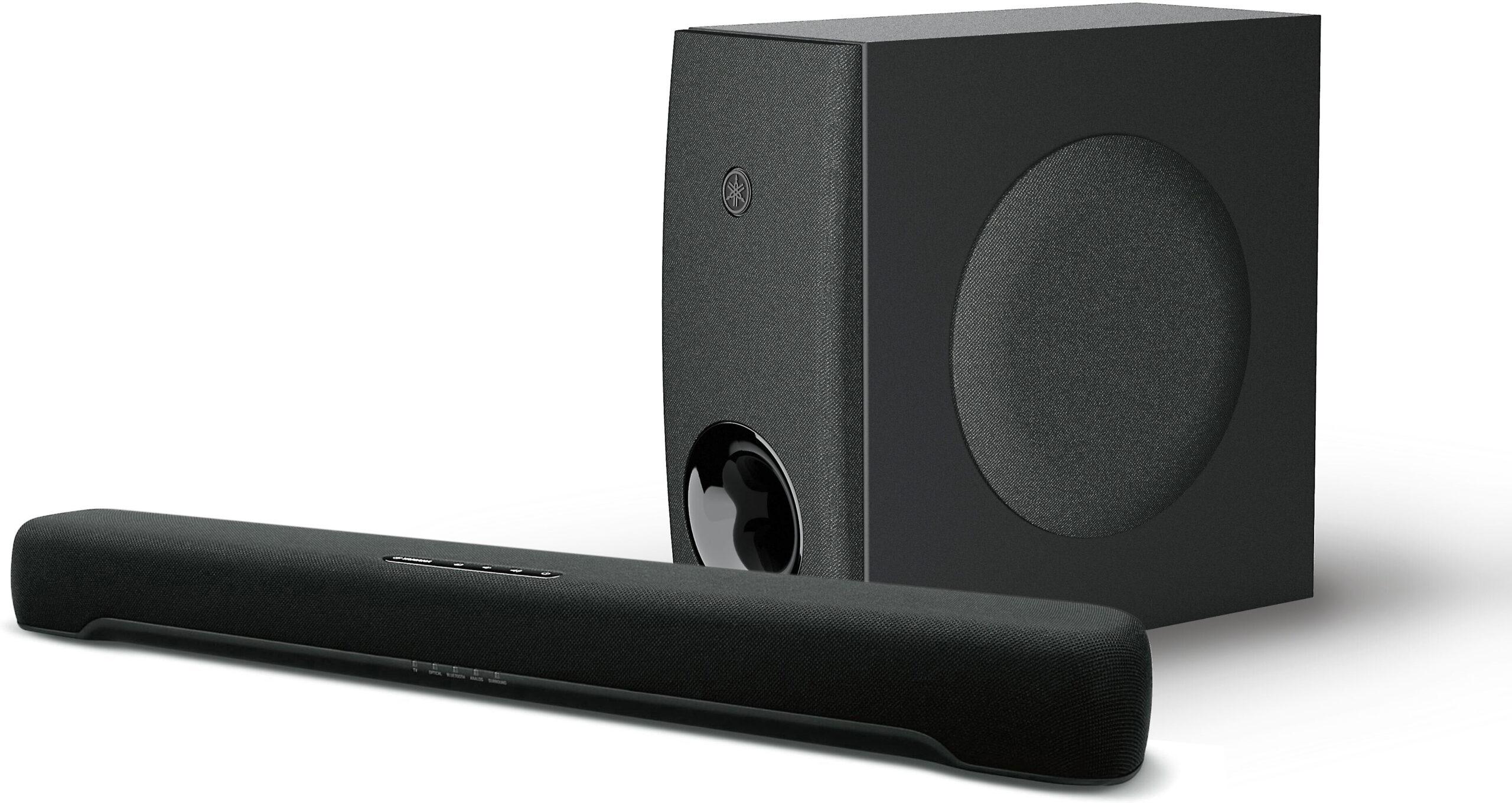
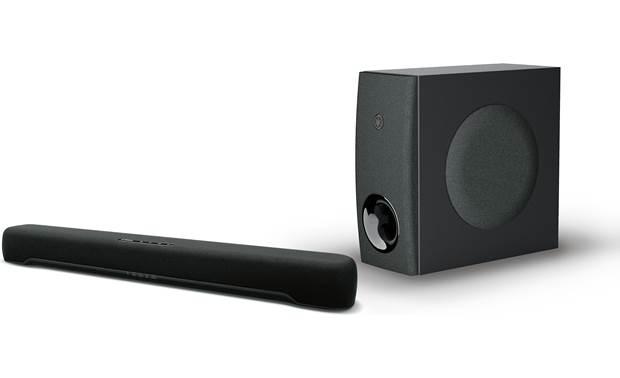
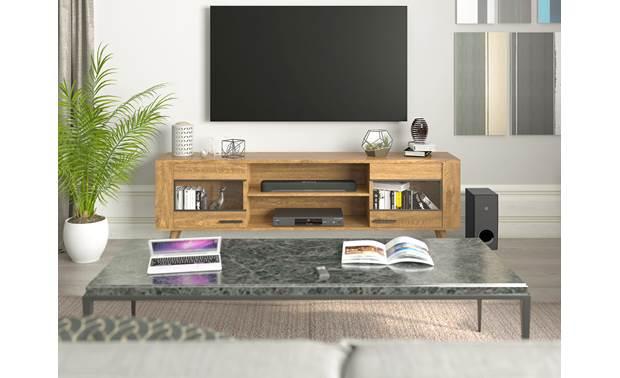
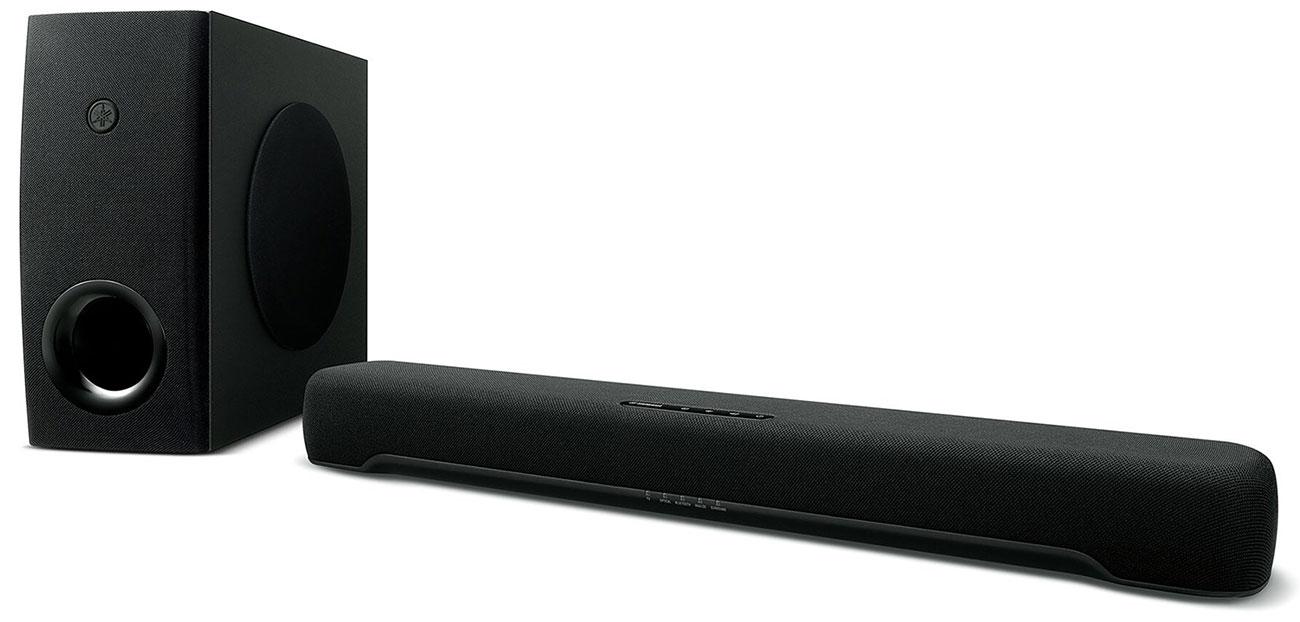
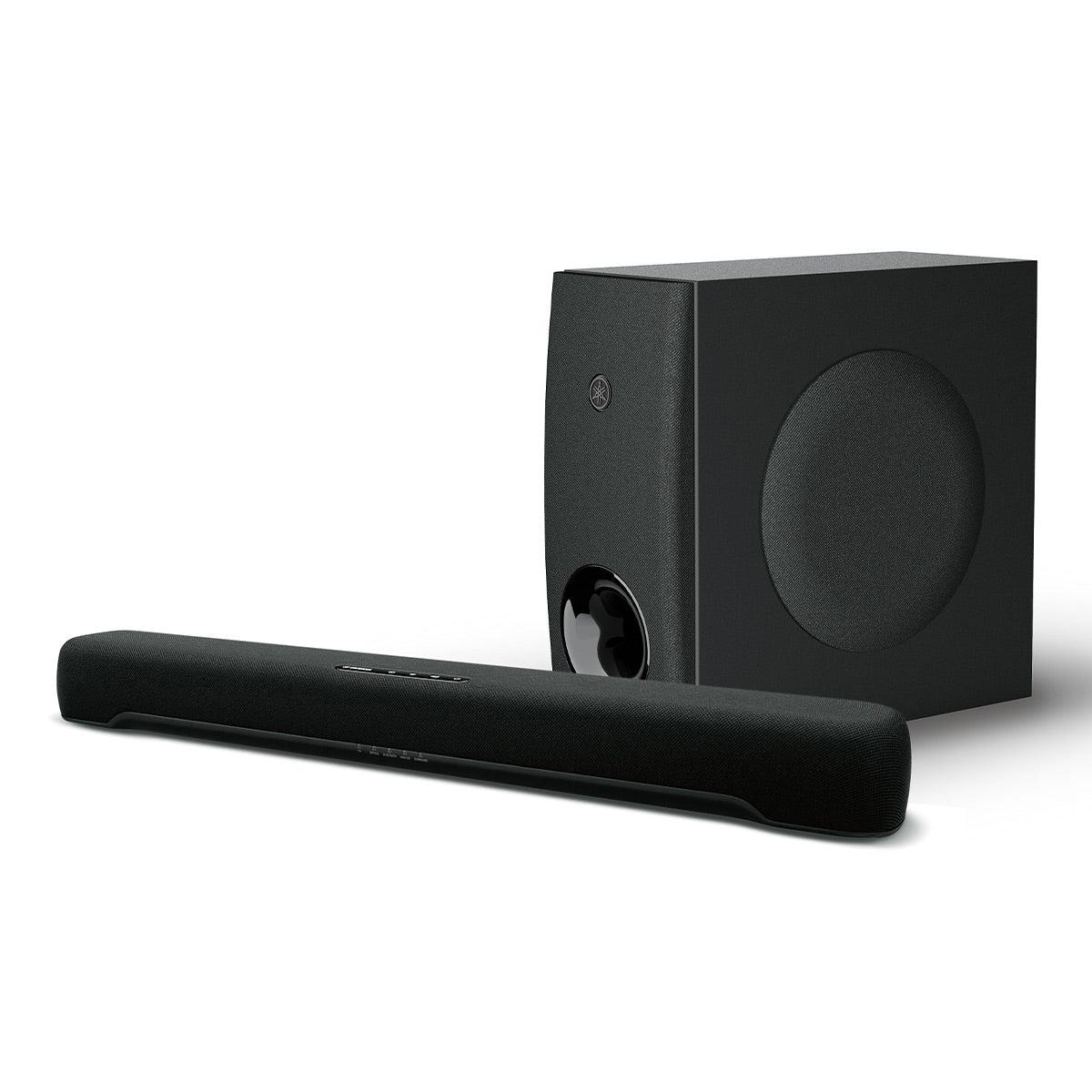
The Yamaha SR-C30A, launched in 2021, takes a fundamentally different approach. Yamaha designed this compact system specifically for smaller spaces where full surround sound isn't practical or necessary. Instead of overwhelming you with speakers, it focuses on doing a few things exceptionally well: clear dialogue, balanced sound, and seamless integration into tight spaces.
These products target entirely different user needs, which makes the comparison fascinating. One prioritizes maximum immersion, while the other emphasizes practical improvement over TV speakers.
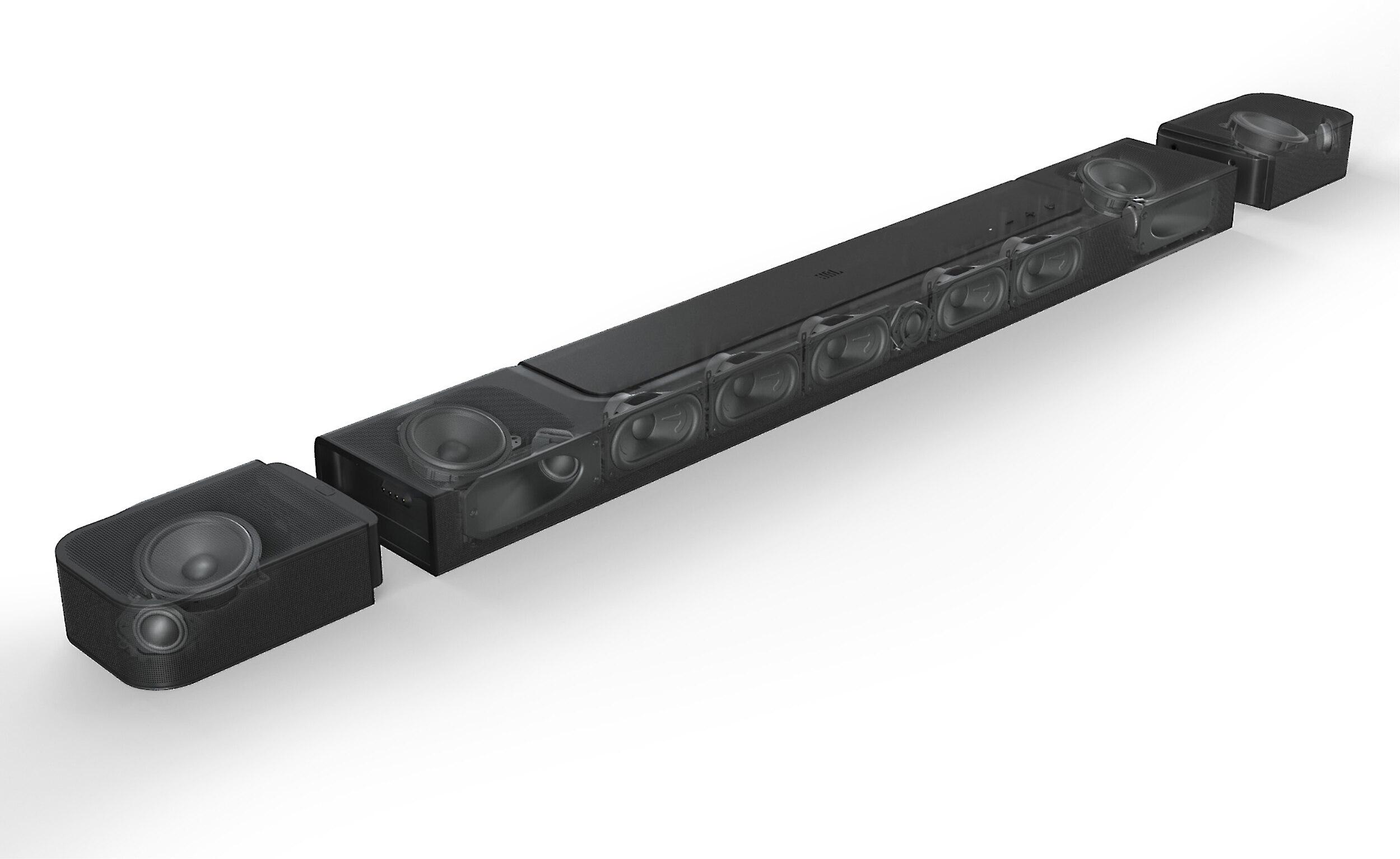
The most significant difference between these systems lies in their approach to surround sound. The JBL Bar 1000 delivers true 7.1.4 channel audio, meaning it has seven main speakers, one subwoofer, and four height channels for overhead effects. Those detachable rear speakers aren't just a gimmick—they create genuine surround effects by physically placing sound behind your listening position.
When you're watching a movie scene where a helicopter flies overhead, the JBL's four up-firing drivers (two in the main bar, two in the rear speakers) bounce sound off your ceiling to create that authentic overhead sensation. This isn't virtual processing—it's actual sound placement that works remarkably well in rooms with standard 8-10 foot ceilings.
The Yamaha takes a different approach with its 2.1 configuration. It uses virtual surround processing—sophisticated algorithms that manipulate stereo audio to create the impression of wider sound placement. While it can't match the physical presence of real surround speakers, Yamaha's implementation is surprisingly effective for its intended use case. The 3D Movie mode particularly impresses by creating a soundstage that extends well beyond the physical width of the small soundbar.
I've tested both approaches extensively, and the difference is immediately apparent. The JBL envelops you in sound during action sequences, making you feel like you're inside the movie. The Yamaha creates a more focused but still engaging experience that works beautifully for dialogue-heavy content and smaller rooms.
Bass reproduction reveals another fundamental difference in philosophy. The JBL's 10-inch wireless subwoofer pumps out 300 watts of power, creating the kind of deep, room-shaking bass that makes action movies thrilling. This subwoofer reaches down to 33Hz—well into the range where you feel bass rather than just hear it. When watching movies like "Mad Max: Fury Road" or playing games with explosive sound effects, the difference is transformative.
The Yamaha's 5.1-inch subwoofer produces 50 watts—a fraction of the JBL's power. However, this isn't necessarily a limitation. The smaller driver is tuned for punchy, controlled bass that complements rather than dominates the listening experience. It provides enough low-end weight to make TV shows and music sound full without overwhelming smaller rooms or annoying neighbors in apartment settings.
From personal experience, the JBL's bass can actually be too much for some spaces. In my 12x14-foot office, I had to dial back the subwoofer level to prevent rattling picture frames. The Yamaha, by contrast, integrates seamlessly into the same space without any adjustments needed.
Both systems excel at dialogue reproduction but use different technologies to achieve clarity. The JBL employs PureVoice 2.0, an AI-powered system that automatically analyzes content and ambient noise to optimize speech intelligibility. This technology adapts in real-time, boosting dialogue frequency ranges when it detects competing sounds like explosions or music.
The Yamaha uses a more straightforward approach with its Clear Voice mode, which manually enhances speech frequencies and reduces competing background sounds. While less sophisticated than the JBL's AI system, it's remarkably effective and easier to understand and control.
What sets the Yamaha apart is its Adaptive Low Volume technology. This feature maintains the full character of audio content even at whisper-quiet levels—perfect for late-night viewing when you don't want to disturb others. Traditional "night modes" often sound compressed and lifeless, but Yamaha's implementation preserves musical detail and dialogue clarity at very low volumes.
The technology integration differences between these systems reflect their target audiences. The JBL Bar 1000 includes built-in Wi-Fi, enabling direct streaming from services like Spotify, Apple Music, and internet radio without involving your TV. This wireless connectivity supports AirPlay 2 for iPhone users, Chromecast for Android devices, and Alexa Multi-Room Music for smart home integration.
The JBL's HDMI eARC (enhanced Audio Return Channel) connection deserves particular attention. This advanced HDMI format allows uncompressed Dolby Atmos audio to flow from your TV back to the soundbar while simultaneously passing 4K Dolby Vision video from the soundbar to your TV. It's the closest thing to a universal solution for modern home theater connectivity.
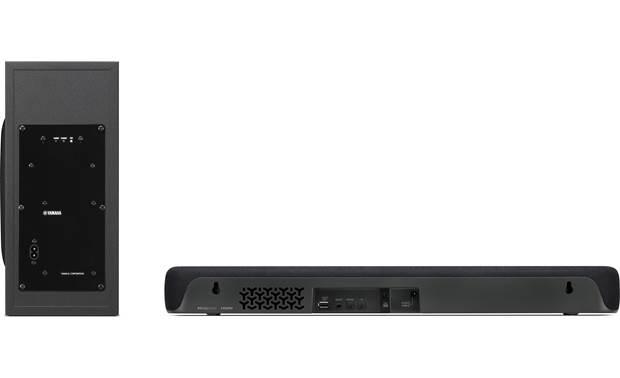
The Yamaha focuses on essential connectivity done well. Its Bluetooth 5.0 implementation includes multi-point functionality, allowing you to switch between paired devices without re-pairing—handy when multiple family members want to stream music. The dual optical inputs accommodate multiple source devices, while the analog input handles gaming consoles and older equipment that modern TVs sometimes struggle with.
Physical integration into your living space often determines which soundbar works best, regardless of audio performance. The JBL Bar 1000 measures 48.6 inches wide—longer than many 50-inch TVs. This substantial size houses all those drivers but requires adequate entertainment center space or a very large TV to maintain visual proportions.
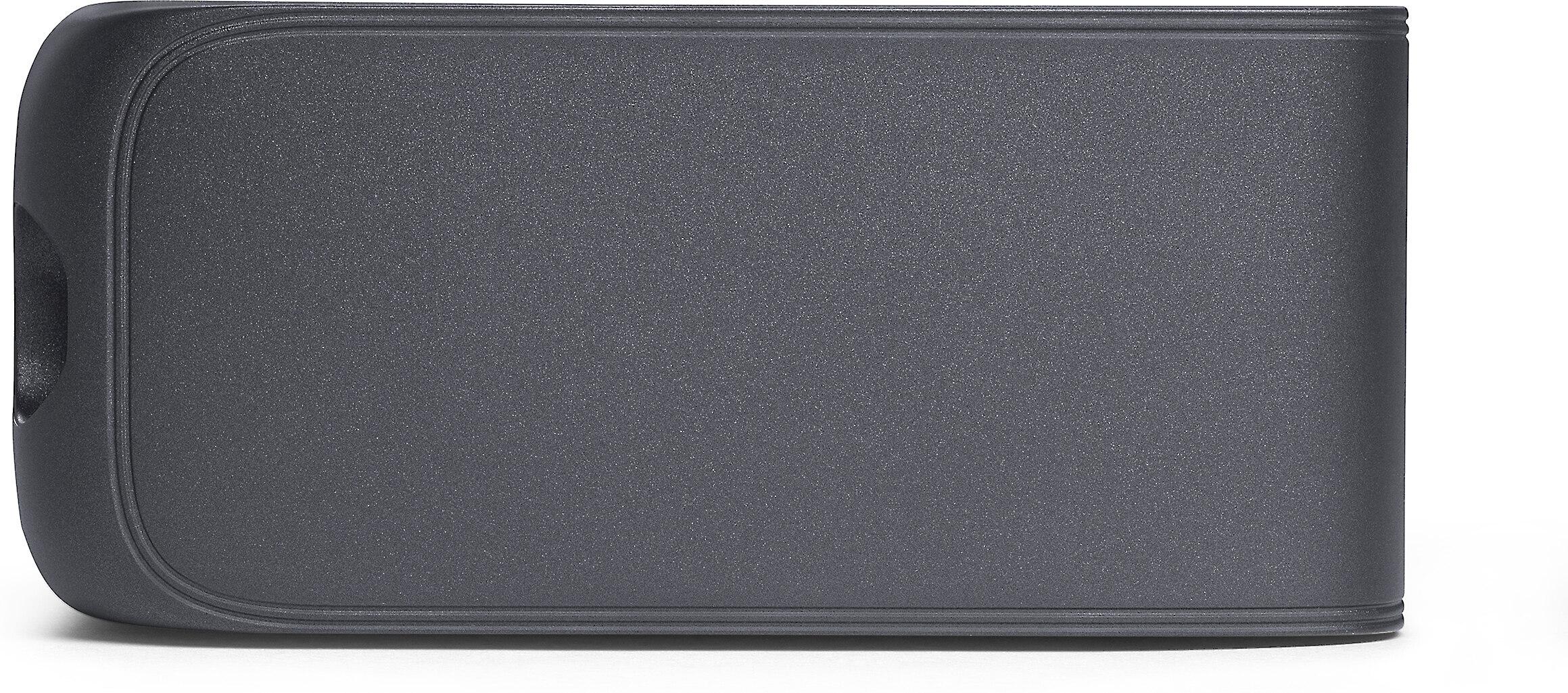
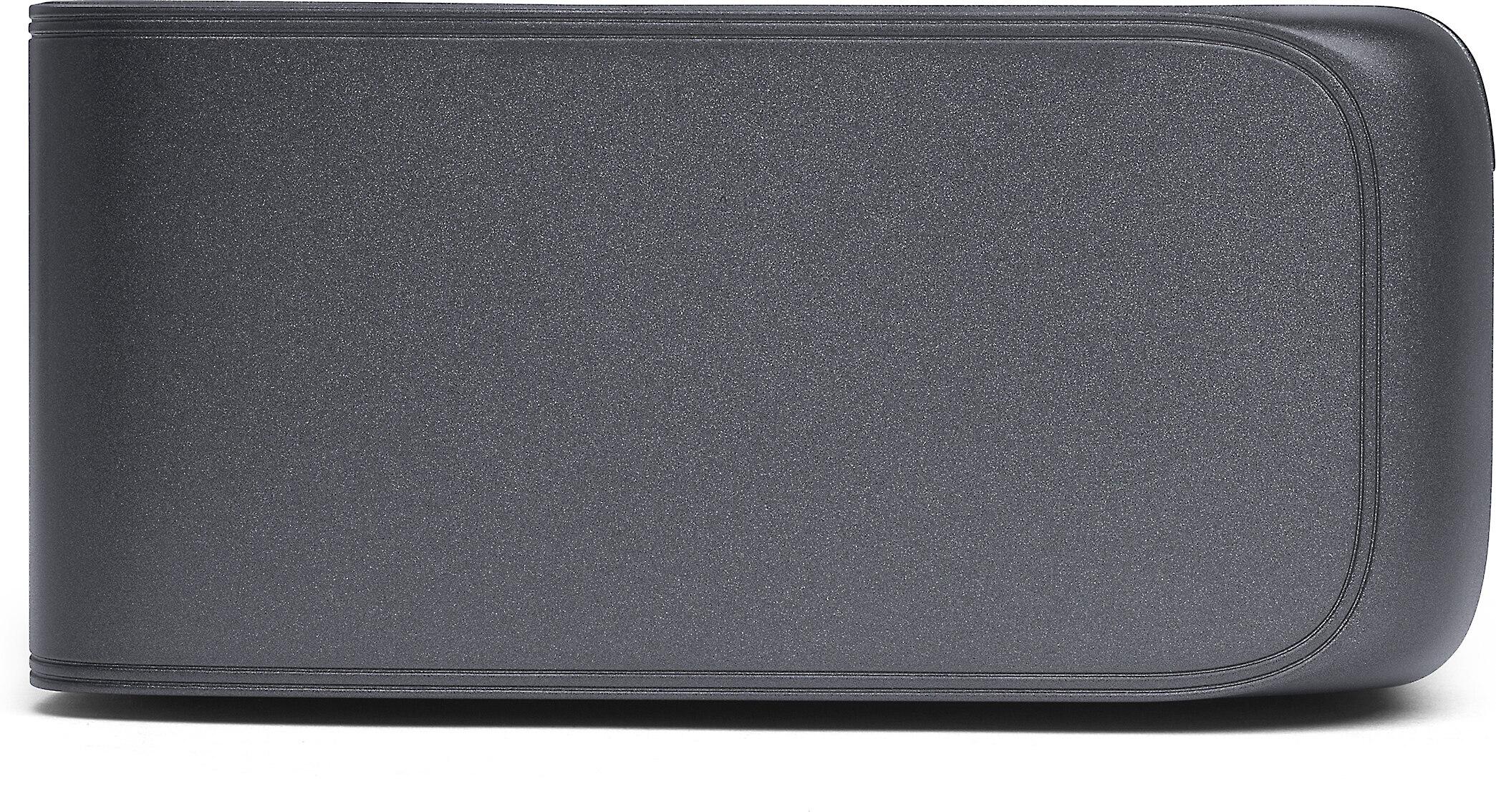
The detachable rear speakers offer remarkable flexibility once you accept their presence in your room. Each speaker includes a 10-hour battery and can function independently as Bluetooth speakers for outdoor use or secondary rooms. The magnetic attachment system makes it easy to dock them for charging, but you'll need to plan furniture placement to position them effectively.
Setting up the JBL involves a room calibration process that uses built-in microphones to analyze your space's acoustics. This automatic tuning optimizes the sound for your specific room dimensions and furniture placement—a genuinely useful feature that takes the guesswork out of achieving good sound.
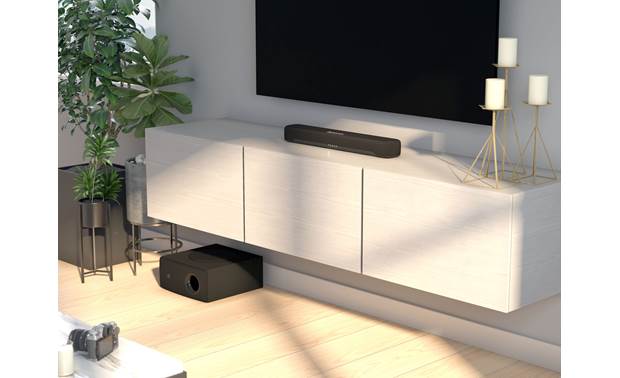
The Yamaha's compact 23.6-inch width fits comfortably in front of most TVs without overwhelming smaller entertainment centers. At less than 3 inches tall, it won't block TV sensors or interfere with screen viewing. The included wall-mounting hardware makes installation straightforward, and the subwoofer's compact size offers flexible placement options.
Price-to-performance analysis reveals why these products coexist successfully in the market. The JBL Bar 1000 ($699) delivers genuine 7.1.4 surround sound, detachable speakers, comprehensive streaming features, and room calibration technology. When compared to separate component systems offering similar capabilities, the pricing becomes more reasonable—though it's still a significant investment.
The JBL targets home theater enthusiasts who want cinematic audio without the complexity of traditional surround sound installations. If you're someone who gets excited about Dolby Atmos soundtracks and enjoys tweaking audio settings, the JBL rewards that enthusiasm with truly immersive performance.
The Yamaha SR-C30A ($180-280) represents exceptional value for its intended purpose: dramatically improving TV audio in space-constrained environments. For less than the cost of many standalone subwoofers, you get a complete system with wireless bass, multiple inputs, and Yamaha's reputation for reliable performance.
The Yamaha appeals to practical consumers who want better TV sound without complexity or room takeover. If you primarily watch TV shows, news, and occasional movies while wanting something that just works reliably, the Yamaha delivers exactly that experience.
For dedicated home theater use, the systems serve different needs entirely. The JBL Bar 1000 can genuinely replace a traditional surround sound system in many scenarios. Its combination of overhead effects, physical rear speakers, and powerful subwoofer creates the immersive experience that makes movie watching special.
The room calibration feature proves particularly valuable in home theater applications, where seating position and room acoustics significantly impact performance. The system adapts its output based on your specific space, optimizing everything from dialogue clarity to surround effect placement.
However, the JBL works best in larger rooms where its powerful output and wide soundstage have space to develop. In smaller spaces, the system can actually sound overwhelming, with bass that's too powerful and surround effects that feel artificial when speakers are too close to listeners.
The Yamaha, while not intended as a home theater centerpiece, excels as a secondary system or in smaller viewing rooms. Its dialogue clarity and balanced sound make it perfect for bedrooms, offices, or spaces where full surround sound isn't practical or desired.
Choose the JBL Bar 1000 if you have a large room, enjoy action movies and gaming, want the flexibility of detachable speakers, and have the budget for premium features. Its true surround sound capabilities and comprehensive smart features justify the investment for serious home theater enthusiasts.
Choose the Yamaha SR-C30A if you have limited space, focus on TV shows and dialogue-heavy content, need apartment-friendly volume levels, prefer simple operation, or want maximum value for money. Its practical approach to sound improvement makes it ideal for everyday TV viewing enhancement.
Both soundbars excel within their intended roles. The JBL transforms movie watching into an event, while the Yamaha makes daily TV viewing more enjoyable. Your choice ultimately depends on whether you prioritize cinematic immersion or practical improvement—and both approaches have their place in modern homes.
Understanding these fundamental differences ensures you'll choose the soundbar that best matches your space, content preferences, and expectations. Whether you go premium or practical, both options represent significant improvements over built-in TV speakers and will enhance your audio experience for years to come.
| JBL Bar 1000 ($699) | Yamaha SR-C30A ($180-280) |
|---|---|
| Audio Channels - Determines surround sound capability and immersion level | |
| True 7.1.4 channels with physical rear speakers | 2.1 channels with virtual surround processing |
| Total Power Output - Affects maximum volume and bass impact | |
| 880W total (440W bar, 300W sub, 140W rears) | 90W total (40W bar, 50W sub) |
| Dolby Atmos Support - Creates overhead sound effects for cinematic experience | |
| ✅ True Dolby Atmos with 4 up-firing drivers | ❌ No Atmos support |
| Subwoofer Size - Determines bass depth and room-filling capability | |
| 10" wireless subwoofer (room-shaking bass) | 5.1" wireless subwoofer (apartment-friendly) |
| Detachable Speakers - Unique flexibility for placement and portability | |
| ✅ Battery-powered rears (10hr battery, Bluetooth capable) | ❌ Fixed 2.1 configuration |
| Smart Features - Streaming and connectivity options | |
| Built-in Wi-Fi, AirPlay 2, Chromecast, Alexa MRM | Bluetooth 5.0 only, basic app control |
| HDMI Connectivity - Video passthrough and audio return capabilities | |
| HDMI eARC with 4K Dolby Vision passthrough | HDMI ARC (standard audio return) |
| Soundbar Dimensions - Space requirements and TV compatibility | |
| 48.6" W × 2.3" H × 4.7" D (requires large TV stand) | 23.6" W × 2.6" H × 3.7" D (compact design) |
| Room Calibration - Automatic sound optimization for your space | |
| ✅ Built-in microphone system with auto-calibration | ❌ Manual sound mode selection only |
| Dialogue Enhancement - Technology for clear speech in movies/shows | |
| PureVoice 2.0 with AI-powered optimization | Clear Voice mode with manual control |
| Best Use Case - Who should buy each product | |
| Large rooms, movie enthusiasts, gaming, premium experience | Small spaces, TV viewing, budget-conscious, simplicity |
The Yamaha SR-C30A ($180-280) provides exceptional value for basic TV audio improvement, offering wireless subwoofer and clear dialogue enhancement at an entry-level price. The JBL Bar 1000 ($699) justifies its premium cost with true 7.1.4 surround sound, detachable speakers, and advanced features for serious home theater enthusiasts.
The JBL Bar 1000 is a complete 7.1.4 surround sound system with detachable rear speakers and Dolby Atmos, designed for immersive home theater experiences. The Yamaha SR-C30A is a compact 2.1 system focused on improving TV dialogue and fitting into small spaces without complexity.
The Yamaha SR-C30A is specifically designed for small spaces with its compact 23.6-inch width and apartment-friendly bass levels. The JBL Bar 1000 requires larger rooms to fully utilize its surround sound capabilities and may overwhelm smaller spaces with its powerful output.
Only the JBL Bar 1000 supports true Dolby Atmos with four physical up-firing drivers that bounce sound off your ceiling. The Yamaha SR-C30A does not support Dolby Atmos but offers virtual 3D sound processing for a wider stereo experience.
The JBL Bar 1000 delivers significantly more powerful bass with its 10-inch, 300W wireless subwoofer that can shake entire rooms. The Yamaha SR-C30A has a smaller 5.1-inch, 50W subwoofer designed for controlled, apartment-friendly bass that won't disturb neighbors.
The detachable speakers in the JBL Bar 1000 provide genuine rear surround sound and can function as portable Bluetooth speakers with 10-hour battery life. This unique feature adds significant value for users who want true surround sound flexibility and occasional portable use.
The Yamaha SR-C30A offers plug-and-play simplicity with basic controls and no complex setup required. The JBL Bar 1000 includes room calibration technology and multiple configuration options, making it more complex but also more customizable for optimal performance.
The JBL Bar 1000 features built-in Wi-Fi, HDMI eARC, AirPlay 2, Chromecast, and comprehensive streaming capabilities. The Yamaha SR-C30A offers Bluetooth 5.0, HDMI ARC, dual optical inputs, and basic app control without Wi-Fi streaming features.
The JBL Bar 1000 excels for movie watching with true 7.1.4 surround sound, Dolby Atmos overhead effects, and powerful bass that creates cinematic immersion. The Yamaha SR-C30A focuses on clear dialogue and balanced sound, making it better suited for TV shows and casual movie viewing.
Both soundbars handle music well but differently. The JBL Bar 1000 offers powerful, room-filling sound with wide stereo imaging and deep bass. The Yamaha SR-C30A provides clear, detailed music reproduction with balanced frequencies ideal for near-field listening in smaller spaces.
The JBL Bar 1000 enhances gaming with immersive surround sound, powerful bass for explosions, and low latency HDMI eARC connection. The Yamaha SR-C30A offers clear game audio and dialogue with minimal delay, suitable for casual gaming without overwhelming sound effects.
Room size is crucial for decision-making. The JBL Bar 1000 performs best in large rooms (15+ feet viewing distance) where its surround effects and powerful output can develop properly. The Yamaha SR-C30A is optimized for small to medium rooms where its compact design and controlled output provide ideal performance.
We've done our best to create useful and informative comparisons to help you decide what product to buy. Our research uses advanced automated methods to create this comparison and perfection is not possible - please contact us for corrections or questions. These are the sites we've researched in the creation of this article: zdnet.com - jbl.com - jbl.com - pcrichard.com - rtings.com - d21buns5ku92am.cloudfront.net - ro.harmanaudio.com - target.com - harmanaudio.com - dell.com - mm.jbl.com - dolby.com - jbl.com.my - videoandaudiocenter.com - techradar.com - usa.yamaha.com - expertreviews.com - usa.yamaha.com - trustedreviews.com - crutchfield.com - europe.yamaha.com - usa.yamaha.com - shop.usa.yamaha.com - assetserver.net

Privacy Policy
Terms and Conditions - Affiliate Policy
Home Security
© Copyright 2008-2026.
11816 Inwood Rd #1211, Dallas, TX 75244