

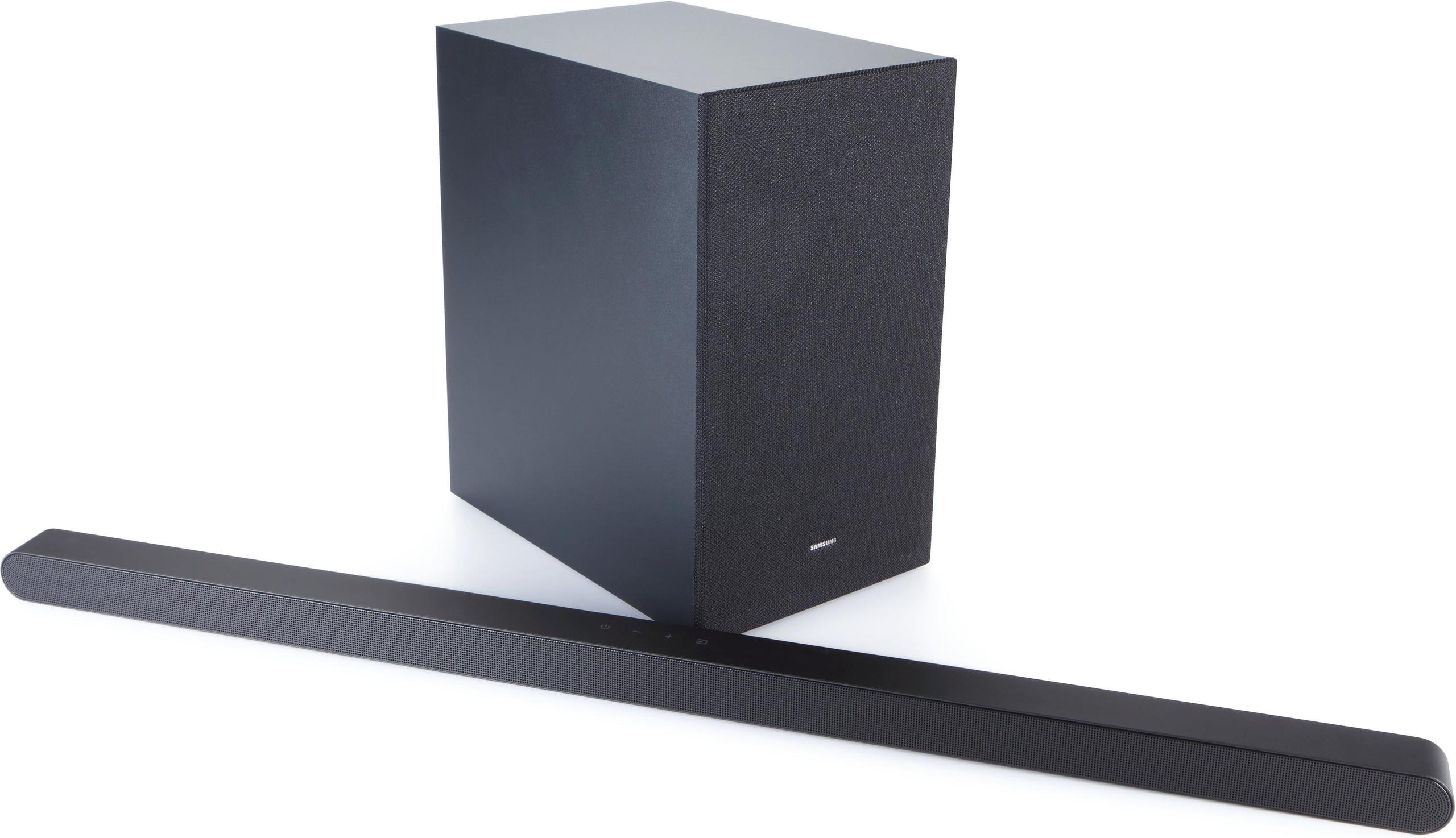
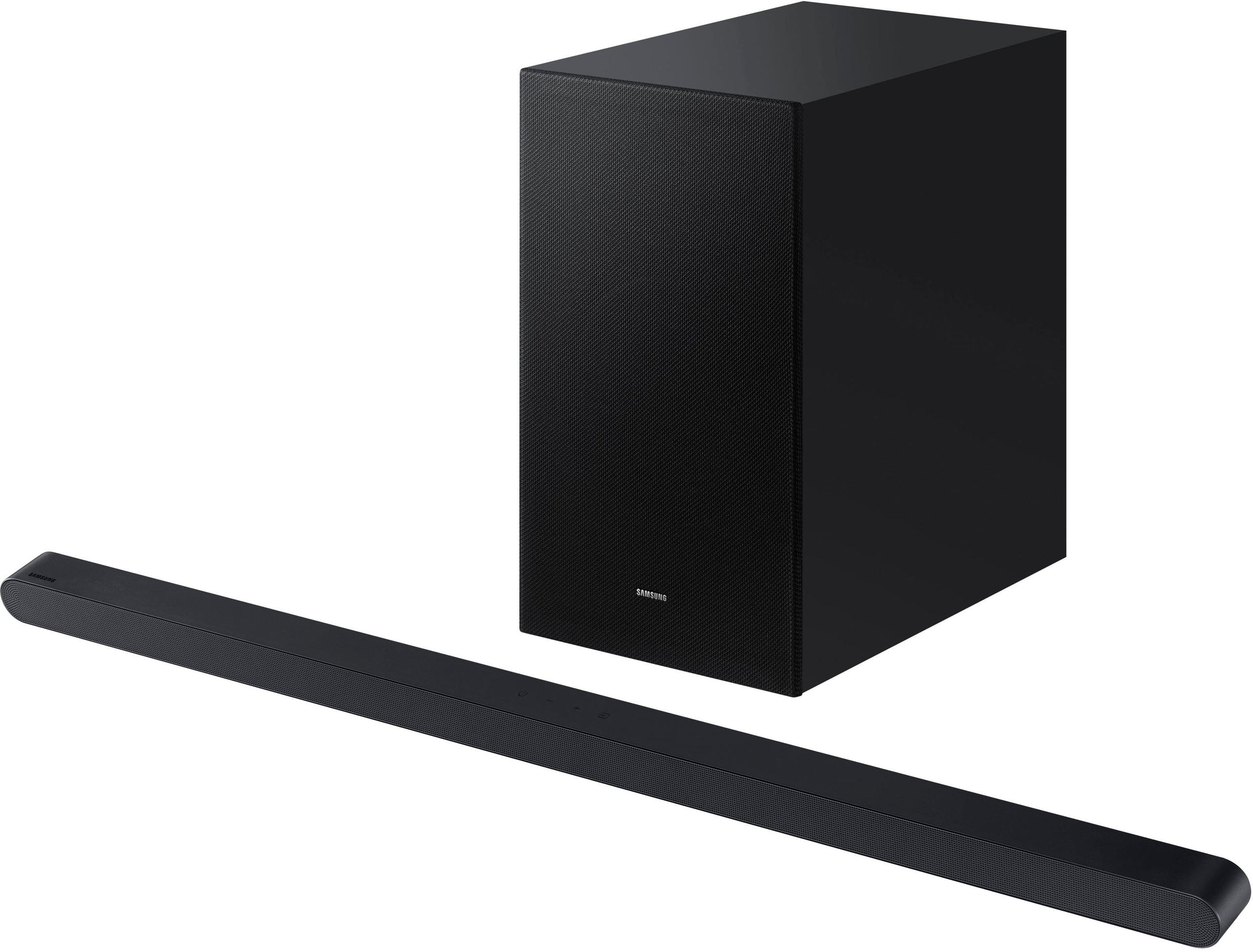



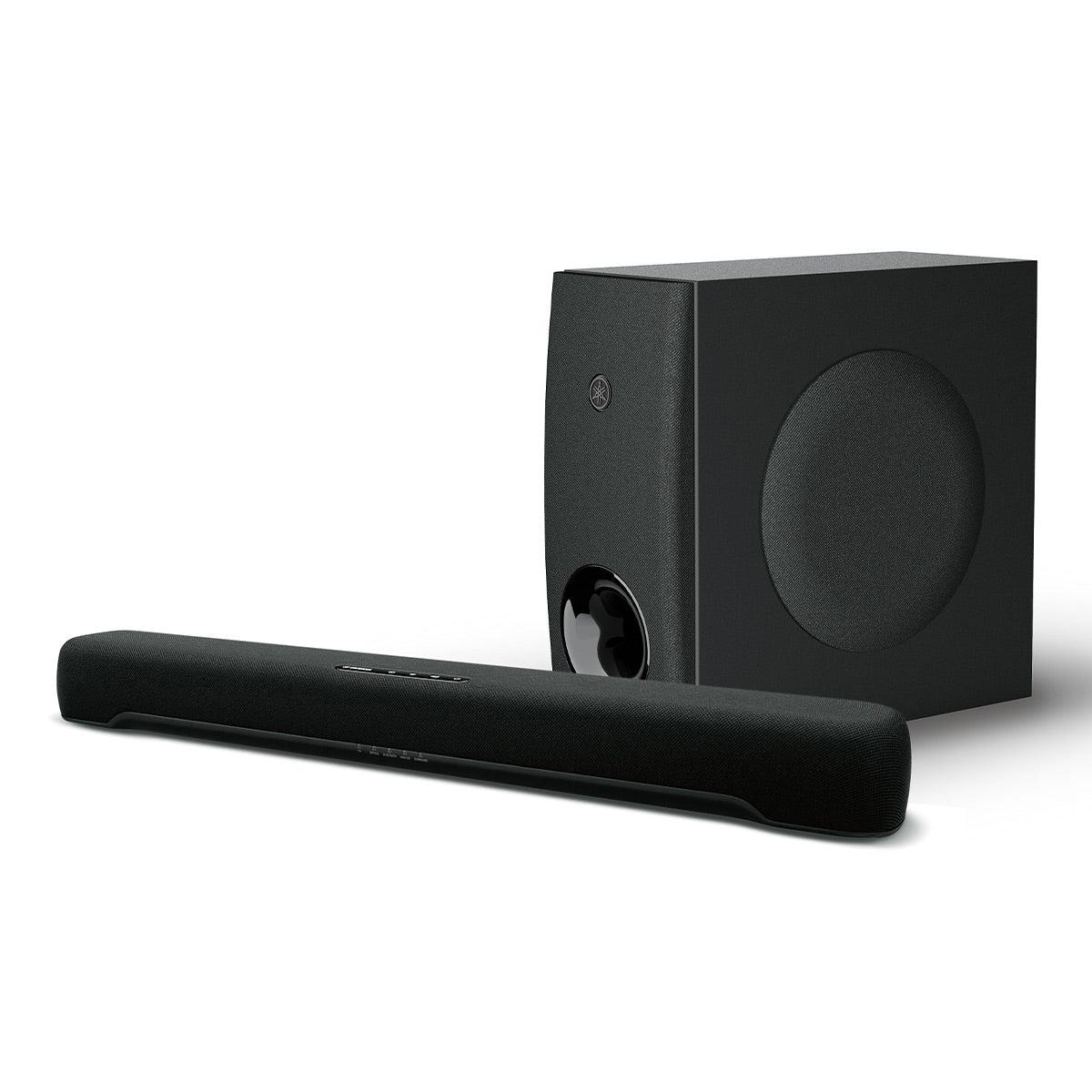
If you've ever found yourself constantly adjusting your TV volume—cranking it up for explosions, then scrambling to turn it down for dialogue—you're not alone. Modern TVs prioritize thin designs over audio quality, leaving most built-in speakers sounding like they're trapped in a tin can. That's where soundbars come in, and choosing between the Samsung HW-S700D ($377.99) and Yamaha SR-C30A ($180.45) represents two very different philosophies on solving this problem.
Before diving into these specific models, it's worth understanding what soundbars actually do. Think of them as horizontal speakers designed to sit under your TV, replacing those inadequate built-in speakers with something that can actually fill your room with sound. The "channel" numbers you see (like 3.1 or 2.1) tell you how the audio is split up—the first number represents main speakers, while the ".1" refers to a dedicated subwoofer for bass.
The soundbar market has evolved dramatically over the past few years. Where older models simply made TV audio louder, today's soundbars incorporate sophisticated processing to create surround sound effects, enhance dialogue clarity, and even simulate overhead audio without requiring ceiling speakers. This technology gap becomes particularly apparent when comparing these two models, which were released about a year apart and represent different generations of soundbar thinking.
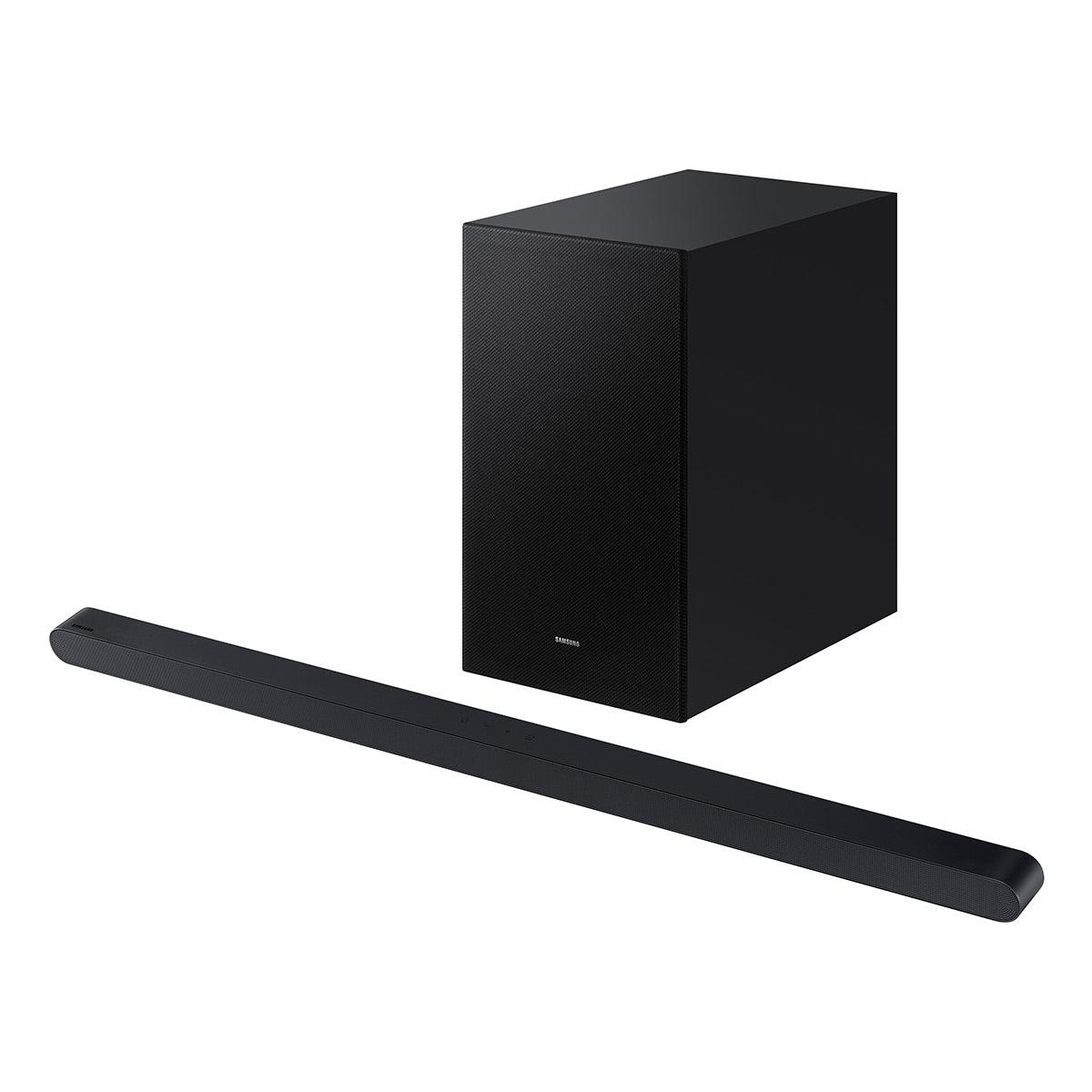
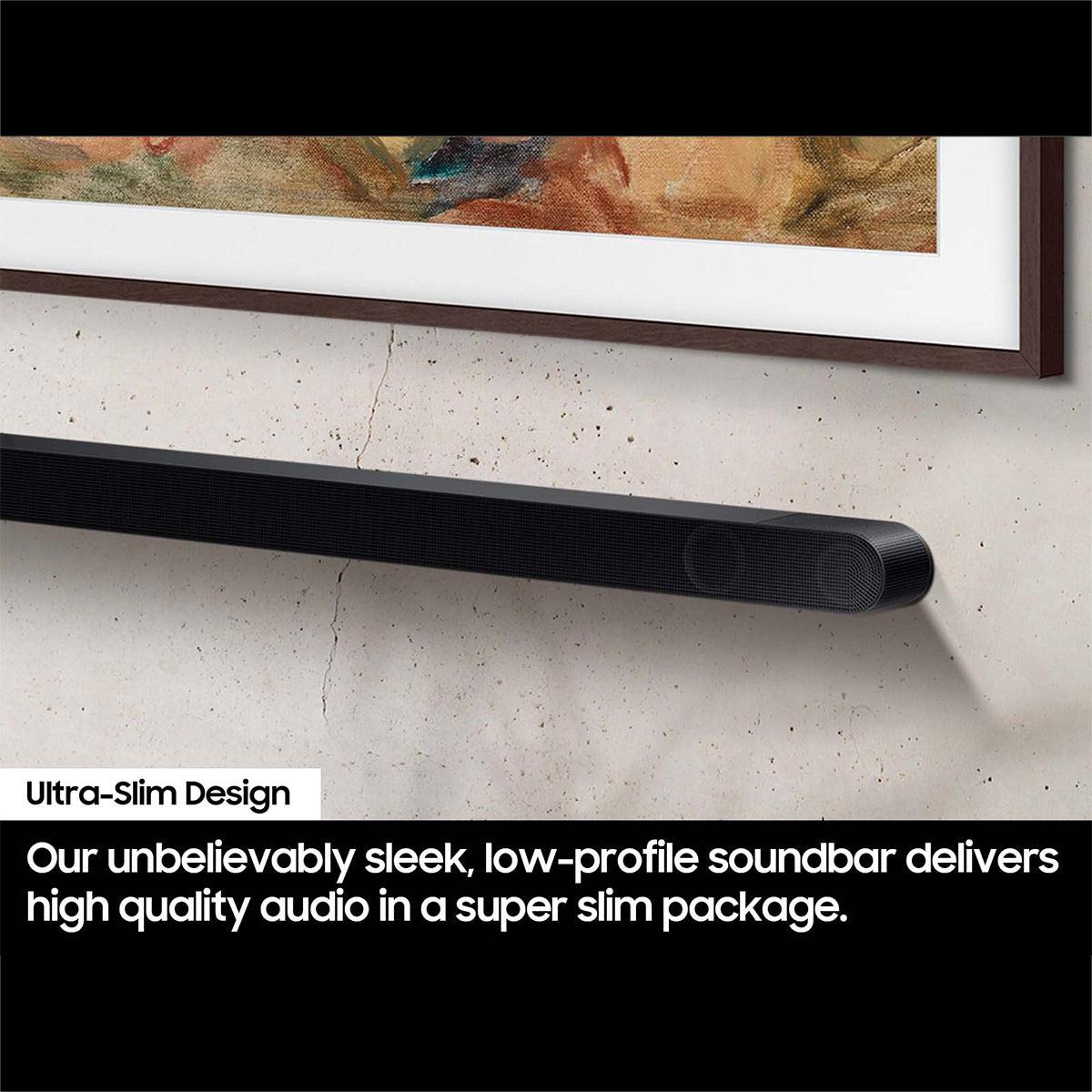
The Samsung HW-S700D, released in 2024, represents the cutting edge of compact soundbar technology. Samsung packed Dolby Atmos capability—typically found in much larger, more expensive systems—into an ultra-slim design that's barely noticeable under your TV. Dolby Atmos, for those unfamiliar, is an audio format that places sounds in three-dimensional space around you. Instead of just left and right speakers, it adds a height dimension, so you might hear a helicopter flying overhead or rain falling from above.
The Yamaha SR-C30A, while also relatively recent, takes a more traditional approach focused on doing the basics exceptionally well. Yamaha, with over 130 years of audio expertise, designed this soundbar around their core strength: making dialogue crystal clear and adding meaningful bass without overwhelming complexity.
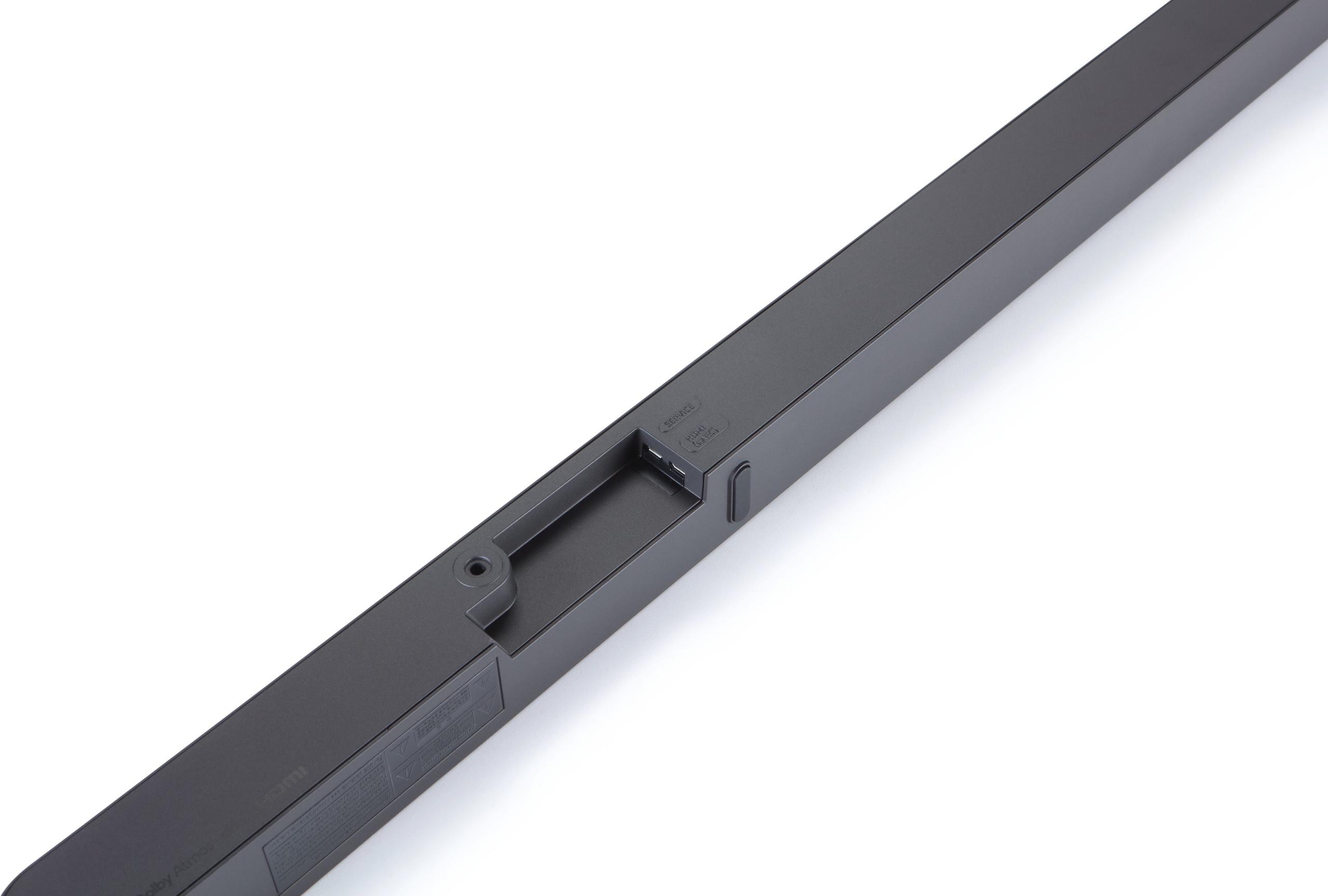
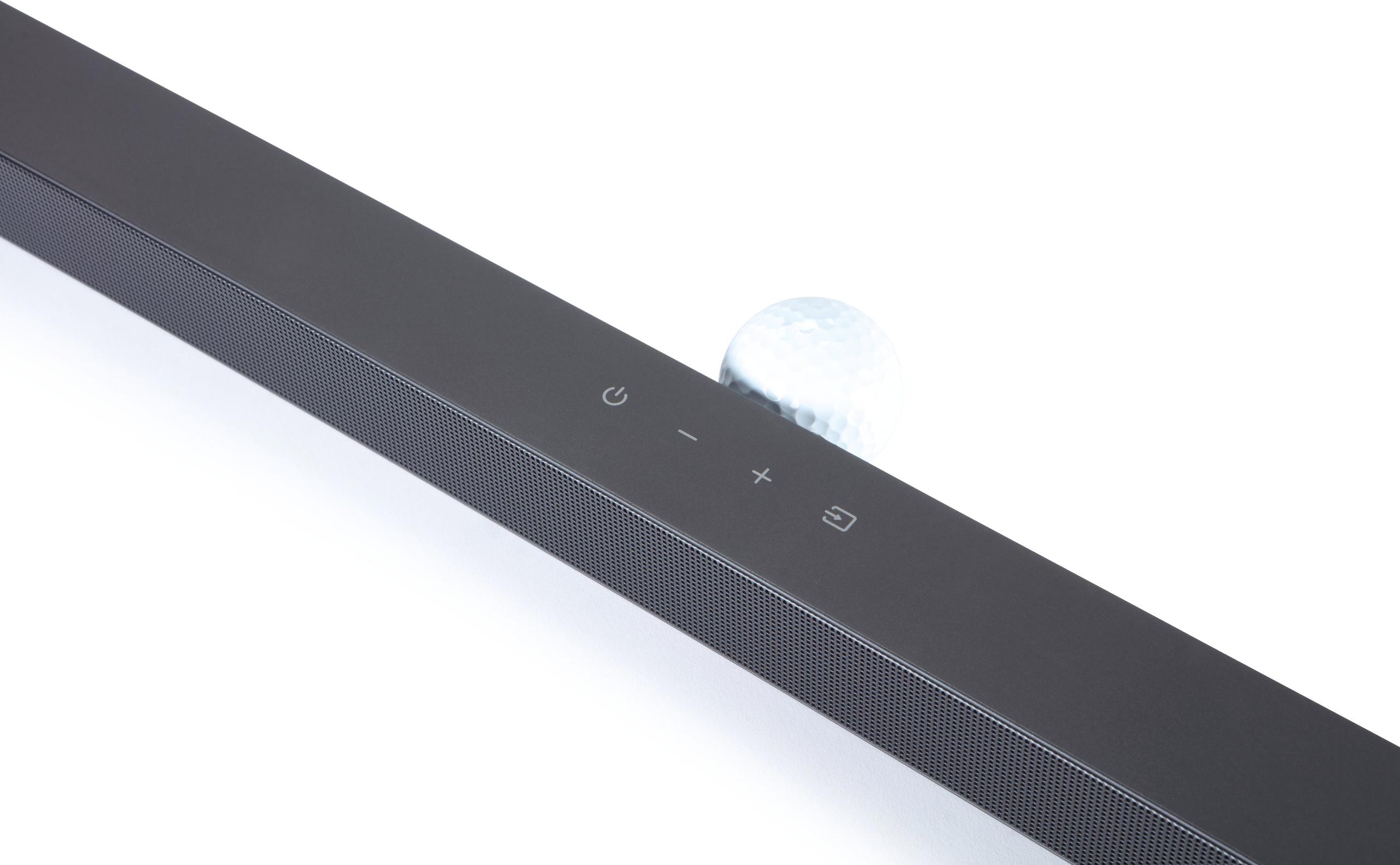
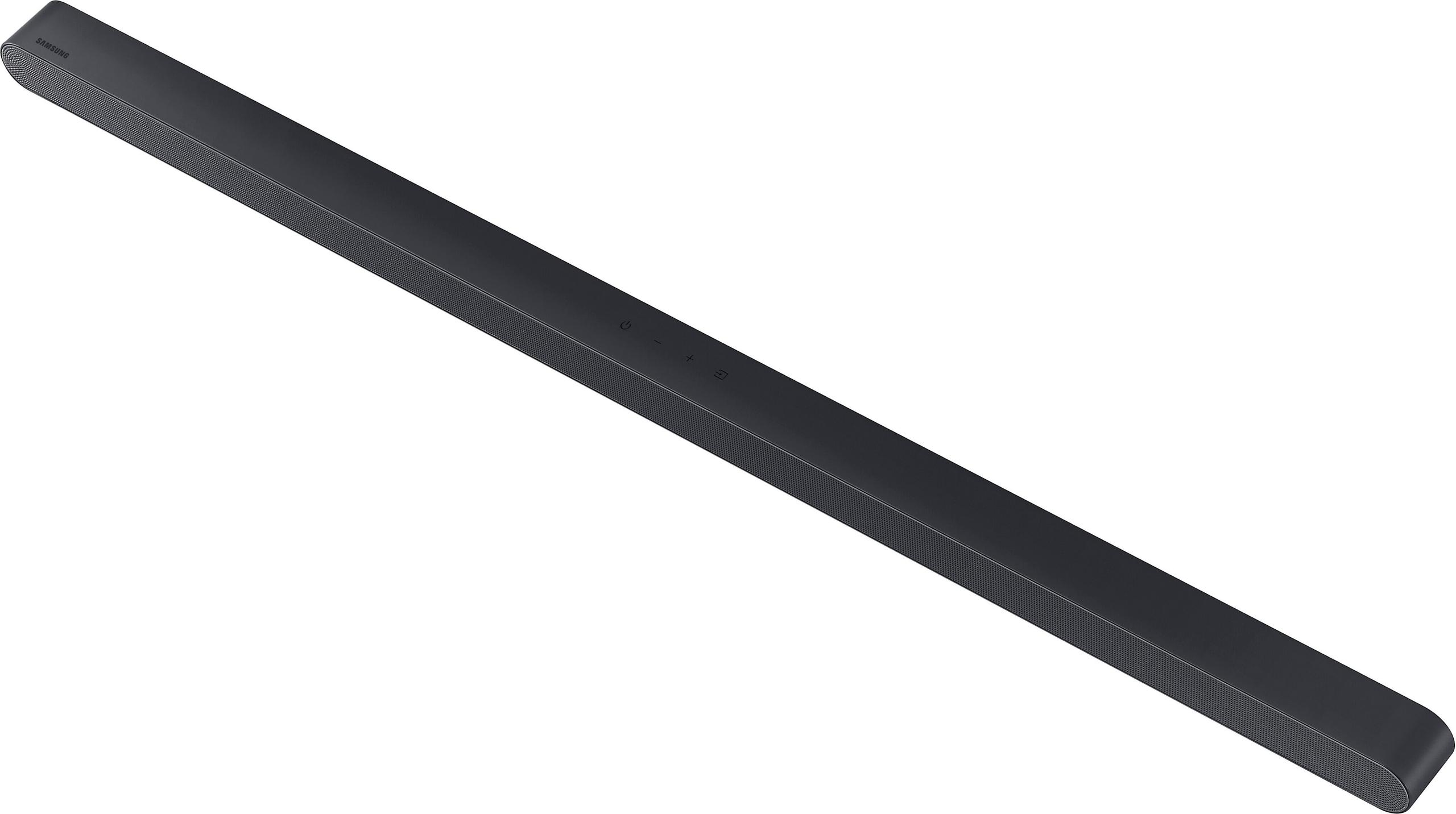
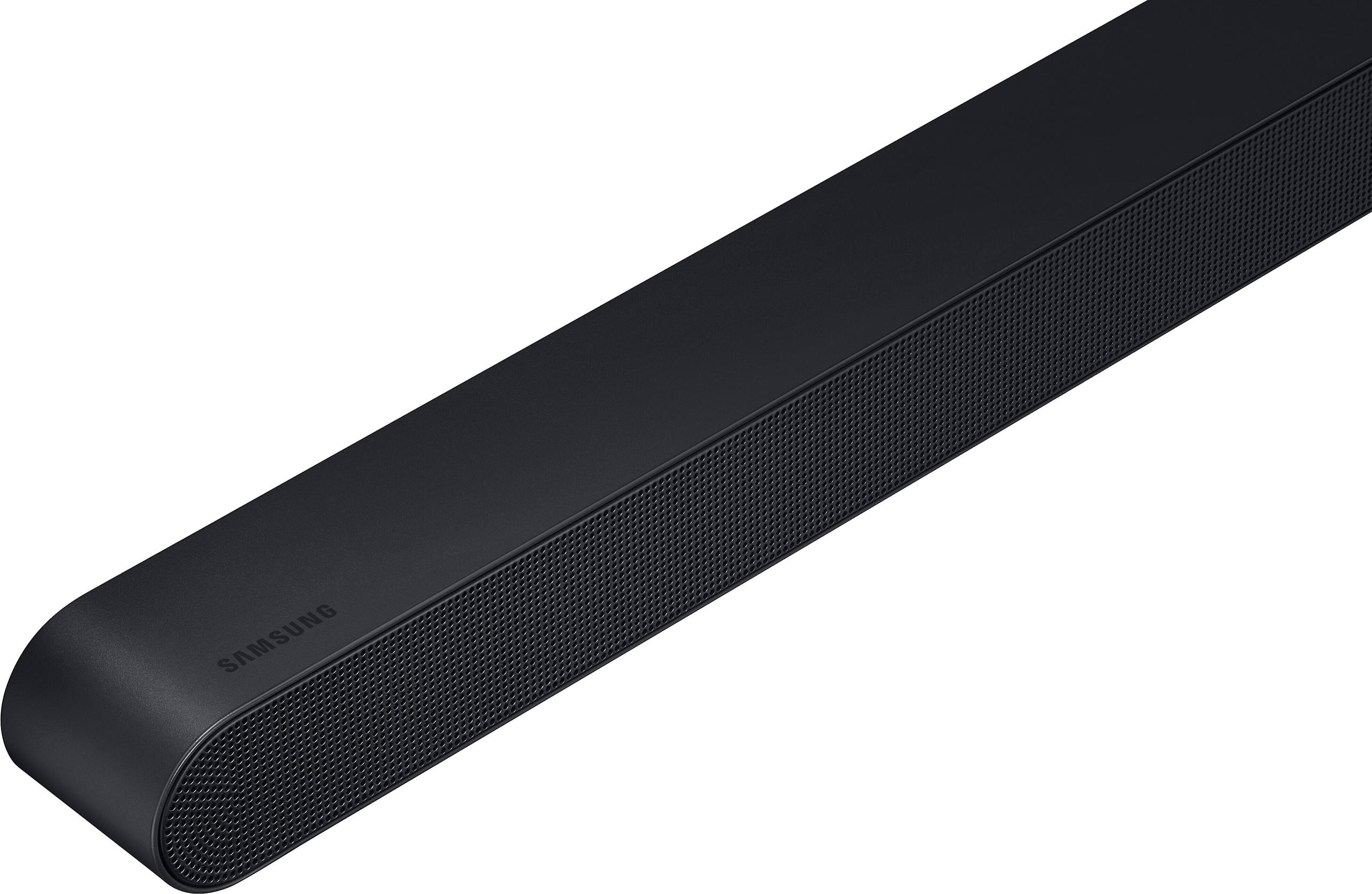
Walking into my living room, the visual difference between these soundbars is immediately apparent. The Samsung HW-S700D measures just 3.5 centimeters deep—so slim it practically disappears beneath a wall-mounted TV. At 89 centimeters wide, it's designed for TVs up to 55 inches and creates an almost seamless visual line with your display. The build quality feels premium, with a fabric-wrapped exterior that matches high-end Samsung TVs perfectly.
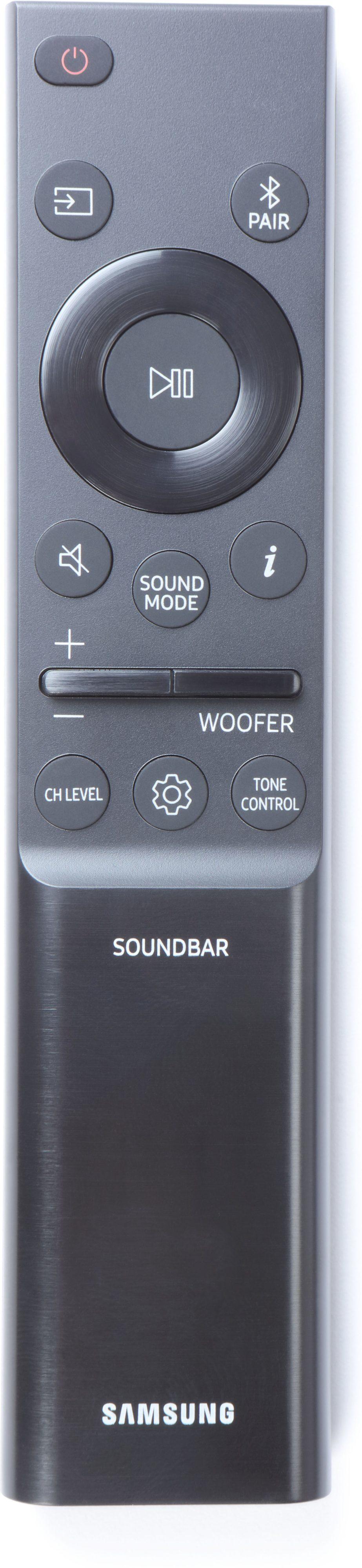
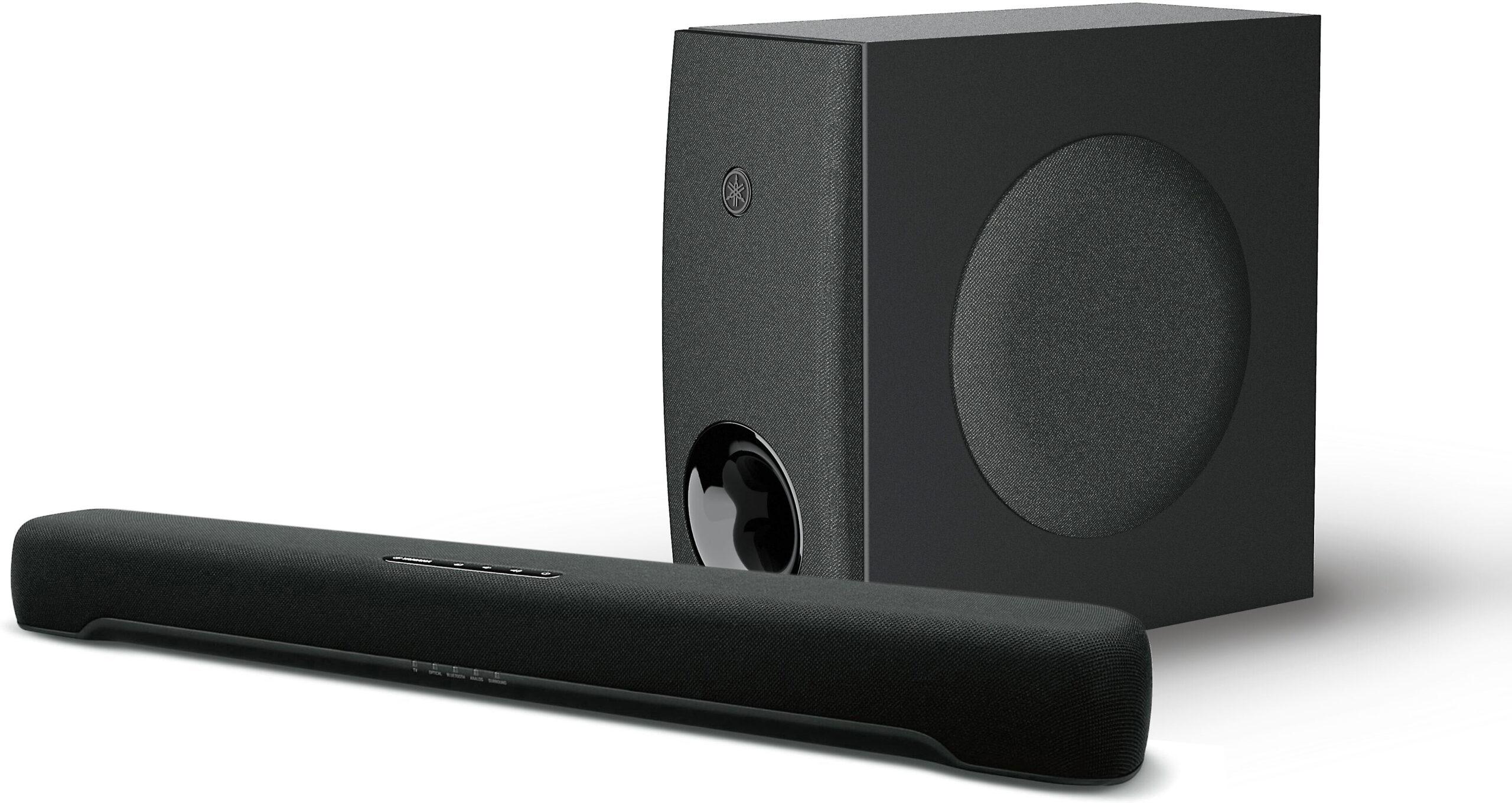
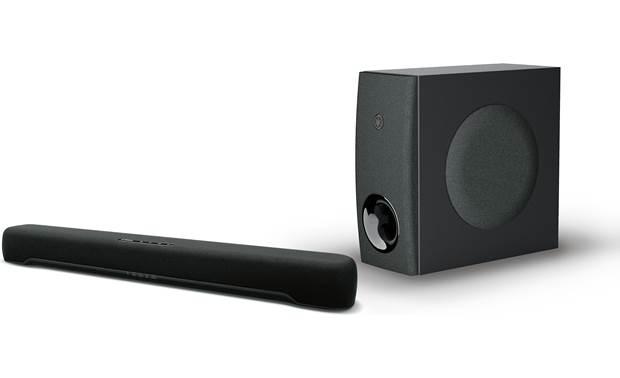
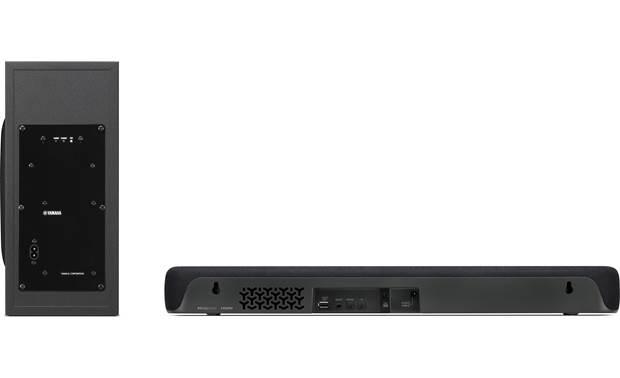
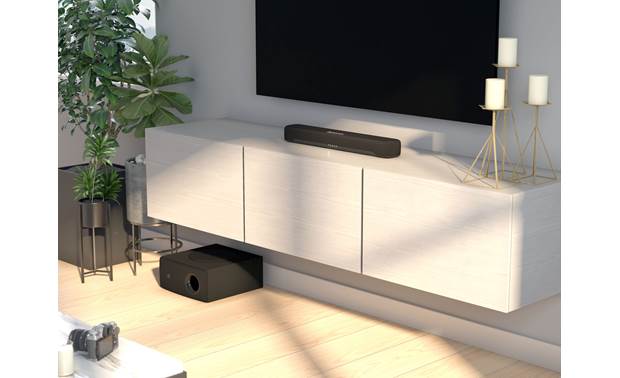
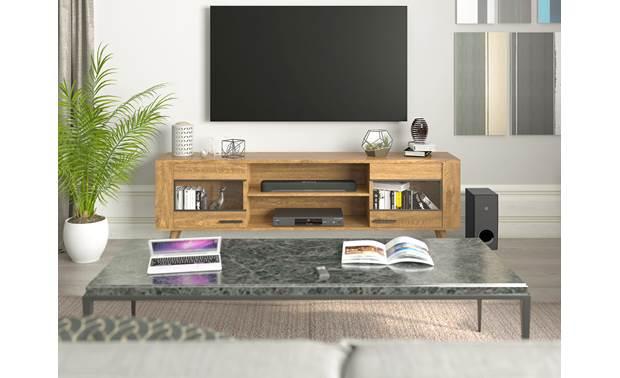
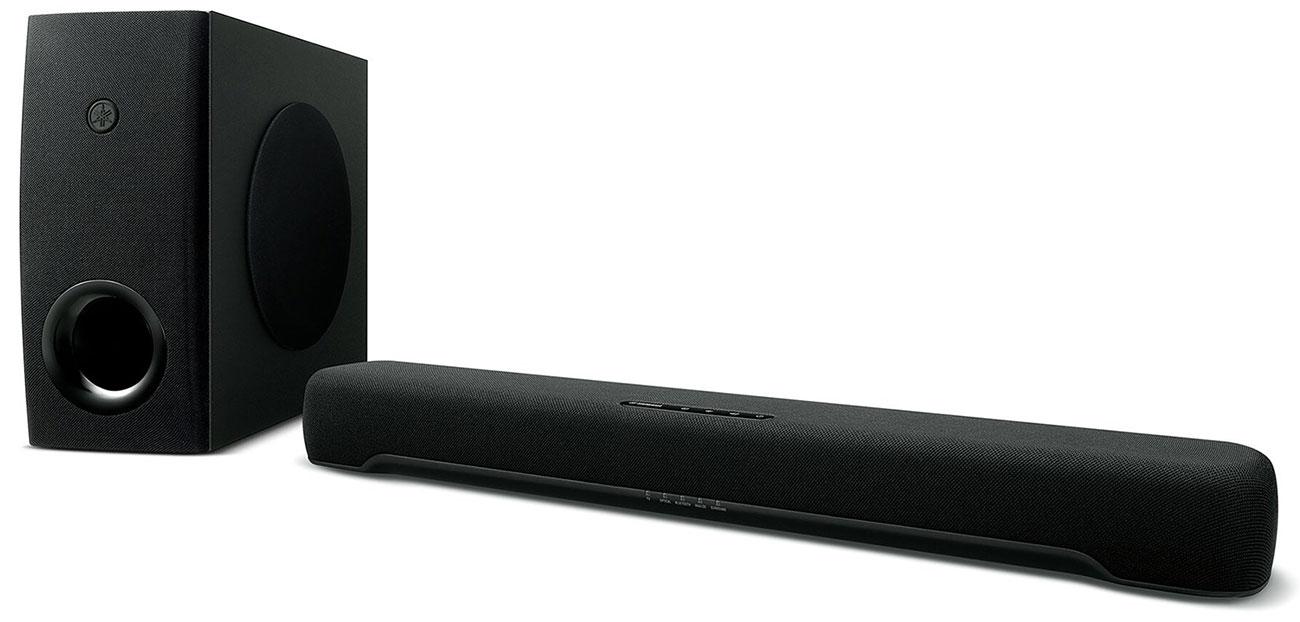
The Yamaha, at 60 centimeters wide, takes up less horizontal space but has a more traditional soundbar profile. What impressed me about Yamaha's design is the thoughtfulness—they've included both vertical and horizontal orientation options for the subwoofer, crucial for tight spaces. The soundbar itself features simple top-panel controls that you can actually feel and use without looking, something I appreciate during movie nights when the lights are down.
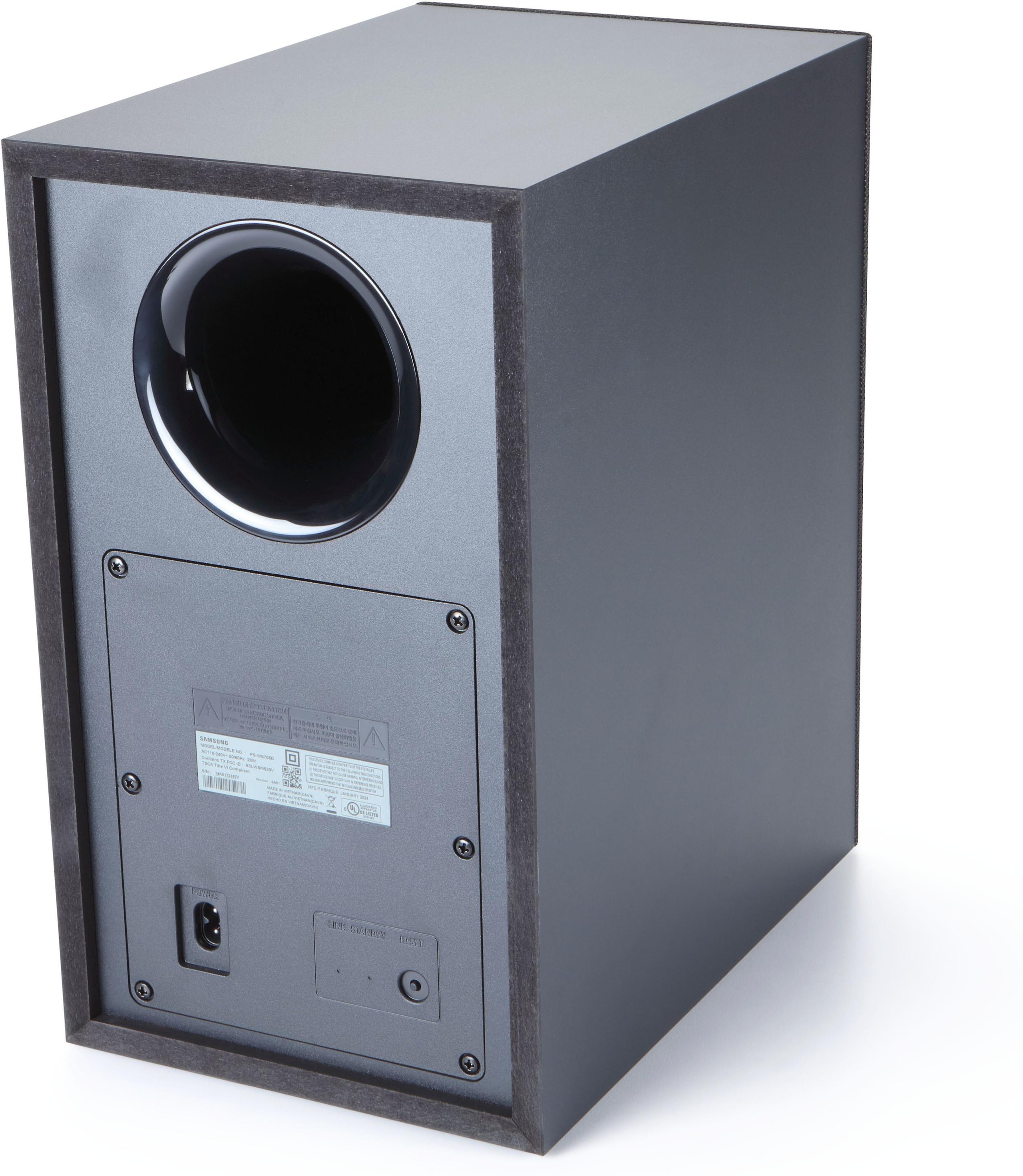
Both include wireless subwoofers, which means you're not dealing with cables running across your floor. However, the Samsung's subwoofer is larger and more powerful, while Yamaha's is more compact and easier to hide.
Here's where these soundbars diverge most dramatically. The Samsung's Dolby Atmos implementation uses up-firing drivers—small speakers that bounce sound off your ceiling to create height effects. When watching movies like "Top Gun: Maverick," you genuinely hear jets passing overhead. The soundbar processes regular stereo content and "upmixes" it to create these spatial effects, though results vary depending on your room's ceiling height and materials.
The Yamaha doesn't attempt Atmos trickery. Instead, it focuses on what audio engineers call "soundstage"—creating a wide, clear presentation where you can easily locate different instruments or voices. Their "3D Movie" mode does add some surround processing, but it's more about widening the sound than creating true overhead effects.
After weeks of testing both soundbars with everything from Netflix dramas to news broadcasts, the dialogue performance differences became clear. The Samsung's center channel—a dedicated driver specifically for voices—works well, especially when combined with their Active Voice Amplifier technology. This feature analyzes dialogue in real-time and boosts it during loud scenes, so you don't lose conversations during action sequences.
However, the Yamaha's Clear Voice mode impressed me more for everyday viewing. It doesn't just boost treble frequencies (which can make voices sound harsh); instead, it seems to carve out space in the frequency spectrum where human voices naturally sit. During quiet dialogue scenes in dramas, I found myself reaching for the remote less often with the Yamaha.
Both subwoofers handle bass differently. The Samsung extends down to 40Hz, which means you'll feel the rumble in action movies and notice the low-end presence in music. Its SpaceFit Sound Pro feature uses built-in microphones to analyze your room and adjust the bass accordingly—clever technology that works surprisingly well in my moderately-sized living room.
The Yamaha's 5.1-inch subwoofer, rated at 50 watts, provides what I'd call "punchy" rather than "deep" bass. It emphasizes the frequencies that add impact to explosions and music without overwhelming smaller rooms. The bass feels more immediate and controlled, though it doesn't extend as deep as the Samsung's larger driver.
The connectivity story reveals each manufacturer's priorities. The Samsung HW-S700D essentially functions as a smart speaker that happens to be shaped like a soundbar. It connects to your Wi-Fi network and supports AirPlay 2, Chromecast, and Spotify Connect. You can stream music directly without turning on your TV, ask Alexa to play specific songs, or use Samsung's SmartThings app to create whole-home audio groups.
The Yamaha keeps things simpler with HDMI ARC (Audio Return Channel—the connection that lets your TV send audio back to the soundbar), optical inputs for older devices, and Bluetooth for phone streaming. While it lacks Wi-Fi streaming, the Bluetooth implementation is solid, supporting multiple device pairing so you can easily switch between your phone and tablet.
Setting up the Samsung requires patience. You'll connect to Wi-Fi, download updates, run the room calibration routine, and possibly spend time tweaking the 7-band equalizer through the app. The payoff is a soundbar that adapts to your specific room and preferences, but it's definitely not plug-and-play.
The Yamaha represents the opposite philosophy. Connect the HDMI cable, plug in the power, and you're done. The four preset modes (Stereo, Standard, 3D Movie, Game) cover most scenarios without requiring any adjustment. For someone who just wants better TV audio without becoming an audio engineer, this approach has real appeal.
During action movie testing, the Samsung truly shines. Watching "Dune" with Dolby Atmos, the desert winds genuinely seem to swirl around you, and the massive sandworms create a sense of scale that the Yamaha simply can't match. The height channels add legitimacy to the "home theater" experience, especially in larger rooms.
But the Yamaha holds its own with different strengths. Dialogue remains clear during chaotic scenes, and the bass response feels more natural with music-heavy soundtracks. I found myself appreciating its restraint—it enhances without calling attention to itself.
For news, sports, and regular TV shows, both soundbars dramatically improve the experience over TV speakers, but in different ways. The Samsung's adaptive processing constantly adjusts to content, which works well but can occasionally feel overly aggressive. The Yamaha provides more consistent performance across different content types.
The Samsung HW-S700D's stereo imaging—how well it separates left and right channel information—impresses with well-recorded music. Streaming directly via AirPlay or Spotify Connect eliminates the TV from the signal path entirely, resulting in cleaner sound. The wider soundstage makes acoustic music particularly enjoyable.
The Yamaha's more neutral tonal balance suits a wider variety of music genres. It doesn't emphasize any particular frequency range, which means both jazz and rock sound natural. However, the narrower soundstage means stereo separation isn't as dramatic as the Samsung's.
If you're building a larger home theater system, these soundbars serve different roles. The Samsung works well as a central component that you might expand later with Samsung's wireless rear speakers. The Q-Symphony technology, which coordinates the soundbar with Samsung TV speakers, creates surprisingly effective surround sound when everything works together.
The Yamaha functions more as a complete solution in itself. While you can't easily expand it, what you get provides consistent, reliable performance that doesn't require ongoing tweaking or updates.
At nearly double the price, the Samsung HW-S700D needs to justify its cost through features and performance the Yamaha can't match. The Dolby Atmos capability alone typically costs $200+ more in competing soundbars, so the Samsung actually represents decent value within the premium segment.
The Yamaha SR-C30A offers what might be the best price-to-performance ratio in the soundbar market. For under $200, you get professional-grade audio engineering focused on the fundamentals most people actually care about: clear dialogue and meaningful bass.
Since the Samsung's 2024 release, we've seen continued improvements to its room calibration algorithms through firmware updates. This represents both an advantage (your soundbar gets better over time) and a potential drawback (dependency on ongoing support).
The Yamaha's more traditional approach means it'll perform identically in five years as it does today. There's something to be said for this reliability, especially given Yamaha's track record of long-term product support.
Choose the Samsung HW-S700D if you want cutting-edge features and don't mind some complexity. The Dolby Atmos experience, while not perfect, adds genuine immersion to movies and games. The smart features future-proof your investment, and the room calibration technology ensures optimal performance in your specific space.
Choose the Yamaha SR-C30A if you prioritize simplicity, reliability, and value. You'll get professional audio quality focused on making every TV show and movie more enjoyable without the learning curve or premium price.
Both soundbars solve the fundamental problem of poor TV audio, but your choice depends on whether you want a sophisticated audio system that happens to be shaped like a soundbar (Samsung) or a straightforward soundbar that does its job exceptionally well (Yamaha). Having lived with both, I can confidently say either choice will transform your TV watching experience—the question is simply which approach better matches your preferences and budget.
| Samsung HW-S700D | Yamaha SR-C30A |
|---|---|
| Price - Major deciding factor for most buyers | |
| $377.99 (premium features justify higher cost) | $180.45 (exceptional value for audio quality) |
| Channel Configuration - Determines surround sound capability | |
| 3.1 with Dolby Atmos (height effects for immersive movies) | 2.1 traditional stereo (focused on clarity over effects) |
| Design Dimensions - Critical for TV compatibility and room aesthetics | |
| Ultra-slim 3.5cm depth, 89cm width (disappears under wall-mounted TVs) | Compact 60cm width, traditional profile (fits smaller spaces better) |
| Audio Technology - Core difference in sound experience | |
| Up-firing Dolby Atmos drivers, SpaceFit room calibration | Clear Voice mode, Adaptive Low Volume technology |
| Smart Features - Convenience and future-proofing considerations | |
| Wi-Fi streaming (AirPlay, Chromecast, Spotify), voice assistants | Basic Bluetooth 5.0, no Wi-Fi or voice control |
| Setup Complexity - Time investment vs. performance optimization | |
| Requires Wi-Fi setup, room calibration, app configuration | Plug-and-play operation, no calibration needed |
| Bass Performance - Impact on movies and music enjoyment | |
| Extends to 40Hz with larger wireless subwoofer | 5.1" subwoofer (50W) with punchy, controlled bass |
| Connectivity Options - Determines device compatibility | |
| HDMI eARC, limited physical inputs, focus on wireless | HDMI ARC, optical, 3.5mm analog (more versatile connections) |
| Brand Audio Heritage - Reliability and long-term support expectations | |
| Samsung (TV-focused, newer to premium audio) | Yamaha (130+ years audio expertise, proven reliability) |
| Target Room Size - Performance optimization for different spaces | |
| Medium to large rooms (room-filling Atmos effects) | Small to medium rooms (appropriate power scaling) |
The Yamaha SR-C30A ($180.45) provides exceptional value with professional audio quality at nearly half the price of the Samsung HW-S700D ($377.99). However, the Samsung justifies its premium cost with Dolby Atmos technology and advanced smart features that typically cost $500+ in competing soundbars.
The Samsung HW-S700D focuses on immersive 3D audio with Dolby Atmos height effects, while the Yamaha SR-C30A prioritizes clear dialogue and reliable stereo sound enhancement. Samsung offers cutting-edge features; Yamaha delivers proven audio fundamentals.
The Yamaha SR-C30A is specifically designed for small to medium rooms with its compact 60cm width and appropriate power scaling. The Samsung HW-S700D works better in larger spaces where its room-filling Dolby Atmos effects can be fully appreciated.
Yes, both the Samsung HW-S700D and Yamaha SR-C30A include wireless subwoofers. The Samsung's subwoofer is larger and extends deeper (40Hz), while the Yamaha's 5.1-inch driver provides more controlled, punchy bass suitable for smaller spaces.
The Yamaha SR-C30A offers true plug-and-play setup with no calibration required. The Samsung HW-S700D requires Wi-Fi configuration, room calibration, and app setup, though this complexity enables advanced features and room optimization.
The Samsung HW-S700D supports comprehensive wireless streaming including AirPlay 2, Chromecast, and Spotify Connect. The Yamaha SR-C30A only offers Bluetooth streaming, but includes reliable multi-point device switching for easy phone-to-tablet transitions.
Both excel at dialogue, but differently. The Yamaha SR-C30A uses specialized Clear Voice mode engineered specifically for speech clarity. The Samsung HW-S700D features a dedicated center channel and Active Voice Amplifier that adapts to content in real-time.
The Samsung HW-S700D excels for home theater with genuine Dolby Atmos effects that create overhead sound for movies. The Yamaha SR-C30A enhances the theater experience through superior dialogue clarity and controlled bass, though without height effects.
The Yamaha SR-C30A offers universal compatibility with multiple connection types (HDMI ARC, optical, analog). While the Samsung HW-S700D works with any TV, it provides special Q-Symphony integration benefits when paired with Samsung TVs.
The Samsung HW-S700D functions like a smart speaker with voice assistant support, Wi-Fi streaming, and smartphone app control. The Yamaha SR-C30A keeps things simple with basic Bluetooth connectivity and a mobile remote app, focusing on audio performance over smart features.
The Samsung HW-S700D includes Game Mode Pro that optimizes directional audio for immersive gaming experiences. The Yamaha SR-C30A offers lower latency and straightforward audio enhancement without processing delays, making both suitable for different gaming preferences.
The Yamaha SR-C30A comes with Yamaha's 2-year warranty and 130+ years of audio expertise, suggesting excellent long-term reliability. The Samsung HW-S700D offers ongoing firmware updates and smart feature improvements, though it depends more on continued software support for optimal performance.
We've done our best to create useful and informative comparisons to help you decide what product to buy. Our research uses advanced automated methods to create this comparison and perfection is not possible - please contact us for corrections or questions. These are the sites we've researched in the creation of this article: crutchfield.com - samsung.com - bestbuy.com - avsforum.com - walts.com - samsung.com - samsung.com - videoandaudiocenter.com - samsung.com - samsung.com - samsung.com - pcrichard.com - techradar.com - usa.yamaha.com - expertreviews.com - usa.yamaha.com - trustedreviews.com - crutchfield.com - europe.yamaha.com - usa.yamaha.com - shop.usa.yamaha.com - assetserver.net

Privacy Policy
Terms and Conditions - Affiliate Policy
Home Security
© Copyright 2008-2026.
11816 Inwood Rd #1211, Dallas, TX 75244