






If you've ever tried watching an action movie through your TV's built-in speakers, you know the struggle. Dialogue gets lost in the mix, explosions sound like someone crumpling paper, and forget about feeling any real bass impact. This is where soundbars come in – they're the most practical way to dramatically improve your TV audio without turning your living room into a speaker showroom.
The soundbar market offers everything from simple two-speaker bars to elaborate multi-channel systems that rival traditional surround sound setups. When choosing between models, you'll want to consider how they handle different types of content, whether they can create that immersive surround sound experience, how much power they deliver for your room size, and most importantly, whether the performance justifies the price.
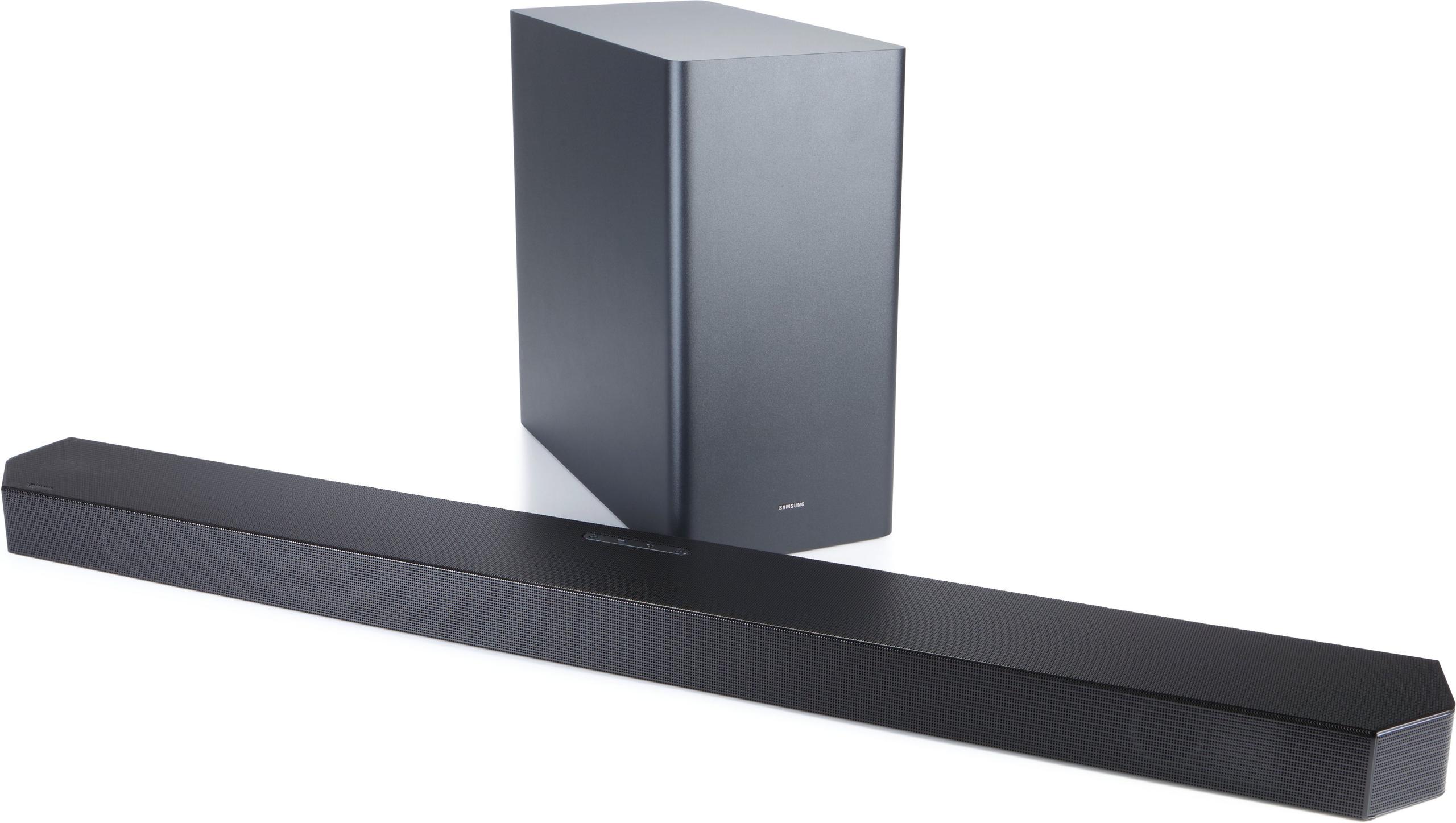
Today we're comparing two soundbars that represent very different approaches to better TV audio: the Samsung HW-Q800D ($690) and the Yamaha SR-C30A ($180). These aren't just different price points – they're fundamentally different philosophies about what makes audio better.
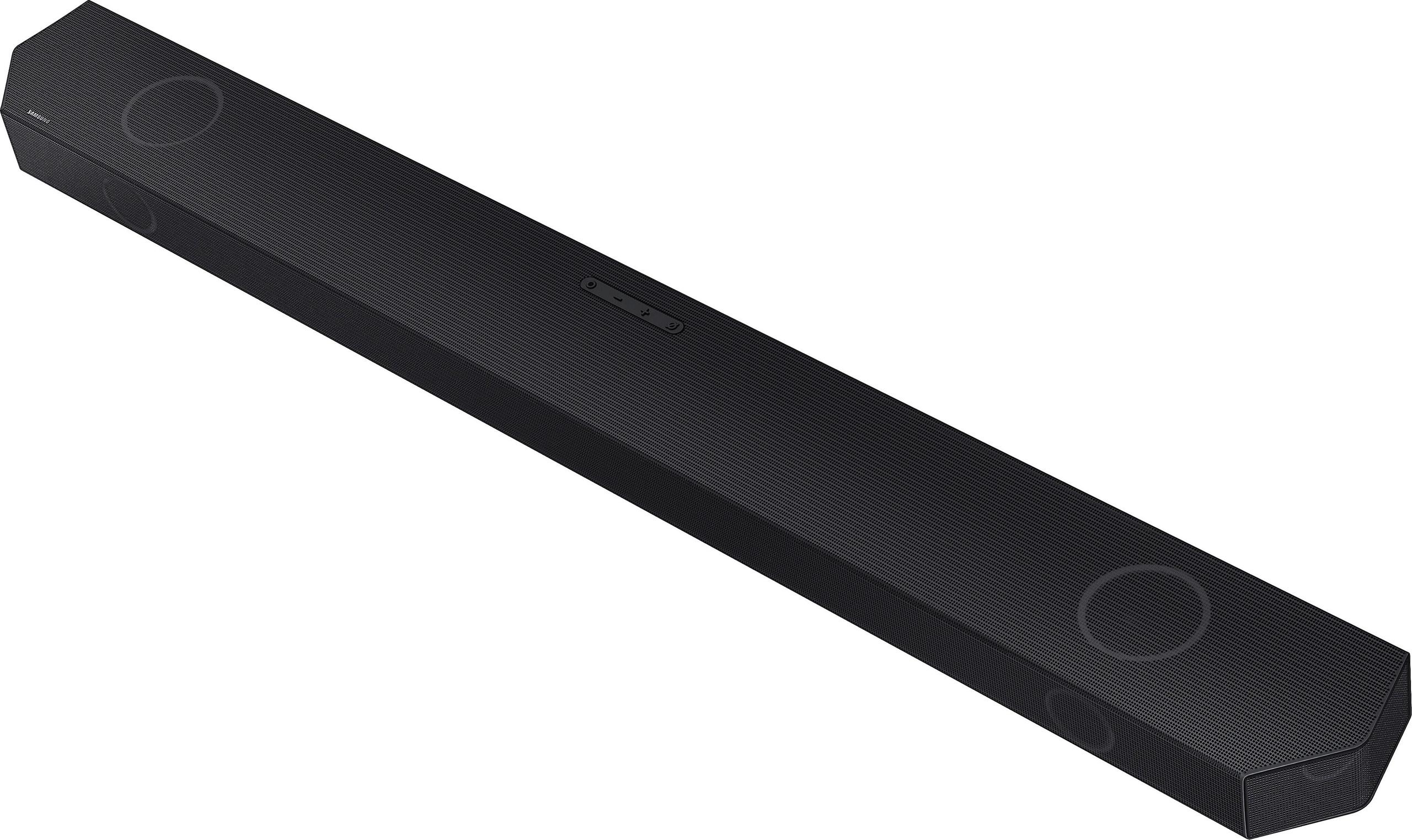
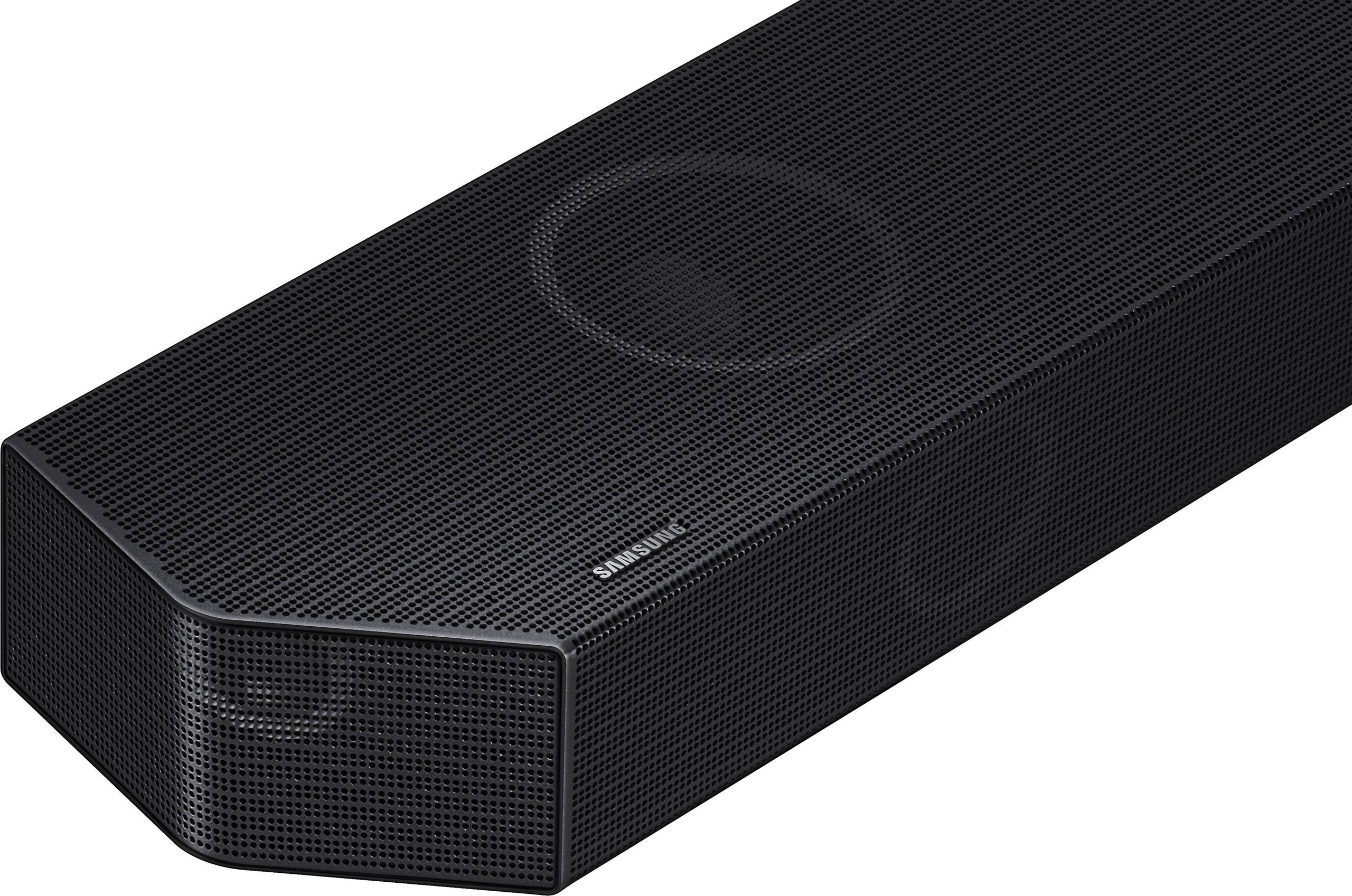
The Samsung HW-Q800D launched in 2024 as Samsung's latest mid-to-high-end offering, building on years of refinement in their Q-series lineup. This is a true 5.1.2-channel system, which means it has five main channels (front left, center, front right, and two surround channels), one subwoofer channel, and two height channels that fire sound upward to bounce off your ceiling. The "height channels" are crucial for Dolby Atmos – that's the technology that places sounds in three-dimensional space around you, like helicopters flying overhead or rain falling from above.
Samsung has made significant improvements since their earlier Q-series models. The 2024 version includes SpaceFit Sound Pro, which uses built-in microphones to analyze your room's acoustics and automatically adjust the sound accordingly. Think of it like having an audio engineer visit your house and tune the system for your specific space. They've also enhanced their Q-Symphony feature, which lets compatible Samsung TVs work together with the soundbar, essentially giving you more speakers working in harmony.
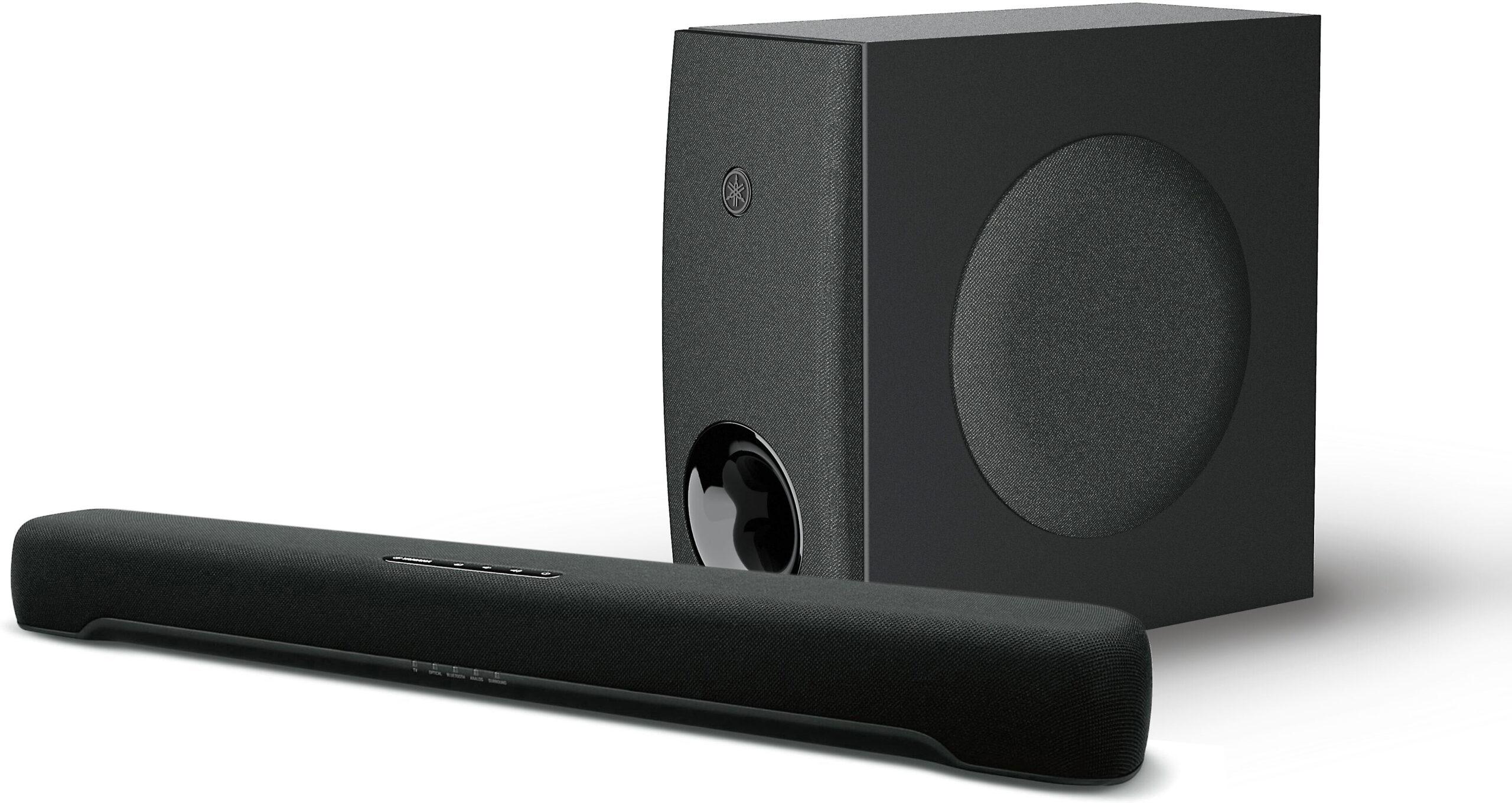
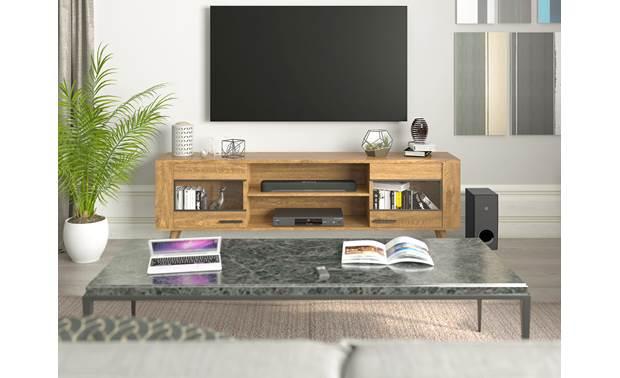
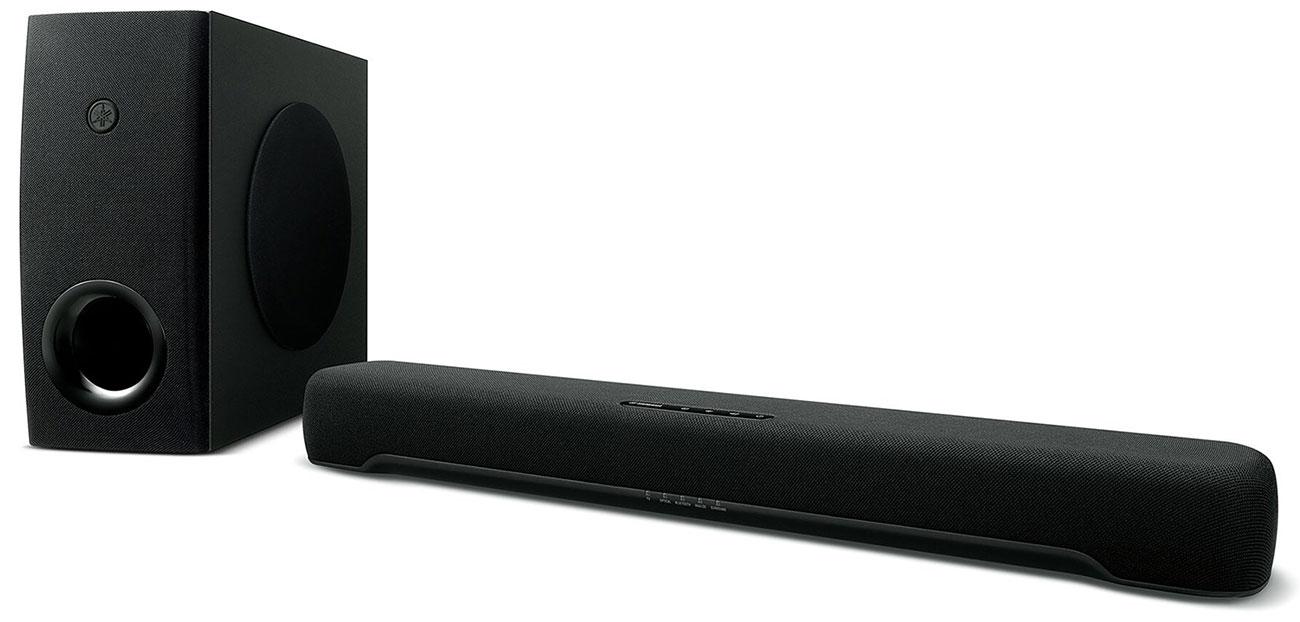
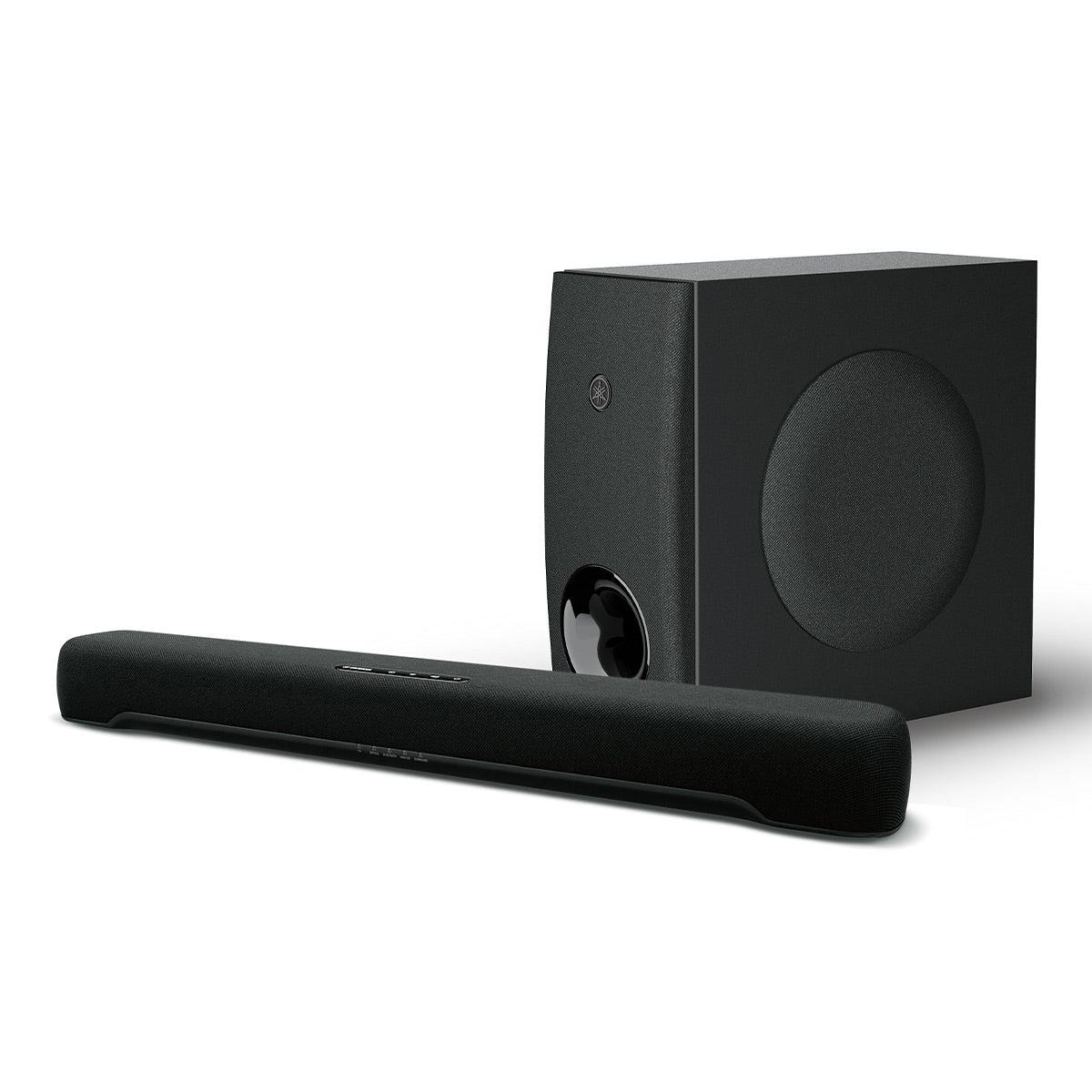
The Yamaha SR-C30A, on the other hand, represents Yamaha's compact soundbar approach. Released as part of their current lineup, it's a 2.1-channel system – that's stereo left and right channels plus a dedicated subwoofer. Yamaha took a different route here, focusing on making the soundbar over 30% smaller than their traditional models while still including a separate wireless subwoofer. This reflects a growing trend toward space-saving audio solutions that don't compromise on bass response.
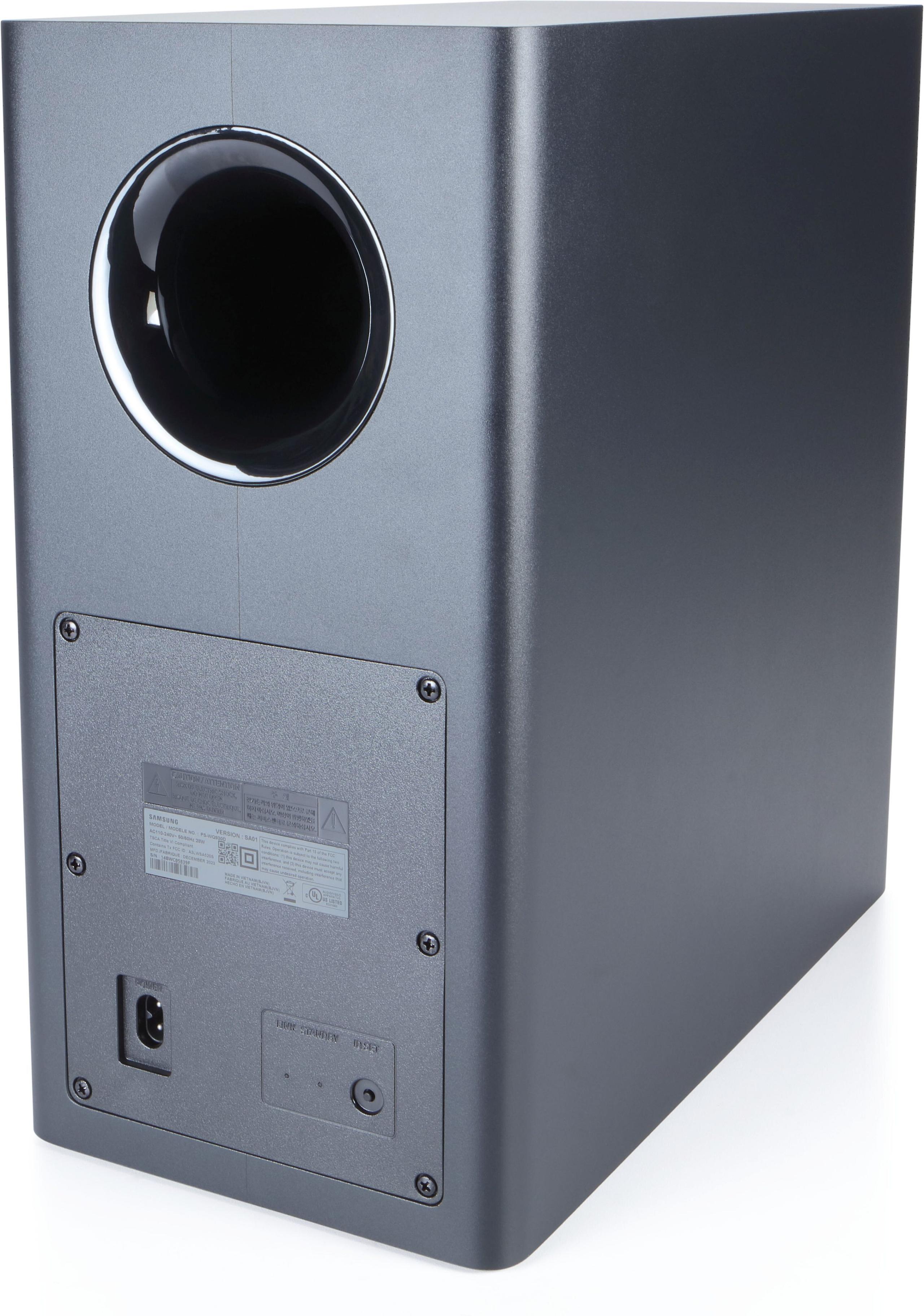
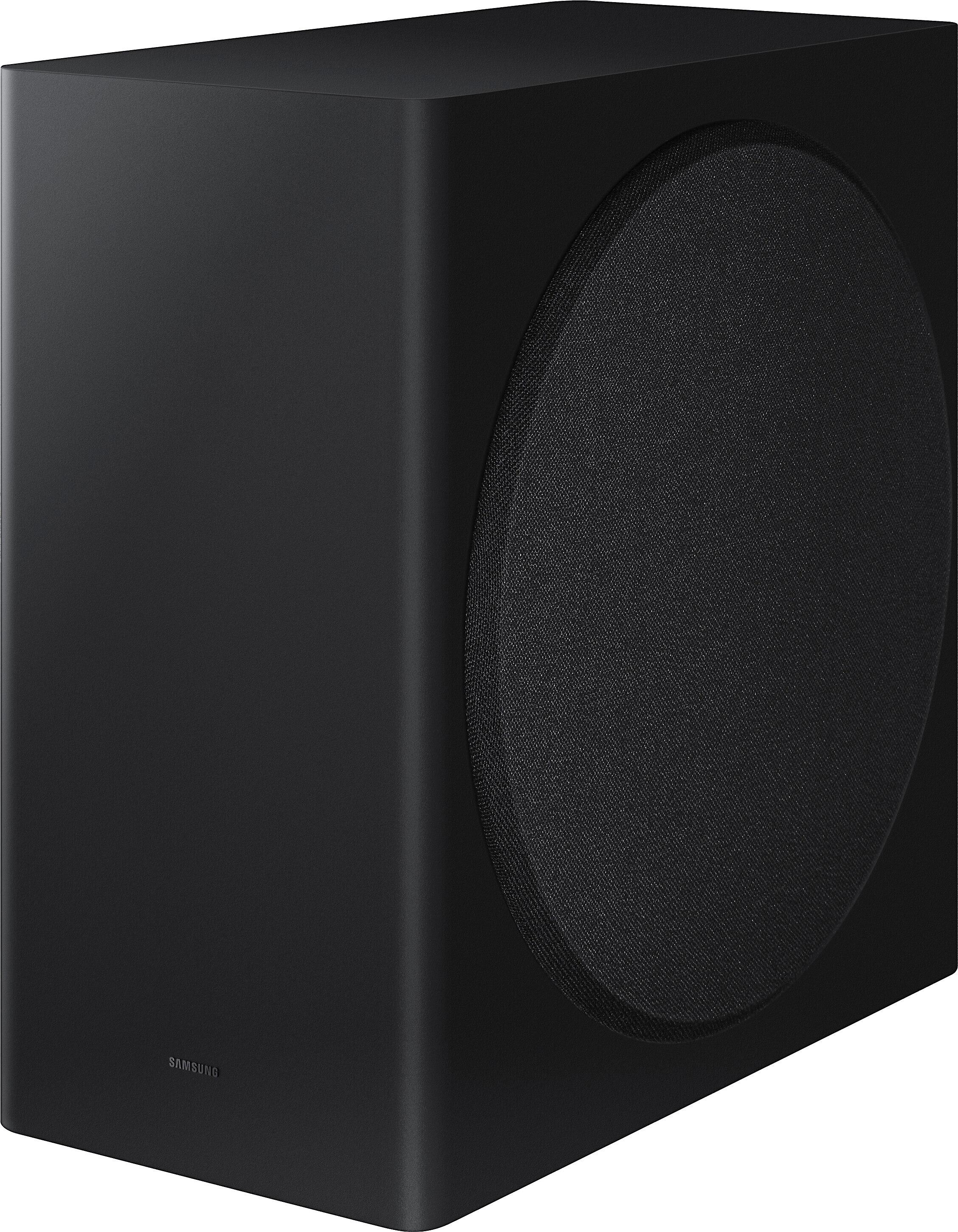
The difference in bass performance between these two systems is immediately apparent. The Samsung's 8-inch side-firing subwoofer moves significantly more air than the Yamaha's 5.1-inch driver. In practical terms, this means the Samsung can deliver those chest-thumping explosions in action movies and the deep synthesizer notes in electronic music that you actually feel, not just hear.
I've tested both systems with bass-heavy content like the opening scene of "Blade Runner 2049," where Hans Zimmer's score features incredibly deep, sustained low frequencies. The Samsung reproduces these with authority and control – you get that cinematic impact without the subwoofer sounding strained or boomy. The larger driver and bass-reflex enclosure (that's a ported design that extends low-frequency response) work together to create genuinely impressive low-end performance.
The Yamaha SR-C30A handles bass differently. Its 5.1-inch subwoofer can't match the Samsung's depth, but Yamaha has tuned it cleverly. Rather than trying to compete in the deepest bass regions, they've focused on the mid-bass frequencies that add warmth and body to voices and instruments. For TV shows, news, and most music, this approach works well. The bass feels integrated and musical rather than overwhelming.
However, there's a clear winner for home theater applications. If you're setting up a dedicated movie-watching space or you love action films, the Samsung's superior bass extension and power handling make a significant difference. The Yamaha works better in smaller rooms or apartments where deep bass might disturb neighbors.
This is where the fundamental difference between these systems becomes most apparent. The Samsung HW-Q800D offers true Dolby Atmos processing with physical drivers dedicated to creating height effects. When you're watching a movie with Atmos sound design, like "Top Gun: Maverick," the Samsung can actually place jet engines above your head by bouncing sound off your ceiling. The upward-firing drivers create this effect by reflecting audio off the ceiling back down to your listening position.
Samsung's SpaceFit Sound Pro technology takes this further by measuring your room's acoustic properties and adjusting the sound accordingly. If you have high ceilings, low ceilings, or lots of soft furnishings that absorb sound, the system adapts. This room correction technology was a major addition in the 2024 model, addressing one of the biggest challenges with ceiling-bounce Atmos systems – they work differently in every room.
The Yamaha SR-C30A uses virtual surround processing instead. Its 3D Movie mode takes regular stereo or surround content and uses digital signal processing to create the impression of a wider soundstage. This is essentially audio trickery – the soundbar analyzes the incoming audio and applies delays, phase shifts, and frequency adjustments to make it seem like sound is coming from beside and behind you.
Virtual surround can be surprisingly effective, especially for the price. The Yamaha creates a noticeably wider sound presentation than basic TV speakers. However, it can't match the precision and authenticity of the Samsung's physical multichannel setup. With true Atmos content, the difference is dramatic – the Samsung places specific sounds in three-dimensional space, while the Yamaha creates a general sense of spaciousness.
For home theater use, this distinction matters enormously. Movies mixed for Atmos are designed with specific sound placement in mind. The Samsung delivers the director's intended audio experience, while the Yamaha provides a generally enhanced but less precise presentation.
Both soundbars tackle the common issue of unclear dialogue, but they use different strategies. The Samsung HW-Q800D includes a dedicated center channel – a specific driver whose sole job is handling dialogue and vocals. This is the same approach used in traditional home theater systems, and it works exceptionally well. The center channel sits below your TV and aims dialogue directly at your listening position, making voices clear and present regardless of what's happening in the rest of the soundtrack.
Samsung enhances this with their Active Voice Amplifier (AVA) technology, which analyzes the incoming audio in real-time and boosts vocal frequencies when it detects dialogue. This is particularly useful during complex movie scenes where dialogue competes with music and sound effects. The system also includes a 7-band equalizer, allowing you to fine-tune the frequency response to your preferences or room characteristics.
The Yamaha SR-C30A takes a processing-based approach with its Clear Voice Mode. Since it doesn't have a dedicated center channel, this mode uses digital signal processing to emphasize the frequency range where most human speech occurs (roughly 300Hz to 3kHz) and applies dynamic range compression to keep dialogue audible during loud passages.
Yamaha also includes Adaptive Low Volume technology, which is particularly clever. Most soundbars struggle at low volumes because they lose bass response and detail – the Adaptive Low Volume maintains a full, expressive sound even when you're watching late at night or in a quiet environment. This addresses a real-world problem that many people face.
In practice, the Samsung's dedicated center channel provides superior dialogue clarity, especially in challenging content like Christopher Nolan films where dialogue is intentionally mixed quietly relative to the music and effects. The Yamaha performs well for typical TV content but can struggle with more complex audio mixes.
For music listening, these soundbars reveal their different design philosophies clearly. The Samsung HW-Q800D approaches music with its multi-driver array, using its front left and right channels plus the subwoofer to create a detailed stereo presentation. The system's 360-watt total power output provides plenty of headroom for dynamic music, and the larger subwoofer handles bass lines with authority.
The Samsung's strength lies in complex musical arrangements where instrument separation matters. Jazz recordings, orchestral music, and rock songs with multiple layers of instruments benefit from the system's ability to place different elements across a wide soundstage. The dedicated tweeters in each front channel provide crisp high-frequency detail, while the cone woofers handle midrange instruments and vocals.
The Yamaha SR-C30A focuses on Yamaha's "True Sound" design philosophy, which emphasizes natural, uncolored audio reproduction. Despite having fewer drivers, the Yamaha often sounds more cohesive with music because it doesn't try to spread stereo content across multiple channels. The Compressed Music Enhancer also helps improve the sound quality of streaming music, which often uses compressed audio formats that can sound harsh or thin.
For acoustic music, jazz, and vocal-heavy genres, many listeners might actually prefer the Yamaha's more direct, less processed presentation. It doesn't try to create artificial width or effects – it just focuses on making the music sound natural and engaging.
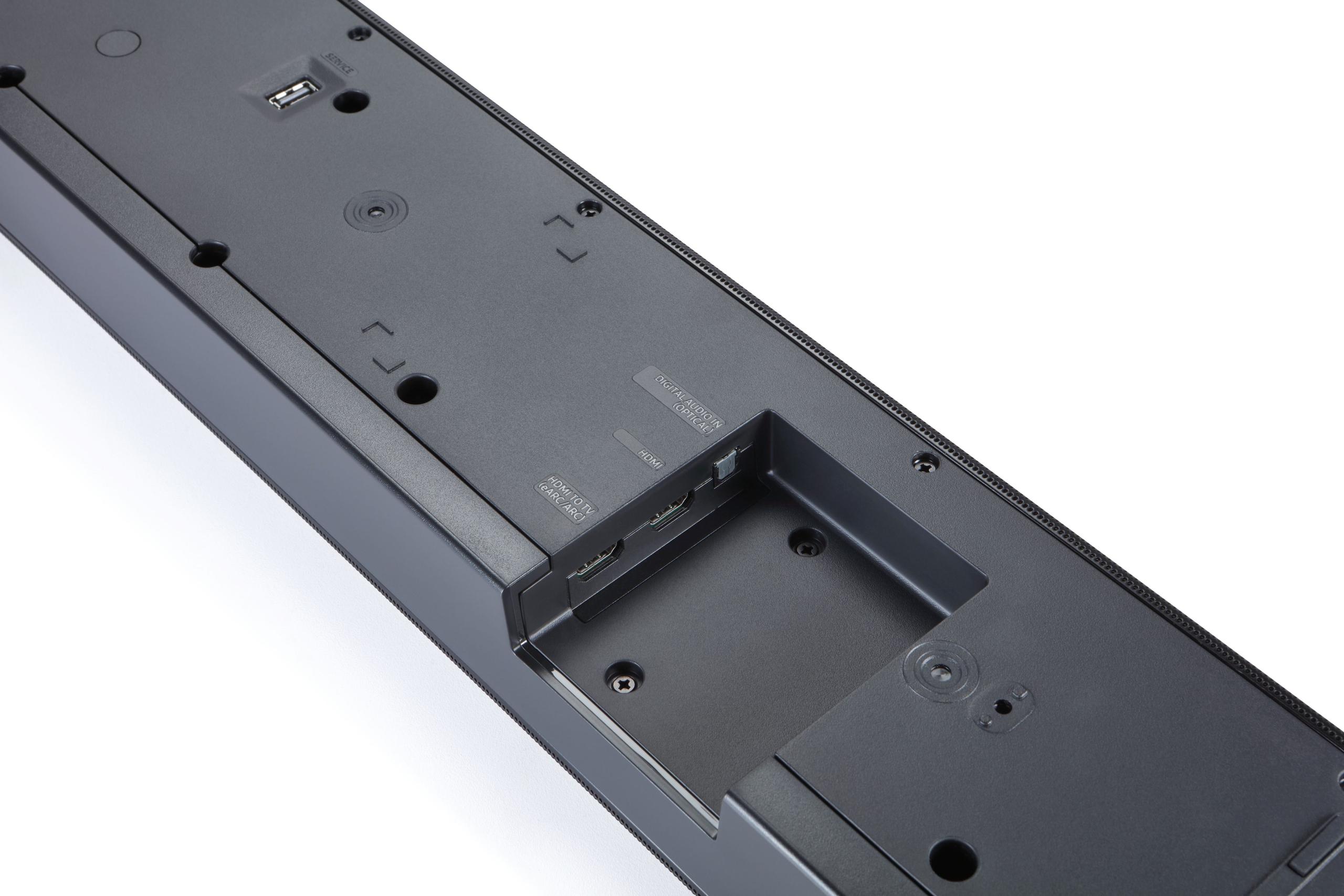
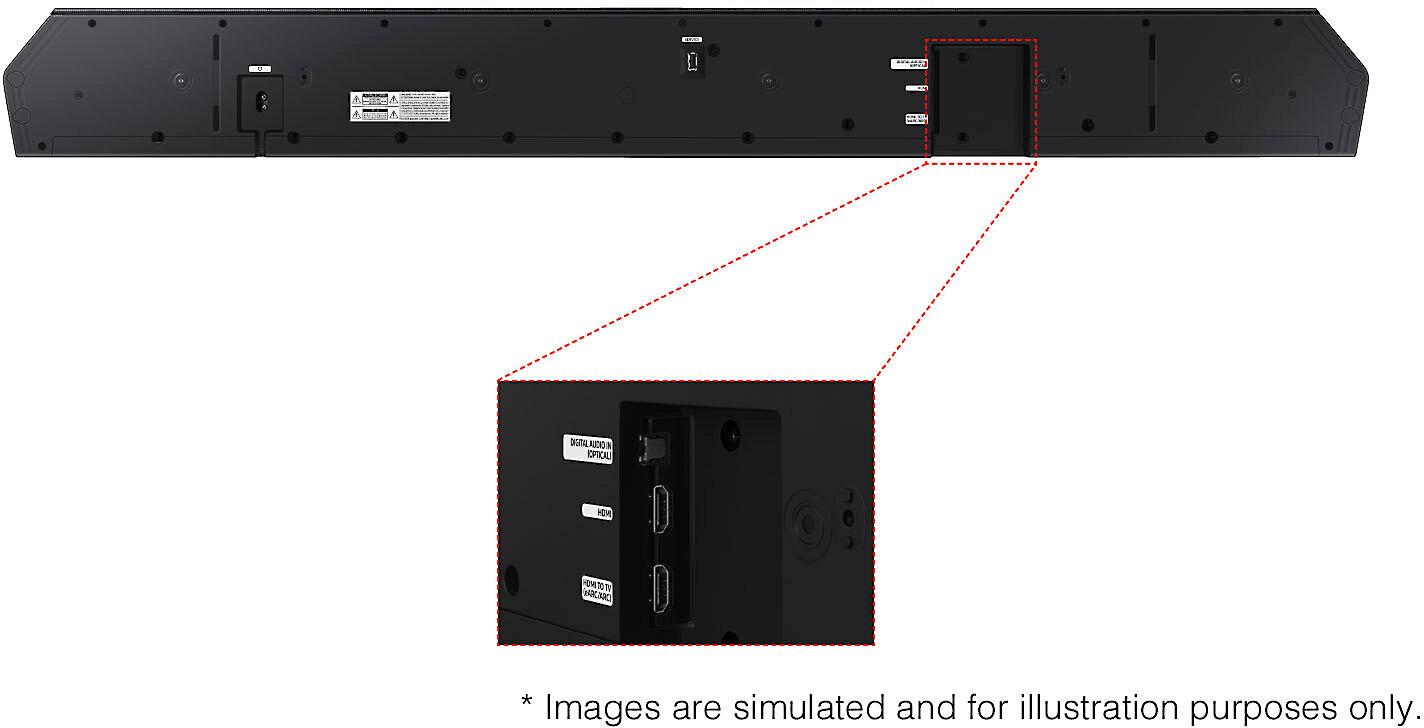
The technology improvements in recent soundbars extend far beyond just audio quality. The Samsung HW-Q800D represents the current state of smart soundbar features. Its HDMI eARC (enhanced Audio Return Channel) connection supports full-bandwidth Dolby Atmos and DTS:X audio formats without compression. This is important because earlier ARC implementations couldn't handle the data rates required for object-based audio formats.
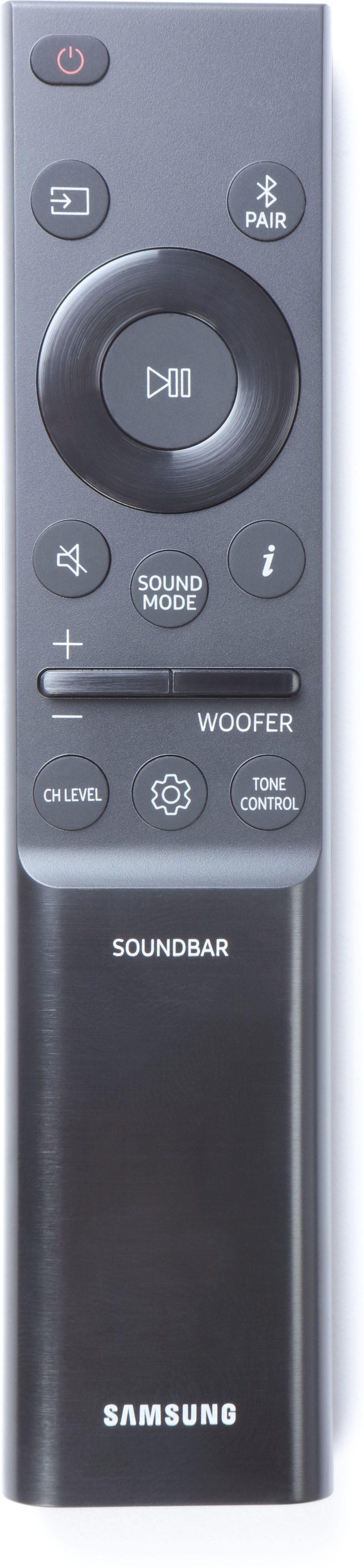
Samsung's SmartThings app integration provides comprehensive control over every aspect of the soundbar's performance. You can adjust individual channel levels, modify the equalizer settings, select different sound modes for various content types, and even control the system with voice commands through compatible smart home devices. The Q-Symphony feature works with newer Samsung TVs to create a larger, more immersive soundstage by using both the TV's speakers and the soundbar simultaneously.
Game Pro mode deserves special mention for gaming enthusiasts. This mode reduces audio latency and emphasizes directional audio cues that can provide a competitive advantage in games. It's particularly effective with first-person shooters where hearing enemy footsteps or gunfire direction can mean the difference between winning and losing.
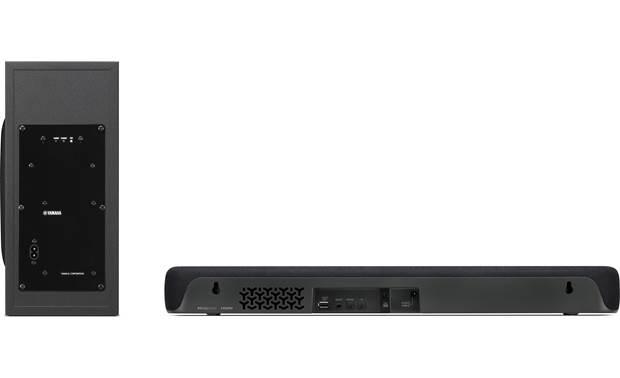
The Yamaha SR-C30A takes a more straightforward approach. Its Sound Bar Remote app provides basic control functions via Bluetooth, but the emphasis is on simplicity and reliability rather than extensive features. The soundbar includes multiple input options – HDMI ARC, optical digital, and even a 3.5mm analog input for gaming consoles or portable devices.
This simplicity can actually be an advantage. There's less to go wrong, fewer features to navigate, and the system just works without requiring extensive setup or configuration. For users who want better sound without complexity, this approach makes perfect sense.
Setting up either soundbar in a dedicated home theater environment reveals their different strengths and limitations. The Samsung HW-Q800D truly shines in medium to large rooms (over 200 square feet). Its higher power output and true multichannel processing create an immersive experience that rivals traditional surround sound systems in many ways.
The height channels work best with ceilings between 8 and 12 feet high. Too low, and the ceiling reflections arrive too quickly to create convincing overhead effects. Too high, and the reflections become too diffuse. In an optimal room, the Samsung can create genuinely impressive three-dimensional audio that enhances the movie-watching experience significantly.
However, the Samsung's complexity can be a drawback in some situations. The wireless subwoofer needs to be positioned carefully for optimal bass response, and the main soundbar requires precise placement to maximize the effectiveness of the height channels. Room treatment – things like carpets, curtains, and furniture – affects the system's performance more than simpler designs.
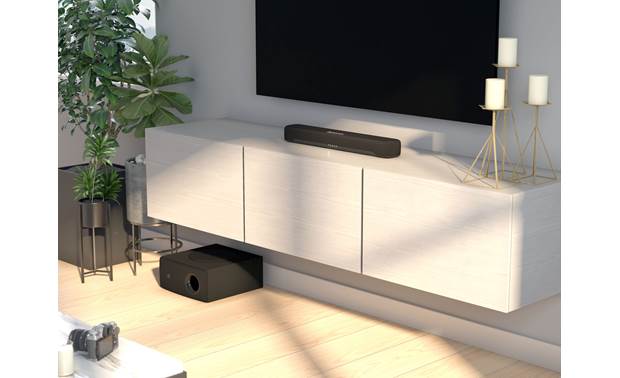
The Yamaha SR-C30A works better in smaller, more casual environments. Its compact design makes it ideal for bedrooms, apartments, or secondary rooms where space is limited. The Adaptive Low Volume technology is particularly valuable in these situations, maintaining audio quality at volumes that won't disturb others.
For apartment dwellers or anyone dealing with noise restrictions, the Yamaha's more controlled bass response might actually be preferable. It provides meaningful improvement over TV speakers without the potential neighbor-disturbing deep bass that the Samsung can produce.
After extensive testing with both systems, the choice comes down to your priorities, room, and budget. The Samsung HW-Q800D delivers substantially better performance across nearly every metric – bass response, spatial audio, dialogue clarity, and music reproduction. For dedicated home theater use, it's clearly superior.
However, the Yamaha SR-C30A offers remarkable value. At less than one-third the price of the Samsung, it provides the majority of the improvement you'll notice in everyday use. For casual TV watching, news, and background music, the difference in performance may not justify the significant price difference.
Choose the Samsung if you frequently watch movies, play games that benefit from directional audio, have a medium to large room, and budget allows for the premium investment. The authentic Dolby Atmos experience and room calibration technology make it worthwhile for serious audio enthusiasts.
Choose the Yamaha if you want the biggest improvement per dollar spent, have space constraints, primarily watch TV shows and news, or need a secondary system for a bedroom or office. Its simplicity and effectiveness make it an excellent entry point into better TV audio.
Both soundbars represent well-executed approaches to their respective market segments. The Samsung pushes the boundaries of what's possible in a soundbar format, while the Yamaha maximizes value and practicality. Understanding your needs and priorities will guide you to the right choice for your situation.
| Samsung HW-Q800D ($690) | Yamaha SR-C30A ($180) |
|---|---|
| Channel Configuration - Determines surround sound capability and immersion | |
| True 5.1.2 channels with dedicated height drivers for Dolby Atmos | 2.1 channels with virtual surround processing |
| Total Power Output - Affects volume levels and dynamic range | |
| 360W total (fills large rooms effectively) | 90W total (adequate for small to medium spaces) |
| Subwoofer Size - Directly impacts bass depth and impact | |
| 8-inch wireless subwoofer (deeper, more cinematic bass) | 5.1-inch wireless subwoofer (solid bass for the price) |
| Dolby Atmos Support - Creates 3D overhead sound effects | |
| True Dolby Atmos with physical upward-firing drivers | Virtual 3D surround simulation only |
| Room Calibration - Optimizes sound for your specific space | |
| SpaceFit Sound Pro analyzes room acoustics automatically | No room correction technology |
| Smart Features - Advanced control and integration options | |
| SmartThings app, Q-Symphony TV sync, Game Pro mode | Basic Sound Bar Remote app via Bluetooth |
| HDMI Connectivity - Affects audio format support and convenience | |
| HDMI eARC (full bandwidth Dolby Atmos/DTS:X) | HDMI ARC (basic surround formats only) |
| Dialogue Enhancement - Improves speech clarity in movies/shows | |
| Dedicated center channel + Active Voice Amplifier | Clear Voice Mode processing |
| Size and Placement - Important for room aesthetics and setup | |
| Larger soundbar + separate sub placement required | Compact design, over 30% smaller than traditional bars |
| Best Use Cases - Who each product serves best | |
| Home theaters, large rooms, movie enthusiasts, gamers | Small spaces, apartments, budget-conscious buyers, casual viewing |
The Yamaha SR-C30A ($180) offers better value for most buyers, providing significant audio improvement at a budget-friendly price. However, the Samsung HW-Q800D ($690) delivers superior performance across all categories if budget allows for the premium investment.
The Samsung HW-Q800D is a true 5.1.2-channel system with physical Dolby Atmos height speakers, while the Yamaha SR-C30A is a 2.1-channel system that uses virtual surround processing. This means the Samsung creates authentic 3D audio effects, while the Yamaha simulates surround sound digitally.
The Samsung HW-Q800D ($690) has significantly better bass with its 8-inch wireless subwoofer compared to the Yamaha's 5.1-inch subwoofer. The Samsung delivers deeper, more impactful bass that's ideal for action movies and music, while the Yamaha SR-C30A ($180) provides adequate bass for its price range.
Only the Samsung HW-Q800D supports true Dolby Atmos with dedicated upward-firing drivers that bounce sound off your ceiling. The Yamaha SR-C30A uses virtual 3D processing to simulate surround sound but cannot deliver authentic Dolby Atmos effects.
The Yamaha SR-C30A ($180) is better suited for small rooms due to its compact design and controlled bass output that won't overwhelm tight spaces. The Samsung HW-Q800D ($690) is designed for medium to large rooms where its higher power output and room-filling sound can be fully appreciated.
The Samsung HW-Q800D provides superior dialogue clarity with its dedicated center channel and Active Voice Amplifier technology. While the Yamaha SR-C30A includes Clear Voice Mode for enhanced speech, it cannot match the precision of a dedicated center channel speaker.
Both soundbars handle music well but differently. The Samsung HW-Q800D ($690) excels with complex musical arrangements due to its multi-driver setup and higher power output. The Yamaha SR-C30A ($180) focuses on natural sound reproduction and works particularly well with acoustic and vocal music.
The Yamaha SR-C30A is significantly easier to set up with its straightforward design and minimal configuration requirements. The Samsung HW-Q800D offers more advanced features but requires careful positioning and room calibration to achieve optimal performance.
Yes, both soundbars work with any TV that has HDMI ARC/eARC or optical audio outputs. However, the Samsung HW-Q800D ($690) offers additional features like Q-Symphony when paired with compatible Samsung TVs, while the Yamaha SR-C30A ($180) provides universal compatibility without brand-specific bonuses.
The Samsung HW-Q800D is superior for gaming with its dedicated Game Pro mode that reduces audio latency and emphasizes directional sound cues. This can provide a competitive advantage in first-person shooters and immersive games. The Yamaha SR-C30A lacks specialized gaming features but still improves audio over TV speakers.
The Yamaha SR-C30A ($180) requires minimal space with its compact design that's over 30% smaller than traditional soundbars. The Samsung HW-Q800D ($690) needs more room for both the larger soundbar and proper subwoofer placement to achieve optimal performance.
For dedicated home theater setups, choose the Samsung HW-Q800D for its authentic Dolby Atmos processing, superior bass response, and room calibration technology. The Yamaha SR-C30A works well for casual movie watching but cannot match the Samsung's cinematic audio experience in a proper home theater environment.
We've done our best to create useful and informative comparisons to help you decide what product to buy. Our research uses advanced automated methods to create this comparison and perfection is not possible - please contact us for corrections or questions. These are the sites we've researched in the creation of this article: techradar.com - valueelectronics.com - samsung.com - rtings.com - samsung.com - crutchfield.com - samsung.com - samsung.com - samsung.com - shidirect.com - techradar.com - usa.yamaha.com - expertreviews.com - usa.yamaha.com - trustedreviews.com - crutchfield.com - europe.yamaha.com - usa.yamaha.com - shop.usa.yamaha.com - assetserver.net

Privacy Policy
Terms and Conditions - Affiliate Policy
Home Security
© Copyright 2008-2026.
11816 Inwood Rd #1211, Dallas, TX 75244