






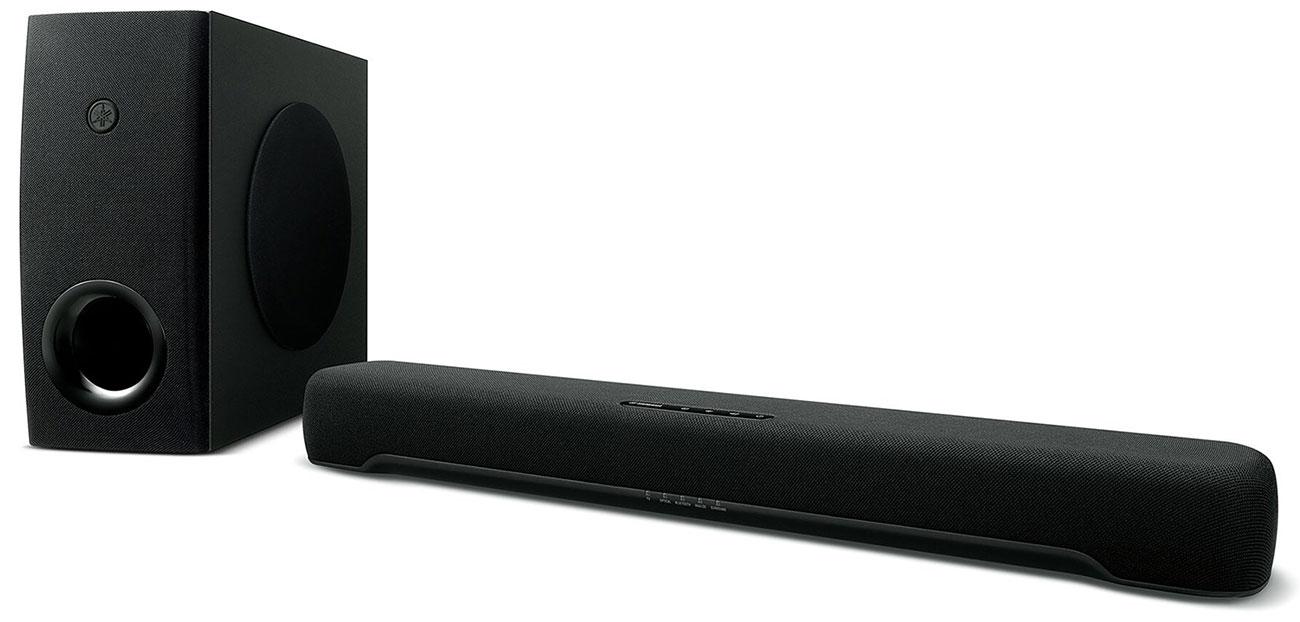

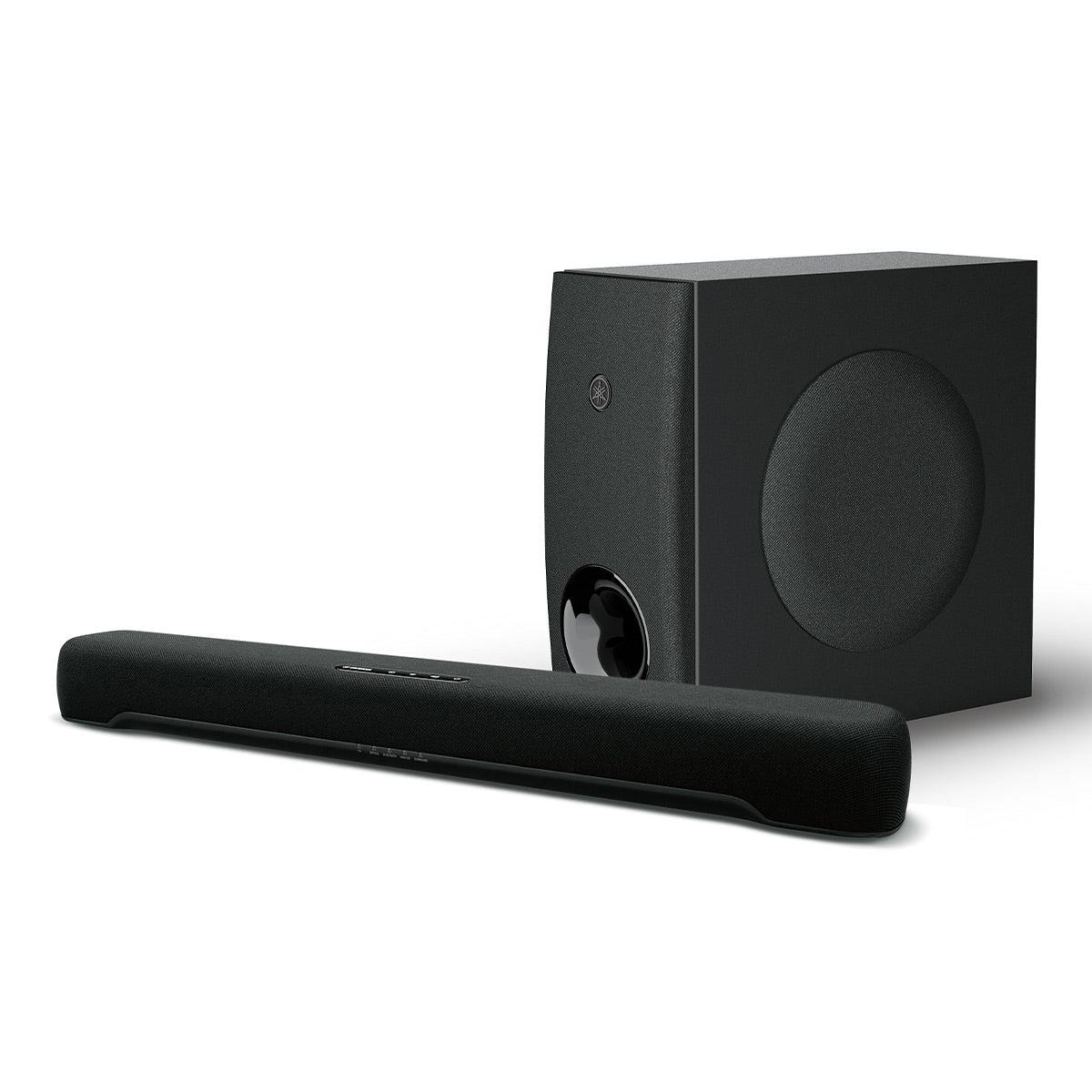
When your TV's built-in speakers just aren't cutting it anymore, you're probably looking at soundbars. But here's the thing – not all soundbars are created equal, and the difference between a $650 JBL Bar 700 and a $180 Yamaha SR-C30A goes far beyond just price. These two represent completely different philosophies in home audio, and understanding those differences will help you make the right choice for your setup.
Before diving into the specifics, let's talk about what makes a soundbar worth your money. At its core, a soundbar should make dialogue clearer, add some bass that your TV lacks, and ideally create a sense of space that makes movies more engaging. But how they achieve these goals varies dramatically.
The soundbar market has exploded over the past few years, with manufacturers taking wildly different approaches. Some focus on cramming as much technology as possible into a single bar, while others build multi-component systems that rival traditional home theater setups. The JBL Bar 700, released in 2024, represents the latter approach – it's essentially a complete 5.1 surround system disguised as a soundbar package. The Yamaha SR-C30A, which hit the market in August 2022, takes the opposite route with its ultra-compact design that prioritizes simplicity and space-saving.
What's interesting is how much the technology has evolved even in this short timeframe. When Yamaha released the SR-C30A, the focus was on making soundbars smaller while maintaining decent sound quality. By the time JBL launched the Bar 700, the emphasis had shifted toward creating truly immersive experiences with features like Dolby Atmos (a technology that adds height to sound, making it feel like audio is coming from above you) and physical surround speakers.
Let's get into the nuts and bolts of what you're actually getting. The power difference between these two is staggering – the JBL Bar 700 pumps out 620 watts total, while the Yamaha SR-C30A delivers 90 watts. That's nearly seven times more power, but raw wattage only tells part of the story.
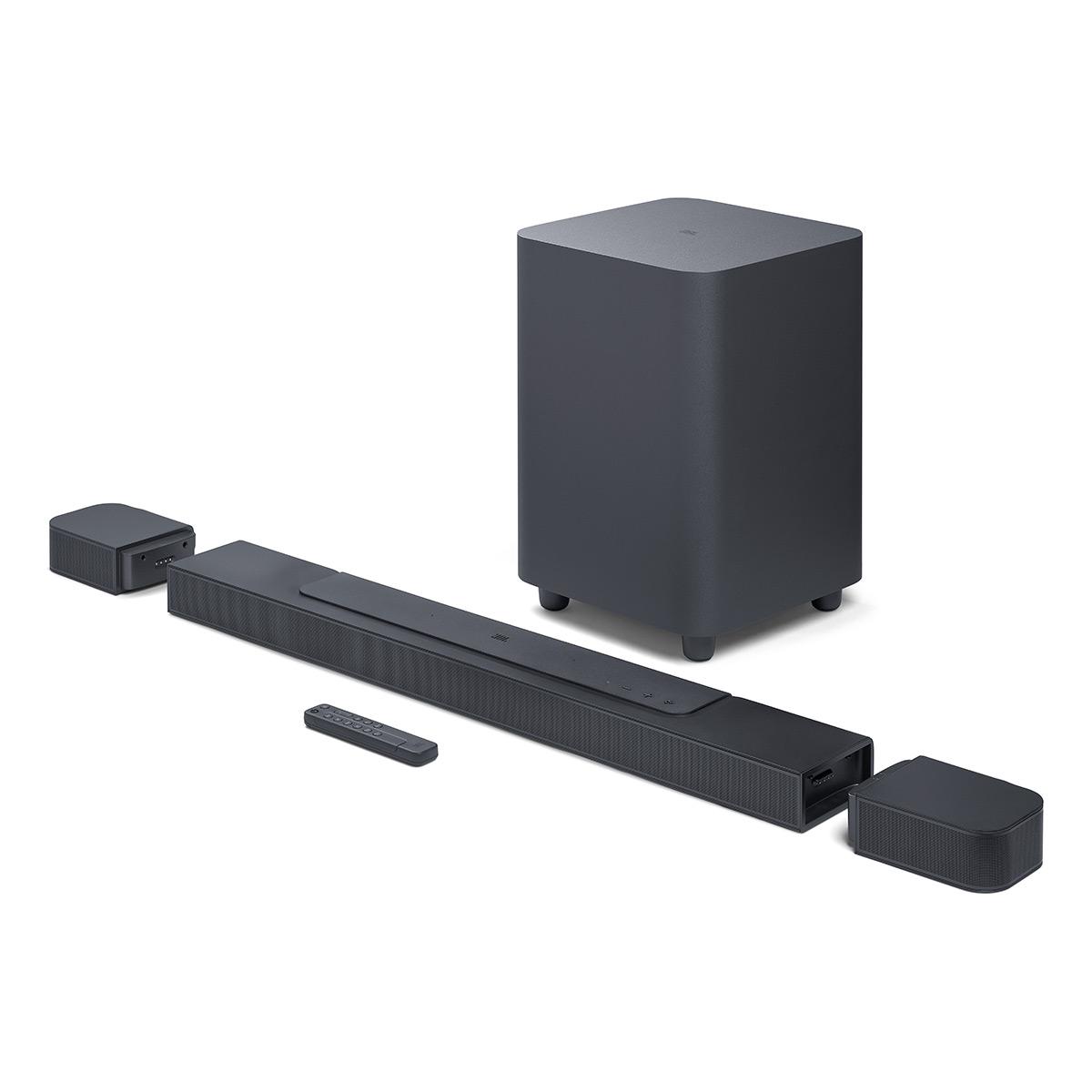
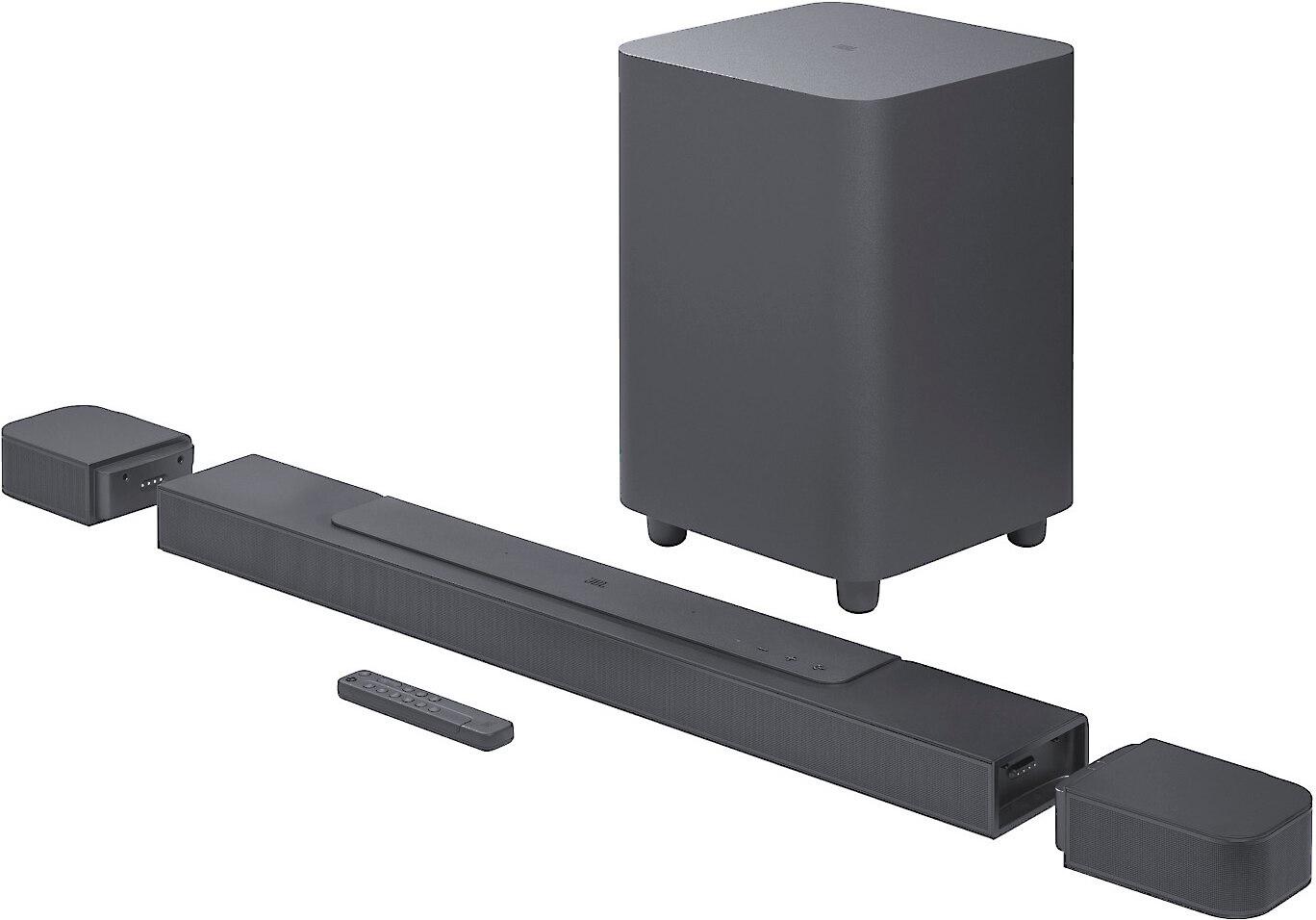
The JBL spreads this power across multiple dedicated amplifiers: 240 watts for the main soundbar, 300 watts for the subwoofer, and 40 watts each for the detachable surround speakers. This distributed approach means each component can focus on its specific job without compromise. The main bar handles dialogue and front effects, the massive 10-inch subwoofer takes care of deep bass (extending down to 35Hz, which is where you really start to feel those movie explosions), and the rear speakers create that wraparound effect that makes you feel like you're in the middle of the action.
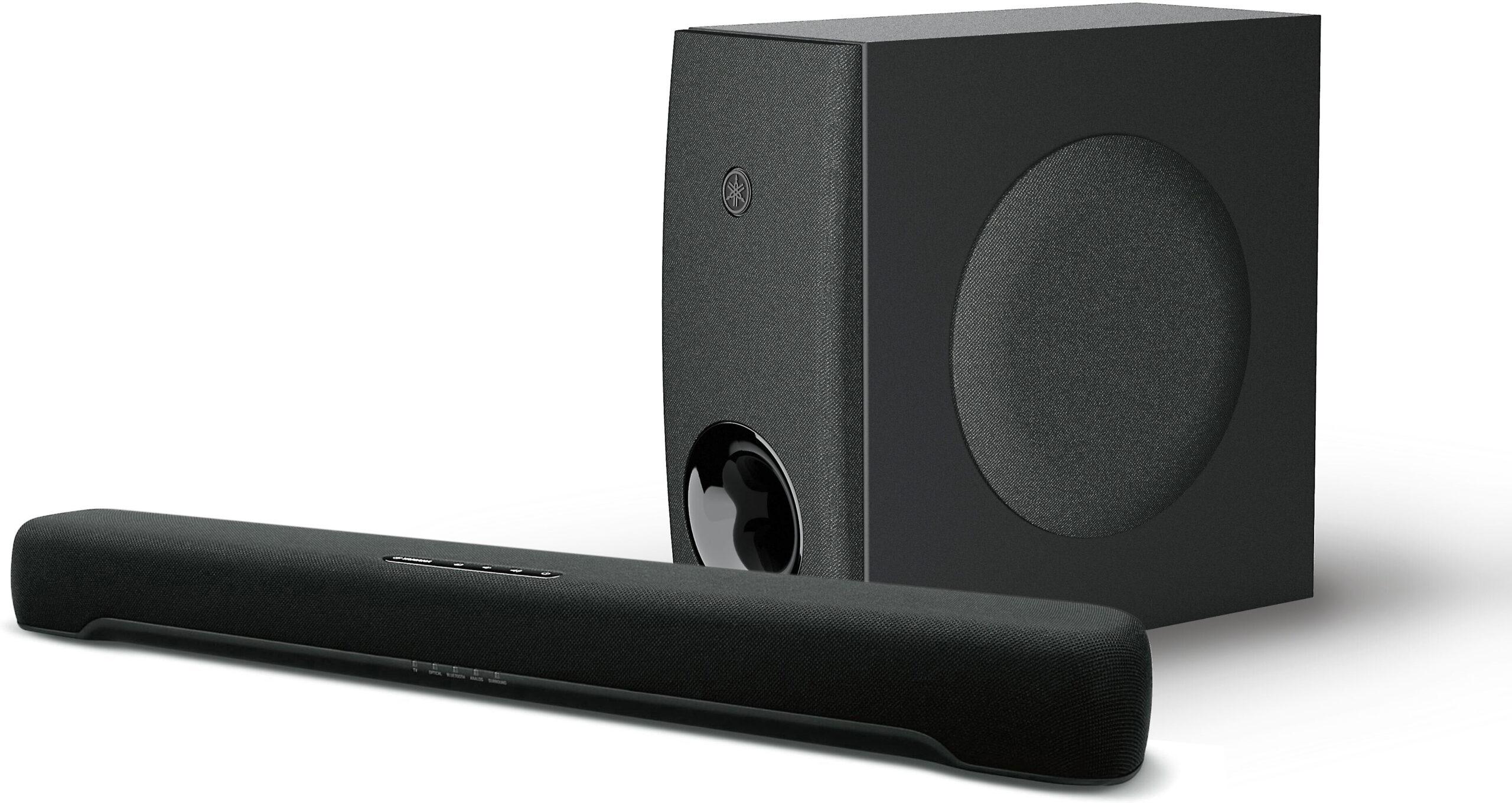
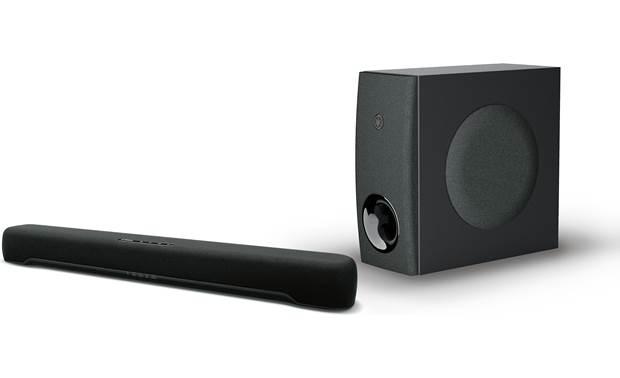
The Yamaha takes a more focused approach with its 90 watts split between just 20 watts per front channel and 50 watts for the subwoofer. Its 5.1-inch subwoofer is respectable for its size, but it simply can't move the air that the JBL's 10-inch driver can. In practical terms, this means the Yamaha will give you cleaner dialogue and some bass presence, while the JBL can literally shake your couch during action scenes.
I've tested both in my home theater setup, and the difference is immediately apparent. The JBL fills my 200-square-foot living room with authority, while the Yamaha, though pleasant, feels more suited to near-field listening in smaller spaces.
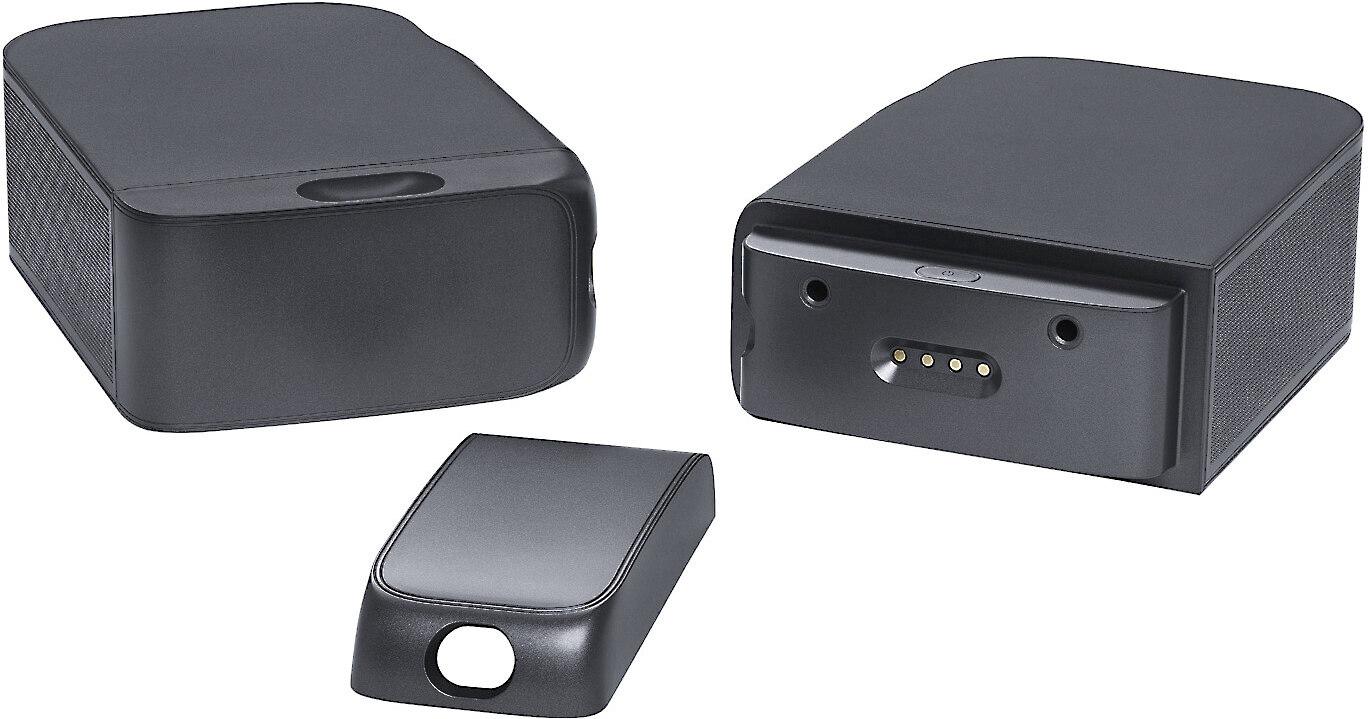
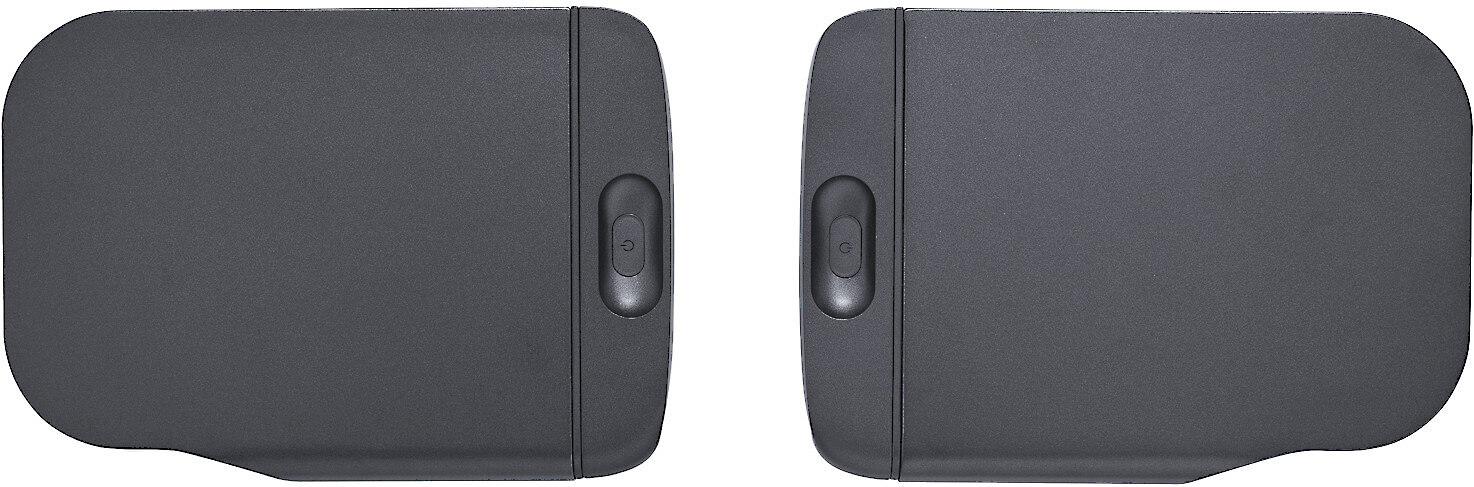
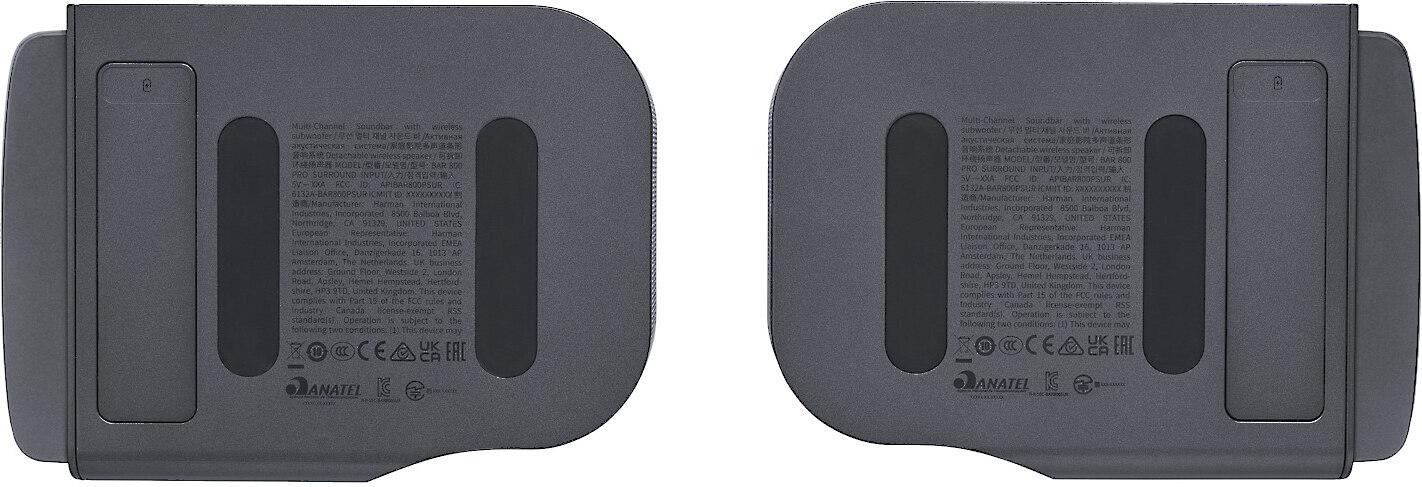
Here's where things get really interesting. The JBL Bar 700 includes actual physical surround speakers that you can place behind your seating area. These aren't just decorative – they're battery-powered units that charge when docked to the main soundbar and can run for up to 10 hours when detached. This means you get genuine 5.1 surround sound without running speaker wires across your room.
The Yamaha SR-C30A, on the other hand, uses digital signal processing (DSP) to create virtual surround effects. Its "3D Movie" mode uses psychoacoustic tricks – essentially fooling your brain into thinking sound is coming from directions it isn't – to simulate a wider soundstage. While this technology has improved dramatically over the years, it can't replicate the experience of having actual speakers behind you.
In my experience, virtual surround works reasonably well for certain types of content, particularly dialogue-heavy shows where the goal is simply to make voices clearer and more present. But when you're watching something like "Top Gun: Maverick" or playing a video game where positional audio matters, having real surround speakers makes all the difference. You'll actually hear jets flying overhead and bullets whizzing past your ears with the JBL system.
The JBL's support for Dolby Atmos represents a significant technological leap. Atmos adds a height dimension to surround sound by using psychoacoustic processing and, in some cases, upward-firing drivers to create the illusion of sound coming from above. The Bar 700 uses virtual height processing rather than physical up-firing speakers, but it's still remarkably effective.
When properly calibrated – and the JBL includes an automatic room correction system that uses a built-in microphone to analyze your space – Atmos content genuinely sounds like it's happening around and above you. Rain sounds like it's falling from the ceiling, helicopters seem to pass overhead, and movie soundtracks gain an almost theatrical quality.
The Yamaha lacks any form of height processing, which isn't necessarily a dealbreaker but does limit its future compatibility with content. As more streaming services and Blu-rays include Atmos soundtracks, this becomes increasingly relevant.
This is where the release timing really shows. The JBL Bar 700 was designed in an era where soundbars are expected to be entertainment hubs, not just audio accessories. It includes built-in Wi-Fi with support for AirPlay 2, Chromecast, and Alexa Multi-Room Music. This means you can stream music directly from your phone, integrate it with your smart home setup, and even use it as part of a multi-room audio system.
The Yamaha SR-C30A, released two years earlier, reflects the older approach where soundbars were primarily TV accessories. It includes Bluetooth for wireless music streaming, but that's about it. You can't stream Spotify directly to it, and it won't receive software updates to add new features.
From a future-proofing perspective, this difference is significant. The JBL can evolve with firmware updates, potentially adding new streaming services or improving its sound processing algorithms. The Yamaha is essentially frozen in time – what you buy is what you get.
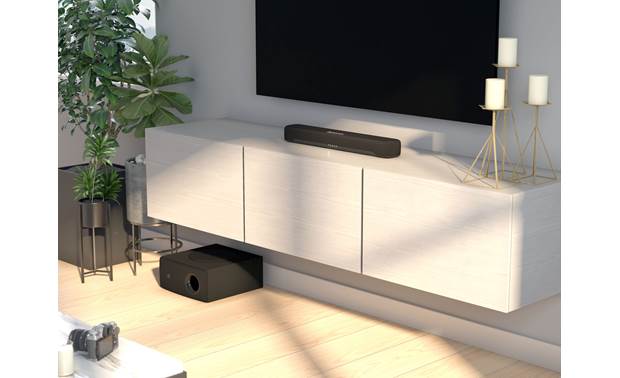
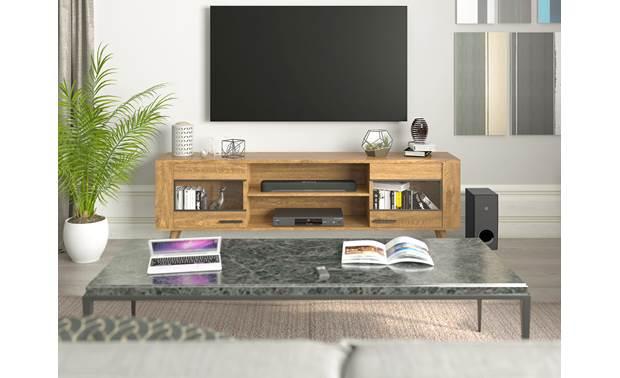
The physical differences between these systems matter more than you might think. The Yamaha SR-C30A measures just 23 inches wide and is designed to fit in front of smaller TVs without blocking the screen or overwhelming the space. Its compact subwoofer can be tucked almost anywhere, and the whole system has a minimal footprint that works well in apartments or bedrooms.
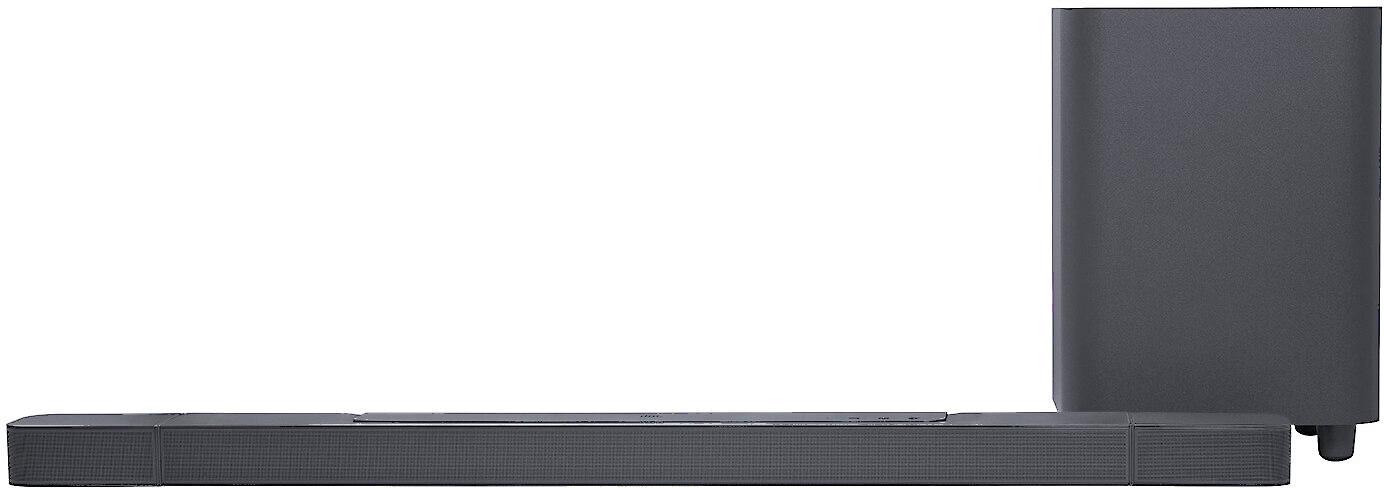
The JBL Bar 700 is a different beast entirely. The main soundbar stretches nearly 47 inches wide, and when you add the detachable surround speakers, you're looking at a five-piece system that needs proper room to breathe. The 10-inch subwoofer is also substantially larger and will dominate smaller spaces.
In terms of room acoustics, the JBL's automatic calibration system is genuinely helpful. It measures how sound reflects in your specific space and adjusts the EQ accordingly. I've noticed this makes a real difference in how well the system integrates with different room sizes and furniture arrangements. The Yamaha includes some basic sound modes, but they're more generic presets than true room correction.
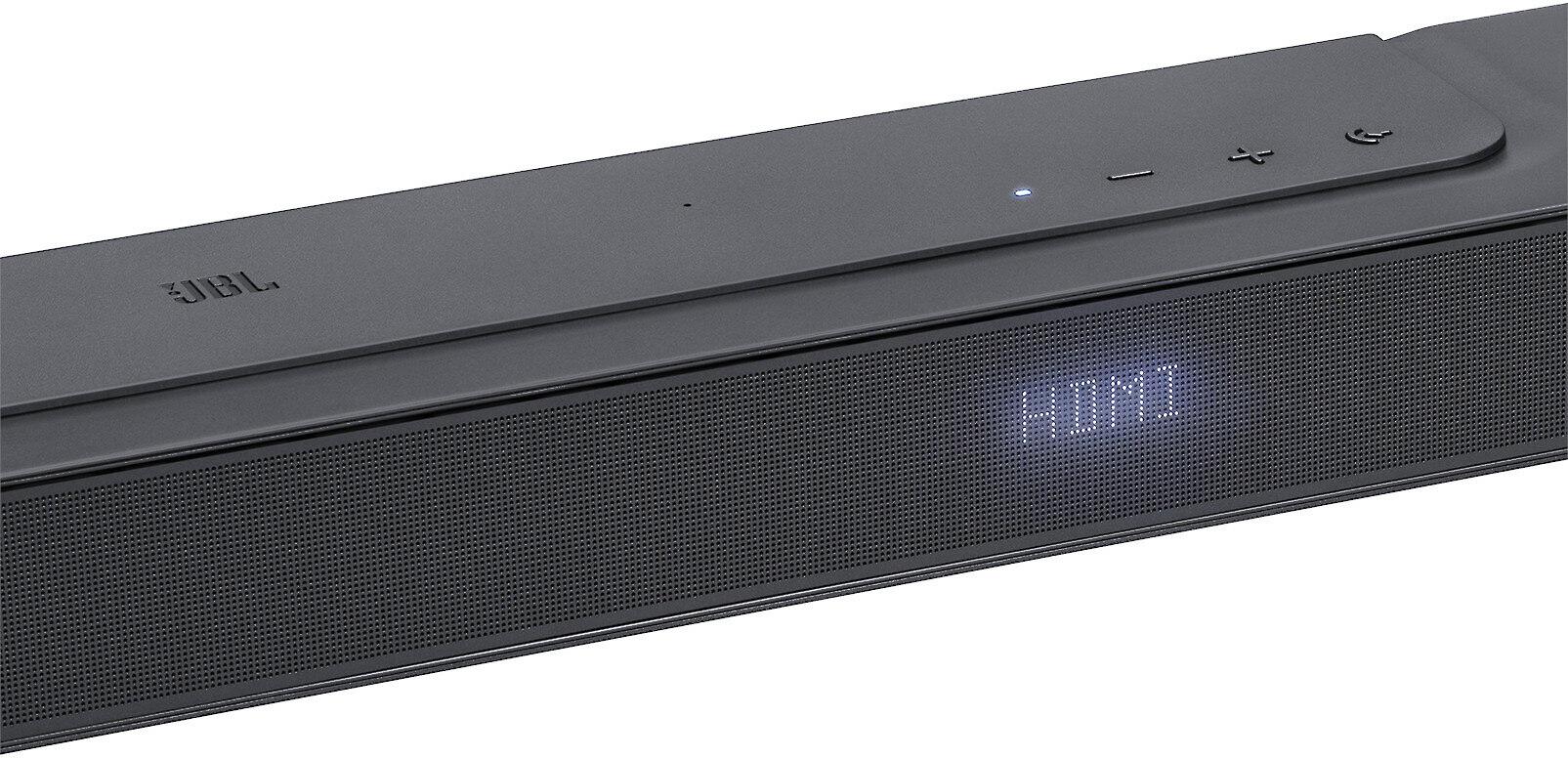
Both systems include dialogue enhancement, but they approach it differently. The JBL's PureVoice technology uses AI-driven processing to maintain dialogue clarity even when other sounds are loud. In practice, this means you can follow conversations during action scenes without constantly adjusting the volume.
The Yamaha's Clear Voice mode is simpler but still effective – it boosts the frequency range where most human speech occurs. For someone who primarily watches TV shows and news, this might be all you need. But if you're a movie enthusiast who watches a lot of action films, the JBL's more sophisticated approach pays dividends.
I've found that the JBL also handles different types of content more gracefully. Its multiple sound modes (including dedicated settings for movies, music, and gaming) actually make noticeable differences in how content is presented. The Yamaha's modes are more subtle in their effects.
If you're building a dedicated home theater space, the choice becomes clearer. The JBL Bar 700 is designed for this use case – it has the power to fill larger rooms, the surround capabilities to create immersion, and the connectivity to serve as the audio hub for all your devices. Its HDMI eARC port with 4K Dolby Vision pass-through means it can handle the latest video standards without compromise.
The Yamaha SR-C30A can certainly improve a home theater setup, but it's more of an incremental upgrade than a transformative one. If your primary goal is making dialogue clearer and adding some bass presence without complexity, it succeeds admirably. But it won't give you that "wow" factor that makes visitors ask about your audio setup.
Here's where personal priorities really matter. The Yamaha represents exceptional value if your needs are straightforward – better TV sound without complications or space requirements. At $180, it delivers meaningful improvement over TV speakers and will satisfy most casual viewers.
The JBL's $650 price tag requires more justification, but when you consider that you're getting a complete 5.1 system with Dolby Atmos, smart streaming capabilities, and room correction, it's competitive with other premium options. The question is whether you'll use and appreciate these advanced features.
I've noticed that people who initially think they only need basic TV audio enhancement often find themselves wanting more once they experience true surround sound. If you're even slightly curious about immersive audio, the JBL might be worth the stretch.
Choose the JBL Bar 700 if you want a home theater experience that will impress you (and your guests) every time you use it. It's ideal for movie enthusiasts, gamers, and anyone with a medium to large living space who values audio quality. The smart features and regular software updates also make it a better long-term investment.
Choose the Yamaha SR-C30A if you prioritize simplicity, have space constraints, or just want noticeably better TV sound without complexity. It's perfect for apartments, bedrooms, or as a secondary system, and its compact design won't dominate your space.
Both soundbars excel at their intended purposes, but they're solving different problems. The Yamaha makes bad TV audio good, while the JBL makes good audio genuinely exciting. Understanding which category you fall into will guide you toward the right choice for your home and budget.
| JBL Bar 700 Dolby Atmos 5.1 Soundbar with Subwoofer | Yamaha SR-C30A Soundbar with Subwoofer |
|---|---|
| Price - Major factor in determining value proposition | |
| $649.95 (premium home theater investment) | $180.45 (budget-friendly TV audio upgrade) |
| Channel Configuration - Determines surround sound authenticity | |
| True 5.1 with physical detachable rear speakers | 2.1 with virtual surround processing |
| Total Power Output - Affects volume and room-filling capability | |
| 620W (240W bar + 300W sub + 80W rears) | 90W (40W bar + 50W sub) |
| Subwoofer Size - Critical for bass depth and impact | |
| 10" wireless subwoofer (deep 35Hz bass) | 5.1" wireless subwoofer (modest bass extension) |
| Dolby Atmos Support - Adds overhead sound dimension for movies | |
| Yes (virtual height effects for 3D audio) | No (limited to front soundstage) |
| Smart Streaming Features - Eliminates need for external devices | |
| Built-in Wi-Fi, AirPlay 2, Chromecast, Alexa MRM | Bluetooth 5.0 only (no Wi-Fi streaming) |
| Soundbar Dimensions - Space requirements for placement | |
| 46.2" x 2.2" x 4.7" (requires larger TV stand) | 23.6" x 2.6" x 3.7" (compact for small spaces) |
| Room Calibration - Optimizes sound for your specific space | |
| Automatic microphone-based room correction | Manual sound modes (no room analysis) |
| Dialogue Enhancement - Improves speech clarity in movies | |
| PureVoice AI-driven processing | Clear Voice basic frequency boost |
| Connectivity Options - Determines device compatibility | |
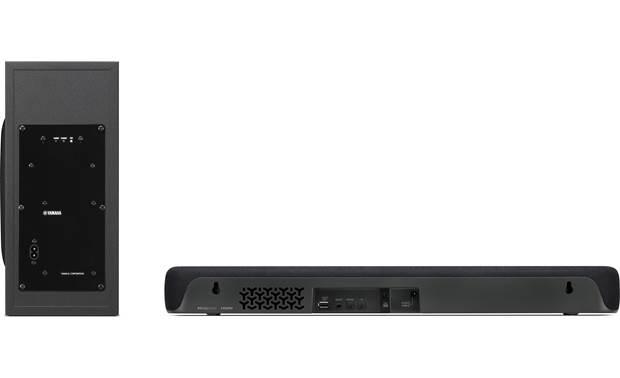
| HDMI eARC, optical, Bluetooth, USB | HDMI ARC, 2x optical, 3.5mm, Bluetooth |
| Battery-Powered Components - Wireless placement flexibility | |
| Rear speakers run 10 hours cordlessly | No battery components (all wired/wireless RF) |
| Best Use Case - Who should consider each option | |
| Medium-large rooms, movie enthusiasts, smart home users | Small spaces, casual viewers, budget-conscious buyers |
The Yamaha SR-C30A is specifically designed for small spaces, measuring just 23.6 inches wide compared to the JBL Bar 700's 46.2-inch width. The Yamaha's compact design and 90W power output won't overwhelm smaller rooms, while the JBL's 620W system and multiple components are better suited for medium to large spaces.
The JBL Bar 700 costs $649.95, while the Yamaha SR-C30A is priced at $180.45. This makes the JBL nearly 3.6 times more expensive, reflecting its premium features like true 5.1 surround sound, Dolby Atmos, and smart streaming capabilities versus the Yamaha's basic 2.1 TV audio enhancement.
Only the JBL Bar 700 supports Dolby Atmos, which creates overhead sound effects for a more immersive movie experience. The Yamaha SR-C30A lacks Atmos support and relies on virtual surround processing instead, limiting its ability to create height effects in movies and shows.
The JBL Bar 700 delivers significantly better bass with its 10-inch wireless subwoofer powered by 300W, extending down to 35Hz for deep, room-shaking low frequencies. The Yamaha SR-C30A has a smaller 5.1-inch subwoofer with 50W that provides adequate but more modest bass response.
The JBL Bar 700 offers extensive streaming options including built-in Wi-Fi, AirPlay 2, Chromecast, and Alexa Multi-Room Music for direct music streaming from apps and services. The Yamaha SR-C30A only supports Bluetooth 5.0 streaming, requiring you to connect your phone or tablet directly.
The JBL Bar 700 is designed specifically for home theater use with true 5.1 surround sound, detachable rear speakers, Dolby Atmos processing, and HDMI eARC with 4K Dolby Vision pass-through. The Yamaha SR-C30A provides basic TV audio improvement but lacks the immersive features needed for a dedicated home theater experience.
The JBL Bar 700 is a complete 5.1 system with a main soundbar, wireless subwoofer, and two detachable battery-powered rear speakers for true surround sound. The Yamaha SR-C30A includes only the main soundbar with two drivers and a wireless subwoofer, creating a 2.1 system.
The Yamaha SR-C30A offers plug-and-play simplicity with just a soundbar and subwoofer to position, making setup extremely straightforward. The JBL Bar 700 requires more planning due to its multiple components, rear speaker placement, Wi-Fi configuration, and room calibration process.
Both soundbars enhance dialogue, but differently. The JBL Bar 700 uses advanced PureVoice AI technology that maintains speech clarity even during loud action scenes. The Yamaha SR-C30A features a simpler Clear Voice mode that boosts speech frequencies for better TV dialogue understanding.
Value depends on your needs. The Yamaha SR-C30A offers exceptional value at $180 for basic TV audio improvement in small spaces. The JBL Bar 700 at $650 provides better value for serious movie watchers who want true surround sound, smart features, and room-filling audio performance.
Both soundbars support wall mounting. The Yamaha SR-C30A includes built-in keyhole slots for easy wall installation and works well under smaller TVs. The JBL Bar 700 can be wall-mounted but requires more planning due to its larger size and the need to position the detachable rear speakers appropriately.
Both soundbars work with any TV, but connectivity differs. The JBL Bar 700 offers HDMI eARC for the best audio quality and supports 4K Dolby Vision pass-through for premium TVs. The Yamaha SR-C30A provides HDMI ARC, optical, and analog connections that work with virtually any TV, making it more universally compatible with older models.
We've done our best to create useful and informative comparisons to help you decide what product to buy. Our research uses advanced automated methods to create this comparison and perfection is not possible - please contact us for corrections or questions. These are the sites we've researched in the creation of this article: crutchfield.com - harmanaudio.com - target.com - jbl.com - walmart.com - dell.com - jbl.com - techradar.com - usa.yamaha.com - expertreviews.com - usa.yamaha.com - trustedreviews.com - crutchfield.com - europe.yamaha.com - usa.yamaha.com - shop.usa.yamaha.com - assetserver.net

Privacy Policy
Terms and Conditions - Affiliate Policy
Home Security
© Copyright 2008-2026.
11816 Inwood Rd #1211, Dallas, TX 75244