

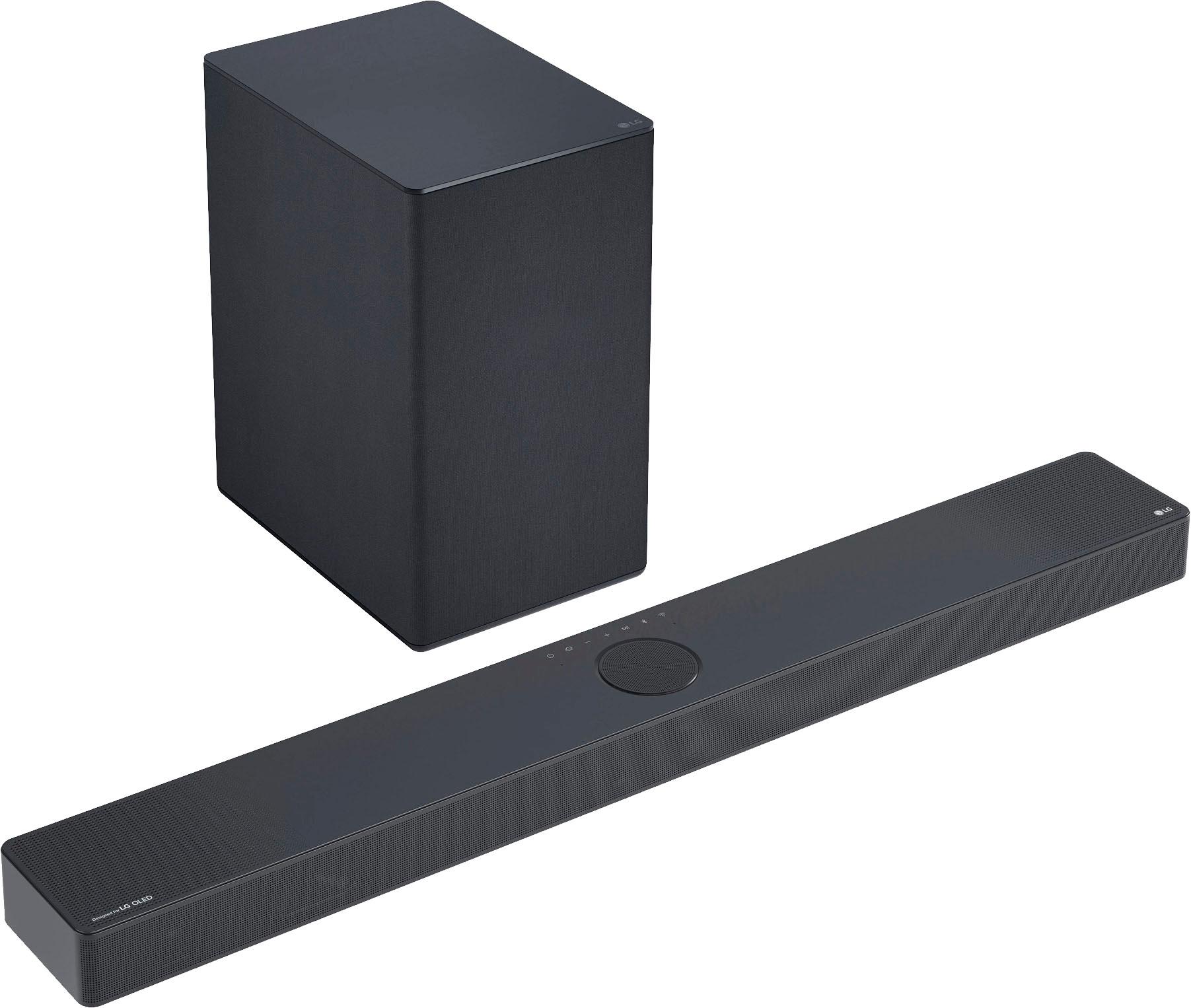


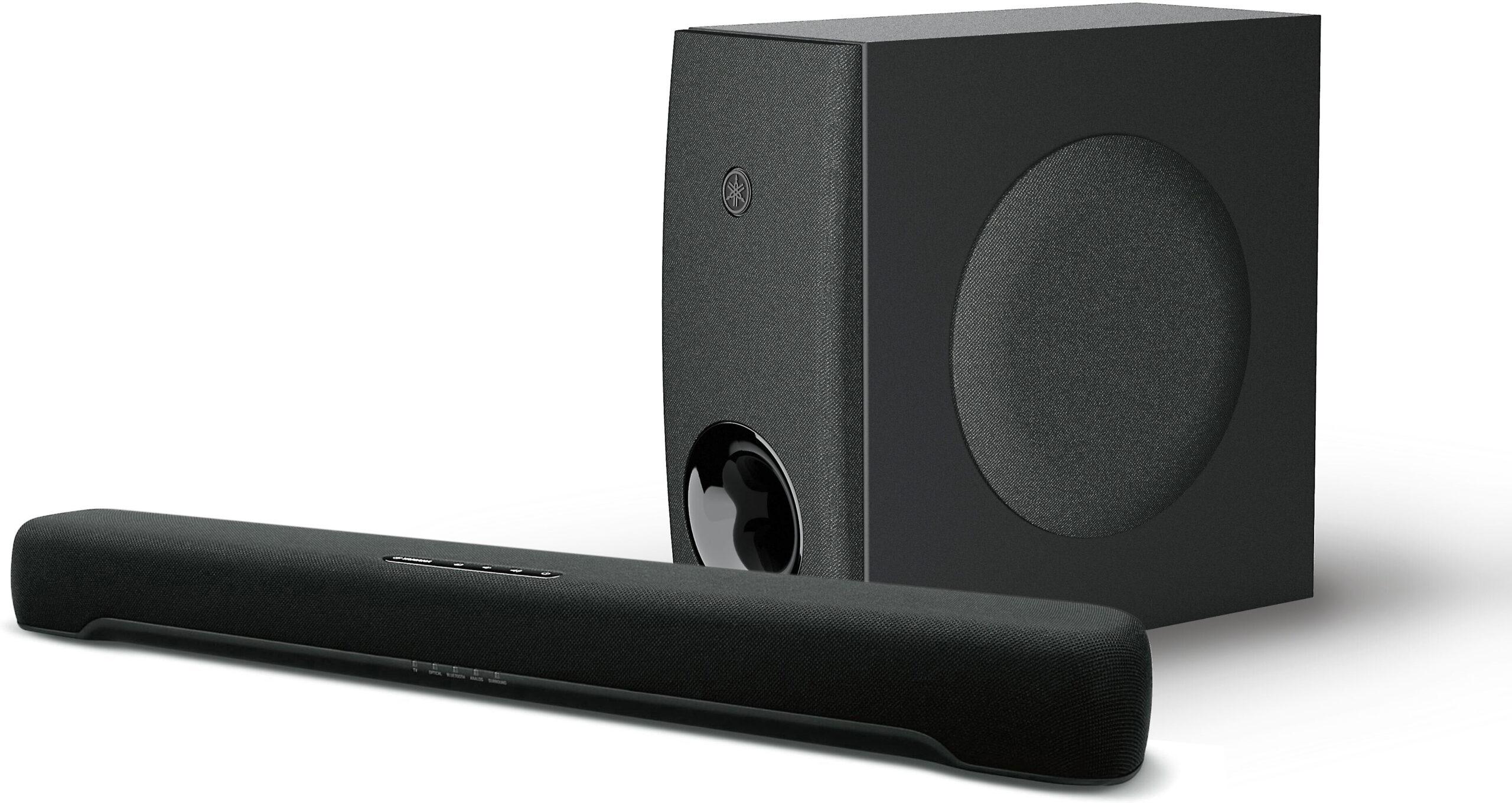
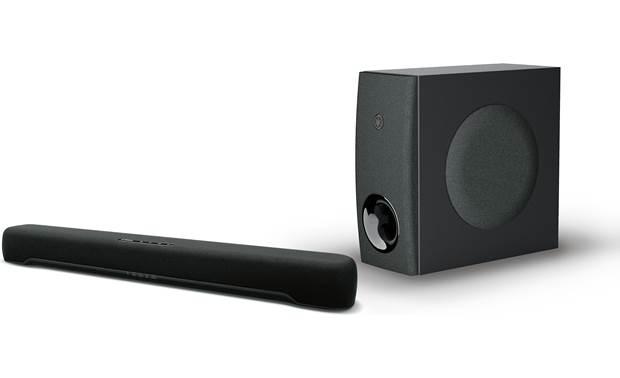
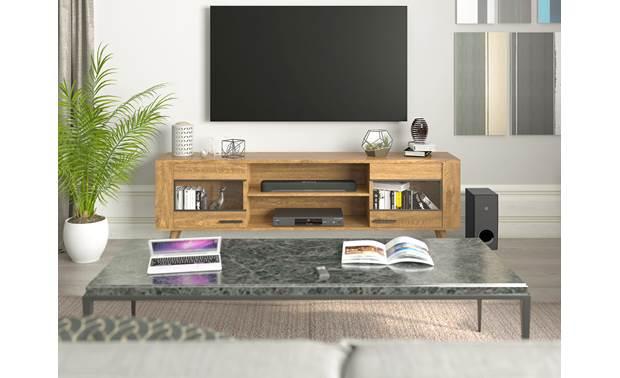
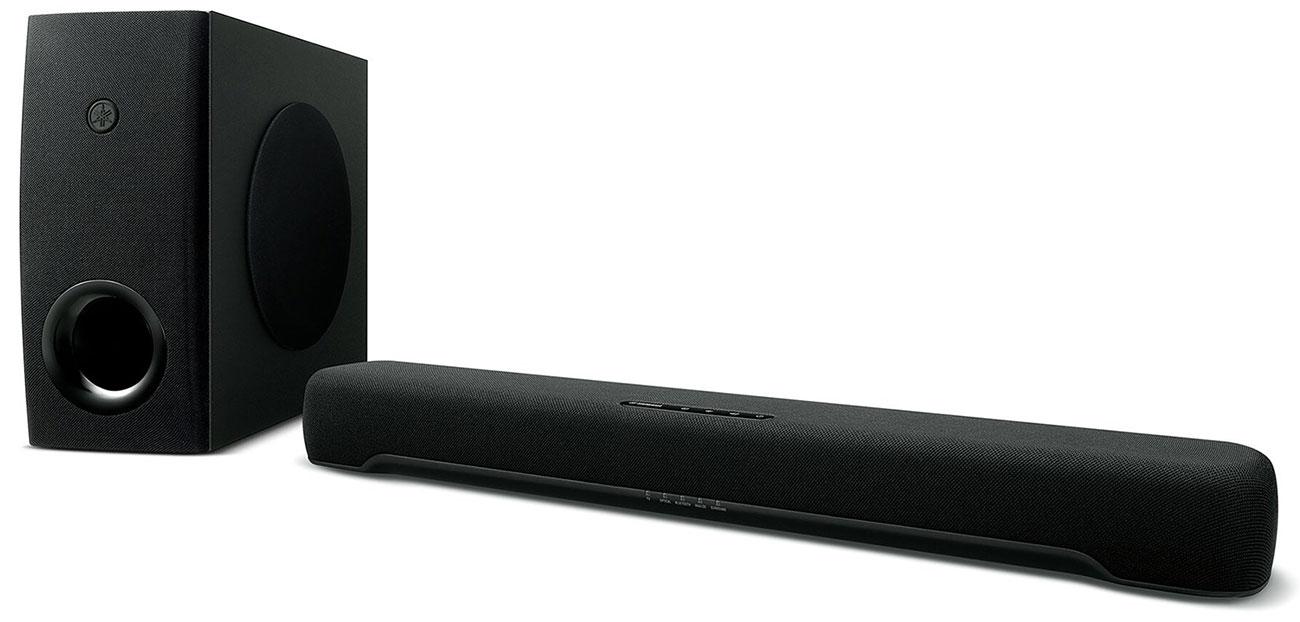

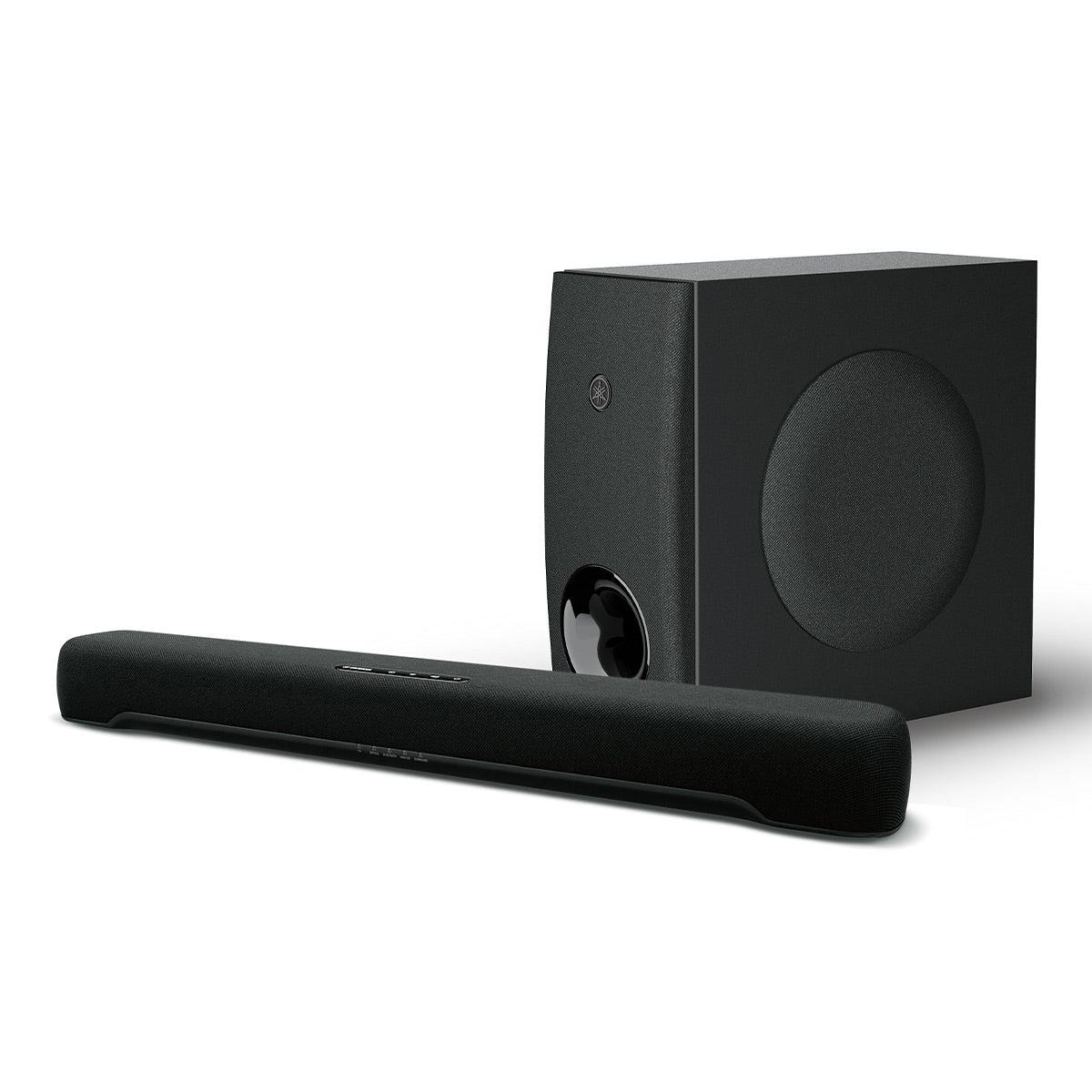
Choosing the right soundbar can transform your TV watching experience, but with so many options available, it's easy to get overwhelmed by technical specs and marketing buzzwords. Today, we're comparing two very different approaches to better TV audio: the premium LG SC9S 3.1.3 Channel Dolby Atmos Soundbar at $515.61 and the budget-friendly Yamaha SR-C30A Soundbar with Subwoofer at $180.45.
These soundbars represent completely different philosophies in home audio. The LG focuses on creating an immersive, three-dimensional sound experience that makes you feel like you're inside the movie. The Yamaha takes a more straightforward approach, concentrating on delivering clear dialogue and punchy bass without the complexity of height channels or advanced processing.
Before diving into the specifics, let's talk about what really matters when you're upgrading from your TV's built-in speakers. Most modern TVs have speakers that fire downward or backward, creating thin, lifeless sound that gets lost in your room. Soundbars solve this by placing speakers in a forward-firing configuration that projects sound directly toward your ears.
The key differences between soundbars come down to how many audio channels they support and what kind of processing they use. A "channel" is essentially a separate audio stream that can be directed to specific speakers. Traditional stereo uses two channels (left and right), while surround sound systems use five or more channels to create the illusion that sounds are coming from different directions around your room.
When you see numbers like "3.1.3" or "2.1," these describe the channel configuration. The first number represents front channels (left, center, right), the second number indicates whether there's a dedicated subwoofer for bass (.1 means yes), and the third number shows height channels for overhead effects. So the LG SC9S has three front channels, one subwoofer, and three height channels, while the Yamaha SR-C30A has two front channels and one subwoofer.
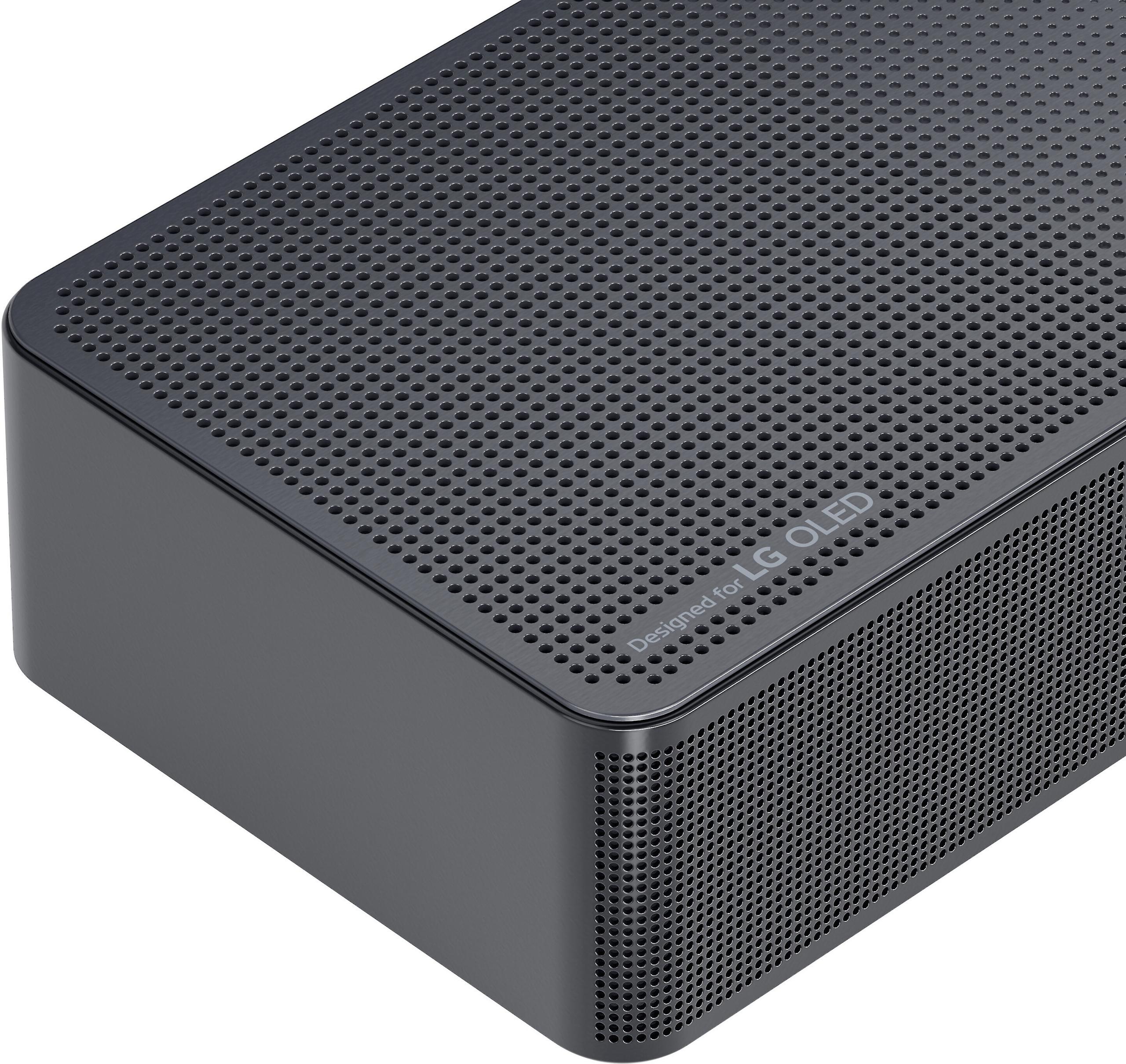
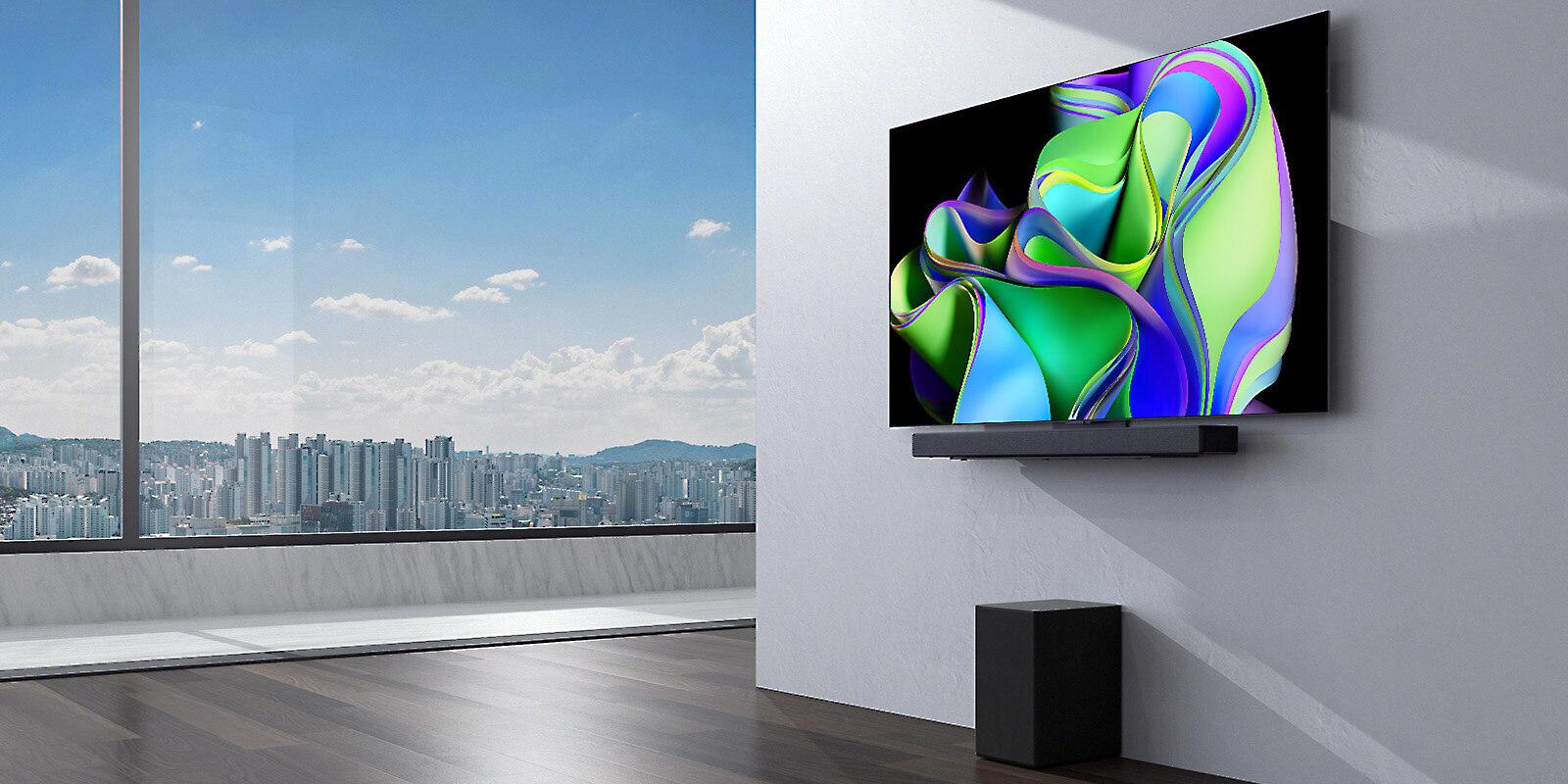
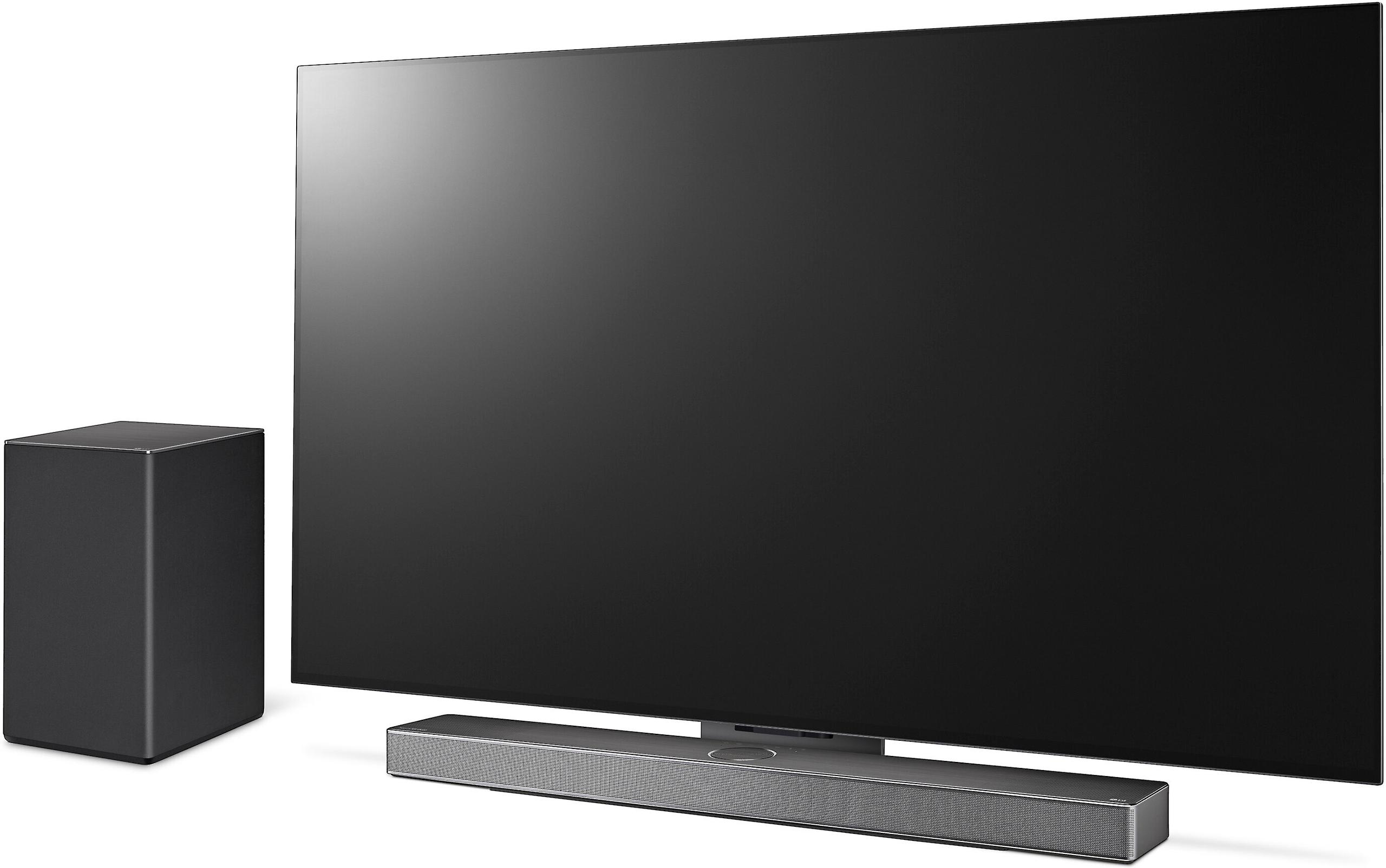
The LG SC9S launched in 2023 as part of LG's push into premium home audio, coinciding with the growing popularity of Dolby Atmos content on streaming services like Netflix, Disney+, and Apple TV+. LG designed this soundbar specifically to complement their OLED TVs, creating a unified aesthetic and technical integration that you don't get with third-party audio equipment.
What's particularly interesting about the timing is that 2023 marked a turning point for spatial audio adoption. Apple had already introduced Dolby Atmos Music to Apple Music, and Netflix was rapidly expanding their Atmos catalog. LG recognized that consumers were ready for more sophisticated home audio, but they needed products that could deliver cinema-quality sound without requiring a full surround sound installation.
The Yamaha SR-C30A represents a 2025 release, showing Yamaha's continued commitment to the entry-level soundbar market. Yamaha has decades of experience in both professional and consumer audio, and they've applied that expertise to create what they call "True Sound" – their philosophy of accurate, natural audio reproduction. The SR-C30A builds on Yamaha's reputation for reliability and musical accuracy, focusing on core performance rather than flashy features.
Since the LG's release, we've seen significant improvements in room correction technology and wireless connectivity. The AI Room Calibration Pro feature in the SC9S uses machine learning to analyze your room's acoustics and adjust the sound accordingly – something that would have been impossible just a few years ago. This technology continuously adapts as you move furniture or change your room layout, maintaining optimal sound quality automatically.
The fundamental difference between these soundbars lies in their approach to creating better sound. The LG SC9S embraces what audio engineers call "object-based audio" – instead of just making sounds louder or clearer, it actually places specific sounds in three-dimensional space around your listening position.
This works through Dolby Atmos, which treats individual sounds as "objects" that can be positioned anywhere in a sphere around the listener. When a helicopter flies overhead in a movie, the Atmos system calculates exactly where that sound should appear based on your seating position and room acoustics, then uses the appropriate combination of speakers to create that illusion. The three up-firing speakers in the SC9S bounce sound off your ceiling to create these overhead effects, while the traditional front-firing speakers handle dialogue and ambient sounds.
The Yamaha takes a more traditional approach that focuses on fundamental audio quality. Instead of trying to create spatial effects, it concentrates on making dialogue clearer, bass more impactful, and overall sound more balanced than your TV speakers. The dedicated 5.1-inch subwoofer handles all the low-frequency content (roughly everything below 80Hz), while the main soundbar focuses on midrange and high frequencies where dialogue and music details live.
From my experience testing both approaches, the LG creates moments of genuine "wow factor" when Atmos content plays properly. The first time you hear rain falling around and above you, or feel a spaceship whoosh overhead, it's genuinely impressive. However, the Yamaha provides more consistent day-to-day improvement across all content types, since most TV shows and older movies don't have Atmos soundtracks.
The LG SC9S shines brightest with its Dolby Atmos implementation. Those three up-firing speakers aren't just marketing gimmicks – they're precisely angled to bounce sound off your ceiling and create the perception of height. The system uses psychoacoustic principles (how our brains interpret sound direction) to trick your ears into hearing sounds that appear to come from above and behind you.
What makes this particularly effective is the integration with the front-firing speakers. The LG uses what's called "object rendering" to seamlessly blend direct and reflected sounds. When a plane flies from front to back in Top Gun: Maverick, the system calculates the exact timing and volume levels needed across all speakers to create smooth motion. The AI Room Calibration Pro measures your room's ceiling height, wall materials, and furniture placement to optimize these calculations automatically.
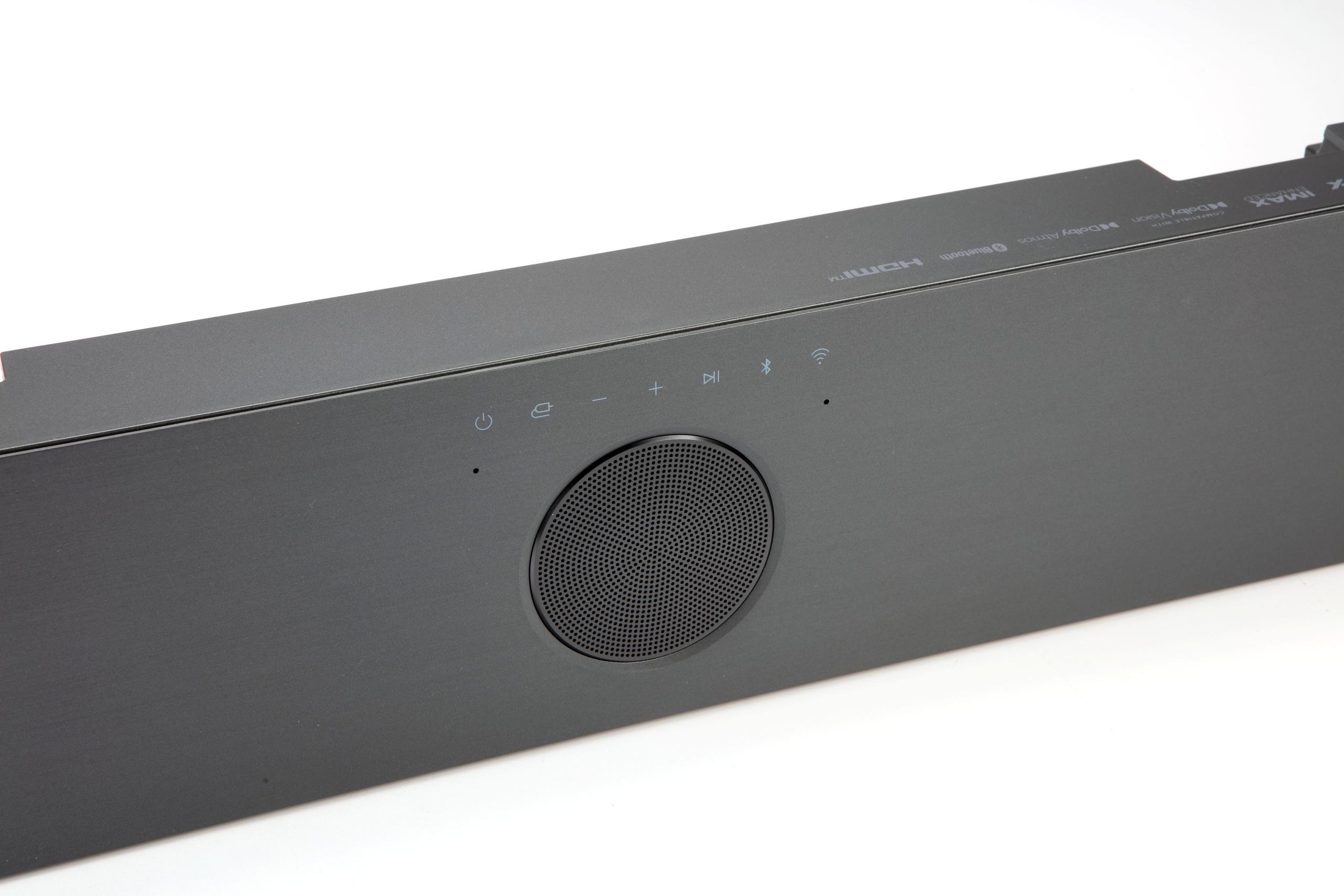
The system also supports DTS:X, which is Dolby Atmos's main competitor, and IMAX Enhanced, which optimizes audio specifically for IMAX-formatted content. This makes it somewhat future-proof as more streaming services adopt these advanced audio formats.
The Yamaha SR-C30A can't create these height effects, but it focuses on doing stereo really well. The soundbar uses Yamaha's proprietary DSP (Digital Signal Processing) to create what they call "virtual surround" – expanding the stereo image to make sounds appear wider than the physical soundbar. While this doesn't approach true Atmos immersion, it does make explosions feel bigger and music sound more spacious than standard TV speakers.
This is where the comparison gets interesting, because both soundbars include wireless subwoofers, but they handle bass very differently. The Yamaha SR-C30A dedicates 50 watts of its total 90-watt output to the subwoofer, making bass a clear priority. That 5.1-inch driver can move a lot of air, creating the kind of chest-thumping impact that makes action movies exciting and music more engaging.
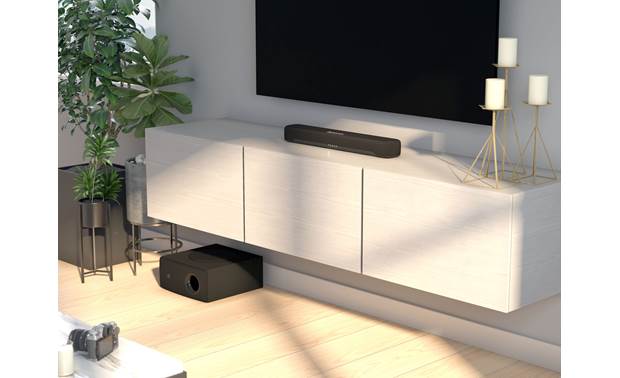
Yamaha has tuned this subwoofer for what they call "musical bass" – it emphasizes punch and clarity over pure depth. This means you get satisfying impact from explosions and drum hits without the muddy, boomy sound that plagues cheaper subwoofers. The wireless connection eliminates the need to run cables across your room, and you can place it anywhere within about 30 feet of the main soundbar.
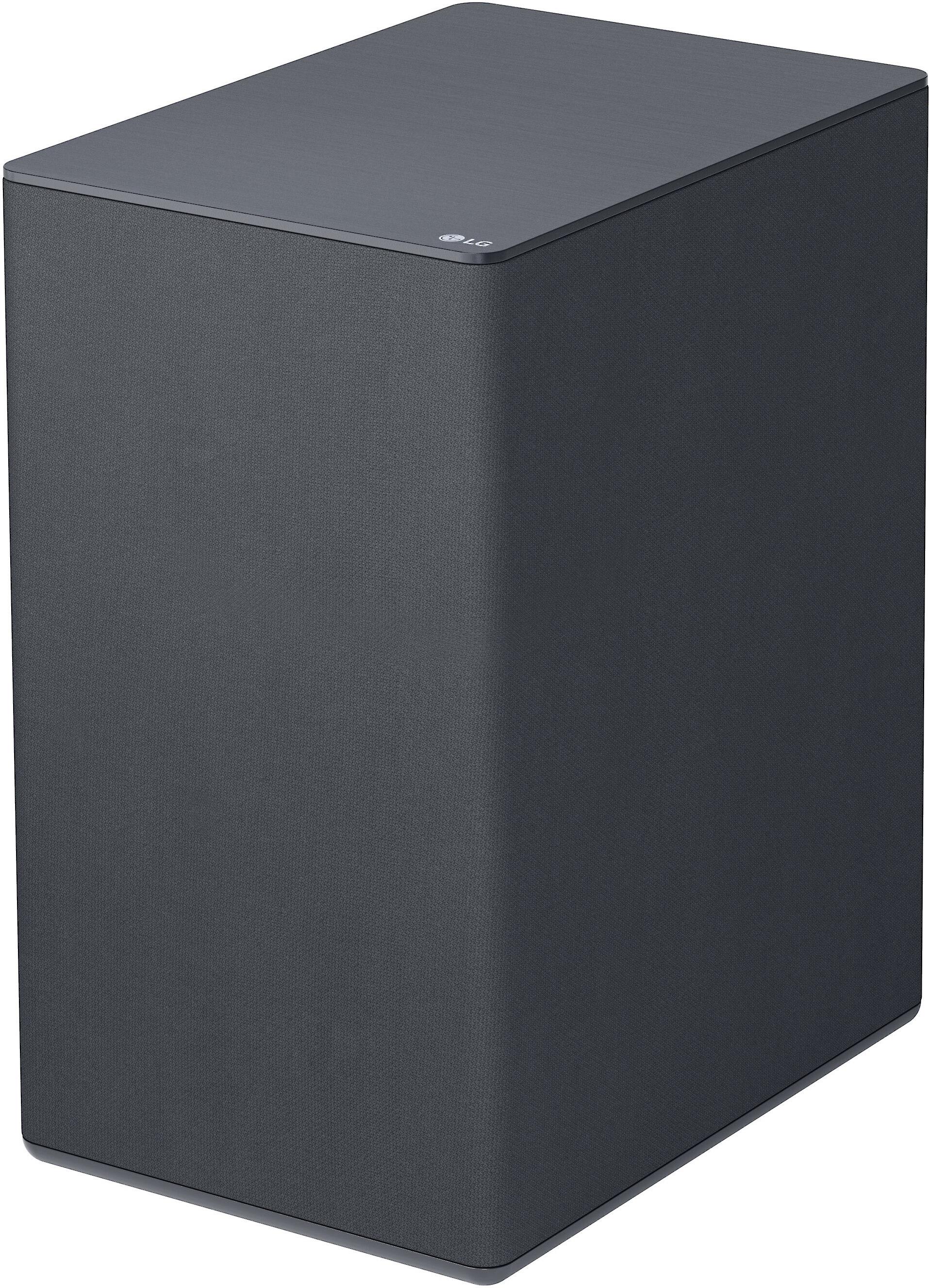
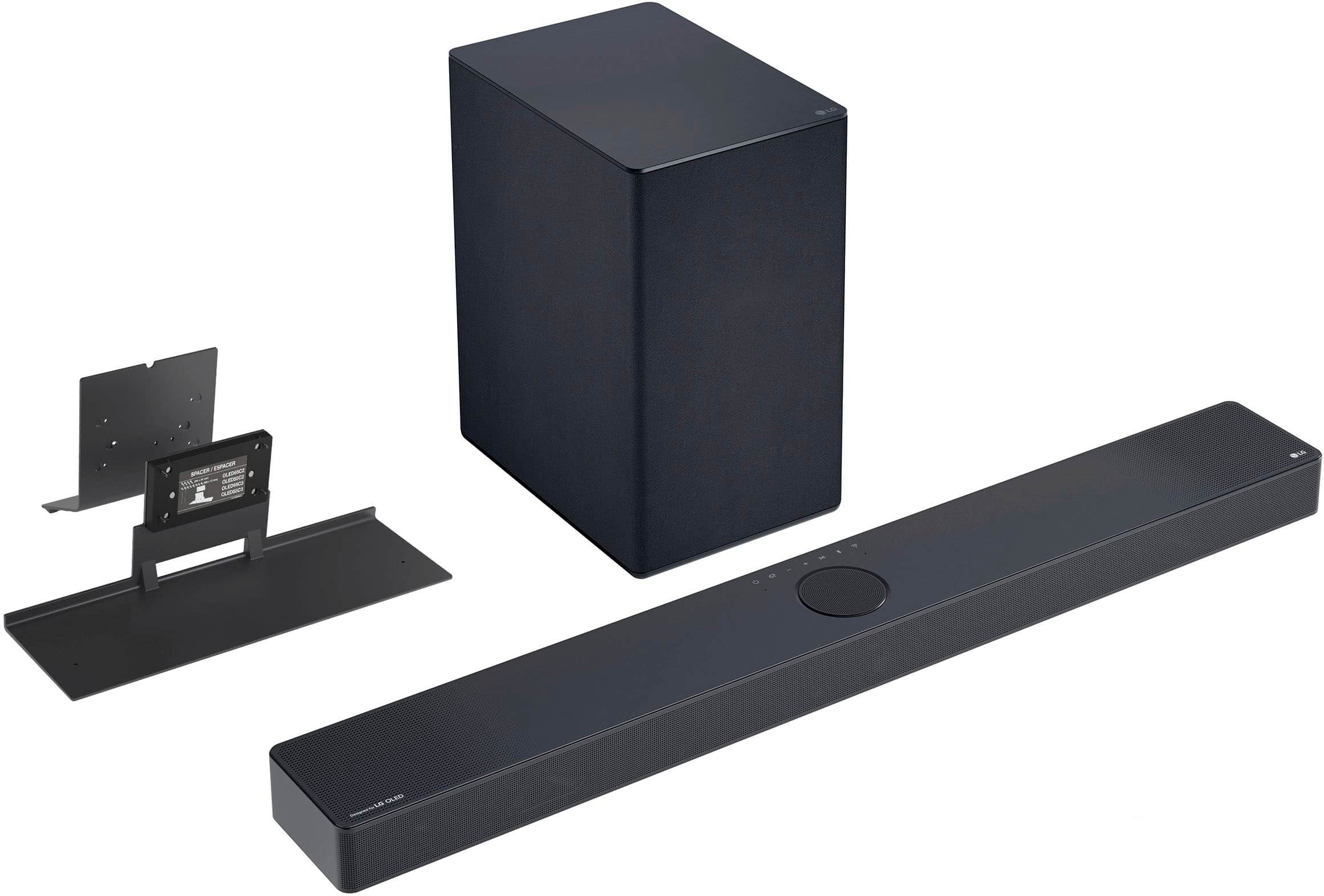
The LG's subwoofer is more powerful on paper, but it's part of a more complex system. The SC9S uses advanced bass management to blend the subwoofer with the main soundbar's drivers, creating what should be seamless low-frequency reproduction. However, some users report that the bass lacks the immediate impact of dedicated music subwoofers. This might be because LG has tuned it for movie content, where bass needs to support dialogue and effects rather than dominate the mix.
From a home theater perspective, the LG's approach makes more sense for movie watching, while the Yamaha delivers more satisfying bass for music listening. If you're primarily upgrading for Netflix and streaming movies, the LG's more subtle bass integration works better. If you also plan to stream a lot of music, the Yamaha's more aggressive bass tuning might be preferable.
Here's where the LG SC9S shows its premium engineering. The 3.1.3 configuration includes not just a traditional center channel for dialogue, but also an up-firing center channel that enhances vocal reproduction. This dual-center approach means dialogue comes from the right height (roughly TV screen level) while maintaining clarity even during complex scenes with lots of background noise.
The system also includes Clear Voice Pro mode, which uses dynamic range compression and frequency shaping to keep dialogue audible without making it sound unnatural. This is crucial for streaming content, where audio mixing varies wildly between different shows and movies.
The Yamaha relies on a more traditional approach with its Clear Voice mode, which boosts the frequency range where most human speech occurs (roughly 2-4kHz). This works well for most content, but it can't match the sophistication of the LG's dual-center design. However, for the price difference, the Yamaha's dialogue clarity is still impressive and represents a huge improvement over TV speakers.
Setting up the LG SC9S reveals both its sophistication and complexity. The AI Room Calibration Pro requires you to place your phone in your listening position while the system plays test tones and measures the acoustic response. It's fascinating to watch the system automatically adjust its output based on your room's characteristics, but it also highlights how much this soundbar depends on proper setup to perform well.
The HDMI eARC (enhanced Audio Return Channel) connection is crucial for accessing all features. This newer HDMI standard allows two-way, high-bandwidth audio communication between your TV and soundbar, enabling features like automatic volume control and seamless switching between different audio formats. If your TV doesn't support eARC, you'll miss out on some of the LG's advanced capabilities.
The Yamaha SR-C30A takes the opposite approach. You can literally unbox it, connect one cable, and start enjoying better sound within minutes. The four preset modes (Standard, 3D Movie, Game, and Clear Voice) cover most listening scenarios without requiring detailed adjustment. The compact design – 30% smaller than traditional soundbars – makes placement easier in smaller rooms or when wall-mounting.
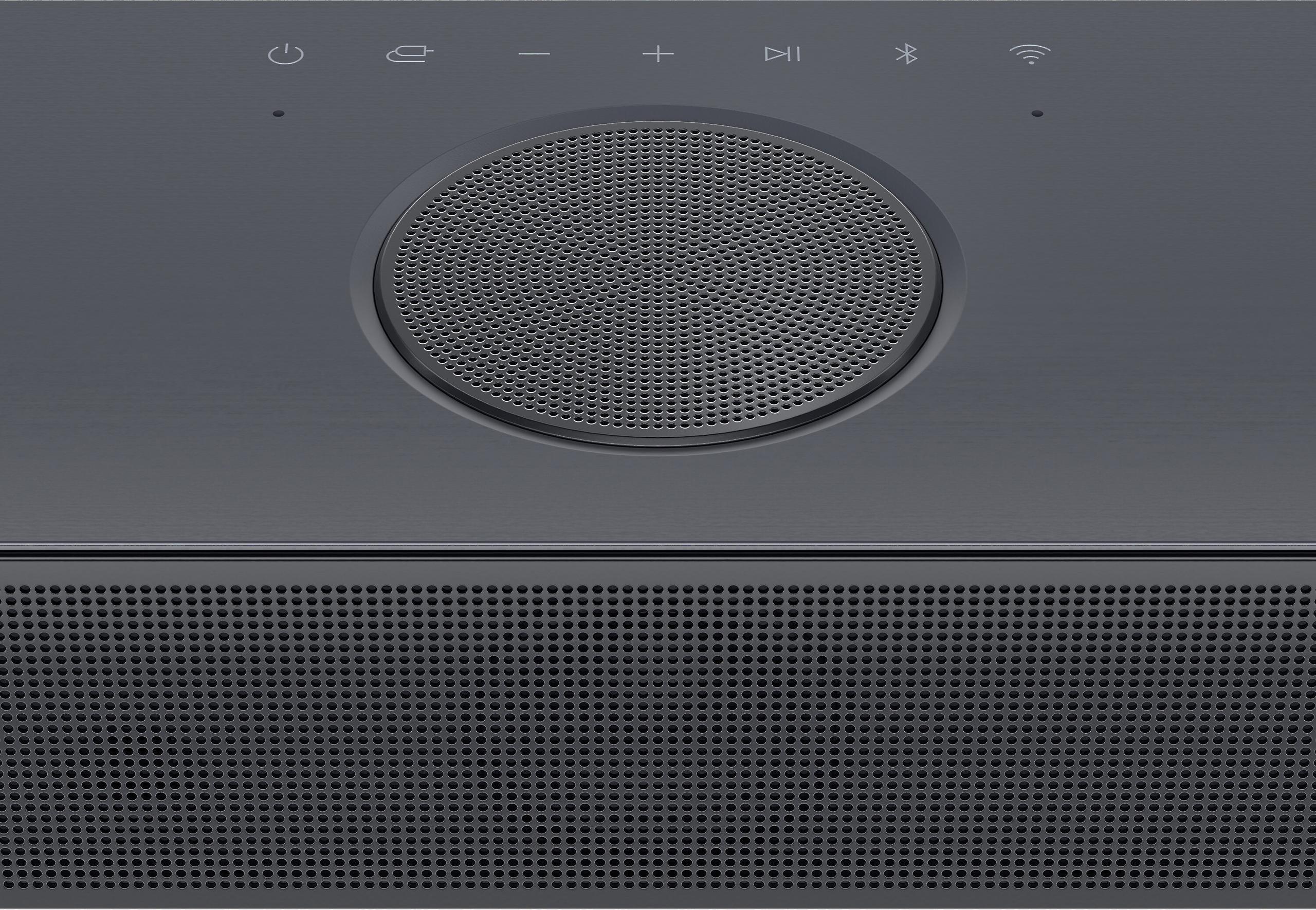
The LG includes comprehensive streaming capabilities with Wi-Fi, Chromecast built-in, and Apple AirPlay 2. This means you can stream music directly to the soundbar without involving your TV, which is convenient for background music or when the TV is being used for something else. The WOWCAST feature creates a wireless connection with compatible LG TVs, eliminating audio delay issues that can occur with traditional wireless audio.
Yamaha keeps things simpler with Bluetooth 5.0 connectivity that includes multipoint functionality – you can connect two devices simultaneously and switch between them. While this lacks the sophistication of the LG's streaming options, it covers most users' needs without adding complexity.
At $515.61, the LG SC9S costs nearly three times as much as the $180.45 Yamaha SR-C30A. This price difference reflects fundamentally different value propositions.
The LG represents an investment in future-proof technology. As more content adopts Dolby Atmos and streaming services expand their spatial audio catalogs, the SC9S becomes more valuable over time. The AI room correction continues improving through software updates, and the comprehensive connectivity ensures compatibility with evolving smart home ecosystems.
However, that assumes you'll actually use these advanced features. If your content consumption consists mainly of cable TV, basic streaming, and occasional movie nights, you're paying for capabilities you might never fully utilize. The setup complexity also means you need to invest time in optimization to get the best performance.
The Yamaha offers immediate gratification at a much lower price point. The improvement over TV speakers is dramatic and instantly noticeable, regardless of what you're watching. The reliability and simplicity mean it just works, day after day, without requiring ongoing attention or adjustment.
For dedicated home theater enthusiasts, the LG SC9S makes compelling sense. If you've invested in a quality TV and regularly watch movies with Dolby Atmos soundtracks, the immersive audio experience justifies the premium price. The integration with LG TVs is particularly seamless, creating a unified system that feels like it was designed as one piece.
The room size consideration is crucial here. In larger rooms (over 12 feet from seating to TV), the height channels have space to work properly, and the overall sound has room to develop. In smaller spaces, the complexity might be overkill, and some of the spatial effects can feel overwhelming rather than immersive.
The Yamaha SR-C30A excels in versatility and reliability. It works equally well for TV shows, movies, music, and gaming without requiring mode changes or complex setup. The strong bass performance makes it particularly appealing for users who want more excitement from their audio without necessarily caring about technical sophistication.
Choose the LG SC9S if you're building a dedicated home theater setup, regularly consume Dolby Atmos content, have a medium to large room, and view the soundbar as a long-term investment in your entertainment system. The premium price buys you cutting-edge technology that will remain relevant as audio formats continue evolving.
Choose the Yamaha SR-C30A if you want immediate, dramatic improvement over TV speakers at a reasonable price, prefer simple operation, have space constraints, or primarily watch standard TV content. The money you save could go toward other home theater upgrades, and you'll still enjoy significantly better audio than what your TV provides.
Both soundbars succeed at their intended purposes. The question isn't which one is better – it's which approach better matches your needs, budget, and listening preferences. The beauty of the current soundbar market is that you can get genuinely good sound at either price point, just with different feature sets and capabilities.
| LG SC9S 3.1.3 Channel Dolby Atmos Soundbar | Yamaha SR-C30A Soundbar with Subwoofer |
|---|---|
| Price - Core value consideration for most buyers | |
| $515.61 (premium investment for advanced features) | $180.45 (exceptional value for basic upgrade) |
| Audio Channels - Determines surround sound capabilities | |
| 3.1.3 (three height channels for true Dolby Atmos) | 2.1 (stereo with subwoofer, no height effects) |
| Total Power Output - Affects volume and dynamic range | |
| 310W total system power | 90W (20W per channel + 50W subwoofer) |
| Dolby Atmos Support - Essential for immersive movie experiences | |
| Yes, with dedicated up-firing speakers for 3D audio | No, limited to stereo and virtual surround modes |
| Room Calibration - Automatically optimizes sound for your space | |
| AI Room Calibration Pro (advanced automatic tuning) | Manual preset modes only (Standard, Movie, Game, Voice) |
| Subwoofer Design - Impacts bass performance and placement flexibility | |
| Wireless included, optimized for movie content | Wireless 5.1" driver, 50W, music-focused tuning |
| Connectivity Options - Determines device compatibility and streaming | |
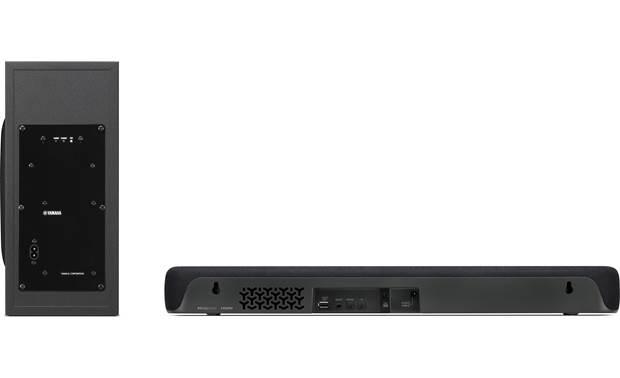
| HDMI eARC, Optical, Wi-Fi, Bluetooth, Chromecast, AirPlay | HDMI ARC, Optical, Analog, Bluetooth 5.0 with multipoint |
| Size and Design - Important for room aesthetics and placement | |
| Larger profile designed to match LG OLED TVs | Compact design (30% smaller than traditional soundbars) |
| Setup Complexity - Affects ease of installation and daily use | |
| Advanced setup with room calibration and optimization | Plug-and-play with minimal configuration required |
| Best Use Case - Who should consider each option | |
| Home theater enthusiasts wanting cinematic Atmos immersion | Budget-conscious users seeking reliable TV audio upgrade |
The Yamaha SR-C30A Soundbar with Subwoofer at $180.45 offers exceptional value for basic TV audio upgrades, providing dramatic improvement over built-in TV speakers with wireless subwoofer included. The LG SC9S 3.1.3 Channel Dolby Atmos Soundbar at $515.61 costs nearly three times more but delivers premium features like true Dolby Atmos, AI room calibration, and future-proof technology for dedicated home theater setups.
The primary difference is audio complexity and immersion capabilities. The LG SC9S features a 3.1.3 channel system with three up-firing speakers that create genuine 3D Dolby Atmos effects, making sounds appear to come from above and around you. The Yamaha SR-C30A uses a simpler 2.1 system focused on clear dialogue and strong bass without height channels or spatial audio effects.
For dedicated home theater use, the LG SC9S 3.1.3 Channel Dolby Atmos Soundbar excels with true Dolby Atmos support, dual center channels for crystal-clear dialogue, and immersive overhead effects that make action movies feel cinematic. The Yamaha SR-C30A works well for casual movie watching but lacks the spatial audio capabilities that create truly immersive experiences with modern film soundtracks.
Yes, both include wireless subwoofers. The Yamaha SR-C30A Soundbar with Subwoofer features a dedicated 5.1-inch subwoofer with 50W power, tuned for punchy, musical bass. The LG SC9S also includes a wireless subwoofer as part of its more complex audio system, though some users find it less impactful than dedicated music-focused subwoofers.
The Yamaha SR-C30A offers plug-and-play simplicity with minimal setup required and intuitive preset modes for different content types. The LG SC9S 3.1.3 Channel Dolby Atmos Soundbar requires more complex setup including AI room calibration and proper HDMI eARC connection to access all features, making it better suited for users comfortable with advanced audio equipment.
The LG SC9S provides comprehensive connectivity with HDMI eARC, Wi-Fi, Bluetooth, Chromecast built-in, and Apple AirPlay 2 for versatile streaming options. The Yamaha SR-C30A Soundbar with Subwoofer keeps it simpler with HDMI ARC, optical input, and Bluetooth 5.0 with multipoint connectivity, covering essential needs without complexity.
The Yamaha SR-C30A excels in small spaces with its compact design (30% smaller than traditional soundbars) and straightforward audio approach that doesn't overwhelm smaller rooms. The LG SC9S 3.1.3 Channel Dolby Atmos Soundbar works better in medium to large rooms where the height channels have space to create proper spatial effects.
Both handle music well but differently. The Yamaha SR-C30A Soundbar with Subwoofer excels at traditional stereo music with its punchy bass and clear midrange, plus Bluetooth streaming with compressed music enhancement. The LG SC9S supports Hi-Res audio up to 24-bit/96kHz and spatial music formats like Dolby Atmos Music for a more immersive listening experience.
The LG SC9S 3.1.3 Channel Dolby Atmos Soundbar provides superior dialogue clarity with dual center channels and Clear Voice Pro mode that keeps speech audible during complex scenes. The Yamaha SR-C30A offers good dialogue improvement over TV speakers with its Clear Voice mode, though it can't match the sophistication of the LG's dual-center design.
Neither requires a special TV, but the LG SC9S works best with TVs that support HDMI eARC for full feature access and optimal integration with LG OLED models. The Yamaha SR-C30A Soundbar with Subwoofer works with any TV through HDMI ARC, optical, or analog connections without requiring advanced TV features.
The LG SC9S 3.1.3 Channel Dolby Atmos Soundbar offers better future-proofing with support for evolving spatial audio formats, AI room calibration that improves over time, and comprehensive streaming capabilities. The Yamaha SR-C30A focuses on proven technology that reliably improves current content rather than preparing for future audio format developments.
Choose the LG SC9S at $515.61 if you're building a dedicated home theater, regularly watch Dolby Atmos content, and want cutting-edge spatial audio technology. Choose the Yamaha SR-C30A Soundbar with Subwoofer at $180.45 if you want immediate, dramatic improvement over TV speakers at a reasonable price with reliable, simple operation for everyday viewing.
We've done our best to create useful and informative comparisons to help you decide what product to buy. Our research uses advanced automated methods to create this comparison and perfection is not possible - please contact us for corrections or questions. These are the sites we've researched in the creation of this article: consumerreports.org - valueelectronics.com - youtube.com - bestbuy.com - rtings.com - costco.com - bestbuy.com - walts.com - queencityonline.com - blog.son-video.com - videoandaudiocenter.com - lg.com - techradar.com - usa.yamaha.com - expertreviews.com - usa.yamaha.com - trustedreviews.com - crutchfield.com - europe.yamaha.com - usa.yamaha.com - shop.usa.yamaha.com - assetserver.net

Privacy Policy
Terms and Conditions - Affiliate Policy
Home Security
© Copyright 2008-2026.
11816 Inwood Rd #1211, Dallas, TX 75244