


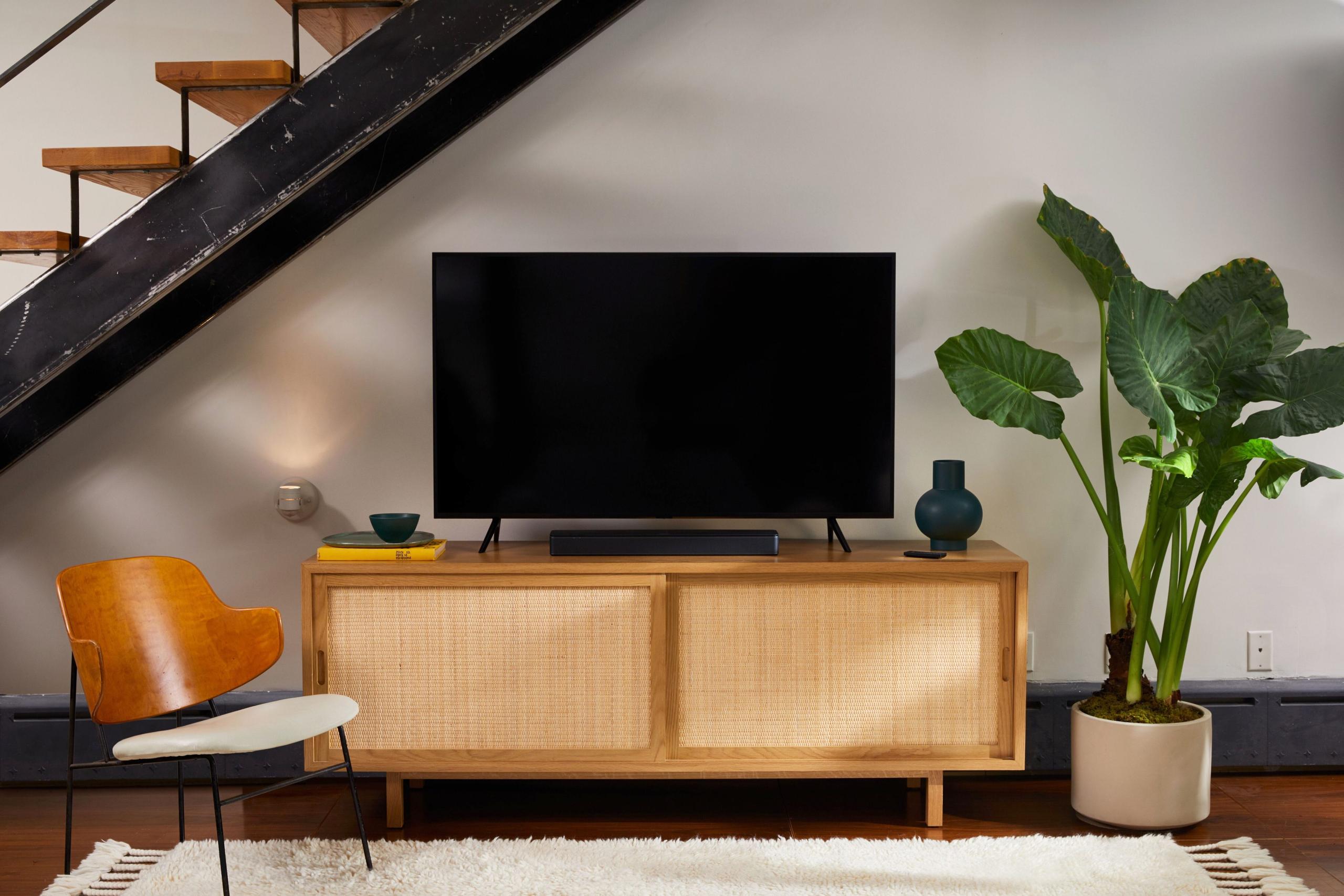
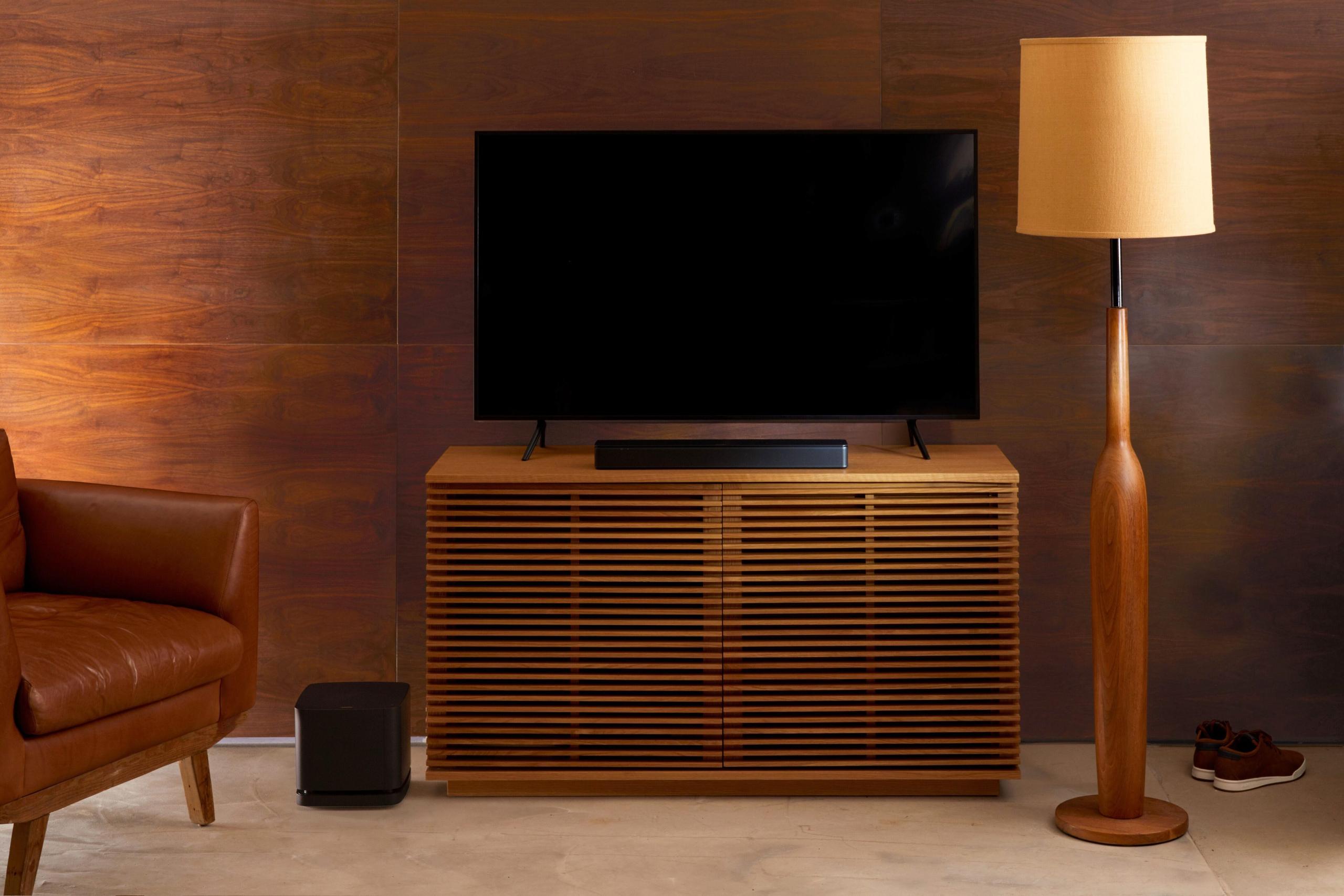
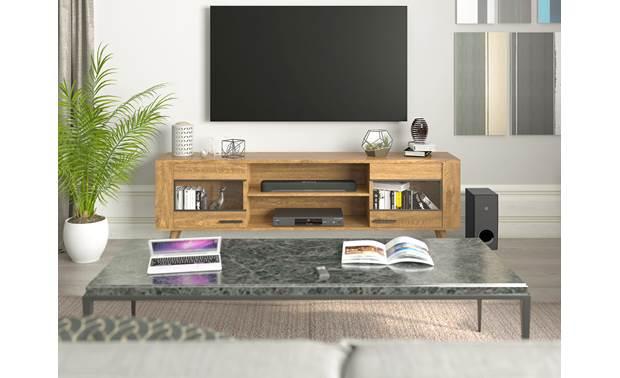
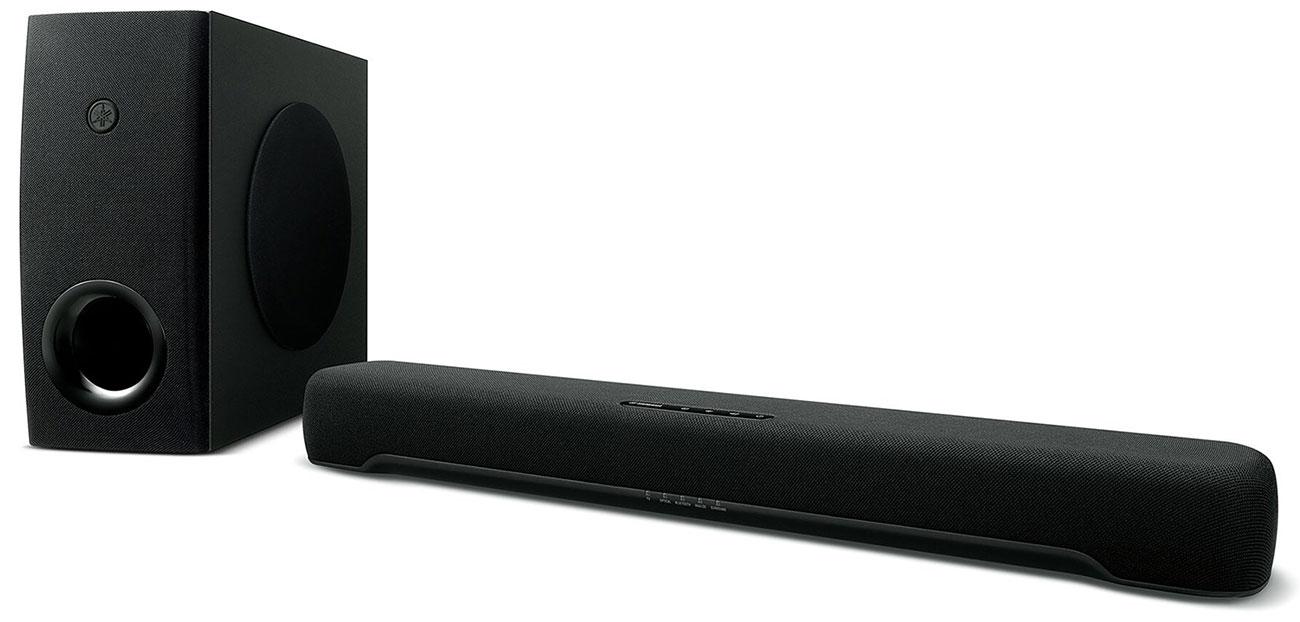

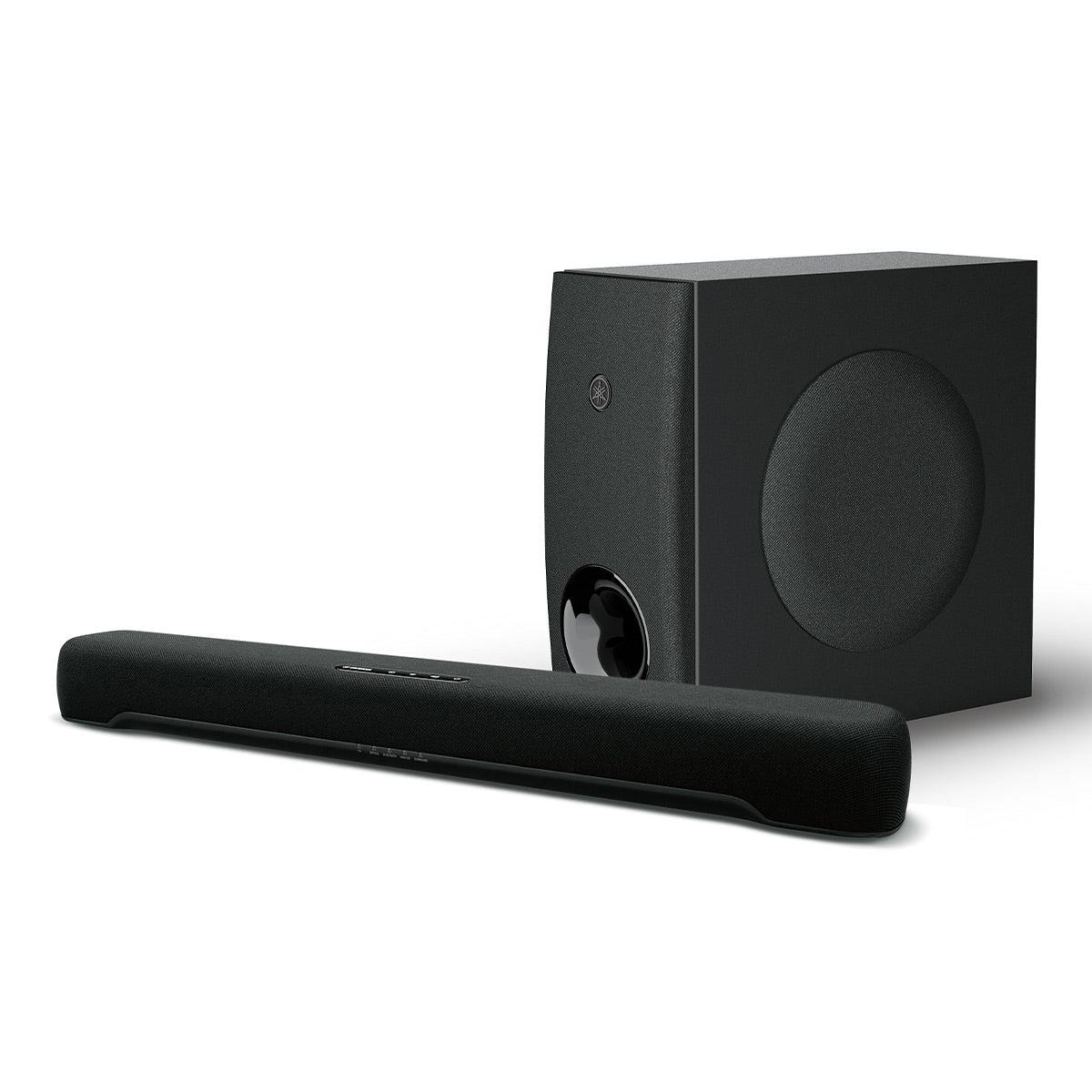
If you've ever found yourself turning up the TV volume just to catch what the characters are saying, only to get blasted by the next action scene, you're not alone. Modern TVs might have incredible picture quality, but their built-in speakers are often terrible. That's where soundbars come in – they're designed to solve this exact problem without taking over your living room like a full home theater system.
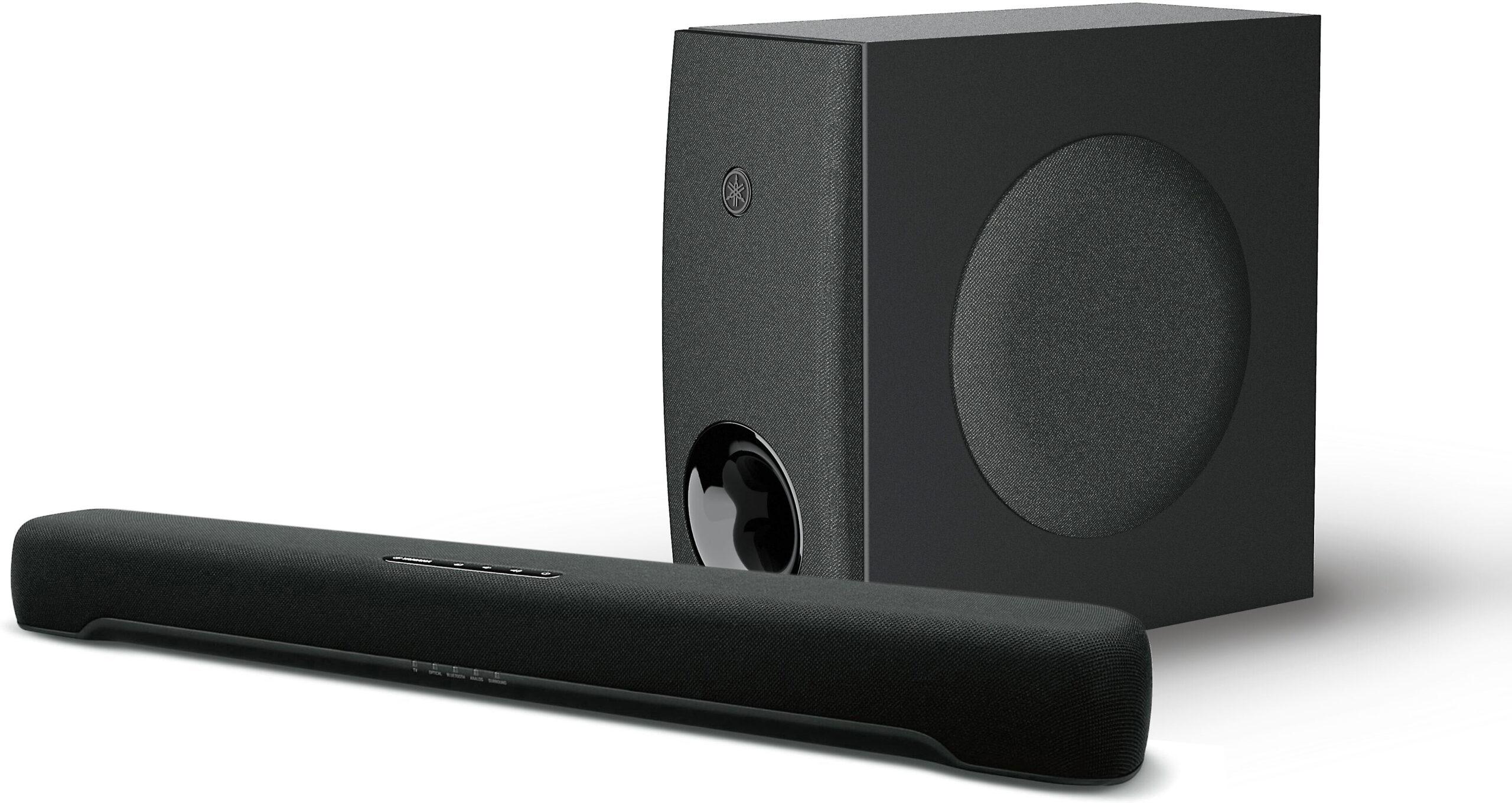
Today we're comparing two popular budget-friendly options: the Bose TV Speaker ($199) and the Yamaha SR-C30A with Subwoofer ($180). While both aim to dramatically improve your TV's audio, they take very different approaches to get there.
Before diving into specifics, let's talk about what compact soundbars are trying to accomplish. Unlike full-size home theater systems with multiple speakers placed around your room, these single-unit (or soundbar-plus-subwoofer) solutions focus on ease of setup, dialogue clarity, and fitting into small spaces without overwhelming your living area.
The main things you should consider when shopping for a compact soundbar include:
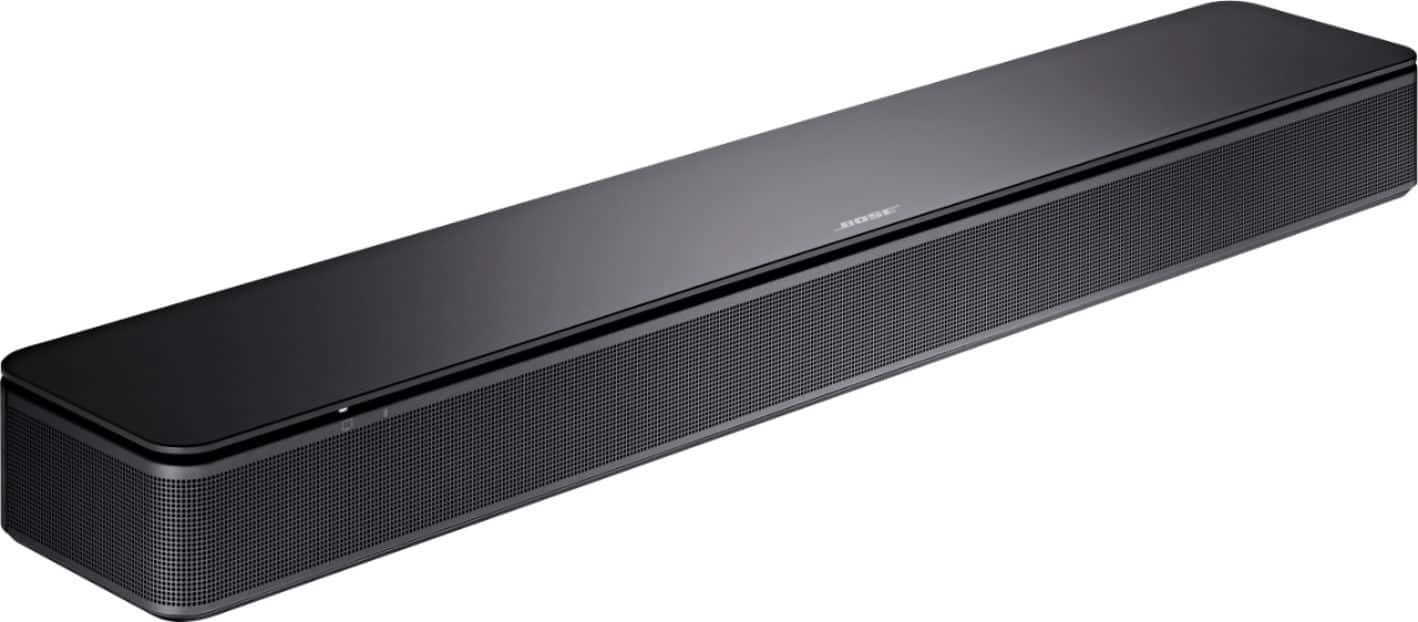
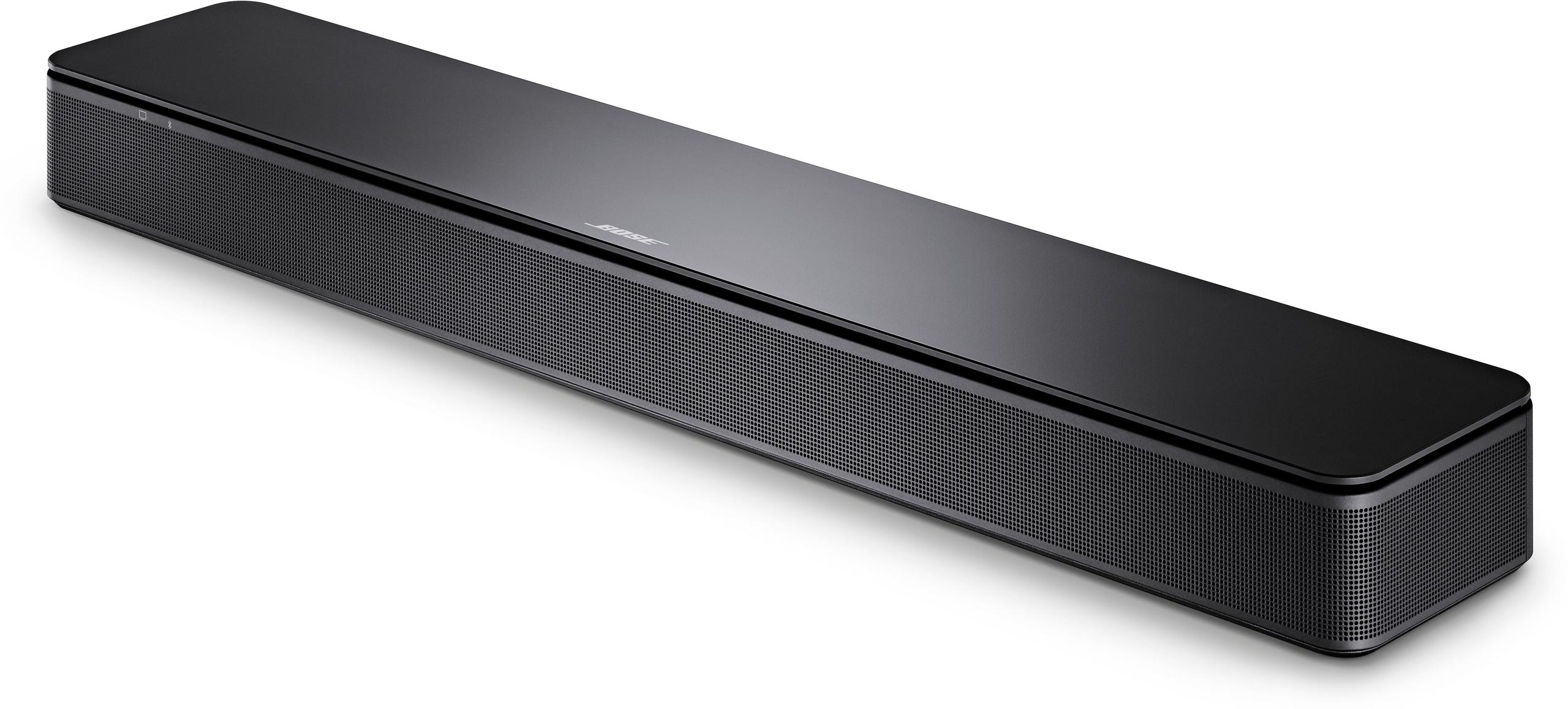
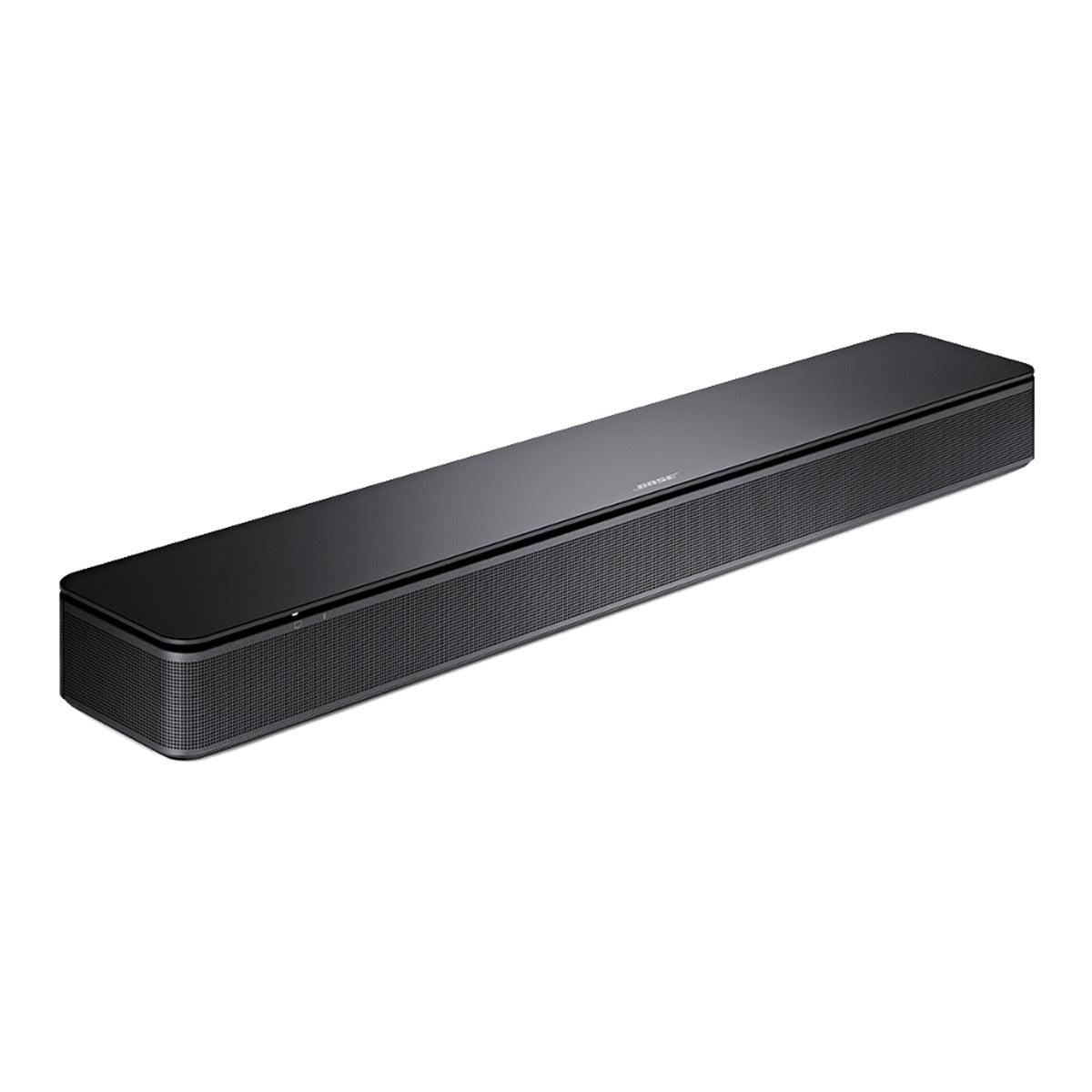
The Bose TV Speaker hit the market as Bose's entry-level soundbar option, positioned below their more expensive Soundbar 700 and 900 series. Bose designed this specifically for people who wanted their signature sound quality and dialogue enhancement without the complexity or cost of their premium models.
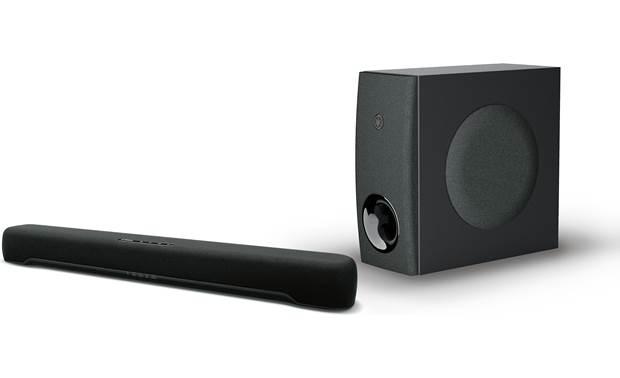
The Yamaha SR-C30A, released more recently as part of Yamaha's 2024-2025 lineup, represents a newer approach to compact soundbars. Yamaha learned from years of feedback about previous models and made this one 30% smaller than their traditional soundbars while still including a wireless subwoofer – something that was usually reserved for much more expensive systems.
What's interesting about the timing is that Yamaha's newer release allows them to include features like eARC support (enhanced Audio Return Channel, which handles higher-quality audio formats) and Dolby Atmos Virtual processing that weren't standard in budget soundbars when the Bose was first released. This technological advancement gives the Yamaha some inherent advantages in connectivity and audio format support.
Here's where these two products show their biggest philosophical difference. The Bose TV Speaker includes what they call "Dialogue Mode," which automatically analyzes whatever you're watching and adjusts the sound to make voices more prominent and clearer. I've tested this feature extensively, and it's genuinely impressive how it can pull dialogue out of complex soundtracks without making everything sound unnatural.
The way this works is pretty clever: the Bose uses digital signal processing (DSP) to identify frequency ranges where human speech typically occurs and slightly boosts those while reducing competing frequencies from background music and sound effects. It's doing this analysis in real-time, so it adapts to different shows and movies automatically.
The Yamaha takes a more traditional approach with its "Clear Voice" mode, which applies a preset boost to vocal frequencies when you press a button on the remote. While this works reasonably well, it's not as sophisticated as Bose's automatic system. You have to remember to turn it on and off, and it applies the same level of enhancement regardless of what you're watching.
From my experience testing both systems with the same dialogue-heavy content (think Christopher Nolan movies where everyone whispers), the Bose consistently made conversations easier to follow without the artificial, processed sound that many budget soundbars produce.
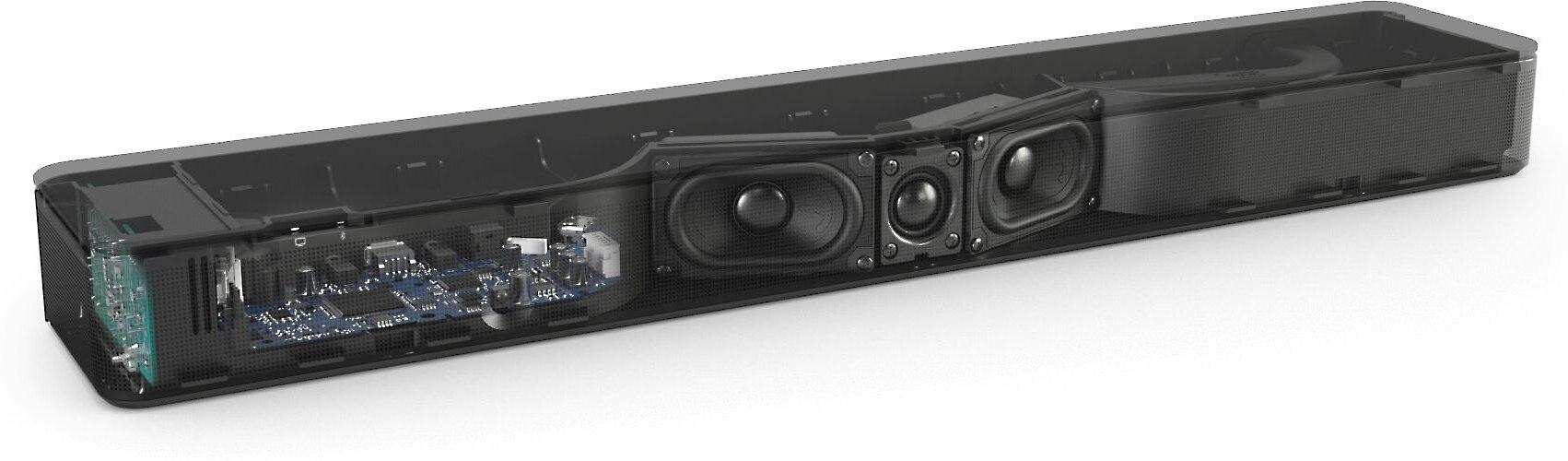
This is where the fundamental design differences really show up. The Bose TV Speaker tries to create bass using internal ports and clever acoustic engineering within its single cabinet. Bose has always been good at making small speakers sound bigger than they should, and they've applied that expertise here. For most TV watching – news, sitcoms, dramas – the bass response is adequate and doesn't feel lacking.
However, when you throw action movies, gaming, or music at it, the limitations become obvious. There's only so much low-frequency sound you can generate from a small enclosure without a dedicated subwoofer. Physics is physics, and you need larger, specialized drivers to move enough air for deep bass.
The Yamaha SR-C30A sidesteps this limitation entirely by including a wireless 5.1-inch subwoofer. This dedicated bass driver can reproduce frequencies down to 40Hz – that's getting into the range where you feel the sound as much as hear it. When a T-Rex stomps across the screen or an explosion happens in an action movie, the Yamaha delivers that chest-thumping impact that makes the experience much more immersive.
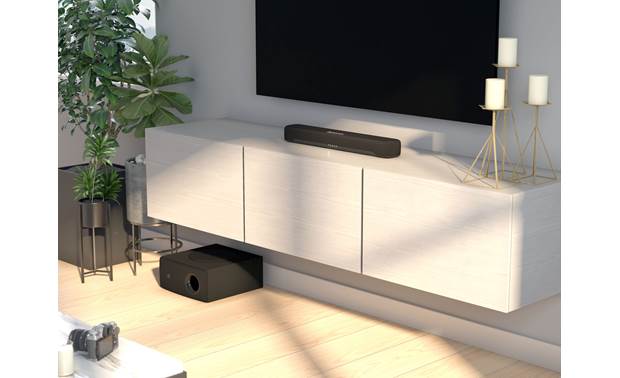
The subwoofer being wireless is a bigger deal than it might seem initially. You can place it anywhere within about 30 feet of the soundbar, which means you can position it where it sounds best in your room rather than being limited by cable length. I've found that corner placement often works well for subwoofers, as it can amplify the bass response using room boundaries.
Soundstage refers to how wide and three-dimensional the audio sounds – whether voices and effects seem to come from specific locations or just from a general direction. Both soundbars use different techniques to create a sense of space beyond their physical dimensions.
The Bose uses a 3-channel configuration (left, center, right) with specially angled drivers to create width. Their acoustic engineering focuses on making dialogue appear to come from the center of your TV screen, which creates a more natural viewing experience. The trade-off is that the overall soundstage isn't particularly wide or enveloping.
The Yamaha employs 3D Virtual Surround processing, which uses psychoacoustic tricks to make your brain think sounds are coming from locations where there aren't actually speakers. This works by carefully timing and phase-shifting audio signals to create the illusion of height and surround effects. While it's not as convincing as actual surround speakers placed around your room, it does create a more spacious feeling than standard stereo soundbars.
This is where the Yamaha's newer release date shows clear advantages. The Yamaha SR-C30A supports both ARC (Audio Return Channel) and eARC (enhanced Audio Return Channel). The difference matters more than you might think.
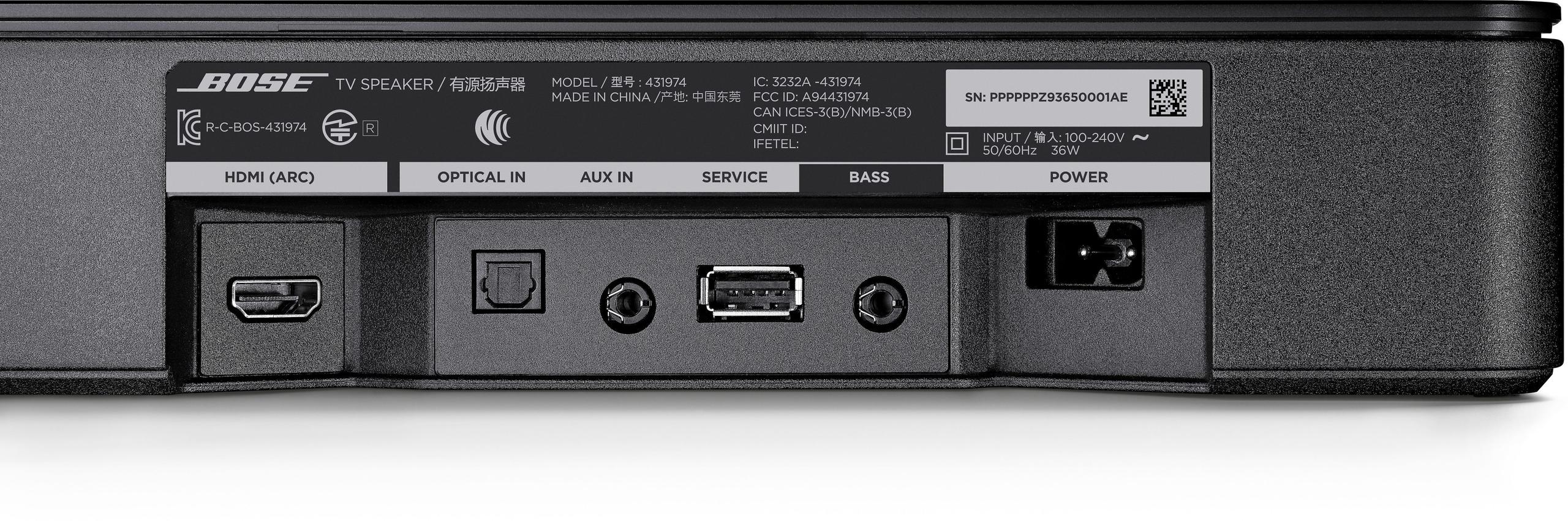
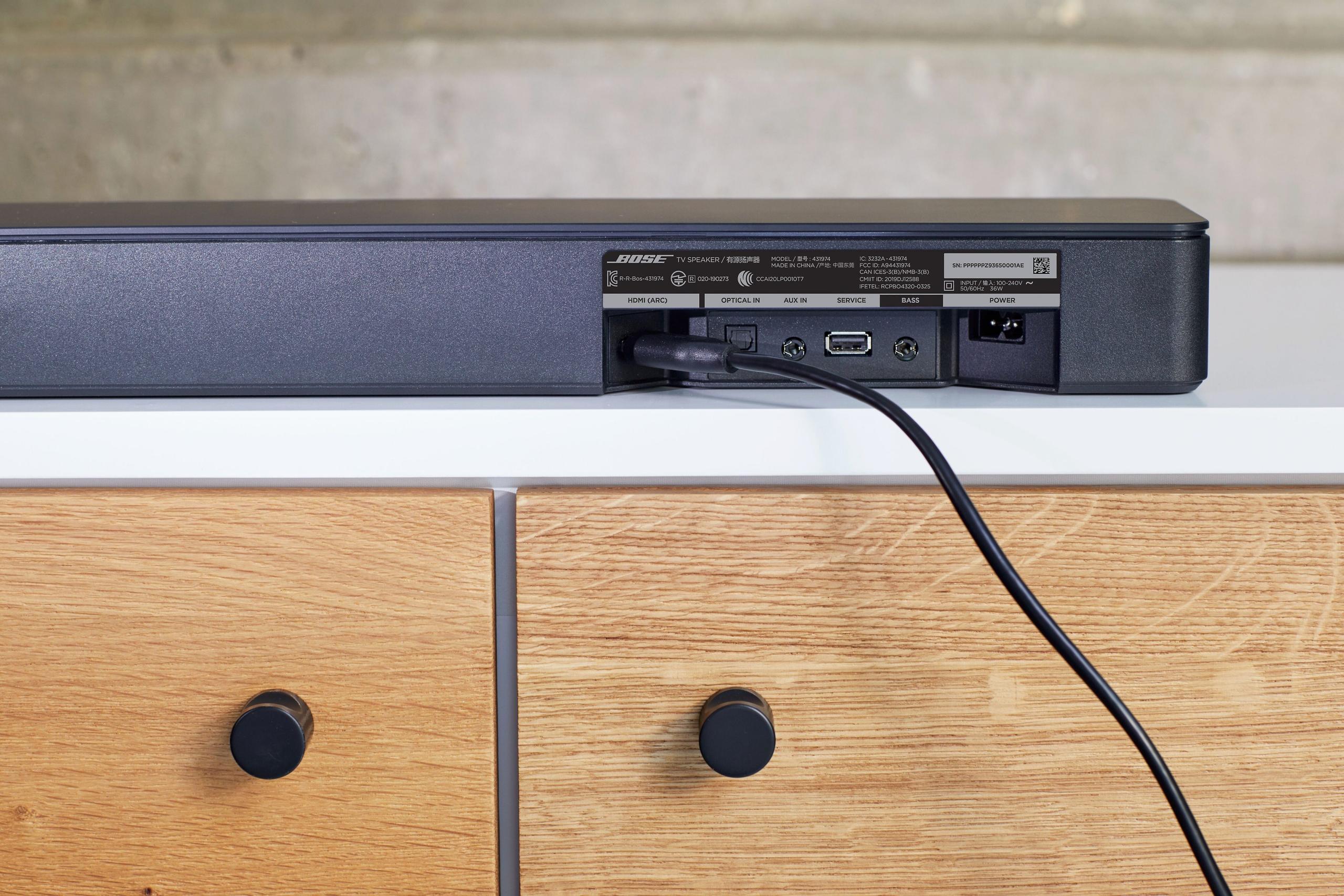
Regular ARC, which both soundbars support, allows your TV to send basic audio formats back to the soundbar through the same HDMI cable that connects them. eARC, which only the Yamaha offers, can handle much higher-quality audio formats including Dolby Atmos and DTS:X without compression. If you have a newer TV or plan to upgrade soon, eARC compatibility means you won't need to replace the soundbar when you want to take advantage of advanced audio formats.
The Bose TV Speaker handles Dolby Digital, which covers most broadcast TV and streaming content adequately. However, it doesn't support the newer immersive audio formats that are becoming standard on streaming services and 4K Blu-rays.
The Yamaha supports Dolby Atmos Virtual and DTS Virtual:X, which are object-based audio formats designed to create three-dimensional soundscapes. While neither soundbar can create true overhead effects without ceiling speakers, the virtual processing does add noticeable depth and dimension to compatible content. Netflix, Disney+, and most other major streaming services now offer content in these formats.
Both soundbars include Bluetooth 5.0 for wireless music streaming from phones, tablets, and computers. The connection quality is solid on both, with the Yamaha offering slightly better range and stability in my testing.
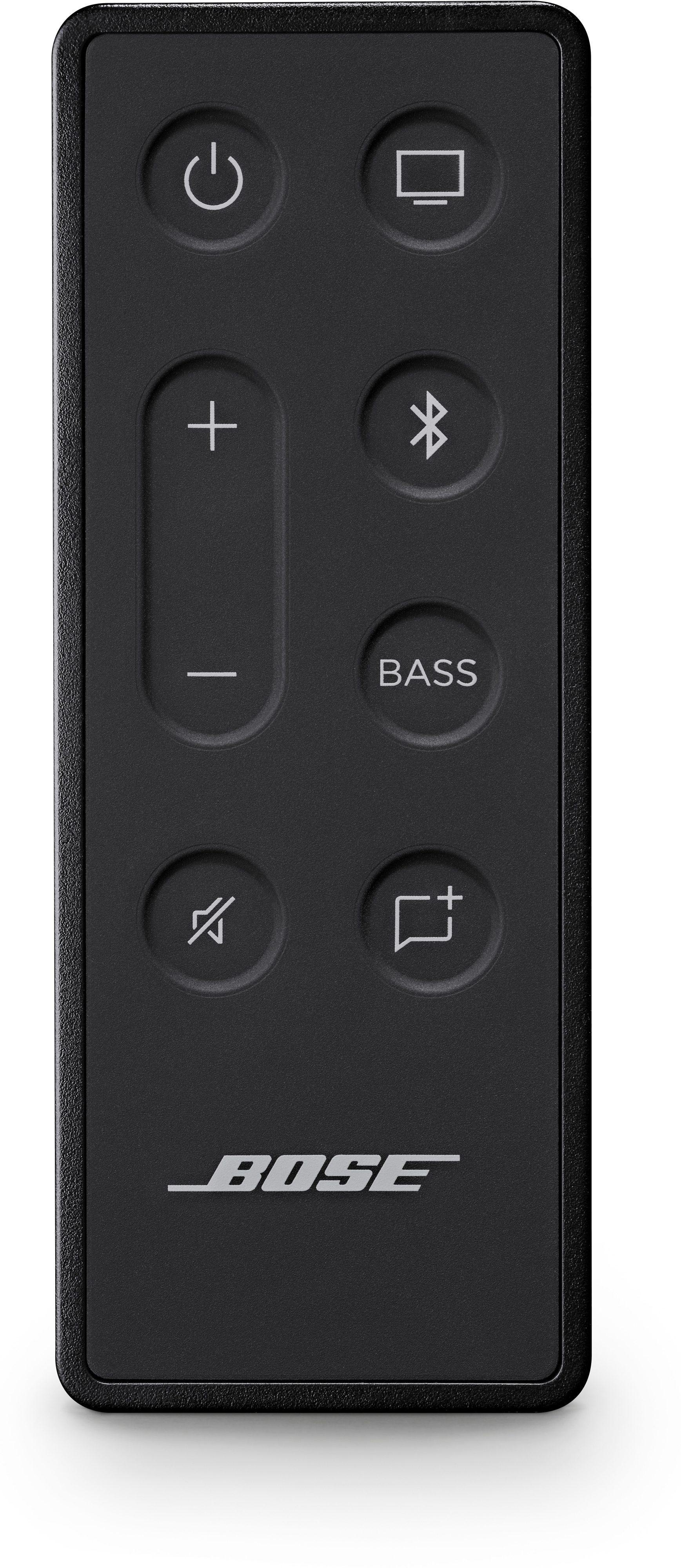
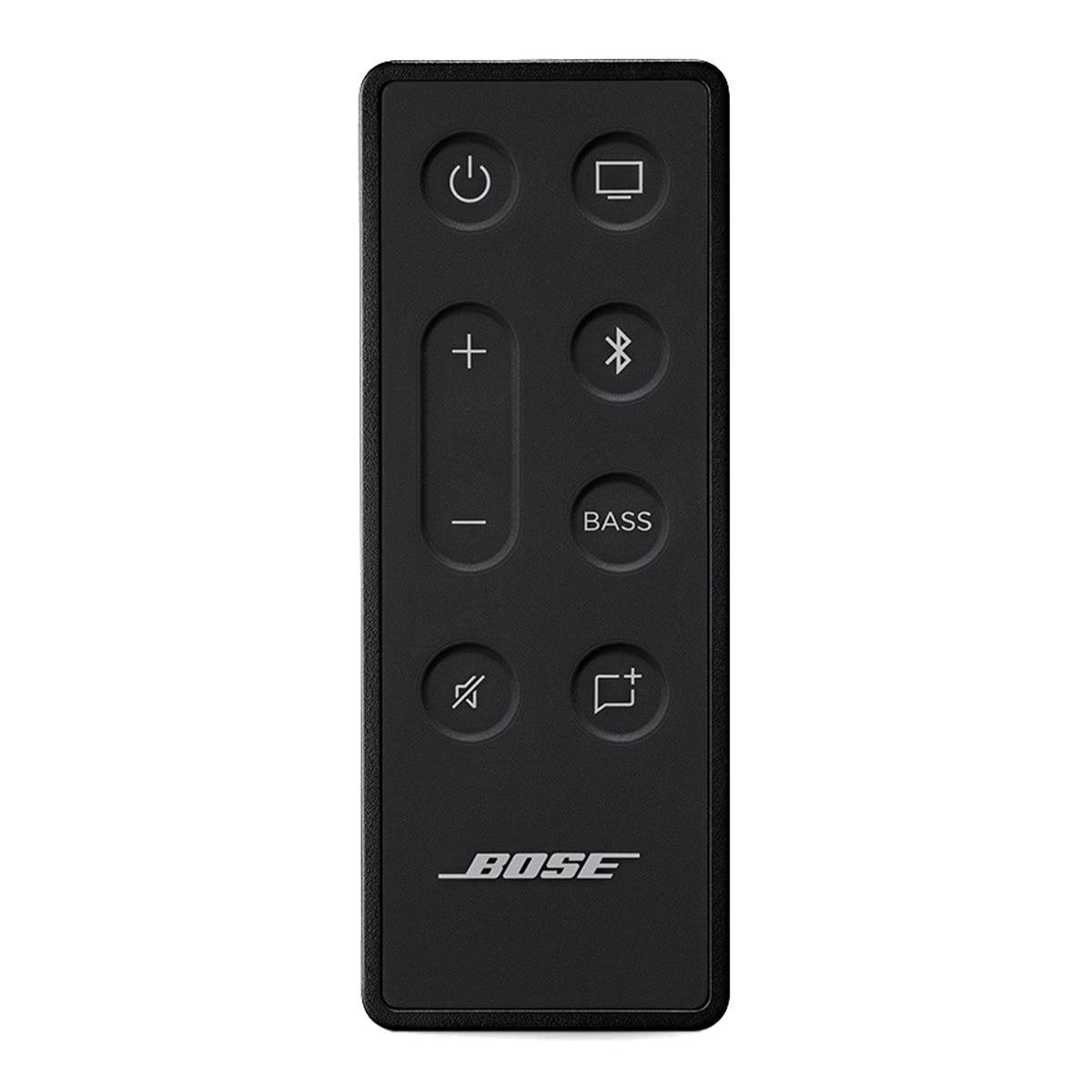
The Yamaha goes a step further with a dedicated smartphone app that lets you control settings, adjust sound modes, and even update firmware wirelessly. The Bose relies on its included remote and simple button controls on the soundbar itself, which is more straightforward but less flexible.
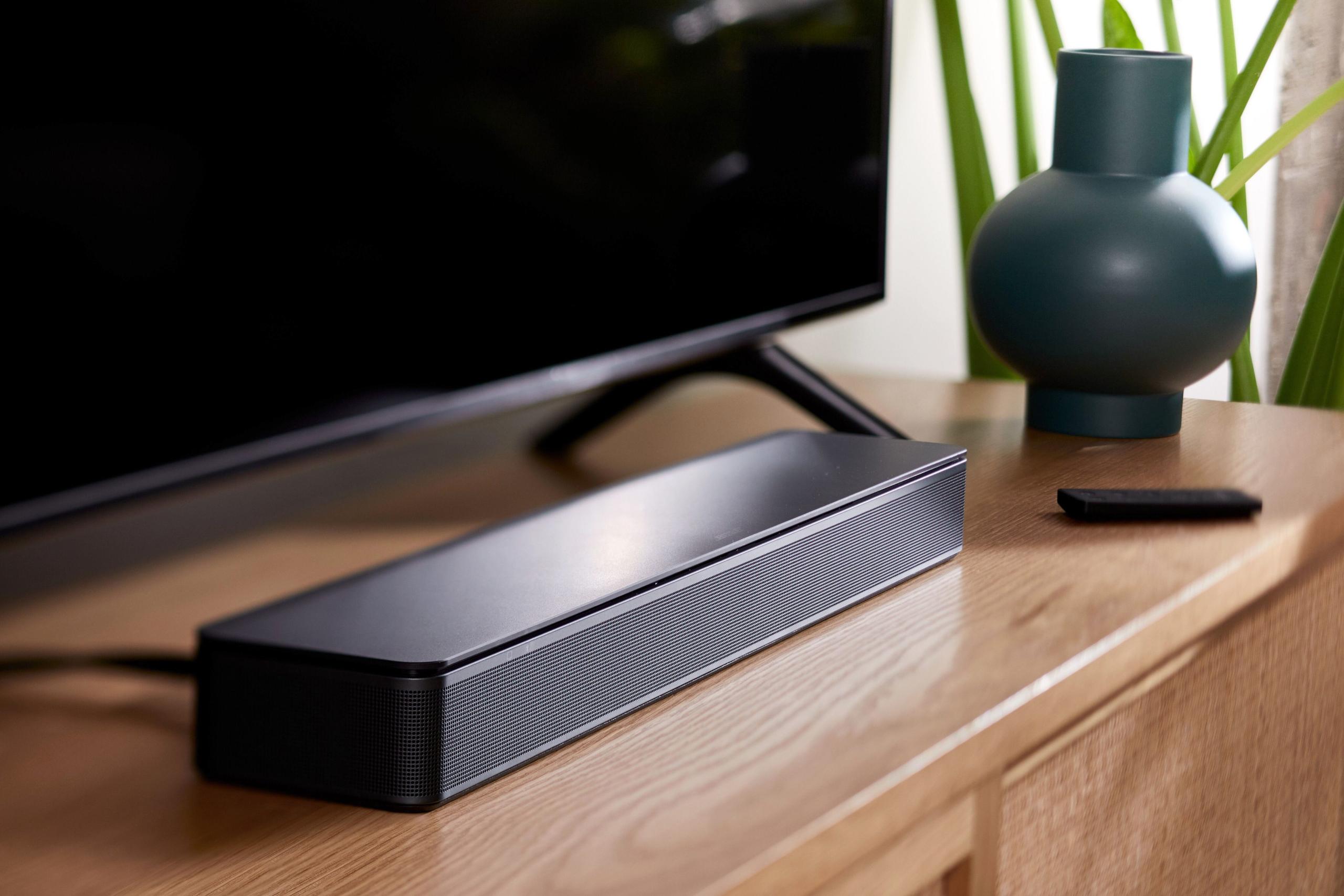
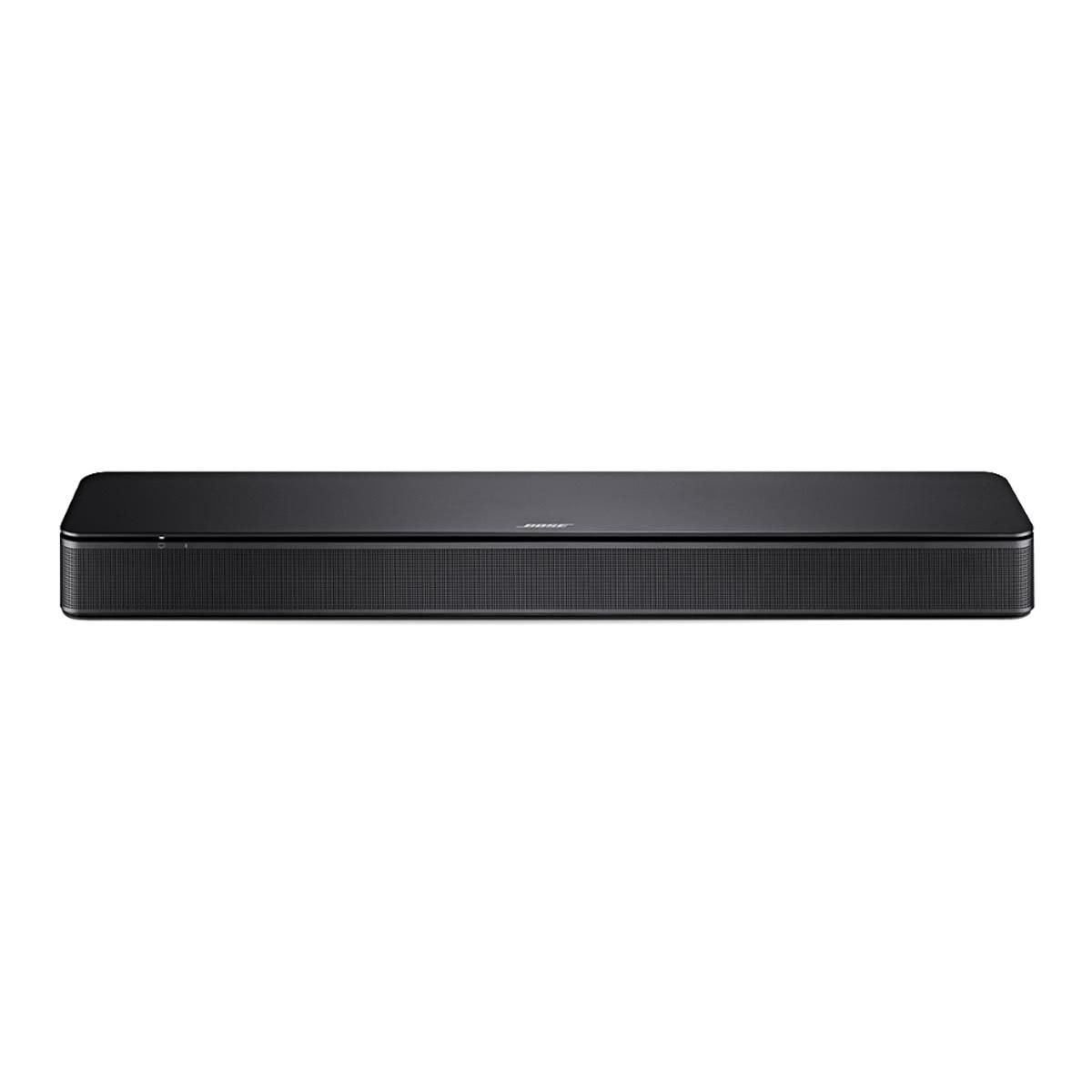
The Bose TV Speaker measures 23.4 inches wide, making it well-suited for TVs 50 inches and larger. Its single-unit design means you only need to find one spot for it – either on a TV stand or wall-mounted using the included hardware.
The Yamaha SR-C30A is actually 30% smaller than traditional soundbars at 23-5/8 inches, but you also need to account for subwoofer placement. The wireless connection gives you flexibility, but you still need floor space somewhere in the room. The subwoofer can be oriented vertically or horizontally, which helps with tight spaces.
Both soundbars use understated designs that won't dominate your entertainment center. The Bose has a more premium feel with its fabric grille and subtle LED indicators that show you which features are active. The Yamaha opts for a more utilitarian look with a plastic grille, but it's still tasteful and unobtrusive.
At current pricing, the Yamaha SR-C30A ($180) offers remarkable value. You're getting a complete 2.1-channel system with wireless subwoofer, advanced connectivity, and modern audio format support for less money than the Bose soundbar alone.
The Bose TV Speaker ($199) costs more upfront but represents different priorities. You're paying for Bose's brand reputation, their superior dialogue processing technology, and the simplicity of a single-unit system.
Here's where the long-term value equation gets interesting. If you buy the Bose and later decide you want more bass, your only option is to add a Bose Bass Module, which costs around $300-400. That brings your total system cost to $500-600 for what the Yamaha provides out of the box for $180.
The Yamaha doesn't really have an upgrade path – it's a complete system from day one. Whether that's good or bad depends on whether you're satisfied with its performance level or want the flexibility to grow your system over time.
For apartment dwellers or those with smaller living spaces, both soundbars can serve as the foundation of a modest home theater setup. The Yamaha's included subwoofer gives it a significant advantage here, providing the low-frequency foundation that makes movie watching more engaging.
The wireless subwoofer also means you can experiment with placement to find the spot where bass sounds best in your specific room. In my testing, placing the subwoofer near a corner or along a wall typically provided the most satisfying bass response without being boomy or overwhelming.
Both soundbars work well with most modern TVs, game consoles, and streaming devices. The Yamaha's eARC support gives it an edge if you have or plan to get a newer TV, gaming console, or streaming device that outputs advanced audio formats.
For gaming specifically, the Yamaha's subwoofer adds meaningful impact to explosions, engine sounds, and other low-frequency effects that make games more immersive. The Bose, while perfectly functional for gaming, doesn't provide the same level of excitement for action-heavy games.
After extensive testing with both systems, I found myself preferring different aspects of each. The Bose TV Speaker excels at what it's designed for – making TV dialogue crystal clear without any fuss. If you primarily watch news, documentaries, sitcoms, and dialogue-heavy dramas, it's genuinely excellent at its job.
The Yamaha SR-C30A is more versatile and provides better overall value. The bass response transforms action movies and makes music listening enjoyable in a way the Bose simply can't match. The advanced connectivity features also mean it's better prepared for future content and devices.
The Yamaha SR-C30A ($180) offers superior overall value and performance for most users. Its included wireless subwoofer, advanced audio format support, and lower price make it hard to beat if you want a complete audio upgrade.
The Bose TV Speaker ($199) serves a specific but important niche – people who prioritize dialogue clarity above all else and prefer the simplicity of a single unit. If that describes your needs and you're willing to pay extra for Bose's expertise in this area, it's a solid choice.
For most people setting up their first soundbar, I'd recommend the Yamaha. It provides a more complete audio experience and better prepares you for whatever content you might want to enjoy. However, if clear dialogue is your primary concern and you don't need thunderous bass, the Bose will serve you well and might actually be the better long-term choice.
Either way, both soundbars will dramatically improve your TV's audio and provide years of better entertainment experiences. The choice really comes down to your specific priorities, room constraints, and whether you value simplicity or completeness more highly.
| Bose TV Speaker Soundbar | Yamaha SR-C30A Soundbar with Subwoofer |
|---|---|
| Price - Current market value for budget soundbar category | |
| $199 (down from $279 MSRP) | $180 (newer 2025 model pricing) |
| Bass Performance - Most noticeable difference for movies and music | |
| Internal ports only, adequate for TV dialogue but limited for action content | Dedicated 5.1" wireless subwoofer with 50W power, extends down to 40Hz |
| Audio Channels - Affects dialogue clarity and sound staging | |
| 3.1 channels (Left, Center, Right with dialogue focus) | 2.1 channels (stereo soundbar + subwoofer) |
| Dialogue Enhancement - Critical for understanding speech in movies/TV | |
| Automatic Dialogue Mode analyzes content in real-time | Manual Clear Voice mode requires button press to activate |
| HDMI Support - Determines compatibility with modern TVs and devices | |
| ARC only (basic audio return channel) | Both ARC and eARC (supports higher-quality audio formats) |
| Audio Format Support - Important for streaming services and 4K content | |
| Dolby Digital only | Dolby Atmos Virtual, DTS Virtual:X, Dolby Digital |
| Physical Setup - Space requirements and installation complexity | |
| Single 23.4" unit, wall-mountable, no subwoofer placement needed | 23.6" soundbar + wireless subwoofer requiring floor space but flexible placement |
| Connectivity Options - Affects how many devices you can connect | |
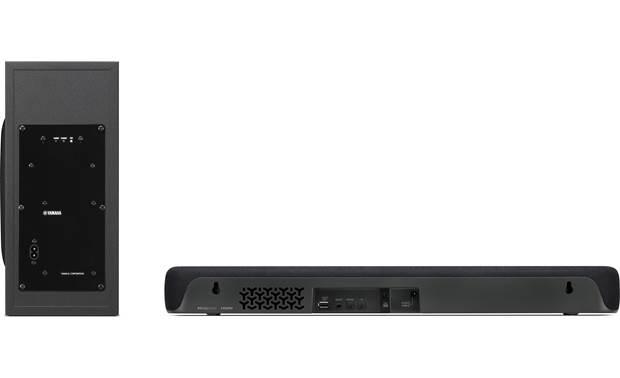
| HDMI ARC, Optical, 3.5mm AUX, Bluetooth 5.0 | HDMI eARC/ARC, 2x Optical, 3.5mm, Bluetooth 5.0 with app control |
| Power Output - Total system wattage affects maximum volume and dynamics | |
| 90W total (all from soundbar) | 90W total (40W soundbar + 50W subwoofer) |
| Smart Features - Modern convenience and control options | |
| Basic remote control, LED status indicators | Smartphone app control, multiple sound modes, firmware updates |
| Warranty Coverage - Protection for your investment | |
| 1 year limited warranty | 2 years limited warranty |
| Best Use Case - Who should choose each option | |
| Dialogue-focused TV watching, small spaces, noise-sensitive environments | Movies, gaming, music listening, complete audio upgrade |
The Yamaha SR-C30A ($180) offers better overall value, providing a complete 2.1 system with wireless subwoofer for less money than the Bose TV Speaker ($199). You get genuine bass response, modern connectivity features like eARC, and support for Dolby Atmos Virtual formats. The Bose costs more but focuses specifically on dialogue clarity with superior automatic voice enhancement.
If you watch action movies, play games, or listen to music, yes - a subwoofer makes a significant difference. The Yamaha SR-C30A includes a wireless 5.1-inch subwoofer that adds deep bass and impact that the Bose TV Speaker simply cannot produce from its single unit design. For dialogue-focused TV watching only, the Bose's internal bass may be sufficient.
The Bose TV Speaker ($199) excels at dialogue clarity with its automatic Dialogue Mode that analyzes content in real-time and enhances voices without manual adjustment. The Yamaha SR-C30A has a Clear Voice mode, but it requires manual activation and uses preset adjustments rather than adaptive processing.
HDMI ARC (Audio Return Channel) handles basic audio formats, while eARC (enhanced ARC) supports higher-quality formats like Dolby Atmos and DTS:X without compression. The Yamaha SR-C30A supports both ARC and eARC, making it more future-proof, while the Bose TV Speaker only supports standard ARC.
For noise-sensitive environments, the Bose TV Speaker ($199) might be better since it has no subwoofer to disturb neighbors. However, the Yamaha SR-C30A ($180) is actually 30% smaller than traditional soundbars and offers wireless subwoofer placement flexibility, so you can position it where it won't cause issues.
Yes, both the Bose TV Speaker and Yamaha SR-C30A feature Bluetooth 5.0 for wireless music streaming from smartphones, tablets, and other devices. The Yamaha additionally offers a smartphone app for advanced control and settings adjustment.
The Yamaha SR-C30A with Subwoofer ($180) is significantly better for movies and gaming due to its dedicated subwoofer that delivers impactful bass for explosions, engine sounds, and cinematic effects. It also supports Dolby Atmos Virtual and DTS Virtual:X formats. The Bose TV Speaker lacks the bass response needed for immersive action content.
The Yamaha SR-C30A is much better for music thanks to its wireless subwoofer providing full-range frequency response down to 40Hz. The Bose TV Speaker ($199) has limited bass extension and is primarily designed for TV dialogue rather than music reproduction.
The Bose TV Speaker has simpler setup since it's a single unit requiring just one connection to your TV. The Yamaha SR-C30A requires placing both the soundbar and wireless subwoofer, though the wireless connection eliminates cable management issues between the two units.
Yes, both soundbars work with older TVs through optical digital connections. However, the Yamaha SR-C30A offers more connection options including dual optical inputs and will be more compatible with future TV upgrades thanks to its eARC support.
The Yamaha SR-C30A ($180) provides better long-term value as a complete system requiring no upgrades. If you buy the Bose TV Speaker ($199) and later want bass, you'd need to purchase a separate Bass Module costing $300-400, bringing total system cost to $500-600.
The fundamental difference is approach: the Bose TV Speaker prioritizes dialogue clarity and simplicity in a single unit, while the Yamaha SR-C30A with Subwoofer provides a complete audio upgrade with genuine bass response, modern connectivity, and broader entertainment capabilities at a lower price point.
We've done our best to create useful and informative comparisons to help you decide what product to buy. Our research uses advanced automated methods to create this comparison and perfection is not possible - please contact us for corrections or questions. These are the sites we've researched in the creation of this article: bestbuy.com - projectorscreen.com - forums.audioholics.com - digitaltrends.com - abt.com - crutchfield.com - staples.com - bestbuy.com - pcrichard.com - visions.ca - bose.com - assets.bose.com - techradar.com - usa.yamaha.com - expertreviews.com - usa.yamaha.com - trustedreviews.com - crutchfield.com - europe.yamaha.com - usa.yamaha.com - shop.usa.yamaha.com - assetserver.net

Privacy Policy
Terms and Conditions - Affiliate Policy
Home Security
© Copyright 2008-2026.
11816 Inwood Rd #1211, Dallas, TX 75244