


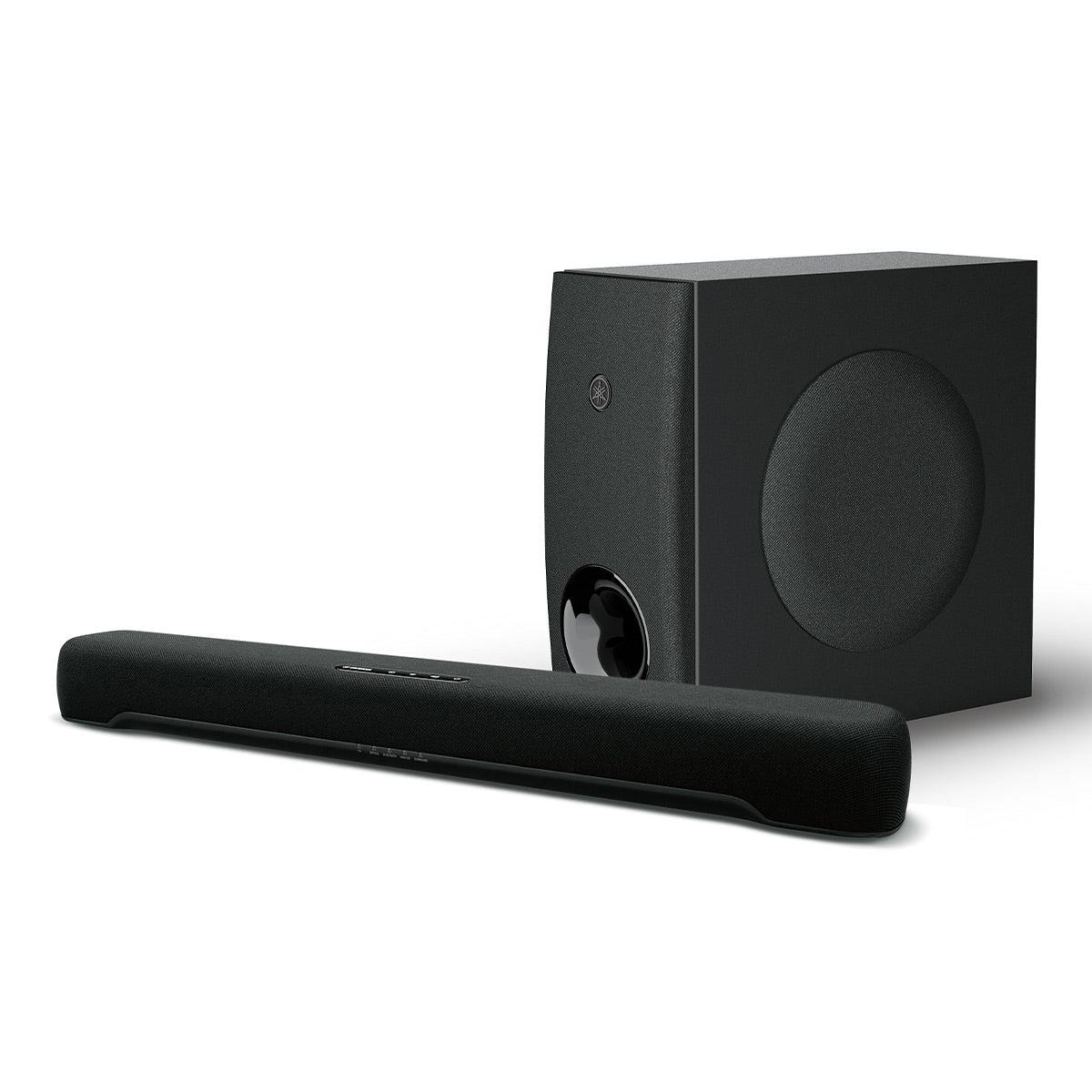
When your TV's built-in speakers make dialogue sound like it's coming from a tin can, it's time to upgrade. But with so many soundbar options available, choosing the right one can feel overwhelming. Today, I'm diving deep into two popular options that take completely different approaches to solving your audio woes: the Polk Audio Signa S2 with its dedicated wireless subwoofer, and the Yamaha SR-C30A with its all-in-one compact design.
Both soundbars were released in recent years and represent their manufacturers' efforts to make quality audio more accessible. The Polk Audio Signa S2 launched as part of Polk's budget-friendly Signa series, while the Yamaha SR-C30A arrived as Yamaha's answer to the growing demand for space-conscious audio solutions. Since their releases, both have received positive reception, but they excel in very different ways.
Before we jump into the specifics, let's talk about what actually matters when you're shopping for a soundbar. At its core, a soundbar should make your TV watching experience significantly better than those terrible built-in speakers. This means clearer dialogue, more impactful sound effects, and ideally some bass that you can actually feel.
The soundbar market has evolved dramatically over the past few years. We've seen manufacturers focus on different priorities: some chase the latest surround sound formats like Dolby Atmos (which creates overhead sound effects), others prioritize simplicity and ease of use, and some focus purely on delivering the best bang for your buck.
When evaluating any soundbar, I always consider four key areas: how it handles dialogue (since that's what you'll hear most), its bass response (because good bass makes everything more engaging), how easy it is to set up and live with daily, and whether it offers good value for what you're paying. Room size matters enormously too – what sounds great in a small apartment might get lost in a large living room, and vice versa.
The Polk Audio Signa S2 and Yamaha SR-C30A represent fundamentally different approaches to solving the same problem. Think of it like choosing between a pickup truck and a sedan – both will get you where you need to go, but they're optimized for different priorities.
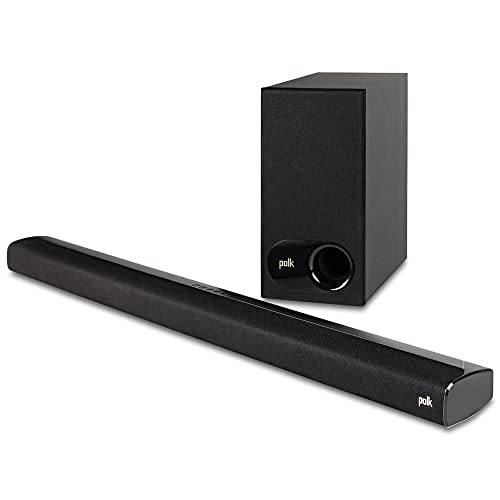
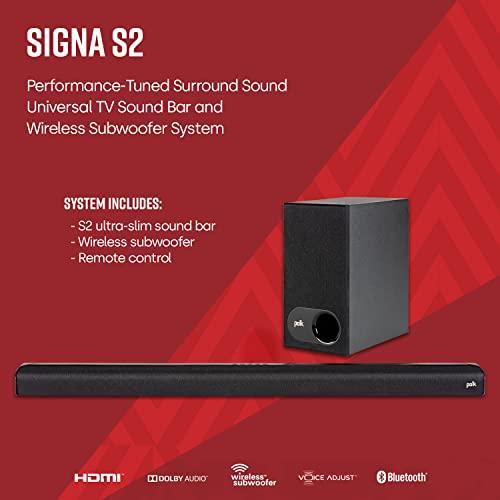
The Polk Audio Signa S2 follows the traditional 2.1 approach, meaning it has two main speakers (left and right) plus one dedicated subwoofer (the ".1" refers to the bass-only channel). This separate subwoofer is wireless, so you can place it anywhere in your room where it sounds best. The system puts serious emphasis on bass response – that rumbling low-end that makes explosions feel visceral and music sound full-bodied.
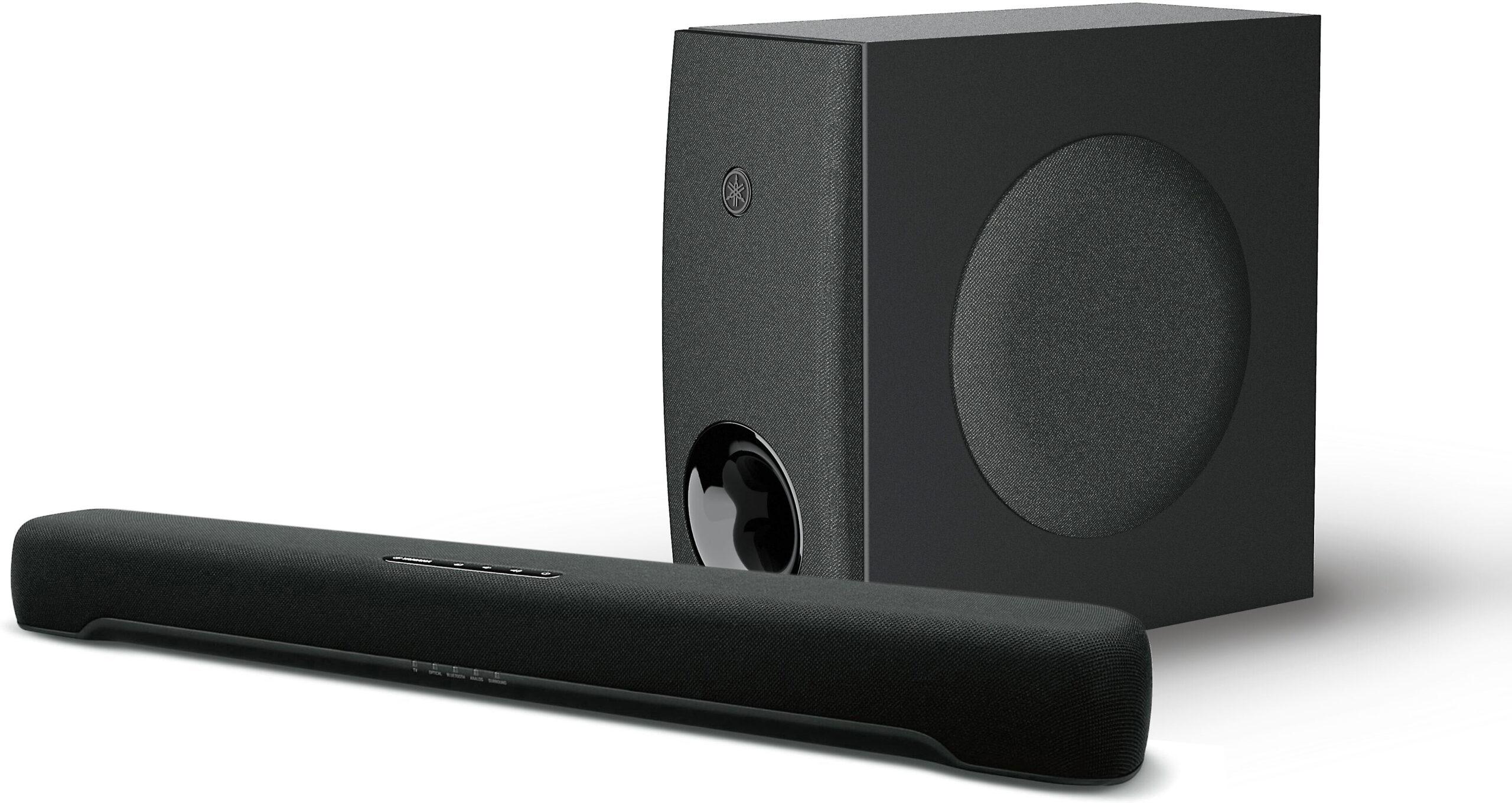
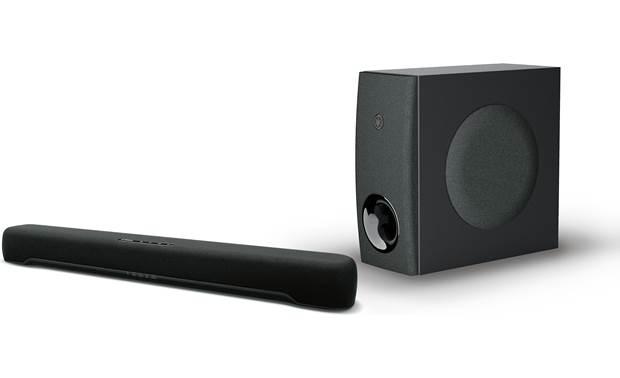
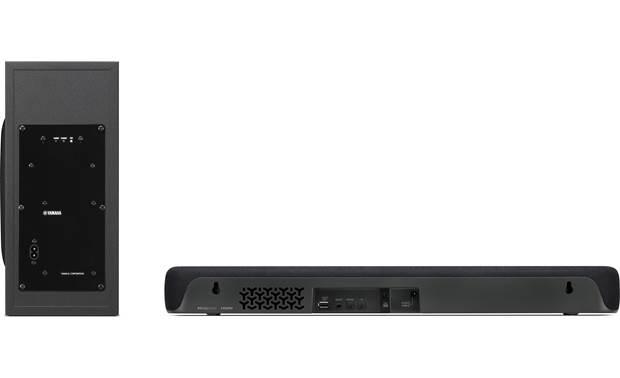
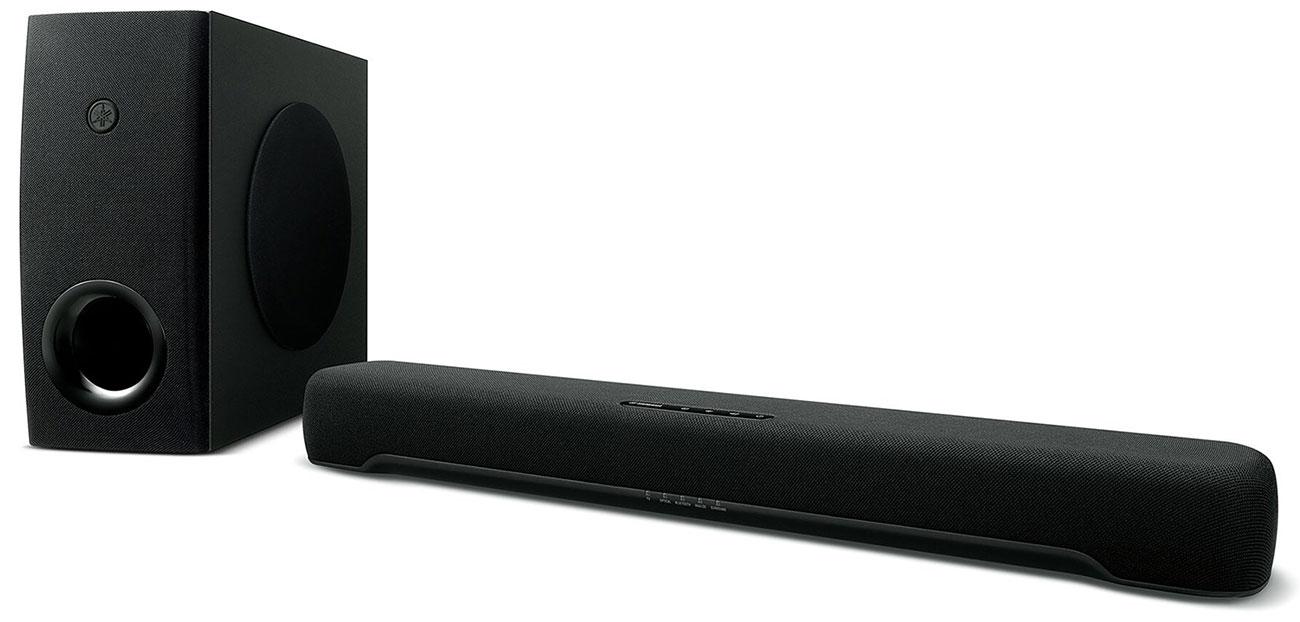
In contrast, the Yamaha SR-C30A takes the all-in-one route. Everything – including the subwoofer drivers – is built into a single, remarkably compact unit that's about 30% smaller than traditional soundbars. Yamaha has focused on sophisticated digital processing to create virtual surround sound and optimize the audio for different types of content.
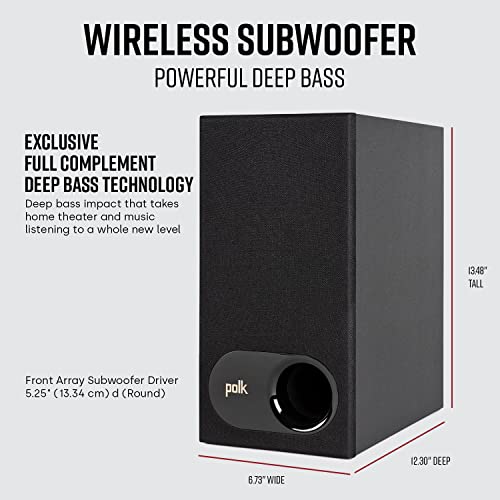
This is where the biggest difference between these two soundbars becomes apparent. The Polk Audio Signa S2 comes with a dedicated 5.25-inch subwoofer driver housed in its own ported enclosure. In audio terms, this means it can move a lot of air and produce genuine low-frequency extension down to 45Hz – that's getting into the range where you feel bass as much as hear it.
I've found that the S2's bass can be quite impressive, especially for the price point. When watching action movies, explosions have real weight and impact. The wireless subwoofer also gives you flexibility in placement – you can tuck it beside your couch, in a corner, or wherever it sounds best in your particular room. However, this power comes with a caveat: the bass can easily overwhelm smaller spaces or become boomy if not positioned carefully.
The Yamaha SR-C30A, on the other hand, relies on smaller drivers integrated into the main bar. While it still delivers 50 watts to its built-in subwoofer section, the physics of smaller drivers in a compact enclosure means it simply cannot produce the same low-end extension or impact as a dedicated subwoofer. The trade-off here is control and integration – the SR-C30A's bass is tighter and more controlled, blending seamlessly with the midrange and treble.
For bass-heavy music genres like hip-hop, electronic, or rock, the Polk Audio Signa S2 will give you more of that visceral thump. For more nuanced music or if you live in an apartment where you need to be mindful of neighbors, the Yamaha SR-C30A provides adequate bass without risking complaints.
Clear dialogue is arguably the most important feature of any soundbar – after all, if you can't understand what characters are saying, what's the point of upgrading from your TV speakers?
Both soundbars tackle this challenge differently. The Polk Audio Signa S2 includes Polk's proprietary VoiceAdjust technology, which essentially boosts the frequency range where human voices live (typically around 1-4kHz). This feature is adjustable, so you can dial in just the right amount of vocal enhancement. In my experience, a little VoiceAdjust goes a long way – too much can make voices sound artificial and nasal.
The Yamaha SR-C30A takes a more sophisticated approach with its Clear Voice mode. Rather than simply boosting certain frequencies, Yamaha uses digital signal processing to analyze the audio signal and intelligently enhance dialogue while maintaining a natural sound. The result tends to be more seamless – voices become clearer without the artificial coloration that can happen with simpler enhancement systems.
Both systems work well, but I've found the Yamaha approach more consistently natural-sounding across different types of content. The Polk system gives you more control, which can be great if you want to fine-tune things, but it requires more effort to get optimal results.
Neither of these soundbars supports the latest Dolby Atmos technology (which creates overhead sound effects), but they both attempt to create a wider, more immersive soundstage than your TV speakers.
The Polk Audio Signa S2 can decode Dolby Digital signals – the standard surround sound format used on most DVDs and streaming content. However, since it only has left and right speakers, it downmixes surround content to stereo. The result is wider than TV speakers but doesn't create genuine surround effects. The soundstage extends slightly beyond the width of the bar, but you won't get the sense of sounds coming from behind or beside you.
The Yamaha SR-C30A offers more sophisticated surround processing through its 3D Movie mode. This uses digital signal processing to create virtual surround effects, attempting to make sounds appear to come from locations beyond the physical soundbar. Yamaha also includes multiple listening modes (Stereo, Standard, 3D Movie, and Game) that optimize the sound signature for different types of content.
In my testing, the Yamaha's virtual surround processing is more convincing than the Polk's simpler approach. While neither creates a true surround sound experience like you'd get from a 5.1 system with rear speakers, the SR-C30A does a better job of creating the illusion of a wider, more enveloping soundstage.
For dedicated home theater use, both soundbars will significantly improve your movie-watching experience compared to TV speakers, but neither is ideal if you're seeking truly immersive surround sound. In that case, you'd want to consider systems with dedicated rear speakers or Dolby Atmos support.
While soundbars are primarily designed for TV and movie content, many people also use them for music streaming via Bluetooth. Here, the different sound signatures of these two systems become quite apparent.
The Polk Audio Signa S2 has what audio enthusiasts call a "V-shaped" sound signature – elevated bass and treble with a somewhat recessed midrange. This can make music sound exciting and energetic, particularly electronic music, pop, and rock. However, it can also make some genres sound unbalanced or fatiguing during long listening sessions.
The Yamaha SR-C30A aims for a more neutral, balanced presentation. It includes a Compressed Music Enhancer that attempts to restore detail to compressed audio files (like MP3s) streamed via Bluetooth. The result is generally more accurate music reproduction that works well across a wider variety of genres.
If you primarily listen to bass-heavy music and want maximum impact, the Polk Audio Signa S2 will likely appeal more. If you listen to diverse genres and prefer accuracy over excitement, the Yamaha SR-C30A is the better choice.
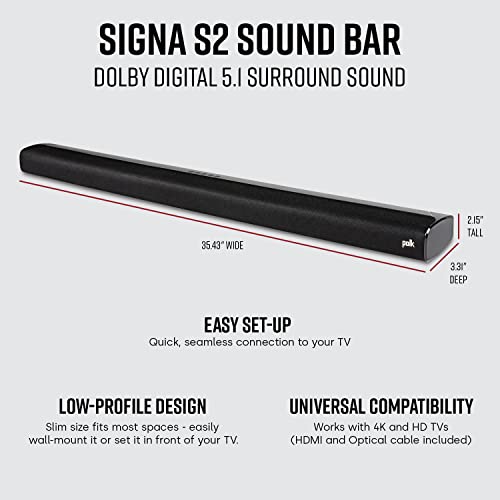
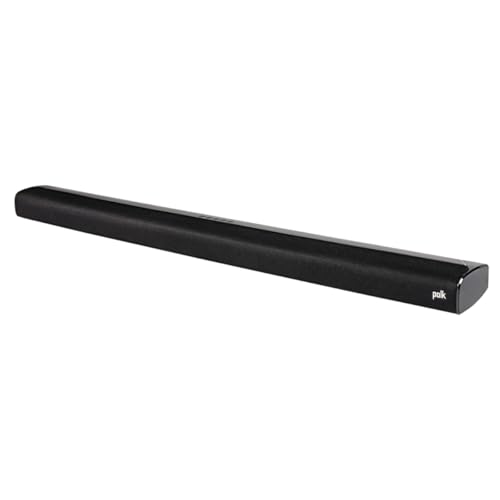
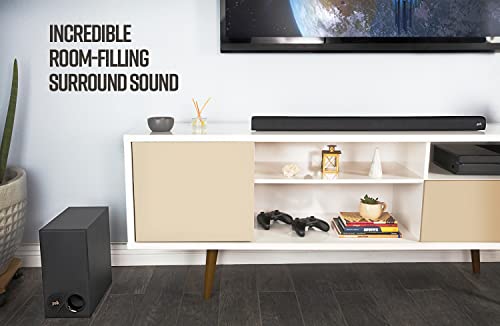
The Polk Audio Signa S2 consists of two pieces: a slim soundbar that measures just 2.15 inches tall (so it won't block your TV's remote sensor) and a compact wireless subwoofer. The soundbar itself is quite sleek and unobtrusive, but you need to account for the subwoofer, which requires floor space somewhere in your room.
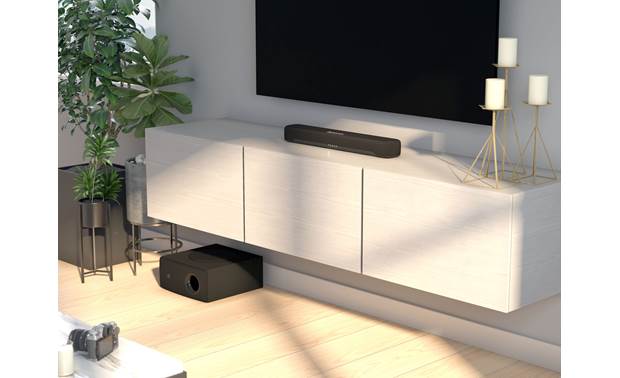
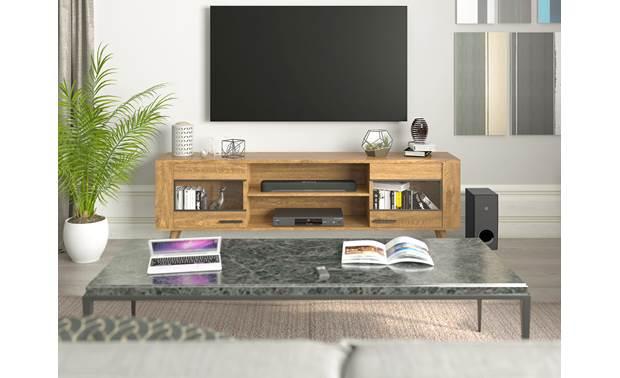
The subwoofer's wireless nature is both a blessing and a potential curse. On the positive side, you can place it wherever it sounds best – maybe beside your couch for maximum impact, or in a corner where it won't be visually intrusive. However, it's one more thing to plug in and position, and some users report occasional connectivity hiccups between the bar and sub.
The Yamaha SR-C30A is remarkably compact at just 23.6 inches wide – significantly smaller than most soundbars. This makes it perfect for smaller TVs or tight entertainment centers where space is at a premium. Everything is contained in one unit, so there's just one power cord and no separate components to worry about.
Both soundbars can be wall-mounted if you prefer that setup, and both include the necessary hardware.
This is where the philosophical differences between these products really shine through. The Polk Audio Signa S2 requires a bit more involvement. While the subwoofer comes pre-paired from the factory, you'll likely want to experiment with its placement to get optimal bass response. The included remote is fairly basic and doesn't provide visual feedback about volume levels or settings, which some users find annoying.
The Yamaha SR-C30A embraces plug-and-play simplicity. Connect it to your TV, and you're essentially done. Yamaha also offers a smartphone app that provides more control options than the physical remote, including the ability to switch between connected Bluetooth devices seamlessly.
Both soundbars offer the essential connections you'll need: HDMI ARC (which lets you control the soundbar with your TV remote), optical digital input, and Bluetooth for wireless music streaming. The Yamaha SR-C30A includes dual optical inputs, which is handy if you have multiple devices to connect, and uses Bluetooth 5.0, which offers better range and stability than older Bluetooth versions.
At the time of writing, both soundbars fall into the budget-friendly category, though the Yamaha SR-C30A typically commands a slight premium over the Polk Audio Signa S2. This price difference reflects their different approaches – you're paying extra for the Yamaha's convenience features and sophisticated processing.
The Polk Audio Signa S2 offers excellent value if your priority is maximum audio impact for your dollar. The separate subwoofer provides genuine low-end extension that would typically cost significantly more in other soundbar systems. However, you're trading some convenience and sophistication for that raw performance.
The Yamaha SR-C30A represents a different kind of value proposition. You're paying for engineering that delivers good sound in a remarkably small package, along with features like multi-device Bluetooth connectivity and intelligent sound processing. If space efficiency and ease of use are priorities, the premium feels justified.
After living with both of these soundbars, I can confidently say they're both solid choices that excel in different scenarios. Here's how I'd recommend thinking about the decision:
Choose the Polk Audio Signa S2 if you have a medium to large room, you primarily watch action movies or listen to bass-heavy music, and you're willing to invest a bit of time in optimal placement and setup. This soundbar shines when you want to feel the rumble of explosions or the thump of a bass line. It's also the better choice if budget is your primary concern – you get a lot of audio performance for the money.
Choose the Yamaha SR-C30A if you have limited space, prefer a more balanced sound signature, or want a truly plug-and-play experience. It's particularly well-suited for dialogue-heavy content like dramas and comedies, and it handles diverse music genres more gracefully. The advanced features like the smartphone app and multi-point Bluetooth make it feel more modern and user-friendly.
For home theater enthusiasts, neither of these soundbars will fully replace a proper surround sound system, but both represent significant upgrades over TV speakers. The Polk Audio Signa S2 gets you closer to that visceral movie theater experience, while the Yamaha SR-C30A focuses on clarity and refinement.
The soundbar market has matured significantly in recent years, and both the Polk Audio Signa S2 and Yamaha SR-C30A represent thoughtful approaches to improving your TV audio experience. The Polk prioritizes raw performance and bass impact, while the Yamaha emphasizes balance and convenience.
Neither choice is wrong – it really depends on what matters most in your specific situation. If you want to feel movie explosions and music in your chest, and you have the space for a separate subwoofer, the Polk Audio Signa S2 delivers exceptional value. If you want great sound in a compact, hassle-free package that works well for everything from Netflix dramas to Spotify playlists, the Yamaha SR-C30A is the smarter choice.
Both soundbars will transform your TV watching experience compared to built-in speakers, and both offer the kind of reliability and sound quality that will keep you happy for years to come. The key is honestly assessing your space, your priorities, and how you actually use your entertainment system day to day.
| Polk Audio Signa S2 | Yamaha SR-C30A |
|---|---|
| Configuration - Determines bass impact and setup complexity | |
| 2.1 channel with separate wireless 5.25" subwoofer | All-in-one design with built-in subwoofer drivers |
| Total Power Output - Affects maximum volume and dynamics | |
| 40 watts total system power | 90 watts (50W subwoofer, 20W per front driver) |
| Frequency Response - Shows how deep the bass extends | |
| 45 Hz – 20,000 Hz (excellent low-end extension) | Not specified (limited by compact drivers) |
| Soundbar Dimensions - Critical for TV stand and wall mounting | |
| 35.43" W x 2.15" H x 3.22" D (ultra-slim profile) | 23.6" W x 2.56" H x 3.75" D (30% more compact) |
| Subwoofer Design - Impacts placement flexibility and bass quality | |
| Wireless 5.25" driver in separate enclosure | Built-in drivers within main soundbar unit |
| Dialogue Enhancement - Essential for clear speech | |
| VoiceAdjust® technology (adjustable voice boost) | Clear Voice mode (intelligent dialogue processing) |
| Surround Sound Processing - Creates wider soundstage for movies | |
| Dolby Digital decoding, virtual surround | 3D Virtual Surround, Dolby Digital, Dolby Pro Logic II |
| Sound Modes - Optimizes audio for different content types | |
| Movie, Music, Night modes | Stereo, Standard, 3D Movie, Game modes |
| Bluetooth Version - Affects wireless range and stability | |
| Standard Bluetooth (version not specified) | Bluetooth 5.0 with multi-point connectivity |
| HDMI Connectivity - Simplifies TV remote control | |
| HDMI ARC support | HDMI ARC support |
| Additional Inputs - Connects multiple devices | |
| Optical, 3.5mm AUX | Dual optical, 3.5mm AUX |
| Setup Complexity - Time investment for optimal performance | |
| Requires subwoofer placement optimization | True plug-and-play operation |
| Smartphone App - Modern control and convenience features | |
| None (basic IR remote only) | Sound Bar Remote app for iOS/Android |
| Best For - Primary use case recommendation | |
| Bass-heavy content, larger rooms, maximum impact | Balanced audio, small spaces, convenience priority |
The Polk Audio Signa S2 delivers significantly better bass performance with its dedicated 5.25-inch wireless subwoofer that extends down to 45Hz. The Yamaha SR-C30A has built-in subwoofer drivers that provide adequate bass but cannot match the depth and impact of a separate subwoofer. For bass-heavy movies and music, the Polk Audio Signa S2 is the clear winner.
The Yamaha SR-C30A is much easier to set up as it's a single unit that requires only one power connection and minimal configuration. The Polk Audio Signa S2 requires positioning both the soundbar and wireless subwoofer, plus some room optimization for best performance. If you want plug-and-play simplicity, choose the Yamaha SR-C30A.
The Yamaha SR-C30A is ideal for small rooms due to its compact 23.6-inch design and controlled bass output that won't overwhelm tight spaces. The Polk Audio Signa S2 with its separate subwoofer can be too powerful for small rooms and requires additional floor space. The Yamaha SR-C30A is specifically designed for space-conscious setups.
Both soundbars excel at dialogue clarity but use different approaches. The Yamaha SR-C30A features Clear Voice mode with intelligent processing that sounds more natural. The Polk Audio Signa S2 offers VoiceAdjust technology that's customizable but can sound artificial at higher settings. For consistently clear, natural-sounding dialogue, the Yamaha SR-C30A has the edge.
For home theater use, both soundbars significantly improve over TV speakers, but they serve different priorities. The Polk Audio Signa S2 provides more impactful bass and dynamics that enhance action movies and explosions. The Yamaha SR-C30A offers better virtual surround processing and more refined sound. Choose the Polk Audio Signa S2 for visceral impact or the Yamaha SR-C30A for balanced home theater audio.
The Yamaha SR-C30A offers four distinct sound modes: Stereo, Standard, 3D Movie, and Game, providing more optimization options for different content types. The Polk Audio Signa S2 includes Movie, Music, and Night modes. The Yamaha SR-C30A provides more comprehensive sound mode selection for various listening scenarios.
The Yamaha SR-C30A features Bluetooth 5.0 with multi-point connectivity, allowing seamless switching between devices and better range/stability. The Polk Audio Signa S2 has standard Bluetooth but doesn't specify the version or advanced features. For modern wireless connectivity, the Yamaha SR-C30A is more advanced.
Music performance depends on your preferences. The Polk Audio Signa S2 delivers more bass impact and excitement, making it great for electronic, hip-hop, and rock music. The Yamaha SR-C30A provides more balanced, accurate sound across all genres with its Compressed Music Enhancer for Bluetooth audio. The Polk Audio Signa S2 suits bass lovers while the Yamaha SR-C30A works better for diverse musical tastes.
The Yamaha SR-C30A requires significantly less space as a single compact unit that's 30% smaller than traditional soundbars. The Polk Audio Signa S2 needs space for both the soundbar and a separate subwoofer placement. If minimizing your audio system's footprint is important, the Yamaha SR-C30A is the obvious choice.
The Yamaha SR-C30A offers more input options with dual optical inputs plus HDMI ARC and analog connections. The Polk Audio Signa S2 provides HDMI ARC, single optical, and analog inputs. Both include Bluetooth, but the Yamaha SR-C30A gives you more flexibility for connecting multiple devices simultaneously.
Value depends on your priorities. The Polk Audio Signa S2 typically costs less while delivering superior bass performance through its dedicated subwoofer - excellent value for bass impact. The Yamaha SR-C30A costs slightly more but includes advanced features, compact design, and sophisticated processing. The Polk Audio Signa S2 offers better raw performance value, while the Yamaha SR-C30A provides better convenience value.
For your first soundbar upgrade, consider your room size and priorities. Choose the Polk Audio Signa S2 if you have adequate space, want maximum bass impact, and don't mind some setup complexity. Select the Yamaha SR-C30A if you prefer simplicity, have limited space, or want balanced sound quality. Both dramatically improve over TV speakers, but the Yamaha SR-C30A offers a more user-friendly first-time experience.
We've done our best to create useful and informative comparisons to help you decide what product to buy. Our research uses advanced automated methods to create this comparison and perfection is not possible - please contact us for corrections or questions. These are the sites we've researched in the creation of this article: rtings.com - youtube.com - bestbuy.com - rtings.com - consumerreports.org - rtings.com - youtube.com - hometechnologyreview.com - soundbars.com - youtube.com - manuals.plus - creativeaudio.net - parts-express.com - thomsunmusic.com - polkaudio.com - manuals.plus - polkaudio.com - polkaudio.com - polkaudio.com - bestbuy.com - youtube.com - youtube.com - polkaudio.com - techradar.com - usa.yamaha.com - expertreviews.com - usa.yamaha.com - trustedreviews.com - crutchfield.com - europe.yamaha.com - usa.yamaha.com - shop.usa.yamaha.com - assetserver.net

Privacy Policy
Terms and Conditions - Affiliate Policy
Home Security
© Copyright 2008-2026.
11816 Inwood Rd #1211, Dallas, TX 75244