




If you've ever found yourself turning up the volume just to understand what actors are saying, or felt like explosions in movies sound more like gentle taps, you're experiencing the classic problem with TV speakers. They're just not designed to fill a room with quality sound. That's where soundbars come in, and today we're comparing two very different approaches to solving this problem.
Before we dive into our comparison, let's talk about what actually matters when choosing a soundbar. The soundbar market has exploded over the past few years, and manufacturers have gotten creative with how they approach surround sound without requiring you to run wires all over your living room.
Channel configuration is probably the most important spec you'll see. When you see numbers like "2.1" or "11.1.4," here's what they mean: the first number represents left and right front channels, the second is your subwoofer (the ".1"), and if there's a third number, those are height channels for overhead sound effects. More channels generally mean more immersive sound, but they also mean more complexity and cost.
Room compatibility is huge but often overlooked. A massive soundbar system in a small apartment can actually sound worse than a simpler setup because the sound bounces around too much. Conversely, a compact soundbar in a large living room might leave you wanting more presence and power.
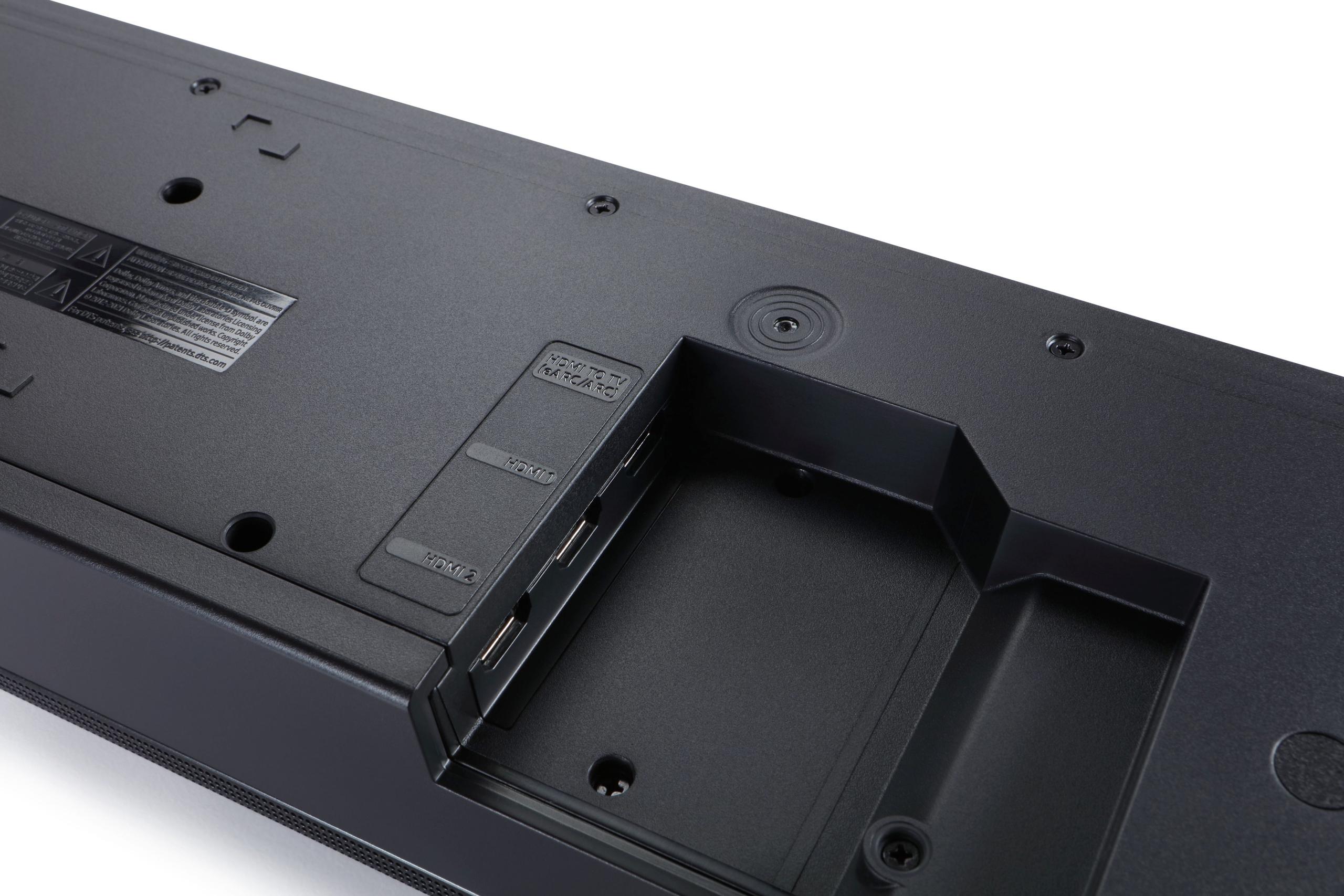
The connectivity landscape has evolved rapidly. HDMI eARC (enhanced Audio Return Channel) has become the gold standard because it can handle high-quality audio formats without compression. Wi-Fi connectivity opens up streaming possibilities, while Bluetooth remains essential for music from phones and tablets.
Immersive audio formats like Dolby Atmos and DTS:X represent the cutting edge of home audio. These technologies place sounds in 3D space around you – imagine hearing a helicopter fly overhead in a movie, and actually feeling like it's above you rather than just coming from speakers in front of you.
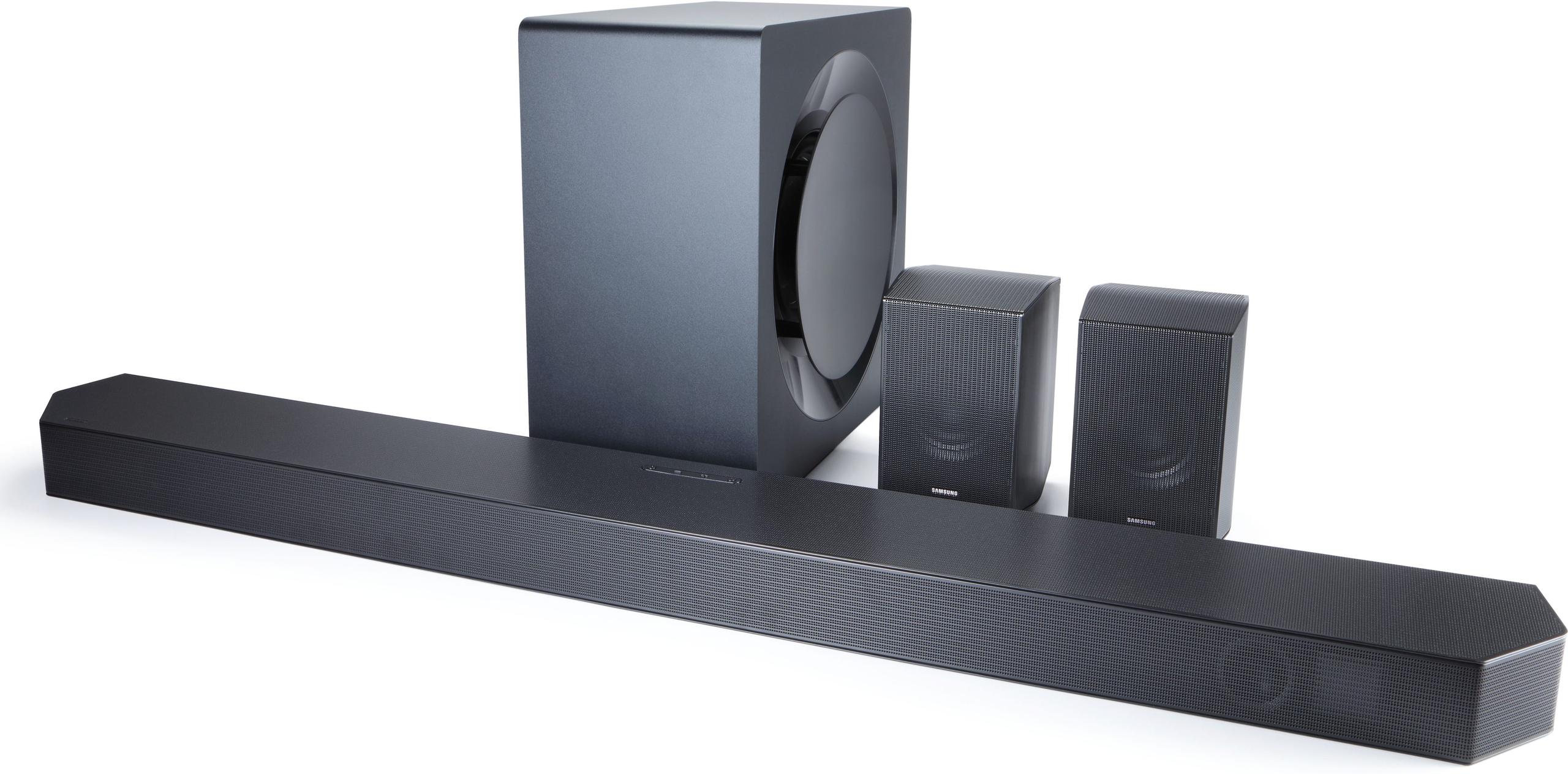
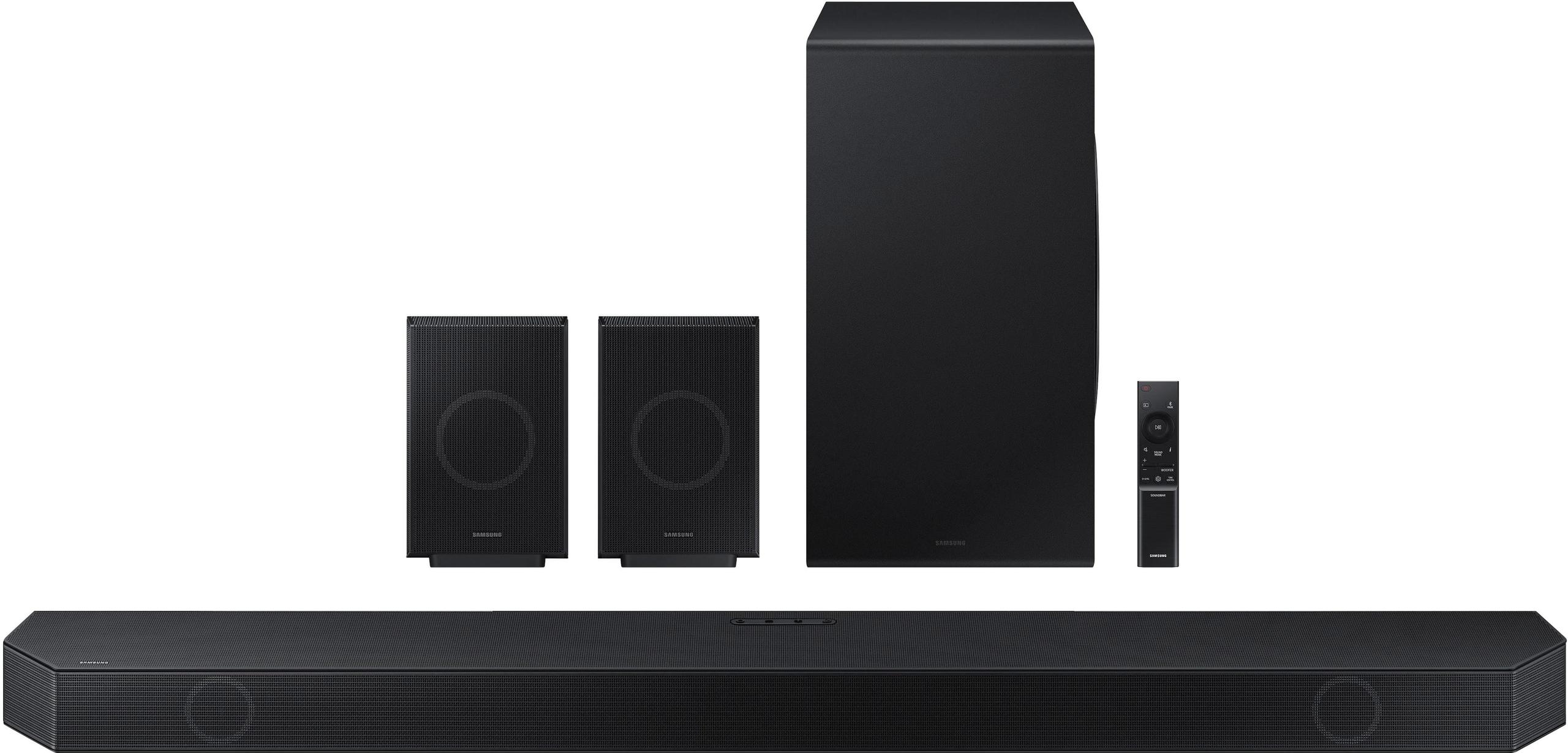
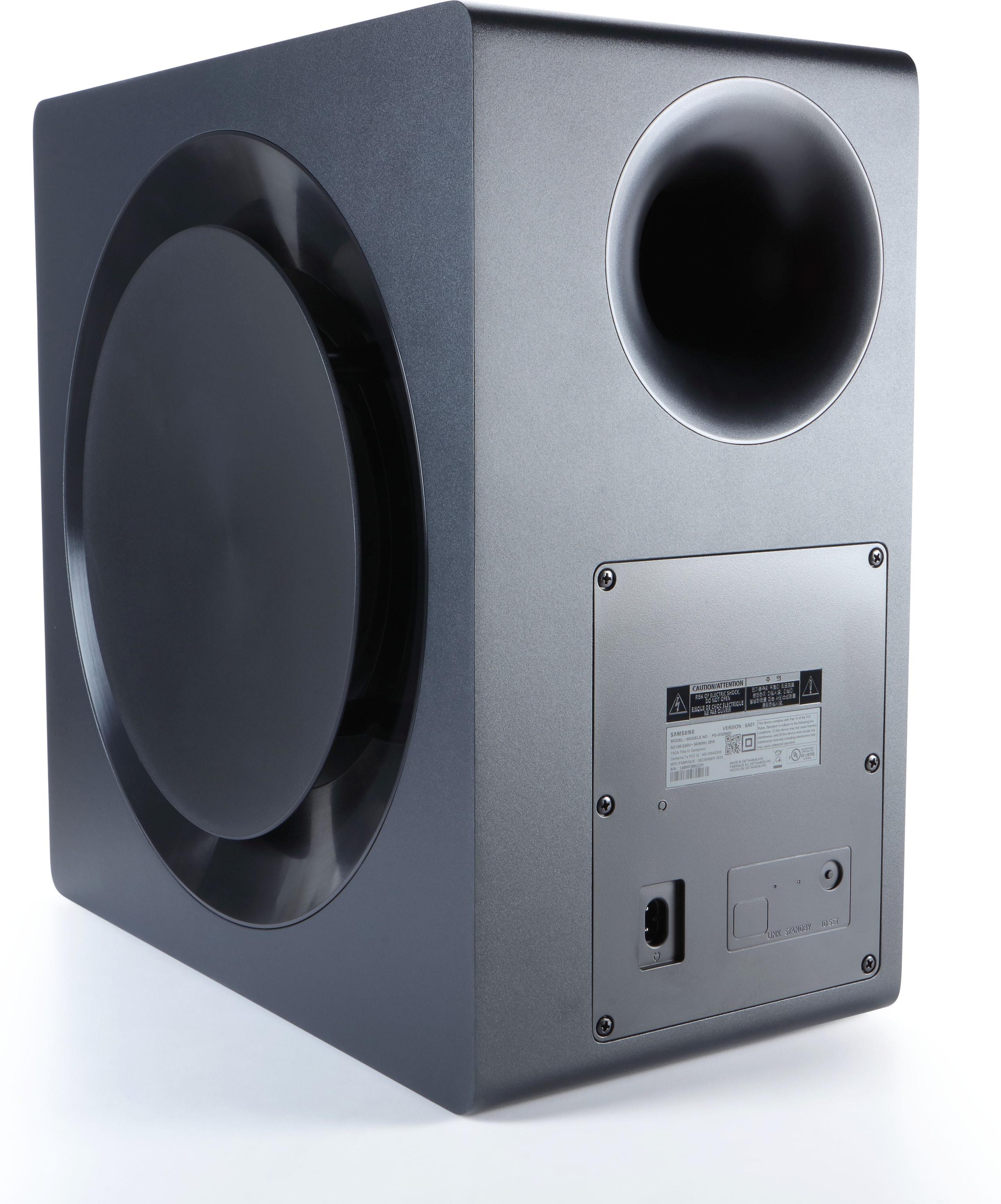
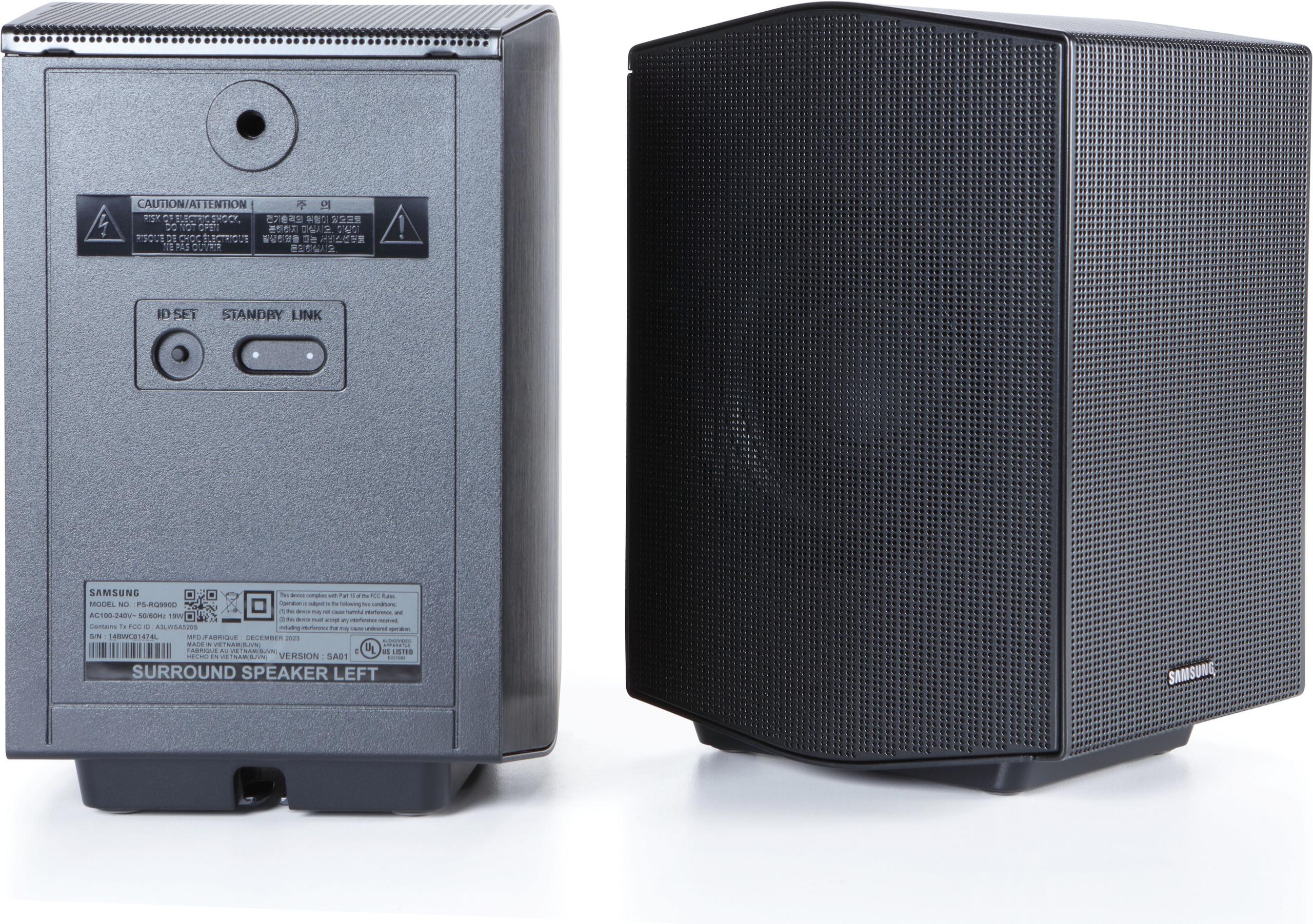
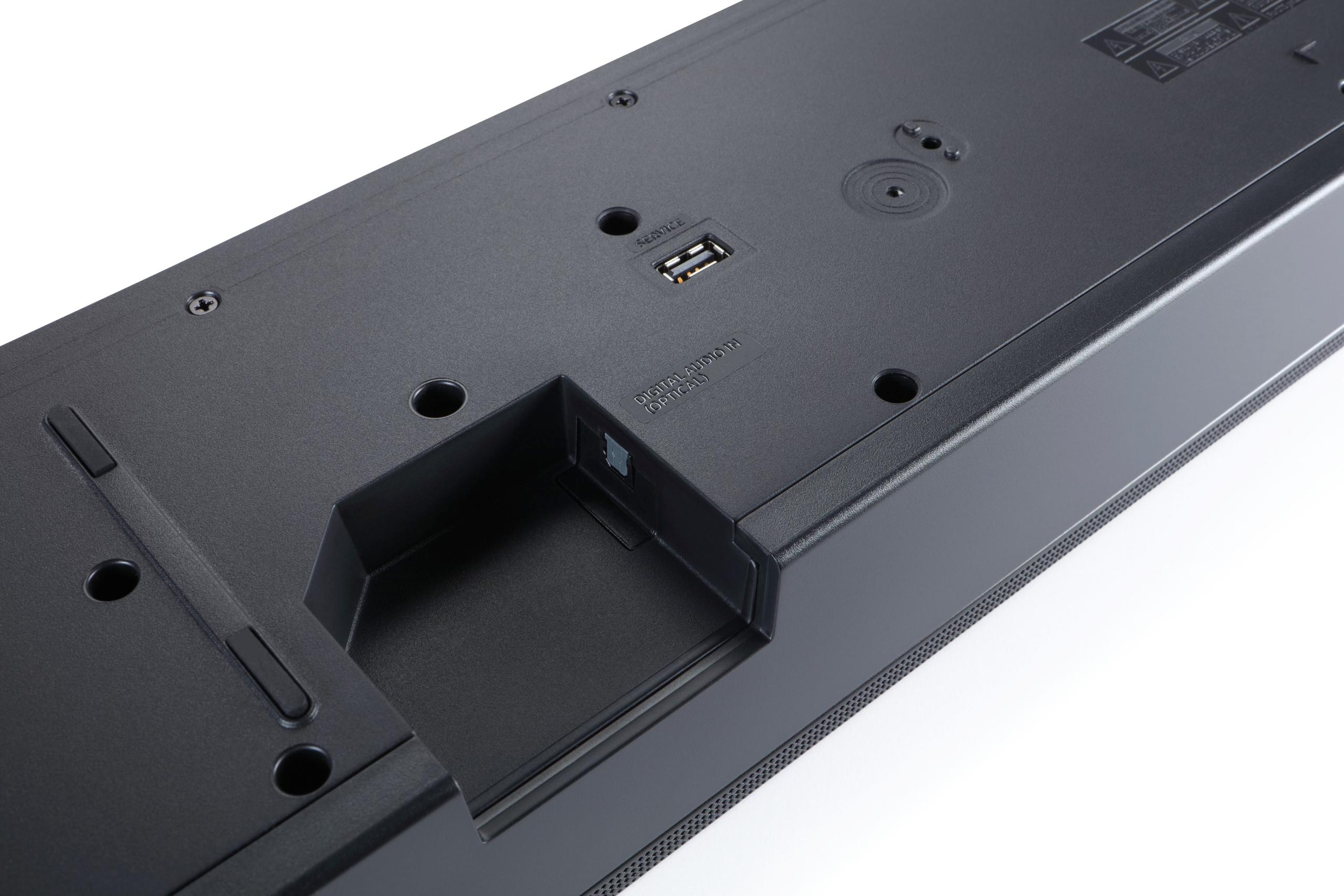
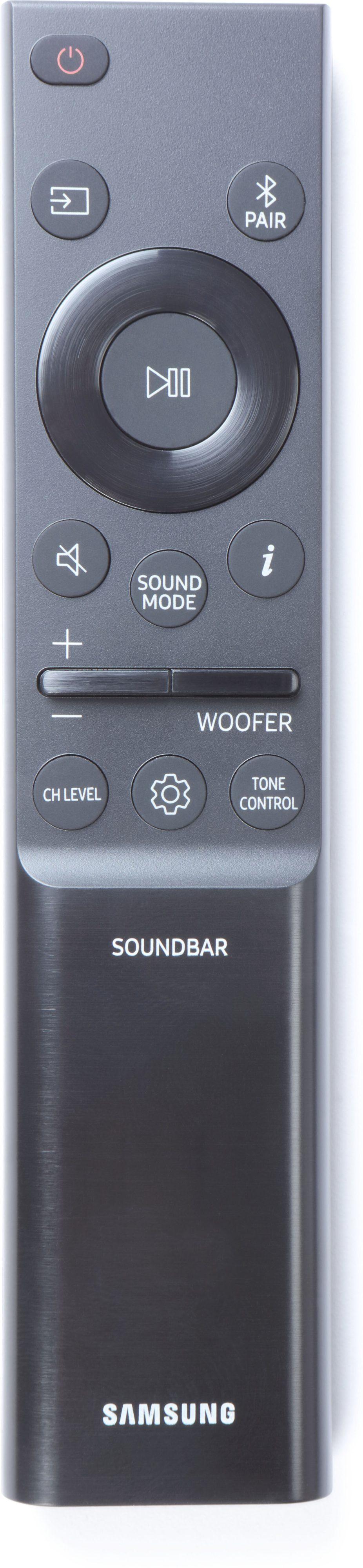
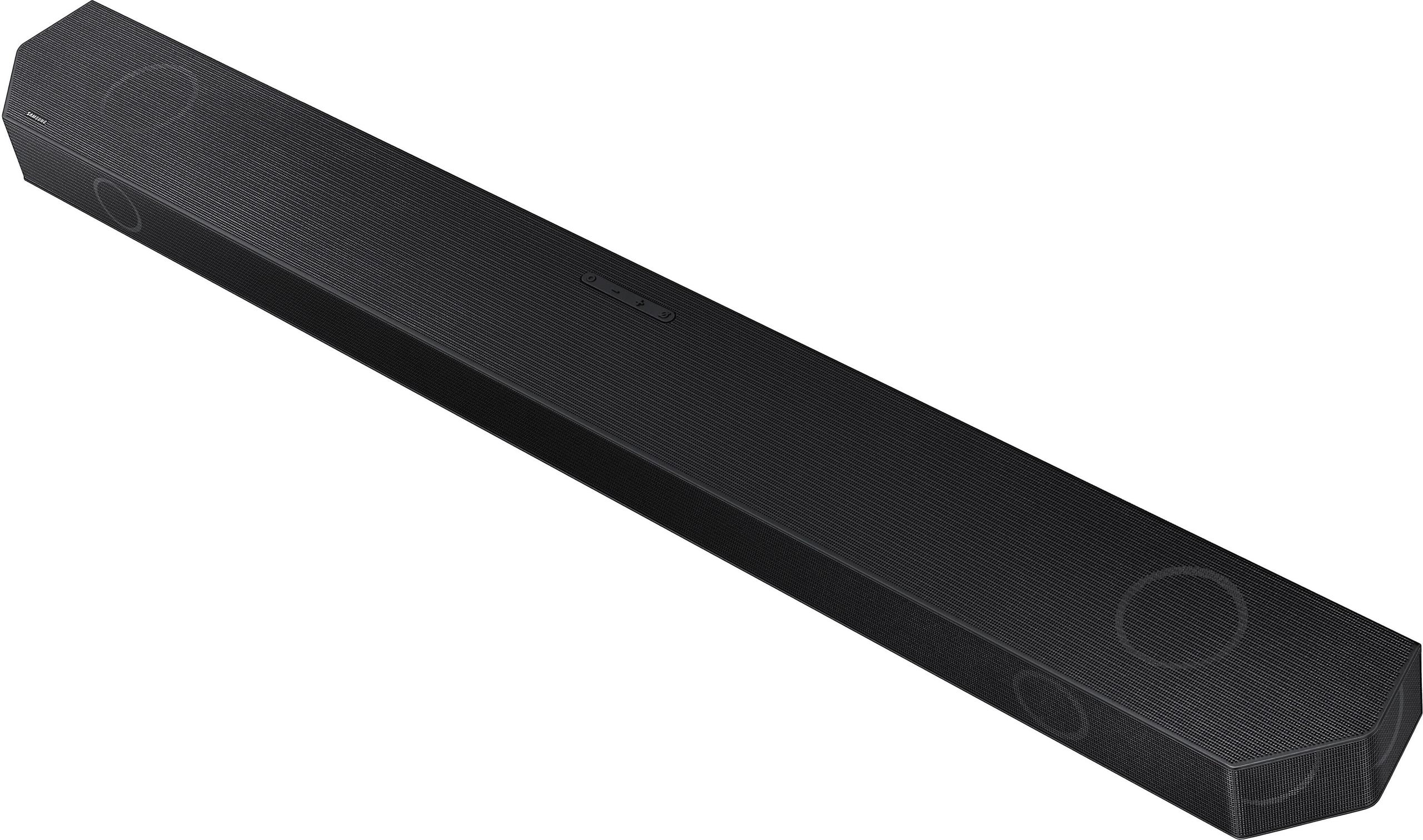
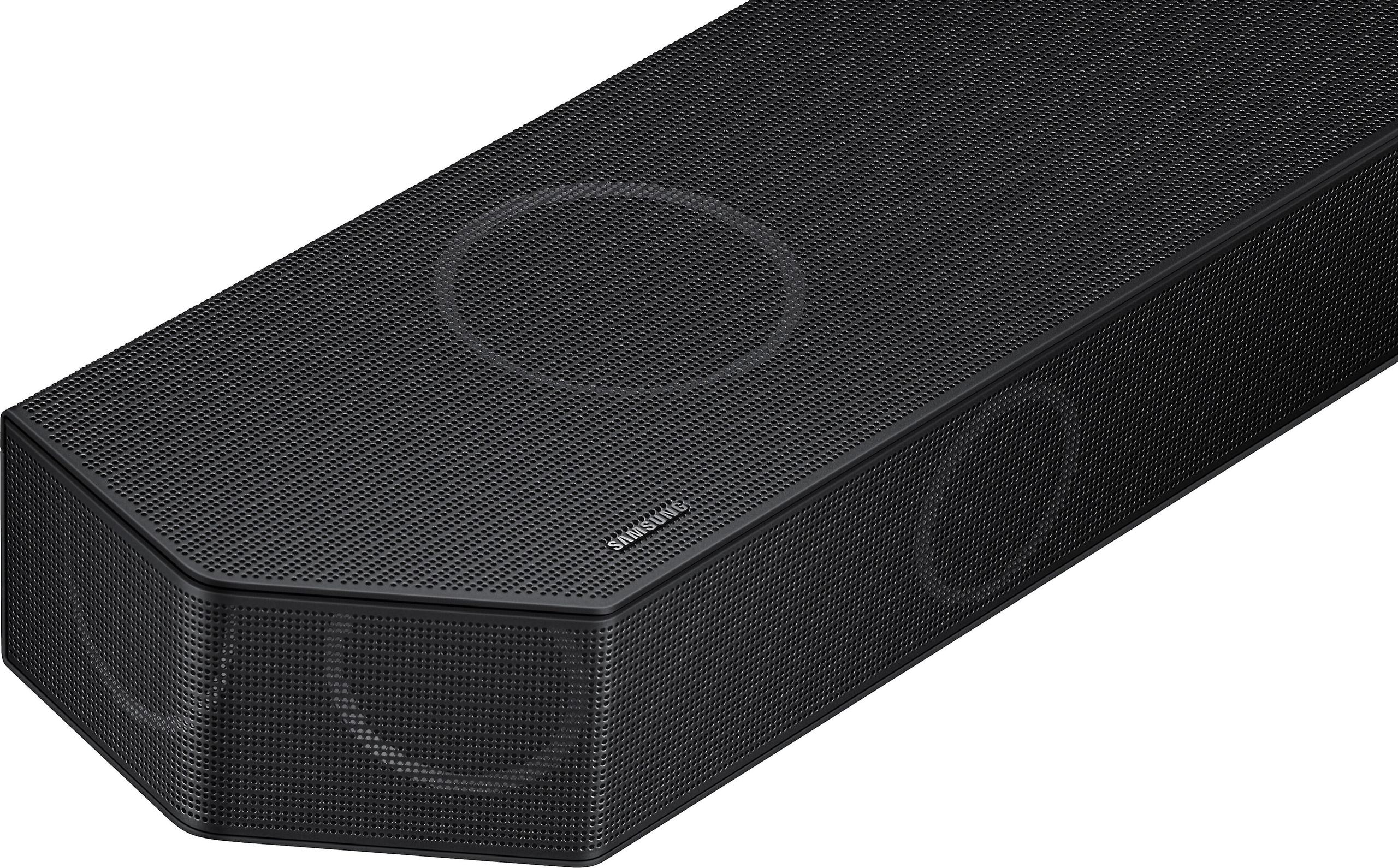
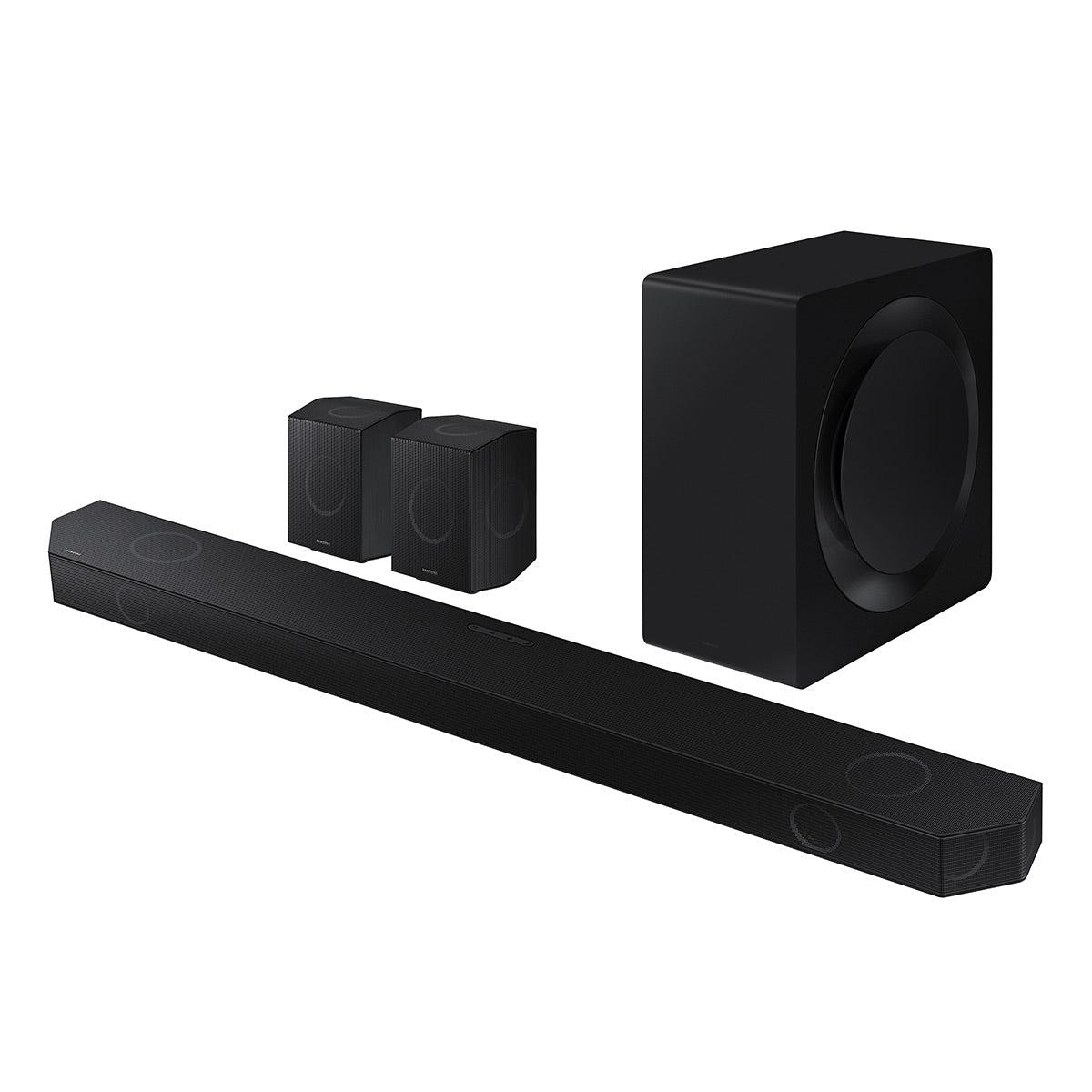
The Samsung HW-Q990D launched in early 2024 as Samsung's flagship soundbar, priced at $847.99 (down from its original $1,999 MSRP). This represents Samsung's most ambitious attempt at creating a true home theater replacement system. It's an 11.1.4-channel behemoth that includes the main soundbar, a wireless subwoofer, and two dedicated rear speakers.
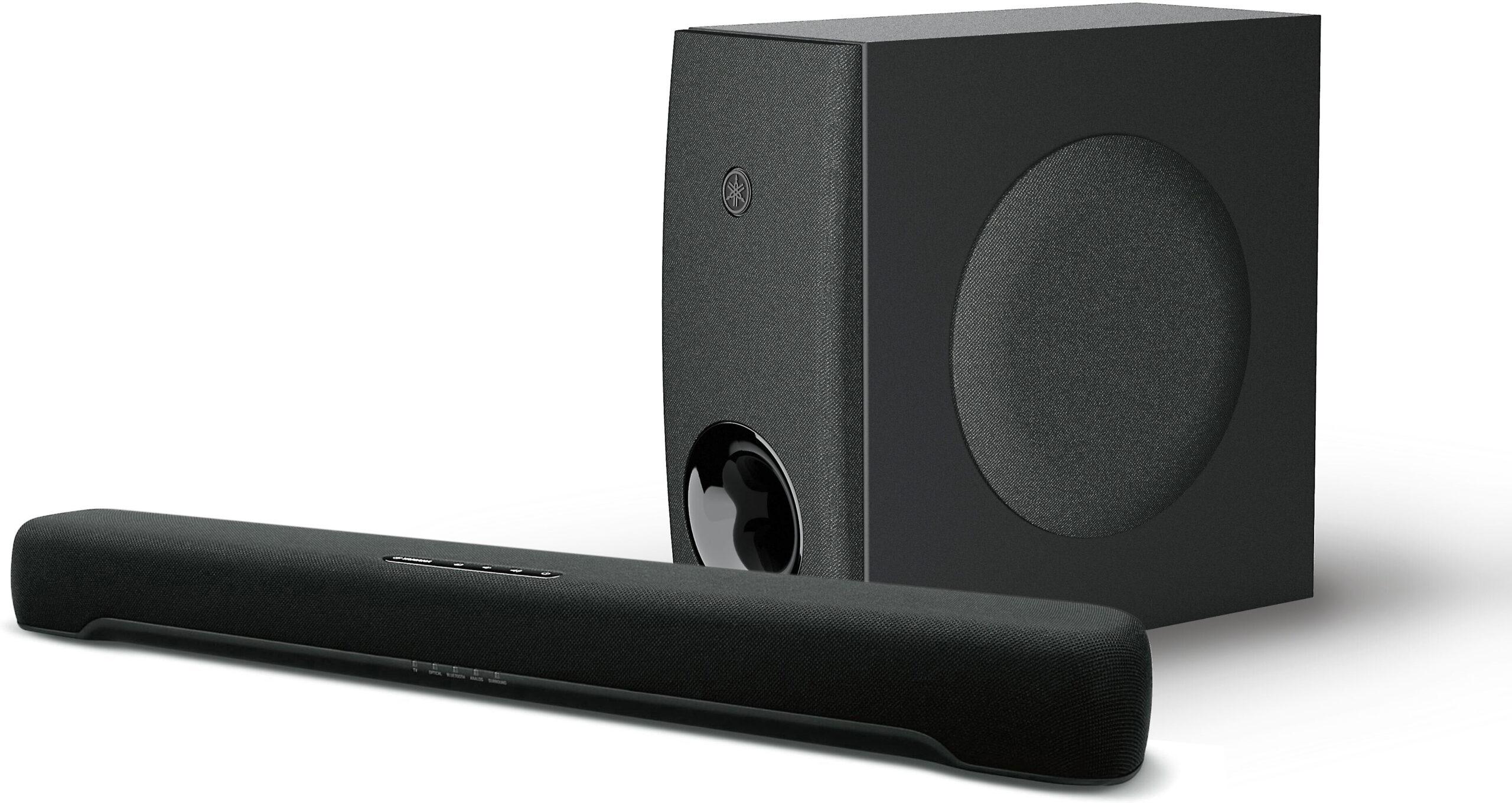
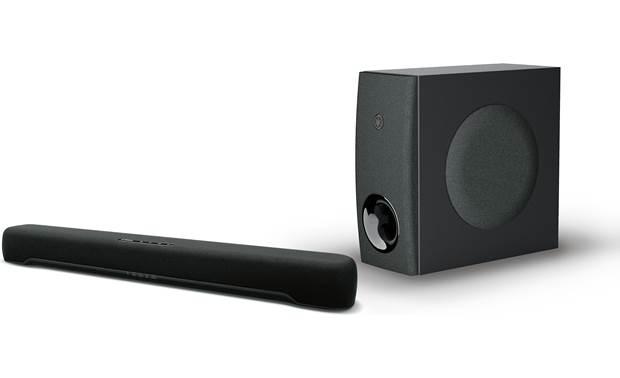
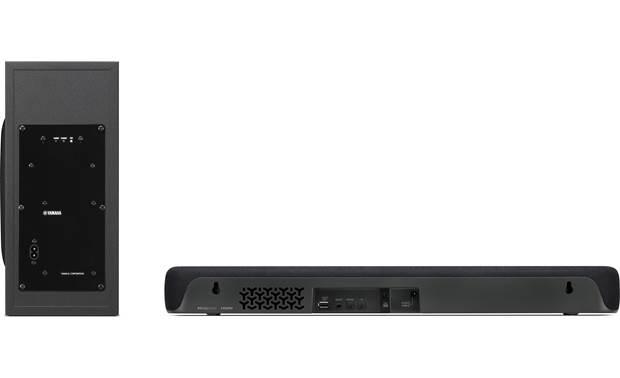
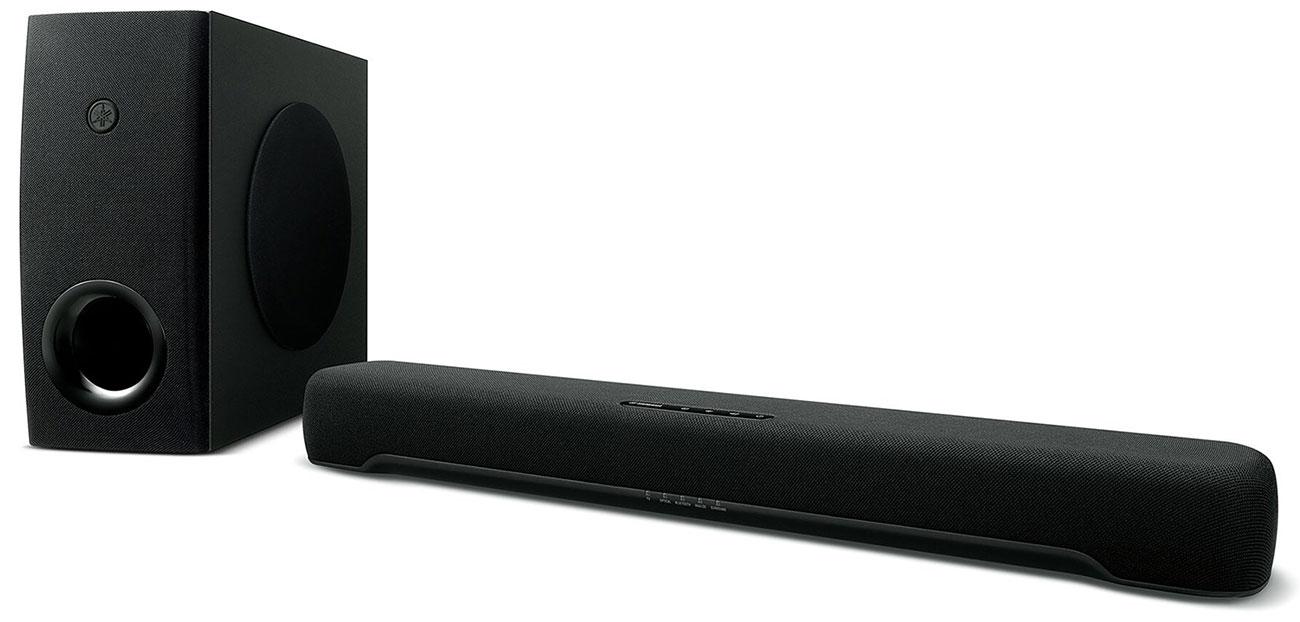
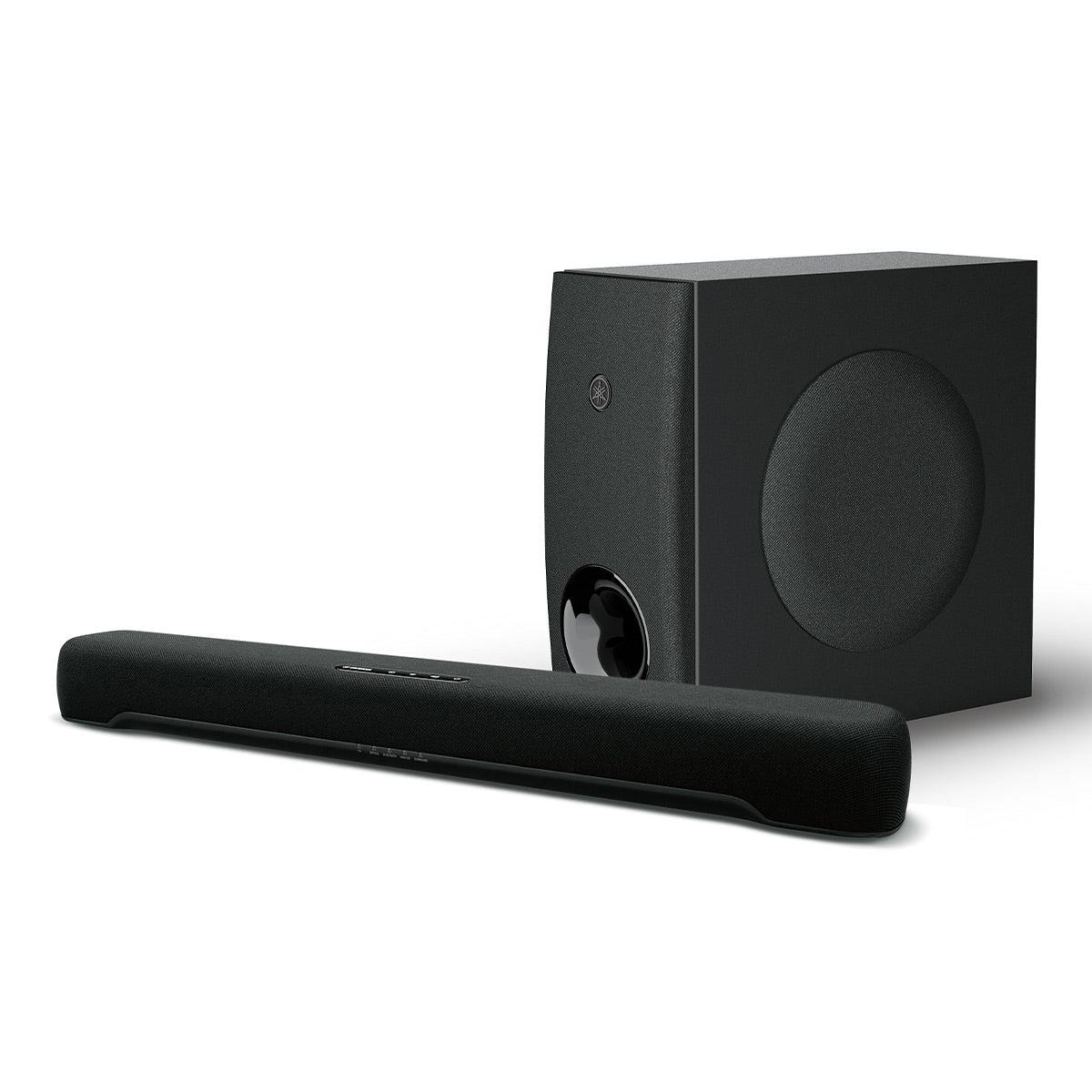
On the opposite end of the spectrum, we have the Yamaha SR-C30A at $180.45. Released in late 2023, this compact 2.1-channel system focuses on solving the most common TV audio problems – weak dialogue and missing bass – without breaking the bank or taking over your living room.
These products represent fundamentally different philosophies. Samsung went all-in on creating an immersive, theater-like experience, while Yamaha prioritized simplicity and value. Neither approach is inherently better; it depends entirely on what you need and what you're willing to invest.
The Samsung HW-Q990D doesn't just simulate surround sound – it creates it. With 22 individual drivers spread across four separate units, this system can place sounds with remarkable precision. The main soundbar houses multiple forward-firing drivers along with side-firing speakers that bounce sound off your walls to create width. But the real magic happens with the four up-firing drivers that reflect sound off your ceiling to create overhead effects.
I've tested this extensively with Dolby Atmos content, and the difference is immediately noticeable. In scenes from movies like "Blade Runner 2049," you can actually pinpoint where flying vehicles are in the 3D space around you. Rain sounds like it's falling from above, not just coming from speakers in front of you. This isn't marketing hype – it's a genuinely different listening experience.
The 656-watt power output means this system can fill large rooms without strain. Samsung's SpaceFit Sound Pro technology uses built-in microphones to analyze your room and automatically adjust the sound accordingly. This room correction technology has improved significantly since Samsung introduced it in 2022, and the 2024 version does a better job of handling challenging room acoustics.
The Yamaha SR-C30A takes a completely different approach. Instead of trying to create surround sound, it focuses on doing stereo sound really, really well. The two 1.8-inch drivers in the soundbar are dedicated to midrange and high frequencies, while the separate wireless subwoofer handles everything below about 120Hz.
What impressed me most about the Yamaha is its dialogue clarity. The "Clear Voice" mode doesn't just boost treble frequencies like many cheaper soundbars. Instead, it uses sophisticated processing to identify and enhance the specific frequency ranges where human speech lives, making conversations in movies and TV shows much easier to follow without making everything else sound harsh.
The 5.1-inch subwoofer is surprisingly powerful for its size. In action scenes, explosions have real impact, and the bass extends lower than you'd expect from such a compact system. Yamaha has been refining their bass reproduction technology for decades, and it shows in how well-integrated the subwoofer sounds with the main bar.
This is where the fundamental difference between these systems becomes clear. The Samsung creates surround sound by physically placing speakers around your listening area. The rear speakers in the HW-Q990D are full-range units with their own up-firing drivers, creating genuine surround and height effects.
The Yamaha relies on psychoacoustic processing – essentially, it tricks your brain into perceiving surround sound by carefully manipulating timing, phase, and frequency response. This virtual surround processing has improved dramatically in recent years, and the SR-C30A does create a wider soundstage than typical 2.1 systems. However, it can't match the precision and immersion of physical surround speakers.
Modern gaming demands have pushed soundbar manufacturers to up their game, literally. The Samsung HW-Q990D fully embraces next-generation gaming with complete HDMI 2.1 support. This means it can pass through 4K video at 120Hz, Variable Refresh Rate (VRR), and Auto Low Latency Mode (ALLM) without any degradation.
Samsung's Game Mode Pro goes further by automatically detecting what type of game you're playing and adjusting the audio profile accordingly. Racing games get enhanced engine sounds and spatial audio for positional awareness, while RPGs receive enhanced dialogue clarity and atmospheric effects. Having tested this with both PlayStation 5 and Xbox Series X, the difference is noticeable and genuinely enhances the gaming experience.
The Yamaha SR-C30A offers basic gaming support through its dedicated game mode, which reduces audio latency to minimize the delay between what you see and what you hear. While it lacks the advanced features of the Samsung, it's perfectly adequate for casual gaming and even competitive titles where audio cues matter.
For music listening, these soundbars serve different purposes. The Samsung's neutral, balanced sound signature works well across genres, from jazz to electronic music. The AI-enhanced processing adapts to different types of music automatically, and there are multiple EQ presets for fine-tuning.
The Yamaha takes a warmer, more engaging approach to music reproduction. Its Compressed Music Enhancer works particularly well with Bluetooth streaming, adding back some of the detail that gets lost in compressed audio formats. For casual music listening in smaller rooms, many people actually prefer the Yamaha's more intimate sound signature.
The connectivity difference between these systems reflects their target markets. The Samsung HW-Q990D is designed to be the central hub of a modern entertainment system. With two HDMI 2.1 inputs plus eARC output, you can connect multiple high-end gaming consoles and still have bandwidth for uncompressed audio formats.
Wi-Fi connectivity opens up streaming possibilities through AirPlay 2 and Chromecast, while built-in voice assistants (Alexa, Bixby, and Google Assistant) provide hands-free control. Samsung's Q-Symphony feature, when paired with compatible Samsung TVs, actually uses the TV's speakers in conjunction with the soundbar to create an even wider soundstage.
The Yamaha SR-C30A keeps things simpler with HDMI eARC, optical inputs, and Bluetooth 5.0. The multi-point Bluetooth connectivity is particularly useful – you can have two devices connected simultaneously and switch between them seamlessly. The iOS and Android app provides more control options than the physical remote, including custom EQ settings.
If you're building a dedicated home theater space, the Samsung is the clear choice, but it comes with requirements. You need space for the rear speakers, which should be positioned 2-3 feet behind your seating area for optimal effect. The main soundbar is substantial – over 4 feet wide – so it needs a large TV or wall mount to look proportional.
Room acoustics matter significantly more with the Samsung system. Hard surfaces like hardwood floors and bare walls can create unwanted reflections that muddy the sound. However, when properly set up in an appropriate room, the HW-Q990D can genuinely replace a traditional surround sound system.
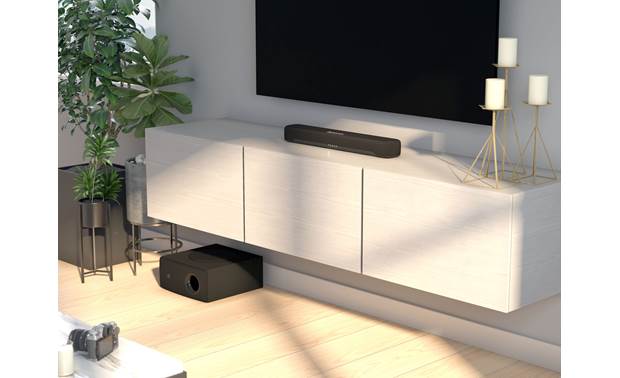
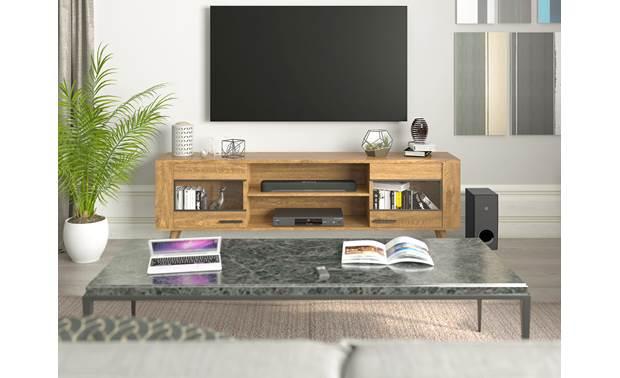
The Yamaha works in almost any space. Its compact design means it fits easily under most TVs, and the wireless subwoofer can be tucked into a corner or behind furniture. While it won't create a theater-like experience, it dramatically improves TV audio in bedrooms, apartments, or any space where simplicity is valued.
At $847.99, the Samsung HW-Q990D represents significant value compared to its original $1,999 price, but it's still a major investment. You're paying for cutting-edge technology, premium build quality, and genuine surround sound capability. When you consider that a comparable traditional surround sound system with receiver and speakers could easily cost $1,500 or more, the Samsung starts to look reasonable.
The Yamaha SR-C30A at $180.45 is exceptional value for what it delivers. It solves the primary complaints about TV audio – weak dialogue and no bass – at a price point that's accessible to most budgets. The improvement over built-in TV speakers is dramatic and immediate.
Both manufacturers have made significant strides in recent years. Samsung's 2024 improvements include better room calibration algorithms and enhanced gaming features that weren't available in previous generations. The company has also improved the wireless stability between components, addressing connectivity issues that plagued earlier models.
Yamaha's focus has been on refining their core technologies rather than adding features. The SR-C30A benefits from decades of audio engineering experience, with improved driver design and processing algorithms that deliver better sound from smaller components than was possible even a few years ago.
Choose the Samsung HW-Q990D if you have a large room (200+ square feet), frequently watch movies or play games, want genuine Dolby Atmos experiences, have the budget for an $800+ investment, and have space for rear speakers and a larger subwoofer.
The Yamaha SR-C30A makes sense if your room is under 200 square feet, your budget is under $250, improving TV dialogue is your primary concern, you prefer simple compact solutions, or you mainly watch TV shows and casual content.
The most important consideration isn't which soundbar is "better" in absolute terms – it's which one fits your specific situation. A $180 soundbar that dramatically improves your daily TV watching experience provides better value than an $850 system that's overkill for your space and needs.
Both represent excellent examples of their respective approaches to solving the TV audio problem. The Samsung pushes the boundaries of what's possible in a soundbar system, while the Yamaha proves that smart engineering can deliver impressive results at an accessible price point.
| Samsung HW-Q990D 11.1.4 Channel Sound Bar | Yamaha SR-C30A Soundbar with Subwoofer |
|---|---|
| Price - Investment level and value proposition | |
| $847.99 (premium tier, theater replacement) | $180.45 (budget-friendly upgrade) |
| Channel Configuration - Determines surround sound capability | |
| 11.1.4 channels with physical rear speakers | 2.1 channels with virtual surround processing |
| Total Power Output - Room-filling capability | |
| 656W (fills large rooms 200+ sq ft easily) | 120W (ideal for small to medium rooms) |
| Dolby Atmos Support - 3D overhead sound effects | |
| True Atmos with 4 dedicated up-firing drivers | Virtual Atmos through processing only |
| Included Components - What you get in the box | |
| Soundbar + wireless subwoofer + 2 rear speakers | Compact soundbar + wireless subwoofer |
| HDMI Connectivity - Gaming and AV device support | |
| 2x HDMI 2.1 inputs + eARC (supports 4K/120Hz) | 1x HDMI eARC only (basic connection) |
| Gaming Features - Next-gen console compatibility | |
| Game Mode Pro, VRR, 4K/120Hz passthrough | Basic game mode with low latency |
| Room Calibration - Automatic sound optimization | |
| SpaceFit Sound Pro (auto room analysis) | Manual EQ adjustments only |
| Smart Features - Streaming and voice control | |
| Wi-Fi, AirPlay 2, Chromecast, voice assistants | Bluetooth 5.0, mobile app control |
| Setup Complexity - Installation requirements | |
| Requires rear speaker placement and setup | Plug-and-play simplicity |
| Ideal Room Size - Optimal performance space | |
| Large rooms (200+ sq ft) with dedicated seating | Small to medium rooms, apartments, bedrooms |
The Samsung HW-Q990D is significantly better for large rooms with its 656W power output and 11.1.4-channel configuration. Its physical rear speakers and room-filling sound make it ideal for spaces over 200 square feet. The Yamaha SR-C30A at 120W is better suited for small to medium rooms where its compact design won't be overwhelmed.
The Samsung HW-Q990D costs $847.99, while the Yamaha SR-C30A is priced at $180.45. This makes the Samsung about 4.7 times more expensive, reflecting its premium features like true Dolby Atmos and physical surround speakers versus the Yamaha's budget-friendly approach.
The Samsung HW-Q990D offers true Dolby Atmos with four dedicated up-firing drivers that create genuine overhead sound effects. The Yamaha SR-C30A only provides virtual Atmos through software processing, which simulates the effect but doesn't match the immersion of physical height speakers.
The Yamaha SR-C30A is much easier to set up with its simple plug-and-play design requiring just the soundbar and wireless subwoofer placement. The Samsung HW-Q990D requires more complex setup with rear speaker positioning, room calibration, and multiple component placement for optimal performance.
The Samsung HW-Q990D features an 11.1.4-channel system with 22 individual drivers across multiple units, creating true surround sound. The Yamaha SR-C30A uses a 2.1-channel configuration with left/right stereo speakers plus a subwoofer, relying on virtual processing for wider sound.
The Samsung HW-Q990D excels for gaming with HDMI 2.1 support, 4K/120Hz passthrough, VRR compatibility, and Game Mode Pro that adjusts audio based on game type. The Yamaha SR-C30A offers basic gaming support with low-latency mode but lacks advanced next-gen console features.
Both include wireless subwoofers, but they serve different purposes. The Samsung HW-Q990D integrates its subwoofer into a complete surround system for balanced bass. The Yamaha SR-C30A features a dedicated 5.1-inch subwoofer that provides more focused, punchy bass impact relative to the system's compact size.
The Samsung HW-Q990D offers superior connectivity with 2 HDMI 2.1 inputs plus eARC, Wi-Fi, AirPlay 2, Chromecast, and voice assistant support. The Yamaha SR-C30A provides basic connectivity with HDMI eARC, optical input, and Bluetooth 5.0 with multi-point pairing.
The Samsung HW-Q990D is exceptional for movies with its true surround sound, Dolby Atmos support, and immersive audio placement that creates a theater-like experience. The Yamaha SR-C30A improves movie dialogue significantly with its Clear Voice mode but doesn't provide the same level of immersion.
Value depends on your needs and budget. The Yamaha SR-C30A at $180.45 offers exceptional value for basic TV audio improvement and dialogue clarity. The Samsung HW-Q990D at $847.99 provides premium value if you want true home theater surround sound and have the space for it.
The Samsung HW-Q990D performs best in large rooms over 200 square feet where its powerful output and surround speakers can properly develop. The Yamaha SR-C30A is ideal for small to medium rooms, apartments, or bedrooms where its compact design and focused audio work effectively.
Both handle music well but differently. The Samsung HW-Q990D offers neutral, balanced sound with AI processing that adapts to different music genres and multiple EQ options. The Yamaha SR-C30A provides a warmer, more intimate sound signature with Compressed Music Enhancer that's particularly good for smaller room listening and vocal-heavy content.
We've done our best to create useful and informative comparisons to help you decide what product to buy. Our research uses advanced automated methods to create this comparison and perfection is not possible - please contact us for corrections or questions. These are the sites we've researched in the creation of this article: techradar.com - avsforum.com - valueelectronics.com - samsung.com - rtings.com - samsung.com - avsforum.com - samsung.com - cdwg.com - youtube.com - whathifi.com - techradar.com - usa.yamaha.com - expertreviews.com - usa.yamaha.com - trustedreviews.com - crutchfield.com - europe.yamaha.com - usa.yamaha.com - shop.usa.yamaha.com - assetserver.net

Privacy Policy
Terms and Conditions - Affiliate Policy
Home Security
© Copyright 2008-2026.
11816 Inwood Rd #1211, Dallas, TX 75244