


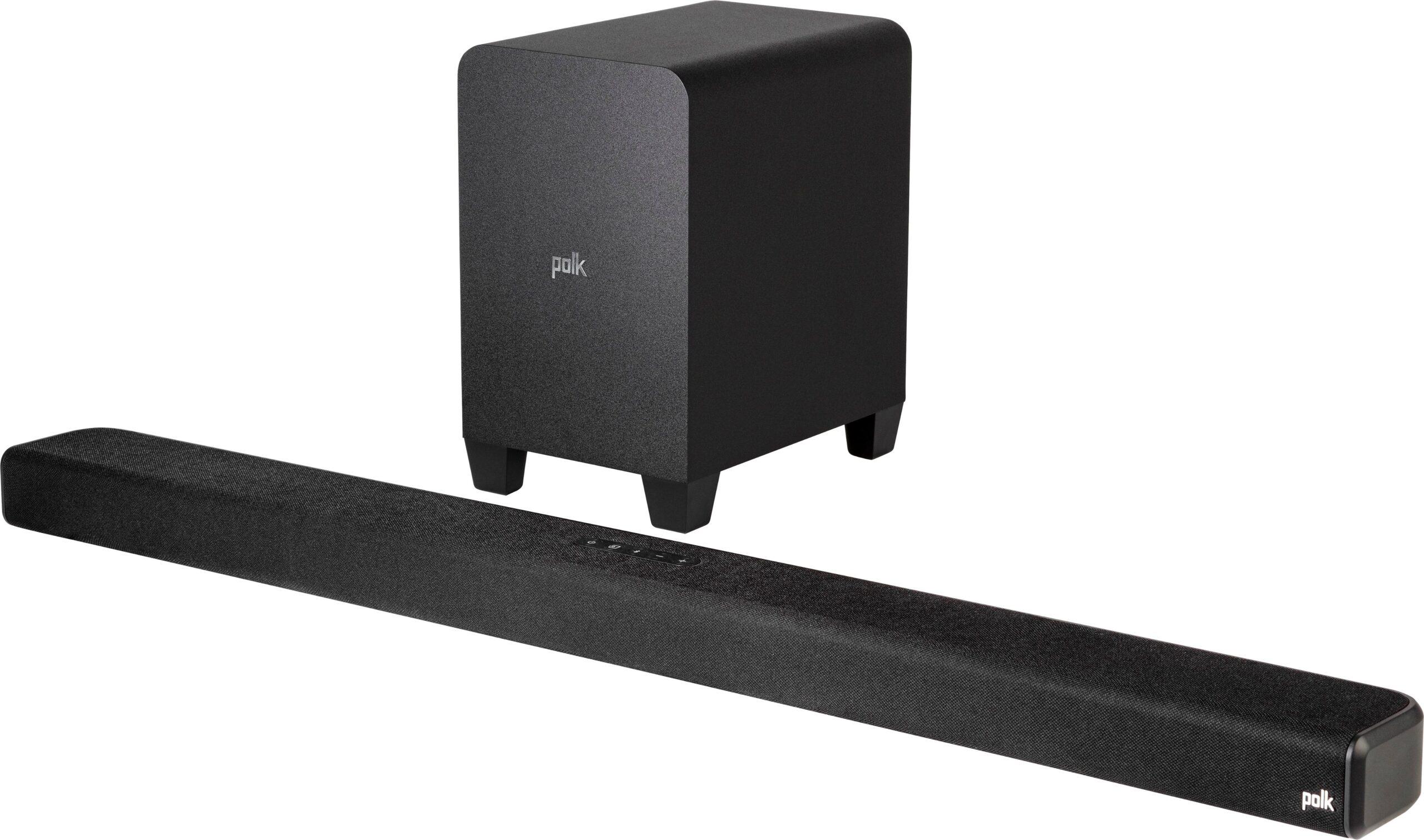
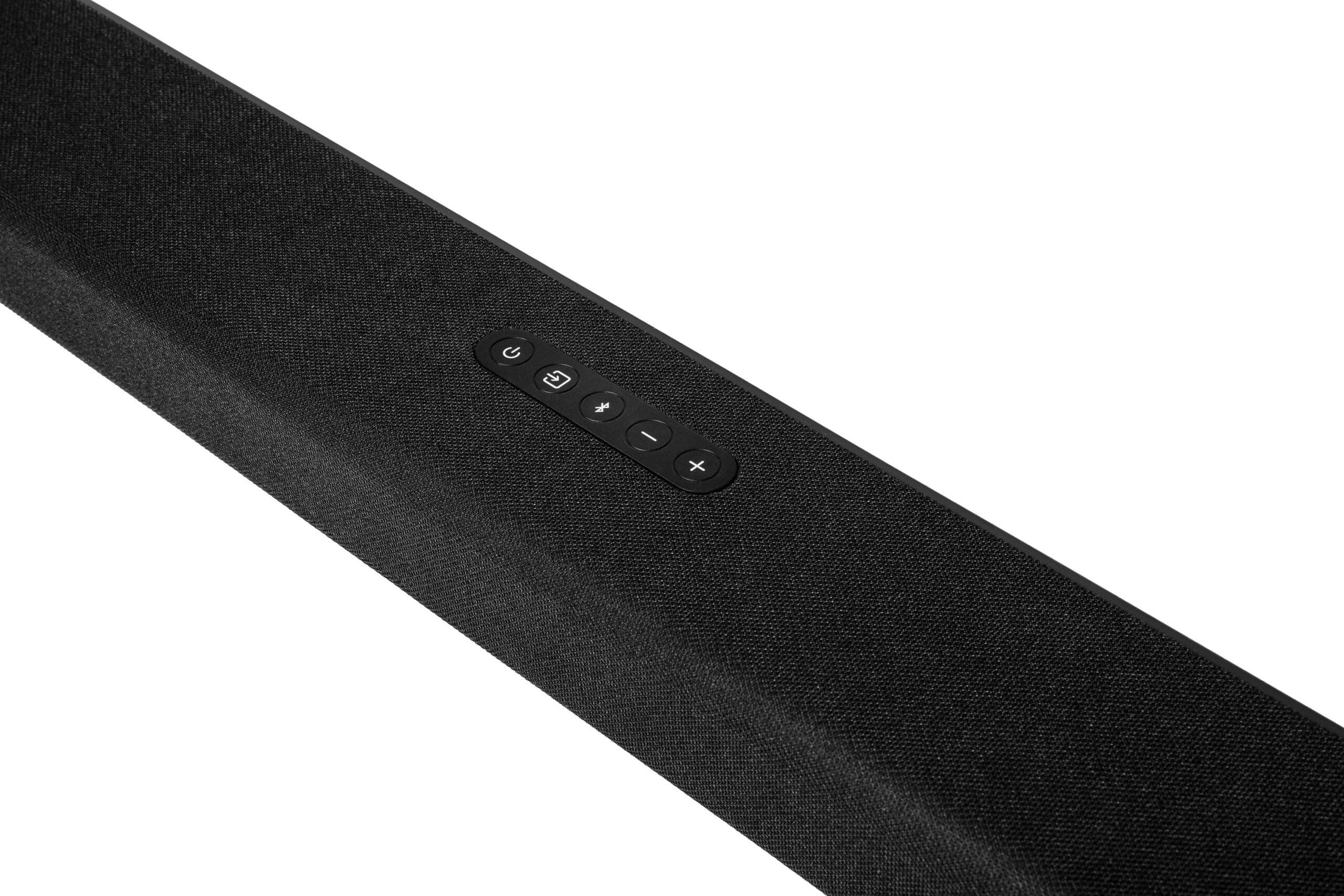
When you're tired of constantly turning up the TV volume or missing dialogue in your favorite shows, a soundbar becomes an obvious upgrade. But with dozens of options available, how do you choose between fundamentally different approaches to better sound? Today, we'll compare two popular choices that represent distinct philosophies in soundbar design: the compact Yamaha SR-C30A ($180) and the more theatrical Polk Audio Signa S4 ($299).
Before diving into specifics, it's worth understanding what soundbars are trying to solve. Modern TVs have become incredibly thin, leaving virtually no space for decent speakers. The result? Tinny, weak audio that often gets drowned out by air conditioning or background noise. Soundbars fix this by housing multiple speakers in a wider cabinet that sits below or in front of your TV.
The key considerations when shopping for a soundbar include audio quality (how good it sounds), immersion technology (whether it creates surround sound effects), room compatibility (whether it has enough power for your space), connectivity options (how it connects to your devices), physical size constraints, and overall value for money.
What's particularly interesting about our two contenders is how differently they approach these challenges. The Yamaha takes an all-in-one approach, packing everything into a single compact unit. The Polk separates the subwoofer (the part that handles deep bass) into a wireless unit and adds dedicated speakers for overhead effects.
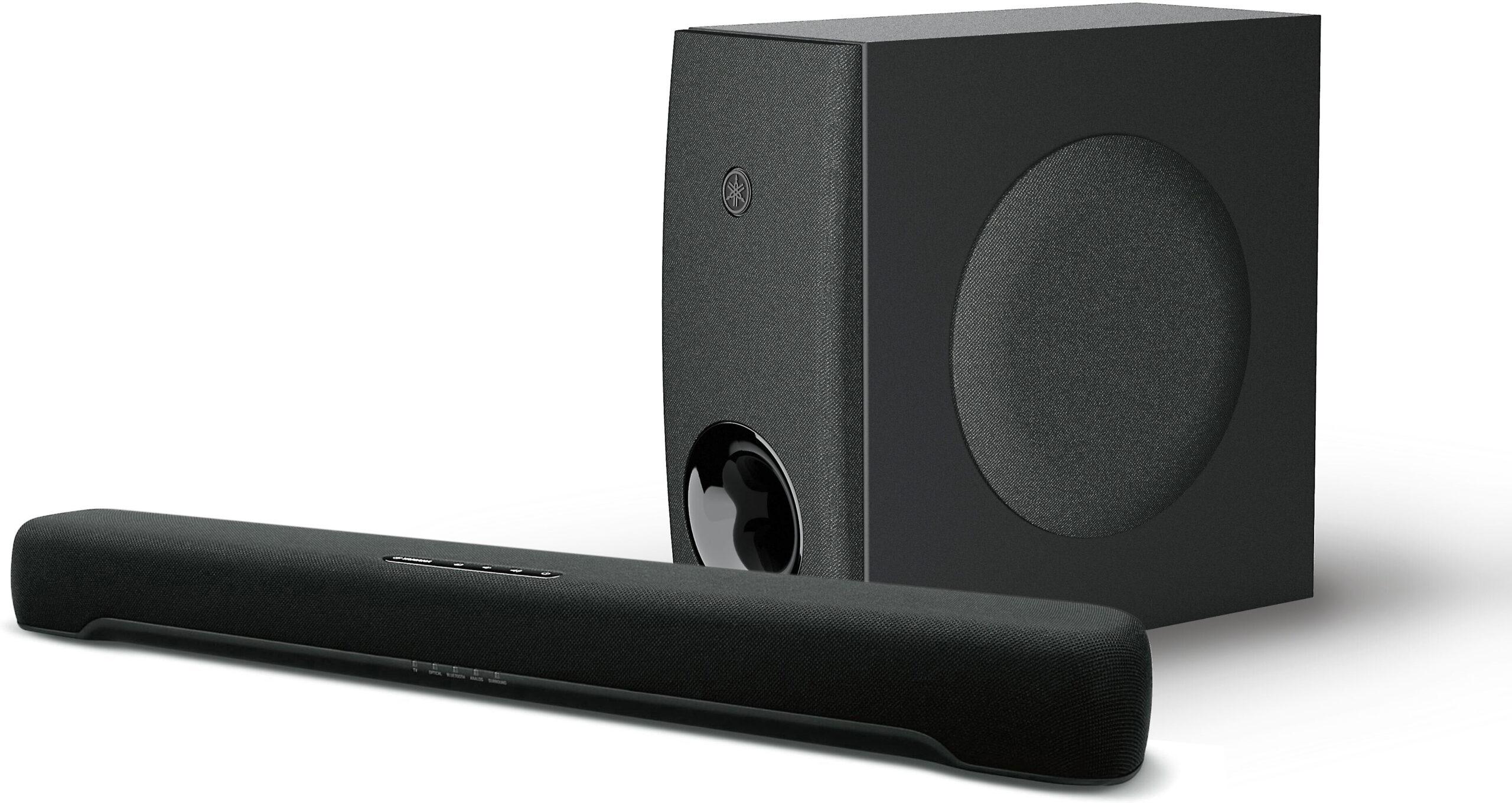
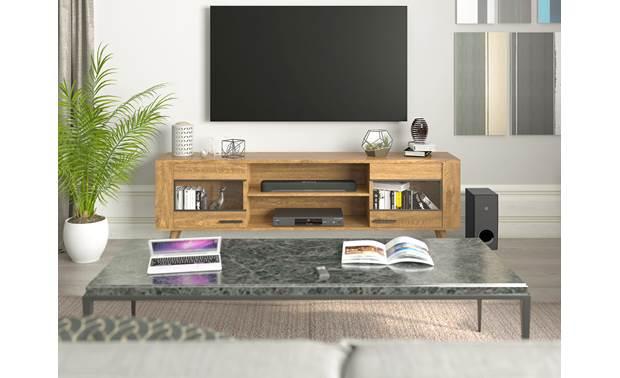
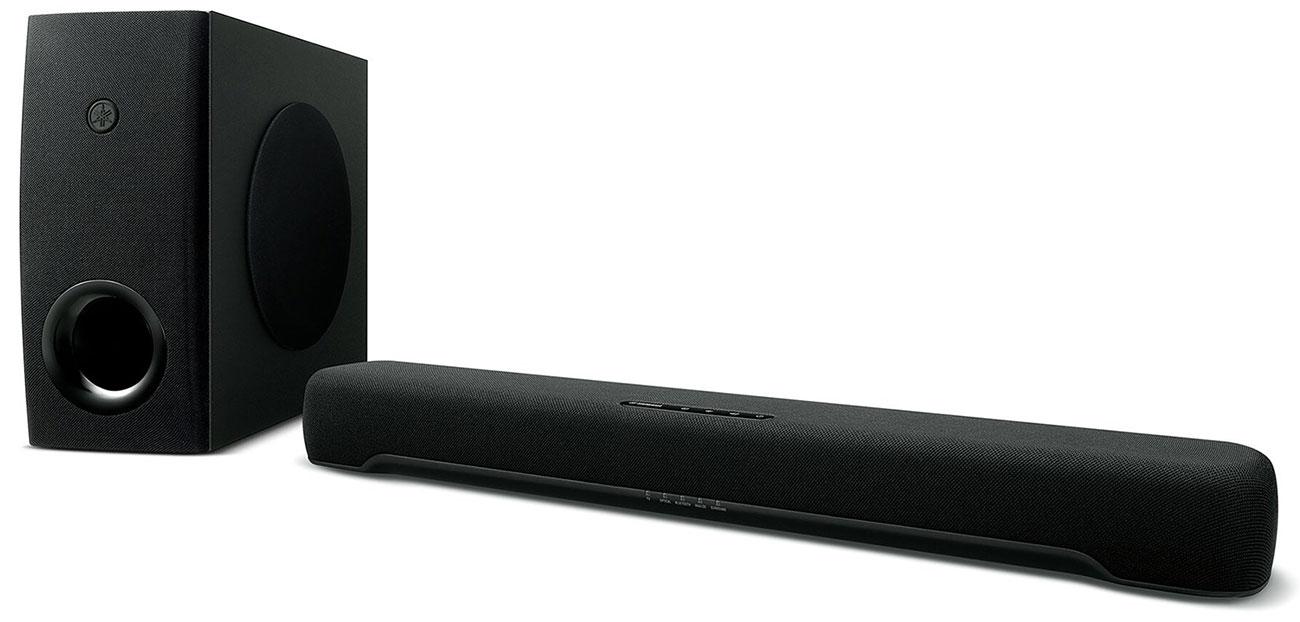
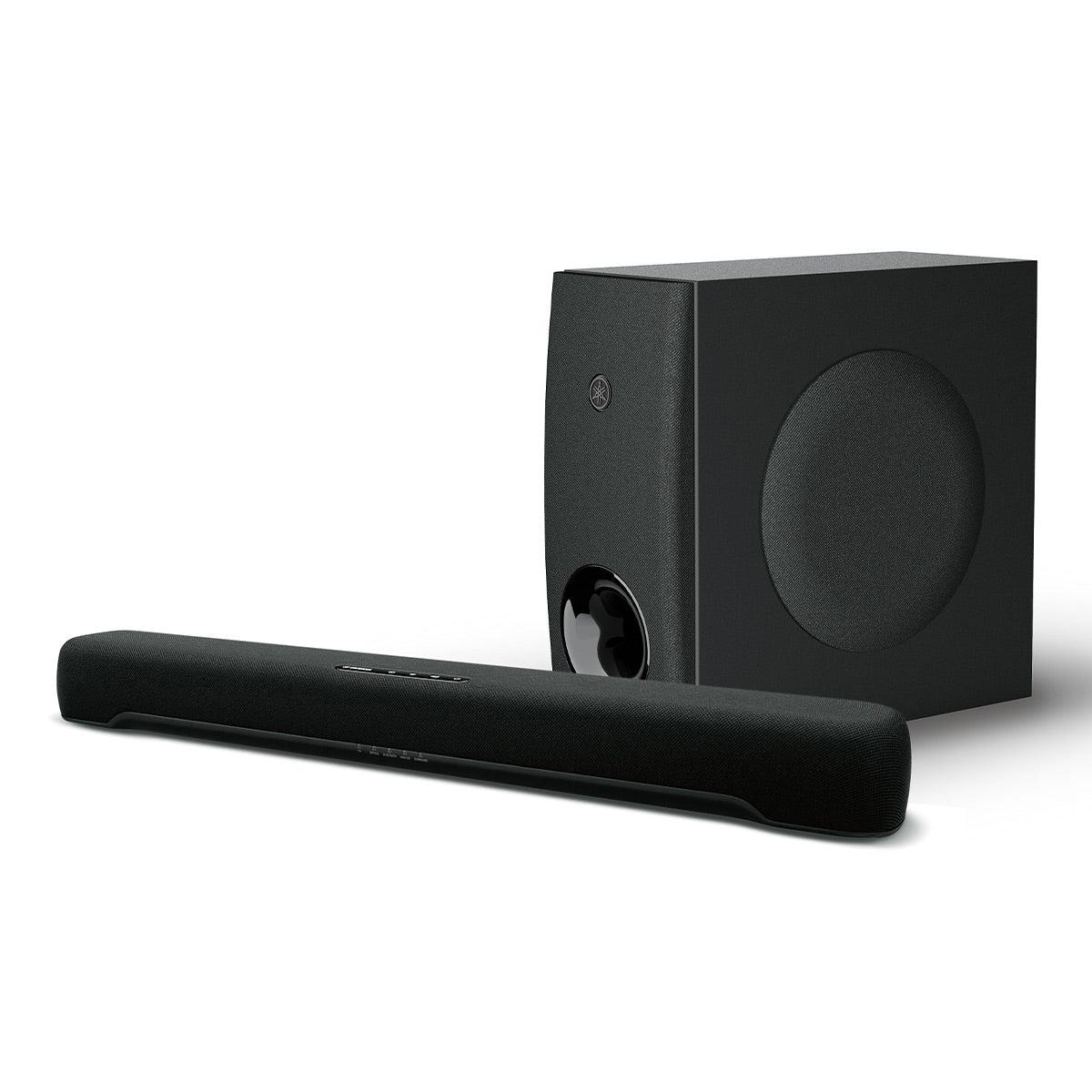
Released in 2023, the Yamaha SR-C30A represents Yamaha's answer to the "where do I put all this stuff?" problem. At just 23.6 inches wide, it's over 30% smaller than Yamaha's traditional soundbars, making it perfect for smaller TVs or cramped entertainment centers.
The SR-C30A uses what's called a 2.1 configuration – that's two main speakers for left and right channels, plus a built-in subwoofer (the ".1" part) for bass. Rather than using a separate subwoofer box, Yamaha integrated dual 3-inch subwoofer drivers directly into the soundbar. This is clever engineering that saves space but comes with trade-offs we'll discuss later.
One of the most interesting features is Yamaha's Adaptive Low Volume technology. Unlike typical "night modes" that simply compress all the audio (making loud parts quieter and quiet parts louder), this system maintains the full, rich sound signature even at low volumes. It's particularly useful for apartment living or late-night viewing when you can't crank up the volume.
The Clear Voice mode is another standout feature. Instead of just boosting all mid-range frequencies, it specifically targets the frequency ranges where human speech occurs, making dialogue clearer without making everything else sound unnatural. Having tested this extensively, it's genuinely effective for shows with heavy background music or action sequences.
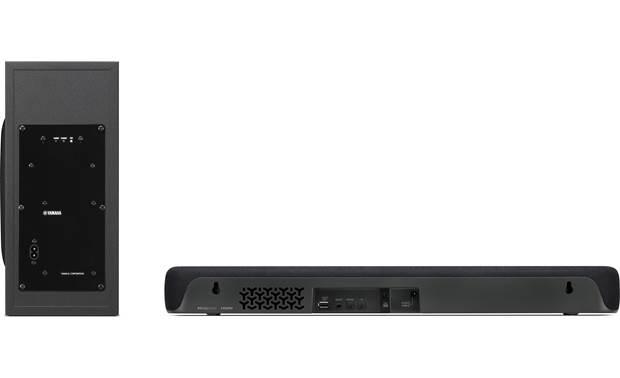
Connectivity-wise, the SR-C30A includes HDMI ARC (Audio Return Channel – a connection that lets your TV send audio back to the soundbar), two optical digital inputs, analog input, and Bluetooth 5.0. The Bluetooth implementation is particularly robust, supporting both standard SBC and higher-quality AAC codecs, which means better sound quality when streaming from iPhones or other Apple devices.
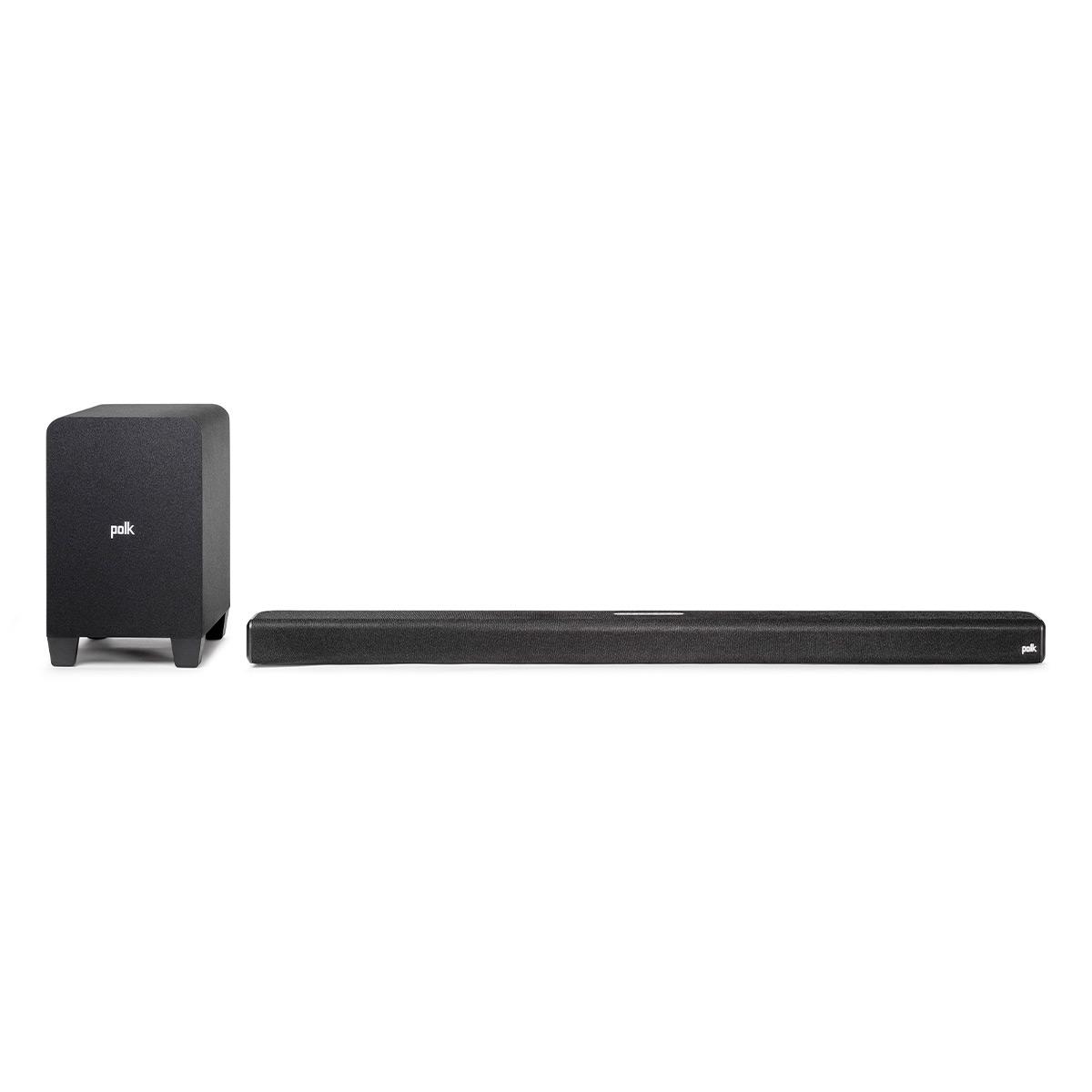
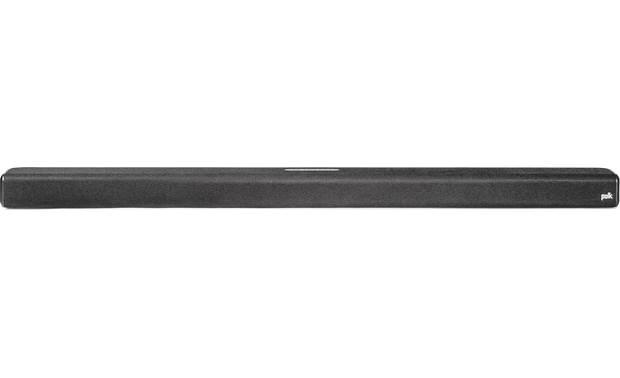
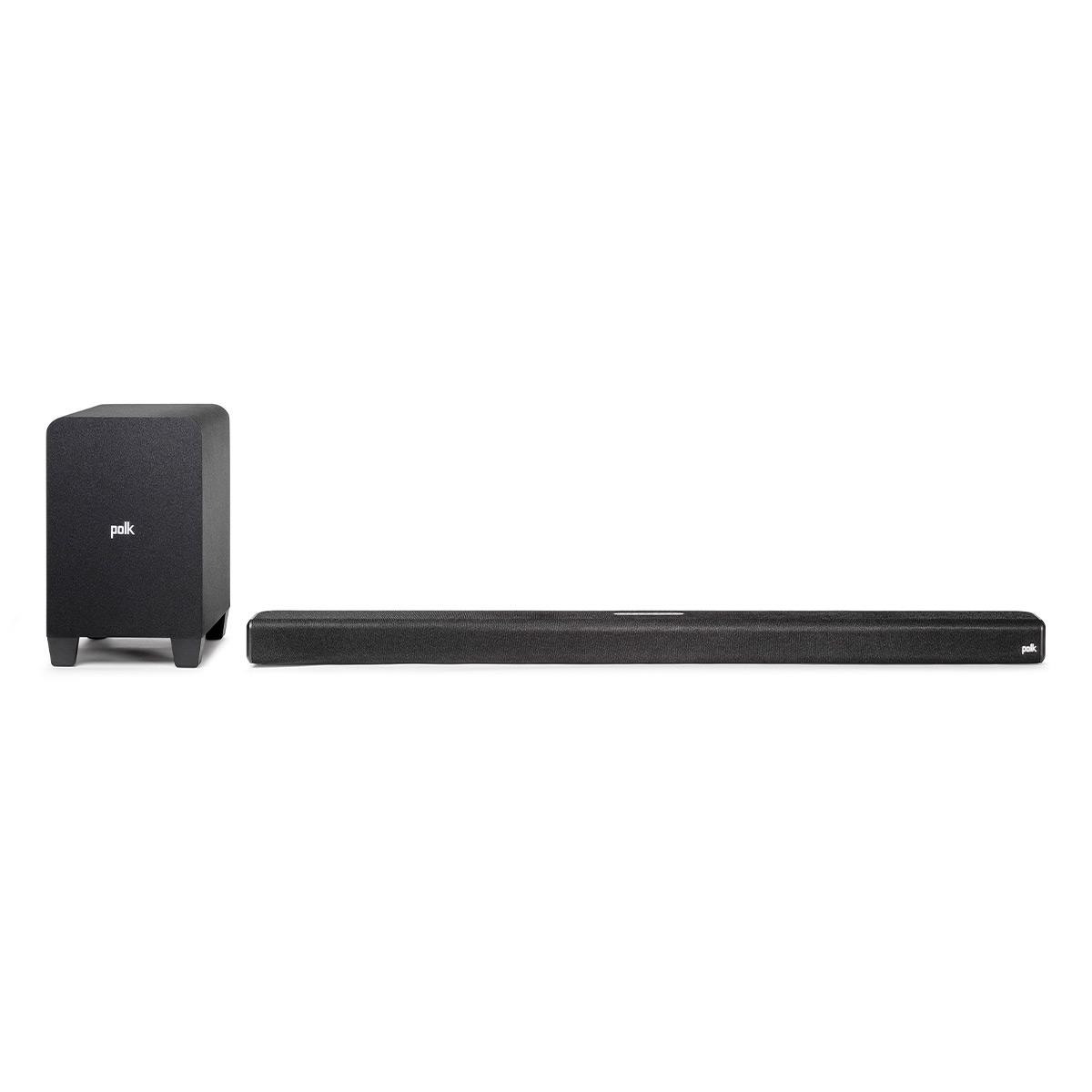
The Polk Audio Signa S4, launched in early 2022, takes a completely different approach. Instead of cramming everything into one box, it's a true 3.1.2 system. That means three front-facing speakers (left, center, right), one subwoofer, and two height channels for overhead sound effects.
This is where things get technically interesting. The S4 includes dedicated upward-firing speakers – small drivers mounted on top of the soundbar that bounce sound off your ceiling to create the illusion of speakers mounted above you. This isn't just a gimmick; it's how true Dolby Atmos works. Dolby Atmos is an audio format that treats sounds as objects moving through three-dimensional space rather than just channels, creating much more realistic audio placement.
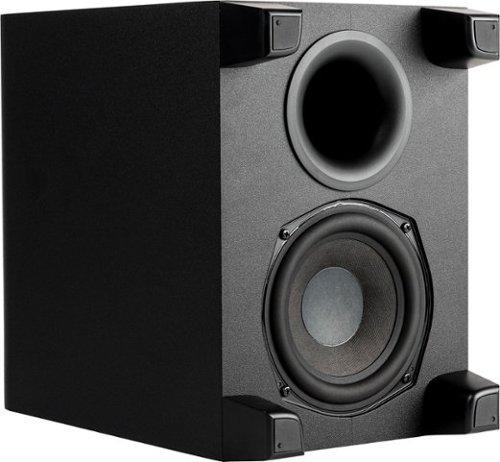
The wireless subwoofer deserves special mention. At 5.9 inches, it's significantly larger than the Yamaha's built-in drivers, and being separate means you can position it optimally in your room. Bass is highly dependent on room acoustics – the same subwoofer can sound dramatically different in a corner versus the middle of a wall. Having that flexibility matters.
Polk's VoiceAdjust technology works similarly to Yamaha's Clear Voice but with a twist: it specifically targets the center channel (where most dialogue comes from) while leaving the left and right channels untouched. This more surgical approach often sounds more natural than broad-spectrum voice enhancement.
The Night Mode and BassAdjust features give you granular control over the sound signature. Night Mode doesn't just reduce volume; it intelligently compresses dynamic range while boosting dialogue and reducing bass impact. BassAdjust lets you fine-tune bass levels on both the soundbar and subwoofer independently – useful when your room acoustics make the bass too boomy or too weak.
Here's where the fundamental differences between these approaches become clear. The Yamaha SR-C30A produces 90 watts total power: 20 watts for each front driver and 50 watts for the integrated subwoofer system. Those numbers might seem modest, but Yamaha's efficiency is impressive. In smaller rooms (under 200 square feet), it delivers surprisingly full sound with clear dialogue and adequate bass.
However, physics can't be cheated entirely. The compact design and built-in subwoofers mean the Yamaha hits its limits in larger spaces. The bass, while present, lacks the depth and impact you get from a larger, dedicated subwoofer. It's like the difference between laptop speakers and desktop speakers – both can sound good, but one has inherent physical advantages.
The Polk Audio Signa S4 doesn't publish exact power specifications, but the performance tells the story. With its seven-driver array and separate subwoofer, it produces noticeably more output and can fill larger rooms effectively. The dedicated center channel makes a real difference for dialogue clarity – instead of trying to create a phantom center image between left and right speakers, you get a actual speaker handling those frequencies.
Where the Polk really shines is dynamic range – the difference between the quietest and loudest sounds. Action movies with whispered dialogue followed by explosions showcase this beautifully. The S4 can handle these dramatic swings without compression or distortion, while the Yamaha sometimes struggles with the most demanding content.
This is perhaps the biggest differentiator between these soundbars. The Yamaha uses virtual surround processing – sophisticated algorithms that manipulate stereo or 5.1 audio to create the impression of sounds coming from around you. It's clever digital signal processing that works by playing subtle tricks on your brain's audio processing.
The Yamaha's 3D Movie mode does create a wider soundstage than stereo, and you'll notice some spatial effects. However, it's still fundamentally limited by having only forward-firing drivers. Sounds might seem to come from slightly left or right of the soundbar, but you won't get true overhead or rear effects.
The Polk's approach is fundamentally different. Those upward-firing height channels create actual Dolby Atmos effects by bouncing sound off your ceiling. When a helicopter flies overhead in a movie, you hear it moving from front to back above you. When rain falls in a forest scene, it sounds like it's coming from all around and above.
I've tested both extensively, and the difference is immediately apparent with proper Atmos content. Movies like "Mad Max: Fury Road" or "Blade Runner 2049" showcase the Polk's advantages dramatically. The Yamaha creates a pleasant, wide sound, but the Polk creates genuine immersion that makes you forget you're listening to a soundbar.
However, there's a caveat: this only works with Dolby Atmos content and requires a ceiling that's not too high or acoustically problematic. In rooms with vaulted ceilings, heavy acoustic treatment, or unusual shapes, the height effects may not work properly.
Both soundbars handle modern connectivity well, but with different strengths. The Yamaha's Bluetooth 5.0 implementation offers better range and stability than the Polk's Bluetooth 4.2. For streaming music from your phone, this translates to fewer dropouts and better sound quality, especially with AAC-encoded content from Apple devices.
The Polk counters with multi-device pairing – you can pair up to eight Bluetooth devices and switch between them easily. This is handy in households where multiple people want to stream music from their phones.
Both include HDMI ARC connectivity, but the Polk supports eARC (enhanced Audio Return Channel), which can handle higher-bandwidth audio formats. For most current content, this doesn't matter much, but it's better future-proofing.
The app experiences differ significantly. Yamaha's Sound Bar Remote app is straightforward and functional, letting you adjust settings and switch inputs from your phone. Polk doesn't offer a dedicated app, relying on the included remote and on-screen menus.
At $180, the Yamaha SR-C30A represents excellent value for its intended use case. If you're upgrading from TV speakers in a small to medium room, the improvement is dramatic. The compact size means it fits almost anywhere, and the sound quality is genuinely impressive for the price point.
Where I find the Yamaha excelling is in bedrooms, small apartments, or secondary viewing areas. The Clear Voice mode makes it perfect for watching news or dialogue-heavy shows, and the Adaptive Low Volume technology means you can enjoy full-range sound even when keeping volume low for sleeping family members.
The Polk Audio Signa S4 at $299 targets a different market. The $119 price premium buys you genuine home theater capabilities. For movie enthusiasts or anyone with a larger living room, those extra features justify the cost.
The Polk really shines in dedicated home theater setups. The true Dolby Atmos creates an experience that approaches much more expensive surround sound systems. I've found it particularly effective for gaming – the overhead audio cues in games like "Call of Duty" or "Apex Legends" provide a genuine competitive advantage.
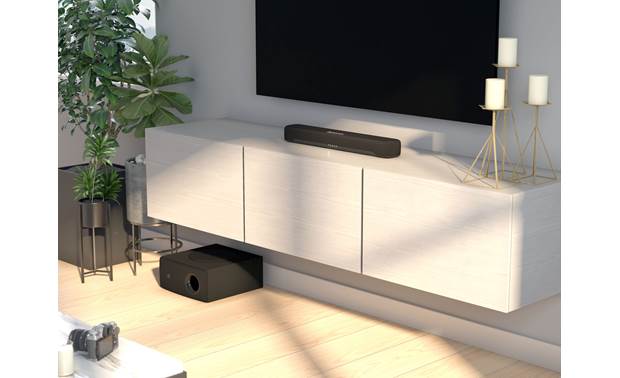
Room acoustics play a huge role in soundbar performance, and this is where the design differences really matter. The Yamaha's compact design makes it incredibly flexible for placement. It fits on most TV stands, can be wall-mounted easily, and doesn't require any additional consideration for subwoofer placement.
However, that built-in subwoofer means you can't optimize bass placement. If your TV stand is against a wall, you might get too much bass reflection. If it's in the middle of the room, you might not get enough bass reinforcement. You're stuck with whatever placement works for the soundbar as a whole.
The Polk's separate subwoofer offers much more flexibility. You can place the soundbar for optimal dialogue clarity and position the subwoofer wherever bass sounds best in your room. This typically means a corner or along a wall for maximum bass reinforcement.
The height channels on the Polk work best with 8-10 foot ceilings and a seating position 8-12 feet from the soundbar. Too close, and the overhead effects don't develop properly. Too far, and they become diffuse. The Yamaha doesn't have these placement restrictions.
Since the Polk's 2022 release, we've seen continued adoption of Dolby Atmos across streaming services and gaming platforms. Netflix, Disney+, Apple TV+, and others now offer extensive Atmos catalogs. This trend favors soundbars like the Polk Audio Signa S4 with dedicated height channels.
The Yamaha, being newer (2023), incorporates some lessons learned from earlier compact soundbars. The Adaptive Low Volume technology represents a more sophisticated approach to night listening than simple dynamic range compression. However, its virtual surround processing, while improved, can't match dedicated drivers for spatial effects.
Looking ahead, spatial audio is becoming increasingly important. Apple's Spatial Audio, Windows Sonic, and various gaming implementations all benefit from hardware capable of true object-based audio rendering. The Polk's hardware support gives it an advantage in this evolving landscape.
Choosing between these soundbars ultimately comes down to your specific situation and priorities. The Yamaha SR-C30A excels as a space-efficient, budget-conscious upgrade that dramatically improves TV audio without complicating your setup. It's perfect for smaller rooms, apartment living, or anyone who values simplicity above all else.
The Polk Audio Signa S4 is the choice for movie enthusiasts and anyone seeking a genuine home theater experience. The true Dolby Atmos capability, powerful separate subwoofer, and room-filling sound justify the higher price for users who will appreciate these features.
Consider the Yamaha if you primarily watch news, sitcoms, or dialogue-heavy content in a smaller space. The Clear Voice technology and compact design make it ideal for these scenarios. Choose the Polk if you frequently watch action movies, play games, or want the most immersive audio experience possible from a soundbar system.
Both represent solid value in their respective categories, but they're solving different problems for different users. The key is matching the solution to your specific needs, room, and budget.
| Yamaha SR-C30A Soundbar with Subwoofer ($180) | Polk Audio Signa S4 Dolby Atmos Soundbar with Wireless Subwoofer ($299) |
|---|---|
| Price - Budget difference determines feature set | |
| $180 (excellent value for basic upgrade) | $299 (premium price for home theater features) |
| Channel Configuration - Determines surround sound capability | |
| 2.1 channels (stereo + built-in subwoofer) | 3.1.2 channels (L/C/R + subwoofer + 2 height channels) |
| Dolby Atmos Support - Essential for modern movie immersion | |
| Virtual processing only (simulated overhead effects) | True Dolby Atmos with dedicated height drivers |
| Subwoofer Design - Affects bass quality and placement flexibility | |
| Built-in dual 3" drivers (space-saving but fixed placement) | Wireless 5.9" separate unit (deeper bass, flexible positioning) |
| Total Power Output - Determines maximum volume and room size capability | |
| 90W total (adequate for small-medium rooms) | Higher output with 7-driver array (fills larger rooms effectively) |
| Soundbar Dimensions - Critical for TV stand compatibility | |
| 23.6" x 2.6" x 3.7" (fits most small-medium TVs) | 41.2" x 3.7" x 2.4" (matches larger TV sizes) |
| Connectivity Options - Affects device compatibility | |
| HDMI ARC, 2x Optical, 3.5mm, Bluetooth 5.0 | HDMI eARC, Optical, 3.5mm, Bluetooth 4.2 with multi-pairing |
| Voice Enhancement Technology - Crucial for dialogue clarity | |
| Clear Voice mode + Adaptive Low Volume | VoiceAdjust technology + dedicated center channel |
| Best Room Size - Performance varies significantly with space | |
| Small to medium rooms (under 200 sq ft) | Medium to large rooms (200+ sq ft) |
| Setup Complexity - Time and effort required | |
| Plug-and-play (all-in-one design) | Requires subwoofer placement optimization |
The Yamaha SR-C30A ($180) is ideal for small rooms due to its compact 23.6-inch width and built-in subwoofer design. It delivers clear dialogue and adequate bass without requiring additional floor space for a separate subwoofer, making it perfect for apartments or bedrooms.
Yes, the Polk Audio Signa S4 ($299) features true Dolby Atmos with dedicated upward-firing height speakers. Unlike virtual surround processing, these physical drivers bounce sound off your ceiling to create genuine overhead audio effects for movies and games.
The key difference is immersion capability: the Yamaha SR-C30A uses virtual surround processing in a compact all-in-one design, while the Polk Audio Signa S4 offers true Dolby Atmos with a separate wireless subwoofer for more cinematic home theater experiences.
Both excel at dialogue but differently. The Yamaha SR-C30A features Clear Voice mode optimized for speech clarity, while the Polk Audio Signa S4 uses VoiceAdjust technology with a dedicated center channel for more natural dialogue reproduction.
The Yamaha SR-C30A requires minimal space as everything is built into one 23.6-inch unit. The Polk Audio Signa S4 needs placement flexibility for its 41.2-inch soundbar plus optimal positioning for the wireless subwoofer somewhere in the room.
The Yamaha SR-C30A ($180) provides excellent value for basic TV audio upgrades, especially in smaller spaces. The Polk Audio Signa S4 ($299) justifies its higher price with true Dolby Atmos and superior bass performance for serious home theater use.
Yes, both support Bluetooth streaming. The Yamaha SR-C30A uses Bluetooth 5.0 for better range and stability, while the Polk Audio Signa S4 offers Bluetooth 4.2 with multi-device pairing up to 8 devices for easy switching between users.
The Polk Audio Signa S4 is superior for movies due to its true Dolby Atmos support, dedicated center channel, and powerful wireless subwoofer that creates immersive surround sound effects. The Yamaha SR-C30A provides good movie audio but with virtual surround processing only.
Both soundbars connect easily via HDMI ARC to your TV. The Yamaha SR-C30A offers plug-and-play simplicity, while the Polk Audio Signa S4 requires minimal setup to pair its wireless subwoofer, which connects automatically on startup.
The Polk Audio Signa S4 provides better gaming audio with its true height channels for directional audio cues and deeper bass response. The Yamaha SR-C30A includes a dedicated Game mode but lacks the spatial audio advantages of true Dolby Atmos.
The Yamaha SR-C30A has adequate bass from built-in 3-inch drivers suitable for smaller rooms. The Polk Audio Signa S4 delivers significantly deeper, more impactful bass through its separate 5.9-inch wireless subwoofer that can be positioned optimally in your room.
Choose the Polk Audio Signa S4 ($299) for dedicated home theater setups due to its true Dolby Atmos, room-filling power, and cinematic immersion. Select the Yamaha SR-C30A ($180) for simple TV audio upgrades in smaller spaces where convenience and value are priorities over maximum performance.
We've done our best to create useful and informative comparisons to help you decide what product to buy. Our research uses advanced automated methods to create this comparison and perfection is not possible - please contact us for corrections or questions. These are the sites we've researched in the creation of this article: techradar.com - usa.yamaha.com - expertreviews.com - usa.yamaha.com - trustedreviews.com - crutchfield.com - europe.yamaha.com - usa.yamaha.com - shop.usa.yamaha.com - assetserver.net - soundandvision.com - audioholics.com - crutchfield.com - cnet.com - richersounds.com - crutchfield.com - rtings.com - polkaudio.com - walmart.com - polkaudio.com - crutchfield.com - youtube.com - profx.com

Privacy Policy
Terms and Conditions - Affiliate Policy
Home Security
© Copyright 2008-2026.
11816 Inwood Rd #1211, Dallas, TX 75244