

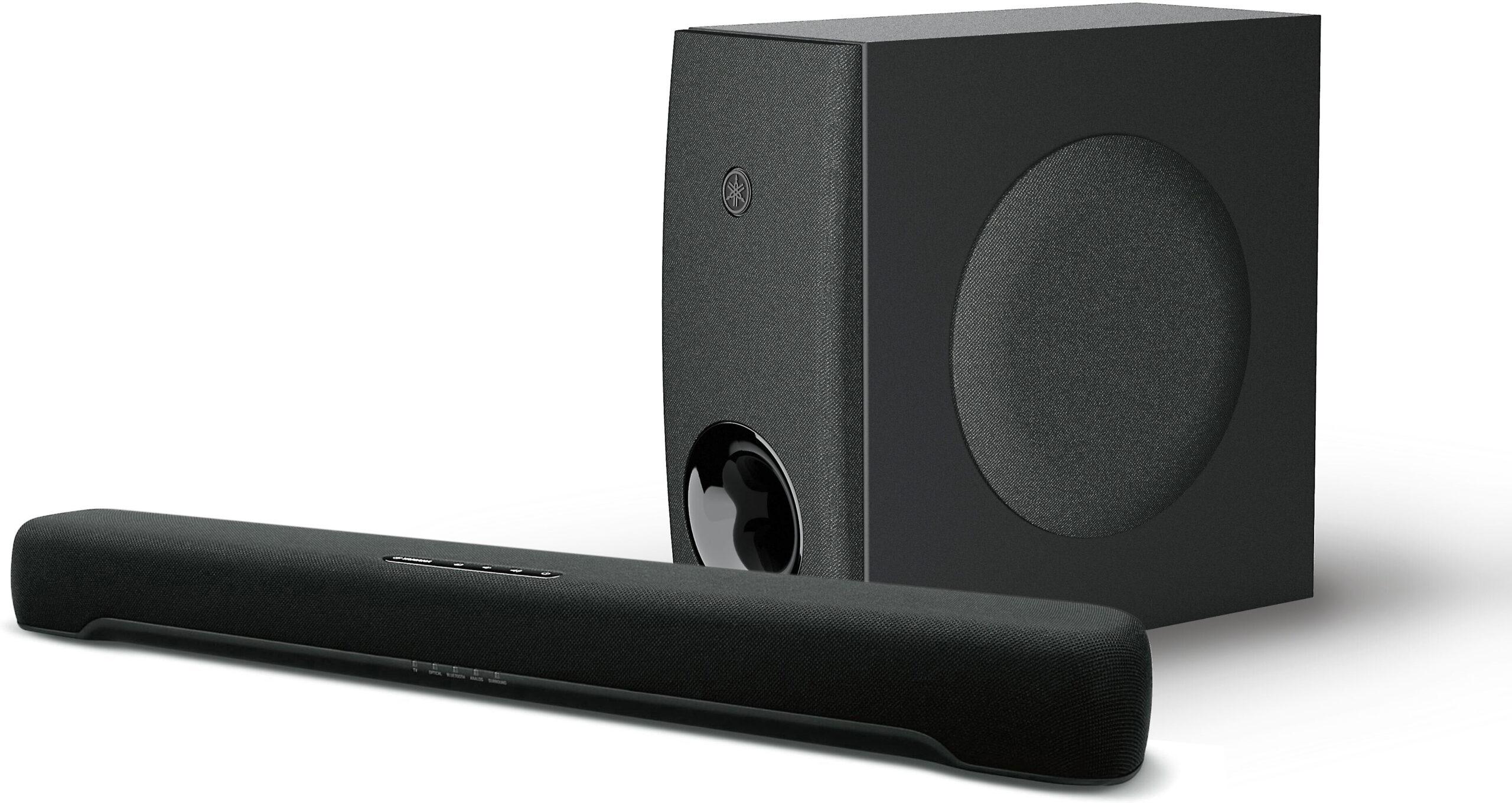
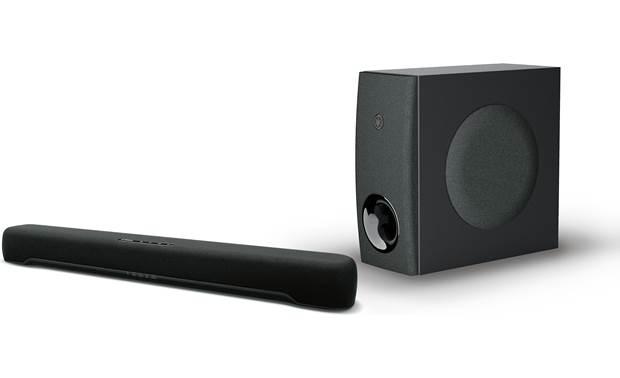

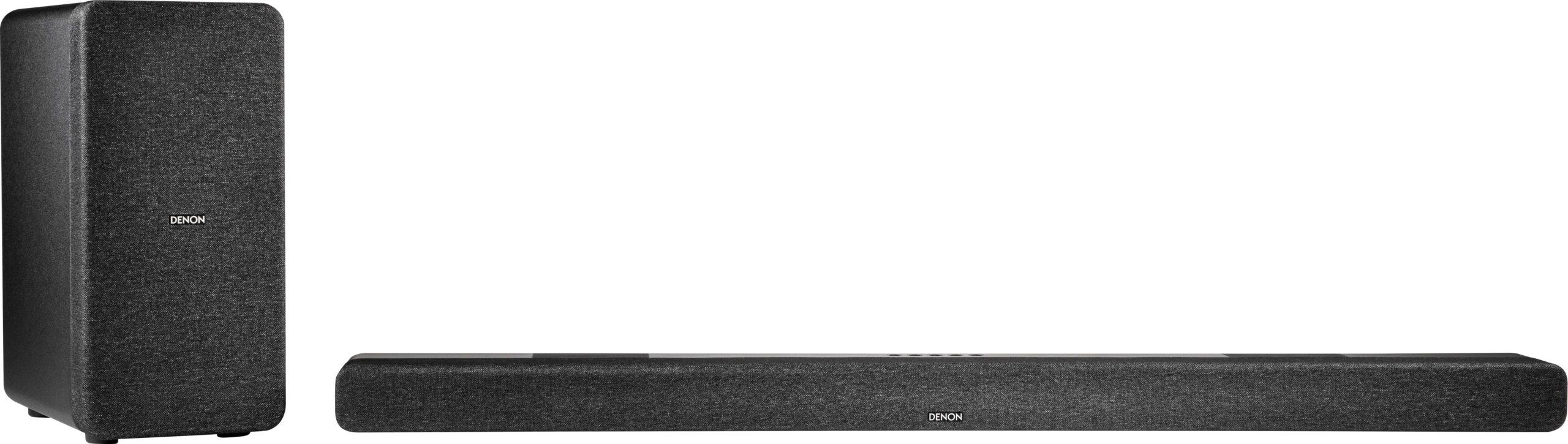
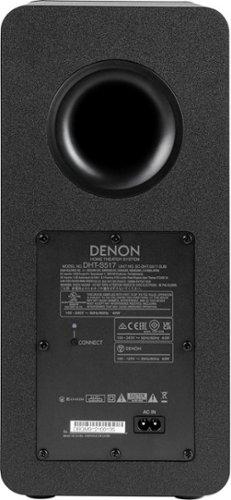
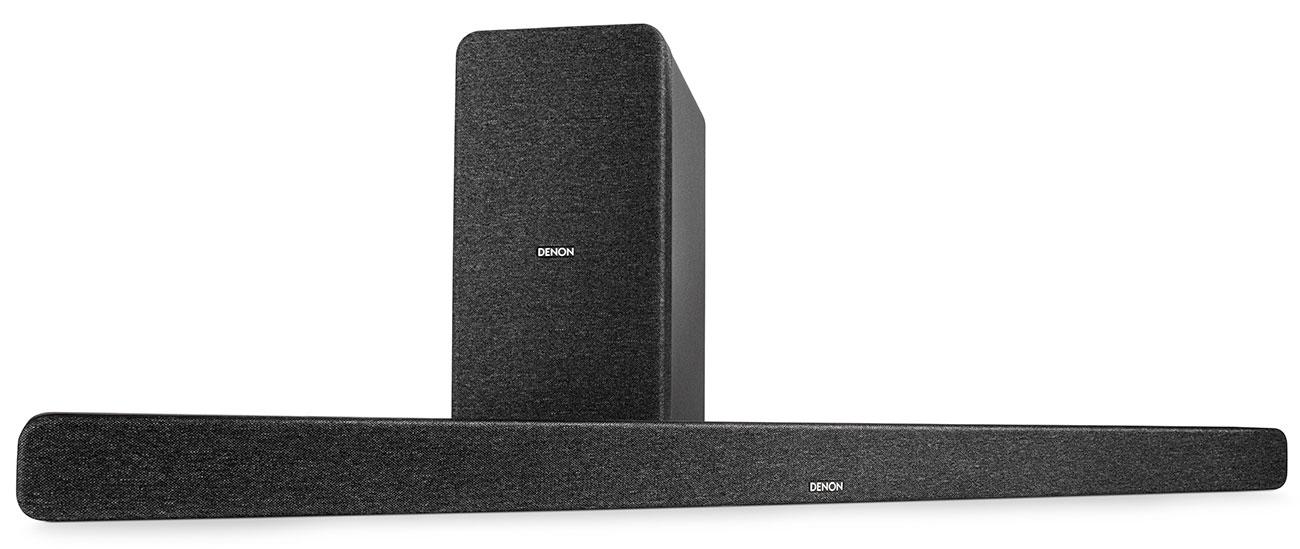
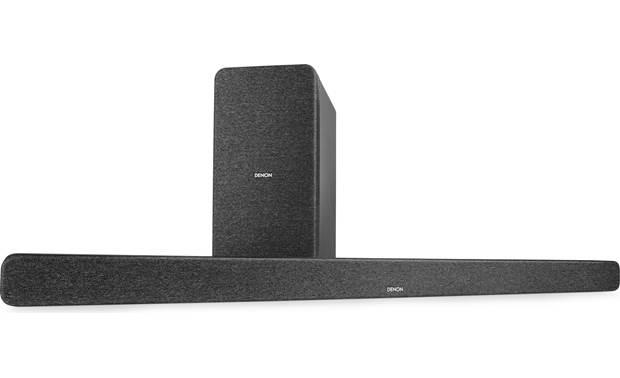
If you've ever found yourself cranking up the TV volume just to understand what characters are saying, or felt disappointed by the thin, lifeless sound coming from your television's built-in speakers, you're not alone. Modern TVs, despite their impressive picture quality, often sacrifice audio performance for sleek designs. That's where soundbars come in, and today we're comparing two popular options: the Yamaha SR-C30A at $180 and the Denon DHT-S517 at $302.
Soundbars have become the go-to solution for improving TV audio without the complexity of a full surround sound system. Think of them as a middle ground between your TV's disappointing speakers and a dedicated home theater setup with speakers placed around your room.
The main things to consider when shopping for a soundbar include the channel configuration (which determines how many separate audio streams it can handle), the type of surround sound processing it uses, how well it fits your room and TV size, what devices you can connect to it, and ultimately, whether the performance justifies the price.
Channel configuration might sound technical, but it's actually straightforward. A "2.1" system means two main channels (left and right) plus one subwoofer channel for bass. A "3.1.2" system adds a center channel for dialogue plus two height channels for overhead effects. More channels generally mean more precise sound placement, but they also cost more.
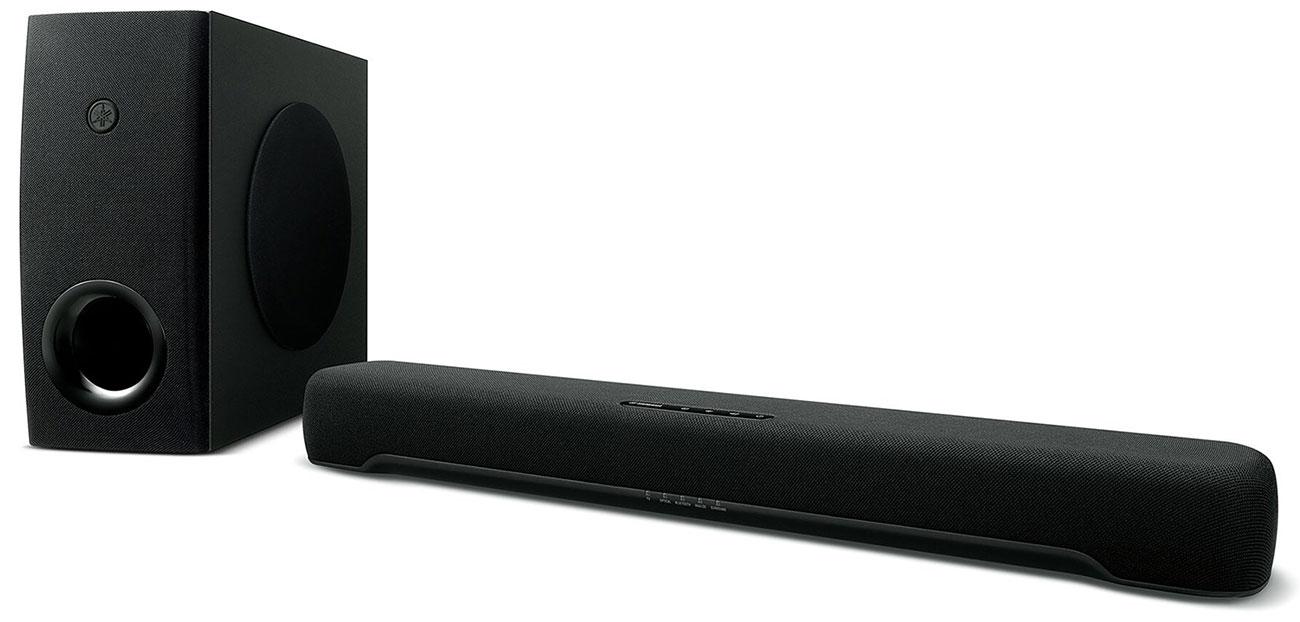
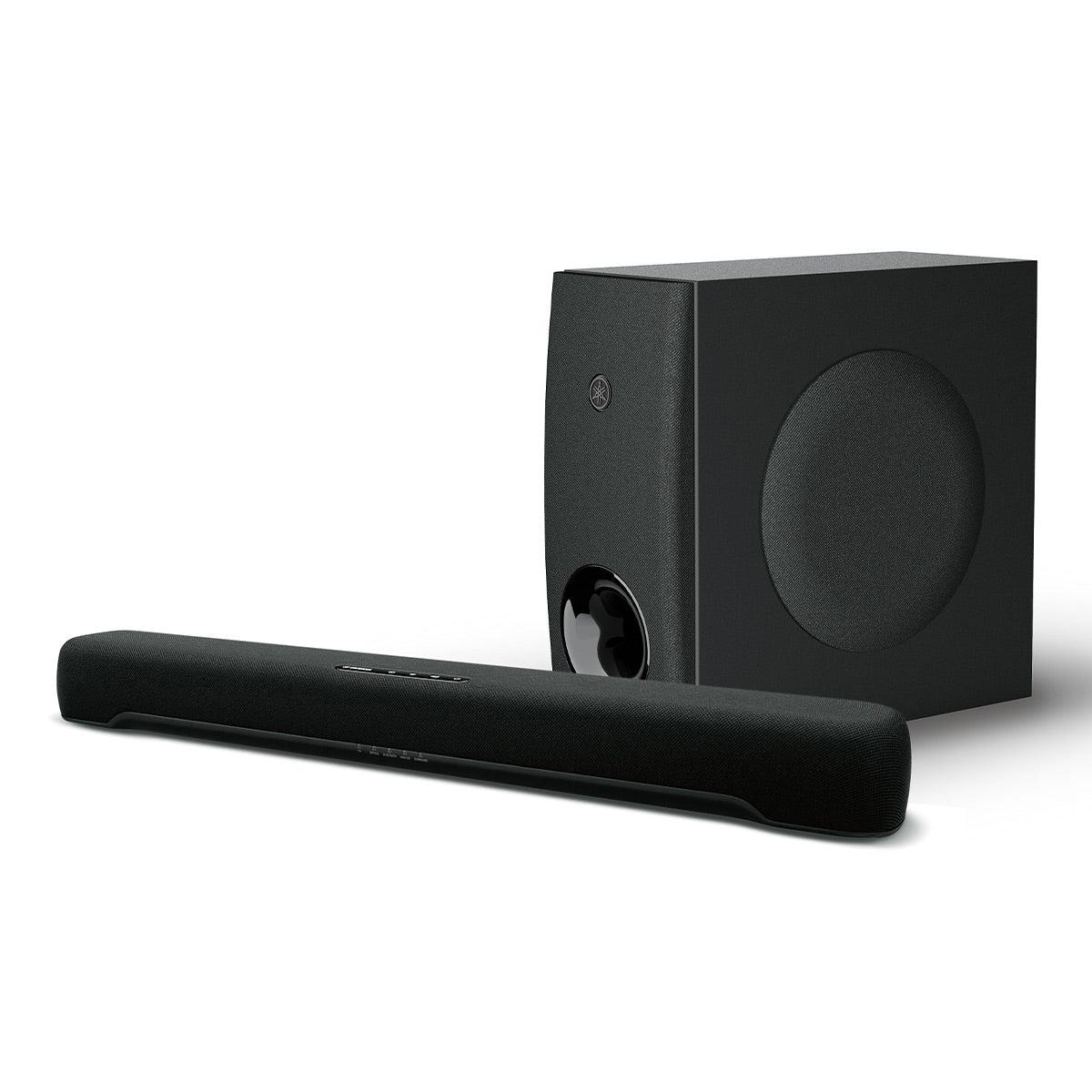
When Yamaha released the SR-C30A in 2023, they focused on solving a specific problem: delivering better-than-TV audio in the smallest possible package. At just 23.6 inches wide, this soundbar was designed for people with smaller TVs or limited space who still wanted the benefit of a wireless subwoofer.
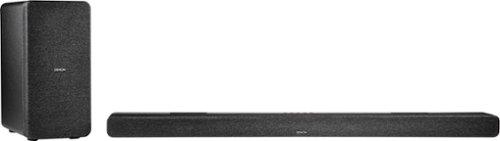
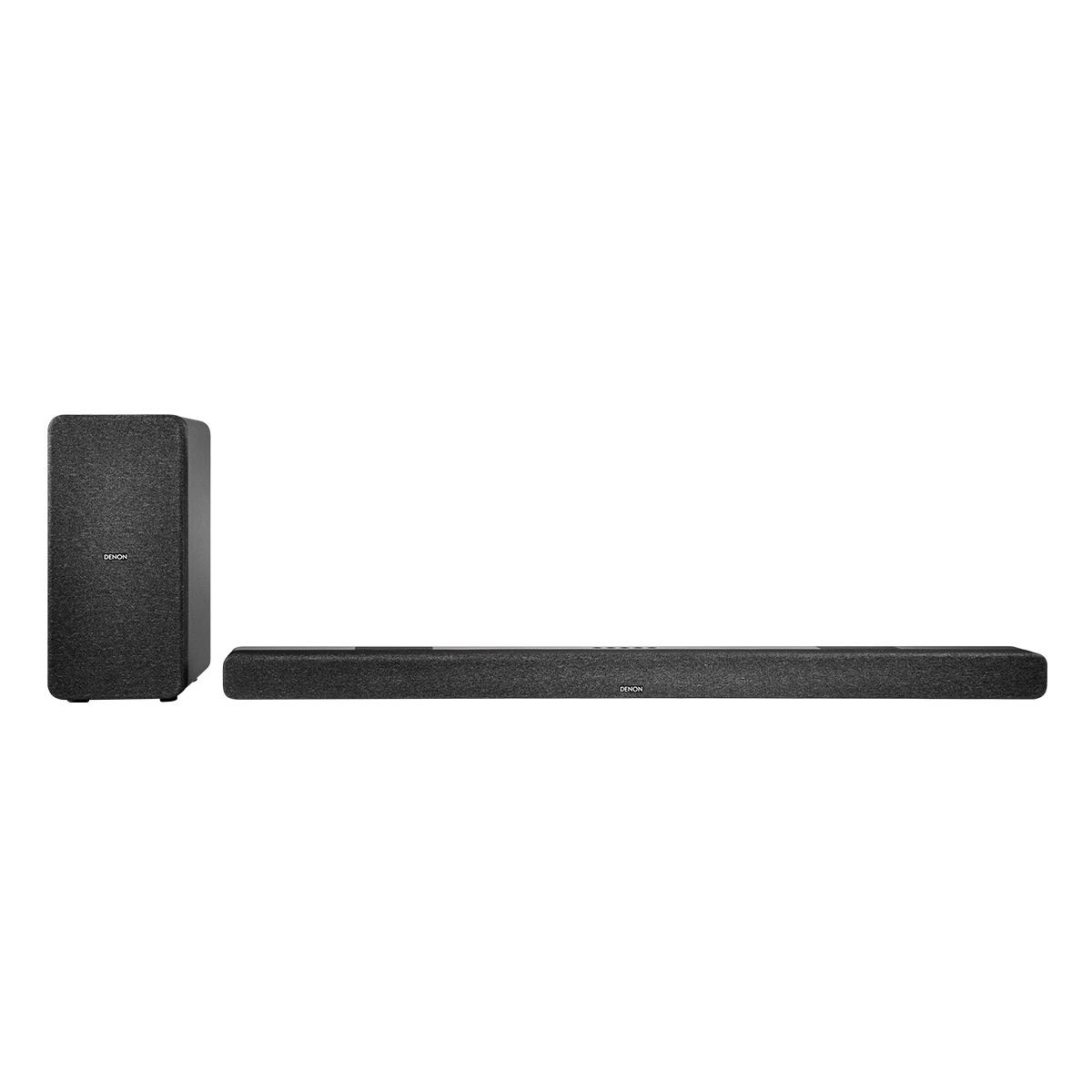
The Denon DHT-S517, which hit the market in mid-2022, took a completely different approach. Denon wanted to bring true Dolby Atmos—a technology that places sounds in three-dimensional space around you—to a more affordable price point. At 41.3 inches wide, it's clearly designed for larger setups and more serious home theater use.
The $122 price difference between these two soundbars reflects this philosophical split. You're not just paying more for the Denon; you're buying into a fundamentally different audio experience.
Nothing ruins a movie night like constantly rewinding to catch dialogue you missed. This is where the differences between these soundbars become most apparent.
The Denon DHT-S517 includes a dedicated center channel—essentially a separate speaker specifically designed to handle dialogue. This 1-inch full-range driver sits in the middle of the soundbar array and focuses entirely on making voices clear and present. But Denon went further with their Dialogue Enhancer feature, which uses artificial intelligence to identify and boost speech frequencies without affecting the rest of the audio. You can set it to Low, Medium, or High depending on how much help you need.
I've tested similar dialogue enhancement features, and the difference is genuinely noticeable. During loud action scenes where explosions and music typically drown out conversation, the Dialogue Enhancer keeps voices intelligible without making everything sound artificial or over-processed.
The Yamaha SR-C30A takes a different approach with its Clear Voice technology. Since it's a 2.1 system without a dedicated center channel, it relies on digital signal processing (DSP) to enhance dialogue. DSP is essentially computer algorithms that modify the audio signal to achieve certain effects—in this case, boosting frequencies where human voices typically live. While this works better than nothing, it can't match the precision of having an actual speaker dedicated to dialogue.
Both soundbars include wireless subwoofers, but the specifications tell an important story about their capabilities.
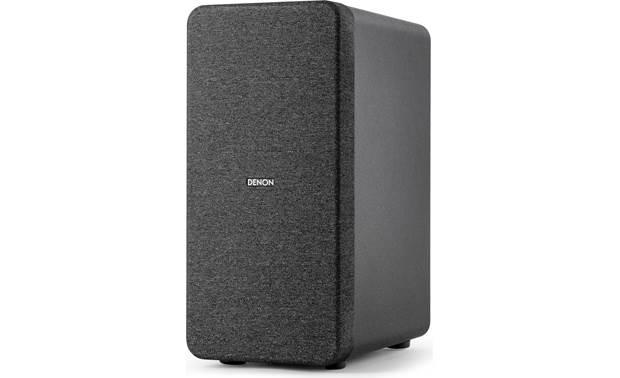
The Denon's subwoofer packs a 100-watt amplifier driving a 5.25-inch woofer. Those numbers translate to more powerful, deeper bass that can fill larger rooms without distortion. The wireless connection uses frequency-hopping spread spectrum technology, which sounds complicated but simply means it automatically finds the clearest radio frequency to avoid interference from your Wi-Fi or other devices.
Yamaha's subwoofer, while still wireless, operates with 50 watts driving its driver. This isn't necessarily bad—it's designed for smaller spaces where excessive bass would be overwhelming. The SR-C30A's Adaptive Low Volume technology is actually quite clever; it maintains tonal balance even when you're listening quietly, something that's particularly useful in apartments or late-night viewing scenarios.
From a practical standpoint, the Denon's more powerful subwoofer provides noticeably more impact during action movies and better foundation for music listening. However, the Yamaha's approach might actually be preferable if you live in close quarters with neighbors or primarily watch dialogue-heavy content.
This is where the technology gap between these soundbars becomes most significant.
The Denon DHT-S517 offers genuine Dolby Atmos processing through its 3.1.2 channel configuration. Those two upward-firing speakers on top of the soundbar bounce audio off your ceiling to create height effects. When a helicopter flies overhead in a movie, or rain falls in a scene, you'll hear those sounds coming from above rather than just from the front of the room. Dolby Atmos is "object-based" audio, meaning sound engineers can place specific sounds at precise locations in three-dimensional space, and the Denon has the hardware to reproduce that positioning.
The technology works by encoding spatial information along with the audio. Your soundbar receives not just the sound of that helicopter, but also data about where it should appear to be located. The upward-firing drivers then reflect those positioned sounds off your ceiling to reach your ears from the correct direction.
Yamaha's approach with the SR-C30A is more traditional. Its "3D Movie" mode uses psychoacoustic processing—essentially tricks that exploit how your brain interprets sound—to create a wider soundstage than you'd get from TV speakers. This virtual surround can be convincing for expanding the apparent width of audio, but it cannot create the overhead dimension that makes Atmos special.
Having experienced both approaches extensively, I can say that virtual surround processing has improved significantly over the years. The Yamaha's implementation is quite good at making movies sound bigger and more engaging than TV speakers. However, once you've heard true Atmos effects—like debris falling from above during an explosion—it's hard to go back to simulated surround sound.
While both soundbars are designed primarily for TV audio, their music performance differs considerably.
The Denon includes a "Pure Mode" that bypasses all surround sound processing and digital enhancement, delivering music as the artist intended. Combined with its larger driver array and higher power output, this makes the DHT-S517 capable enough to serve as your primary music system for casual listening. The bigger midrange drivers (4.75 x 1.625 inches compared to Yamaha's smaller array) provide better dynamics and detail retrieval for stereo content.
The Yamaha SR-C30A focuses more on correcting compressed audio quality through its Compressed Music Enhancer. This feature specifically targets Bluetooth audio, which is often compressed to save bandwidth during wireless transmission. While this helps improve the sound quality of music streamed from your phone, the smaller driver configuration and lower power output limit the overall musical impact.
Modern soundbars need to work seamlessly with today's streaming-focused entertainment setups, and both models handle this differently.
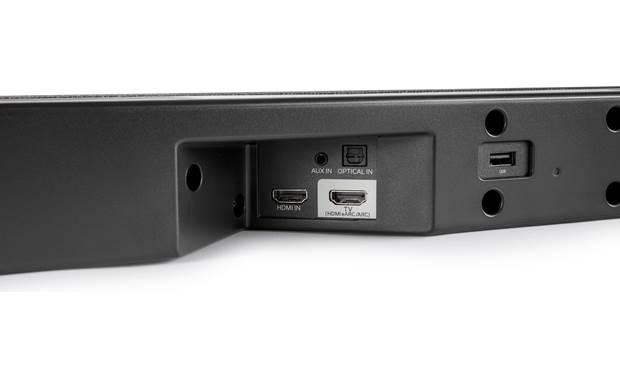
The Denon DHT-S517 includes HDMI eARC (enhanced Audio Return Channel) support, which enables two-way communication between your TV and soundbar. This means you can control the soundbar's volume with your TV remote, and your TV can send advanced audio formats like Dolby Atmos directly to the soundbar through a single HDMI cable. It's the modern standard for soundbar connectivity and ensures compatibility with current and future audio formats.
The Yamaha supports standard HDMI ARC, which covers most basic functions but lacks some of the advanced features of eARC. For most users, this won't matter, but if you're planning to play high-quality audio files or want the most seamless integration, eARC provides more flexibility.
Both soundbars offer Bluetooth connectivity, but the Yamaha's implementation includes multi-point functionality, allowing you to pair multiple devices and switch between them easily. This is particularly convenient if different family members want to stream music from their phones.
Your room dimensions and TV size should heavily influence your decision between these soundbars.
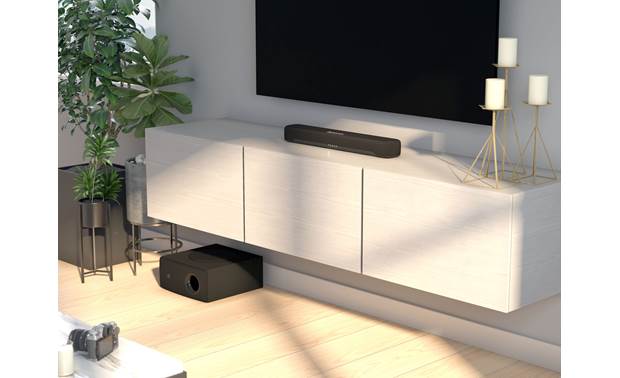
The Yamaha SR-C30A was explicitly designed for smaller spaces. Its compact 23.6-inch width makes it suitable for TVs between 32 and 43 inches, typical of bedrooms, kitchens, or smaller living rooms. The lower power output prevents it from overwhelming smaller spaces, and its design aesthetic won't dominate your entertainment center.
The Denon's 41.3-inch width is clearly intended for larger displays—think 50 inches and up—in dedicated viewing rooms. The higher power output and more sophisticated driver array need room to breathe acoustically. In a small bedroom, the DHT-S517 might actually provide too much sound for comfortable listening.
I've found that room acoustics play a huge role in soundbar performance. Hard surfaces like tile floors and large windows can make any soundbar sound harsh, while heavily furnished rooms with carpets and curtains tend to be more forgiving. The Denon's multiple EQ modes (Movie, Music, and Night) provide more tools to adapt to different room conditions.
When the Denon DHT-S517 launched in 2022 at $449, it represented solid value for Atmos technology. At its current price of $302, it's become quite compelling for anyone wanting genuine surround sound immersion. The technology inside—true Dolby Atmos processing, dedicated center channel, and powerful subwoofer—would have cost significantly more just a few years ago.
The Yamaha SR-C30A launched in 2023 at $339 but is now available for $180, making it an excellent entry point into the soundbar category. While it lacks advanced features, it delivers on its core promise of improving TV audio in small spaces without breaking the budget.
From a future-proofing perspective, the Denon's eARC support and Atmos capability position it better for emerging audio technologies. Streaming services continue to add more Atmos content, and gaming consoles are beginning to support spatial audio formats that benefit from height channels.
If you're building a dedicated home theater or media room, these soundbars serve different roles.
The DHT-S517 can function as the foundation of a home theater system. Its Atmos capability and room-filling power output make it suitable as a primary audio system, especially in medium-sized rooms where a full surround speaker setup might be impractical. The dialogue enhancement and multiple EQ modes show that Denon designed this with serious movie watching in mind.
The SR-C30A is better suited as an upgrade over TV speakers rather than a home theater centerpiece. It excels in secondary viewing areas—bedrooms, kitchens, or smaller family rooms where you want better audio without the complexity or cost of a full system.
After extensive comparison, your choice should depend primarily on your room size, viewing habits, and budget priorities.
Choose the Yamaha SR-C30A if you have a smaller TV (43 inches or less), limited space for a large soundbar, or primarily watch dialogue-heavy content like news and sitcoms. The $180 price point makes it accessible for anyone wanting to improve their TV audio without a significant investment. Its compact design and moderate power output are actually advantages in smaller rooms where bigger soundbars would be overwhelming.
The Denon DHT-S517 makes sense if you have a larger TV and room, regularly watch movies with Atmos soundtracks on Netflix or Disney+, or want a soundbar that can double as a music system. The $122 premium buys you genuine spatial audio, superior dialogue clarity, and more powerful bass response. If you're building a dedicated viewing space or simply want the most immersive audio experience possible from a soundbar, the additional cost is justified.
Both soundbars represent solid value in their respective categories. The Yamaha delivers exactly what it promises—better TV audio in a compact, affordable package. The Denon provides a more advanced experience that approaches the immersion of a traditional surround sound system while maintaining the simplicity of a soundbar setup.
The bottom line is that either choice will dramatically improve your TV viewing experience compared to built-in speakers. Your room size, content preferences, and willingness to pay for premium features should guide your final decision.
| Yamaha SR-C30A Soundbar with Subwoofer | Denon DHT-S517 Soundbar with Wireless Subwoofer |
|---|---|
| Price - Key value consideration for budget-conscious buyers | |
| $180.45 (excellent entry-level value) | $302.34 (premium features justify higher cost) |
| Channel Configuration - Determines surround sound capability and dialogue clarity | |
| 2.1 channels (stereo + subwoofer, no center channel) | 3.1.2 channels (includes center channel + Atmos height speakers) |
| Dolby Atmos Support - Essential for immersive overhead sound effects | |
| Virtual surround only (simulated 3D effects) | True Dolby Atmos with upward-firing drivers |
| Soundbar Dimensions - Must fit your TV size and entertainment center | |
| 23-5/8" W × 2-9/16" H × 3-3/4" D (compact for smaller TVs) | 41-5/16" W × 2-5/16" H × 3-13/16" D (designed for larger displays) |
| Total Power Output - Affects volume capability and bass impact | |
| 90W total (20W per front driver, 50W subwoofer) | 150W total (50W soundbar, 100W subwoofer) |
| Dialogue Enhancement - Critical for speech clarity in movies | |
| Clear Voice DSP processing (no dedicated center channel) | AI Dialogue Enhancer with 3 levels + dedicated center driver |
| Subwoofer Driver Size - Determines bass depth and room-filling capability | |
| 5.1" cone driver (adequate for smaller rooms) | 5.25" cone driver with more powerful amplification |
| HDMI Connectivity - Affects compatibility with modern TVs and gaming | |
| HDMI ARC (standard connection, works with most TVs) | HDMI eARC (enhanced features, future-proof connectivity) |
| Bluetooth Version - Important for wireless music streaming quality | |
| Bluetooth 5.0 with multi-point pairing | Bluetooth 5.0 with A2DP profile support |
| Sound Modes - Customization options for different content types | |
| 4 modes including Adaptive Low Volume technology | Movie, Music, Night modes plus Pure Mode for unprocessed audio |
| Release Date - Indicates how current the technology is | |
| 2023 (newer design, reflects latest compact trends) | Mid-2022 (established Atmos implementation) |
| Best Use Case - Who should choose this soundbar | |
| Small-medium rooms, budget-focused, space-constrained setups | Large rooms, movie enthusiasts, future-proof home theater |
The Yamaha SR-C30A at $180 offers excellent value for basic TV audio improvement, while the Denon DHT-S517 at $302 provides superior performance with true Dolby Atmos and better dialogue clarity. The Denon justifies its higher price with more advanced features, but the Yamaha delivers solid performance for budget-conscious buyers.
The key difference is audio technology: the Yamaha SR-C30A is a 2.1 channel system with virtual surround sound, while the Denon DHT-S517 features 3.1.2 channels with true Dolby Atmos processing and upward-firing speakers for overhead sound effects.
The Denon DHT-S517 has significantly better dialogue clarity thanks to its dedicated center channel speaker and AI-powered Dialogue Enhancer feature with three adjustment levels. The Yamaha SR-C30A relies on digital processing without a physical center channel, making dialogue less precise.
Yes, both the Yamaha SR-C30A and Denon DHT-S517 include wireless subwoofers. However, the Denon's subwoofer is more powerful at 100 watts versus the Yamaha's 50 watts, providing deeper bass and better room-filling capability.
The Yamaha SR-C30A is specifically designed for smaller spaces at just 23.6 inches wide, making it ideal for TVs under 43 inches. Its lower power output and compact design won't overwhelm small rooms, while the Denon DHT-S517 at 41.3 inches wide is better suited for larger displays and rooms.
Only the Denon DHT-S517 offers true Dolby Atmos with dedicated upward-firing speakers that bounce sound off your ceiling for overhead effects. The Yamaha SR-C30A uses virtual surround processing to simulate 3D effects but cannot produce genuine Atmos height channels.
The Denon DHT-S517 is superior for music with its larger drivers, higher power output, and Pure Mode that bypasses surround processing. The Yamaha SR-C30A includes Compressed Music Enhancer for Bluetooth audio but has limited musical impact due to its smaller driver array.
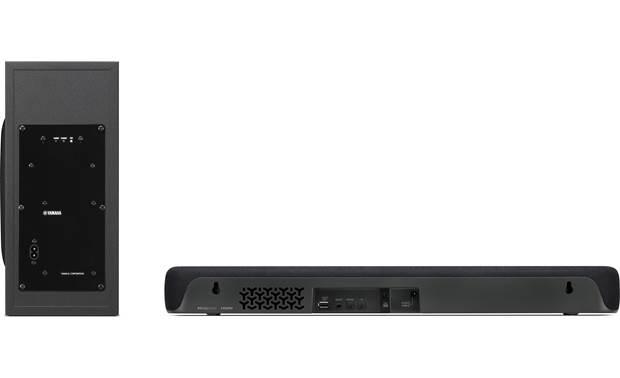
The Denon DHT-S517 features HDMI eARC for advanced compatibility and future-proofing, plus optical and analog inputs. The Yamaha SR-C30A offers HDMI ARC, optical inputs, and Bluetooth 5.0 with multi-point pairing for easy device switching.
The Denon DHT-S517 is clearly better for home theater applications with true Dolby Atmos processing, dedicated center channel for dialogue, and more powerful bass output. The Yamaha SR-C30A works well for casual TV viewing but lacks the immersive features needed for serious movie watching.
The Denon DHT-S517 has a more powerful 100-watt subwoofer that delivers deeper, more impactful bass suitable for action movies and music. The Yamaha SR-C30A features a 50-watt subwoofer that's adequate for dialogue and moderate bass needs in smaller spaces.
The Denon DHT-S517 offers Movie, Music, and Night modes plus Pure Mode for unprocessed audio, providing more customization options. The Yamaha SR-C30A includes four sound modes with unique Adaptive Low Volume technology that maintains tonal balance at quiet listening levels.
Choose the Yamaha SR-C30A if you have a smaller TV, limited budget, or primarily watch dialogue-heavy content in compact spaces. Select the Denon DHT-S517 if you want true Dolby Atmos, have a larger room and TV, or prioritize immersive movie watching and better dialogue clarity despite the higher price.
We've done our best to create useful and informative comparisons to help you decide what product to buy. Our research uses advanced automated methods to create this comparison and perfection is not possible - please contact us for corrections or questions. These are the sites we've researched in the creation of this article: techradar.com - usa.yamaha.com - expertreviews.com - usa.yamaha.com - trustedreviews.com - crutchfield.com - europe.yamaha.com - usa.yamaha.com - shop.usa.yamaha.com - assetserver.net - techradar.com - consumerreports.org - crutchfield.com - bestbuy.com - bestbuy.com - pocket-lint.com - abt.com - manuals.denon.com - connectedmag.com.au - bestbuy.com - forum.flirc.tv - bhphotovideo.com

Privacy Policy
Terms and Conditions - Affiliate Policy
Home Security
© Copyright 2008-2026.
11816 Inwood Rd #1211, Dallas, TX 75244