





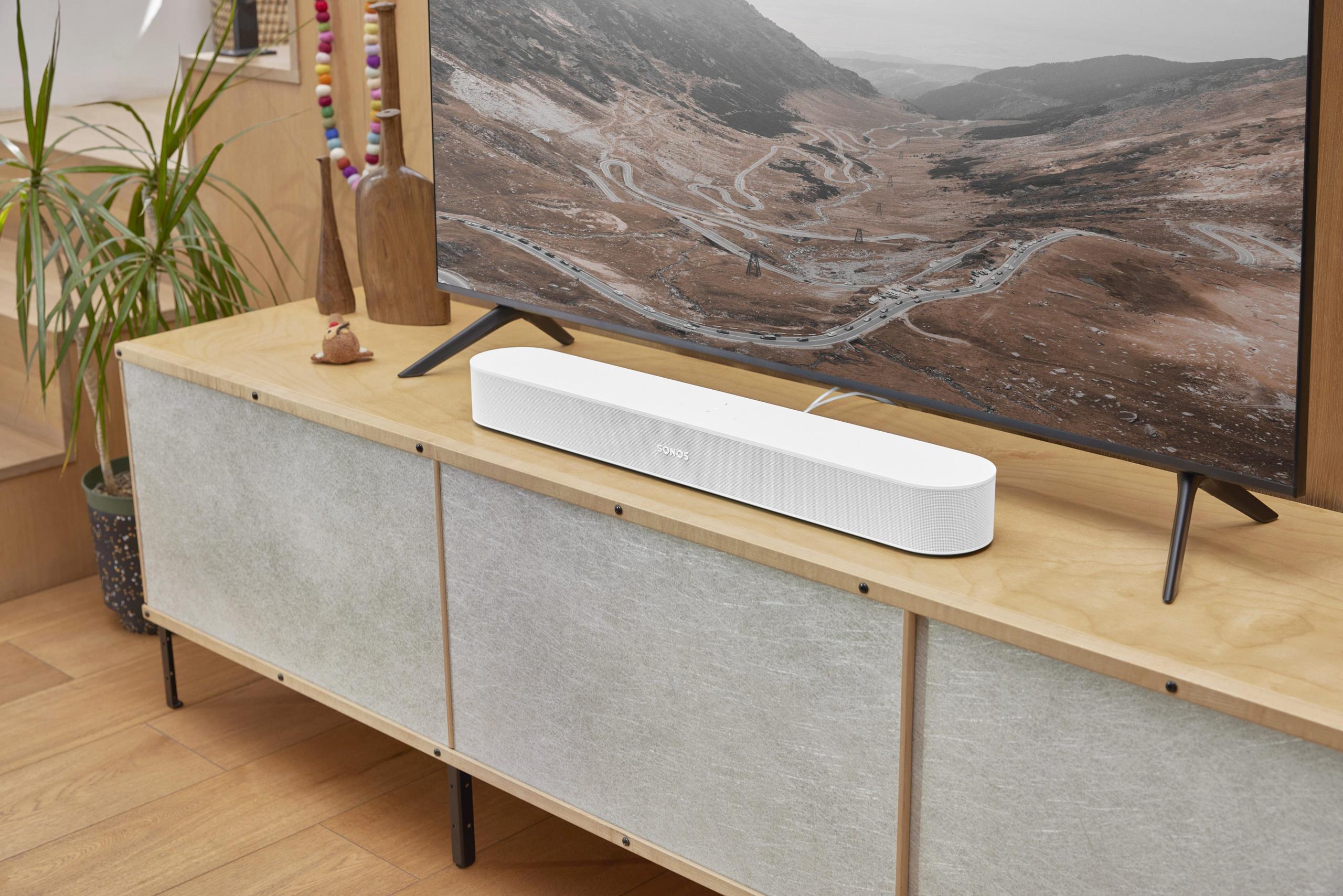
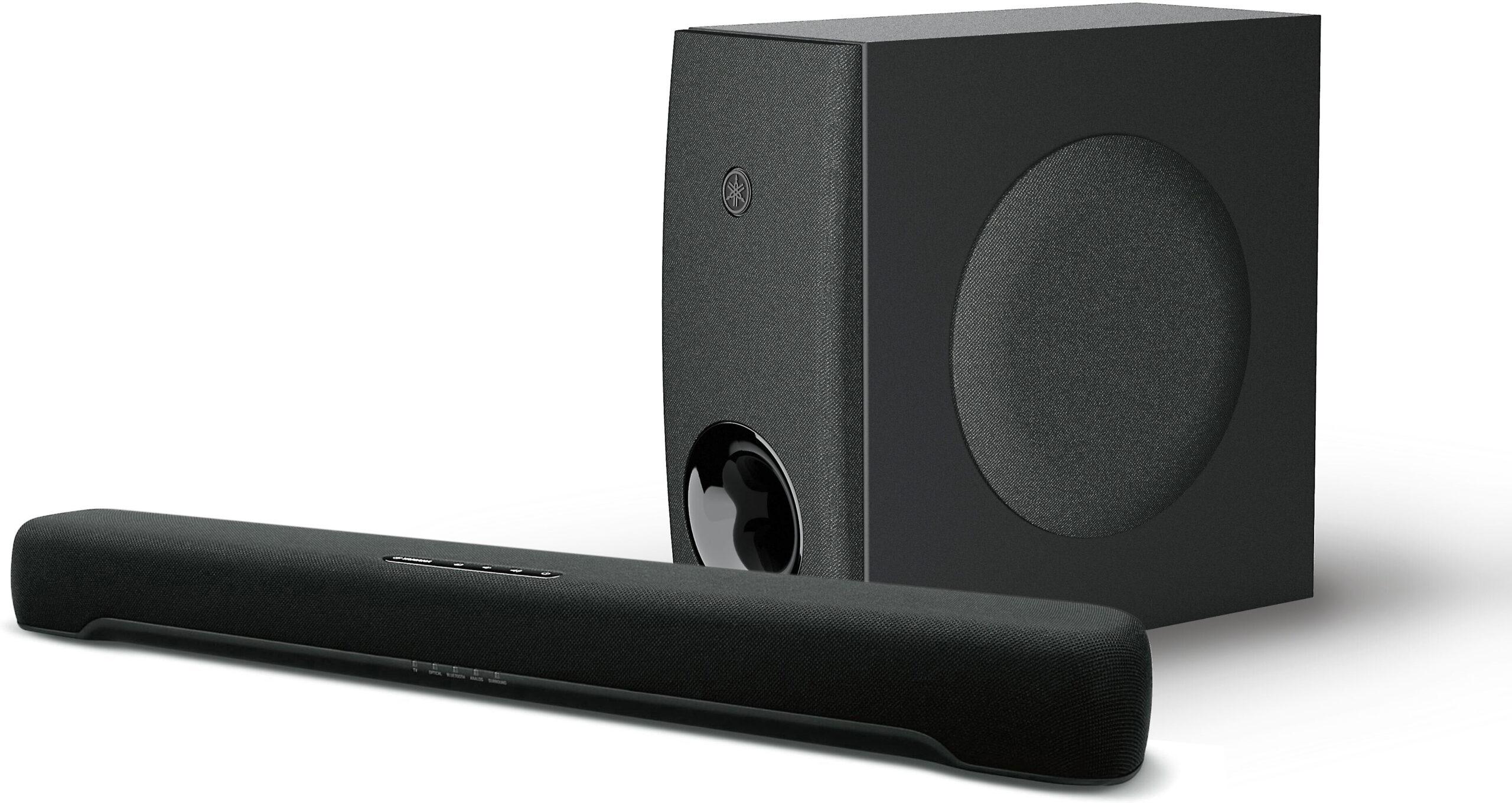

When your TV's built-in speakers just aren't cutting it anymore, a soundbar becomes one of the most practical upgrades you can make to your entertainment setup. But with hundreds of options available, choosing between different approaches—like the premium Sonos Beam Gen 2 ($449) and the budget-friendly Yamaha SR-C30A ($180)—can feel overwhelming.
These two soundbars represent fundamentally different philosophies in audio design, and understanding their approaches will help you make the right choice for your home and budget.
Before diving into these specific products, it's worth understanding what soundbars are trying to accomplish. Modern TVs have gotten incredibly thin, which means there's simply no room for decent speakers inside them. A soundbar's job is to restore the audio experience that matches today's high-quality video content.
The main things to consider when shopping for a soundbar include how well it handles dialogue (which is often the biggest complaint about TV speakers), whether it can create a wider soundstage that fills your room, how it handles bass frequencies, and increasingly, whether it can create immersive surround sound effects without requiring speakers placed around your room.
Smart features have also become crucial—things like voice control, wireless streaming, and integration with other audio devices in your home. Finally, there's the question of expandability: can you add more speakers later if you want to build a more complete home theater system?
The Sonos Beam Gen 2 launched in October 2021 as an upgrade to the highly successful original Beam from 2018. Sonos added Dolby Atmos support—a surround sound technology that creates the illusion of sounds coming from above and around you—along with HDMI eARC connectivity, which allows for higher-quality audio transmission from your TV. They also upgraded the internal processing power to handle these more demanding audio formats.
This wasn't just a minor refresh. Dolby Atmos processing requires significant computational power because it's essentially tricking your brain into hearing sounds that aren't actually there. The technology uses psychoacoustics—the science of how our brains interpret sound—to create virtual height effects using just the speakers in front of you.
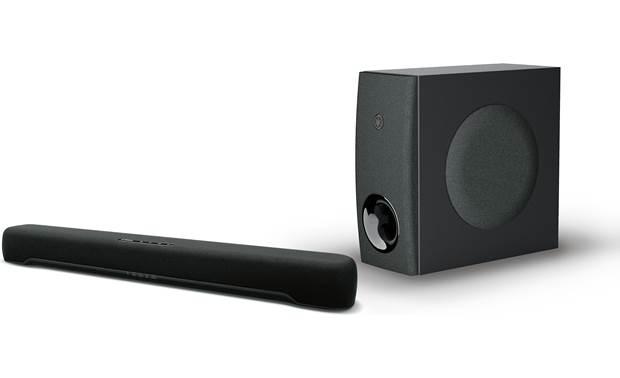
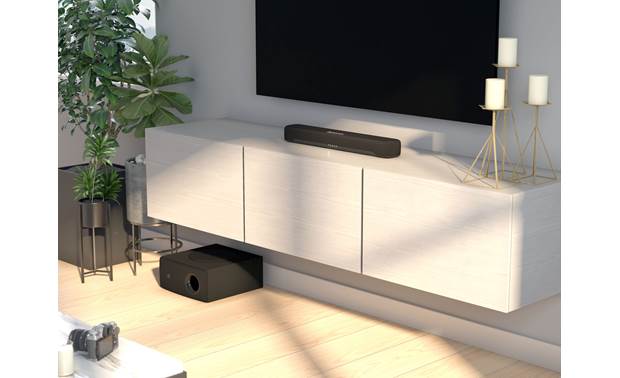
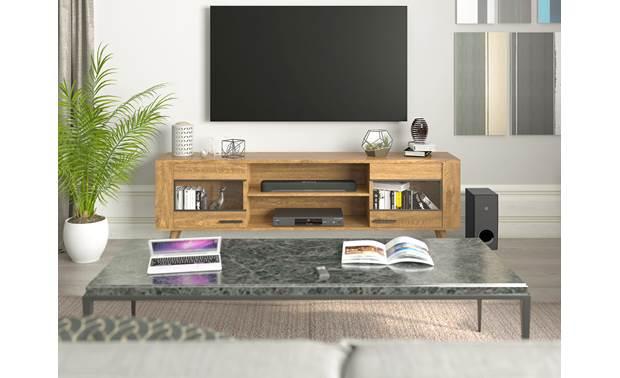
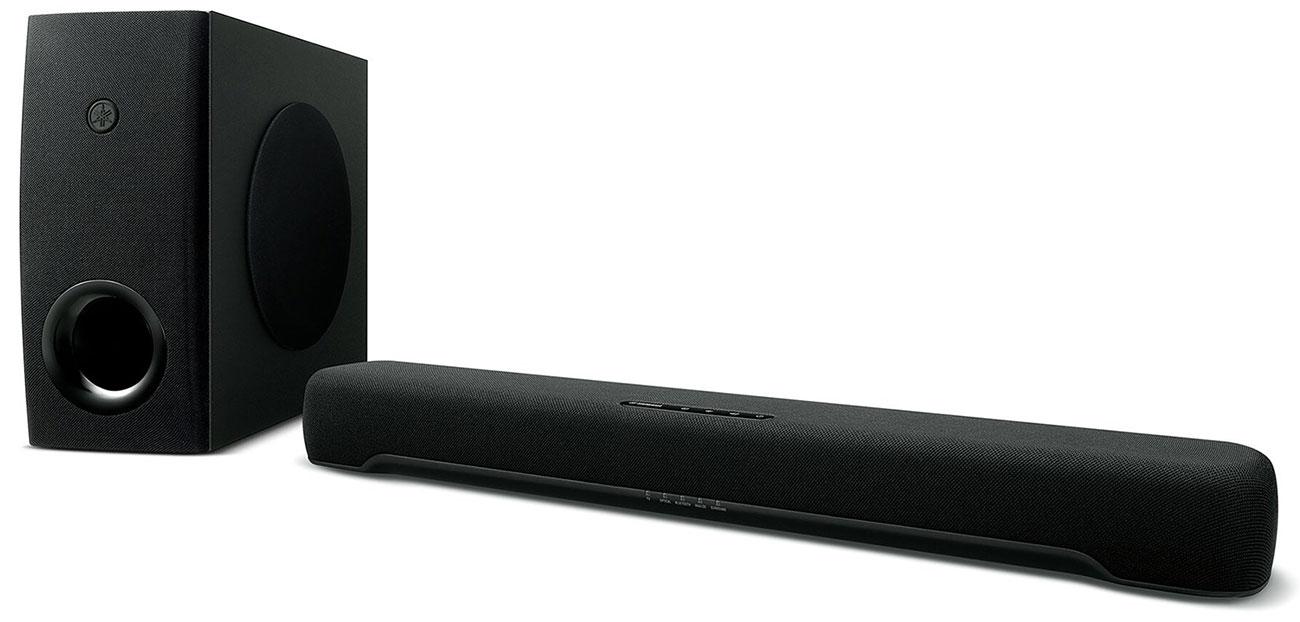
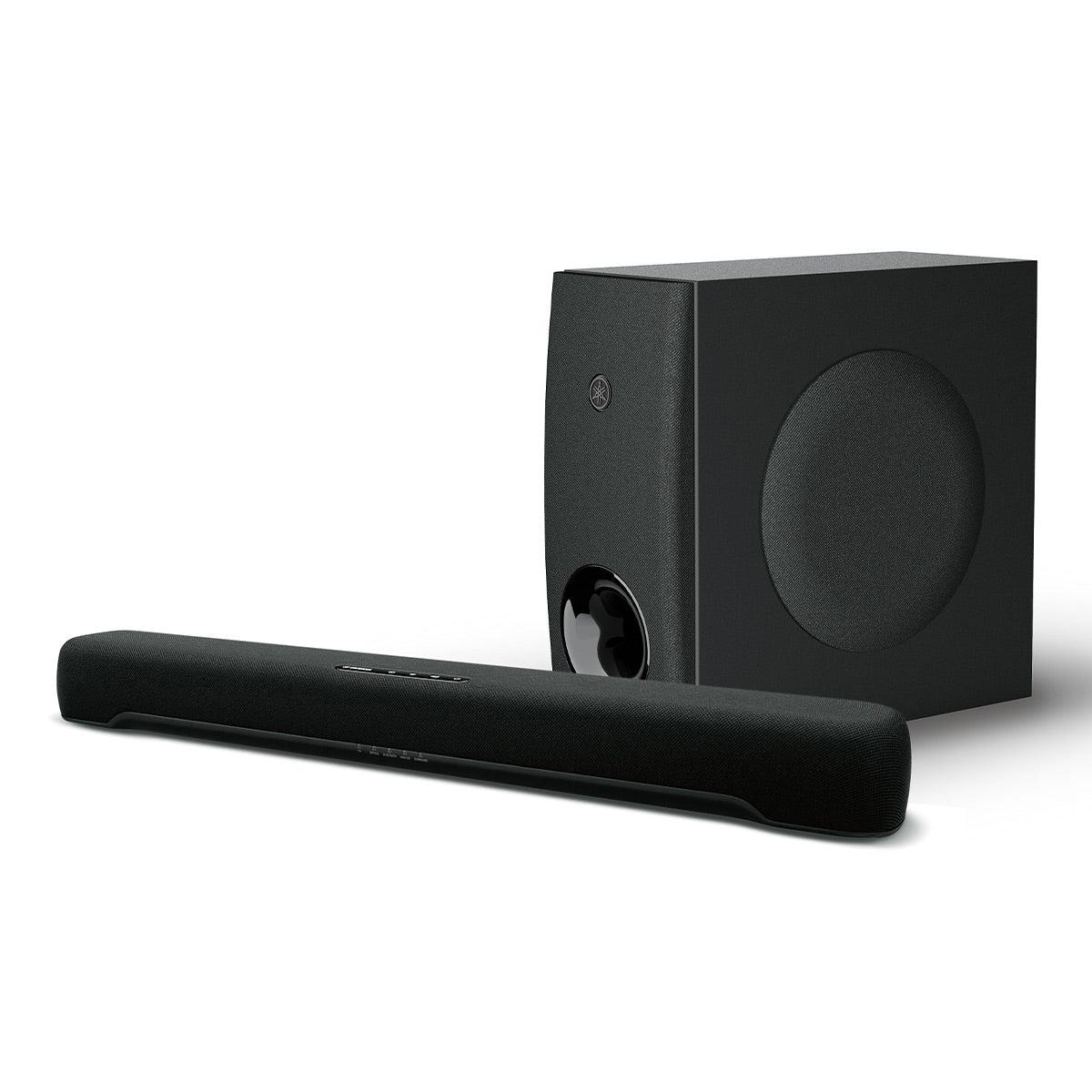
The Yamaha SR-C30A, released in 2023, represents Yamaha's response to the growing demand for affordable yet capable soundbar systems. Rather than focusing on advanced processing, Yamaha took a more traditional approach: pair a compact soundbar with a dedicated wireless subwoofer to immediately solve the bass problem that plagues most single-unit soundbars.
In my experience testing soundbars, dialogue clarity separates good products from great ones. The Sonos Beam Gen 2 excels here thanks to its dedicated center tweeter—a small speaker specifically designed to handle the frequency range where human voices live. This isn't just marketing speak; having a dedicated driver for dialogue means the soundbar doesn't have to compromise between handling voices and other sounds simultaneously.
The Beam Gen 2 also includes what Sonos calls Speech Enhancement, which uses digital processing to isolate and boost dialogue frequencies. I've found this particularly useful when watching shows with dense soundtracks or heavy accents. The effect is subtle but noticeable—dialogue cuts through background music and sound effects without sounding artificial.
The Yamaha SR-C30A includes a Clear Voice mode that attempts similar results, but it takes a more basic approach. Rather than dedicated drivers, it uses digital equalization to boost certain frequencies. While this helps, it can't match the precision of having hardware specifically designed for the task. During my testing, I found the Yamaha's dialogue enhancement more noticeable but sometimes at the expense of overall sound balance.
This is where these soundbars diverge most dramatically. The Yamaha SR-C30A comes with a dedicated 5.1-inch wireless subwoofer that immediately solves the bass problem. When you're watching action movies or listening to music with deep low-end content, the difference is immediately apparent. The subwoofer can reproduce frequencies down to around 50Hz, which covers most of what you'll encounter in movies and music.
The subwoofer connects wirelessly to the main soundbar, which means you can place it anywhere in your room for optimal bass distribution. In my testing, I found the best results placing it near a wall (but not in a corner, which can create boomy, uncontrolled bass).
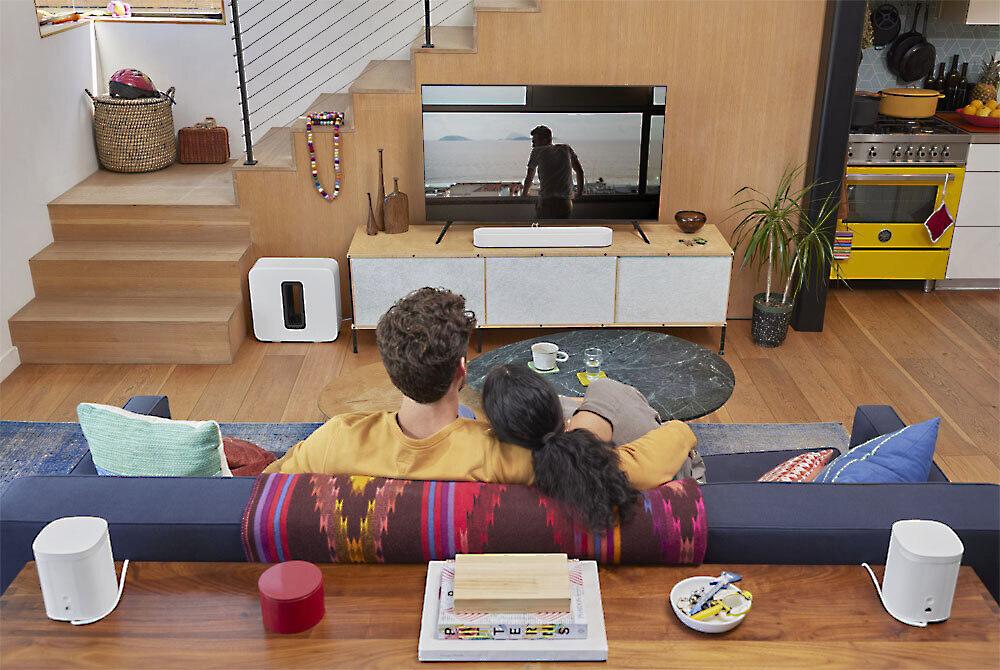
The Sonos Beam Gen 2 relies on three passive radiators—these are essentially speakers without magnets that vibrate in response to the active drivers, extending bass response. While clever, this approach has physical limitations. The Beam produces respectable bass for its size, but it can't match a dedicated subwoofer. Sonos designed the system knowing users could add their Sub ($699) later, but that's a significant additional investment.
Here's where the Sonos Beam Gen 2's advanced processing really shines. Dolby Atmos creates a three-dimensional soundfield using psychoacoustic tricks—essentially, it times sound reflections and uses subtle frequency adjustments to convince your brain that sounds are coming from directions where there are no speakers.
The technology works surprisingly well in the right room. With content mastered for Atmos (most modern movies and many TV shows), you'll hear helicopters passing overhead, rain falling from above, or ambient sounds that seem to surround you. The effect isn't as convincing as a true multi-speaker setup, but it's remarkably effective for a single soundbar.
The Yamaha takes a simpler approach with its 3D Movie mode, which widens the soundstage and adds some spatial processing but doesn't attempt true height effects. It's more like enhanced stereo than true surround sound. For casual viewing, it's perfectly adequate, but it can't match the immersion of proper Atmos processing.
The Sonos Beam Gen 2 is essentially a smart speaker that happens to be optimized for TV audio. It includes built-in Amazon Alexa and Google Assistant, so you can control it with voice commands, ask questions, or control other smart home devices. The integration is seamless—you can ask it to play music, adjust volume, or even control compatible smart home devices without picking up a remote.
The soundbar also supports AirPlay 2, which means iPhone and iPad users can stream audio directly without Bluetooth compression. It connects to your home Wi-Fi network, enabling features like multi-room audio if you have other Sonos speakers, and automatic software updates that add new features over time.
The Yamaha SR-C30A takes an intentionally simpler approach. It includes Bluetooth 5.0 for wireless music streaming, and that's about it for smart features. There's no voice control, no Wi-Fi connectivity, and no app-based controls beyond basic remote functionality. For some users, this simplicity is actually a benefit—there's less to set up and fewer potential connection issues.
One of the Sonos Beam Gen 2's most impressive features is Trueplay room calibration. Using an iPhone or iPad (unfortunately, Android devices don't work due to microphone consistency issues), you can walk around your room while the app plays test tones. The system then adjusts its audio processing to compensate for your room's acoustics.
This isn't just an equalizer adjustment—Trueplay accounts for wall reflections, ceiling height, furniture placement, and other factors that affect how sound travels in your space. In my experience, the difference is significant, especially in challenging rooms with lots of hard surfaces or unusual layouts.
The Yamaha doesn't include room calibration, relying instead on manual adjustment and your ears to find the best settings.
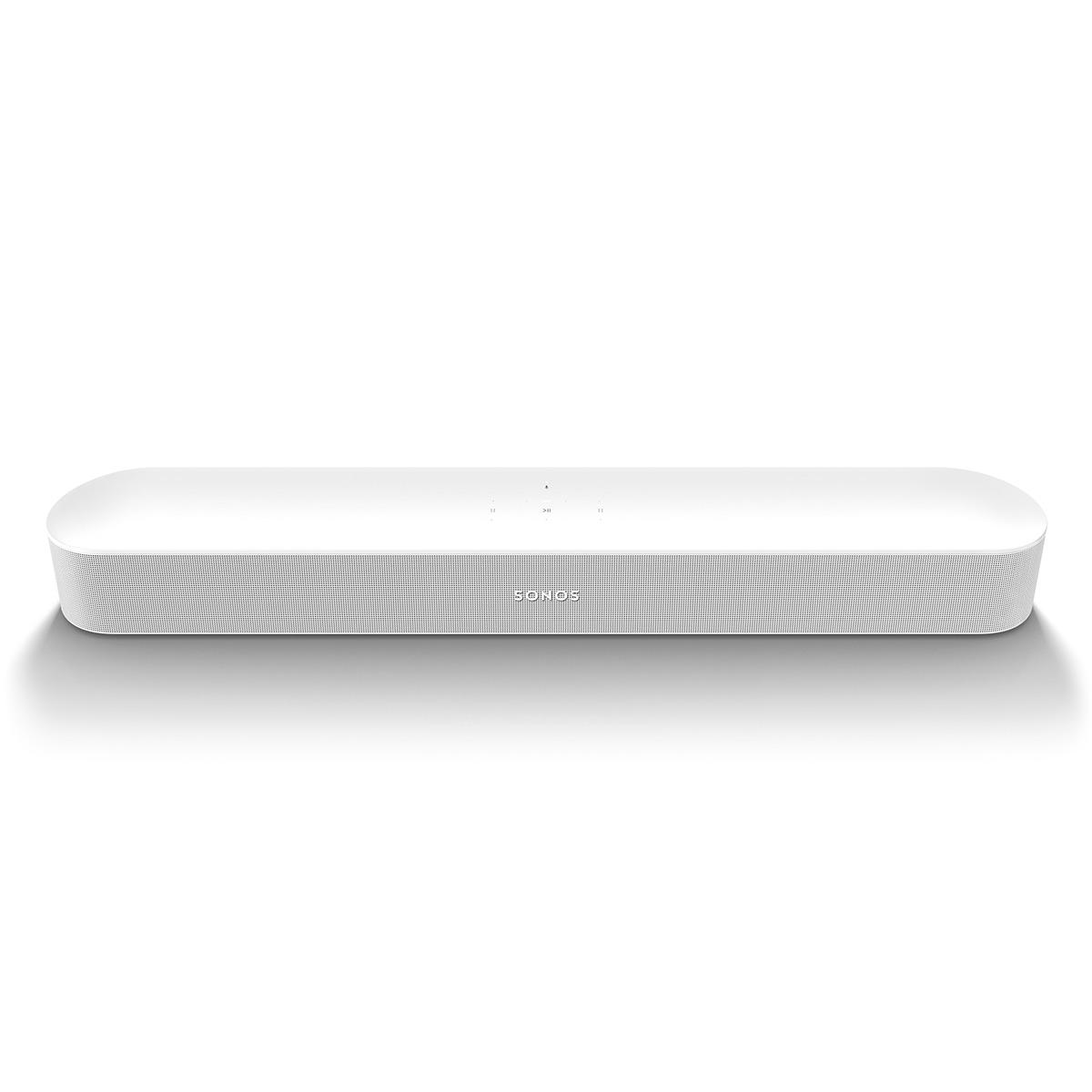
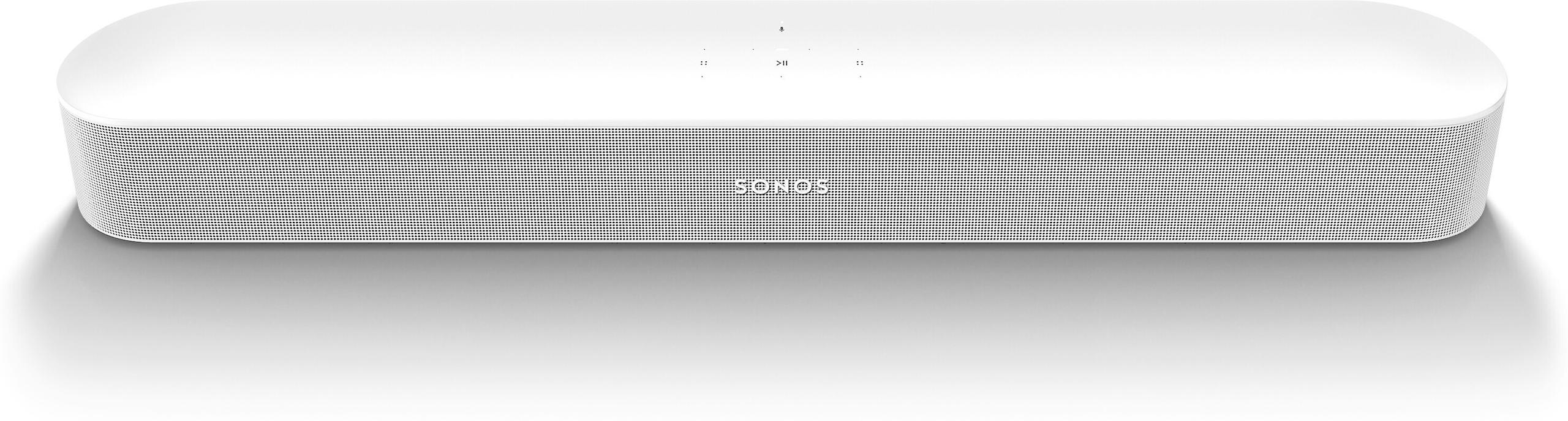
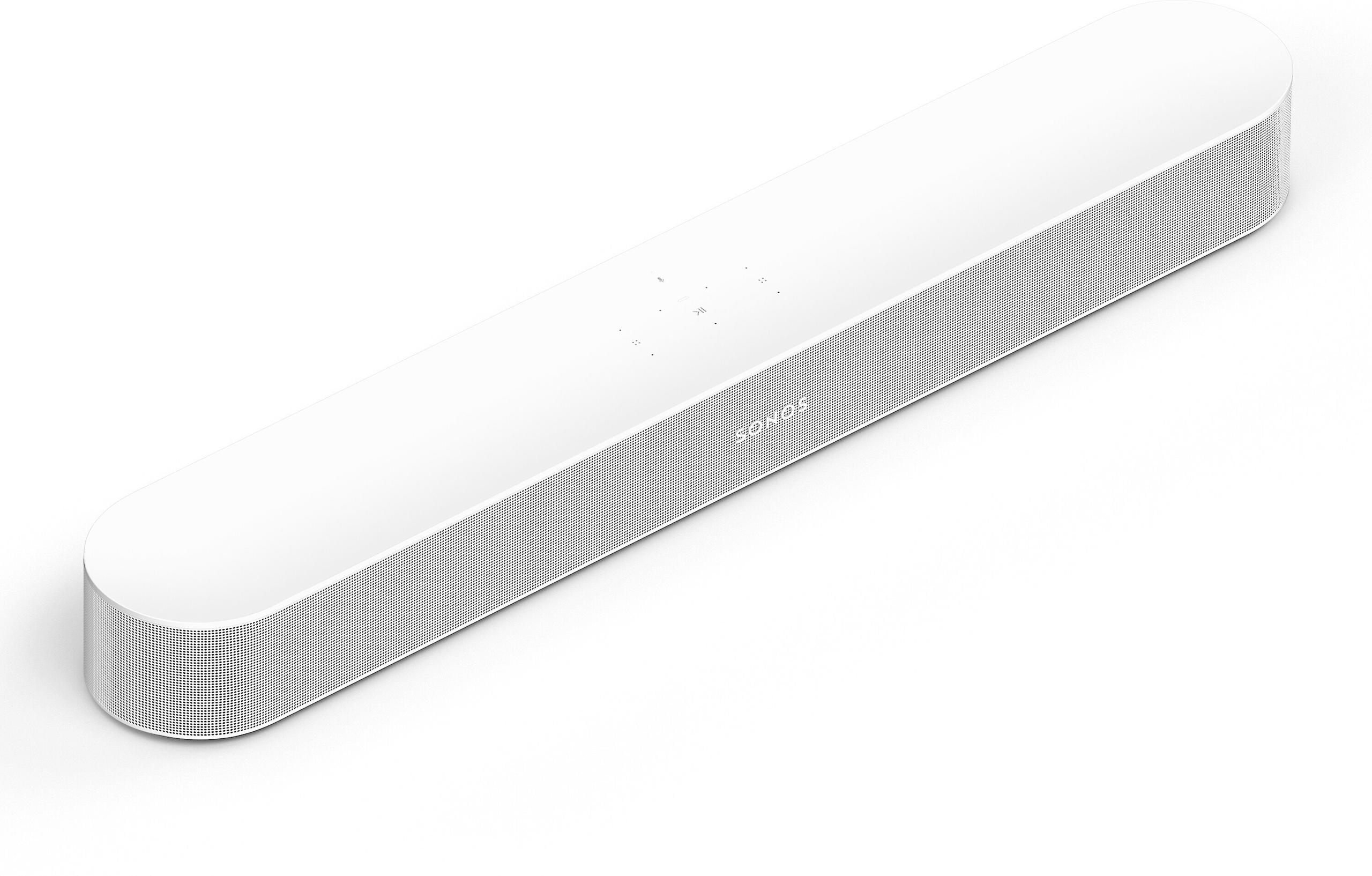
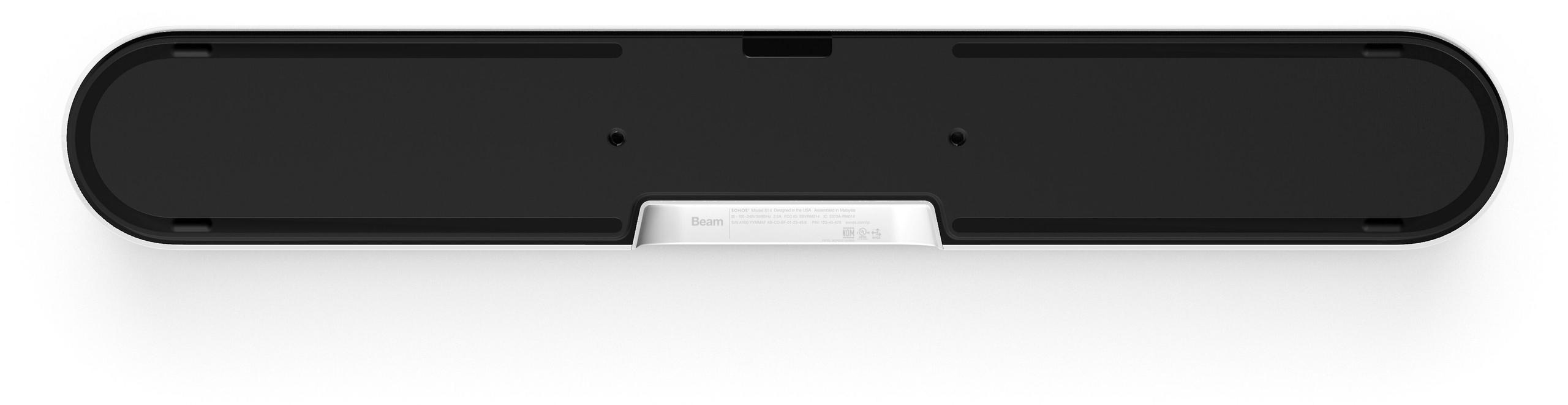
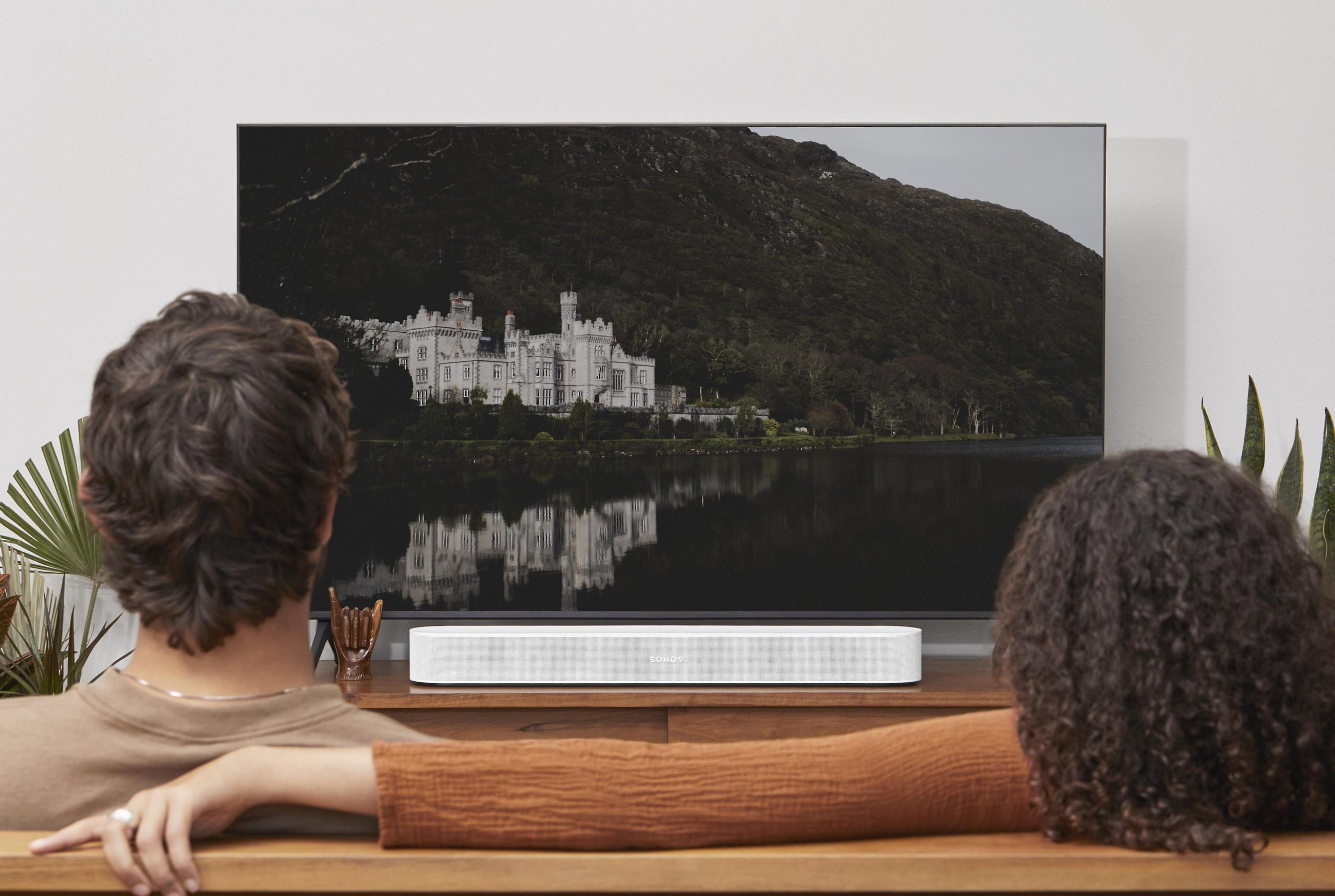
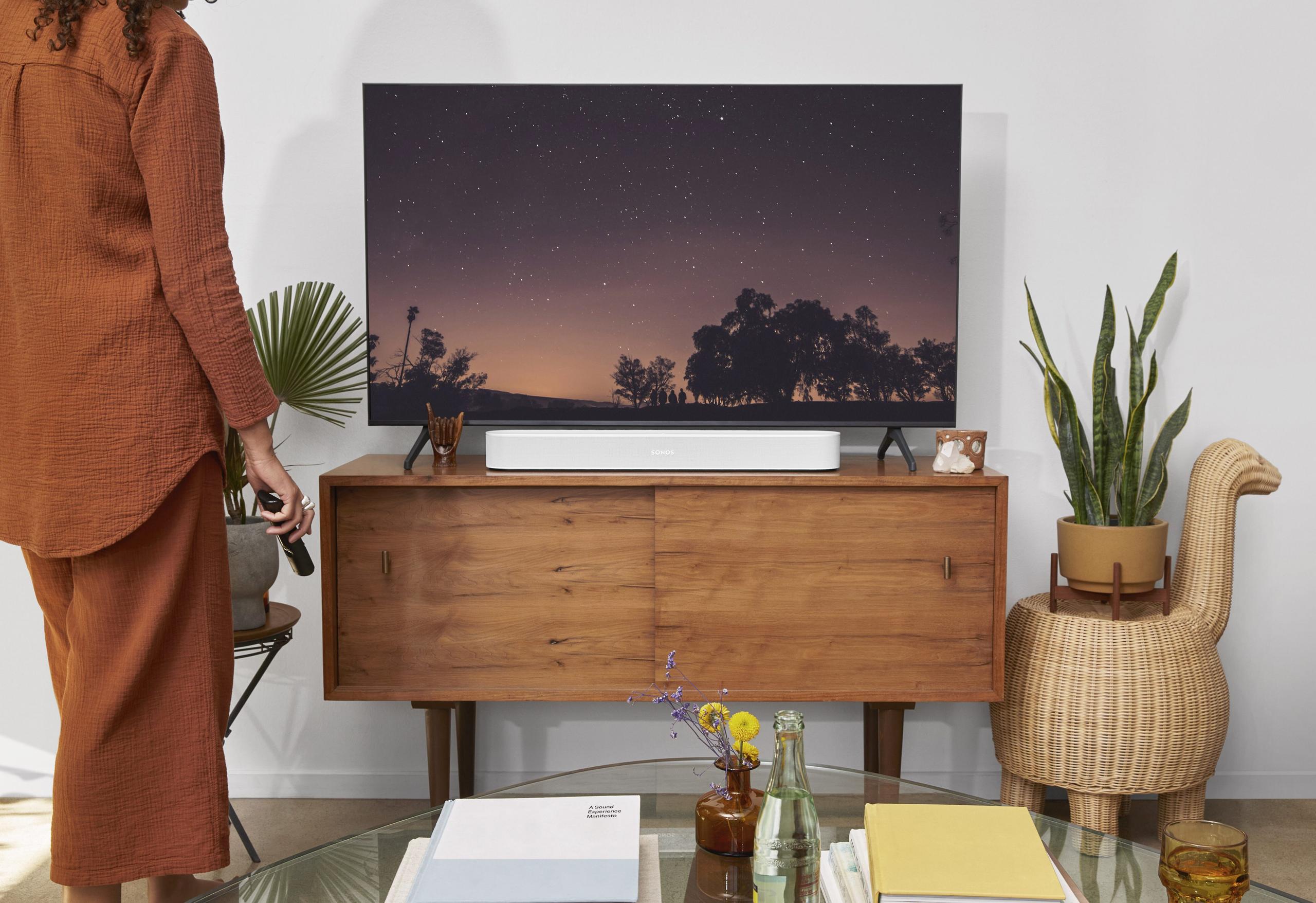
The Sonos Beam Gen 2 prioritizes visual discretion. At just 25.6 inches wide and 2.7 inches tall, it's designed to disappear in front of your TV. The build quality feels premium, with a seamless fabric grille and solid construction that should last for years. Sonos even updated the packaging to use more sustainable materials, reflecting their commitment to environmental responsibility.
Wall mounting is straightforward thanks to built-in keyhole slots, and the single cable connection (HDMI or optical) keeps things clean. If you're obsessive about minimalist aesthetics, the Sonos approach wins easily.
The Yamaha SR-C30A requires more planning. The soundbar itself is compact, but you need to find appropriate placement for the wireless subwoofer. The good news is that the subwoofer can be oriented vertically or horizontally and hidden somewhat since it's wireless. The not-so-good news is that you now have two devices to place, two power cables to manage, and more visual complexity.
At $449, the Sonos Beam Gen 2 asks you to pay for future-proofing, ecosystem integration, and audio engineering refinement. You're buying into a platform that will receive software updates, can expand with additional speakers, and maintains strong resale value. The audio processing is sophisticated, the build quality is excellent, and the user experience is polished.
But you're also paying for features you might not use. If you don't care about voice control, multi-room audio, or Dolby Atmos processing, you're paying for capabilities that won't improve your experience.
The $180 Yamaha SR-C30A offers immediate satisfaction at a fraction of the price. The included subwoofer provides bass response that would cost hundreds more in the Sonos ecosystem. The build quality is solid, backed by Yamaha's audio expertise and a two-year warranty.
However, you're buying a fixed system. There's no upgrade path, no smart features to grow into, and no ecosystem to expand. What you get initially is what you'll have for the life of the product.
For dedicated home theater use, both soundbars have strengths and limitations. The Sonos Beam Gen 2 provides excellent dialogue clarity, which is crucial for movie watching, and its Dolby Atmos processing adds genuine immersion to properly mastered content. The ability to expand with rear speakers (Sonos Era 100 or Era 300) and a subwoofer means you can build a true 5.1.2 system over time.
The Yamaha SR-C30A gives you immediate bass impact that's essential for action movies, and its Clear Voice mode helps with dialogue-heavy content. However, the lack of true surround processing means you're missing some of the immersive experience that modern movie soundtracks are designed to provide.
If you're planning to build a more complete home theater system eventually, Sonos provides a clear upgrade path. If you want the best possible experience right now at this price point, Yamaha's included subwoofer gives you more complete sound immediately.
Choose the Sonos Beam Gen 2 if you value dialogue clarity above all else, want smart home integration, plan to expand your audio system over time, or if minimalist design is important to you. It's also the better choice if you frequently watch content with Dolby Atmos soundtracks and want that extra dimension of immersion.
Choose the Yamaha SR-C30A if immediate bass impact is your priority, if you prefer simple, no-nonsense operation, or if budget is your primary concern. It's also better if you have the space to properly place a subwoofer and want a complete 2.1 system without additional purchases.
Both represent solid value in their respective categories. The Sonos asks you to invest in a platform and future possibilities, while the Yamaha delivers immediate, complete performance at an accessible price. Your choice ultimately depends on whether you value sophistication and expandability over immediate bass satisfaction and simplicity.
In my experience, both will significantly improve your TV audio experience compared to built-in speakers. The question is whether you want to pay more now for flexibility later, or get everything you need immediately at a lower total cost.
| Sonos Beam Gen 2 ($449) | Yamaha SR-C30A ($180) |
|---|---|
| Audio Configuration - Determines bass response and channel separation | |
| 3.0 channels with virtual surround processing | 2.1 channels with dedicated wireless subwoofer |
| Dolby Atmos Support - Creates immersive overhead sound effects | |
| Full Dolby Atmos with virtual height processing | No Atmos support, uses 3D Movie mode instead |
| Bass Performance - Critical for action movies and music | |
| Relies on passive radiators, limited low-end extension | Dedicated 5.1" subwoofer provides deep, room-filling bass |
| Smart Features - Voice control and streaming capabilities | |
| Built-in Alexa/Google Assistant, Wi-Fi, AirPlay 2, multi-room audio | Bluetooth 5.0 only, no voice assistants or Wi-Fi |
| Dialogue Clarity - Most important for TV and movie watching | |
| Dedicated center tweeter with Speech Enhancement technology | Clear Voice mode using digital processing |
| Connectivity Options - Affects audio quality and device compatibility | |
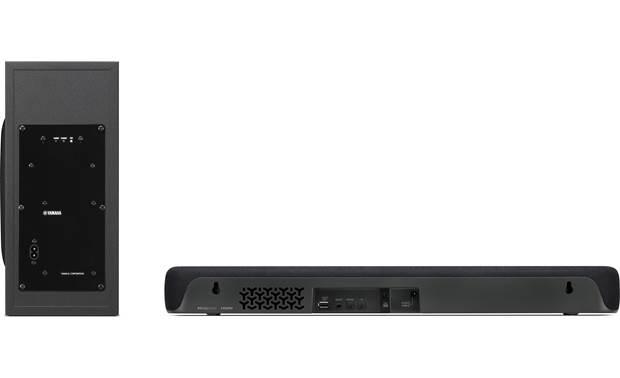
| HDMI eARC (advanced audio formats), optical adapter included | HDMI ARC, 2 optical inputs, 3.5mm analog input |
| Room Calibration - Optimizes sound for your specific space | |
| Trueplay tuning using iOS device for acoustic optimization | Manual adjustment only, no automatic calibration |
| Expandability - Future upgrade possibilities | |
| Can add Sonos surrounds and subwoofer for 5.1.2 system | Fixed 2.1 configuration, no expansion options |
| Physical Design - Space requirements and visual impact | |
| Single compact unit (25.6" × 2.7" × 3.9"), wall-mountable | Soundbar plus separate subwoofer requiring two locations |
| Value Proposition - What you get for the price difference | |
| Premium processing, ecosystem integration, future-proofing | Complete 2.1 system with immediate bass satisfaction |
The Yamaha SR-C30A ($180) has significantly better bass performance because it includes a dedicated 5.1-inch wireless subwoofer. The Sonos Beam Gen 2 ($449) relies on passive radiators for bass extension, which can't match the deep, room-filling low frequencies that a dedicated subwoofer provides.
Yes, the Sonos Beam Gen 2 supports full Dolby Atmos with virtual height processing, creating immersive overhead sound effects. The Yamaha SR-C30A does not support Dolby Atmos and instead uses Yamaha's 3D Movie mode for basic surround sound enhancement.
The Sonos Beam Gen 2 excels at dialogue clarity thanks to its dedicated center tweeter and Speech Enhancement technology. While the Yamaha SR-C30A includes a Clear Voice mode, it cannot match the precision of having dedicated hardware specifically designed for vocal frequencies.
The Sonos Beam Gen 2 includes built-in Amazon Alexa and Google Assistant, Wi-Fi connectivity, AirPlay 2 support, and multi-room audio capabilities. The Yamaha SR-C30A only offers Bluetooth 5.0 connectivity with no voice assistants, Wi-Fi, or smart home integration features.
The Sonos Beam Gen 2 can be expanded with Sonos surround speakers and a subwoofer to create a complete 5.1.2 home theater system. The Yamaha SR-C30A is a fixed 2.1 system with no expansion options or upgrade path available.
The Yamaha SR-C30A ($180) offers excellent value by including a wireless subwoofer and complete 2.1 audio experience at a budget-friendly price. The Sonos Beam Gen 2 ($449) costs more but provides premium features like Dolby Atmos, smart home integration, and expandability for future upgrades.
The Sonos Beam Gen 2 is a single compact unit measuring 25.6 inches wide that sits in front of your TV or mounts on the wall. The Yamaha SR-C30A requires space for both the soundbar and separate wireless subwoofer, giving you flexibility in subwoofer placement but requiring two locations.
For home theater use, the Sonos Beam Gen 2 provides superior dialogue clarity and Dolby Atmos immersion, making it ideal for movie watching. However, the Yamaha SR-C30A delivers immediate bass impact that's essential for action movies, though it lacks the surround sound processing of the Sonos.
Only the Sonos Beam Gen 2 offers room calibration through its Trueplay feature, which uses an iOS device to optimize sound for your specific room acoustics. The Yamaha SR-C30A relies on manual adjustment without any automatic room optimization.
The Sonos Beam Gen 2 features HDMI eARC and optical connectivity (with adapter). The Yamaha SR-C30A offers HDMI ARC, two optical inputs, and a 3.5mm analog input, providing more physical connection options for various devices.
The Yamaha SR-C30A is simpler to set up with straightforward connections and basic controls, requiring no app setup or network configuration. The Sonos Beam Gen 2 requires initial Wi-Fi setup and the Sonos app but offers more advanced features once configured.
Choose the Sonos Beam Gen 2 ($449) if you prioritize dialogue clarity, want Dolby Atmos immersion, plan to expand your system, or need smart home integration. Choose the Yamaha SR-C30A ($180) if you want immediate bass impact, prefer simple operation, have a limited budget, or don't need advanced smart features.
We've done our best to create useful and informative comparisons to help you decide what product to buy. Our research uses advanced automated methods to create this comparison and perfection is not possible - please contact us for corrections or questions. These are the sites we've researched in the creation of this article: whathifi.com - en.community.sonos.com - techradar.com - youtube.com - consumerreports.org - bestbuy.com - youtube.com - sonos.com - wave-electronics.com - en.community.sonos.com - epicsystems.tech - tomsguide.com - bestbuy.com - techradar.com - usa.yamaha.com - expertreviews.com - usa.yamaha.com - trustedreviews.com - crutchfield.com - europe.yamaha.com - usa.yamaha.com - shop.usa.yamaha.com - assetserver.net

Privacy Policy
Terms and Conditions - Affiliate Policy
Home Security
© Copyright 2008-2026.
11816 Inwood Rd #1211, Dallas, TX 75244