



When I first started testing soundbars five years ago, the market was pretty straightforward – you had basic models that made your TV sound better, and expensive ones that tried to replace full surround systems. Today's landscape is far more nuanced, and two products perfectly illustrate this evolution: the Yamaha SR-C30A Soundbar with Subwoofer and the Sony HT-A5000 5.1.2 Channel Home Theater Soundbar.
These represent fundamentally different approaches to solving the same problem – your TV's built-in speakers just aren't cutting it anymore. But understanding which approach works best for you requires diving into what makes each tick, and more importantly, how they'll perform in your actual living space.
The soundbar category has exploded in complexity over the past few years. What started as simple speaker bars has evolved into sophisticated audio systems that can genuinely compete with traditional surround setups. The key is understanding what different channel configurations actually mean for your listening experience.
When we talk about channels in audio, we're describing how many separate audio streams the system can handle. A 2.1 system has two main channels (left and right) plus a subwoofer for bass – the ".1" refers to that dedicated low-frequency channel. A 5.1.2 system is much more complex: five main channels (front left, center, front right, rear left, rear right), one subwoofer, and two height channels that fire sound upward to bounce off your ceiling.
The magic happens in how these systems process audio. Traditional stereo content gets "upmixed" to fill all available channels, while newer formats like Dolby Atmos contain specific instructions for where each sound should appear in 3D space. It's the difference between stretching a small photo to fit a large frame versus having a high-resolution image designed for that exact size.
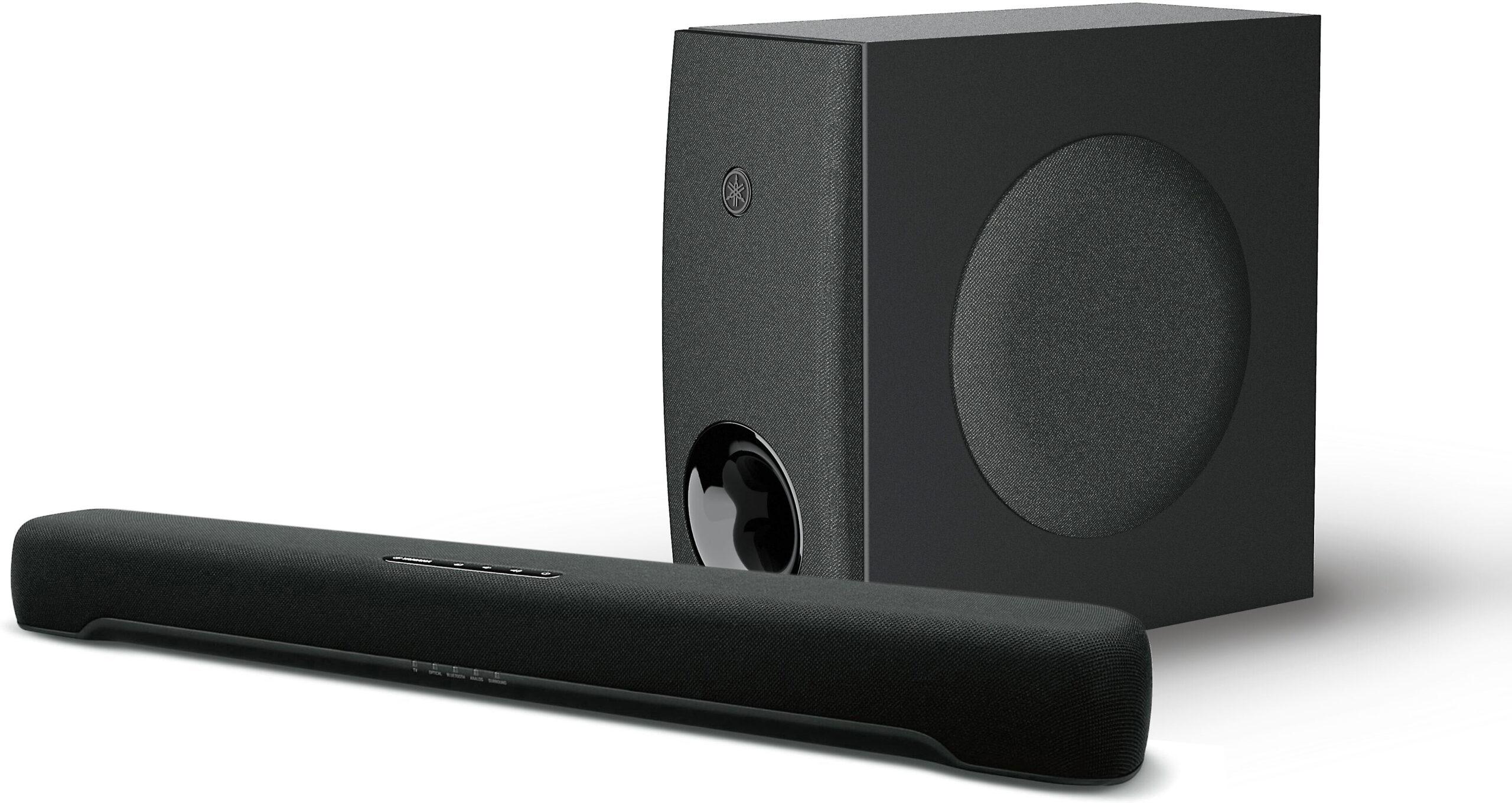
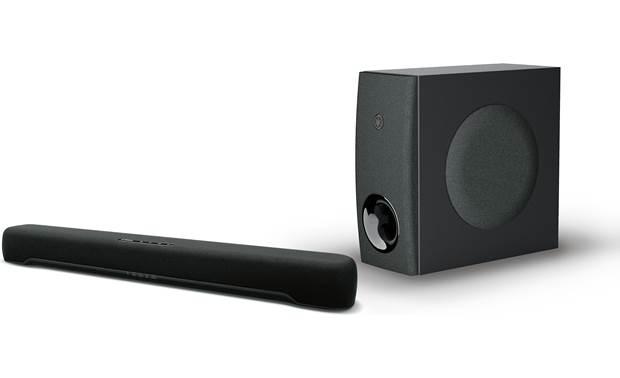
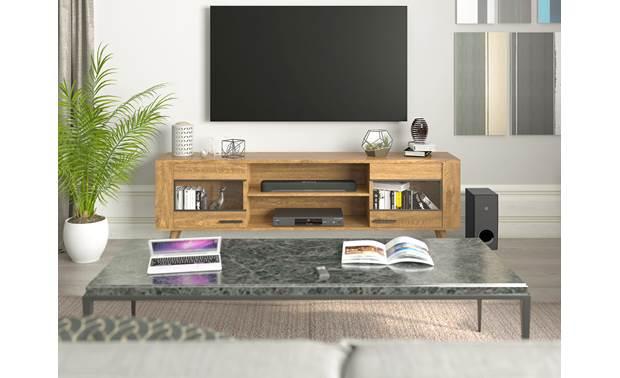
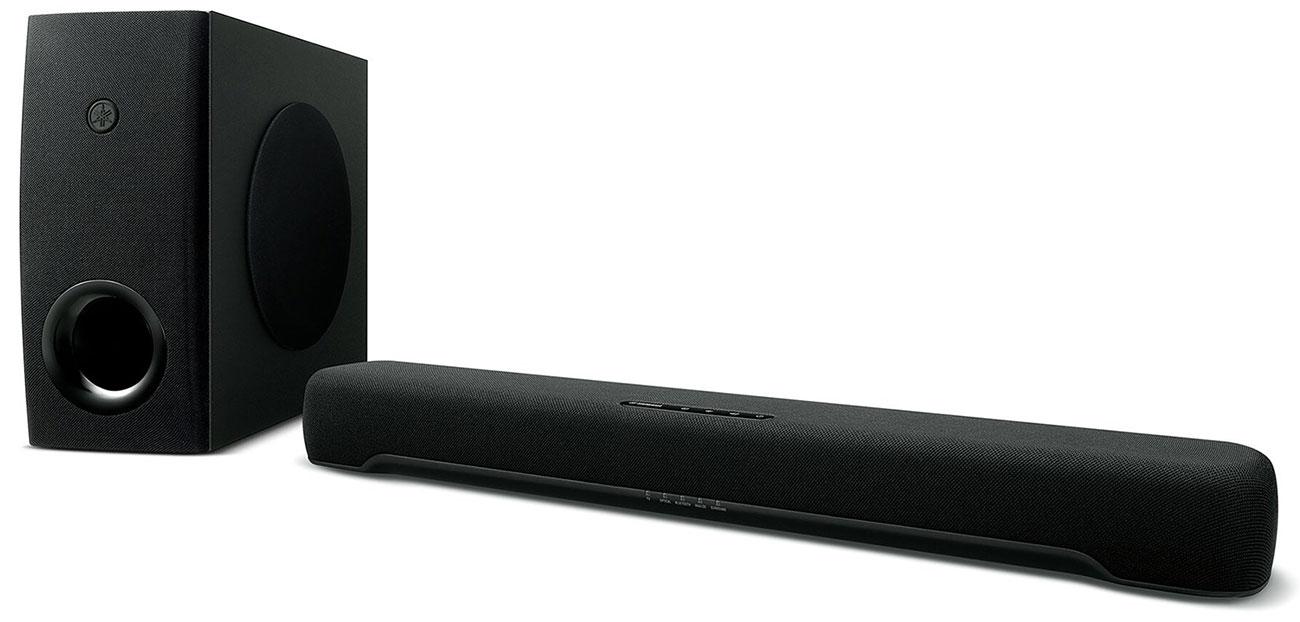
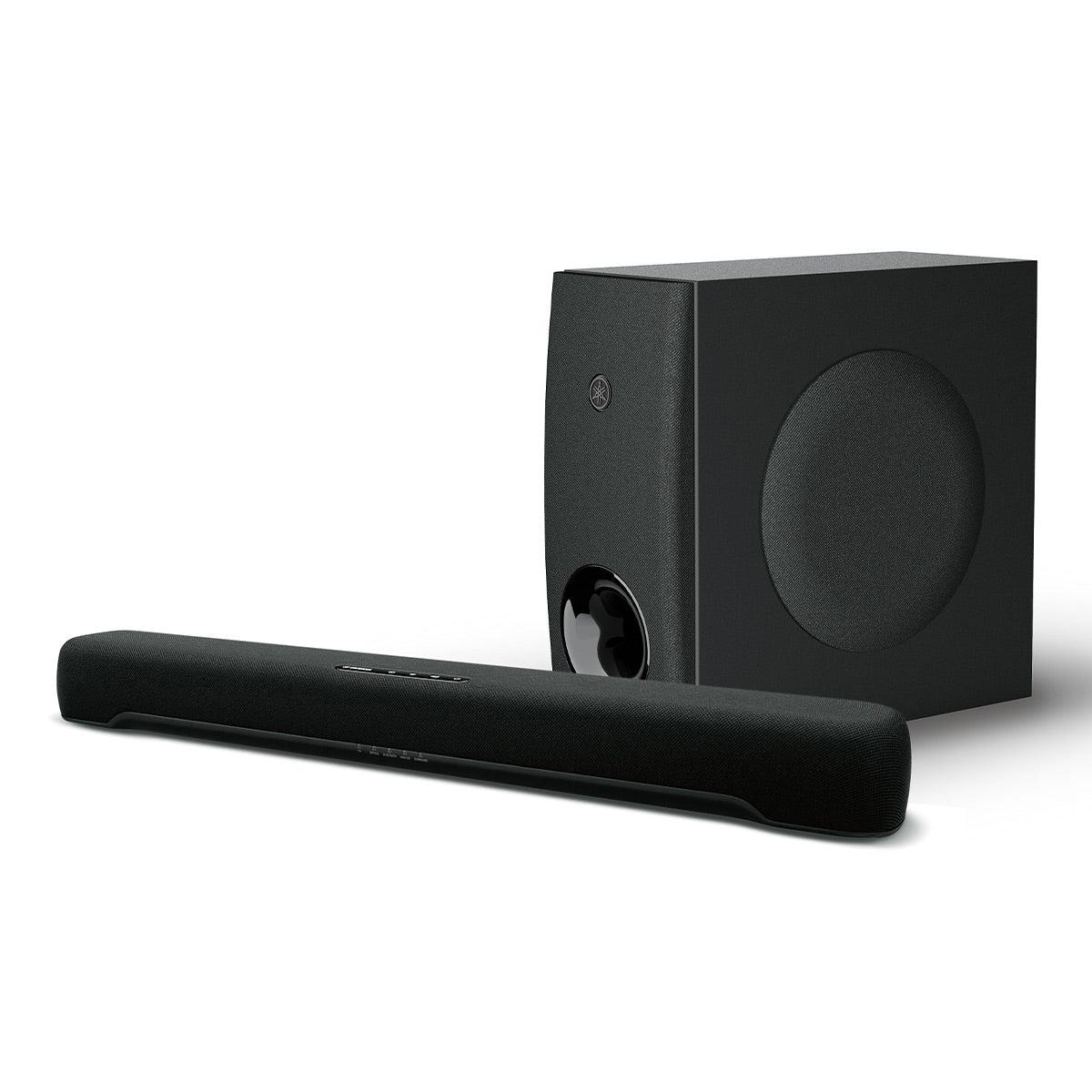
The Yamaha SR-C30A, released in October 2022 at $279.95 but now available for $180.45, represents the "keep it simple" approach. Yamaha designed this as a compact 2.1 system that prioritizes ease of use and space efficiency. The soundbar itself measures just 23-5/8 inches wide – over 30% smaller than Yamaha's traditional models – making it perfect for smaller TVs and tight spaces.
What caught my attention when I first tested it was how Yamaha managed to pack meaningful bass into such a small package. The wireless subwoofer uses a 5.1-inch driver with 50 watts of power, which doesn't sound impressive on paper but delivers surprisingly punchy low-end for its size. The soundbar itself houses two 1.8-inch drivers, each powered by 20 watts.
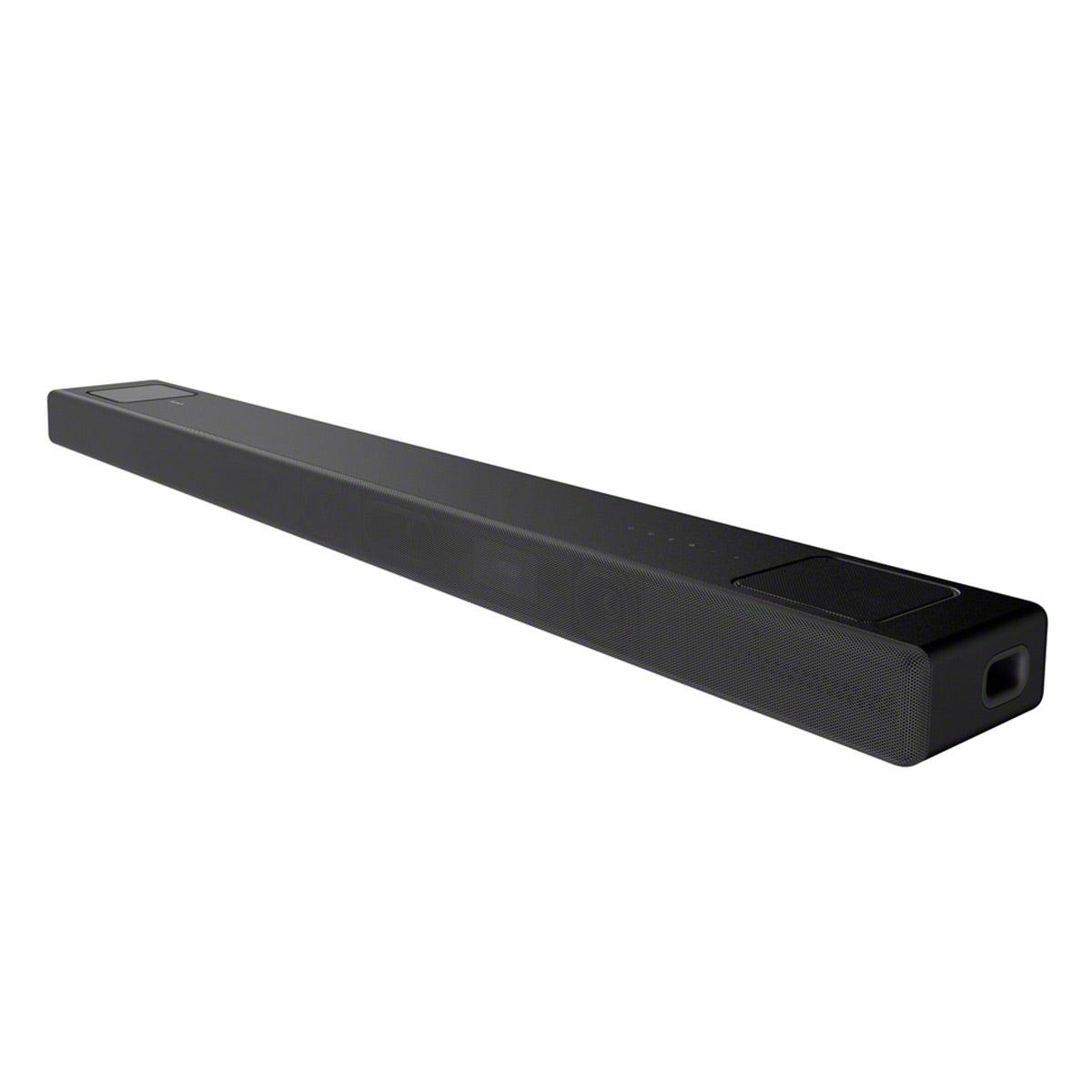
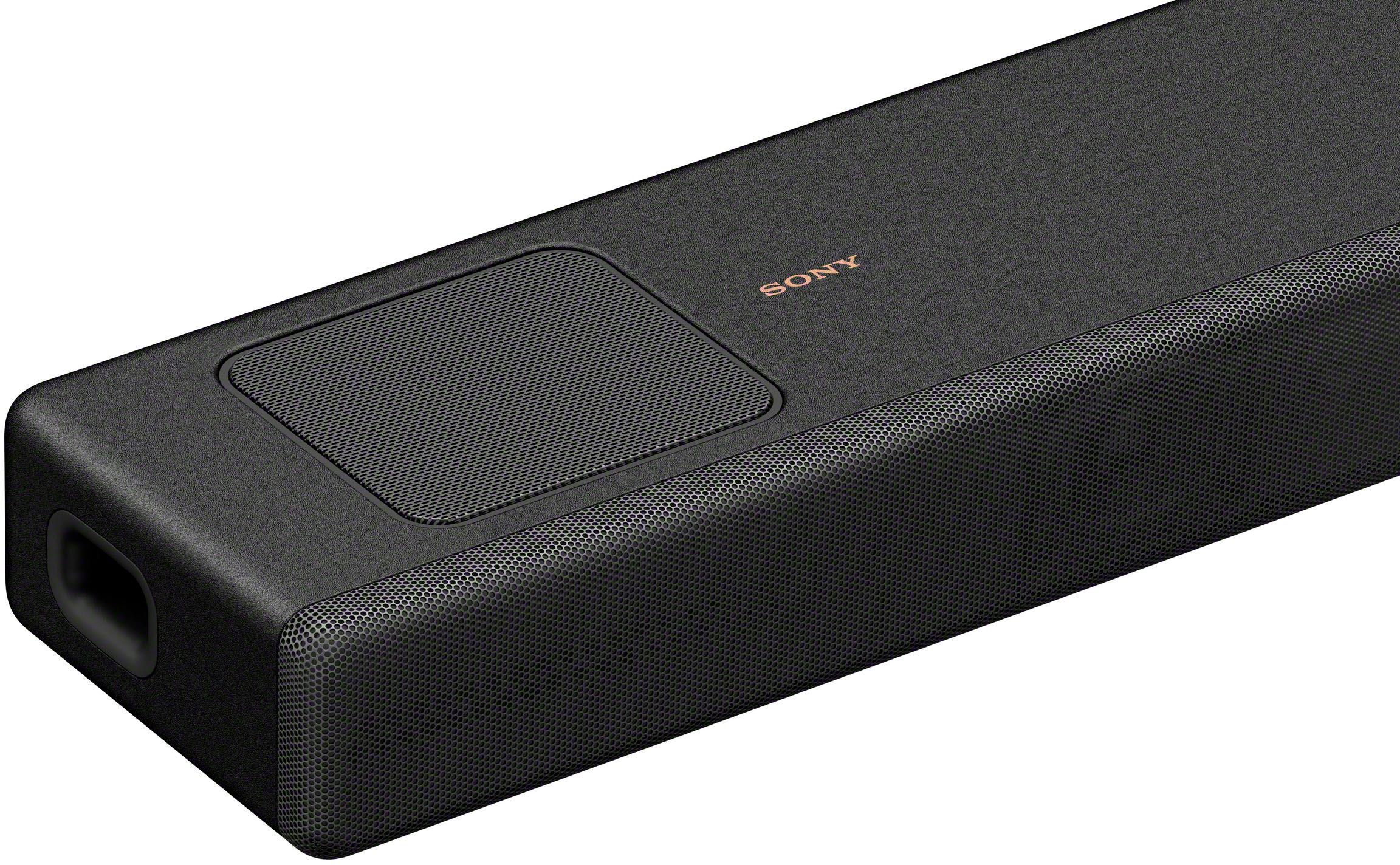
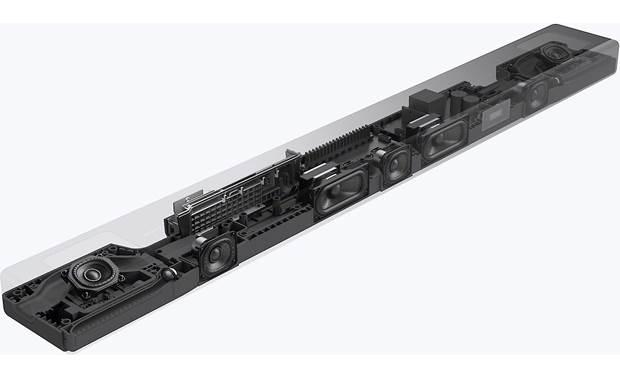
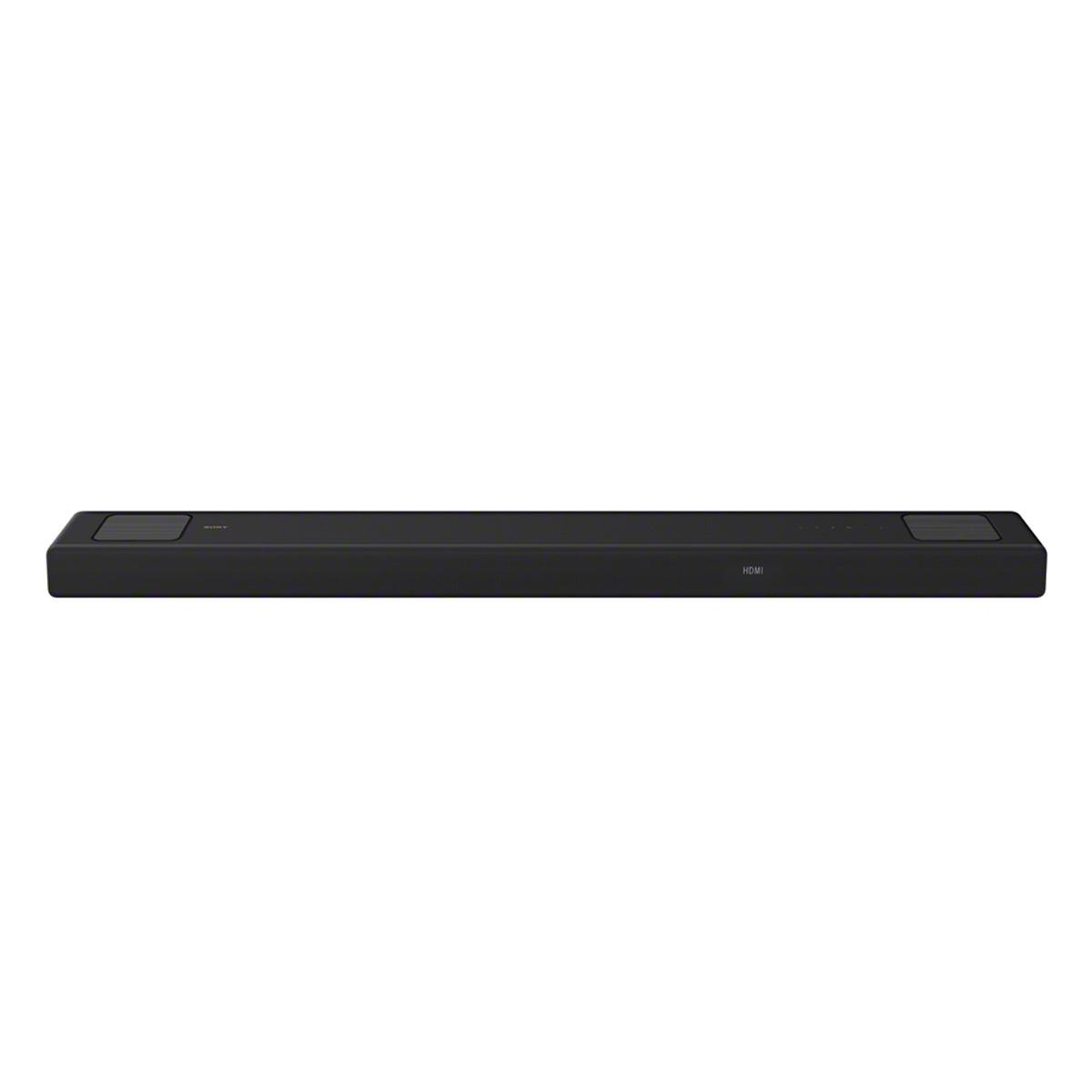
The Sony HT-A5000, priced at $279.99, takes an entirely different approach. This is Sony's attempt to cram true home theater performance into a single bar. Released as part of Sony's 2021 Atmos lineup, it features 5.1.2 channels driven by 450 watts of S-Master HX digital amplification. That's five times the power of the Yamaha, distributed across nine separate amplifier channels.
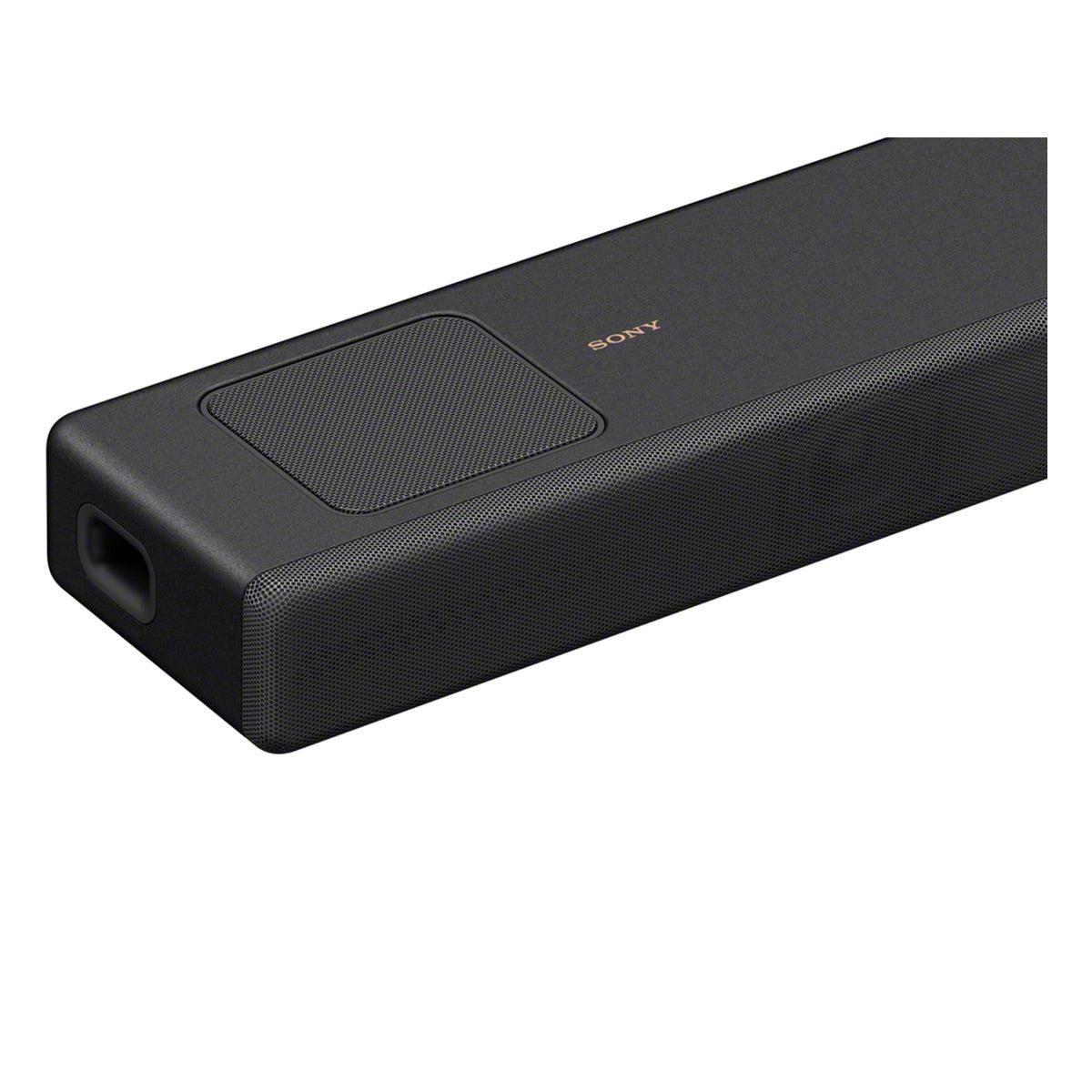
But here's what's really interesting about the Sony: it includes upward-firing speakers that bounce sound off your ceiling to create overhead effects. Combined with Sony's Vertical Surround Engine processing, this creates the illusion of sounds coming from above and behind you, even though all the drivers are in front of your TV.
This is where the fundamental difference between these products becomes crystal clear. The Yamaha SR-C30A uses what's called "phantom center" imaging – it creates the illusion of a center channel by carefully balancing the left and right speakers. For simple content like news or basic TV shows, this works fine. The included 3D Movie mode attempts to simulate surround effects, but it's essentially an audio processing trick rather than true multi-channel reproduction.
I've spent hours testing this with everything from Netflix shows to action movies, and the Yamaha's limitations become obvious during complex scenes. When explosions, dialogue, and music all compete for attention, the phantom center starts to blur. Voices can get lost in the mix, especially if characters are speaking while action unfolds around them.
The Sony tells a completely different story. True Dolby Atmos processing means the system understands exactly where each sound element should appear in 3D space. When a helicopter flies overhead in a movie, you genuinely hear it move from front to back and left to right above you. The dedicated center channel keeps dialogue crystal clear even during the most chaotic action sequences.
What's particularly impressive is Sony's 360 Spatial Sound Mapping technology. This creates what Sony calls "phantom speakers" – sound sources that appear to exist in locations where there are no actual drivers. Combined with the upward-firing speakers and advanced processing, it can make a modest living room feel like a legitimate home theater.
Here's something I've learned from testing dozens of soundbars: dialogue clarity matters more than almost anything else. You can have the most impressive surround effects in the world, but if you're constantly reaching for the remote to adjust volume during conversations, the system has failed its primary job.
The Yamaha addresses this with Clear Voice Mode, which specifically boosts the frequency range where human speech lives (roughly 85-255 Hz for fundamental frequencies, with important harmonics extending much higher). It works well for straightforward content, and I particularly appreciate the Adaptive Low Volume feature, which maintains speech clarity even when you're trying not to wake the neighbors.
However, the phantom center approach shows its weakness when dialogue competes with other sounds. During action scenes, voices can seem to wander or get masked by sound effects. It's not terrible, but it's noticeable if you're paying attention.
The Sony's dedicated center channel changes everything. Having a physical driver specifically handling dialogue means voices stay locked in position regardless of what chaos surrounds them. Sony's DSEE Extreme technology also helps by analyzing and restoring high-frequency detail that gets lost when audio is compressed for streaming. The difference is subtle but meaningful – dialogue sounds more natural and effortless.
The approach to bass reveals another fundamental difference in philosophy. Yamaha's wireless subwoofer offers incredible placement flexibility – you can put it anywhere in the room that works for your decor and acoustics. The 5.1-inch driver with 50 watts of power delivers respectable low-end for most content.
But here's the challenge I've encountered: achieving proper integration between the soundbar and subwoofer requires careful positioning and tweaking. The crossover frequency (where the soundbar hands bass duties to the subwoofer) isn't always seamless, and you can sometimes hear the transition point. It's not a dealbreaker, but it prevents the system from sounding like a cohesive whole.
Sony's built-in dual subwoofers eliminate this integration challenge entirely. The bass comes from the same enclosure as the other drivers, so there's no crossover discontinuity to manage. Sony's X-Balanced Driver design maximizes the diaphragm area within size constraints, producing surprisingly deep bass for drivers that fit inside a soundbar.
The tradeoff is placement flexibility – you can't move the bass source to optimize room acoustics. For users who want maximum bass impact, Sony offers the optional SA-SW3 subwoofer, but that's an additional $120+ investment.
Gaming has become a crucial test for modern audio systems, and the differences between these products are stark. The Yamaha SR-C30A includes a Game mode that reduces audio latency (the delay between on-screen action and corresponding sound), but it's still essentially a stereo enhancement system.
The Sony HT-A5000 transforms gaming into something approaching a competitive advantage. With ultra-low latency of just 14 milliseconds, audio and visual elements stay perfectly synchronized even during fast-paced action. More importantly, Dolby Atmos processing provides precise directional audio cues that can genuinely improve gameplay.
I've tested this extensively with first-person shooters, and the difference is dramatic. Footsteps, gunshots, and environmental sounds appear to come from specific locations in 3D space, providing information that stereo systems simply can't convey. It's the difference between hearing that an enemy is nearby versus knowing exactly which direction they're approaching from.
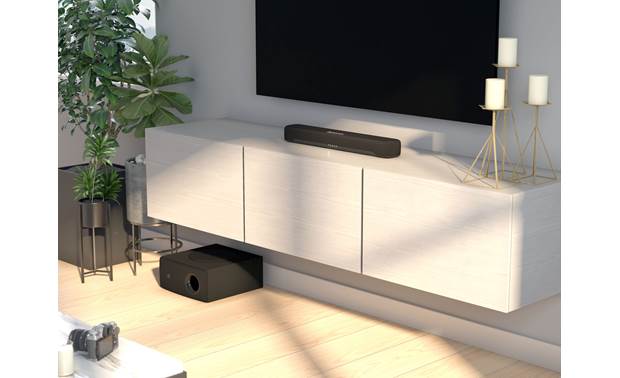
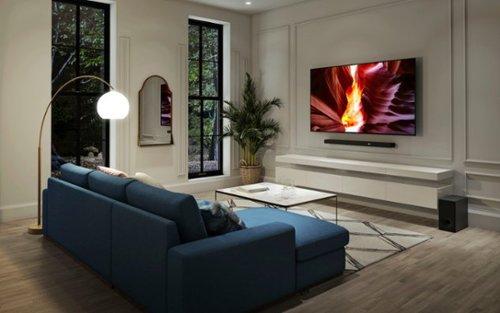
Physical presence matters more than many people realize. The Yamaha's compact 23-5/8-inch width makes it practically invisible under smaller TVs. The wireless subwoofer can be tucked away wherever it sounds best and looks least intrusive. For apartment dwellers or anyone prioritizing visual minimalism, this approach has real appeal.
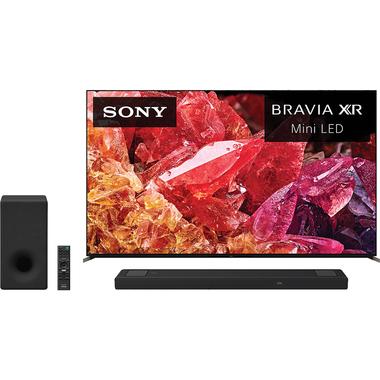
The Sony commands attention with its 47.75-inch width and more substantial build quality. It's designed for TVs 55 inches and larger, and it looks the part. The premium materials and construction feel appropriate for its price point, but it definitely makes a statement in your living room.
Setup complexity differs dramatically between these systems. The Yamaha follows the plug-and-play philosophy – connect it to your TV, pair the wireless subwoofer, and you're essentially done. Manual sound mode selection covers most use cases without requiring deep technical knowledge.
Sony's approach prioritizes performance optimization over simplicity. The built-in microphones perform automatic Sound Field Optimization, measuring your room's acoustics and adjusting the audio processing accordingly. It's more complex initially, but the results justify the extra setup time.
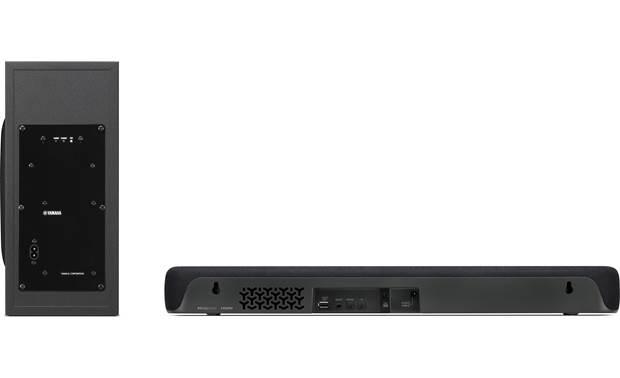
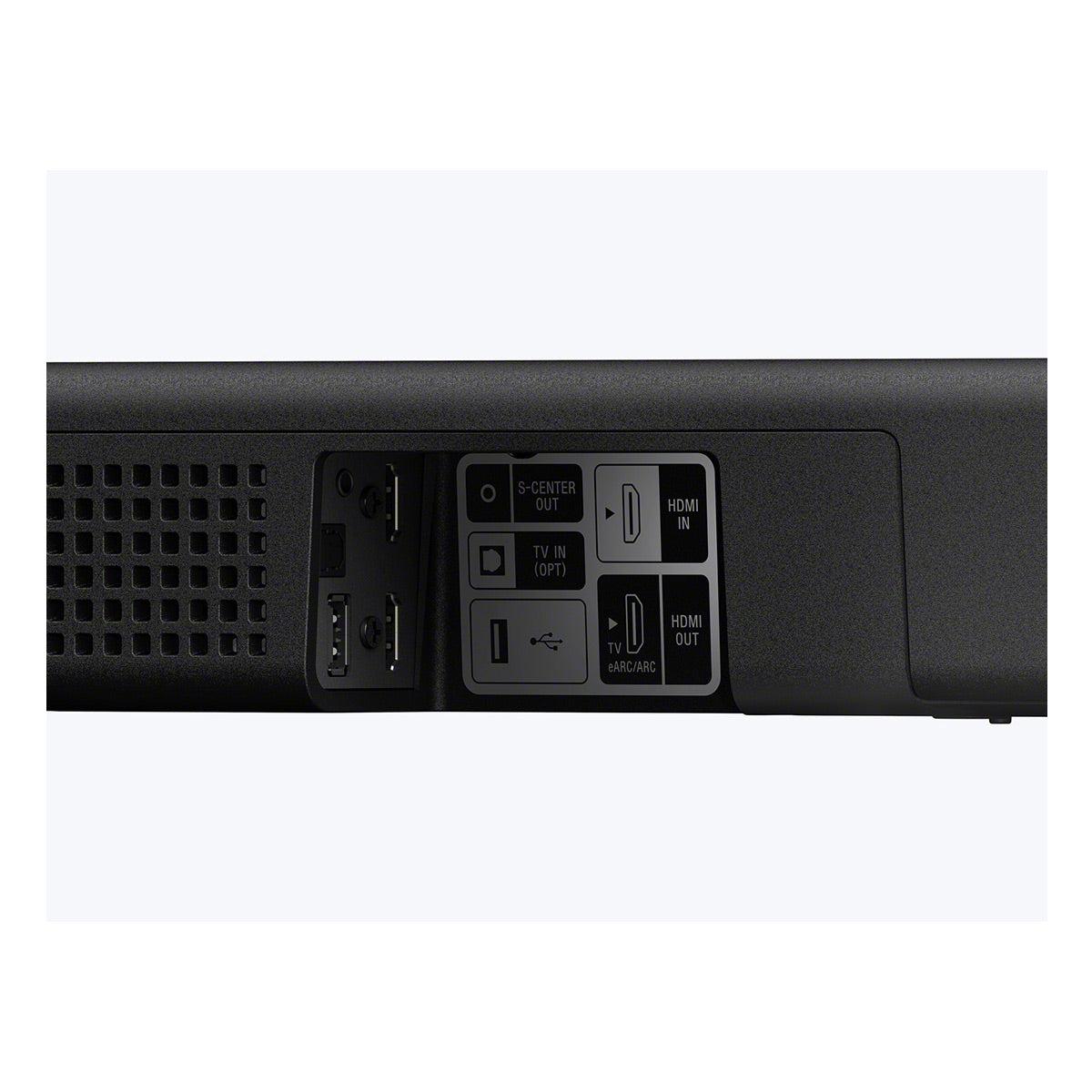
This is where the generational gap between these products becomes obvious. The Yamaha SR-C30A covers the basics with HDMI ARC, two optical inputs, and Bluetooth 5.0. The multi-point Bluetooth functionality is convenient for switching between devices, but that's about as advanced as it gets.
The Sony HT-A5000 reads like a showcase of modern connectivity standards. HDMI eARC supports the latest audio formats and provides 8K/4K 120Hz video passthrough – crucial for next-generation gaming consoles. Wi-Fi enables Chromecast built-in, AirPlay 2, and Spotify Connect, while Bluetooth with LDAC codec provides near-CD-quality wireless audio.
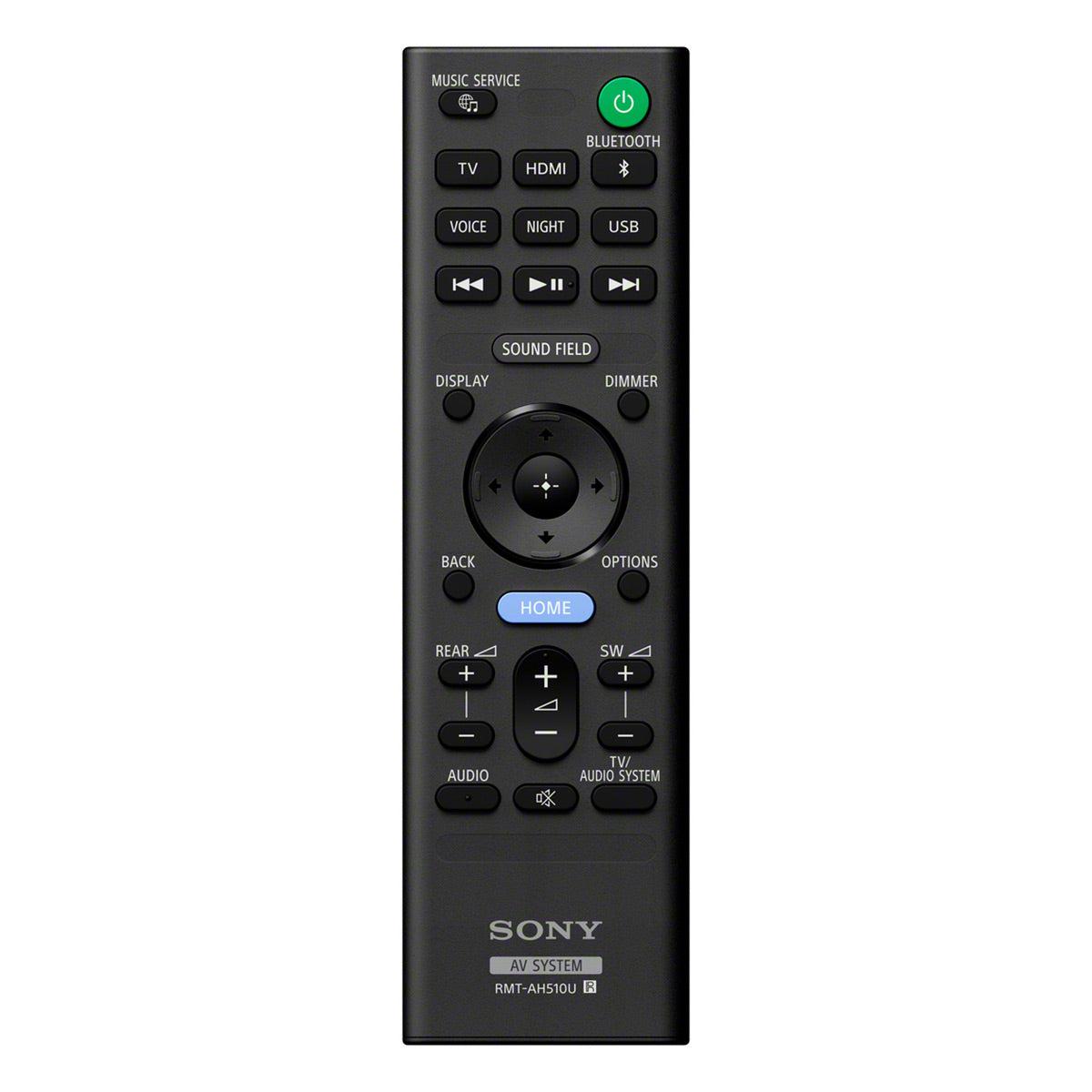
The smart home integration deserves special mention. Sony's compatibility with Google Assistant and Alexa means you can control the soundbar with voice commands and integrate it into broader home automation systems. It's not essential for everyone, but it's the kind of feature that becomes increasingly valuable over time.
At $180.45, the Yamaha SR-C30A represents exceptional value for basic audio enhancement. You're getting a complete system with wireless subwoofer for less than many standalone soundbars cost. The 36% discount from its original $279.95 MSRP makes it even more compelling for budget-conscious buyers.
The sonic improvement over TV speakers is immediate and substantial. For casual viewing in small to medium rooms, it delivers everything most people need without complexity or ongoing costs. There's no upgrade path, but there's also no pressure to spend more money down the road.
The Sony HT-A5000 at $279.99 requires a different value calculation. You're paying for advanced processing, significantly more power, and premium build quality. But the real value proposition extends beyond the initial purchase – this system can grow with your needs.
Optional rear speakers (SA-RS3S or SA-RS5, typically $200-300) unlock full 360 Spatial Sound capabilities. The optional subwoofer provides additional bass impact for larger rooms. While these additions increase total cost, they also extend the system's useful life and performance ceiling.
Your room dimensions fundamentally influence which system makes sense. In spaces under 200 square feet – think dorm rooms, small apartments, or secondary bedrooms – the Yamaha's compact form factor and moderate power output are perfectly appropriate. The wireless subwoofer provides enough bass energy without overwhelming the space.
Medium rooms (200-400 square feet) represent the crossover point where both systems can work, but for different reasons. The Yamaha remains adequate for casual listening, while the Sony begins to show its true potential. The additional power and channel separation become more meaningful as distances increase.
Large rooms over 400 square feet clearly favor the Sony's more powerful approach. The Yamaha's 90 watts total power and stereo configuration struggle to fill larger spaces with convincing sound. The Sony's 450 watts and multi-channel processing maintain impact and clarity even in challenging acoustic environments.
Choose the Yamaha SR-C30A if your priorities align with simplicity and value. It's perfect for smaller spaces where a modest but meaningful audio upgrade is the goal. If you primarily watch TV shows, news, and lighter content, its straightforward approach delivers exactly what you need without unnecessary complexity.
The compact design makes it ideal for bedrooms, apartments, or any situation where visual minimalism matters. The wireless subwoofer provides placement flexibility that can be crucial in smaller spaces. At its current price point, it's genuinely hard to find better value for basic audio enhancement.
Choose the Sony HT-A5000 if you want a system that can grow with your interests and provide legitimate home theater performance. The true Dolby Atmos processing, powerful amplification, and smart features justify the higher price for users who take their audio seriously.
It's particularly compelling for gamers, action movie enthusiasts, and anyone planning to build a complete home theater system over time. The expandability options mean you're not locked into the initial configuration – you can add components as budget and interest allow.
The bottom line comes down to matching system capabilities to your actual needs and room constraints. Both products excel within their intended use cases, but trying to push either beyond its design parameters leads to disappointing results. Take an honest look at your space, listening habits, and long-term plans – the right choice will become clear.
For most people upgrading from TV speakers, either system will provide a dramatic improvement in audio quality. The question isn't whether you'll be satisfied, but which approach better fits your lifestyle and aspirations for your home entertainment setup.
| Yamaha SR-C30A Soundbar with Subwoofer | Sony HT-A5000 5.1.2 Channel Home Theater Soundbar |
|---|---|
| Price - Current value proposition and long-term investment | |
| $180.45 (originally $279.95) - excellent entry-level value | $279.99 - premium features at competitive pricing |
| Audio Channels - Determines surround sound capabilities | |
| 2.1 channels (stereo + wireless subwoofer) | 5.1.2 channels (true surround + height effects) |
| Power Output - Impact on room-filling capability and dynamic range | |
| 90W total (adequate for small-medium rooms) | 450W total (powerful enough for large spaces) |
| Dolby Atmos Support - Essential for immersive 3D audio experience | |
| No (simulated 3D Movie mode only) | Yes (true object-based surround with overhead effects) |
| Physical Size - Room compatibility and visual impact | |
| Compact 23-5/8" width (perfect for smaller TVs and spaces) | Large 47.75" width (designed for 55"+ TVs) |
| Subwoofer Configuration - Bass performance and placement flexibility | |
| 5.1" wireless subwoofer (flexible placement, potential integration issues) | Dual built-in subwoofers (seamless integration, fixed placement) |
| Smart Features - Streaming and voice control capabilities | |
| Bluetooth 5.0 only (basic wireless connectivity) | Wi-Fi, Chromecast, AirPlay 2, voice assistant support |
| Room Calibration - Automatic optimization for your space | |
| Manual sound modes (simple but less precise) | Automatic Sound Field Optimization with built-in microphones |
| Gaming Performance - Low latency and directional audio for competitive advantage | |
| Basic Game mode (reduced latency but limited spatial awareness) | 14ms ultra-low latency with precise 3D positioning |
| Expandability - Future upgrade potential | |
| None (complete system as-is) | Optional rear speakers and subwoofer for full home theater |
| Setup Complexity - Time and technical knowledge required | |
| Plug-and-play simplicity (5 minutes) | Advanced calibration with superior results (15-30 minutes) |
| Best Use Cases - Ideal scenarios for each product | |
| Small rooms, casual viewing, budget-focused users | Medium-large rooms, movies/gaming, expandable home theater |
The Yamaha SR-C30A Soundbar with Subwoofer is specifically designed for small rooms with its compact 23-5/8" width and moderate 90W power output. Its wireless subwoofer can be placed anywhere for optimal bass without overwhelming smaller spaces. The Sony HT-A5000 may be overpowered for rooms under 200 square feet, though it offers room to grow if you move to a larger space.
The core difference is audio complexity: the Yamaha SR-C30A is a simple 2.1-channel system that enhances TV audio, while the Sony HT-A5000 5.1.2 Channel Home Theater Soundbar delivers true Dolby Atmos surround sound with overhead effects. The Sony has 5 times more power (450W vs 90W) and creates genuine 3D audio experiences.
The Sony HT-A5000 provides more integrated bass with its dual built-in subwoofers and X-Balanced driver technology. The Yamaha SR-C30A offers placement flexibility with its wireless 5.1" subwoofer, but the connection between soundbar and sub isn't always seamless. For pure bass impact, the Sony wins, but the Yamaha offers better room placement options.
If you watch action movies, play games, or want immersive surround sound, Dolby Atmos makes a significant difference. The Sony HT-A5000 provides true Atmos with overhead effects, while the Yamaha SR-C30A only simulates 3D audio. For casual TV watching, the Yamaha's enhancement is sufficient, but serious home theater users will prefer the Sony's genuine surround capabilities.
The Yamaha SR-C30A Soundbar with Subwoofer follows a plug-and-play approach - connect to TV, pair the wireless subwoofer, and you're done in about 5 minutes. The Sony HT-A5000 includes automatic room calibration using built-in microphones, which takes 15-30 minutes but delivers optimized sound for your specific space.
The Yamaha SR-C30A costs $180.45 (down from $279.95), while the Sony HT-A5000 is priced at $279.99. The $100 difference gets you true Dolby Atmos, 5x more power, smart streaming features, and expandability options. For budget-conscious buyers, the Yamaha offers excellent value; for home theater enthusiasts, the Sony justifies the premium.
The Sony HT-A5000 5.1.2 Channel Home Theater Soundbar excels for gaming with 14ms ultra-low latency and precise directional audio that can improve competitive performance. The Yamaha SR-C30A includes a basic Game mode but lacks the spatial awareness that modern games can provide through Dolby Atmos processing.
The Sony HT-A5000 connects directly to streaming services via Wi-Fi, Chromecast built-in, AirPlay 2, and Spotify Connect. The Yamaha SR-C30A Soundbar with Subwoofer only offers Bluetooth 5.0 connectivity, requiring you to stream from your phone or other devices rather than connecting directly to services.
Both handle dialogue well, but differently. The Yamaha SR-C30A uses Clear Voice Mode to enhance speech frequencies and works well for straightforward content. The Sony HT-A5000 features a dedicated center channel that keeps dialogue clear even during complex action scenes with competing sound effects.
The Sony HT-A5000 5.1.2 Channel Home Theater Soundbar works with both Google Assistant and Amazon Alexa for voice control and smart home integration. The Yamaha SR-C30A doesn't include built-in voice assistant support, though you can control it via Bluetooth from devices that do.
The Sony HT-A5000 offers significant expandability with optional rear speakers (SA-RS3S or SA-RS5) and an additional subwoofer (SA-SW3) to create a complete home theater system. The Yamaha SR-C30A Soundbar with Subwoofer is a complete system with no upgrade path - what you buy is what you get.
Choose the Yamaha SR-C30A if you have a small-to-medium room, want simple setup, and primarily watch TV shows or casual content. Pick the Sony HT-A5000 5.1.2 Channel Home Theater Soundbar if you have a medium-to-large room, want true home theater performance, watch action movies, play games, or plan to build an expandable audio system over time.
We've done our best to create useful and informative comparisons to help you decide what product to buy. Our research uses advanced automated methods to create this comparison and perfection is not possible - please contact us for corrections or questions. These are the sites we've researched in the creation of this article: techradar.com - usa.yamaha.com - expertreviews.com - usa.yamaha.com - trustedreviews.com - crutchfield.com - europe.yamaha.com - usa.yamaha.com - shop.usa.yamaha.com - assetserver.net - whathifi.com - electronics.sony.com - costco.com - sony.com - expertreviews.co.uk - crutchfield.com - audioadvice.com - sony.com - sony.com - bestbuy.com - videoandaudiocenter.com - community.sony.co.uk

Privacy Policy
Terms and Conditions - Affiliate Policy
Home Security
© Copyright 2008-2026.
11816 Inwood Rd #1211, Dallas, TX 75244