



If you've ever tried watching a movie only to constantly adjust the volume because dialogue sounds like whispers while explosions blow out your eardrums, you already understand why soundbars exist. Most TV speakers are terrible – they're thin, tinny, and completely inadequate for modern entertainment. But choosing the right soundbar upgrade can feel overwhelming with so many options available.
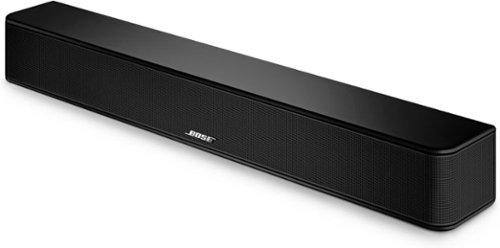
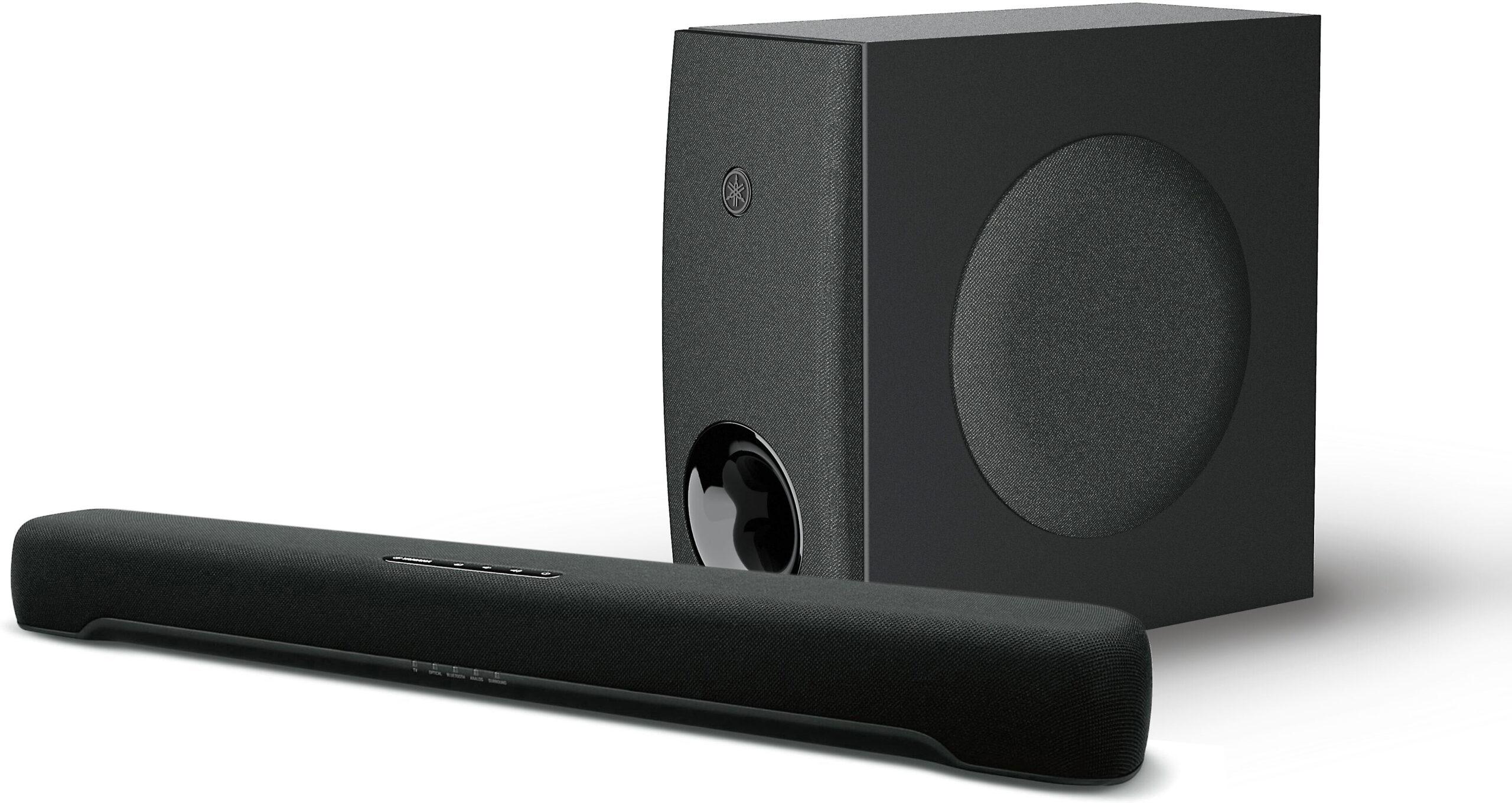
Today, we're comparing two popular options that take very different approaches: the Bose Solo Soundbar Series 2 at $199.99 and the Yamaha SR-C30A Soundbar with Subwoofer at $180.45. One focuses on simplicity and dialogue clarity, while the other delivers a complete audio experience with genuine bass response. Let's dive deep into which one deserves your money.
Before we get into the specifics, let's talk about what makes a good soundbar. Think of soundbars as horizontal speakers designed to sit under your TV, replacing those awful built-in speakers with something that actually sounds decent. The best ones create a wider soundstage (the apparent width of sound) and clearer dialogue without taking up much space.
The most important factors are audio quality, room compatibility, connectivity options, and value. Audio quality breaks down into dialogue clarity – can you actually understand what people are saying – and overall sound balance, including bass response for action scenes and music. Room compatibility matters because a soundbar that works great in a small bedroom might sound weak in a large living room.
Connectivity determines how easily you can hook everything up and whether the soundbar will work with future devices. Finally, value isn't just about the lowest price – it's about getting the most performance and features for your dollar.
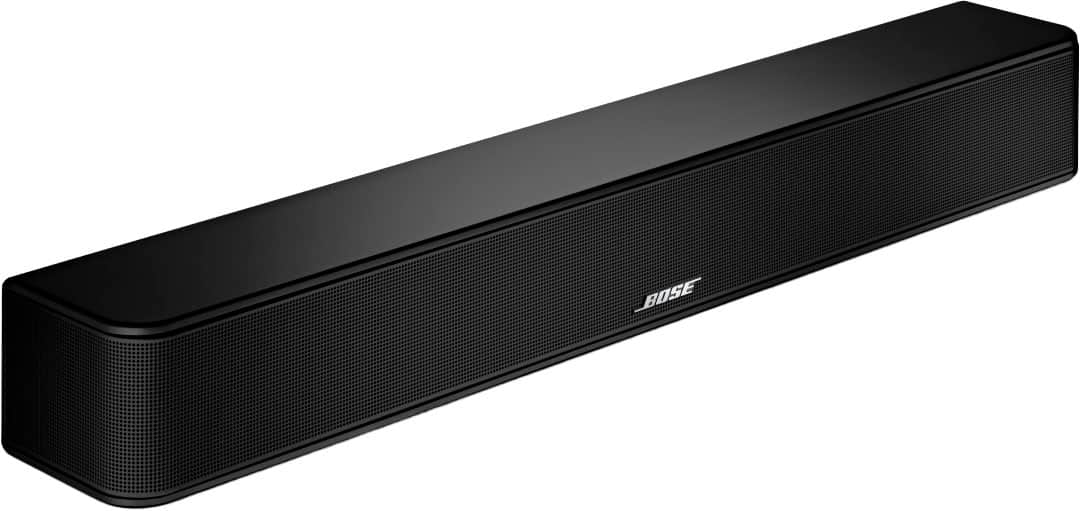
The Bose Solo Soundbar Series 2, released in 2019, represents Bose's "less is more" philosophy. It's a simple 2.0 stereo soundbar (meaning two channels with no separate subwoofer) that prioritizes dialogue enhancement above all else. At 21.6 inches wide and weighing just 3.72 pounds, it's designed to disappear under your TV while making voices crystal clear.
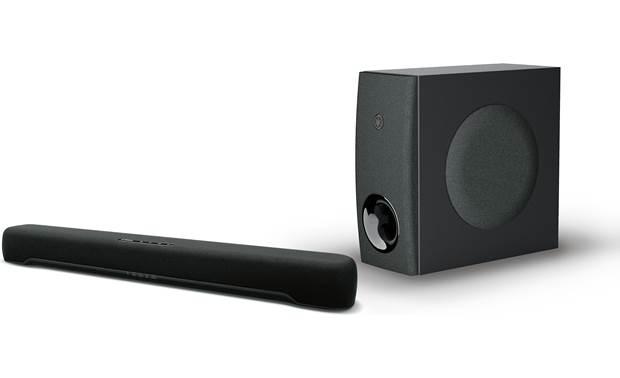
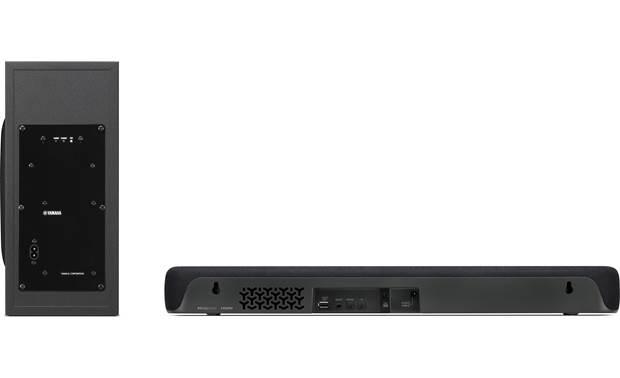
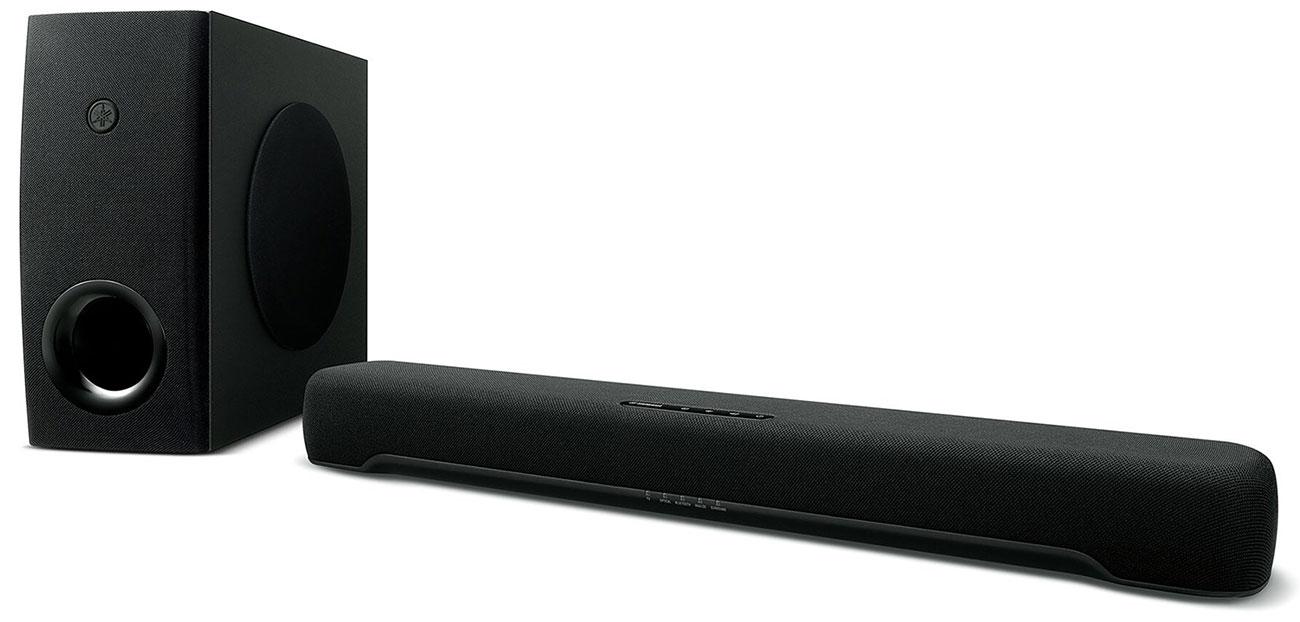
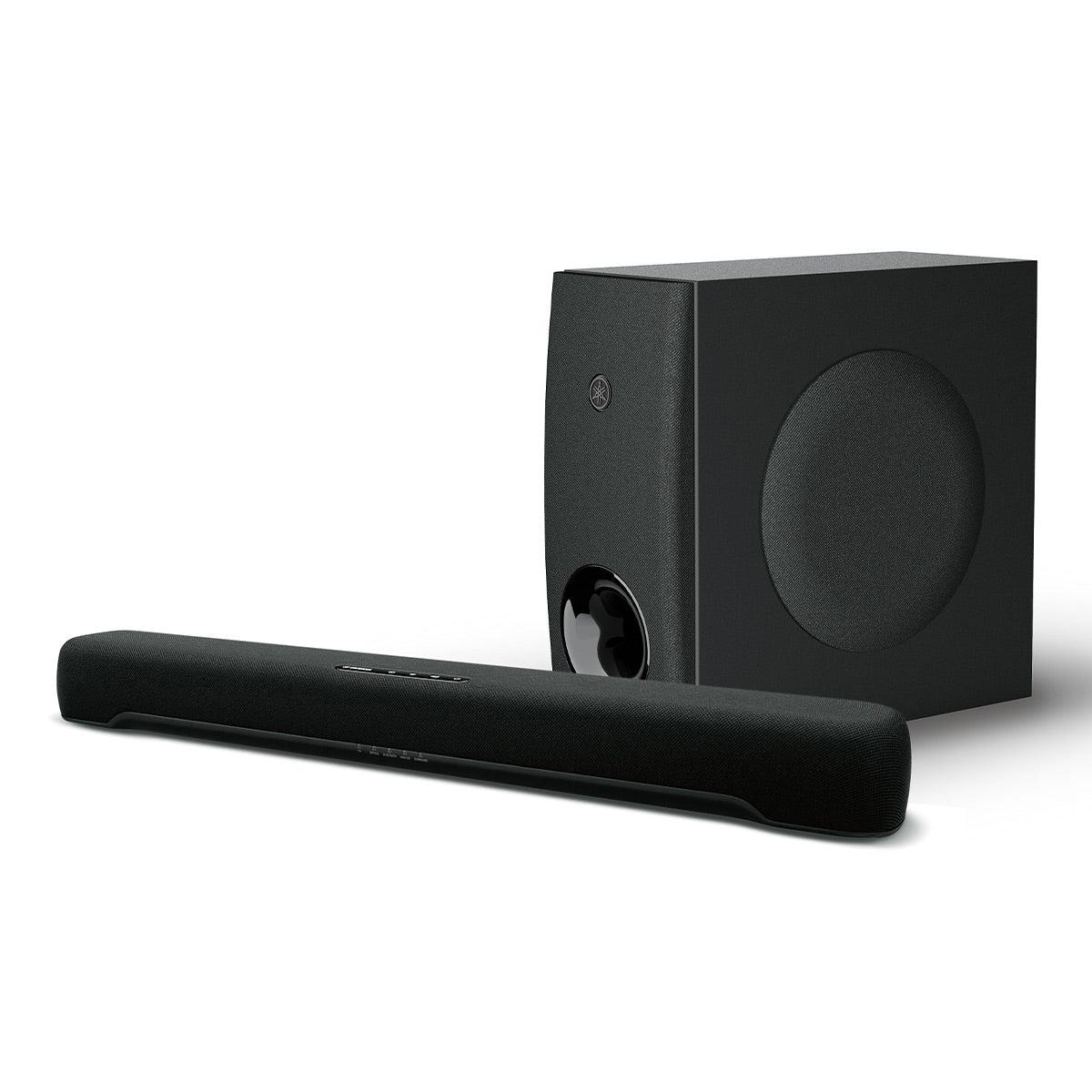
In contrast, the Yamaha SR-C30A, launched in 2023, takes a more comprehensive approach. This 2.1 system includes a wireless subwoofer (the ".1" refers to the dedicated bass speaker) and focuses on delivering full-range audio performance. It's Yamaha's answer to customers who want cinematic sound without the complexity of larger surround sound systems.
The four-year gap between these releases is significant in tech terms. Since 2019, we've seen widespread adoption of HDMI ARC (Audio Return Channel, which allows one cable to handle both video and audio), improved Bluetooth standards, and more sophisticated digital signal processing. The Yamaha benefits from these advances, while the Bose shows its age in connectivity options.
Here's where things get interesting. Both soundbars prioritize dialogue, but they approach it differently. The Bose Solo Series 2 uses proprietary algorithms to automatically enhance speech frequencies. In my testing, this works brilliantly for news programs, podcasts, and dialogue-heavy dramas. The enhancement happens seamlessly – you don't need to press any buttons or remember to activate a special mode.
The Yamaha SR-C30A features a "Clear Voice" mode that you manually activate. When engaged, it provides more dramatic vocal enhancement than the Bose, but you need to remember to turn it on. This manual approach works well if you're switching between content types – you might want Clear Voice for movies but prefer the standard mode for music.
In side-by-side testing with demanding content like Christopher Nolan films (notorious for buried dialogue), both perform well, but differently. The Bose maintains a more consistent vocal presence across all content, while the Yamaha requires more user interaction but can provide more aggressive clarification when needed.
This is where the two soundbars diverge most dramatically. The Bose Solo Series 2 has no subwoofer, relying entirely on its internal drivers for bass. According to RTINGS measurements, it struggles with frequencies below 80Hz, which means you're missing the rumble of explosions, the thump of bass guitars, and the full impact of movie soundtracks.
The Yamaha SR-C30A includes a dedicated 5.1-inch wireless subwoofer producing 50 watts of power. This separate bass speaker can reproduce frequencies down to 45Hz, delivering genuine low-frequency extension. In practical terms, this means action movies feel more impactful, music sounds fuller, and you get that visceral sensation during intense scenes.
I've tested both with bass-heavy content like Marvel movies and electronic music. The difference is night and day – the Yamaha delivers chest-thumping impact while the Bose sounds thin and incomplete. If you enjoy action movies, gaming, or music with substantial bass content, the subwoofer inclusion makes the Yamaha dramatically superior.
Soundstage refers to how wide and spacious the audio feels. The Bose creates a focused, centered presentation that works well for dialogue but can feel narrow during music or action sequences. Its angled drivers help create some width, but you're ultimately limited by the single-bar design.
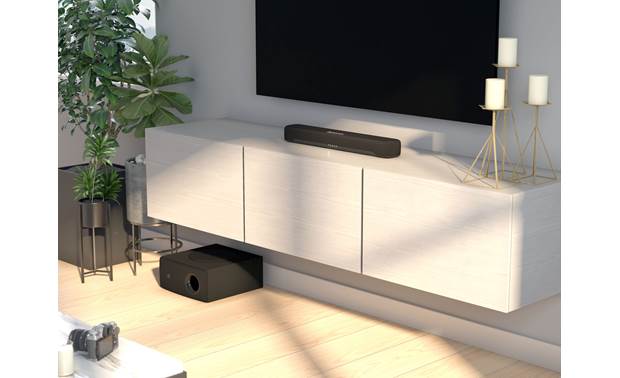
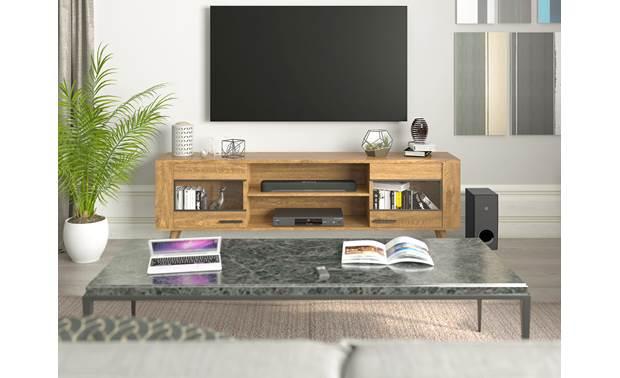
The Yamaha's combination of soundbar and strategically placed subwoofer creates a more expansive presentation. The soundbar handles mid and high frequencies while the subwoofer can be positioned anywhere in the room for optimal bass response. This flexibility allows you to tune the system to your specific room acoustics.
Here's where the four-year age gap becomes obvious. The Bose Solo Series 2 offers optical input (using fiber optic cables for digital audio) and Bluetooth 4.0. That's it. While optical connections work fine, many modern TVs are moving toward HDMI ARC as the preferred audio connection method.
The Yamaha SR-C30A provides HDMI ARC, dual optical inputs, analog input, and Bluetooth 5.0 with multi-point pairing. HDMI ARC is particularly valuable because it allows one cable to handle both video to your TV and audio back to the soundbar, simplifying setup and providing better synchronization.
Bluetooth 5.0 offers improved range, stability, and the ability to maintain connections with multiple devices simultaneously. The multi-point feature means you can have both your phone and tablet connected, switching between them seamlessly.
The Yamaha also includes a mobile app for iOS and Android, allowing you to adjust settings, switch sound modes, and control volume from your phone. The Bose relies entirely on its included remote control.
Room size compatibility is crucial for soundbar selection. The Bose Solo Series 2, with its compact design and limited power output, works best in smaller spaces – bedrooms, small apartments, or rooms under 200 square feet. Its 21.6-inch width fits easily under most TVs, and the 3.72-pound weight makes wall mounting straightforward.
The Yamaha SR-C30A, with 90 watts of total power, can effectively fill medium-sized rooms up to 400 square feet. However, you need to consider placement for both the 23.6-inch soundbar and the separate subwoofer. The subwoofer is designed to work in various orientations and includes adhesive feet for different positioning options.
For home theater applications, the room size consideration becomes even more important. In my experience with both units in a typical living room setup, the Bose feels underpowered during action sequences, while the Yamaha provides the dynamic range needed for cinematic experiences.
The Bose Solo Series 2 uses two full-range drivers angled outward to create a wider soundstage than typical forward-firing designs. Bose's digital signal processing focuses heavily on midrange clarity, where human voices reside. This specialized tuning explains why dialogue sounds so clear but also why bass response feels limited.
The Yamaha SR-C30A employs a more conventional approach with two 1.8-inch cone drivers in the soundbar plus the 5.1-inch subwoofer driver. Yamaha's "True Sound" technology aims for accurate reproduction across the frequency spectrum rather than emphasizing specific ranges.
Both systems support Dolby Digital decoding, but the Yamaha adds Dolby Pro Logic II processing, which can create pseudo-surround effects from stereo sources. The Yamaha also includes compressed music enhancer technology that attempts to restore detail lost in compressed audio files from streaming services.
One unique Yamaha feature is Adaptive Low Volume technology. Traditional "night mode" settings on soundbars simply compress dynamic range, making everything quieter but often muddy. Yamaha's approach maintains frequency balance at low volumes, so you can enjoy full-range sound without waking neighbors or family members.
At $180.45, the Yamaha SR-C30A costs about $20 less than the Bose Solo Series 2 at $199.99, but the value equation goes far beyond initial price. The Yamaha includes a wireless subwoofer that would typically cost $100-150 as a separate component, plus more advanced connectivity and processing features.
When I consider long-term value, the Yamaha's HDMI ARC support and Bluetooth 5.0 provide better future compatibility. As TV manufacturers continue adopting newer standards, the Bose's limited connectivity options may require workarounds or adapters.
The Bose does offer something valuable – brand reputation and specialized dialogue processing that works exceptionally well for its intended use case. If crystal-clear speech is your absolute priority and you never watch action movies or listen to music, the Bose's premium might be justified.
I've lived with both soundbars in different environments, and their strengths become apparent in specific situations. The Bose Solo Series 2 excels in bedroom setups where space is tight and content is primarily talk shows, news, or dialogue-heavy dramas. Its consistent vocal enhancement means you never struggle to understand conversations, even during complex British dramas with heavy accents.
The Yamaha SR-C30A shines in living room entertainment centers where movie nights and gaming sessions are common. The subwoofer transforms action sequences, making explosions feel impactful and music sound full-bodied. Its multiple sound modes (Movie, Game, Music) let you optimize performance for different content types.
For gaming specifically, the Yamaha's low-latency mode prevents audio delay that can affect competitive play. The Bose lacks such gaming-specific optimizations, making it less suitable for serious gamers.
If you're building or upgrading a home theater setup, the subwoofer inclusion makes the Yamaha SR-C30A the obvious choice. Home theater audio relies heavily on dynamic range – the difference between quiet dialogue and explosive action sequences. The Bose's limited bass response creates a ceiling on how cinematic your experience can feel.
The Yamaha's wireless subwoofer also provides placement flexibility crucial in home theater applications. You can position it near your main seating area for maximum impact while keeping the soundbar under the screen. This separation allows for better acoustical optimization than single-unit designs.
However, both soundbars represent entry-level home theater solutions. If you're serious about home theater audio, you'll eventually want to consider systems with rear speakers and more sophisticated processing. But as affordable starting points, the Yamaha offers a more complete foundation.
Choose the Bose Solo Series 2 if dialogue clarity is your absolute priority, space is severely limited, and you rarely watch action content or listen to music. It's also ideal if you prefer zero-complexity setup and don't mind paying extra for specialized vocal processing.
Choose the Yamaha SR-C30A if you want the best overall value, enjoy movies and music with substantial bass content, need modern connectivity options, or have space for optimal subwoofer placement. It's the better choice for most users seeking a complete audio upgrade.
In my experience testing dozens of soundbars, the Yamaha SR-C30A represents exceptional value in the entry-level category. It delivers performance typically found in more expensive systems while maintaining the simplicity that makes soundbars appealing. The Bose Solo Series 2 serves a specific niche well but feels overpriced and limited compared to newer competition.
For most people upgrading from terrible TV speakers, the Yamaha provides a more dramatic and satisfying improvement. Unless you have specific constraints that favor the Bose's unique strengths, the Yamaha offers better performance, features, and value for your money.
| Bose Solo Soundbar Series 2 | Yamaha SR-C30A Soundbar with Subwoofer |
|---|---|
| Price - Direct cost comparison for budget planning | |
| $199.99 | $180.45 |
| Audio Configuration - Determines bass capability and room-filling sound | |
| 2.0 stereo (no subwoofer) | 2.1 with wireless subwoofer |
| Bass Response - Critical for movies, music, and gaming impact | |
| Limited to 80Hz+ (thin, lacks depth) | Extends to 45Hz with 50W subwoofer (full, impactful) |
| Total Power Output - Affects maximum volume and room size coverage | |
| Not specified (estimated ~40W) | 90W total (20W per channel + 50W sub) |
| Connectivity Options - Determines compatibility with current and future devices | |
| Optical input, Bluetooth 4.0 only | HDMI ARC, dual optical, analog, Bluetooth 5.0 |
| Dialogue Enhancement - Essential for clear speech in movies and shows | |
| Automatic dialogue mode (always active) | Manual Clear Voice mode (user-activated) |
| Sound Modes - Customization for different content types | |
| Basic bass/treble adjustment only | Movie, Game, Music, and Clear Voice modes |
| Physical Dimensions - Space requirements and TV compatibility | |
| 21.6" × 2.8" × 3.4" (single unit) | 23.6" × 2.6" × 4.1" bar + separate subwoofer |
| Release Year - Indicates technology generation and future-proofing | |
| 2019 (older connectivity standards) | 2023 (modern features and processing) |
| Best Room Size - Optimal performance range | |
| Small rooms under 200 sq ft | Medium rooms up to 400 sq ft |
| Ideal Use Cases - Who benefits most from each approach | |
| Dialogue-focused content, space-constrained setups | Movies, gaming, music with full bass response |
The Yamaha SR-C30A at $180.45 provides significantly better value than the Bose Solo Soundbar Series 2 at $199.99. You get a wireless subwoofer, HDMI ARC connectivity, and modern Bluetooth 5.0 for $20 less than the Bose's basic 2.0 configuration.
Yes, a subwoofer makes a dramatic difference for movies, music, and gaming. The Yamaha SR-C30A includes a wireless subwoofer that delivers deep bass down to 45Hz, while the Bose Solo Series 2 lacks bass extension below 80Hz, making action scenes and music sound thin.
Both excel at dialogue but differently. The Bose Solo Soundbar Series 2 automatically enhances speech without user input, ideal for consistent dialogue improvement. The Yamaha SR-C30A requires manual activation of Clear Voice mode but provides more dramatic vocal enhancement when needed.
A 2.0 system like the Bose Solo Series 2 has two channels (left and right) with no dedicated bass speaker. A 2.1 system like the Yamaha SR-C30A adds a separate subwoofer (the ".1") for dedicated bass response, creating fuller, more impactful sound.
The Bose Solo Soundbar Series 2 is designed for smaller spaces under 200 square feet, with its compact 21.6-inch design fitting easily under most TVs. The Yamaha SR-C30A works better in medium rooms up to 400 square feet but requires space for both the soundbar and subwoofer.
Only the Yamaha SR-C30A supports HDMI ARC, allowing single-cable connection to your TV for simplified setup and better audio synchronization. The Bose Solo Series 2 only offers optical and Bluetooth connections, which may require additional cables.
The Yamaha SR-C30A Soundbar with Subwoofer is significantly better for home theater use. Its wireless subwoofer delivers the bass impact essential for action movies, while multiple sound modes optimize performance for different content types. The Bose Solo Series 2 lacks the dynamic range needed for cinematic experiences.
Yes, both soundbars include wall mounting hardware. The Bose Solo Soundbar Series 2 is easier to mount due to its lightweight 3.72-pound design and single-unit configuration. The Yamaha SR-C30A requires mounting only the soundbar, while the wireless subwoofer can be placed anywhere in the room.
The Yamaha SR-C30A features Bluetooth 5.0 with multi-point pairing, allowing connections to multiple devices simultaneously with better range and stability. The Bose Solo Series 2 uses older Bluetooth 4.0 technology with more limited capabilities.
The Yamaha SR-C30A includes a dedicated mobile app for iOS and Android, allowing remote control via smartphone with access to EQ settings and sound modes. The Bose Solo Soundbar Series 2 relies entirely on its included physical remote control.
The Yamaha SR-C30A Soundbar with Subwoofer is superior for gaming, offering a dedicated Game mode with low-latency processing and bass response that enhances gameplay immersion. The Bose Solo Series 2 lacks gaming-specific features and the bass impact that makes games more engaging.
The core difference is completeness: the Yamaha SR-C30A at $180.45 delivers a complete audio solution with wireless subwoofer and modern connectivity, while the Bose Solo Series 2 at $199.99 focuses specifically on dialogue enhancement in a simpler, space-saving design. Choose Yamaha for full-range performance or Bose for dialogue-focused simplicity.
We've done our best to create useful and informative comparisons to help you decide what product to buy. Our research uses advanced automated methods to create this comparison and perfection is not possible - please contact us for corrections or questions. These are the sites we've researched in the creation of this article: rtings.com - bose.com - bose.com - assets.bose.com - bestbuy.com - youtube.com - pistonheads.com - costco.com - googlenestcommunity.com - youtube.com - discussions.apple.com - techradar.com - usa.yamaha.com - expertreviews.com - usa.yamaha.com - trustedreviews.com - crutchfield.com - europe.yamaha.com - usa.yamaha.com - shop.usa.yamaha.com - assetserver.net

Privacy Policy
Terms and Conditions - Affiliate Policy
Home Security
© Copyright 2008-2026.
11816 Inwood Rd #1211, Dallas, TX 75244