






When your TV's built-in speakers sound like they're trapped inside a tin can, it's time for an upgrade. But walking into the soundbar market can feel overwhelming – there are dozens of options ranging from $100 budget models to $1,000+ premium systems. Today, we're comparing two popular choices that represent different philosophies: the Klipsch Flexus Core 200 ($369) and the Yamaha SR-C30A ($180).
These soundbars couldn't be more different in their approach. The Klipsch delivers true Dolby Atmos surround sound with built-in subwoofers, while the Yamaha focuses on simplicity with a separate wireless subwoofer. Let's dive deep into what makes each tick and help you figure out which one belongs in your living room.
The soundbar market has exploded in recent years, driven by TVs getting thinner (and their speakers getting worse) while streaming services pump out movie-quality content. Modern soundbars have evolved far beyond simple stereo upgrades – today's best models can create immersive surround sound that rivals traditional speaker systems.
When shopping for a soundbar, you'll encounter several key technologies. Dolby Atmos is the current gold standard, creating three-dimensional sound by bouncing audio off your ceiling to simulate overhead effects. Virtual surround uses digital processing to simulate surround sound from fewer speakers. HDMI eARC (enhanced Audio Return Channel) carries high-quality audio formats between your TV and soundbar, while ARC (Audio Return Channel) handles basic formats.
The fundamental choice often comes down to convenience versus performance. Do you want plug-and-play simplicity, or are you willing to invest in more sophisticated technology for better sound quality?
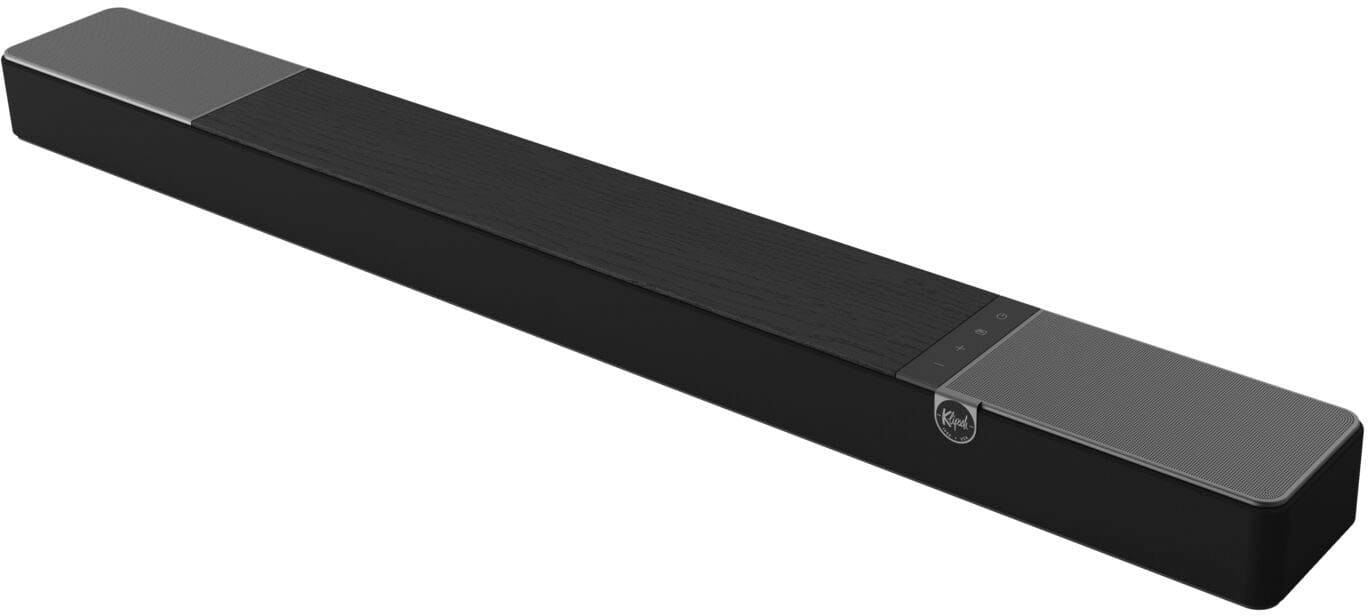
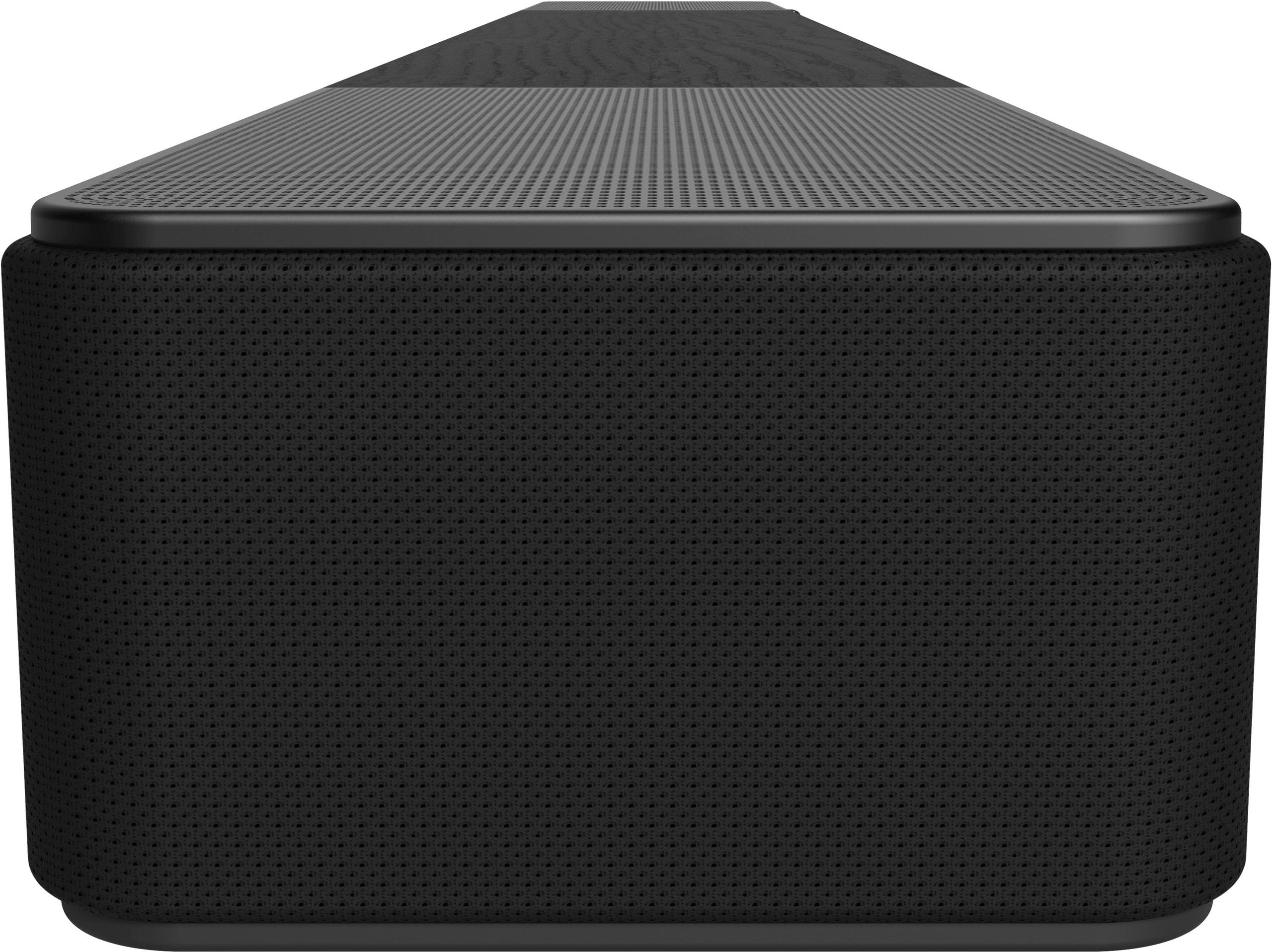
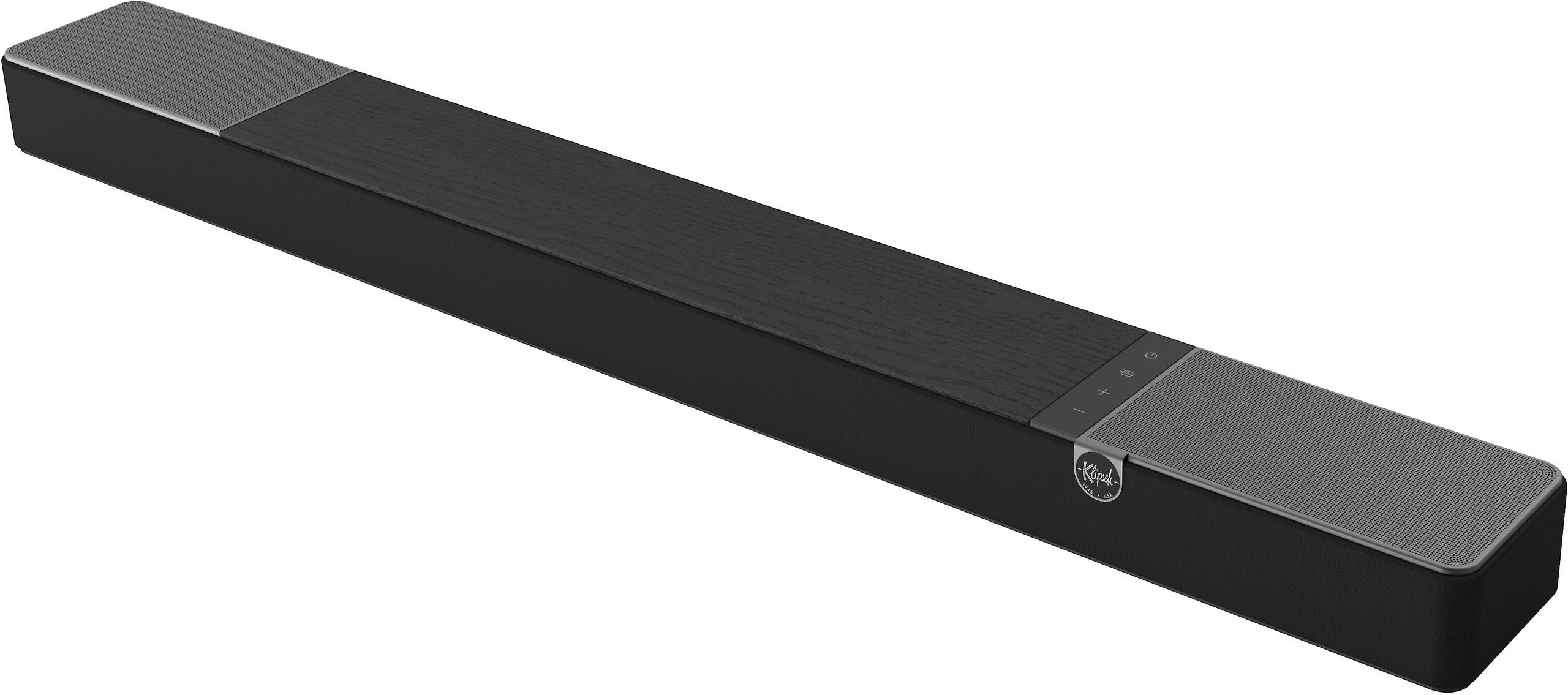
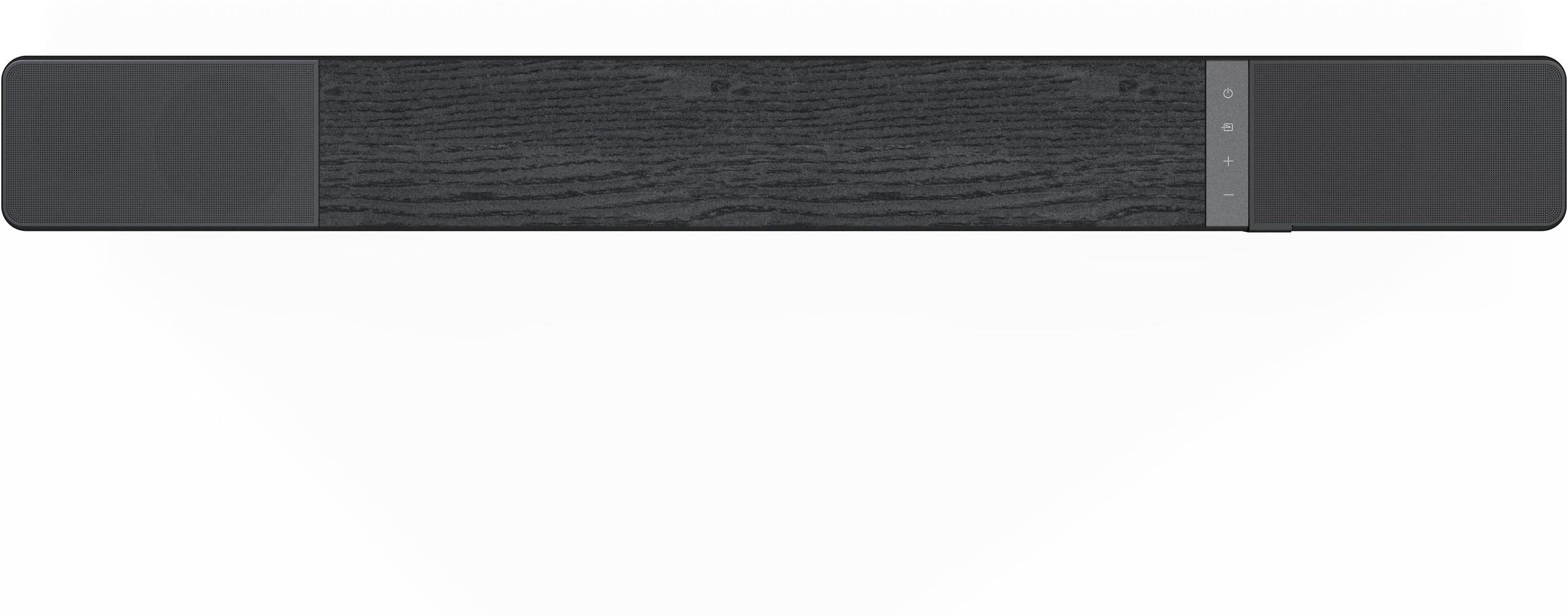
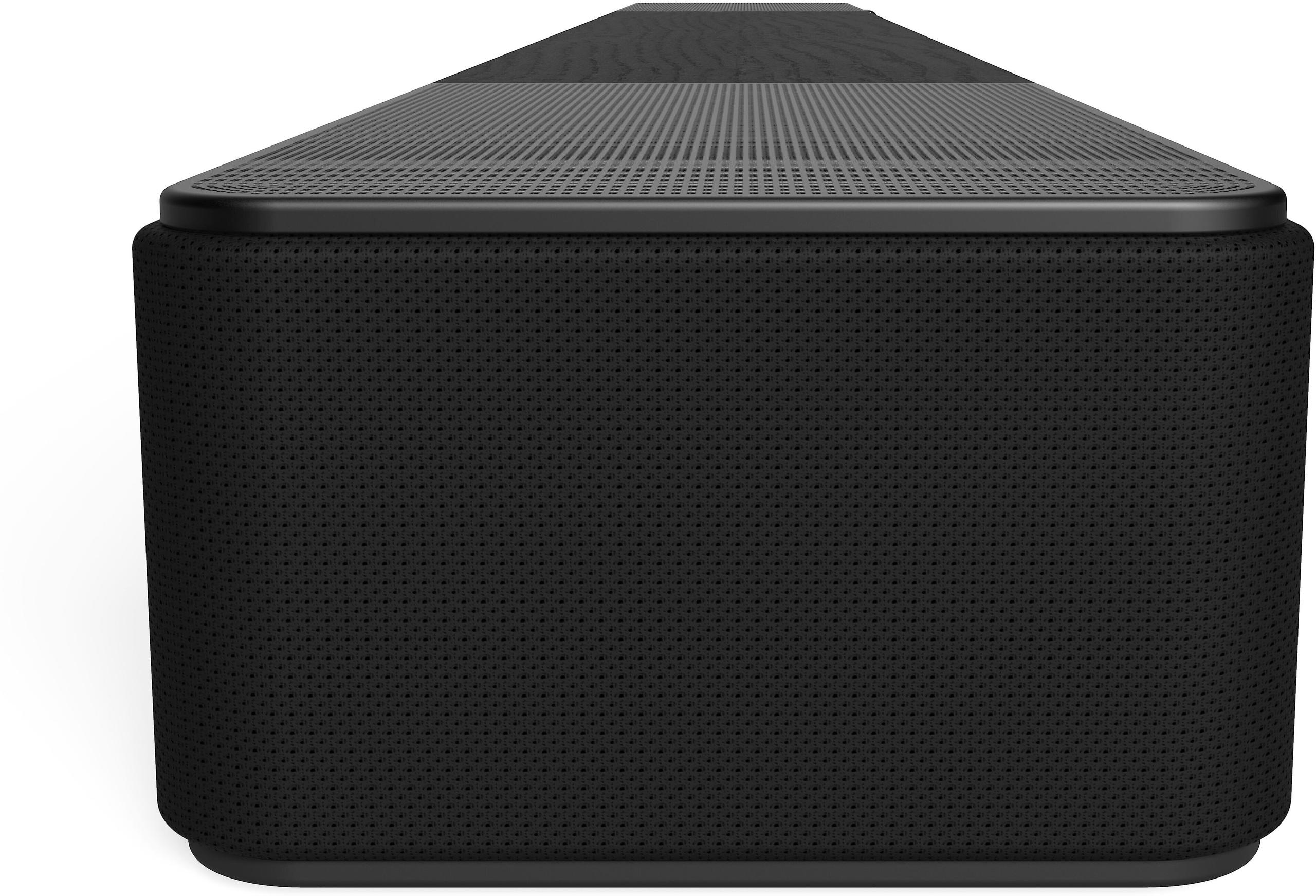
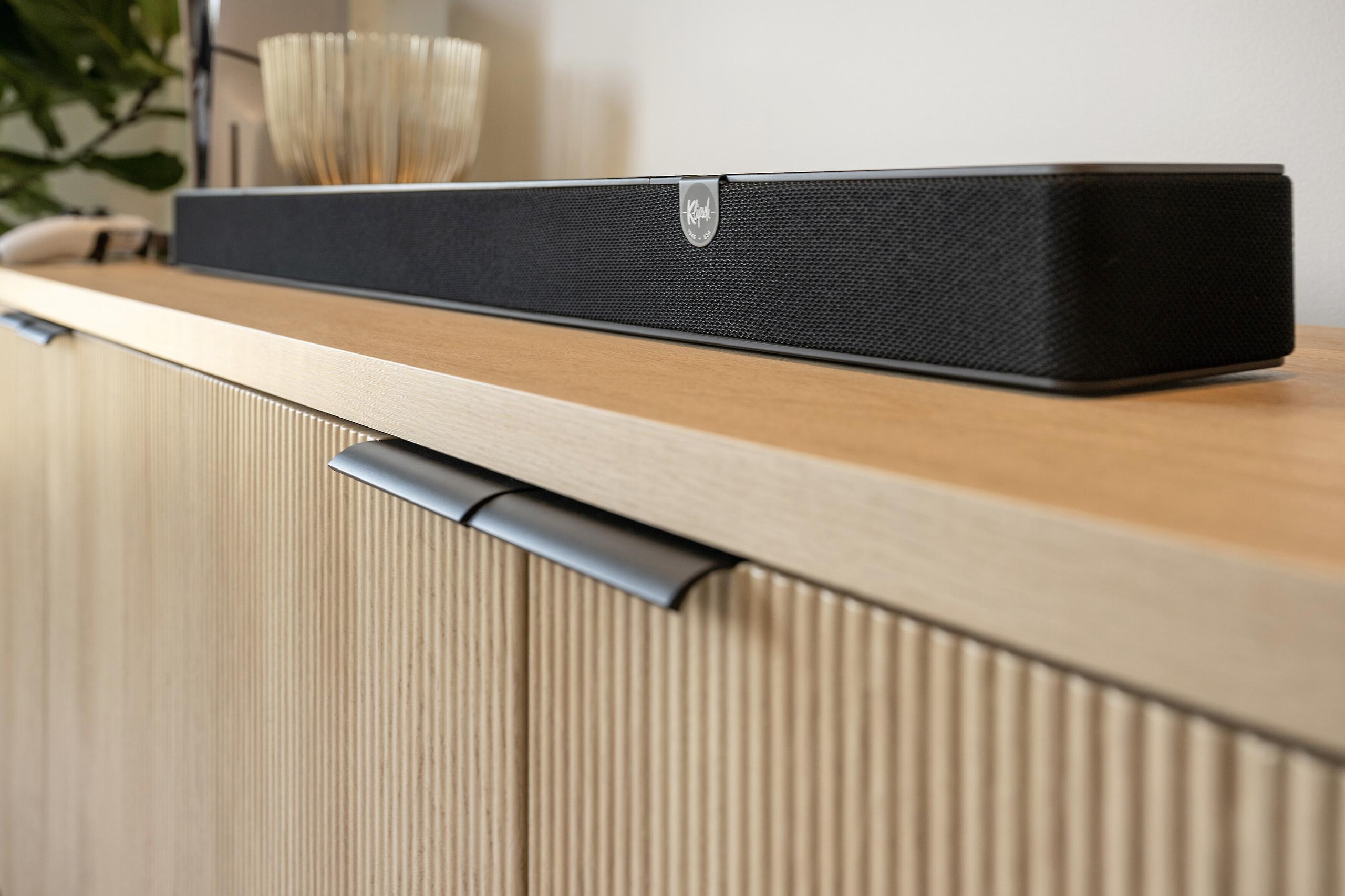
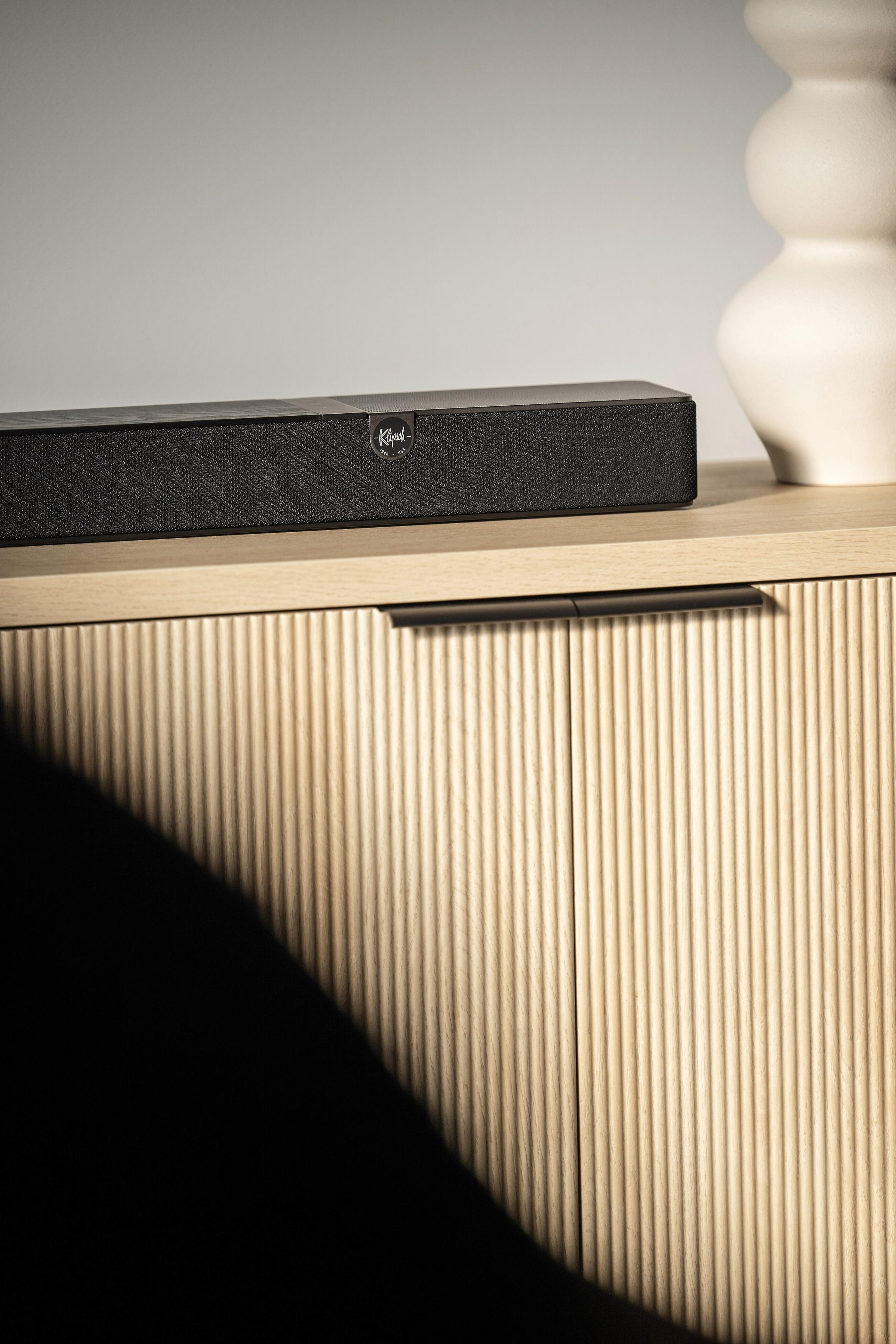
Released in mid-2025, the Klipsch Flexus Core 200 represents Klipsch's latest thinking on premium soundbar design. This isn't just another soundbar – it's a complete 3.1.2 Dolby Atmos system packed into a single 44-inch unit.
The "3.1.2" designation tells the whole story. You get three front channels (left, center, right), one subwoofer channel (handled by dual built-in 4-inch drivers), and two height channels from upfiring speakers that bounce sound off your ceiling. This configuration creates genuine three-dimensional audio where helicopters fly overhead and rain sounds like it's actually falling from above.
What sets this apart is Klipsch's signature horn-loaded tweeter technology. Instead of a standard dome tweeter, Klipsch uses a small horn to focus high frequencies more efficiently. This design, borrowed from their professional speaker heritage, delivers crystal-clear dialogue that cuts through action scenes and background music.
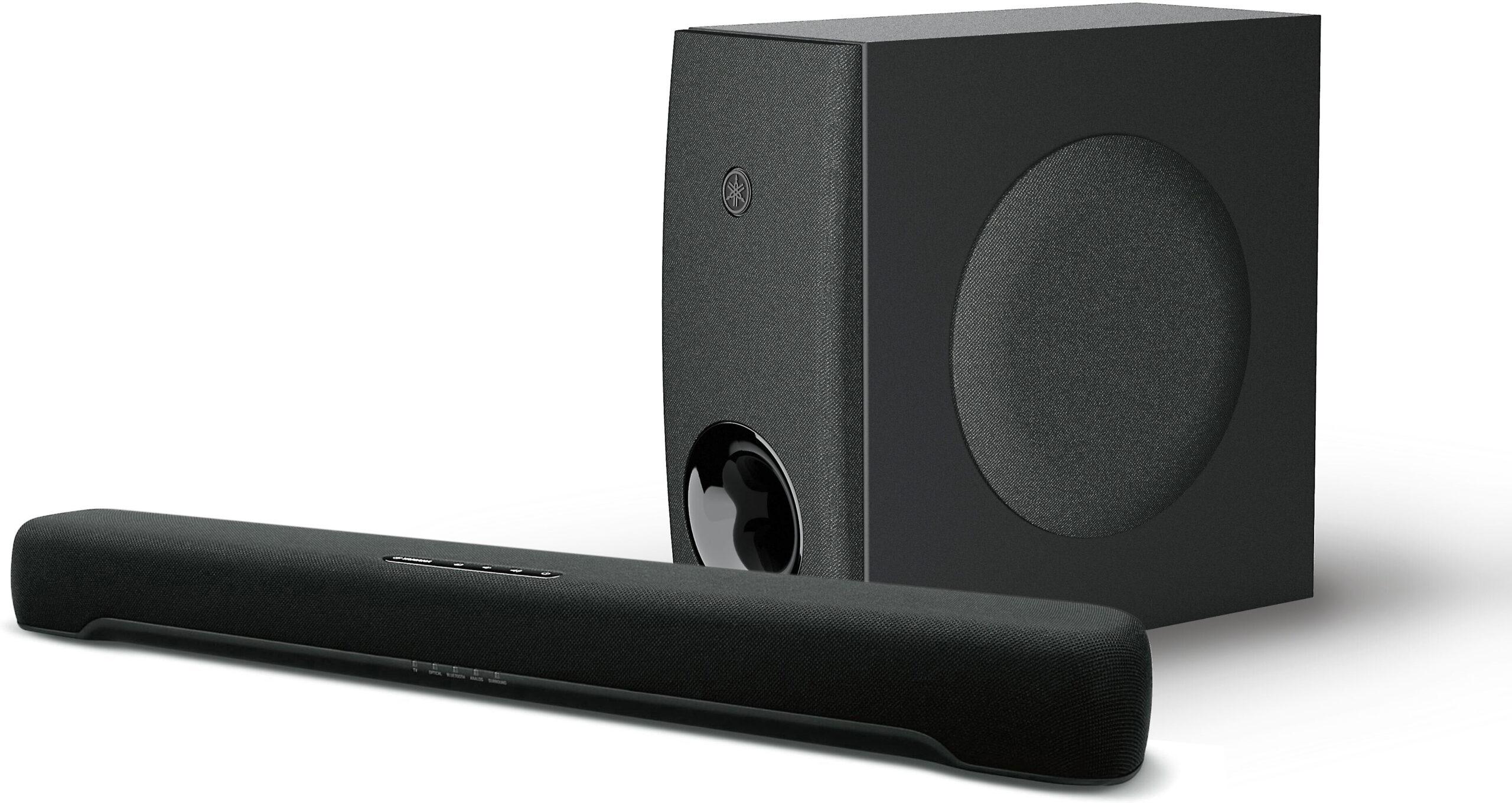
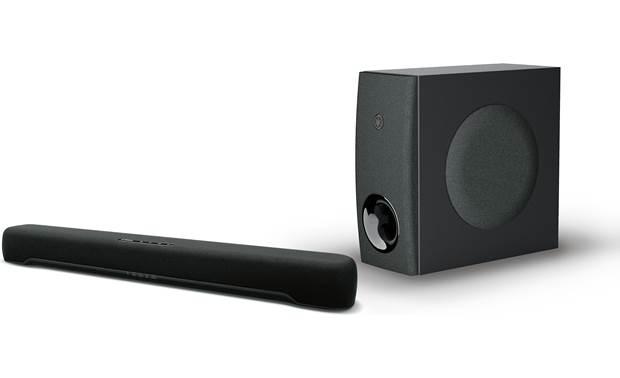
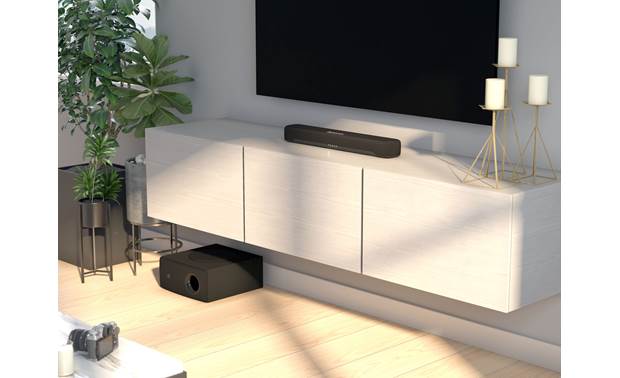
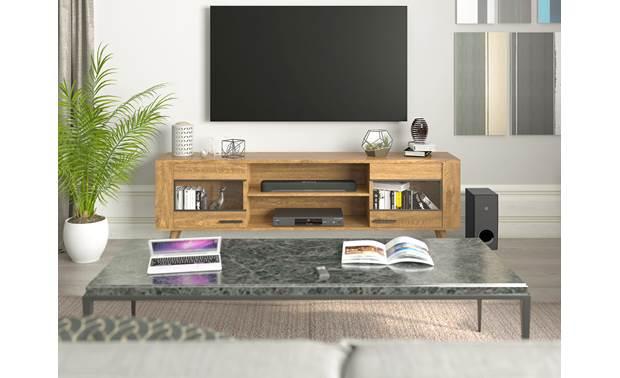
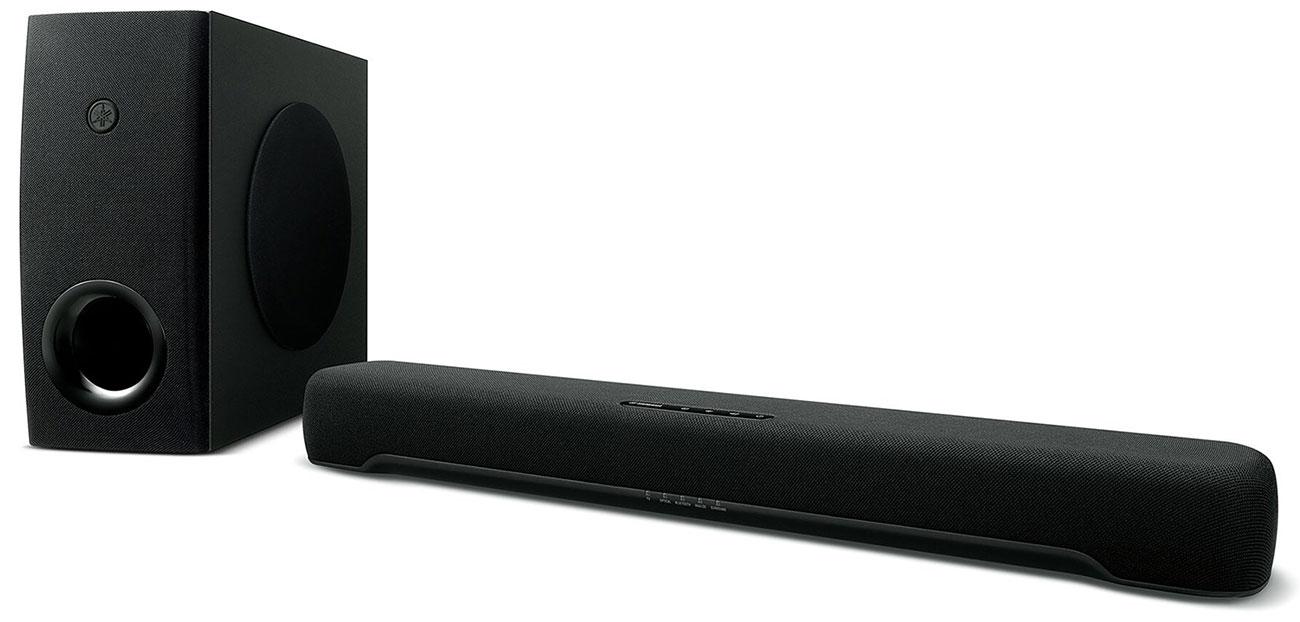
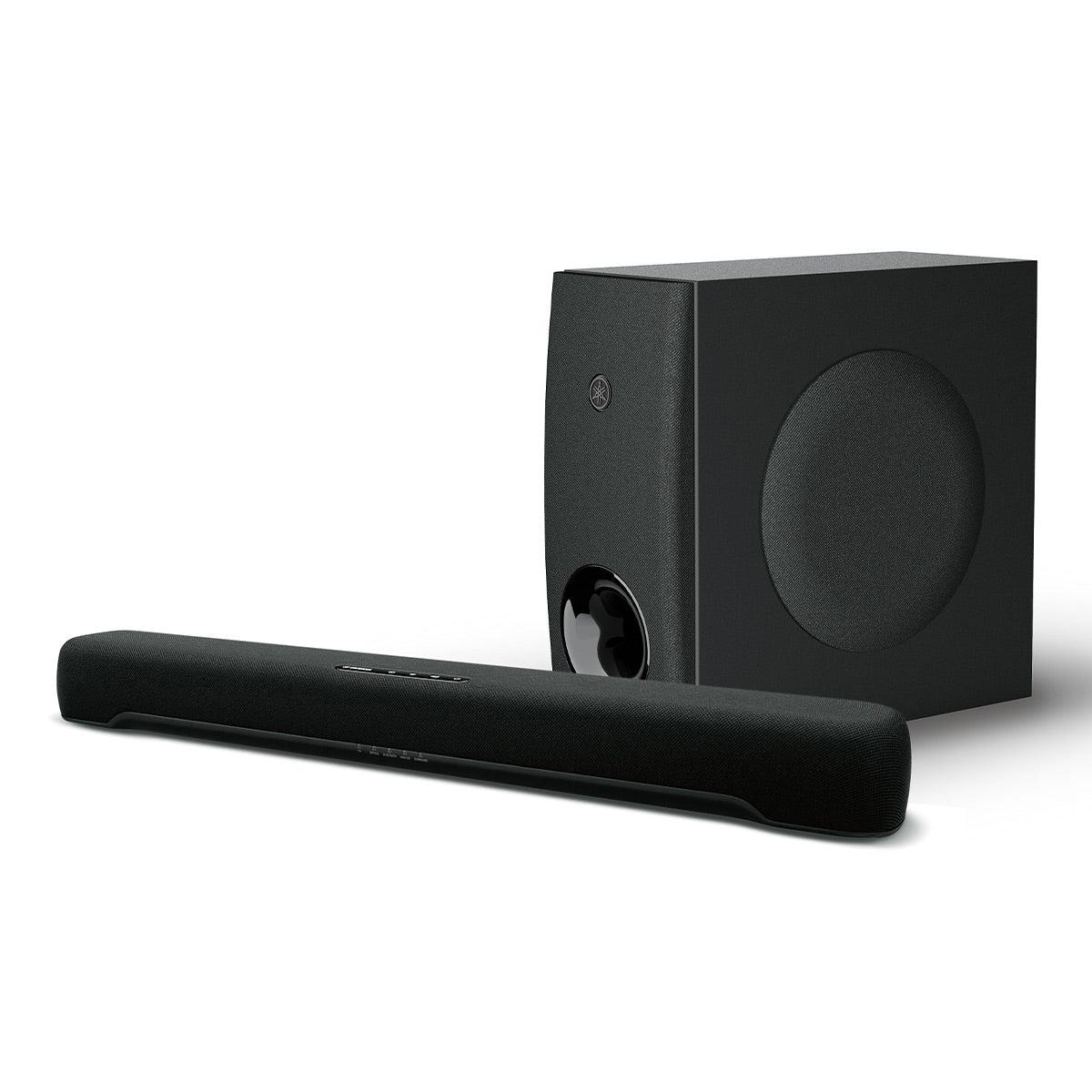
Launching in July 2025, the Yamaha SR-C30A takes a completely different approach. At just 24 inches wide, it's designed for smaller spaces where a massive soundbar would look ridiculous. The included wireless subwoofer gives you flexibility to place the bass unit wherever it sounds best – under a couch, in a corner, or behind furniture.
Yamaha's engineers focused on solving real-world problems. The Clear Voice mode specifically boosts dialogue frequencies, making it easier to follow conversations without cranking the volume. Adaptive Low Volume technology maintains full-range sound even at whisper-quiet levels – perfect for late-night viewing when you don't want to wake the neighbors.
The SR-C30A doesn't try to be something it's not. There's no Dolby Atmos processing or complex setup procedures. Instead, you get reliable performance with multiple connectivity options and intuitive controls.
Testing these soundbars side-by-side reveals their fundamental differences immediately. The Klipsch Flexus Core 200 creates a genuinely immersive soundstage that extends well beyond its physical footprint. When watching "Top Gun: Maverick," jet engines roar from multiple directions while the Atmos height channels make aircraft movements feel three-dimensional.
The dual 4-inch built-in subwoofers deliver surprising bass impact. Most soundbars this size struggle with deep frequencies, but the Klipsch reaches down to 43Hz – low enough for movie explosions and music to feel full-bodied. The horn-loaded tweeter shines during dialogue-heavy scenes, cutting through complex soundtracks with remarkable clarity.
In contrast, the Yamaha SR-C30A focuses on fundamental improvements over TV speakers rather than cinematic immersion. Its virtual surround processing creates a wider soundstage than you'd expect from a 24-inch bar, but it can't match the Klipsch's genuine multichannel separation.
Where the Yamaha excels is consistency and reliability. The wireless subwoofer adds substantial bass weight – that 5.1-inch driver moves a lot of air for its size. The Clear Voice mode genuinely improves dialogue intelligibility, especially helpful for older movies with muddy sound mixes or accented dialogue.
This comparison highlights two completely different approaches to bass reproduction. The Klipsch integrates everything into one unit, using dual 4-inch drivers that fire downward. This eliminates wireless connection dropouts and placement decisions – you get consistent bass wherever you put the soundbar.
The trade-off is flexibility. Those built-in drivers are positioned wherever the soundbar sits, which might not be optimal for your room's acoustics. However, the Klipsch's bass integration feels more cohesive. Low frequencies blend seamlessly with the main speakers, creating a unified sound signature.
Yamaha's wireless subwoofer approach offers significant advantages for room optimization. I've found that moving the sub just a few feet can dramatically improve bass response in many rooms. The 50-watt amplifier driving that 5.1-inch driver provides clean, controlled bass that doesn't overpower smaller spaces.
The wireless connection occasionally hiccups during initial setup, but once established, it's rock-solid. The subwoofer can be oriented vertically or horizontally using included adhesive feet, adding another layer of placement flexibility.
The connectivity story reveals each manufacturer's target audience clearly. The Klipsch Flexus Core 200 embraces modern streaming habits with Wi-Fi connectivity supporting AirPlay 2 and Spotify Connect. You can stream music directly without involving your TV, and the Klipsch Connect Plus app provides extensive customization options.
HDMI eARC support means the Klipsch can handle high-resolution audio formats like Dolby TrueHD and DTS-HD Master Audio from Blu-ray players. The USB-C input is particularly forward-thinking – perfect for connecting laptops or gaming handhelds directly.
The Yamaha SR-C30A keeps things simpler with Bluetooth 5.0 and basic HDMI ARC. There's no Wi-Fi streaming or app control, but the multi-point Bluetooth functionality lets you switch between paired devices seamlessly. For many users, this simplicity is actually preferable – fewer things to configure means fewer things to go wrong.
Room acoustics play a huge role in soundbar performance, and these two models are optimized for different environments. The Klipsch's 44-inch width and 185-watt power output suit medium to large rooms where you sit 8-12 feet from the TV. In these spaces, the Atmos height effects have room to develop, and the substantial power output fills the space convincingly.
In my testing, the Klipsch felt overwhelming in rooms smaller than 150 square feet. The bass output was too much for close-quarters listening, and the wide soundstage didn't have enough space to develop properly. This is a soundbar that needs breathing room to perform at its best.
The Yamaha shines in smaller spaces where the Klipsch would dominate. Apartments, bedrooms, and cozy living rooms benefit from the SR-C30A's more restrained approach. The wireless subwoofer can be tucked away while still providing adequate bass reinforcement for the space.
For dedicated home theater use, the differences become stark. The Klipsch Flexus Core 200 transforms movie watching into an event. Action sequences gain spatial dimension that makes explosions feel like they're happening around you rather than in front of you. The height channels add genuine immersion – rain sounds fall from above, helicopters move convincingly overhead, and atmospheric effects extend beyond the screen boundaries.
The horn-loaded tweeter proves its worth during complex soundtracks. In scenes where dialogue competes with music and effects, voices remain intelligible without requiring volume adjustments. This consistency makes long movie sessions more enjoyable and less fatiguing.
The Yamaha SR-C30A approaches home theater differently. Rather than creating immersion, it focuses on clarity and impact. Dialogue becomes more intelligible, explosions gain weight from the subwoofer, and the overall experience feels more engaging than TV speakers without becoming overwhelming.
For casual viewing – news, sitcoms, streaming shows – the Yamaha's approach often feels more appropriate. Not every piece of content benefits from full surround processing, and the SR-C30A's Clear Voice mode proves invaluable for dialogue-heavy programming.
At $369, the Klipsch Flexus Core 200 costs more than twice the Yamaha's $180 price point. However, comparing features reveals where that money goes. You're paying for genuine Dolby Atmos processing, premium driver technology, extensive connectivity options, and expandability for future system growth.
The Klipsch's modular ecosystem means you can add wireless surround speakers or additional subwoofers later. This expandability protects your investment and allows the system to grow with your needs. The build quality feels substantial – this is clearly designed as a long-term solution rather than a quick fix.
The Yamaha SR-C30A delivers remarkable value at its price point. Including a wireless subwoofer at $180 is impressive, and the overall package solves most TV audio problems without breaking the bank. The build quality feels appropriate for the price – not premium, but certainly reliable.
For budget-conscious buyers, the Yamaha provides immediate gratification without the complexity of advanced features. You get better TV sound today without needing to understand Dolby Atmos processing or room correction algorithms.
Both soundbars represent current thinking about audio technology, but they're positioned differently for future developments. The Klipsch's Wi-Fi connectivity and app-based control suggest ongoing software updates and feature additions. The expandable ecosystem means your investment can grow as your needs change.
The Yamaha's simpler approach has longevity advantages too. Fewer complex features mean fewer things to become obsolete. Bluetooth and HDMI standards evolve slowly, so the SR-C30A should remain relevant for years without requiring updates or replacements.
Choose the Klipsch Flexus Core 200 if you want a genuine home theater upgrade that will transform how you experience movies and music. It's ideal for medium to large rooms where you regularly watch films and want that immersive, cinematic experience. The higher price brings genuinely premium features that justify the investment for serious audio enthusiasts.
The Yamaha SR-C30A makes sense for practical buyers who want better TV sound without complexity or high cost. It's perfect for smaller spaces, casual viewing habits, and situations where simplicity trumps sophistication. The wireless subwoofer adds real value, and the straightforward operation means everyone in the family can use it without confusion.
Your room size probably makes the decision for you. In spaces under 200 square feet, the Yamaha's compact design and flexible subwoofer placement provide better results. Larger rooms benefit from the Klipsch's power and sophisticated processing.
Both soundbars succeed at their intended missions. The Klipsch delivers premium home theater performance for enthusiasts willing to pay for advanced features. The Yamaha provides practical improvement for everyday TV watching at an accessible price. Neither choice is wrong – they just serve different needs and budgets in today's diverse soundbar market.
| Klipsch Flexus Core 200 ($369) | Yamaha SR-C30A ($180) |
|---|---|
| Price - Significant difference reflects target markets | |
| $369 (premium home theater focus) | $180 (budget-friendly TV upgrade) |
| Audio Configuration - Determines surround sound capability | |
| 3.1.2 Dolby Atmos with upfiring drivers | 2.1 virtual surround with wireless subwoofer |
| Soundbar Dimensions - Critical for TV compatibility and room aesthetics | |
| 44" x 3.1" x 4.9" (suits medium-large rooms) | 23.6" x 2.6" x 3.8" (perfect for small spaces) |
| Bass System - Affects setup flexibility and sound integration | |
| Dual 4" built-in subwoofers (no external sub needed) | 5.1" wireless subwoofer (flexible placement) |
| Total Power Output - Determines room-filling capability | |
| 185W RMS (powerful for larger spaces) | 90W total (adequate for small-medium rooms) |
| Connectivity Options - Impacts device compatibility and streaming | |
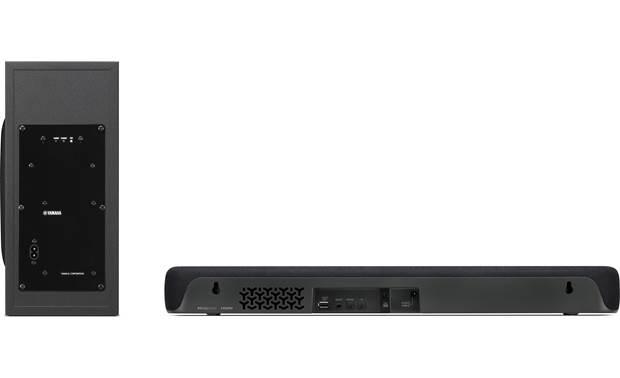
| HDMI eARC, Wi-Fi streaming, USB-C, optical, Bluetooth | HDMI ARC, Bluetooth 5.0, optical, 3.5mm analog |
| Smart Features - Affects ease of use and customization | |
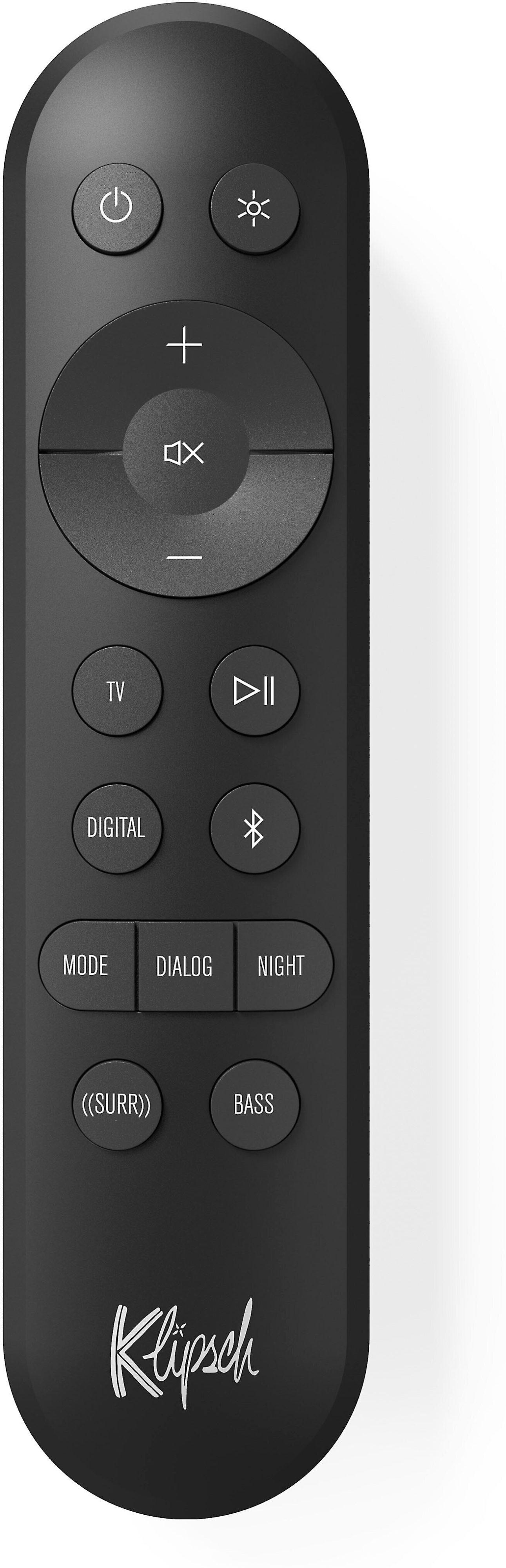
| Klipsch Connect Plus app, EQ controls, expandable system | Basic remote control, Clear Voice mode, no app |
| Dialogue Enhancement - Critical for movie and TV clarity | |
| Dedicated horn-loaded tweeter for crystal-clear speech | Clear Voice mode boosts dialogue frequencies |
| Expandability - Future upgrade potential | |
| Can add wireless surround speakers and subwoofers | Non-expandable standalone system |
| Best Room Size - Matching power to space is crucial | |
| Medium to large rooms (200+ sq ft) | Small to medium rooms (under 200 sq ft) |
The Yamaha SR-C30A ($180) offers better value for budget-conscious buyers, including a wireless subwoofer at half the price of the Klipsch Flexus Core 200 ($369). However, the Klipsch provides premium features like true Dolby Atmos and horn-loaded tweeters that justify its higher cost for serious home theater enthusiasts.
The Klipsch Flexus Core 200 features true Dolby Atmos with dedicated upfiring speakers that bounce sound off your ceiling for genuine overhead effects. The Yamaha SR-C30A uses virtual surround processing to simulate directional audio from fewer speakers, which works well but can't match the immersive experience of real Atmos height channels.
The Yamaha SR-C30A is ideal for small rooms with its compact 24-inch width and moderate power output. The Klipsch Flexus Core 200 at 44 inches wide with 185W power can overwhelm smaller spaces and works best in medium to large rooms where it has space to perform properly.
The Klipsch Flexus Core 200 includes dual 4-inch built-in subwoofers, so no external sub is needed. The Yamaha SR-C30A comes with a wireless subwoofer that you can place anywhere in your room for optimal bass response and flexibility.
Both excel at dialogue but differently. The Klipsch Flexus Core 200 uses a horn-loaded tweeter that naturally enhances speech clarity across all content. The Yamaha SR-C30A features a dedicated Clear Voice mode that specifically boosts dialogue frequencies when activated.
The Klipsch Flexus Core 200 offers more advanced connectivity including HDMI eARC, Wi-Fi streaming (AirPlay 2, Spotify Connect), USB-C, and Bluetooth. The Yamaha SR-C30A provides essential connections like HDMI ARC, Bluetooth 5.0, optical input, and a 3.5mm analog input for gaming devices.
The Klipsch Flexus Core 200 is part of an expandable ecosystem where you can add wireless surround speakers and additional subwoofers later. The Yamaha SR-C30A is a complete standalone system that cannot be expanded with additional components.
The Yamaha SR-C30A offers simpler plug-and-play setup with basic controls and no app requirements. The Klipsch Flexus Core 200 has more setup complexity due to its advanced features, app integration, and multiple connectivity options, but offers more customization once configured.
The Klipsch Flexus Core 200 delivers more detailed music reproduction with its horn tweeters and built-in subwoofers, plus Wi-Fi streaming for high-quality audio. The Yamaha SR-C30A handles music well through Bluetooth with its wireless subwoofer adding good bass response for casual listening.
The Klipsch Flexus Core 200 provides superior gaming audio with Dolby Atmos creating immersive directional effects and low-latency HDMI eARC connection. The Yamaha SR-C30A offers decent gaming audio with its 3.5mm input for direct console connection and clear dialogue for in-game communication.
The Klipsch Flexus Core 200 outputs 185W RMS total power, suitable for filling larger rooms with impactful sound. The Yamaha SR-C30A provides 90W total power (20W per front driver, 50W subwoofer), which is appropriate for smaller to medium-sized spaces.
For dedicated home theater, the Klipsch Flexus Core 200 is superior with true Dolby Atmos creating three-dimensional sound effects and immersive movie experiences. The Yamaha SR-C30A provides a solid TV audio upgrade with clear dialogue and good bass, but lacks the cinematic immersion of true surround sound processing.
We've done our best to create useful and informative comparisons to help you decide what product to buy. Our research uses advanced automated methods to create this comparison and perfection is not possible - please contact us for corrections or questions. These are the sites we've researched in the creation of this article: soundandvision.com - avnirvana.com - avsforum.com - cnet.com - klipsch.com - klipsch.com - youtube.com - assets.klipsch.com - klipsch.com - worldwidestereo.com - klipsch.com - crutchfield.com - digitaltrends.com - techradar.com - usa.yamaha.com - expertreviews.com - usa.yamaha.com - trustedreviews.com - crutchfield.com - europe.yamaha.com - usa.yamaha.com - shop.usa.yamaha.com - assetserver.net

Privacy Policy
Terms and Conditions - Affiliate Policy
Home Security
© Copyright 2008-2026.
11816 Inwood Rd #1211, Dallas, TX 75244