


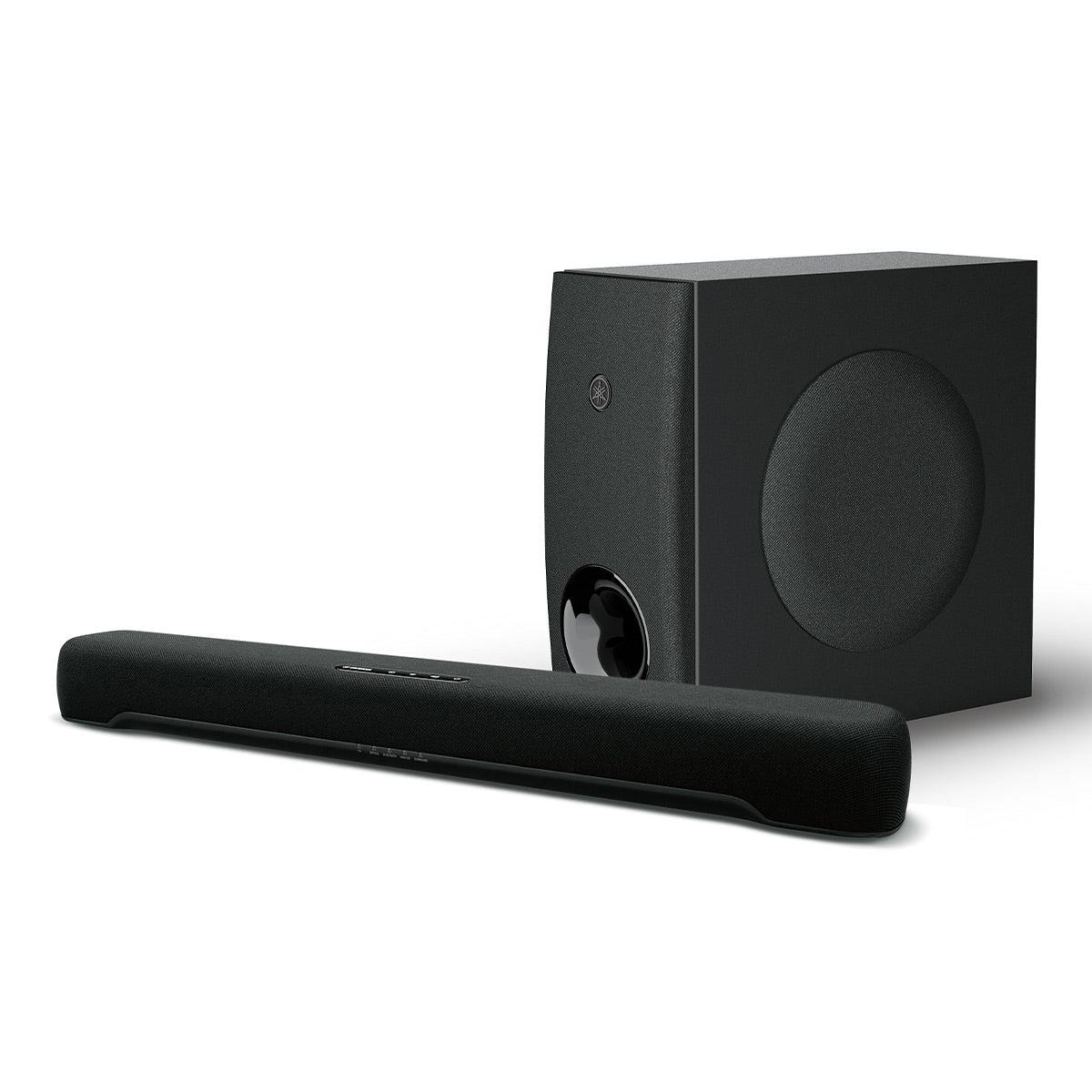
When you're watching your favorite show and can't understand what the characters are saying—even with the volume cranked up—it's time to consider upgrading your TV's audio. The built-in speakers in modern televisions are frankly terrible, squeezed into impossibly thin designs that prioritize looks over sound quality. That's where soundbars come in, offering a dramatic audio upgrade without the complexity of a full surround sound system.
But choosing the right soundbar can feel overwhelming, especially when you're comparing products at vastly different price points. Today, we're diving deep into two soundbars that represent opposite ends of the market: Samsung's flagship HW-Q990F and Yamaha's budget-friendly SR-C30A. At the time of writing, these products are separated by over $1,000 in price—a gap that reflects fundamentally different approaches to solving your audio problems.
Before we compare these specific models, it's worth understanding what separates basic soundbars from premium home theater systems. The most important factor is channel configuration—essentially, how many separate audio streams the system can handle and where those sounds come from.
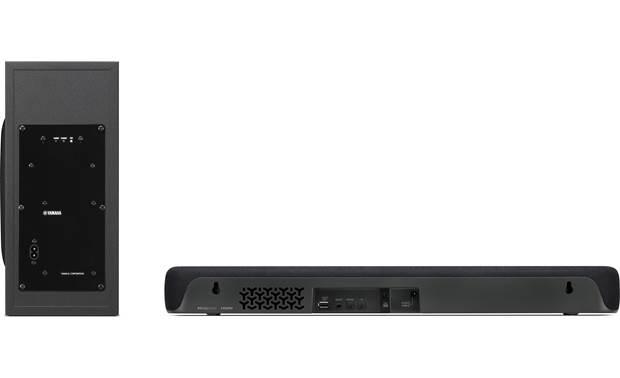
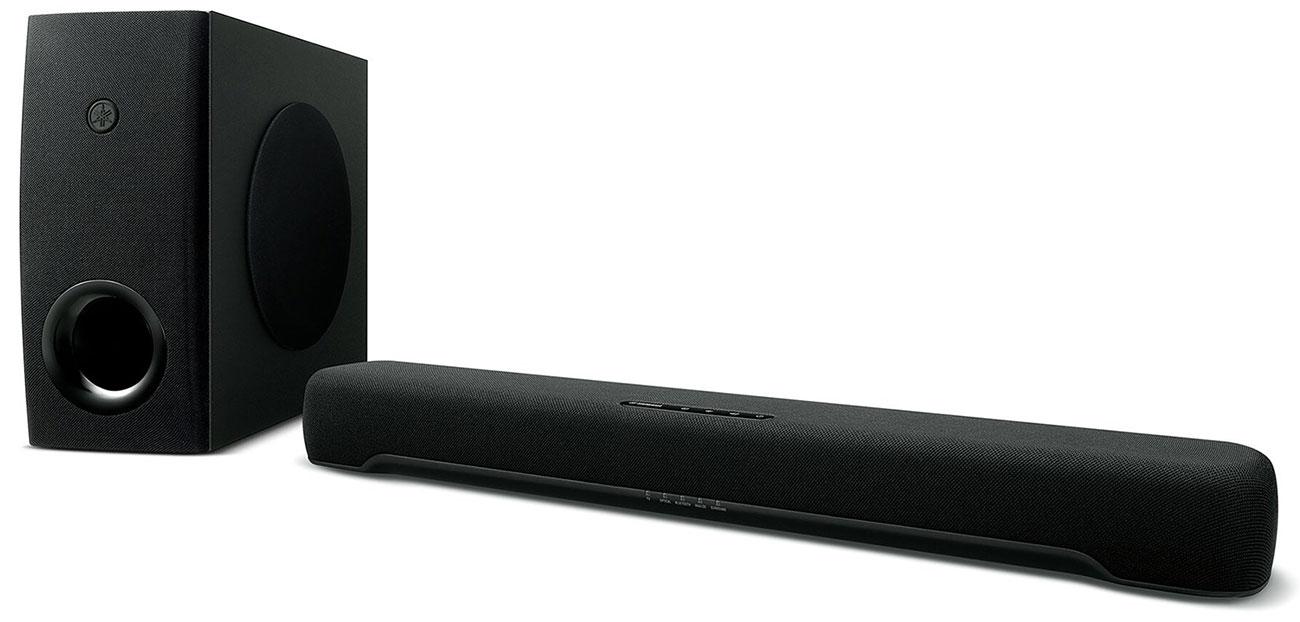
A 2.1 system like the Yamaha SR-C30A has two main speakers (left and right) plus a subwoofer (that's the ".1" part) for bass. This setup improves dialogue clarity and adds some low-end punch, but sound still comes primarily from in front of you.
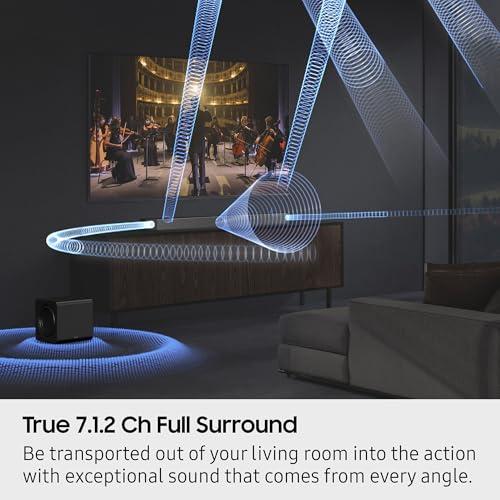
The Samsung HW-Q990F, meanwhile, uses an 11.1.4 configuration. Those numbers break down into 11 ear-level channels (including front, side, and rear speakers), 1 subwoofer channel, and 4 up-firing channels that bounce sound off your ceiling to create overhead effects. This creates what audio engineers call a "soundfield"—essentially a bubble of three-dimensional sound around your listening position.
The second major consideration is room size and acoustics. A compact soundbar works great in a small apartment, but won't fill a large living room with immersive sound. Similarly, hard surfaces like hardwood floors and large windows reflect sound differently than carpeted rooms with soft furniture, affecting how audio systems perform.
Finally, there's the question of content and usage patterns. If you primarily watch the news and sitcoms, dialogue clarity matters more than surround effects. But if you're binge-watching Marvel movies or playing the latest video games, you'll want a system that can handle complex soundtracks with directional effects and deep bass.
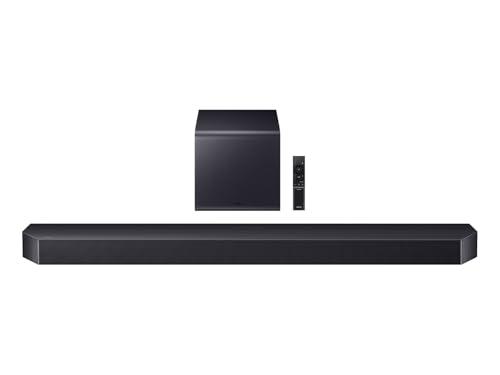
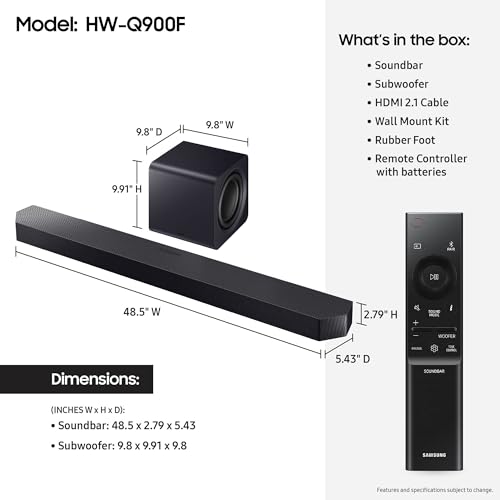
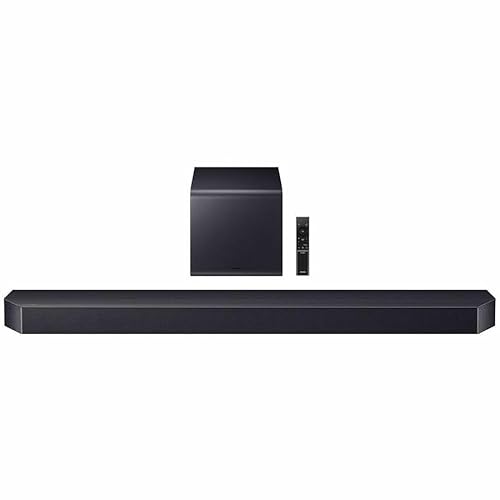
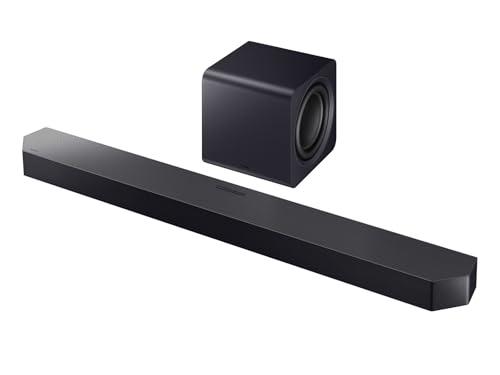
The Samsung HW-Q990F launched in 2025 as Samsung's flagship soundbar, representing years of refinement in their premium audio technology. This isn't just a soundbar—it's a complete home theater audio system that happens to be packaged in a soundbar format. With 23 total speakers spread across the main bar, wireless rear speakers, and a hefty subwoofer, it aims to rival traditional surround sound setups while maintaining the convenience of soundbar simplicity.
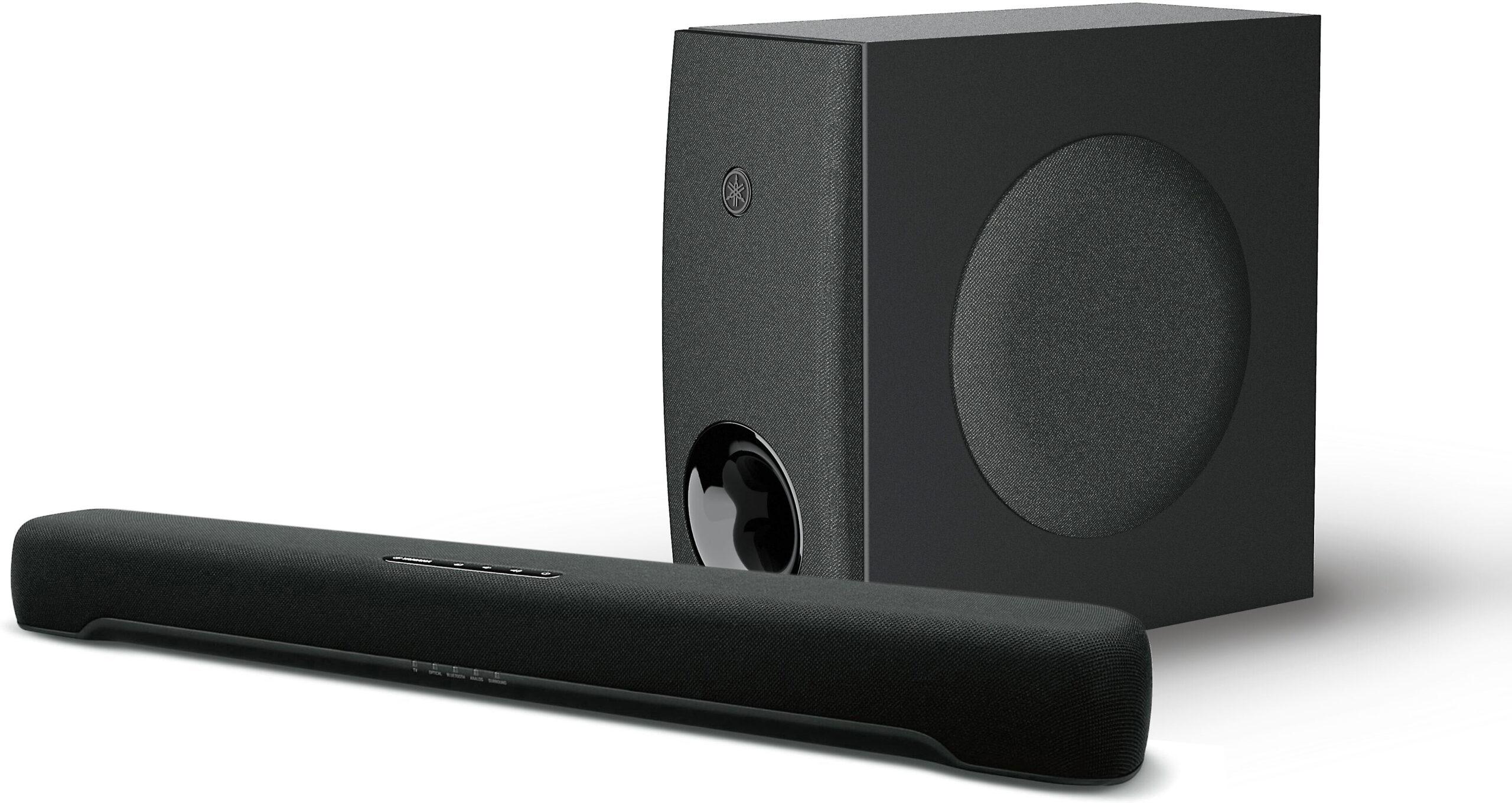
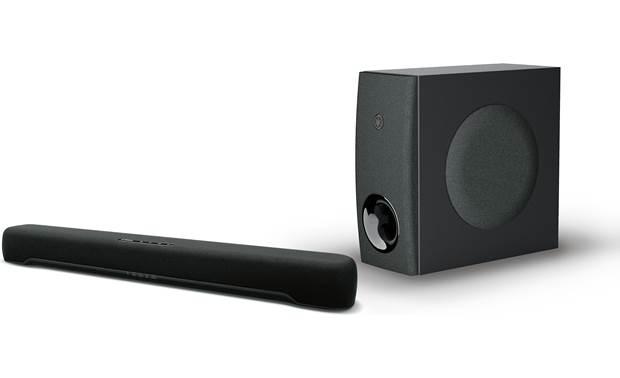
The Yamaha SR-C30A, by contrast, focuses on doing the basics exceptionally well at an accessible price point. Released as part of Yamaha's effort to bring their century of audio expertise to budget-conscious consumers, it's 30% more compact than traditional soundbars while still including a wireless subwoofer—no small engineering feat at this price range.
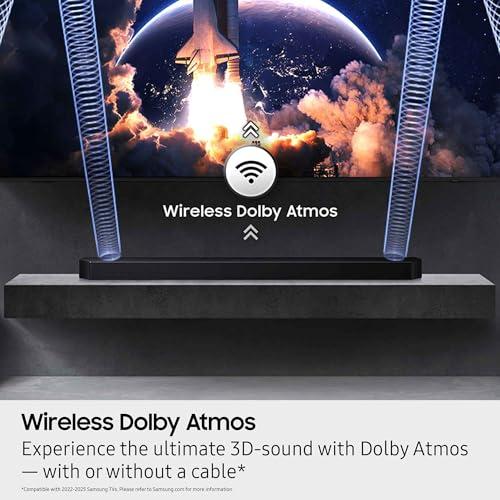
This is where the fundamental differences between these systems become crystal clear. The Samsung HW-Q990F creates what can only be described as audio magic through its object-based surround processing. Supporting both Dolby Atmos and DTS:X formats, it can place specific sounds—a helicopter overhead, footsteps behind you, rain falling from above—in precise three-dimensional locations around your room.
The system achieves this through a combination of direct-firing speakers (pointing straight at you), side-firing drivers (bouncing sound off your walls), and up-firing speakers (reflecting audio off your ceiling). The included wireless rear speakers each contain three separate drivers: one pointing forward, one to the side, and one angled upward. This creates seamless sound movement as effects travel through your space.
During action movies, this translates to an almost cinematic experience. Explosions don't just happen in front of you—they envelop you. Aircraft fly overhead with convincing height effects. Dialogue comes from a dedicated center channel while ambient sounds fill the space around you.
The Yamaha SR-C30A takes a different approach entirely. Without rear speakers or dedicated height channels, it relies on digital signal processing (DSP) to create virtual surround effects. The 3D Movie mode uses psychoacoustic tricks—essentially fooling your brain—to make stereo sound seem wider and more spacious than it actually is.
This virtual processing works better than you might expect, especially for the price. Stereo separation improves noticeably compared to TV speakers, and the soundstage does feel wider. However, it can't match the genuine immersion of physical surround speakers. You'll get better dialogue clarity and fuller sound, but effects won't move around you the way they do with the Samsung.
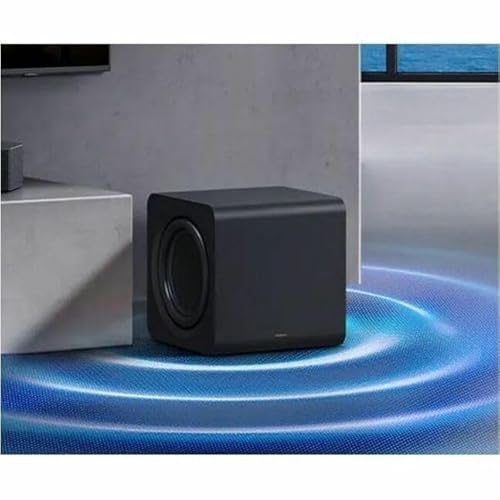
Both systems include wireless subwoofers, but the engineering approaches differ dramatically. The Samsung HW-Q990F features dual 8-inch opposing woofers in what's called a force-canceling design. This means the two drivers face opposite directions, with their vibrations canceling each other out to reduce cabinet resonance and distortion. The result is cleaner, more controlled bass that can go deeper without becoming muddy.
Samsung's 2025 model also introduced Dynamic Bass Control, an AI-powered system that analyzes audio in real-time and adjusts the subwoofer's output to minimize distortion. This means bass stays clean and tight even at high volumes—crucial for movie soundtracks with intense low-frequency effects.
The Yamaha SR-C30A uses a more traditional approach with a single 5.1-inch driver in a ported enclosure. At 50 watts, it provides adequate bass for small to medium rooms without overwhelming the space. The bass is clean and well-integrated with the main soundbar, though it lacks the room-shaking impact of larger systems.
In practical terms, this means the Samsung can handle the deep bass drops in action movies and electronic music without strain, while the Yamaha provides satisfying bass enhancement for most TV content and casual music listening.
Nothing's more frustrating than constantly adjusting volume because you can't understand what people are saying on screen. This is where both systems excel, though through different methods.
The Samsung HW-Q990F employs a dedicated center channel—a speaker specifically designed for dialogue reproduction—combined with Active Voice Amplifier Pro technology. This system analyzes background noise in your room and dynamically boosts dialogue frequencies to ensure voices remain clear even during explosive action scenes. The center channel design means voices appear to come directly from the screen, creating a more natural viewing experience.
The Yamaha SR-C30A uses Clear Voice mode, which applies EQ adjustments to emphasize the frequency ranges where most human speech occurs. While effective for TV shows and simple movie scenes, this approach can struggle during complex sequences where dialogue competes with sound effects and music.
Based on extensive user feedback and professional reviews, the Samsung's approach proves more effective across different content types, though the Yamaha provides noticeable improvement over TV speakers for dialogue-focused content.
While primarily designed for video content, both soundbars handle music differently. The Samsung HW-Q990F creates an impressive stereo image with its multiple speakers, delivering detailed instrument separation and a wide soundstage. The system supports high-resolution audio formats and includes a 7-band graphic equalizer for fine-tuning. For serious music listening, it rivals many dedicated stereo systems.
The Yamaha SR-C30A handles music adequately for casual listening, with a balanced tonal signature that works well for most genres. However, its two-speaker configuration limits soundstage width and detail retrieval compared to more complex systems.
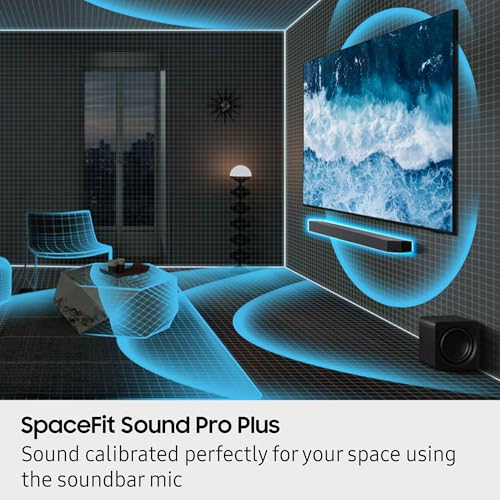
The Samsung HW-Q990F includes SpaceFit Sound Pro Plus, which uses built-in microphones to analyze your room's acoustic characteristics. Hard surfaces that make sound too bright get compensated with EQ adjustments, while rooms that absorb too much sound receive frequency boosts. This automated calibration helps optimize performance regardless of your room's shape or furnishings.
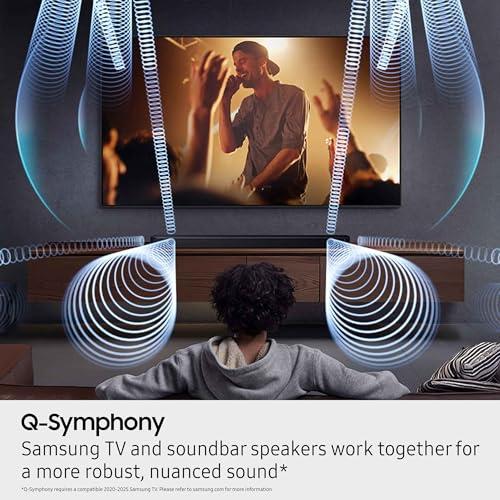
The system also features Q-Symphony technology, which allows compatible Samsung TVs to work in conjunction with the soundbar. Instead of disabling the TV's speakers (as most soundbars do), Q-Symphony uses them as additional channels for an even more immersive soundfield.
The Yamaha SR-C30A takes a simpler approach with preset sound modes: Standard, 3D Movie, Game, and Stereo. While lacking automatic calibration, these modes are carefully tuned by Yamaha's audio engineers and work well across different content types.
Modern soundbars serve as audio hubs for multiple devices, and connectivity options matter significantly. The Samsung HW-Q990F includes HDMI 2.1 inputs capable of handling 4K video at 120Hz—crucial for modern gaming consoles and high-refresh displays. It supports HDR10+ pass-through, ensuring video quality isn't compromised.
The system also integrates with smart home ecosystems through built-in Alexa, Google Cast compatibility, and Apple AirPlay 2 support. Samsung's SmartThings integration allows control through your smartphone and coordination with other smart home devices.
The Yamaha SR-C30A focuses on essential connectivity: HDMI ARC for TV connection, optical inputs for older devices, and Bluetooth 5.0 for streaming music from your phone. A dedicated mobile app provides control and EQ adjustments, though without the smart home integration of premium systems.
Gaming has become increasingly important for soundbar evaluation, as modern consoles output sophisticated audio that benefits from advanced processing. The Samsung HW-Q990F includes Game Mode Pro, which reduces audio latency while maintaining surround processing. The 4K/120Hz pass-through ensures compatibility with PlayStation 5 and Xbox Series X at their highest settings.
For competitive gaming, the surround capabilities provide genuine tactical advantages—you can hear enemy footsteps behind you or identify gunfire direction with precision. The system's low latency ensures audio stays synchronized with on-screen action.
The Yamaha SR-C30A offers a basic Game mode that reduces processing delays, making it suitable for casual gaming. While lacking the directional advantages of surround sound, it provides clearer audio than TV speakers for game dialogue and effects.
Your room dimensions significantly impact soundbar performance. The Samsung HW-Q990F truly shines in medium to large rooms (200+ square feet) where its surround capabilities can fully develop. Smaller spaces may not allow proper rear speaker placement or ceiling reflection for height effects.
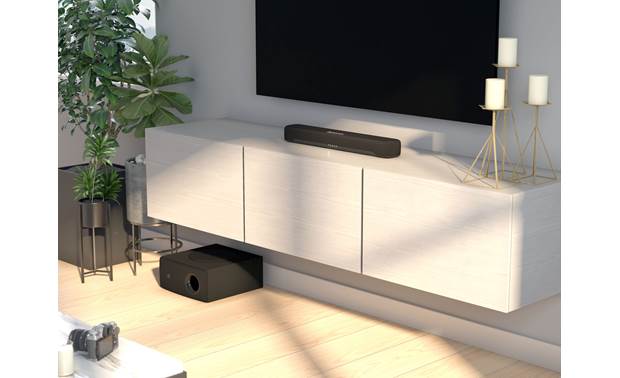
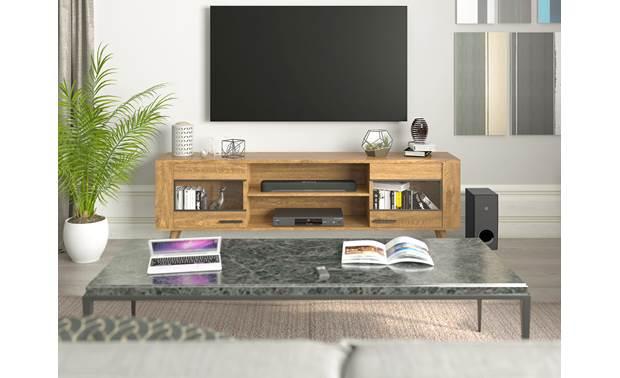
The Yamaha SR-C30A excels in small to medium rooms, apartments, and bedrooms where its compact design fits naturally without overwhelming the space. Its 30% smaller footprint compared to traditional soundbars makes it ideal for tight installations.
At the time of writing, the price difference between these systems reflects their entirely different target markets. The Samsung HW-Q990F represents a premium investment comparable to high-end stereo systems, justified by its comprehensive feature set and performance capabilities. For serious movie enthusiasts and audiophiles, it delivers flagship-level performance that rivals traditional surround sound systems while maintaining soundbar convenience.
The Yamaha SR-C30A offers exceptional value in the budget category, providing dramatic improvement over TV speakers at an accessible price point. It's proof that good audio engineering can deliver meaningful benefits regardless of budget constraints.
These soundbars serve completely different purposes, making the choice less about which is "better" and more about which matches your specific needs and circumstances.
Choose the Samsung HW-Q990F if you're building a dedicated home theater experience, have a medium to large room where surround effects can properly develop, watch significant amounts of movies and premium streaming content, own or plan to purchase a Samsung TV for Q-Symphony integration, and have the budget for a comprehensive audio upgrade. This system transforms your living room into a genuine home theater.
Choose the Yamaha SR-C30A if you want maximum improvement over TV speakers at a budget-friendly price, have a small room or space constraints that prevent rear speaker placement, primarily watch TV shows and casual content rather than movie spectacles, prefer simple plug-and-play installation, or need a secondary system for a bedroom or office.
The beauty of today's soundbar market is that both approaches work brilliantly for their intended audiences. The Samsung delivers luxury home theater performance with the convenience of soundbar installation. The Yamaha proves that excellent audio engineering can provide meaningful benefits at any price point. Your choice should align with your room, budget, and entertainment priorities rather than simply chasing the highest specification numbers.
| Samsung Q-Series HW-Q990F Soundbar | Yamaha SR-C30A Soundbar with Subwoofer |
|---|---|
| Channel Configuration - Determines surround sound capability and immersion level | |
| 11.1.4 channels with 23 total speakers (true surround with overhead effects) | 2.1 channels with 3 total speakers (stereo enhancement only) |
| Dolby Atmos Support - Essential for modern movie soundtracks with height effects | |
| Full Dolby Atmos and DTS:X with physical up-firing speakers | No Dolby Atmos support, virtual 3D processing only |
| Rear Speakers - Critical for authentic surround sound experience | |
| Wireless rear speakers included with multi-directional drivers | No rear speakers (front-firing soundbar only) |
| Subwoofer Design - Impacts bass depth and room-filling capability | |
| Dual 8-inch opposing woofers with Dynamic Bass Control AI | Single 5.1-inch driver, 50W output |
| Room Calibration - Automatically optimizes sound for your space | |
| SpaceFit Sound Pro Plus with microphone-based room analysis | Manual sound mode presets only |
| Connectivity - Determines compatibility with modern devices and gaming | |
| HDMI 2.1 with 4K/120Hz pass-through, eARC, multiple inputs | HDMI ARC, optical inputs, basic connectivity |
| Smart Features - Voice control and streaming integration | |
| Built-in Alexa, Google Cast, AirPlay 2, SmartThings integration | Bluetooth 5.0, mobile app control, no voice assistants |
| Ideal Room Size - Where each system performs optimally | |
| Medium to large rooms (200+ sq ft) for full surround effect | Small to medium rooms, apartments, compact spaces |
| Setup Complexity - Time and effort required for optimal performance | |
| Complex setup with rear speaker placement and room calibration | Simple plug-and-play installation with minimal setup |
| Primary Use Case - Content types where each system excels | |
| Movie enthusiasts, premium streaming, gaming, dedicated home theater | TV shows, news, casual viewing, dialogue enhancement |
The Yamaha SR-C30A is specifically designed for small rooms and compact spaces, being 30% smaller than traditional soundbars. Its 2.1-channel system provides excellent dialogue clarity and bass enhancement without overwhelming smaller areas. The Samsung HW-Q990F is better suited for medium to large rooms where its 11.1.4 surround sound system can fully develop.
Yes, for authentic surround sound you need physical rear speakers. The Samsung HW-Q990F includes wireless rear speakers that create genuine behind-the-listener audio effects. The Yamaha SR-C30A uses virtual surround processing to simulate wider sound, but cannot match the immersive experience of actual rear channels.
The Yamaha SR-C30A offers simple plug-and-play installation with minimal setup required. The Samsung HW-Q990F requires more complex setup including rear speaker placement and room calibration, though automated features help streamline the process for optimal performance.
The Yamaha SR-C30A uses 2.1 channels (left, right, and subwoofer) for stereo sound with bass enhancement. The Samsung HW-Q990F features 11.1.4 channels with 23 total speakers, including front, side, rear, and overhead channels for true three-dimensional surround sound with Dolby Atmos support.
Both improve dialogue significantly over TV speakers, but the Samsung HW-Q990F has a dedicated center channel and Active Voice Amplifier Pro technology for superior voice clarity. The Yamaha SR-C30A offers Clear Voice mode that enhances dialogue frequencies effectively for most TV content.
The Samsung HW-Q990F excels for gaming with HDMI 2.1 support, 4K/120Hz pass-through, Game Mode Pro, and surround sound that provides tactical audio advantages. The Yamaha SR-C30A works well for casual gaming with basic Game mode and low latency, though without surround positioning benefits.
The Yamaha SR-C30A provides exceptional value in the budget category, dramatically improving TV audio at an accessible price point. The Samsung HW-Q990F offers premium home theater performance that justifies its higher cost for serious audio enthusiasts seeking flagship-level features.
Both support wireless music streaming. The Samsung HW-Q990F offers comprehensive connectivity including Bluetooth, Wi-Fi, AirPlay 2, Google Cast, and high-resolution audio support. The Yamaha SR-C30A provides Bluetooth 5.0 streaming with multi-point connectivity for switching between devices.
The Samsung HW-Q990F is specifically designed for home theater applications with Dolby Atmos, DTS:X, true surround sound, and room calibration features that create an immersive cinematic experience. The Yamaha SR-C30A enhances TV audio significantly but cannot match the surround sound immersion needed for serious home theater setups.
No, the Samsung HW-Q990F works with any TV that has HDMI ARC or optical output. However, Samsung TV owners get additional benefits like Q-Symphony technology that synchronizes the soundbar with TV speakers for expanded sound, and simplified control through the TV remote.
The Samsung HW-Q990F delivers superior bass with dual 8-inch opposing woofers, Dynamic Bass Control AI, and powerful output suitable for large rooms. The Yamaha SR-C30A provides adequate bass for small to medium rooms with its 5.1-inch driver and 50W subwoofer that's well-integrated but less impactful.
The Yamaha SR-C30A excels in small to medium rooms, apartments, and bedrooms where space is limited. The Samsung HW-Q990F performs optimally in medium to large rooms (200+ square feet) where surround effects can properly develop and rear speakers can be positioned effectively for maximum immersion.
We've done our best to create useful and informative comparisons to help you decide what product to buy. Our research uses advanced automated methods to create this comparison and perfection is not possible - please contact us for corrections or questions. These are the sites we've researched in the creation of this article: rtings.com - crutchfield.com - sound-advice.online - samsung.com - soundandvision.com - samsung.com - whathifi.com - youtube.com - youtube.com - bestbuy.com - avsforum.com - content.syndigo.com - samsung.com - businessinsider.com - dolby.com - youtube.com - abcwarehouse.com - techradar.com - usa.yamaha.com - expertreviews.com - usa.yamaha.com - trustedreviews.com - crutchfield.com - europe.yamaha.com - usa.yamaha.com - shop.usa.yamaha.com - assetserver.net

Privacy Policy
Terms and Conditions - Affiliate Policy
Home Security
© Copyright 2008-2026.
11816 Inwood Rd #1211, Dallas, TX 75244