



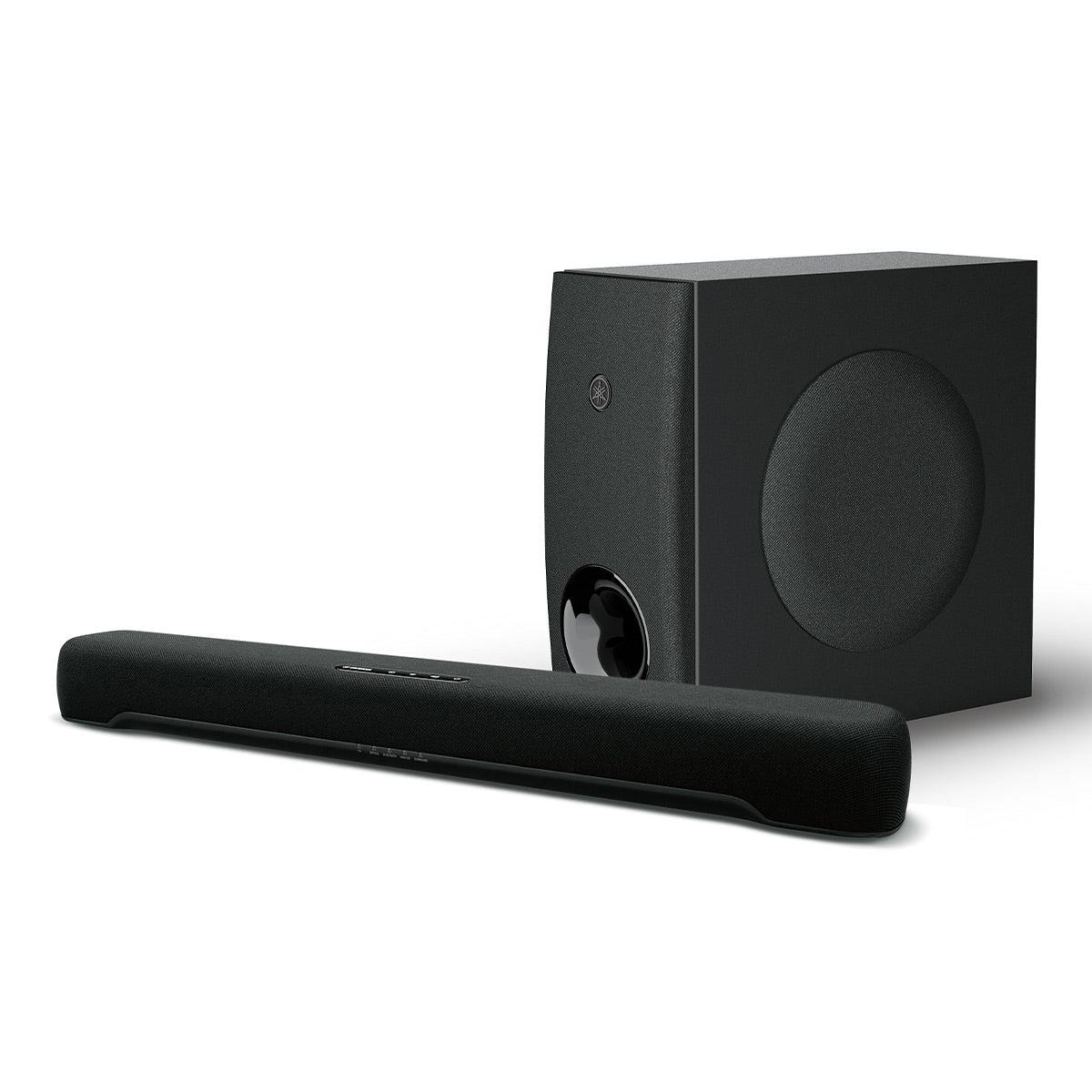
When your TV's built-in speakers make movie dialogue sound like characters are talking through a tin can, it's time for a soundbar upgrade. But choosing between soundbars can feel overwhelming, especially when you're comparing products that take completely different approaches to improving your audio experience.
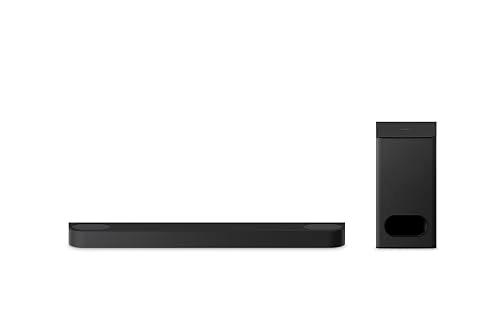
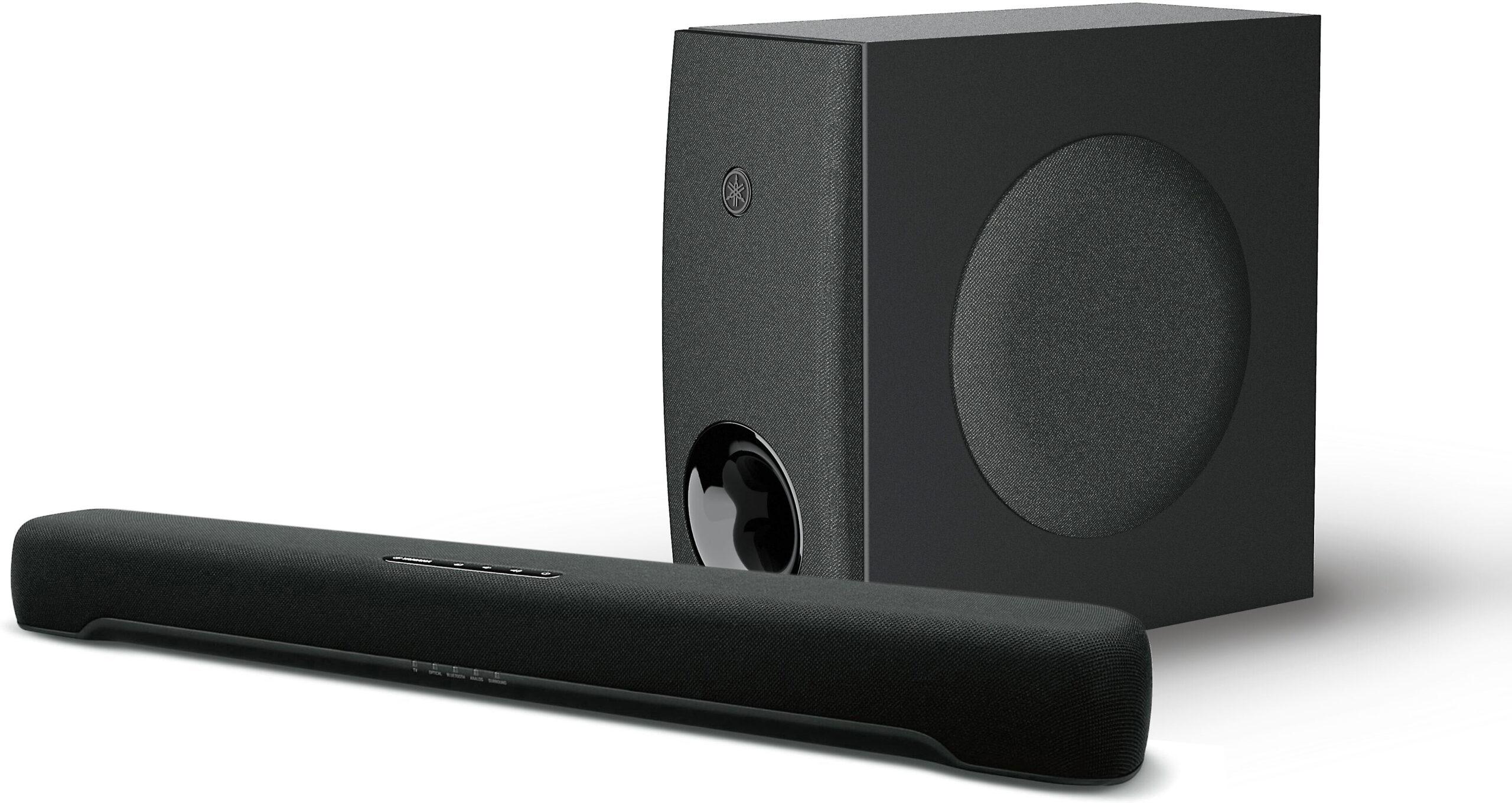
The Sony BRAVIA Theater Bar 6 and Yamaha SR-C30A represent two distinct philosophies in soundbar design. One prioritizes immersive, cinema-like experiences with advanced features, while the other focuses on delivering excellent core audio quality at an accessible price point. Understanding these differences is crucial to making the right choice for your setup.
Before diving into these specific models, let's establish what makes a soundbar worth your money. At its core, a soundbar replaces your TV's weak internal speakers with dedicated drivers (individual speakers) that can move more air and reproduce different frequency ranges more effectively.
The most important specification to understand is channel configuration, typically written as numbers like 2.1 or 3.1.2. The first number represents left and right speakers, the second indicates whether there's a dedicated center channel for dialogue, and the third refers to height or upward-firing speakers. The ".1" refers to a subwoofer that handles deep bass frequencies your main speakers can't reproduce effectively.
Power output, measured in watts, tells you how loud and dynamic your system can get. However, more watts doesn't automatically mean better sound quality – it's about how efficiently that power is used and how well the speakers are designed.
Modern soundbars also support advanced audio formats like Dolby Atmos, which uses object-based audio to place sounds in three-dimensional space around you. This creates the sensation that helicopters are flying overhead or rain is falling from above, rather than just from the left and right sides.
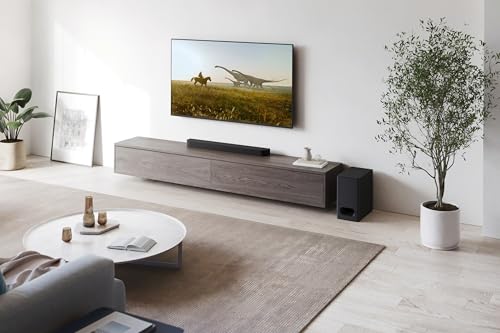
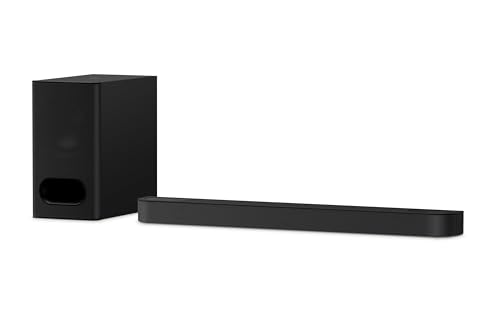
The Sony BRAVIA Theater Bar 6 launched in 2025 as part of Sony's renewed focus on home theater audio. It represents current thinking about what mid-range soundbars should offer, including physical height speakers for Dolby Atmos and tight integration with Sony's TV ecosystem.
The Yamaha SR-C30A, while not as recent, embodies Yamaha's long-standing philosophy of audio engineering excellence. Yamaha has been perfecting acoustic technologies for over a century, from pianos to professional mixing consoles, and that expertise shows in their consumer audio products.
At the time of writing, these products sit in different price categories, with the Sony positioned as a mid-range option and the Yamaha serving budget-conscious buyers. However, this price difference comes with significant performance and feature disparities that we need to examine closely.
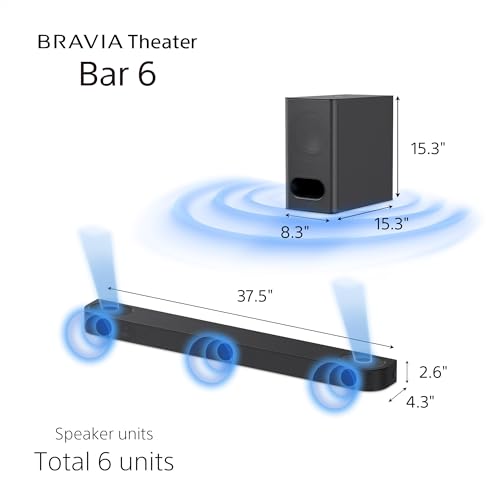
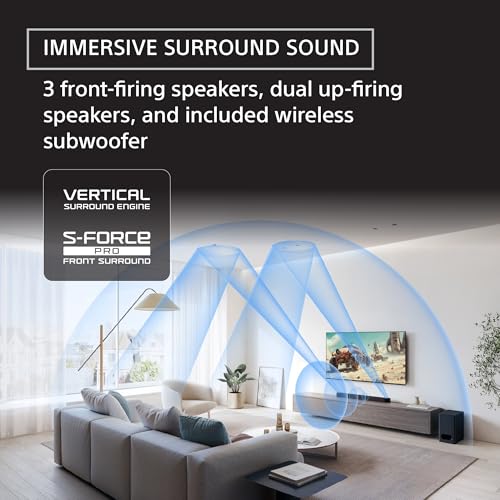
The most fundamental difference between these soundbars lies in their channel configuration. The Sony BRAVIA Theater Bar 6 uses a 3.1.2 setup, meaning it has dedicated left, center, and right speakers in the main bar, plus two upward-firing speakers for height effects, all supported by a wireless subwoofer.
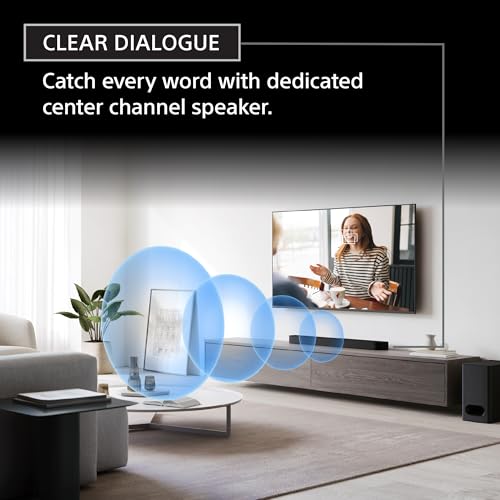
This configuration allows the Sony to place dialogue precisely in the center channel – a crucial advantage for movie watching. When actors speak on screen, their voices come from a dedicated speaker pointing directly at you, rather than being mixed between left and right channels. This creates much clearer dialogue reproduction, especially during complex scenes with lots of background noise or music.
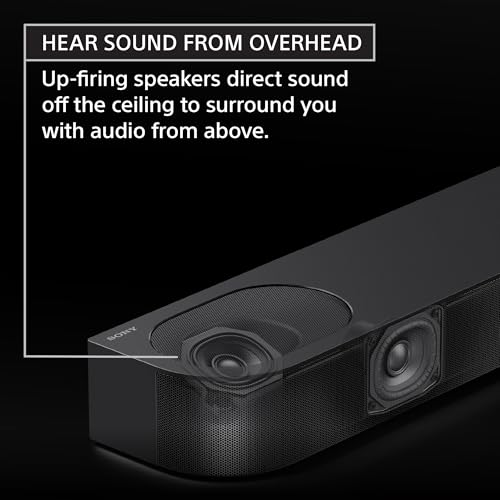
The upward-firing speakers bounce sound off your ceiling to create the illusion of overhead audio. When a helicopter passes over in a movie, you'll hear it above you rather than just from the front. However, this technique works best with flat, reflective ceilings – if you have vaulted, textured, or acoustically treated ceilings, the effect may be less pronounced.
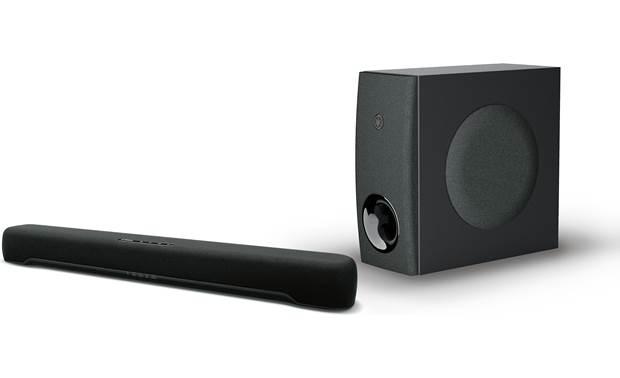
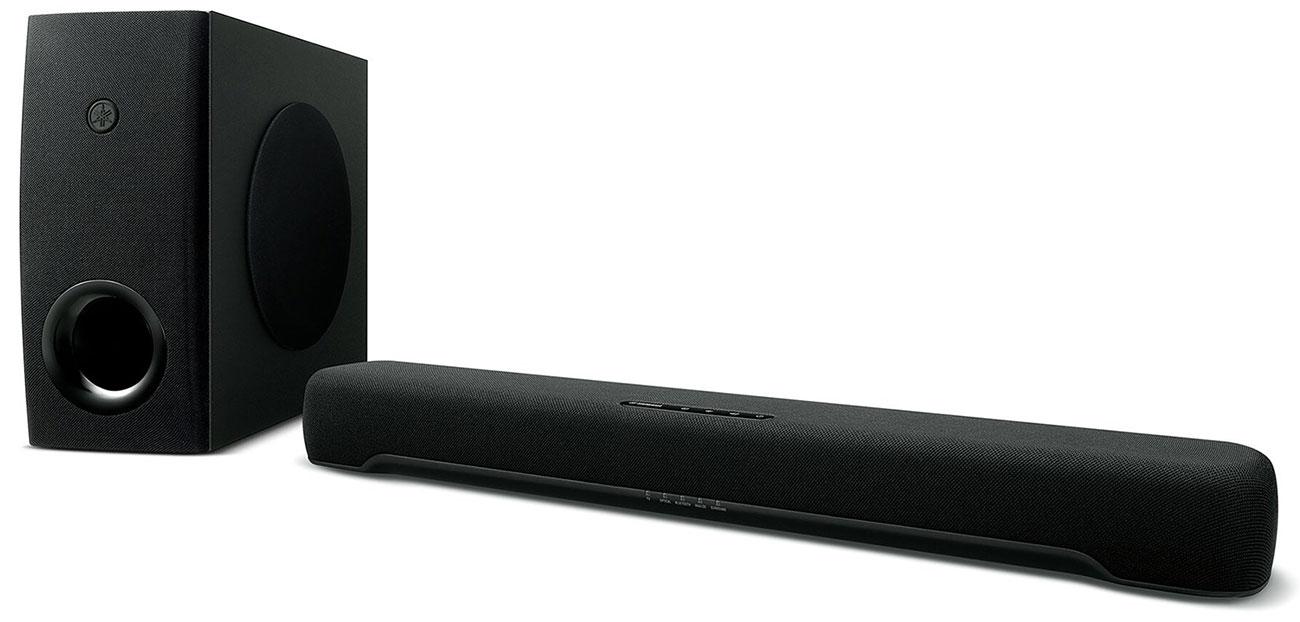
In contrast, the Yamaha SR-C30A uses a 2.1 configuration with just left and right speakers plus the subwoofer. While this might seem limiting, Yamaha compensates with sophisticated digital signal processing (DSP) that creates virtual surround effects. The 3D Movie mode analyzes stereo content and redistributes it to simulate a wider soundstage, though it can't truly replicate the precision of dedicated center and height channels.
The power difference between these systems is substantial. The Sony delivers 350 watts total system power, while the Yamaha produces 90 watts. This isn't just about getting louder – higher power typically means better dynamic range, which is the difference between the quietest and loudest sounds the system can produce.
Dynamic range matters enormously for movie watching. Think about the difference between quiet dialogue and a sudden explosion. A more powerful system can reproduce both extremes without compression, maintaining the director's intended impact. The Sony's additional power headroom means it won't strain during loud action sequences, while the Yamaha might compress dynamics to prevent distortion at high volumes.
However, power isn't everything. Yamaha's efficient amplifier design and well-tuned drivers mean the SR-C30A can sound surprisingly robust despite its lower wattage. In smaller rooms, the power difference may be less noticeable, and the Yamaha often provides better sound quality per watt.
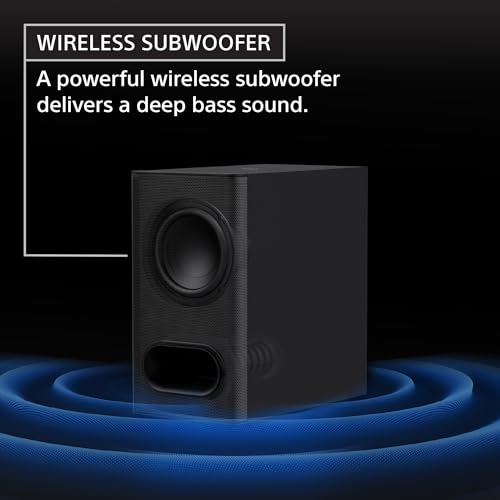
Both systems include wireless subwoofers, but their approaches differ significantly. The Sony's subwoofer houses a larger 6-inch driver and receives more amplifier power, creating deeper, more impactful bass extension. This makes explosions feel more visceral and adds weight to musical content.
However, reviews consistently note that the Sony's default bass setting is excessive, often overwhelming dialogue and mid-range frequencies. Users typically need to reduce the subwoofer level by 3-4 steps to achieve balanced sound. This suggests Sony tuned the system for immediate impact rather than long-term listening pleasure.
The Yamaha's 5.1-inch subwoofer driver produces more controlled, musical bass that integrates better with the main soundbar. While it won't rattle your windows like the Sony, it provides adequate low-frequency support without dominating the mix. For apartment living or late-night viewing, this restraint is actually advantageous.
One notable limitation of the Yamaha is occasional synchronization issues between the soundbar and subwoofer. Wireless transmission can sometimes create slight delays, making bass notes arrive fractionally after the corresponding audio from the main bar. This is generally subtle but can be noticeable during quick musical passages.
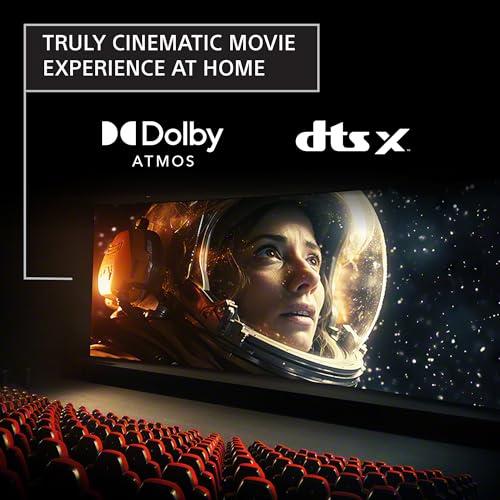
The Sony BRAVIA Theater Bar 6's headline feature is its support for Dolby Atmos through dedicated upward-firing speakers. These physically point toward your ceiling, using reflection to create the perception of overhead sound. When configured properly, this can create genuinely immersive experiences during compatible content.
Sony's Vertical Surround Engine processes both Dolby Atmos content and regular stereo audio to maximize height perception. Even non-Atmos content benefits from this processing, which attempts to extract ambient information and redirect it upward. The effectiveness varies by room acoustics and ceiling height, but when it works well, the effect is notably more engaging than traditional soundbars.
The Yamaha SR-C30A takes a different approach with its virtual 3D Movie mode. Rather than physical height speakers, it uses psychoacoustic processing to trick your brain into perceiving surround and height effects. This technology analyzes incoming audio and applies phase shifts, delays, and frequency adjustments to create the illusion of sounds coming from different directions.
While virtual processing can't match dedicated speakers for precision, Yamaha's implementation is surprisingly effective. The soundstage feels wider and more enveloping than typical stereo reproduction, though it lacks the specific overhead localization that physical height speakers provide.
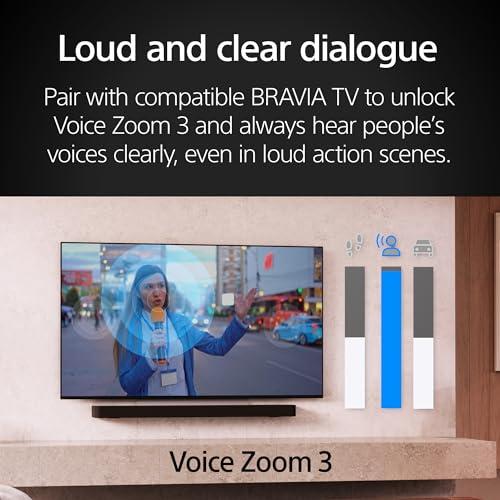
Both manufacturers recognize that dialogue clarity is paramount for TV and movie enjoyment. The Sony employs multiple technologies: a dedicated center channel ensures voices come from the screen center, while Clear Voice algorithms boost dialogue frequencies. When paired with compatible Sony TVs, Voice Zoom 3.0 technology can even use the TV's built-in speakers alongside the soundbar to further enhance speech clarity.
The Yamaha SR-C30A achieves dialogue enhancement through its Clear Voice mode, which applies dynamic range compression and frequency emphasis to make speech more intelligible. Additionally, the Adaptive Low Volume technology maintains dialogue clarity even when you're listening quietly – perfect for late-night viewing when you don't want to wake others.
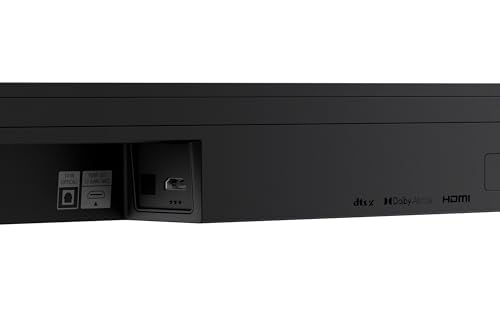
Modern soundbar connectivity can make or break the user experience. The Sony BRAVIA Theater Bar 6 includes HDMI eARC (enhanced Audio Return Channel), which provides the highest quality audio connection to your TV. However, it notably lacks HDMI passthrough, meaning you can't connect devices directly to the soundbar – everything must go through your TV first.
This limitation becomes problematic if your TV doesn't support the latest audio formats or has limited HDMI ports. Gamers particularly might find this restrictive, as they can't take advantage of the soundbar's low-latency processing if their console connects through the TV.
The Sony also surprisingly lacks Wi-Fi connectivity, a significant oversight for a 2025 product. This eliminates streaming capabilities, software updates over the internet, and integration with smart home systems. You're limited to Bluetooth for wireless audio, which compresses the signal and can't match wired connection quality.
The Yamaha SR-C30A offers more versatile connectivity despite its budget positioning. Dual optical inputs accommodate multiple devices, while a 3.5mm analog input handles gaming consoles or other sources. The Bluetooth 5.0 implementation includes multi-point functionality, allowing seamless switching between paired devices like phones and tablets.
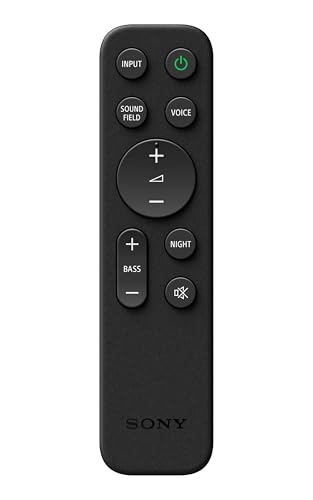
The Sony shines brightest when paired with Sony BRAVIA TVs through BRAVIA SYNC technology. This integration allows control of the soundbar through the TV's remote, automatic power on/off synchronization, and unified settings menus. The BRAVIA Connect app provides additional customization options, including manual room setup and sound mode selection.
For non-Sony TV owners, the integration benefits disappear, leaving you with a relatively basic control experience. The lack of Wi-Fi means no advanced app features, voice assistant integration, or streaming service access.
The Yamaha takes a more universal approach with its Sound Bar Remote app, compatible with both iOS and Android devices. While not as deeply integrated as Sony's ecosystem approach, it works consistently regardless of your TV brand.
For action movies and blockbuster content, the Sony BRAVIA Theater Bar 6 delivers a noticeably more immersive experience. The dedicated center channel makes dialogue cuts through even during explosive scenes, while the height speakers add genuine overhead effects during helicopter chases or thunderstorms. The powerful subwoofer provides visceral impact that makes you feel explosions in your chest.
However, this performance comes with caveats. The bass often requires adjustment to prevent it from overwhelming other frequencies. Room acoustics significantly impact the height effect quality, and some users report minimal improvement with Atmos content depending on their ceiling configuration.
The Yamaha SR-C30A offers a more balanced, refined presentation that works consistently across different room configurations. While it can't match the Sony's scale and impact, it maintains better frequency balance and often reveals more subtle details in soundtracks and dialogue. For drama, comedy, or dialogue-heavy content, many users prefer the Yamaha's more natural presentation.
Here's where the philosophical differences become most apparent. The Sony emphasizes impact and presence, which works well for pop, rock, and electronic music but can fatigue during extended listening sessions. The excessive bass emphasis tends to muddy complex musical arrangements.
The Yamaha SR-C30A demonstrates superior musical balance and timing. Yamaha's century of acoustic expertise shows in the natural tonal balance and better integration between drivers and subwoofer. Classical music, jazz, and acoustic recordings sound more authentic and less processed.
The Compressed Music Enhancer in the Yamaha actually improves Bluetooth streaming quality by reconstructing some high-frequency information lost during compression. This makes streaming from phones and tablets sound notably better than basic Bluetooth implementations.
For gaming, the Sony's higher power and Atmos support can enhance spatial awareness in compatible games. However, the lack of HDMI passthrough means potential latency issues when audio travels through your TV's processing chain.
The Yamaha's direct analog input provides the lowest possible latency for competitive gaming, while its more controlled bass response prevents low frequencies from masking important audio cues like footsteps or gunshots.
The Sony BRAVIA Theater Bar 6 requires more careful room consideration. Its larger subwoofer and higher power output work best in medium to large rooms where they have space to breathe. Small apartments or bedrooms might find the bass overwhelming even after adjustment.
The height speaker effectiveness depends heavily on ceiling configuration. Standard 8-10 foot flat ceilings with drywall provide optimal reflection. Vaulted, textured, or acoustically treated ceilings significantly reduce the Atmos effect.
The Yamaha SR-C30A adapts more readily to different room sizes and configurations. Its more modest power output and controlled bass response work well in smaller spaces without overwhelming the room. The virtual surround processing is less dependent on specific acoustic conditions.
Neither system offers traditional expandability options, but they handle growth differently. The Sony represents a complete solution that can't be meaningfully upgraded without replacing the entire system. Sony does offer a Theater System 6 bundle with rear speakers, but it uses a different soundbar entirely.
The Yamaha positions itself as a stepping stone. Users can later upgrade to more powerful Yamaha systems while carrying forward their understanding of the brand's sound signature and control interfaces.
You own a Sony TV and want seamless ecosystem integration. The BRAVIA SYNC functionality and unified control experience justify much of the price premium for Sony TV owners. You should also consider the Sony if you have a medium to large room with appropriate ceiling acoustics for height effects, prioritize movie and gaming experiences over music listening, and can tolerate some setup complexity in exchange for more impressive peak performance.
The Sony makes most sense for dedicated home theater setups where movie watching is the primary use case and you want the most immersive experience possible within this price range.
Budget constraints are a primary concern, but you still want meaningful audio improvement over TV speakers. The Yamaha also excels for smaller living spaces, apartments, or bedrooms where powerful bass and high volumes aren't necessary or desirable.
Consider the Yamaha if you value musical accuracy alongside TV enhancement, prefer simple setup without extensive adjustment requirements, need multiple input options for various devices, or want a system that works well regardless of your TV brand.
The Yamaha serves best as a versatile audio upgrade that enhances both TV and music experiences without dominating your living space or requiring acoustic considerations.
At the time of writing, these soundbars represent excellent value within their respective price categories, but they serve different needs. The Sony BRAVIA Theater Bar 6 offers genuinely advanced features and immersive capabilities that justify its higher price for the right user and setup. Meanwhile, the Yamaha SR-C30A provides exceptional audio quality and versatility for its budget-friendly positioning.
Your choice ultimately depends on your priorities: immersive movie experiences with room-filling impact, or balanced, refined audio improvement that works consistently across all content types. Both approaches have merit, but understanding these philosophical differences will guide you toward the soundbar that best matches your expectations and living situation.
| Sony BRAVIA Theater Bar 6 | Yamaha SR-C30A |
|---|---|
| Channel Configuration - Determines dialogue clarity and surround immersion | |
| 3.1.2 channels (dedicated center + height speakers) | 2.1 channels (stereo with virtual surround) |
| Total System Power - Affects maximum volume and dynamic range | |
| 350W (excellent for medium-large rooms) | 90W (adequate for small-medium rooms) |
| Dolby Atmos Support - Creates overhead sound effects for movies | |
| Physical up-firing speakers for true height effects | Virtual 3D processing simulates overhead audio |
| Subwoofer Driver Size - Impacts bass depth and room-filling capability | |
| 6-inch wireless driver (powerful but may overwhelm) | 5.1-inch wireless driver (controlled, musical bass) |
| HDMI Connectivity - Determines audio quality and device compatibility | |
| eARC only, no passthrough (limits gaming setups) | ARC with dual optical inputs (more versatile) |
| Smart Features - Affects ease of use and future-proofing | |
| BRAVIA SYNC for Sony TVs, no Wi-Fi (2025 limitation) | Universal app control, Bluetooth multi-point |
| Voice Enhancement Technology - Critical for dialogue clarity | |
| Dedicated center channel + Voice Zoom 3.0 | Clear Voice mode + Adaptive Low Volume |
| Room Requirements - Consider your space and acoustics | |
| Needs flat ceiling for Atmos, larger subwoofer placement | Works in any room, compact subwoofer, less placement-critical |
| Target Use Case - Best application for each system | |
| Sony: Movie theater experience, Sony TV owners | Yamaha: Balanced TV/music upgrade, budget-conscious |
The Sony BRAVIA Theater Bar 6 is significantly better for movies due to its 3.1.2-channel configuration with dedicated center channel and physical up-firing speakers for Dolby Atmos. The dedicated center channel provides clearer dialogue, while the height speakers create genuine overhead effects during action scenes. The Yamaha SR-C30A uses virtual surround processing which works well but can't match the immersion of dedicated speakers for cinematic experiences.
The Sony BRAVIA Theater Bar 6 delivers 350 watts of total system power compared to the Yamaha SR-C30A's 90 watts. This means the Sony can play much louder and handle dynamic movie soundtracks without distortion. However, the Yamaha's lower power is often sufficient for smaller rooms and provides more controlled, balanced sound that many users prefer for everyday TV watching.
The Sony BRAVIA Theater Bar 6 has more powerful bass with its larger 6-inch subwoofer driver, creating deeper, more impactful low frequencies perfect for action movies. However, many users find the default bass setting overwhelming and need to reduce it. The Yamaha SR-C30A offers more musical, controlled bass that integrates better with dialogue and won't overpower smaller rooms.
Only the Sony BRAVIA Theater Bar 6 supports true Dolby Atmos with physical up-firing speakers that bounce sound off your ceiling. The Yamaha SR-C30A uses virtual 3D Movie mode to simulate surround and height effects through processing, which works well but isn't true Atmos. For the best Atmos experience, the Sony is the clear choice.
The Yamaha SR-C30A is better suited for small spaces due to its more controlled power output, compact subwoofer, and balanced sound that won't overwhelm tight quarters. The Sony BRAVIA Theater Bar 6 can be too powerful for small rooms, and its larger subwoofer may be difficult to place properly in cramped spaces.
The Yamaha SR-C30A offers more versatile connectivity with HDMI ARC, dual optical inputs, and a 3.5mm analog input for various devices. The Sony BRAVIA Theater Bar 6 has HDMI eARC and optical input but lacks HDMI passthrough and surprisingly has no Wi-Fi connectivity. The Yamaha provides better options for connecting multiple devices.
The Yamaha SR-C30A works equally well with any TV brand, offering universal compatibility and consistent performance. The Sony BRAVIA Theater Bar 6 is designed primarily for Sony BRAVIA TVs with special integration features like BRAVIA SYNC and Voice Zoom 3.0. While it works with other TVs, you'll miss out on key features that justify much of its higher cost.
The Yamaha SR-C30A is superior for music listening, offering more balanced frequency response and better integration between the soundbar and subwoofer. Yamaha's audio expertise shows in the natural tonal balance. The Sony BRAVIA Theater Bar 6 emphasizes impact over accuracy, which can fatigue during extended music sessions and muddy complex musical arrangements.
The Yamaha SR-C30A offers simpler setup with intuitive controls and works well out of the box without extensive adjustment. The Sony BRAVIA Theater Bar 6 requires more configuration, including subwoofer level adjustment and room setup for optimal Atmos performance. The Sony rewards the extra effort with better performance, but the Yamaha is more plug-and-play friendly.
Both excel at dialogue clarity but through different methods. The Sony BRAVIA Theater Bar 6 uses a dedicated center channel and Clear Voice technology for precise speech reproduction. The Yamaha SR-C30A achieves excellent dialogue clarity through its Clear Voice mode and Adaptive Low Volume technology. Both significantly improve speech intelligibility over TV speakers.
Value depends on your needs and budget. The Yamaha SR-C30A offers exceptional value for budget-conscious buyers, delivering quality audio improvement without breaking the bank. The Sony BRAVIA Theater Bar 6 provides better value for Sony TV owners seeking immersive movie experiences, but its higher price and limited connectivity may not justify the cost for everyone.
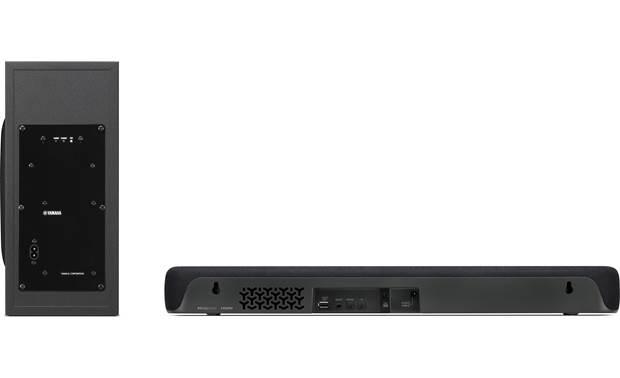
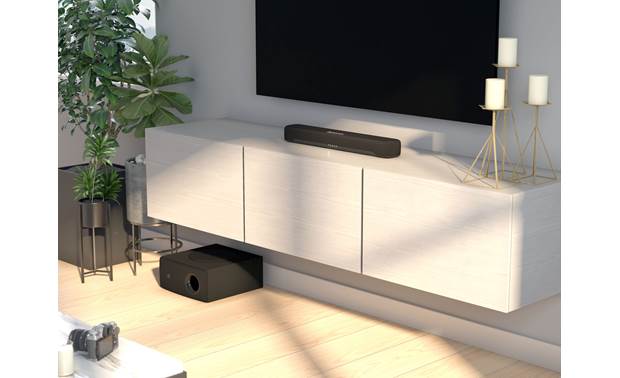
Yes, both the Sony BRAVIA Theater Bar 6 and Yamaha SR-C30A include wall-mounting hardware and keyhole slots for easy installation. Both are designed to sit below your TV without blocking the screen or remote sensor. The wireless subwoofers for both models can be placed anywhere in the room for optimal bass response and aesthetic appeal.
We've done our best to create useful and informative comparisons to help you decide what product to buy. Our research uses advanced automated methods to create this comparison and perfection is not possible - please contact us for corrections or questions. These are the sites we've researched in the creation of this article: rtings.com - bestbuy.com - whathifi.com - youtube.com - youtube.com - sony.com - galaxus.at - helpguide.sony.net - audioadvice.com - electronics.sony.com - youtube.com - youtube.com - electronics.sony.com - helpguide.sony.net - whatgear.net - consumerreports.org - techradar.com - usa.yamaha.com - expertreviews.com - usa.yamaha.com - trustedreviews.com - crutchfield.com - europe.yamaha.com - usa.yamaha.com - shop.usa.yamaha.com - assetserver.net

Privacy Policy
Terms and Conditions - Affiliate Policy
Home Security
© Copyright 2008-2026.
11816 Inwood Rd #1211, Dallas, TX 75244