

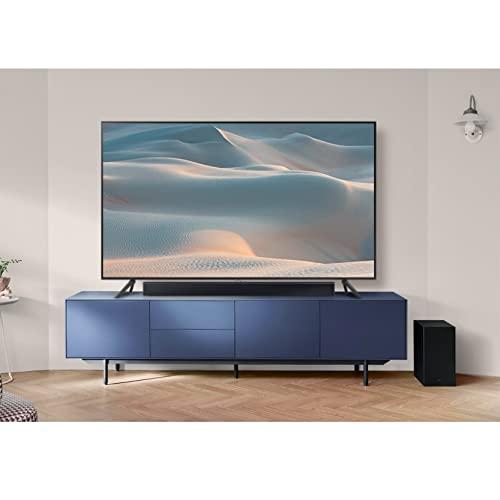
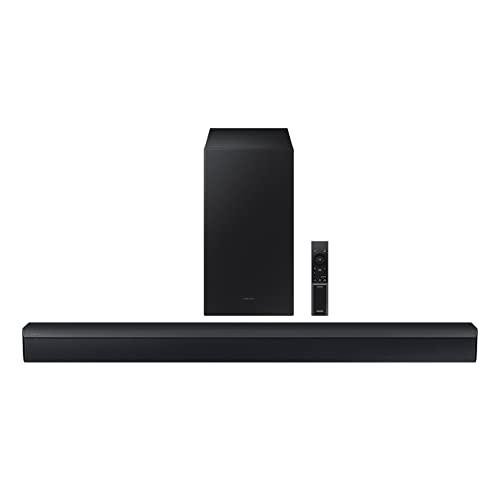
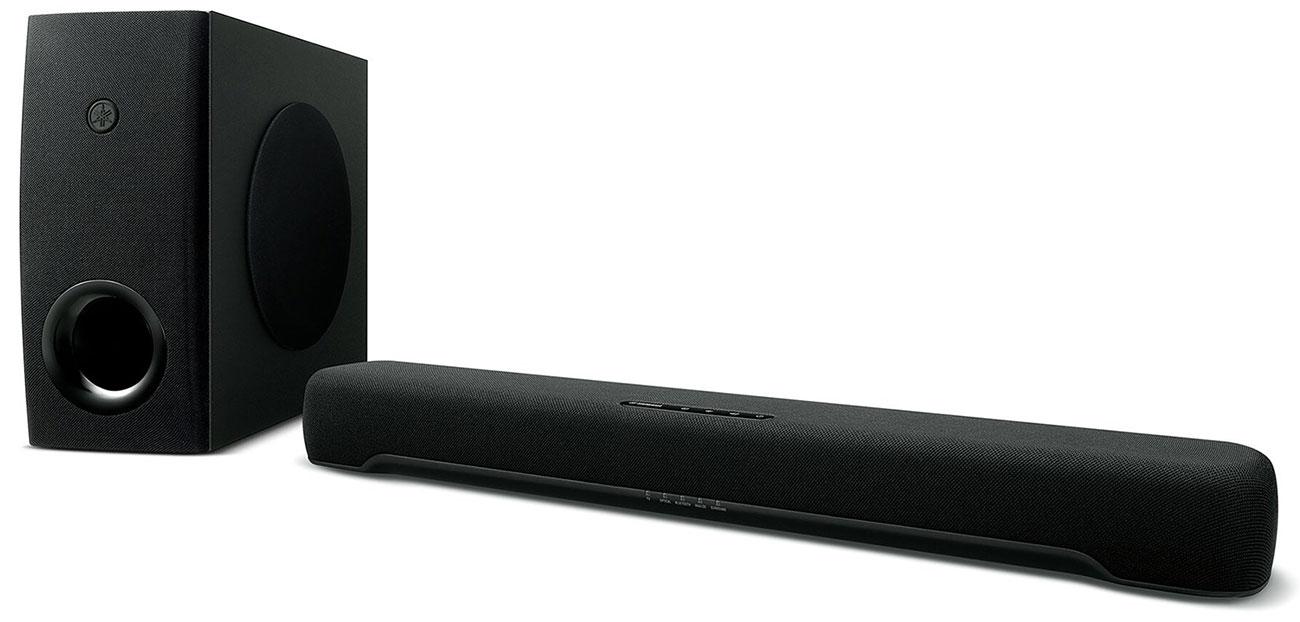

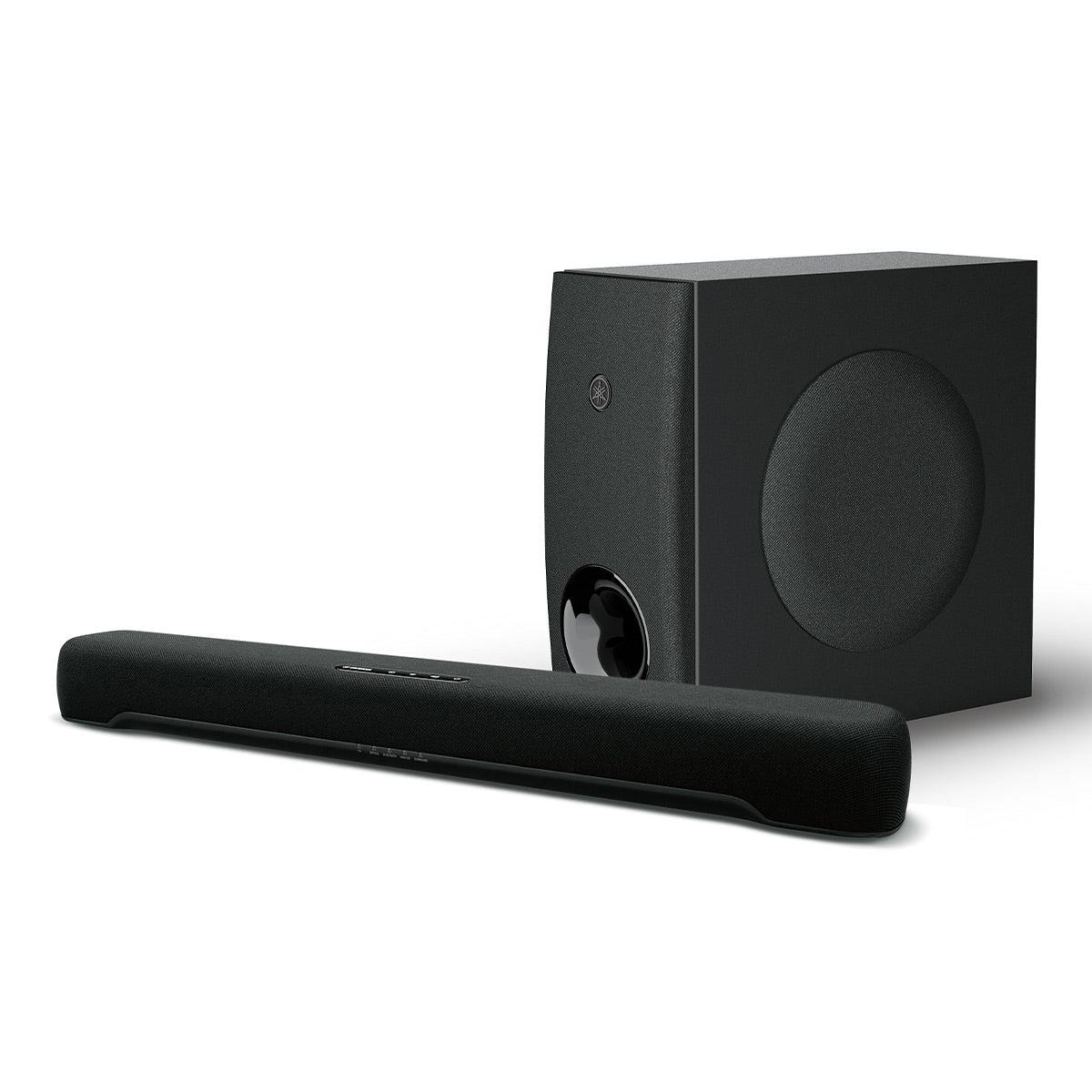
When your TV's built-in speakers sound like they're trapped in a shoebox, it's time for an upgrade. The soundbar market has exploded over the past few years, with manufacturers cramming impressive technology into increasingly affordable packages. Today we're diving deep into two popular budget options that take completely different approaches to solving your audio problems: the Samsung HW-C450 and the Yamaha SR-C30A.
Both soundbars launched in 2023, representing the latest thinking in entry-level audio design. But here's the thing—they couldn't be more different in their philosophy. One focuses on smart features and virtual surround wizardry, while the other goes back to acoustic basics with serious bass hardware. Understanding these differences will help you pick the right one for your setup.
Before we jump into the specifics, let's talk about what "2.1-channel" actually means. The "2" represents your left and right stereo channels—the main drivers handling everything from dialogue to music. The ".1" is your subwoofer, specifically designed to handle low-frequency sounds (bass) that smaller speakers simply can't reproduce effectively.
This configuration has become the sweet spot for budget buyers because it delivers the most noticeable upgrade over TV speakers without breaking the bank. You get clearer dialogue, wider soundstage, and—crucially—actual bass response that makes explosions feel explosive and music sound full-bodied.
The key considerations when shopping in this category haven't changed much over the years: you want noticeable audio improvement without complexity, decent bass without taking up half your living room, and features that actually work with your existing setup. What has changed since 2020 is how much technology manufacturers can pack into these affordable packages.
Both the Samsung HW-C450 and Yamaha SR-C30A represent different answers to the same fundamental question: how do you deliver big sound from a small, affordable package?
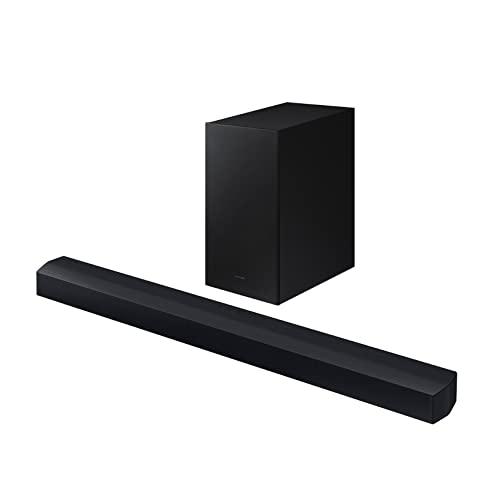
The Samsung HW-C450 embodies Samsung's philosophy of using software and processing to punch above its hardware weight class. Released in 2023, it's built around the idea that smart algorithms can create impressive audio experiences without requiring expensive physical components.
The star of the show here is DTS Virtual:X technology. This isn't just marketing speak—it's sophisticated audio processing that analyzes stereo or surround sound tracks and uses psychoacoustic principles (basically, tricks your brain plays when processing sound) to create the illusion of height and depth from just two speakers. When it works well, you'll swear there are speakers behind and above you. When it doesn't, things can sound artificial or echoey.
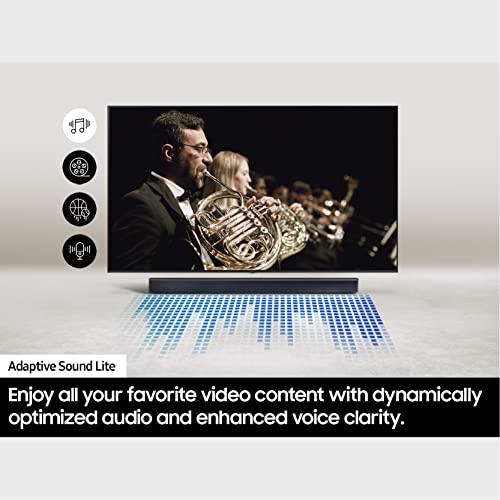
But Samsung doesn't stop there. The HW-C450 includes Adaptive Sound Lite, which continuously analyzes whatever you're watching and automatically adjusts the sound profile. Watching a dialogue-heavy drama? It boosts mid-range frequencies where human voices live. Action movie? It emphasizes bass and spatial effects. This kind of real-time audio analysis was unthinkable in budget soundbars just five years ago.
The gaming features deserve special mention. Game Mode doesn't just slap on a "gaming" label—it actually reduces audio latency (the delay between something happening on screen and you hearing it) and enhances directional audio cues. For competitive gamers, being able to accurately locate footsteps or gunshots can be the difference between victory and respawn.
Samsung's approach extends to usability too. The One Remote Control feature lets you control both your Samsung TV and the HW-C450 with a single remote, while Auto Power Link turns the soundbar on and off with your TV. These might seem like small conveniences, but they eliminate the daily friction that makes people abandon their soundbars.
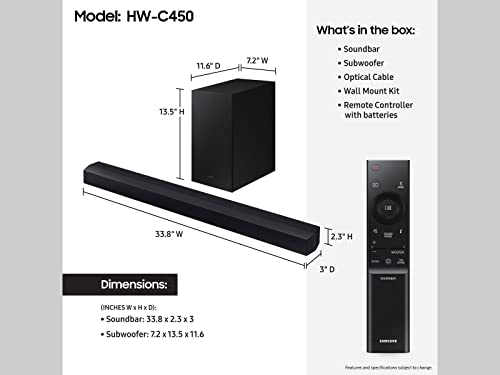
The wireless subwoofer pairs automatically and provides adequate bass for most content, though it's clearly working within physical limitations. At around 184mm wide and 343mm tall, it's compact enough for tight spaces but can't move the air that larger subs can.
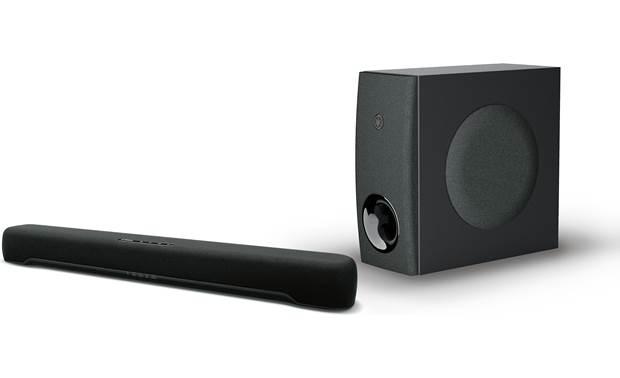
The Yamaha SR-C30A, also launched in 2023, represents a completely different philosophy. Where Samsung relies heavily on processing, Yamaha focuses on getting the acoustic fundamentals right with better hardware.
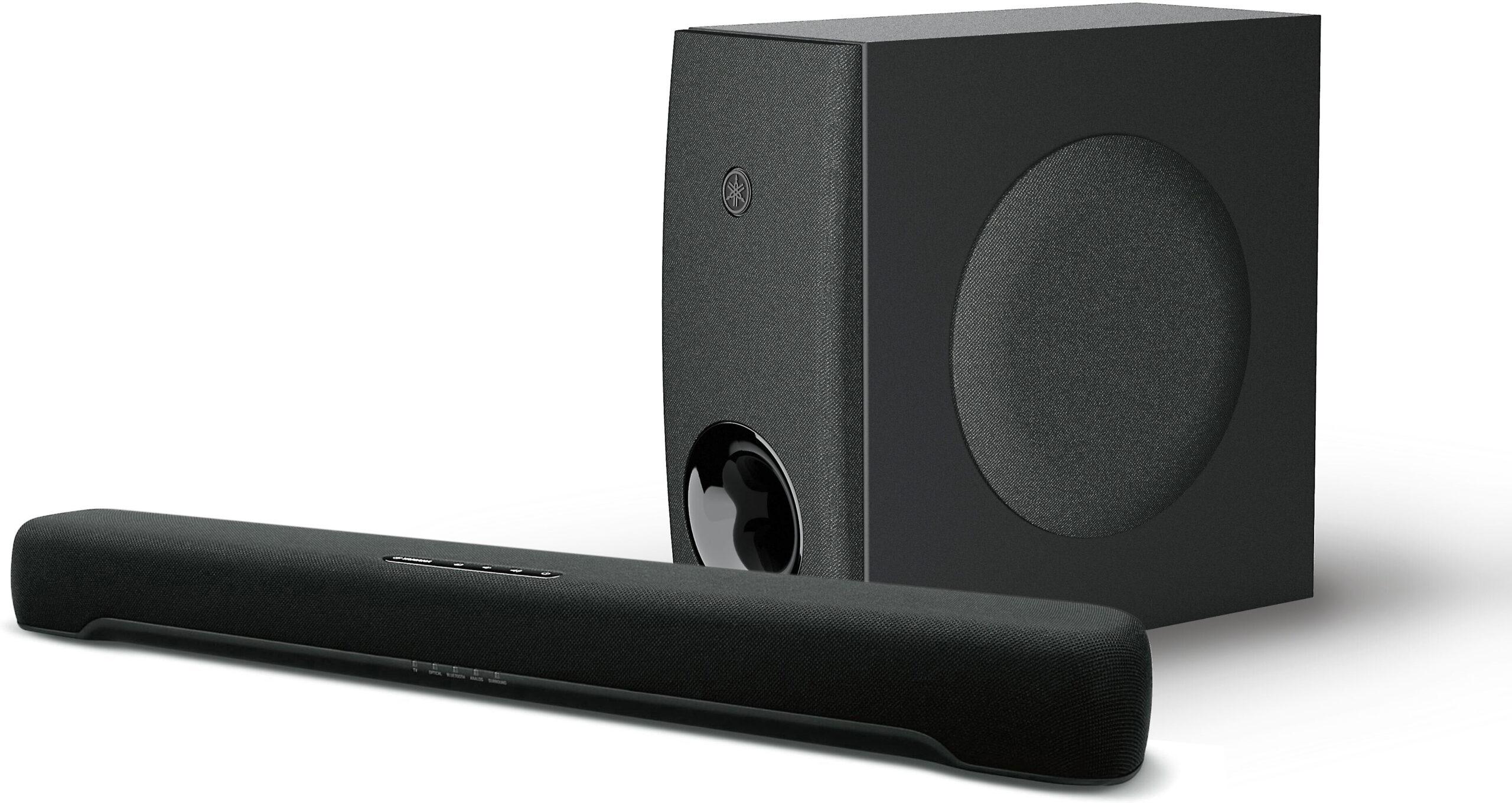
The most significant difference is the subwoofer. Yamaha equipped the SR-C30A with a dedicated 5.1-inch driver powered by 50 watts—substantially more capable than typical budget soundbar subs. This isn't just about numbers on paper. That larger driver can reproduce frequencies down to 40Hz, which means you'll actually feel the rumble of explosions, the thump of hip-hop bass lines, and the subtle low-frequency ambiance that makes movie soundtracks feel immersive.
What's particularly clever is Yamaha's Adaptive Low Volume Technology. Most soundbars include a "night mode" that simply compresses everything to avoid disturbing neighbors, often making dialogue muddy and removing all bass impact. Yamaha's approach maintains the full frequency balance even at whisper-quiet volumes, so late-night movie watching doesn't sacrifice audio quality.
The SR-C30A also includes Clear Voice Mode, which uses carefully tuned EQ curves to enhance dialogue clarity. Unlike Samsung's adaptive approach, this is manual—you turn it on when you need it. Some prefer this predictability, while others find the lack of automation inconvenient.
Yamaha made an interesting design choice with the main soundbar unit, making it about 30% smaller than traditional soundbars. This isn't just about saving space—smaller enclosures can actually reduce internal resonances that muddy midrange clarity. The result is a compact unit that works well with smaller TVs without looking oversized.
This is where the fundamental difference between these approaches becomes crystal clear. Bass response is often what separates "sounds better than TV speakers" from "genuinely improves your entertainment experience."
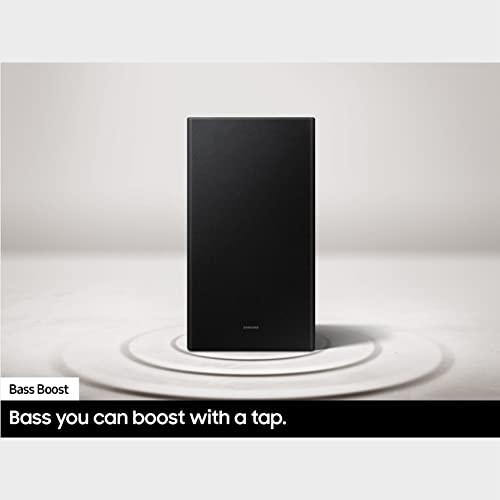
The Samsung HW-C450 relies on Bass Boost mode to compensate for its subwoofer limitations. While this can add some low-end emphasis, it's essentially EQ trickery—you can't create bass frequencies that your hardware can't reproduce. For casual TV watching and dialogue-heavy content, it's adequate. For action movies, hip-hop, or electronic music, it feels incomplete.
The Yamaha SR-C30A, on the other hand, has the hardware to reproduce genuine low-frequency content. That 5.1-inch, 50-watt subwoofer isn't just bigger on paper—it moves significantly more air, creating the physical sensation of bass that you feel in your chest during explosions or drum hits. This difference is most noticeable with bass-heavy content, but it affects everything you watch by providing a more complete frequency foundation.
Based on our research into user experiences and expert evaluations, this bass difference is often the deciding factor for buyers who stick with their soundbar long-term versus those who quickly start shopping for upgrades.
Both soundbars tackle dialogue enhancement differently, and both approaches have merit. The Samsung HW-C450 uses its Adaptive Sound Lite to automatically boost mid-range frequencies where human voices are most prominent, while also applying dynamic processing to keep dialogue levels consistent as background music and effects change.
The Yamaha SR-C30A takes a more traditional approach with Clear Voice Mode—a manually activated EQ preset that emphasizes speech frequencies. This gives you more control but requires you to remember to turn it on and off.
In real-world use, Samsung's adaptive approach tends to work better for varied content consumption (switching between different shows, movies, and streaming services), while Yamaha's manual approach gives more predictable results for users who prefer to set things once and leave them alone.
This is where the Samsung HW-C450 really flexes its processing muscle. DTS Virtual:X, combined with Samsung's Surround Sound Expansion mode, can create remarkably convincing spatial effects. Action sequences feel wider and more enveloping, with effects seeming to come from well outside the physical speaker locations.
The Yamaha SR-C30A includes basic 3D Movie mode, but it's much more subtle. Yamaha's approach prioritizes natural stereo imaging over dramatic spatial effects. The soundstage feels accurate and well-organized, but it doesn't try to convince you there are speakers everywhere.
Which approach you prefer depends largely on your content and room setup. Samsung's virtual surround works best in medium to larger rooms where the processing has space to create convincing effects. In smaller spaces or close listening positions, it can sound artificial. Yamaha's approach works consistently regardless of room size but doesn't deliver the "wow factor" of convincing virtual surround.
If you're a gamer, the Samsung HW-C450 is the obvious choice. Game Mode isn't just marketing—it genuinely reduces audio latency and enhances directional audio cues that can give you competitive advantages in online gaming. The ability to accurately locate enemy footsteps or gunfire direction can be crucial in first-person shooters or battle royale games.
The Yamaha SR-C30A handles gaming adequately but offers no gaming-specific optimizations. It's fine for casual gaming but won't give you any competitive edge.
At the time of writing, these soundbars sit in similar price ranges but offer different value propositions. The Samsung HW-C450 typically costs less while delivering more features—you're essentially getting advanced processing technology and smart integration at a budget price point.
The Yamaha SR-C30A usually commands a modest premium (roughly $50-60 more), but that extra cost goes directly into better hardware—specifically, that more capable subwoofer and higher-quality components. You're paying for acoustic performance rather than software features.
This creates an interesting decision point. Samsung gives you more features per dollar, while Yamaha gives you better fundamental audio performance per dollar. Which represents better value depends entirely on what you prioritize.
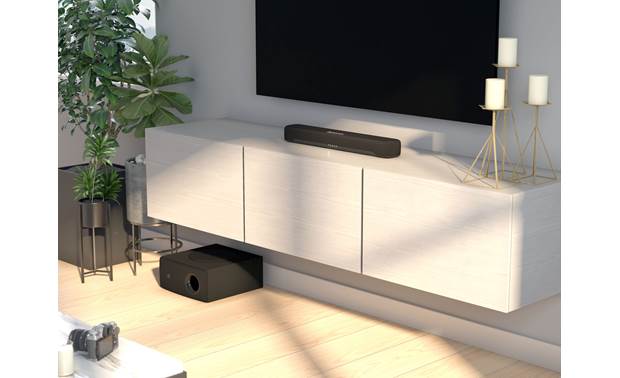
If you're in a small apartment where bass management and late-night listening are crucial, the Yamaha SR-C30A makes more sense. Its Adaptive Low Volume Technology genuinely improves quiet listening experiences, while the wireless subwoofer gives you placement flexibility to minimize neighbor disturbance.
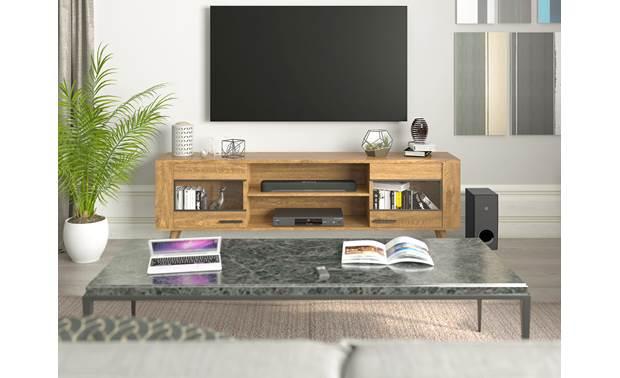
For a family room where you're constantly switching between kids' shows, adult dramas, action movies, and streaming different services, the Samsung HW-C450's adaptive processing shines. You're not constantly adjusting settings, and the virtual surround effects enhance movie nights.
Serious gamers should strongly consider the Samsung HW-C450. The combination of Game Mode, reduced latency, and enhanced directional audio can genuinely improve your gaming performance. The Yamaha SR-C30A won't hold you back, but it won't help you either.
If you frequently stream music through your TV setup, the Yamaha SR-C30A's superior bass response and more natural frequency balance make music more enjoyable. Hip-hop, electronic, and modern pop particularly benefit from genuine low-frequency reproduction.
For dedicated movie watching, especially action films, the Yamaha SR-C30A's bass impact creates more engaging experiences. However, if you prioritize the illusion of surround sound over bass depth, the Samsung HW-C450's DTS Virtual:X might be more appealing.
After evaluating both approaches through extensive research and analysis of user feedback, here's my take: the Samsung HW-C450 is the better choice if you want maximum features and smart integration at the lowest price point, especially if you're a gamer or primarily watch dialogue-heavy content.
However, the Yamaha SR-C30A is the better investment if you can stretch your budget slightly for genuinely superior bass performance. That extra hardware capability creates a more satisfying long-term ownership experience, particularly for action movies and music listening.
The deciding factor often comes down to whether you prioritize software sophistication (Samsung HW-C450) or hardware capability (Yamaha SR-C30A). Samsung's approach impresses immediately with its smart features and virtual effects, but Yamaha's superior bass foundation provides lasting satisfaction that processing tricks can't match.
For most buyers, I'd lean toward the Yamaha SR-C30A despite its higher cost. That dedicated 5.1-inch subwoofer delivers a fundamental upgrade in bass response that transforms your entertainment experience in ways that software processing simply cannot replicate. The difference becomes more apparent over time as you experience various types of content, making it a better long-term investment for serious home entertainment.
However, if budget is your primary constraint or gaming is a significant use case, the Samsung HW-C450 delivers impressive value with features that genuinely enhance daily usability. Just understand that you're trading some acoustic performance for software sophistication and ecosystem integration.
Either choice will dramatically improve your TV audio experience—the question is whether you prioritize smart features or sound quality fundamentals.
| Samsung HW-C450 | Yamaha SR-C30A |
|---|---|
| Channel Configuration - Determines audio separation and clarity | |
| 2.1-channel system with wireless subwoofer | 2.1-channel system with wireless subwoofer |
| Subwoofer Power - Critical for bass impact and room-filling sound | |
| 220W subwoofer with smaller driver | 50W dedicated 5.1-inch subwoofer (moves more air despite lower wattage) |
| Bass Frequency Response - How deep the bass can go | |
| Limited low-end extension, relies on Bass Boost processing | Down to 40Hz for genuine low-frequency reproduction |
| Virtual Surround Technology - Creates spacious sound from 2.1 setup | |
| Advanced DTS Virtual:X with 3D surround processing | Basic 3D Movie mode with subtle spatial enhancement |
| Smart Audio Processing - Automatic optimization vs manual control | |
| Adaptive Sound Lite (automatic content analysis and adjustment) | Clear Voice Mode and manual EQ controls |
| Gaming Features - Important for competitive gamers | |
| Dedicated Game Mode with reduced latency and directional audio | No gaming-specific optimizations |
| Low Volume Performance - Critical for apartment living and night viewing | |
| Standard Night Mode with compression | Adaptive Low Volume Technology maintains full frequency balance |
| TV Integration - Convenience for daily use | |
| One Remote Control with Samsung TVs, Auto Power Link | Universal compatibility with HDMI ARC and multiple inputs |
| Physical Design - Space requirements and room compatibility | |
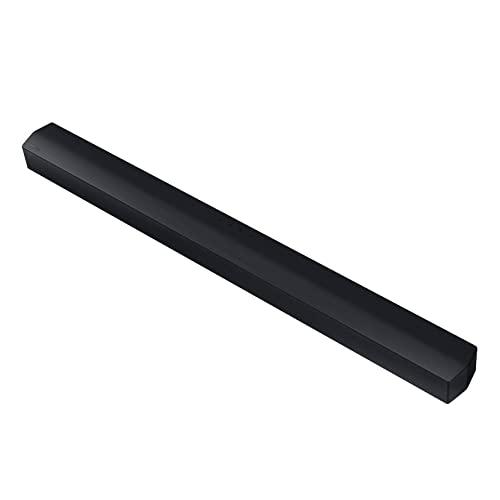
| Larger soundbar (858mm wide) suits bigger TVs | Compact design 30% smaller than traditional soundbars |
| Connectivity Options - Determines compatibility with your devices | |
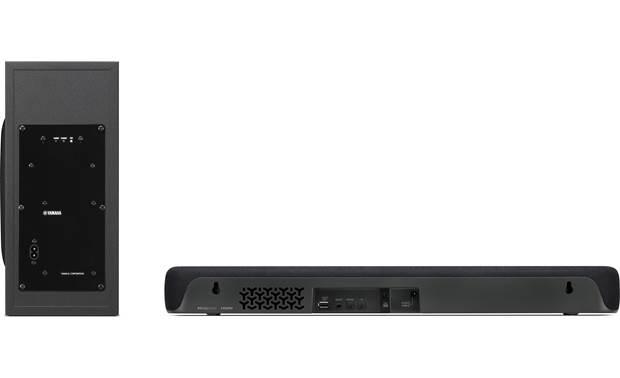
| Optical input, USB, Bluetooth 4.2, no HDMI ARC | HDMI ARC, dual optical inputs, analog connections, Bluetooth 5.0 |
| Sound Modes - Customization options for different content | |
| Multiple automated modes (Bass Boost, Game, Night, Voice Enhance) | Manual modes focusing on acoustic fundamentals |
| Price Category - Value proposition at time of writing | |
| Budget-friendly entry point with maximum features per dollar | Modest premium for significantly better bass hardware |
The Yamaha SR-C30A delivers significantly better bass performance with its dedicated 5.1-inch subwoofer that can reproduce frequencies down to 40Hz. The Samsung HW-C450 relies more on Bass Boost processing to enhance its smaller subwoofer's output, making the Yamaha SR-C30A the clear winner for action movies and bass-heavy music.
The Samsung HW-C450 is specifically designed for gaming with its dedicated Game Mode that reduces audio latency and enhances directional sound cues. The Yamaha SR-C30A handles gaming adequately but offers no gaming-specific features, making the Samsung HW-C450 the better choice for serious gamers.
The Yamaha SR-C30A works better in small spaces due to its compact design (30% smaller than traditional soundbars) and superior Adaptive Low Volume Technology that maintains audio quality at whisper-quiet levels. This makes it ideal for apartment living where noise considerations are important.
Both soundbars work with any TV brand, but the Samsung HW-C450 offers enhanced integration with Samsung TVs through One Remote Control and Auto Power Link features. The Yamaha SR-C30A provides universal compatibility with HDMI ARC and multiple input options for any TV brand.
Both the Samsung HW-C450 and Yamaha SR-C30A enhance dialogue effectively but use different approaches. The Samsung HW-C450 automatically optimizes speech with Adaptive Sound Lite, while the Yamaha SR-C30A uses manual Clear Voice Mode for consistent dialogue enhancement.
The Samsung HW-C450 offers more impressive virtual surround effects through DTS Virtual:X technology that creates a wider, more immersive soundstage. The Yamaha SR-C30A provides subtle 3D Movie mode but focuses more on accurate stereo imaging than dramatic spatial effects.
The Samsung HW-C450 is generally easier for set-and-forget users with its automatic Adaptive Sound Lite that adjusts settings based on content. The Yamaha SR-C30A requires more manual adjustments but offers more precise control over your audio experience.
The Yamaha SR-C30A is better for music listening thanks to its superior bass reproduction and more natural frequency balance. The Samsung HW-C450 handles music adequately but the Yamaha SR-C30A's dedicated subwoofer makes hip-hop, electronic, and modern pop sound much more engaging.
The Samsung HW-C450 typically offers more features per dollar with advanced processing and smart integration at a lower entry price. The Yamaha SR-C30A costs slightly more but delivers better fundamental audio performance, making it a better long-term investment for serious listeners.
Yes, both the Samsung HW-C450 and Yamaha SR-C30A can be wall-mounted. The Samsung HW-C450 includes a wall mount kit in the package, while the Yamaha SR-C30A features built-in keyhole slots for wall installation.
For home theater use, the Yamaha SR-C30A generally provides a more satisfying experience due to its superior bass impact that makes action scenes more immersive. However, if you prioritize virtual surround effects over bass depth, the Samsung HW-C450's DTS Virtual:X technology might be more appealing.
The Samsung HW-C450 offers optical input, USB, and Bluetooth connectivity but lacks HDMI ARC. The Yamaha SR-C30A provides more versatile connectivity with HDMI ARC, dual optical inputs, analog connections, and Bluetooth 5.0, making it more compatible with various devices and setups.
We've done our best to create useful and informative comparisons to help you decide what product to buy. Our research uses advanced automated methods to create this comparison and perfection is not possible - please contact us for corrections or questions. These are the sites we've researched in the creation of this article: e-catalog.com - alibaba.com - smart.dhgate.com - greentoe.com - requiremints.com - versus.com - bhphotovideo.com - rtings.com - soundmachine.com.mt - samsung.com - samsung.com - youtube.com - bhphotovideo.com - newegg.com - images.samsung.com - bestbuy.com - samsung.com - youtube.com - jsappliance.com - gadgetsleo.com - youtube.com - saraappliance.com - walmart.com - techradar.com - usa.yamaha.com - expertreviews.com - usa.yamaha.com - trustedreviews.com - crutchfield.com - europe.yamaha.com - usa.yamaha.com - shop.usa.yamaha.com - assetserver.net

Privacy Policy
Terms and Conditions - Affiliate Policy
Home Security
© Copyright 2008-2026.
11816 Inwood Rd #1211, Dallas, TX 75244