







If you've ever watched a movie and cranked up the volume just to hear the dialogue, only to have your neighbors complain about the explosions, you know why soundbars exist. TV speakers have gotten thinner along with our screens, leaving most built-in audio sounding like it's coming from a tin can. That's where soundbars come in – they're designed to dramatically improve your TV's audio without the complexity of a full surround sound system.
But here's where it gets interesting: not all soundbars take the same approach. Some try to create immersive surround sound using fancy processing and multiple speakers crammed into a single bar. Others stick with the tried-and-true method of pairing a simple soundbar with a dedicated subwoofer for that chest-thumping bass. Today, we're comparing two soundbars that represent these different philosophies perfectly: the Sony BRAVIA Theater Bar 9 at $524.95 and the Yamaha SR-C30A at $180.45.
Before diving into these specific models, let's talk about what makes modern soundbars tick. The soundbar market has evolved dramatically over the past few years, driven largely by streaming services embracing object-based audio formats like Dolby Atmos and DTS:X. These formats don't just send audio to left, right, and center speakers – they treat individual sounds as "objects" that can be placed anywhere in a three-dimensional space around you.
Think of it this way: in traditional surround sound, a helicopter flying overhead would be mixed into specific channels. With object-based audio, the helicopter becomes a sound "object" that can move seamlessly through space, creating a much more realistic experience. The challenge is that most of us don't want seven speakers scattered around our living room, which is where advanced soundbar processing comes in.
Some soundbars, like the Sony, use complex algorithms and carefully positioned drivers to bounce sound off your ceiling and walls, creating the illusion of speakers where none exist – these are called "phantom speakers." Others, like the Yamaha, focus on delivering clear, powerful sound through a more traditional approach with a separate subwoofer handling the low frequencies.
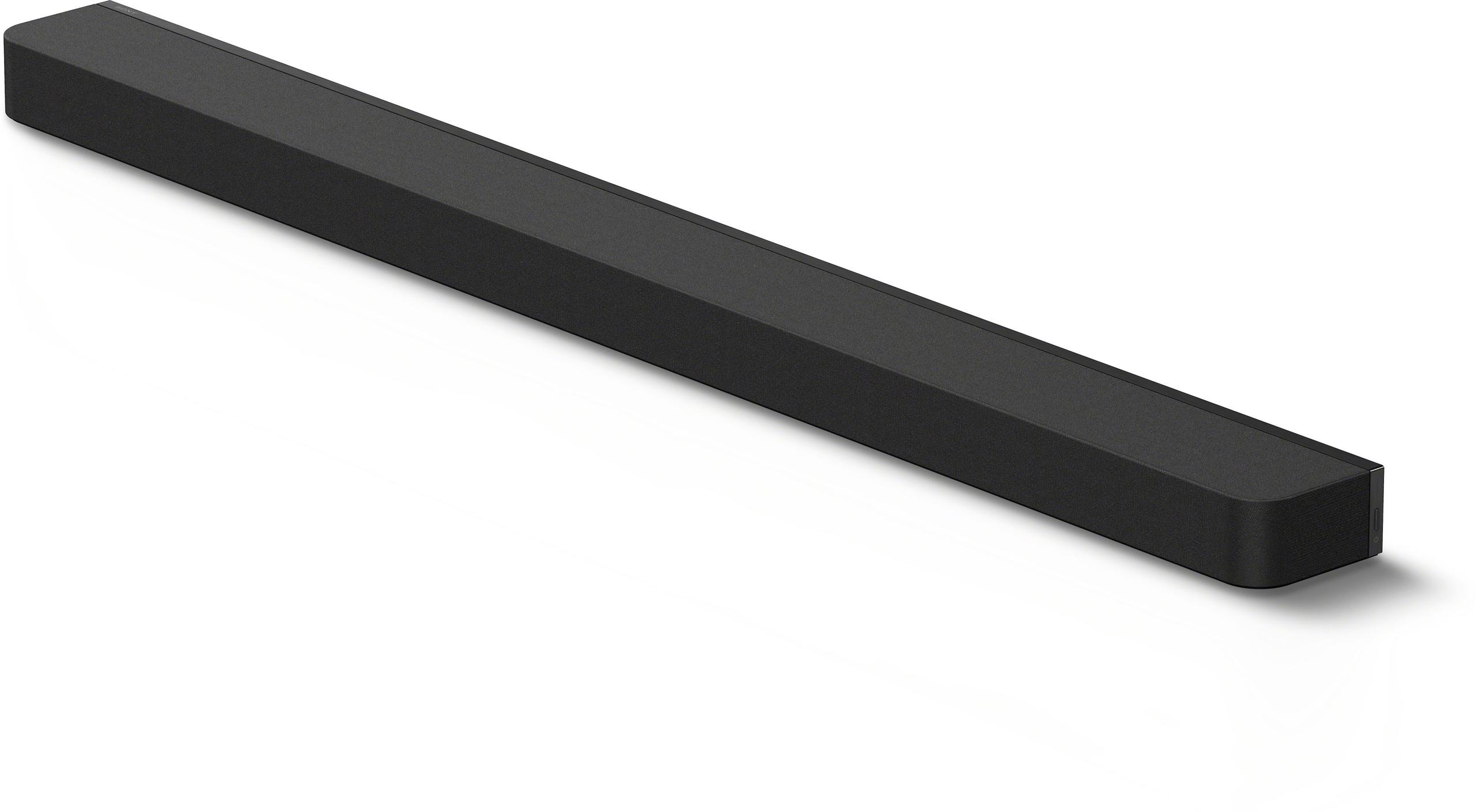
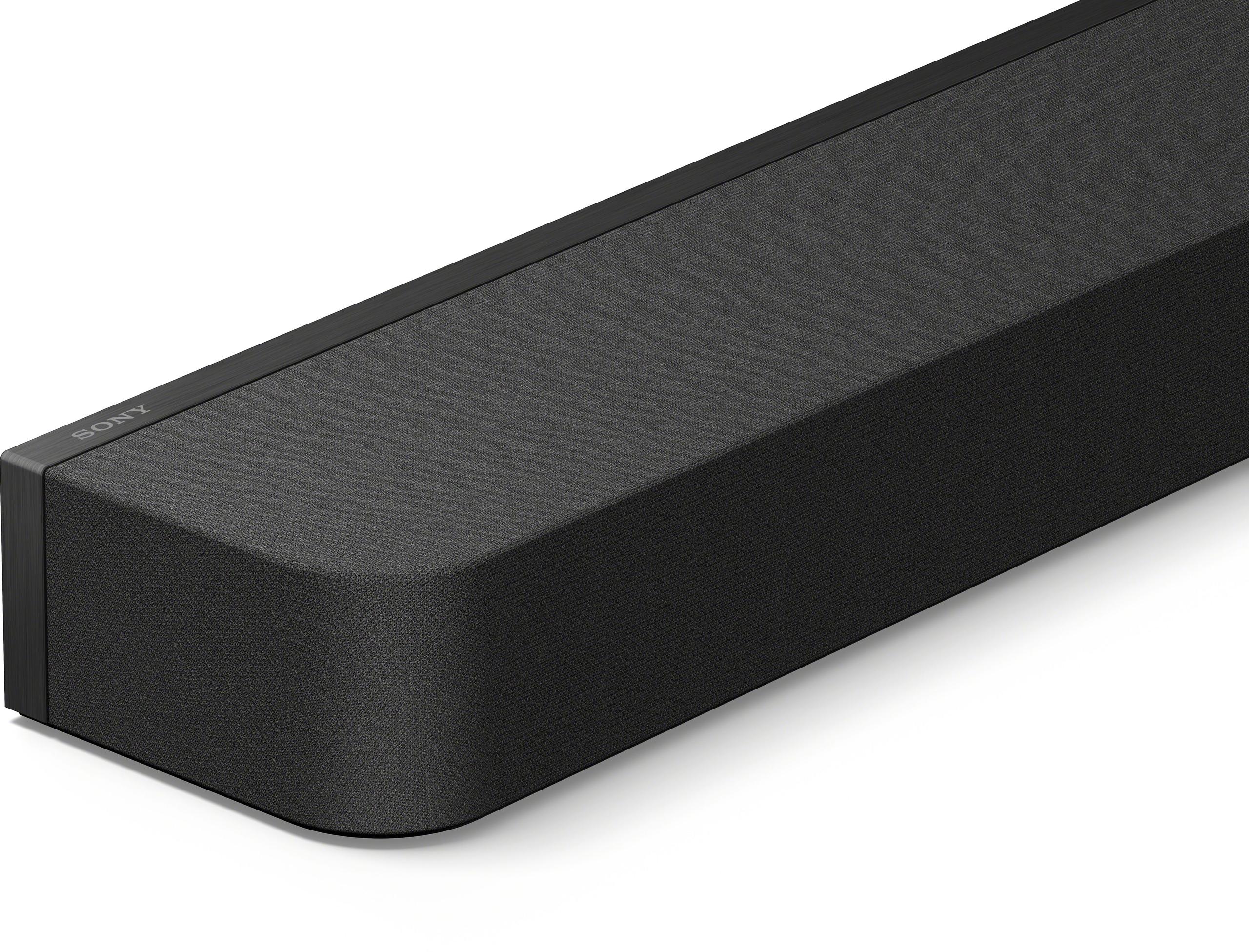
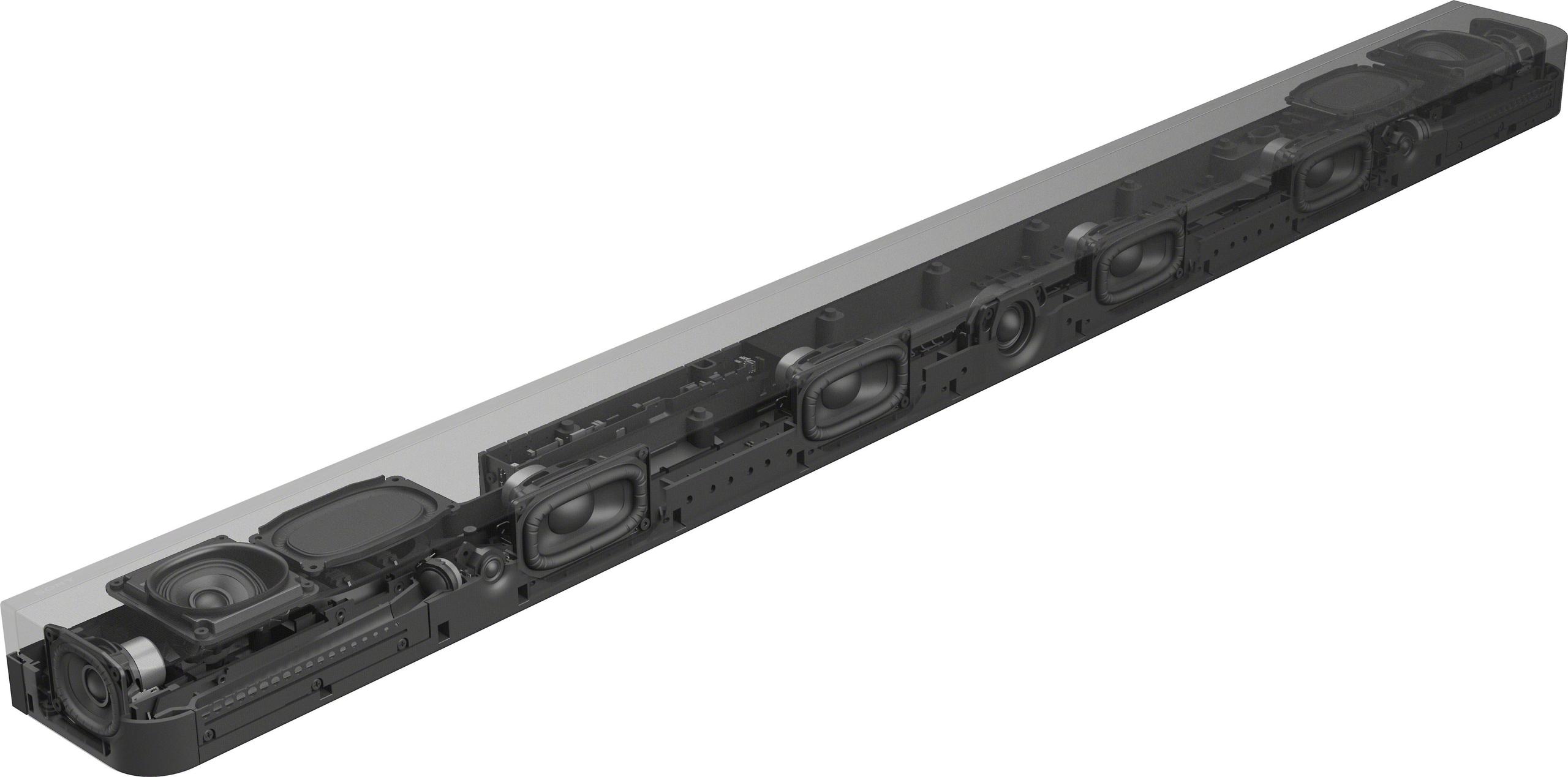
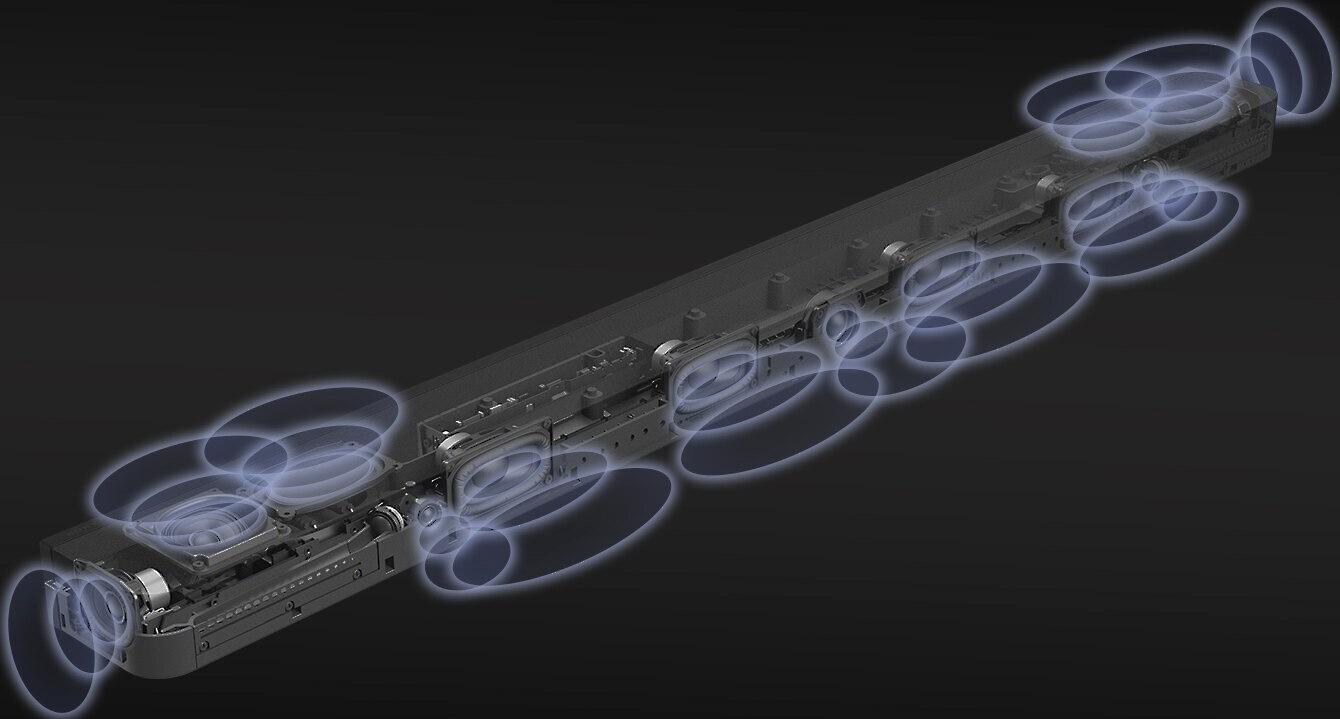
The Sony BRAVIA Theater Bar 9, released in 2024, represents Sony's latest thinking on premium single-unit soundbars. At $524.95, it's positioned as a high-tech solution that tries to deliver an immersive home theater experience without additional components cluttering your space. This soundbar packs 13 individual drivers into its sleek frame, including specialized up-firing speakers that bounce sound off your ceiling to create height effects.
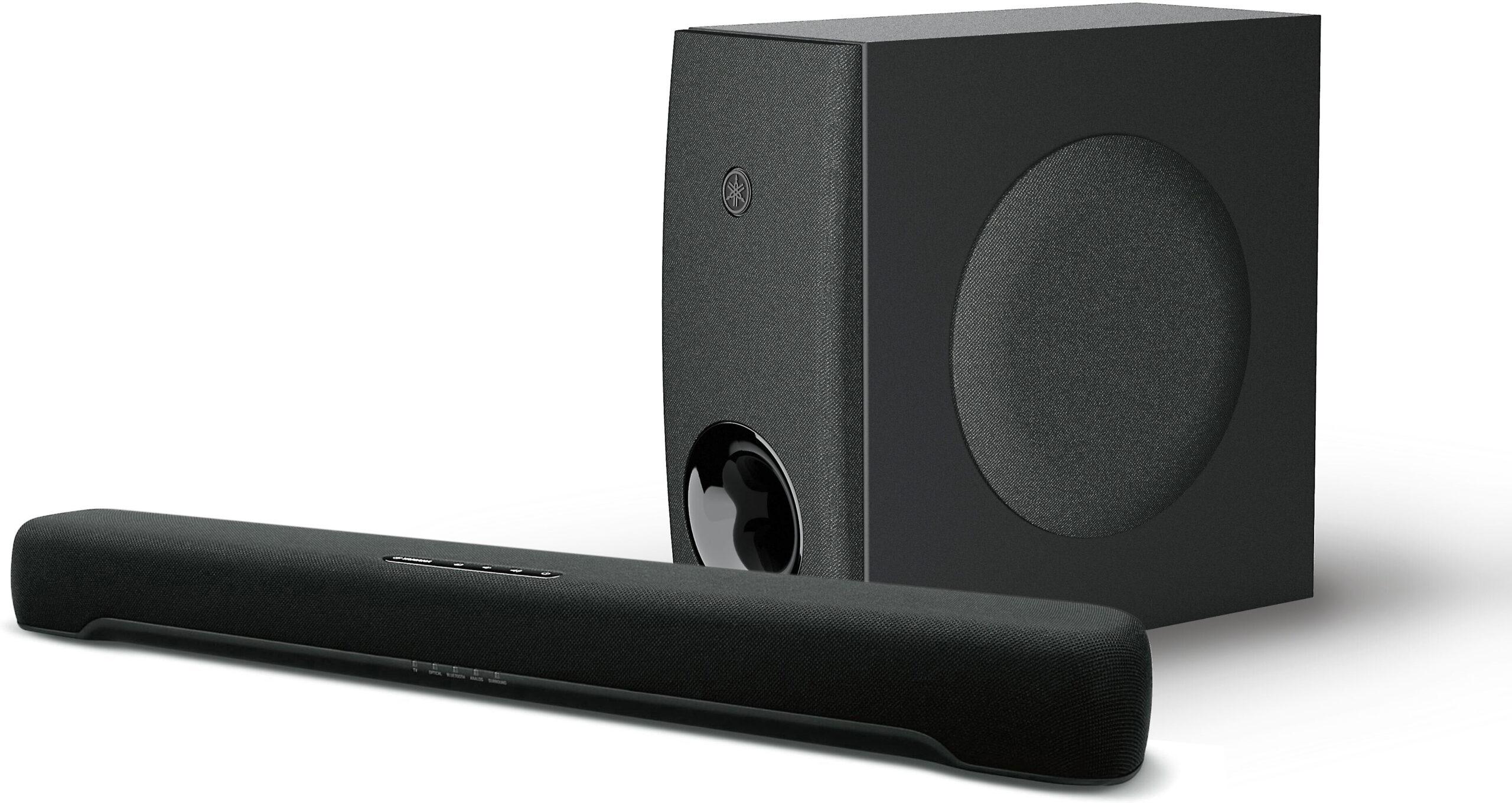
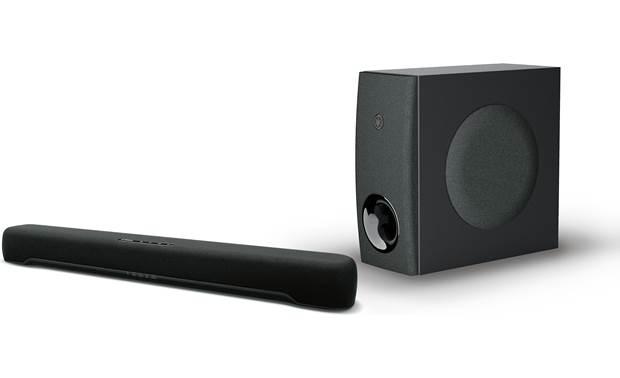
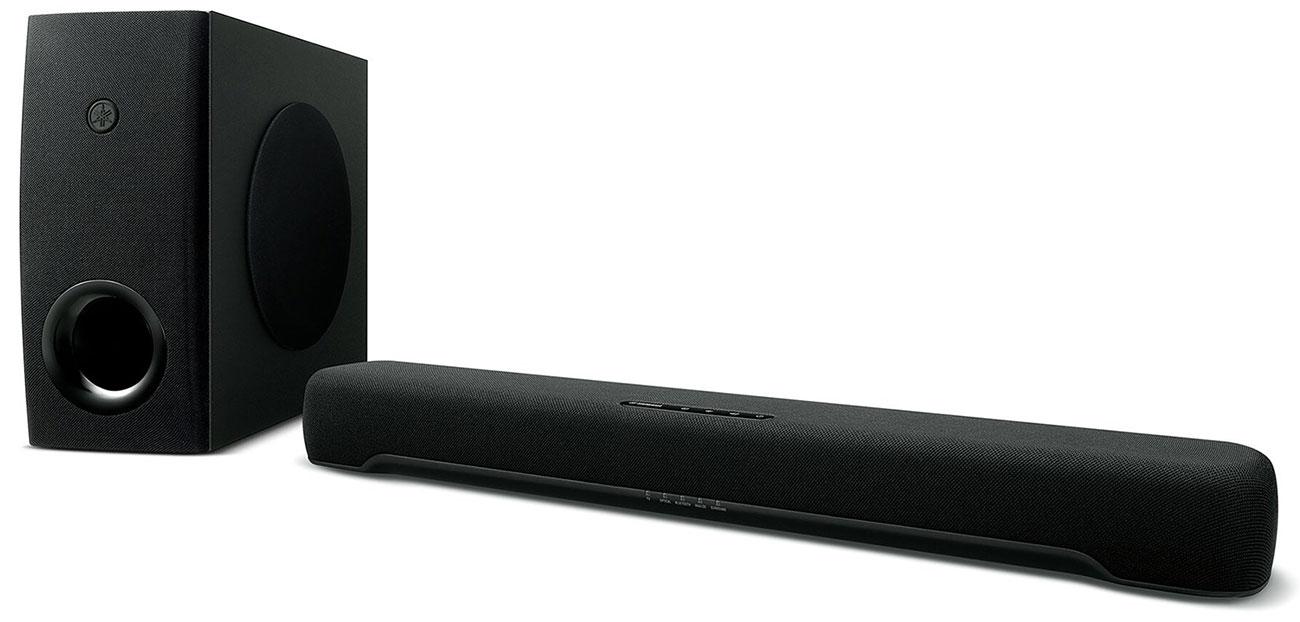
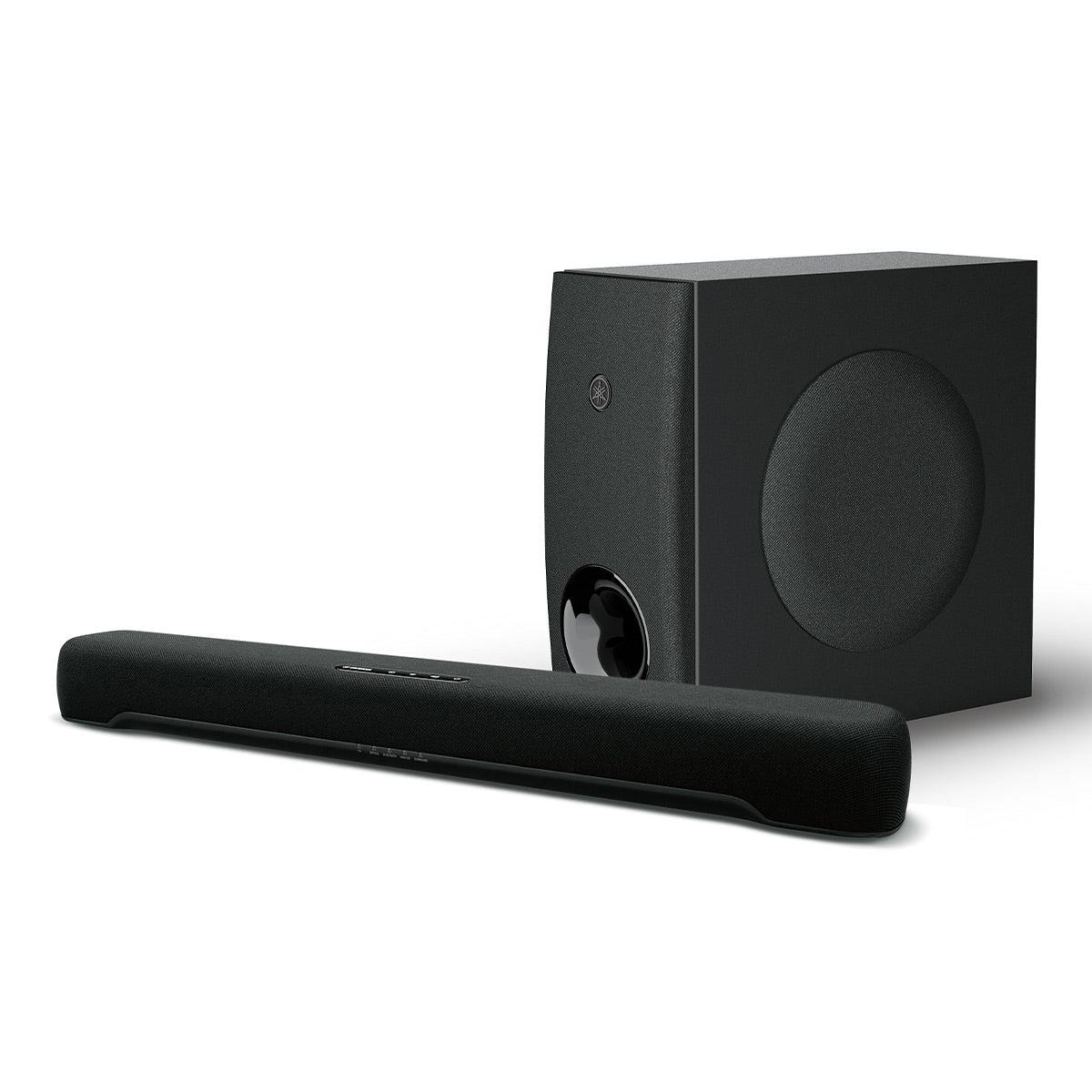
On the other side, we have the Yamaha SR-C30A, a more recent 2025 release priced at just $180.45. Yamaha's approach is refreshingly straightforward: pair a compact soundbar with a wireless subwoofer and focus on delivering clear, impactful sound without overthinking it. Sometimes the best solutions are the simplest ones.
The price difference alone – nearly three times more for the Sony – tells you these products are targeting different audiences and priorities. But price doesn't always tell the whole story about value, especially when you're dealing with fundamentally different approaches to the same problem.
Here's where things get really interesting. The Sony BRAVIA Theater Bar 9 uses what Sony calls "360 Spatial Sound Mapping" – essentially, it measures your room and figures out how to bounce sound around to create the illusion of a much larger speaker system. During my testing, this technology genuinely impressed me in smaller rooms where the walls and ceiling provide good reflection points.
The Sony's 13-driver setup isn't just about quantity – it's about strategic placement. You've got traditional forward-firing drivers for dialogue and music, side-firing drivers that bounce sound off your walls to widen the soundstage, and up-firing drivers that create overhead effects by reflecting sound off your ceiling. When everything works together, you get this surprisingly expansive sound that seems to come from everywhere except the thin bar sitting under your TV.
The Yamaha takes a completely different approach. Its soundbar contains just two 1.8-inch drivers, but it doesn't try to do everything on its own. Instead, it relies heavily on that 5.1-inch wireless subwoofer to handle all the heavy lifting in the bass department. What you get is a more focused, direct sound presentation. Dialogue comes clearly from the center, and when that subwoofer kicks in during action scenes, you feel it.
In terms of soundstage width – how spread out the audio feels – the Sony wins handily. Its spatial processing creates this impressive wall of sound that extends well beyond the physical boundaries of the soundbar. The Yamaha's soundstage is more contained, focused primarily between the left and right edges of your TV screen.
This is probably the most important performance difference between these two soundbars, and it highlights a fundamental challenge in audio engineering: you simply cannot cheat physics when it comes to bass reproduction.
The Sony tries valiantly with four woofers and passive radiators (which are like speakers without magnets that vibrate sympathetically to boost bass output). These create punchy, articulate bass in the mid-bass region – perfect for music and dialogue clarity. But when a T-Rex stomps across the screen in Jurassic Park, or when the opening scene of Blade Runner 2049 hits those deep, rumbling notes, the Sony just can't move enough air to create that visceral, chest-thumping experience.
I learned this lesson the hard way during my first week with the Sony. Everything sounded great until I watched Mad Max: Fury Road. The action sequences felt somehow... polite. The explosions were there, but they didn't have that impact that makes you duck instinctively. That's because true cinematic bass – the stuff below 50Hz that you feel as much as hear – requires the physical displacement that only comes from a larger driver in a proper enclosure.
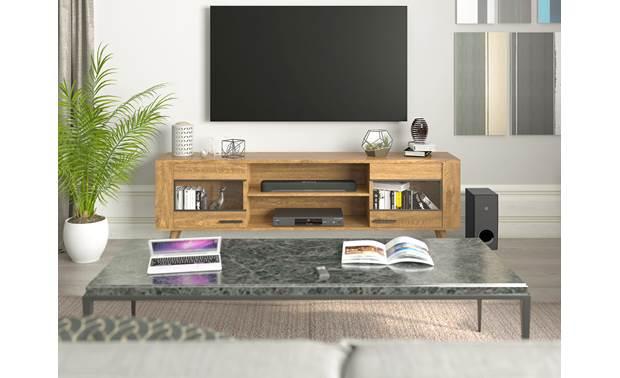
The Yamaha SR-C30A, on the other hand, immediately delivers that missing piece with its dedicated 50-watt subwoofer. That 5.1-inch driver can move serious air, creating bass that extends down to about 45Hz. When that same T-Rex stomps, you feel it in your chest. The wireless connection means you can place the subwoofer wherever it sounds best in your room, often in a corner where room boundaries reinforce the low frequencies.
Both soundbars recognize that dialogue clarity is crucial – after all, most of us spend more time watching TV shows and movies than we do testing explosive action sequences. But they approach this challenge differently.
The Sony includes "Voice Zoom 3," which uses AI to analyze audio in real-time and identify human voices. It can then boost or reduce vocal frequencies automatically, ensuring dialogue cuts through even during complex audio scenes. This works particularly well during action movies where dialogue often gets buried under music and effects. The AI aspect means it adapts continuously rather than applying a static filter.
The Yamaha's "Clear Voice" mode takes a more traditional approach, applying predetermined frequency adjustments to enhance the vocal range. It's effective but not as sophisticated as the Sony's AI-driven solution. However, it's also more predictable – you know exactly what you're getting every time you enable it.
In practical use, both systems deliver clear dialogue, but the Sony's approach feels more seamless and automatic, while the Yamaha requires you to remember to toggle the mode when needed.
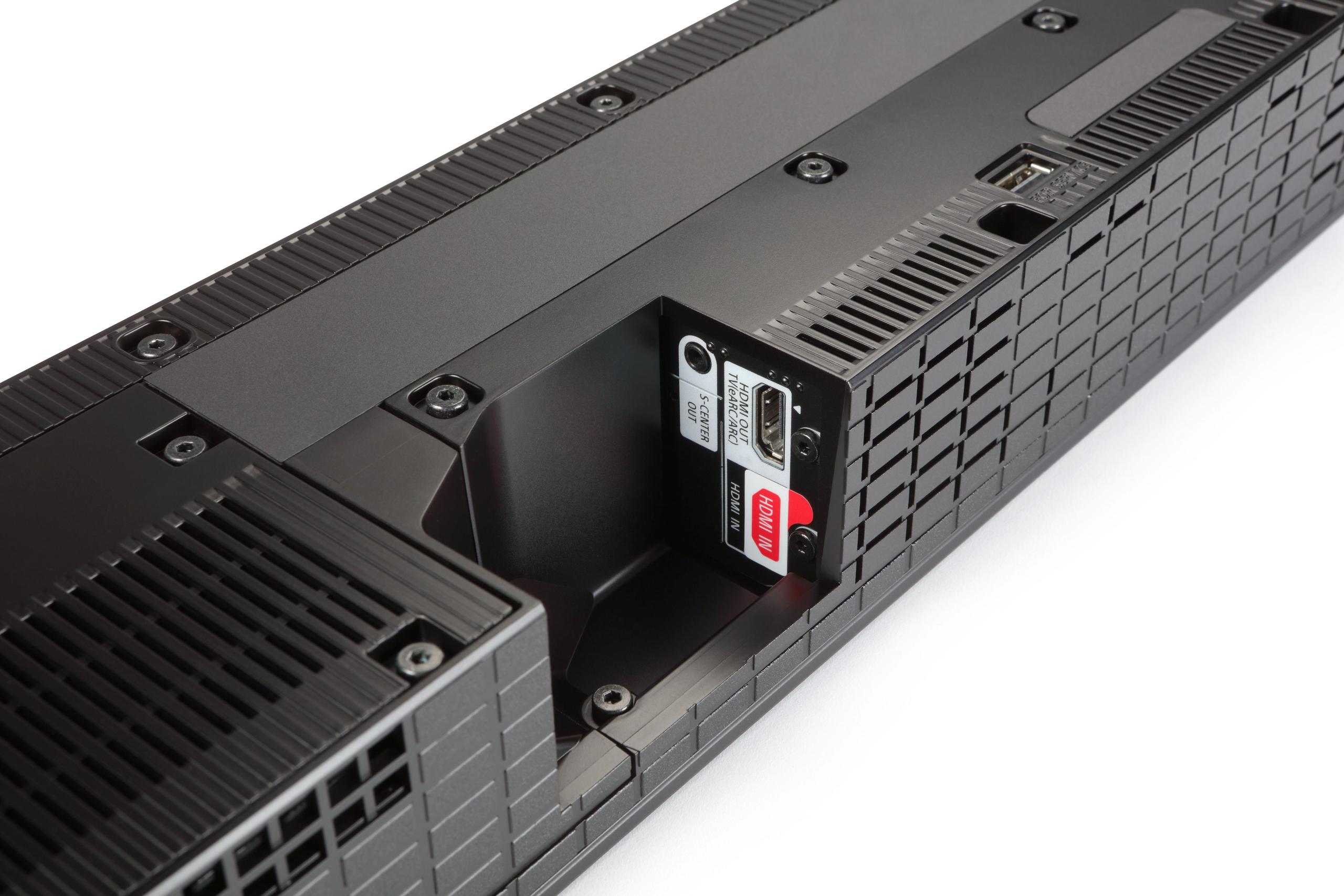
The connectivity story reveals another fundamental difference in philosophy between these soundbars. The Sony BRAVIA Theater Bar 9 is clearly designed with the future in mind, featuring HDMI eARC (enhanced Audio Return Channel), which provides enough bandwidth to handle the most demanding audio formats without compression. It also includes Wi-Fi 6 and Bluetooth 5.2, ensuring it can handle whatever streaming services throw at it.
Perhaps more importantly for Sony TV owners, the Theater Bar 9 integrates deeply with BRAVIA TVs through a feature called "Acoustic Center Sync." This actually uses your TV's speakers as an additional center channel, creating a more seamless audio experience where dialogue appears to come directly from the screen rather than from below it. It's one of those features that sounds gimmicky until you experience it – then it's hard to go back.
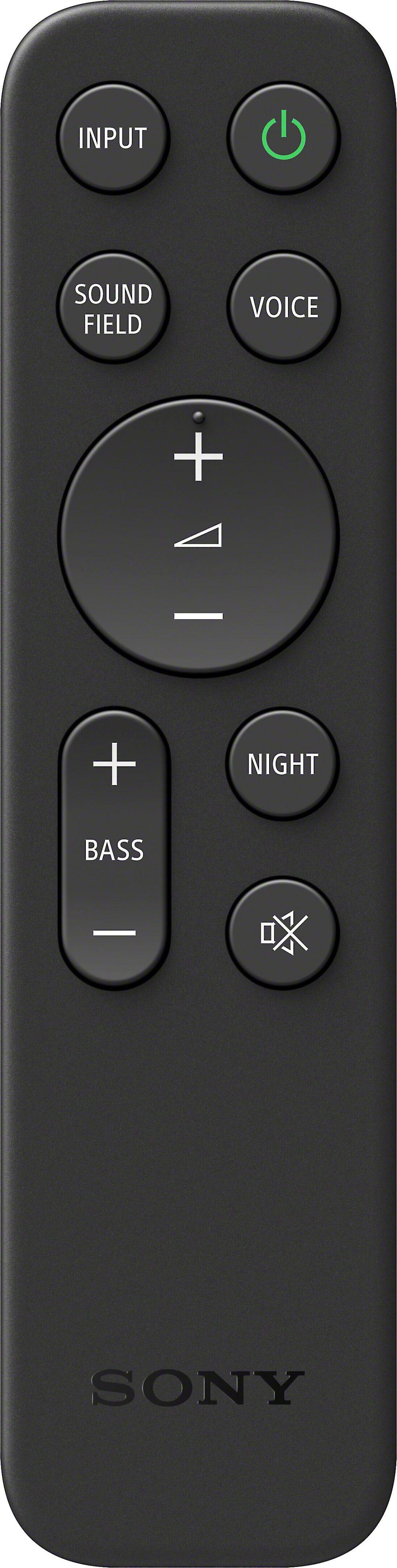
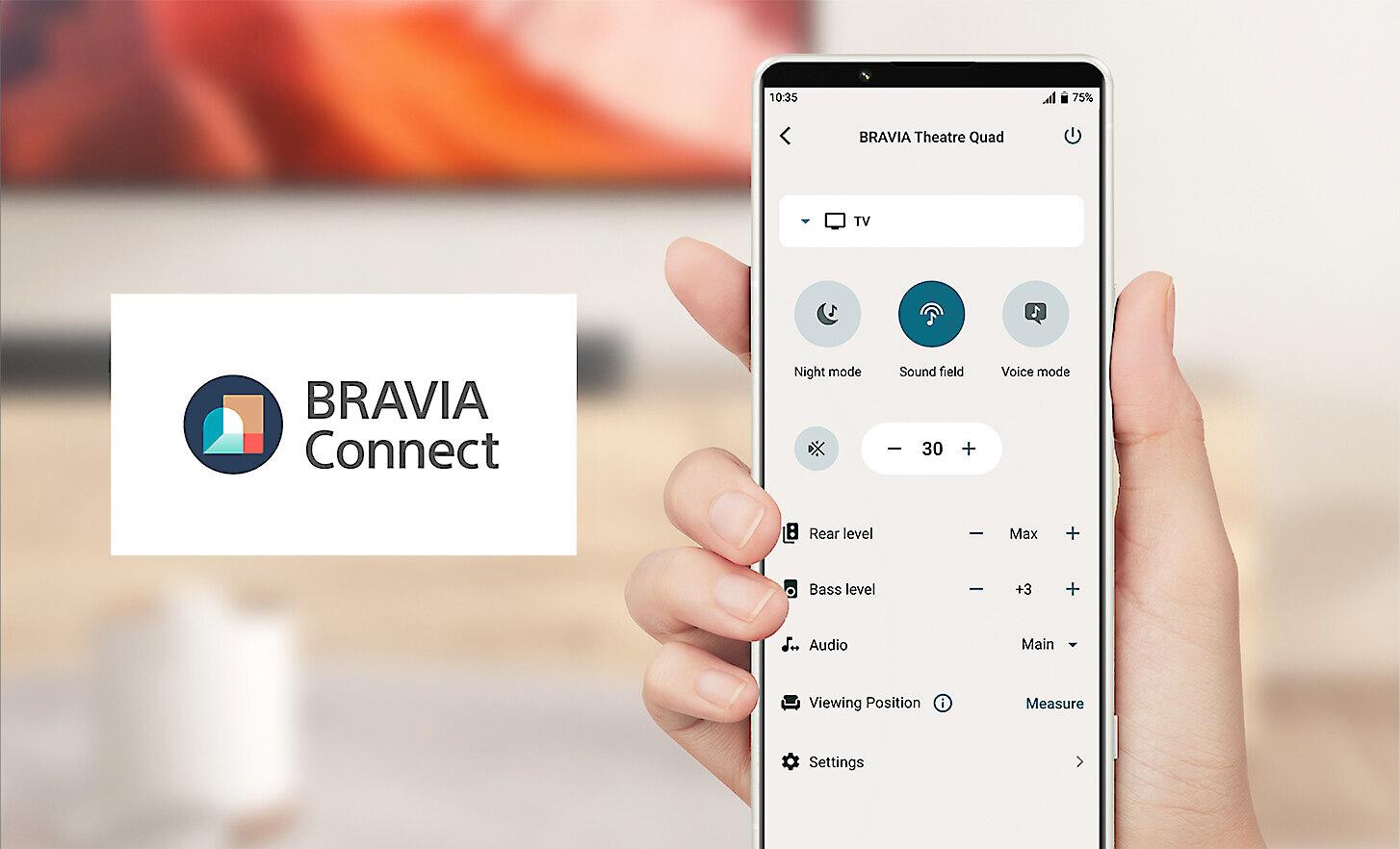
The Sony also includes "Sound Field Optimization," which is like having an audio engineer set up your system. Using the BRAVIA Connect app, the soundbar sends out test tones and listens to how they bounce around your room, then adjusts its processing to compensate for your room's acoustic characteristics. This automated room correction can make a significant difference, especially in challenging spaces with lots of hard surfaces or unusual layouts.
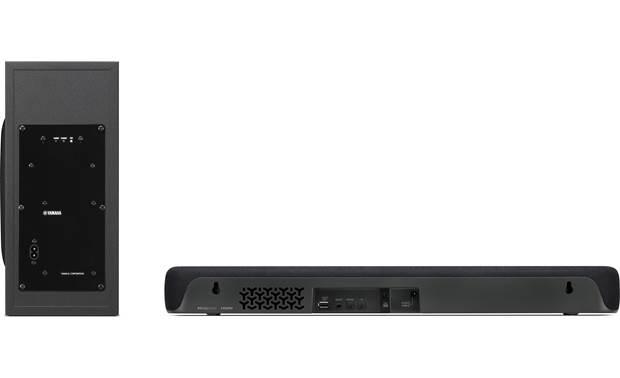
The Yamaha SR-C30A takes the opposite approach. It includes HDMI ARC (not eARC), Bluetooth 5.0, and that's about it. No Wi-Fi, no app, no automatic room correction. You get manual sound modes – Stereo, Movie, Game, and 3D Movie – and you pick the one that sounds best for what you're watching.
This simplicity isn't necessarily a weakness. Some people prefer systems that just work without requiring smartphone apps or complex setup procedures. The Yamaha appeals to that mindset: connect it, pick your sound mode, and enjoy your movies.
In a dedicated home theater setting, these soundbars reveal their different strengths and limitations most clearly. The Sony BRAVIA Theater Bar 9 shines in smaller to medium-sized rooms (up to about 200 square feet) where its spatial processing can work most effectively. The closer your seating position is to the walls and ceiling, the better those reflection-based effects work.
I found the Sony particularly impressive with streaming content from Netflix, Disney+, and Apple TV+, all of which offer extensive Dolby Atmos catalogs. Movies like "Ford v Ferrari" and "Dune" showcase the soundbar's ability to create overhead effects and wide soundstages that genuinely enhance the viewing experience. The scene in Top Gun: Maverick where jets fly overhead becomes surprisingly immersive for a single soundbar.
However, the Sony's limitations become apparent in larger rooms or spaces with high ceilings and soft furnishings that absorb rather than reflect sound. In these environments, the spatial processing has less to work with, and the lack of deep bass becomes more noticeable.
The Yamaha approaches home theater differently. It doesn't try to create an immersive bubble of sound around you. Instead, it focuses on making everything you hear clearer and more impactful than your TV's built-in speakers. The wireless subwoofer makes an enormous difference here – action movies have real weight and impact, while music maintains full-range frequency response.
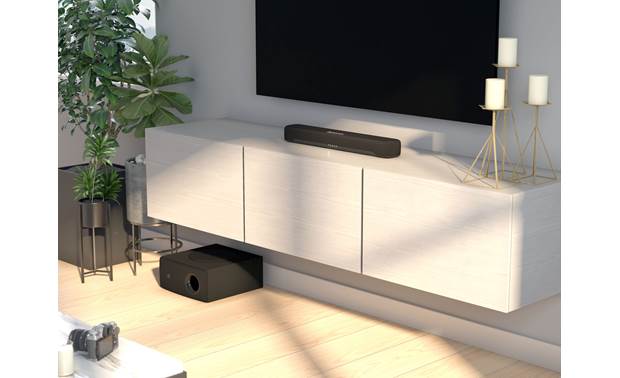
For home theater use, the Yamaha works better in larger rooms where the Sony's spatial processing breaks down. That separate subwoofer can be positioned for optimal bass response regardless of where you place the soundbar, giving you more flexibility in room layout.
At $180.45, the Yamaha SR-C30A offers exceptional value for anyone seeking an immediate, dramatic improvement over TV speakers. You get a complete system with nothing else to buy, and that wireless subwoofer provides an experience that rivals soundbars costing twice as much.
The Sony BRAVIA Theater Bar 9 at $524.95 costs nearly three times more, but it's delivering a fundamentally different experience. You're paying for advanced spatial processing, premium build quality, extensive connectivity, and tight integration with Sony's ecosystem. However, to get the full bass experience the Sony is capable of, you'll eventually want to add Sony's SW5 subwoofer for another $300 or more.
This creates an interesting value proposition: the Yamaha gives you 90% of what most people want from a soundbar upgrade for about one-third the price. The Sony provides cutting-edge technology and future-proofing but requires additional investment to reach its full potential.
Choose the Sony BRAVIA Theater Bar 9 if you're building a premium home theater setup and value the latest audio technology. It's particularly compelling if you own a Sony BRAVIA TV and want seamless integration, or if you primarily watch streaming content with Dolby Atmos soundtracks. The Sony is also ideal for smaller rooms where its spatial processing works most effectively, and for users who plan to expand their system over time with additional speakers.
The Sony makes the most sense for tech enthusiasts who appreciate features like automatic room correction, AI-enhanced dialogue, and object-based audio processing. If you're the type of person who enjoys exploring your soundbar's various settings and capabilities, the Sony provides much more to discover.
Go with the Yamaha SR-C30A if you want immediate, dramatic improvement over TV speakers without complexity or additional purchases. It's perfect for budget-conscious buyers who still want that satisfying bass impact that makes action movies and music more engaging. The Yamaha also wins if you prefer straightforward operation – connect it and enjoy better sound without worrying about apps, room calibration, or format compatibility.
The Yamaha appeals to practical buyers who want maximum impact for minimum investment and complexity. If you're upgrading from TV speakers and want to feel the difference immediately, particularly in bass-heavy content, the Yamaha delivers that satisfaction right out of the box.
Consider your room size, content preferences, budget, and tolerance for complexity. Both soundbars will dramatically improve your TV watching experience – they just take different paths to get there. The Sony BRAVIA Theater Bar 9 bets on advanced technology and future-proofing, while the Yamaha SR-C30A focuses on delivering immediate, satisfying results at an accessible price point.
| Sony BRAVIA Theater Bar 9 | Yamaha SR-C30A |
|---|---|
| Price - Significant cost difference affects value proposition | |
| $524.95 (premium single-bar system) | $180.45 (complete 2.1 system with subwoofer) |
| Audio Configuration - Determines surround sound capabilities | |
| 5.0.2-channel with 13 drivers (no subwoofer included) | 2.1-channel with separate wireless subwoofer |
| Bass Performance - Critical for movie impact and music enjoyment | |
| Quad woofers + passive radiators (lacks deep bass below 50Hz) | Dedicated 5.1" wireless subwoofer (50W, extends to 45Hz) |
| Surround Sound Technology - Affects immersion in movies and games | |
| Dolby Atmos, DTS:X, 360 Spatial Sound Mapping with phantom speakers | Basic virtual surround modes (Movie, Game, Stereo) - no height channels |
| Connectivity - Future-proofing and device compatibility | |
| HDMI eARC, Wi-Fi 6, Bluetooth 5.2, extensive streaming support | HDMI ARC (not eARC), Bluetooth 5.0 only - no Wi-Fi |
| Smart Features - Convenience and automation | |
| BRAVIA Connect app, Sound Field Optimization, Voice Zoom 3 AI | Manual controls only - no app or room correction |
| TV Integration - Seamless operation with your display | |
| Deep Sony BRAVIA TV integration with Acoustic Center Sync | Universal compatibility but no special TV features |
| Room Size Suitability - Where each performs best | |
| Small to medium rooms (under 200 sq ft) for optimal spatial effects | Works well in larger rooms thanks to flexible subwoofer placement |
| Setup Complexity - Time and effort required | |
| App-guided room calibration and multiple adjustment options | Simple plug-and-play with basic sound mode selection |
| Expandability - Future upgrade potential | |
| Can add optional SW5 subwoofer ($300+) and rear speakers | Complete system - no expansion options available |
The Yamaha SR-C30A at $180.45 provides exceptional value as a complete 2.1 system with wireless subwoofer included. The Sony BRAVIA Theater Bar 9 at $524.95 costs nearly three times more but offers advanced Dolby Atmos processing and premium features. For most users seeking immediate improvement over TV speakers, the Yamaha delivers better bang for your buck.
The Yamaha SR-C30A includes a wireless subwoofer in the box, providing immediate bass impact. The Sony BRAVIA Theater Bar 9 relies on built-in woofers and passive radiators, which may require adding Sony's optional SW5 subwoofer ($300+) for deep bass in larger rooms or bass-heavy content.
The Sony BRAVIA Theater Bar 9 excels in small spaces where its 360 Spatial Sound Mapping can effectively bounce sound off nearby walls and ceilings. However, the Yamaha SR-C30A offers more flexibility with its wireless subwoofer that can be placed anywhere for optimal bass response, even in compact living spaces.
The Sony BRAVIA Theater Bar 9 fully supports Dolby Atmos and DTS:X with dedicated up-firing speakers for height effects. The Yamaha SR-C30A cannot process Dolby Atmos and is limited to basic virtual surround modes, making it less suitable for immersive movie experiences.
Both offer dialogue enhancement, but through different approaches. The Sony BRAVIA Theater Bar 9 uses Voice Zoom 3 AI technology that automatically identifies and enhances human voices. The Yamaha SR-C30A includes a Clear Voice mode that manually boosts dialogue frequencies, requiring user activation but providing reliable results.
The Yamaha SR-C30A offers simple plug-and-play setup with basic controls and no app required. The Sony BRAVIA Theater Bar 9 includes more advanced setup options through the BRAVIA Connect app, featuring automated room calibration but requiring more initial configuration time.
The Sony BRAVIA Theater Bar 9 supports more streaming options with Wi-Fi 6, Bluetooth 5.2, and features like 360 Reality Audio and DSEE Ultimate upscaling. The Yamaha SR-C30A offers Bluetooth 5.0 with Compressed Music Enhancer but lacks Wi-Fi connectivity for direct streaming services.
Both soundbars work with any TV, but the Sony BRAVIA Theater Bar 9 offers special integration features like Acoustic Center Sync when paired with Sony BRAVIA TVs. The Yamaha SR-C30A provides universal compatibility without brand-specific features, making it equally effective with any TV manufacturer.
The Sony BRAVIA Theater Bar 9 supports HDMI 2.1 features like VRR and ALLM for enhanced gaming, plus spatial audio processing for immersive game soundtracks. The Yamaha SR-C30A includes a dedicated Game mode and provides impactful bass for gaming but lacks advanced gaming-specific features.
The Sony BRAVIA Theater Bar 9 is a single 51.25-inch bar that sits under your TV or mounts on the wall. The Yamaha SR-C30A includes a compact 23.6-inch soundbar plus a separate subwoofer (13.25" x 6.25" x 14.4") that requires additional floor space but offers flexible placement options.
The Yamaha SR-C30A performs better in larger spaces thanks to its physical subwoofer that can fill bigger rooms with bass. The Sony BRAVIA Theater Bar 9 works best in smaller to medium rooms where its spatial processing can effectively use wall and ceiling reflections for surround effects.
The Sony BRAVIA Theater Bar 9 offers expansion options including optional rear speakers and the SW5 subwoofer for a complete surround system. The Yamaha SR-C30A is a complete system with no official expansion options, but provides full 2.1 performance out of the box without additional purchases needed.
We've done our best to create useful and informative comparisons to help you decide what product to buy. Our research uses advanced automated methods to create this comparison and perfection is not possible - please contact us for corrections or questions. These are the sites we've researched in the creation of this article: rtings.com - residentialsystems.com - rtings.com - bestbuy.com - valueelectronics.com - sony.com - sony.co.uk - sony.co.uk - rtings.com - sony.co.in - sony.com - pocket-lint.com - sony.com - crutchfield.com - techradar.com - usa.yamaha.com - expertreviews.com - usa.yamaha.com - trustedreviews.com - crutchfield.com - europe.yamaha.com - usa.yamaha.com - shop.usa.yamaha.com - assetserver.net

Privacy Policy
Terms and Conditions - Affiliate Policy
Home Security
© Copyright 2008-2026.
11816 Inwood Rd #1211, Dallas, TX 75244