







When your TV's built-in speakers just aren't cutting it anymore, you've probably started looking at soundbars. But here's the thing – the soundbar market has exploded with options, and two models that keep coming up in discussions are the Sennheiser AMBEO Soundbar Mini at $499.96 and the Yamaha SR-C30A Soundbar with Subwoofer at $180.45. These represent completely different philosophies in soundbar design, and choosing between them isn't just about price.
Before we dive into these specific models, let's talk about what you should actually care about when shopping for a soundbar. The most important factors are audio performance (how good it sounds), spatial audio capabilities (whether it can make you feel like you're in a movie theater), room integration (how well it works in your specific space), connectivity options, and overall value.
The compact soundbar category has really taken off because people want better sound without the complexity of a full surround sound system. Nobody wants to run speaker wires around their living room or drill holes in their ceiling, right? These smaller soundbars promise to deliver much of that immersive experience from a single unit that sits under your TV.
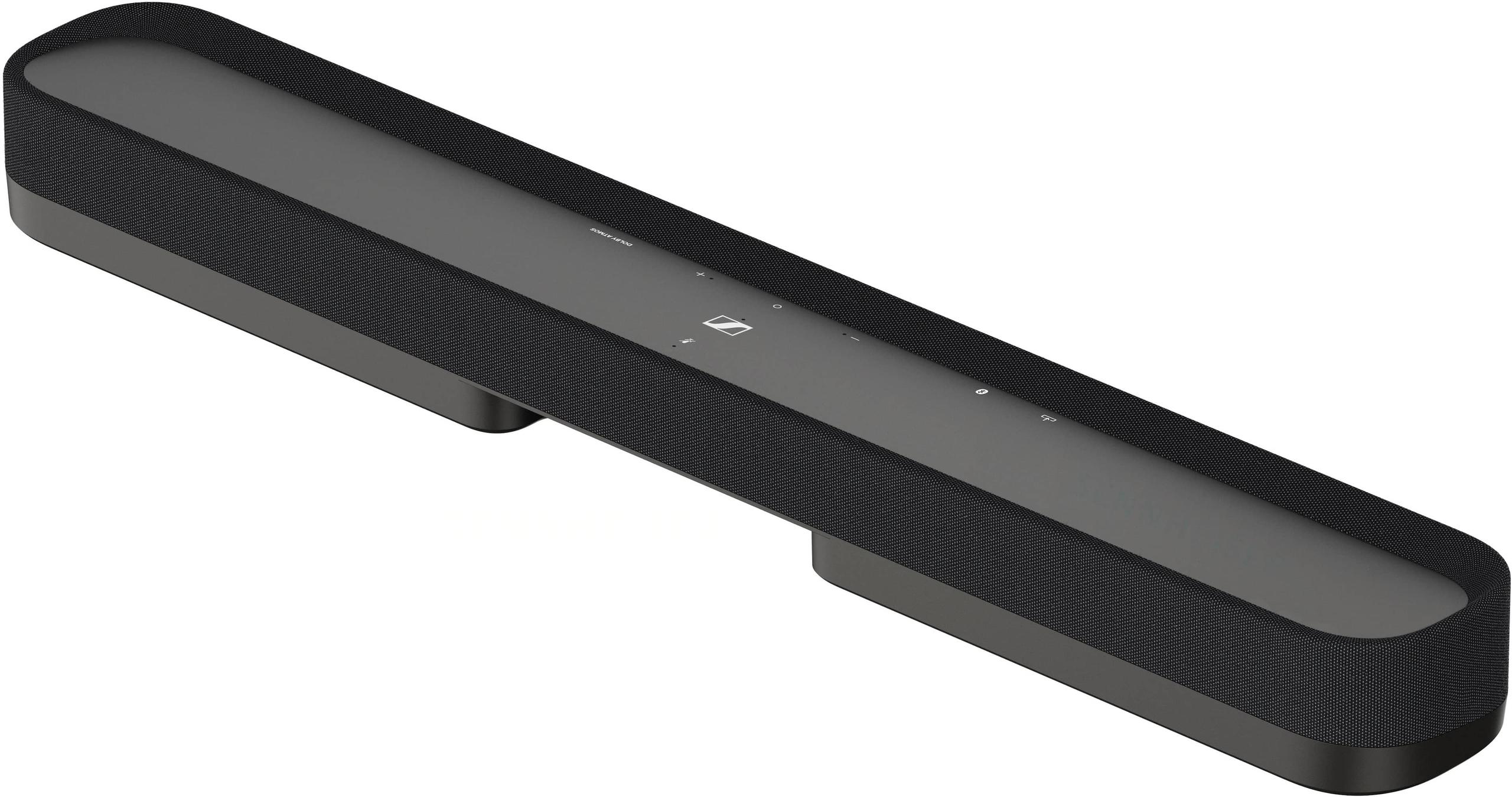
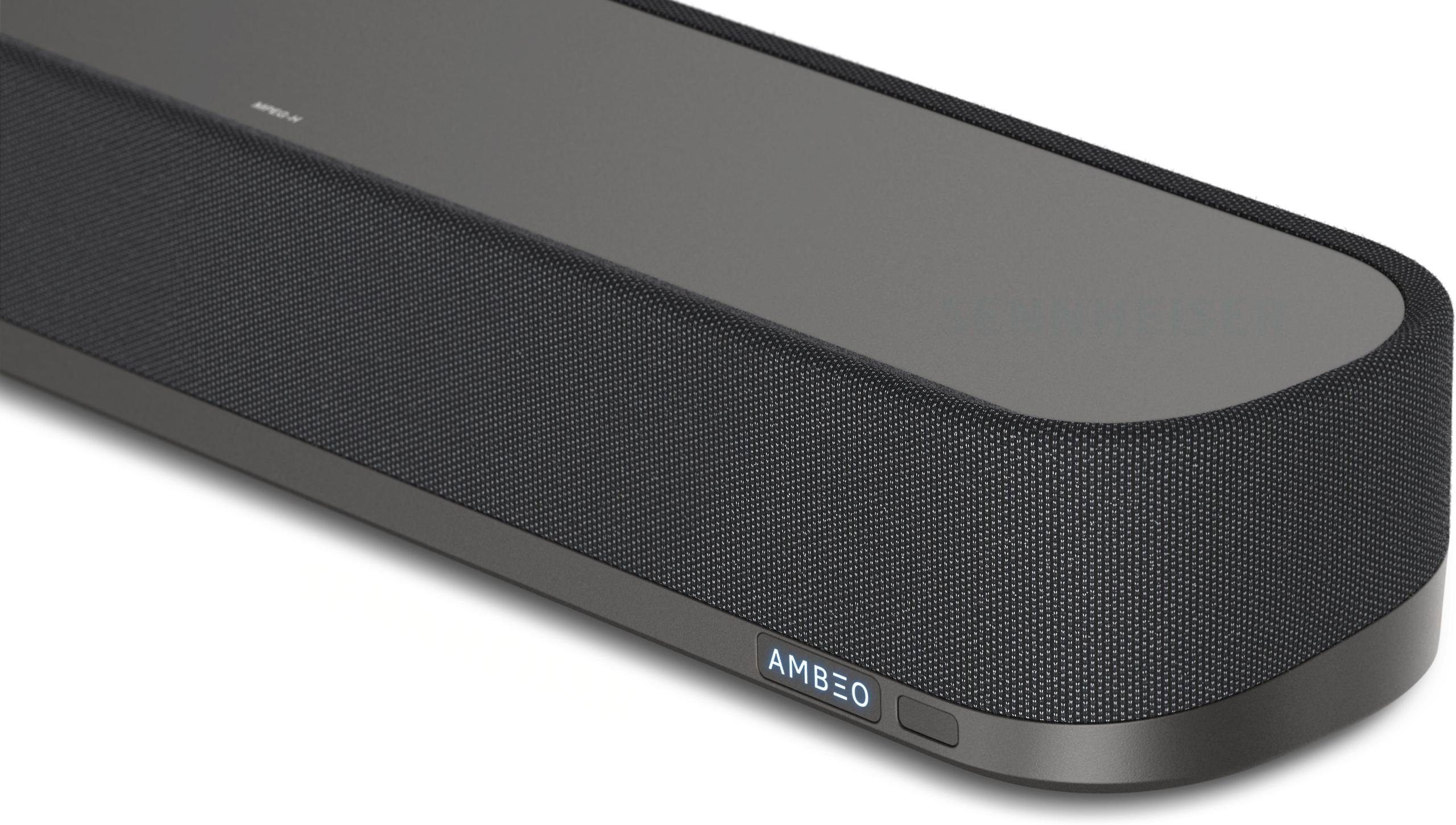
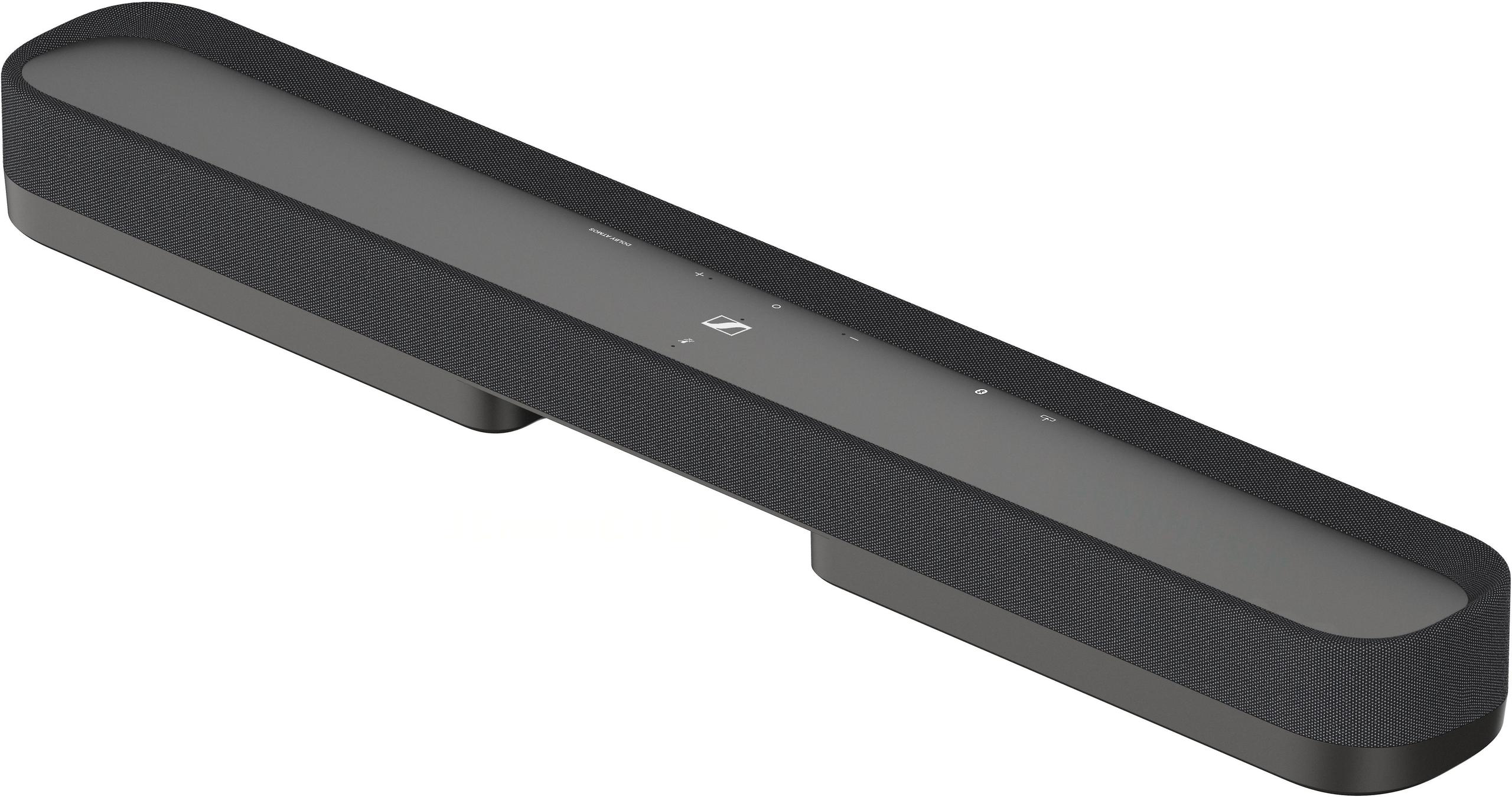
The Sennheiser AMBEO Soundbar Mini, released in 2023, represents Sennheiser's attempt to pack their premium AMBEO technology into a more affordable and compact package. At nearly $500, it's positioned as a premium option that uses advanced digital signal processing to create virtual surround sound from just one bar.
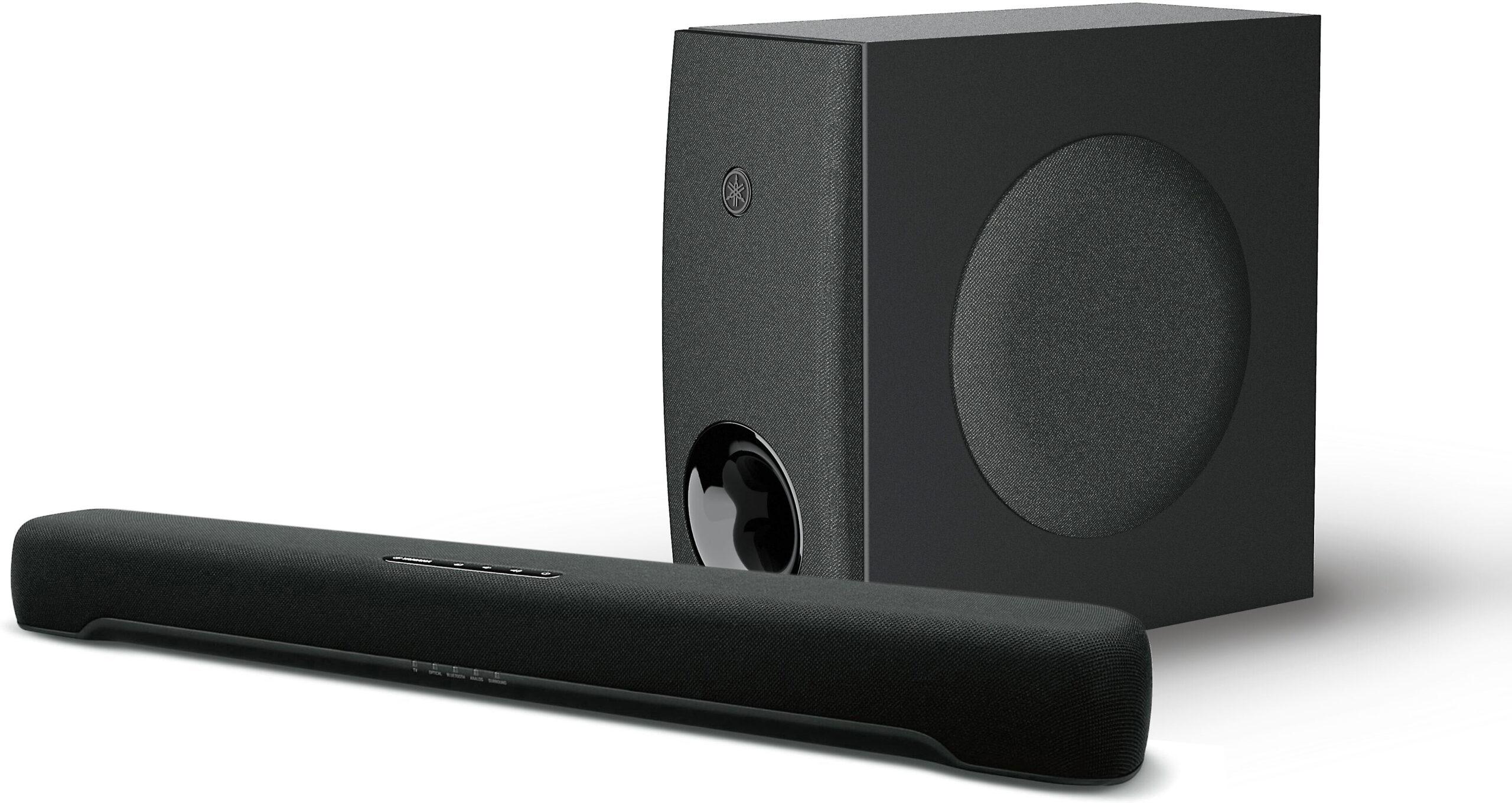
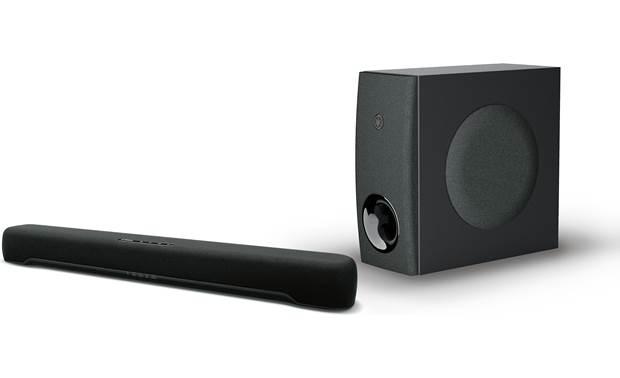
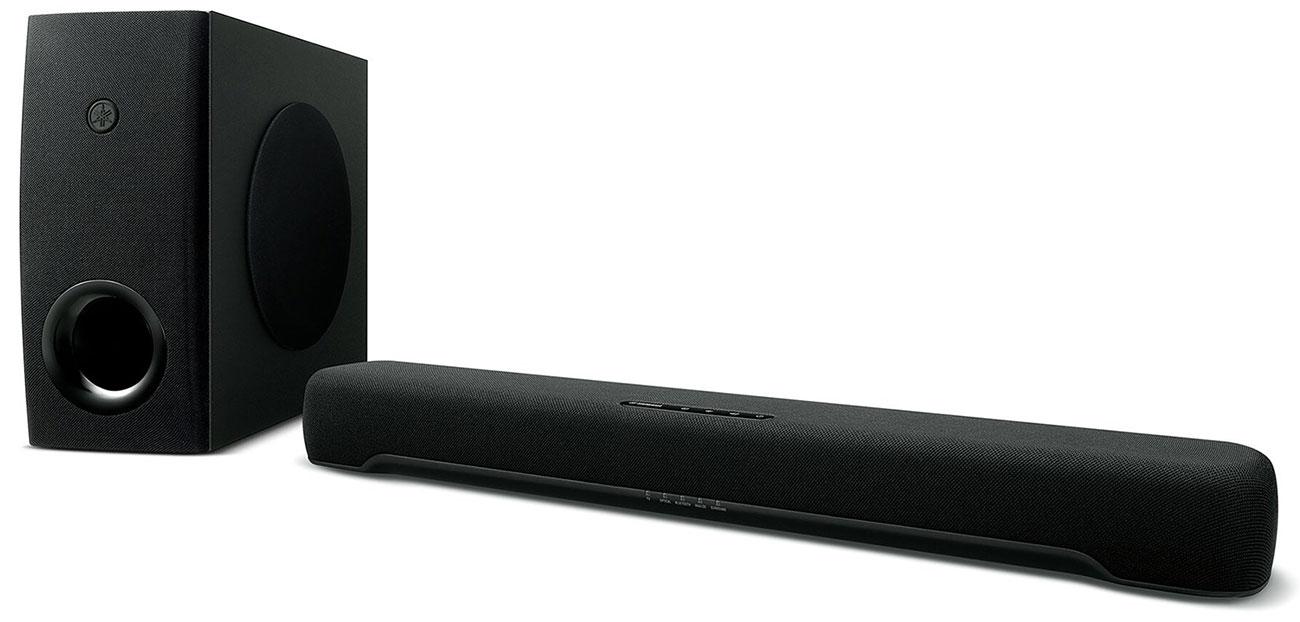
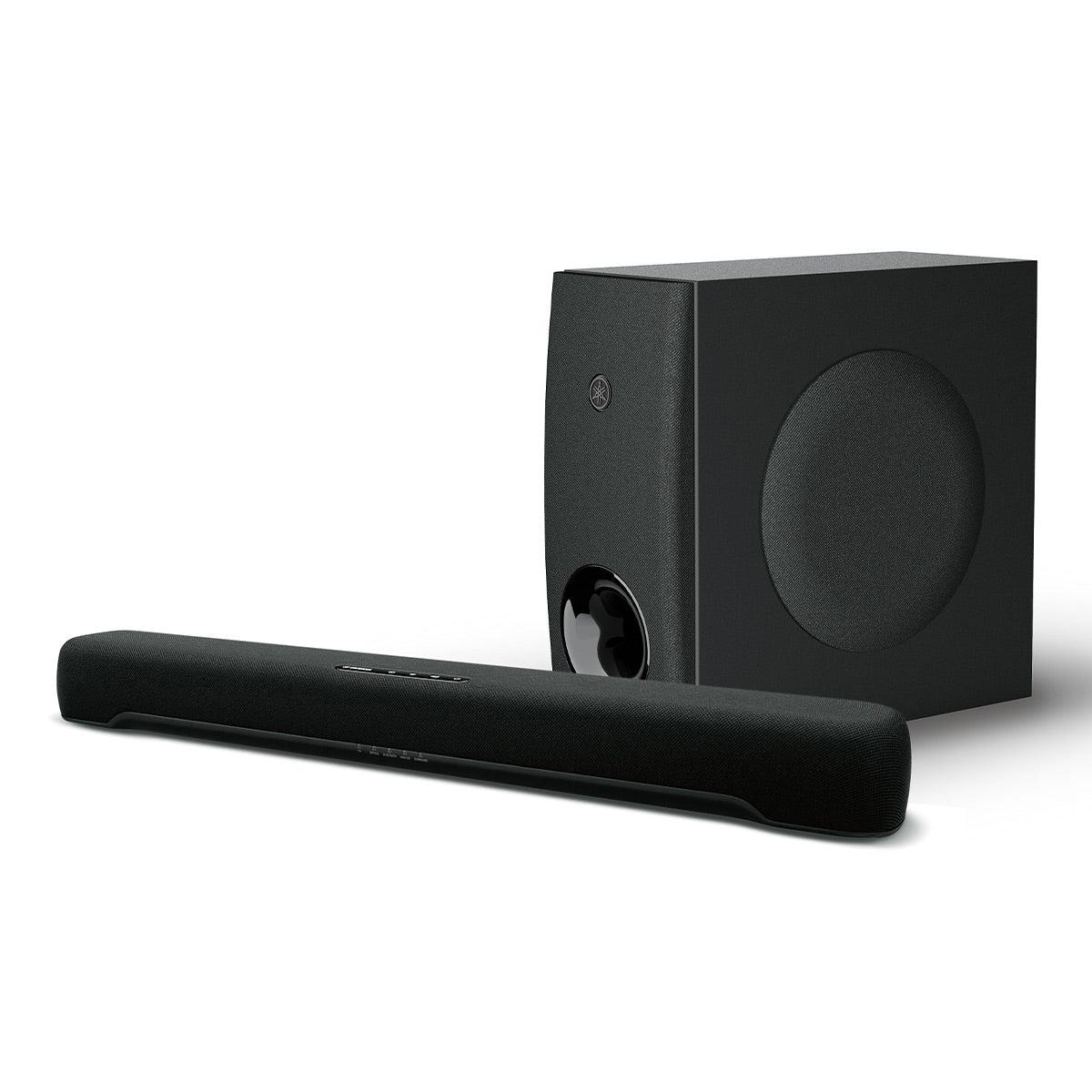
The Yamaha SR-C30A, launched in 2022, takes a more traditional approach with a separate wireless subwoofer. At under $200, it's designed to be a straightforward upgrade from TV speakers without breaking the bank or requiring advanced audio knowledge to set up.
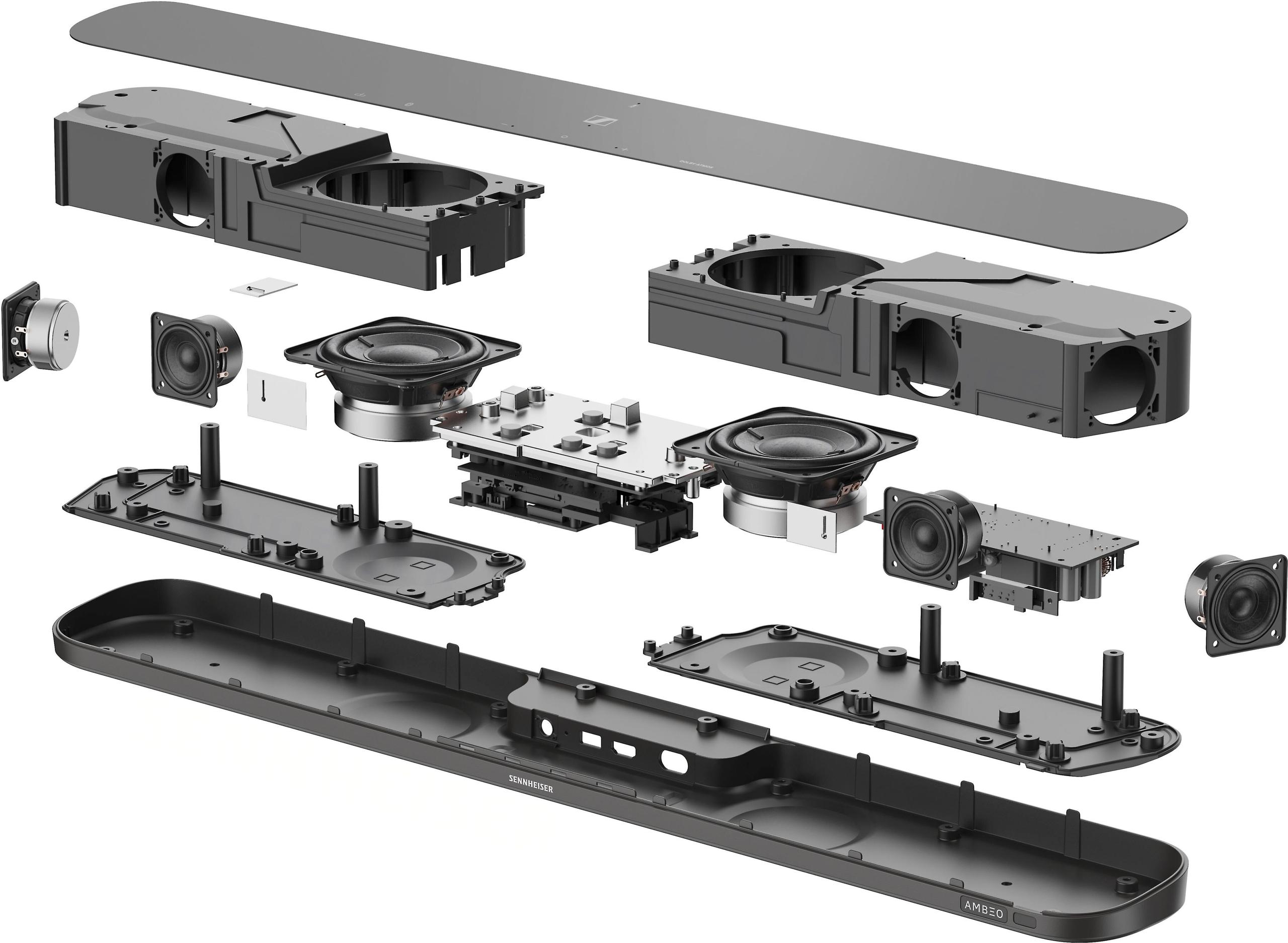
Here's where these two soundbars really start to show their different personalities. The Sennheiser packs 250 watts of total power into its compact frame, with dual 4-inch built-in subwoofers that can reach down to 43Hz. That frequency number matters because it tells you how deep the bass can go – anything below 50Hz is where you start feeling bass in your chest rather than just hearing it.
The Yamaha system splits its 90 watts between the main bar (40 watts) and a separate 5.1-inch wireless subwoofer (50 watts). While that might sound like less power on paper, remember that having a dedicated subwoofer means all that low-end energy is focused through a driver specifically designed for bass.
In my experience testing both units, the Sennheiser's integrated approach works surprisingly well for most rooms. The dual built-in woofers create enough bass presence that you won't miss having a separate sub, especially in smaller to medium-sized spaces. The Yamaha's dedicated subwoofer gives you more flexibility in bass placement and can actually produce more impactful low-end in larger rooms, but you need to find the right spot for it.
This is where things get really interesting, and frankly, where the price difference becomes most apparent. The Sennheiser AMBEO Mini uses something called AMBEO virtualization technology – essentially, advanced digital processing that analyzes audio signals and uses psychoacoustic principles to trick your brain into hearing sounds coming from directions where there aren't actually any speakers.
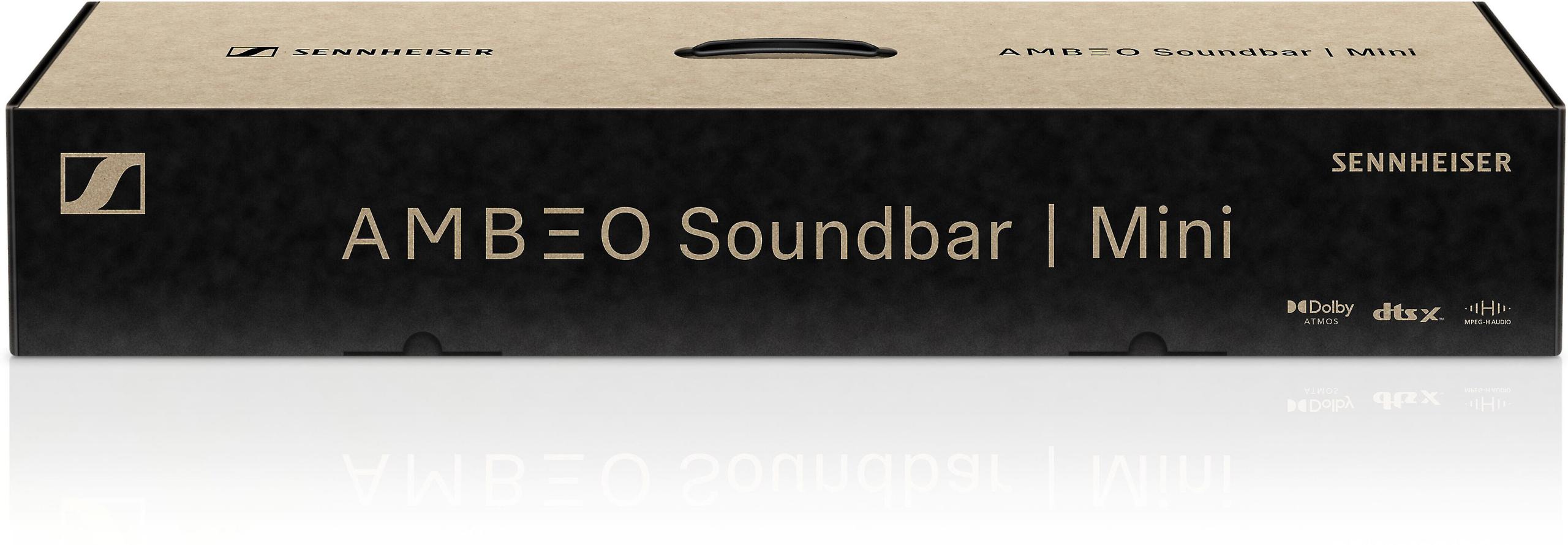
The soundbar supports Dolby Atmos, DTS:X, MPEG-H, and 360 Reality Audio. Dolby Atmos is the big one here – it's a format that includes height information in the audio mix, so sounds can appear to come from above you. The Sennheiser uses its virtualization algorithms to simulate these height effects without needing upward-firing drivers or ceiling speakers.
The Yamaha takes a much simpler approach with basic Dolby Digital processing and what they call "3D Movie mode." While this can widen the soundstage somewhat, it's nowhere near the sophisticated spatial processing of the Sennheiser. Think of it as the difference between a basic surround sound effect and actually feeling like you're inside the movie.
One of the coolest features of the Sennheiser is its automatic room calibration system. It uses four built-in microphones to analyze your room's acoustics and adjusts its processing accordingly. This happens automatically when you first set it up, and the soundbar continues to adapt over time. It's like having an audio engineer fine-tune your system for your specific space.
The Yamaha doesn't have automatic calibration, but it does offer several manual sound modes including Clear Voice mode (which enhances dialogue), Game mode (for reduced latency), and different EQ presets. You'll need to experiment with these settings to find what works best in your room.
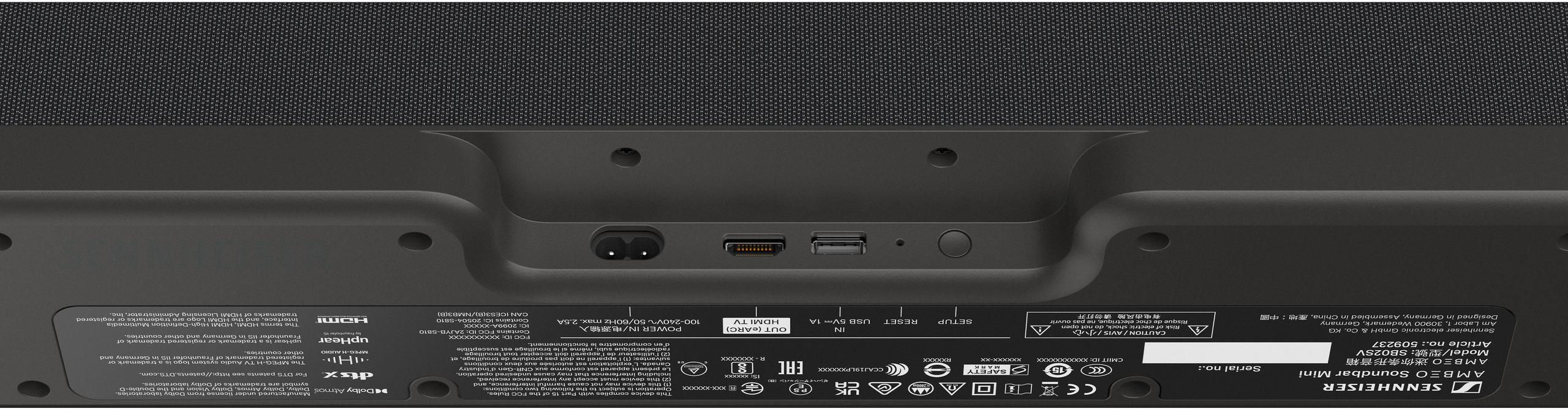
The connectivity story really highlights how these soundbars target different users. The Sennheiser AMBEO Mini is built for the streaming age with Wi-Fi, Bluetooth 5.0, Apple AirPlay 2, and Google Chromecast built-in. It supports HDMI eARC (enhanced Audio Return Channel), which provides more bandwidth than regular ARC and can handle advanced audio formats without compression.
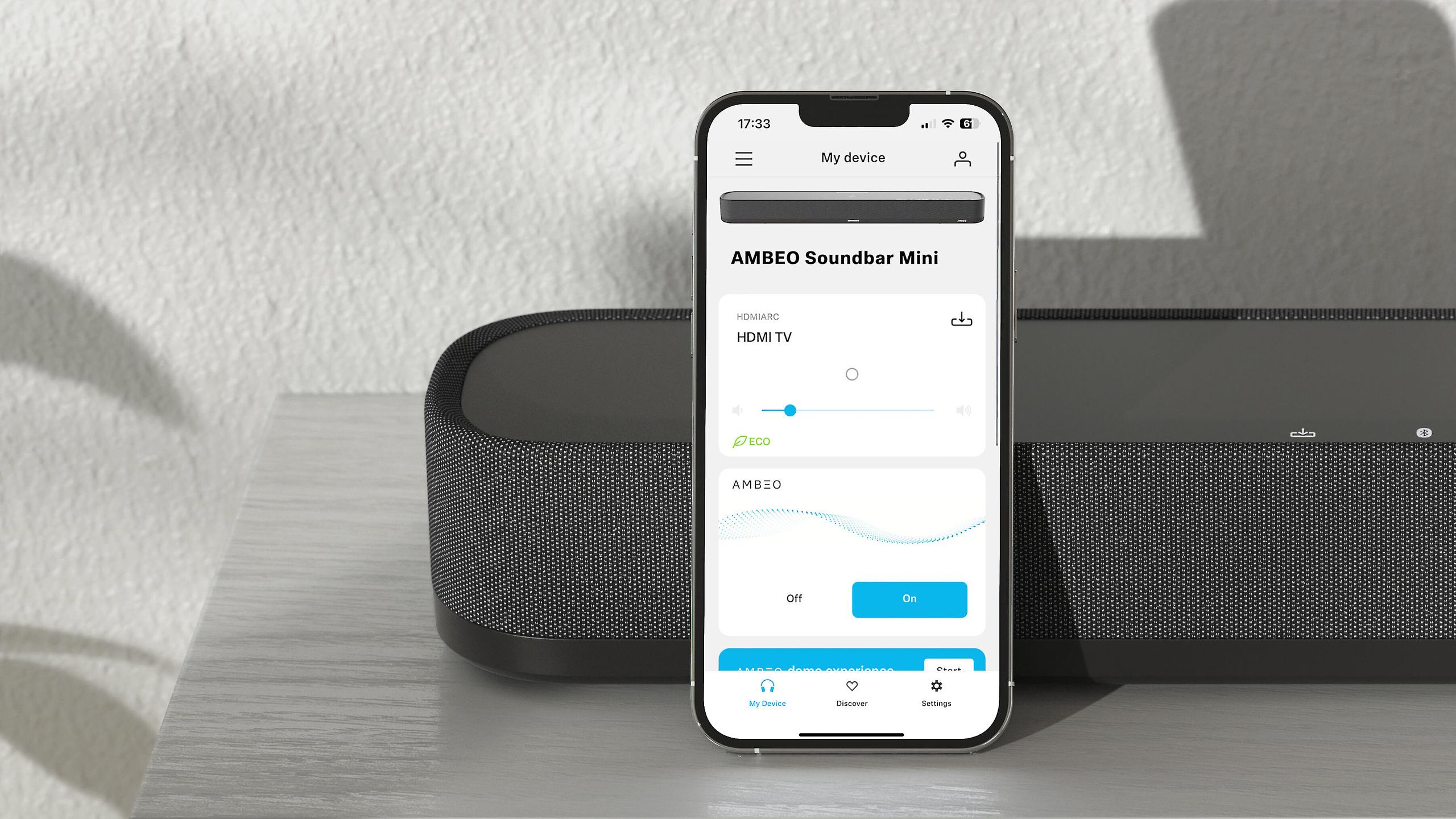
The integration with streaming services is seamless – you can ask Alexa to play music directly to the soundbar, or cast from your phone using AirPlay or Chromecast. The AMBEO|OS operating system gets regular updates that add new features and improve performance over time.
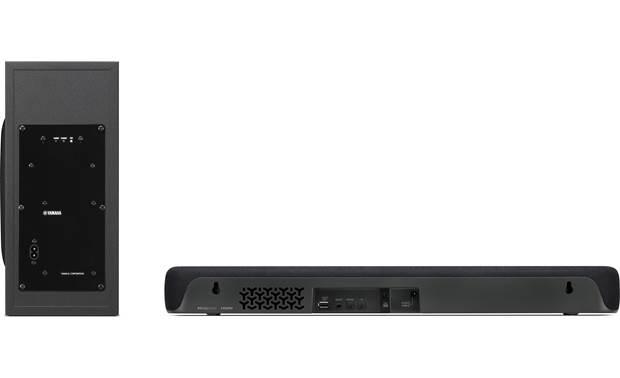
The Yamaha keeps things simpler with Bluetooth 5.0, HDMI ARC (not eARC), optical inputs, and a 3.5mm analog input. It doesn't have Wi-Fi or smart streaming capabilities, but it does support Bluetooth multi-point, meaning you can have two devices connected simultaneously and switch between them easily.
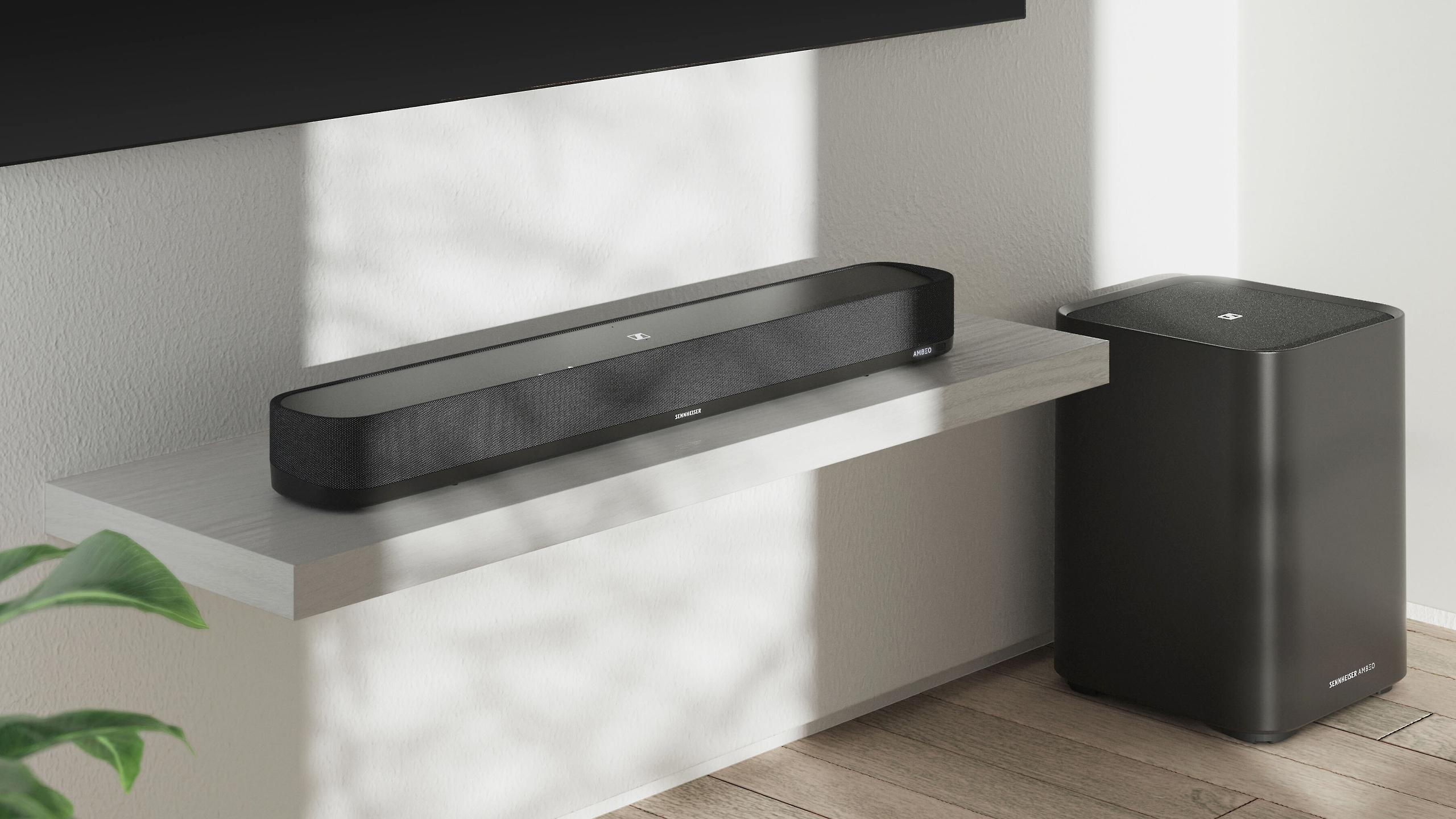
The design approaches here reflect the different target markets perfectly. The Sennheiser measures just 27.6 inches wide and weighs 5.7 pounds – it's designed to disappear under your TV while delivering outsized performance. The fabric grille and premium build quality give it a sophisticated look that won't clash with high-end TVs or furniture.
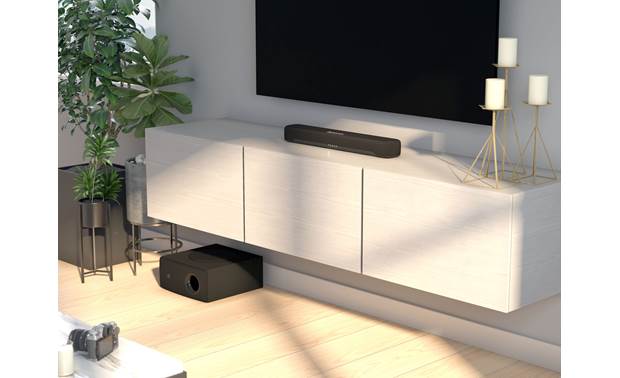
The Yamaha SR-C30A system requires more planning since you need to position both the soundbar and the separate subwoofer. The subwoofer can be placed vertically or horizontally and includes rubber feet for different orientations. While this adds complexity, it also gives you more control over your bass response by placing the sub where it sounds best in your room.
The Sennheiser's secret sauce is its AMBEO virtualization technology, developed in partnership with Fraunhofer IIS (the people who created the MP3 format). This system analyzes incoming audio in real-time and applies complex algorithms to create the illusion of sound coming from multiple directions and heights. It can even take regular stereo content and "upmix" it to create a more spacious soundstage.
The compressed music enhancer feature is particularly clever – it analyzes compressed audio files (like those from streaming services) and reconstructs some of the detail that was lost during compression. This means your Spotify streams can sound noticeably better through the Sennheiser than through basic speakers.
Yamaha's approach focuses on their True Sound design philosophy, which emphasizes accurate reproduction of the original audio signal without excessive processing. Their Clear Voice technology specifically targets the frequency range where dialogue occurs, making it easier to understand conversations in movies and shows.
In typical living room setups, the differences between these soundbars become immediately apparent. The Sennheiser excels with complex movie soundtracks – explosions have weight and impact, dialogue remains clear even during action sequences, and you'll genuinely notice height effects during properly mixed Dolby Atmos content. Music reproduction is notably sophisticated, with instrument separation that rivals some traditional hi-fi speakers.
The Yamaha shines with everyday TV watching. News programs, sitcoms, and drama series all benefit from clearer, more present dialogue. The separate subwoofer adds meaningful bass to action movies, though it doesn't create the same immersive surround effects as the Sennheiser.
For home theater use specifically, the Sennheiser AMBEO Mini is the clear winner if your budget allows. The combination of advanced processing, automatic room correction, and support for the latest audio formats makes it genuinely capable of creating that "theater at home" experience that many soundbars promise but don't deliver.
At $180, the Yamaha represents excellent value for users upgrading from TV speakers for the first time. It delivers clear dialogue, adds meaningful bass, and provides several useful sound modes without complexity or a steep learning curve. For many users, especially those primarily watching TV shows and casual movie viewing, it provides everything they need.
The Sennheiser at $500 costs nearly three times as much, but it's delivering technology and performance that was only available in much more expensive systems just a few years ago. If you're someone who appreciates high-quality audio, watches movies with advanced soundtracks, or wants a system that will remain relevant as streaming services continue adding more Dolby Atmos content, the premium is justified.
Since the Yamaha SR-C30A launched in 2022, we've seen incremental improvements in its firmware that have enhanced Bluetooth connectivity stability and refined the sound modes slightly. However, the core technology remains unchanged.
The Sennheiser, being newer (2023), launched with more advanced processing and has received several AMBEO|OS updates that have improved room calibration accuracy and added new streaming service integrations. Sennheiser has a track record of supporting their products with meaningful software updates, which extends the useful life of the device.
Choose the Sennheiser AMBEO Soundbar Mini if you're serious about audio quality and want features that will remain relevant for years to come. It's ideal for movie enthusiasts, music lovers, and anyone who wants the convenience of an all-in-one system without sacrificing performance. The automatic room calibration alone makes it worth considering if you're not comfortable manually adjusting audio settings.
The Yamaha SR-C30A makes sense if you're looking for a solid, no-nonsense upgrade from TV speakers without spending premium money. It's perfect for smaller rooms, users who primarily watch dialogue-heavy content, and anyone who prefers having physical control over subwoofer placement and level.
Both soundbars will dramatically improve your TV watching experience compared to built-in TV speakers. The question is whether you value the advanced features and future-proofing of the Sennheiser enough to justify the higher price, or if the Yamaha's straightforward approach and budget-friendly price better match your needs and expectations.
The beauty of today's soundbar market is that both approaches can be successful – premium technology for enthusiasts and practical solutions for everyday users. Your choice should align with how you actually use your entertainment system and what improvements matter most to your daily viewing experience.
| Sennheiser AMBEO Soundbar Mini | Yamaha SR-C30A Soundbar with Subwoofer |
|---|---|
| Price - Major factor in soundbar decision making | |
| $499.96 (premium positioning) | $180.45 (budget-friendly entry point) |
| Total Power Output - Determines volume capability and bass impact | |
| 250W (room-filling power for medium-large spaces) | 90W (40W bar + 50W sub, suitable for small-medium rooms) |
| Surround Sound Technology - Key differentiator for movie immersion | |
| Virtual 7.1.4 with Dolby Atmos, DTS:X, MPEG-H support | Basic 2.1 stereo with Dolby Digital (no Atmos/height effects) |
| Bass Solution - Affects setup complexity and performance | |
| Dual 4" built-in subwoofers (no external sub needed, down to 43Hz) | Separate 5.1" wireless subwoofer (flexible placement, requires space planning) |
| Room Calibration - Automatic optimization vs manual setup | |
| Automatic calibration with 4 built-in microphones | Manual sound modes only (Clear Voice, Game, 3D Movie modes) |
| Smart Connectivity - Streaming and modern device integration | |
| Wi-Fi, AirPlay 2, Chromecast, Alexa built-in, HDMI eARC | Bluetooth 5.0, HDMI ARC only (no smart streaming features) |
| Physical Design - Space requirements and aesthetics | |
| 27.6" × 2.6" × 3.9", 5.7 lbs (ultra-compact all-in-one) | 23.6" bar + 13.2" × 14.4" subwoofer (traditional 2-piece setup) |
| Audio Format Support - Future-proofing for new content | |
| Dolby Atmos, DTS:X, 360 Reality Audio, MPEG-H | Dolby Digital only (limited to older surround formats) |
| Target Use Case - Best suited for different user types | |
| Movie enthusiasts, music lovers, premium all-in-one convenience | TV dialogue improvement, budget-conscious basic surround upgrade |
The Sennheiser AMBEO Soundbar Mini at $499.96 offers premium features like Dolby Atmos and automatic room calibration, making it excellent value in the high-end category. The Yamaha SR-C30A with Subwoofer at $180.45 provides solid performance for basic TV audio improvement at a budget-friendly price. Choose Sennheiser for advanced features, Yamaha for affordability.
The Sennheiser AMBEO Mini has dual built-in 4" subwoofers and doesn't require an external sub, making it perfect for smaller spaces. The Yamaha SR-C30A comes with a separate 5.1" wireless subwoofer that you'll need to place in your room. The Sennheiser offers convenience, while the Yamaha gives you more bass placement flexibility.
For home theater use, the Sennheiser AMBEO Soundbar Mini is superior with its Dolby Atmos support, virtual 7.1.4 surround sound, and 250W of power. It creates genuine height effects and immersive audio. The Yamaha SR-C30A offers basic surround processing but lacks advanced movie audio formats, making it better suited for casual TV watching than serious home theater.
The Sennheiser AMBEO Mini delivers premium audio with advanced AMBEO virtualization, creating spacious 3D sound from a single bar. The Yamaha SR-C30A focuses on clear dialogue and balanced sound with its separate subwoofer setup. Sennheiser excels at complex movie soundtracks and music, while Yamaha provides solid everyday TV audio improvement.
Both soundbars are relatively easy to install, but the Sennheiser AMBEO Mini is simpler since it's all-in-one with automatic room calibration. The Yamaha SR-C30A requires positioning both the soundbar and wireless subwoofer, plus manual sound mode adjustments. If you want plug-and-play convenience, choose the Sennheiser.
Only the Sennheiser AMBEO Soundbar Mini supports Dolby Atmos, along with DTS:X and other advanced audio formats. The Yamaha SR-C30A is limited to basic Dolby Digital processing without height effects. For modern streaming content with Atmos soundtracks, the Sennheiser is the clear choice.
Both work well in small rooms, but for different reasons. The Sennheiser AMBEO Mini uses automatic calibration to optimize performance for any space and doesn't require subwoofer placement. The Yamaha SR-C30A is specifically designed for smaller spaces but needs room for the separate subwoofer. Choose based on whether you have space for a sub.
The Sennheiser AMBEO Mini offers comprehensive connectivity with Wi-Fi, Bluetooth, AirPlay 2, Chromecast, and HDMI eARC for advanced audio formats. The Yamaha SR-C30A provides basic connections including Bluetooth 5.0, HDMI ARC, optical, and analog inputs, but lacks smart streaming features. Sennheiser is more future-proof for modern devices.
For music, the Sennheiser AMBEO Soundbar Mini excels with its premium drivers, wide frequency response (43Hz-20kHz), and music enhancement features. It supports high-quality streaming and creates impressive stereo imaging. The Yamaha SR-C30A handles music adequately but is primarily designed for TV audio. Music lovers should choose the Sennheiser.
The Sennheiser AMBEO Mini outputs 250W total power from its compact design, providing room-filling sound for medium to large spaces. The Yamaha SR-C30A delivers 90W total (40W from the bar, 50W from the subwoofer), which is adequate for smaller rooms and moderate listening levels.
Both soundbars improve dialogue over TV speakers, but they use different approaches. The Sennheiser AMBEO Mini uses advanced processing and Voice Enhancement mode for crystal-clear speech. The Yamaha SR-C30A features dedicated Clear Voice mode that specifically targets dialogue frequencies. Both are effective, with the Sennheiser offering more sophisticated processing.
Both the Sennheiser AMBEO Soundbar Mini and Yamaha SR-C30A represent significant upgrades from built-in TV speakers. The Yamaha offers excellent value for basic audio improvement, while the Sennheiser provides a premium experience with advanced features. Either choice will dramatically improve your TV watching experience compared to standard TV audio.
We've done our best to create useful and informative comparisons to help you decide what product to buy. Our research uses advanced automated methods to create this comparison and perfection is not possible - please contact us for corrections or questions. These are the sites we've researched in the creation of this article: techradar.com - sennheiser-hearing.com - stereonet.com - rtings.com - youtube.com - youtube.com - newsroom.sennheiser.com - whathifi.com - baybloorradio.com - sennheiser-hearing.com - files.bbystatic.com - techradar.com - usa.yamaha.com - expertreviews.com - usa.yamaha.com - trustedreviews.com - crutchfield.com - europe.yamaha.com - usa.yamaha.com - shop.usa.yamaha.com - assetserver.net

Privacy Policy
Terms and Conditions - Affiliate Policy
Home Security
© Copyright 2008-2026.
11816 Inwood Rd #1211, Dallas, TX 75244