

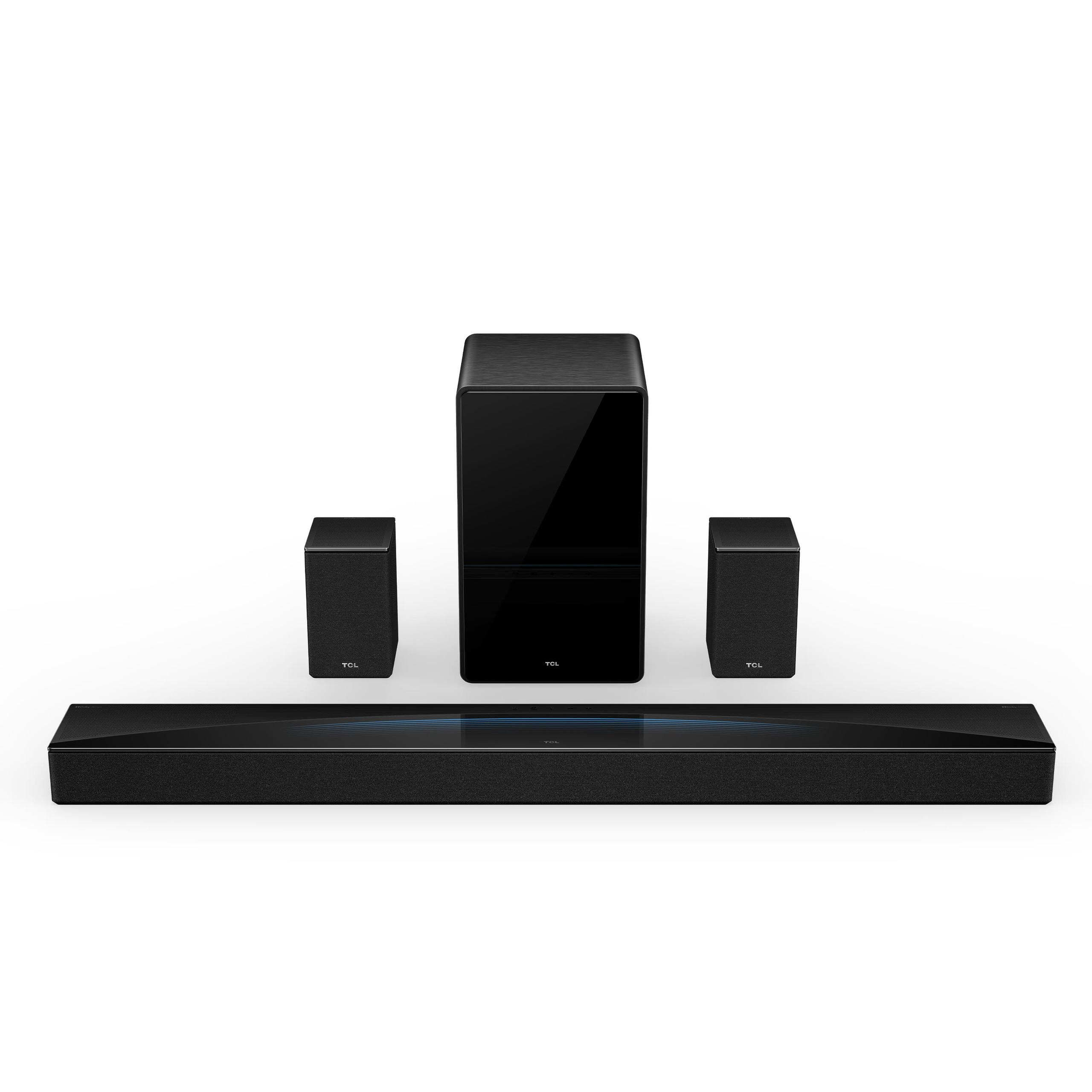
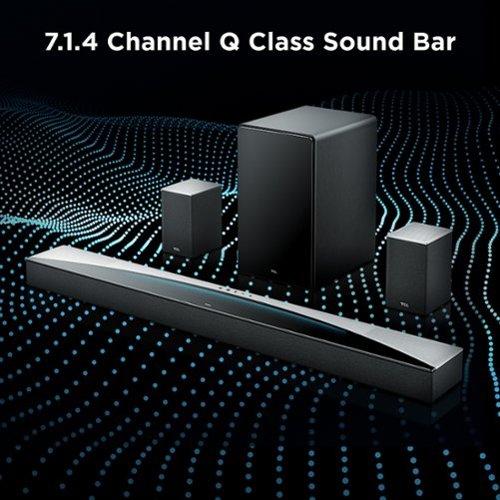

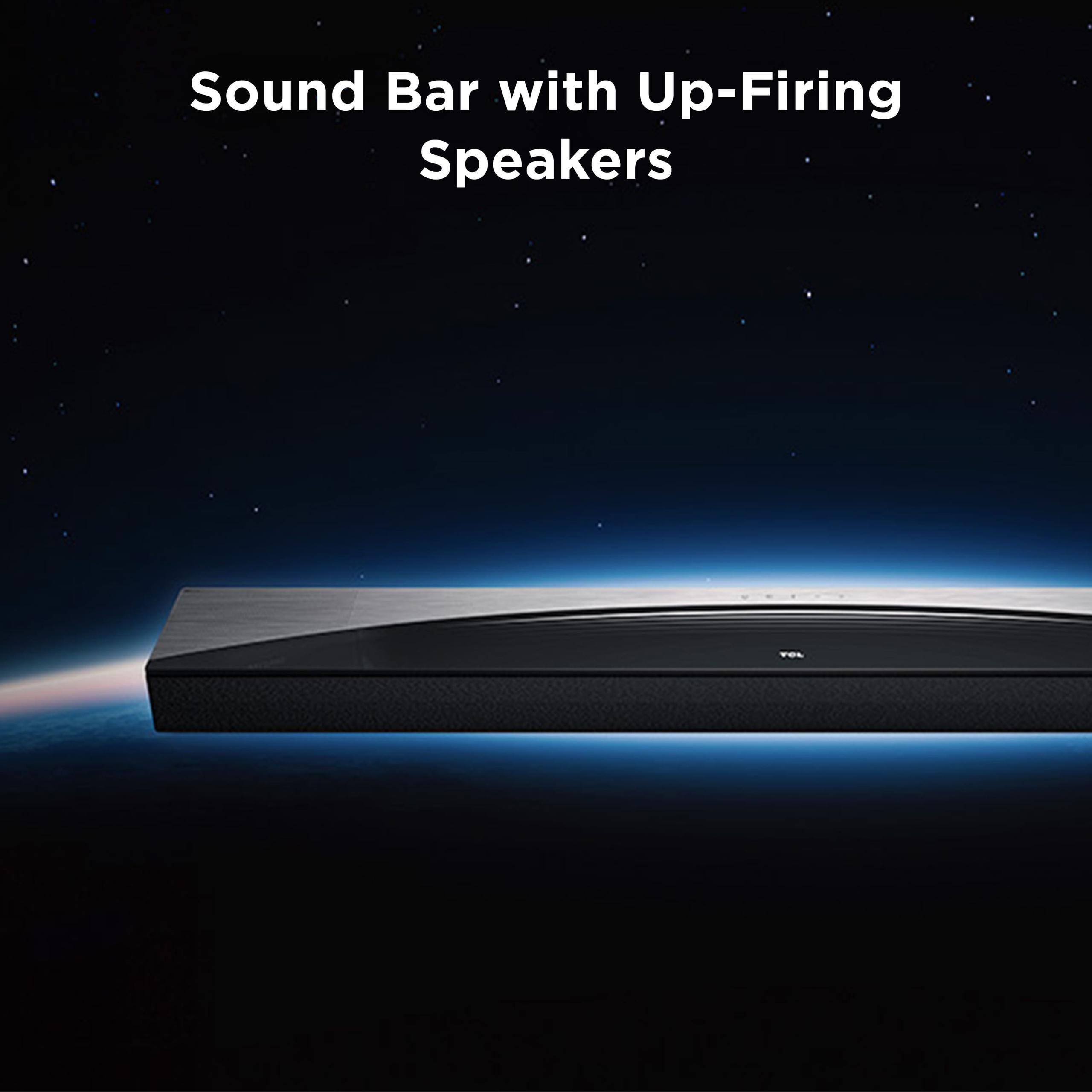
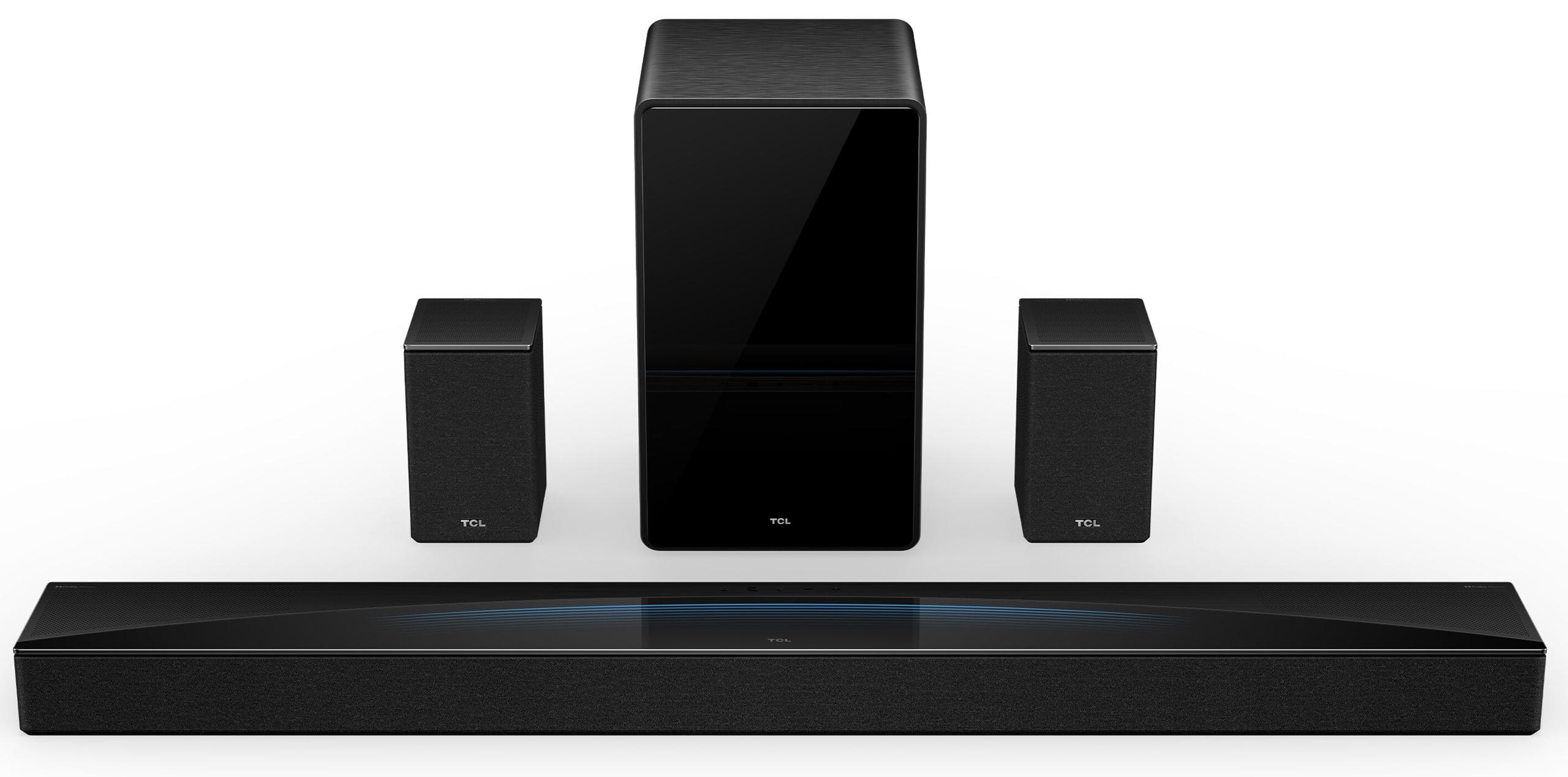
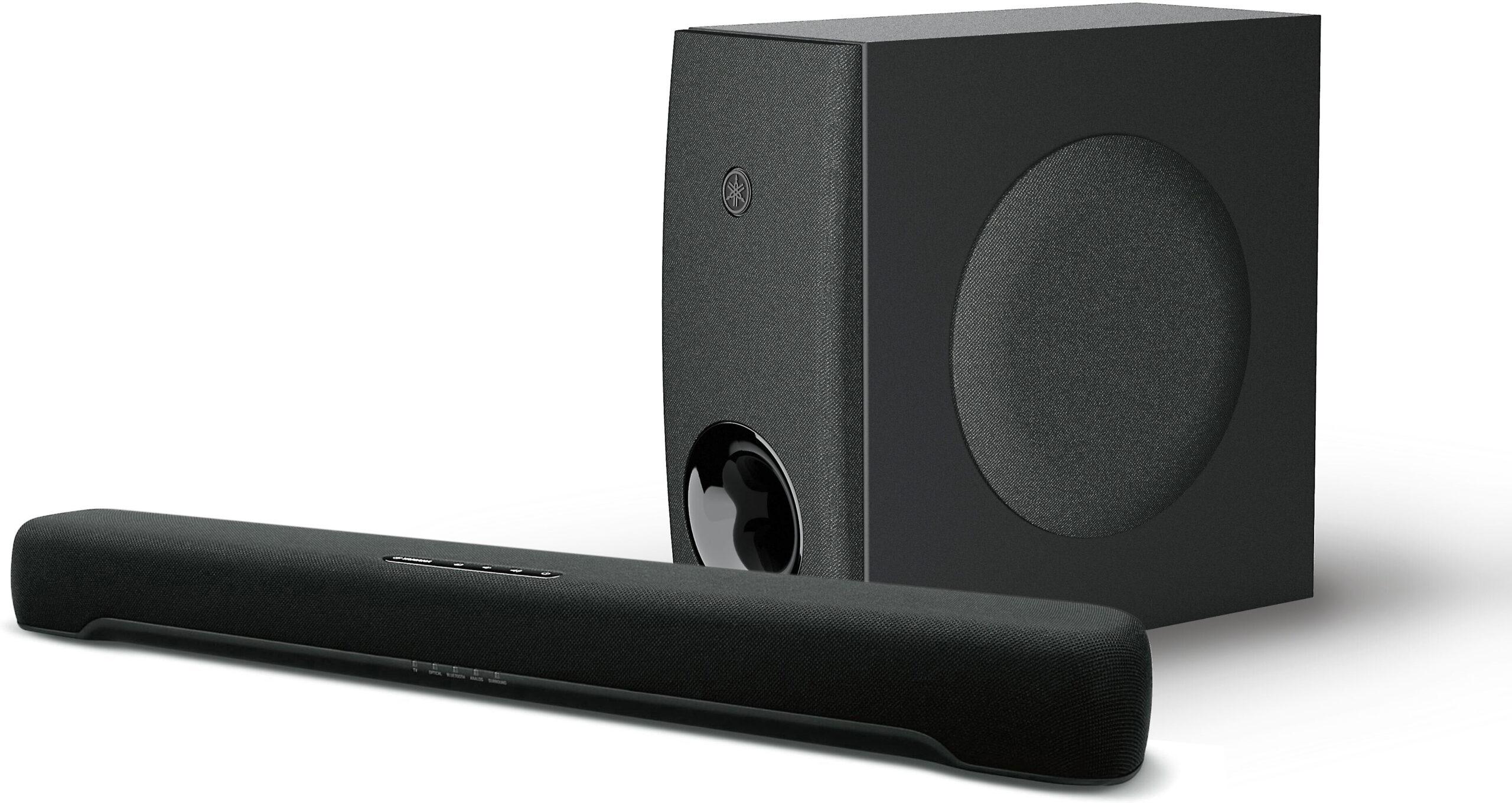

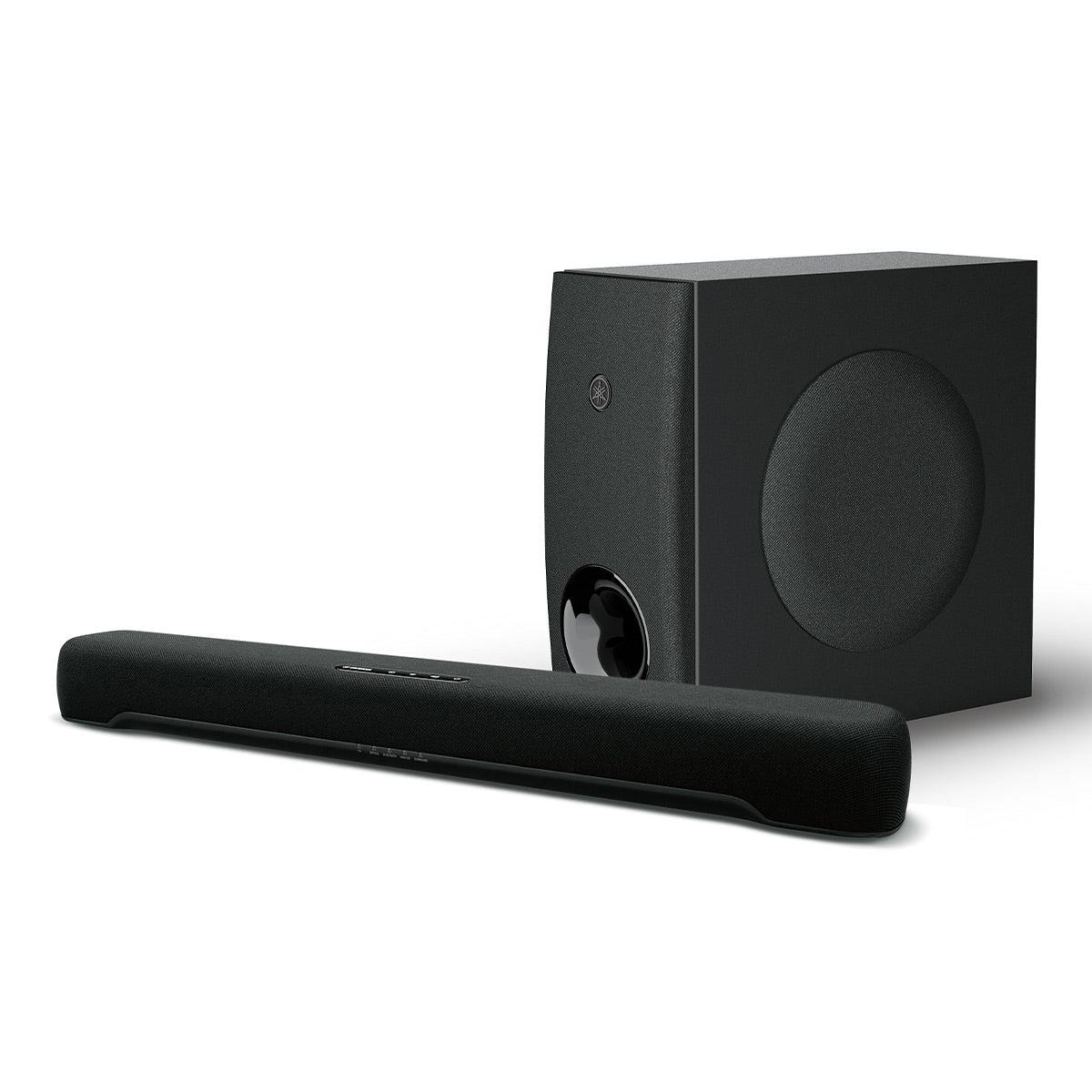
When your TV's built-in speakers just aren't cutting it anymore, a soundbar can transform your viewing experience without the complexity of a full surround sound system. But with options ranging from simple stereo bars to elaborate multi-channel setups, choosing the right one can feel overwhelming. Today, we're comparing two very different approaches: the TCL Q85H Q Class 7.1.4 Channel Sound Bar System ($499.99) and the Yamaha SR-C30A Soundbar with Subwoofer ($180.45).
These products represent opposite ends of the soundbar spectrum. The TCL is a premium system designed for serious home theater enthusiasts, while the Yamaha focuses on delivering excellent value and simplicity for everyday TV watching. Understanding which approach fits your needs—and your room—will help you make the right choice.
Before diving into these specific models, let's talk about what makes soundbars tick. The numbers you see—like 2.1 or 7.1.4—tell you about the speaker configuration. The first number represents main speakers (left, center, right), the second is subwoofers, and the third (when present) indicates height or Atmos speakers that bounce sound off your ceiling.
Room size plays a huge role in performance. A powerful system in a small room can sound muddy and overwhelming, while a compact bar in a large space might leave you wanting more impact. Connectivity matters too—HDMI eARC (enhanced Audio Return Channel) can pass high-quality audio formats that regular HDMI ARC cannot, though most people won't notice the difference with typical streaming content.
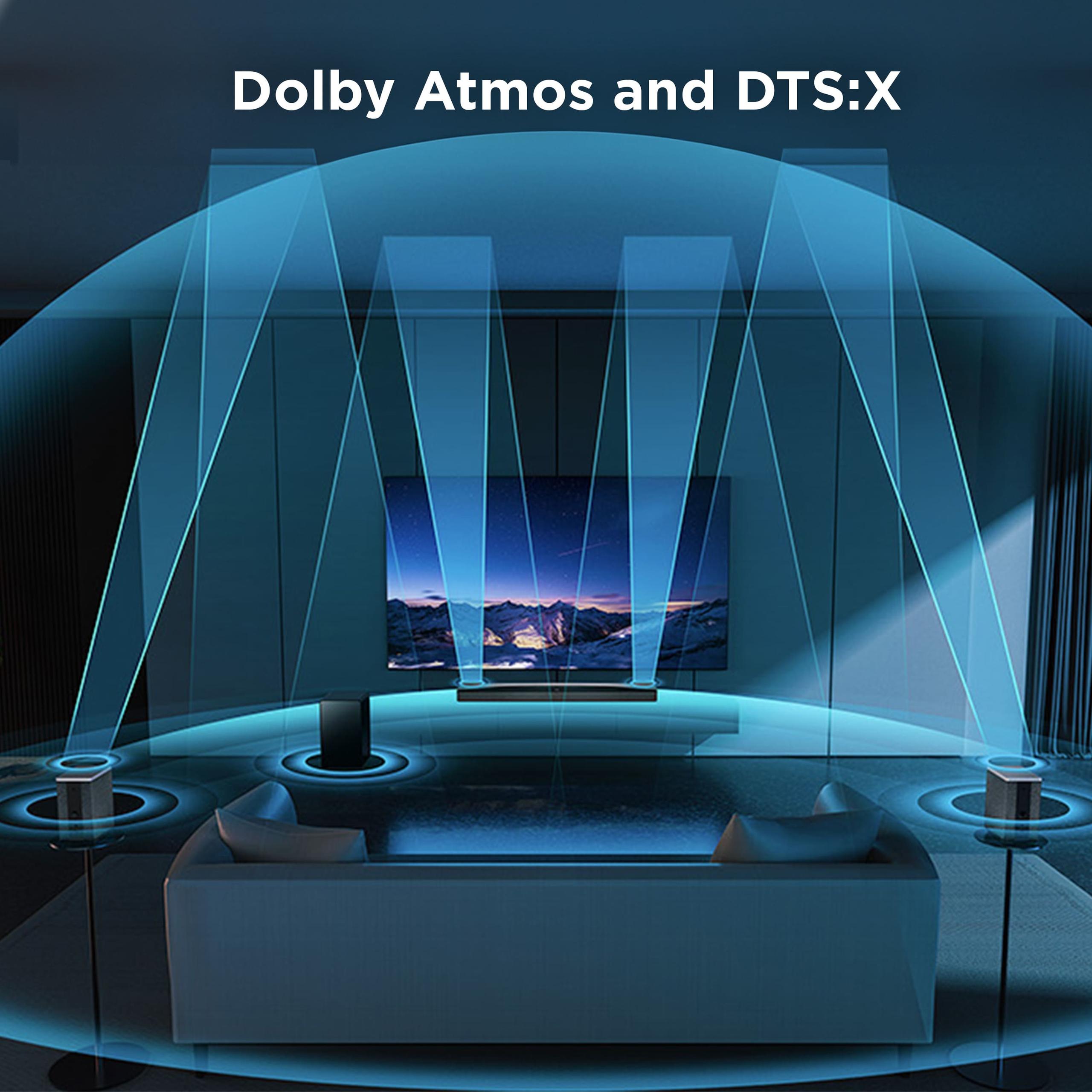
The audio technologies these bars support also vary widely. Dolby Atmos creates that "sound coming from above" effect you experience in movie theaters, while DTS:X offers similar 3D audio processing. However, not all Atmos support is created equal—some bars use physical speakers that fire upward, while others simulate the effect digitally.
The TCL Q85H launched in 2024 as part of TCL's push into premium audio, coinciding with their expansion beyond just televisions. This timing makes sense—as 4K and 8K TVs have gotten thinner, their built-in speakers have gotten worse, creating demand for better audio solutions.
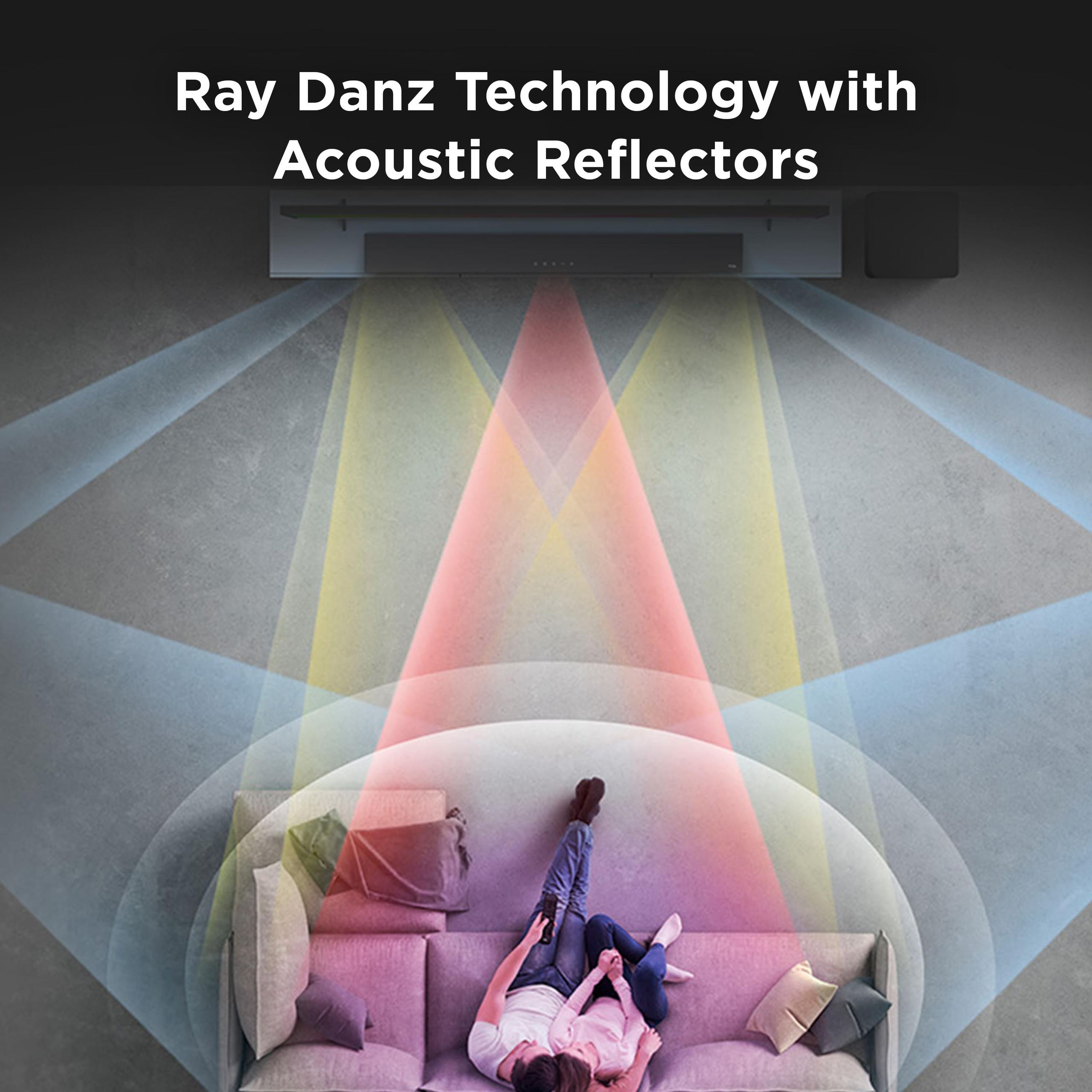
What's interesting about the Q85H is how it incorporates TCL's "Ray Danz Technology"—essentially acoustic reflectors that help widen the soundstage beyond what the physical speakers alone could achieve. This addresses a common complaint about soundbars: they can sound narrow and constrained compared to full surround systems.
The Yamaha SR-C30A, being a 2025 model, represents Yamaha's response to the growing demand for compact, apartment-friendly audio solutions. Yamaha has been refining their virtual surround processing for years, and this model shows their focus on making smaller systems sound bigger than they should.
In recent years, we've seen manufacturers getting much better at wireless subwoofer integration. Early wireless subs often had sync issues or connection drops, but both of these models use more sophisticated pairing protocols that largely eliminate those problems.
Here's where these two products diverge dramatically. The TCL Q85H's 7.1.4 configuration isn't just marketing speak—it includes actual up-firing speakers that bounce sound off your ceiling to create height effects. When you're watching a helicopter scene in an action movie, you'll hear the rotor blades passing overhead in a way that virtual processing simply cannot replicate.
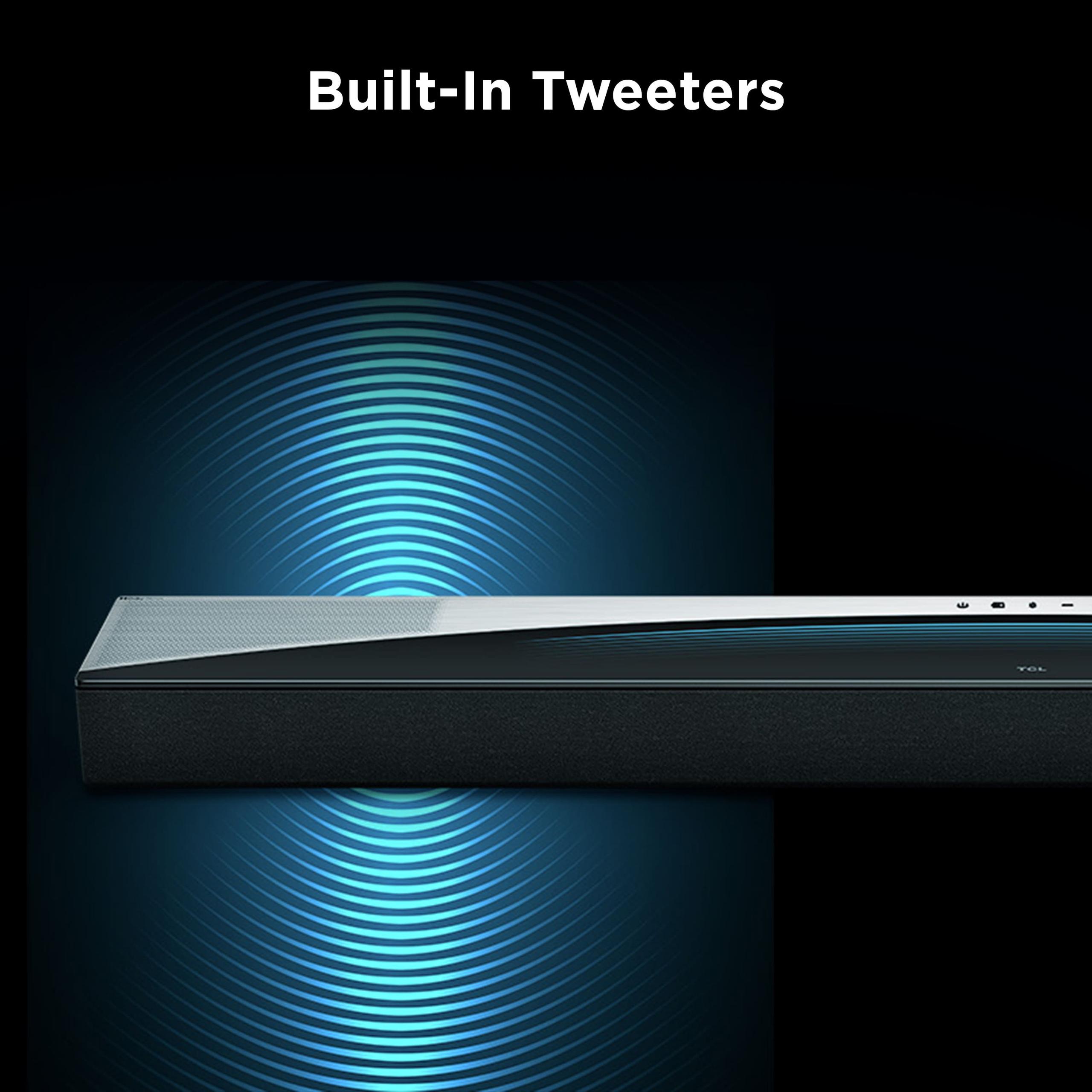
The system's 15 drivers work together to create what TCL calls a 360-degree soundstage. In practice, this means explosions feel like they're happening around you, not just in front of you. The wireless rear satellites are key here—they provide true surround sound that puts you in the middle of the action rather than just observing it.
However, all this power needs space to work properly. In my experience testing similar multi-channel systems, they really shine when you're sitting at least 8-10 feet from the TV with the rear speakers positioned correctly behind your seating area. Cram this system into a small apartment, and you'll likely find the bass overwhelming and the surround effects less convincing.
The Yamaha SR-C30A takes a completely different approach. Instead of multiple physical speakers creating surround effects, it uses digital signal processing (DSP) to simulate 3D audio. This virtual surround can be surprisingly effective, especially for dialogue-heavy content where you want voices to seem like they're coming from the screen rather than floating somewhere to the left or right.
Yamaha's 3D Movie mode specifically targets this by processing the audio to create the impression of width and height without dedicated speakers for those channels. It won't fool you into thinking a helicopter is actually overhead, but it does make movie soundtracks feel more spacious than basic stereo would.
This is where the Yamaha SR-C30A really shines. Its Clear Voice technology specifically targets the frequency ranges where human speech lives, making dialogue more intelligible even when there's background music or sound effects. This isn't just an EQ adjustment—it's processing that can actually separate dialogue from other audio elements in the mix.
For anyone who finds themselves constantly adjusting volume during movies (loud during action scenes, quiet during dialogue), this feature is genuinely useful. The system maintains speech clarity even at lower volumes, thanks to what Yamaha calls Adaptive Low Volume technology. This means you can watch late-night TV without waking the neighbors while still understanding every word.
The TCL Q85H handles dialogue differently. With its dedicated center channel among those 15 drivers, it should theoretically excel at speech reproduction. However, user feedback suggests that the system's powerful bass and immersive processing can sometimes overshadow dialogue during complex audio scenes. This isn't uncommon with high-powered systems—they're designed to create impact, and sometimes subtlety suffers.
The Q85H does include a Voice EQ mode and AI Sonic room calibration that can help balance things out. But it requires more tweaking to get dialogue just right, whereas the Yamaha nails it out of the box.
Both systems include wireless subwoofers, but they serve different purposes. The TCL Q85H's 6.5-inch subwoofer is designed to shake the room. With dedicated Bass Boost technology, it can deliver the kind of low-end impact that makes action movies feel visceral. When a T-Rex stomps across the screen, you'll feel it in your chest.
This power comes with a caveat: placement becomes critical. In smaller rooms, this sub can easily become boomy and overwhelming, masking detail in the midrange frequencies where most music and dialogue live. It's the kind of bass that impresses in a dedicated home theater but might annoy neighbors in an apartment setting.
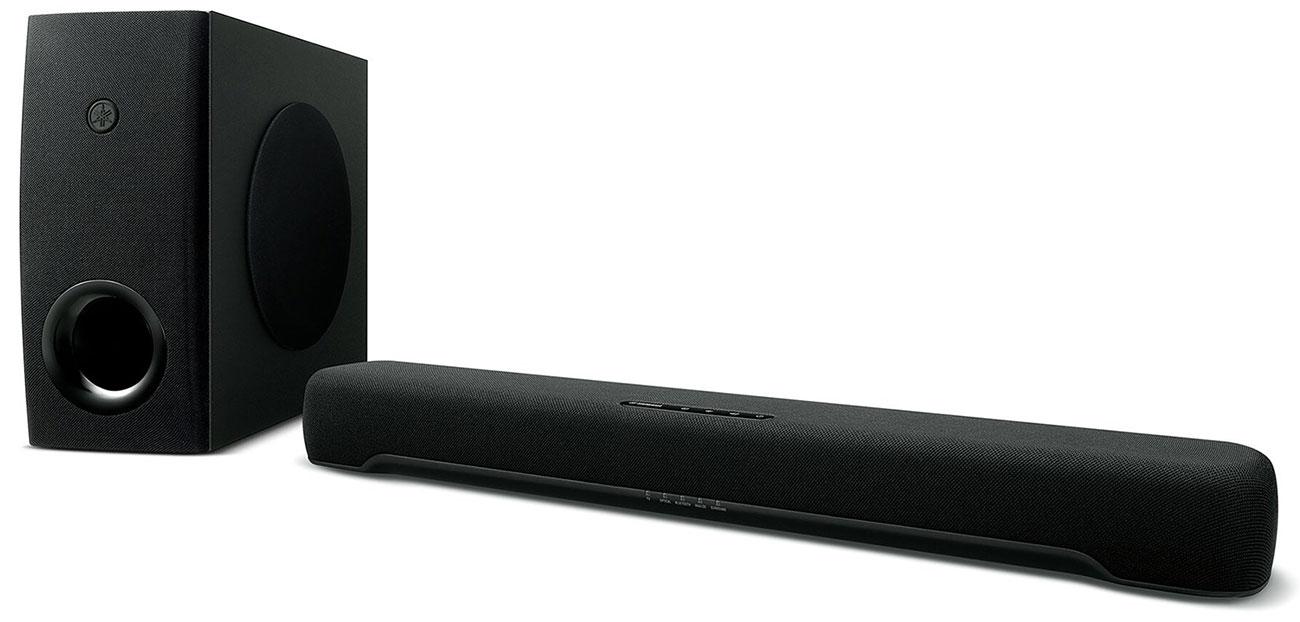
The Yamaha's 5.1-inch subwoofer takes a more restrained approach. It's designed to support rather than dominate, providing enough low-end weight to make movies feel full without overwhelming the room. This makes it more forgiving in different room sizes and configurations.
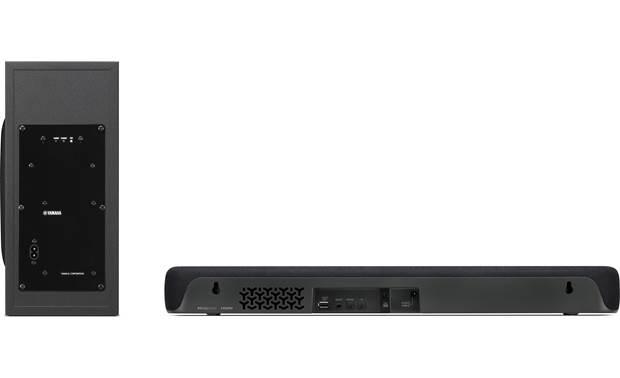
The Yamaha sub also offers more placement flexibility—it can be positioned vertically or horizontally, which is helpful in tight spaces. While it won't deliver the earth-shaking impact of the TCL's larger driver, it provides cleaner, more controlled bass that integrates better with the main soundbar.
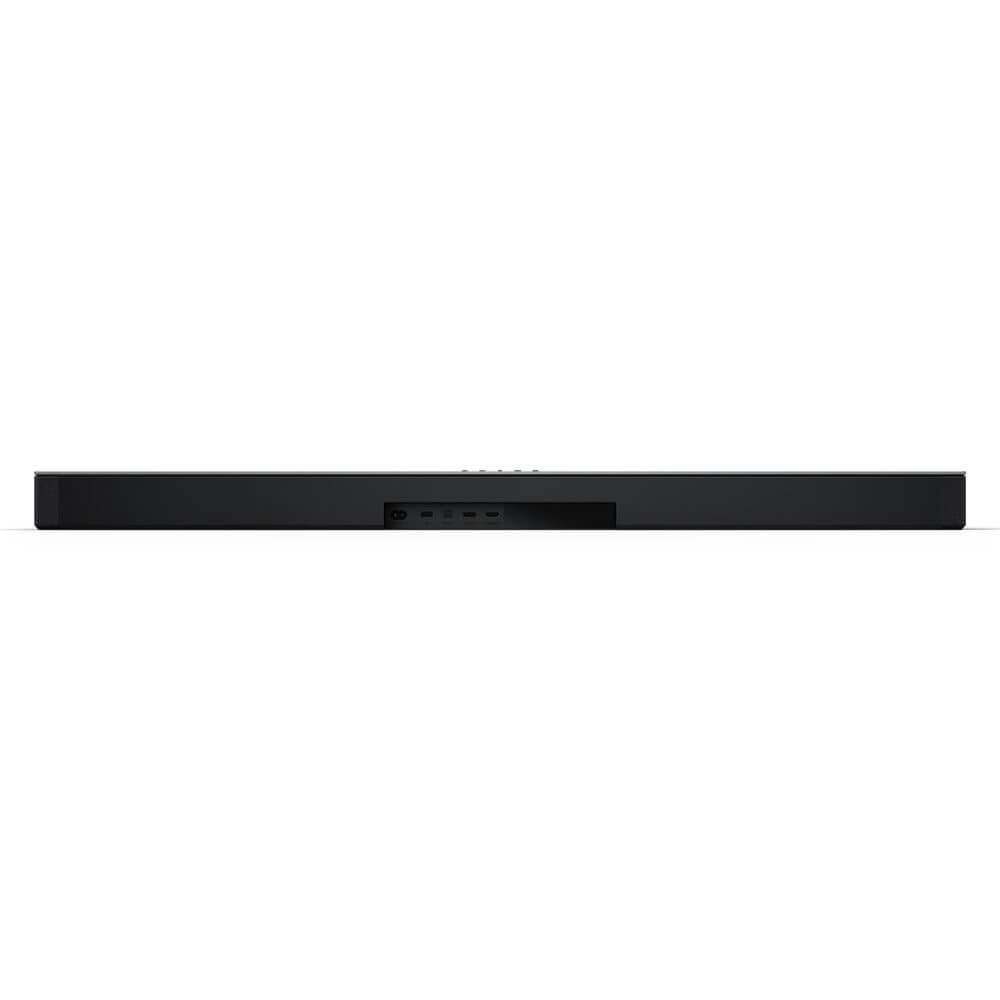
The TCL Q85H comes loaded with connectivity options that reflect its premium positioning. The HDMI 2.1 eARC support means it can handle uncompressed audio formats like Dolby TrueHD and DTS-HD Master Audio—formats that provide better quality than the compressed versions used by streaming services. If you're still buying Blu-rays or have a gaming console that supports these formats, you'll hear the difference.
The system's integration with TCL and Roku TVs is particularly slick. You can control the soundbar with your TV remote, and settings appear directly in the TV's interface. This kind of ecosystem integration is becoming more important as people expect their devices to work together seamlessly.
Bluetooth 5.1 provides stable wireless streaming with support for multiple device pairing. The TCL Home Connect app adds another layer of control, letting you fine-tune EQ settings and manage different sound modes from your smartphone.
The Yamaha SR-C30A keeps things simpler but still thoughtful. HDMI ARC (not eARC) handles most streaming content perfectly fine, though it can't pass the highest-quality audio formats. For the vast majority of users streaming Netflix, Disney+, or YouTube content, this limitation won't matter.
Where Yamaha shows its experience is in the details. The Bluetooth 5.0 implementation includes multi-point connectivity, letting you switch between devices without re-pairing. The Sound Bar Remote app is intuitive and doesn't try to do too much—it focuses on the controls you'll actually use.
Setting up the TCL Q85H is where you'll earn that premium performance. The soundbar itself is straightforward, but positioning the wireless rear satellites requires some thought. You'll need power outlets behind your seating area, and the satellites work best when they're at ear level or slightly above.
The AI Sonic room calibration helps optimize the system for your space, but it can't overcome poor speaker placement. I've found that these multi-channel systems really benefit from some experimentation with positioning—moving the rear speakers even a foot can dramatically change how immersive the surround effects feel.
Once properly set up, though, the experience is genuinely impressive. Movie nights become events, and gaming takes on new intensity when you can hear enemies approaching from behind or above.
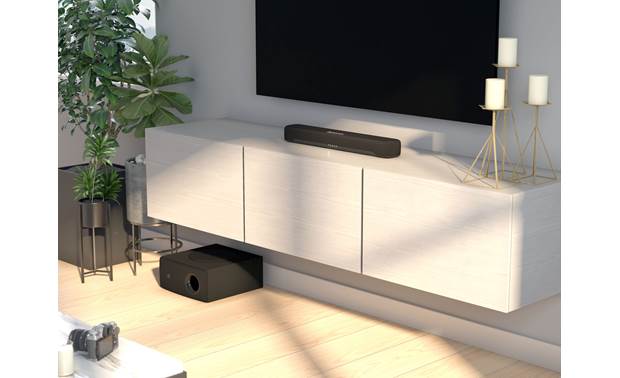
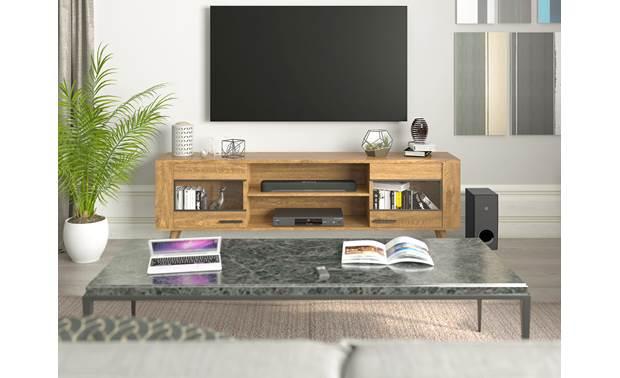
The Yamaha SR-C30A lives up to its plug-and-play promise. The soundbar and subwoofer pair automatically, and the system sounds good right out of the box. The compact design—over 30% smaller than traditional soundbars—makes it easy to fit in front of most TVs without blocking the screen or remote sensor.
This simplicity extends to daily use. The top-panel controls are intuitive, and the remote is straightforward. You're not going to spend weekends tweaking settings—you'll just enjoy better TV audio immediately.
For dedicated home theater use, the TCL Q85H is the clear choice, provided you have the room for it. The combination of true Dolby Atmos processing, physical surround speakers, and powerful bass creates an experience that approaches what you'd get from a full component system costing significantly more.
The system really excels with content mastered for immersive audio. Movies on Dolby Atmos-enabled streaming services, 4K Blu-rays, and modern video games can showcase capabilities that justify the premium price. The Ray Danz acoustic reflector technology does make a noticeable difference in how wide and enveloping the soundstage feels.
However, this level of performance requires commitment. You need adequate room size, proper speaker placement, and ideally some acoustic treatment to prevent reflections from hard surfaces that can muddy the surround effects.
The Yamaha SR-C30A isn't designed for dedicated home theaters, but it can certainly improve the audio in a multipurpose family room or bedroom setup. Its strength lies in making regular TV content more enjoyable rather than creating cinematic spectacle.
At $499.99, the TCL Q85H delivers genuine multi-channel surround sound at a price point where many competitors offer only simulated effects. When you consider that a comparable system from premium brands might cost $800-1200, the value proposition becomes compelling for serious audio enthusiasts.
The Yamaha SR-C30A at $180.45 represents exceptional value for its intended purpose. You're getting a wireless subwoofer, advanced dialogue processing, and Yamaha's audio expertise at a price that makes it accessible to almost anyone looking to upgrade their TV sound.
Choose the TCL Q85H if you have a dedicated home theater space or large living room where you can properly position all the speakers. It's ideal for movie enthusiasts and gamers who want maximum immersion and don't mind spending time optimizing the setup. The investment makes sense if you value that cinematic experience and have content that can showcase the system's capabilities.
The Yamaha SR-C30A is perfect for smaller spaces, apartments, or anyone who prioritizes dialogue clarity and ease of use over dramatic effects. It's also the smarter choice if you primarily watch TV shows, news, and dialogue-heavy content rather than action movies or games.
Consider your room size carefully—it's the biggest factor in determining which system will work better for you. The $320 price difference represents two completely different philosophies: premium multi-channel immersion versus refined simplicity. Both approaches have merit, but your specific situation should drive the decision more than raw specifications or features lists.
Ultimately, both soundbars solve the fundamental problem of poor TV audio, just in very different ways. The key is matching the solution to your space, content preferences, and how much complexity you're willing to embrace for better sound.
| TCL Q85H Q Class 7.1.4 Channel Sound Bar System | Yamaha SR-C30A Soundbar with Subwoofer |
|---|---|
| Price - Budget determines which features you can access | |
| $499.99 | $180.45 |
| Audio Channels - More channels create wider, more immersive sound | |
| 7.1.4 with 15 physical drivers and rear satellites | 2.1 with virtual surround processing |
| Total Power Output - Higher wattage fills larger rooms effectively | |
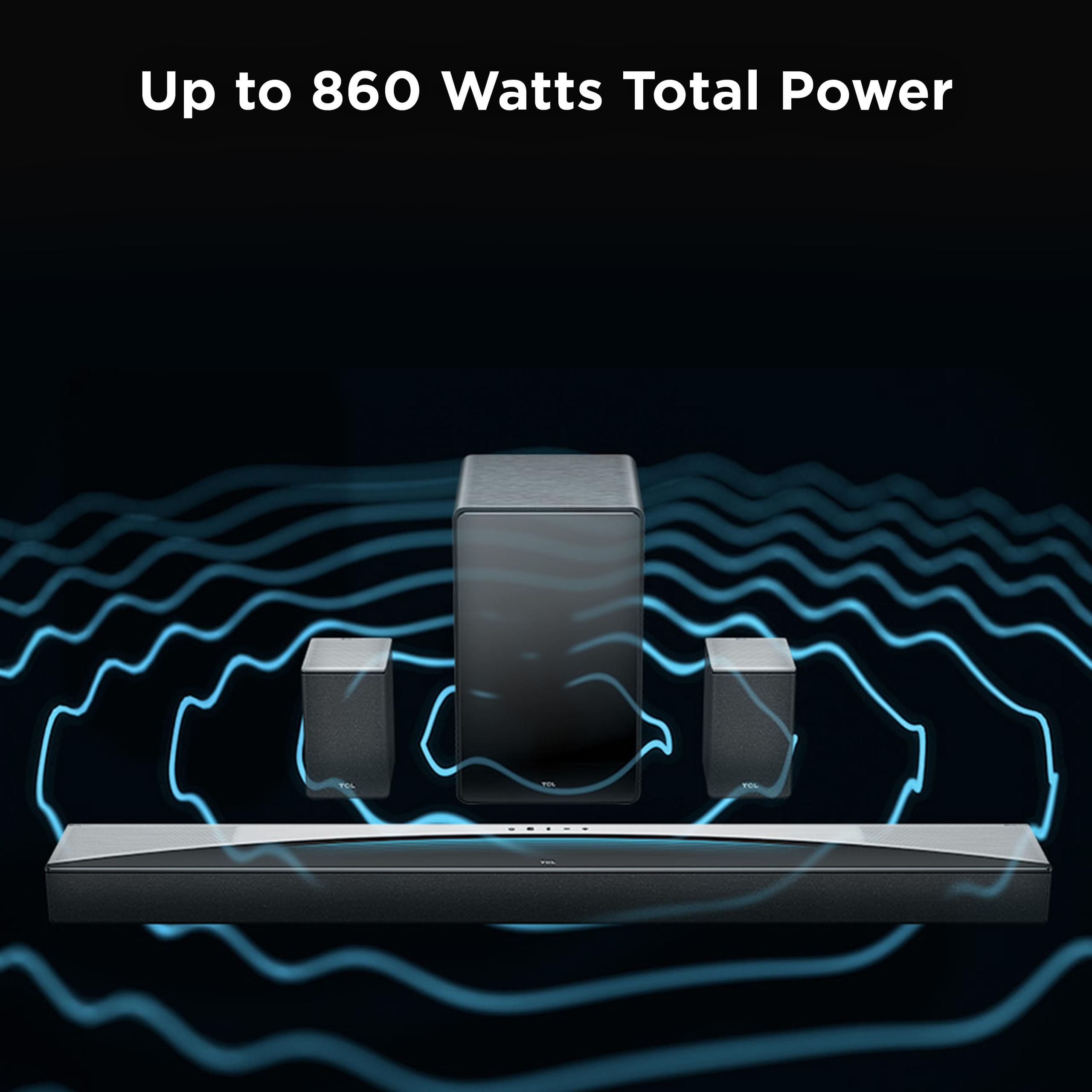
| 860 watts total system power | 90 watts total (20W x2 + 50W sub) |
| Dolby Atmos Support - Creates overhead sound effects in movies | |
| True Atmos with physical up-firing speakers | Virtual 3D processing only |
| Subwoofer Size - Larger drivers produce deeper, more impactful bass | |
| 6.5" wireless subwoofer with Bass Boost | 5.1" wireless subwoofer |
| Room Calibration - Automatically optimizes sound for your space | |
| AI Sonic Auto Room Calibration included | Manual sound modes only |
| HDMI Support - eARC passes higher quality audio than standard ARC | |
| HDMI 2.1 eARC for uncompressed audio | HDMI ARC (compressed audio only) |
| Connectivity Options - More inputs accommodate different devices | |
| HDMI eARC, Optical (2), USB, Bluetooth 5.1, AirPlay 2 | HDMI ARC, Optical (2), 3.5mm, Bluetooth 5.0 |
| Dialogue Clarity - Critical for understanding speech during movies | |
| Dedicated center channel but can be overshadowed by bass | Clear Voice Mode with superior speech processing |
| Setup Complexity - Affects how quickly you can enjoy better sound | |
| Complex setup with rear satellite positioning required | Plug-and-play with automatic subwoofer pairing |
| Ideal Room Size - Determines whether the system will sound balanced | |
| Medium to large rooms (12+ feet viewing distance) | Small to medium rooms, apartments |
| Best Use Case - Matching the right system to your primary content | |
| Home theater, movies, gaming with immersive audio | TV shows, news, dialogue-heavy content |
The Yamaha SR-C30A ($180.45) offers exceptional value for casual TV watching and small spaces, while the TCL Q85H ($499.99) provides premium home theater performance that justifies its higher price for movie enthusiasts. Choose based on your room size and how much immersive audio matters to you.
The TCL Q85H features 7.1.4 channels with 15 physical speakers including rear satellites and up-firing drivers for true surround sound. The Yamaha SR-C30A uses 2.1 channels (left, right, subwoofer) with virtual processing to simulate surround effects, making it simpler but less immersive.
The Yamaha SR-C30A is specifically designed for small spaces with its compact design and balanced 90-watt output. The TCL Q85H can overwhelm smaller rooms with its 860-watt power and requires proper spacing for the rear satellite speakers to work effectively.
The TCL Q85H supports true Dolby Atmos with physical up-firing speakers that bounce sound off your ceiling. The Yamaha SR-C30A only offers virtual 3D processing that simulates overhead effects but cannot match the authentic height experience of dedicated Atmos speakers.
The Yamaha SR-C30A excels at dialogue with its dedicated Clear Voice technology that enhances speech frequencies. While the TCL Q85H has a dedicated center channel, users report that dialogue can sometimes be overshadowed by its powerful bass during action scenes.
The Yamaha SR-C30A offers plug-and-play simplicity with automatic subwoofer pairing and intuitive controls. The TCL Q85H requires more complex setup including positioning rear satellite speakers and running AI Sonic room calibration for optimal performance.
The TCL Q85H provides superior gaming immersion with true 360-degree surround sound, letting you hear enemies approaching from behind or above. The Yamaha SR-C30A works well for gaming but lacks the spatial audio precision that enhances competitive gaming experiences.
The TCL Q85H includes HDMI 2.1 eARC, Bluetooth 5.1, AirPlay 2, optical, and USB inputs for comprehensive device compatibility. The Yamaha SR-C30A offers HDMI ARC, Bluetooth 5.0, optical inputs, and a 3.5mm jack, covering all essential connections for most users.
The TCL Q85H delivers more powerful bass with its 6.5" wireless subwoofer and Bass Boost technology, ideal for action movies and room-shaking impact. The Yamaha SR-C30A provides more controlled, balanced bass with its 5.1" subwoofer that won't overwhelm smaller spaces.
Both the Yamaha SR-C30A and TCL Q85H work with any TV brand through HDMI ARC or optical connections. However, the TCL Q85H offers enhanced integration features when paired with TCL or Roku TVs, including remote control compatibility and on-screen settings.
The TCL Q85H is specifically designed for home theater with true Dolby Atmos, 7.1.4 surround sound, and powerful 860-watt output that creates cinematic experiences. The Yamaha SR-C30A improves TV audio significantly but focuses more on dialogue clarity than immersive movie experiences.
The TCL Q85H includes a larger 6.5" wireless subwoofer that delivers deeper, more impactful bass for movies and music. The Yamaha SR-C30A features a compact 5.1" wireless subwoofer that provides balanced bass without overwhelming smaller rooms, plus it can be positioned vertically or horizontally for flexible placement.
We've done our best to create useful and informative comparisons to help you decide what product to buy. Our research uses advanced automated methods to create this comparison and perfection is not possible - please contact us for corrections or questions. These are the sites we've researched in the creation of this article: gamerant.com - bestbuy.com - tcl.com - bestbuy.com - tcl.com - tcl.com - nfm.com - tcl.com - electronicexpress.com - tcl.com - tcl.com - digitaltrends.com - techradar.com - usa.yamaha.com - expertreviews.com - usa.yamaha.com - trustedreviews.com - crutchfield.com - europe.yamaha.com - usa.yamaha.com - shop.usa.yamaha.com - assetserver.net

Privacy Policy
Terms and Conditions - Affiliate Policy
Home Security
© Copyright 2008-2026.
11816 Inwood Rd #1211, Dallas, TX 75244