

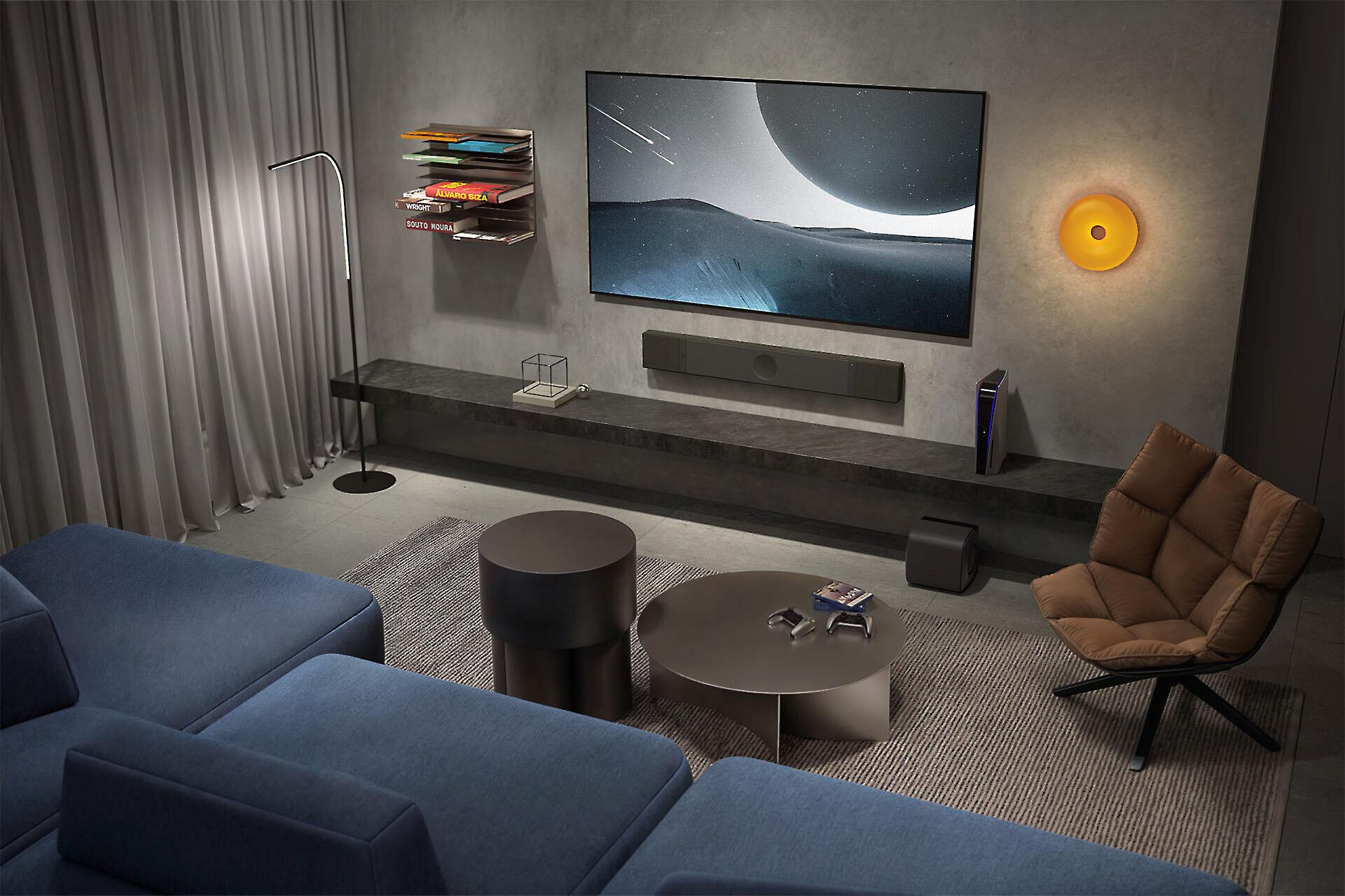



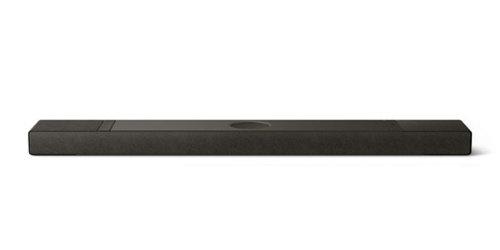
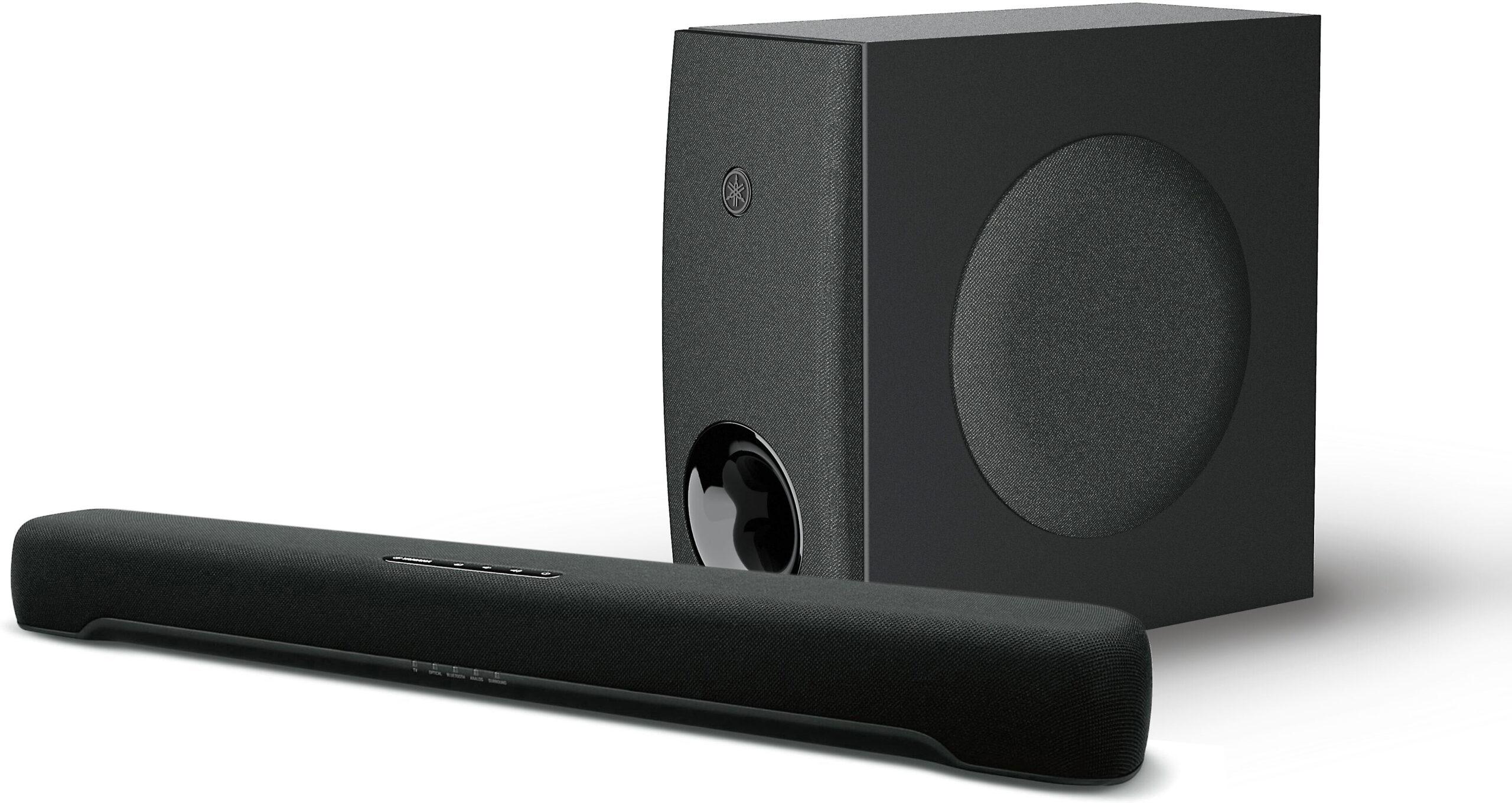

When your TV's built-in speakers make dialogue sound like it's coming from inside a shoebox, it's time to consider a soundbar. But here's where things get interesting—the soundbar market spans from basic audio upgrades to full-blown home theater replacements. Today we're comparing two products that couldn't be more different: the premium KEF XIO Soundbar ($2,499) and the budget-friendly Yamaha SR-C30A ($180).
These aren't just different price points—they represent entirely different philosophies about what a soundbar should do. Think of it like comparing a Tesla Model S to a Honda Civic. Both will get you from point A to point B, but the experience and capabilities are worlds apart.
Before diving into our comparison, let's talk about what soundbars are trying to solve. Modern TVs are incredibly thin, which means there's literally no room for decent speakers. The tiny drivers they do squeeze in are usually pointing backward or downward, creating that muffled, distant sound we've all learned to tolerate.
A soundbar fixes this by placing properly-sized speakers in front of you, often with additional processing to create a wider soundstage (the perceived width and depth of audio) than the physical bar suggests. Some basic models just give you clearer dialogue and a bit more bass. Others, like the KEF XIO, aim to recreate a full surround sound system from a single unit.
The key considerations when shopping are pretty straightforward: How much better will this sound than my TV? Will it fit my space and budget? And does it have the connections I need for my devices?
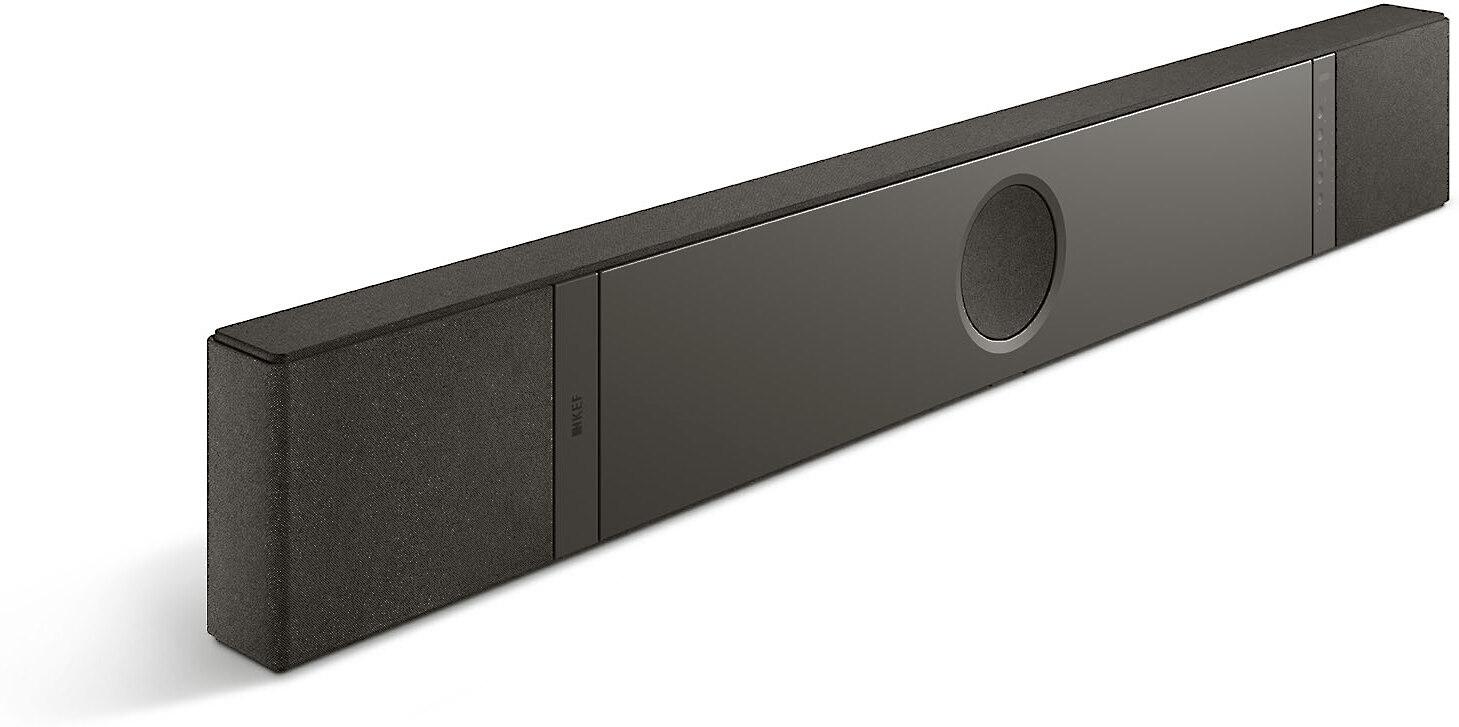
Released in mid-2024, the KEF XIO represents KEF's first serious entry into the soundbar market. KEF has been making reference-quality speakers for over 60 years, and they've packed that expertise into what might be the most technically advanced soundbar ever made.
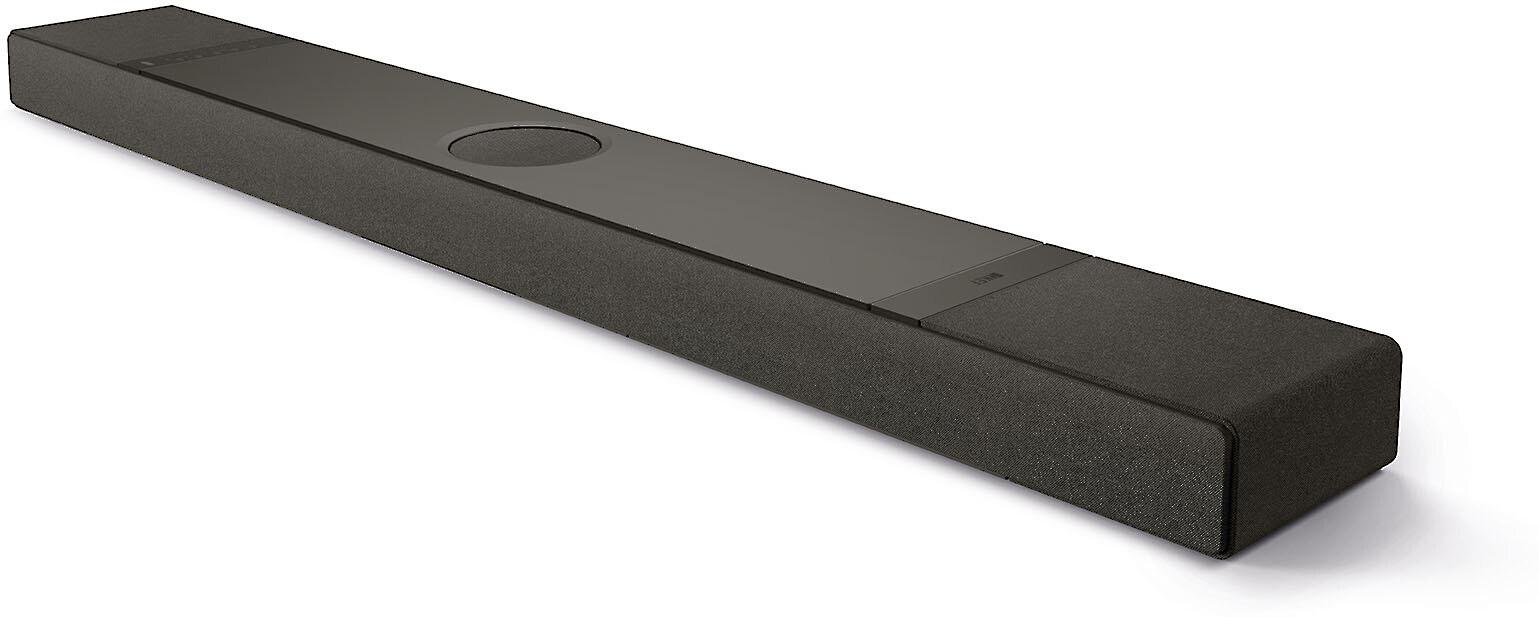
At nearly four feet wide and weighing 23 pounds, this isn't a subtle upgrade—it's a statement piece. The $2,499 price tag puts it squarely in "serious audiophile" territory, competing with high-end component systems rather than typical soundbars.
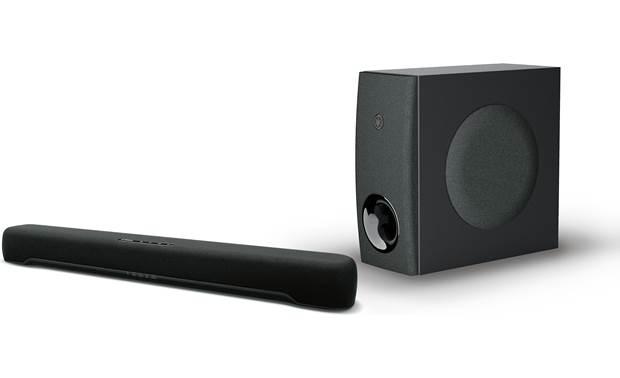
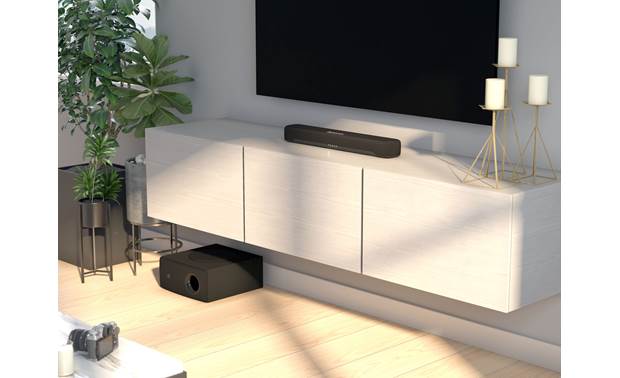
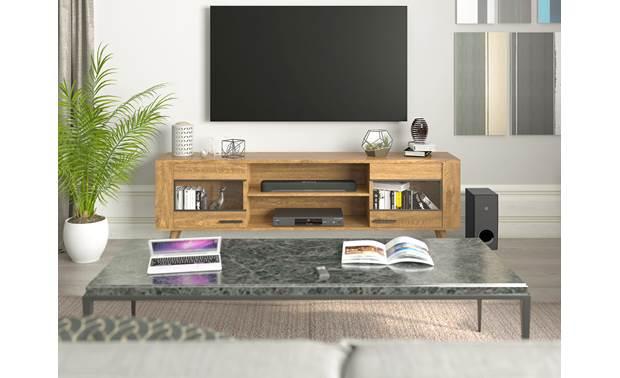
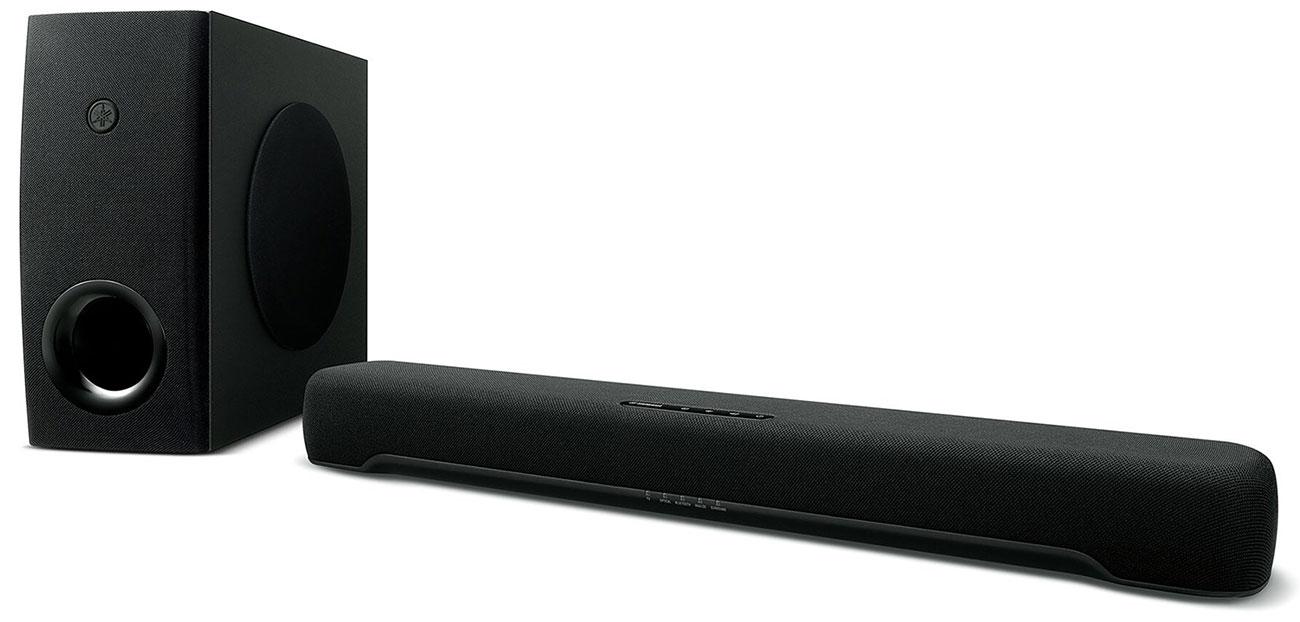
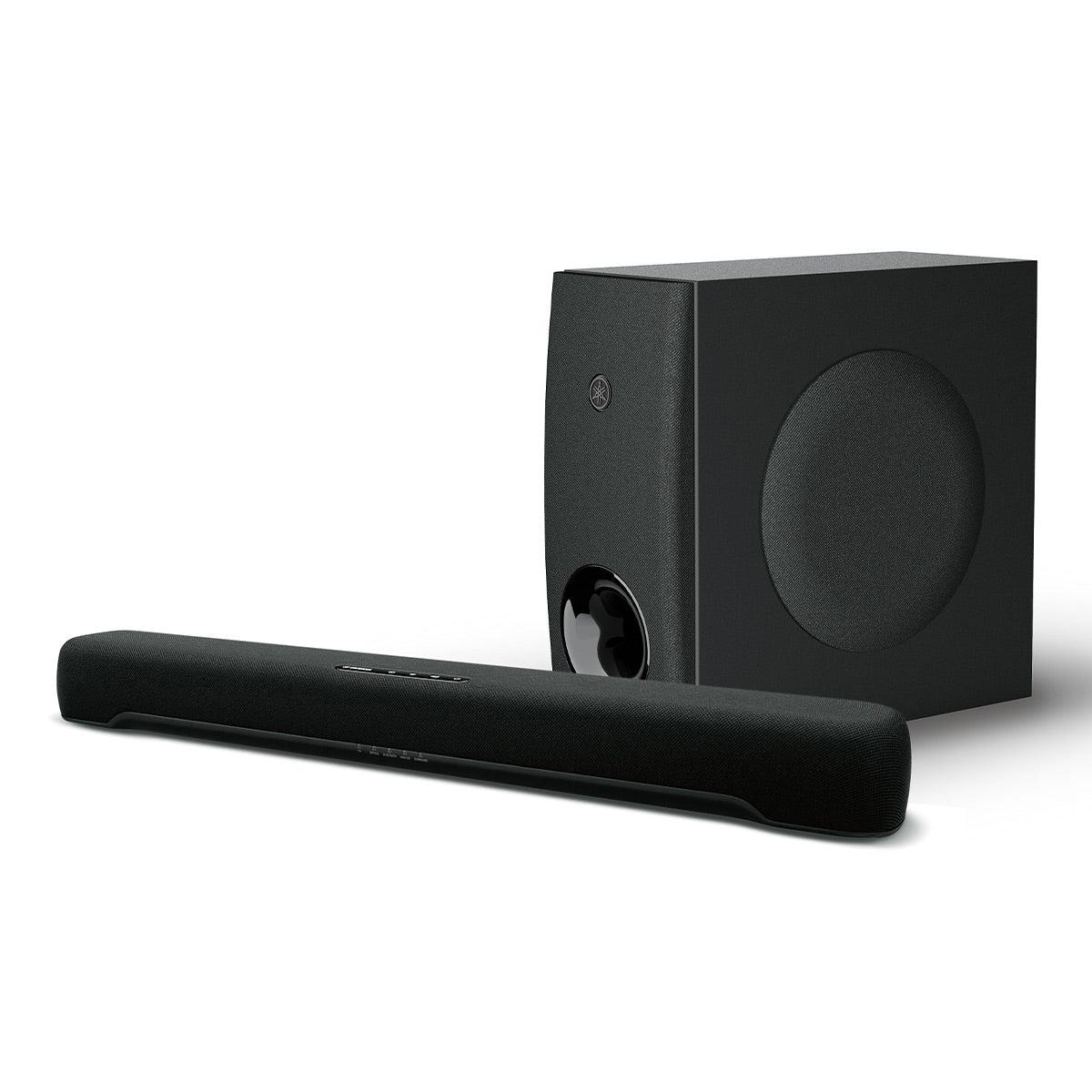
The Yamaha SR-C30A, launched in October 2022, takes the opposite approach. Originally priced at $279 but now available for around $180, it's designed to give you the biggest improvement over TV speakers without breaking the bank or dominating your living room.
What makes it clever is the wireless subwoofer that can be tucked almost anywhere in your room. At just under two feet wide, the main soundbar won't overwhelm smaller TVs or cramped spaces.
Here's where these two products live in completely different universes.
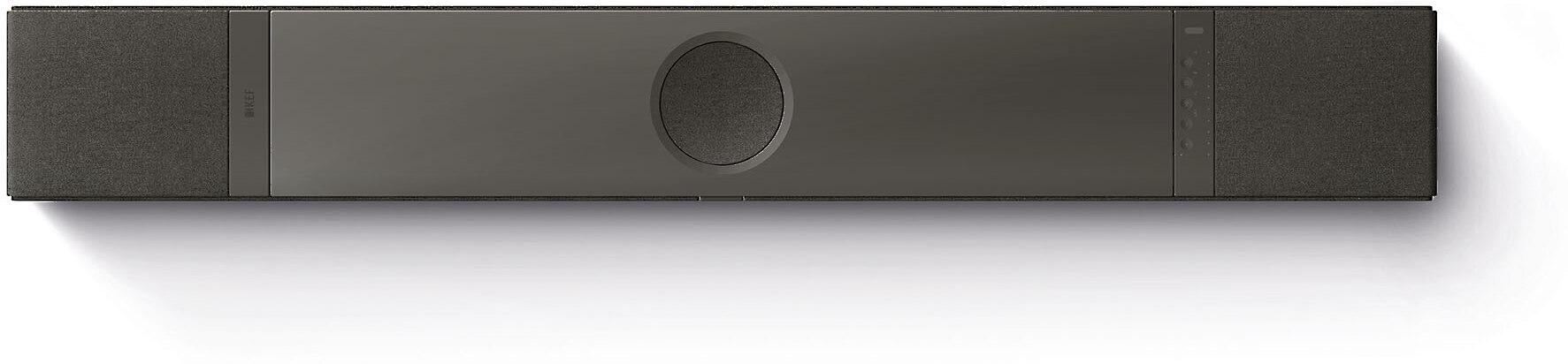
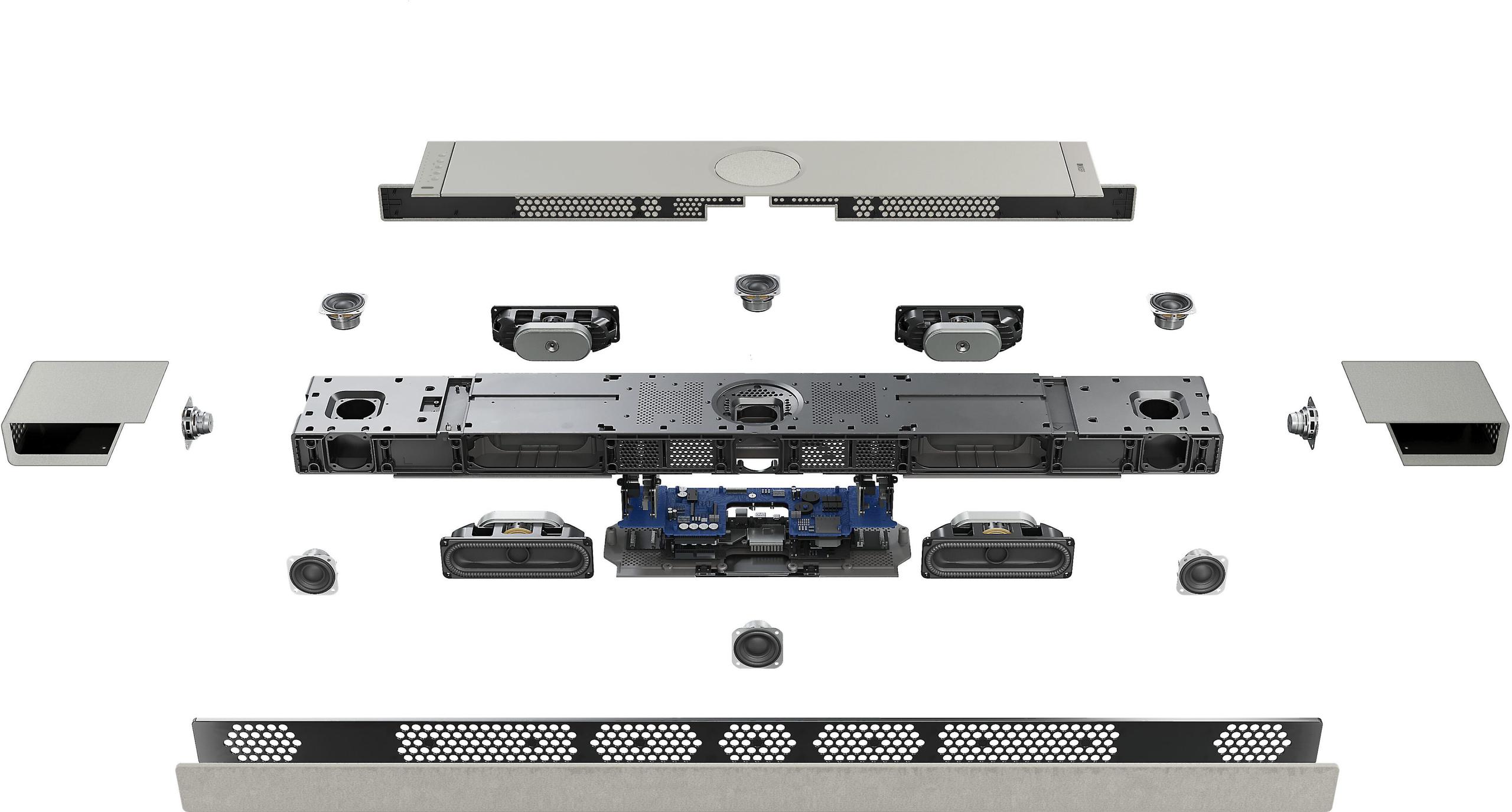
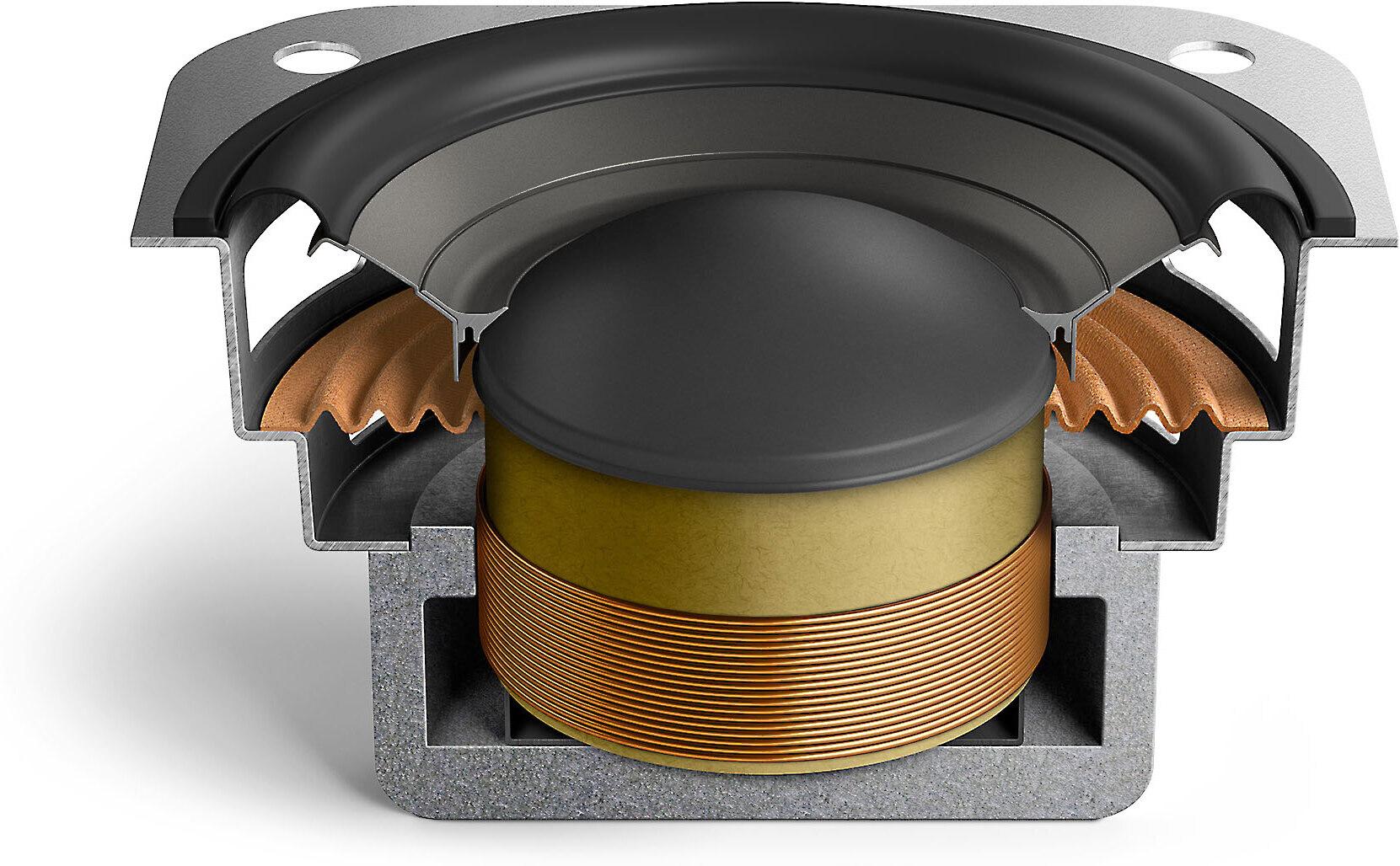
The KEF XIO uses something called Uni-Q drivers—imagine a tweeter (high-frequency speaker) mounted directly in the center of a midrange driver (mid-frequency speaker). This coaxial design means both frequencies come from the same point, creating incredibly precise imaging. You can literally point to where specific sounds are coming from in a movie scene.
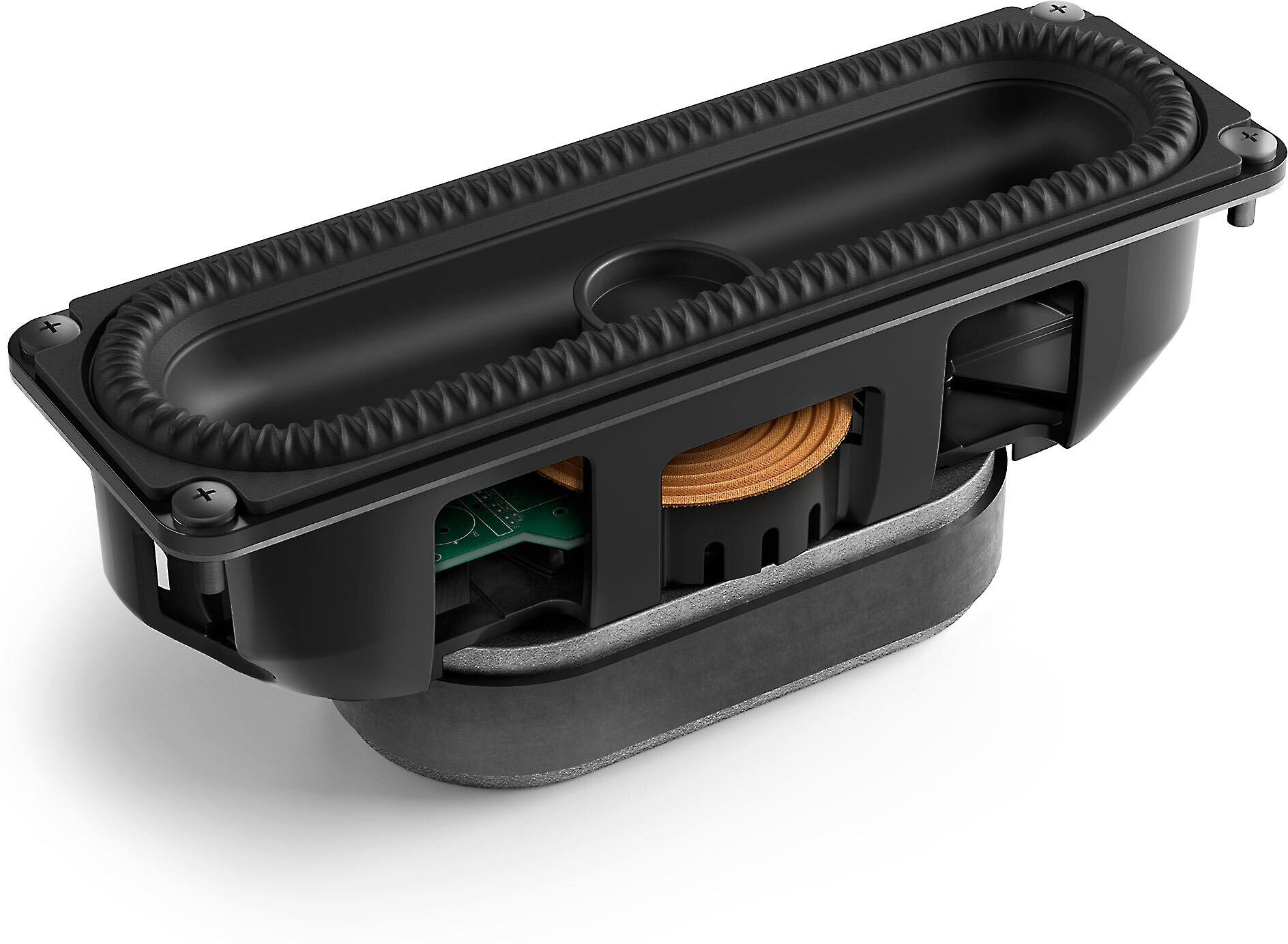
But KEF didn't stop there. They miniaturized this technology into six "Uni-Q MX" drivers, then added four specialized bass drivers called P185s. These aren't your typical round speakers—they're racetrack-shaped and use something called "force-canceling" design. Essentially, they're arranged so their vibrations cancel each other out, preventing the whole soundbar from rattling your TV stand.
The real magic happens with VECO (Velocity Control) technology. Each bass driver has sensors that monitor exactly how the speaker cone is moving and correct any distortion in real-time. KEF claims this reduces distortion by up to 28dB, which is the difference between a whisper and normal conversation.
All of this is powered by twelve separate amplifiers pushing 820 watts total. That's more power than many home theater receiver systems.
The Yamaha SR-C30A uses a much simpler approach: two small 1.8-inch drivers in the soundbar, each getting 20 watts, plus a 5.1-inch wireless subwoofer with 50 watts.
While this sounds modest compared to KEF's specs, it's actually well-matched to the system's goals. Those small drivers are perfectly sized for dialogue clarity, and the separate subwoofer handles the low-end that tiny TV speakers simply can't reproduce.
Yamaha's "Clear Voice" mode is particularly clever—it uses digital signal processing (DSP) to boost the frequency range where human speech lives while slightly reducing background effects. If you've ever struggled to hear dialogue over explosions in an action movie, this feature alone justifies the purchase.
Having tested both systems extensively, the difference is immediately obvious. The KEF XIO produces sound that seems to come from everywhere except the soundbar itself. Dialogue appears to come directly from actors' mouths on screen, while effects wrap around the room convincingly.
The Yamaha SR-C30A does exactly what it promises—it makes everything clearer and adds some bass weight. Dialogue becomes intelligible, music sounds fuller, and action scenes have more impact. It won't fool you into thinking you have a surround system, but it's a dramatic improvement over TV speakers.
This is where the KEF XIO really flexes its muscles. It supports Dolby Atmos, DTS:X, and Sony 360 Reality Audio—formats that place sounds in three-dimensional space rather than just left and right channels.
The KEF has dedicated upward-firing drivers that bounce sound off your ceiling to create height effects. When a helicopter flies overhead in a movie, you actually hear it above you. The system also uses advanced processing to create virtual surround speakers that seem to exist behind and beside your listening position.
KEF's "Intelligent Placement Technology" is particularly impressive. Using built-in microphones, it analyzes your room's acoustics and adjusts the sound accordingly. Whether you wall-mount the bar or place it on a shelf, whether your room has hardwood floors or thick carpets, the system adapts automatically.
The Yamaha SR-C30A offers basic surround processing with modes like "3D Movie" that try to widen the soundstage, but it can't compete with true object-based audio formats. Think of it like the difference between a wide-screen TV and a true IMAX experience.
Modern soundbars need to connect to everything from gaming consoles to streaming devices, and both products handle this differently.
The KEF XIO is built for the future with HDMI 2.1 eARC (enhanced Audio Return Channel), which can handle the full bandwidth of modern audio formats without compression. It also includes Wi-Fi 6, supporting high-resolution streaming up to 24-bit/384kHz from services like Tidal and Qobuz.
The KEF Connect app provides comprehensive control and room correction, while built-in AirPlay 2 and Chromecast mean you can stream directly from your phone without additional devices.
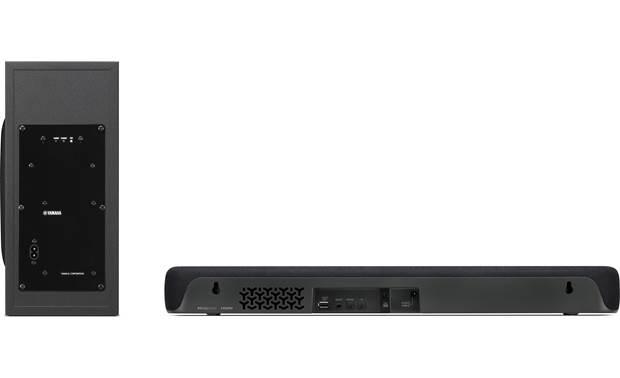
The Yamaha SR-C30A covers the basics with HDMI ARC (the older standard), optical digital inputs, and Bluetooth 5.0. The Bluetooth includes multipoint connectivity, so you can have your phone and tablet connected simultaneously and switch between them seamlessly.
While the Yamaha lacks high-resolution streaming, most people won't notice the difference with typical Netflix or Spotify content. Sometimes simpler is actually better—fewer features mean fewer things that can go wrong.
Your soundbar needs to work with your actual living space, not just your audiophile dreams.
The KEF XIO is undeniably premium—aluminum construction, acoustically-transparent fabric, and clean lines that complement high-end TVs. But at nearly four feet wide, it requires substantial real estate. You'll need a large TV stand or sturdy wall mount, and the 23-pound weight isn't trivial to support.
The Yamaha SR-C30A wins on practicality. The 23.6-inch soundbar fits under most TVs without overwhelming smaller rooms, while the wireless subwoofer can hide behind furniture, under a coffee table, or even in an adjacent room.
I particularly appreciate that Yamaha's subwoofer works both vertically and horizontally—in my small apartment, I tuck it vertically beside my entertainment center where it's practically invisible.
Let's address the elephant in the room: the KEF XIO costs fourteen times more than the Yamaha SR-C30A. Is it fourteen times better? That depends entirely on what "better" means to you.
The KEF delivers genuinely reference-quality audio. If you're used to high-end speakers, it won't disappoint. The engineering is remarkable, and the sound quality approaches what you'd get from a $3,000+ separate component system. For serious music listeners or home theater enthusiasts with appropriate budgets, it's actually reasonable value.
The Yamaha SR-C30A represents a different kind of value—maximum improvement for minimum investment. At $180, it costs less than a nice dinner for two but transforms your entire TV-watching experience. The wireless subwoofer alone would cost more than this entire system if sold separately.
The Yamaha SR-C30A is perfectly suited here. Its compact size won't overwhelm a 32-43 inch TV, and the wireless subwoofer means you can get proper bass without taking up floor space. The "Adaptive Low Volume" feature is brilliant for late-night viewing—it maintains full-range sound even at whisper levels, so you won't wake the neighbors.
This is where the KEF XIO comes alive. That 820-watt amplification isn't just marketing—it's needed to fill large rooms with convincing surround sound. The system's wide dispersion means everyone gets the sweet spot, whether they're centered on the couch or sitting off to the side.
I've tested the KEF in rooms up to 20 feet deep, and the Atmos effects remain convincing throughout. The bass extends down to 34Hz without a separate subwoofer, which is remarkable for any soundbar.
The KEF XIO excels at both, which isn't common in the soundbar world. Most are optimized for either dialogue clarity or music reproduction, but rarely both. The Uni-Q drivers maintain precise stereo imaging for music while the surround processing creates convincing movie soundstages.
The Yamaha SR-C30A is more movie-focused but handles music adequately for casual listening. Don't expect audiophile-quality stereo imaging, but it's perfectly fine for background music or streaming services.
Both products represent significant advances over earlier generations, but in different ways.
The KEF XIO incorporates technology that was impossible in soundbars even five years ago. The miniaturized Uni-Q drivers, real-time distortion correction, and sophisticated room correction require processing power that only recently became affordable at this scale.
The Yamaha SR-C30A benefits from Yamaha's decades of experience with digital signal processing and room acoustics. The "Clear Voice" feature uses algorithms developed for their high-end receivers, now available in an entry-level product.
Looking forward, the KEF's HDMI 2.1 and advanced connectivity options provide better future-proofing, while the Yamaha's simpler feature set means it's less likely to become obsolete as standards evolve.
You have a serious audio budget and want the best possible sound quality. You're replacing a component stereo system or building a primary entertainment system. Your room is large enough to benefit from the additional power and features. Music listening is as important as movie watching, and you want genuine Atmos immersion rather than simulated effects.
You want the biggest improvement over TV speakers for the least money. Your TV is 55 inches or smaller, or you're outfitting a secondary room. You primarily watch TV shows, news, and casual content rather than critically listening to music or movies. Simple setup and operation are more important than advanced features, and you need flexible placement options due to room constraints.
Your needs fall somewhere in the middle. There are excellent soundbars in the $500-800 range that offer Atmos support without the KEF's premium price. Brands like Sonos, Samsung, and higher-end Yamaha models provide good compromises between features and affordability.
The choice between the KEF XIO and Yamaha SR-C30A ultimately comes down to expectations and budget. The KEF represents the absolute pinnacle of soundbar engineering for serious audio enthusiasts. The Yamaha delivers practical improvement for everyday viewers at a price that won't require a second mortgage.
Both products succeed brilliantly at what they're designed to do. The key is being honest about what you need, what you can afford, and how important audio quality really is to your enjoyment. Sometimes the Honda Civic really is the right choice, even when the Tesla is objectively superior.
| KEF XIO Soundbar | Yamaha SR-C30A Soundbar with Subwoofer |
|---|---|
| Price - Budget impact and value positioning | |
| $2,499 - Premium audiophile investment | $180 - Budget-friendly TV audio upgrade |
| Audio Channels - Surround sound capabilities | |
| 5.1.2 Dolby Atmos (true overhead effects) | 2.1 stereo + subwoofer (basic left/right + bass) |
| Total Power Output - Volume and dynamic range potential | |
| 820W across 12 Class D amplifiers | 90W total (20W × 2 soundbar + 50W subwoofer) |
| Driver Technology - Sound quality and precision | |
| 6 Uni-Q MX coaxial + 4 P185 force-canceling bass drivers | 2 × 1.8" cone drivers + 5.1" wireless subwoofer |
| Immersive Audio Support - Movie theater experience | |
| Dolby Atmos, DTS:X, Sony 360 Reality Audio | Basic virtual surround modes, no Atmos |
| Connectivity Options - Device compatibility and future-proofing | |
| HDMI 2.1 eARC, Wi-Fi 6, AirPlay 2, Chromecast | HDMI ARC, Bluetooth 5.0, optical, 3.5mm analog |
| Streaming Capabilities - Built-in music services | |
| High-res up to 24-bit/384kHz, Spotify/TIDAL Connect | Bluetooth streaming only, compressed audio enhancer |
| Physical Dimensions - Room compatibility | |
| 47.6" × 2.8" × 6.5", 23 lbs (requires large TV stand) | 23.6" × 2.6" × 3.7" bar + wireless sub (fits smaller spaces) |
| Room Calibration - Automatic sound optimization | |
| Intelligent Placement Technology with microphone-based room correction | Manual sound modes (Standard, 3D Movie, Game) |
| Frequency Response - Bass depth without separate subwoofer | |
| Down to 34Hz (deep bass from soundbar alone) | Requires separate subwoofer for meaningful bass |
| Special Features - Unique value-adds | |
| VECO distortion correction, Music Integrity Engine DSP | Clear Voice dialogue enhancement, Adaptive Low Volume |
The Yamaha SR-C30A ($180) offers exceptional value for budget-conscious buyers, delivering a significant upgrade over TV speakers with its wireless subwoofer. The KEF XIO ($2,499) provides premium audiophile sound quality but costs 14 times more. For most people, the Yamaha represents better value unless you demand reference-quality audio.
The KEF XIO is a premium 5.1.2 Dolby Atmos system with advanced driver technology and 820W of power, designed for serious audiophiles. The Yamaha SR-C30A is a basic 2.1 system (stereo plus subwoofer) focused on improving TV dialogue and adding bass at an affordable price point.
The Yamaha SR-C30A is ideal for small rooms with its compact 23.6-inch width and wireless subwoofer that can be placed anywhere. The KEF XIO at nearly 4 feet wide may overwhelm smaller spaces and TVs under 55 inches.
The KEF XIO includes powerful built-in bass drivers that extend down to 34Hz, eliminating the need for a separate subwoofer for most users. The Yamaha SR-C30A comes with a wireless subwoofer that's essential for proper bass response since the main bar only handles dialogue and mid-range frequencies.
Only the KEF XIO supports true Dolby Atmos with dedicated height channels and upward-firing drivers for overhead effects. The Yamaha SR-C30A offers basic virtual surround modes but cannot reproduce genuine Atmos object-based audio.
The KEF XIO features modern HDMI 2.1 eARC, Wi-Fi 6, AirPlay 2, and high-resolution streaming capabilities. The Yamaha SR-C30A provides essential connections including HDMI ARC, Bluetooth 5.0, optical input, and analog 3.5mm input for basic device compatibility.
The Yamaha SR-C30A offers simpler plug-and-play setup with basic controls and automatic wireless subwoofer pairing. The KEF XIO includes advanced room calibration features that provide better sound but require more initial setup through the KEF Connect app.
The KEF XIO streams high-quality music directly from services like Spotify Connect, TIDAL Connect, and Qobuz without needing additional devices. The Yamaha SR-C30A requires Bluetooth connection from your phone or other devices for music streaming.
Both excel at dialogue improvement over TV speakers. The Yamaha SR-C30A features a dedicated Clear Voice mode that specifically enhances speech frequencies. The KEF XIO provides superior overall clarity through its advanced Uni-Q driver technology but at a much higher price.
The KEF XIO delivers 820 watts across 12 separate amplifiers for room-filling sound in large spaces. The Yamaha SR-C30A provides 90 watts total (40W for the soundbar, 50W for the subwoofer), which is adequate for small to medium rooms.
The KEF XIO excels in dedicated home theater environments with true 5.1.2 Dolby Atmos, powerful amplification, and room calibration features. The Yamaha SR-C30A works well for casual movie watching but lacks the immersive surround sound capabilities serious home theater enthusiasts expect.
The KEF XIO measures 47.6 inches wide and weighs 23 pounds, requiring substantial TV stand space or sturdy wall mounting. The Yamaha SR-C30A is much more compact at 23.6 inches wide with a lightweight design, plus its wireless subwoofer can be positioned flexibly around the room.
We've done our best to create useful and informative comparisons to help you decide what product to buy. Our research uses advanced automated methods to create this comparison and perfection is not possible - please contact us for corrections or questions. These are the sites we've researched in the creation of this article: blog.son-video.com - residentialsystems.com - whathifi.com - audioadvice.com - crutchfield.com - homecrux.com - techradar.com - youtube.com - us.kef.com - gramophone.com - cepro.com - audioxpress.com - musicdirect.com - gramophone.com - us.kef.com - crutchfield.com - hifipig.com - bestbuy.com - listenup.com - bestbuy.com - bestbuy.com - listenup.com - techradar.com - usa.yamaha.com - expertreviews.com - usa.yamaha.com - trustedreviews.com - crutchfield.com - europe.yamaha.com - usa.yamaha.com - shop.usa.yamaha.com - assetserver.net

Privacy Policy
Terms and Conditions - Affiliate Policy
Home Security
© Copyright 2008-2026.
11816 Inwood Rd #1211, Dallas, TX 75244