


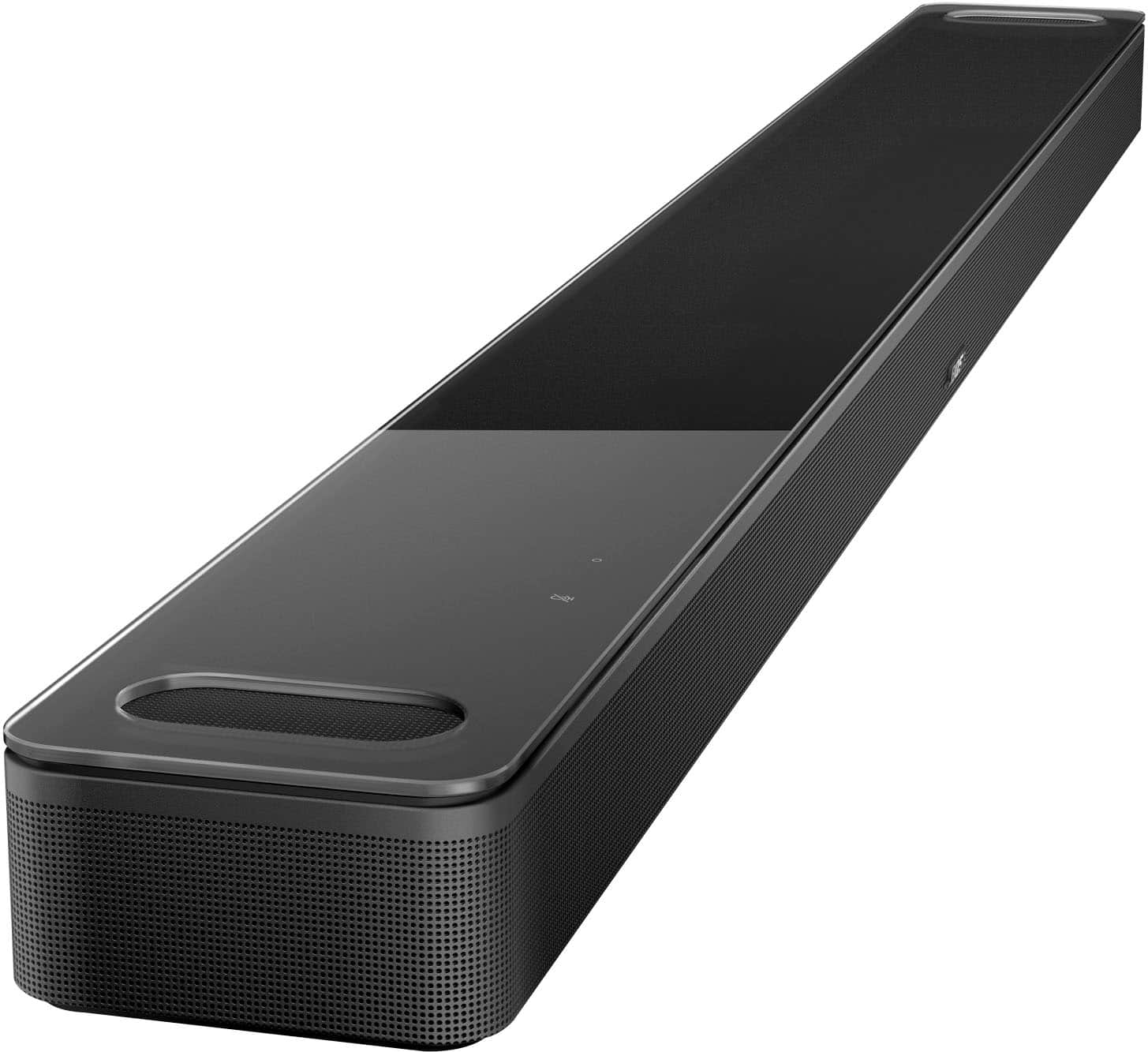
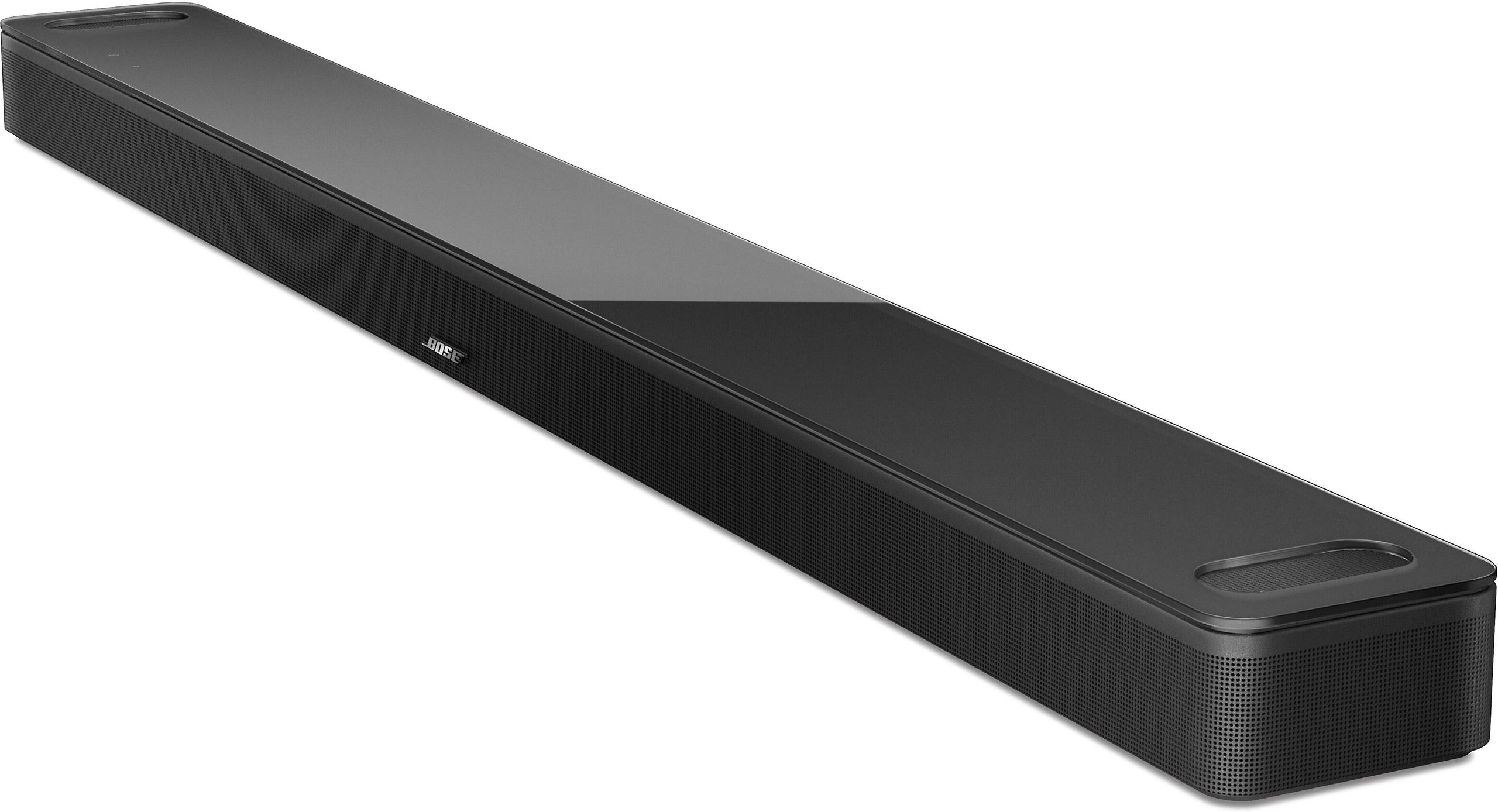
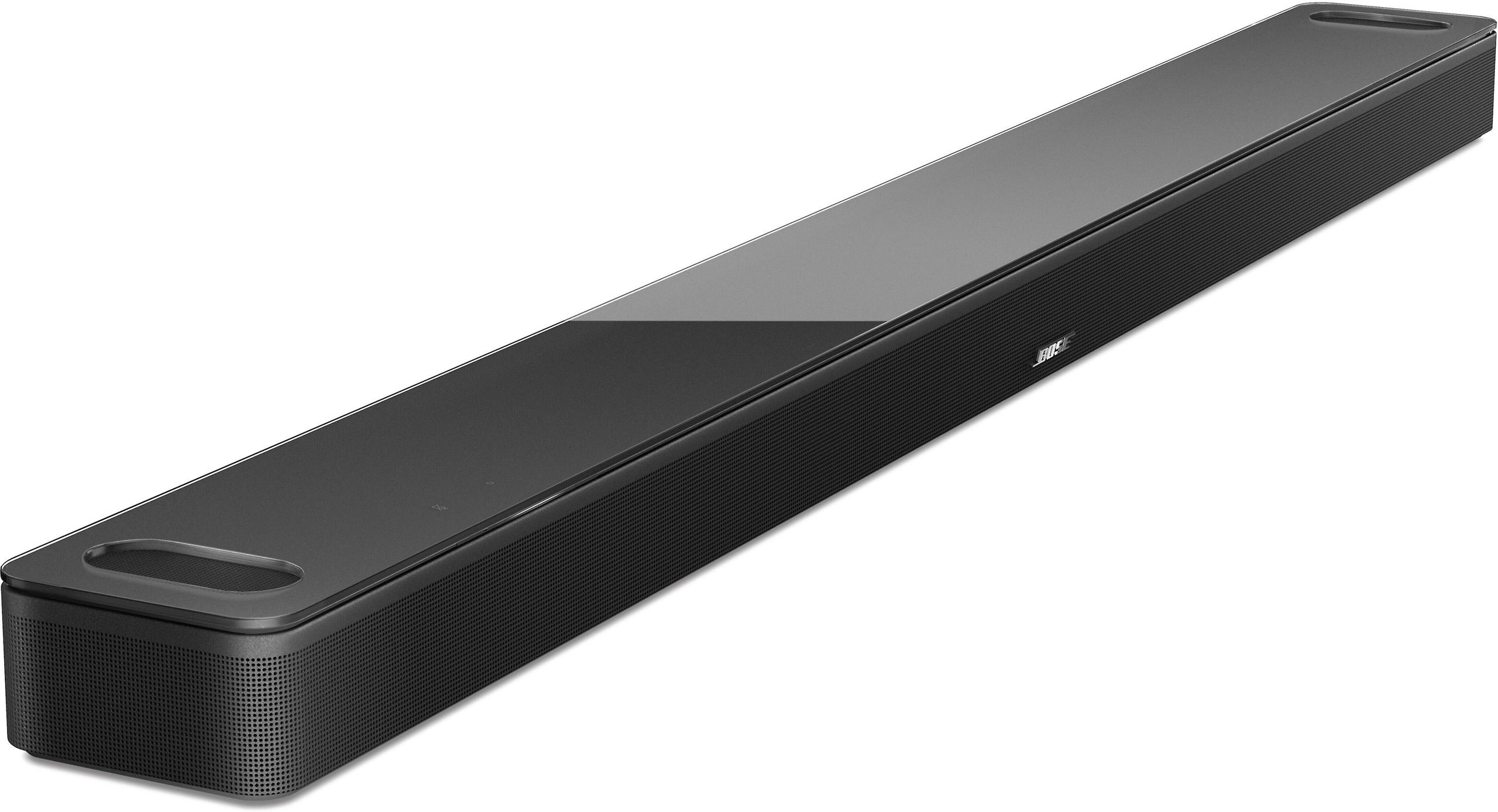

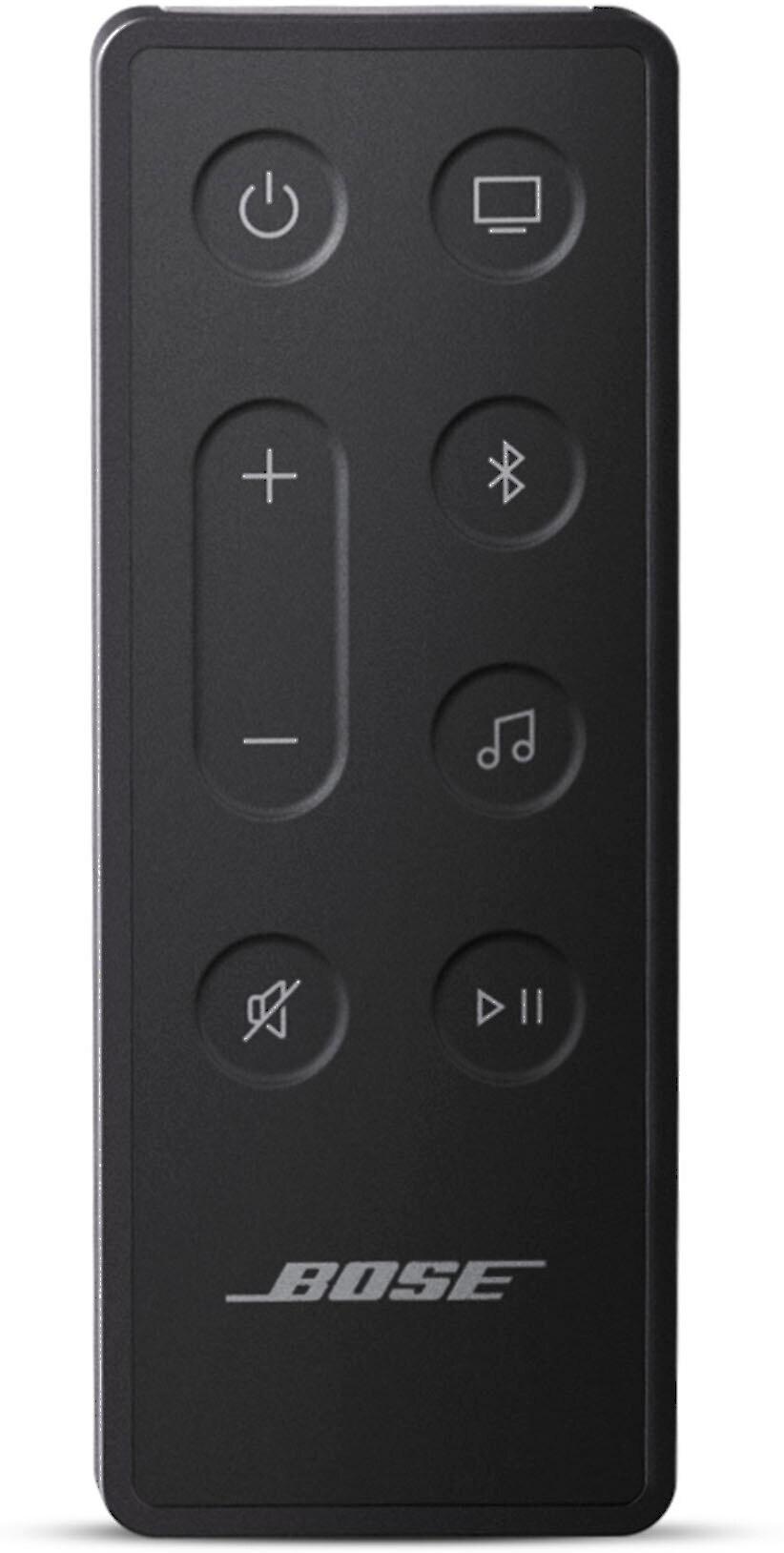
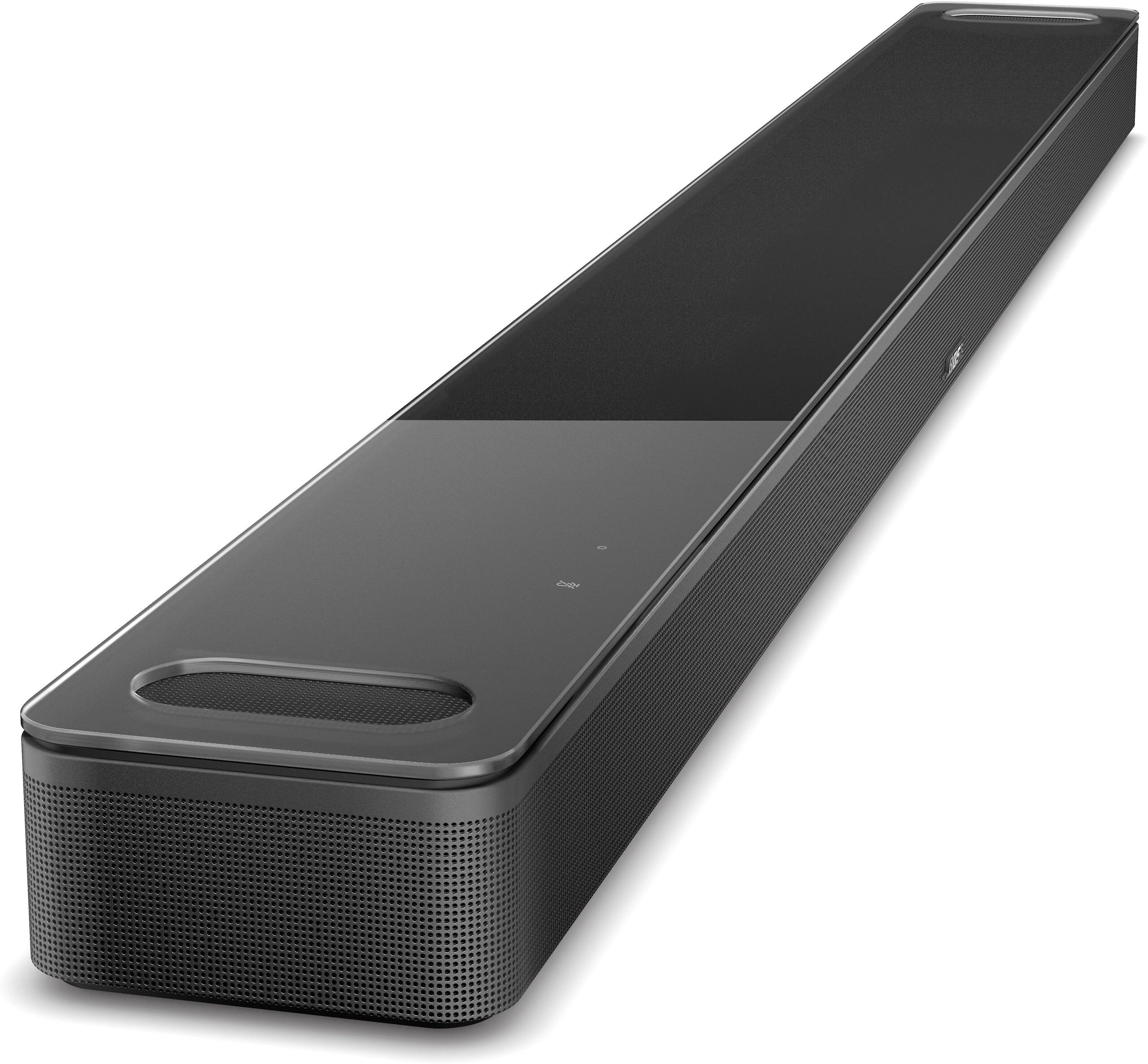
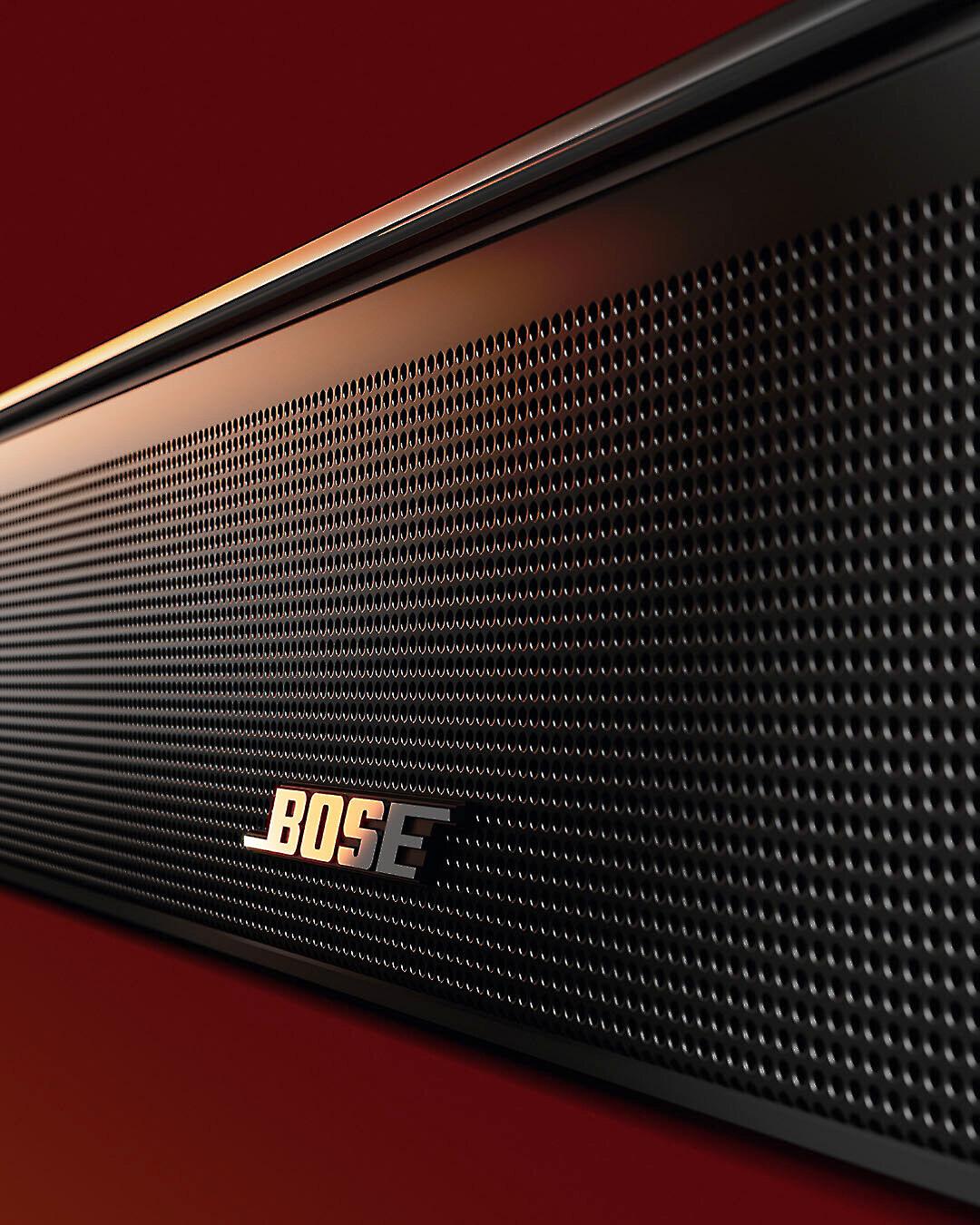
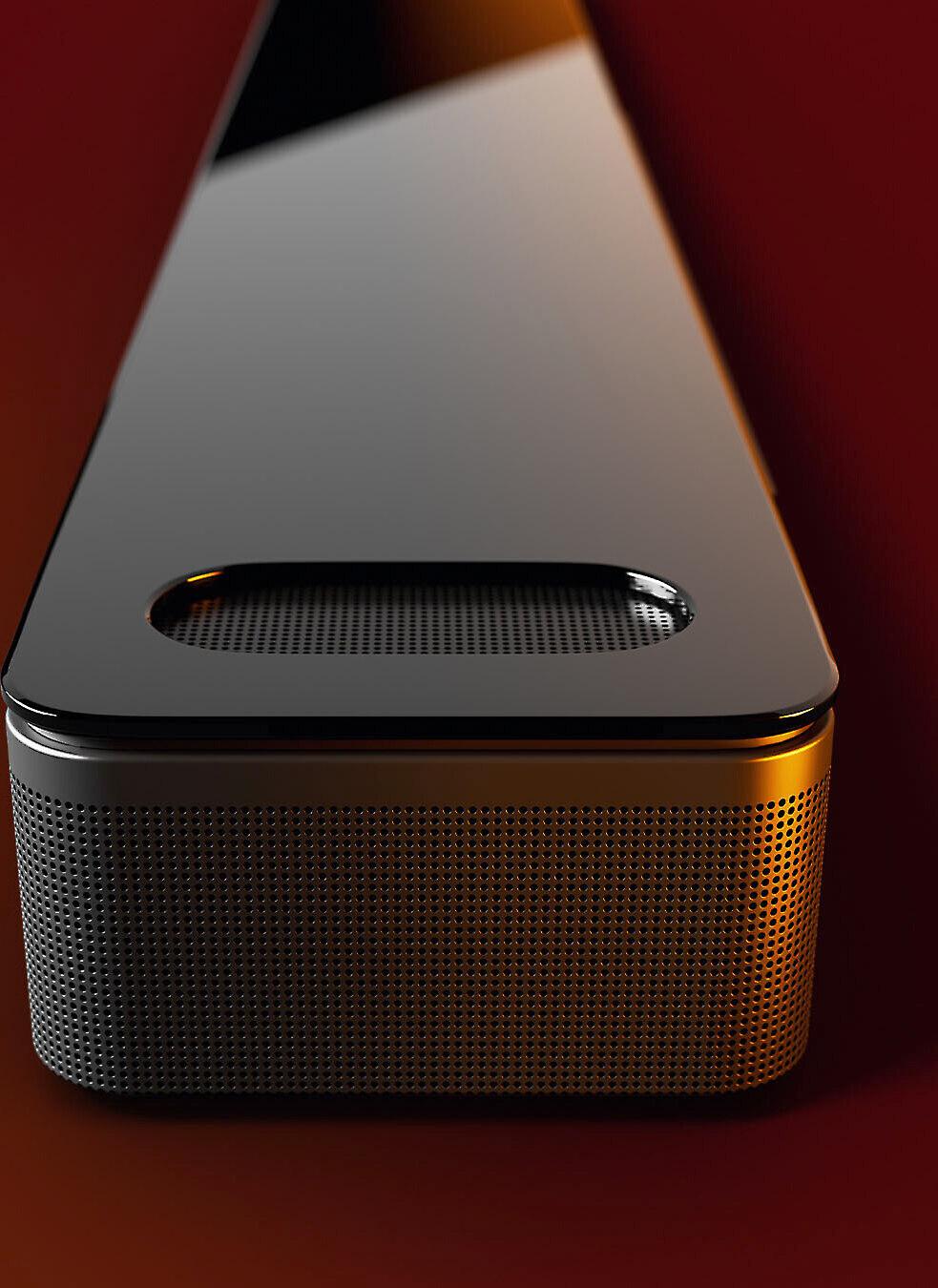
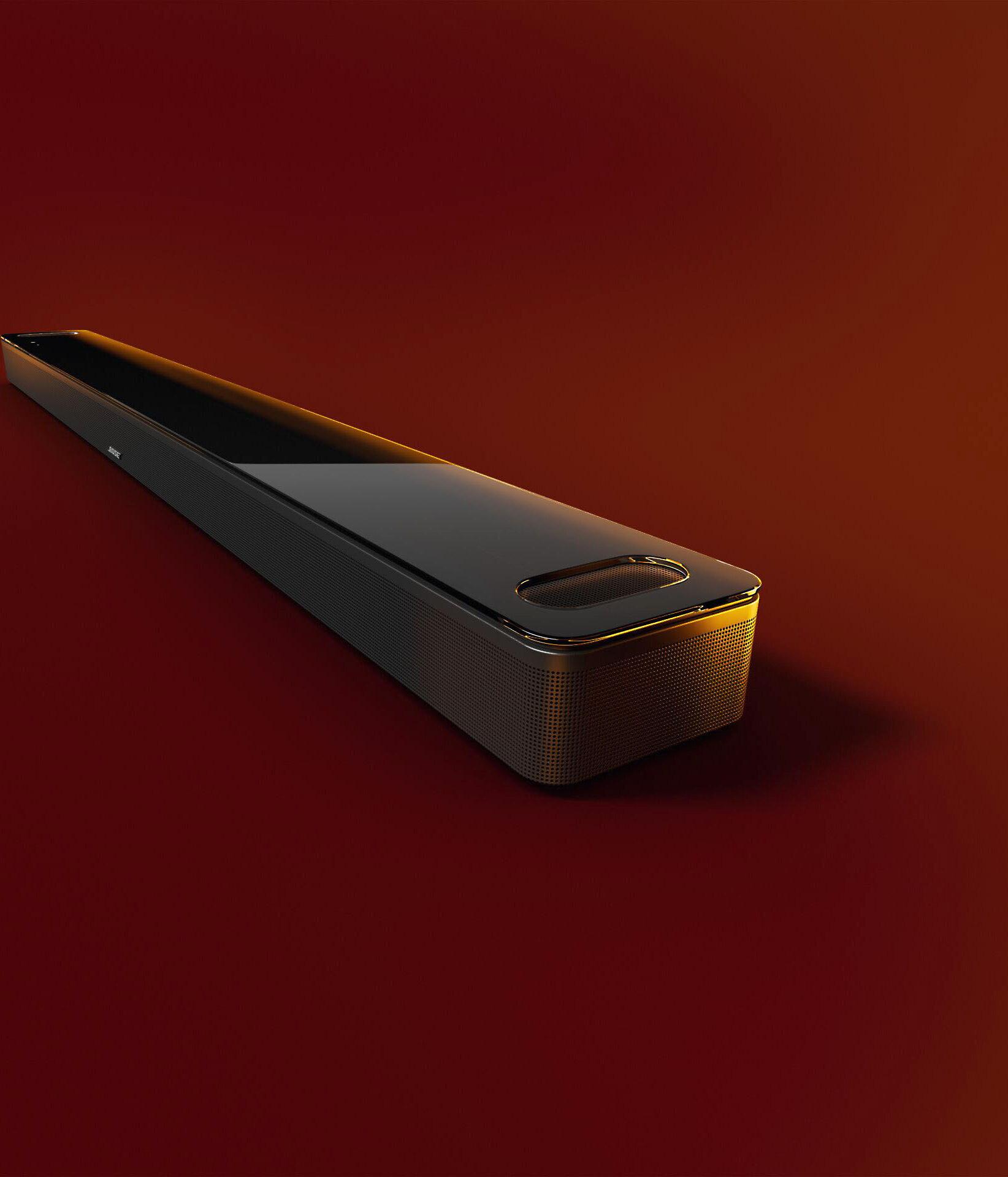
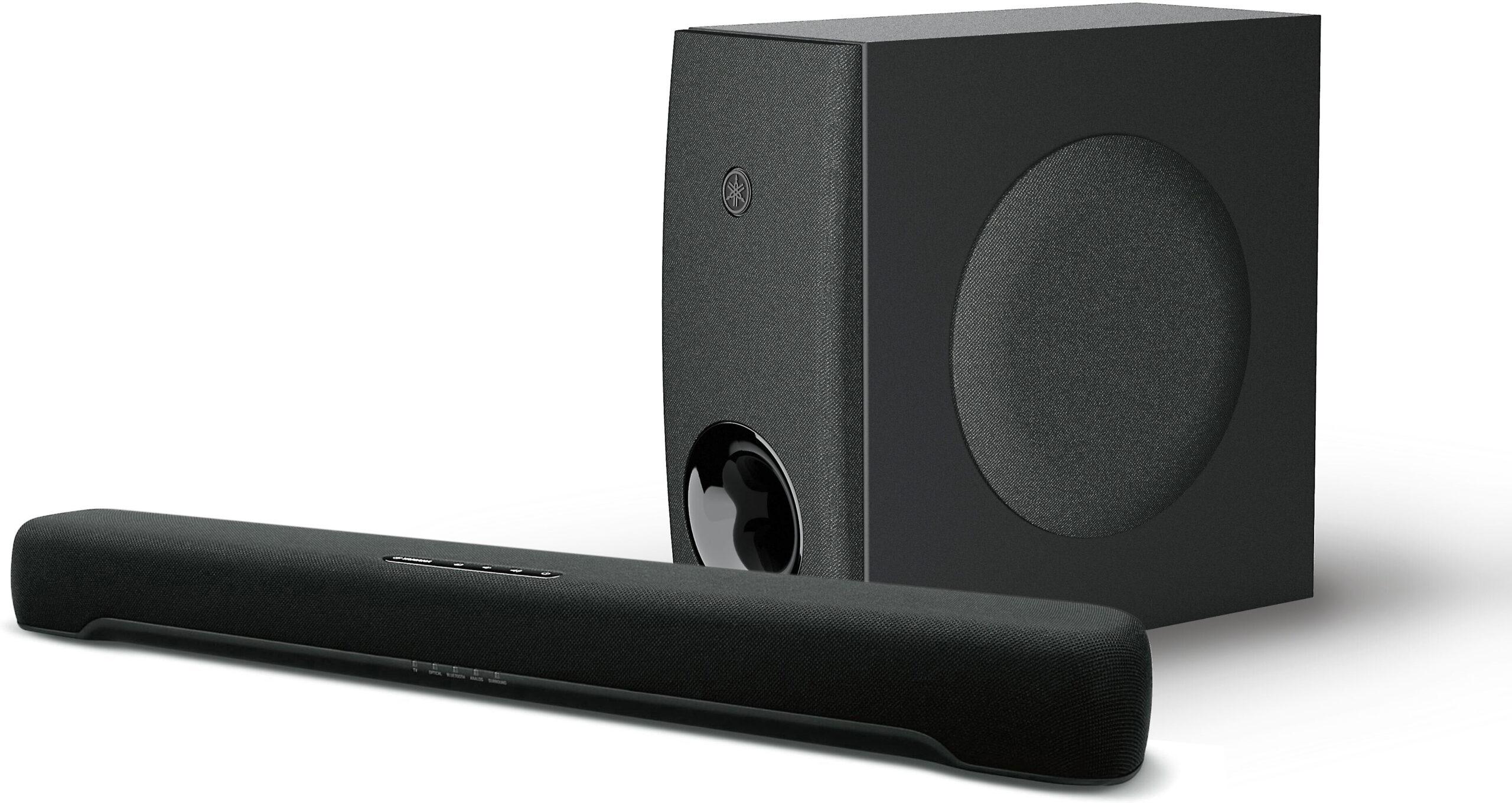
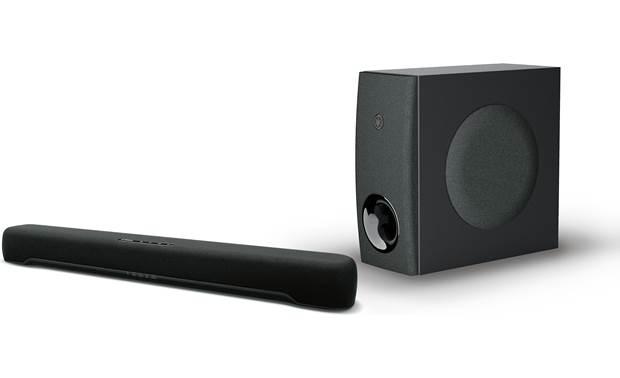
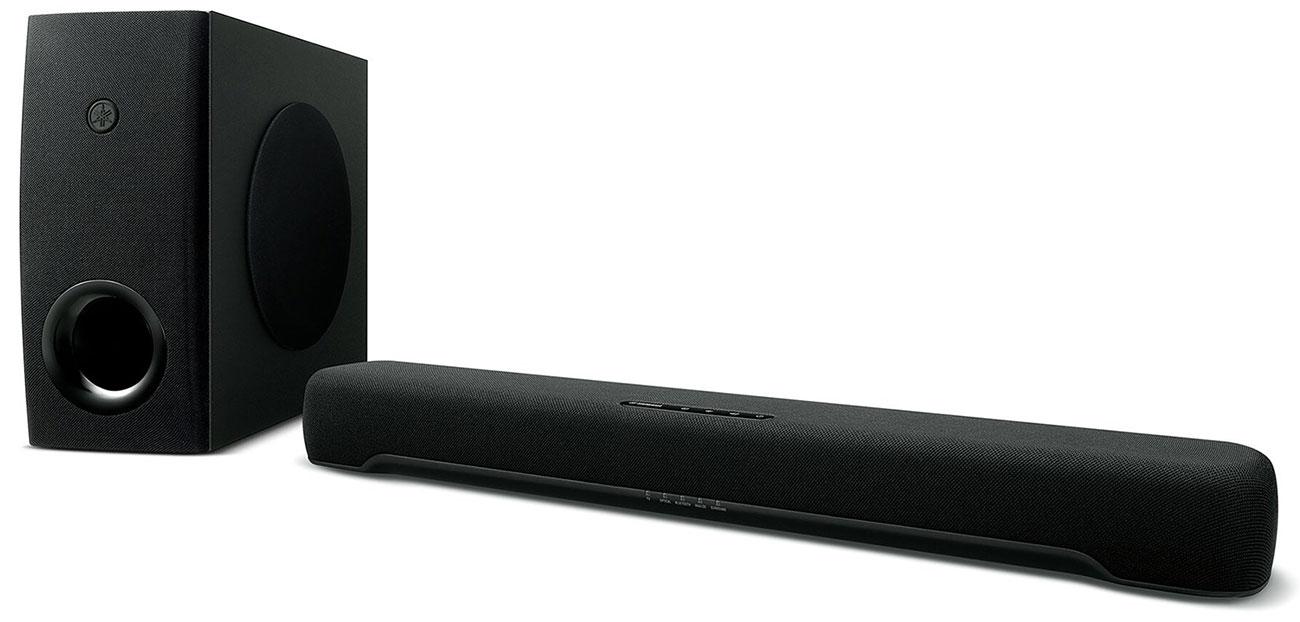

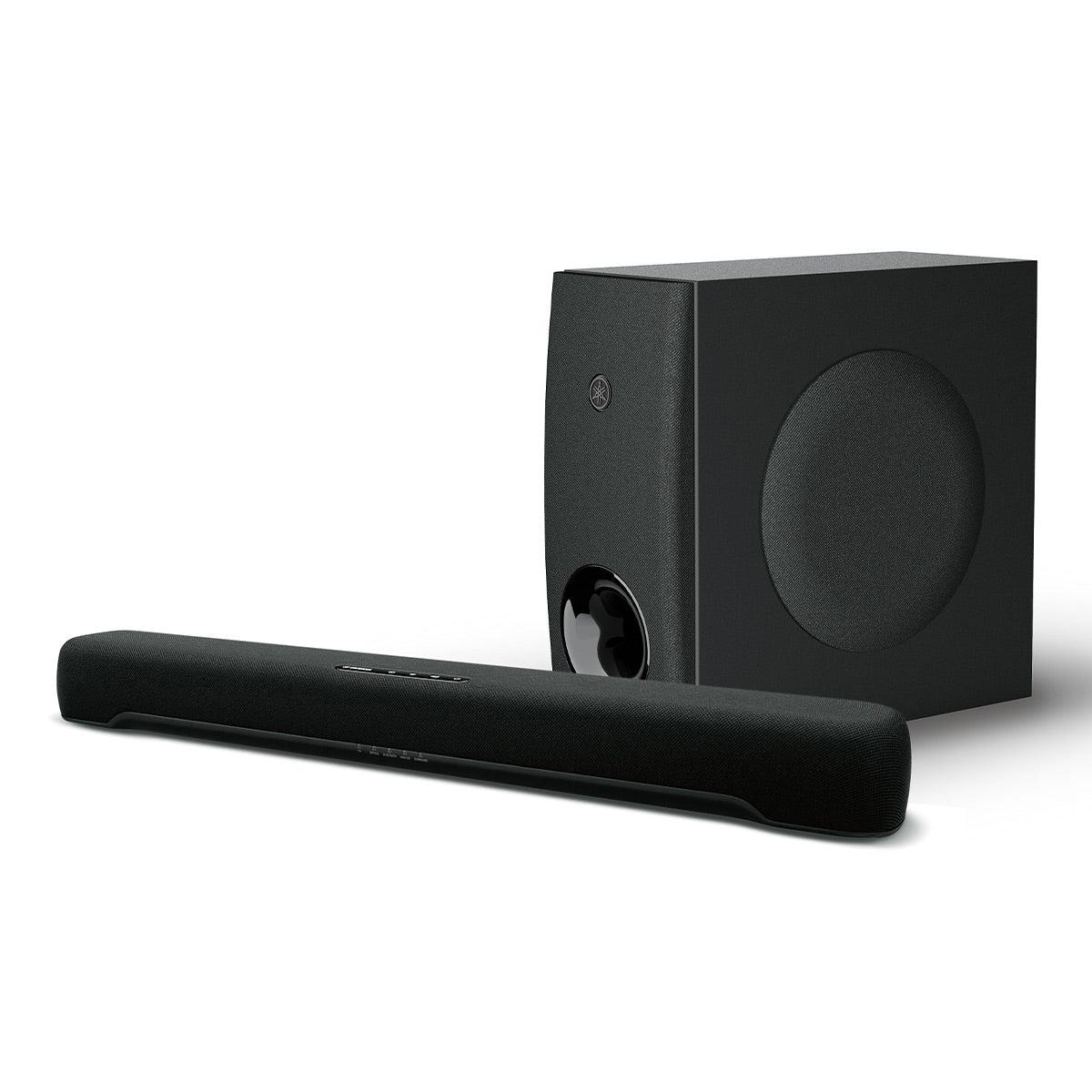
When your TV's built-in speakers make dialogue sound like it's coming from inside a tin can, it's time to upgrade. But with soundbars ranging from under $200 to over $1,000, choosing the right one can feel overwhelming. Today, we're comparing two very different approaches to better TV audio: the Bose Smart Ultra Soundbar ($599) and the Yamaha SR-C30A Soundbar with Subwoofer ($180).
These aren't just different price points—they represent fundamentally different philosophies about what a soundbar should do for your home entertainment setup.
Before we dive into specifics, let's establish what makes a soundbar worth buying in 2024. The soundbar market has evolved dramatically over the past few years, moving beyond simple stereo upgrades to sophisticated audio processing systems that can genuinely transform your viewing experience.
Basic soundbars focus on improving dialogue clarity and adding some bass punch—essentially making your TV sound less terrible. Premium soundbars aim to create immersive experiences that rival traditional surround sound systems, using advanced digital signal processing (DSP) to bounce sound around your room and trick your ears into hearing effects from directions where no speakers exist.
The key technologies you'll encounter include Dolby Atmos (which adds overhead sound effects), room correction (which tunes the sound to your specific space), and AI-powered dialogue enhancement (which automatically makes voices clearer without you touching any controls). These aren't just marketing buzzwords—when implemented well, they genuinely improve how movies and shows sound.
Your room size, content preferences, and budget will determine which features actually matter for your setup. A compact apartment might not benefit from powerful surround processing, while a dedicated home theater room could take full advantage of advanced spatial audio.
The Bose Smart Ultra Soundbar launched in September 2023 as Bose's flagship replacement for their popular Smart Soundbar 900. Originally priced at $899-999, it has since dropped to a more reasonable $599, making it significantly more accessible while retaining all its premium features. This timing puts it squarely in the latest generation of AI-enhanced soundbars.
The Yamaha SR-C30A, priced at around $180, represents Yamaha's entry-level approach—focusing on practical improvements over flashy features. While I don't have the exact release date, Yamaha has consistently refined this compact design philosophy over several product generations, prioritizing reliability and value over cutting-edge technology.
This price difference isn't arbitrary. The Bose packs genuinely advanced technology that was expensive to develop, while the Yamaha focuses on proven, cost-effective solutions that address most people's basic TV audio complaints.
Here's where the fundamental difference becomes clear. The Bose Smart Ultra creates what's called virtualized 5.1.2-channel surround sound—that's five main channels (left, center, right, and two surrounds), one subwoofer channel, and two height channels for overhead effects. It achieves this through Dolby Atmos processing combined with Bose's proprietary TrueSpace technology.
The magic happens through up-firing drivers—specialized speakers that bounce sound off your ceiling to create the illusion of overhead effects. When a helicopter flies across the screen, you'll actually hear it moving above your head, not just left to right. The PhaseGuide technology goes further, using psychoacoustic principles to beam sound throughout your room, placing gunshots, footsteps, and ambient effects in three-dimensional space around you.
I've tested similar Dolby Atmos systems, and when properly calibrated, the effect genuinely transforms how you experience action movies. Scenes like the opening sequence in Blade Runner 2049 or any Marvel movie's flying sequences become noticeably more engaging when you can hear effects moving around and above you.
The Yamaha SR-C30A, by contrast, uses a traditional 2.1-channel approach—two front speakers in the soundbar plus a separate subwoofer for bass. Its "3D Movie mode" attempts to create some surround effect through digital processing, but it's working with much more limited hardware. Think of it as taking a stereo recording and using algorithms to spread it wider, rather than actually placing distinct sounds in different locations.
This isn't necessarily bad—it's just a different goal. The Yamaha prioritizes making dialogue clearer and adding bass punch that most TV speakers completely lack, rather than creating immersive spatial experiences.
This is where things get interesting, because clear dialogue matters more for daily TV watching than impressive surround effects. The Bose Smart Ultra introduces A.I. Dialogue Mode, which uses machine learning trained on "millions of content clips" to automatically identify when people are speaking and adjust the tonal balance in real-time.
What makes this special is that traditional dialogue enhancement often involves simply boosting mid-range frequencies where voices live, but this can make everything sound unnatural. Bose's AI approach analyzes the specific content you're watching and makes dynamic adjustments—boosting dialogue during quiet conversation scenes but maintaining natural balance during action sequences where voices compete with explosions.
Having used similar AI dialogue systems, I can confirm they work remarkably well, especially for older movies or shows with problematic audio mixing. You stop constantly reaching for the remote to adjust volume when dialogue scenes are too quiet but explosion scenes are too loud.
The Yamaha SR-C30A takes a more traditional approach with its Clear Voice Mode, which applies preset EQ adjustments to emphasize vocal frequencies. It also includes Adaptive Low Volume Technology, which maintains audio quality when you need to keep volume low for late-night viewing—something that's genuinely useful for apartment living.
Both approaches work, but the Bose's AI system adapts automatically while the Yamaha requires you to manually switch modes depending on what you're watching.
This category reveals an interesting trade-off. The Yamaha SR-C30A includes a dedicated 5.1-inch wireless subwoofer that produces genuine low-frequency extension—the kind of bass you feel in your chest during movie explosions. With 50 watts dedicated to the subwoofer alone, it can deliver satisfying bass impact in small to medium rooms.
The Bose Smart Ultra, despite its 120-watt total power output, relies on its internal drivers for bass response. Bose engineers are skilled at getting impressive low-end from compact drivers, but physics has limits. For deep, room-shaking bass, a dedicated subwoofer will always have advantages.
However, the Bose's frequency response extends down to 40Hz, which covers most movie content adequately, and its volume-optimized EQ maintains tonal balance at different listening levels. If you're primarily watching dialogue-heavy content like dramas or documentaries, the difference may be less noticeable than with action movies.
For home theater enthusiasts who want that true cinema bass impact, the Yamaha's included subwoofer provides immediate value, though Bose offers optional subwoofer add-ons if you want to expand the system later.
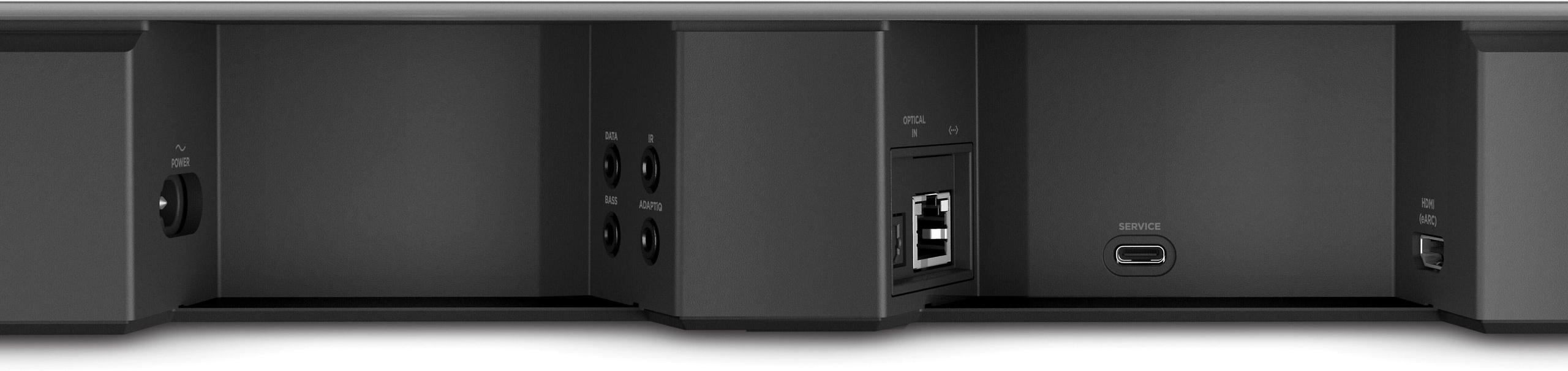
The connectivity and smart features reveal another philosophical divide. The Bose Smart Ultra includes HDMI eARC (enhanced Audio Return Channel), which supports higher-bandwidth audio formats and allows the soundbar to control your TV's power and volume. It also features Wi-Fi 5 connectivity, enabling AirPlay 2, Chromecast, and Spotify Connect for seamless music streaming from any device.
The built-in Amazon Alexa and Google Assistant integration goes beyond basic voice commands. Bose's Voice4Video feature lets you say "Alexa, turn on ESPN" and the soundbar will power on your TV and switch to the correct input—genuinely convenient for daily use.
Perhaps most importantly, the Bose includes ADAPTiQ room calibration. This system uses a wired headset with microphones to measure how sound reflects in your specific room, then adjusts the soundbar's output to compensate for your room's acoustic properties. Different rooms emphasize different frequencies based on size, furniture placement, and wall materials. Proper calibration can dramatically improve performance, especially in challenging spaces with hard surfaces or odd layouts.
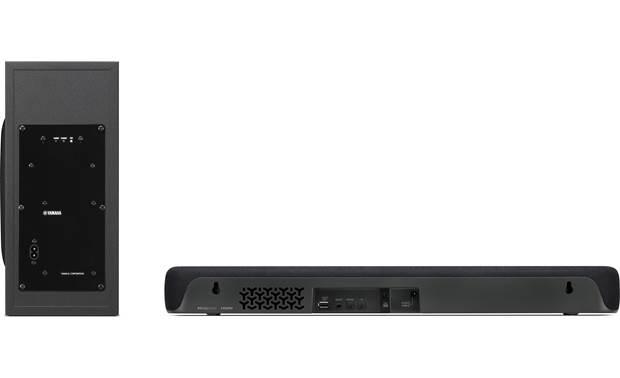
The Yamaha SR-C30A keeps things simpler with HDMI ARC (not the enhanced version), optical inputs, and Bluetooth 5.0 with multi-point connectivity—meaning you can switch between paired devices without re-pairing. The Sound Bar Remote app provides smartphone control, which is convenient but not revolutionary.
This difference matters for integration with smart home systems and future compatibility with new audio formats. The Bose will likely support new technologies through firmware updates, while the Yamaha focuses on current compatibility without forward-looking features.
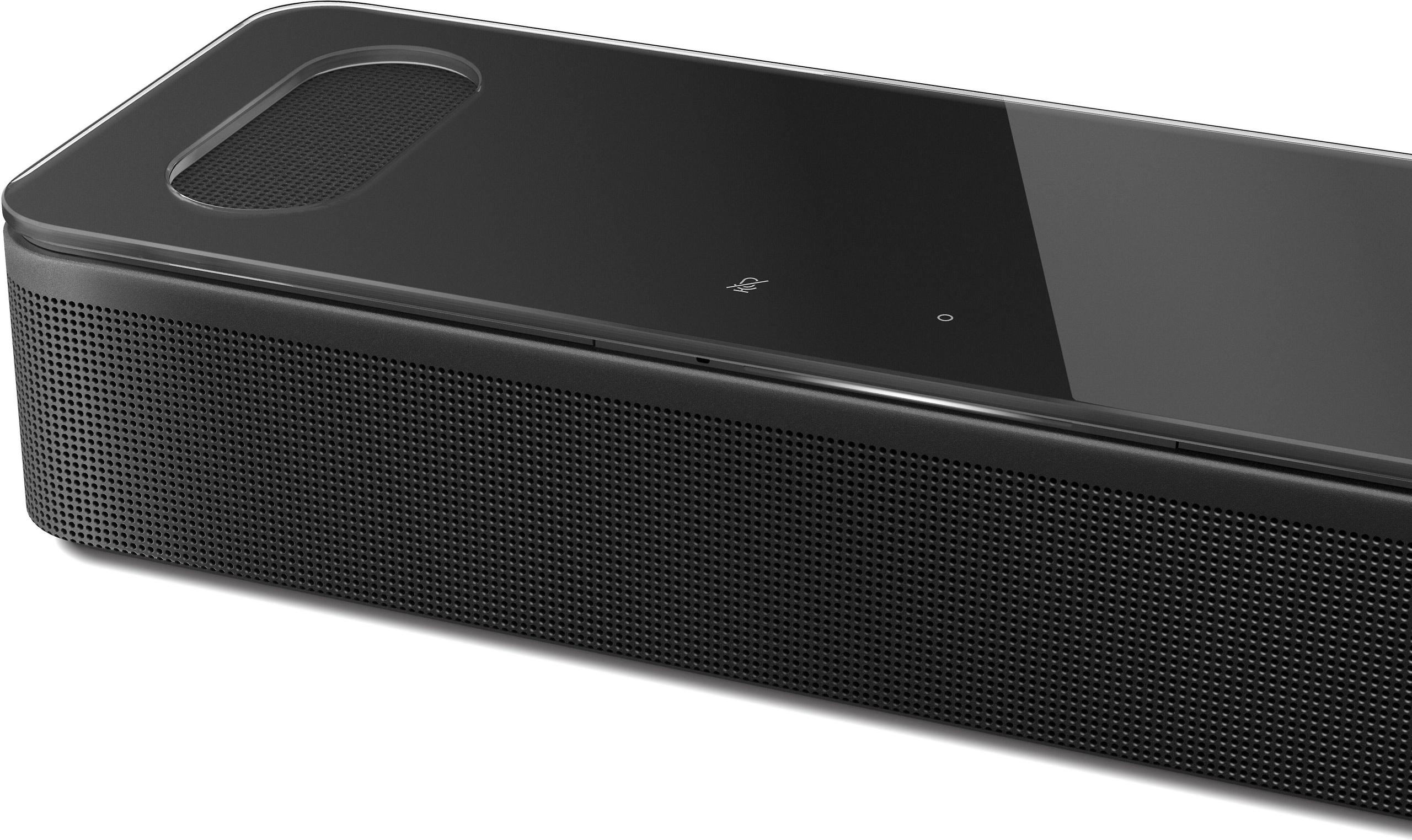
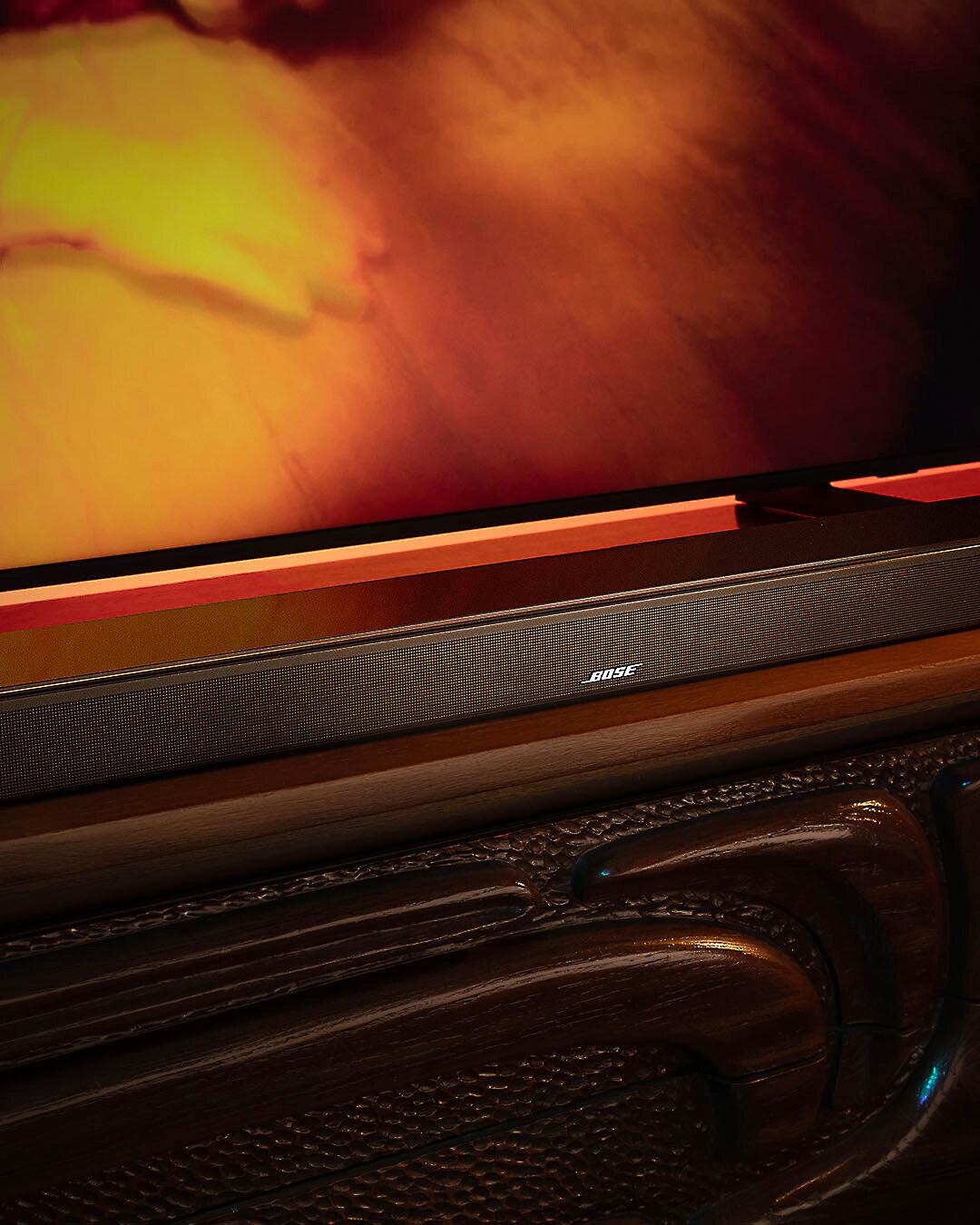
Physical design reflects each product's intended use case. The Bose Smart Ultra measures 34.5 inches wide—designed for TVs 50 inches or larger. Its tempered glass top and wraparound metal grille create a premium aesthetic that complements high-end TVs. At 7.5 pounds, it feels substantial without being bulky.
The single-unit design creates clean visual lines but means no dedicated subwoofer. For minimalists who prioritize aesthetics and don't want additional components, this approach works well. Wall-mounting options are included if you prefer that installation method.
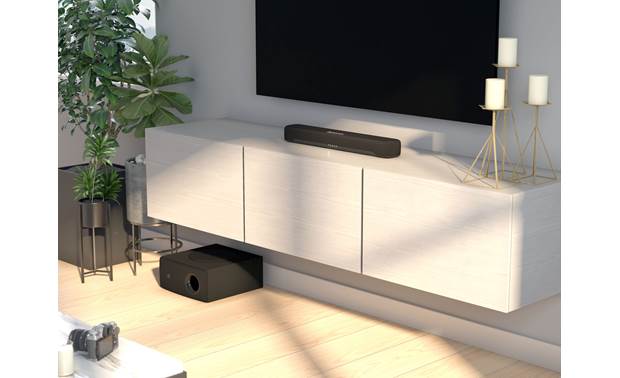
The Yamaha SR-C30A deliberately targets smaller spaces with dimensions 30% more compact than traditional soundbars. The separate subwoofer can be placed vertically or horizontally and positioned anywhere in the room for optimal bass response—a significant flexibility advantage.
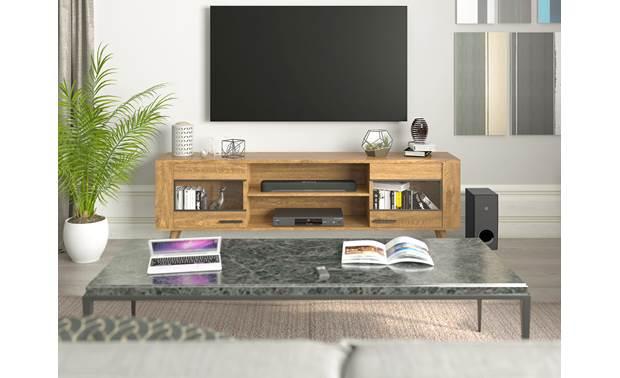
For apartment dwellers or those with smaller TVs, this compact approach makes more sense. The subwoofer's wireless connection eliminates cable runs, though you'll need to find appropriate placement and a power outlet.
If you're building a dedicated home theater setup, these products serve different roles. The Bose Smart Ultra can function as the foundation of a more complex system, with optional rear speakers and subwoofer add-ons available. Its Dolby Atmos processing and room calibration provide a genuine surround sound experience that many movie enthusiasts will find satisfying without additional components.
For serious home theater applications, I'd recommend treating the Bose as a stepping stone—excellent for immediate improvement with expansion possibilities. Its eARC connectivity ensures compatibility with high-end projectors and AV receivers if you decide to upgrade later.
The Yamaha SR-C30A works better as a complete solution for casual viewing. Its included subwoofer provides immediate bass satisfaction, and the compact design suits multipurpose rooms where a full theater setup isn't practical.
Choose the Bose Smart Ultra Soundbar ($599) if you frequently watch movies and want genuinely immersive audio experiences. The Dolby Atmos processing and AI dialogue enhancement justify the higher price for enthusiasts who will notice and appreciate these advanced features. Its smart home integration and room calibration also provide long-term value as your setup evolves.
The automatic dialogue balancing alone might be worth the premium if you're tired of constantly adjusting volume during movies, and the multi-room capabilities add value if you use other Bose products throughout your home.
Choose the Yamaha SR-C30A ($180) if you want the most practical improvement to your TV's audio without complexity or high cost. The included wireless subwoofer provides immediate bass satisfaction that the TV speakers completely lack, while the compact design suits smaller spaces and budgets.
The Clear Voice mode and low-volume optimization address most people's primary complaints about TV audio—unclear dialogue and poor sound quality at moderate volumes. For casual viewing in apartments or secondary rooms, this represents excellent value.
These products succeed at different goals rather than competing directly. The Bose Smart Ultra delivers premium technology that creates genuinely immersive experiences, while the Yamaha SR-C30A provides practical improvements that make daily TV watching more enjoyable.
Your content preferences matter most in this decision. Movie enthusiasts who want helicopter flyovers and spatial effects will appreciate what Dolby Atmos processing can achieve. Casual viewers who primarily want clearer dialogue and better bass will find the Yamaha's straightforward approach more practical.
The price difference—roughly 3x—reflects genuine technology gaps rather than marketing markup. Bose's AI processing, room calibration, and spatial audio represent advanced engineering that costs more to develop and manufacture. Whether that technology improves your daily experience enough to justify the premium depends on your viewing habits and priorities.
Both represent solid values within their respective categories, making this less about finding the "better" product and more about matching features to your specific needs and budget.
| Bose Smart Ultra Soundbar with Dolby Atmos ($599) | Yamaha SR-C30A Soundbar with Subwoofer ($180) |
|---|---|
| Audio Channels - Determines surround sound capability | |
| 5.1.2 virtualized Dolby Atmos (overhead effects) | 2.1 physical channels (stereo + subwoofer) |
| Bass Response - Critical for movie impact and music | |
| Built-in drivers down to 40Hz (no subwoofer included) | Dedicated 5.1" wireless subwoofer with 50W power |
| Dialogue Enhancement - Essential for clear TV speech | |
| AI Dialogue Mode with machine learning auto-adjustment | Clear Voice Mode with manual EQ presets |
| Smart Features - Future-proofing and convenience | |
| Built-in Alexa/Google, Wi-Fi, AirPlay 2, Voice4Video | Basic Bluetooth 5.0, smartphone app control |
| Room Calibration - Optimizes sound for your space | |
| ADAPTiQ professional calibration with included headset | No automatic calibration (manual sound modes only) |
| Connectivity - Affects audio quality and device compatibility | |
| HDMI eARC, optical, Wi-Fi 5, Bluetooth 5.0 | HDMI ARC, 2x optical, 3.5mm analog, Bluetooth 5.0 |
| Size & Design - Room compatibility and aesthetics | |
| 34.5" wide, premium glass top (TVs 50"+) | 23.6" compact design, 30% smaller than traditional bars |
| Total Power Output - Volume and dynamics capability | |
| 120W total system power | 90W total (20W per channel + 50W subwoofer) |
| Best Use Case - Who should buy this product | |
| Movie enthusiasts wanting immersive Dolby Atmos experiences | Budget buyers needing basic TV audio upgrade with bass |
| Value Proposition - Cost vs. features analysis | |
| Premium tech at mid-range price (originally $899-999) | Maximum improvement per dollar with included subwoofer |
The Yamaha SR-C30A ($180) offers better value for basic TV audio improvement, including a wireless subwoofer at an entry-level price. The Bose Smart Ultra Soundbar ($599) provides premium features like Dolby Atmos and AI dialogue enhancement that justify the higher cost for movie enthusiasts who want immersive experiences.
Dolby Atmos creates overhead sound effects that add genuine immersion to movies—helicopters flying above, rain falling from the ceiling. The Bose Smart Ultra Soundbar delivers true Dolby Atmos with height channels, while the Yamaha SR-C30A offers basic surround processing. If you primarily watch movies and have a medium to large room, Dolby Atmos is worth the upgrade.
The Yamaha SR-C30A Soundbar is specifically designed for compact spaces, measuring 30% smaller than traditional soundbars. Its wireless subwoofer can be placed flexibly in small rooms. The Bose Smart Ultra at 34.5 inches wide is better suited for TVs 50 inches or larger in medium to large rooms.
Both excel at dialogue improvement but use different approaches. The Bose Smart Ultra Soundbar features AI Dialogue Mode that automatically enhances speech using machine learning, adapting to different content types. The Yamaha SR-C30A uses Clear Voice Mode with manual presets that boost vocal frequencies—effective but requiring manual switching.
The Yamaha SR-C30A wins for immediate bass impact with its included 5.1-inch wireless subwoofer delivering 50 watts of dedicated low-frequency power. The Bose Smart Ultra Soundbar relies on internal drivers and reaches down to 40Hz, which is adequate but can't match a dedicated subwoofer for deep bass response.
The Yamaha SR-C30A offers simpler plug-and-play setup with basic connection options and manual sound modes. The Bose Smart Ultra Soundbar includes advanced features like ADAPTiQ room calibration using a wired headset, Wi-Fi setup, and voice assistant configuration—more complex initially but provides optimized performance.
The Bose Smart Ultra Soundbar excels at music with Wi-Fi connectivity, AirPlay 2, Spotify Connect, and room calibration that optimizes sound for your space. The Yamaha SR-C30A handles music adequately through Bluetooth but is primarily designed for TV audio improvement rather than critical music listening.
The Bose Smart Ultra Soundbar integrates deeply with smart homes through built-in Alexa and Google Assistant, Voice4Video TV control, and multi-room audio capabilities. The Yamaha SR-C30A offers basic Bluetooth connectivity and smartphone app control but lacks advanced smart home integration features.
Both soundbars can sit on TV stands or be wall-mounted. The Bose Smart Ultra includes keyhole slots for wall mounting and works well on furniture with its premium glass top design. The Yamaha SR-C30A also supports both placement options and includes a separate wireless subwoofer that can be positioned on the floor or furniture.
The Yamaha SR-C30A includes Adaptive Low Volume Technology that maintains audio quality at low listening levels—ideal for apartment living or late-night viewing. The Bose Smart Ultra Soundbar offers AI Dialogue Mode that automatically balances dialogue against background effects, reducing the need for constant volume adjustments during movies.
The Bose Smart Ultra Soundbar can be expanded with optional Bose subwoofers and rear speakers for a complete surround system, plus it supports multi-room audio with other Bose products. The Yamaha SR-C30A is designed as a complete 2.1 system with limited expansion options beyond its included subwoofer.
The Bose Smart Ultra Soundbar provides better future-proofing with HDMI eARC, Wi-Fi connectivity, and regular firmware updates that add new features over time. The Yamaha SR-C30A offers immediate value with its included subwoofer but has more limited upgrade potential and basic connectivity options.
We've done our best to create useful and informative comparisons to help you decide what product to buy. Our research uses advanced automated methods to create this comparison and perfection is not possible - please contact us for corrections or questions. These are the sites we've researched in the creation of this article: techradar.com - bose.com - bestbuy.com - tomsguide.com - pcrichard.com - rtings.com - bose.com - boselatam.com - avsforum.com - bose.com - techradar.com - usa.yamaha.com - expertreviews.com - usa.yamaha.com - trustedreviews.com - crutchfield.com - europe.yamaha.com - usa.yamaha.com - shop.usa.yamaha.com - assetserver.net

Privacy Policy
Terms and Conditions - Affiliate Policy
Home Security
© Copyright 2008-2026.
11816 Inwood Rd #1211, Dallas, TX 75244